Normal Measurement Worksheets for Ages 4-9 - Page 2
36 filtered results
-
From - To
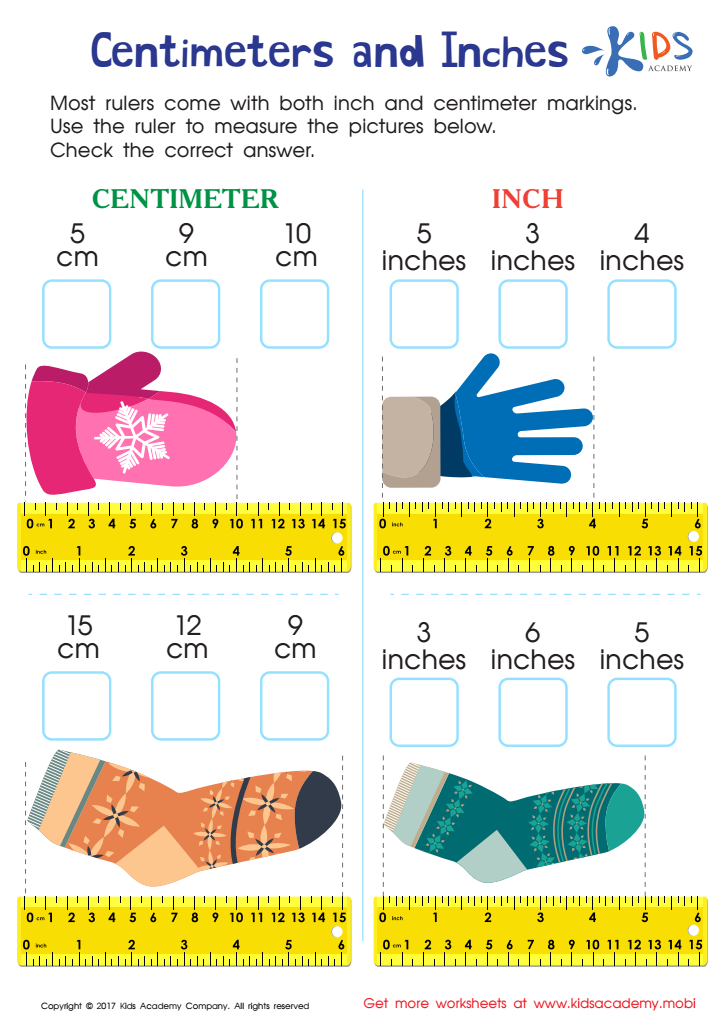
Centimeters and Inches Worksheet
 Assign to My Students
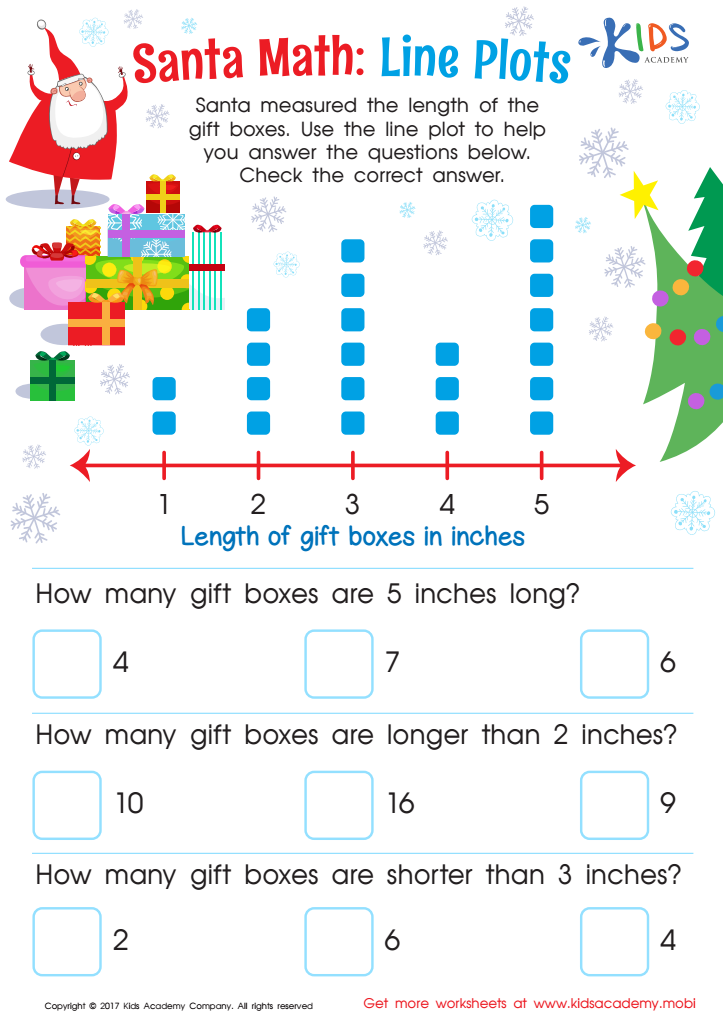
Line Plot Worksheet
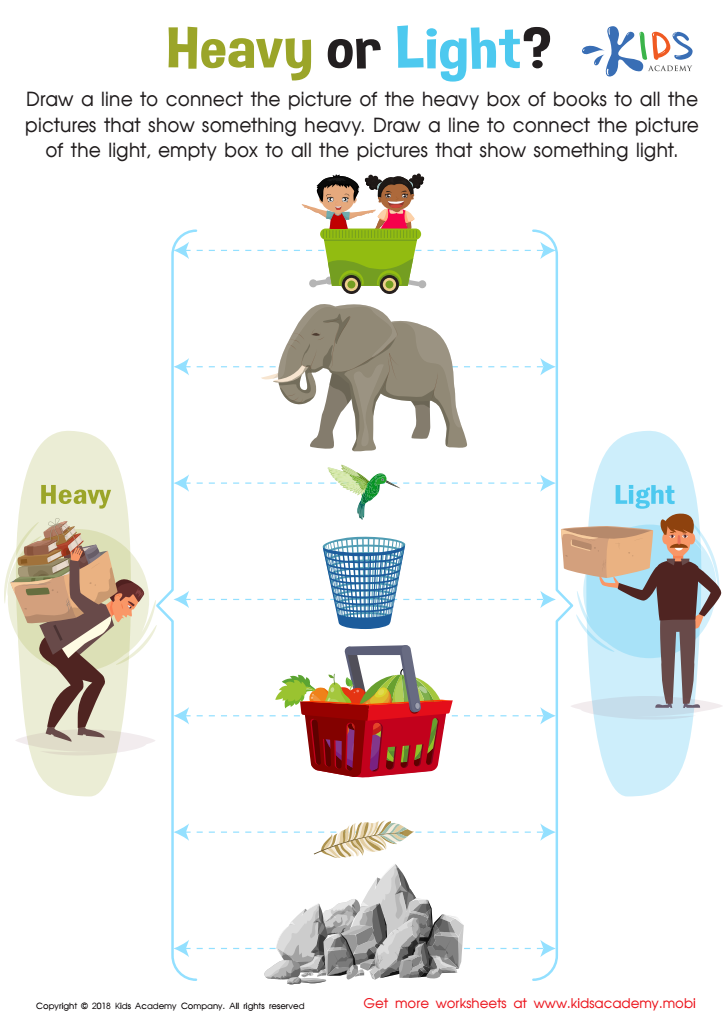
Heavy or Light? Worksheet
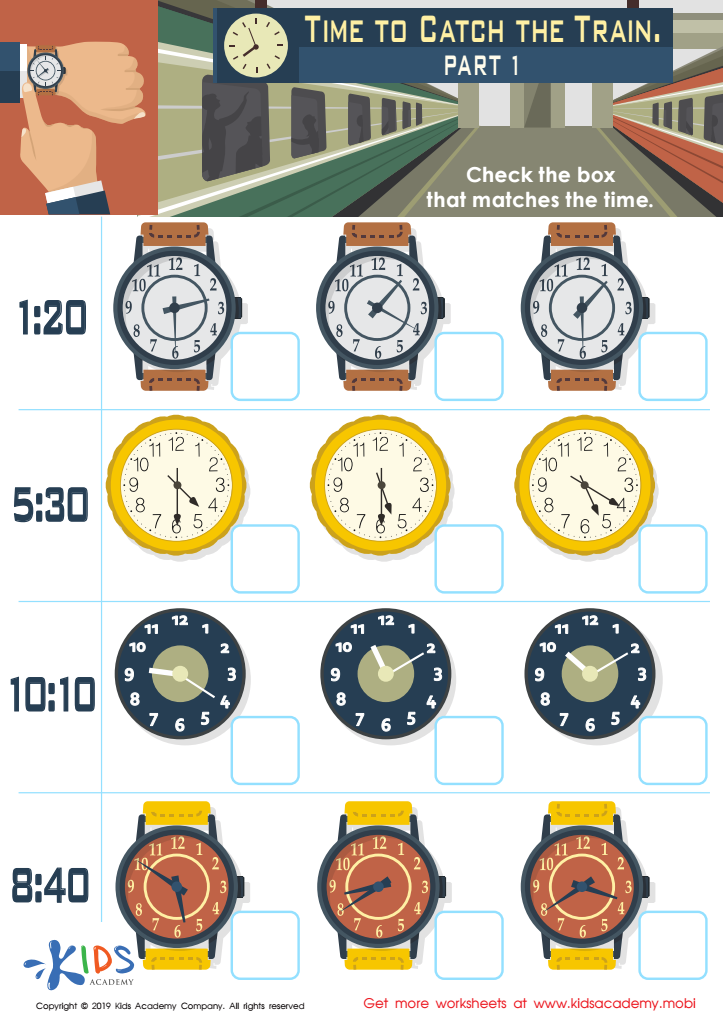
Time to Catch the Train Part 1 Worksheet
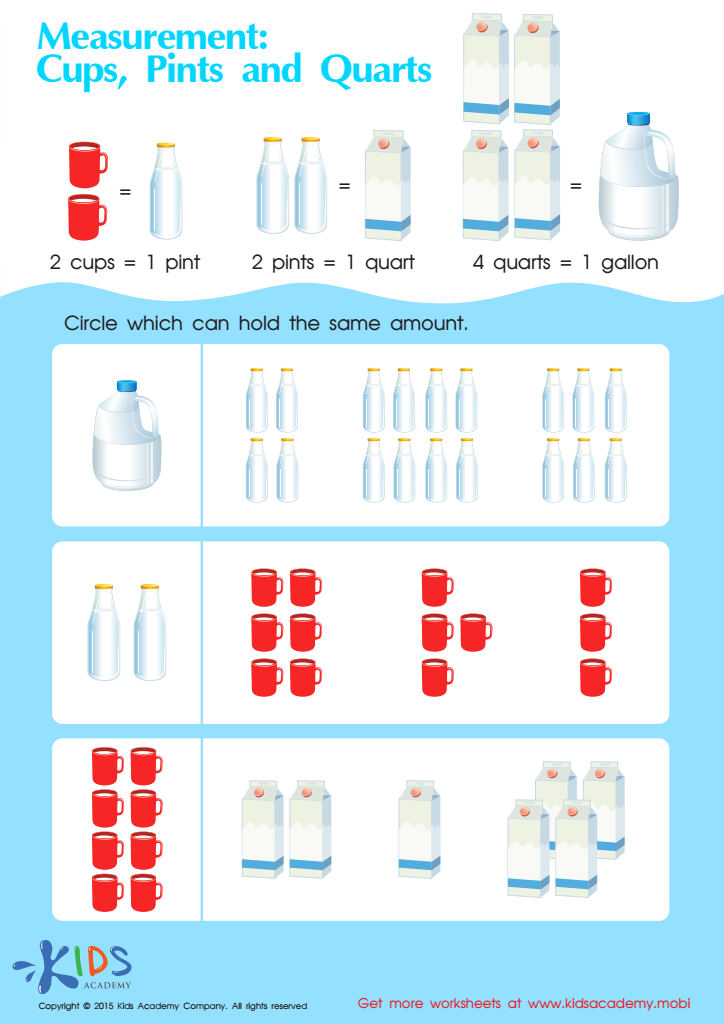
Cups, Pints and Quarts 2 Worksheet
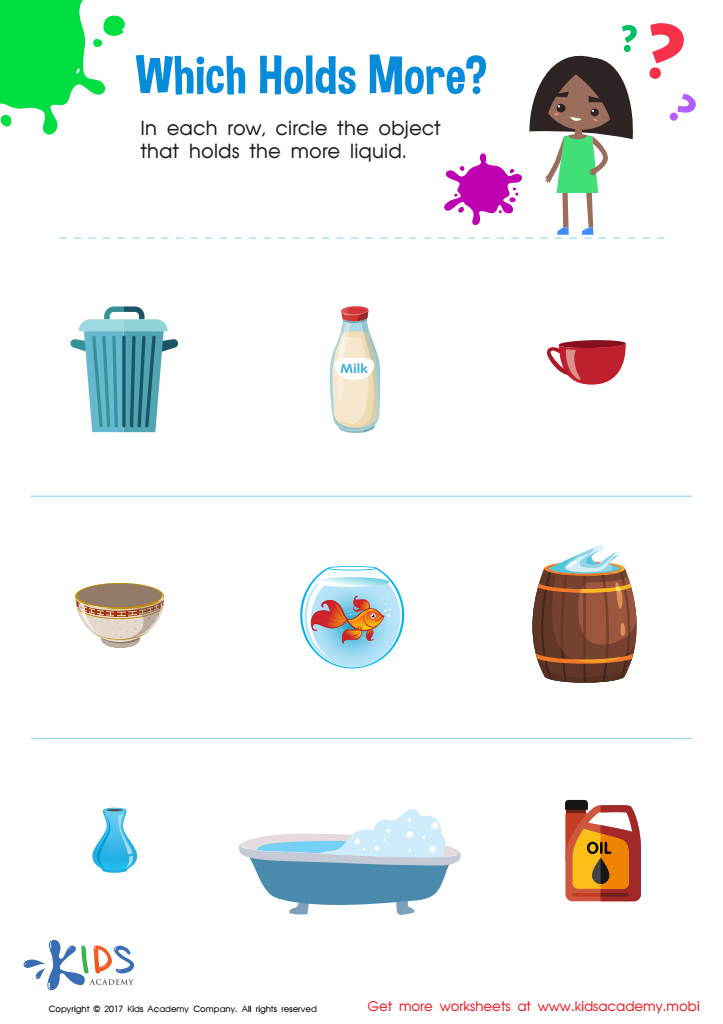
Which Holds More: Capacity Worksheet
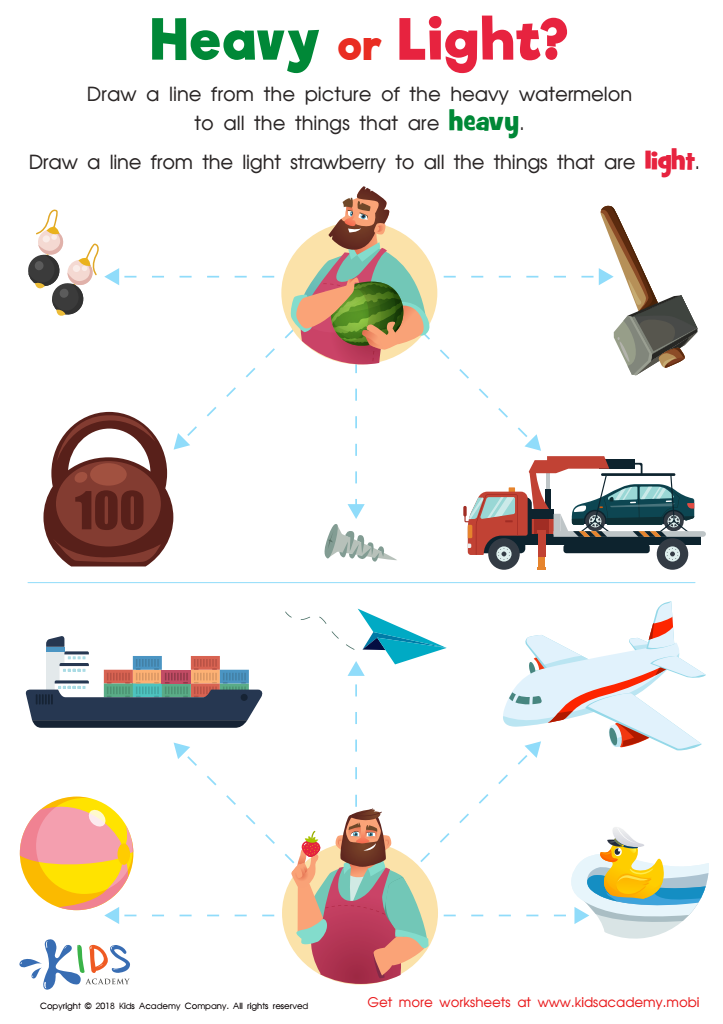
Heavy or Light? Worksheet
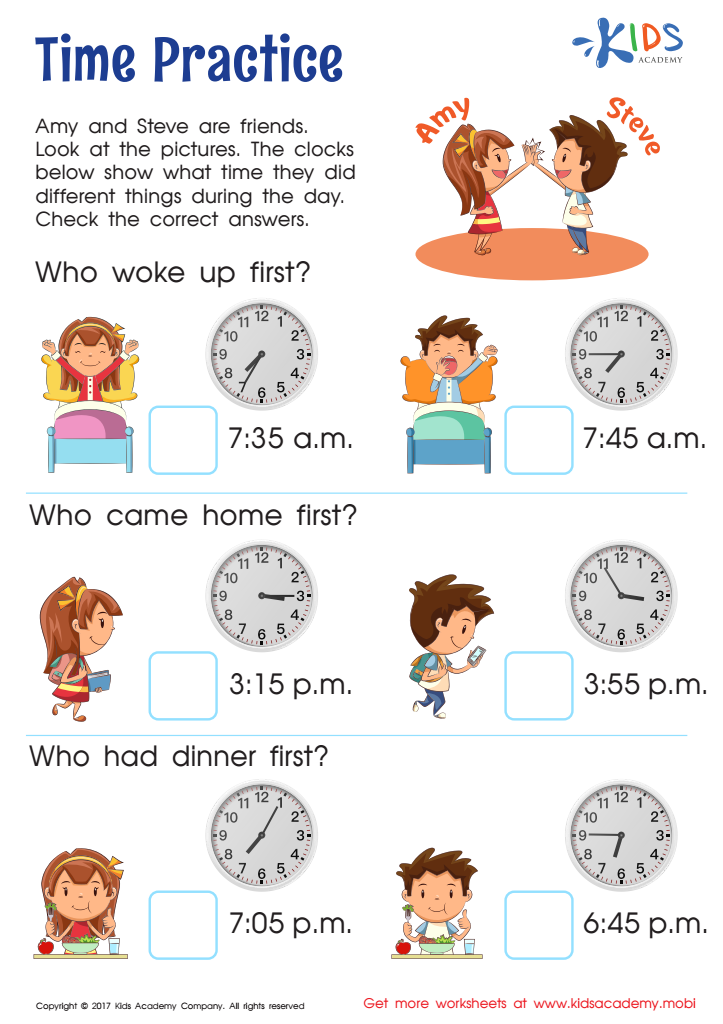
Time Practice Worksheet
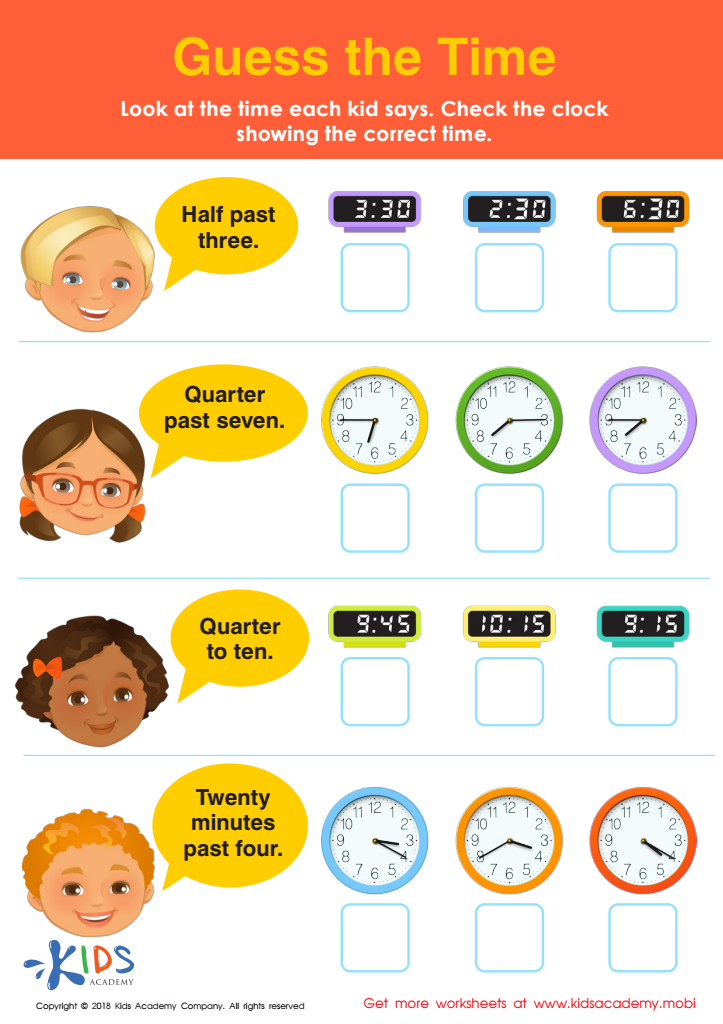
Guess the Time Worksheet
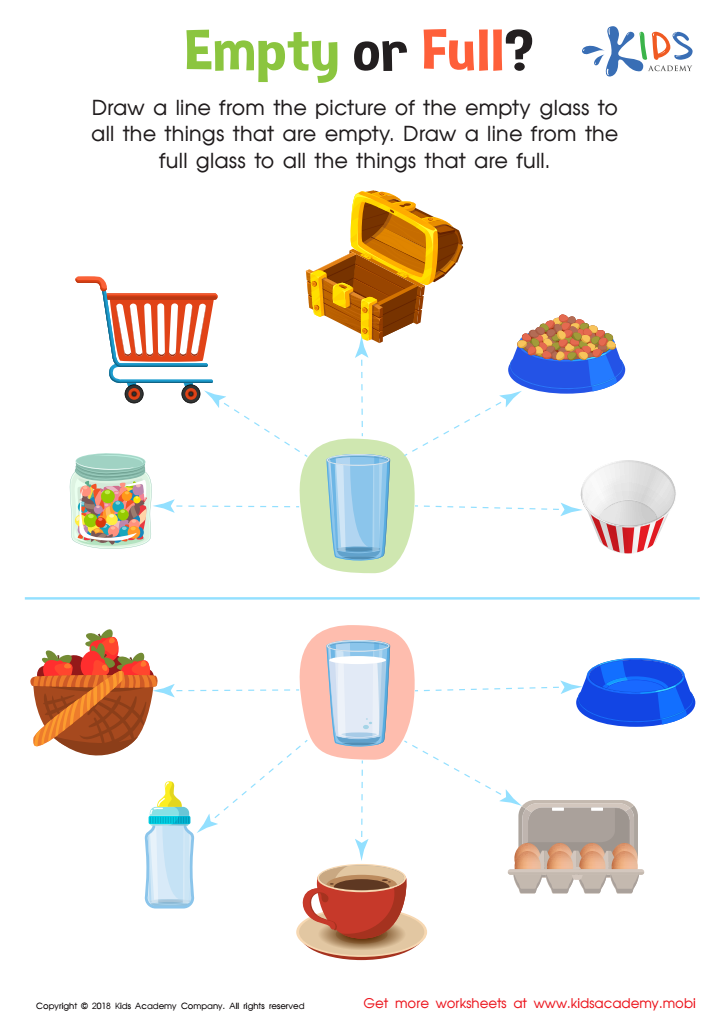
Empty or Full? Worksheet
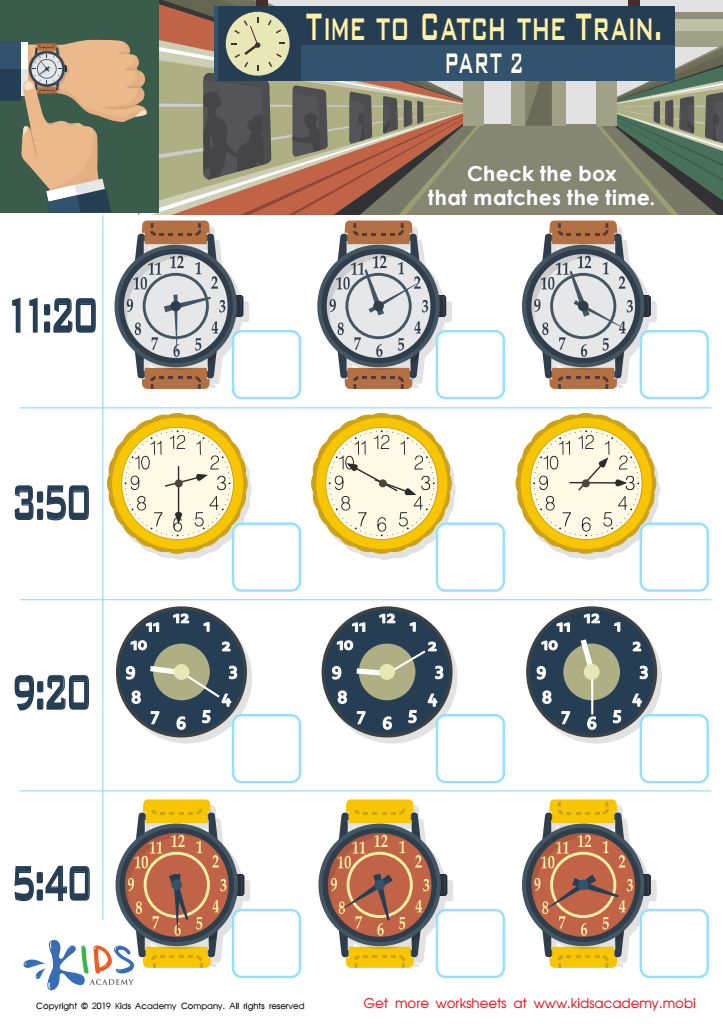
Time to Catch the Train Part 2 Worksheet
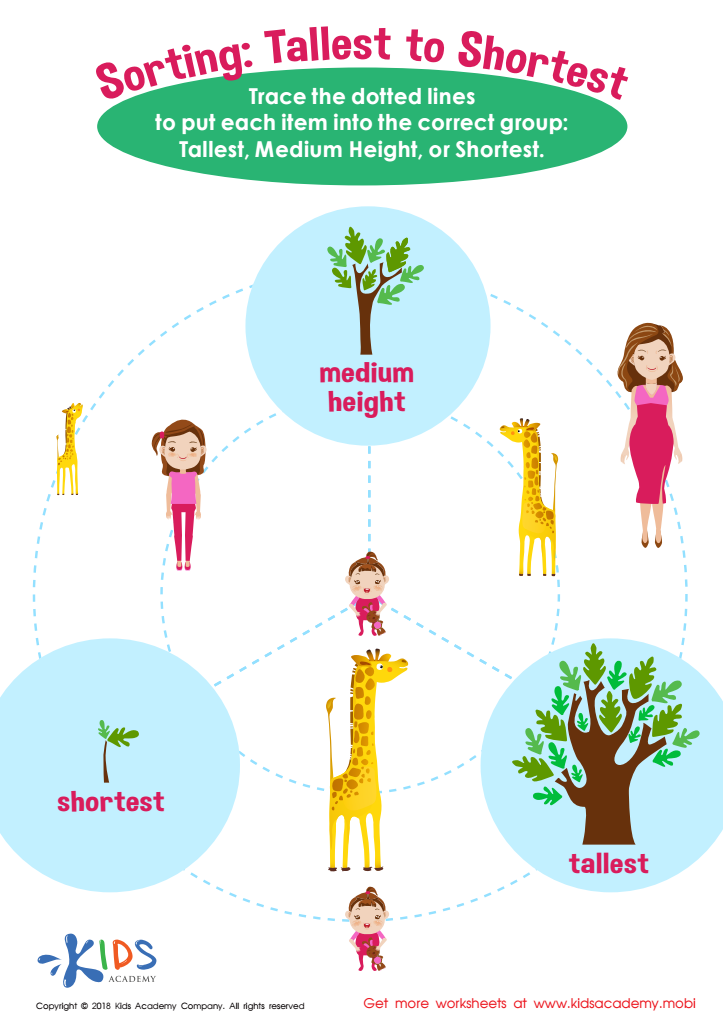
Sorting: Tallest to Shortest Worksheet








Normal measurement refers to the understanding and application of standard units of measurement, such as length, weight, and volume, which is crucial for children aged 4-9. Parents and teachers should care about this foundational skill because it forms the basis of critical thinking and problem-solving abilities essential for future academic success.
At this age, children are naturally curious about the world, and incorporating measurement into everyday activities fosters this curiosity. It allows them to engage in hands-on learning experiences, such as cooking, crafting, or gardening, where they can measure ingredients, lengths of materials, or volumes of soil. These activities not only enhance their math skills but also encourage teamwork, patience, and attention to detail.
Additionally, a solid grasp of normal measurement prepares children for more complex mathematics in later grades. As they progress, understanding measurement concepts will interlink with geometry, data analysis, and more advanced problem-solving. Moreover, life skills such as cooking, budgeting, and DIY projects become easier and more accessible with a concrete understanding of measurement.
Ultimately, instilling measurement competencies early on promotes confidence, independence, and a lifelong love for learning, making it an essential focus for both parents and teachers.








