Normal Chess Worksheets for Ages 5-7 - Page 2
47 filtered results
-
From - To
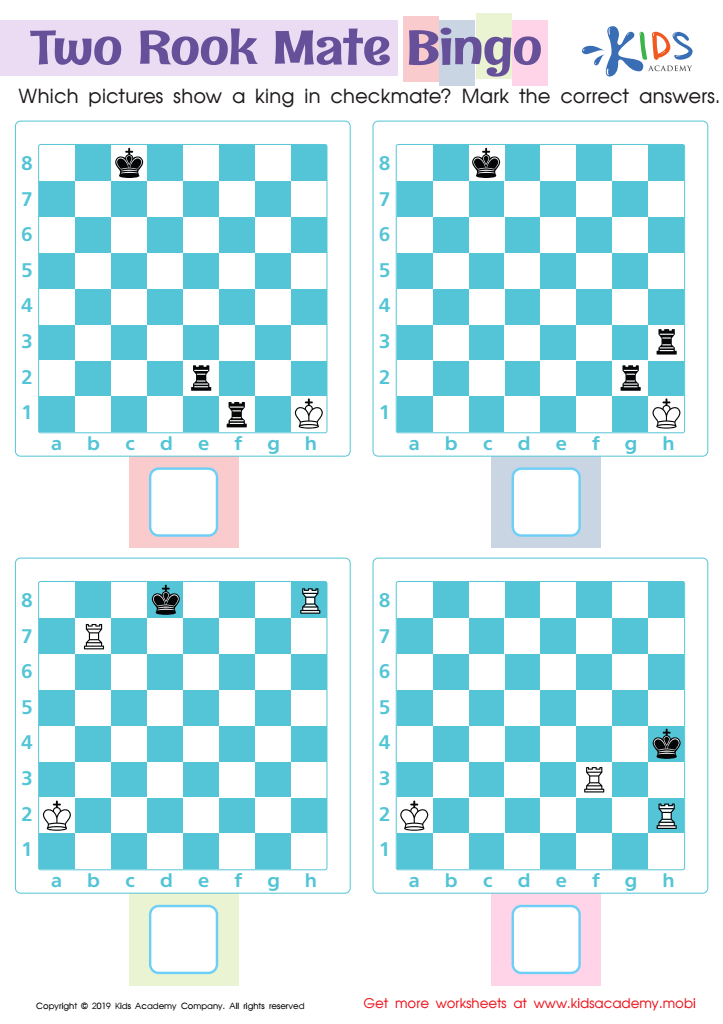
Two Rook Bingo Worksheet
 Assign to My Students
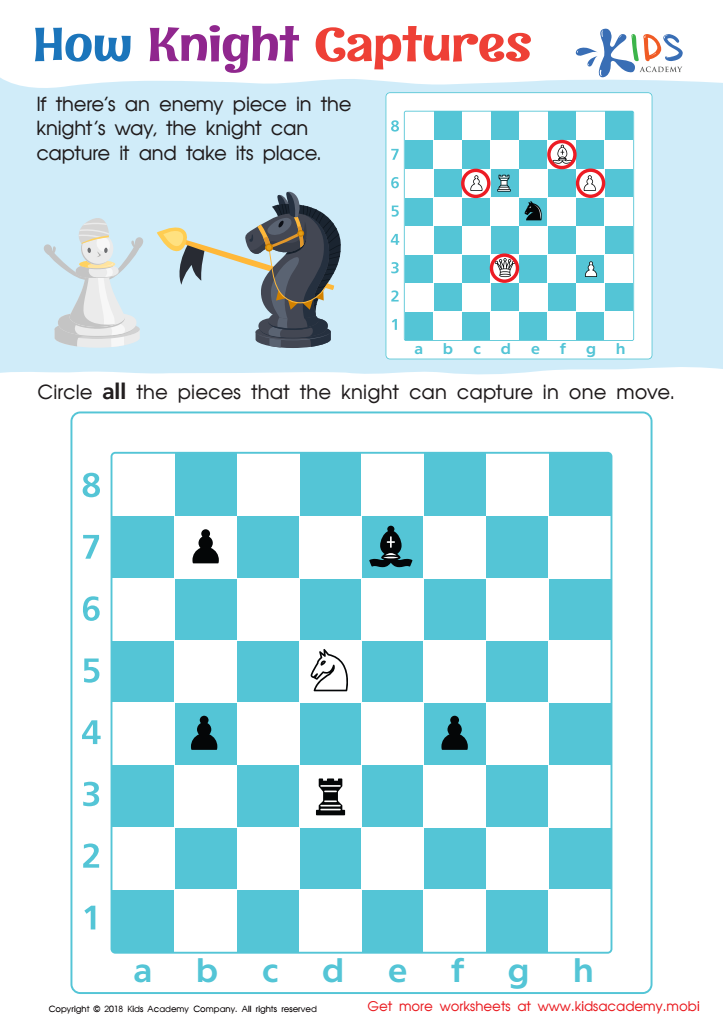
How Knight Captures Worksheet
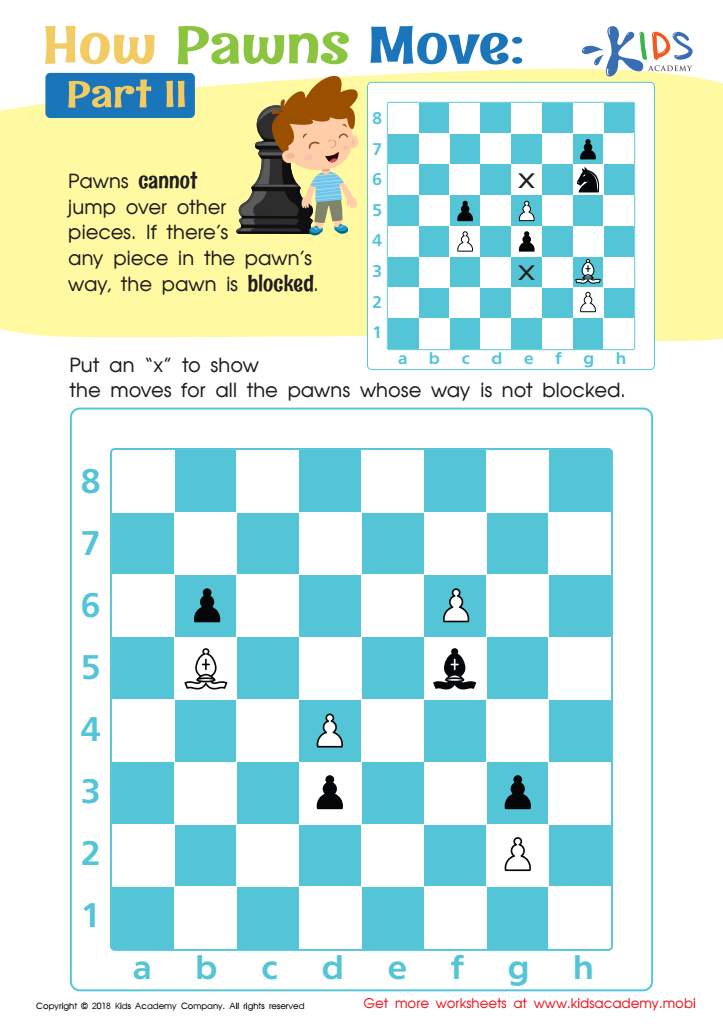
How Pawns Move: Part II Worksheet
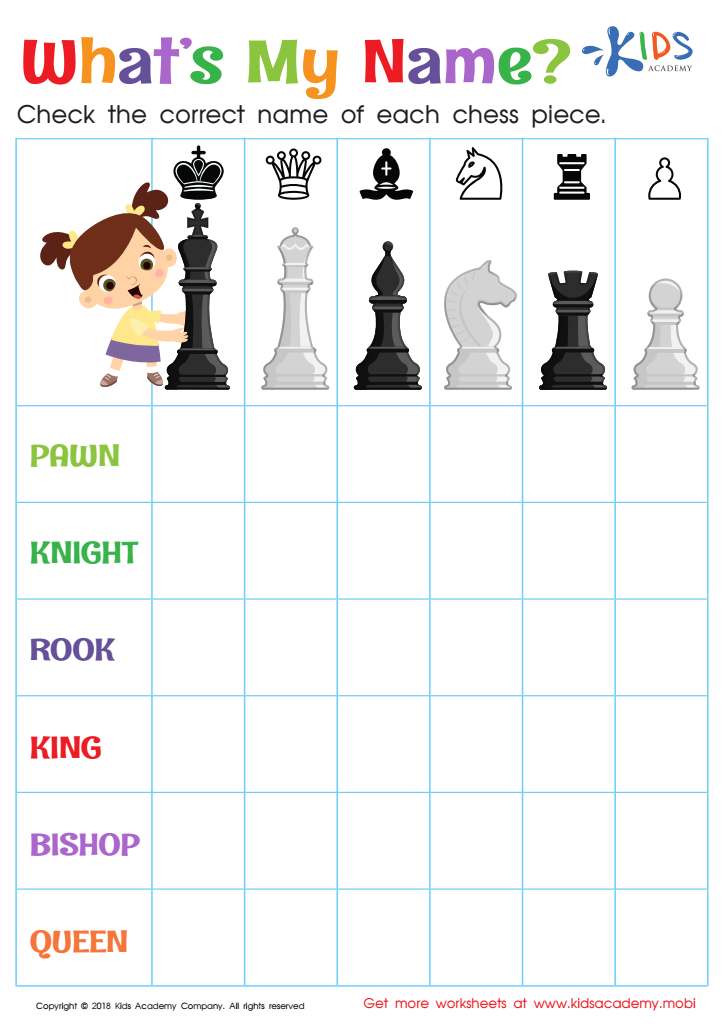
What's My Name? Worksheet
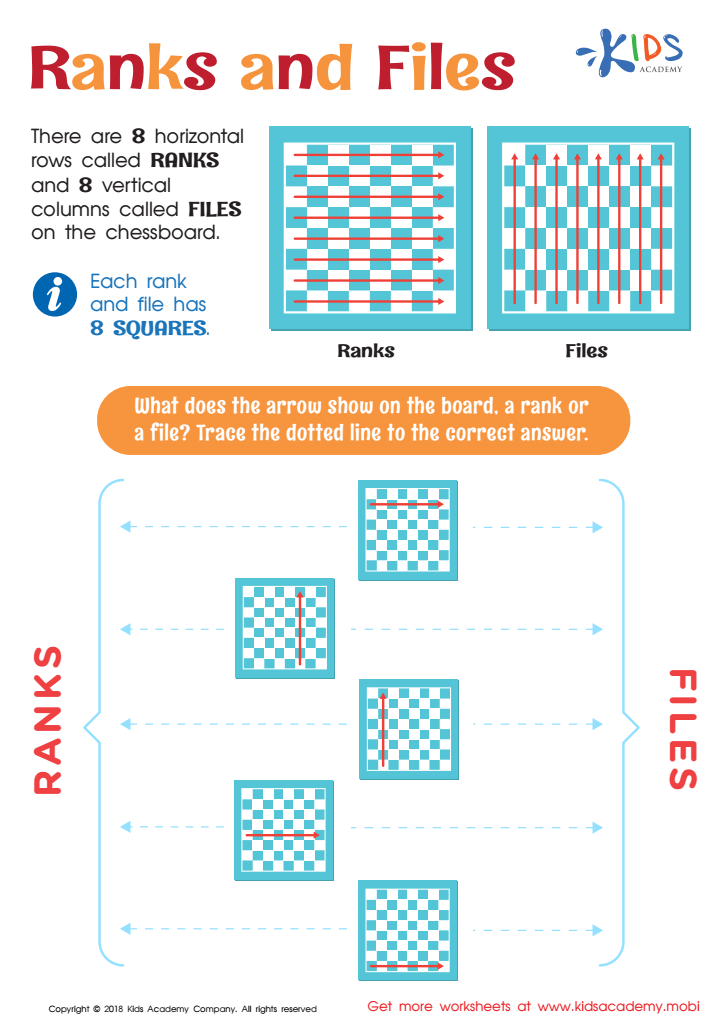
Ranks and Files Worksheet
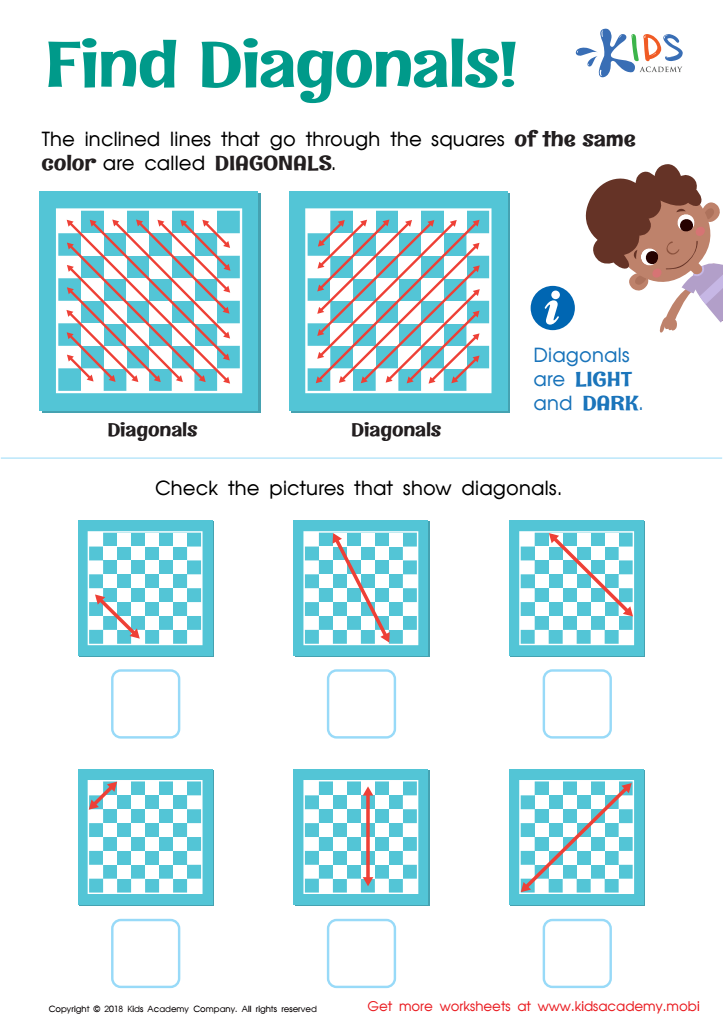
Find Diagonals Worksheet
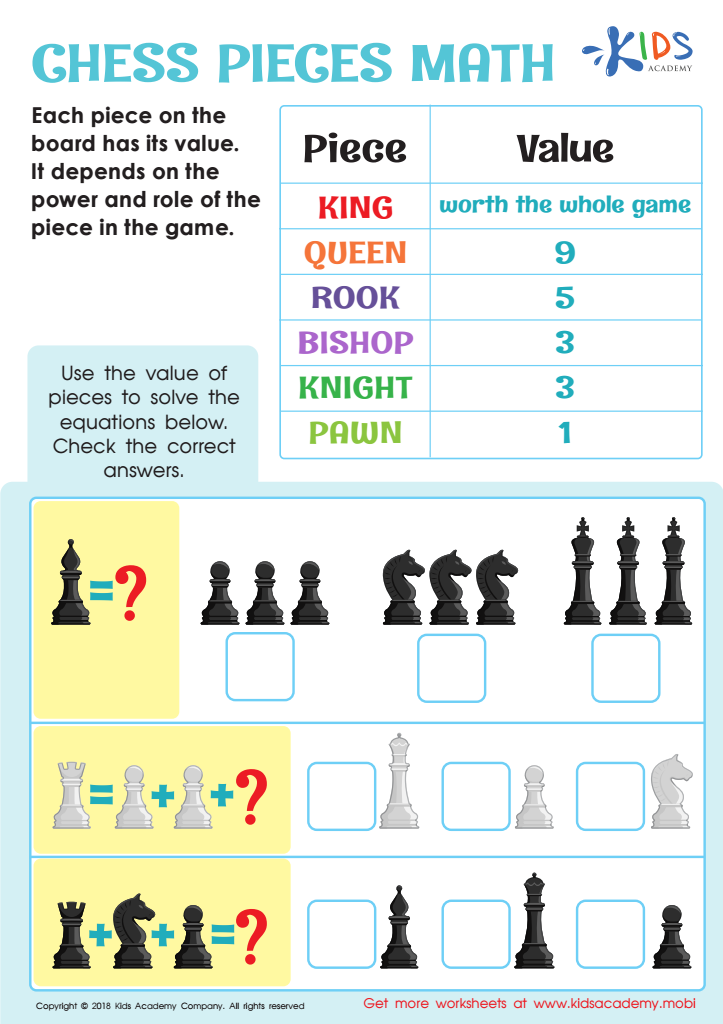
Chess Pieces Math Worksheet
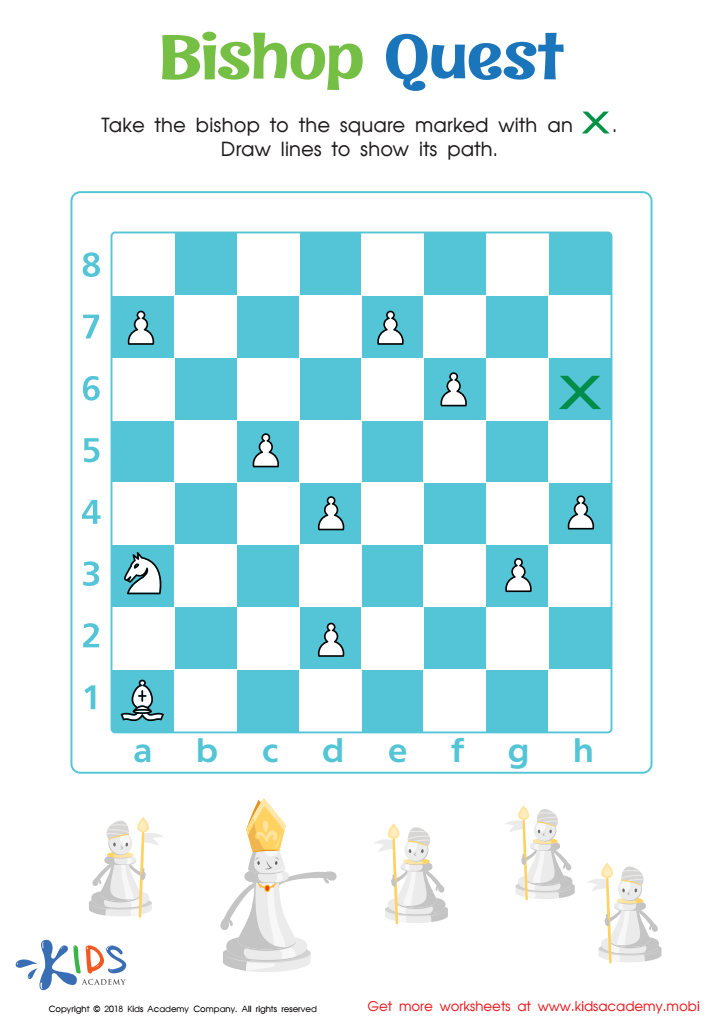
Bishop Quest Worksheet
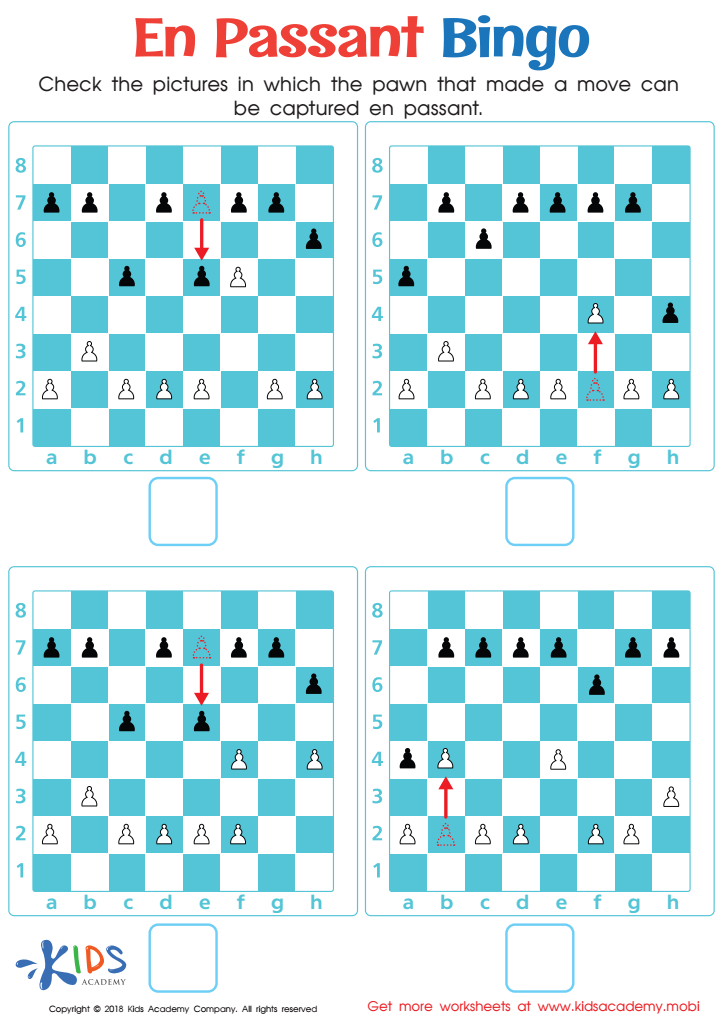
En Passant Bingo Worksheet
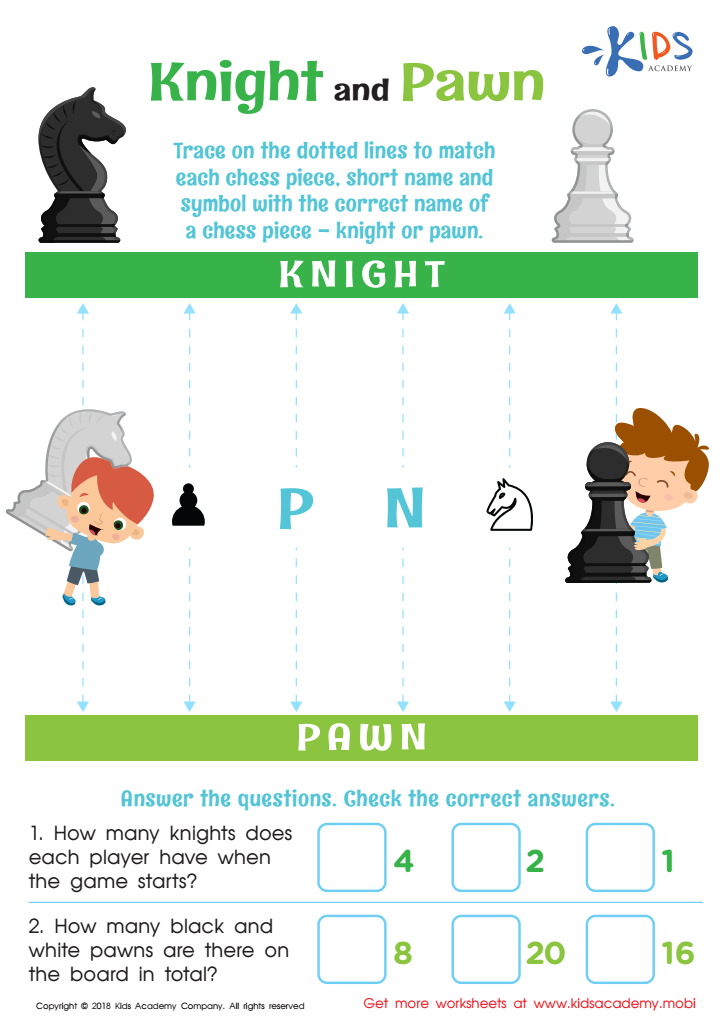
Knight and Pawn Worksheet
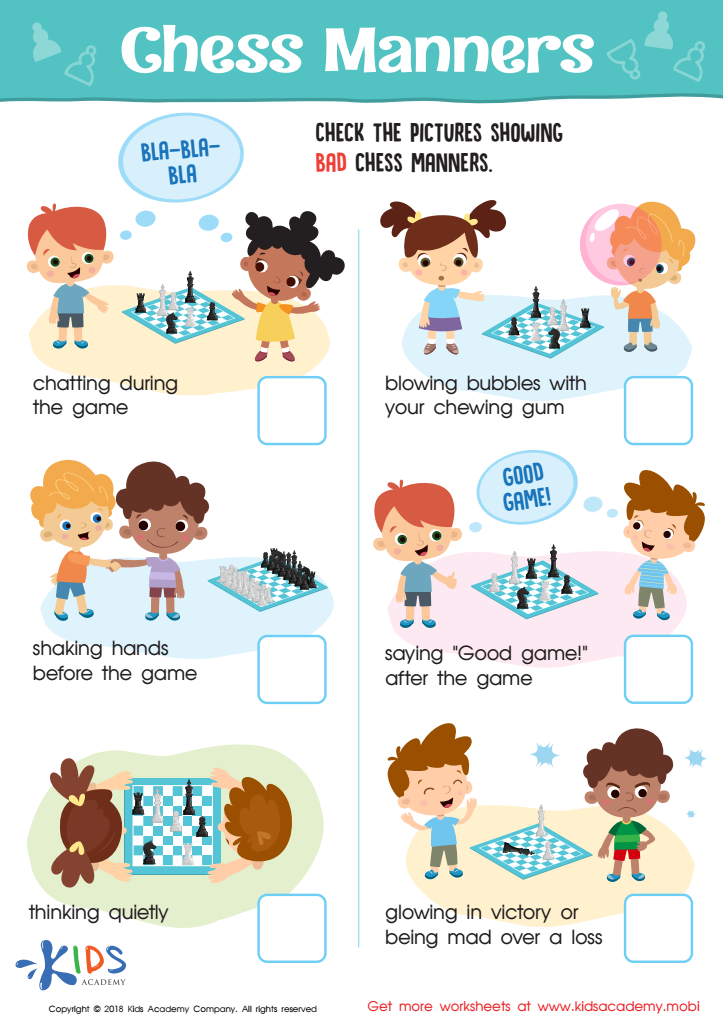
Chess Manners Worksheet
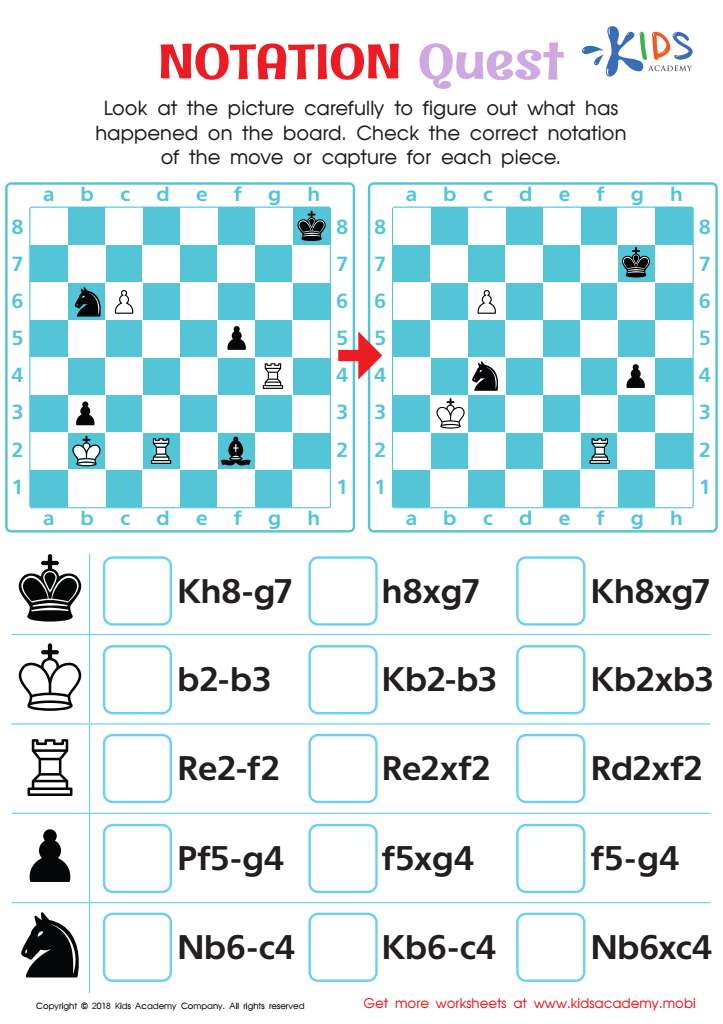
Notation Quest Worksheet
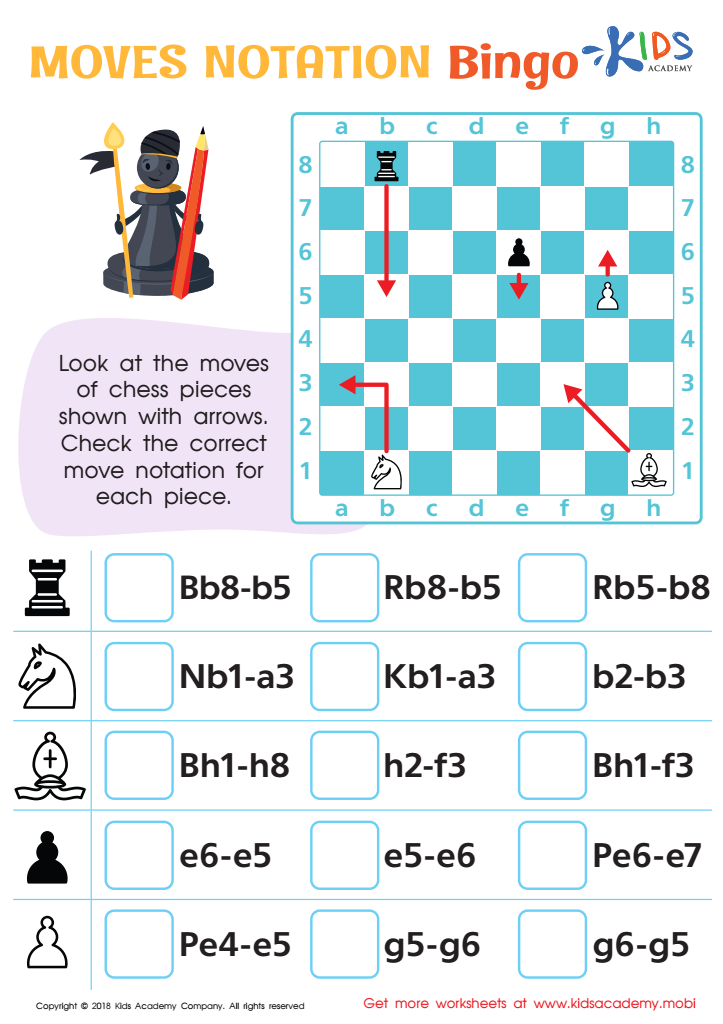
Moves Notation Bingo Worksheet
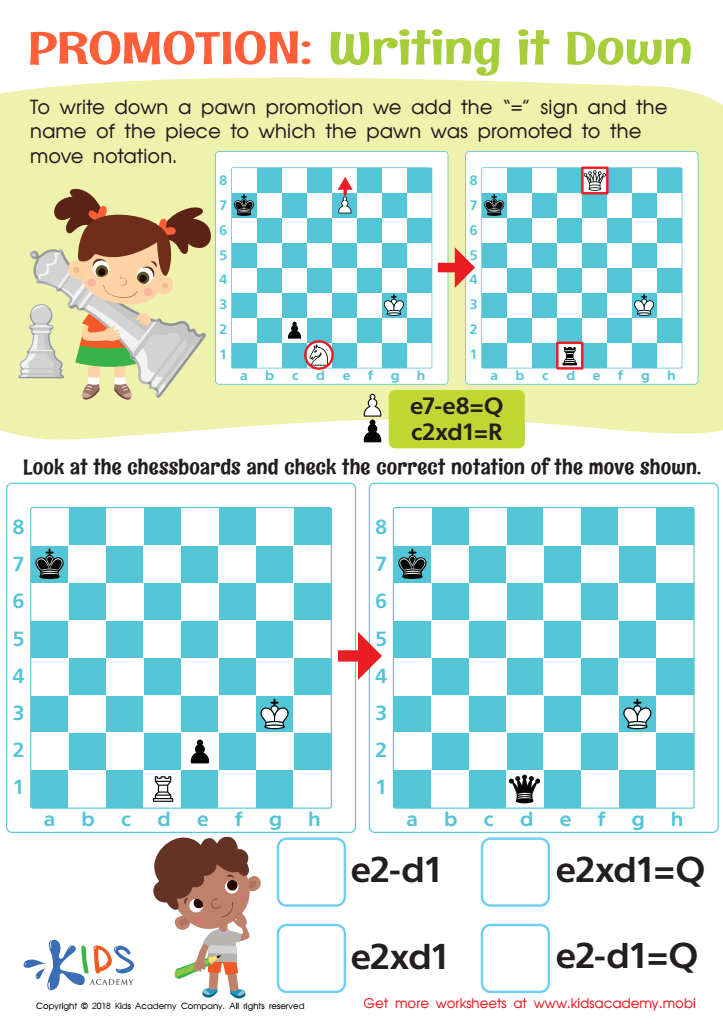
Writing it Down Worksheet
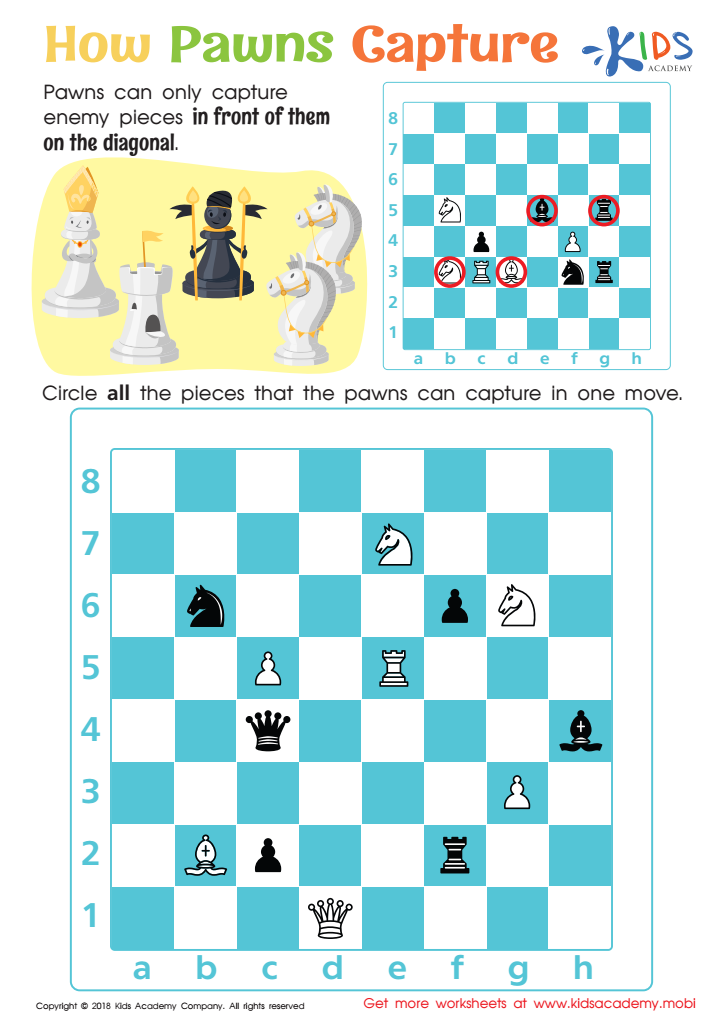
How Pawns Capture Worksheet
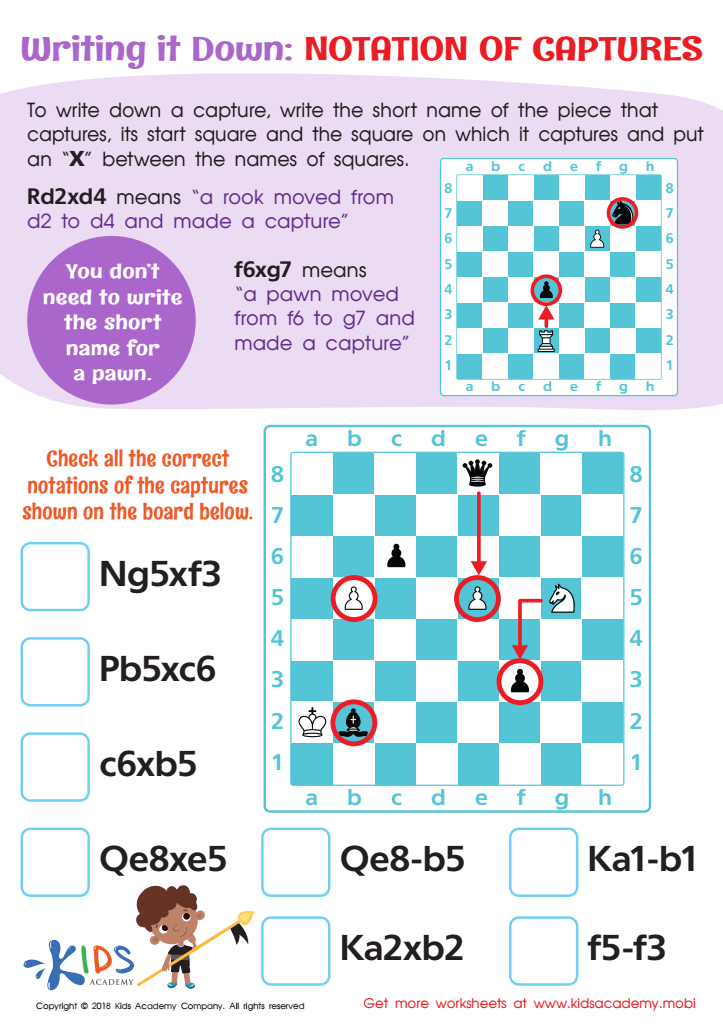
Notation of Captures Writing it Down Worksheet
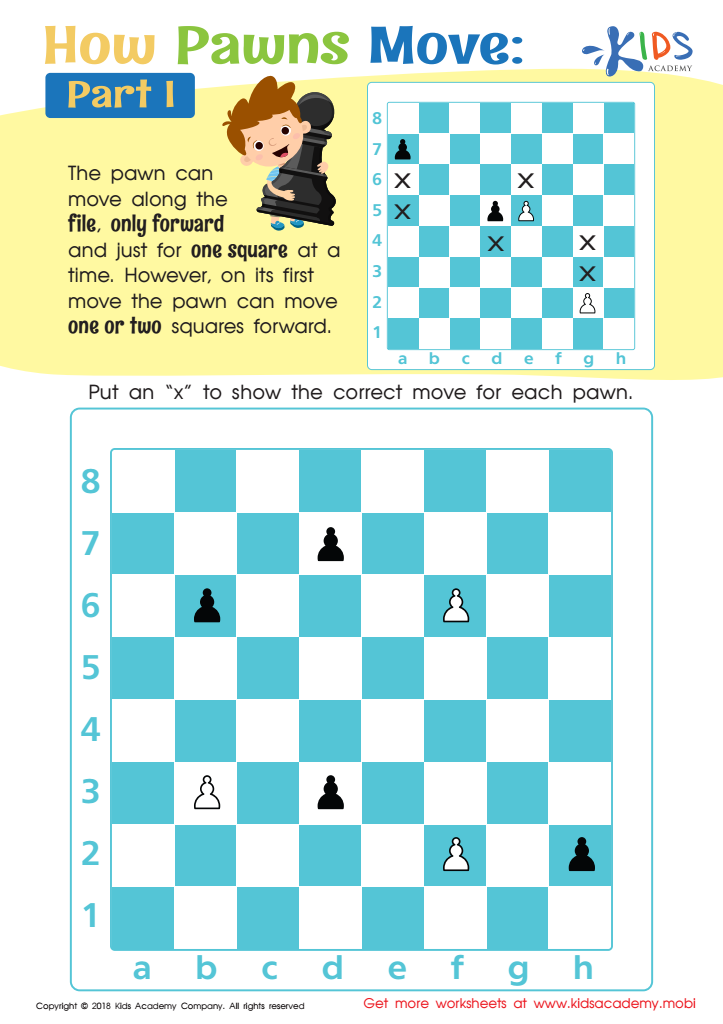
How Pawns Move: Part I Worksheet
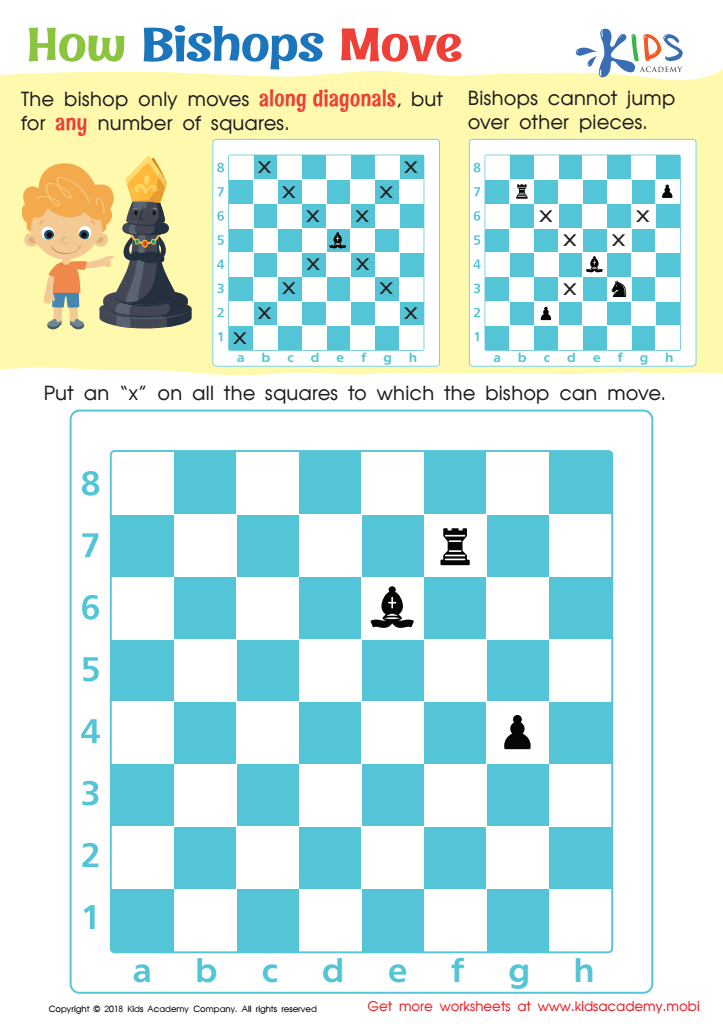
How Bishops Move Worksheet
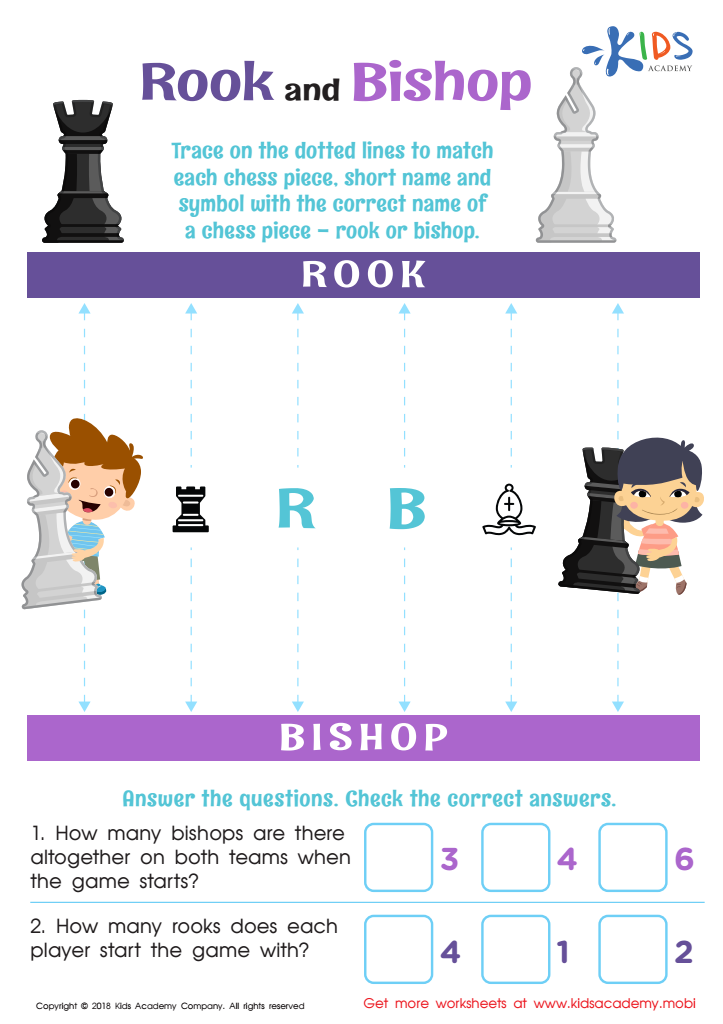
Rook and Bishop Worksheet
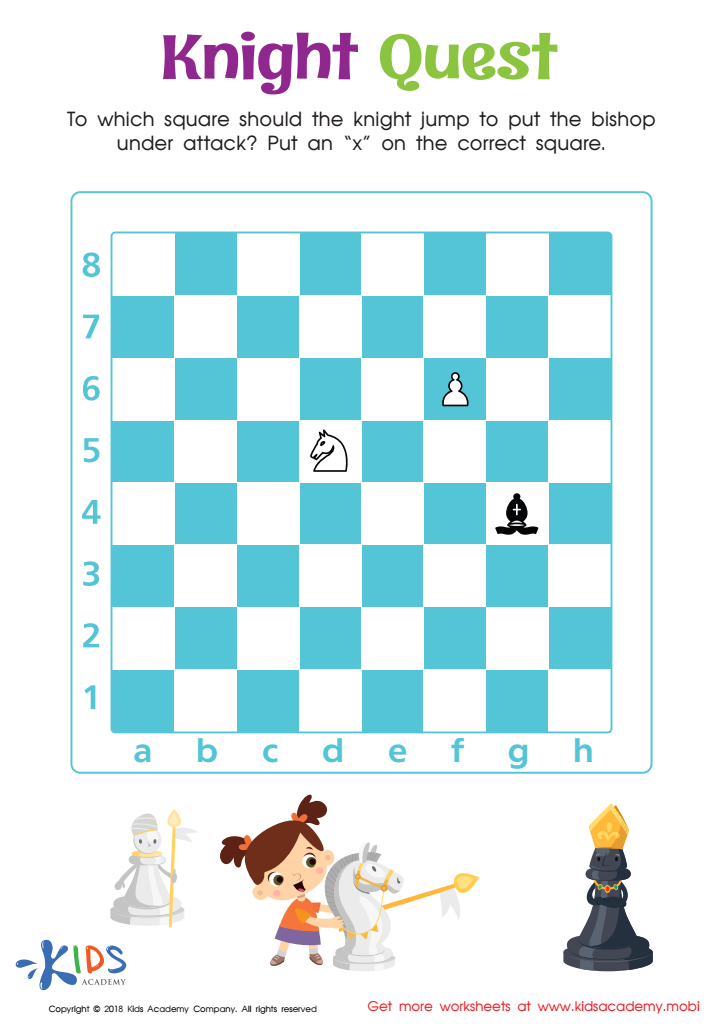
Knight Quest Worksheet
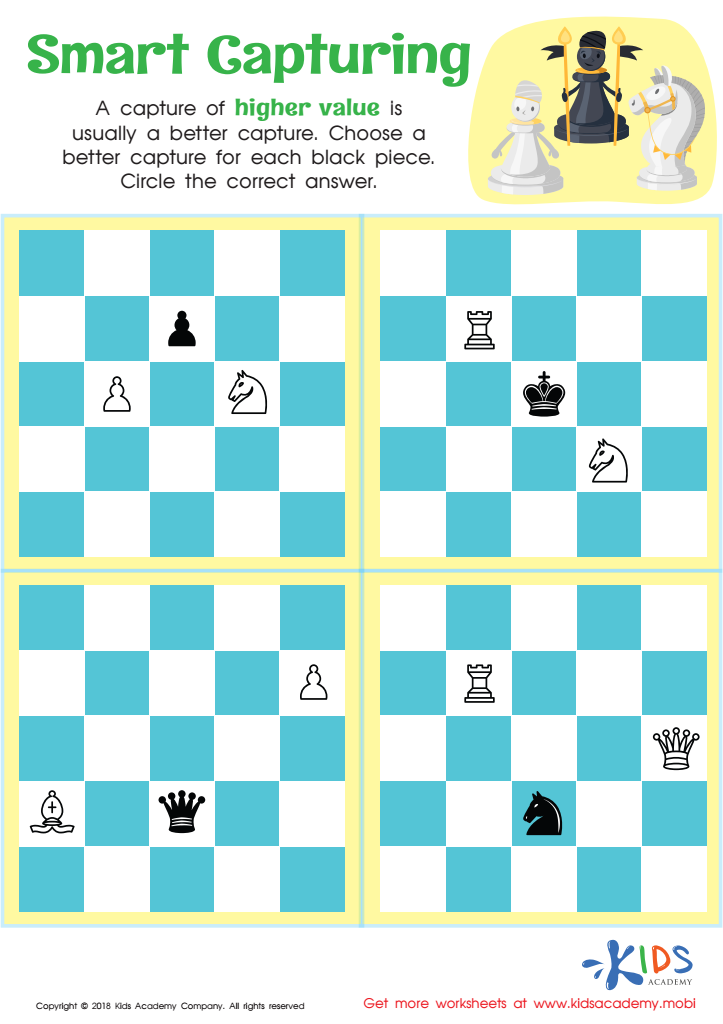
Smart Capturing Worksheet
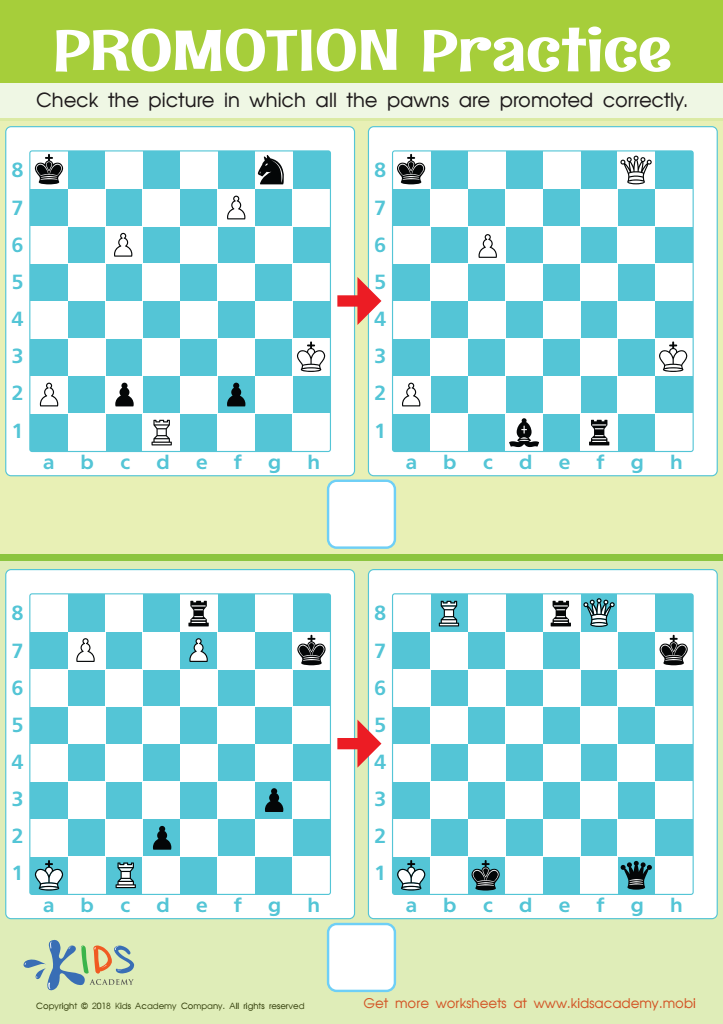
Promotion Practice Worksheet
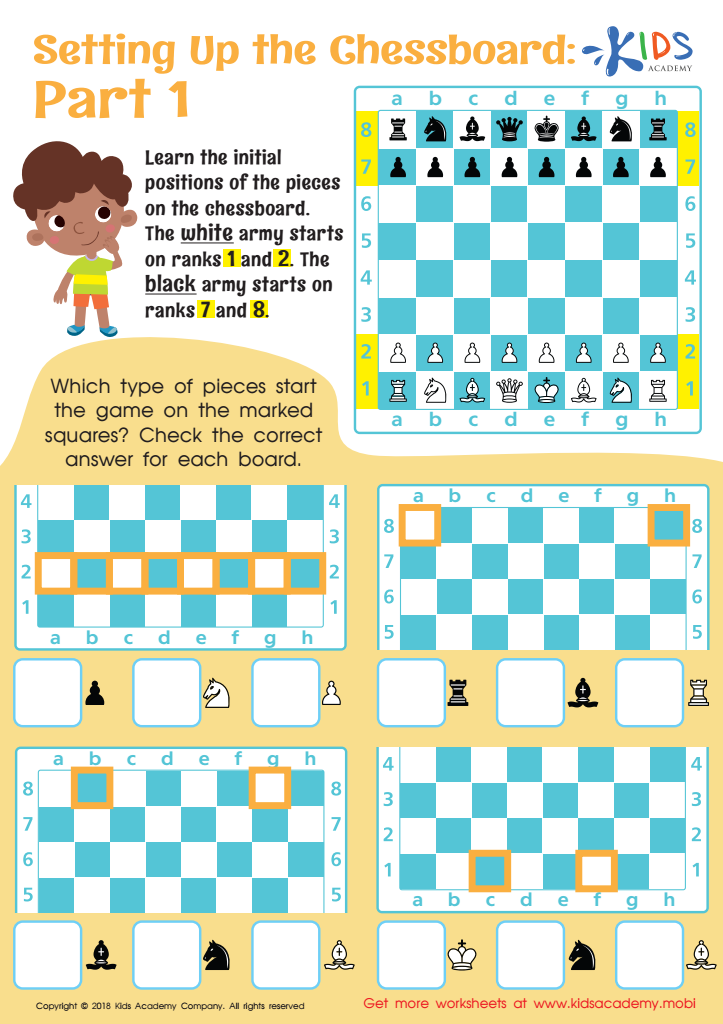
Setting up the Chessboard: Part 1 Worksheet





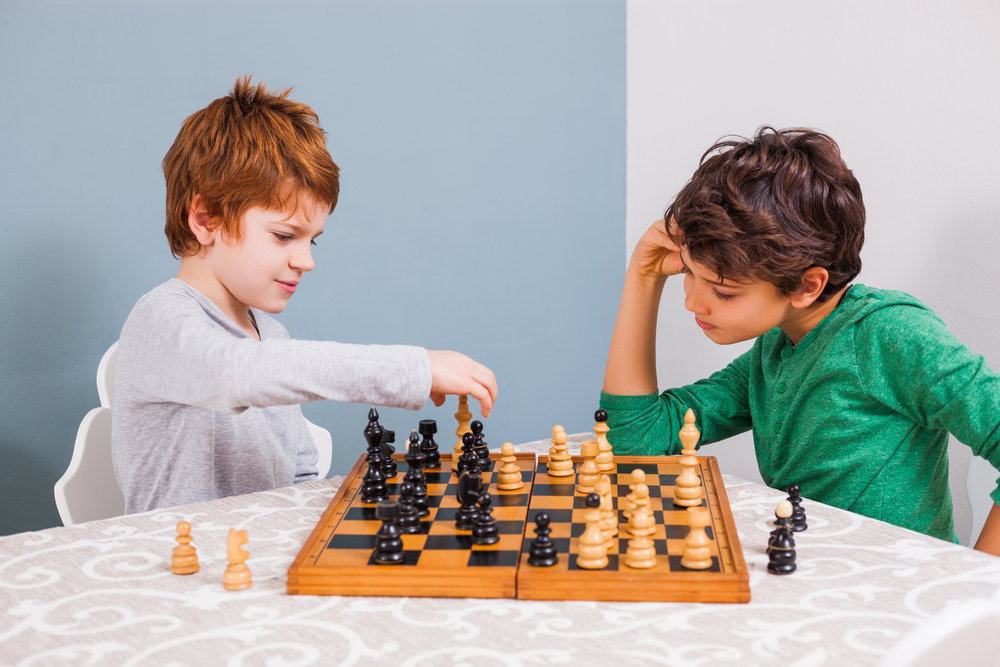
Parents and teachers should prioritize Normal Chess for children aged 5-7 due to its numerous educational and cognitive benefits. At this age, children are developing critical thinking skills, and chess effectively cultivates these abilities. Each move in chess requires strategic planning and foresight, encouraging children to anticipate their opponent's actions and consider the consequences of their choices. This not only enhances problem-solving skills but also fosters patience and concentration.
Furthermore, chess promotes socialization; playing with peers helps children build friendships and learn valuable interpersonal skills such as sportsmanship and teamwork. As they navigate the game's complexities, they also develop patience, resilience, and the ability to cope with setbacks.
In addition to cognitive gains, chess can boost children's academic performance. Studies suggest that learning chess can improve math skills and reading comprehension, as both disciplines require logical reasoning and pattern recognition.
Incorporating chess into early education creates an engaging learning environment where children can thrive. By nurturing these skills through an enjoyable game, parents and teachers contribute to developing well-rounded, confident learners prepared to face future academic and social challenges. Making time for chess supports holistic development during these formative years.