Normal Numbers Worksheets for Ages 5-7 - Page 2
193 filtered results
-
From - To
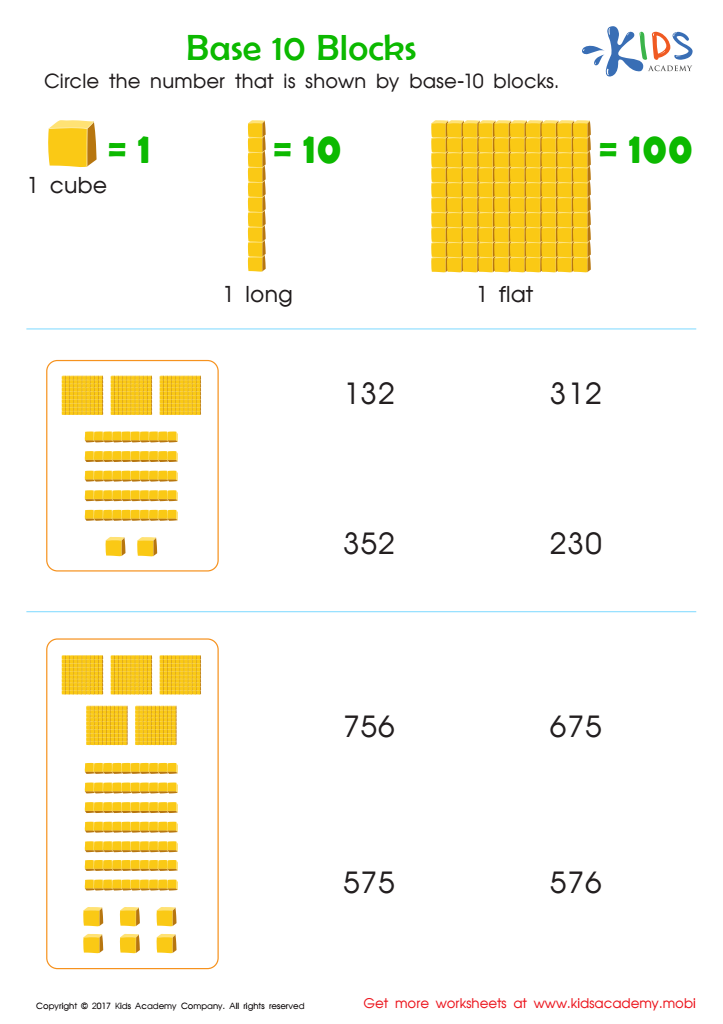
Base Ten Blocks Worksheet
 Assign to My Students
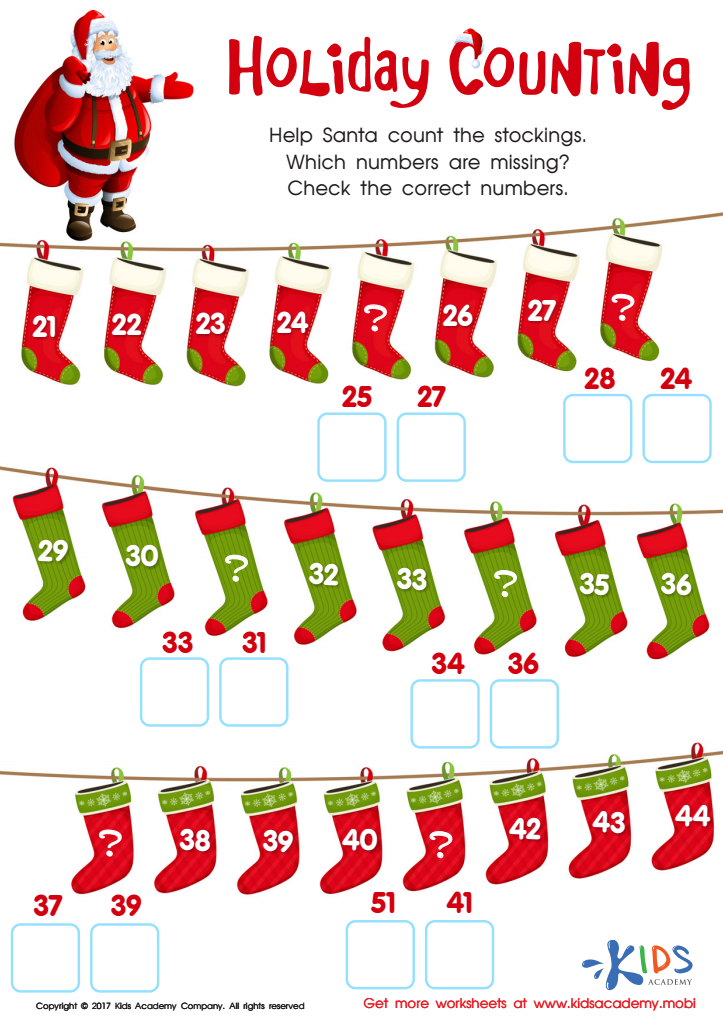
Holiday Counting Worksheet
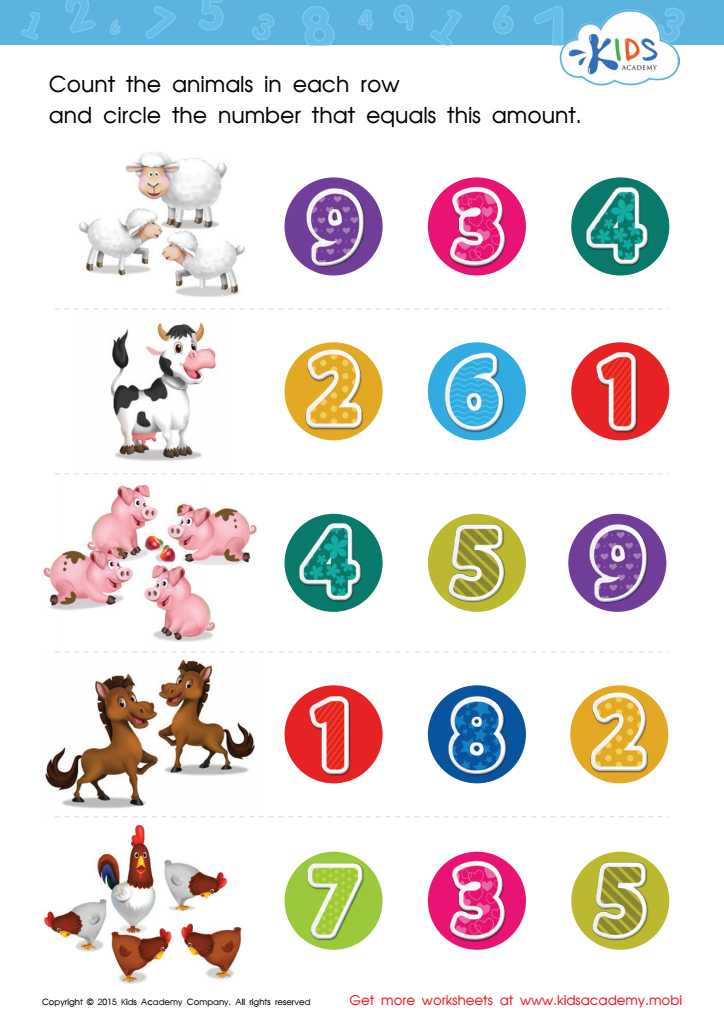
Count and Match 1 – 5 Math Worksheet
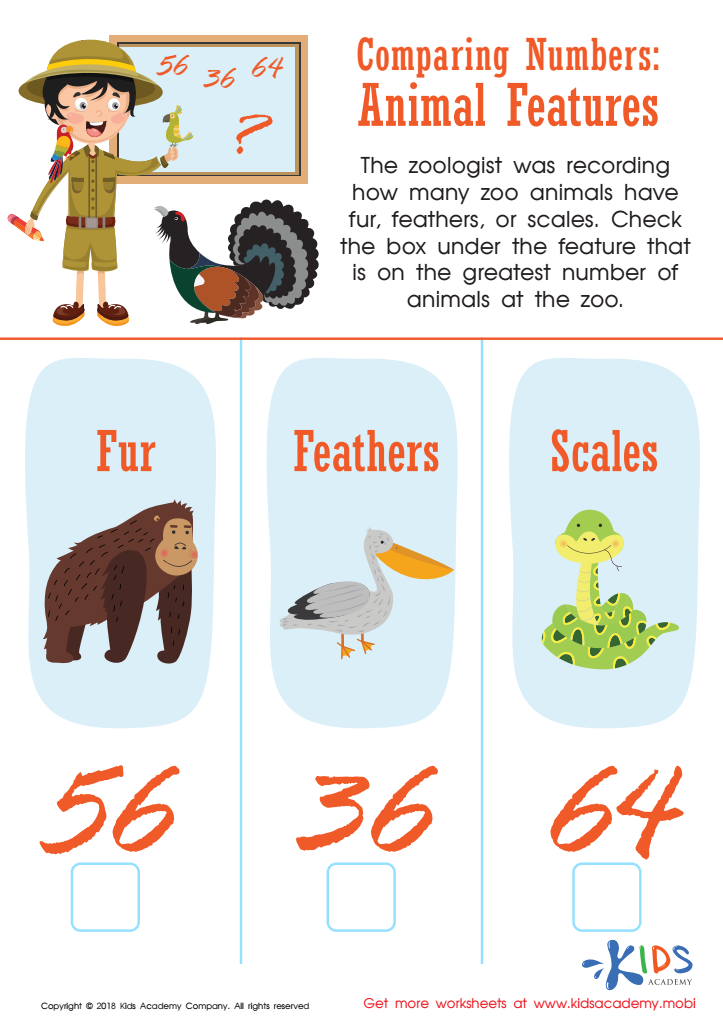
Animal Features Worksheet
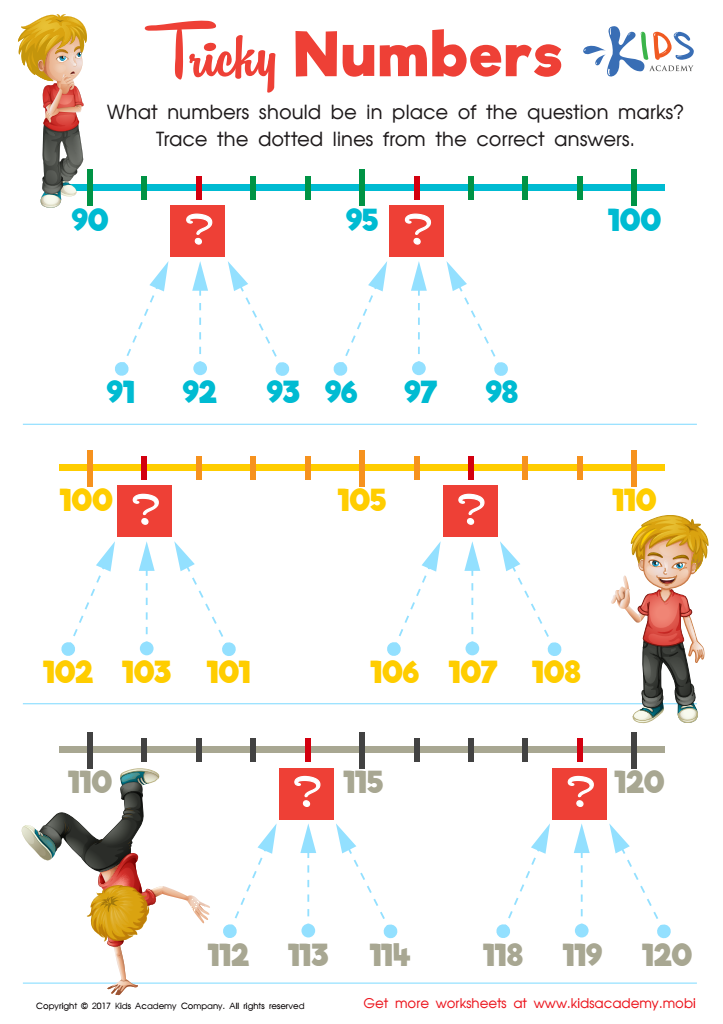
Tricky Numbers Worksheet
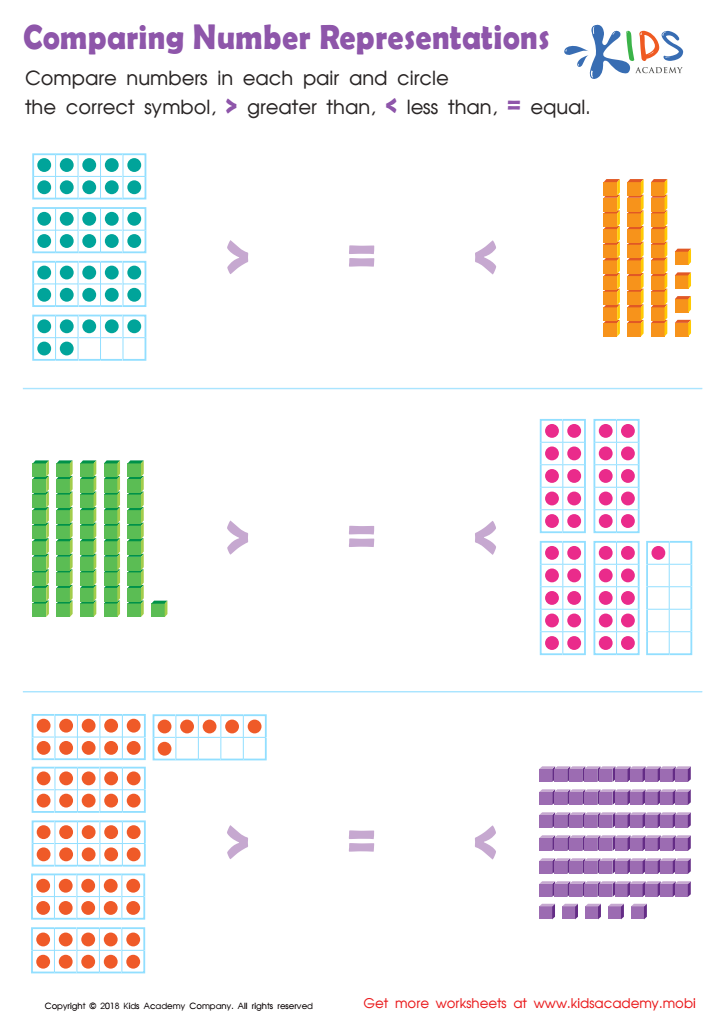
Comparing Number Representations Worksheet
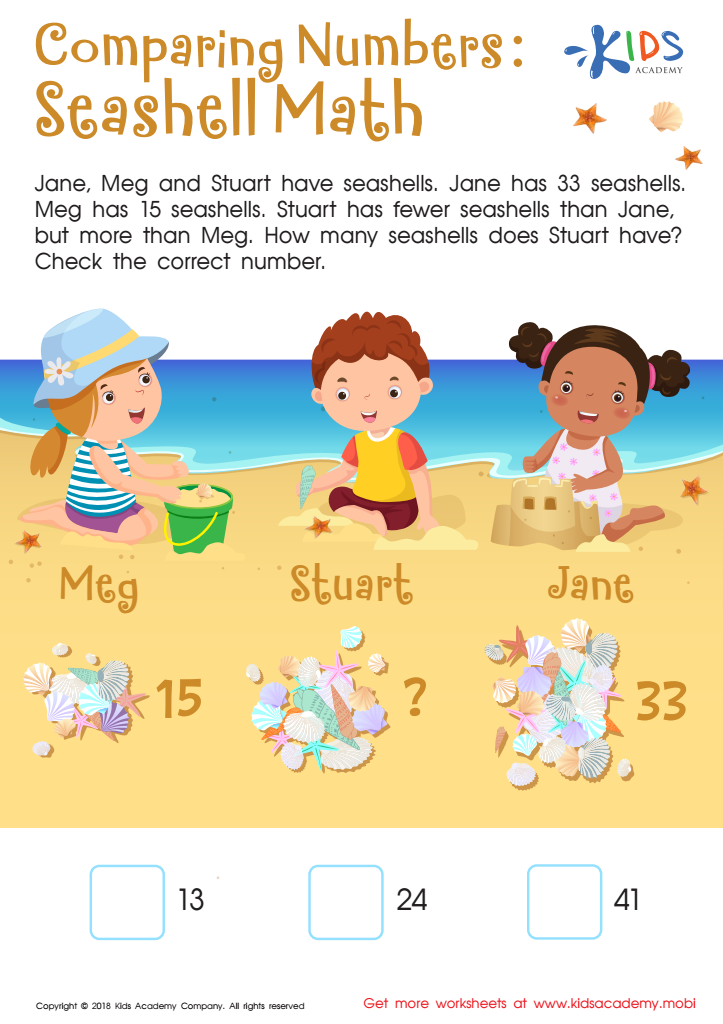
Seashell Collectors Worksheet
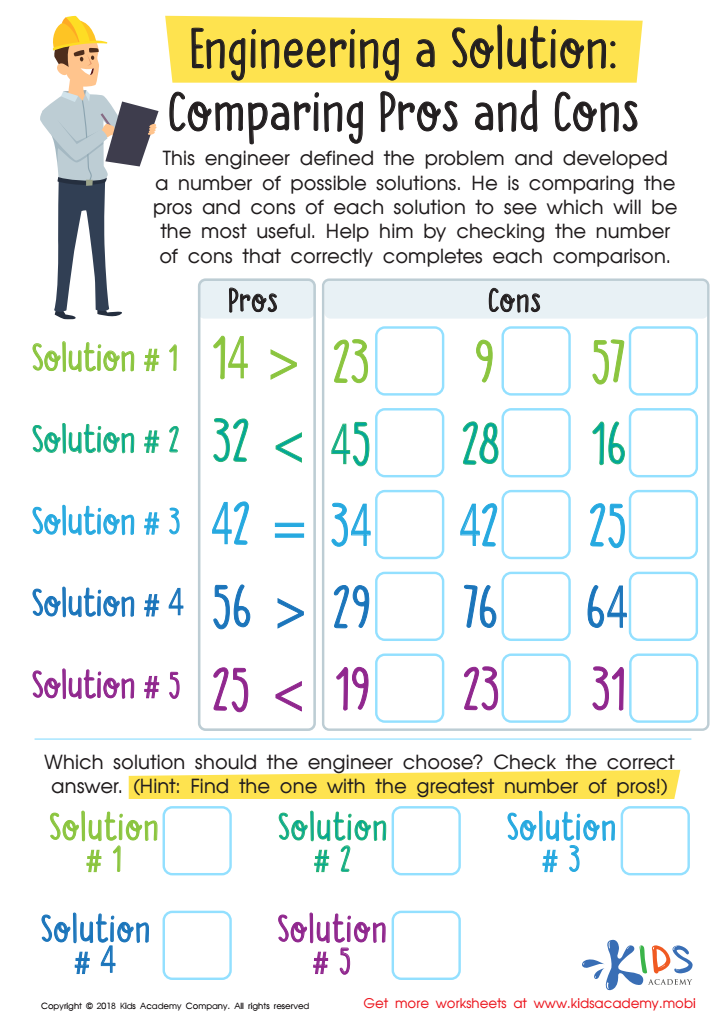
Engineering a Solution: Comparing Pros and Cons Worksheet
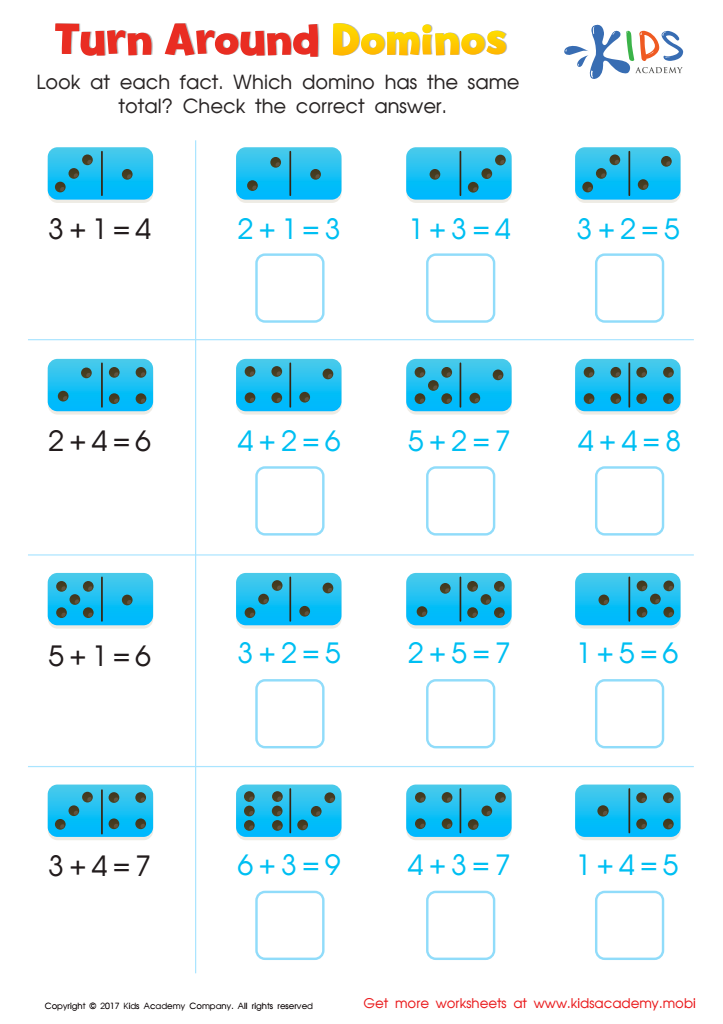
Turn Around Dominos Worksheet
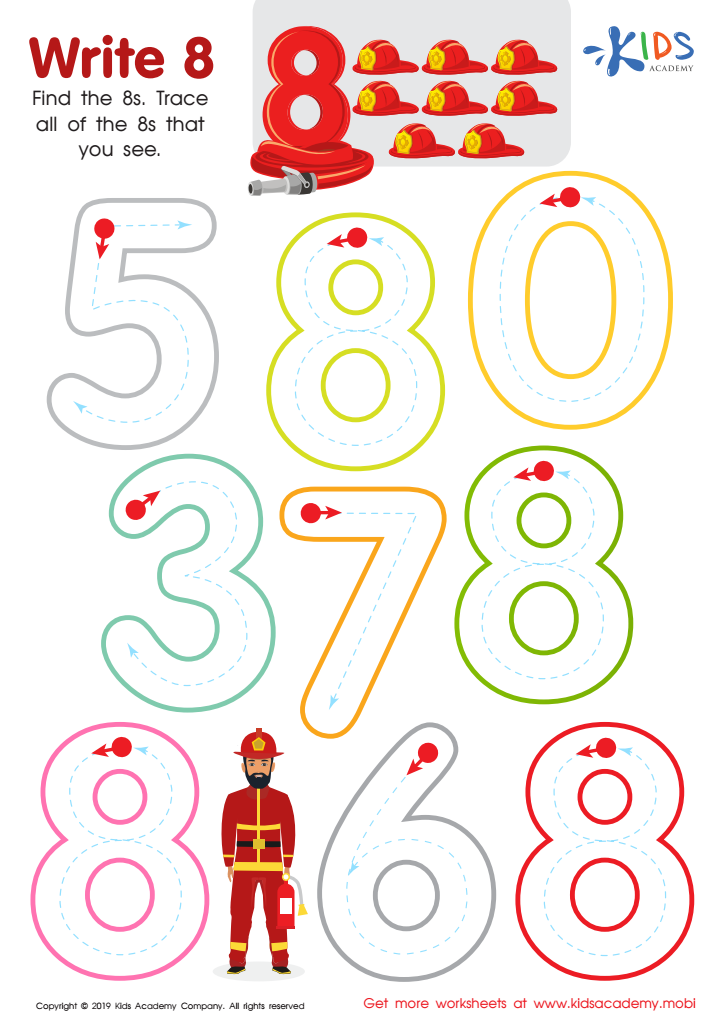
Write 8 Worksheet
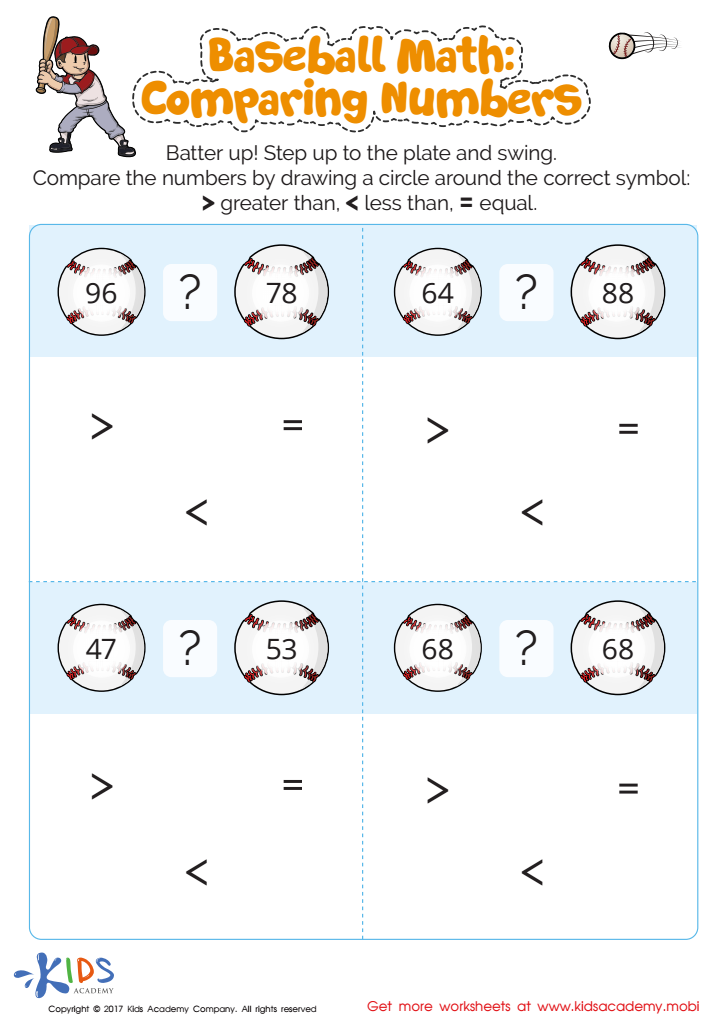
Compare Numbers Printable
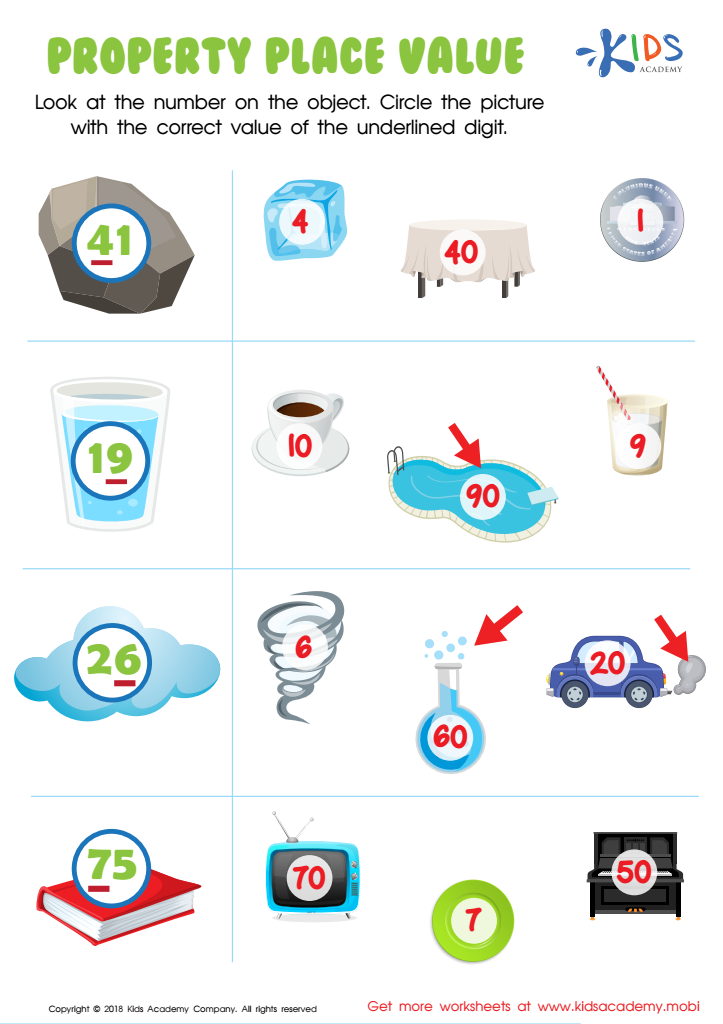
Property Place Value Worksheet
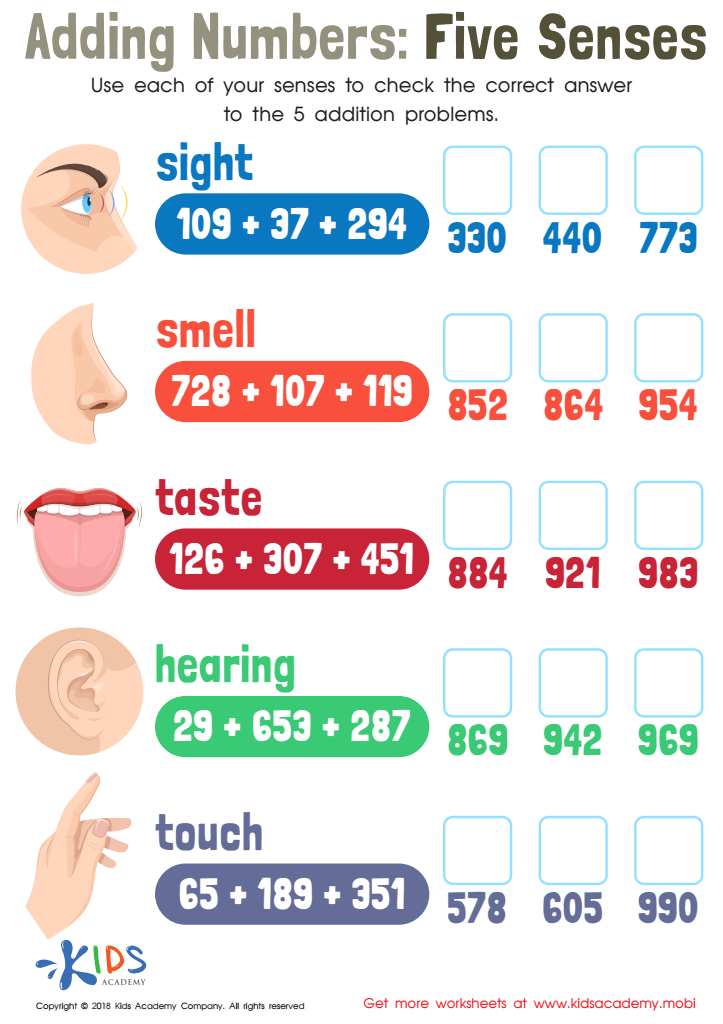
Adding Numbers: Five Senses Worksheet
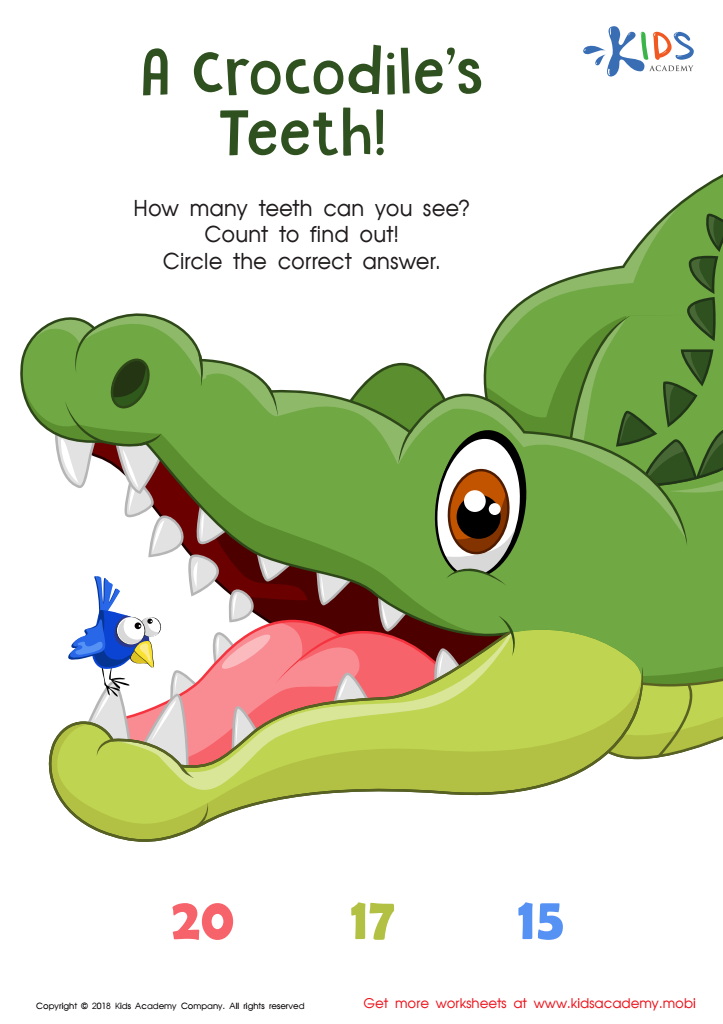
A Crocodile's Teeth Worksheet
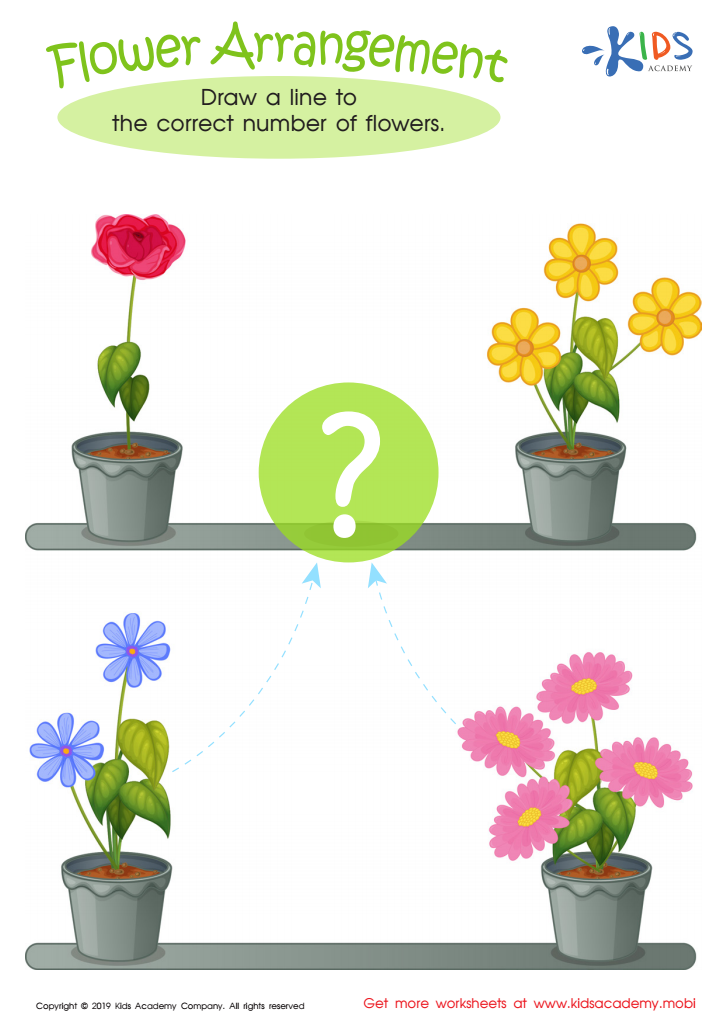
Flower Arrangement Worksheet
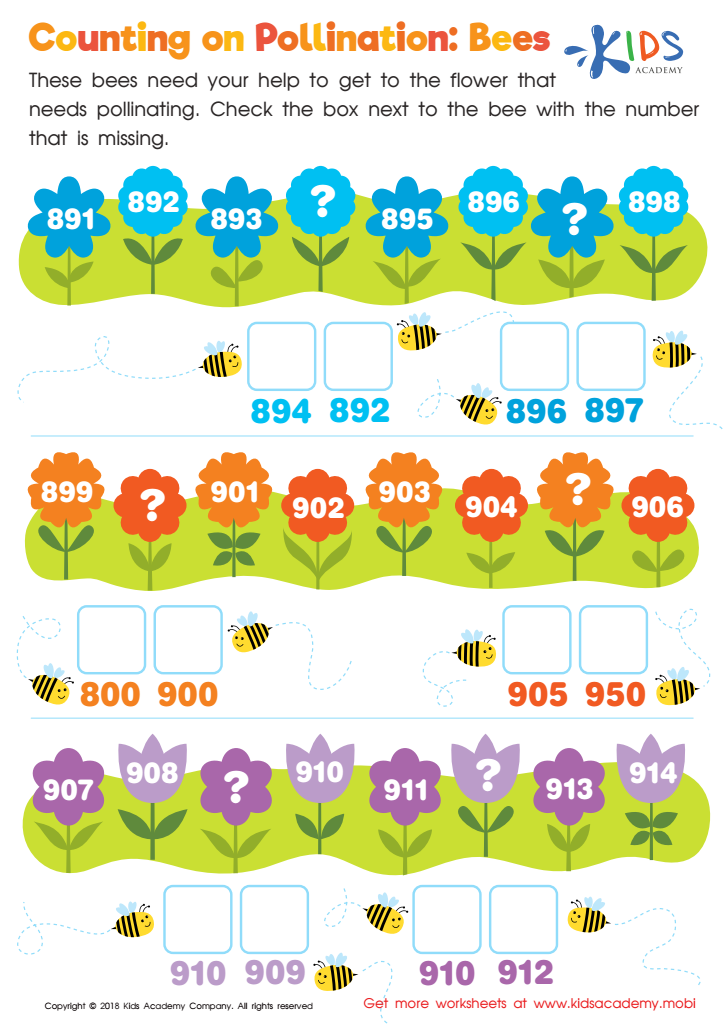
Counting on Pollination: Bees Worksheet
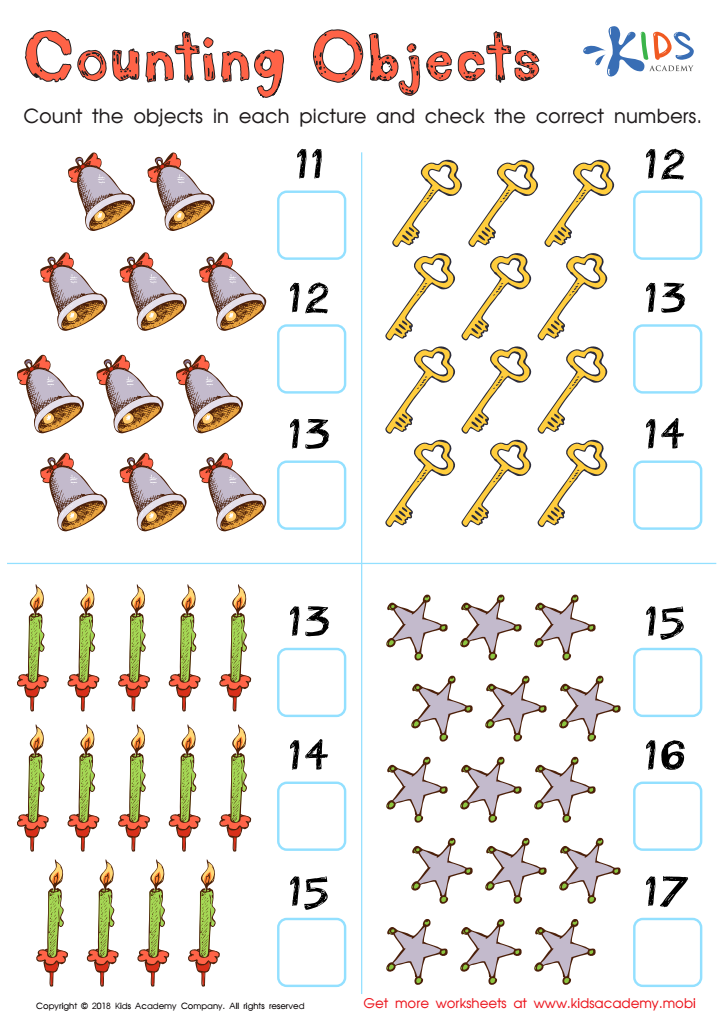
Counting Numbers Worksheet For Kindergarten
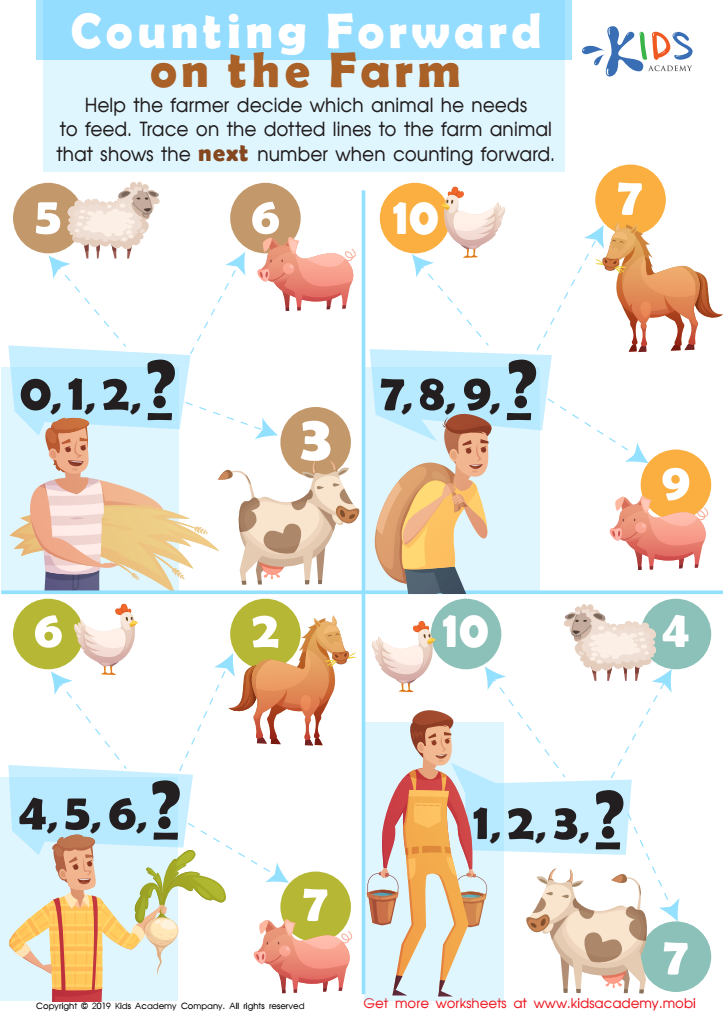
Counting Forward On the Farm Worksheet
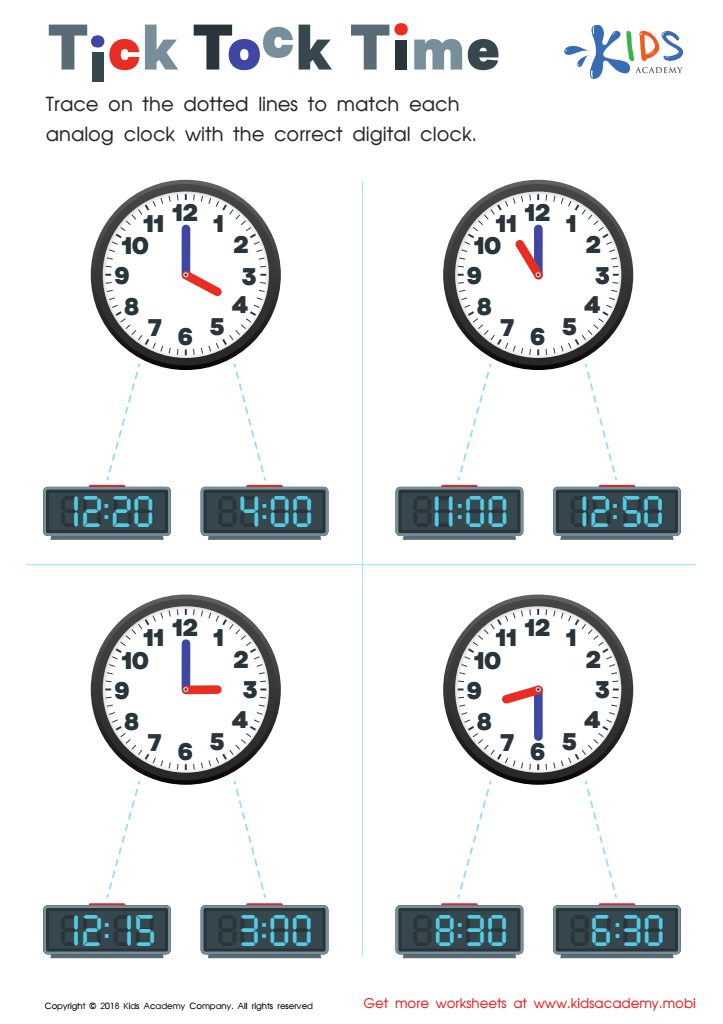
Tick Tock Time Worksheet
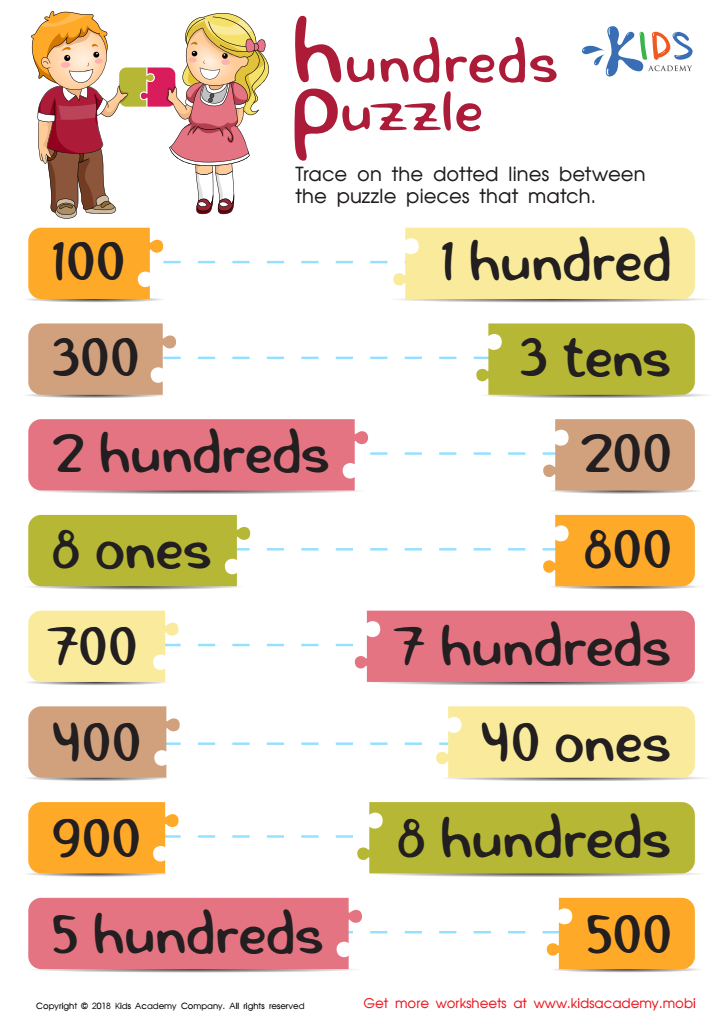
Hundreds Puzzle Worksheet
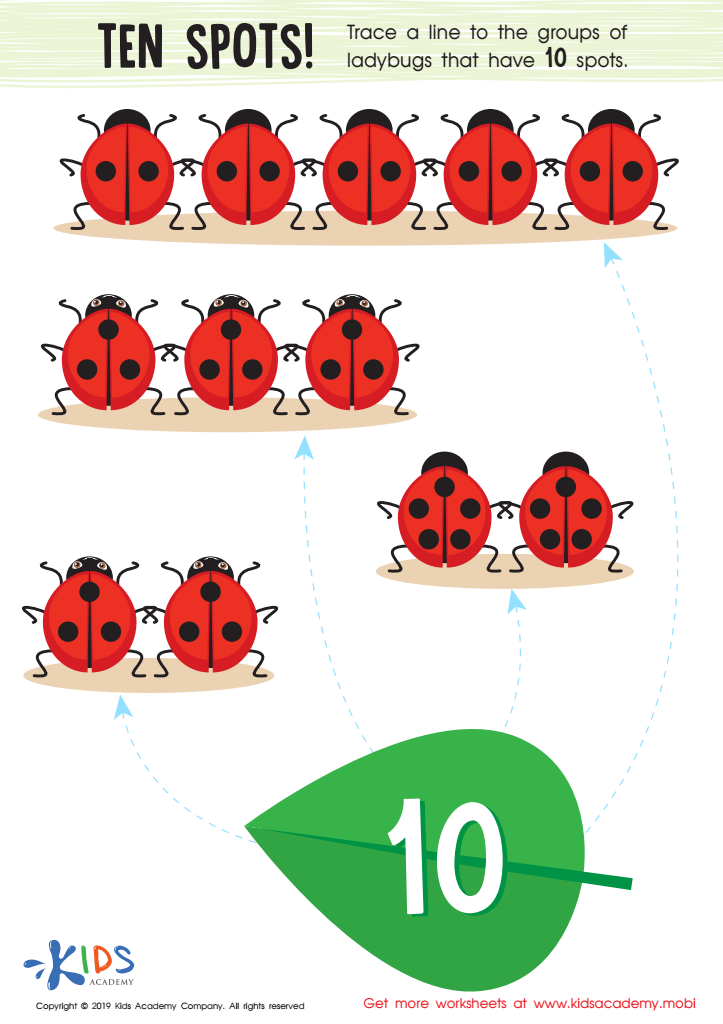
Ten Spots Worksheet
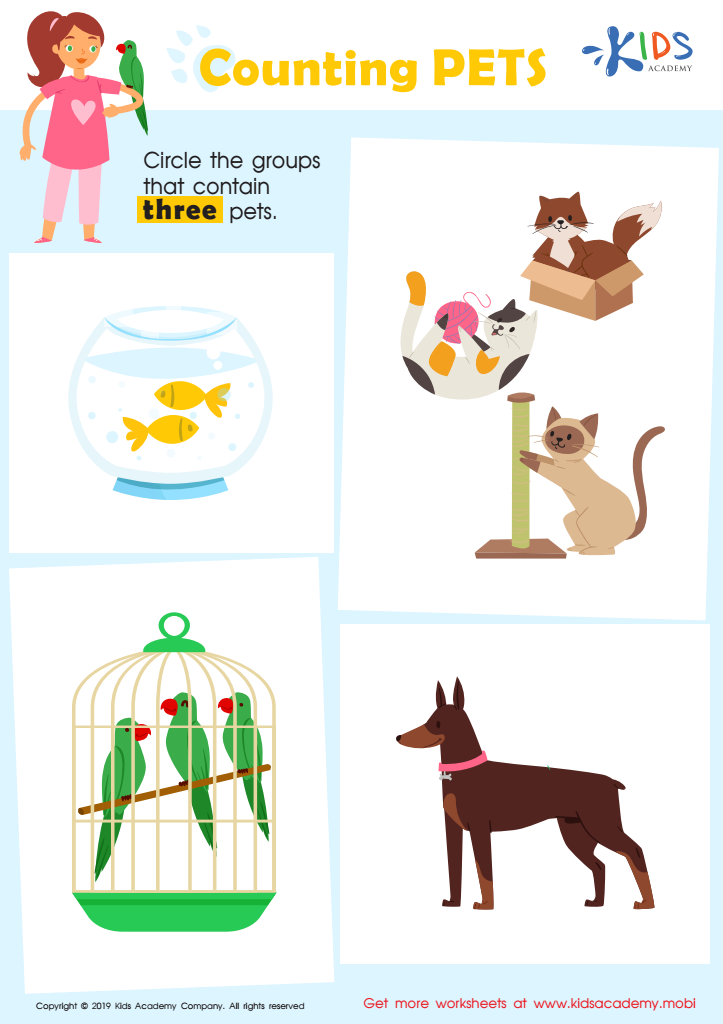
Counting Pets Worksheet
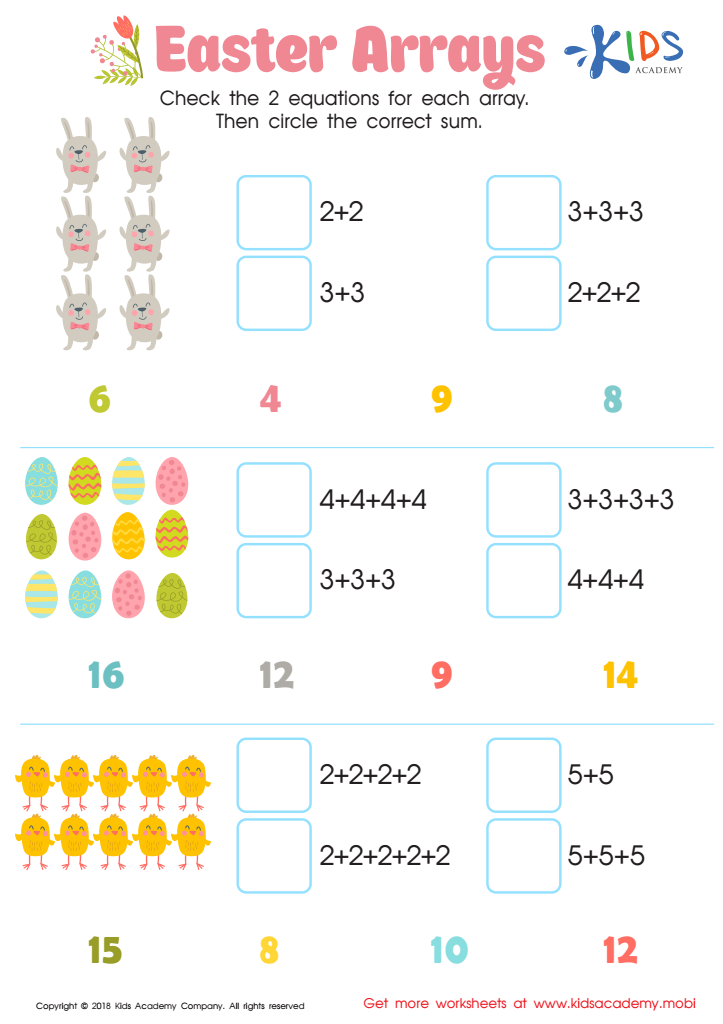
Easter Arrays Worksheet








Understanding normal numbers is essential for parents and teachers, particularly for children aged 5-7, as it lays the groundwork for fundamental math concepts. Normal numbers are digits in which each digit appears with equal frequency in a given base. Introducing this topic early engages young learners with patterns, sequences, and the very basics of probability.
At this formative age, children's cognitive development is closely tied to their reasoning skills. When educators illuminate the connection between patterns and numbers, it fosters critical thinking and enhances problem-solving abilities. Encouraging curiosity around how numbers and digits interact stimulates mathematical thinking and nurtures a lifelong love of learning.
Additionally, practical applications of normal numbers—such as games involving chance or sorting numbers—can make learning fun and engaging. These activities not only reinforce math concepts but also cultivate social skills through cooperative play.
By emphasizing the importance of understanding normal numbers, parents and teachers support children's overall numeracy, setting the stage for more advanced mathematics later. Instilling strong mathematical foundations in young learners encourages confidence, enhancing their educational journey and paving the way for future success in math and related disciplines.








