Normal Numbers Worksheets for Ages 5-8 - Page 2
237 filtered results
-
From - To
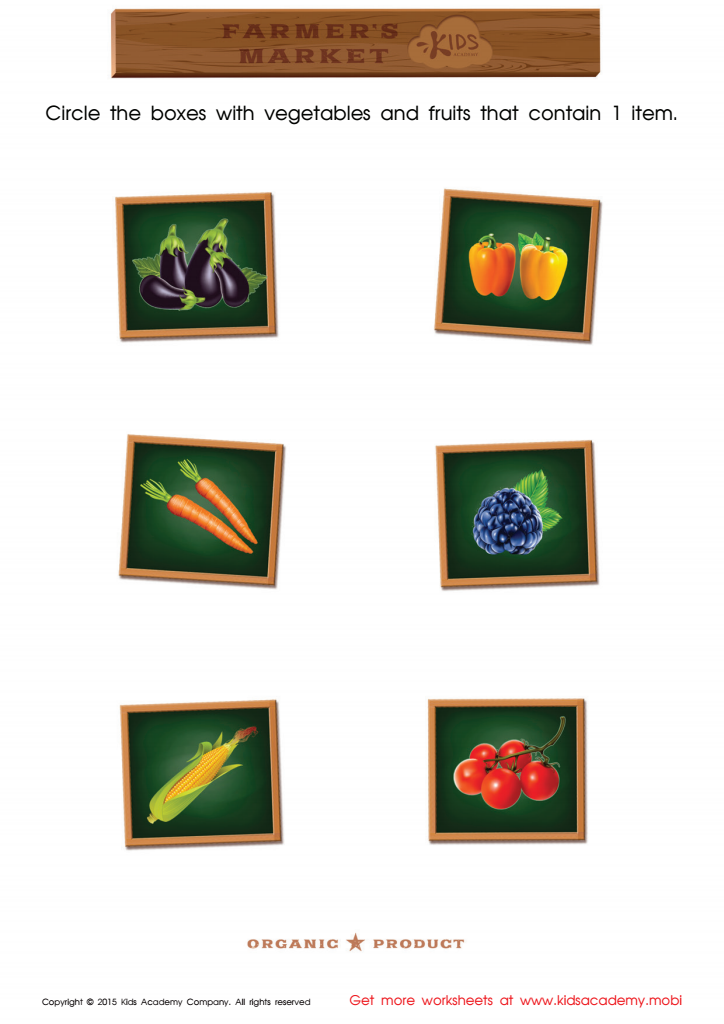
Count and Match Boxes with Vegetables
 Assign to My Students
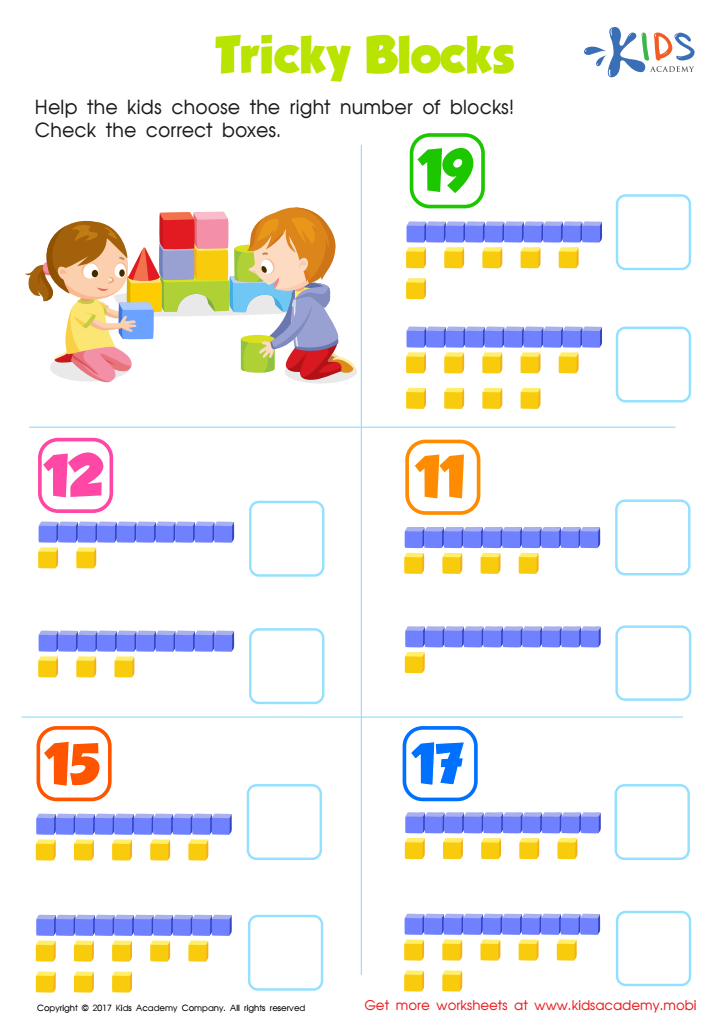
Tricky Blocks Worksheet
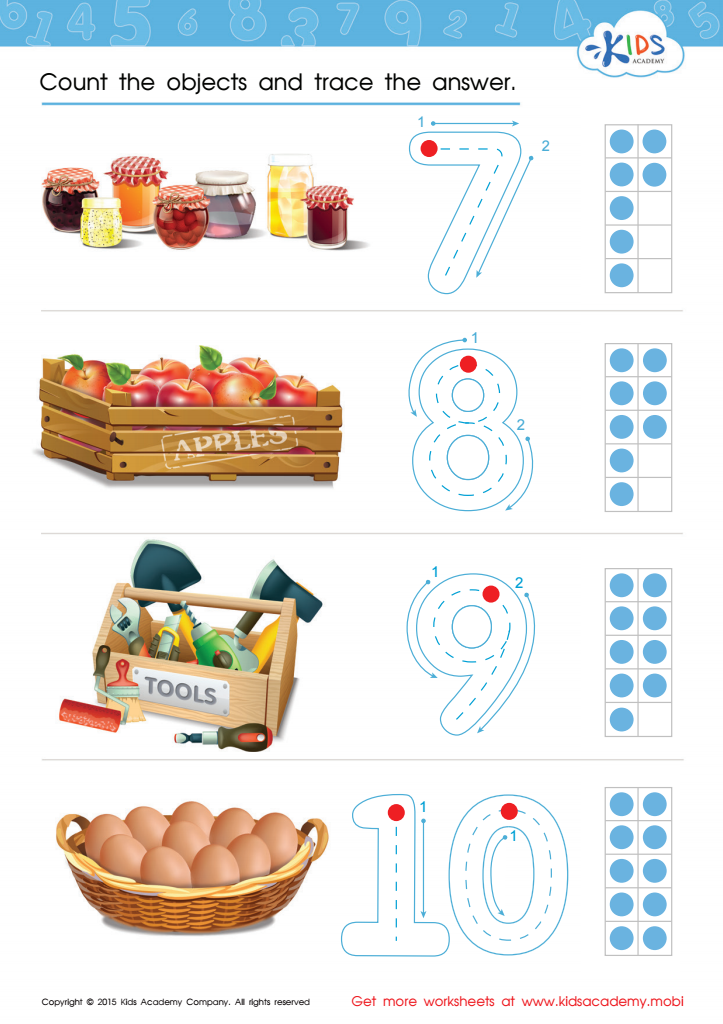
Count and Trace 7 – 10 Worksheet
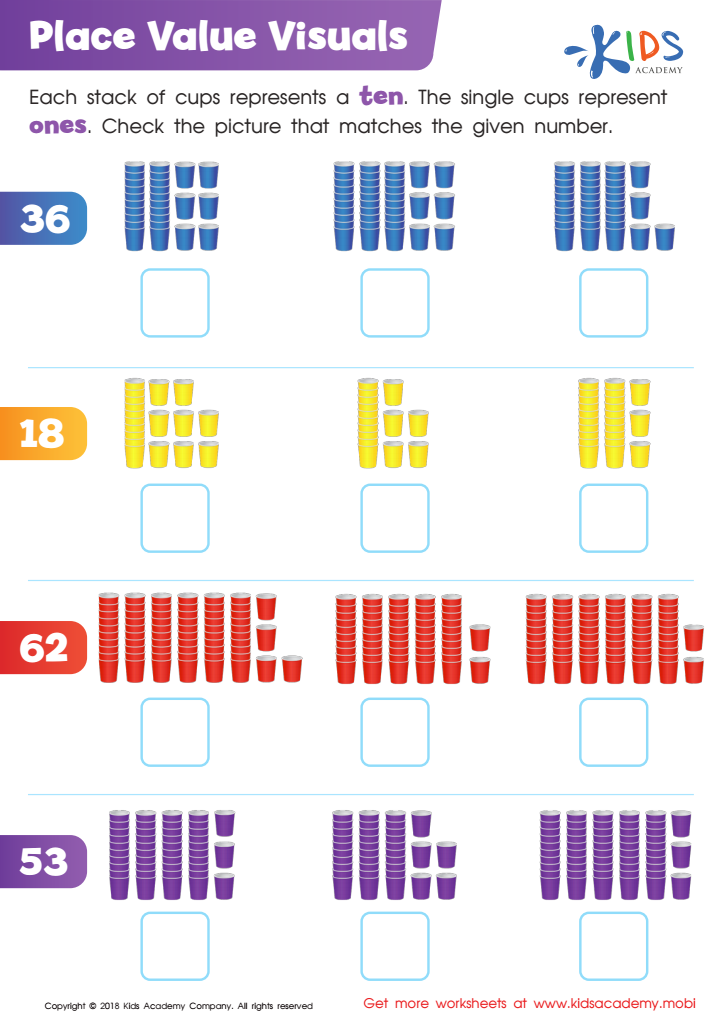
Place Value Visuals Worksheet
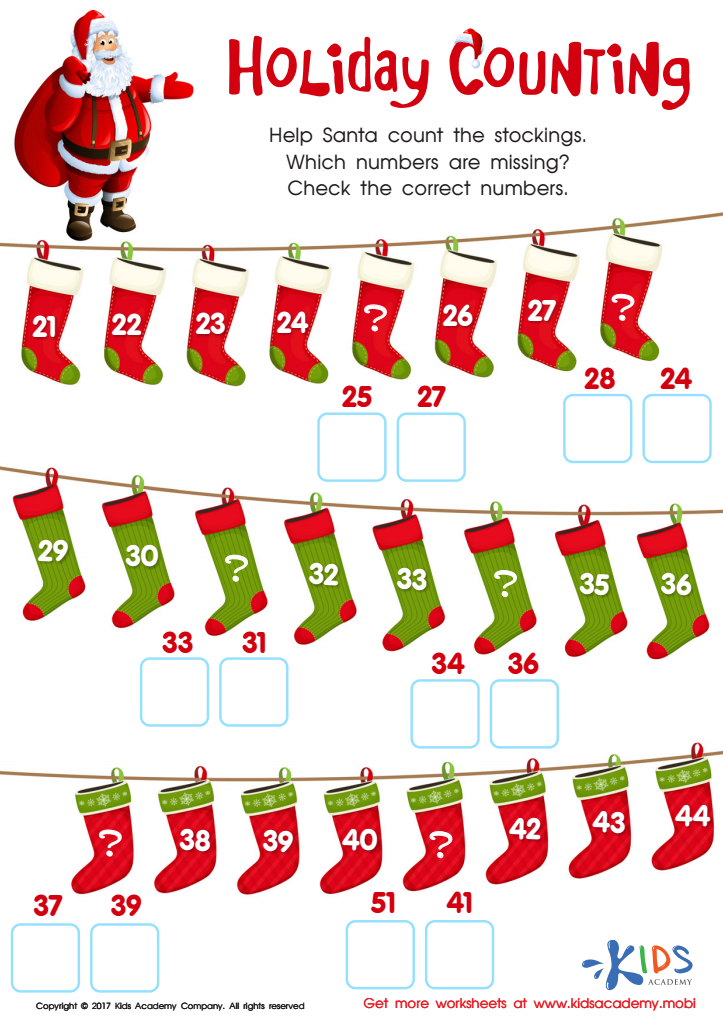
Holiday Counting Worksheet
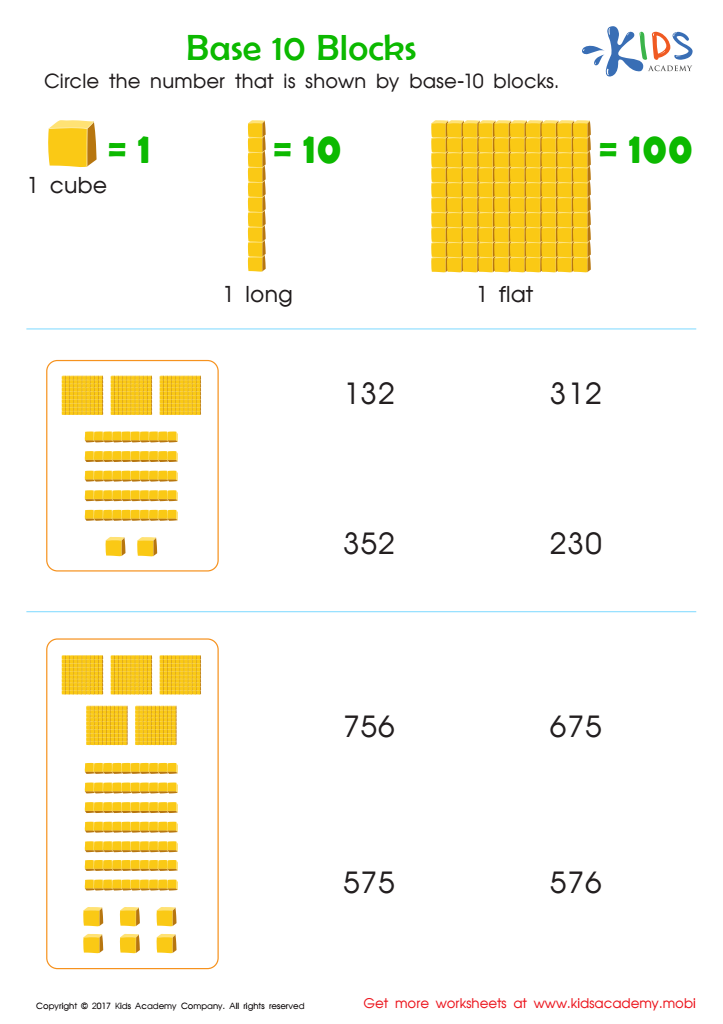
Base Ten Blocks Worksheet
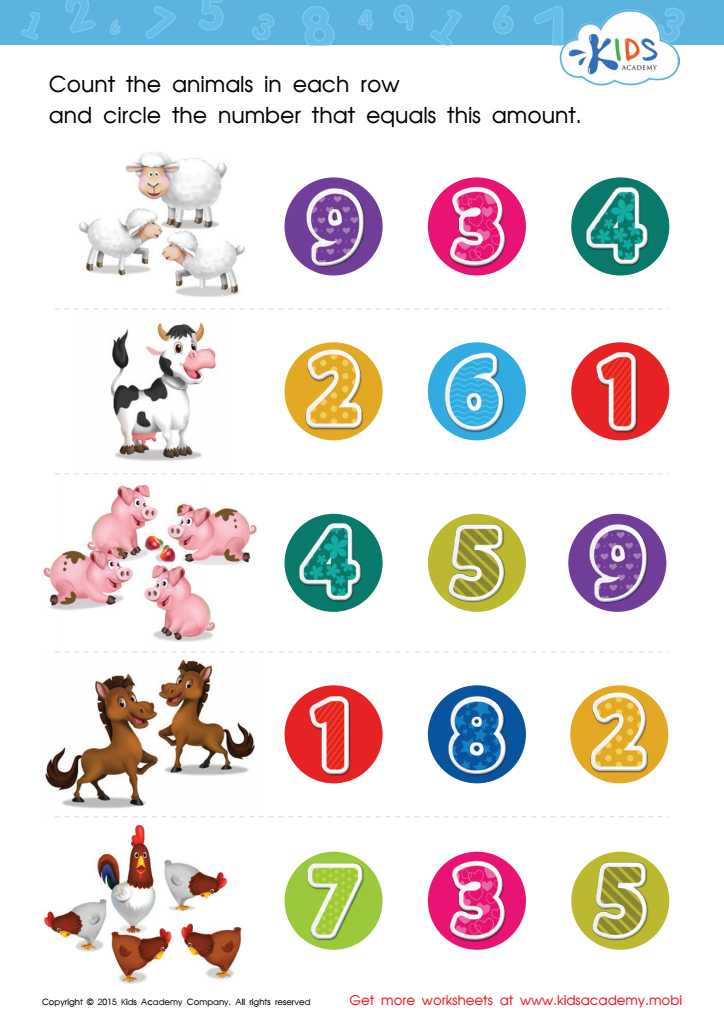
Count and Match 1 – 5 Math Worksheet
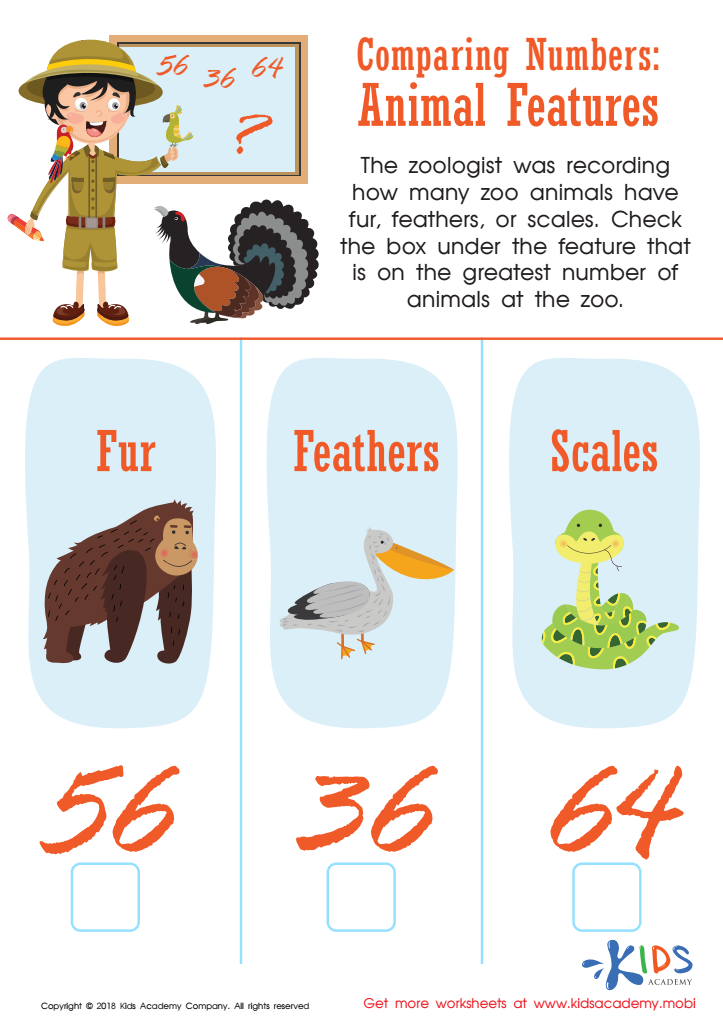
Animal Features Worksheet
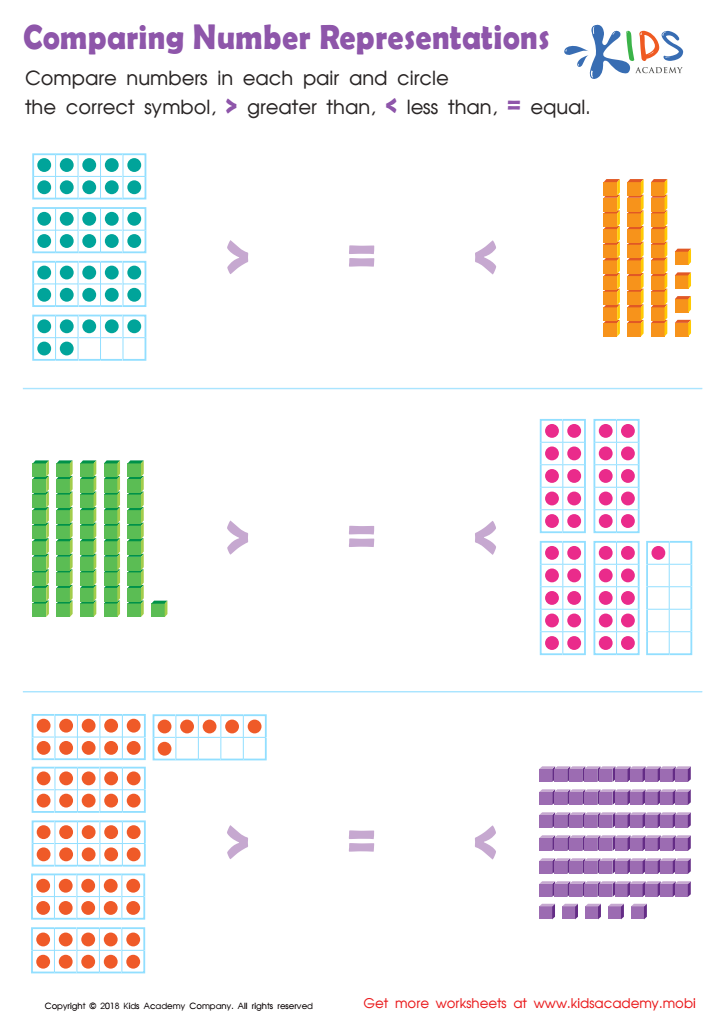
Comparing Number Representations Worksheet
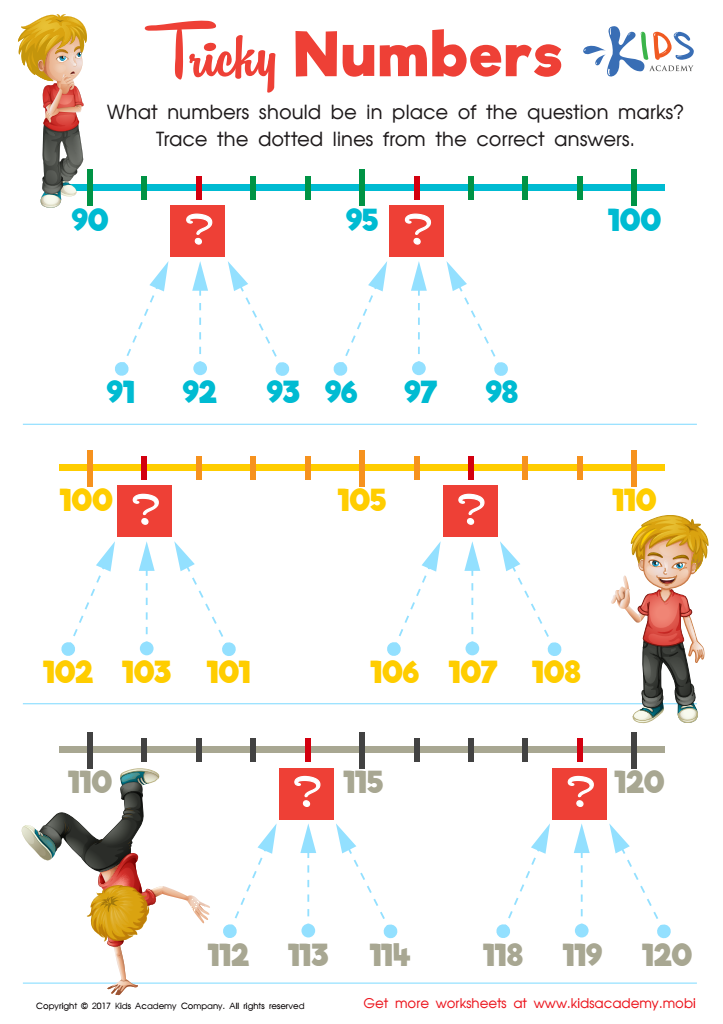
Tricky Numbers Worksheet
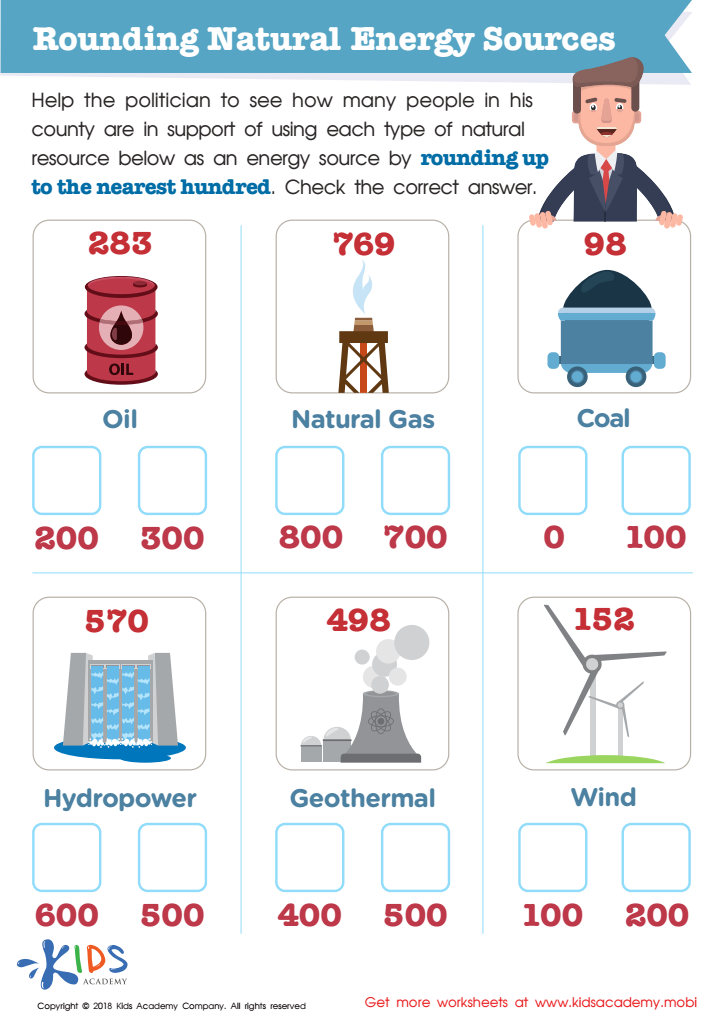
Rounding Natural Energy Sources Worksheet
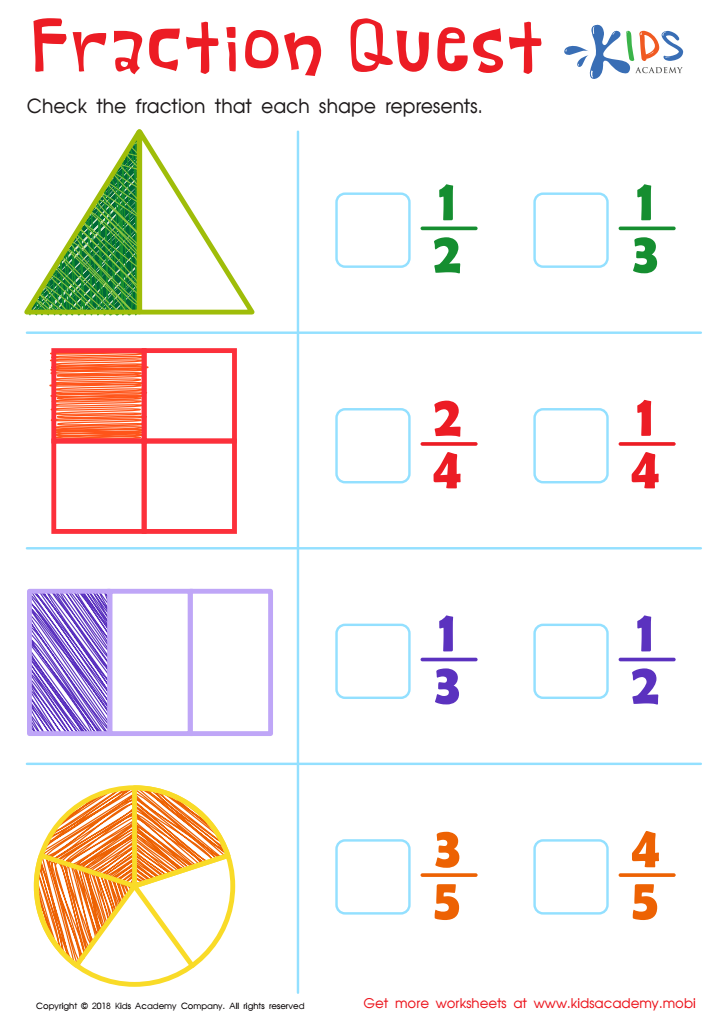
Fraction Quest Worksheet
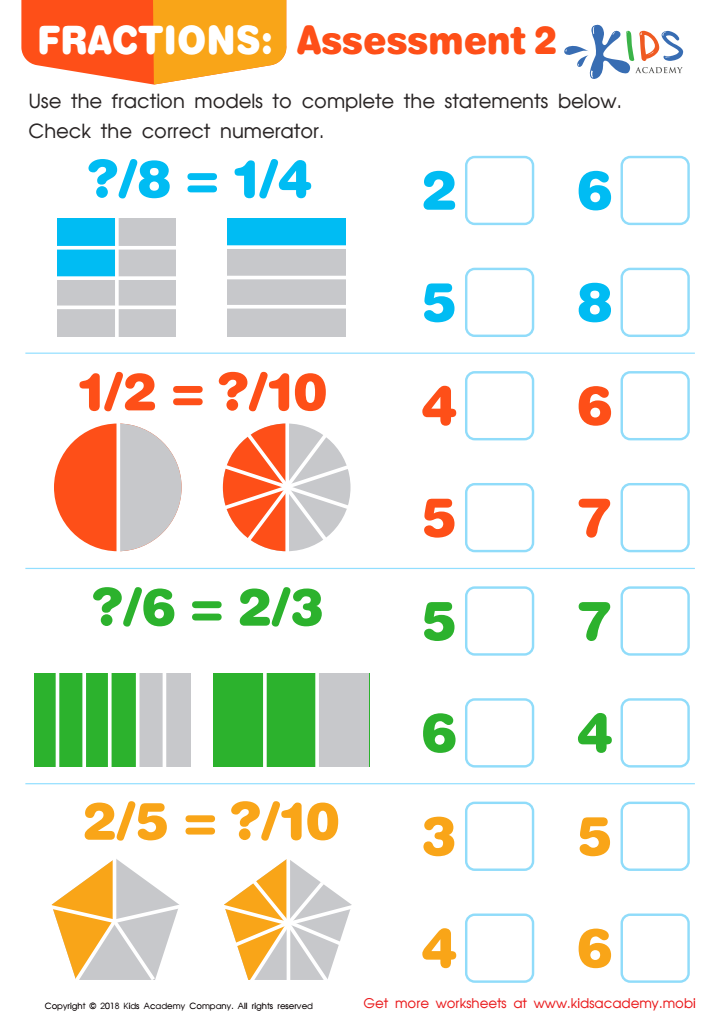
Fractions: Assessment 2 Worksheet
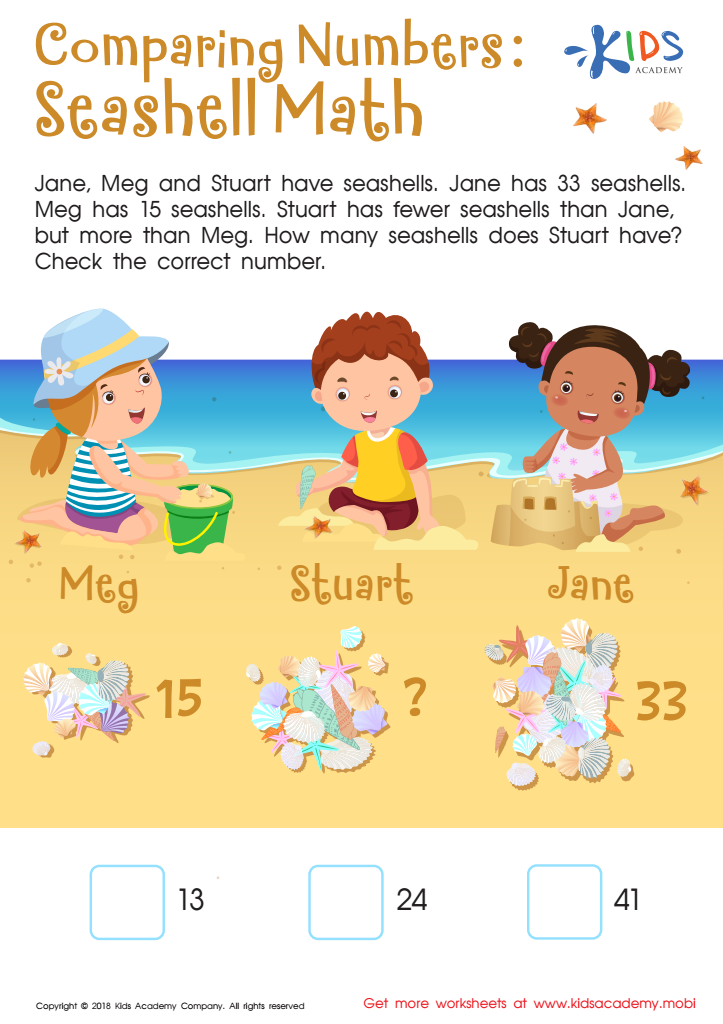
Seashell Collectors Worksheet
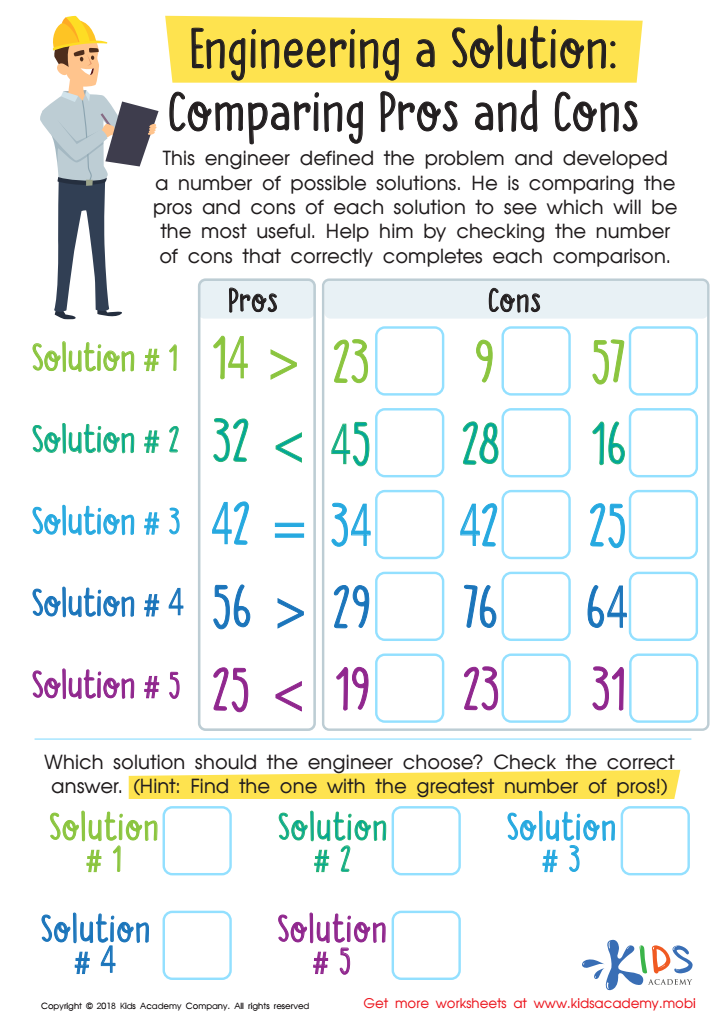
Engineering a Solution: Comparing Pros and Cons Worksheet
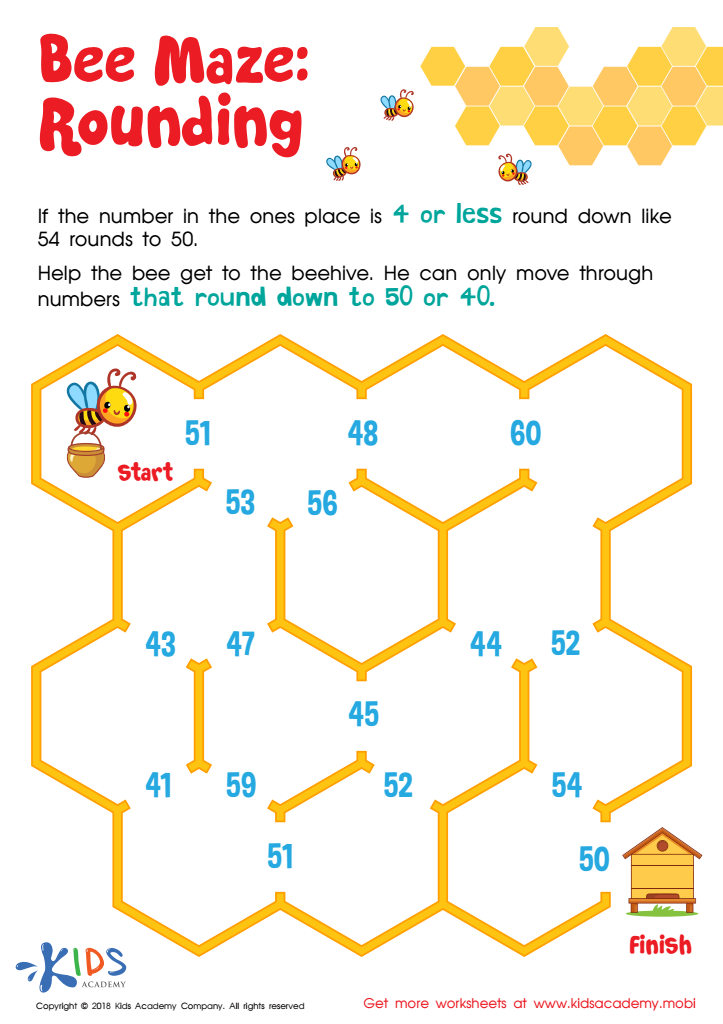
Rounding Down Printable Worksheet
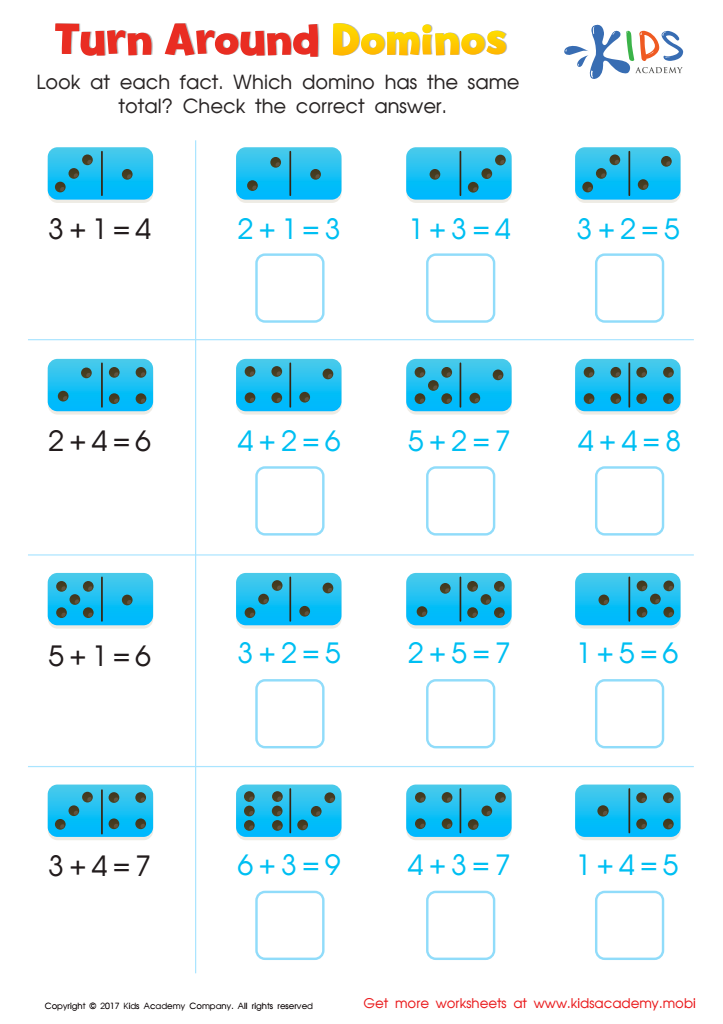
Turn Around Dominos Worksheet
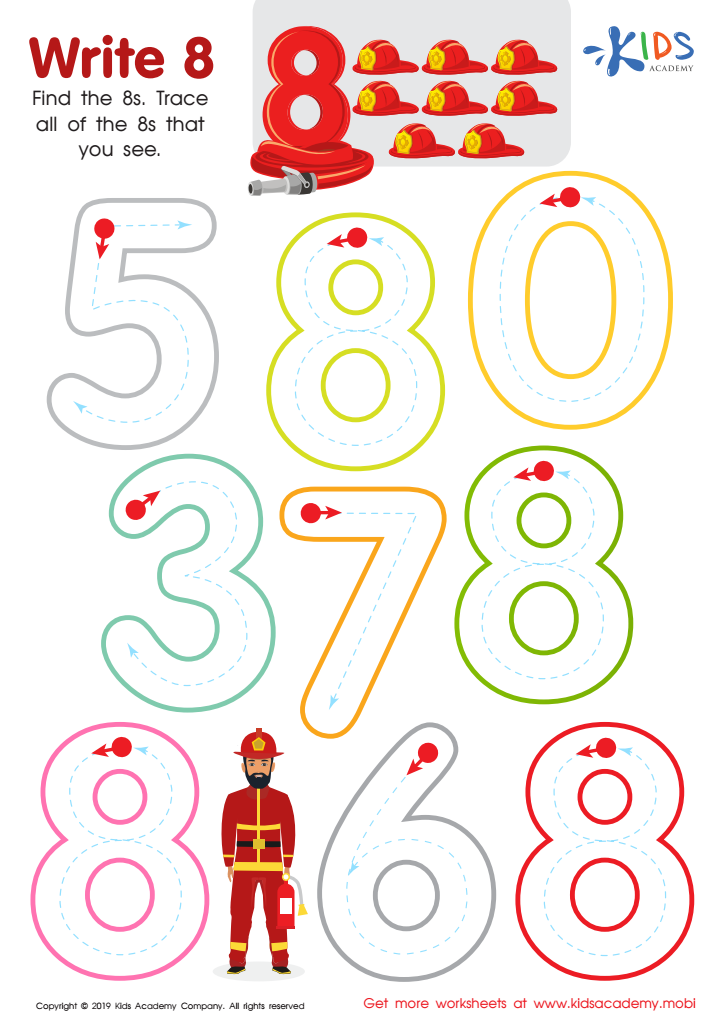
Write 8 Worksheet
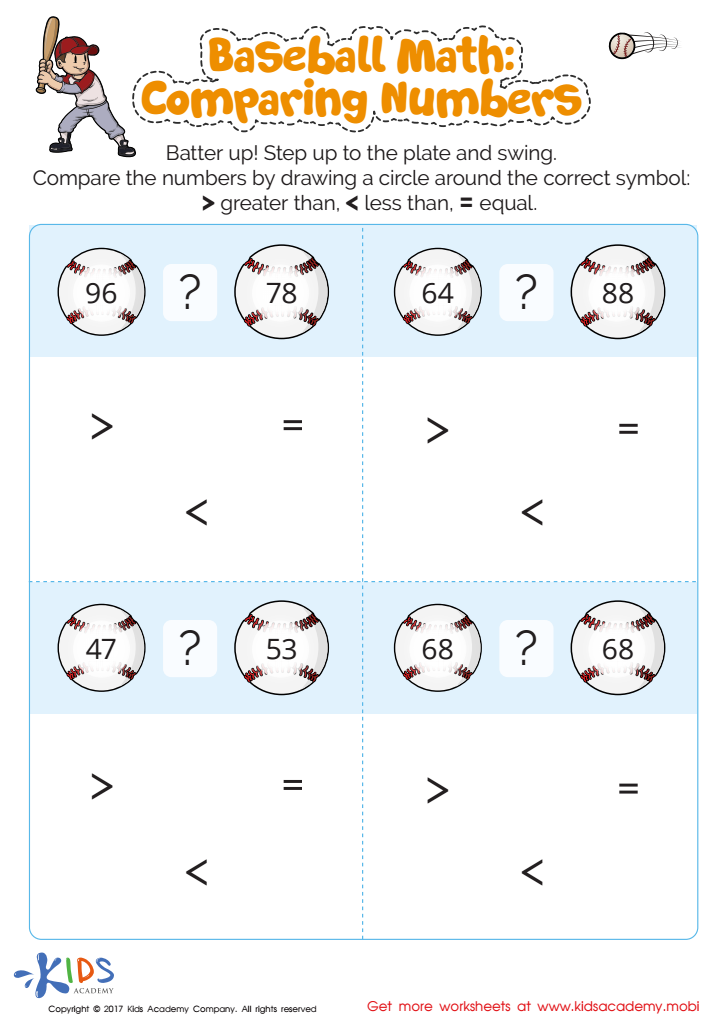
Compare Numbers Printable
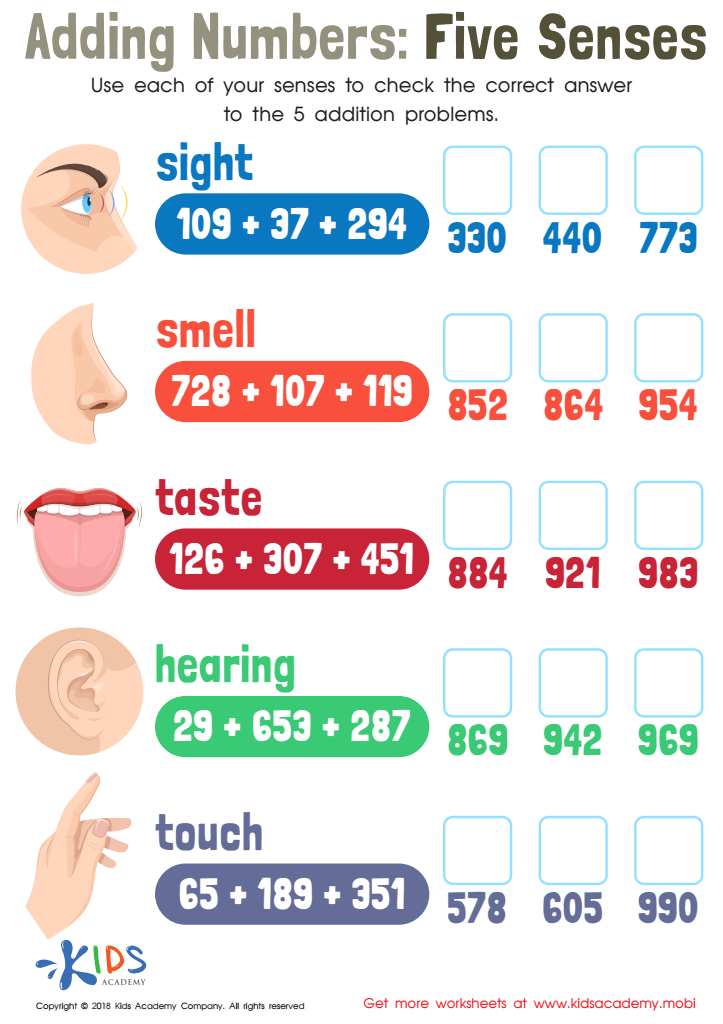
Adding Numbers: Five Senses Worksheet
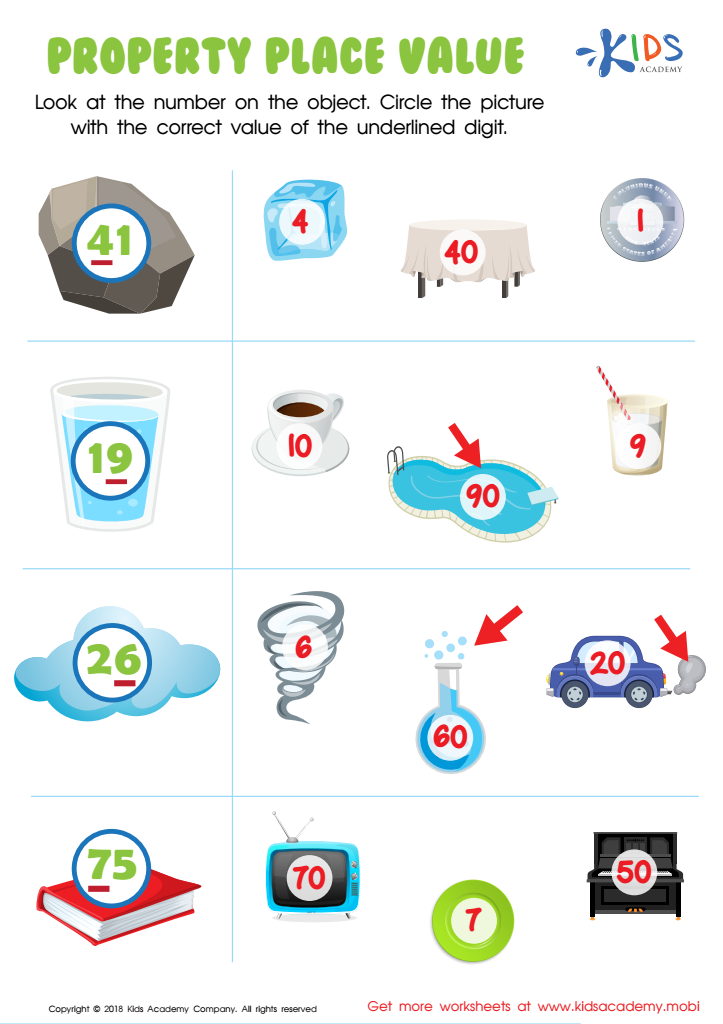
Property Place Value Worksheet
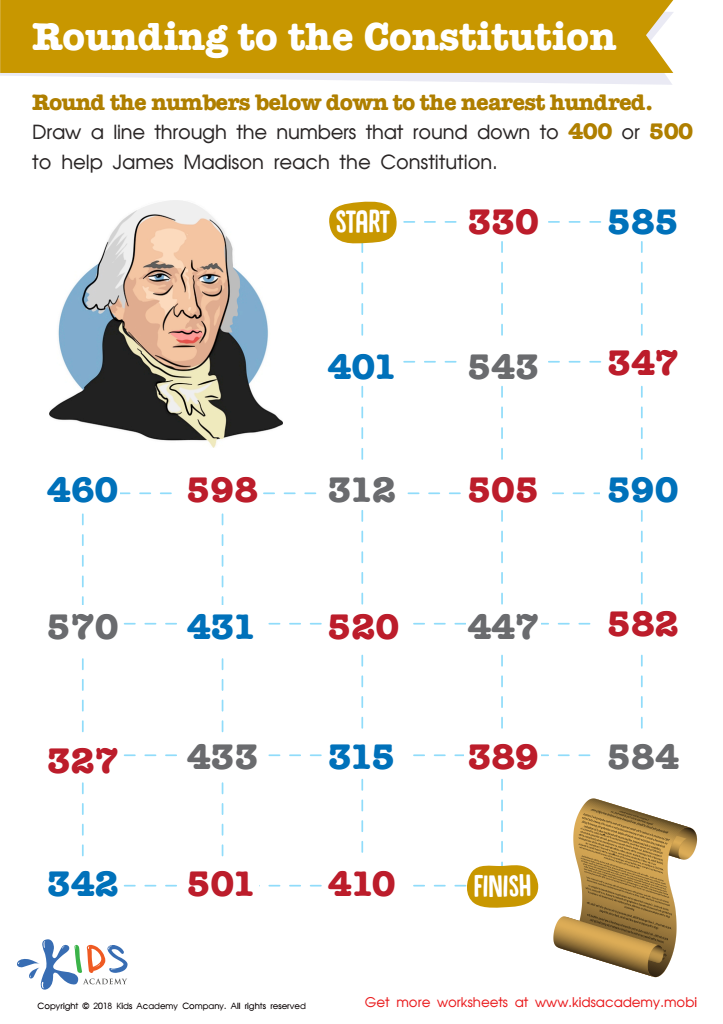
Rounding to the Constitution Worksheet
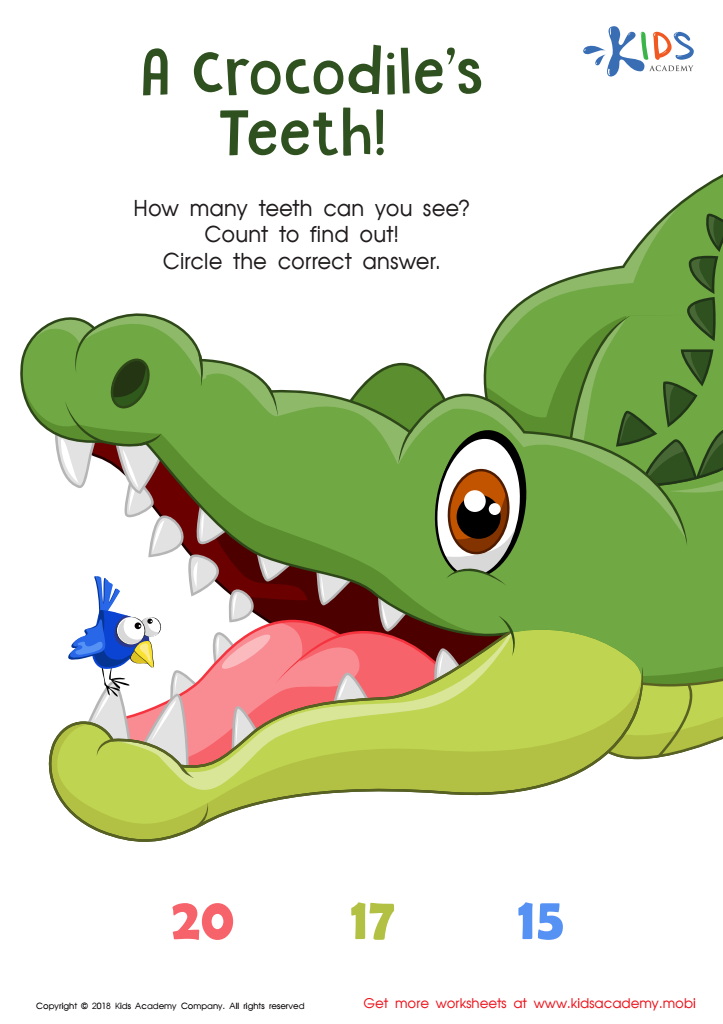
A Crocodile's Teeth Worksheet








Normal numbers might not be a common topic in everyday conversations, but understanding them is crucial for early mathematical education. These are numbers where all digit sequences in any base appear with equal frequency in the number's infinite decimal expansion. Meaning, in a normal number, every digit (0-9) and every possible sequence of digits appears as frequently as any other.
For children aged 5-8, delving into normal numbers isn't the goal. Instead, the concept can foster a deeper appreciation for and understanding of math patterns which are foundational in early math education. Identifying patterns enhances cognitive skills like prediction, problem-solving, and logical thinking. When parents and teachers introduce simple concepts like how often numbers appear in different contexts (like rolling a die), they're setting the ground for more complex ideas later, such as probability and statistics.
Furthermore, fostering natural curiosity about numbers and their properties encourages a positive attitude toward math. Enjoyable learning experiences build confidence and curiosity, making children more eager to tackle math challenges as they grow older. In summary, while the goal isn't teaching the specifics of normal numbers, nurturing an awareness of numbers and patterns in daily life cultivates essential math skills and an enthusiastic approach to learning.








