Normal Word Problems Worksheets for Ages 7-9 - Page 2
45 filtered results
-
From - To
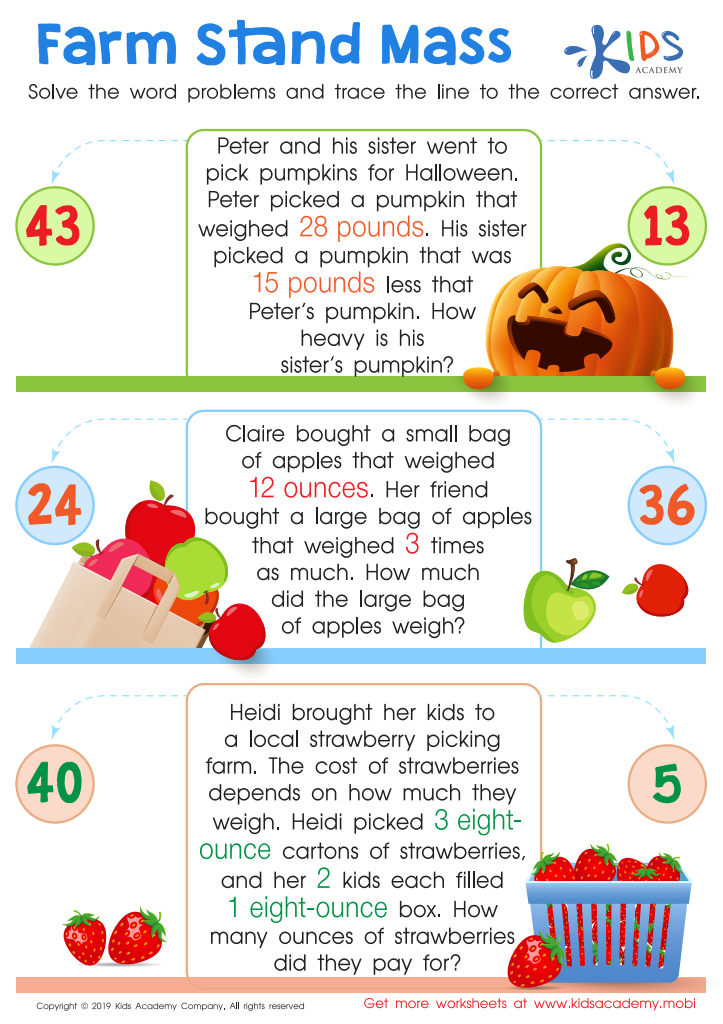
Farm Stand Mass Worksheet
 Assign to My Students
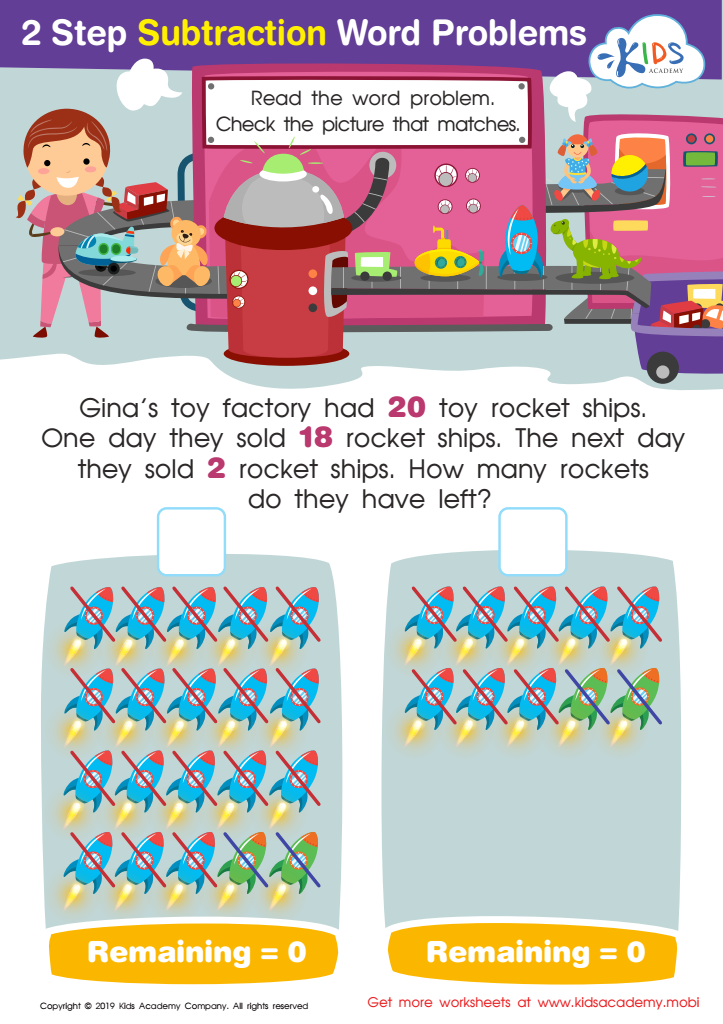
Step Subtraction Word Problems Worksheet
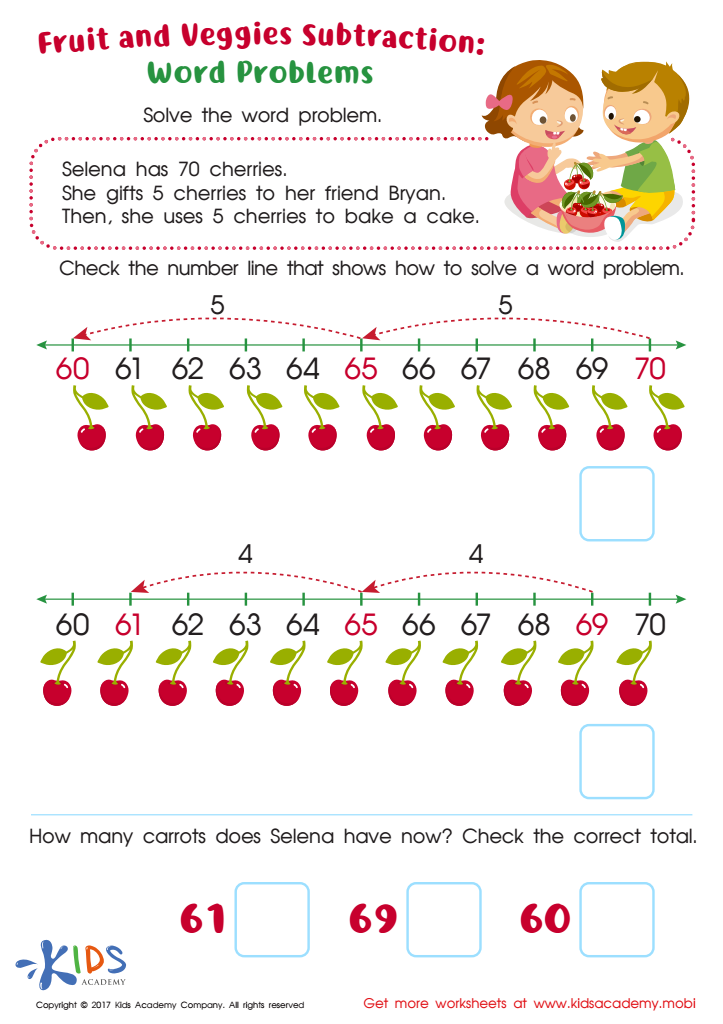
Subtraction Word Problems Free Printable
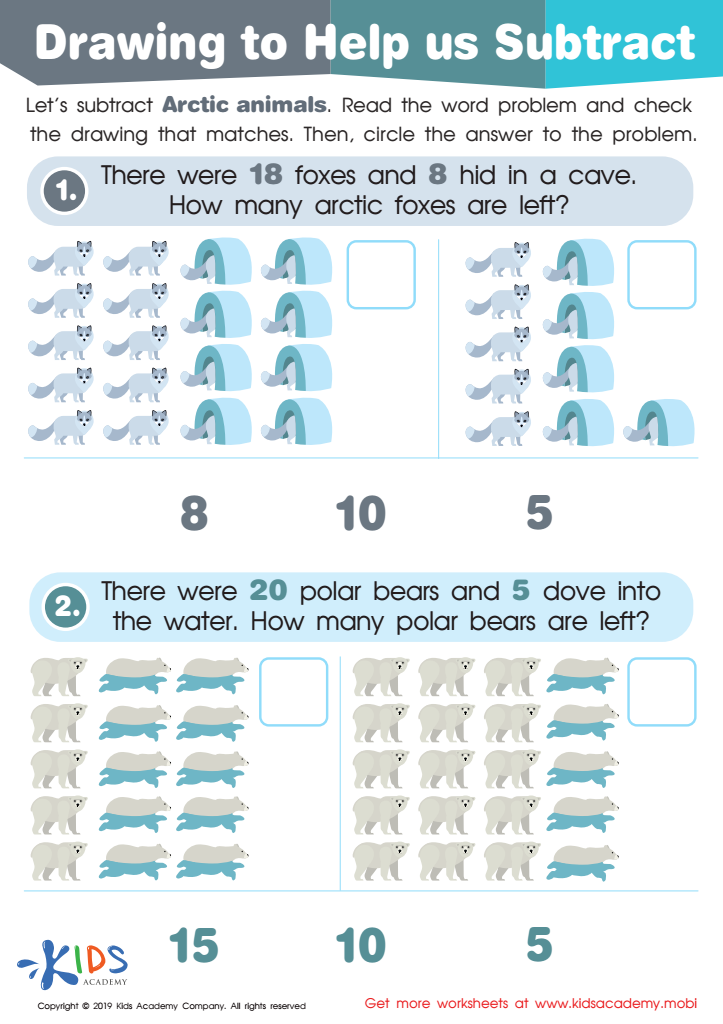
Drawing to Help Us Subtract Worksheet
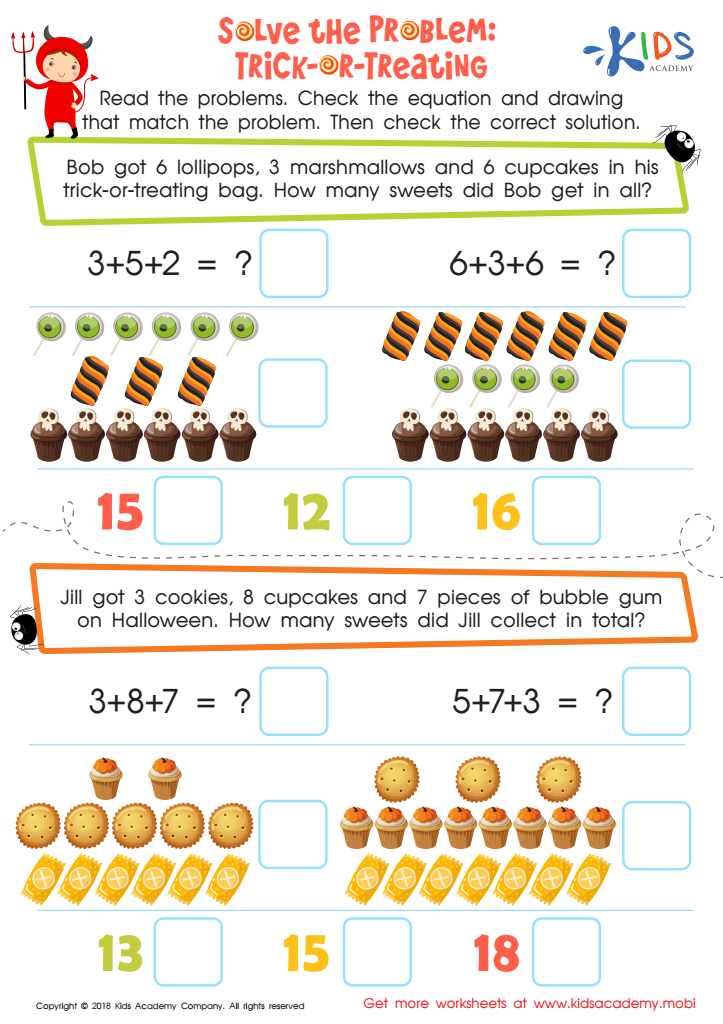
Solve the Problem: Trick–or–treating Worksheet
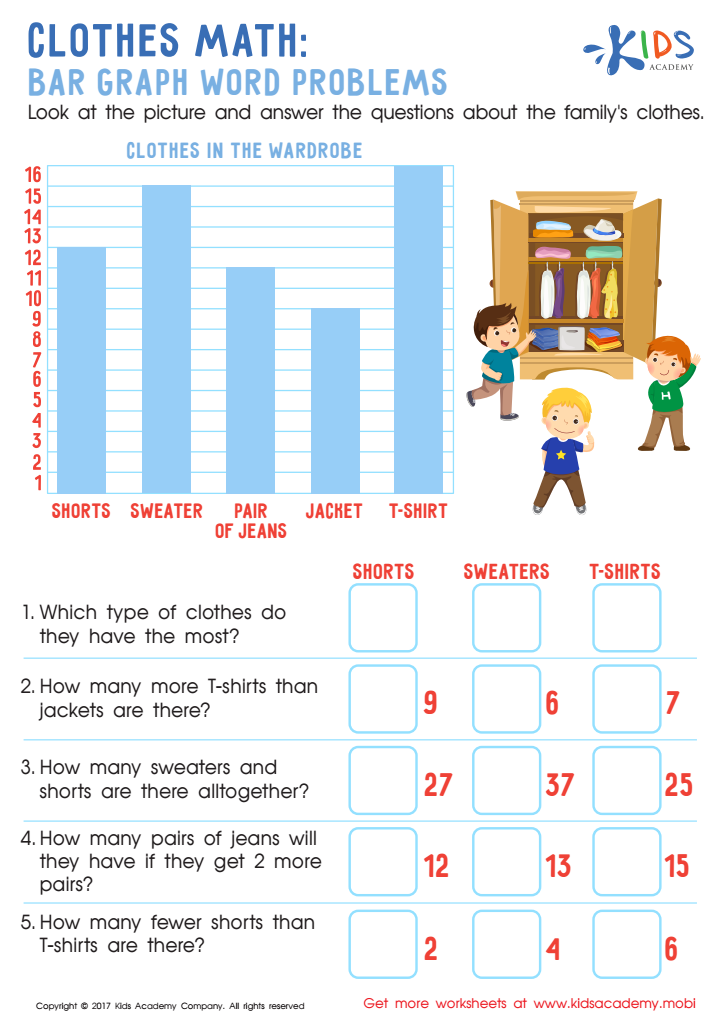
Clothes Math: Bar Graph Word Problems Worksheet
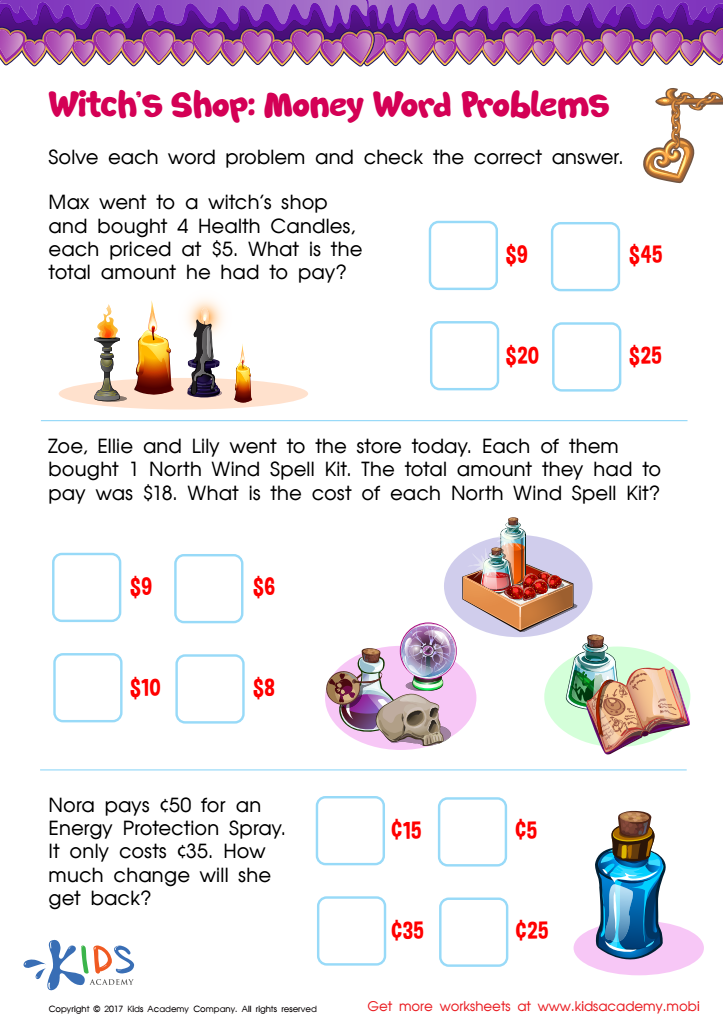
Money Word Problems Printable
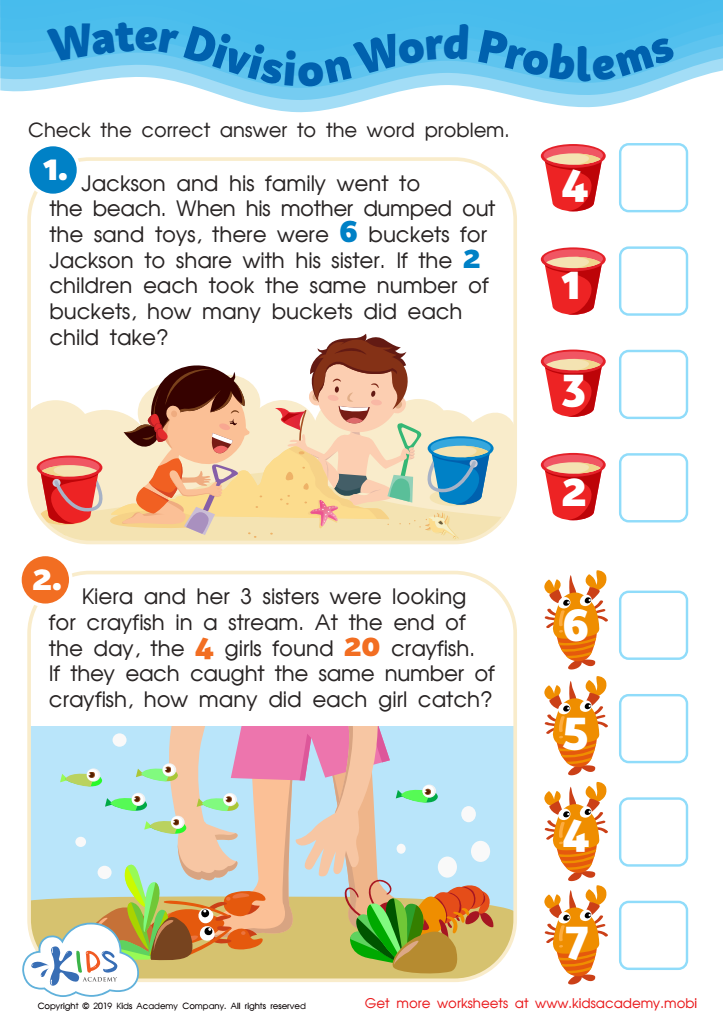
Water Division Word Problems Worksheet
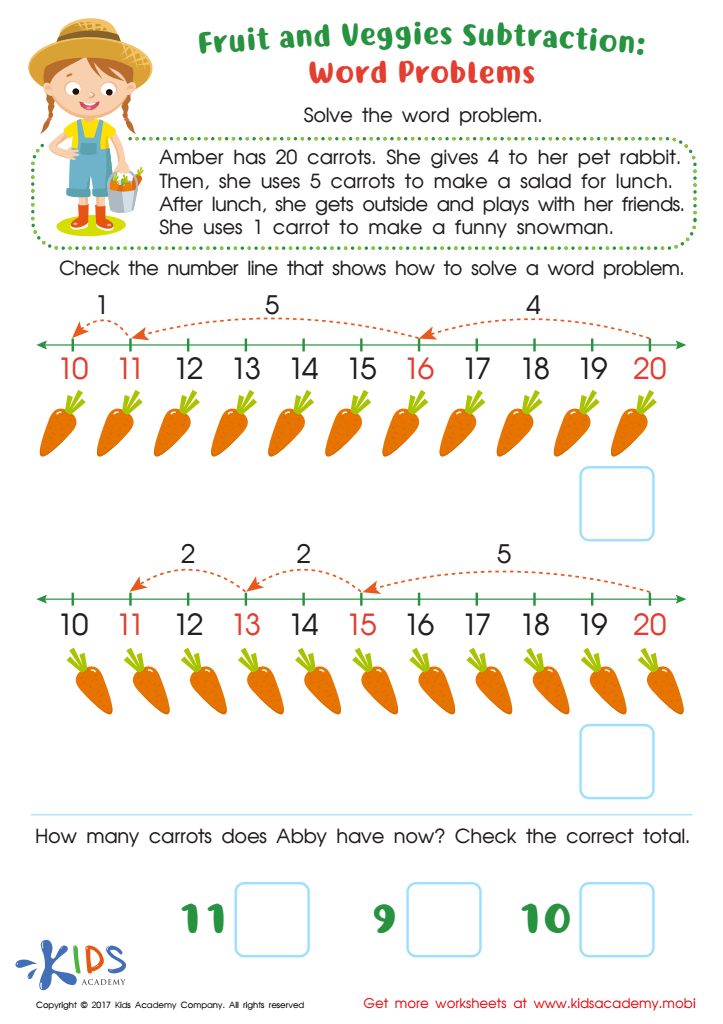
Subtraction Word Problems Printable
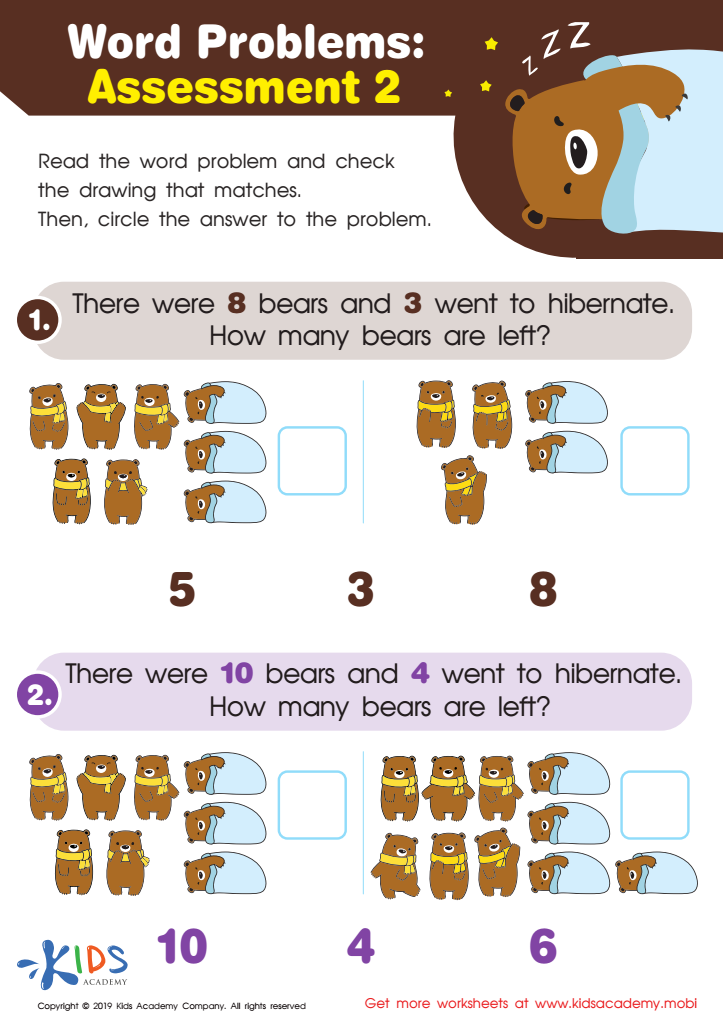
Word Problems: Assessment 2 Worksheet
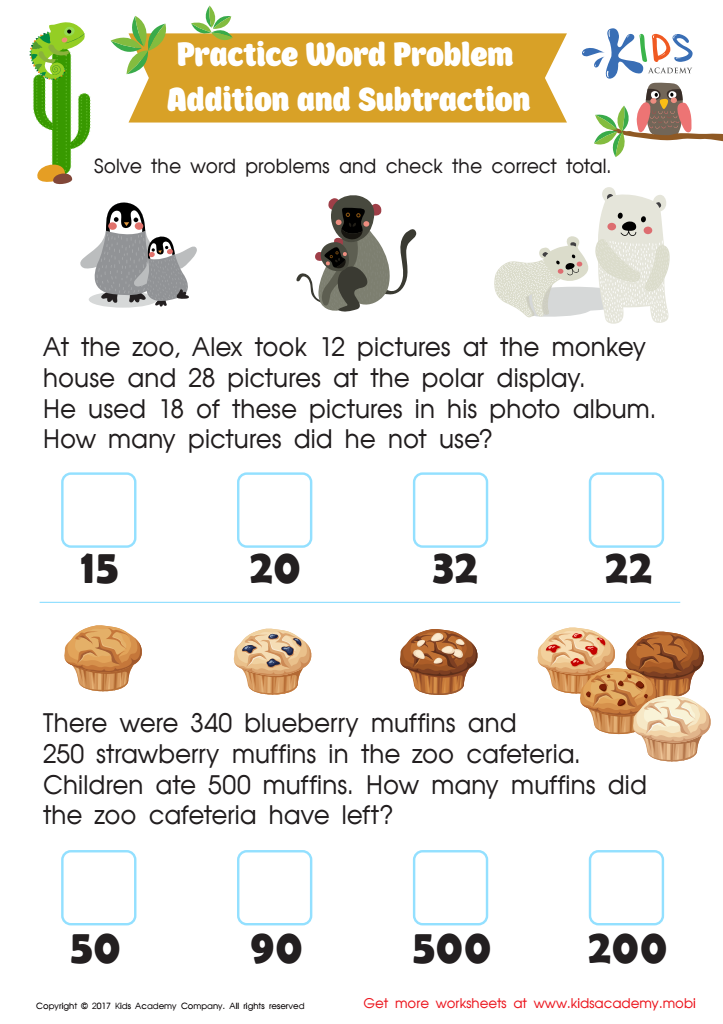
Addition and Subtraction: Word Problems Worksheet
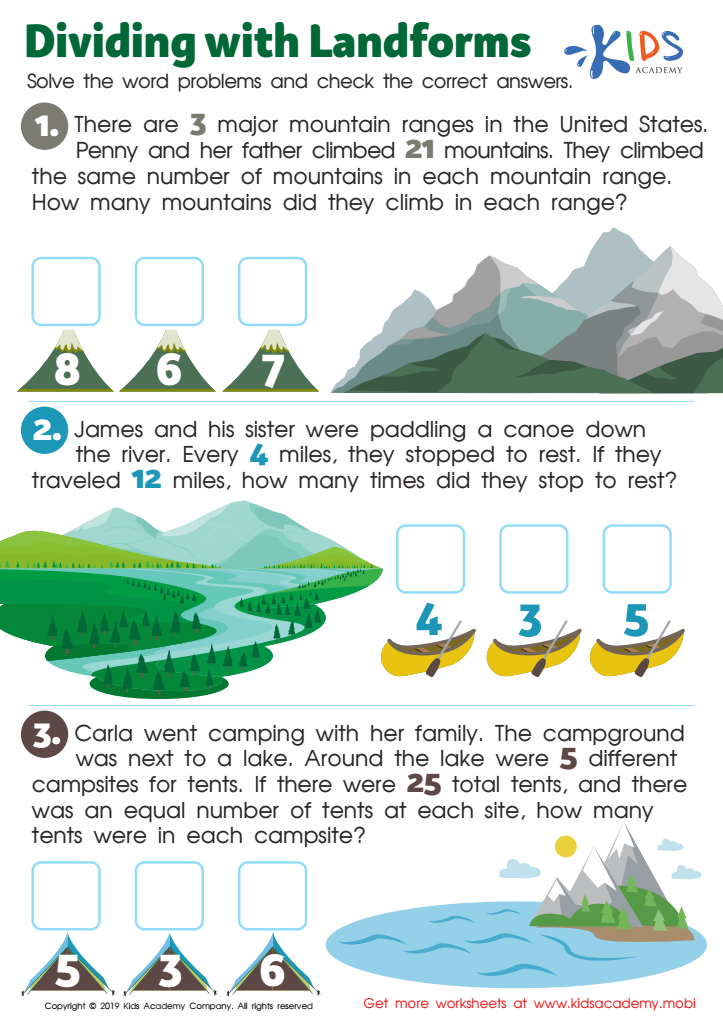
Dividing with Landforms
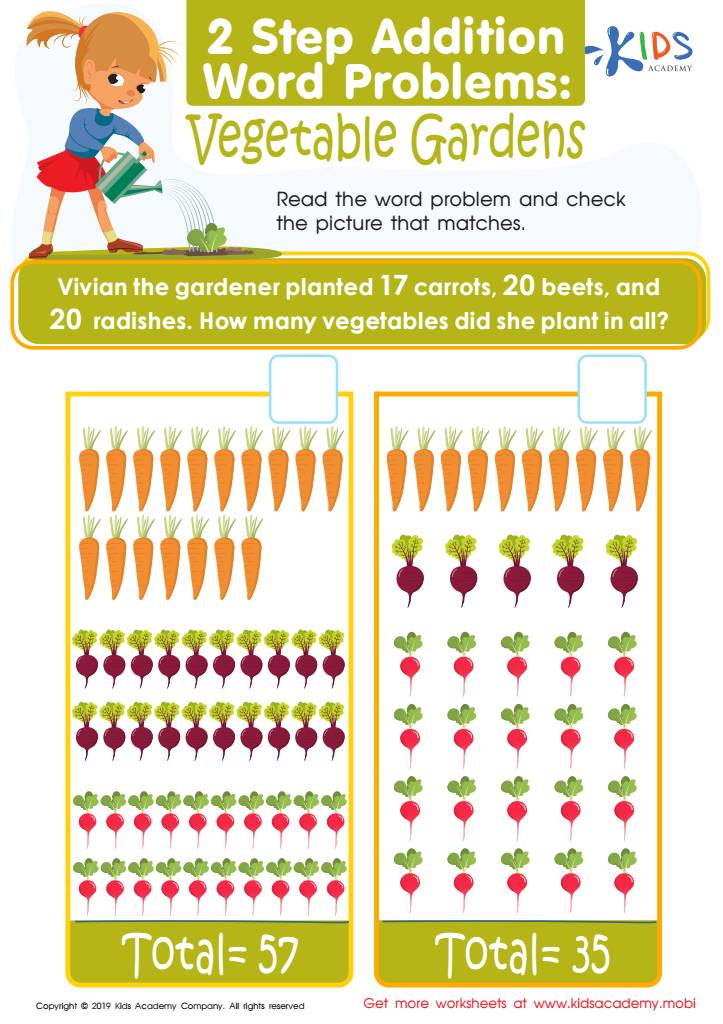
Vegetable Gardens Worksheet
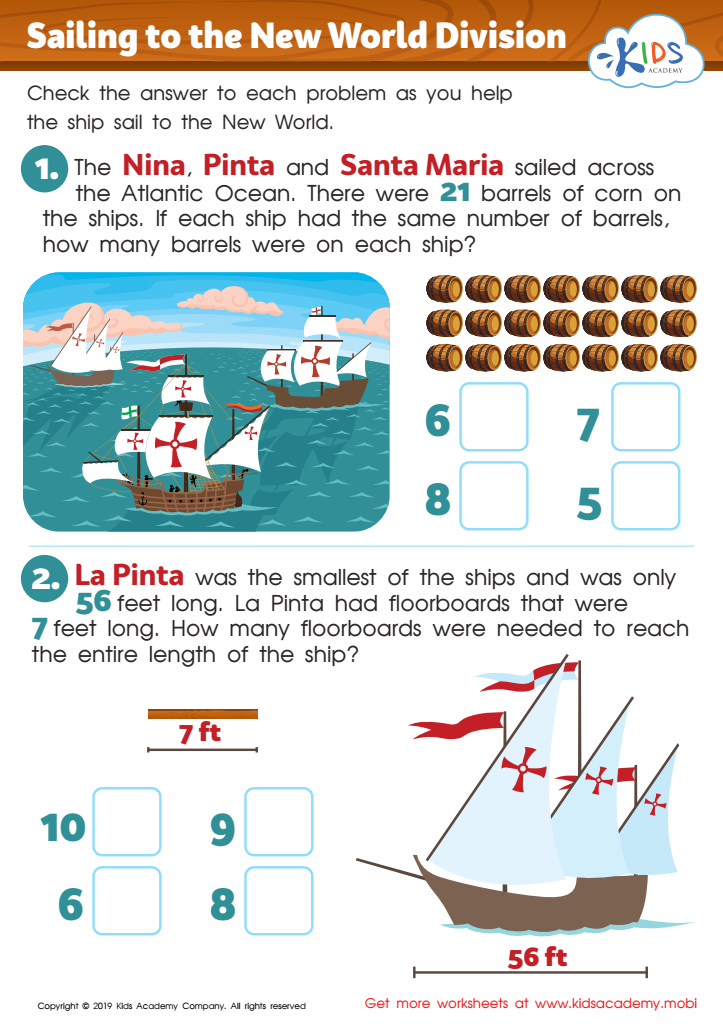
Sailing to the New World Division Worksheet
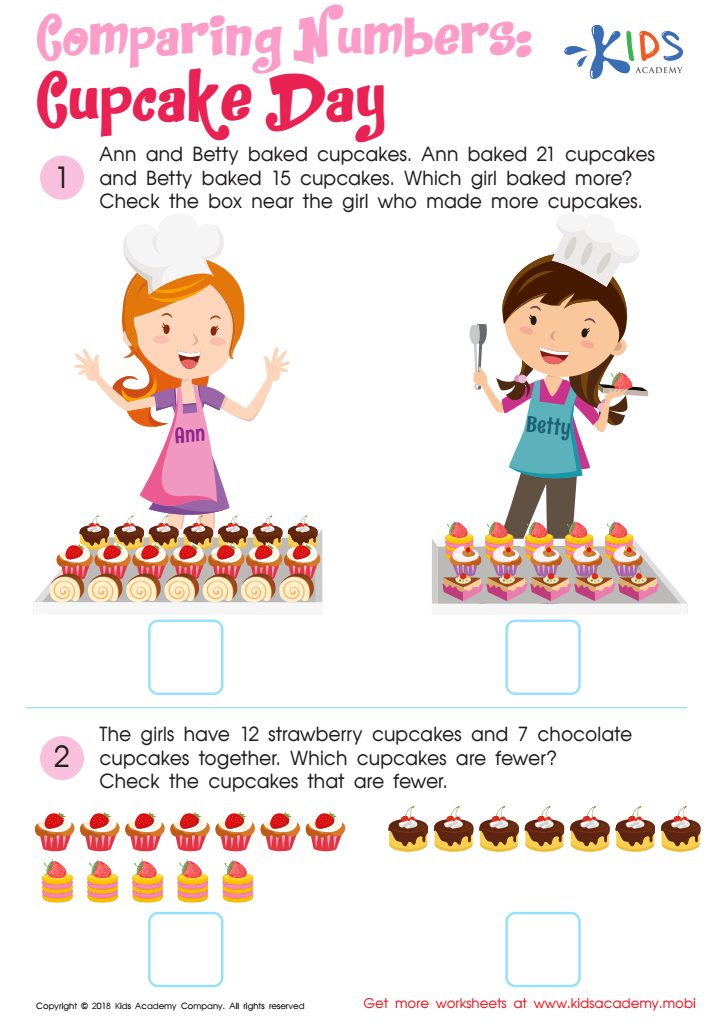
Cupcake Day Worksheet
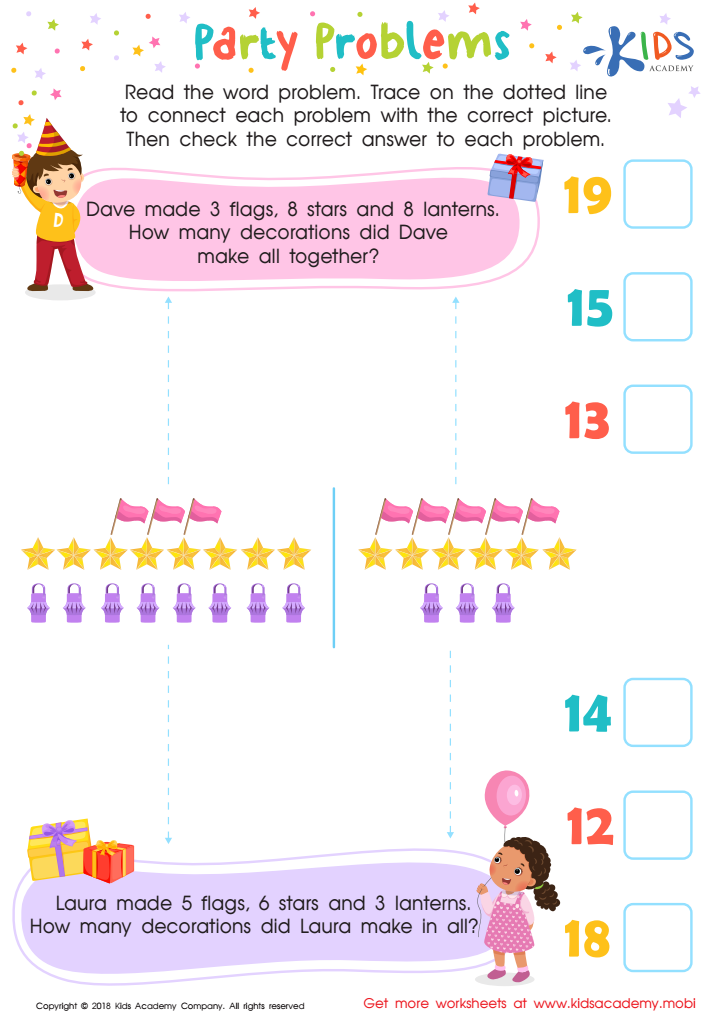
Party Problems Worksheet
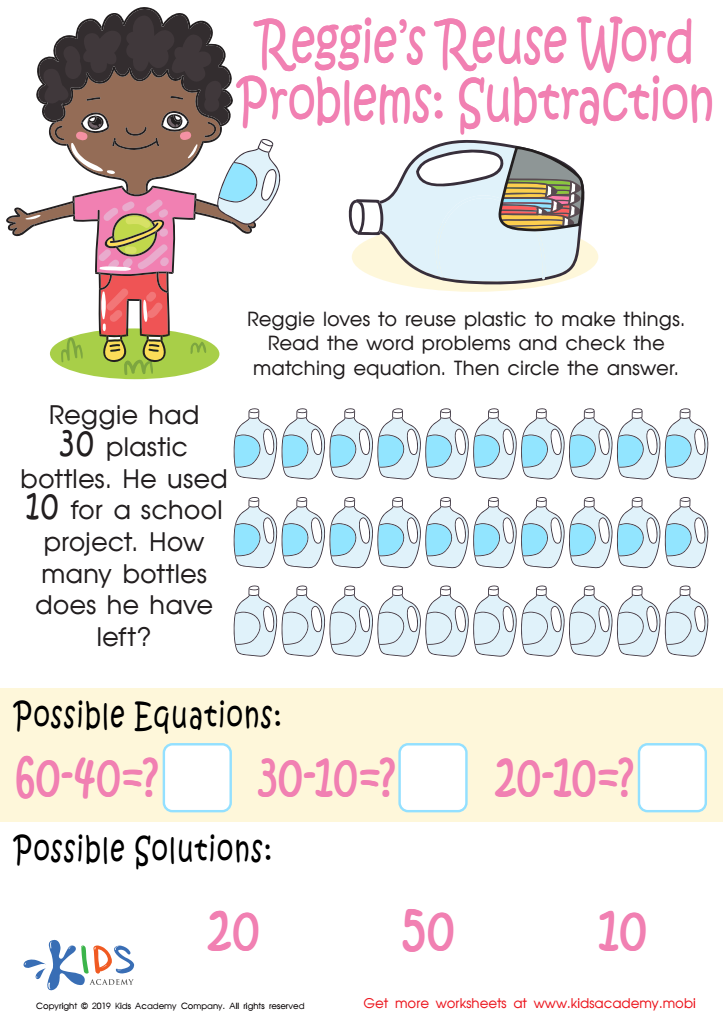
Reggie's Reuse Word Problems: Subtraction Worksheet
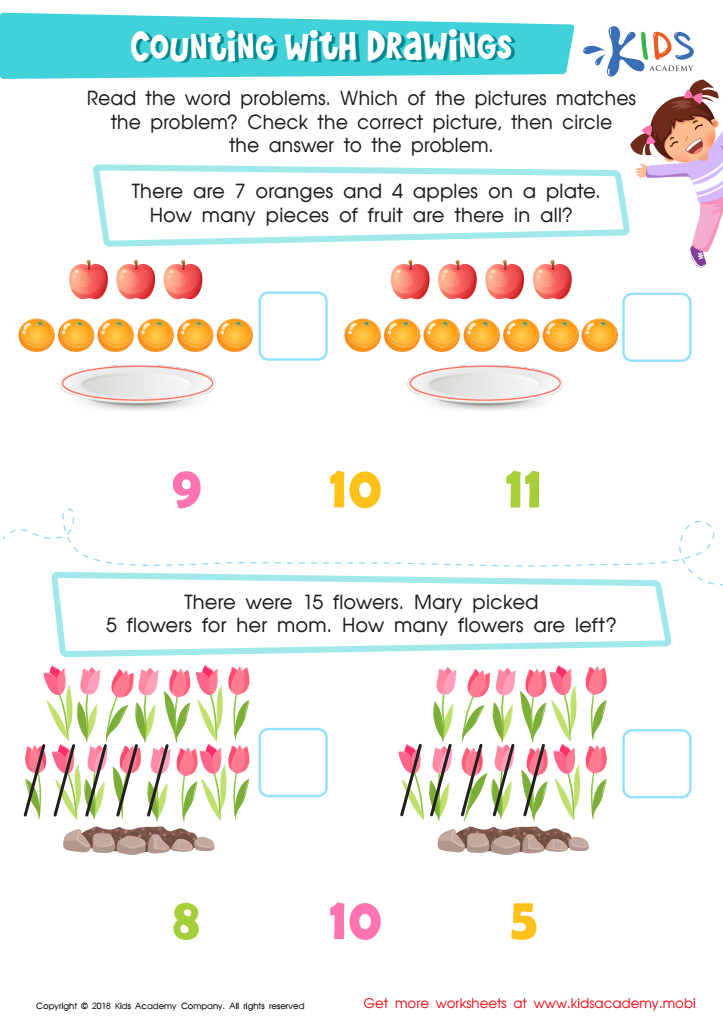
Counting with Drawings:Fruits & Flowers Worksheet
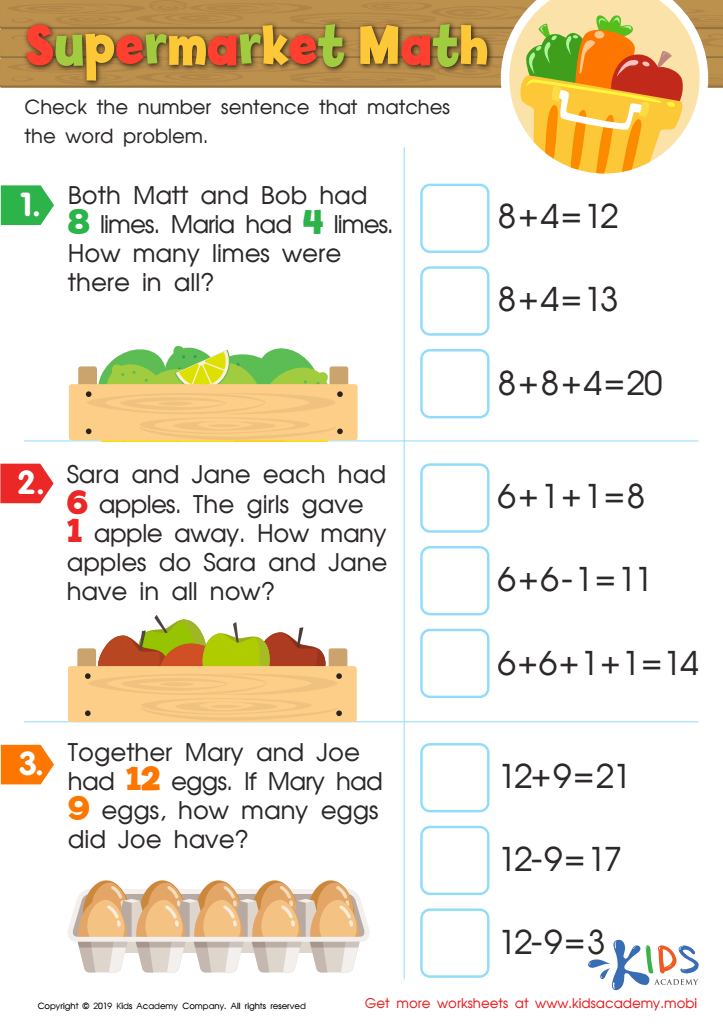
Supermarket Math Worksheet
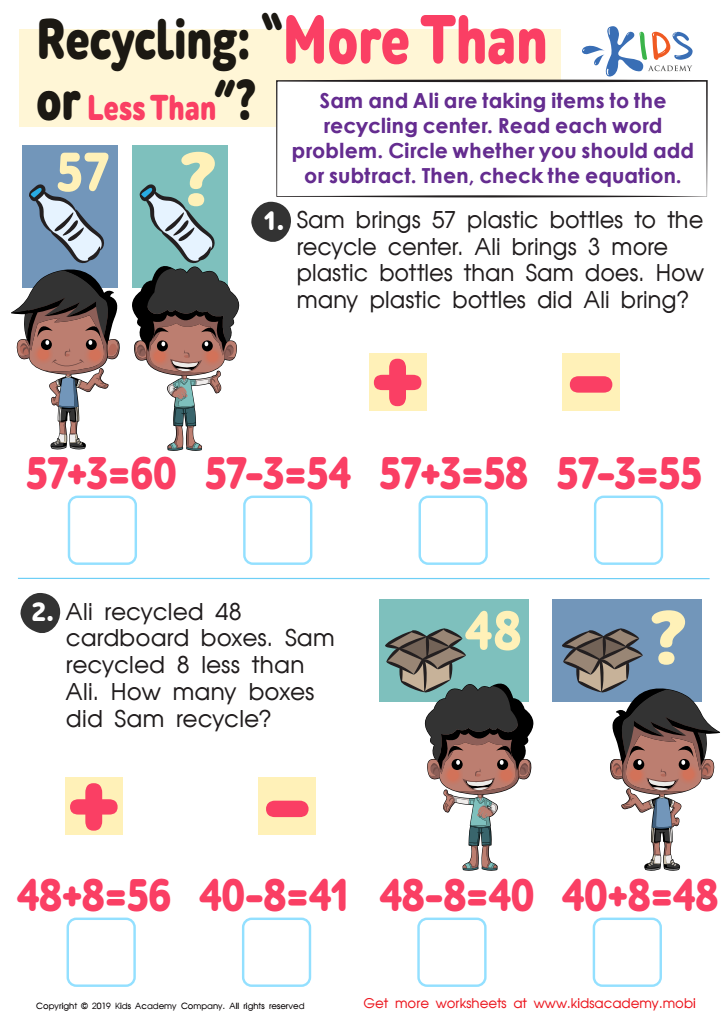
Recycling - More or Less Worksheet
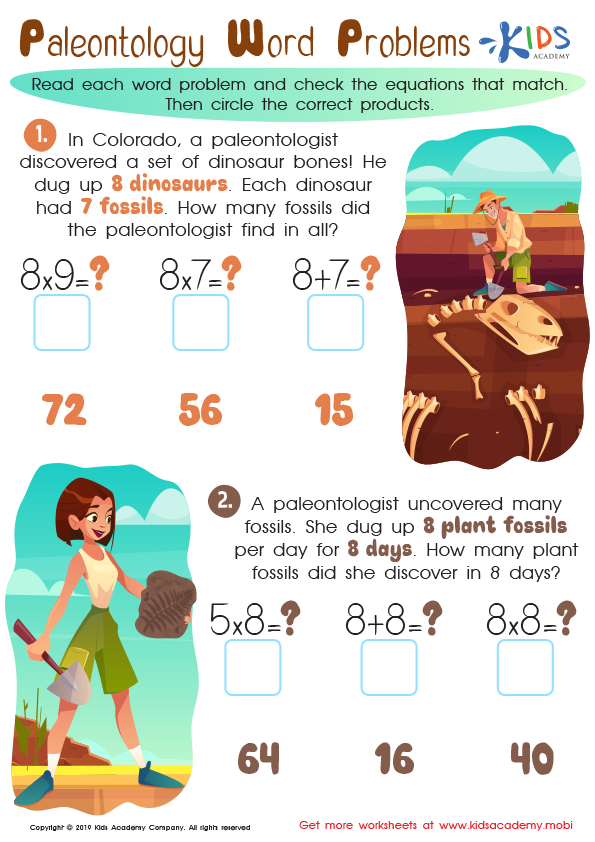
Archeology Word Problems Worksheet


.jpg)





Normal word problems are a crucial component of early mathematics education for children ages 7-9. Parents and teachers should care about these problems because they help develop essential cognitive and problem-solving skills. At this age, children are transitioning from concrete understanding of numbers to more abstract ways of thinking. Normal word problems provide real-life contexts that make mathematical concepts relatable, enabling children to see the practical application of their learning.
Moreover, tackling word problems enhances reading comprehension skills as students must decode the language, identify relevant information, and discern what is being asked. This dual focus on math and literacy fosters critical thinking, encouraging children to analyze and synthesize information—a skill that goes far beyond math.
Additionally, word problems introduce children to various mathematical operations and strategies, improving their flexibility in thinking and ability to choose appropriate solutions. Problem-solving promotes resilience, as students learn to persist through challenges, a vital skill for lifelong learning.
Finally, engaging with word problems builds confidence. When children successfully solve these issues, it reinforces their belief in their capabilities, encouraging a positive attitude towards math. For these reasons, fostering proficiency in normal word problems should be a priority for parents and educators alike.








