Language worksheets for Kindergarten - Page 2
46 filtered results
-
From - To
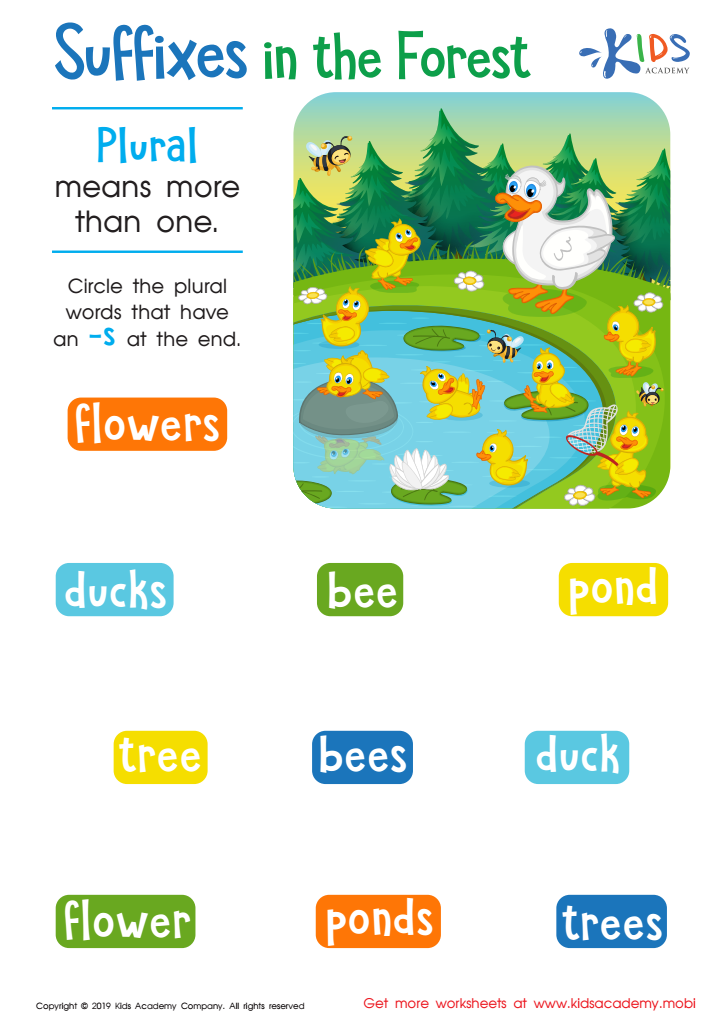
Suffixes in the Forest Worksheet
 Assign to My Students
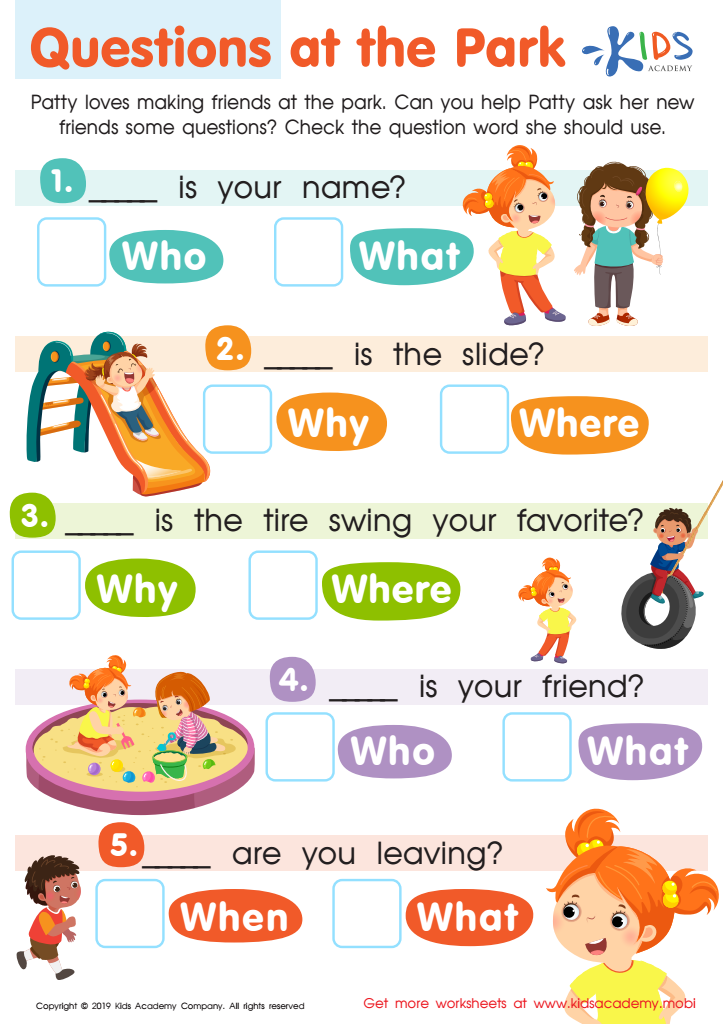
Questions at the Park Worksheet
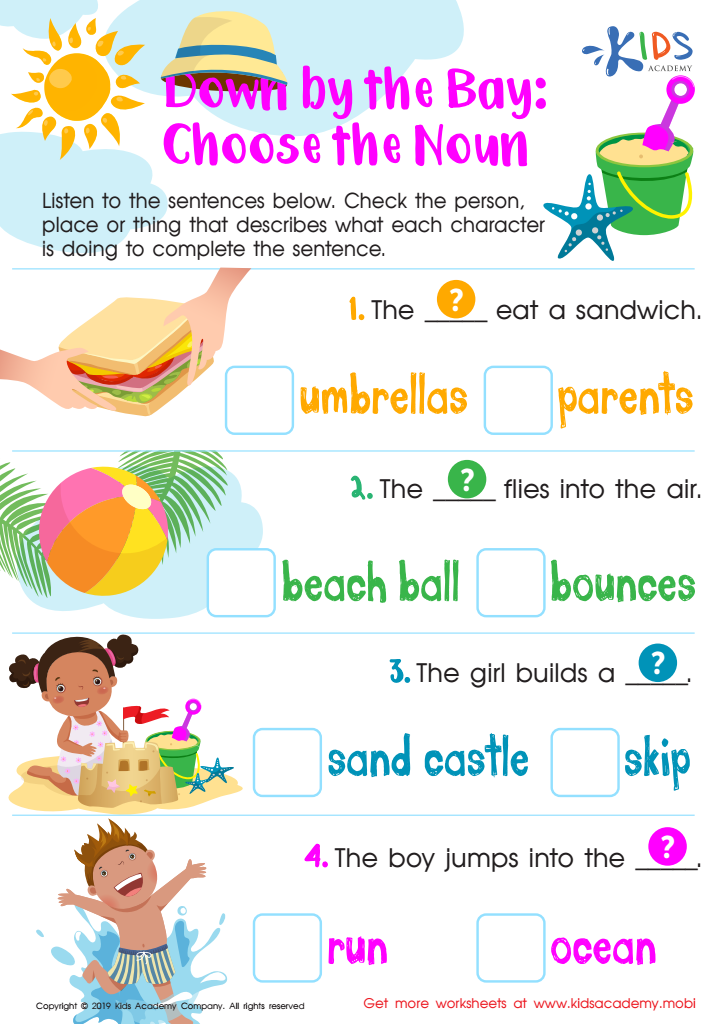
Down by the Bay: Choose the Noun Worksheet
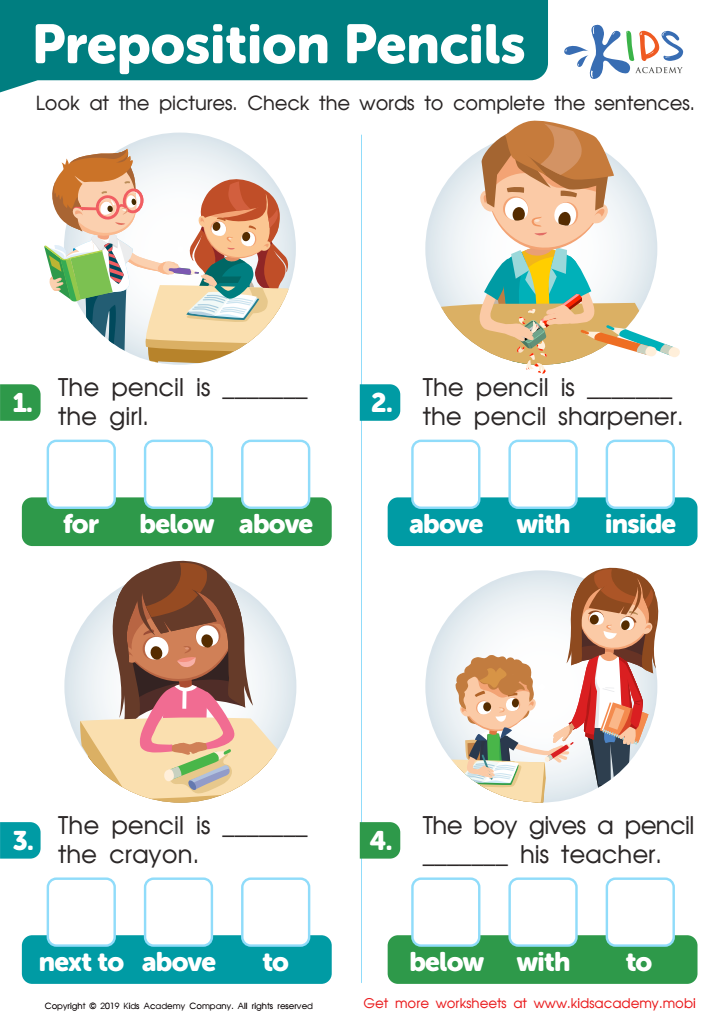
Preposition Pencils Worksheet
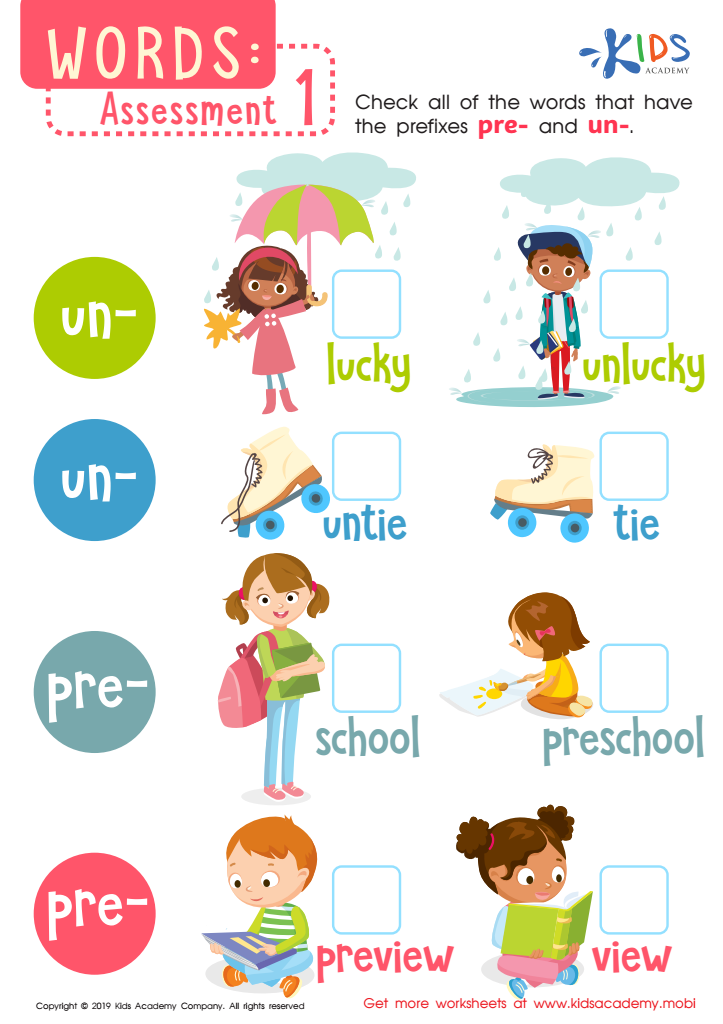
Words: Assessment 1 Worksheet
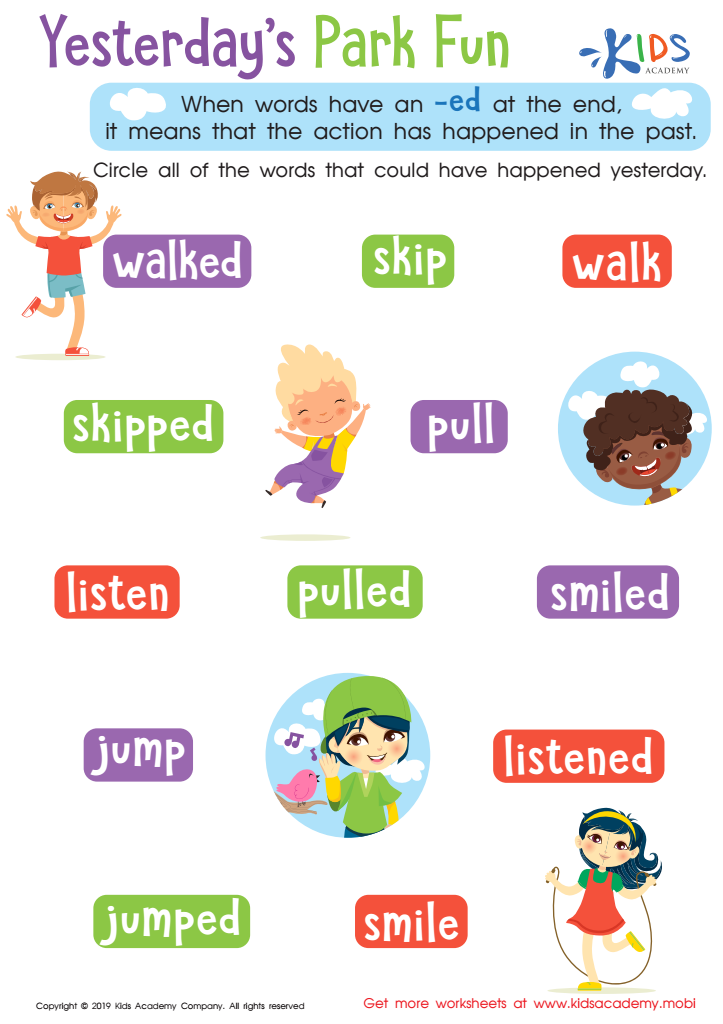
Yesterday's Park Fun Worksheet
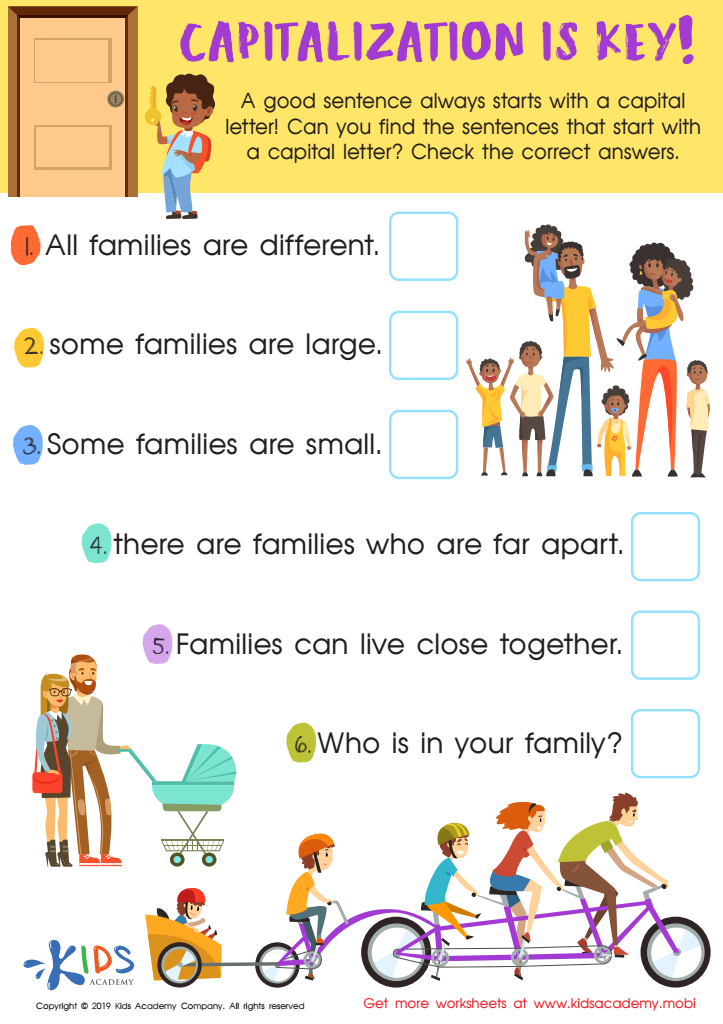
Capitalization Key Worksheet
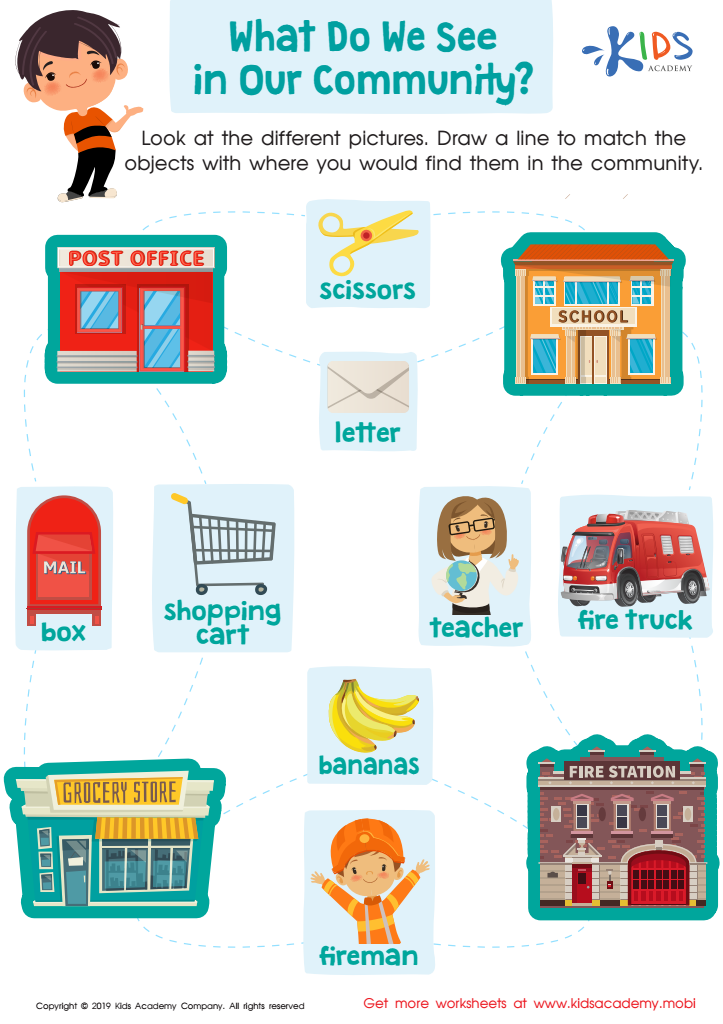
What Do We See in our Community? Worksheet
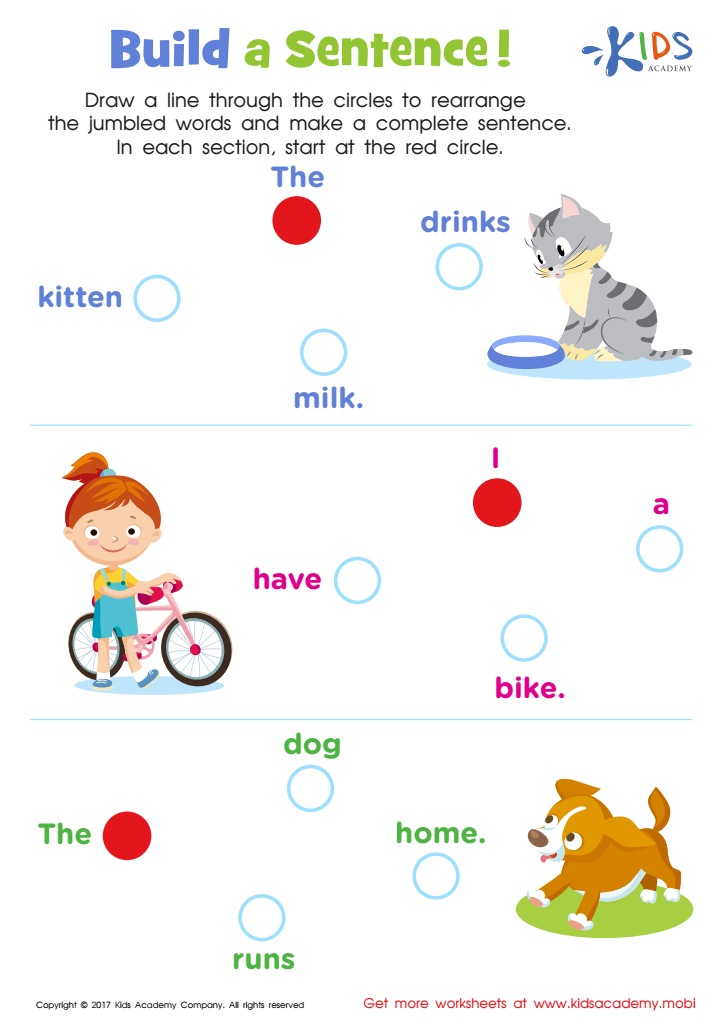
Sentence Structure Printable
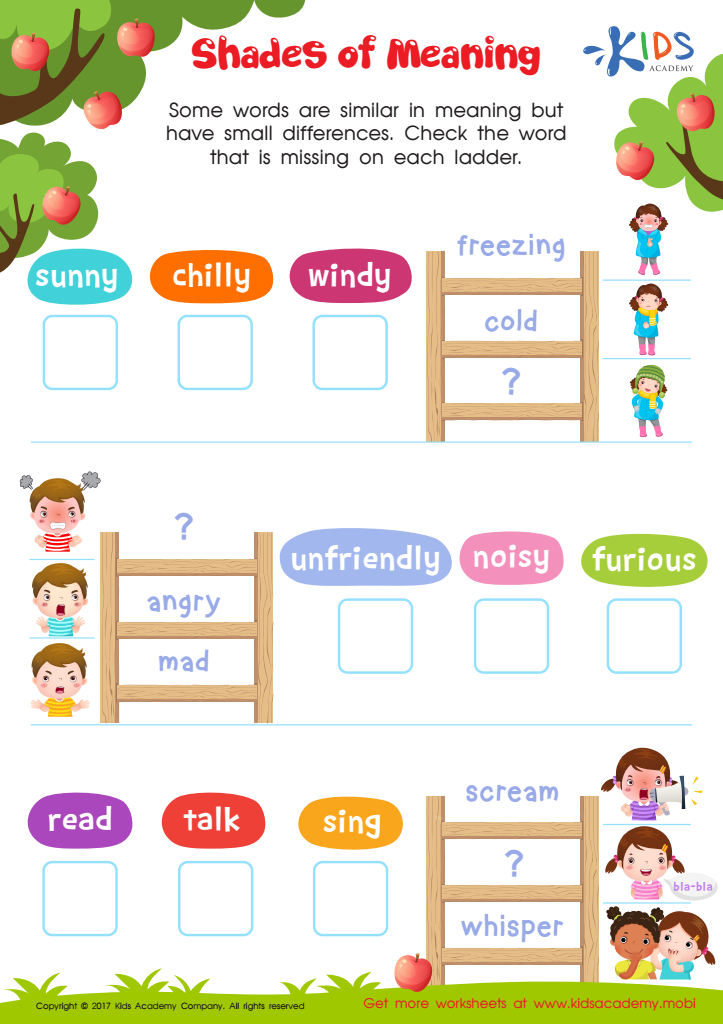
Shades of Meaning Worksheet
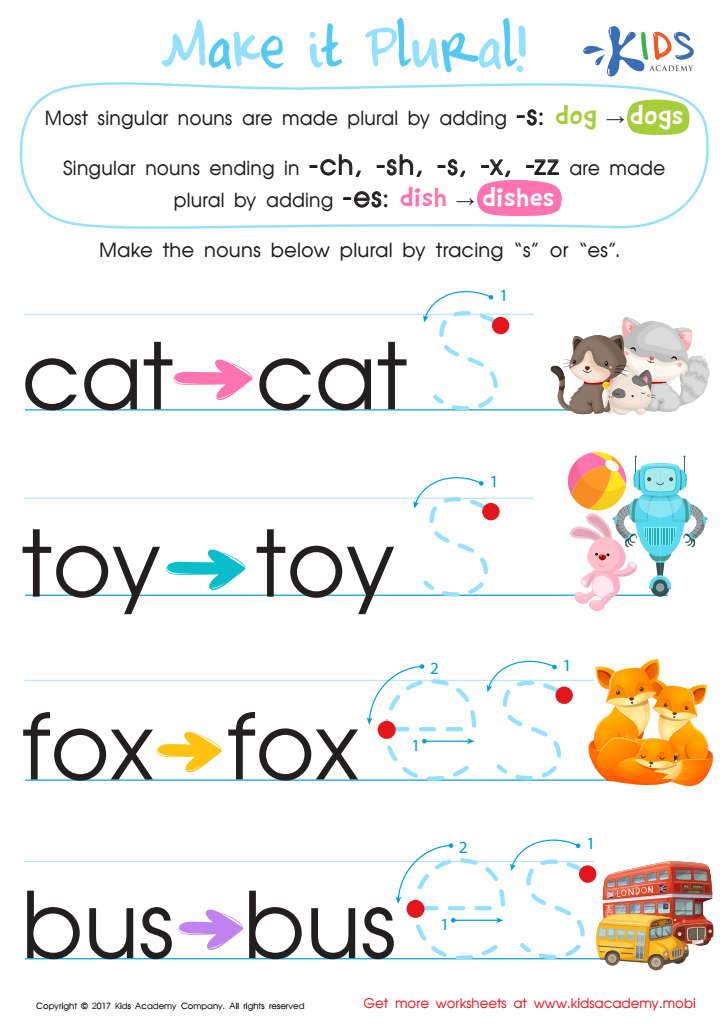
Make it Plural Worksheet
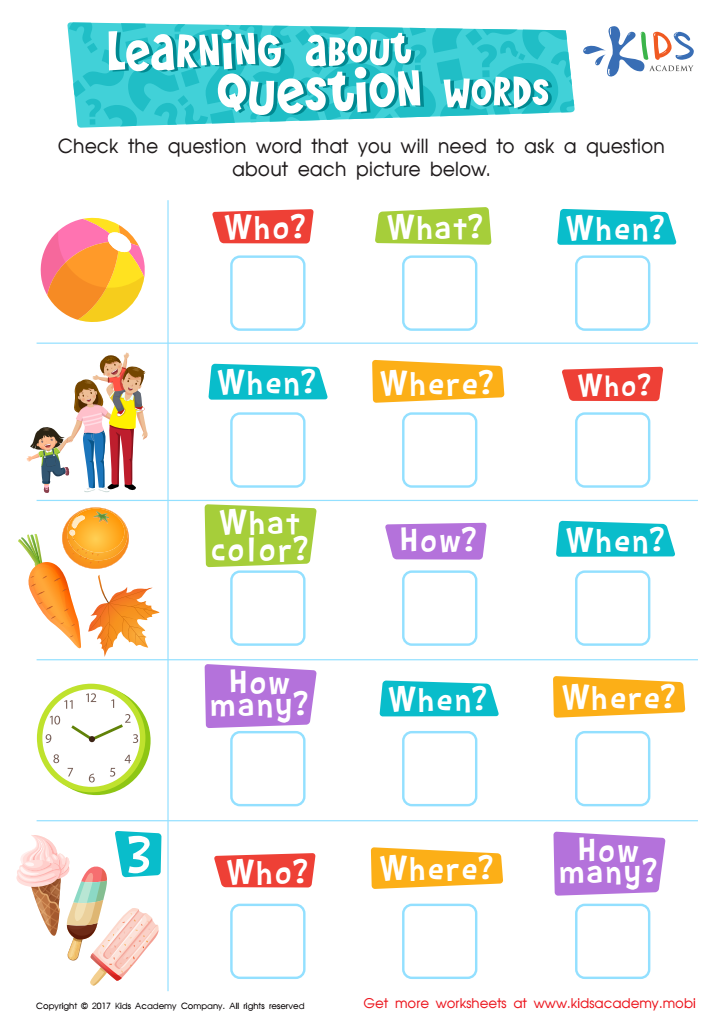
Learning about Question Words Worksheet
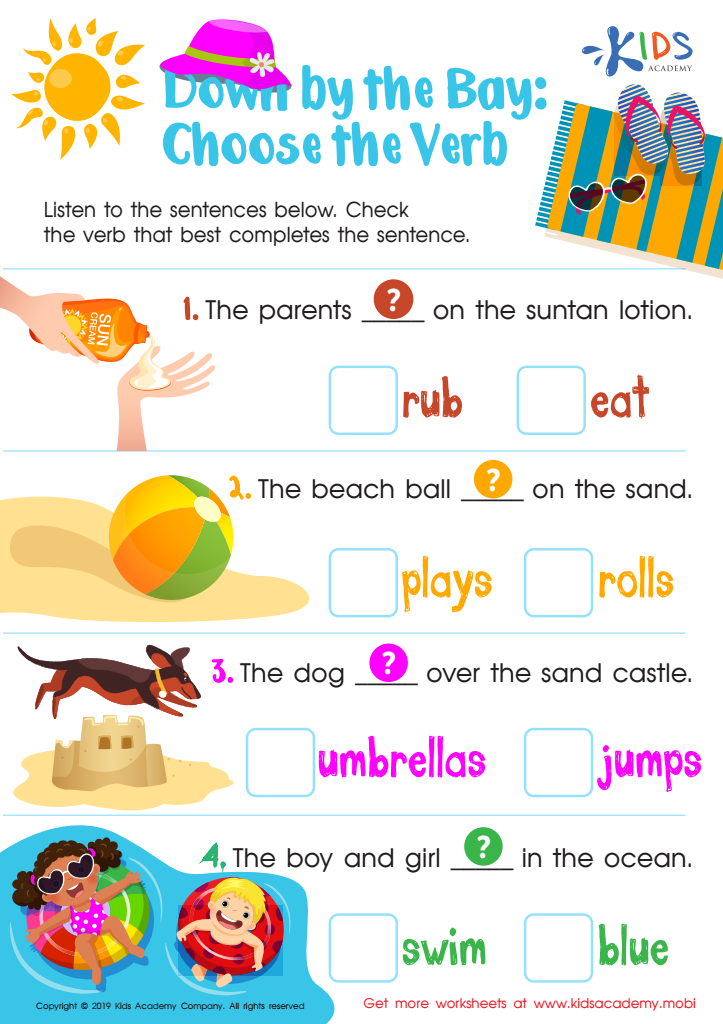
Down by the Bay: Choose the Verb Worksheet
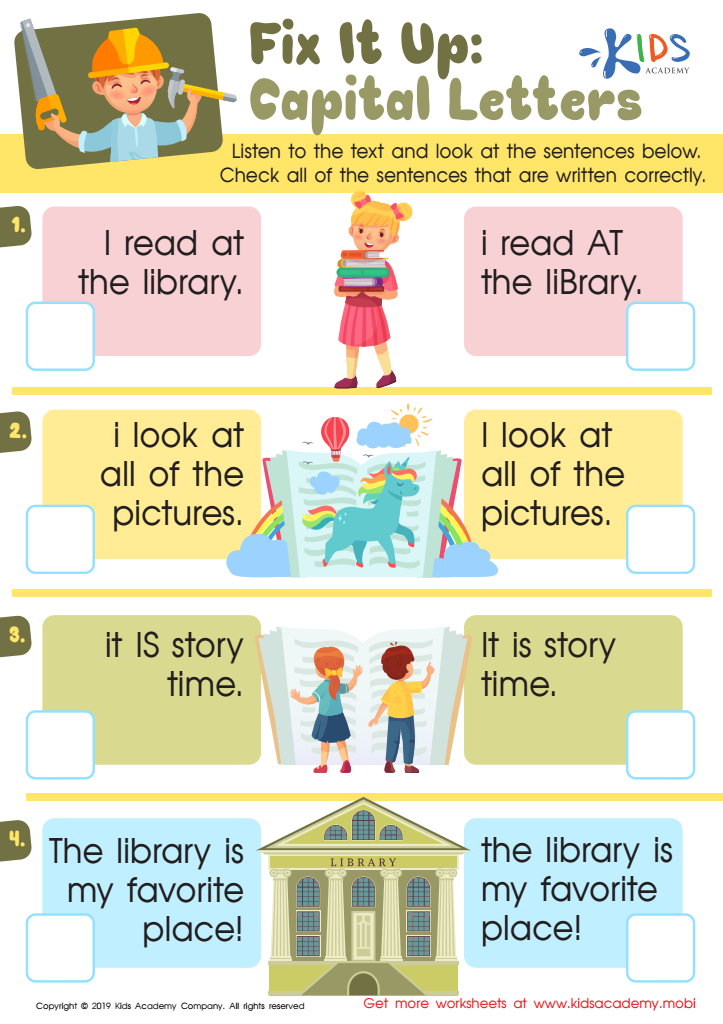
Fix Capital Letters Worksheet
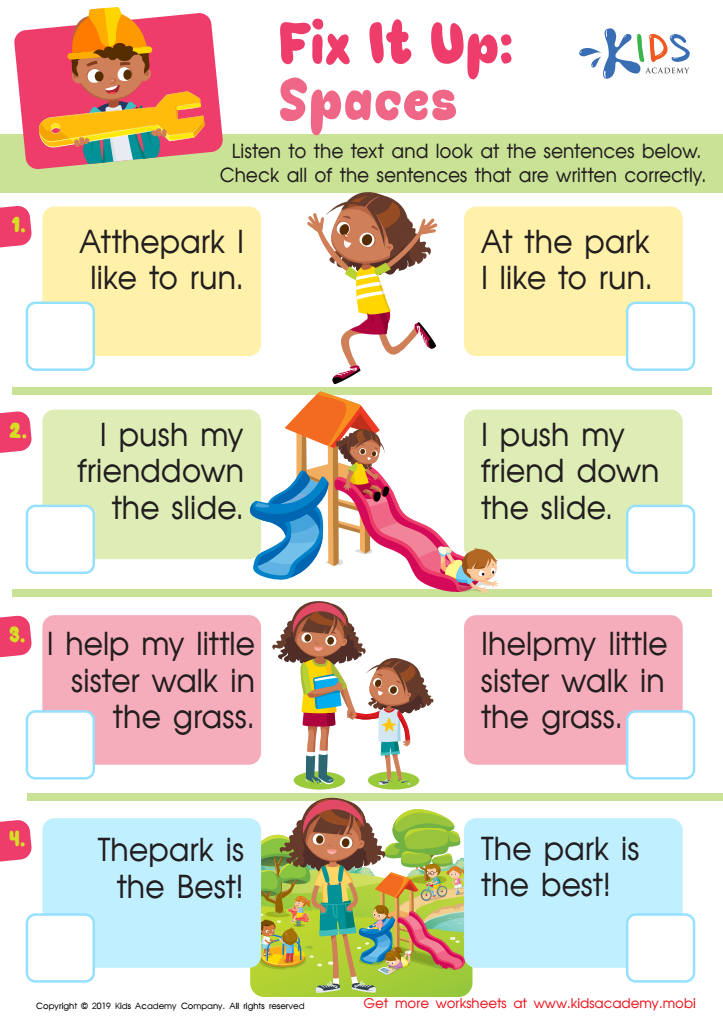
Fix Spaces Worksheet

How to Capitalize Worksheet
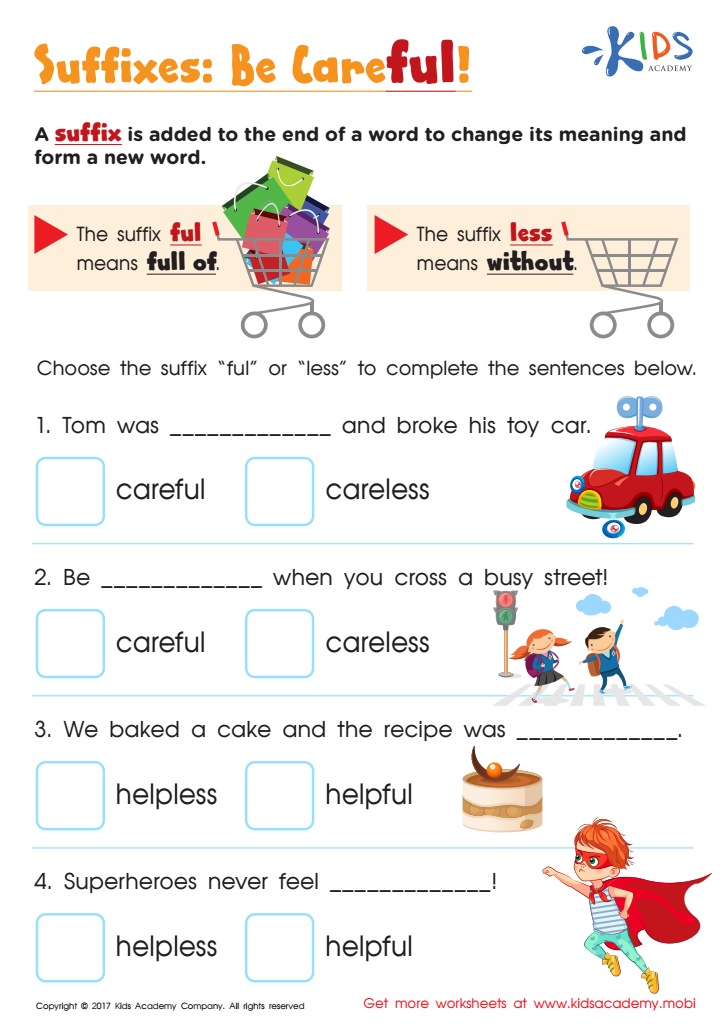
Suffixes Ful and Less Worksheet
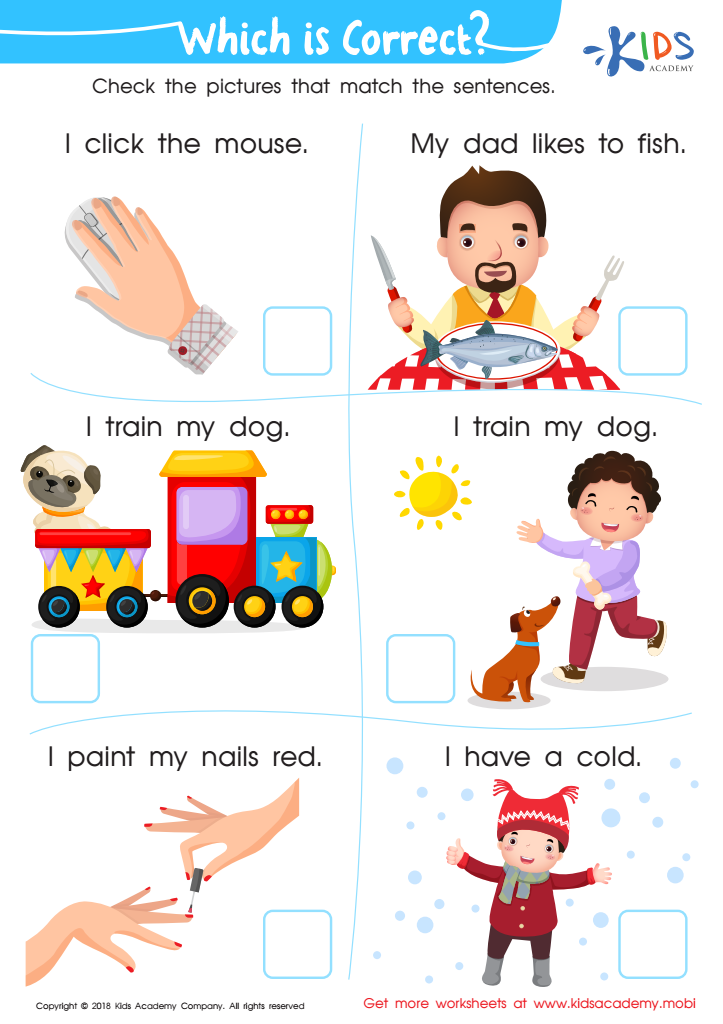
Which Is Correct? Worksheet
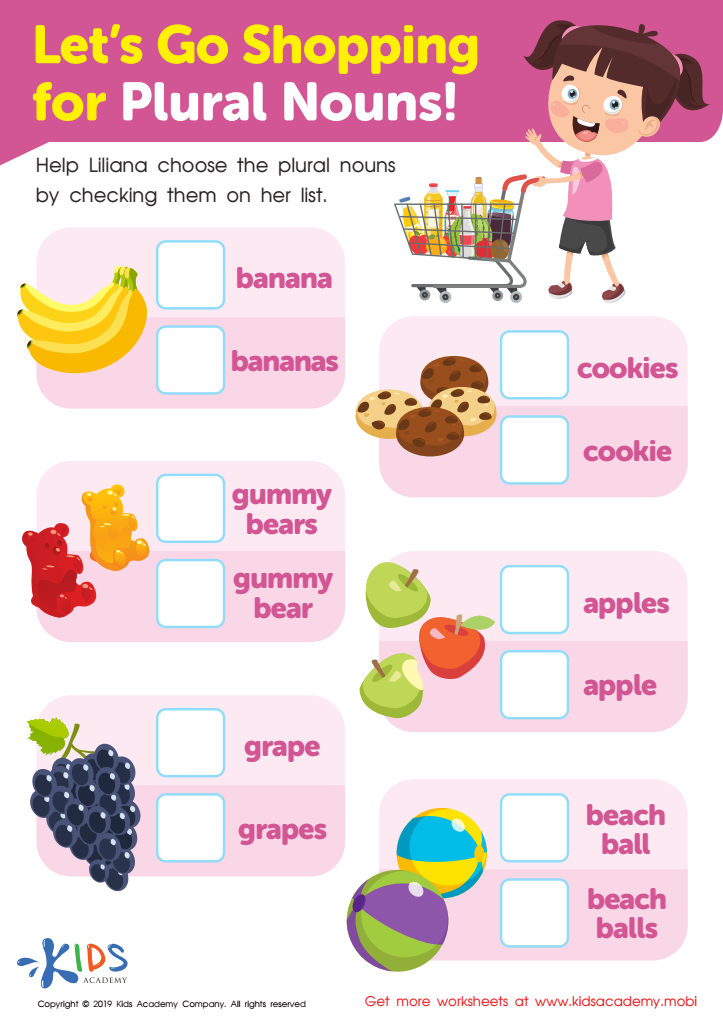
Let's Go Shopping for Plural Nouns! Worksheet
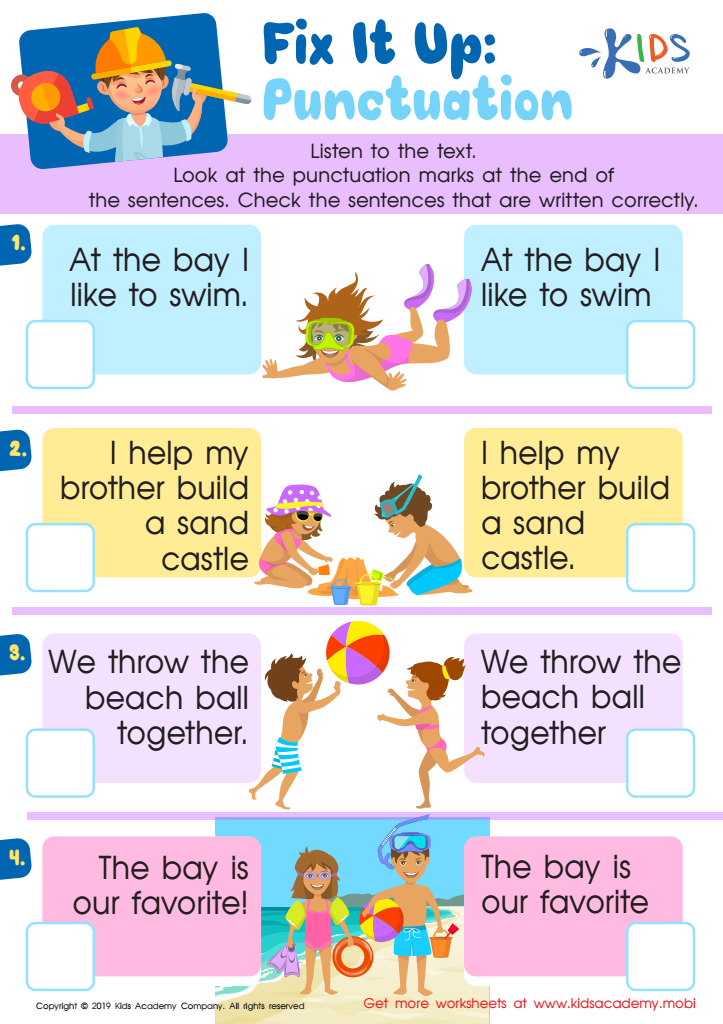
Fix Punctuation Worksheet
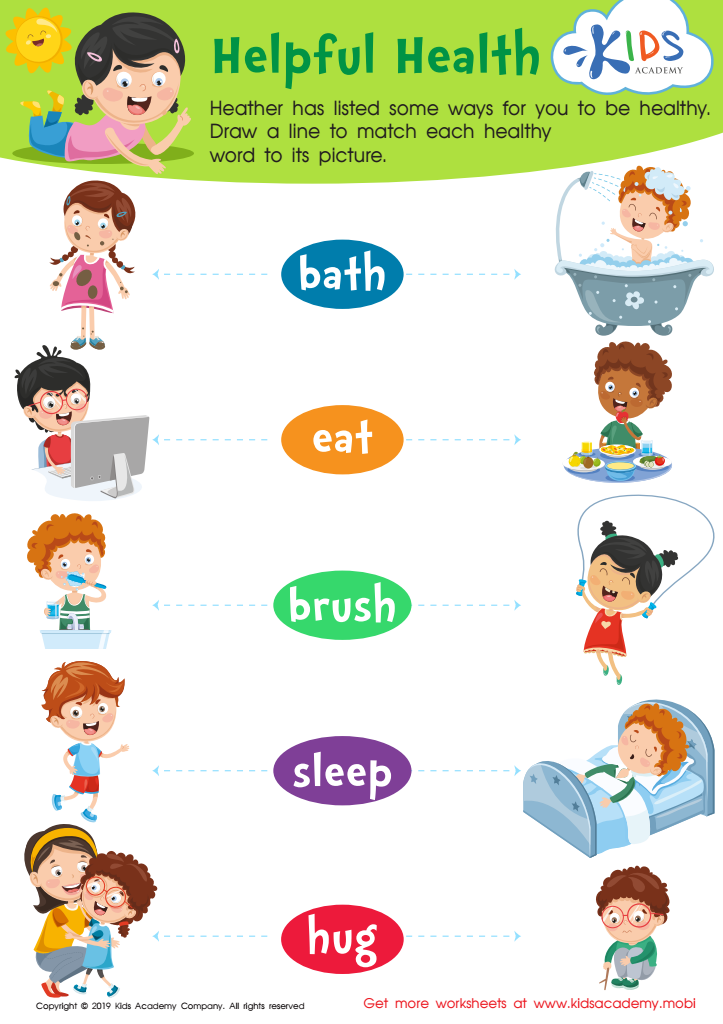
Helpful Health Worksheet
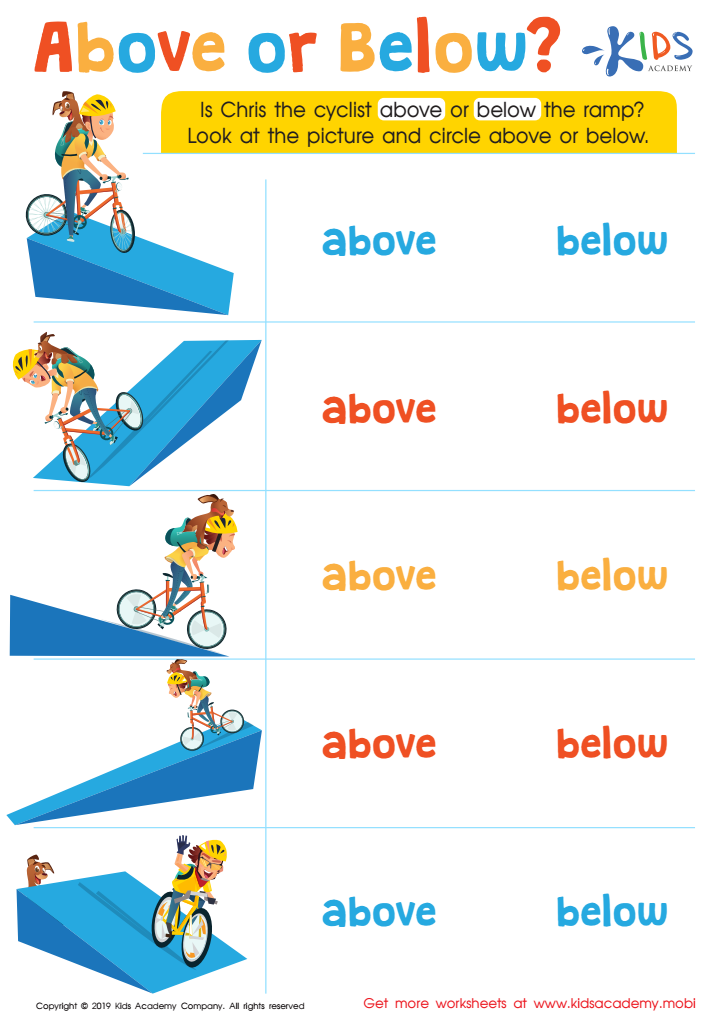
Above or Below? Worksheet








Language development in kindergarten forms the foundation for a child's future academic success and interpersonal skills. During these crucial years, children learn to communicate their thoughts, express emotions, and understand others, which are essential abilities for building relationships and navigating everyday situations. Parents and teachers should prioritize language development, as it enhances cognitive skills and critical thinking.
Exposure to rich vocabulary, storytelling, and engaging conversations fosters curiosity and stimulates imagination, making learning more enjoyable. Engaging children in activities like reading, singing, and phonemic awareness activities promotes language skills and literacy, setting the stage for effective reading and writing in later grades.
Moreover, language skills aid in emotional regulation and social interactions; children who can articulate feelings are better equipped to resolve conflicts and build friendships. In a diverse classroom, language skills also aid in fostering inclusivity, allowing children to connect with peers from various backgrounds.
Ultimately, the emphasis on language development in kindergarten equips children not only for educational journeys but also for life, enabling them to communicate effectively, think critically, and engage meaningfully in their world. It's essential that parents and teachers collaborate to nurture and support these skills throughout the early years.








