Reading: Literature worksheets for Kindergarten - Page 2
35 filtered results
-
From - To
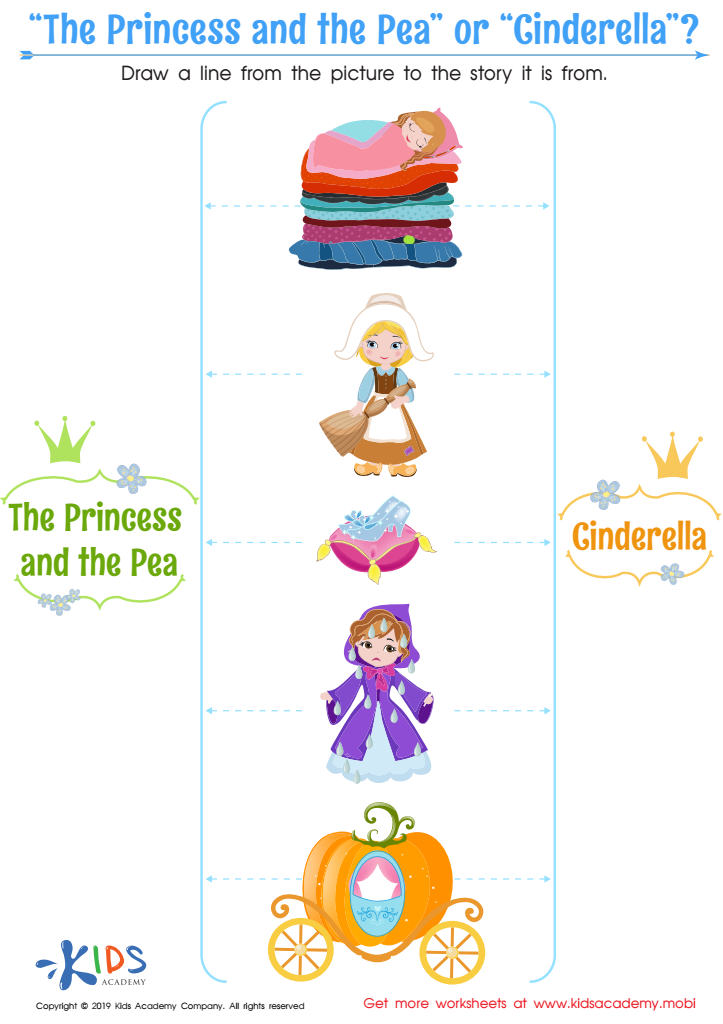
“The Princess and the Pea” or “Cinderella” Worksheet
 Assign to My Students
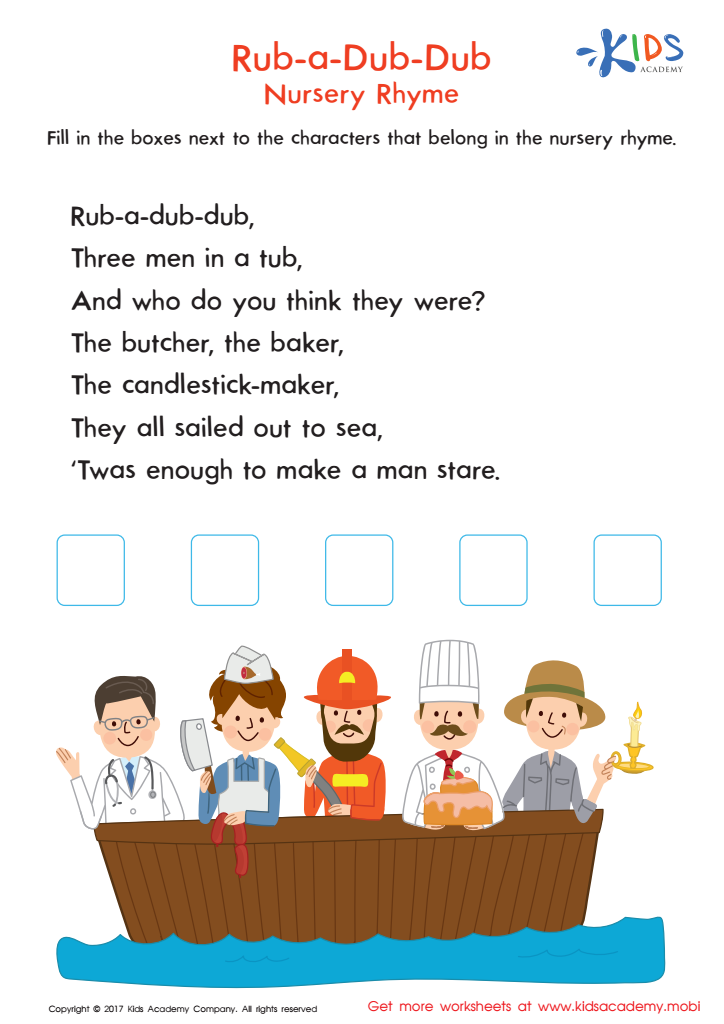
Rub a Dub Dub Printable
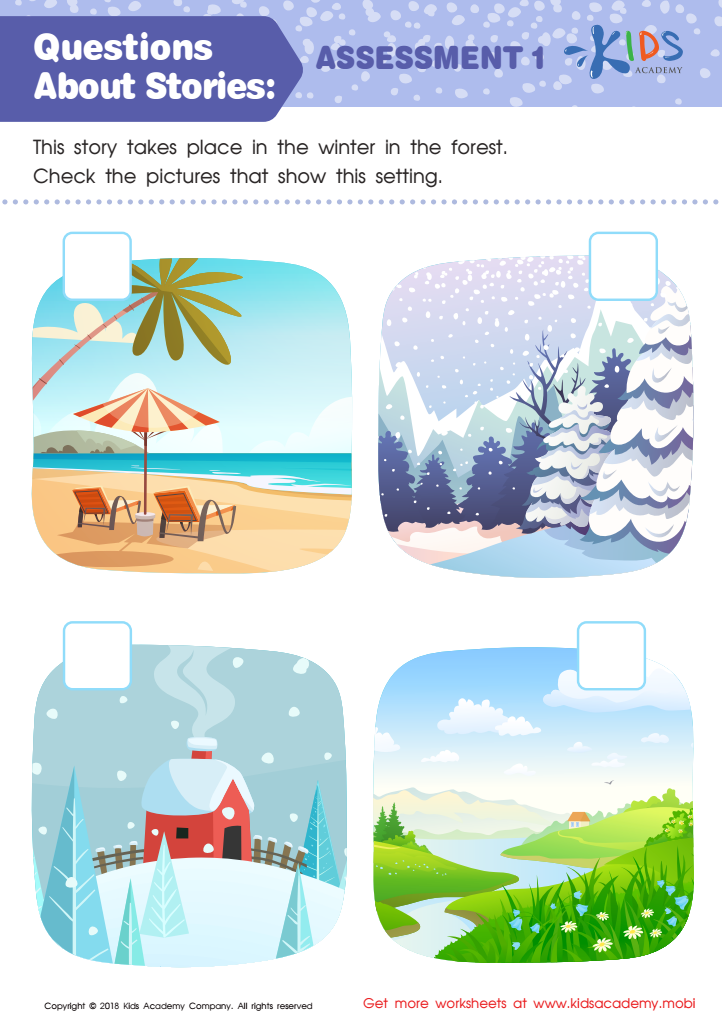
Questions About Stories: Assessment 1 Worksheet
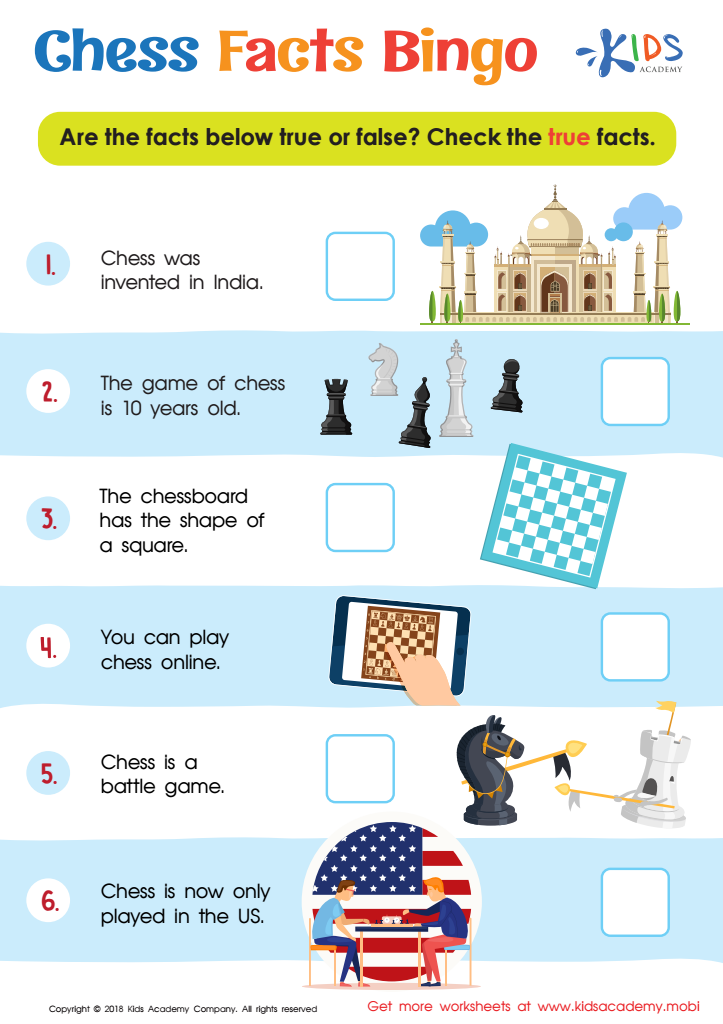
Chess Facts Bingo Worksheet
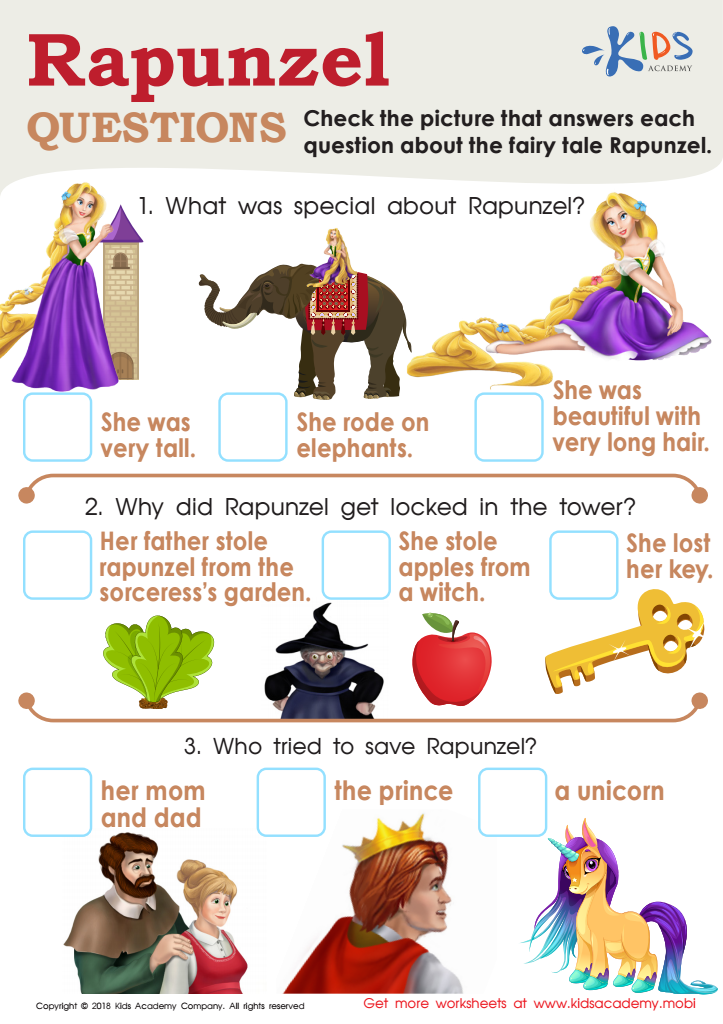
Rapunzel Questions Worksheet
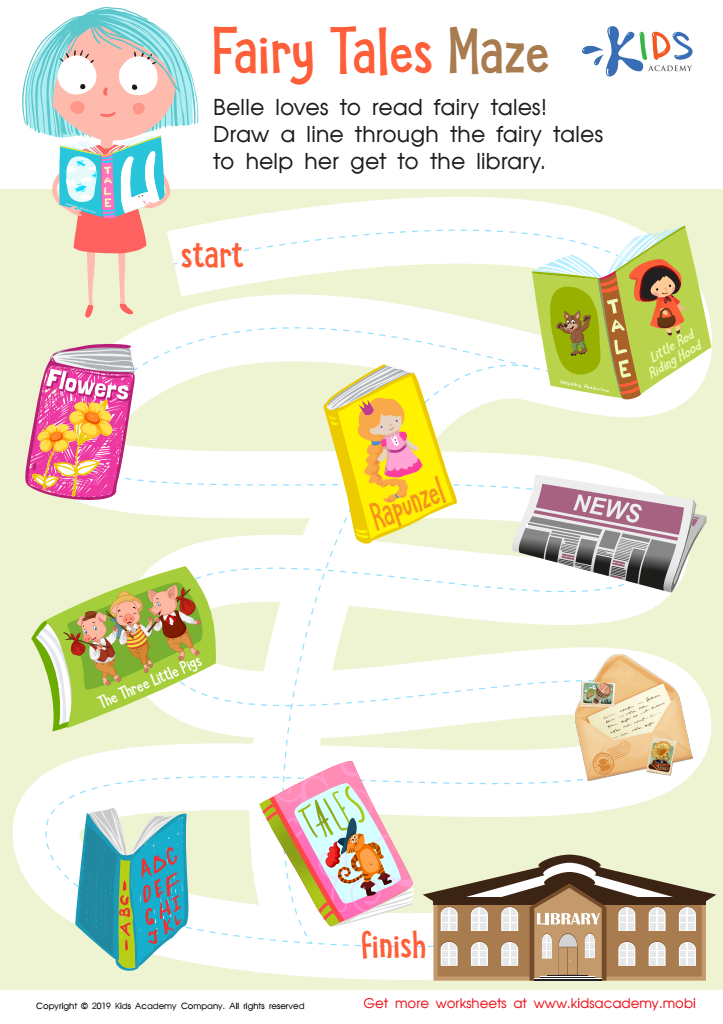
Fairy Tales Maze Worksheet
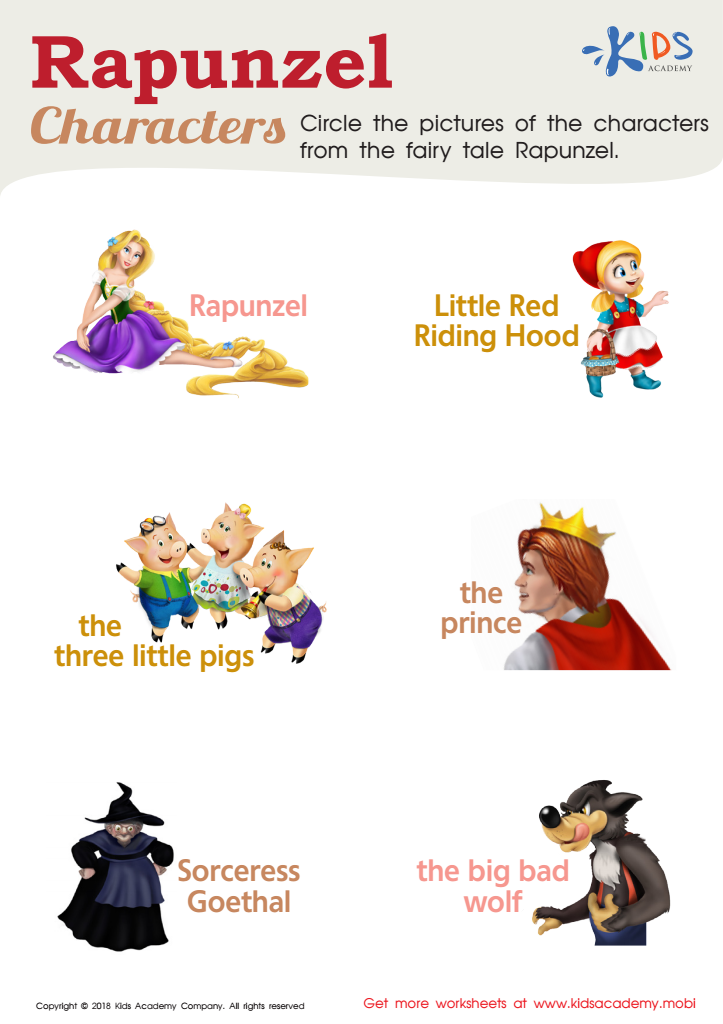
Rapunzel Characters Worksheet
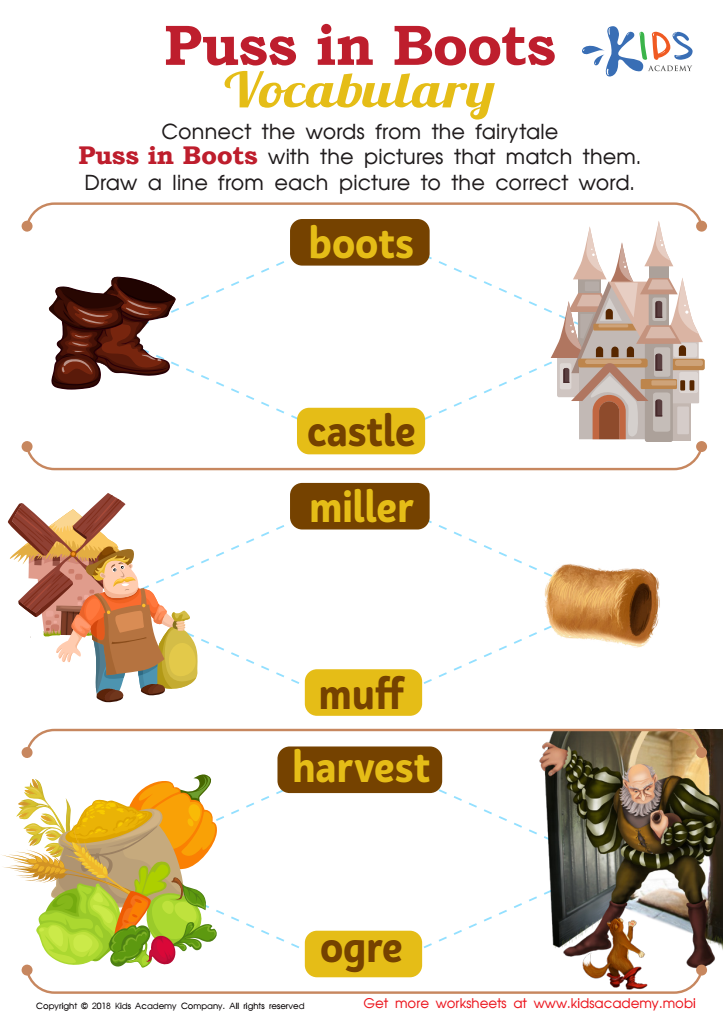
Puss in Boots Vocabulary Worksheet
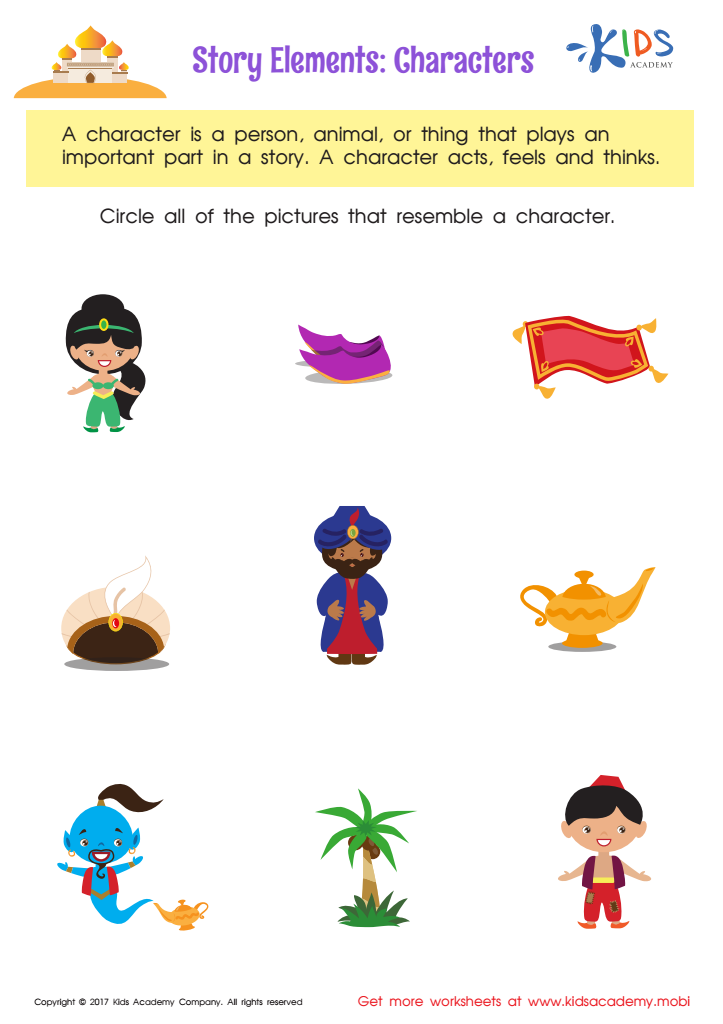
Story Elements Printable
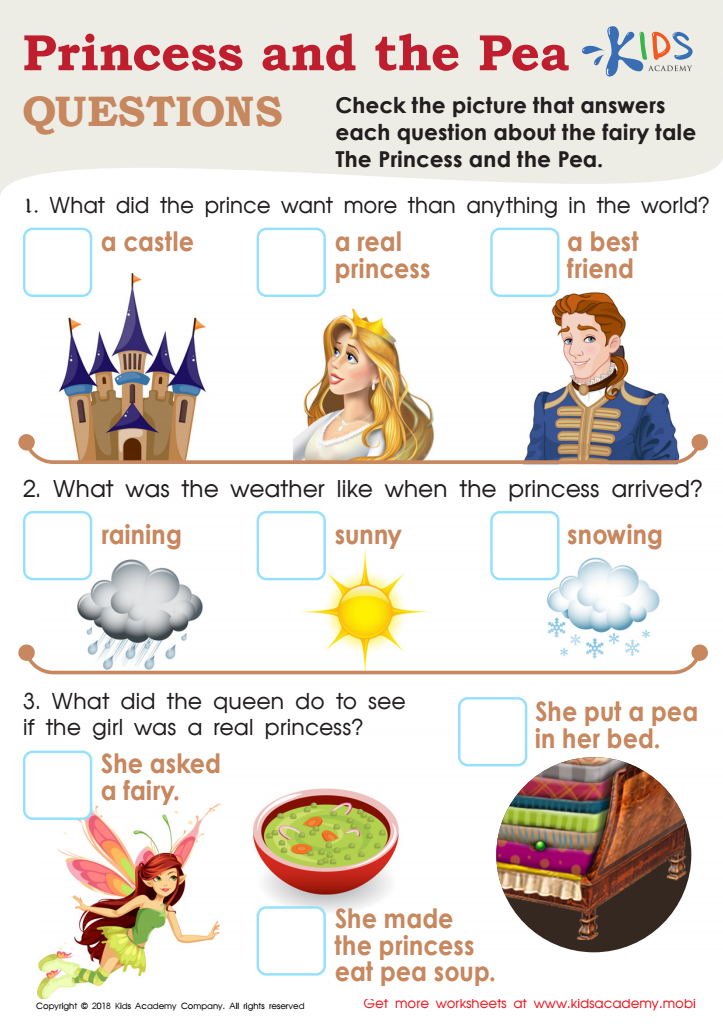
Princess and the Pea Questions Worksheet
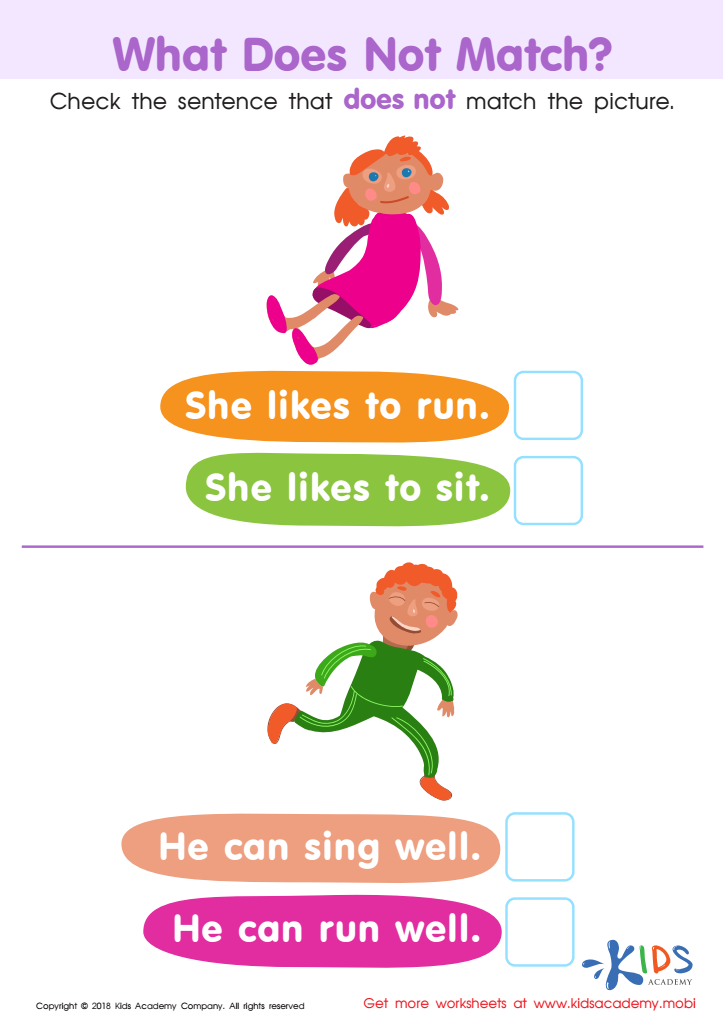
What Does Not Match? Worksheet






Reading is foundational to a child's development, and engaging with literature at the kindergarten level is particularly crucial. First, literature introduces children to language, enhancing their vocabulary and comprehension skills, which are essential for effective communication. Through stories, children learn about sentence structure, word meanings, and the rhythm of language, which builds a strong literacy base.
Moreover, literature encourages a love for reading from a young age. When parents and teachers share stories, they create positive associations with books, fostering lifelong readers. Literature also promotes critical thinking and imagination; children learn to make predictions, understand character motivations, and comprehend various themes. These skills are vital not only for academic success but for everyday problem-solving and interpersonal relationships.
Additionally, literature exposes children to diverse cultures and perspectives, helping to cultivate empathy and broaden their understanding of the world. Through characters and settings, children can explore societal norms and emotions in a safe environment, equipping them to navigate complex social landscapes.
In essence, prioritizing reading literature in kindergarten nurtures essential cognitive, social, and emotional skills, establishing a solid framework for future learning and personal growth. Thus, parents and teachers play a pivotal role in fostering this critical aspect of early education.