Geometry worksheets for Kindergarten - Page 2
47 filtered results
-
From - To
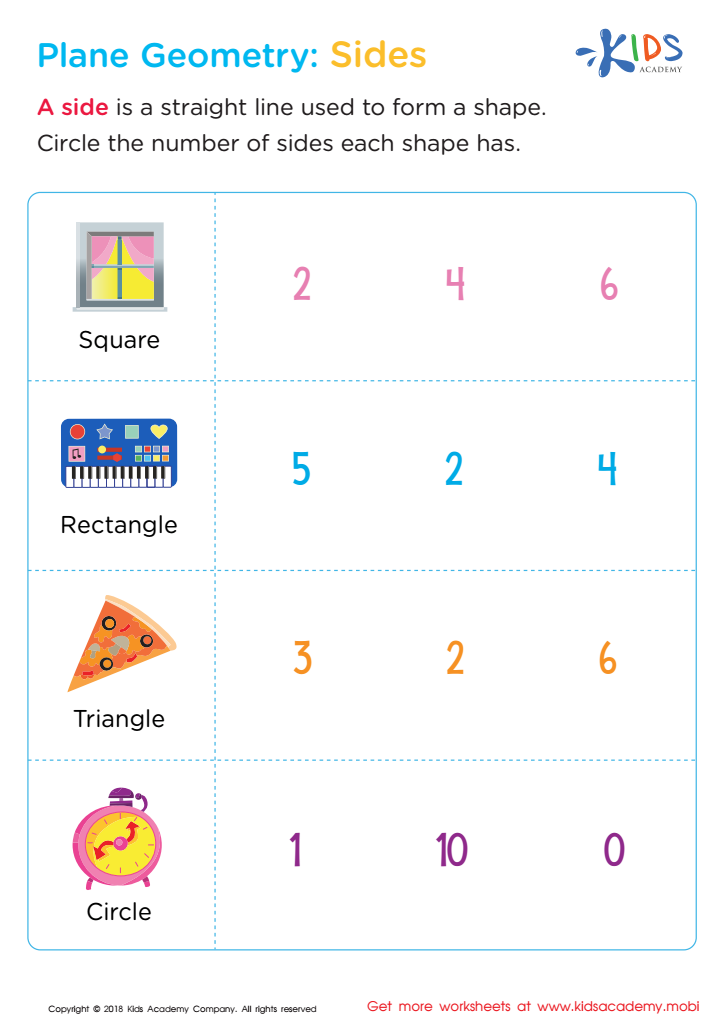
Plane Geometry: Sides Worksheet
 Assign to My Students
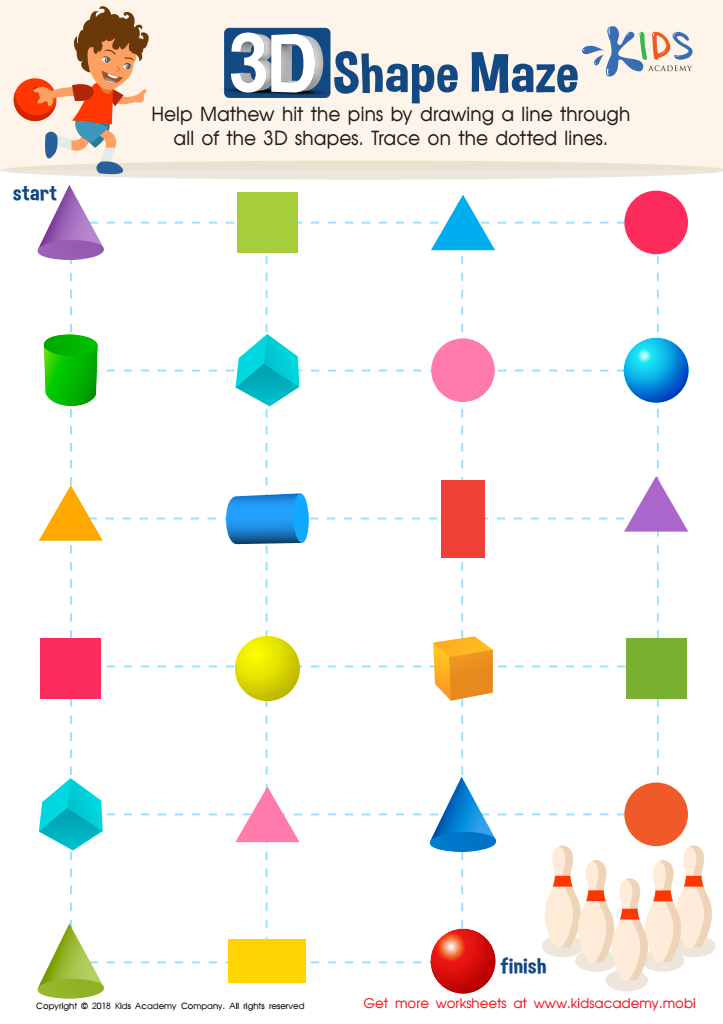
Shapes Maze Geometry Worksheet
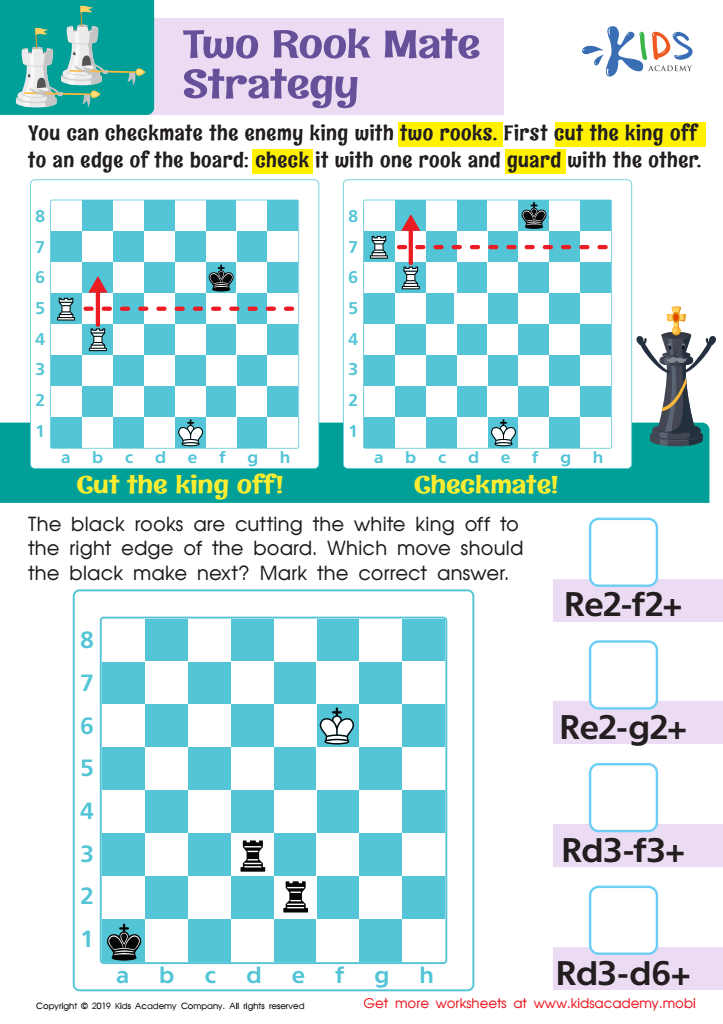
Two Rook Mate Strategy Worksheet
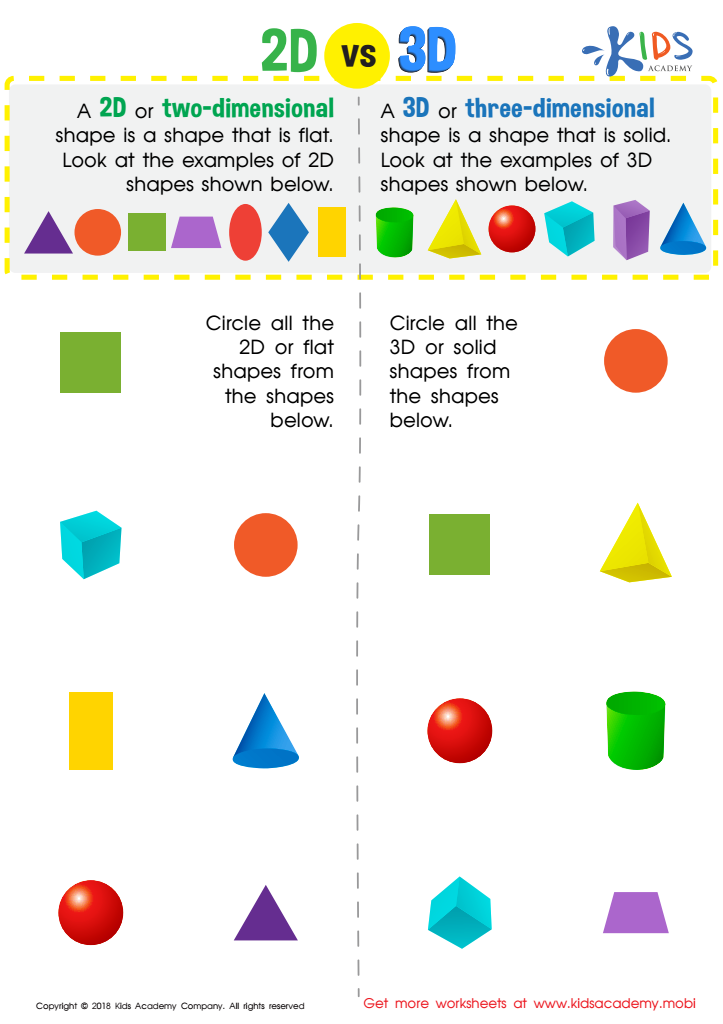
2D vs 3D Shapes Worksheet
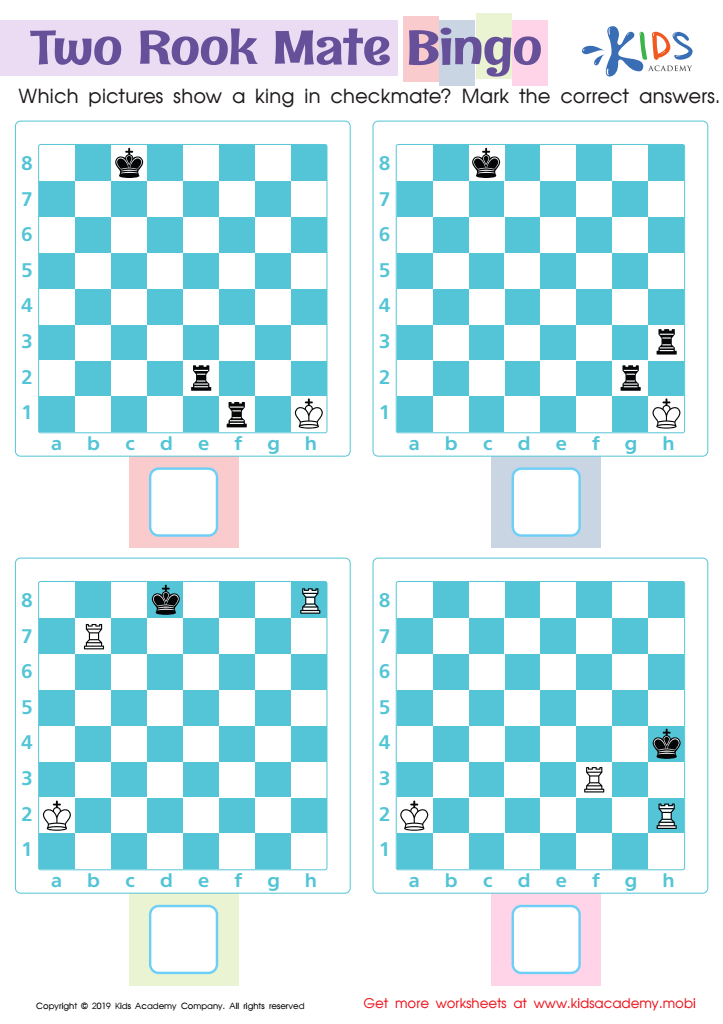
Two Rook Bingo Worksheet
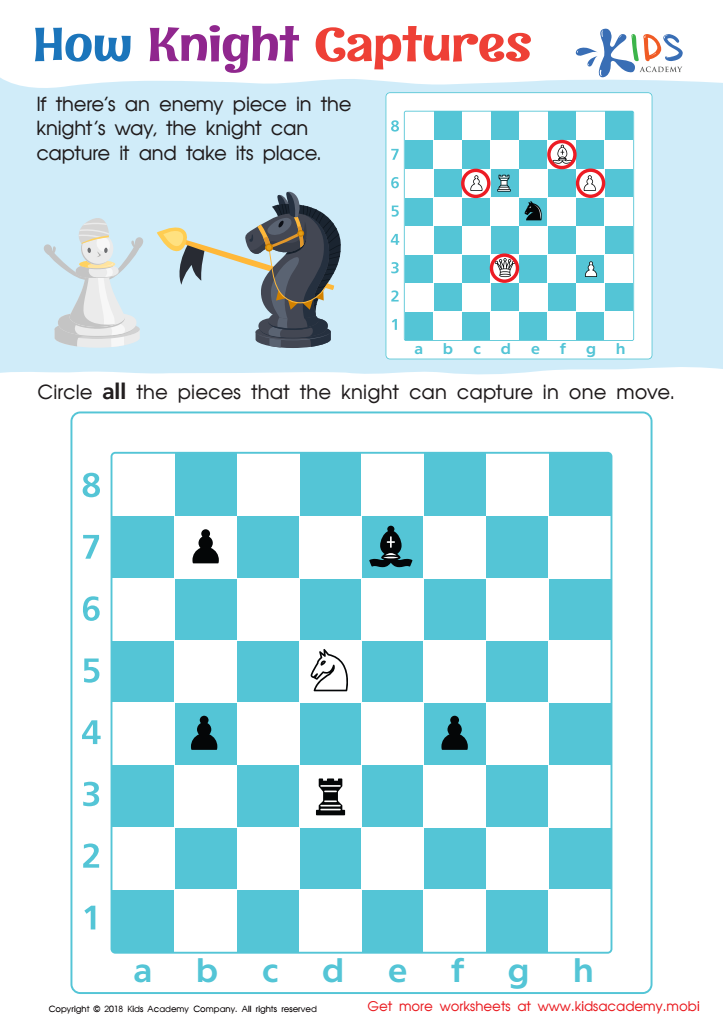
How Knight Captures Worksheet
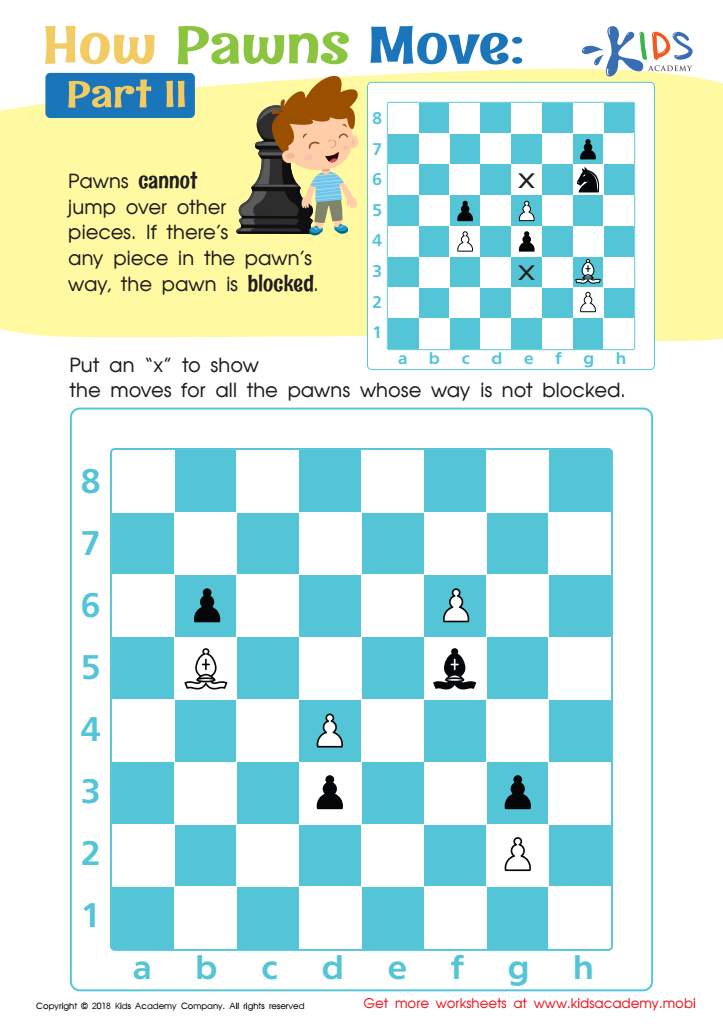
How Pawns Move: Part II Worksheet
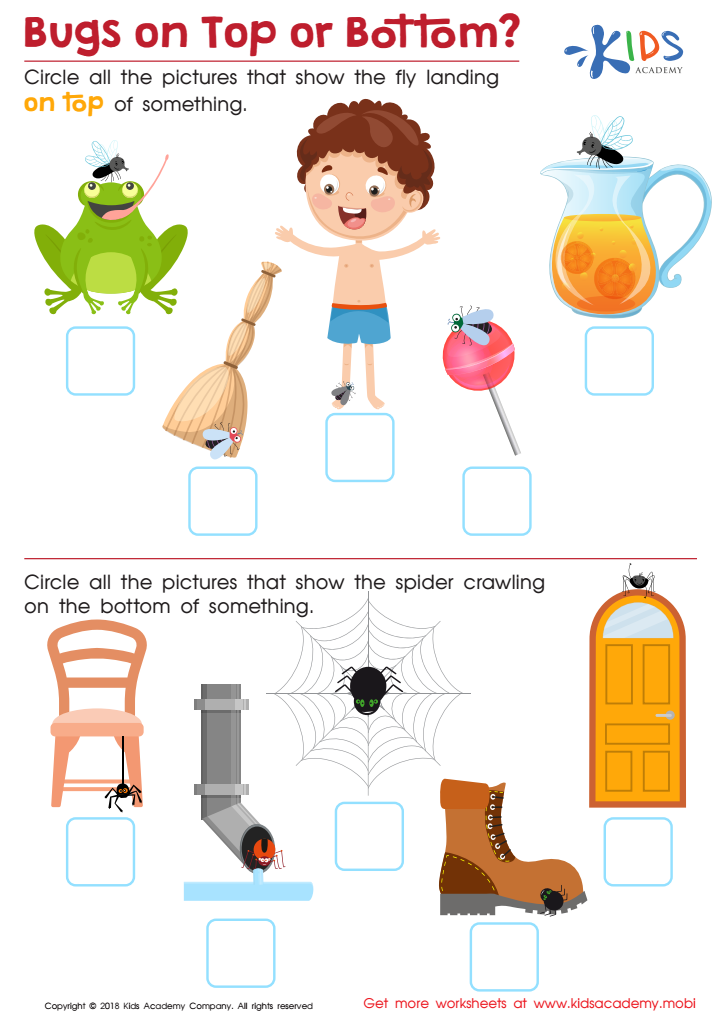
Bugs on Top or Bottom? Worksheet
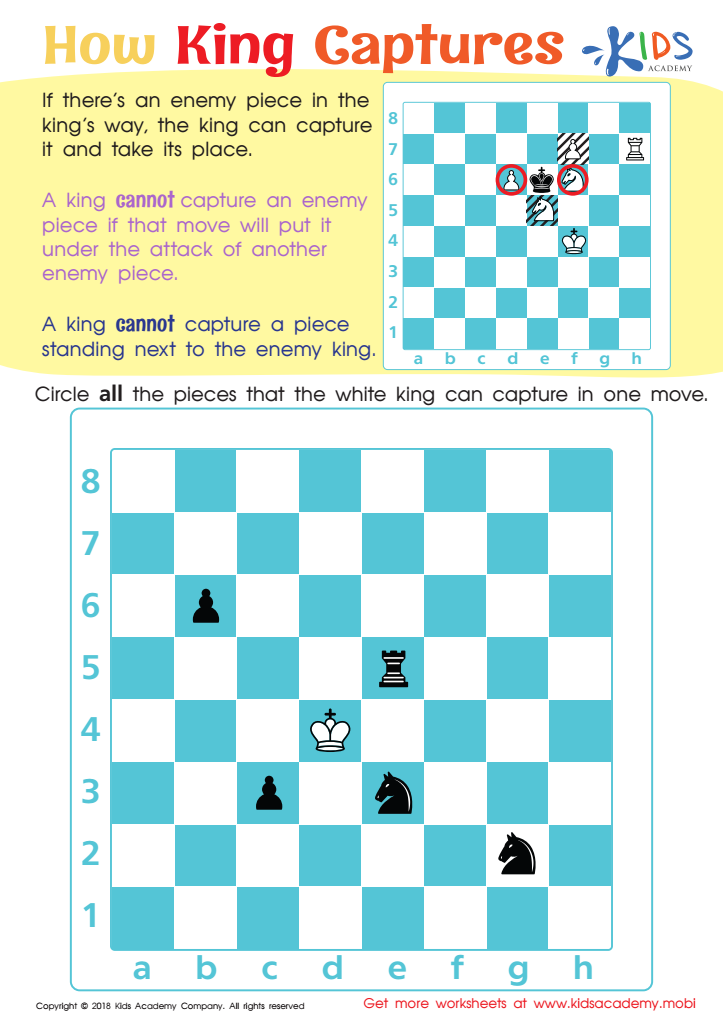
How King Captures Worksheet
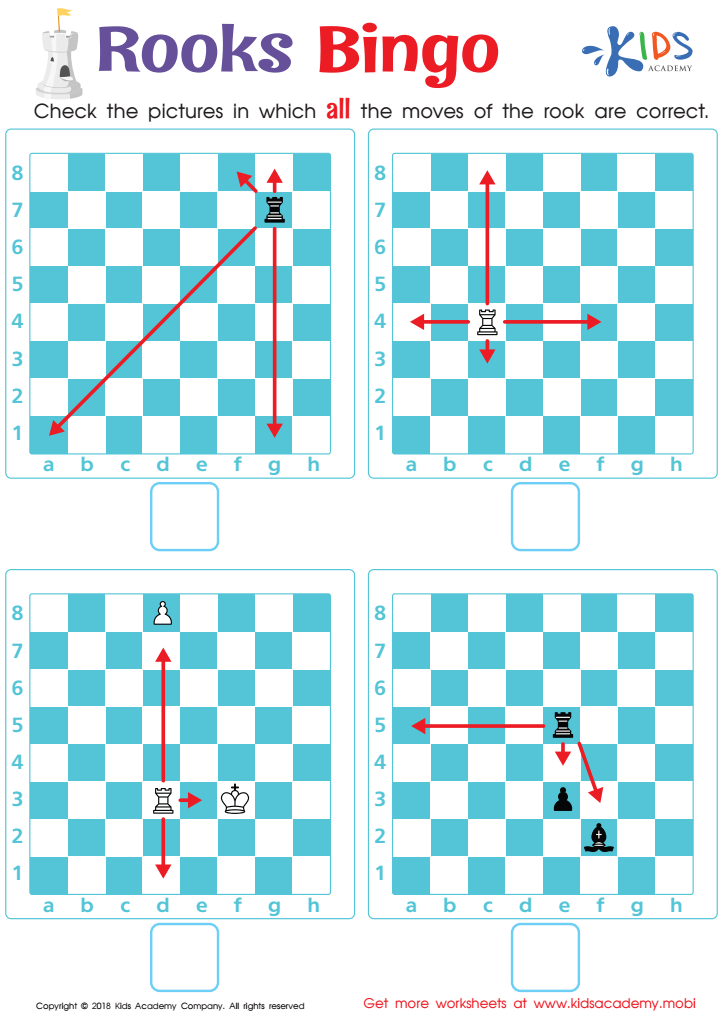
Rooks Bingo Worksheet
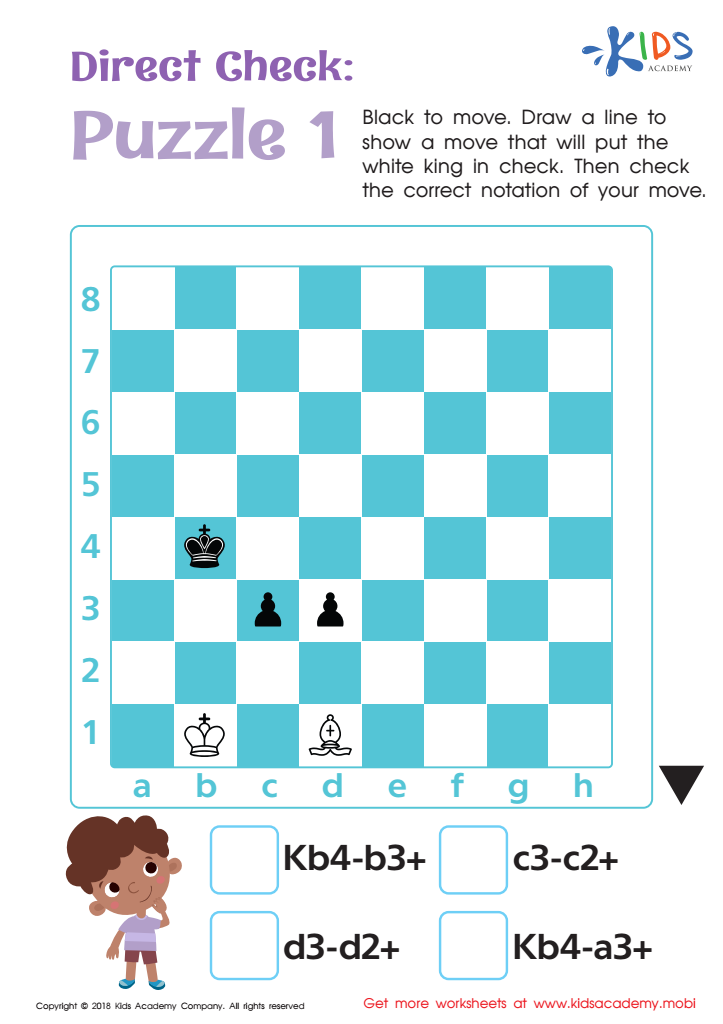
Direct Check: Puzzle 1 Worksheet
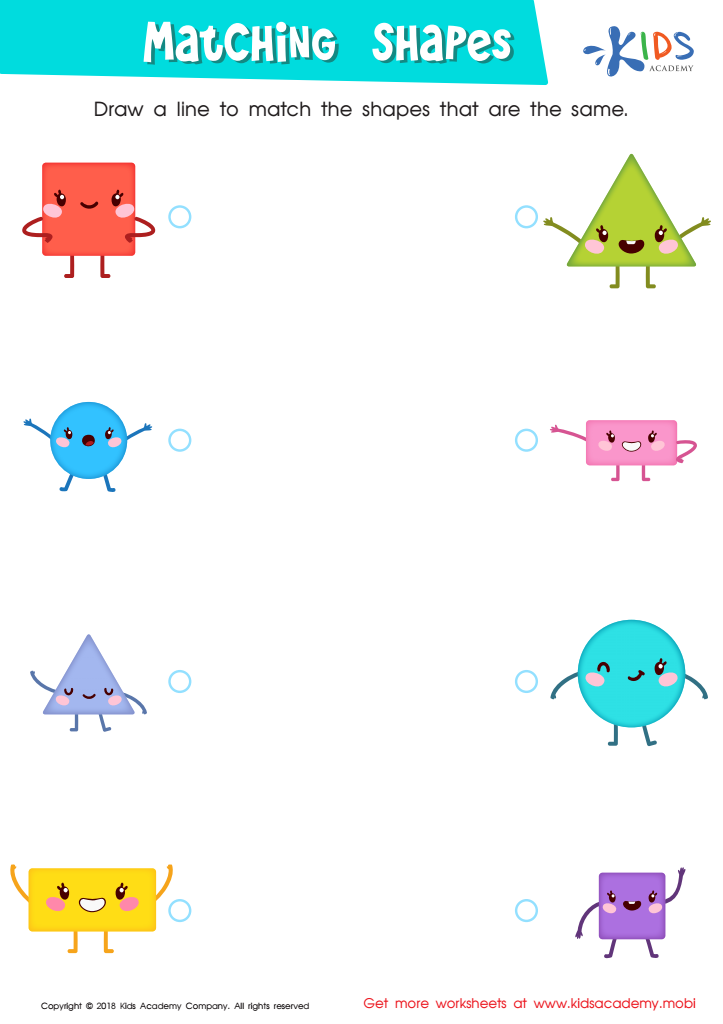
Matching Shapes Worksheet
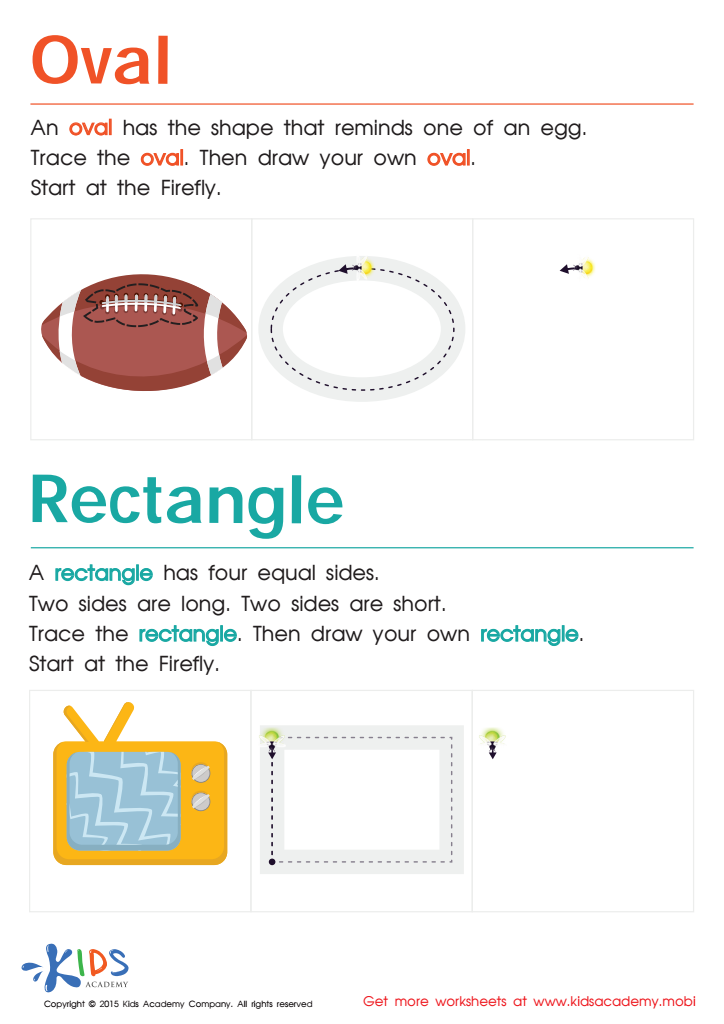
Easy Drawing of Ovals And Rectangles Worksheet
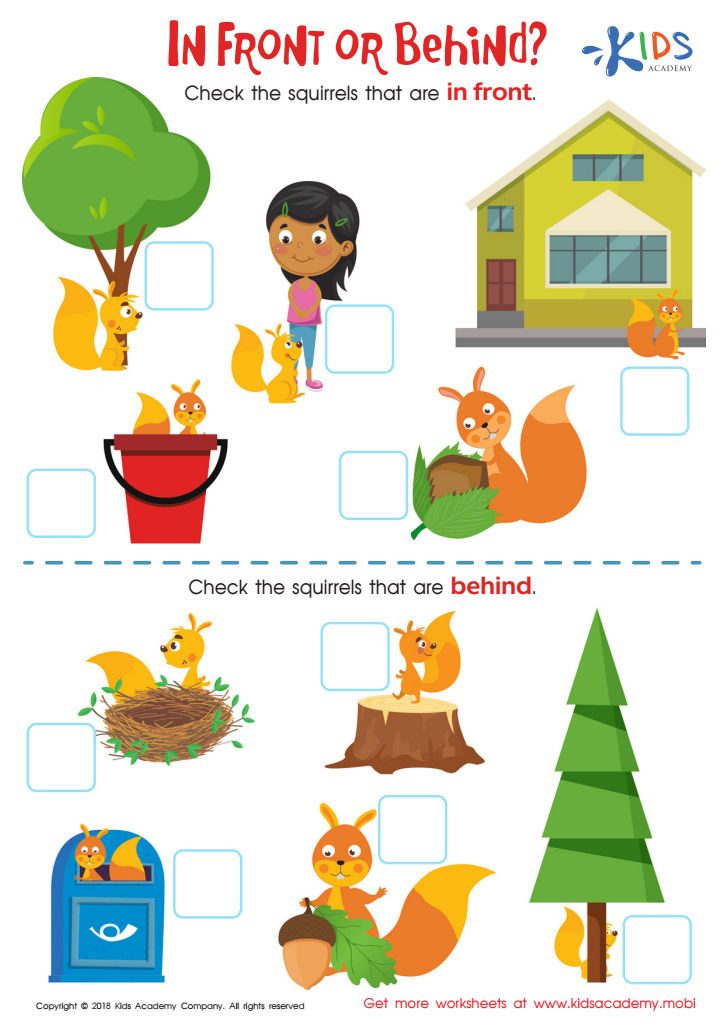
In Front or Behind: Part 2 Worksheet
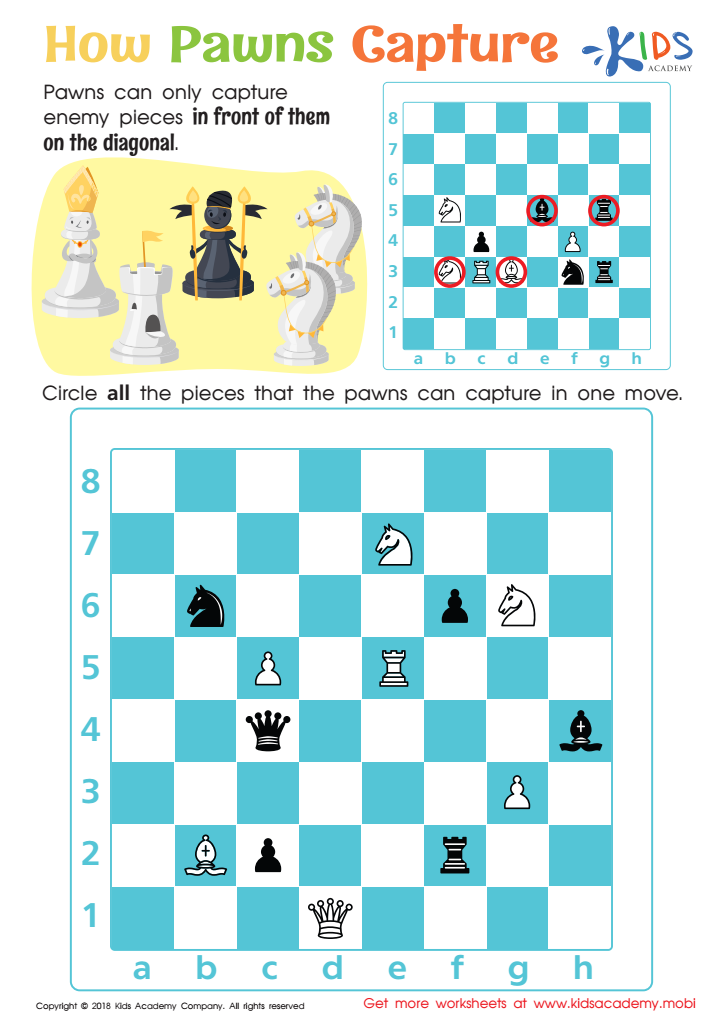
How Pawns Capture Worksheet
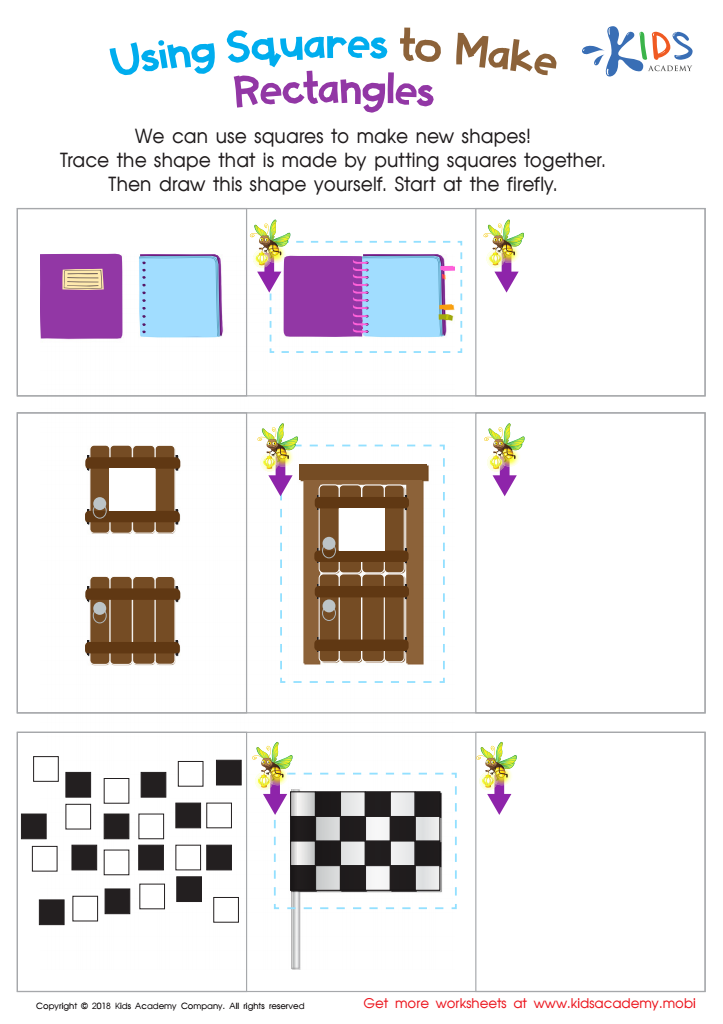
Using Squares to Make Rectangles Worksheet
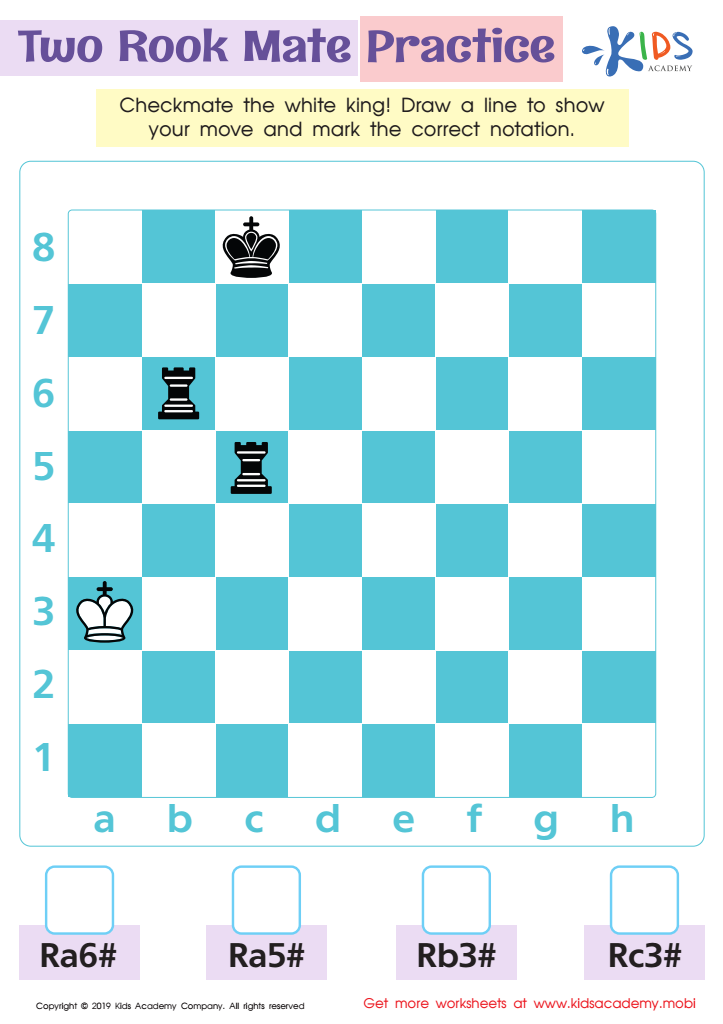
Two Rook Mate Practice Worksheet
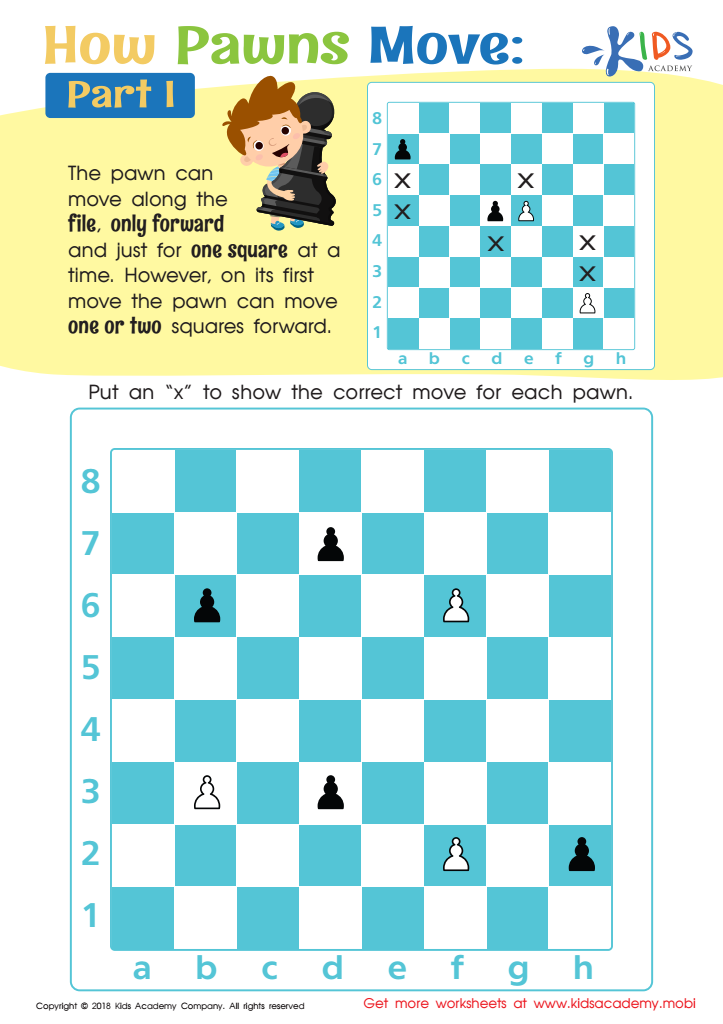
How Pawns Move: Part I Worksheet
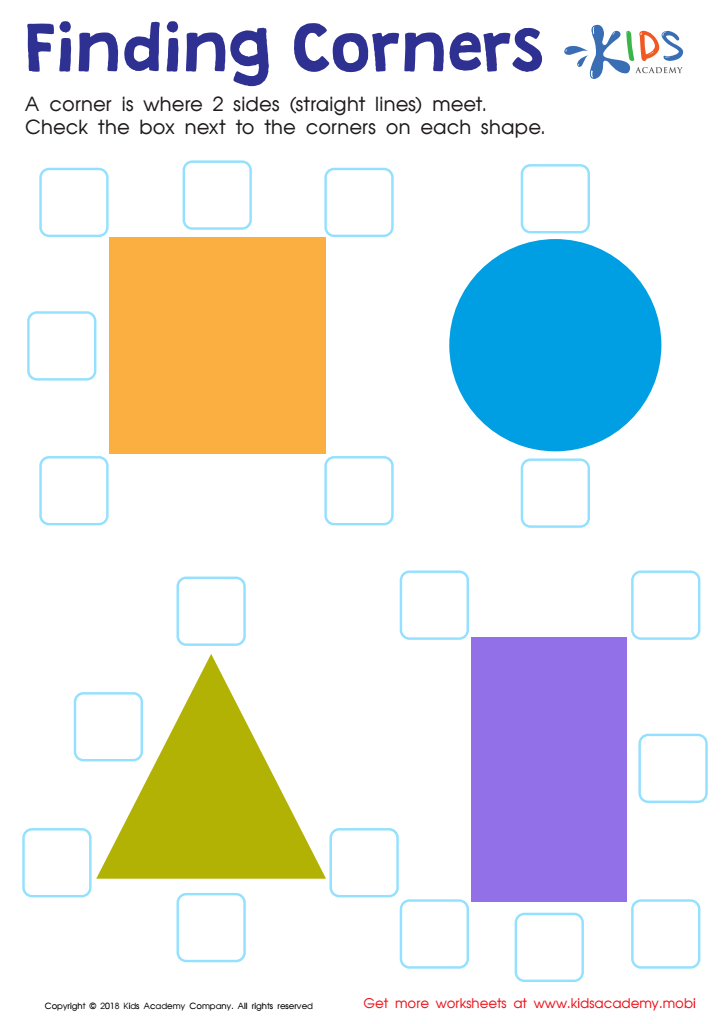
Finding Corners Worksheet
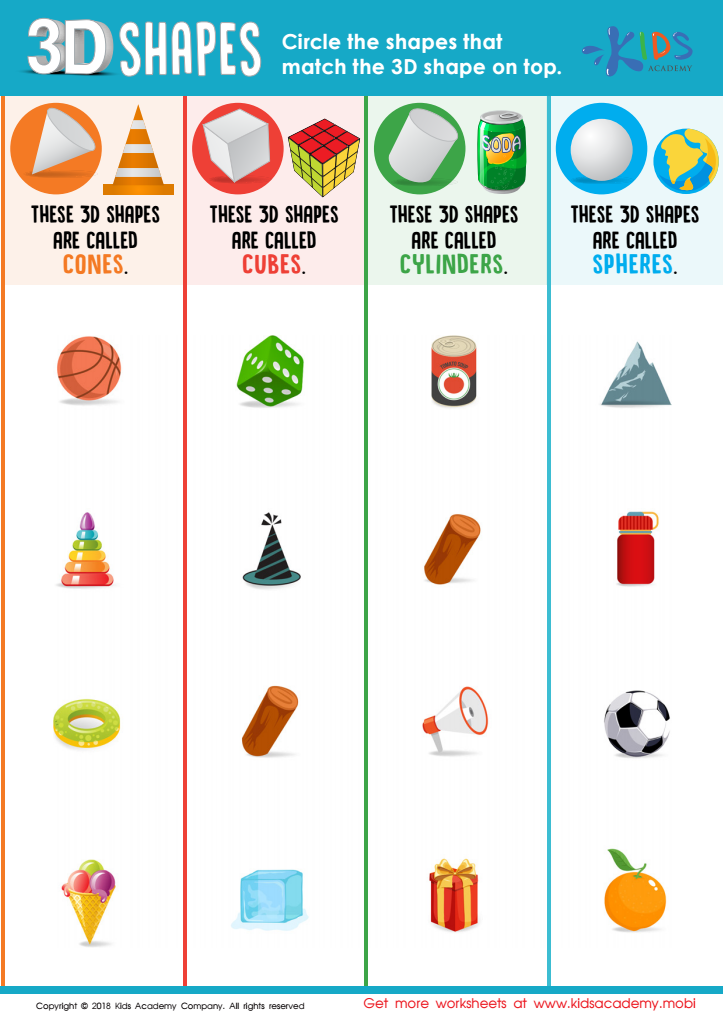
3D Shapes Worksheet
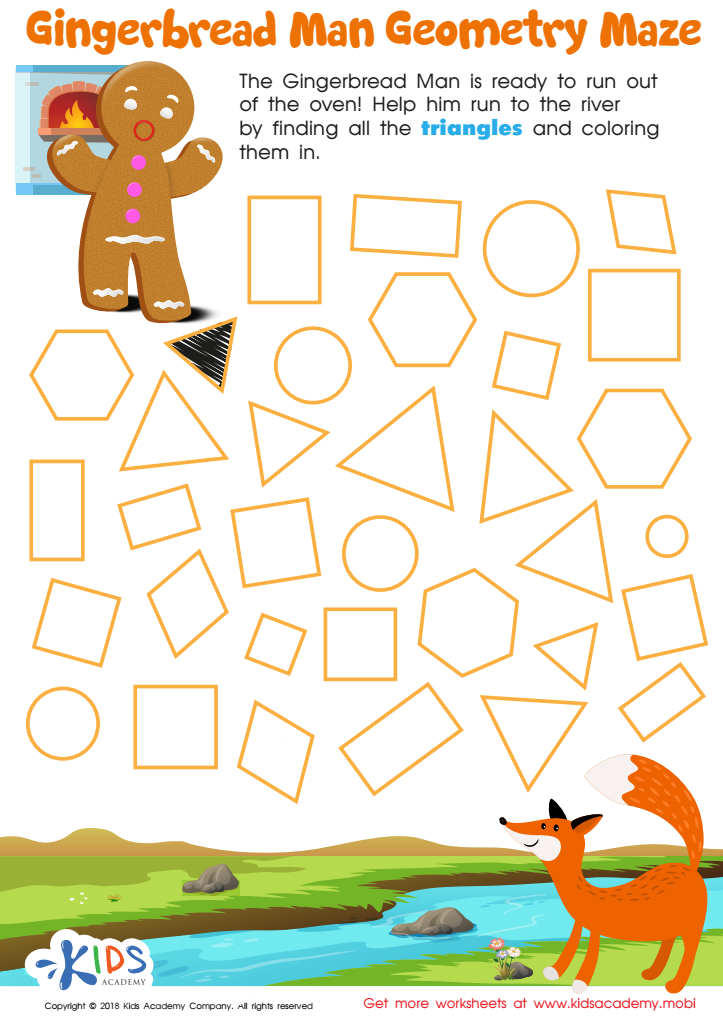
Gingerbread Man Geometry Maze Worksheet
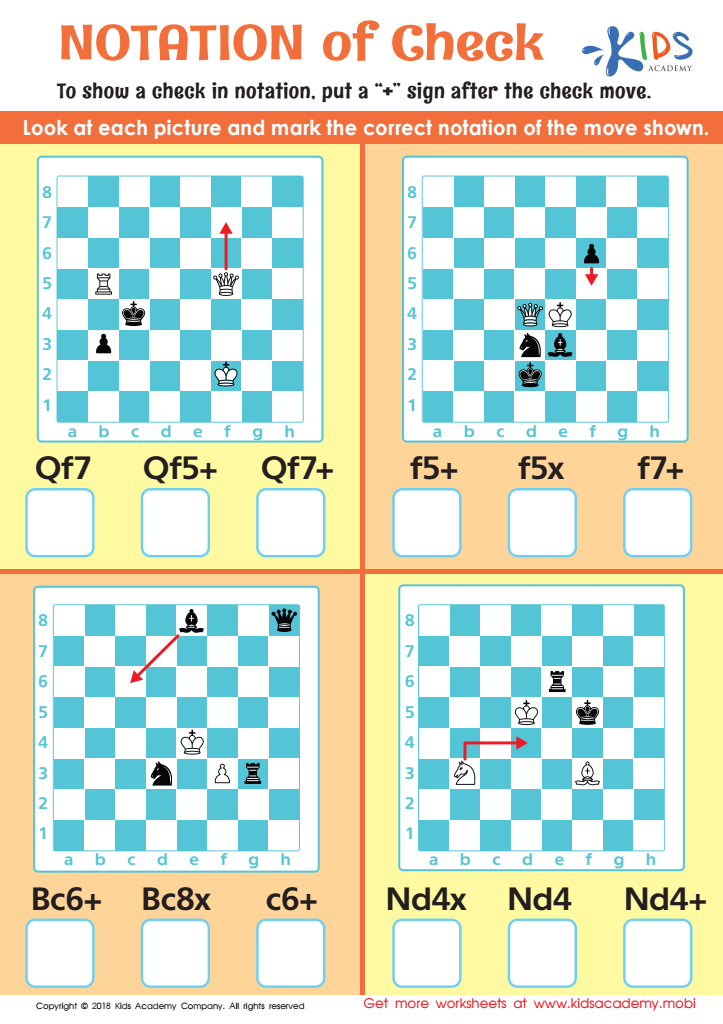
Notation of Check Worksheet
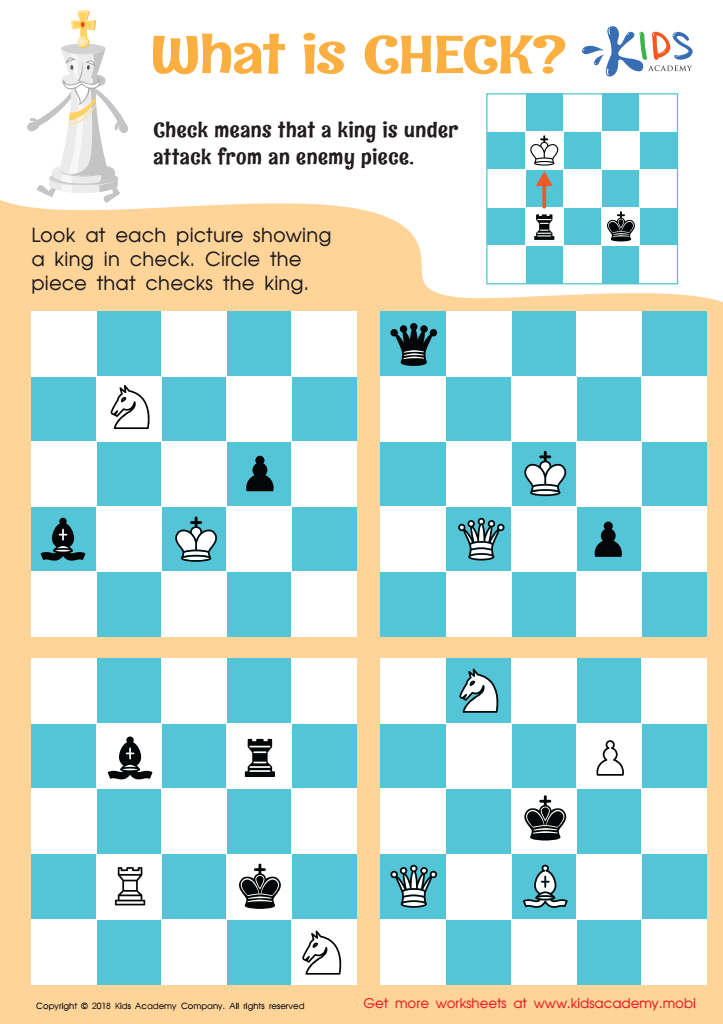
What is Check? Worksheet







Geometry is a fundamental branch of mathematics that shapes young children's understanding of the world around them. For kindergarteners, engaging with geometric concepts not only enhances their spatial reasoning but also helps develop critical thinking skills. Learning about shapes, sizes, positions, and properties lays the groundwork for problem-solving abilities, which are essential in everyday life.
Parents and teachers should care about geometry in kindergarten because it prepares children for future mathematical learning. By exploring 2D and 3D shapes, children build a vocabulary that will aid them in more complex mathematical concepts later on. Additionally, activities such as sorting, classifying, and constructing with shapes nurture creativity and encourage hands-on learning, making math both fun and accessible.
Furthermore, geometry fosters cognitive development as children navigate concepts like symmetry, perimeter, and transformations. These ideas connect directly to real-world experiences, helping children relate math to their surroundings and enhancing their observational skills.
Encouraging a positive attitude towards math early can also diminish math anxiety in the future. Overall, integrating geometry into kindergarten curricula promotes well-rounded development in children, equipping them with vital skills they will use throughout their educational journey and beyond.








