Shape Recognition Math Worksheets - Page 4
113 filtered results
-
From - To
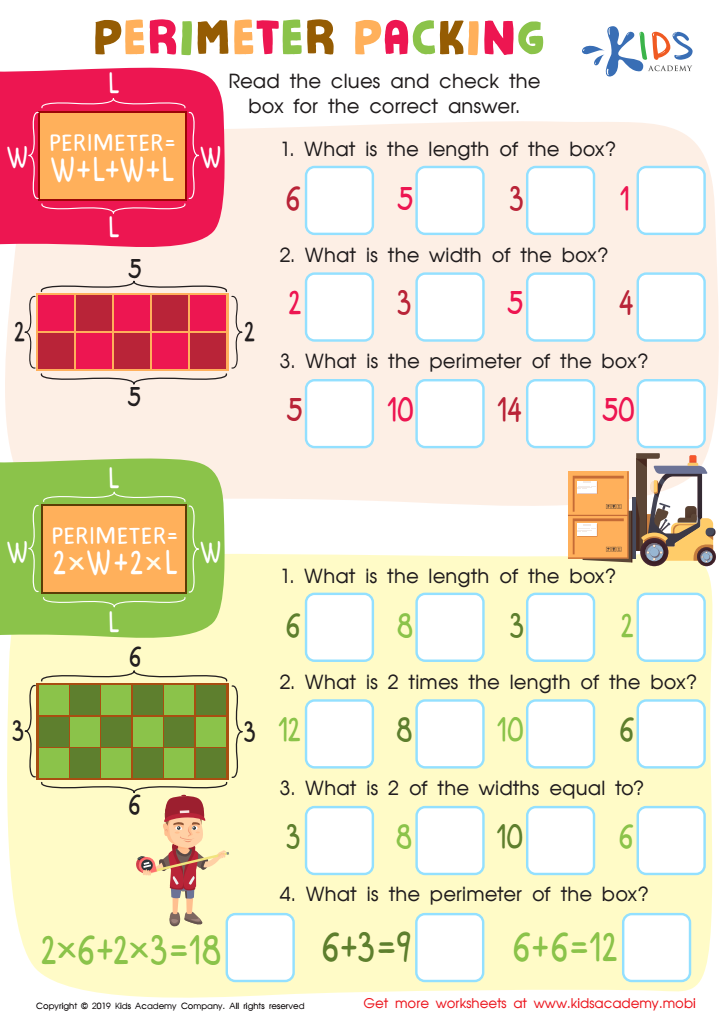
Perimeter Parking Worksheet
 Assign to My Students
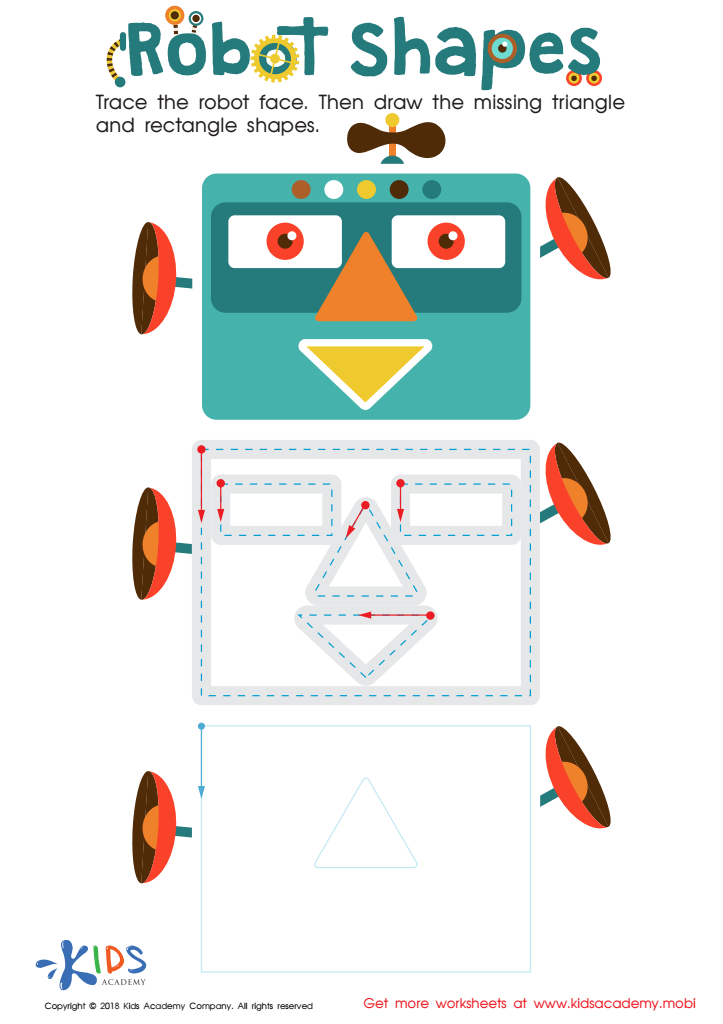
Robot Shapes Worksheet
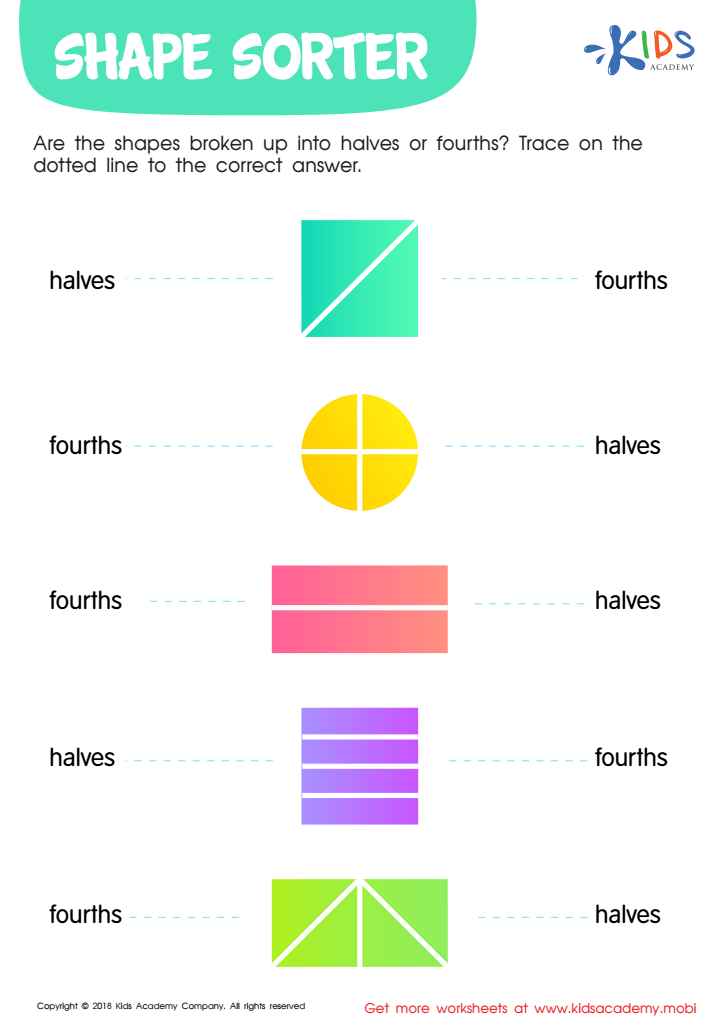
Shape Sorter Worksheet
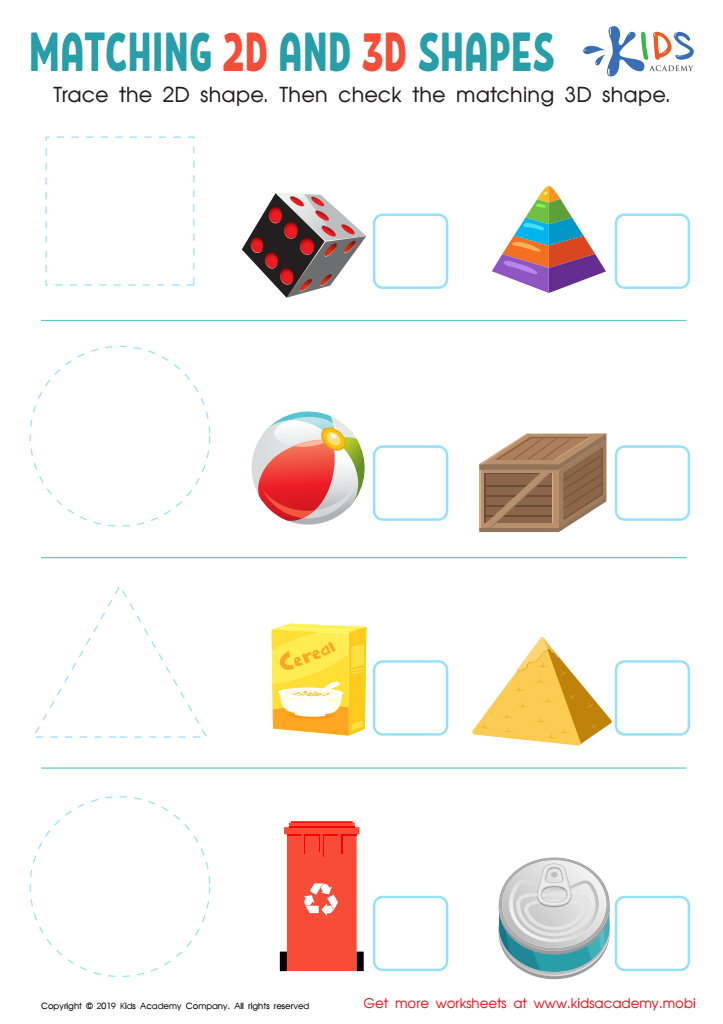
Matching 2D and 3D Shapes Worksheet
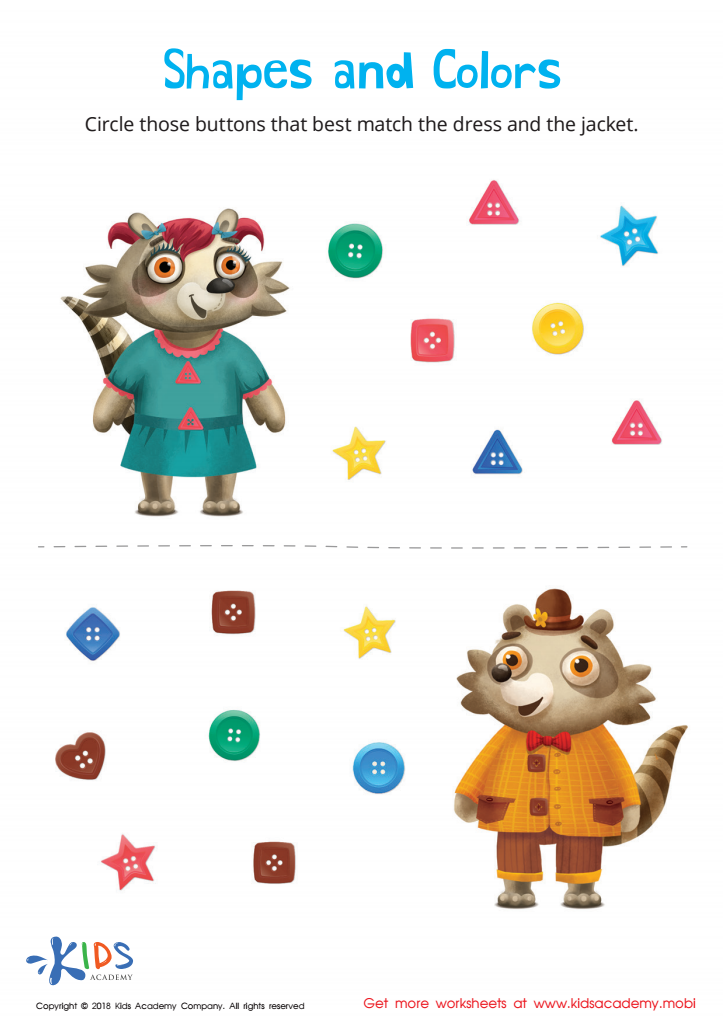
Shapes and Colors Worksheet
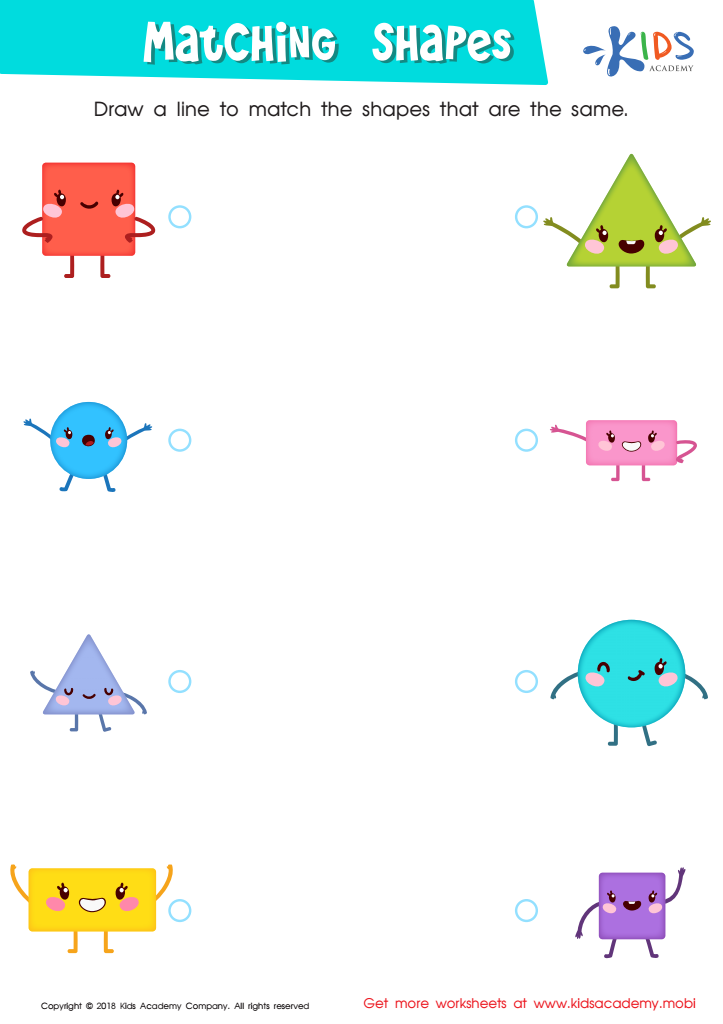
Matching Shapes Worksheet
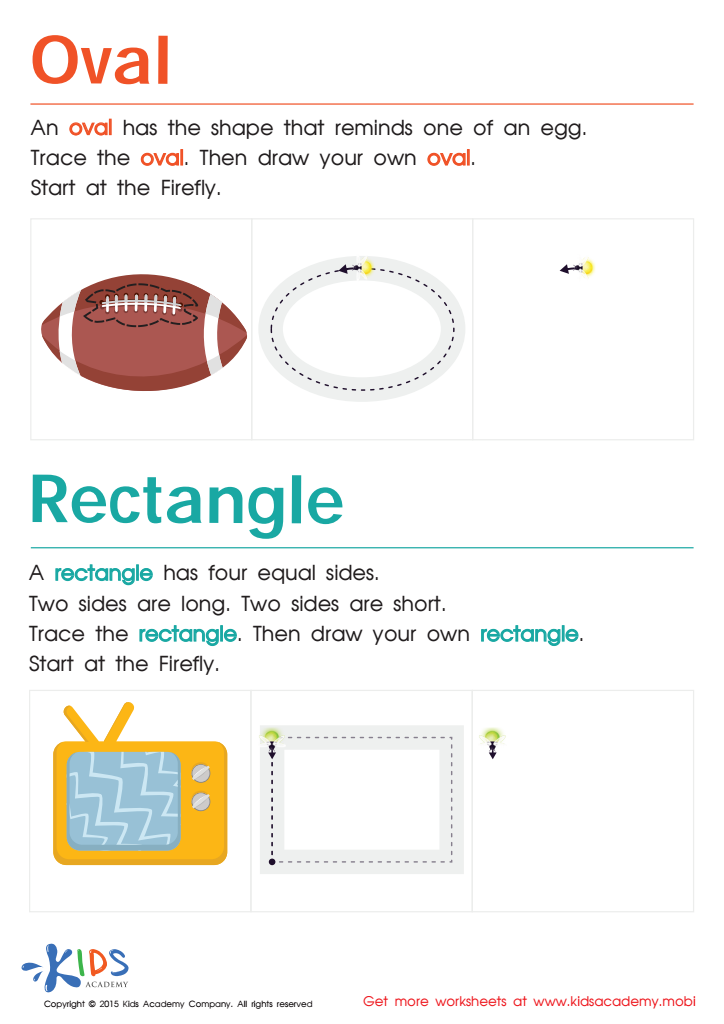
Easy Drawing of Ovals And Rectangles Worksheet
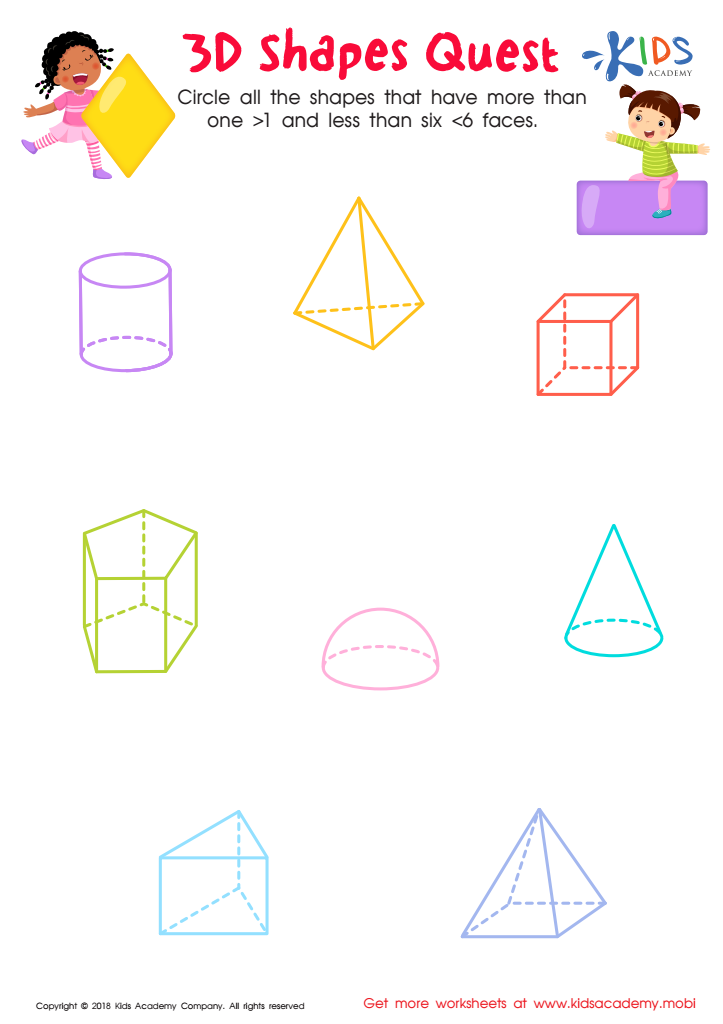
3D Shapes Quest Worksheet
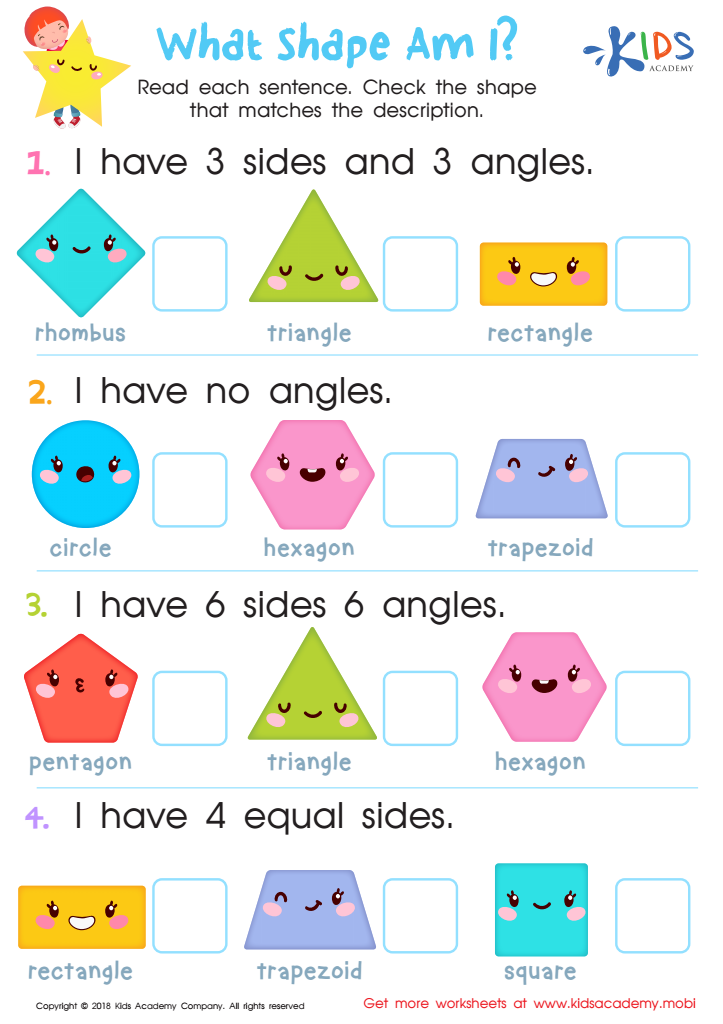
What Shape Am I? Worksheet
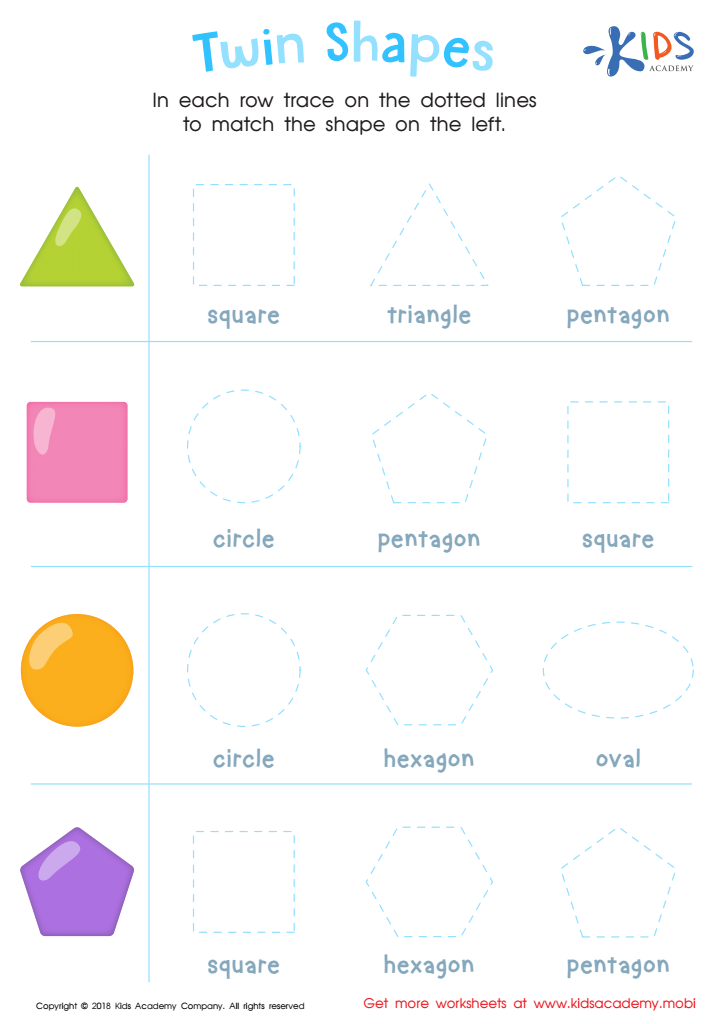
Twin Shapes Dot-to-Dot Worksheet
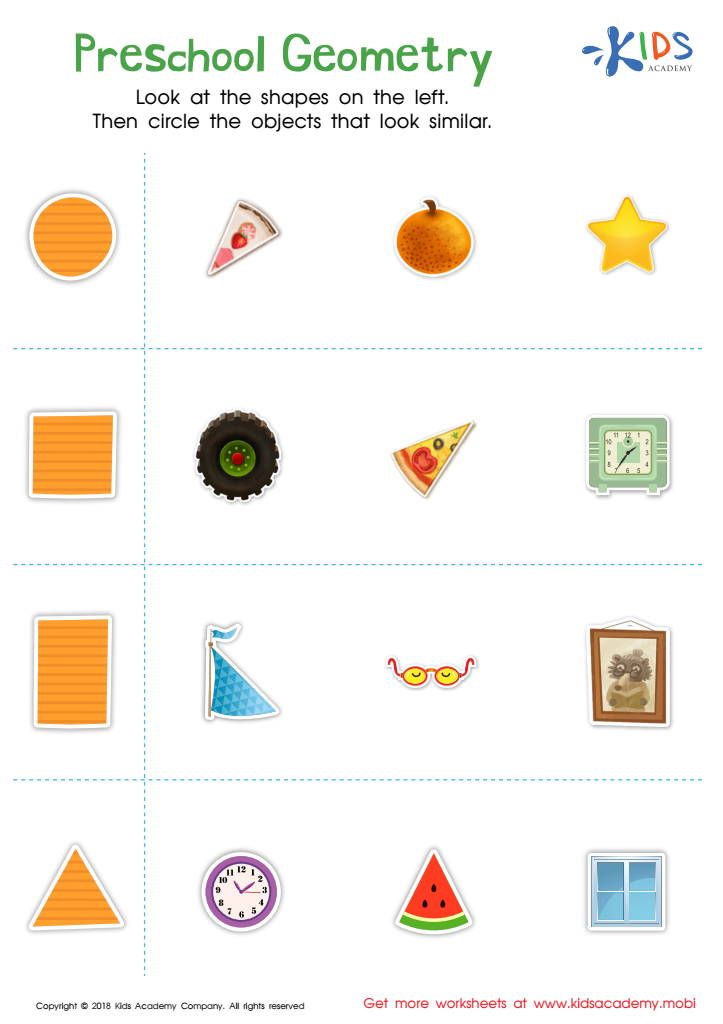
Preschool Geometry Worksheet
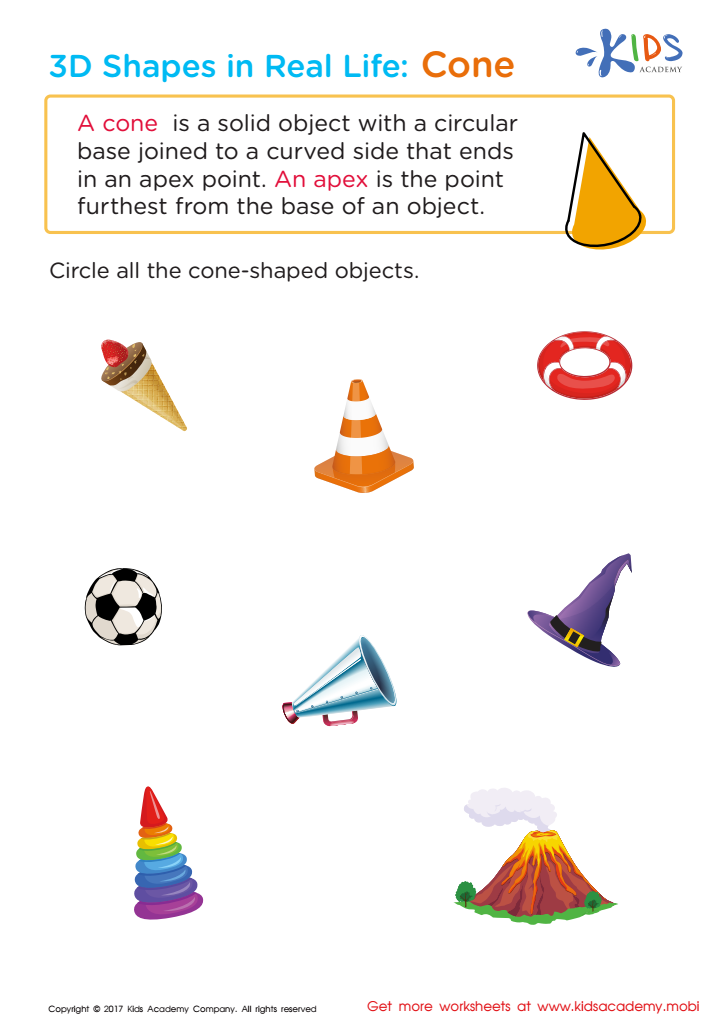
Shapes in Real Life: Cone Worksheet
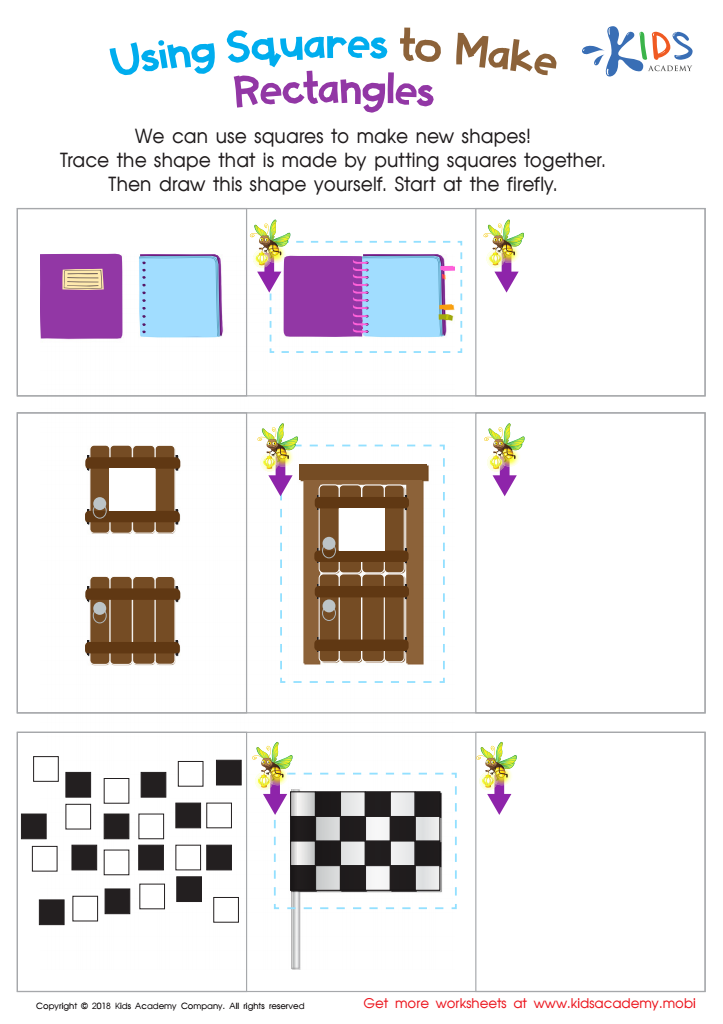
Using Squares to Make Rectangles Worksheet
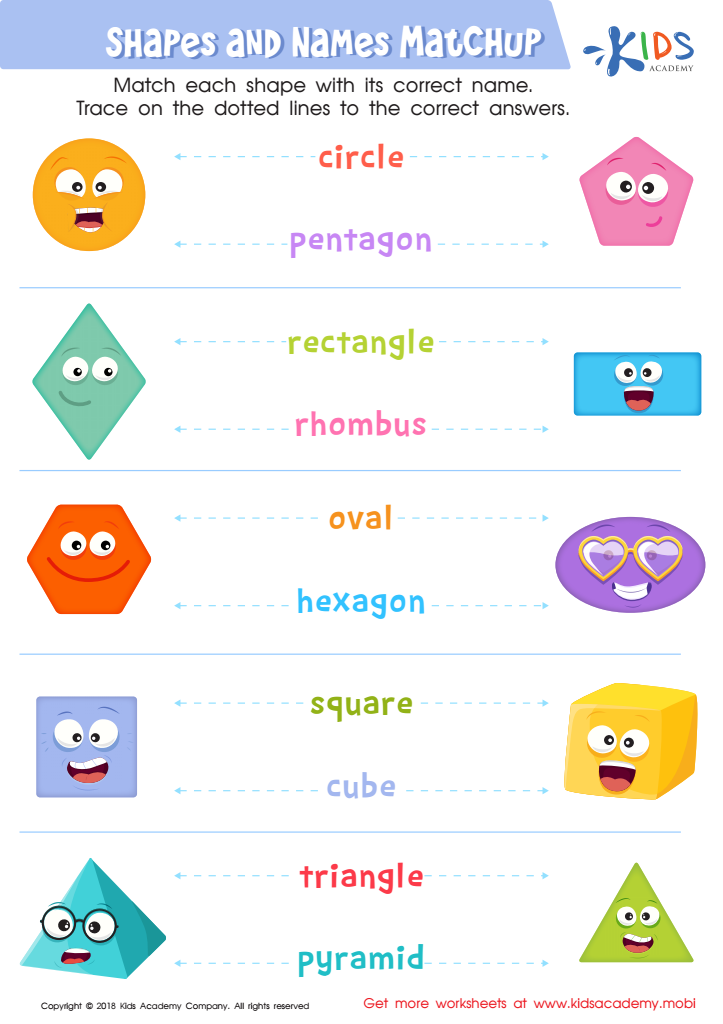
Shapes and Names Matchup Worksheet
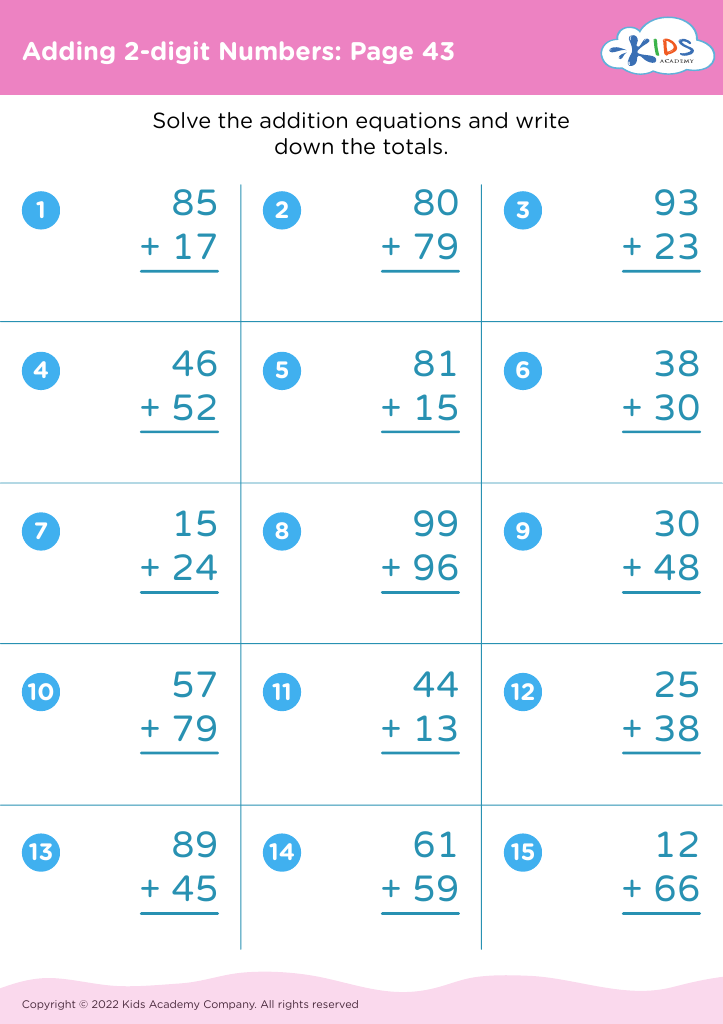
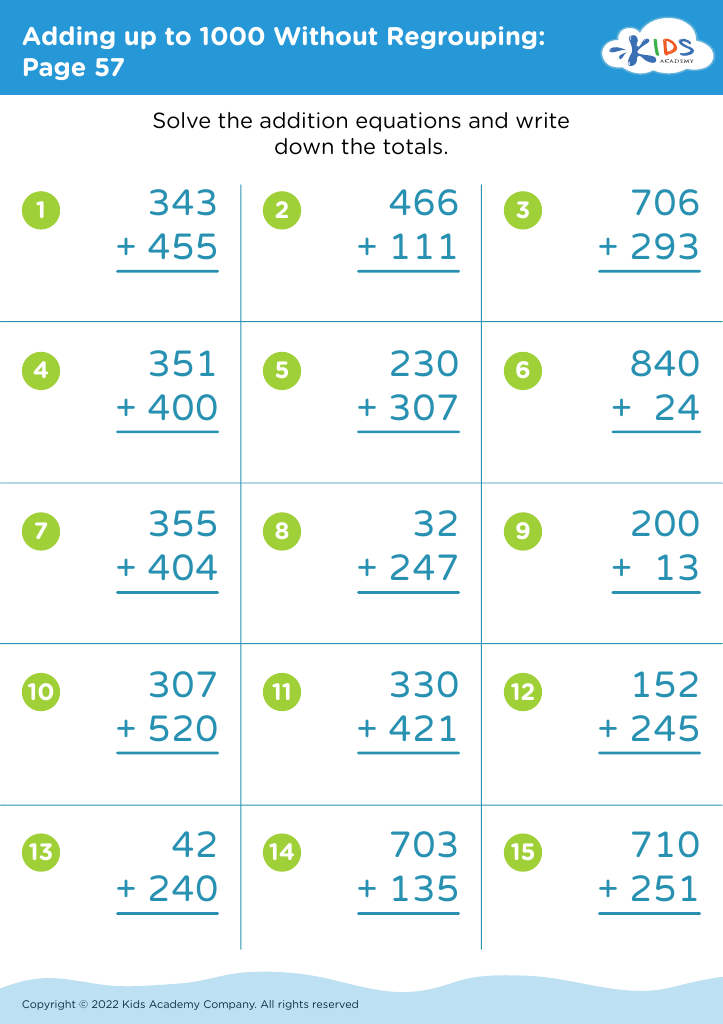
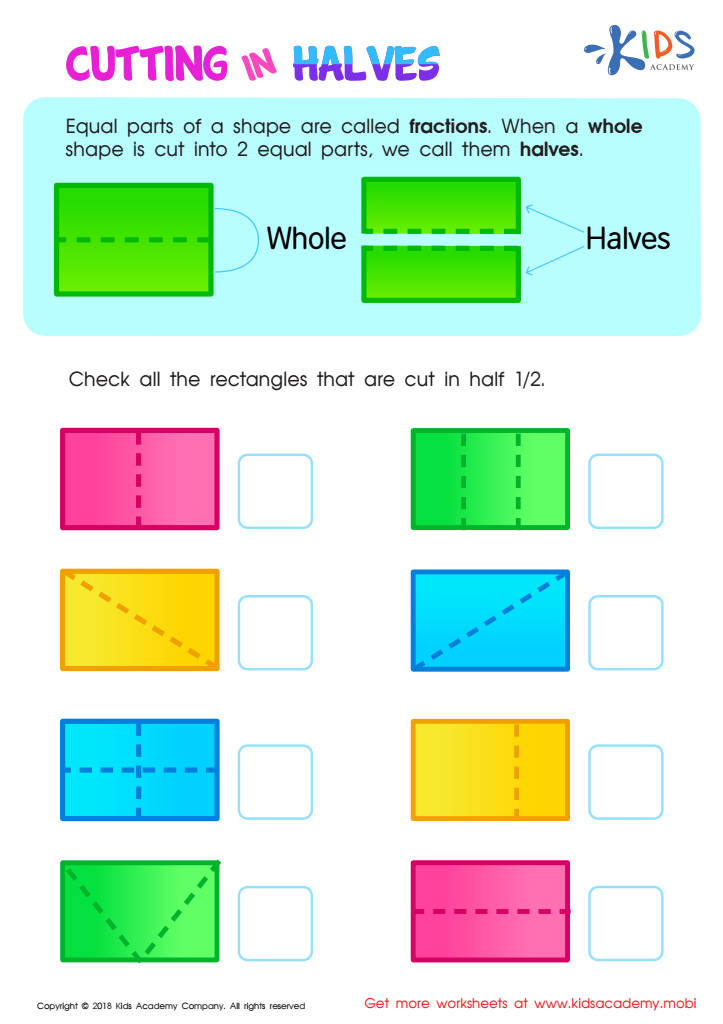
Cutting in Halves Worksheet








Shape recognition is a fundamental aspect of early mathematics education that significantly influences a child's cognitive development. Parents and teachers should prioritize shape recognition for several reasons. First, it lays the groundwork for more complex mathematical concepts. Understanding shapes helps children grasp patterns, spatial awareness, and geometry, which are crucial skills as they advance academically.
Moreover, shape recognition supports problem-solving skills and enhances fine motor skills through hands-on activities such as drawing or building structures with various shapes. Encouraging shape exploration nurtures critical thinking, as children begin to categorize and relate shapes to their surroundings.
Additionally, engaging in shape recognition activities promotes language development. As children describe shapes, they acquire new vocabulary and learn to communicate their thoughts more effectively. This interaction fosters social skills during collaborative learning experiences.
Parents and teachers can also use shape recognition as a springboard for interdisciplinary learning, connecting math to art, science, and daily life experiences. Ultimately, by prioritizing shape recognition, caregivers equip children with essential skills that are not only vital for academic success but also enhance their overall growth and understanding of the world around them. This early foundation instills confidence and a positive attitude towards mathematics and learning.








