Shape Recognition Normal Worksheets for Ages 3-4
36 filtered results
-
From - To
Discover our Shape Recognition Normal Worksheets designed specifically for children ages 3-4! These engaging worksheets foster essential early learning skills, helping young learners identify and differentiate shapes through fun activities and interactive exercises. Each worksheet features vibrant visuals and age-appropriate challenges that make learning about shapes exciting and enjoyable. Whether at home or in a classroom setting, these worksheets provide a perfect foundation for developing spatial awareness and critical thinking. Encourage your child's creativity and cognitive growth today with our easy-to-use worksheets that boost shape recognition in a playful and effective way! Start your learning adventure with us!
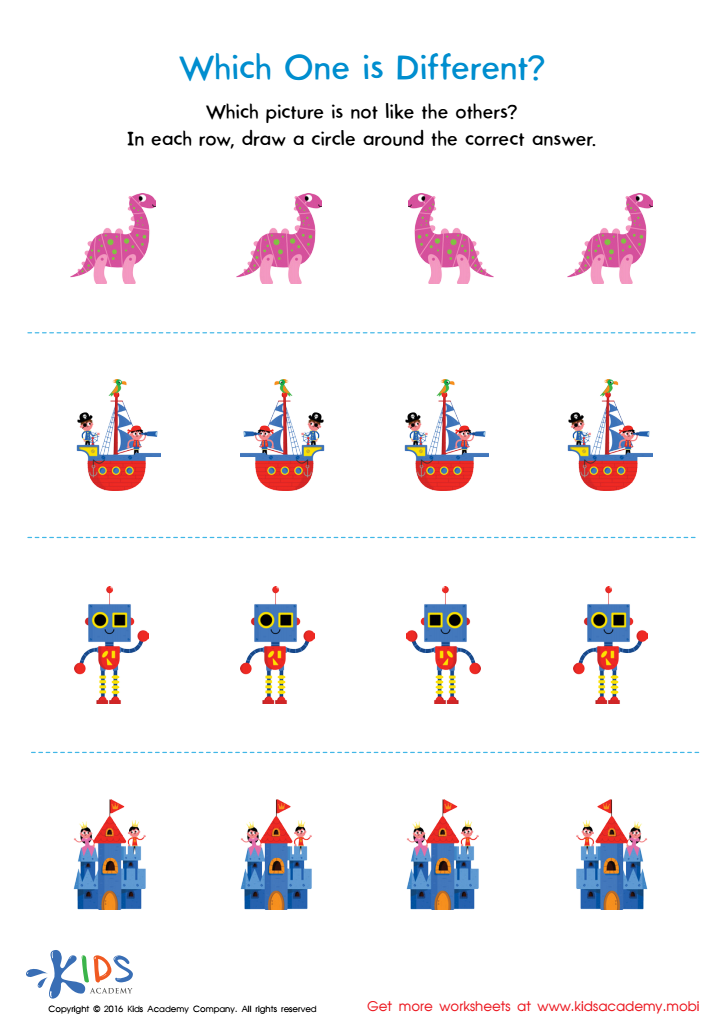
Which One Is Different Worksheet
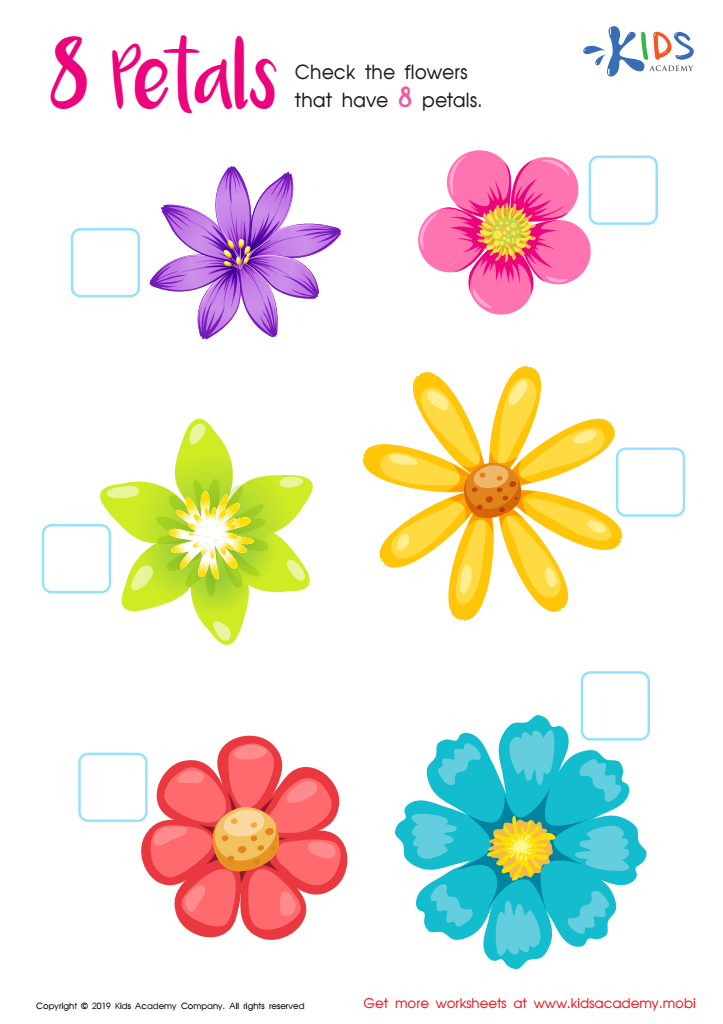
8 Petals Worksheet
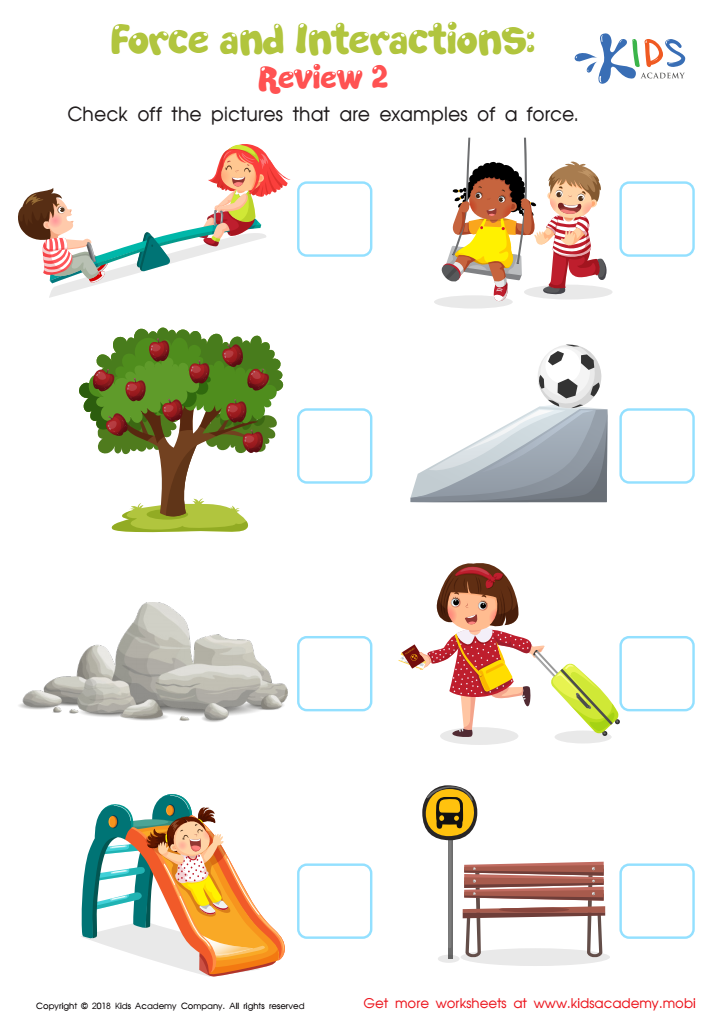
Force and Interactions: Review 2 Worksheet
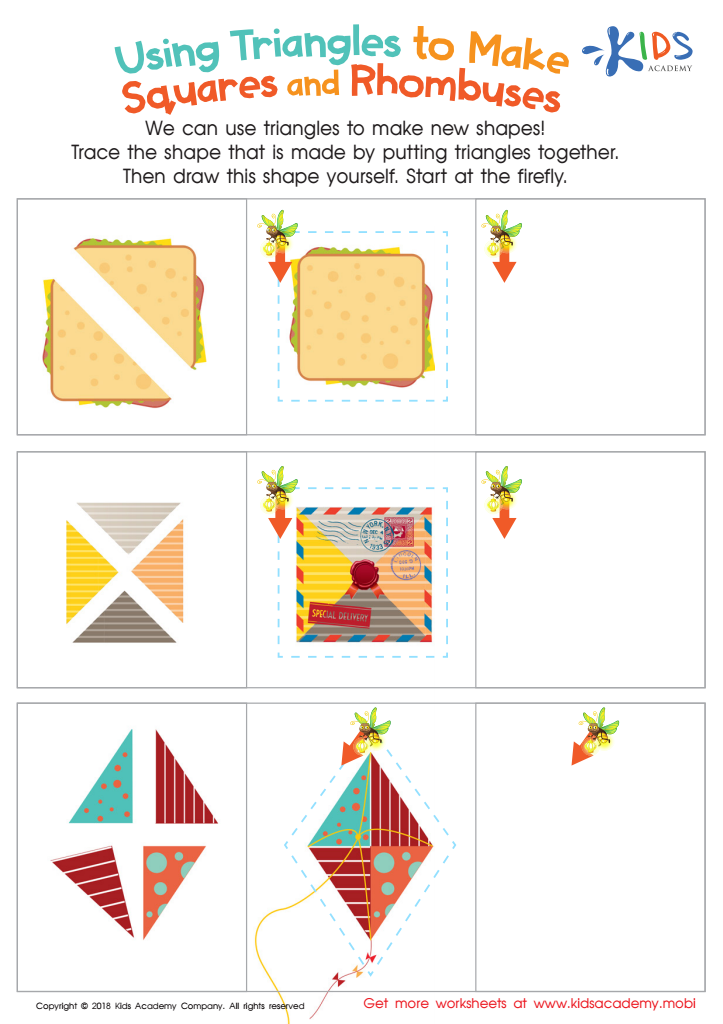
Using Triangles to Make Squares and Rhombuses Worksheet
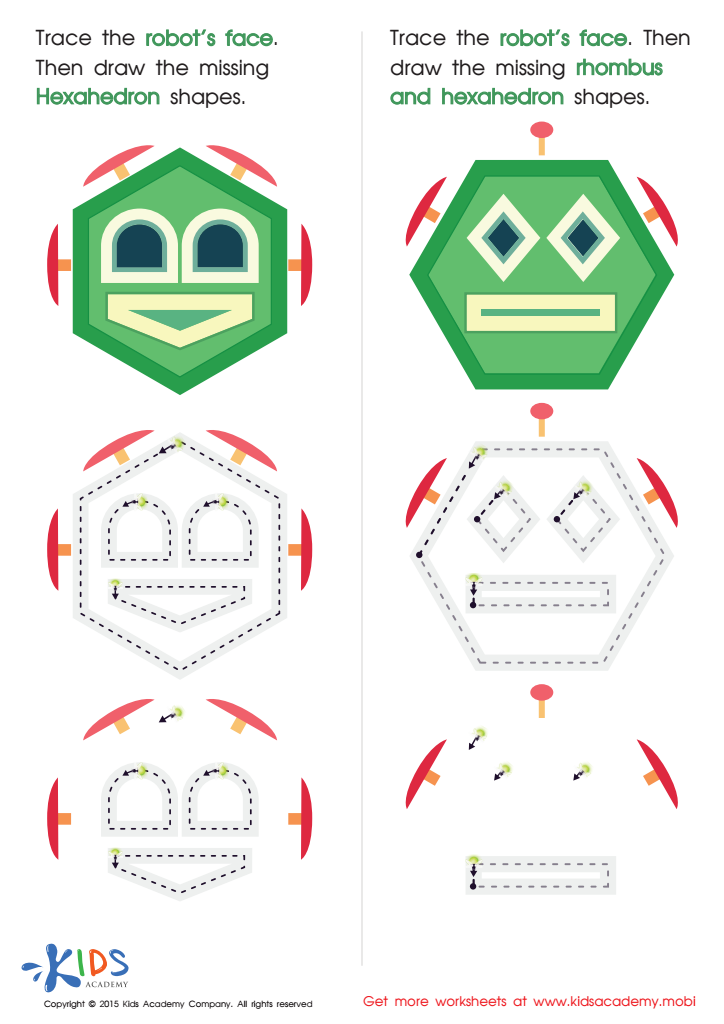
Practice Drawing Hexahedrons And a Rhombus Worksheet
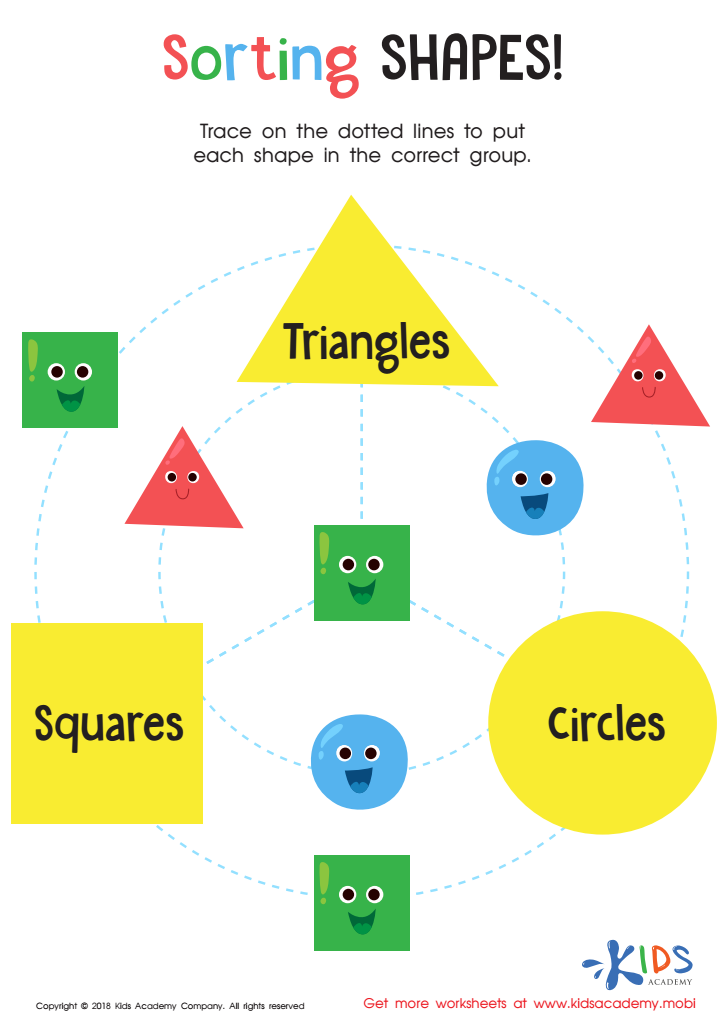
Sorting Shapes - Part 3 Worksheet
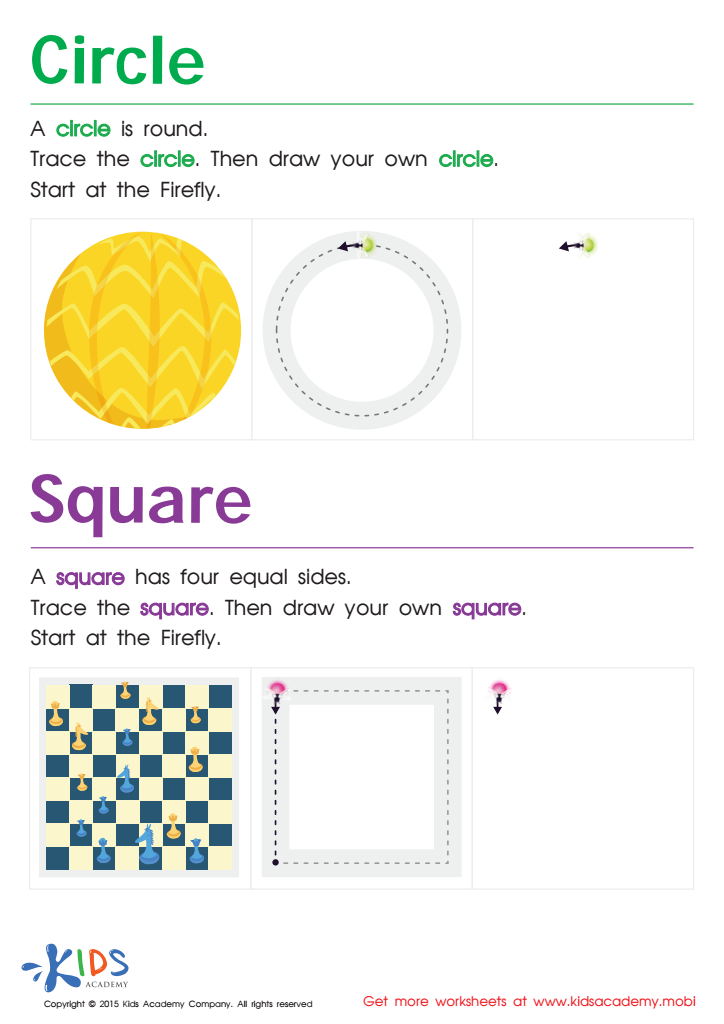
Trace And Draw a Circle And a Square Worksheet
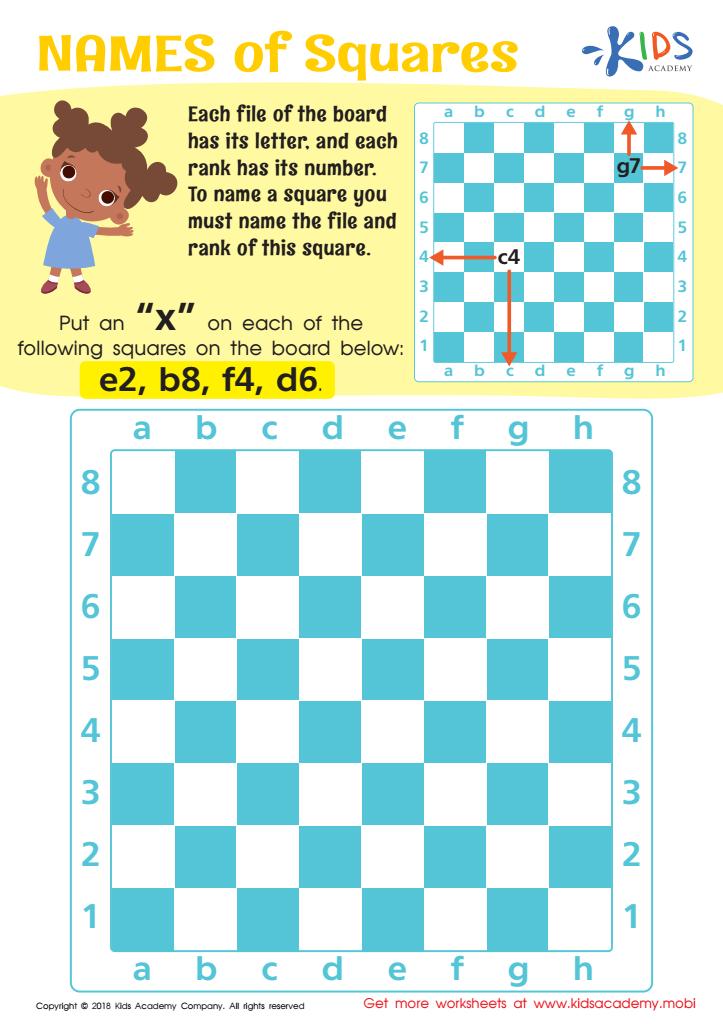
Names of Squares Worksheet
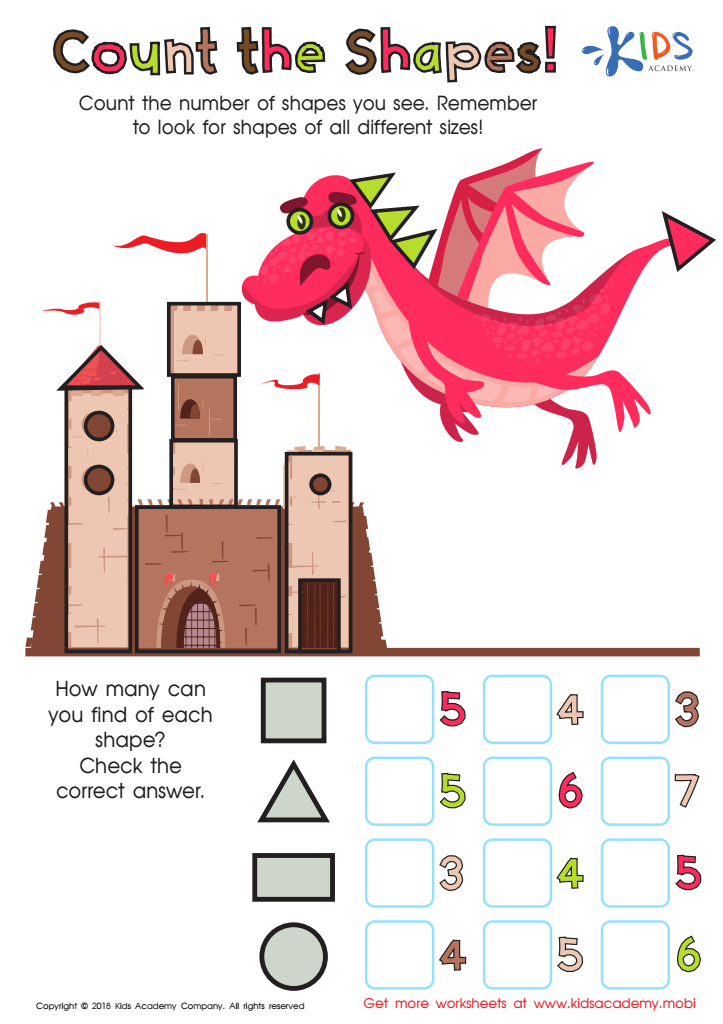
Count the Shapes Worksheet
Halloween: A Funny Monster Worksheet
 Assign to My Students
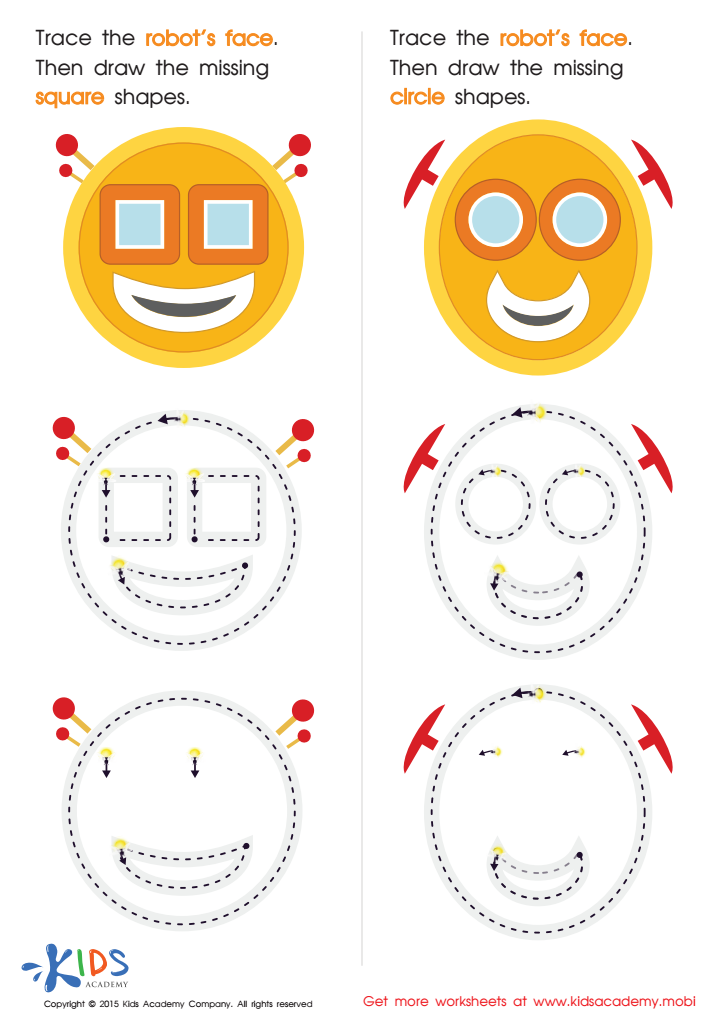
Practicing to Draw Circles And Squares Printable
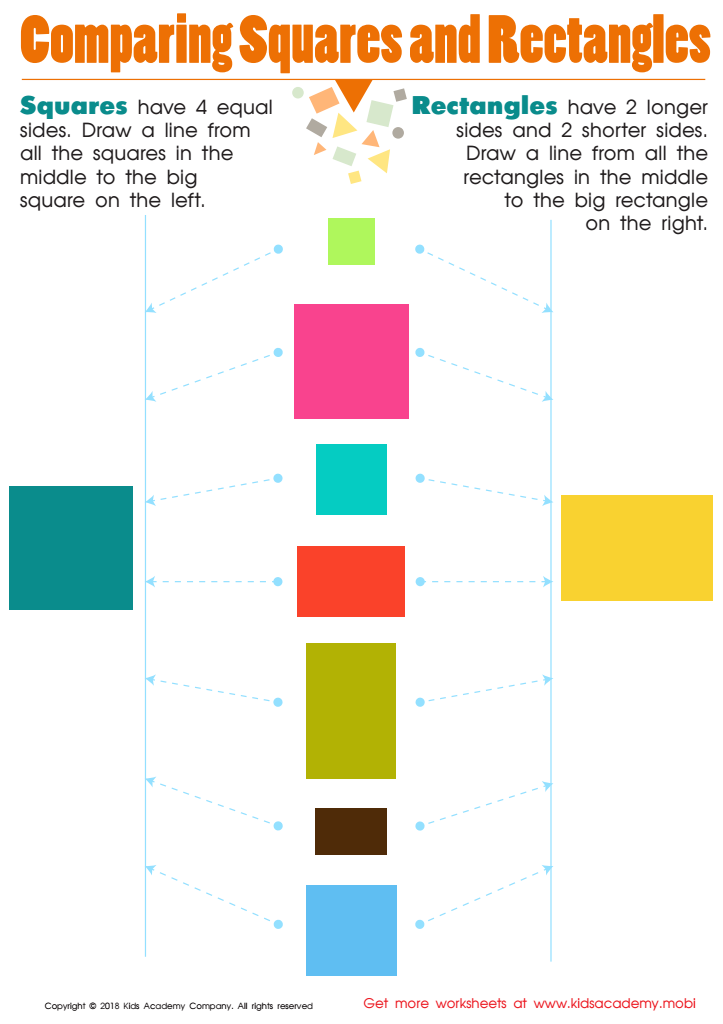
Comparing Squares Rectangles Worksheet
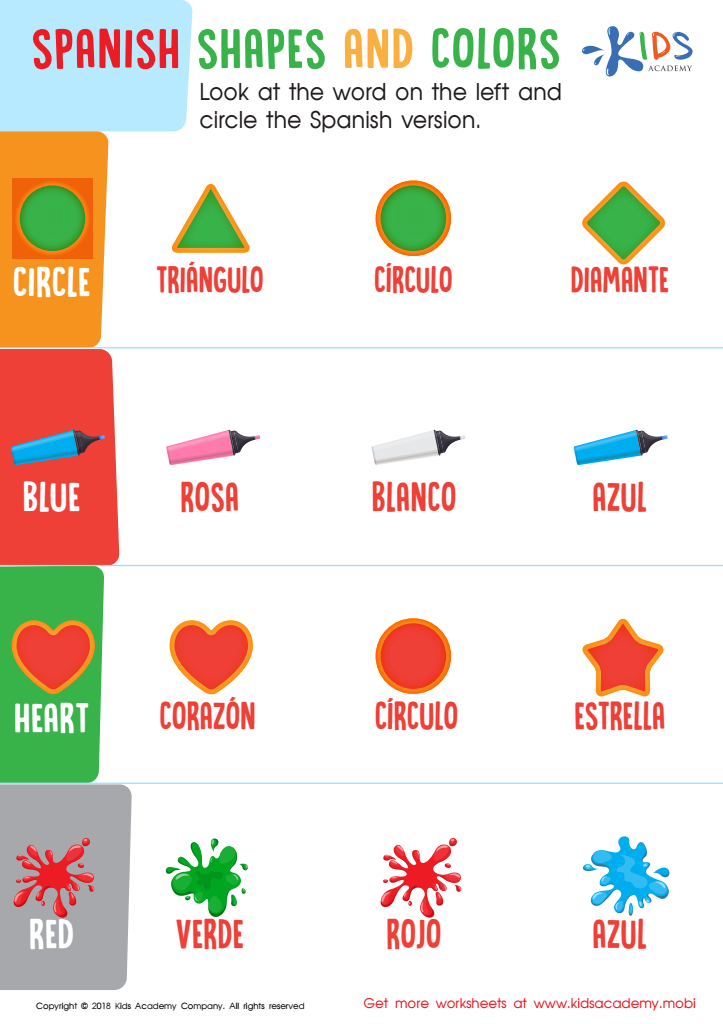
Spanish Shapes and Colors Worksheet
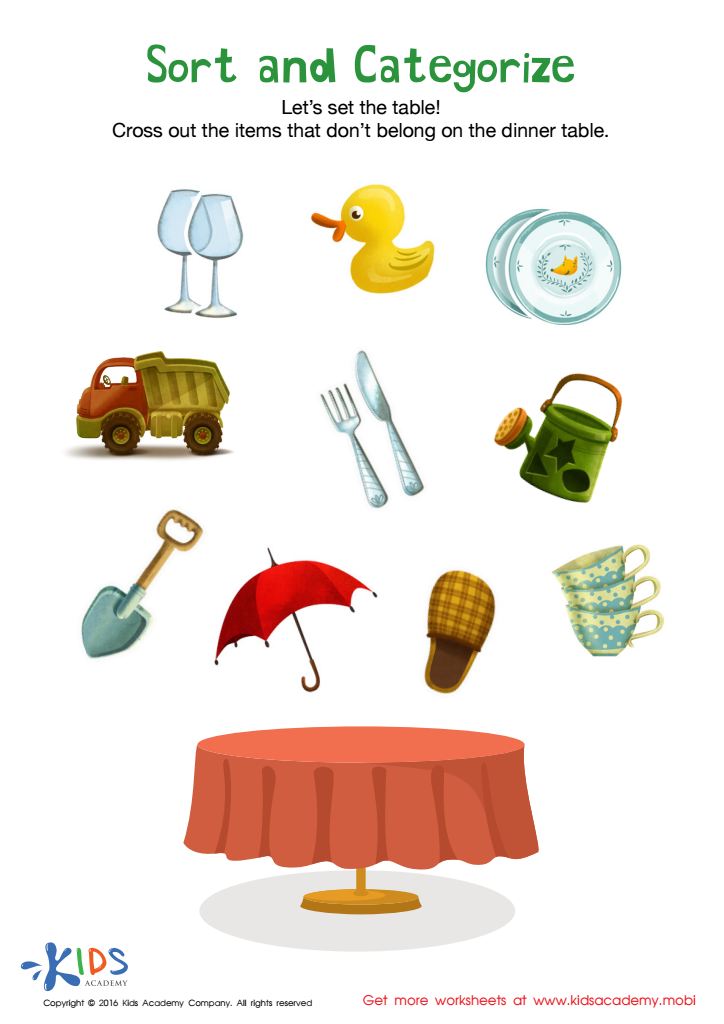
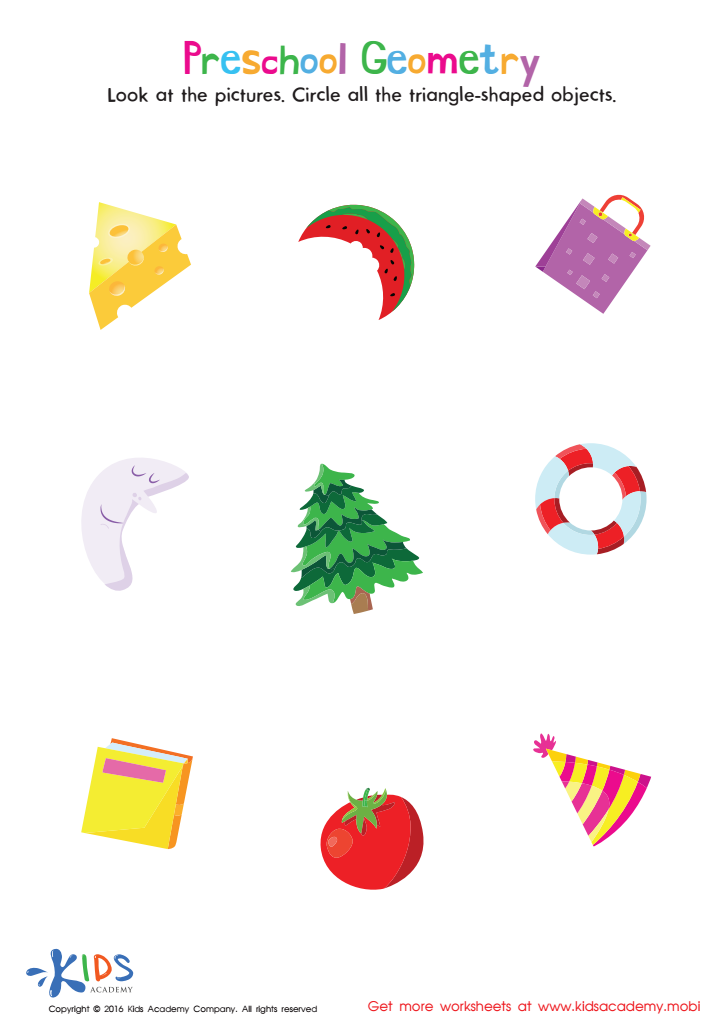
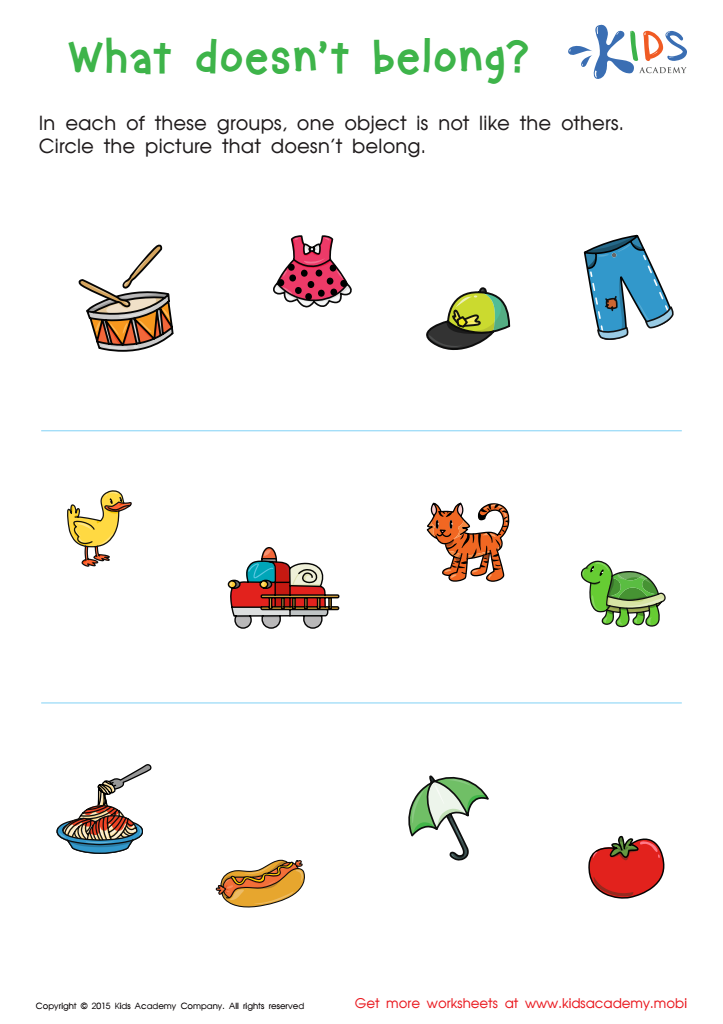
First Words: What Doesn't Belong Worksheet
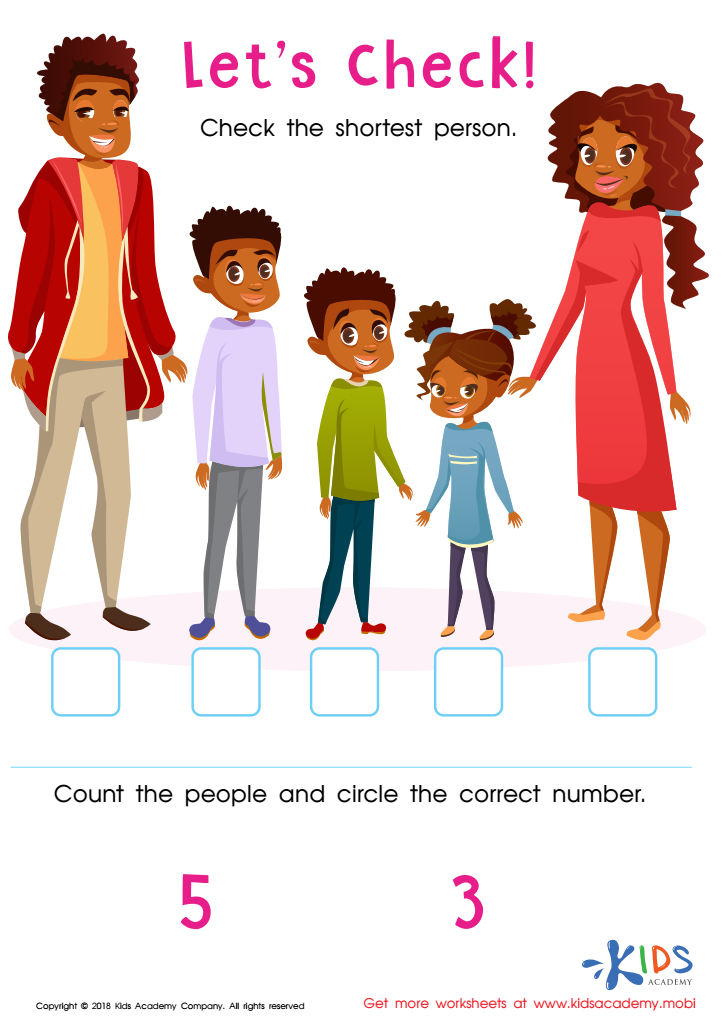
Let's Check! Assessment Worksheet
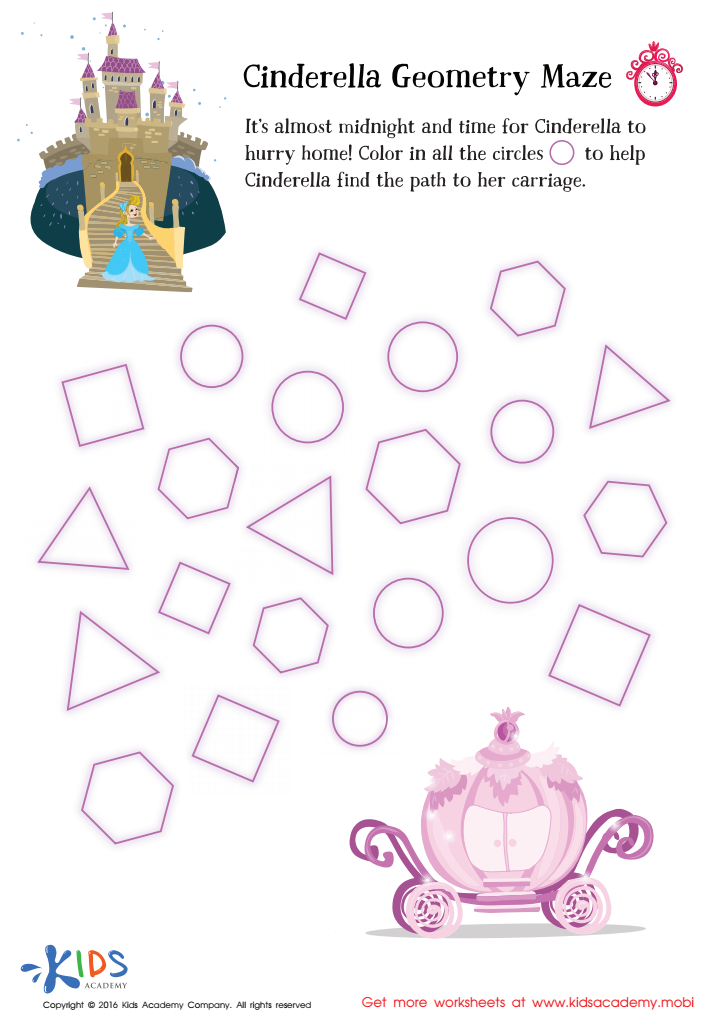
Cinderella Geometry Maze Worksheet
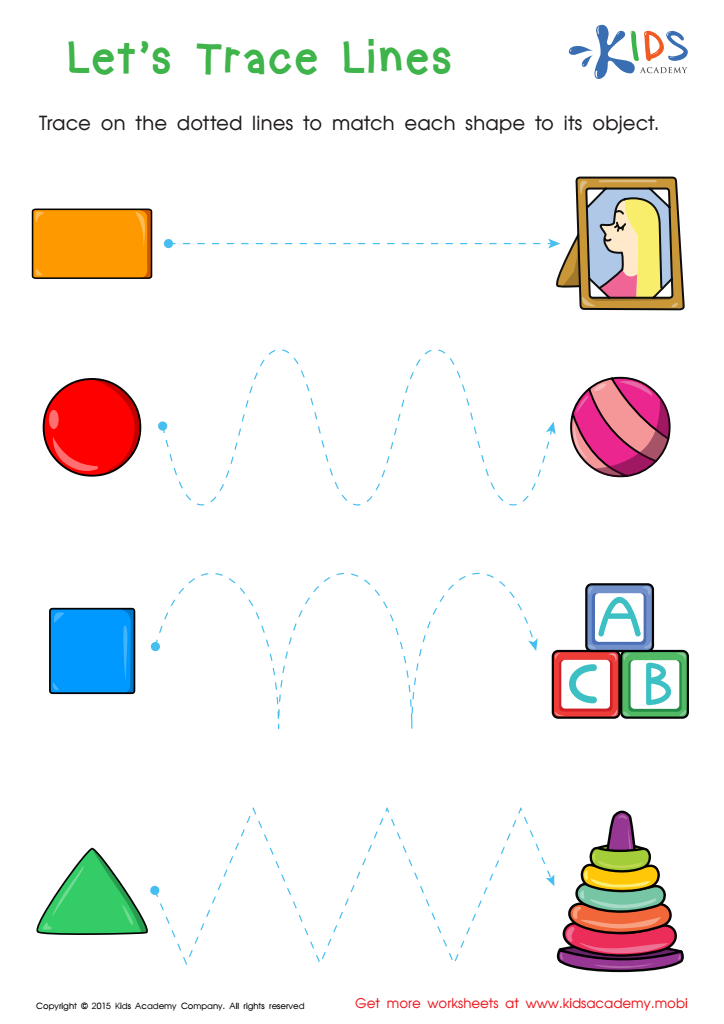
First Words: Let's Trace Lines Worksheet
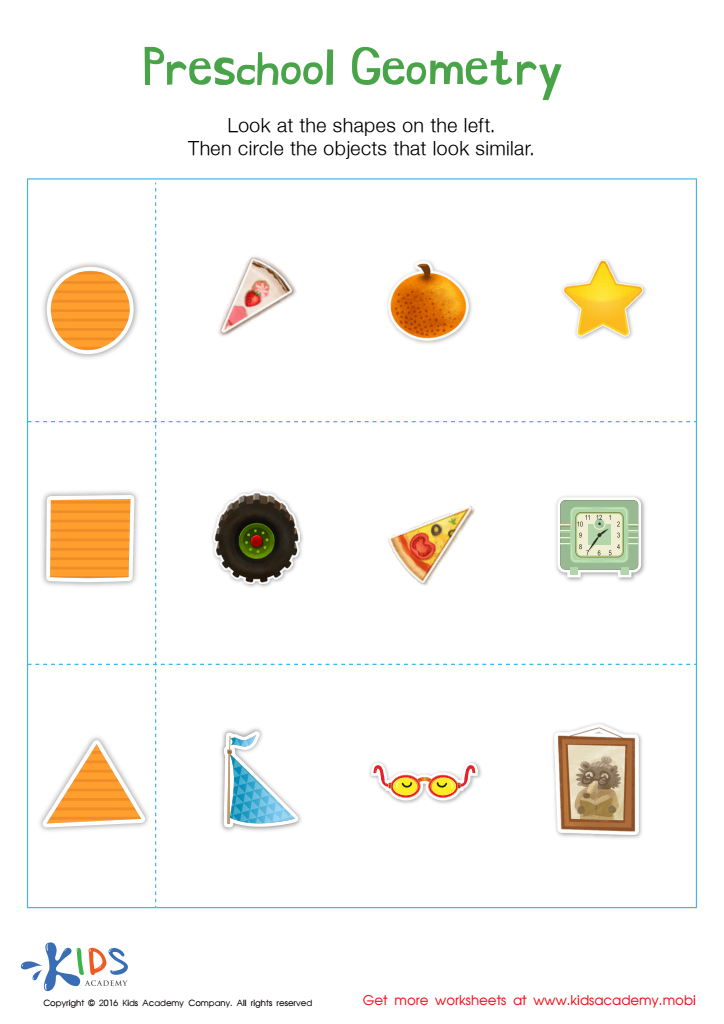
Preschool Geometry Match Up Worksheet
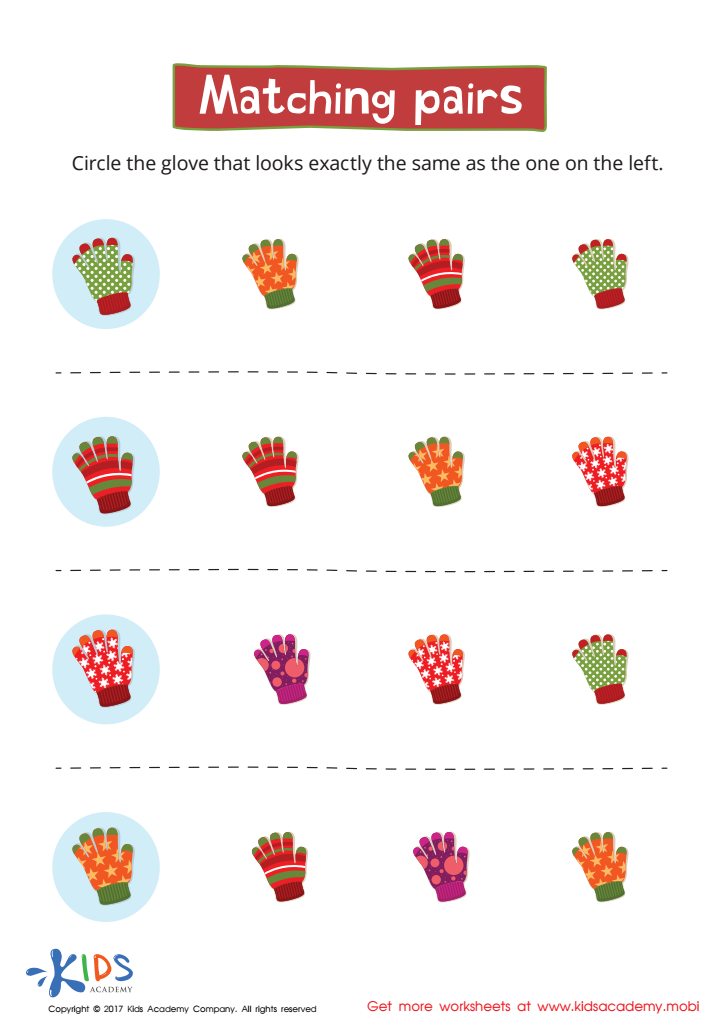
Matching: Matching Pairs Worksheet
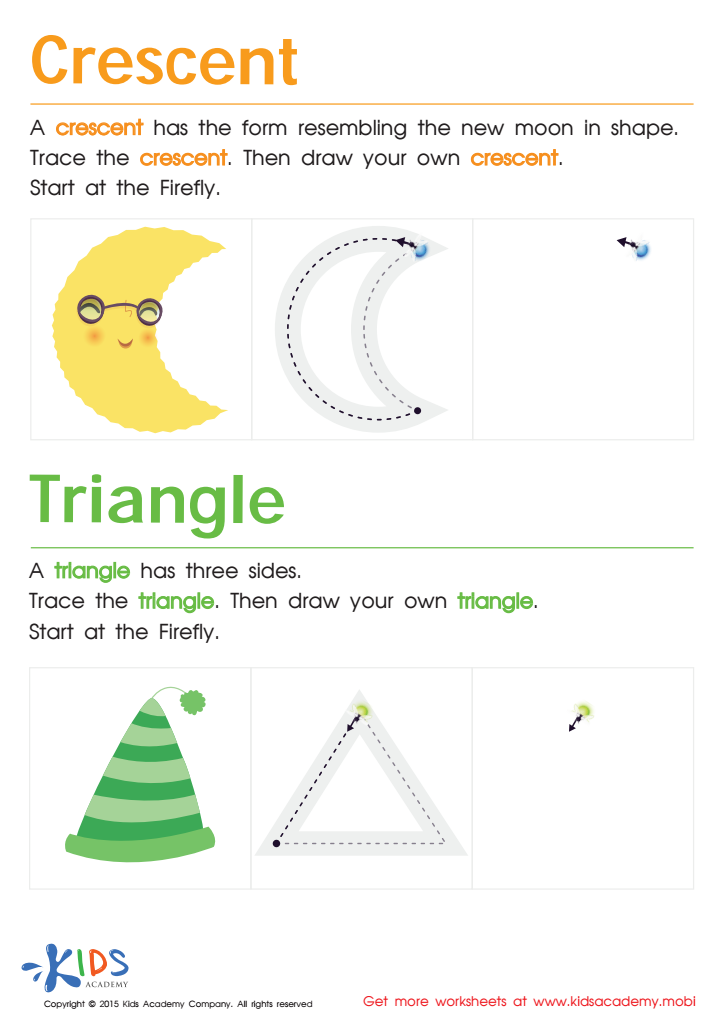
Learning to Draw Crescents And Triangles Worksheet
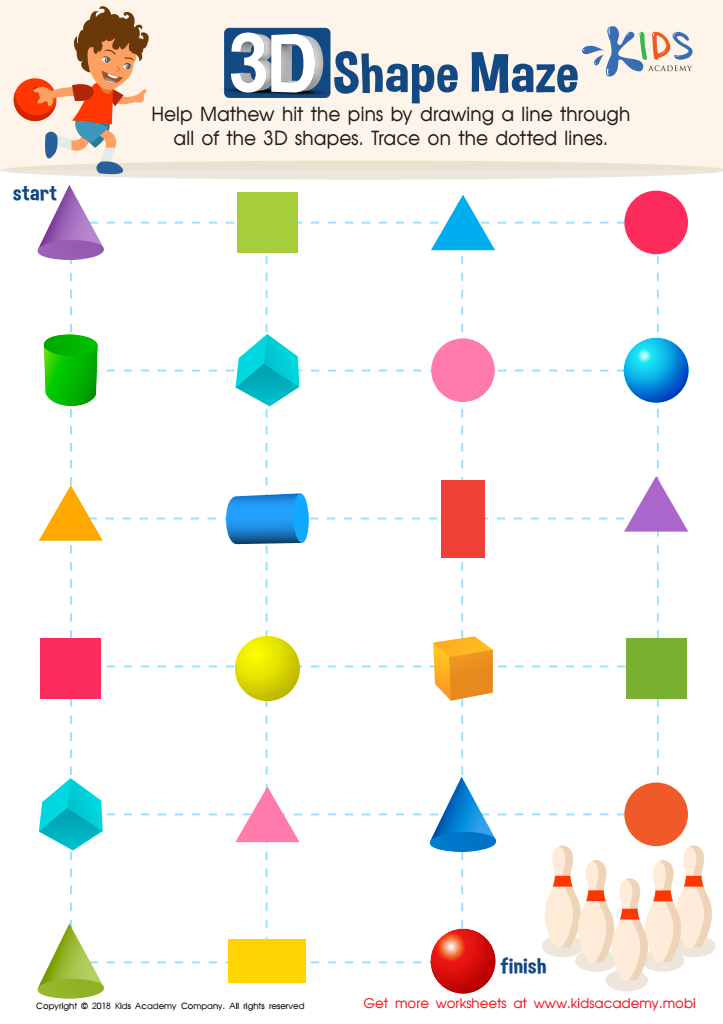
Shapes Maze Geometry Worksheet
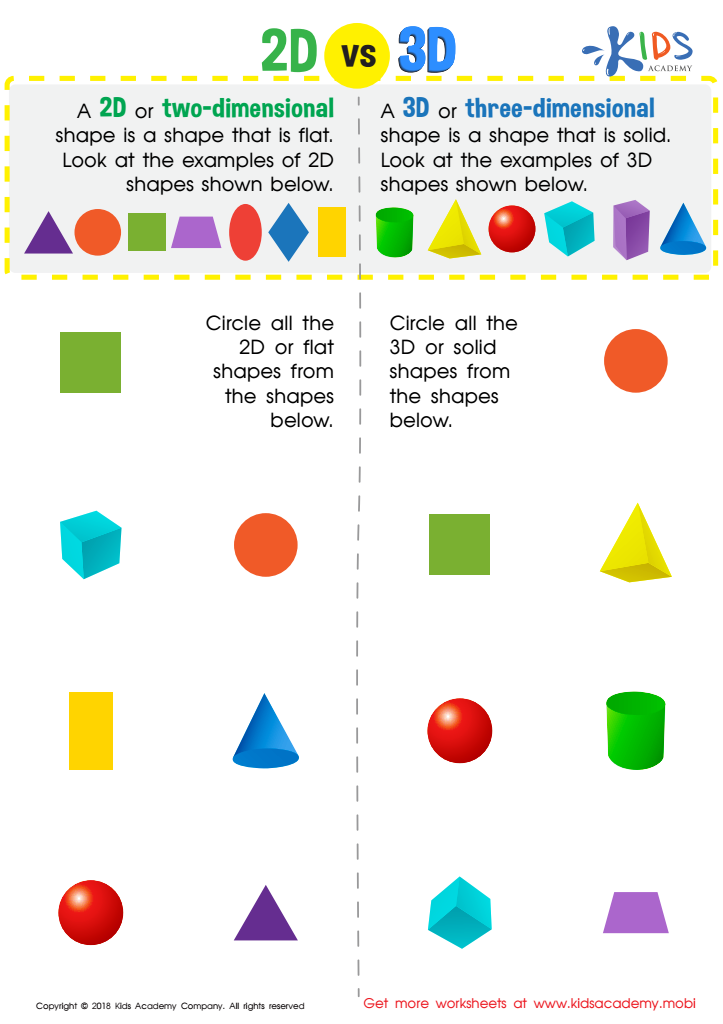
2D vs 3D Shapes Worksheet


.jpg)





Shape recognition is a fundamental skill for children aged 3-4, serving as a cornerstone for their cognitive development. Parents and teachers should prioritize this skill because it contributes to a range of educational and developmental outcomes. First, shape recognition enhances spatial awareness, allowing children to understand their environment better, which is essential for later math and science learning.
Second, recognizing shapes fosters critical thinking and problem-solving skills. When children identify shapes, they learn to categorize and differentiate between various objects, laying the groundwork for more complex concepts like geometry.
Furthermore, engaging in shape recognition activities encourages language development. Children learn to describe shapes and their attributes, expanding their vocabulary and communication skills. It also provides opportunities for social interaction during group activities, promoting teamwork and collaboration.
Beyond academic benefits, shape recognition is linked to improved fine motor skills as children manipulate various objects. Ultimately, investing time in shape recognition helps create well-rounded individuals equipped with fundamental skills for lifelong learning. Parents and teachers positively influence not only children's early academic success but also their overall social and cognitive growth by making shape recognition a development priority.








