Normal Addition Worksheets for Ages 3-6 - Page 2
42 filtered results
-
From - To
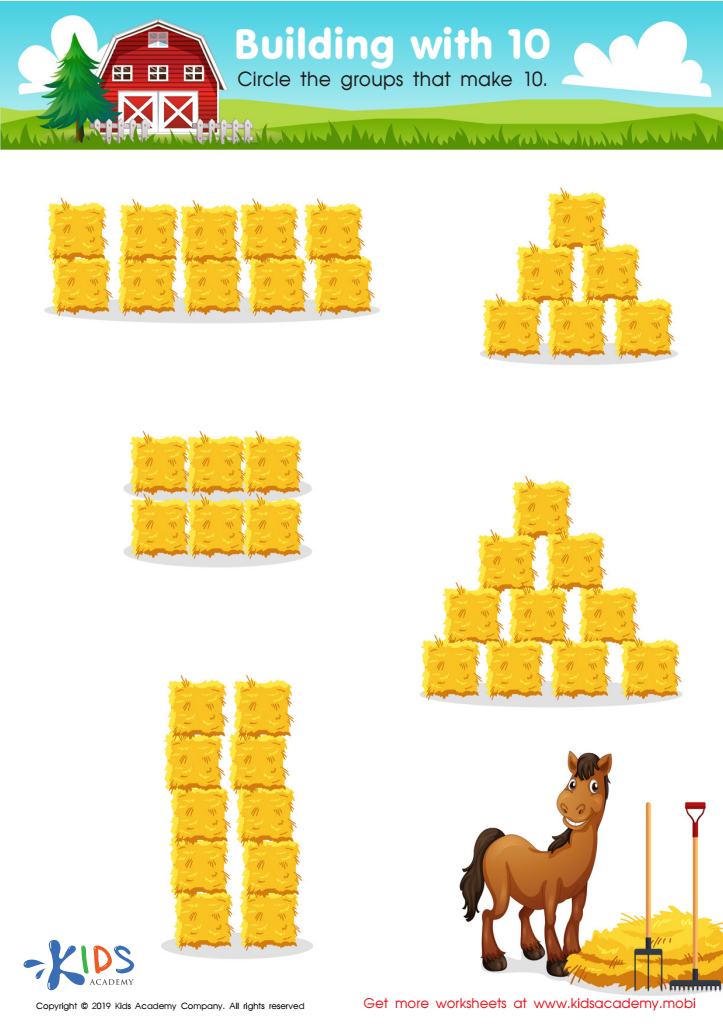
Building with 10 Worksheet
 Assign to My Students
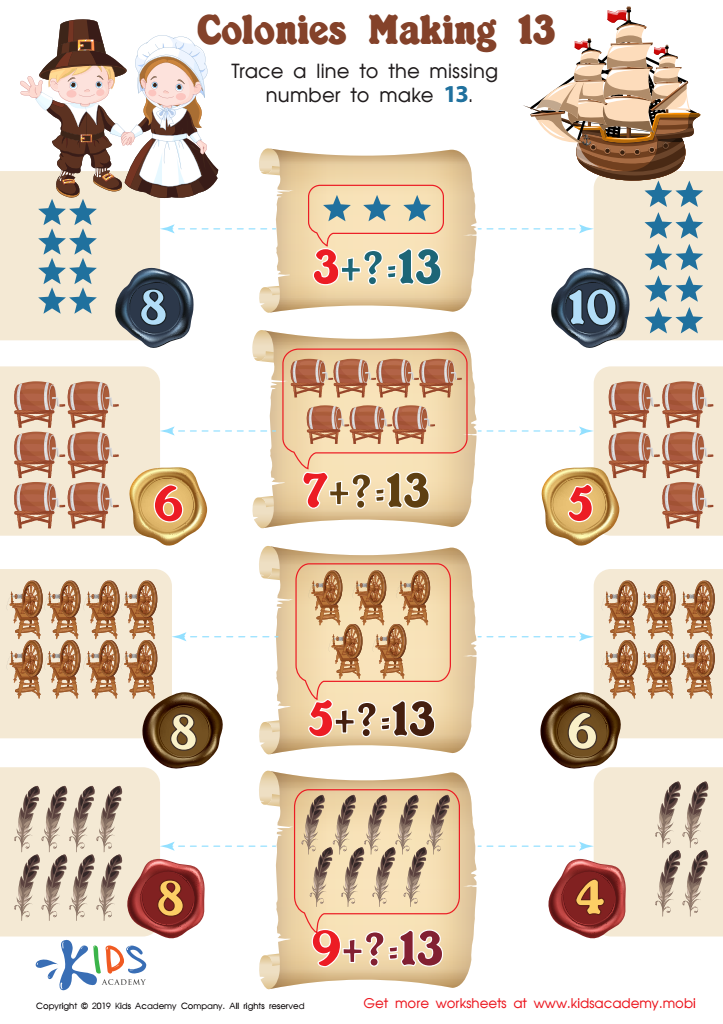
Colonies Making 13 Worksheet
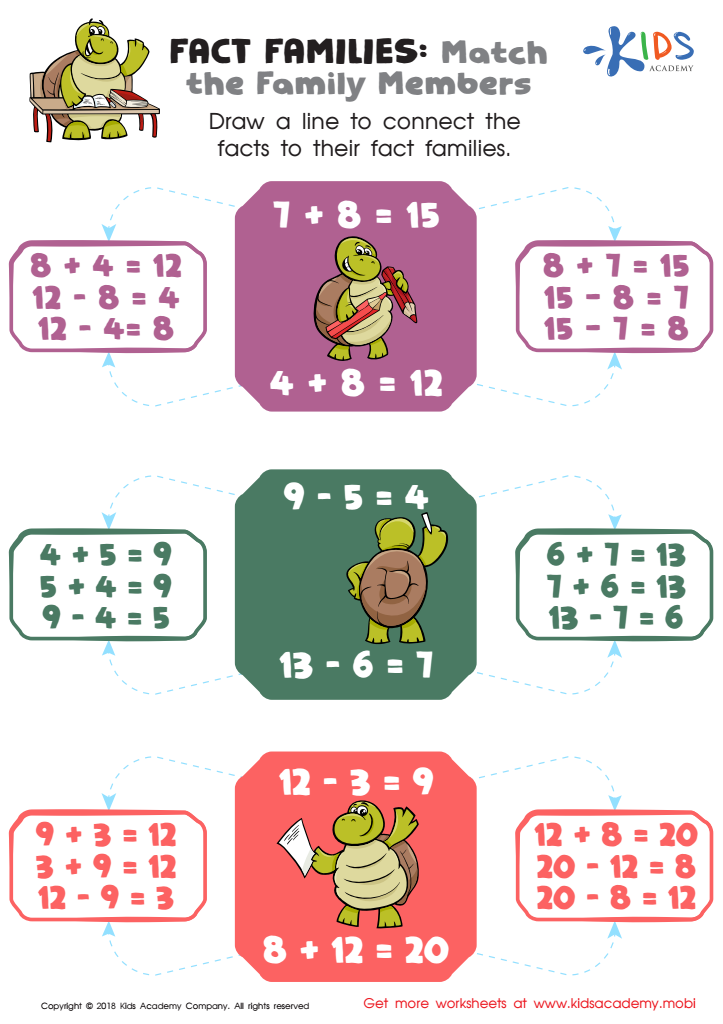
Fact Families: Match Family Members Worksheet
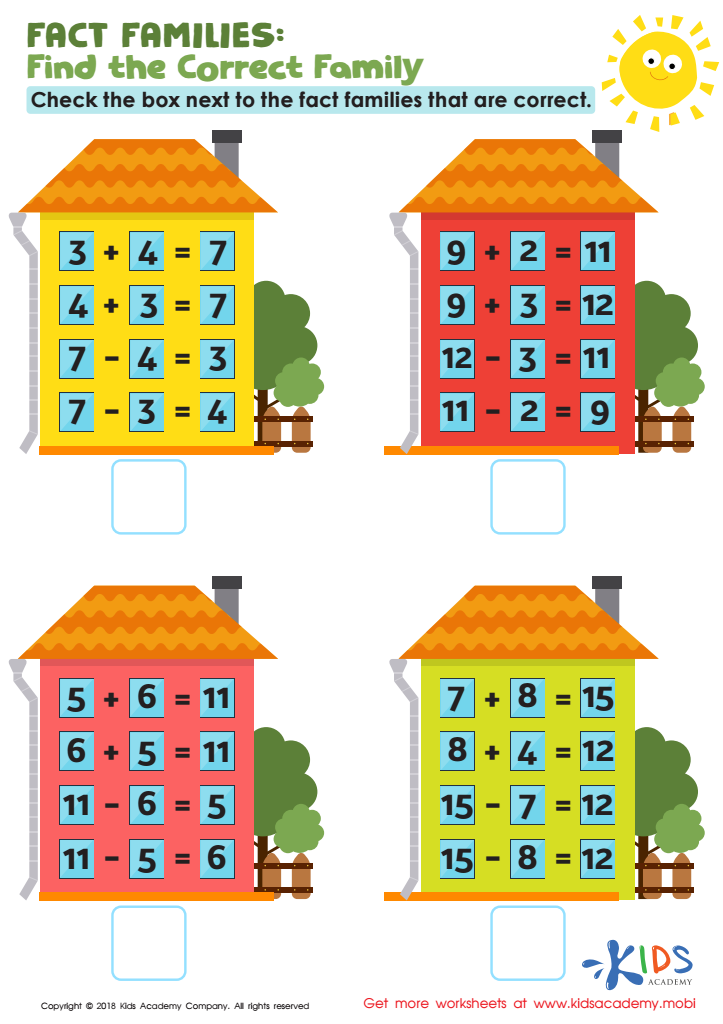
Fact Families: Find Correct Family Worksheet
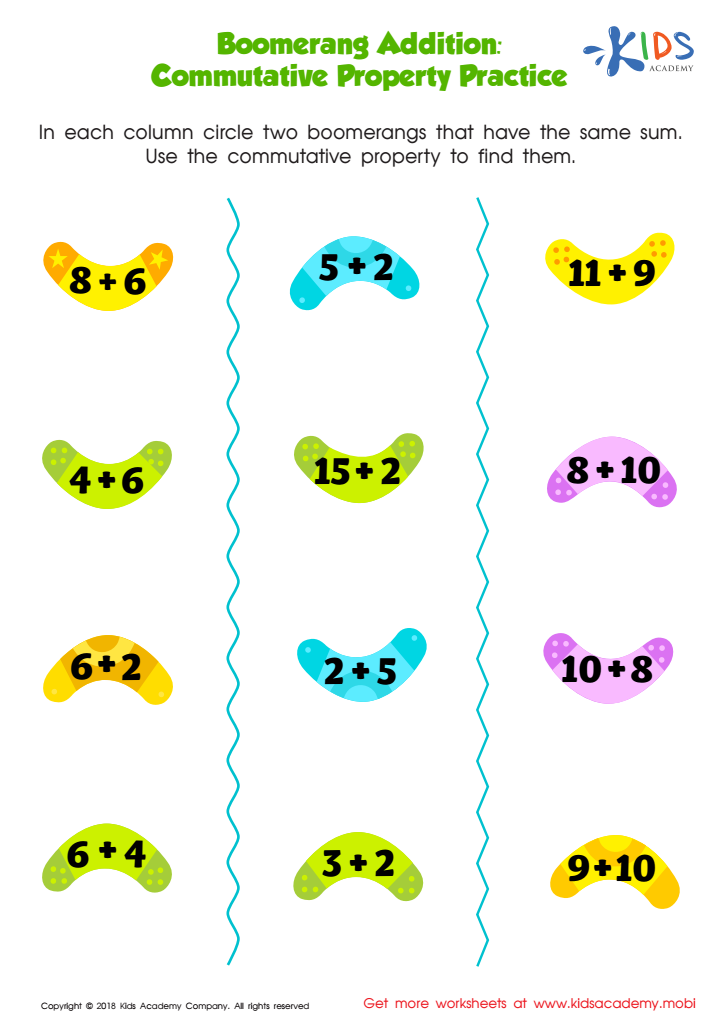
Boomerang Addition Worksheet
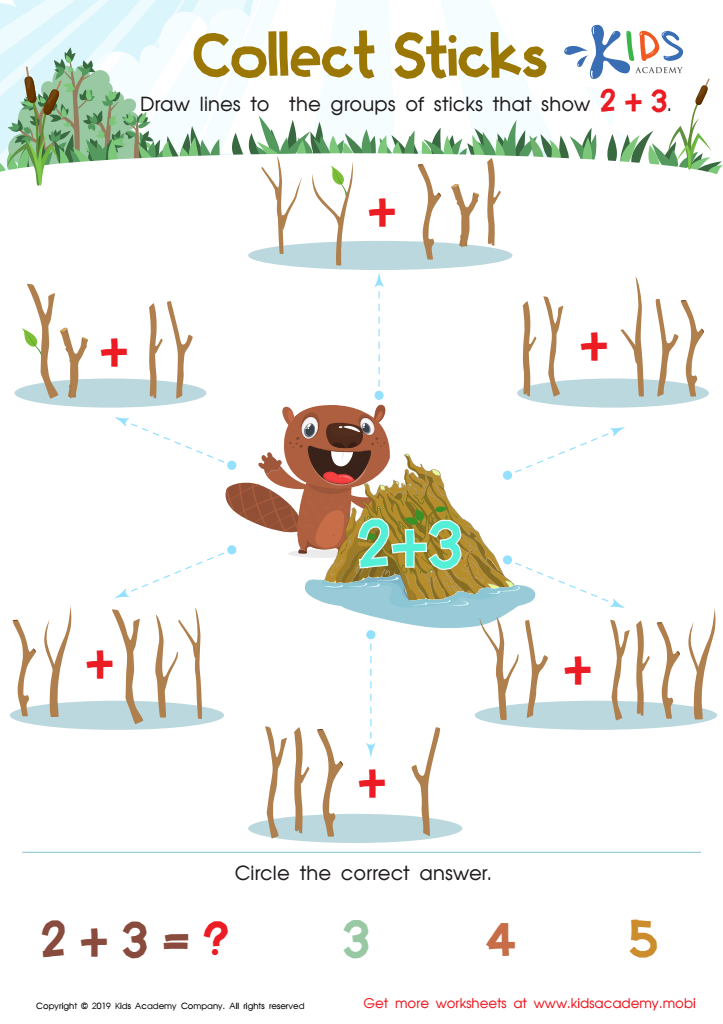
Collect Sticks Worksheet
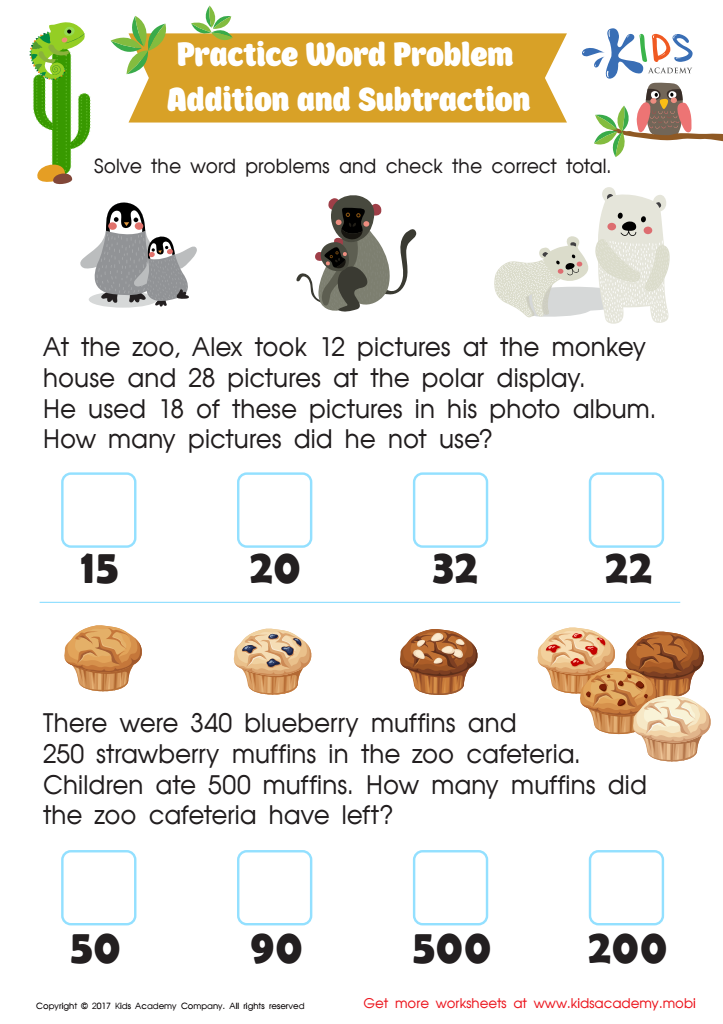
Addition and Subtraction: Word Problems Worksheet
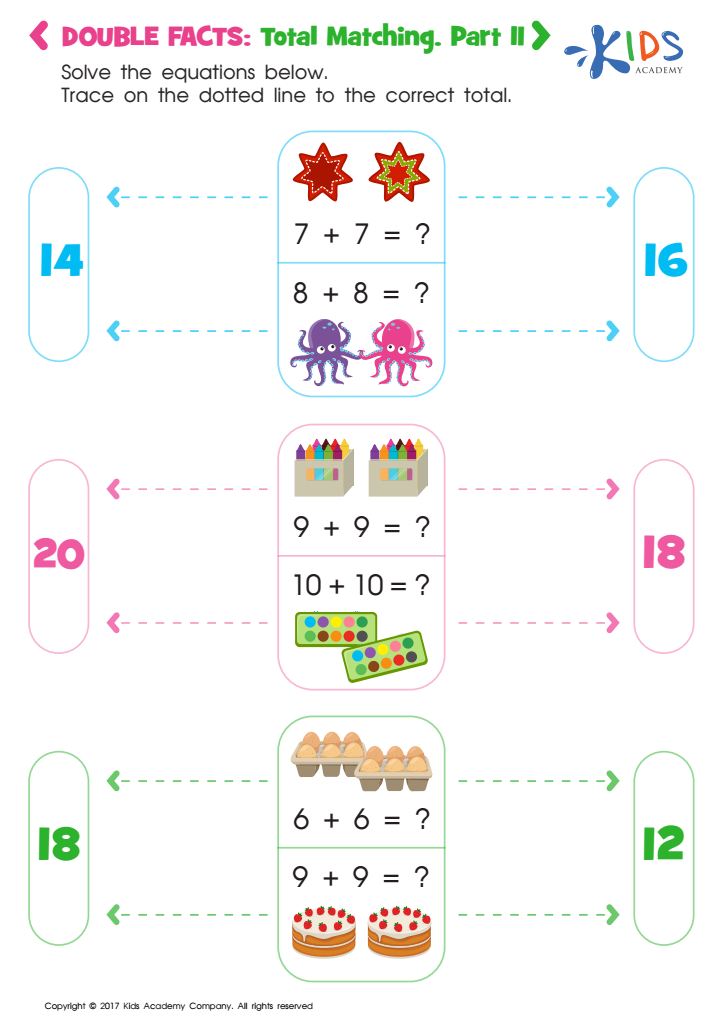
Double Facts: Total Matching 2 Worksheet
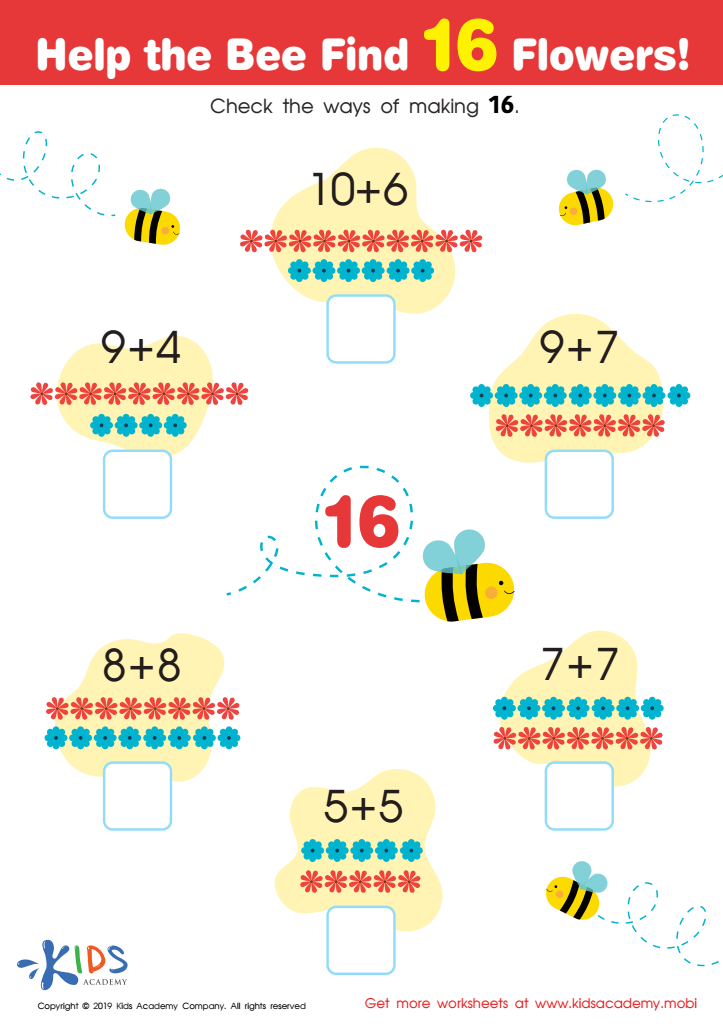
Help the Bee Find 16 Flowers Worksheet
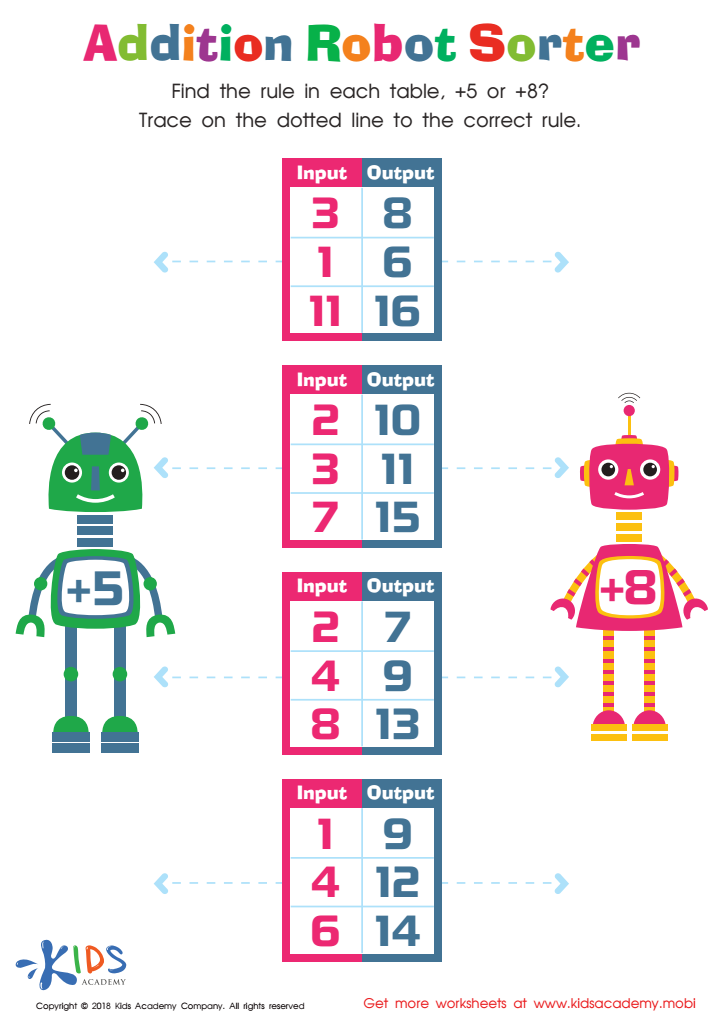
Addition Robot Sorter Worksheet
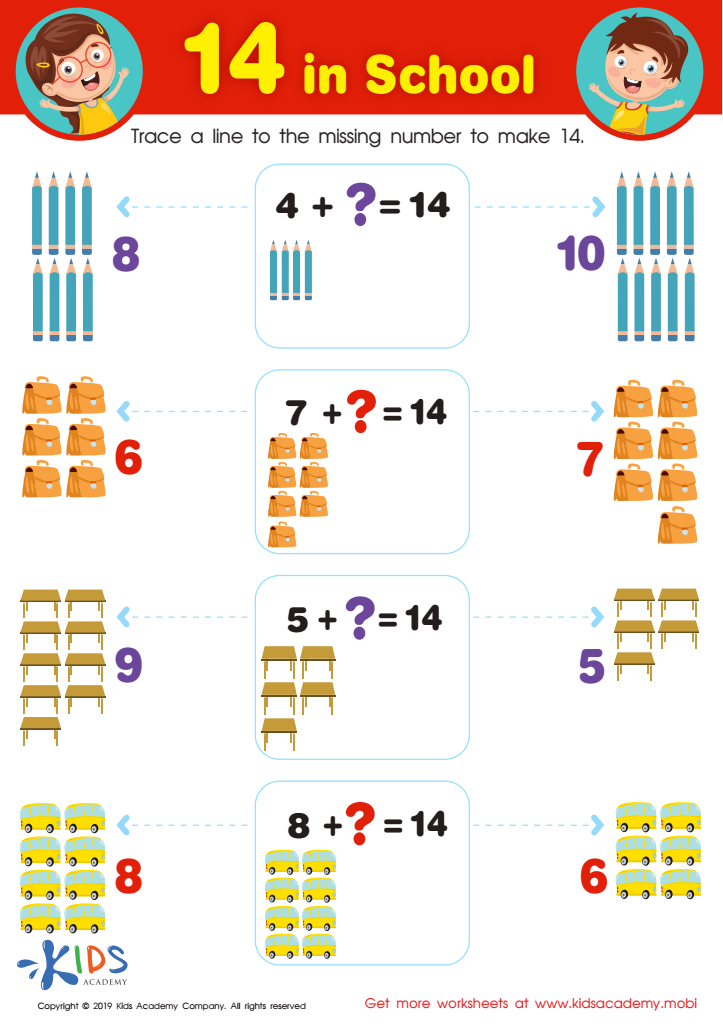
14 in School Worksheet
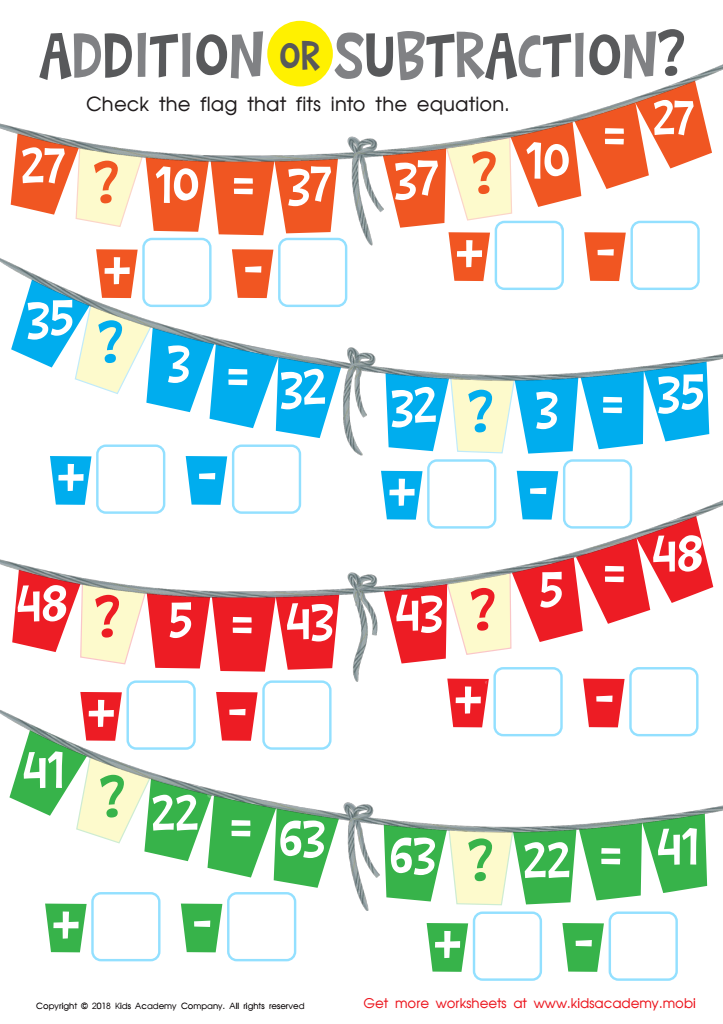
Addition or Subtraction? Worksheet
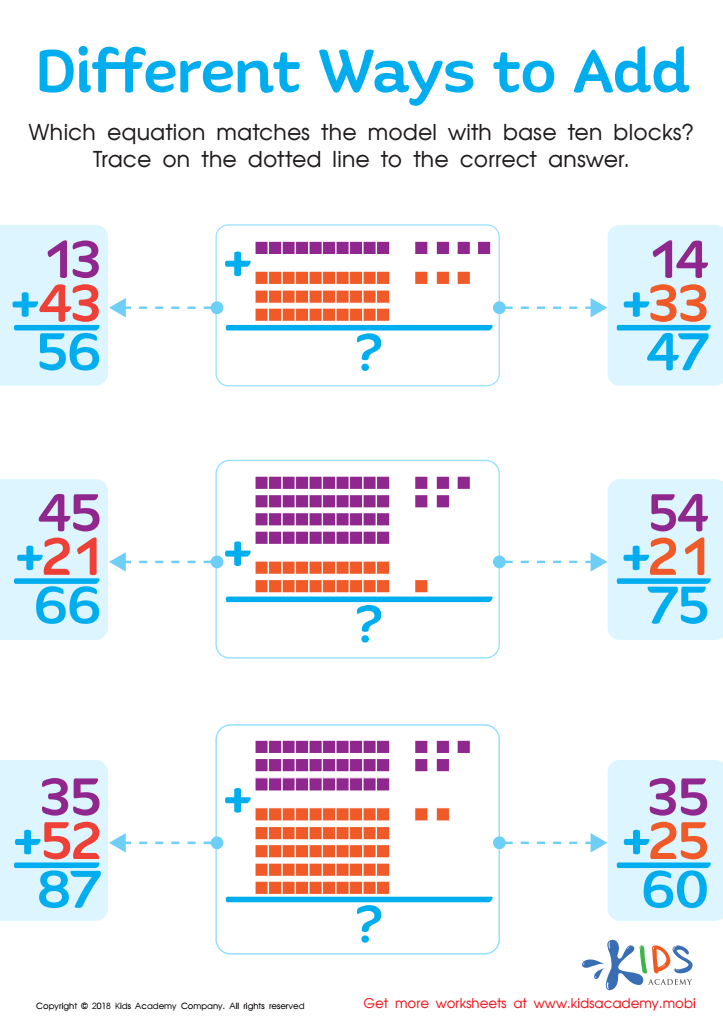
Different Ways to Add Worksheet
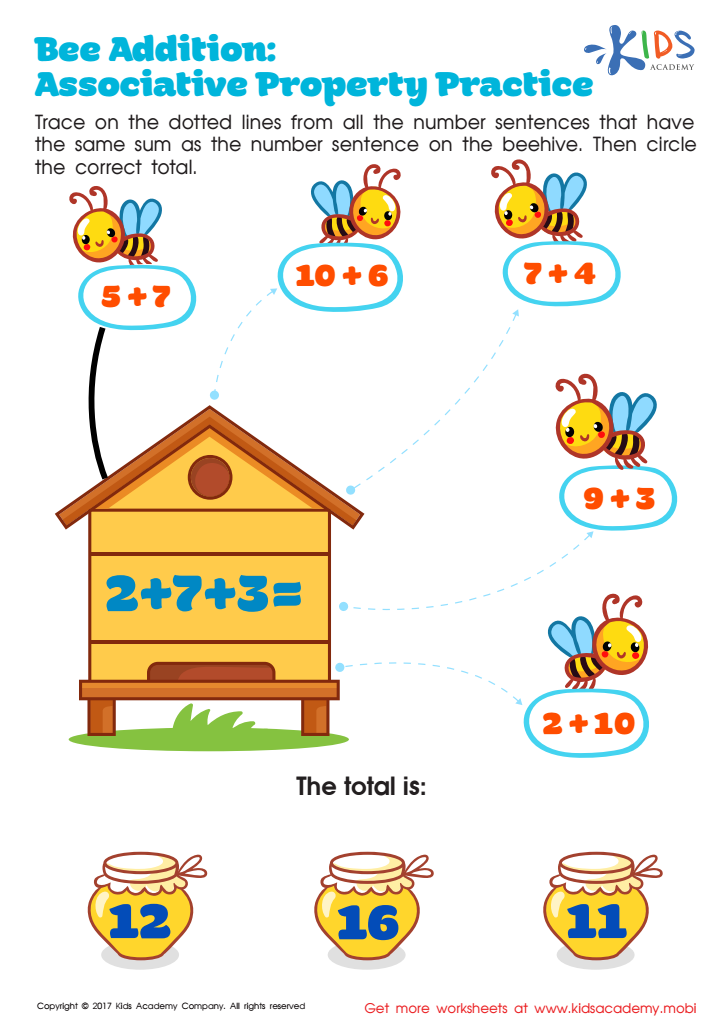
Bee Addition: Associative Property Practice Worksheet
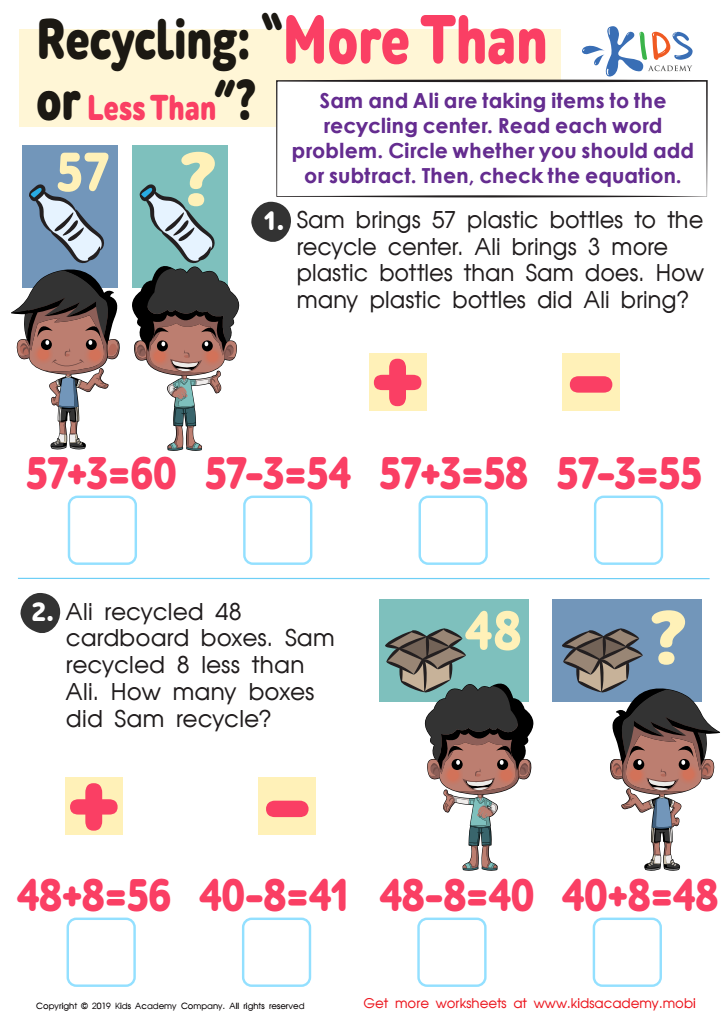
Recycling - More or Less Worksheet
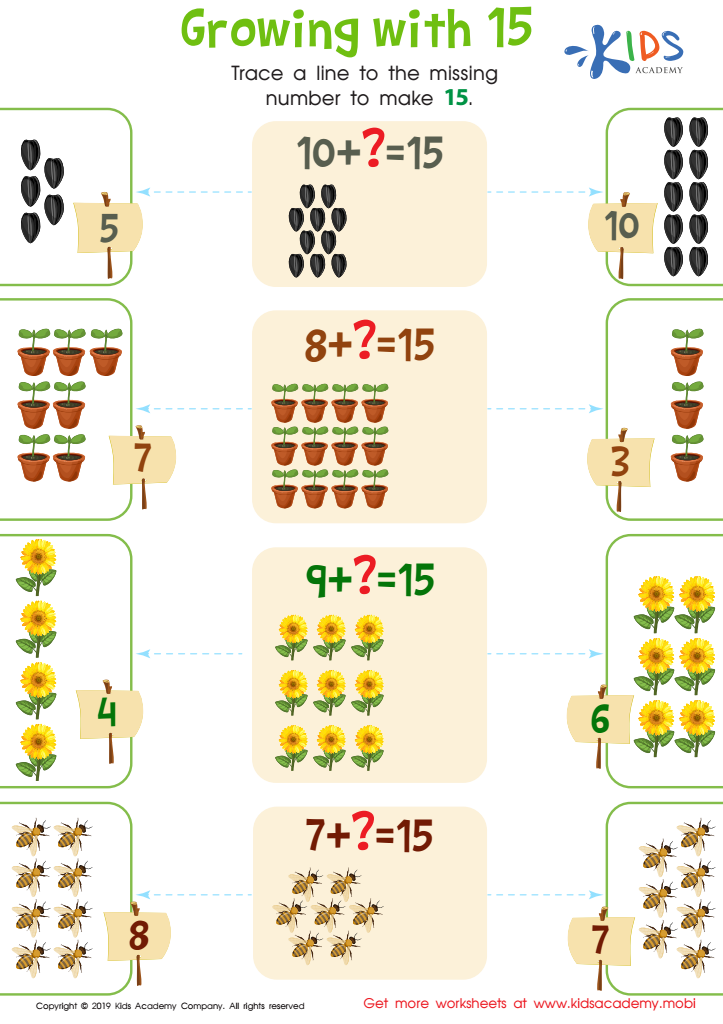
Growing with 15 Worksheet
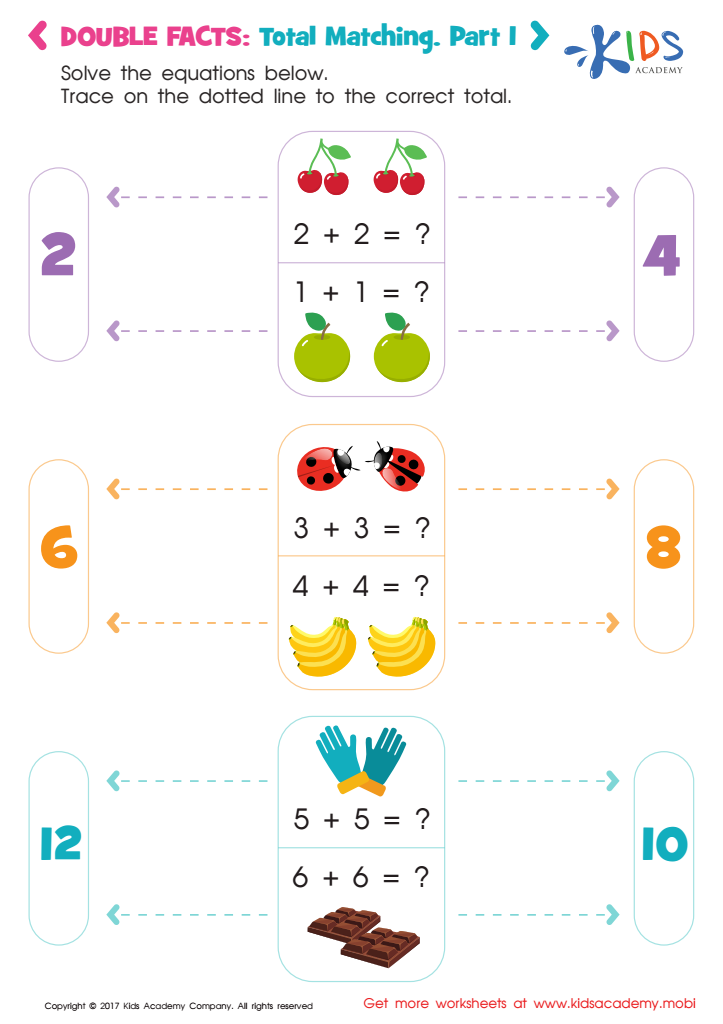
Double Facts: Total Matching Worksheet: Part 1








Normal Addition, a foundational mathematical concept for children ages 3-6, is crucial for several reasons. First, it introduces young learners to the world of numbers, helping to build essential counting skills that form the basis for later mathematical understanding. At this age, children are naturally curious, and teaching Normal Addition captures their interest through engaging activities that involve combining and manipulating objects.
Secondly, mastering Normal Addition fosters cognitive development. It enhances problem-solving skills and promotes logical reasoning, which are vital for academic success across all subjects. When children learn to add numbers, they also begin to understand patterns, relationships, and the concept of quantity, laying the groundwork for later, more complex mathematical concepts.
Moreover, Normal Addition encourages social interaction and collaboration. Group activities involving addition foster teamwork and communication skills. By practicing together, children learn to share ideas and strategies, which builds a sense of community and helps develop their emotional intelligence.
Lastly, instilling a positive attitude towards mathematics at this early stage can greatly influence a child's future experiences with the subject. An early love for numbers nurtured through Normal Addition can lead to confidence, curiosity, and a lifelong appreciation for mathematics. Therefore, parents and teachers play a vital role in promoting this essential skill.