Problem-Solving Skills Normal Worksheets for Ages 3-7 - Page 2
86 filtered results
-
From - To
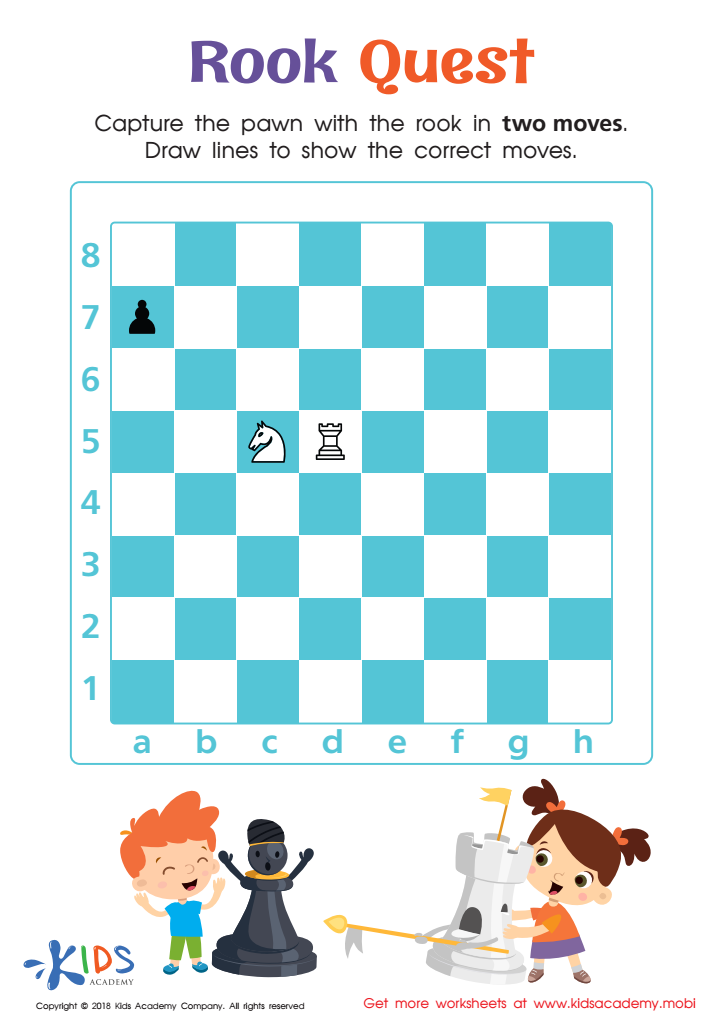
Rook Quest Worksheet
 Assign to My Students
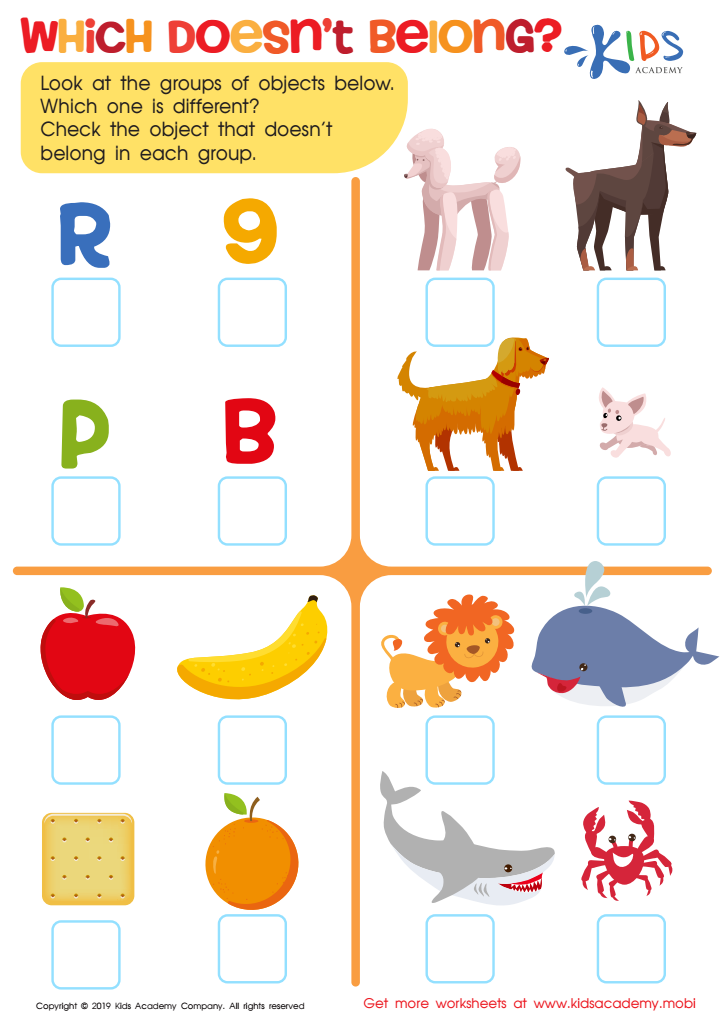
Which Doesn't Belong? Worksheet
Matching: Classifying Toys by Size Worksheet
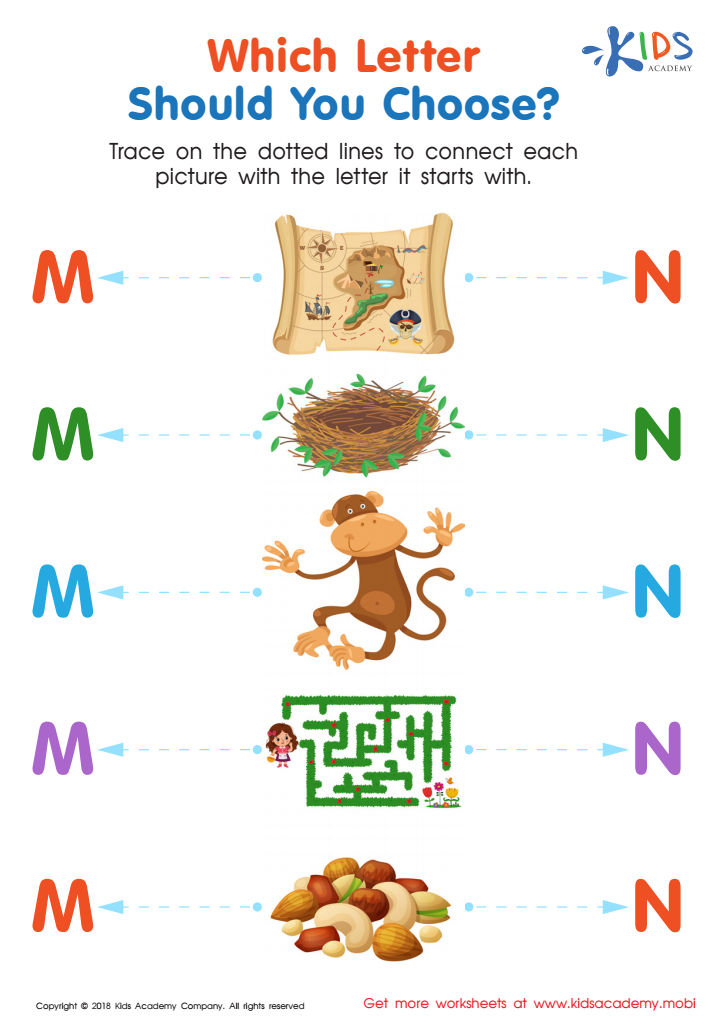
Which Letter Should you Choose? Worksheet
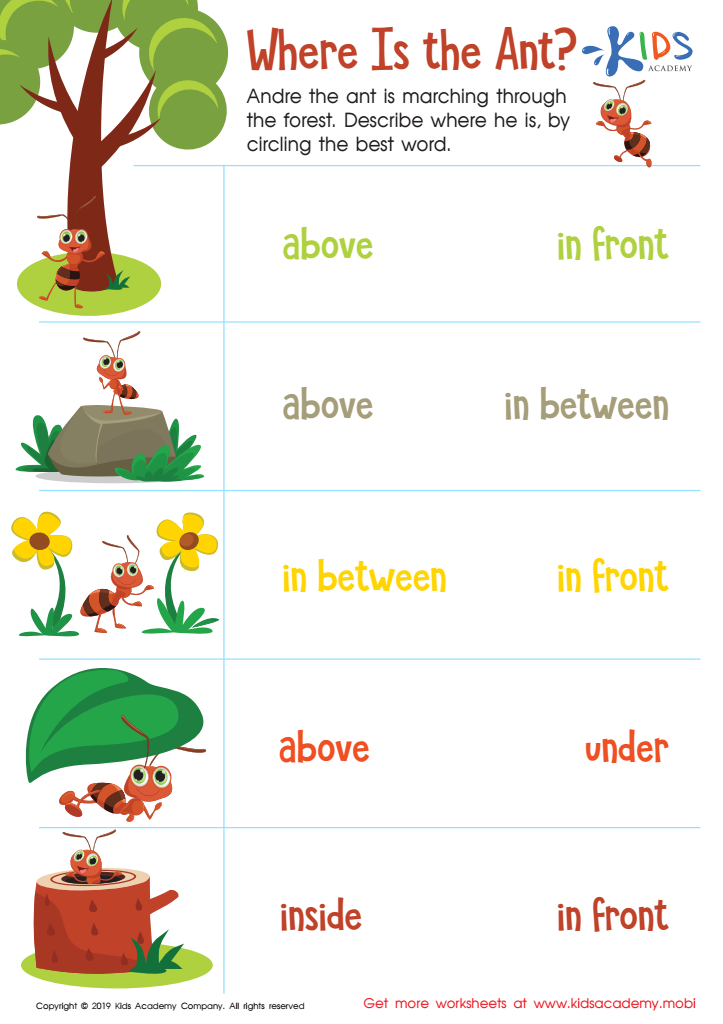
Where Is the Ant? Worksheet
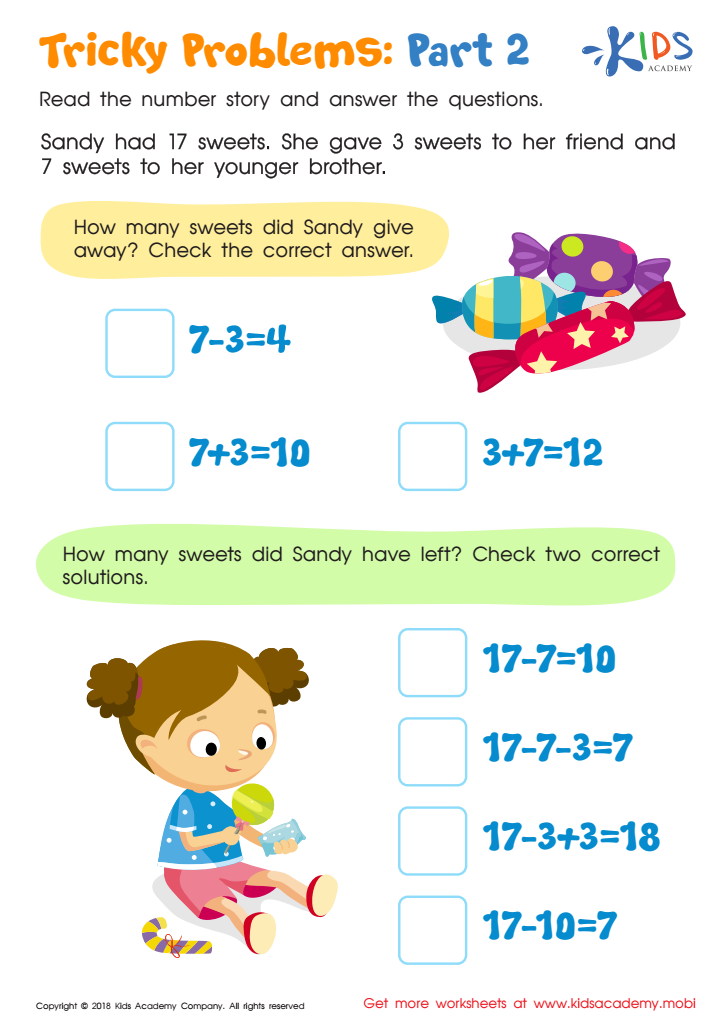
Tricky Problems Worksheet: Part 2
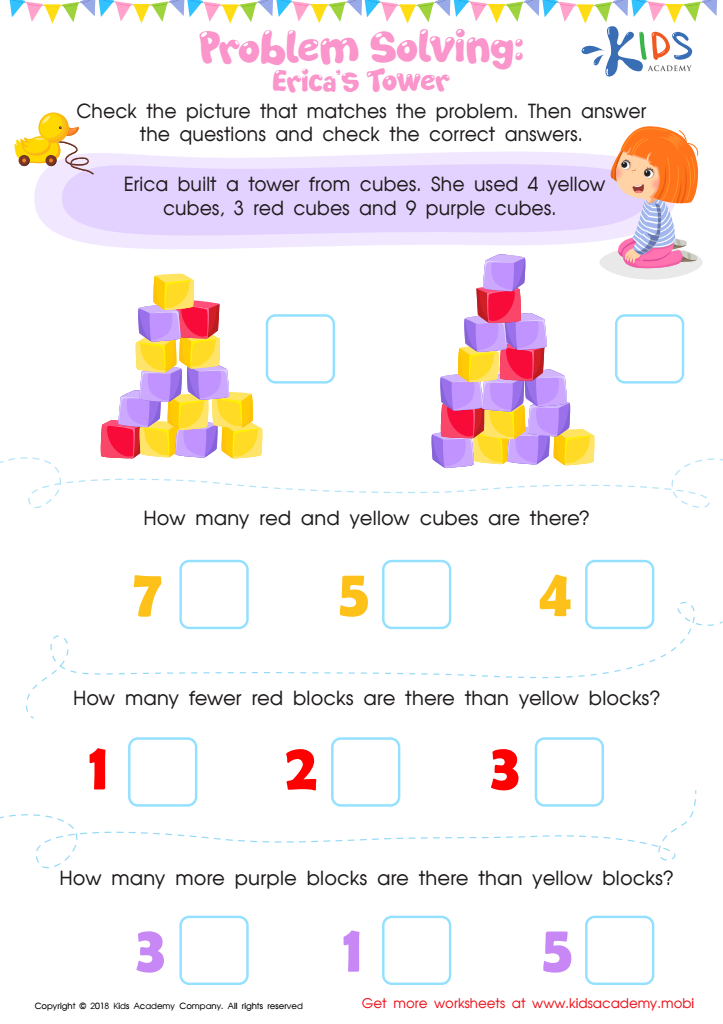
Problem Solving: Erica's Tower Worksheet
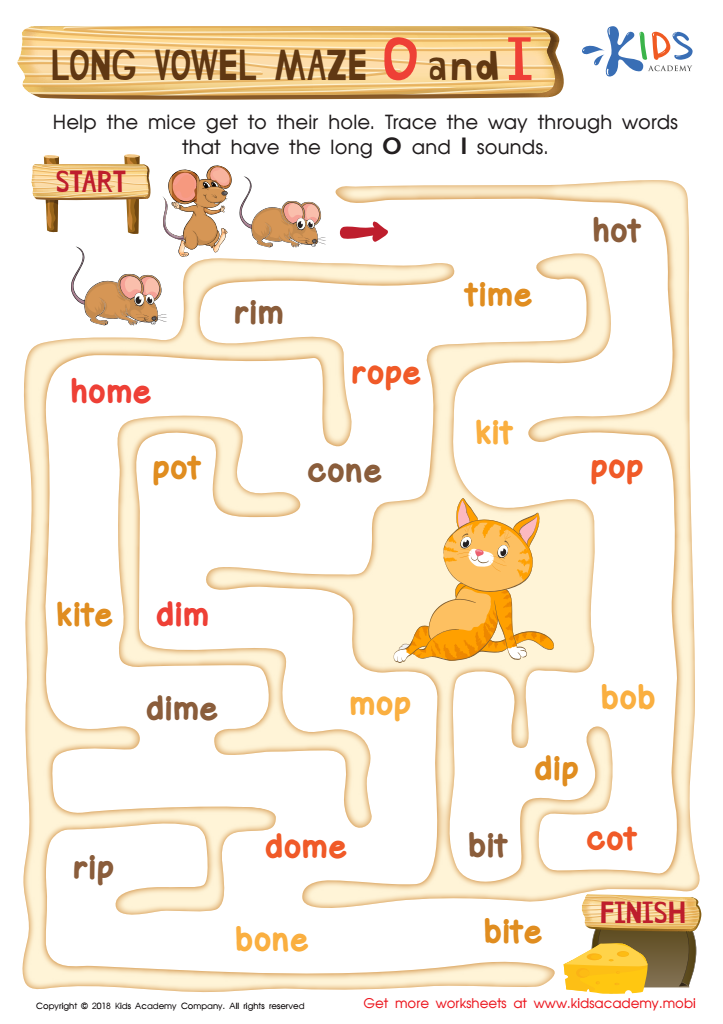
Long Vowel Maze /o/ and /i/ Worksheet
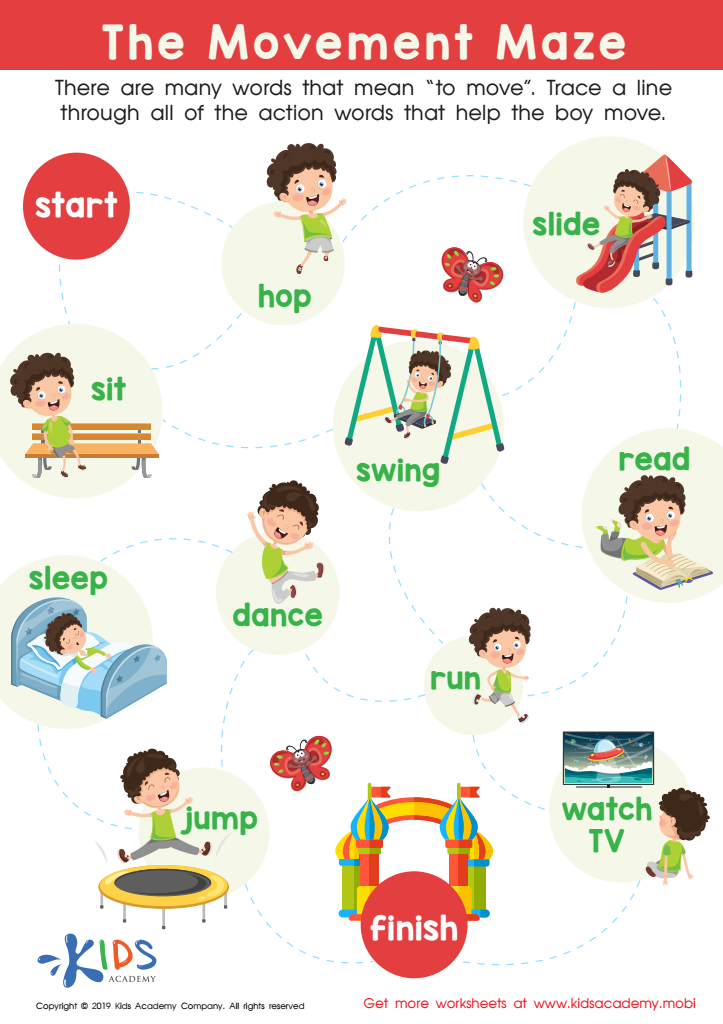
The Movement Maze Worksheet
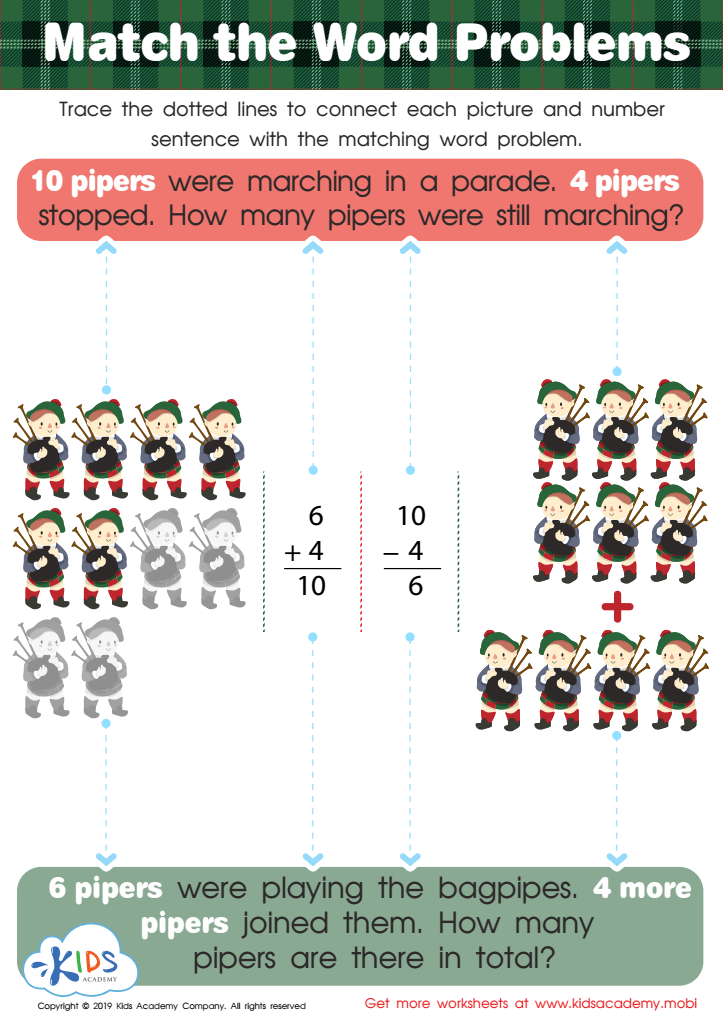
Match the Word Problems Worksheet
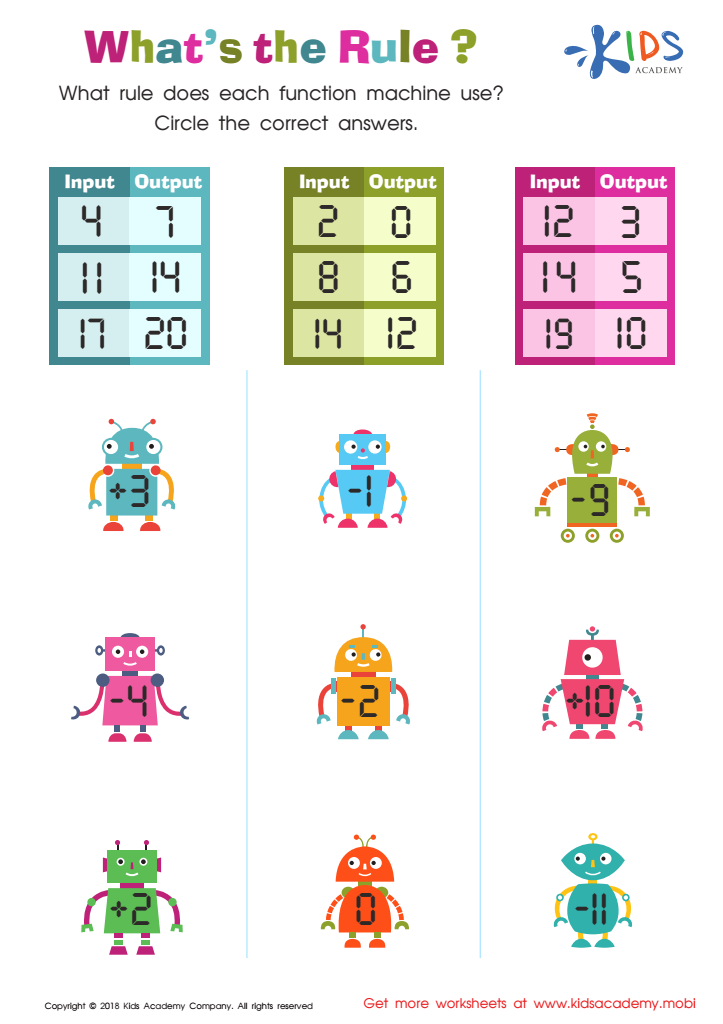
What's the Rule Worksheet
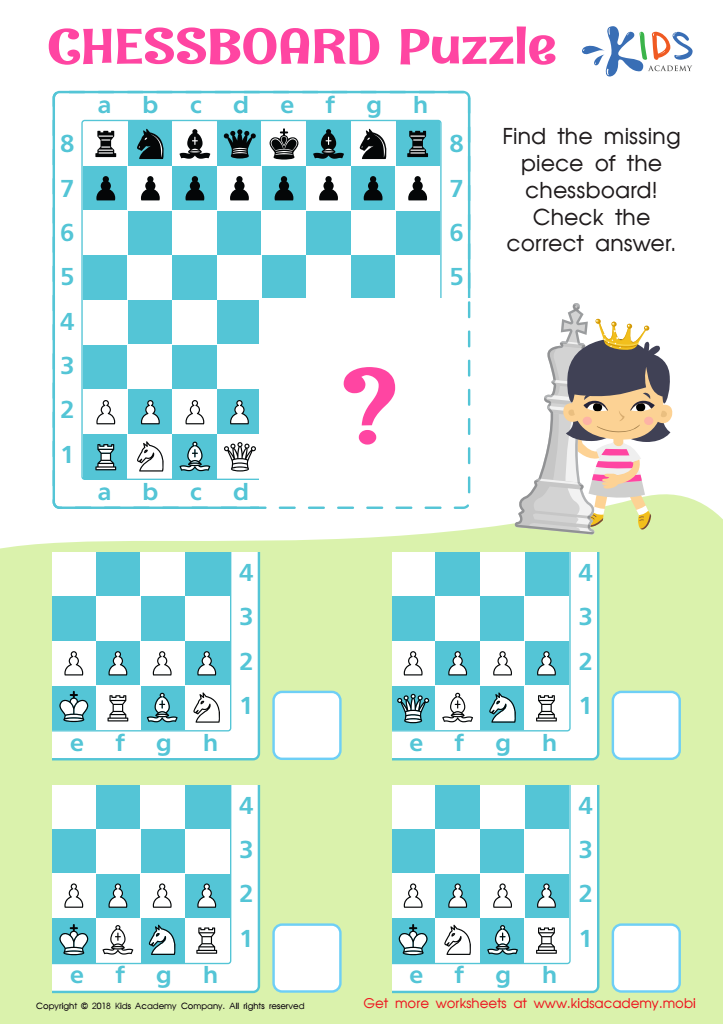
Chessboard Puzzle Worksheet
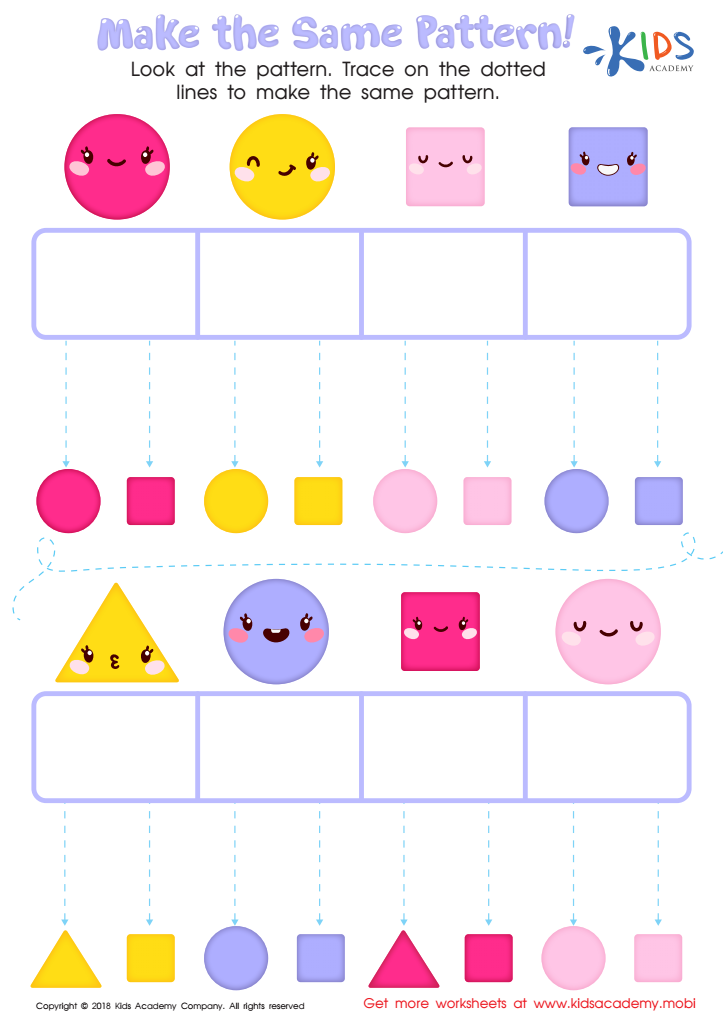
Make the Same Pattern Worksheet
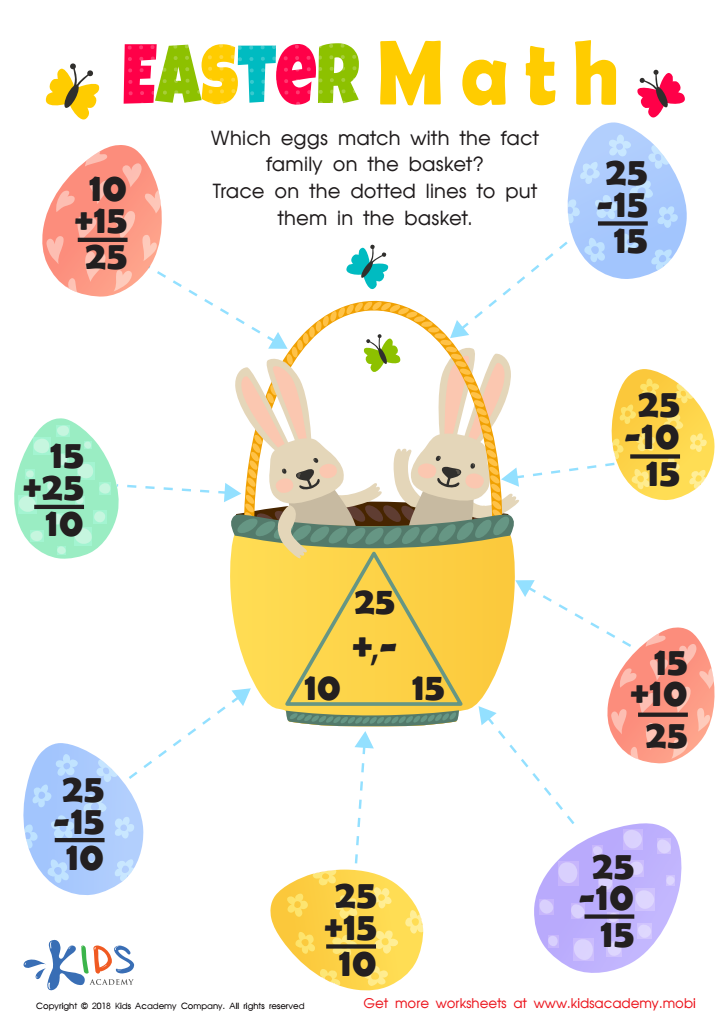
Fact Families: Easter Math Worksheet
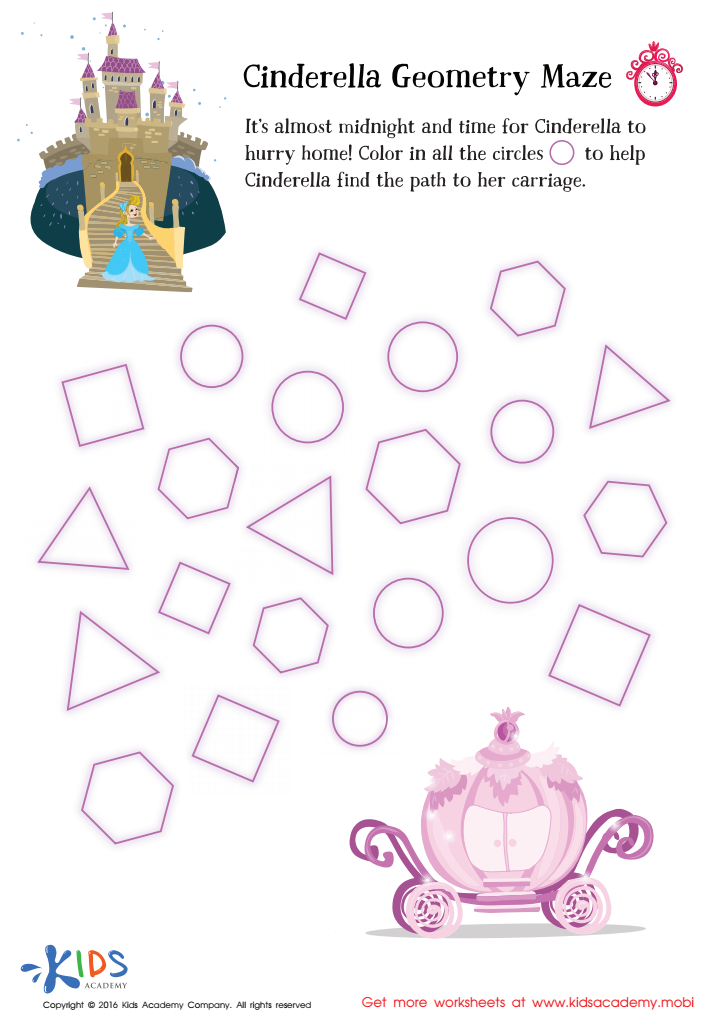
Cinderella Geometry Maze Worksheet
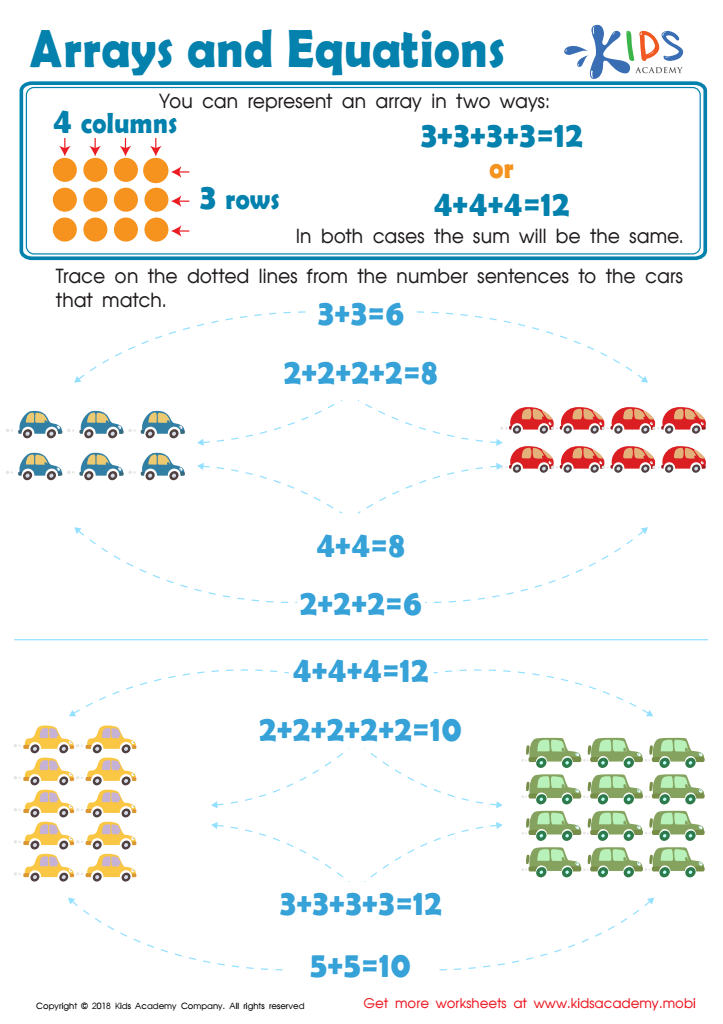
Arrays and Equations Worksheet
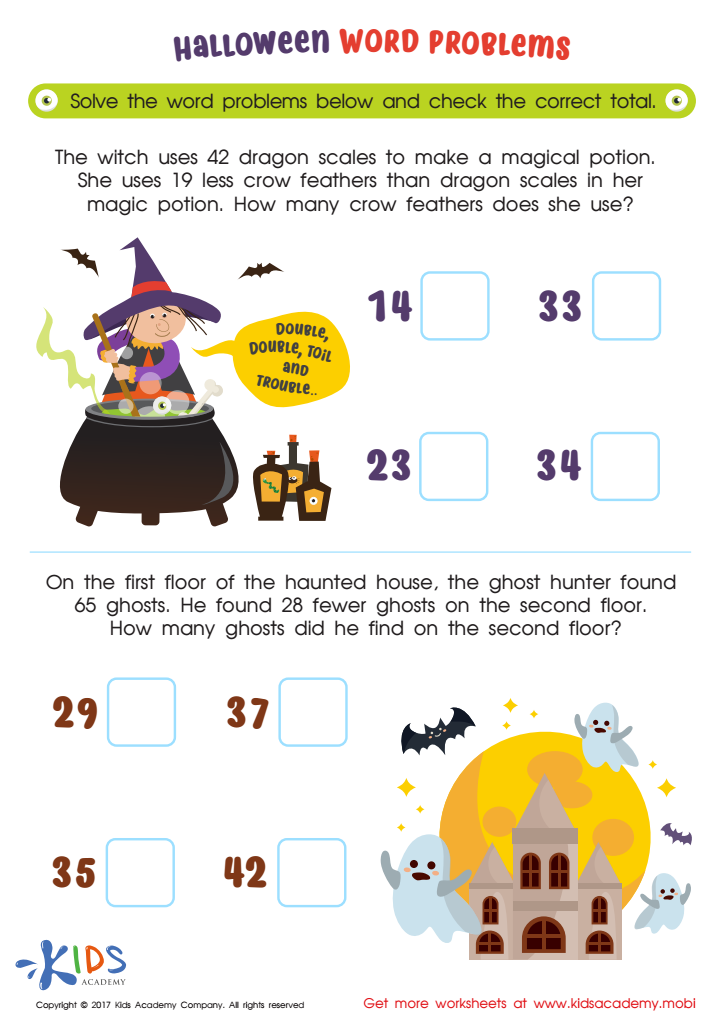
Halloween Word Problems Printable
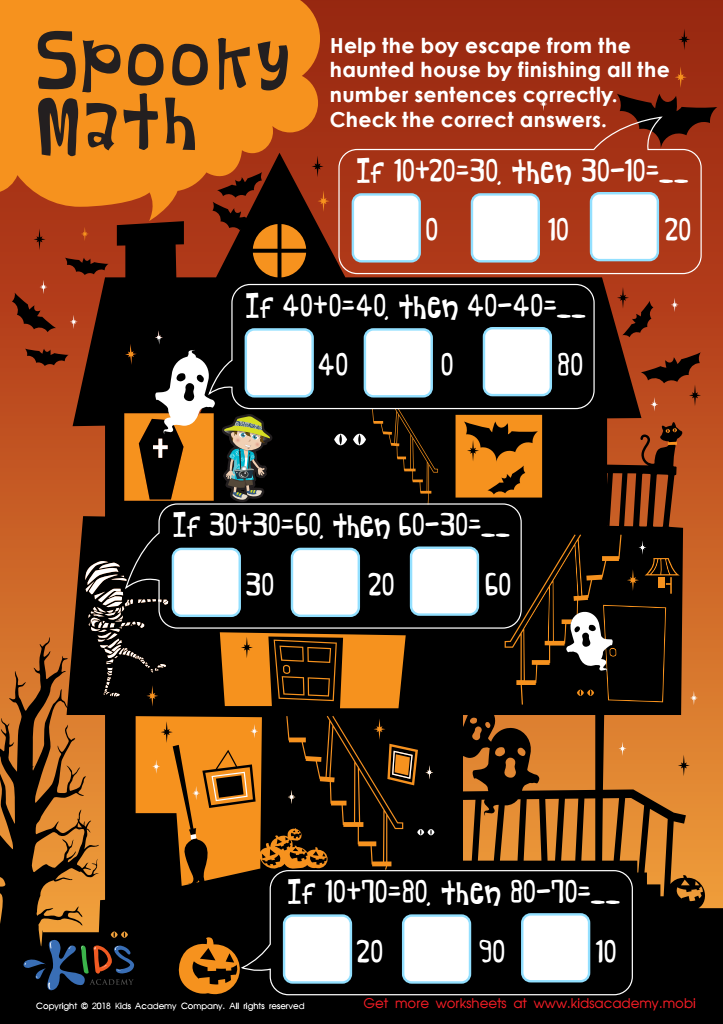
Subtract Tens: Spooky Math Worksheet
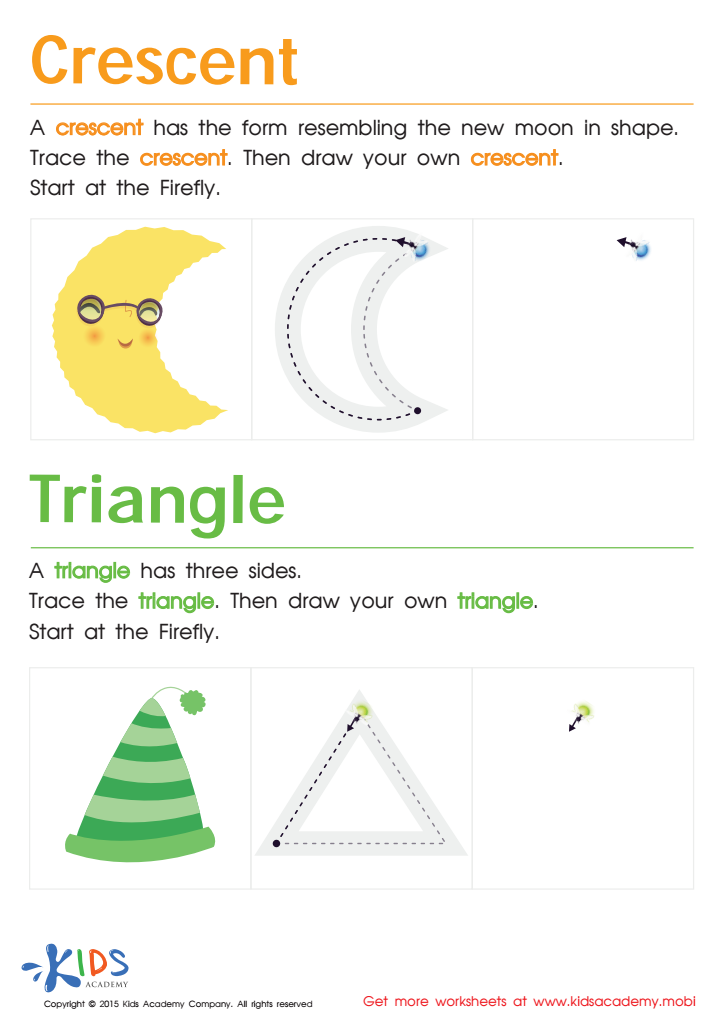
Learning to Draw Crescents And Triangles Worksheet
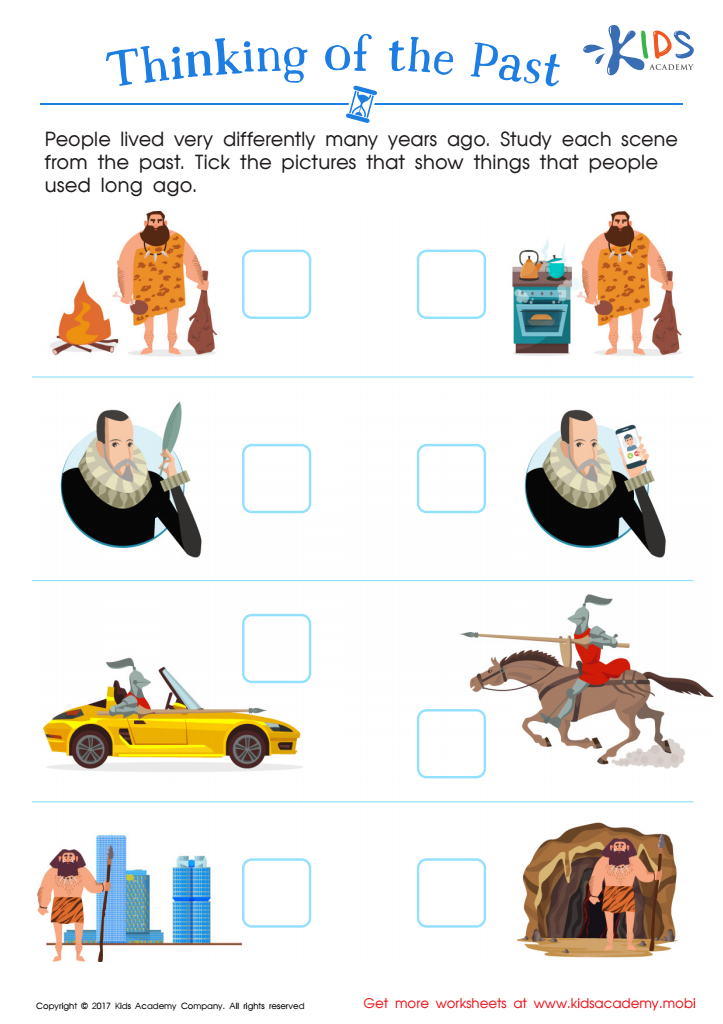
Thinking Past Printable
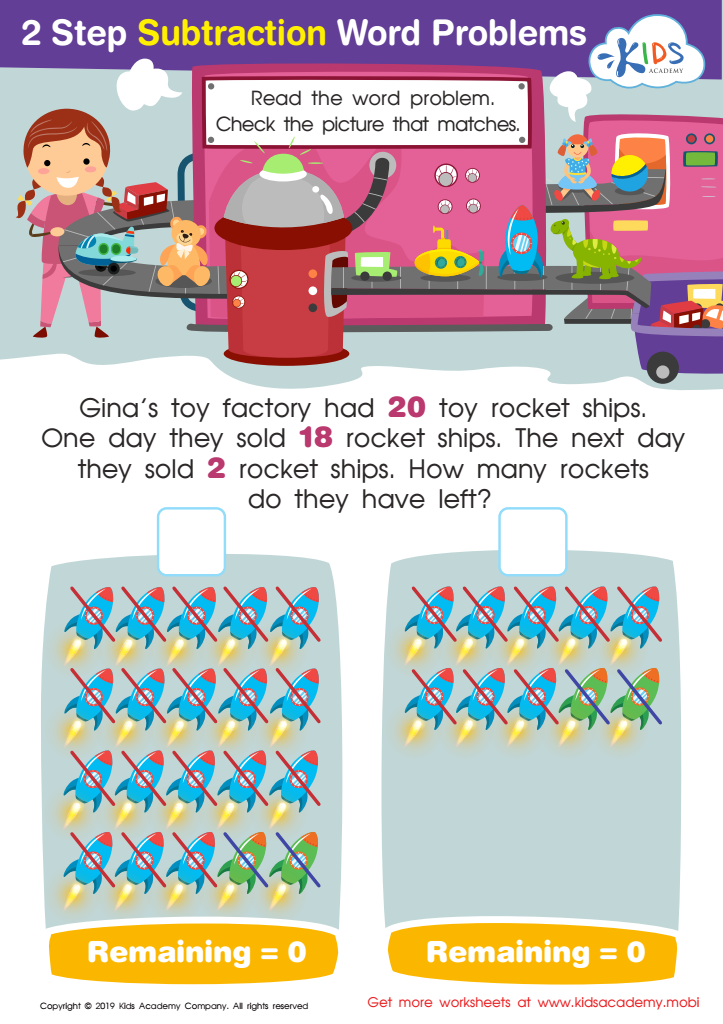
Step Subtraction Word Problems Worksheet
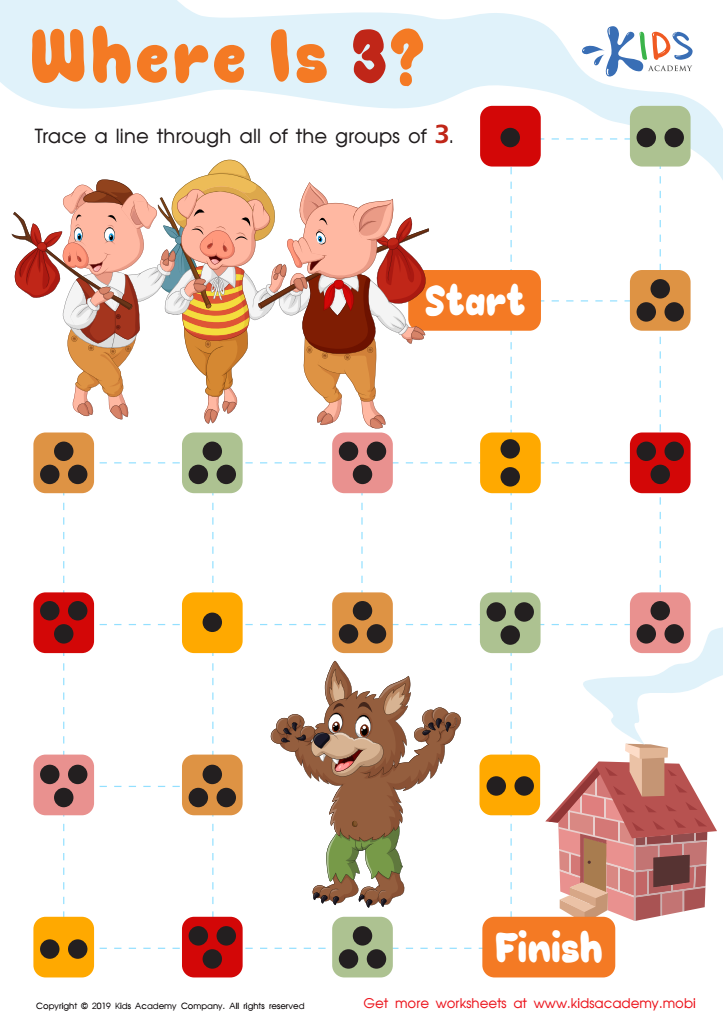
Where Is 3? Worksheet
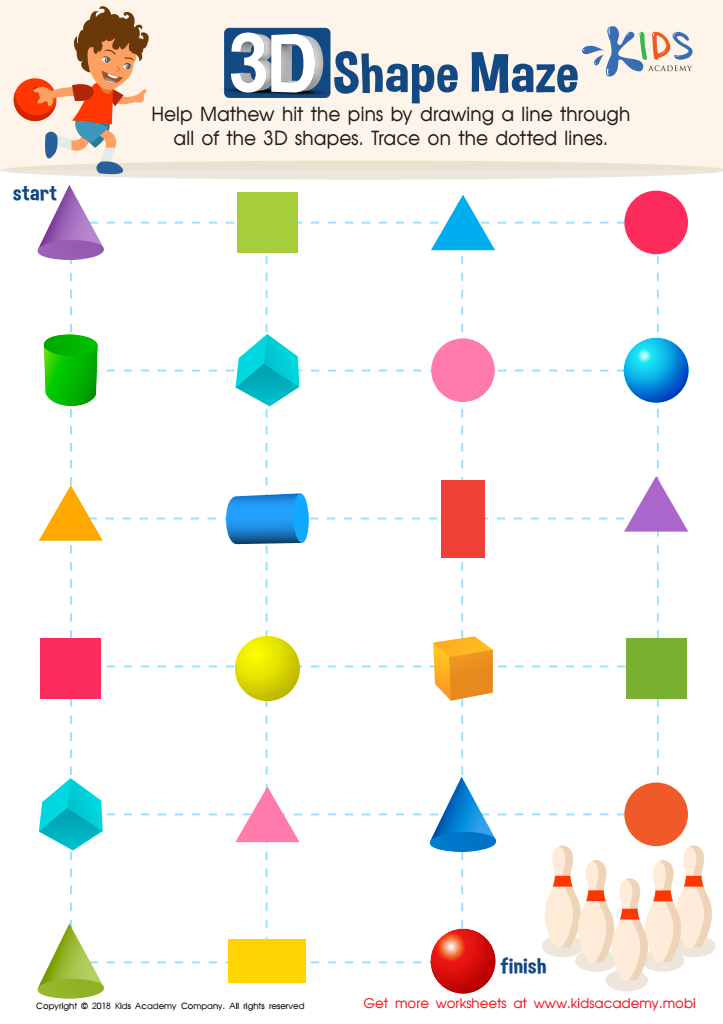
Shapes Maze Geometry Worksheet
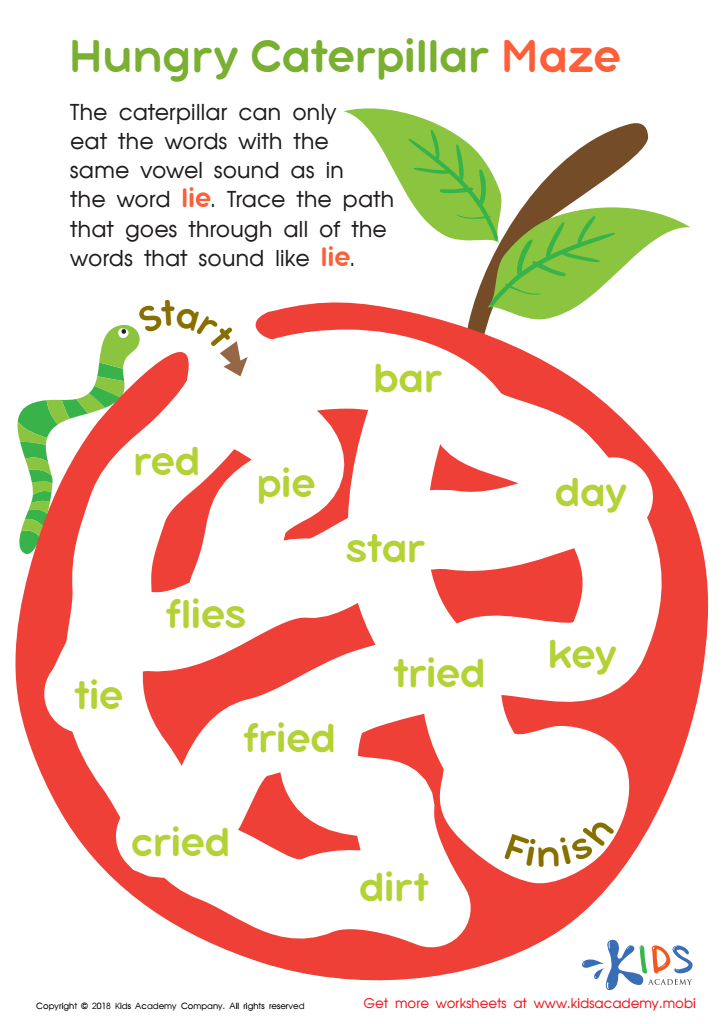
Hungry Caterpillar Maze Worksheet








Problem-solving skills are crucial for children aged 3-7 as they lay the foundation for critical thinking, creativity, and independence. During these formative years, a child’s brain is highly adaptable and rapidly developing. By nurturing problem-solving abilities, parents and teachers can help children learn how to think logically and approach challenges systematically.
Firstly, problem-solving helps kids become more independent in their everyday tasks. When children understand how to assess a situation, brainstorm solutions, and select the best course of action, they are more confident and capable of making decisions on their own.
Secondly, developing these skills strengthens cognitive abilities, enhancing memory, attention, and reasoning. It also fosters resilience as children learn to cope with setbacks by finding alternative solutions.
Moreover, early experiences in problem-solving have long-term academic benefits. Such skills are key for success in subjects like math and science, and they improve overall learning outcomes by promoting an inquisitive mindset.
Finally, problem-solving encourages social skills. When working in groups, children learn to communicate their ideas, listen to others, and collaborate effectively. It's essential for resolving conflicts and understanding different perspectives.
By prioritizing problem-solving skills, parents and teachers set the stage for well-rounded, confident, and resourceful individuals equipped to handle life's challenges.








