Normal Alphabet Worksheets for Ages 3-9 - Page 10
279 filtered results
-
From - To
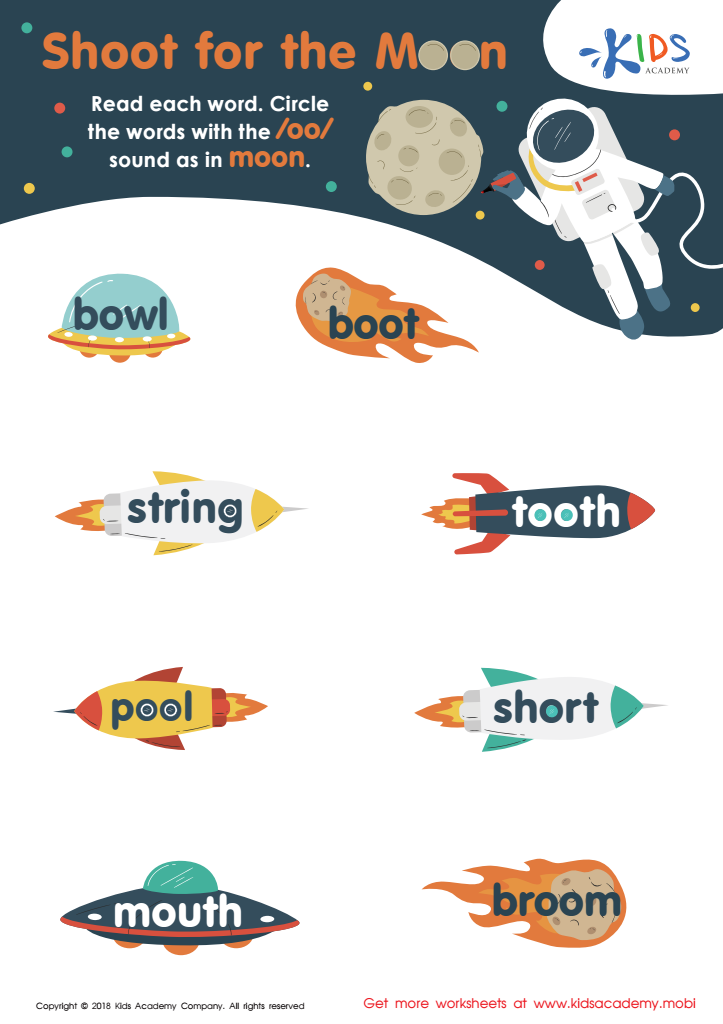
Reading: Shoot for the Moon Worksheet
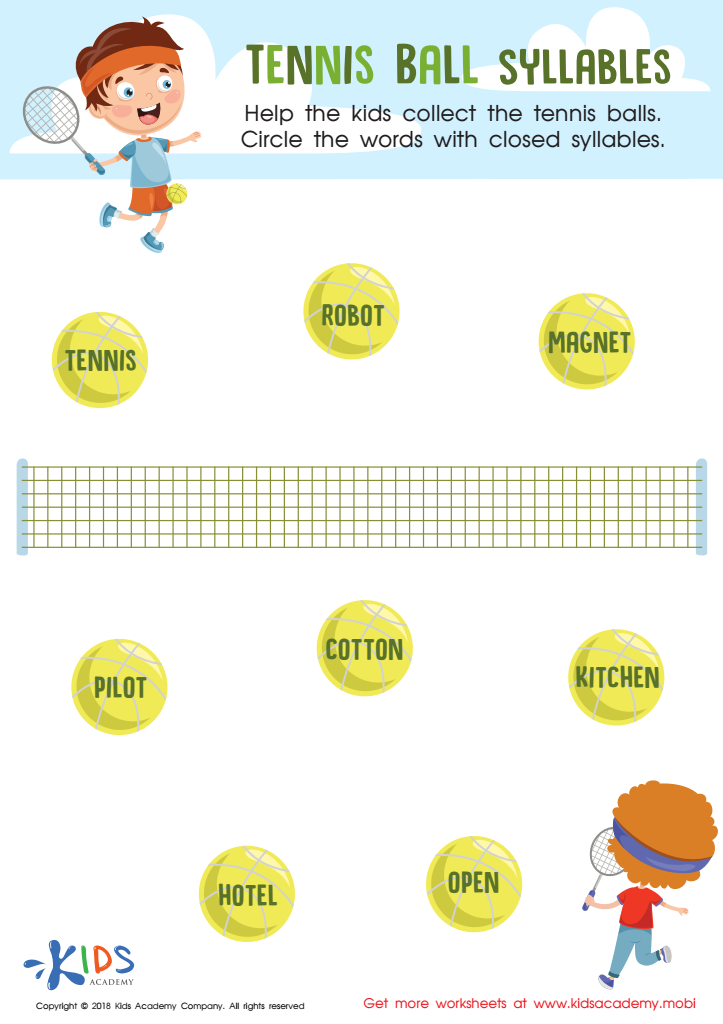
Tennis Ball Syllables Worksheet
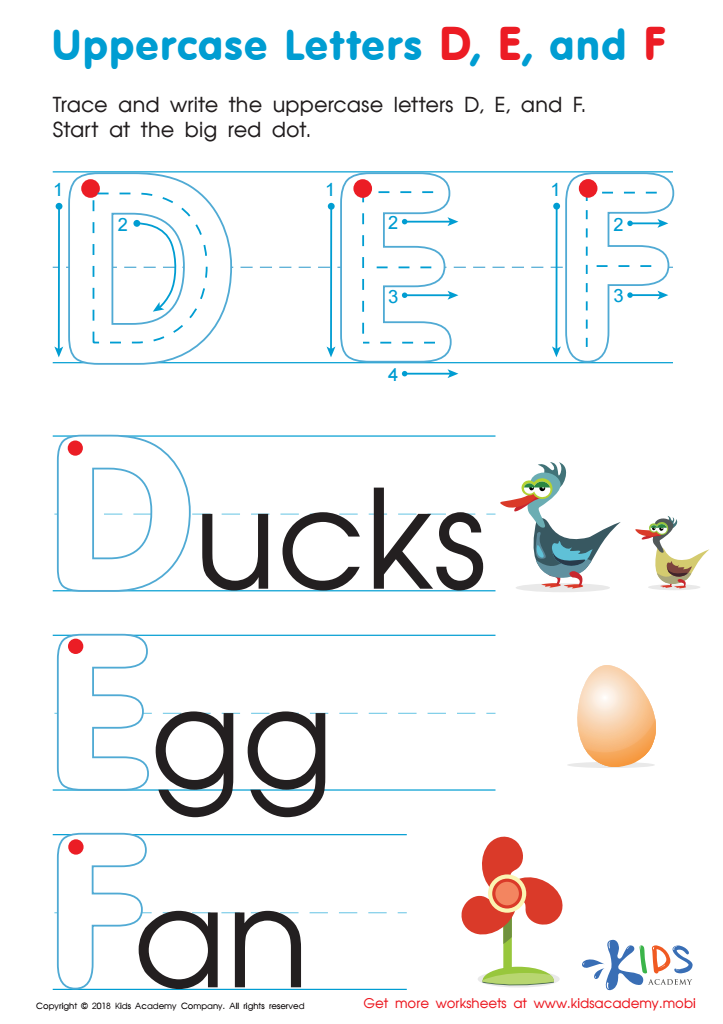
Uppercase Letters D, E, and F Worksheet
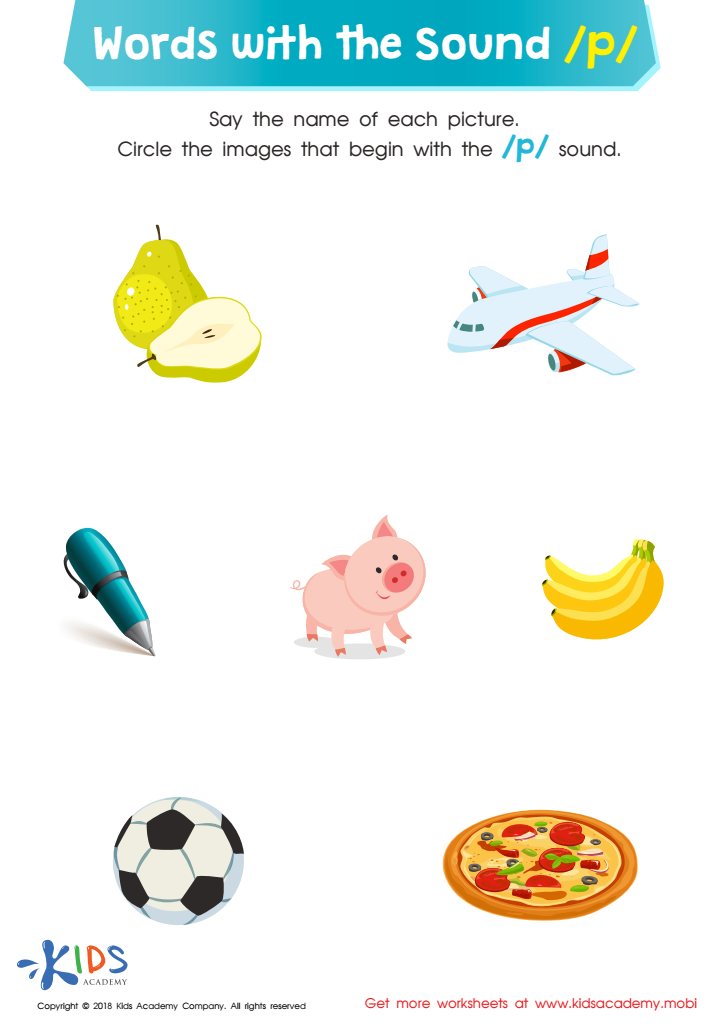
Words with sound p Reading Worksheet
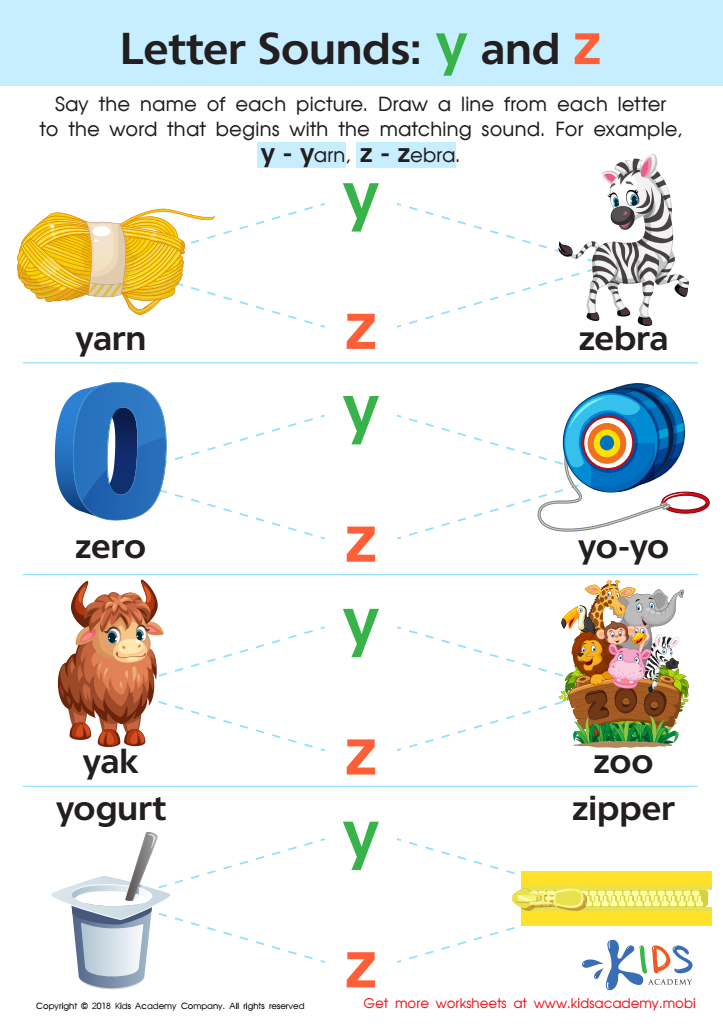
Letter Y and Z Sounds Worksheet
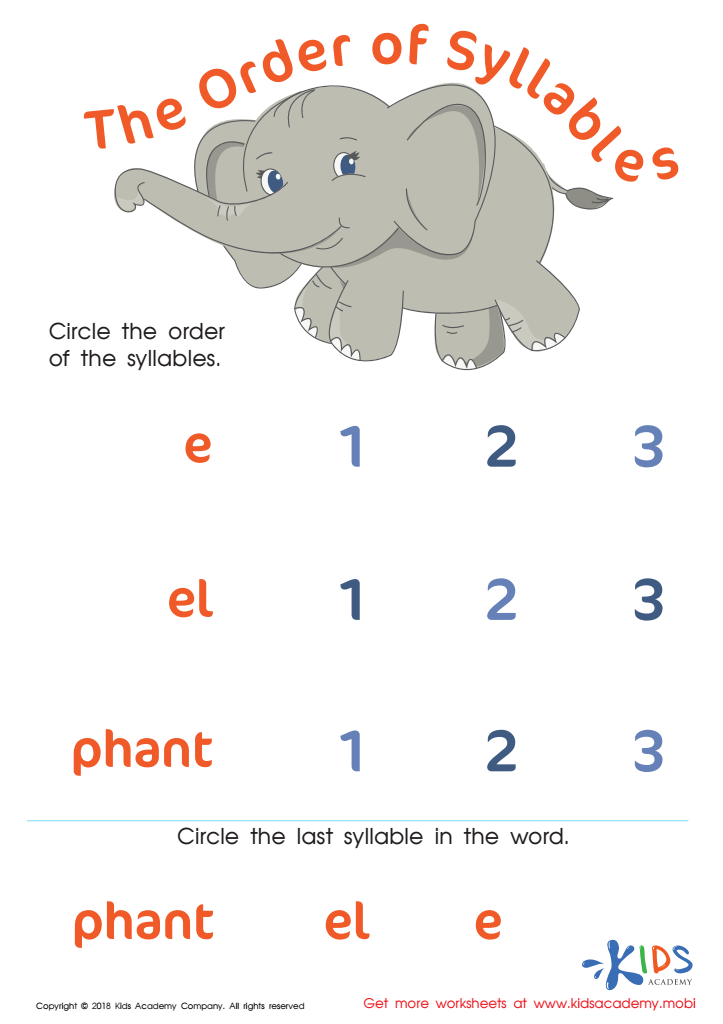
The Order of Syllables Worksheet
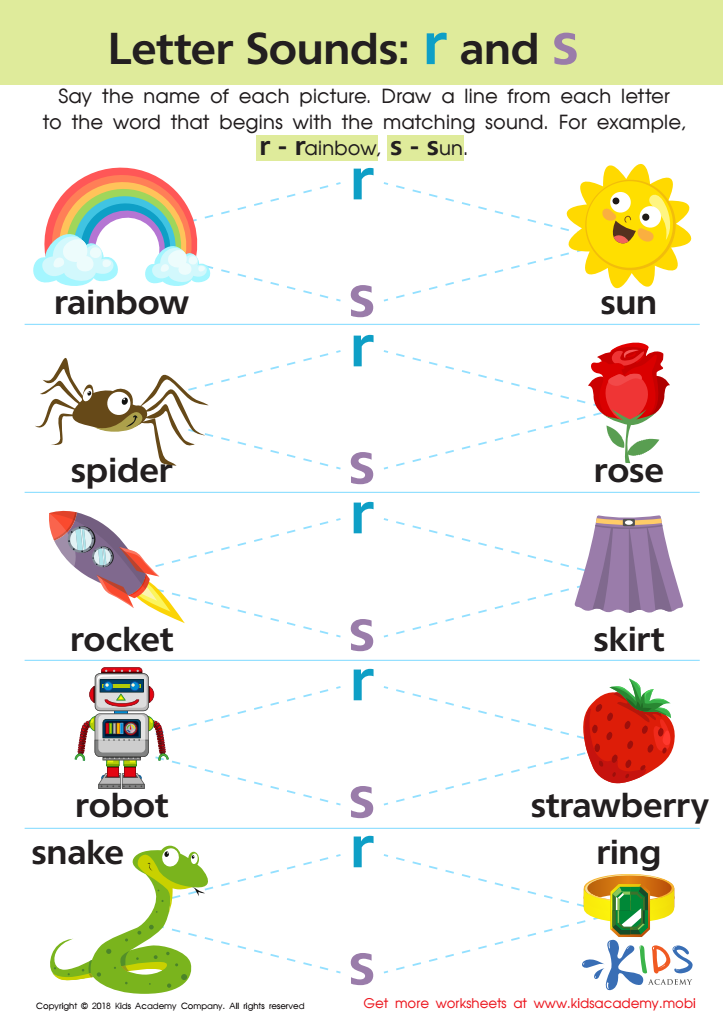
Letter R and S Sounds Worksheet
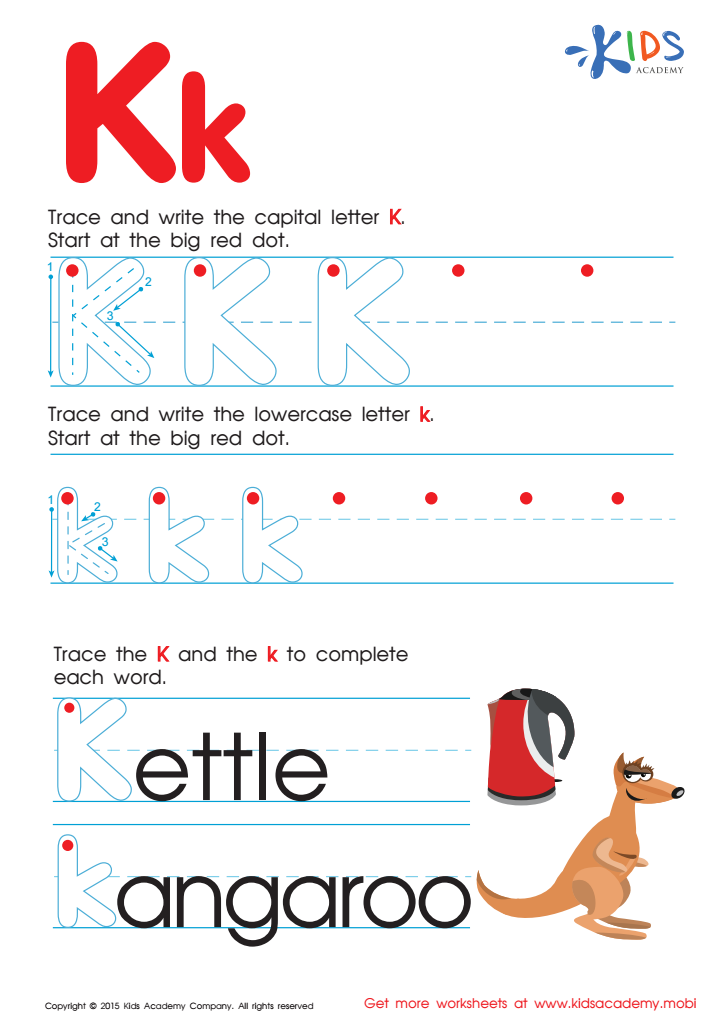
Letter K Tracing Page
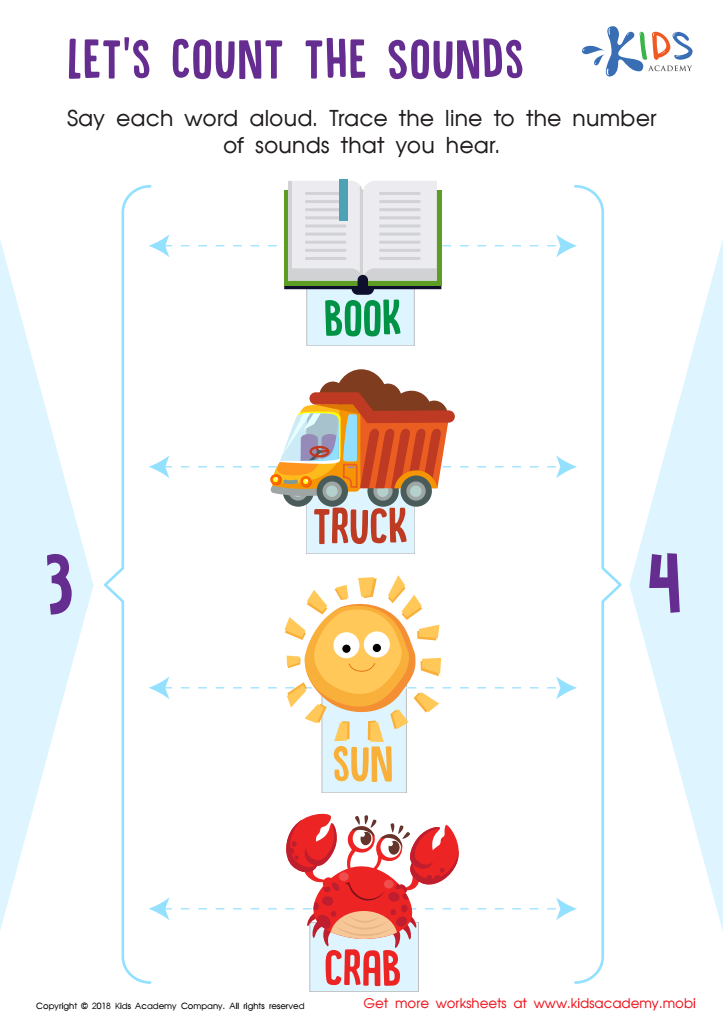
Let's Count the Sounds Worksheet
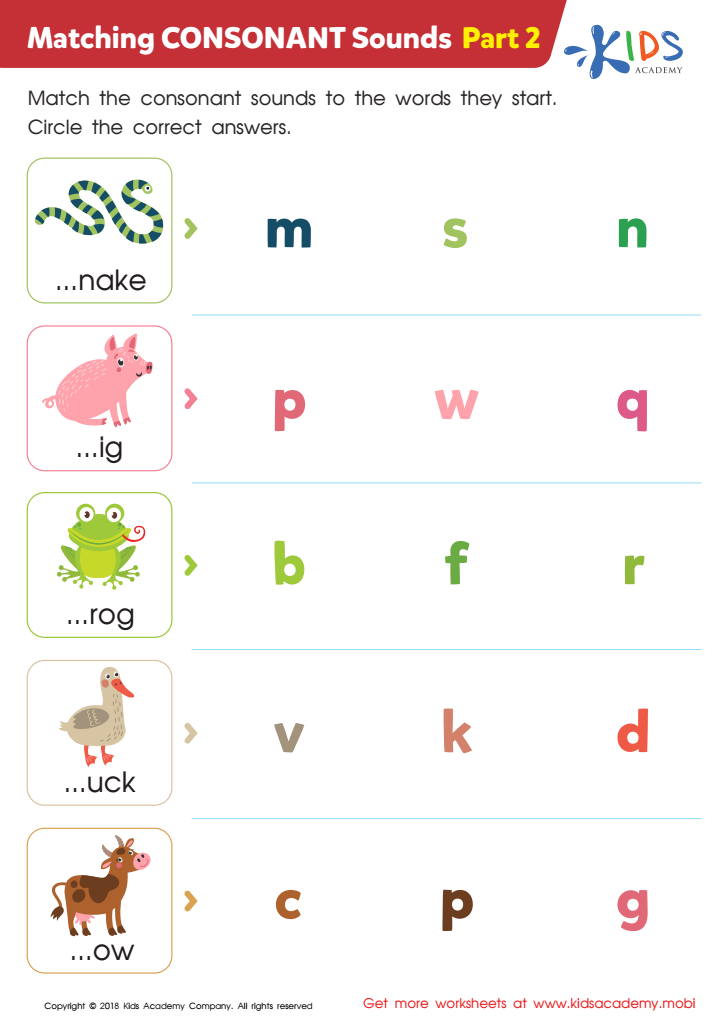
Matching Consonant Sounds: Part 2 Worksheet
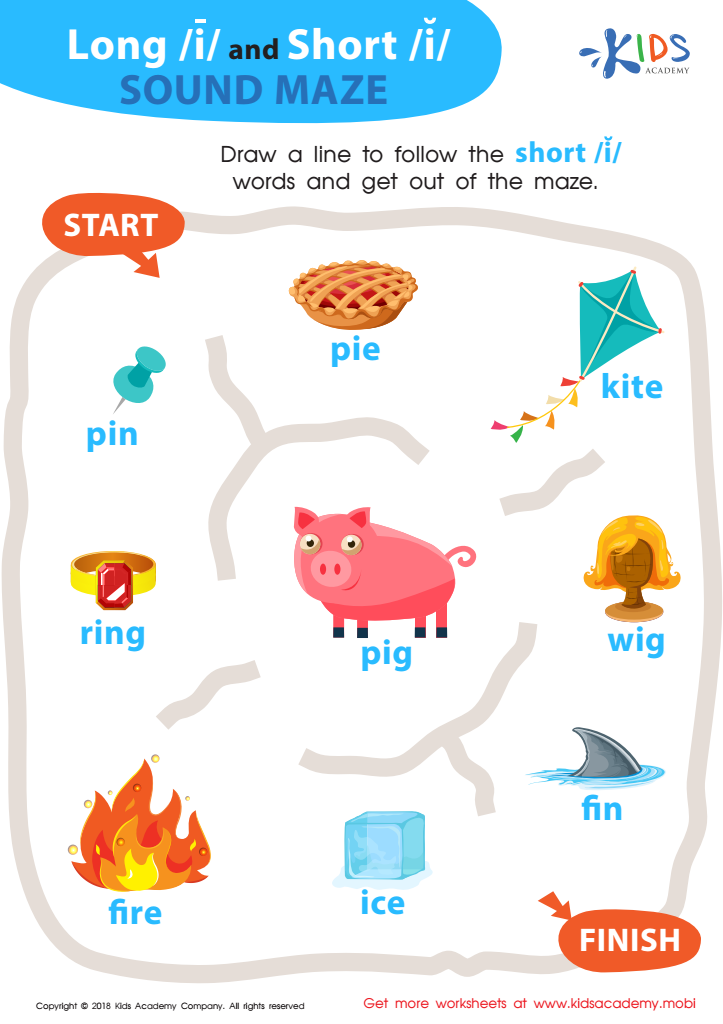
Reading: Long I and Short I Sound Maze Worksheet
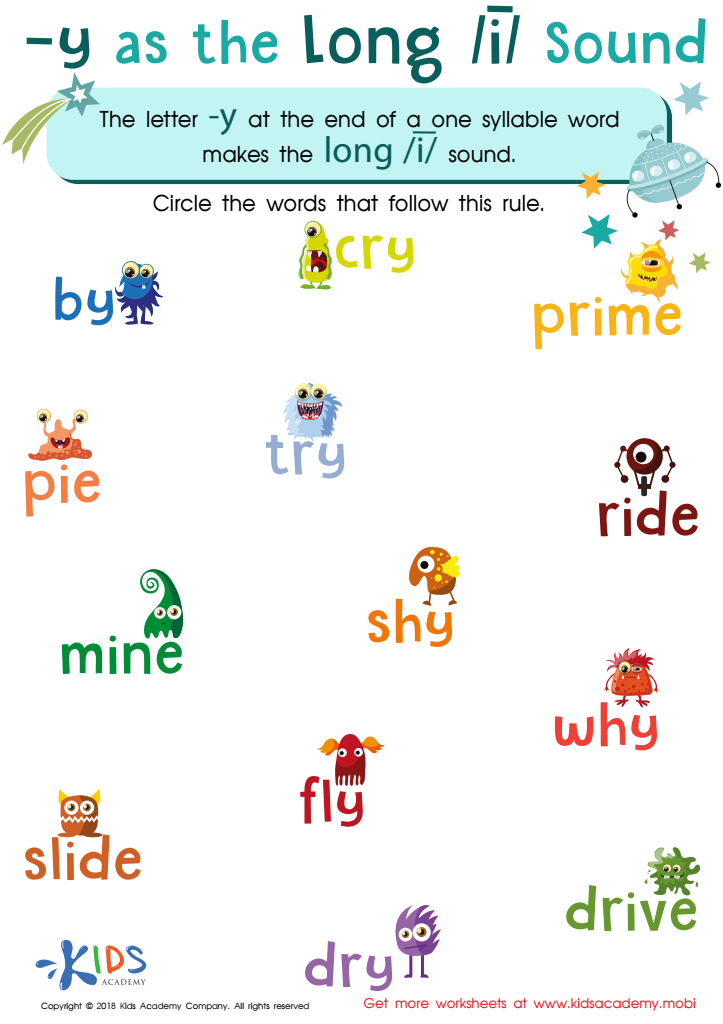
Reading: Y as Long I Worksheet
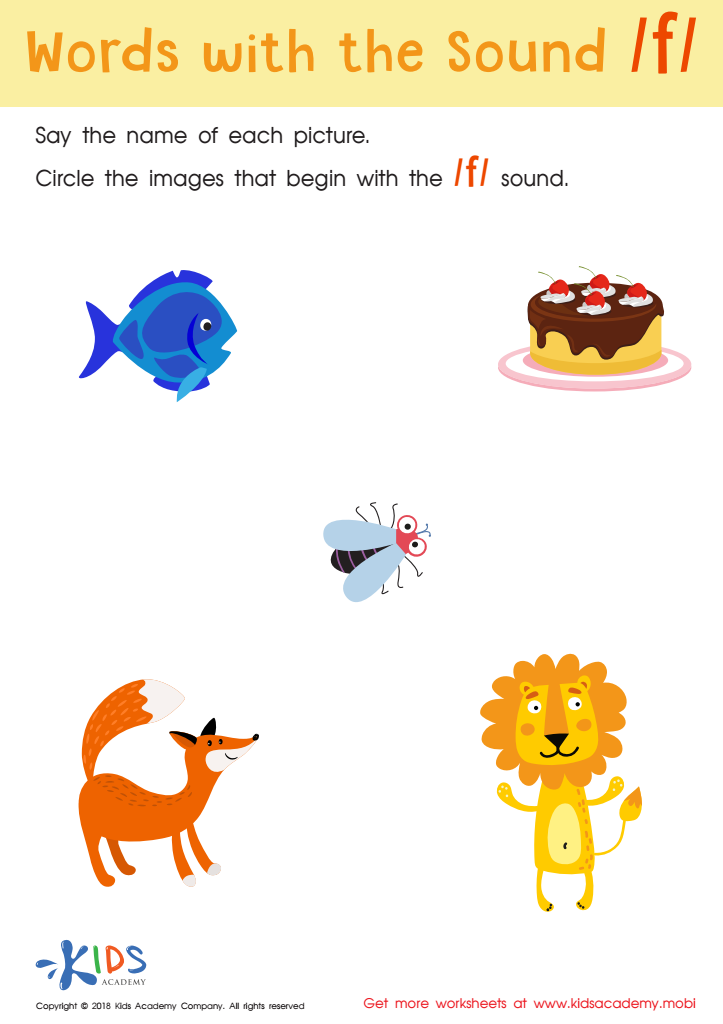
Words with sound f Reading Worksheet
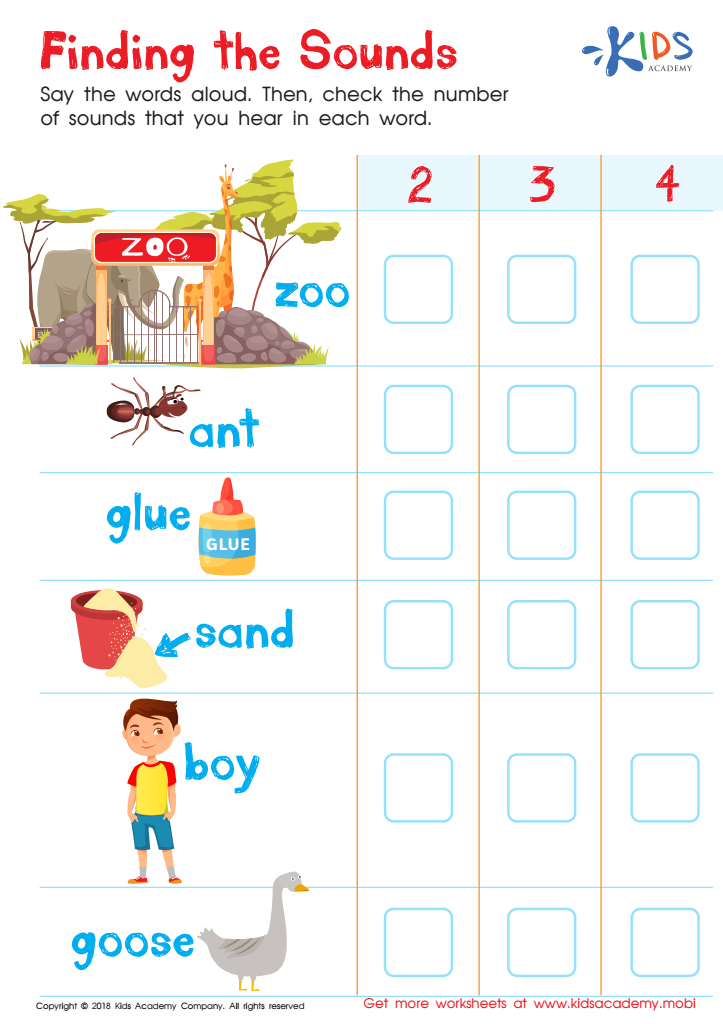
Finding the Sounds Worksheet
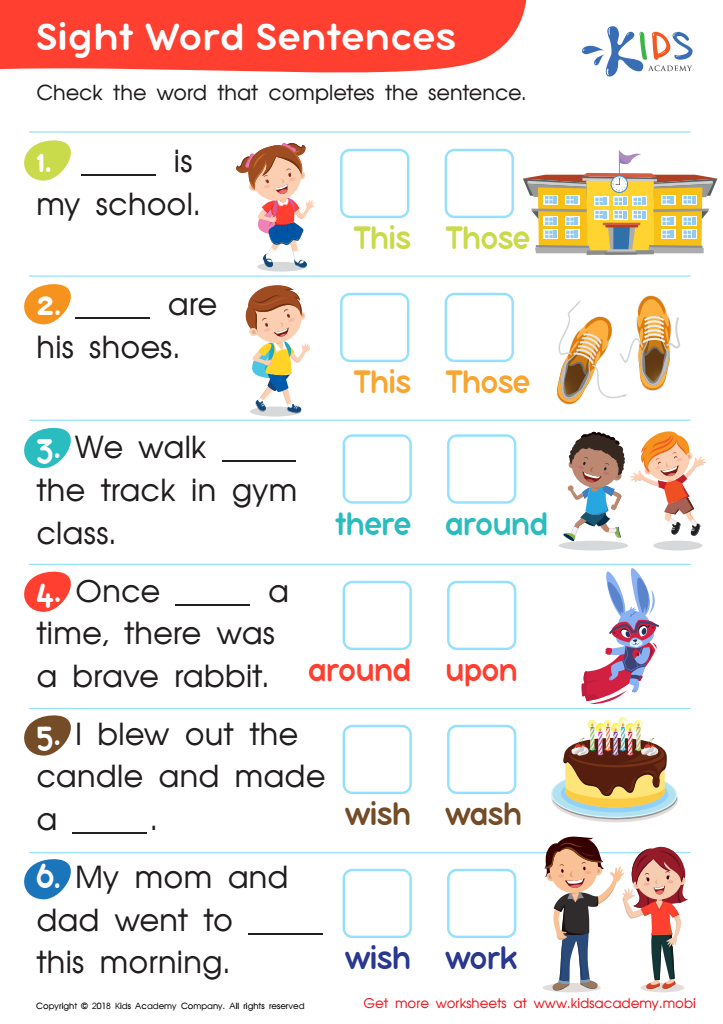
Sight Word Sentences Worksheet
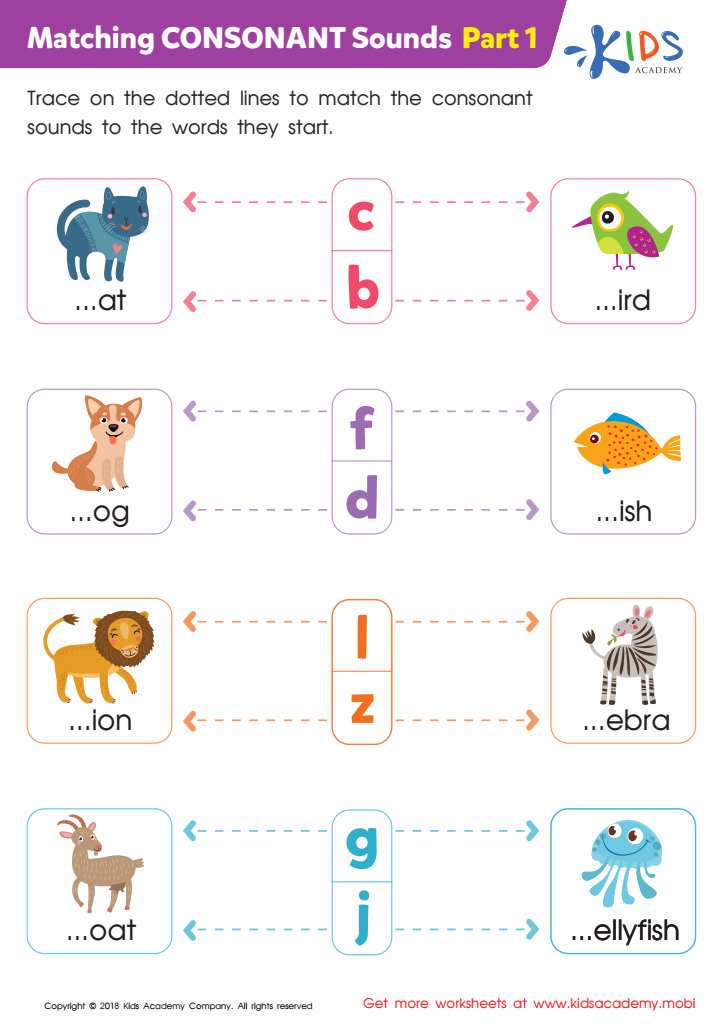
Matching Consonant Sounds: Part 1 Worksheet
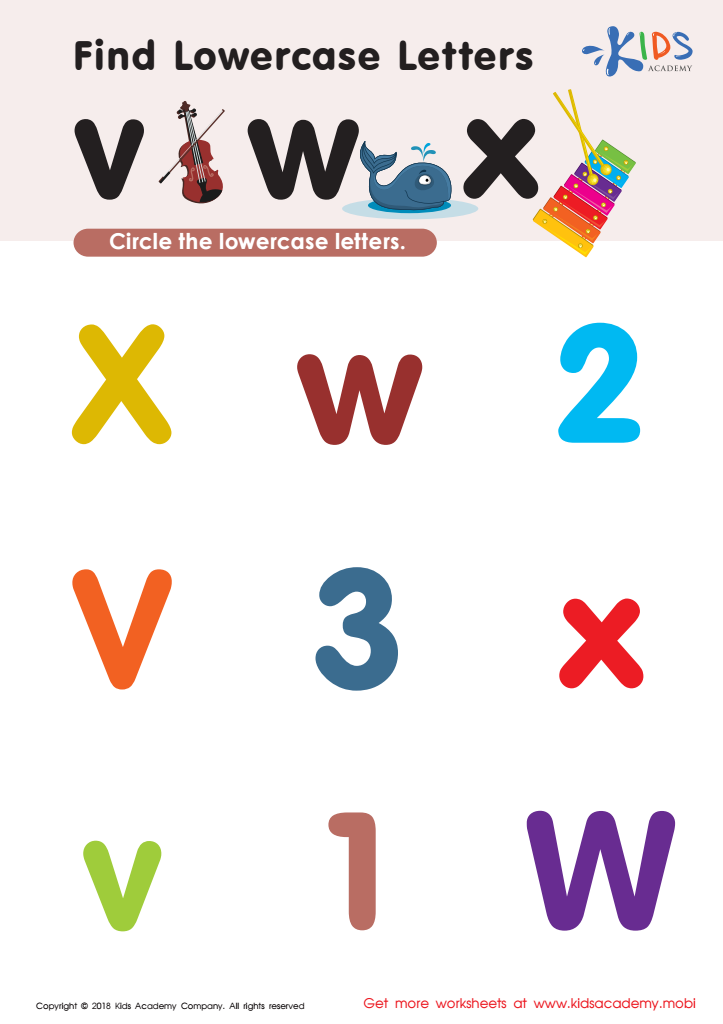
Find Lowercase Letters v w x Worksheet
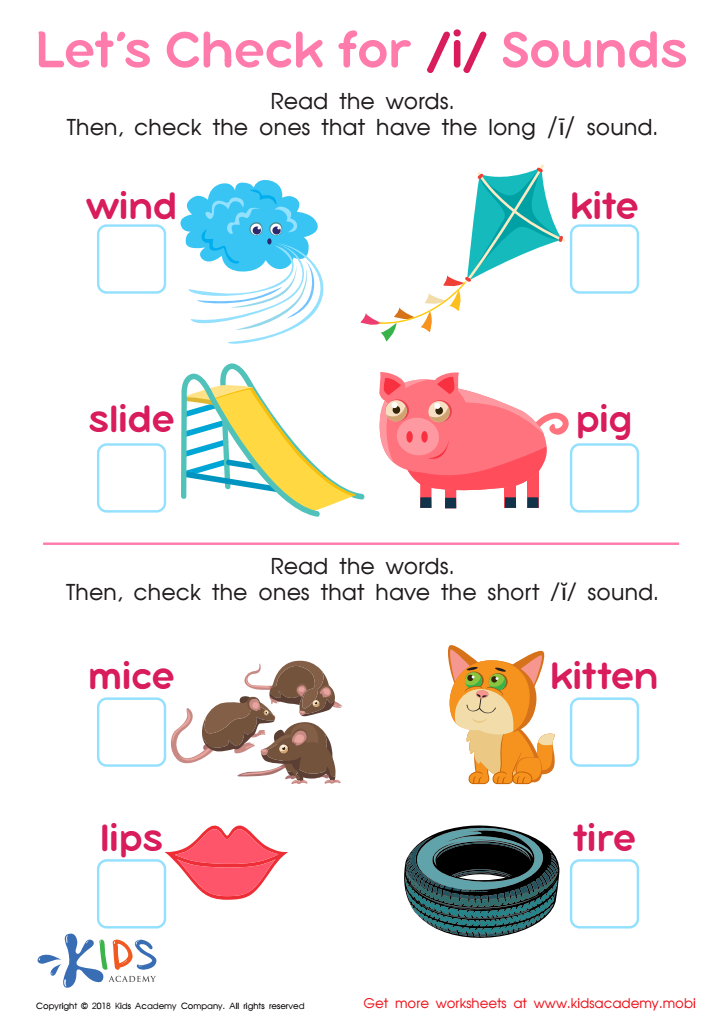
Let's Check for «i» Sounds Worksheet
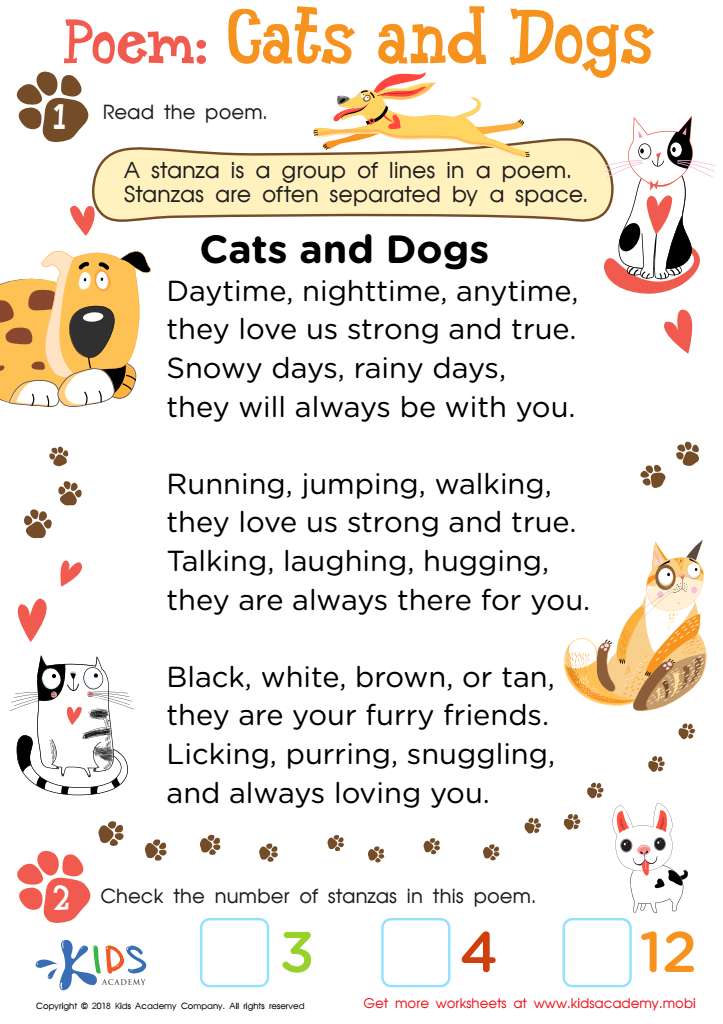
Poem: Cats and Dogs Worksheet
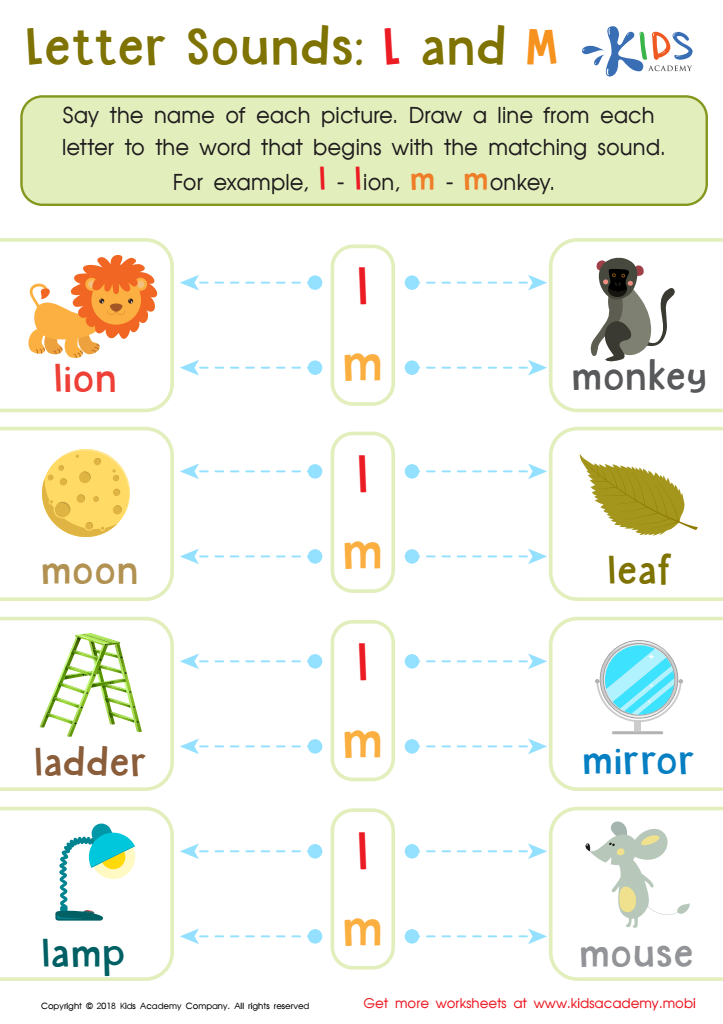
Letter l and M Sounds Worksheet
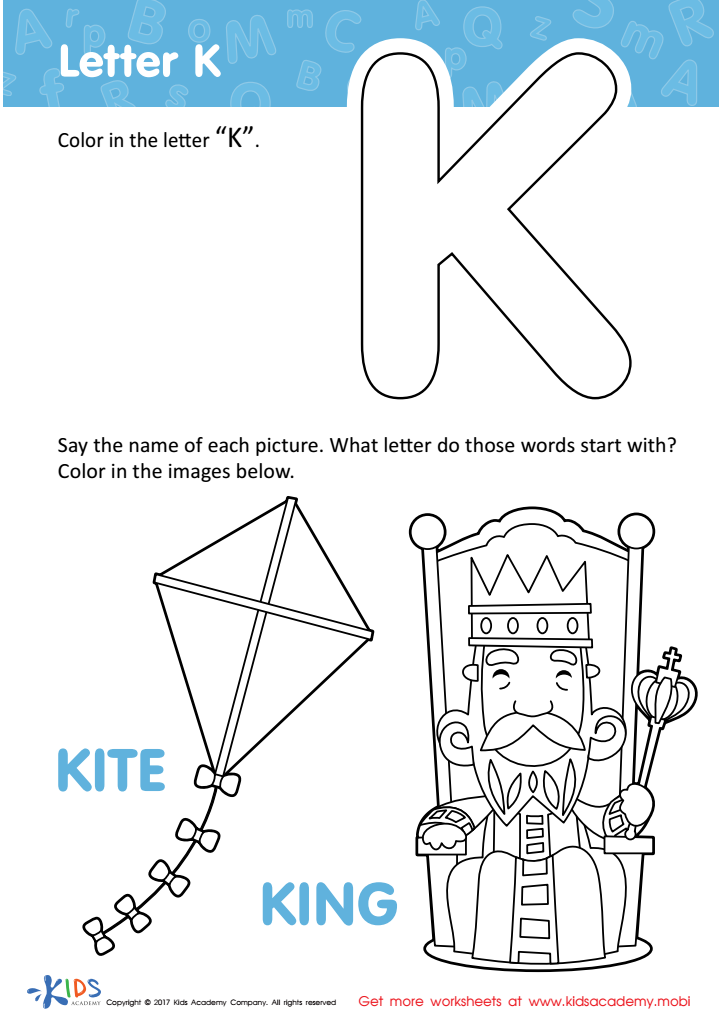
Letter K Coloring Sheet
 Assign to My Students
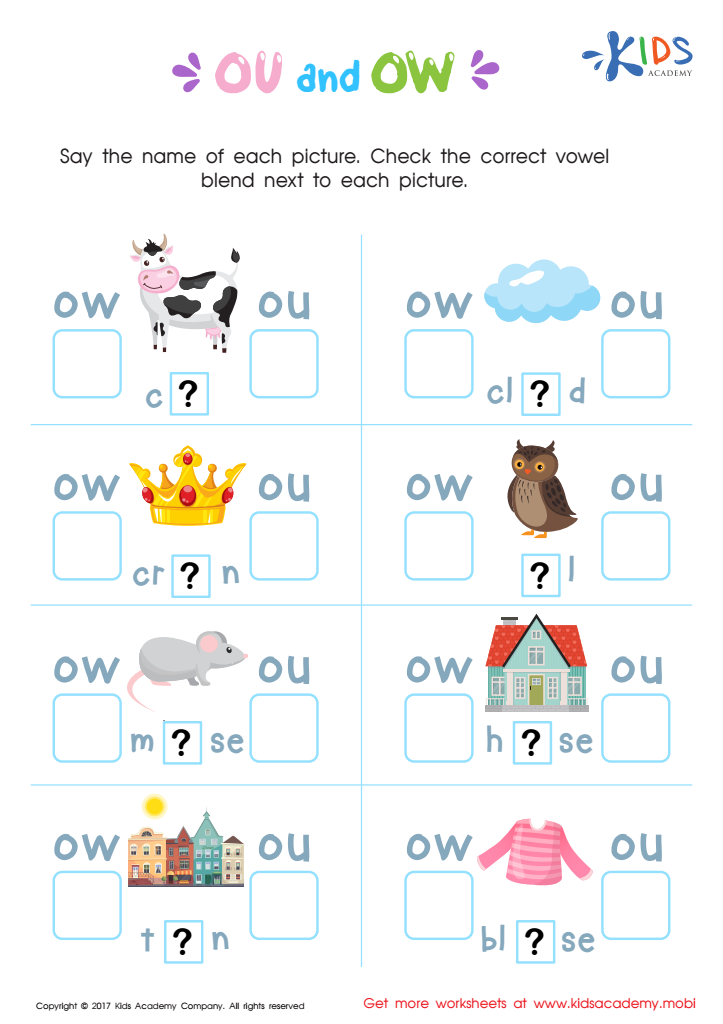
OU and OW Words Worksheet
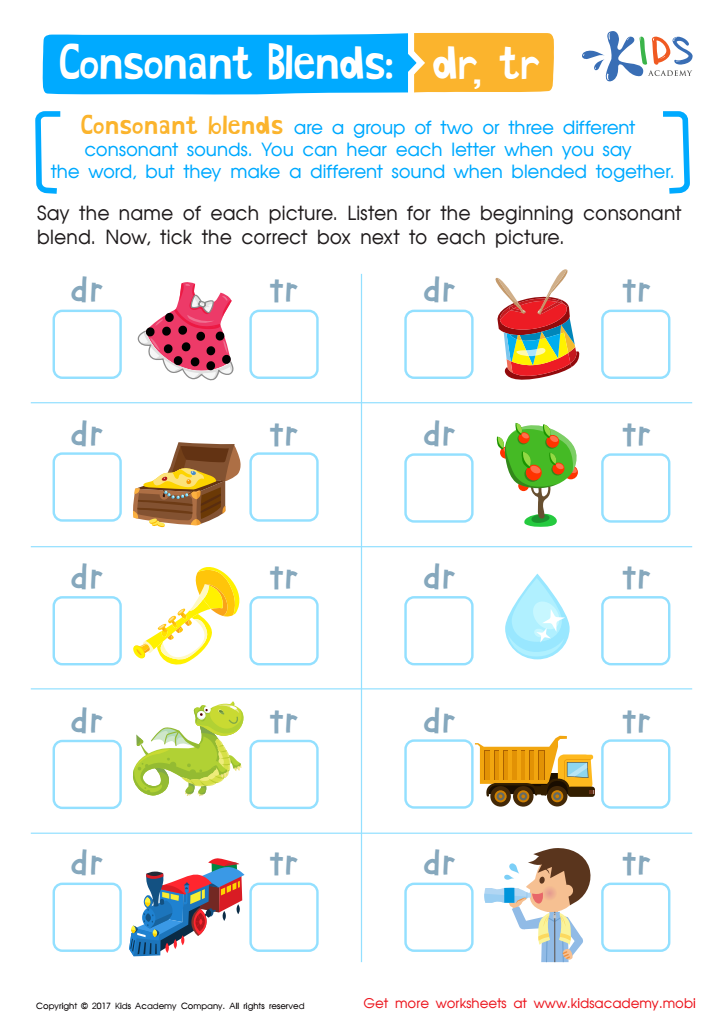
Consonant Blends: "Dr" and "Tr" Printable
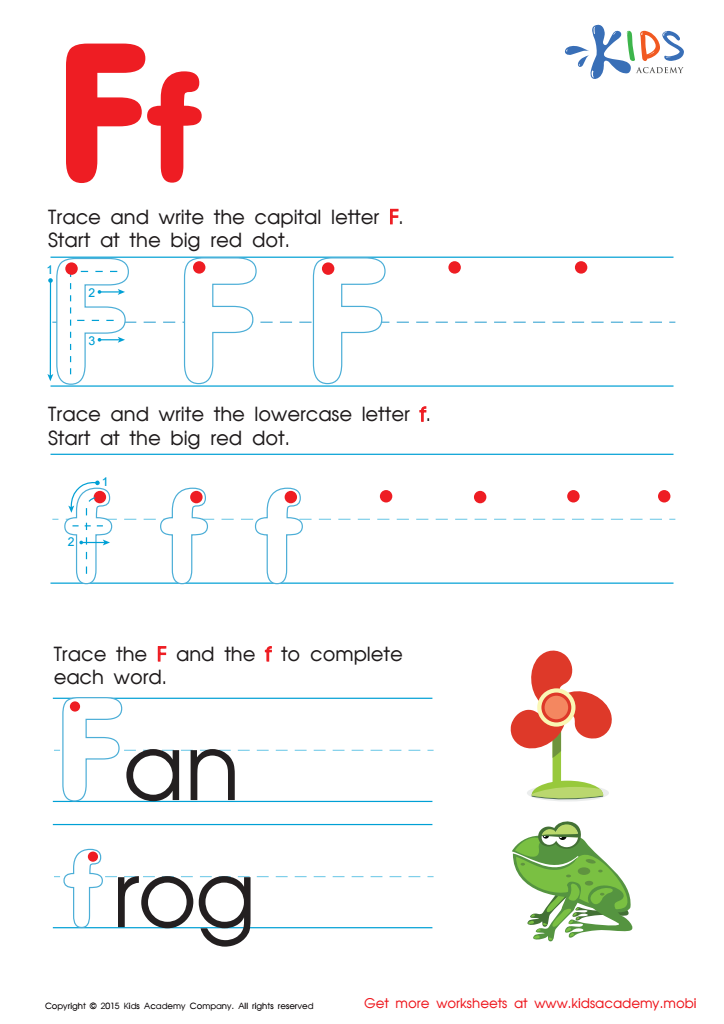
Letter F Tracing Page








Understanding the normal alphabet is foundational for young children aged 3-9 as it sets the stage for critical literacy and cognitive development. For parents and teachers, there are several compelling reasons to prioritize alphabet learning at this age. Firstly, knowing the alphabet is a key component of early literacy, crucial for reading and writing success. Children who readily recognize letters are more likely to excel in phonics, the relationship between letters and sounds, which is essential for decoding words and developing fluent reading skills.
Secondly, the alphabet introduces children to foundational cognitive concepts like sequencing, as letter recognition involves understanding order and patterns—skills vital in various academic subjects. Early familiarity with the alphabet can also help in developing fine motor skills through activities like letter tracing and writing.
Furthermore, learning the alphabet can bolster a child's confidence and promote a love of learning. Positive early experiences with reading and letters can lead to greater enthusiasm for school and academic pursuits.
Lastly, in our increasingly digital world, early literacy can also enhance children's navigation through digital environments, fostering better engagement with educational technologies. Therefore, investing time and effort in teaching the alphabet to children is critical for their overall educational trajectory and personal development.







