Normal 2D Shapes Worksheets for Ages 3-9 - Page 2
33 filtered results
-
From - To
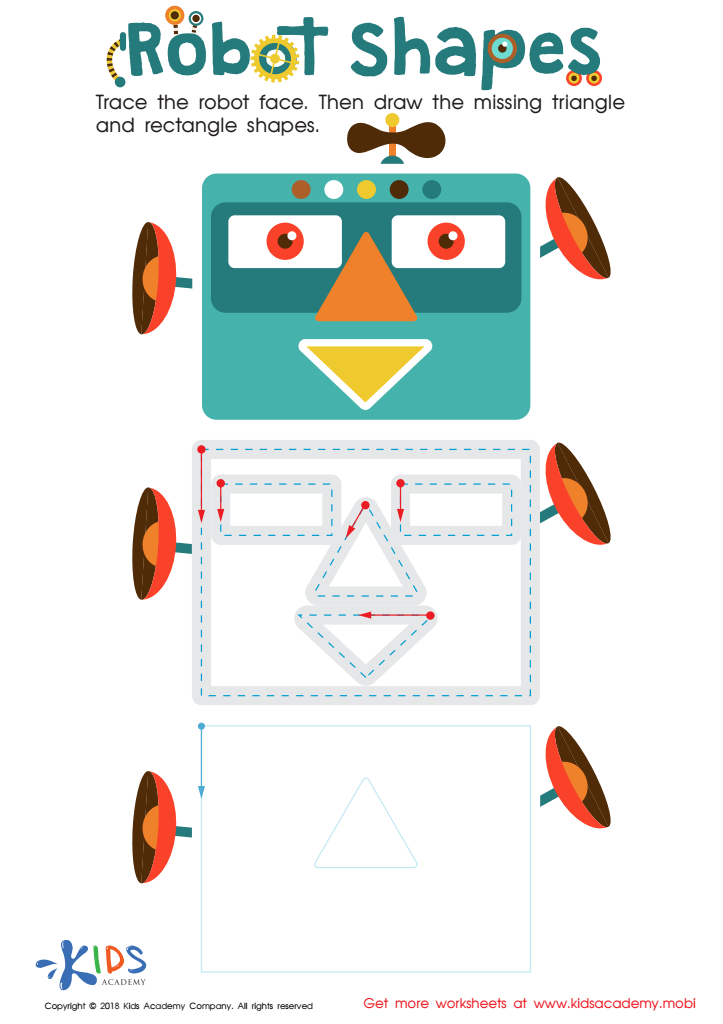
Robot Shapes Worksheet
 Assign to My Students



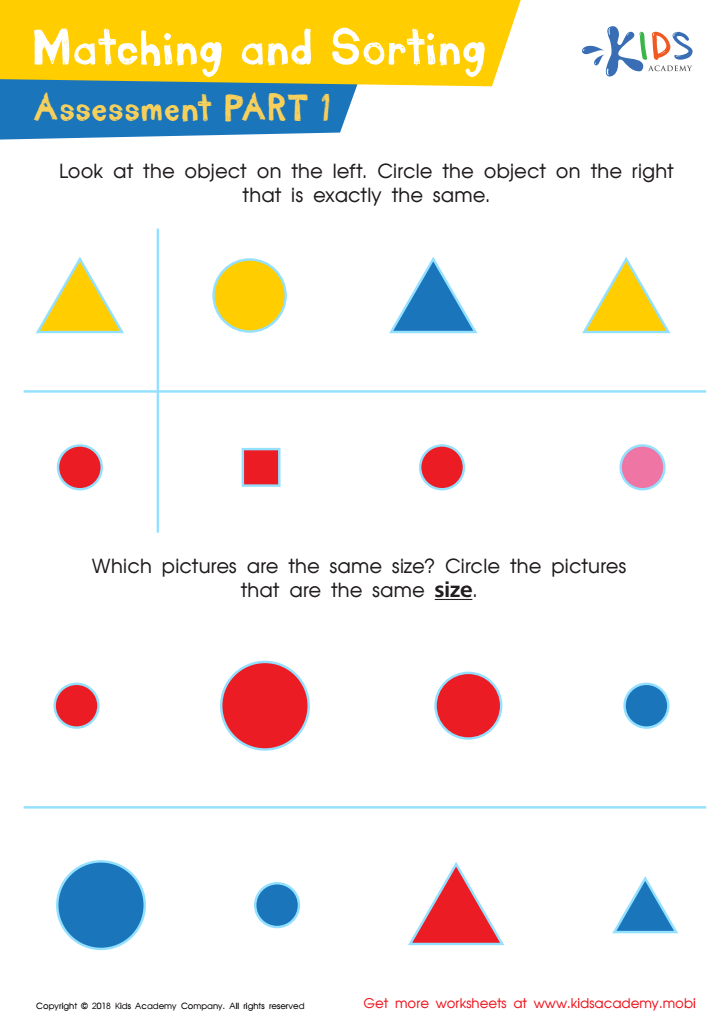
Matching and Sorting for Kindergarten: Assessment 1 Worksheet
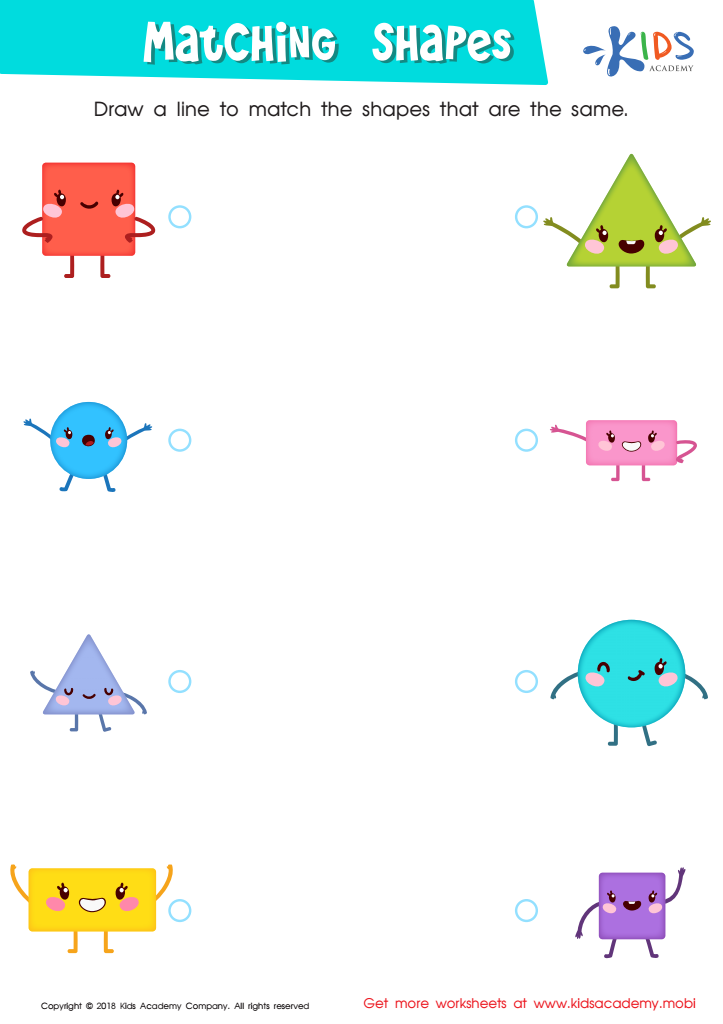
Matching Shapes Worksheet
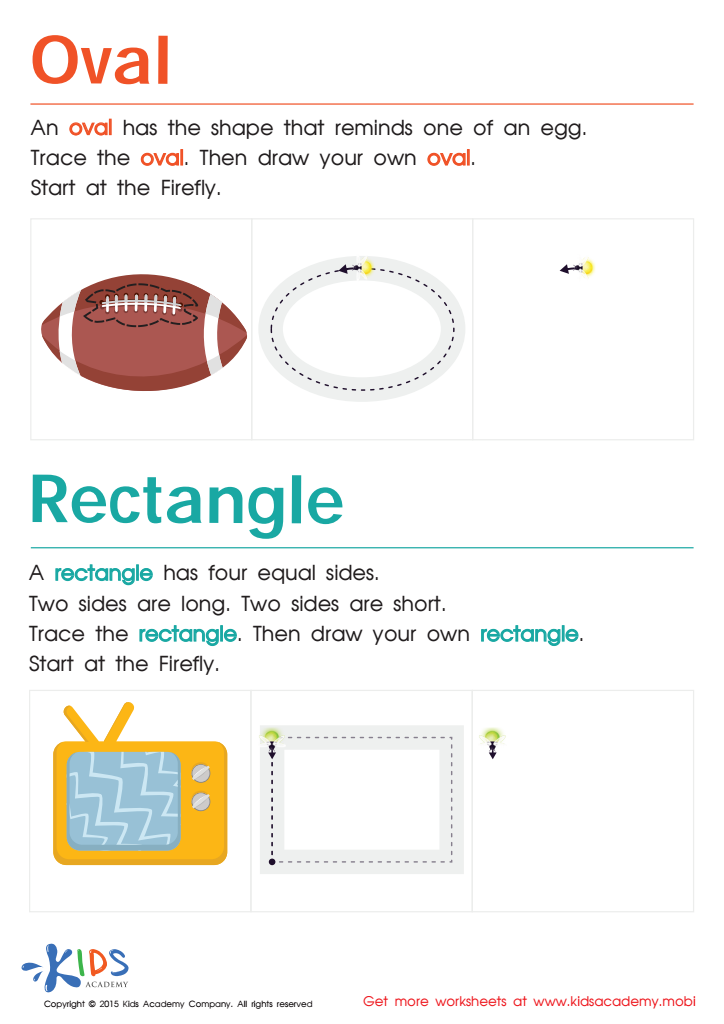
Easy Drawing of Ovals And Rectangles Worksheet
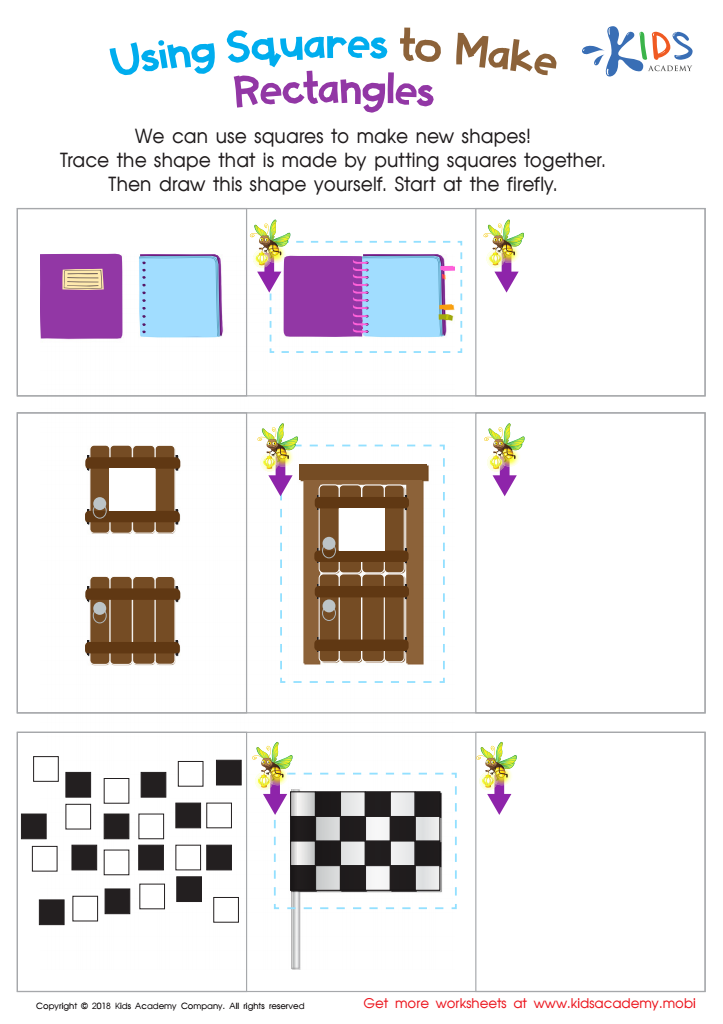
Using Squares to Make Rectangles Worksheet
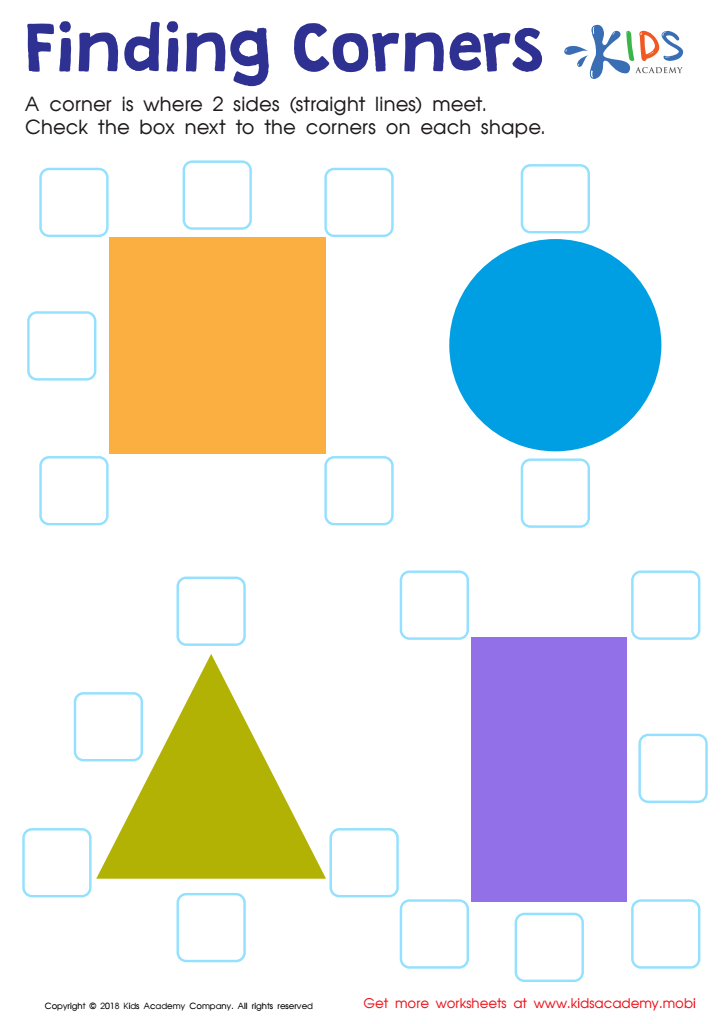
Finding Corners Worksheet
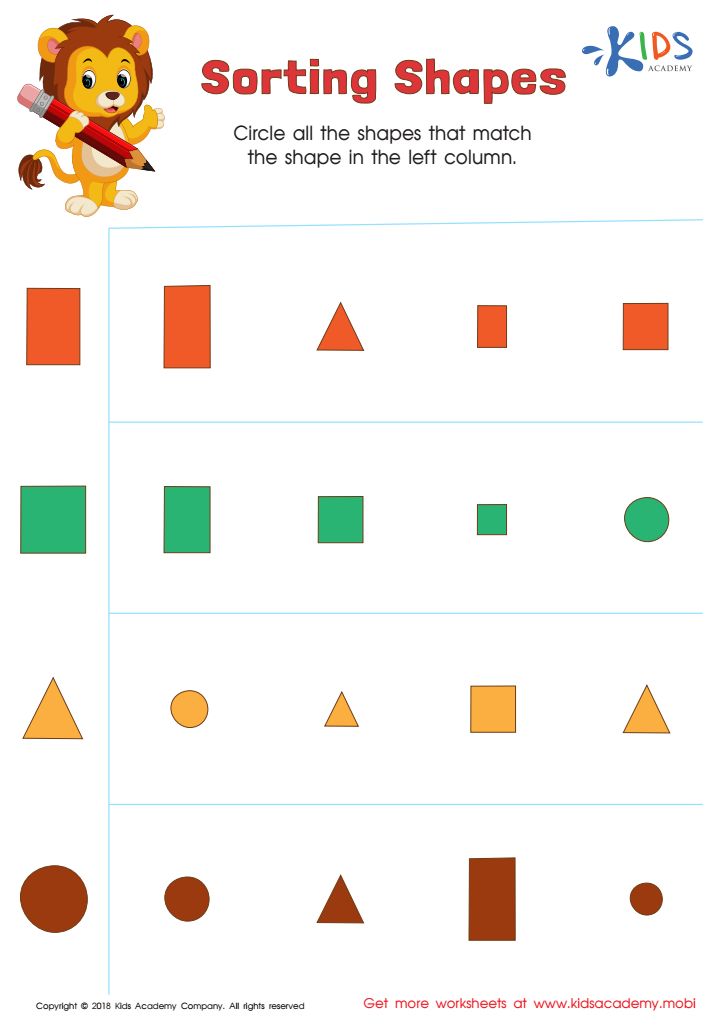
Sorting Shapes - Part 2 Worksheet
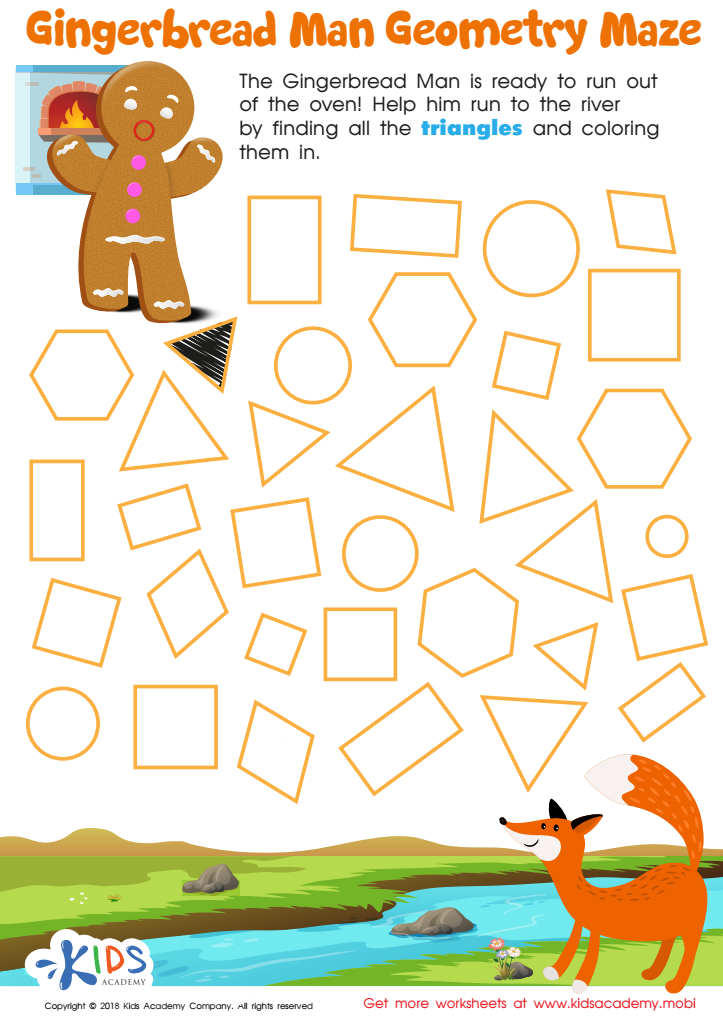
Gingerbread Man Geometry Maze Worksheet
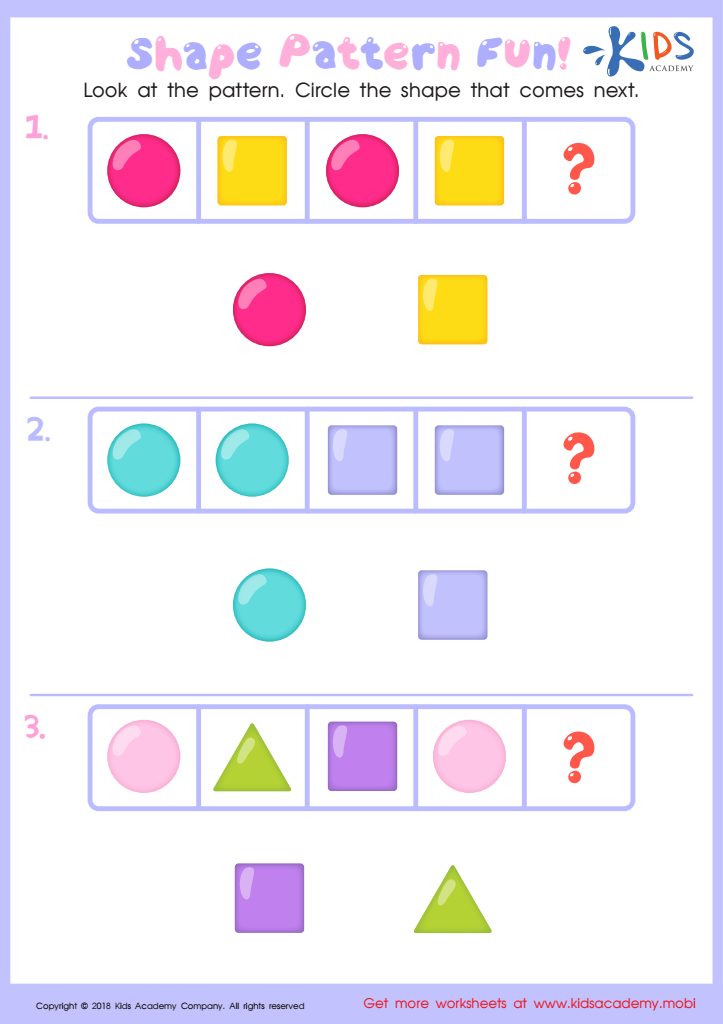
Shape Pattern Fun Worksheet








It's crucial for parents and teachers to introduce normal 2D shapes, such as circles, squares, triangles, and rectangles, to children aged 3-9 for several essential developmental reasons. Early exposure to these shapes supports mathematical thinking and spatial awareness, foundational skills that help children understand more complex concepts later on. Recognizing and naming shapes also enhances vocabulary and language development, prompting children to articulate their observations and thoughts.
Moreover, learning about shapes helps children make sense of the world around them. Shapes are everywhere—buildings, signs, toys—and recognizing them builds observational and analytical skills. This foundational knowledge paves the way for grasping geometry, organizing objects, and even ability improvement in drawing and art by improving fine motor skills such as cutting and coloring.
Additionally, cognitive benefits include pattern recognition and problem-solving skills, as children begin to group objects based on their shapes and identify relationships. Shape-based activities nurture creativity and imagination through playful engagement. Therefore, integrating normal 2D shapes into early education does more than teach math skills; it cultivates overall cognitive, linguistic, and physical development, building a solid groundwork for future academic and personal growth.