Normal Numbers Worksheets for Ages 3-9 - Page 10
237 filtered results
-
From - To
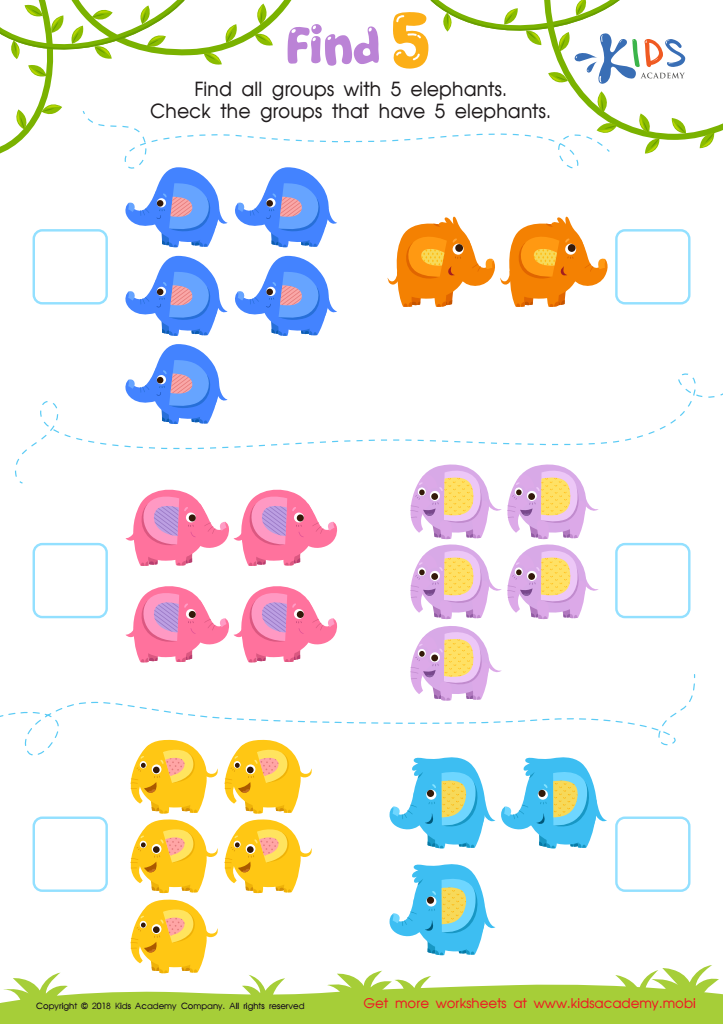
Find 5 Worksheet
 Assign to My Students
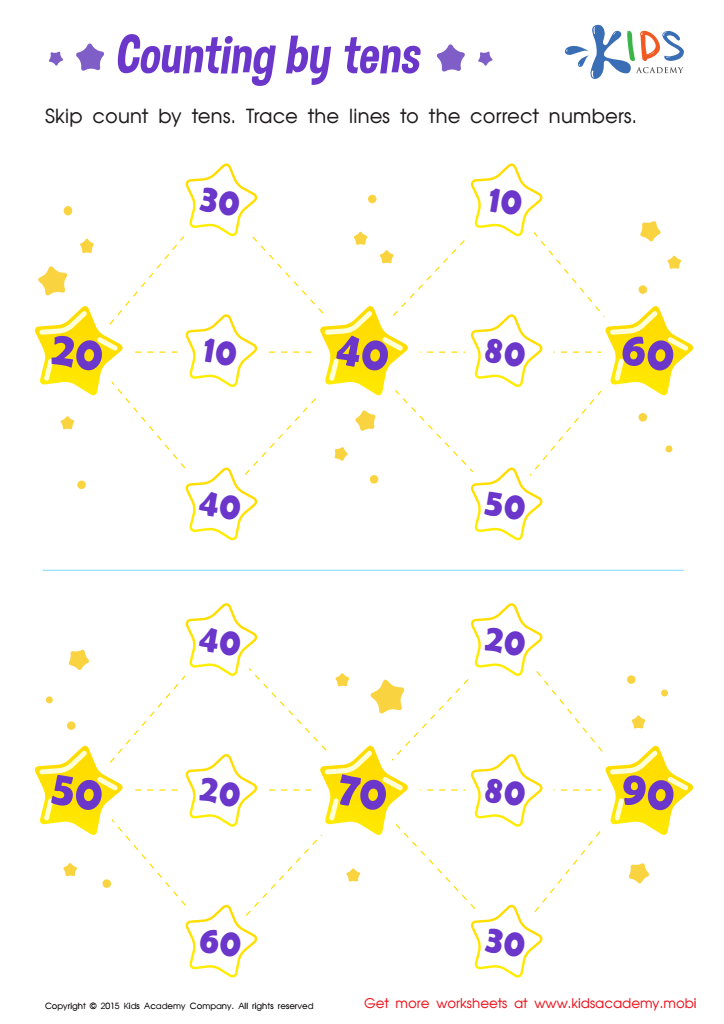
Learn Dozens: Counting by Tens Printable
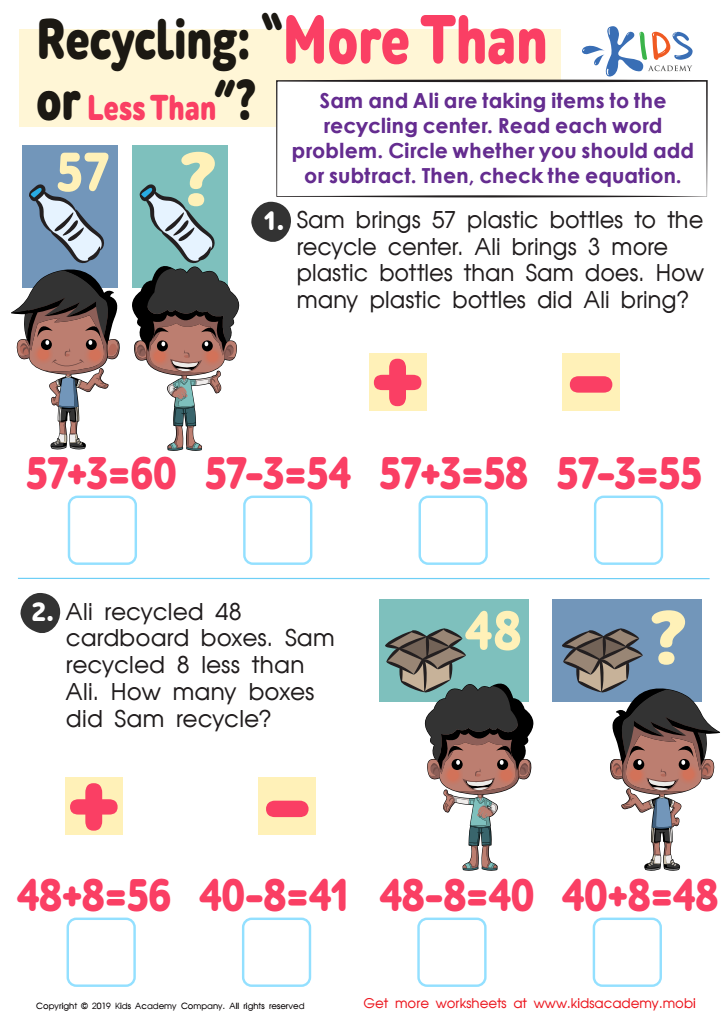
Recycling - More or Less Worksheet
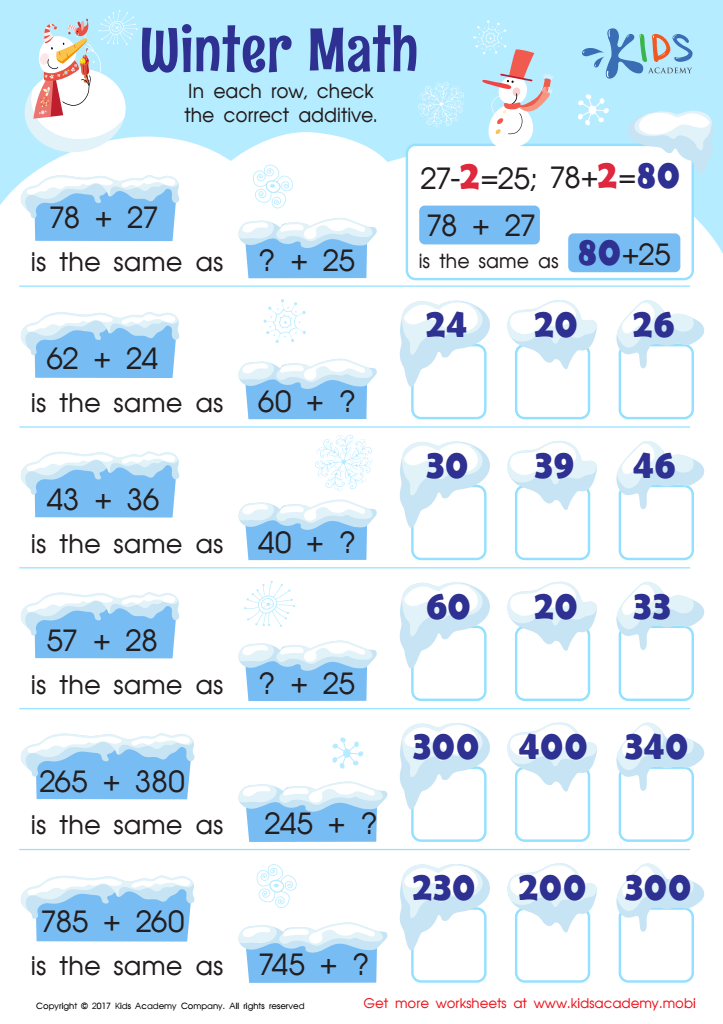
Free Addition Worksheet

World Traveler Worksheet
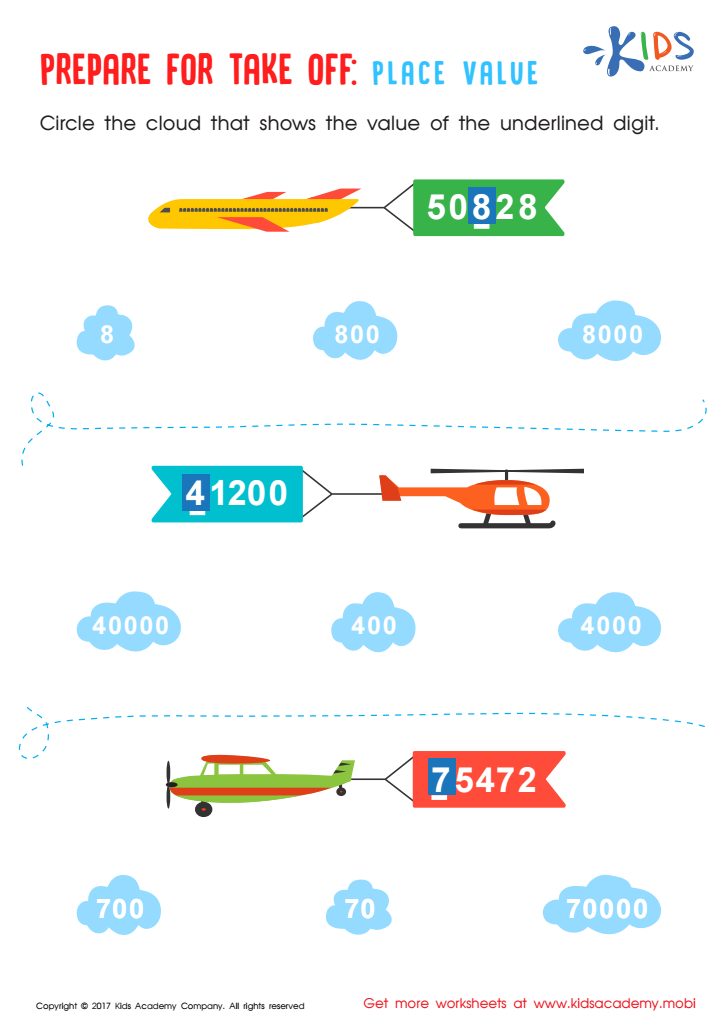
Free Place Value Worksheet for 3rd Grade
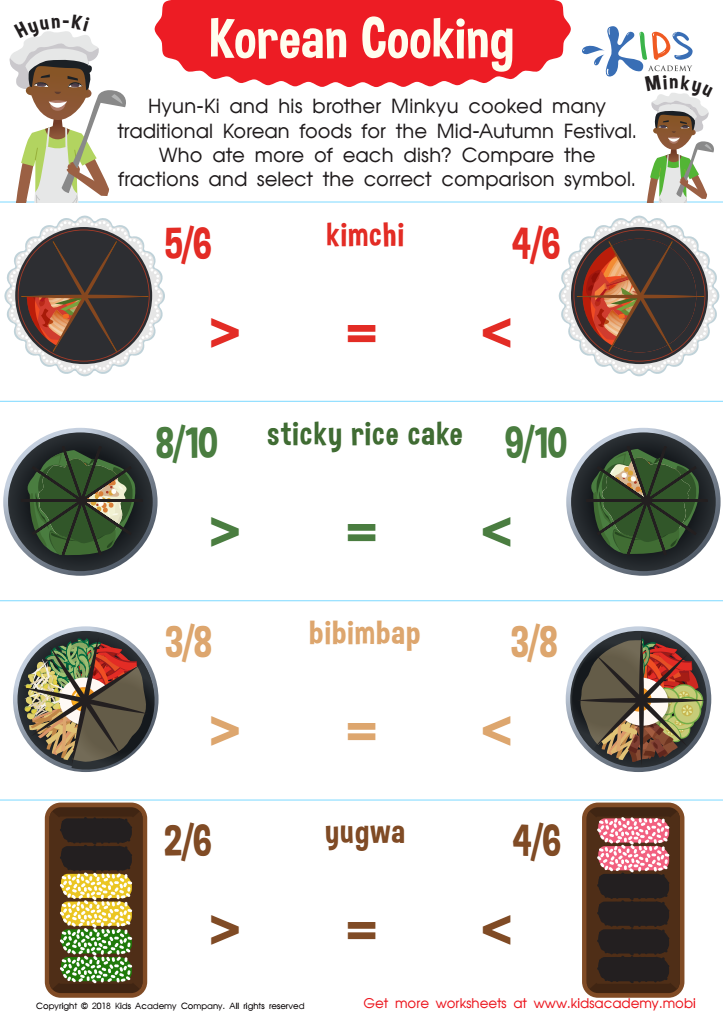
Korean Cooking Worksheet
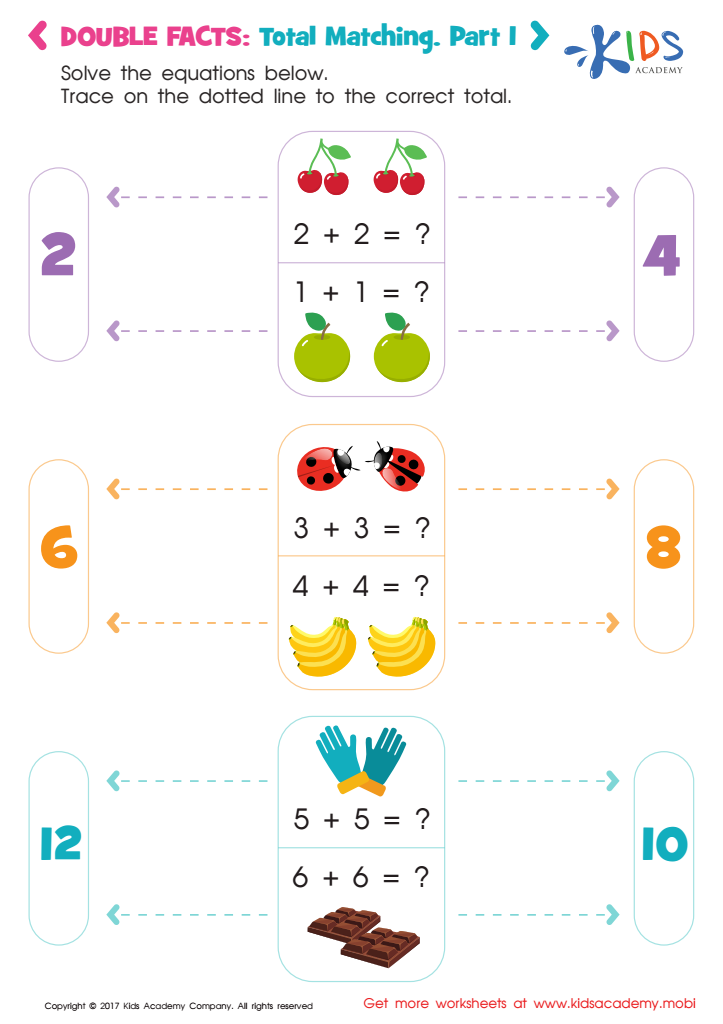
Double Facts: Total Matching Worksheet: Part 1
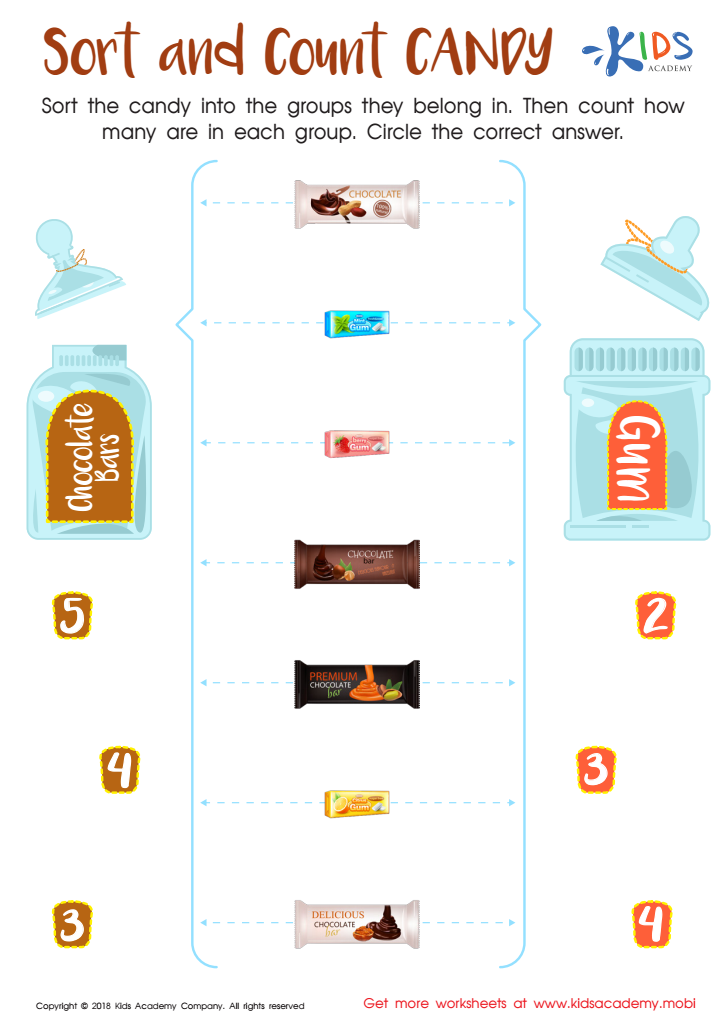
Sort and Count Candy Worksheet
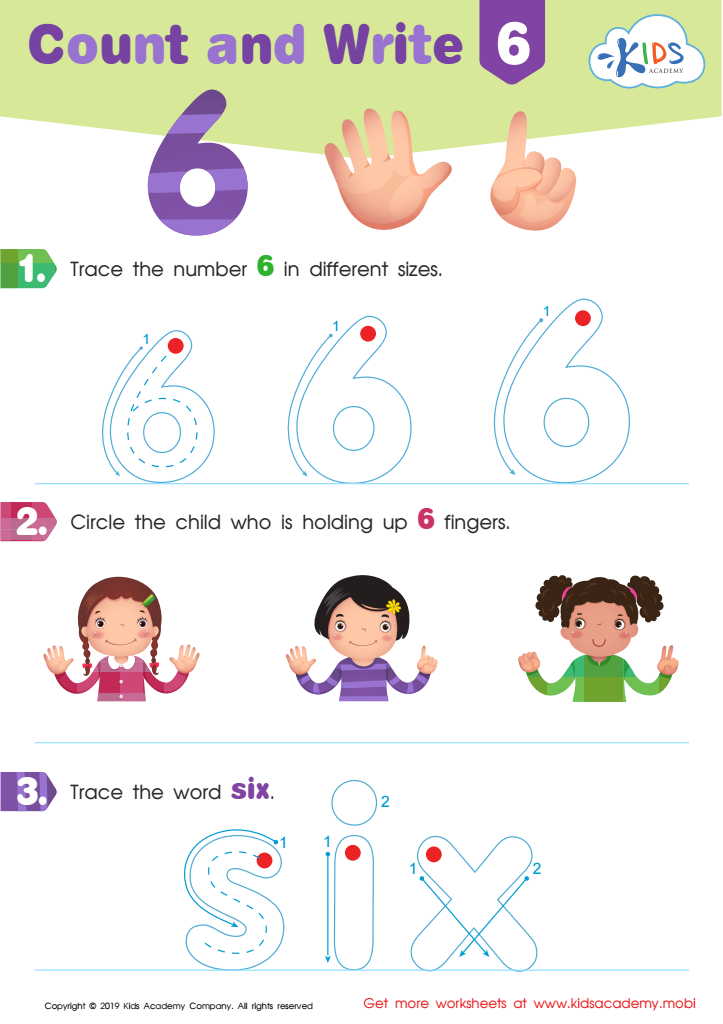
Count and Write 6 Worksheet
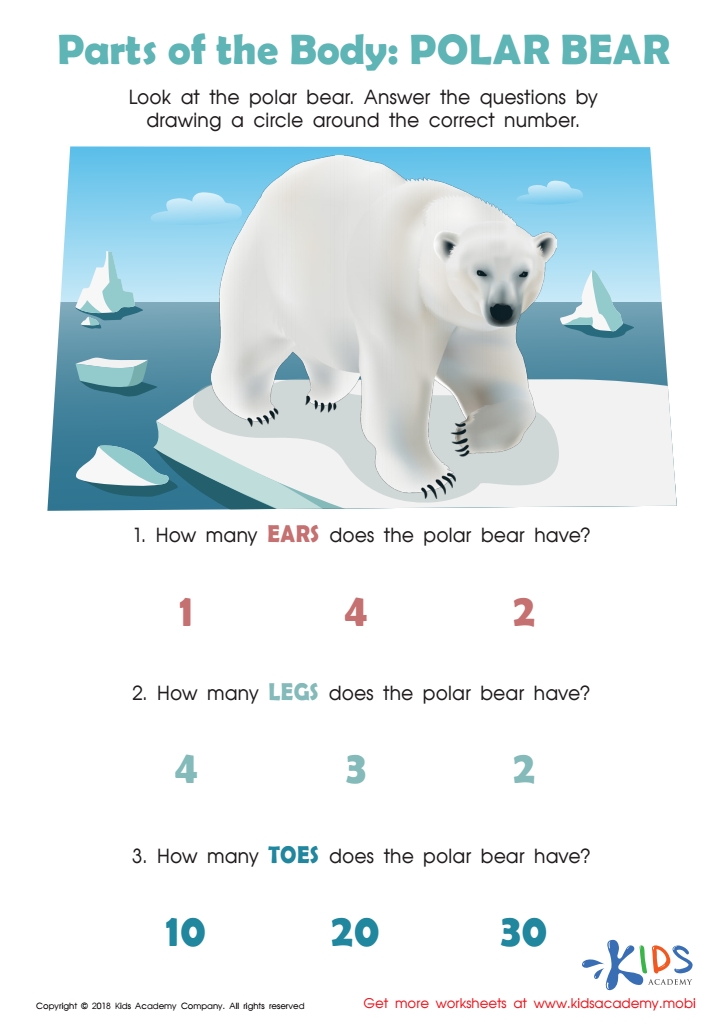
Parts of the Body: Polar Body Worksheet
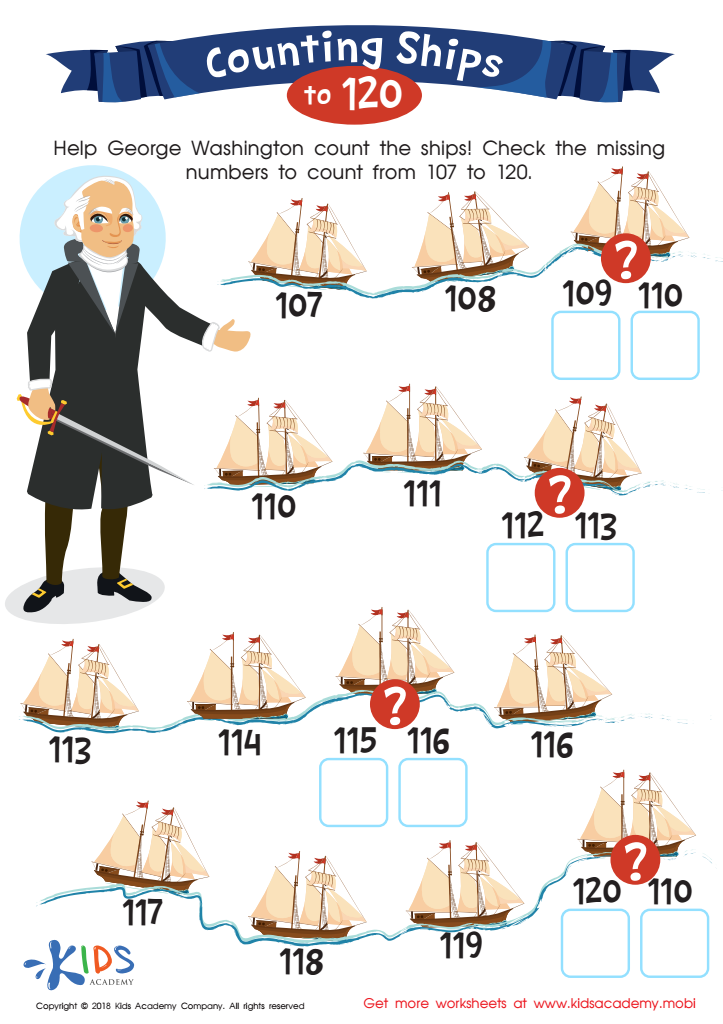
Counting Ships to 120 Worksheet
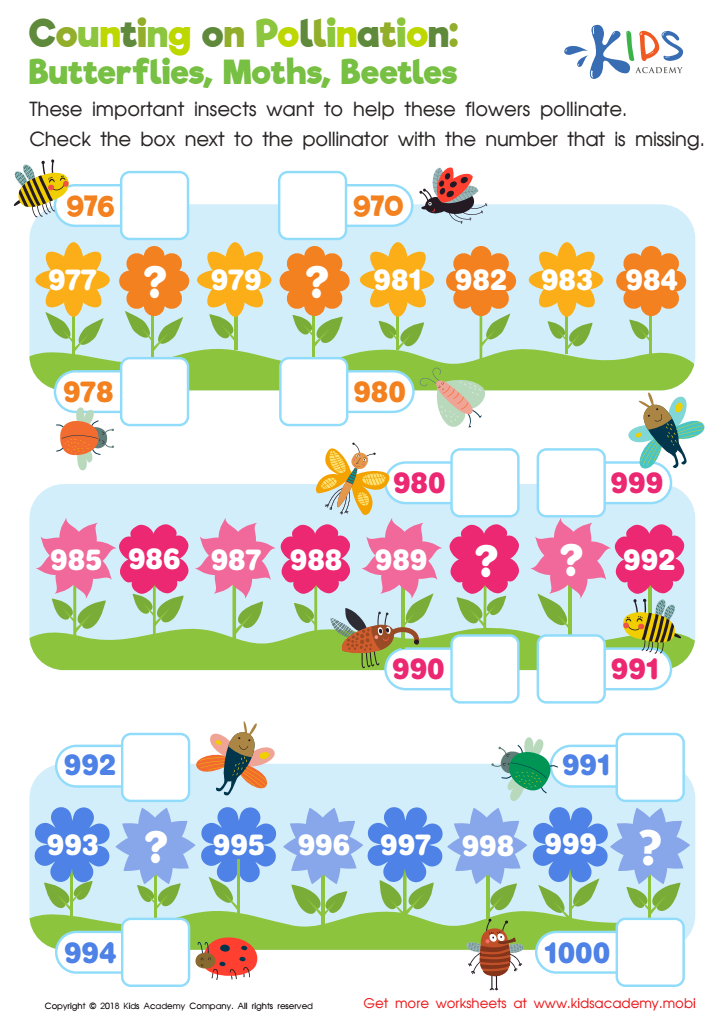
Counting on Pollination: Butterflies, Moths, Beetles Worksheet
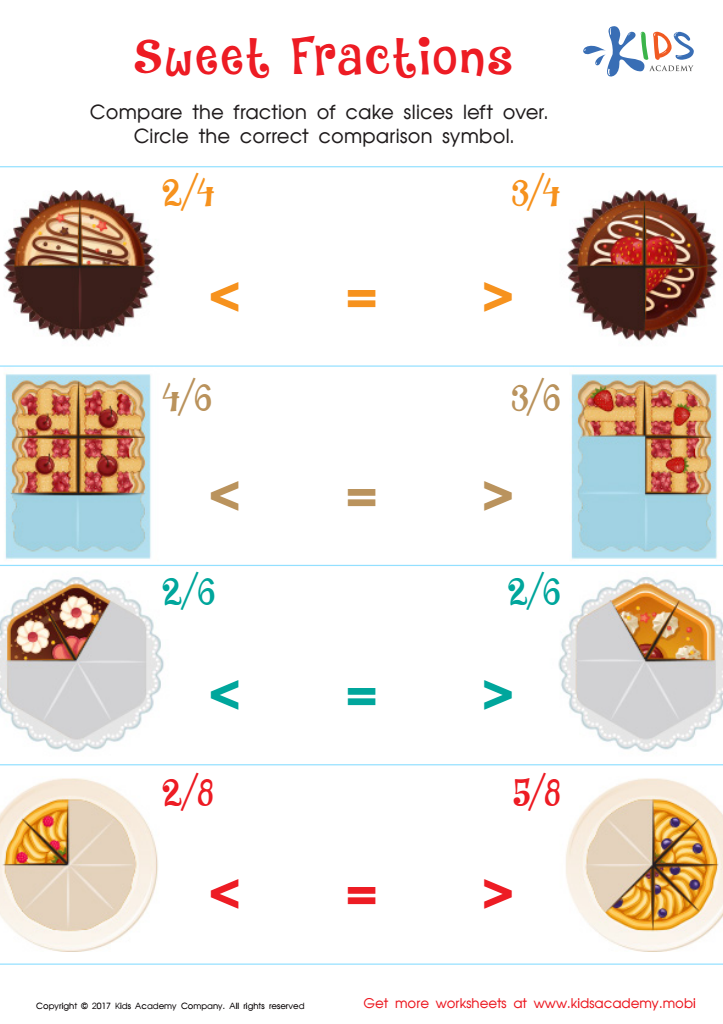
Compare Fractions Worksheet
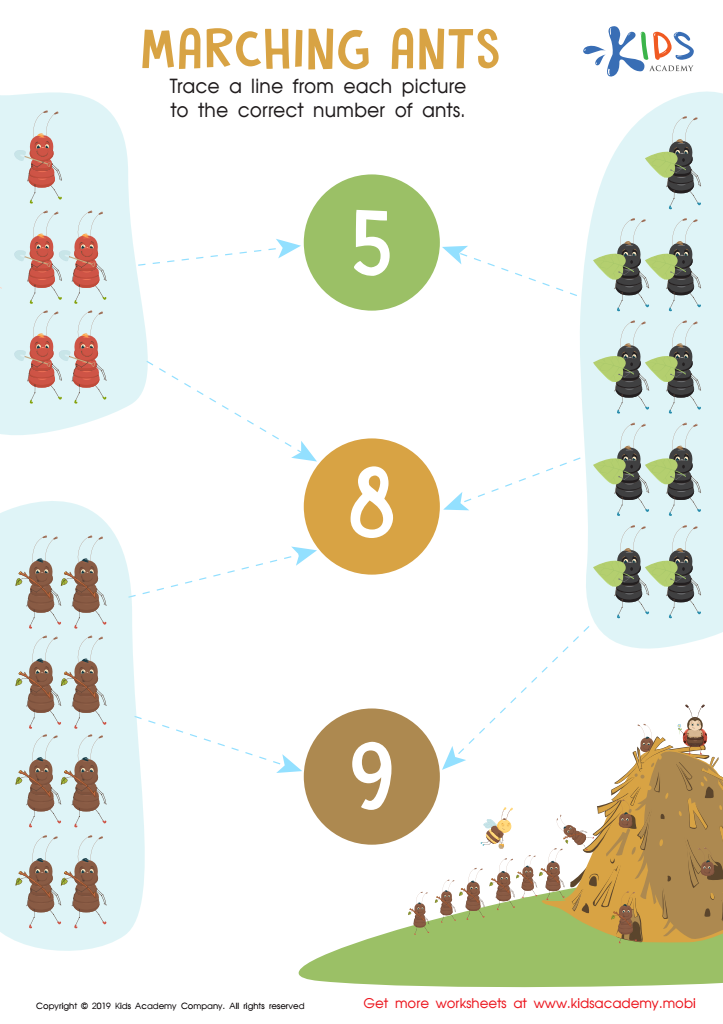
Marching Ants Worksheet
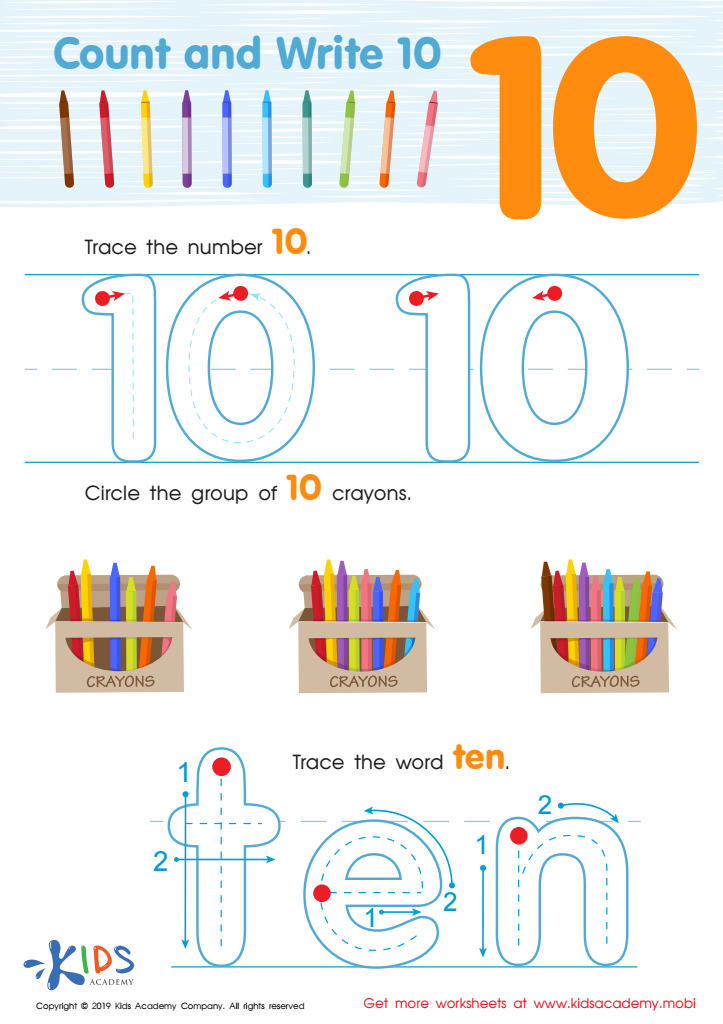
Count and Write 10 Worksheet
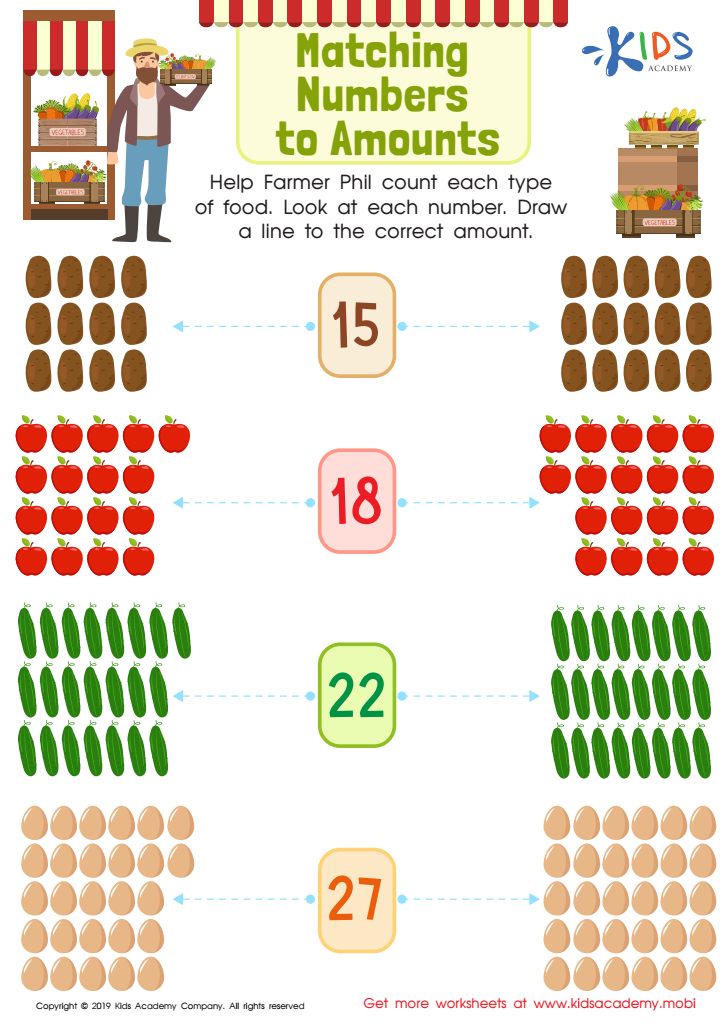
Matching Numbers to Amounts Worksheet
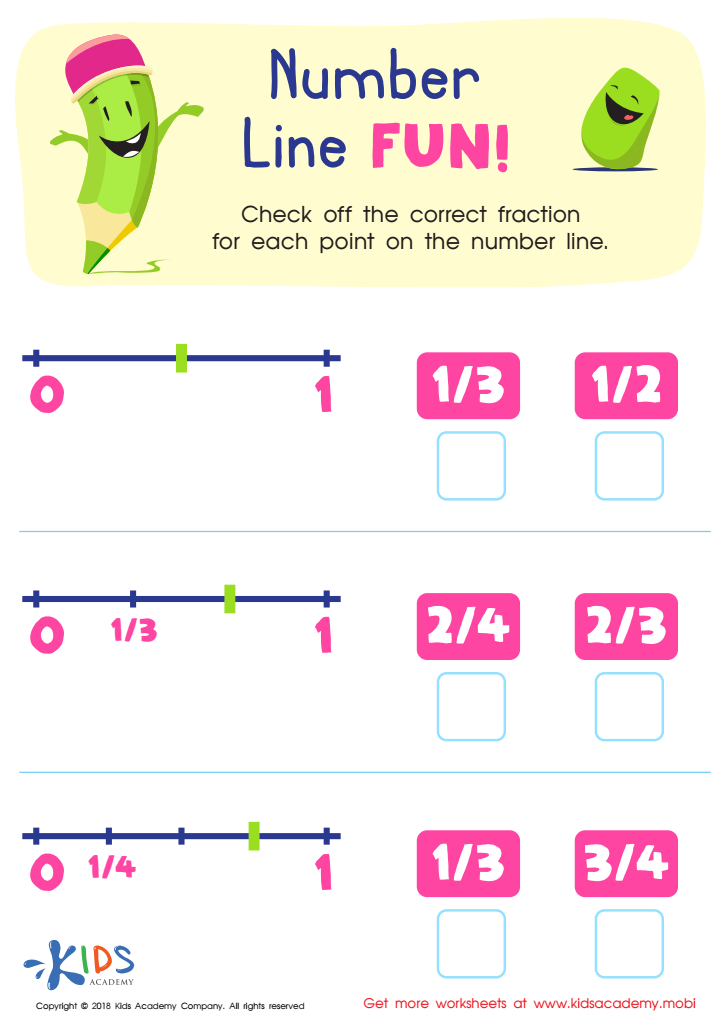
Number Line Fun Worksheet
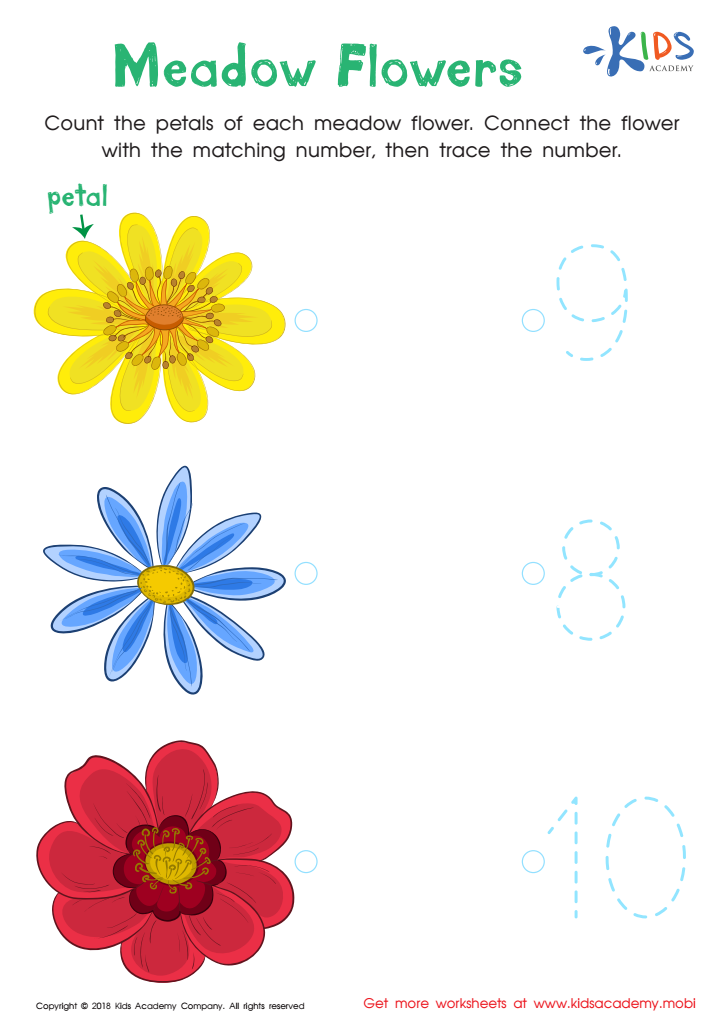
Kindergarten Number Tracing: Medow Flowers Worksheet
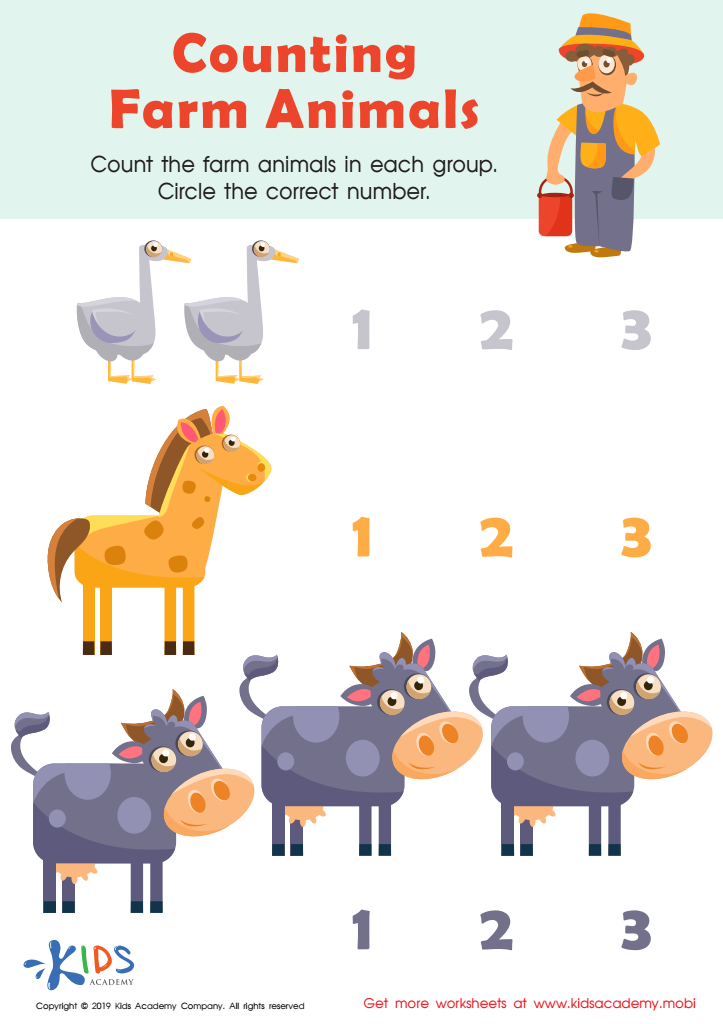
Counting Farm Animals Worksheet
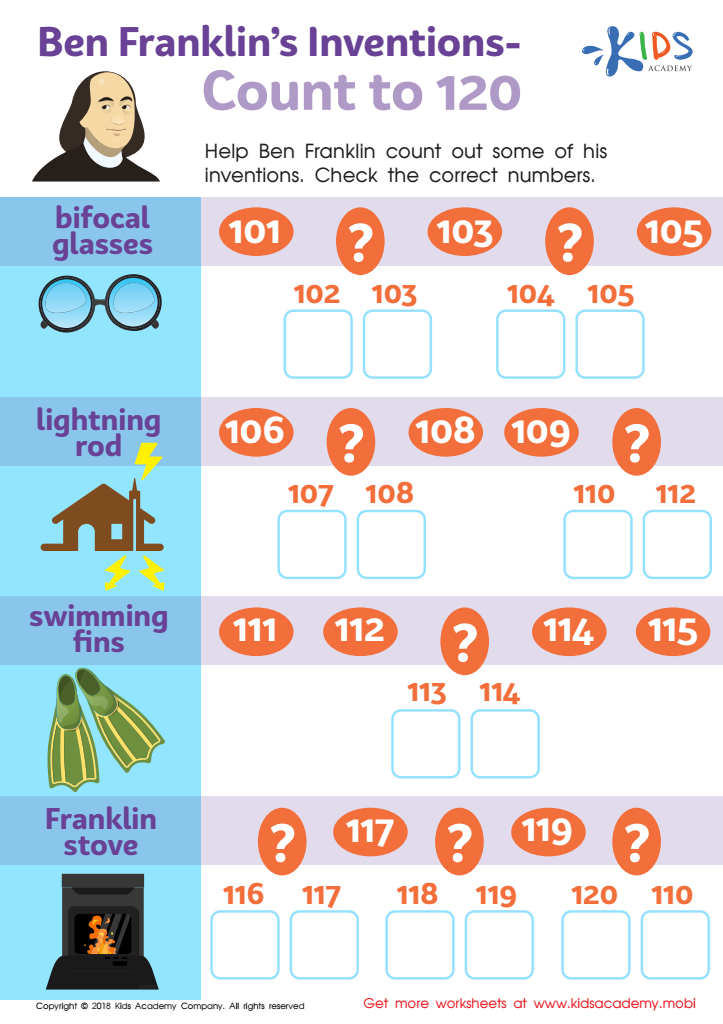
Ben Franklin’s Inventions – Count to 120 Worksheet







Parents and teachers should care about normal numbers for children aged 3-9 because these concepts form the foundational building blocks of numerical understanding and mathematical literacy. A normal number is defined as a number whose digits are distributed uniformly across a certain range, which helps in demonstrating the importance of fairness and balance in math.
By introducing young children to the idea of normal numbers, educators can enhance their understanding of distribution, patterns, and reasoned thinking. For instance, activities like organizing colored blocks or counting objects can be designed around exploring number distributions, thereby promoting engagement and curiosity in learning math.
Furthermore, normal numbers can serve as a gateway to more complex mathematical concepts encountered later on. Making math fun and relatable at a young age fosters a positive attitude toward the subject, reducing math anxiety that can develop later. Through games and activities that explore normal numbers, children also develop critical thinking skills and an appreciation for the beauty of mathematics. Lastly, an early emphasis on understanding numbers promotes numerical fluency which is essential for problem-solving in everyday life. Such an early investment in a child's mathematical journey yields long-lasting benefits.








