Shape Recognition Normal Geometry Worksheets for Ages 4-7
26 filtered results
-
From - To
Explore our engaging Shape Recognition Normal Geometry Worksheets designed specifically for children aged 4-7! These printable resources facilitate early math learning by introducing essential concepts of geometry through vibrant visuals and interactive activities. Each worksheet focuses on helping young learners identify, categorize, and distinguish between various shapes, promoting cognitive development while making math fun. Ideal for home or classroom use, our worksheets encourage practice in shape recognition, critical thinking, and fine motor skills. Equip your little ones with the foundational knowledge they need for future success in mathematics. Discover the joy of learning geometry through play with our delightful worksheets today!
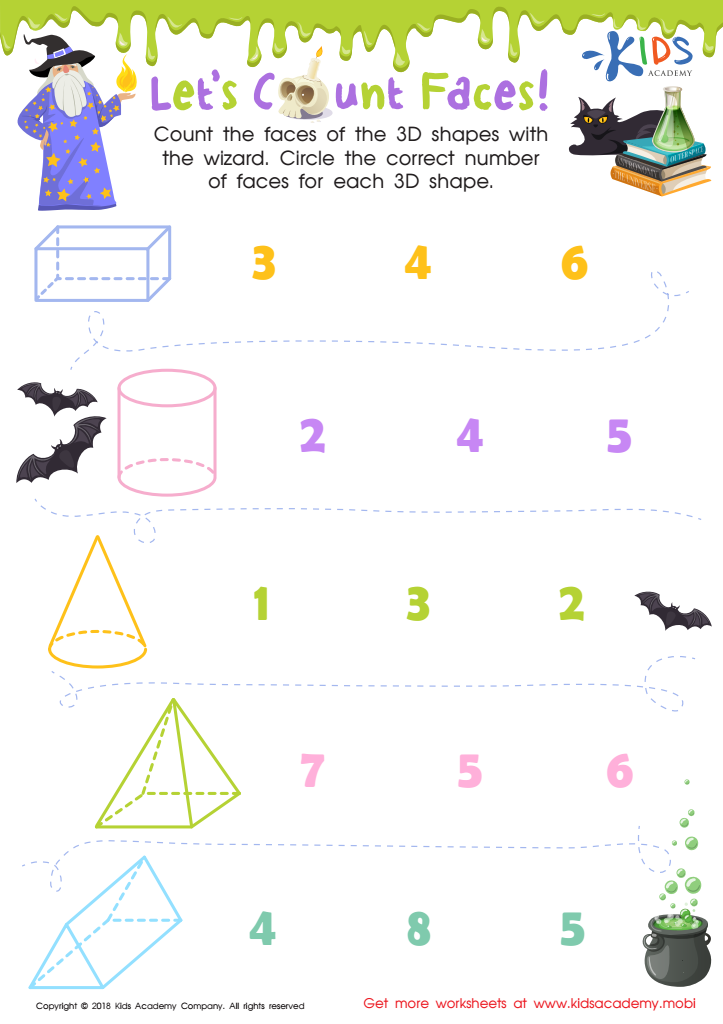
Let's Count Faces! Worksheet
 Assign to My Students











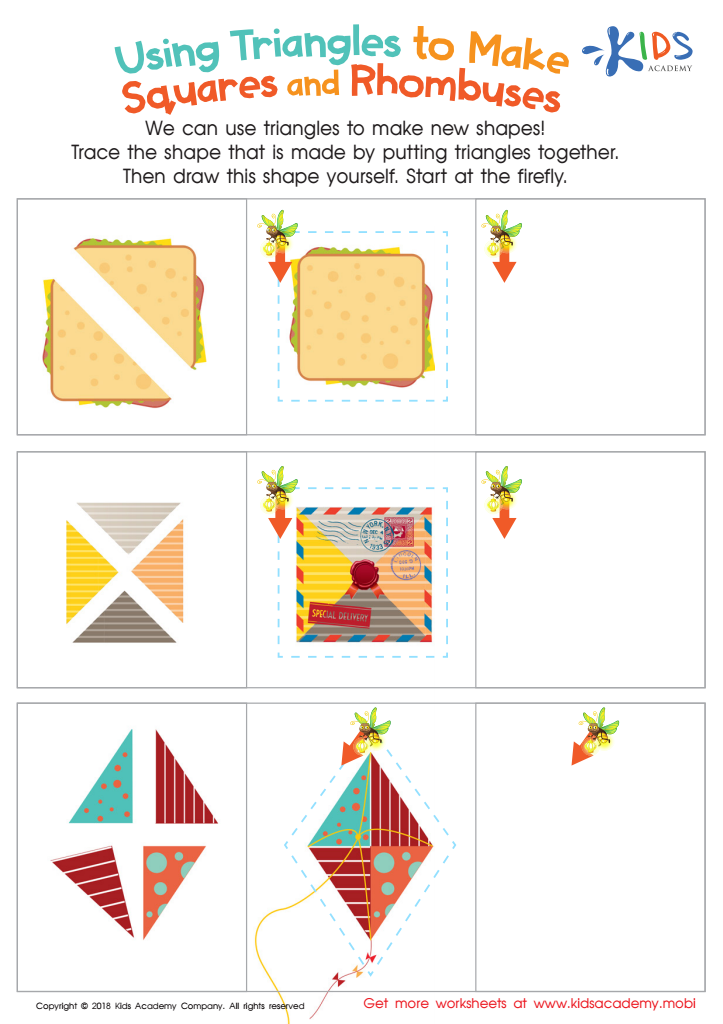
Using Triangles to Make Squares and Rhombuses Worksheet
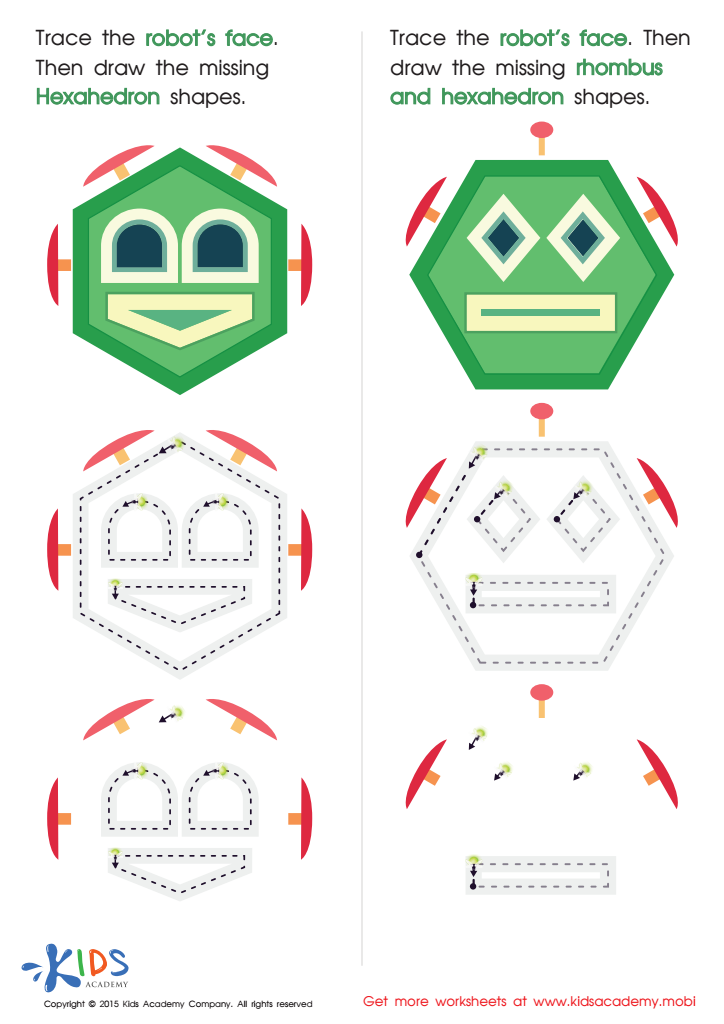
Practice Drawing Hexahedrons And a Rhombus Worksheet
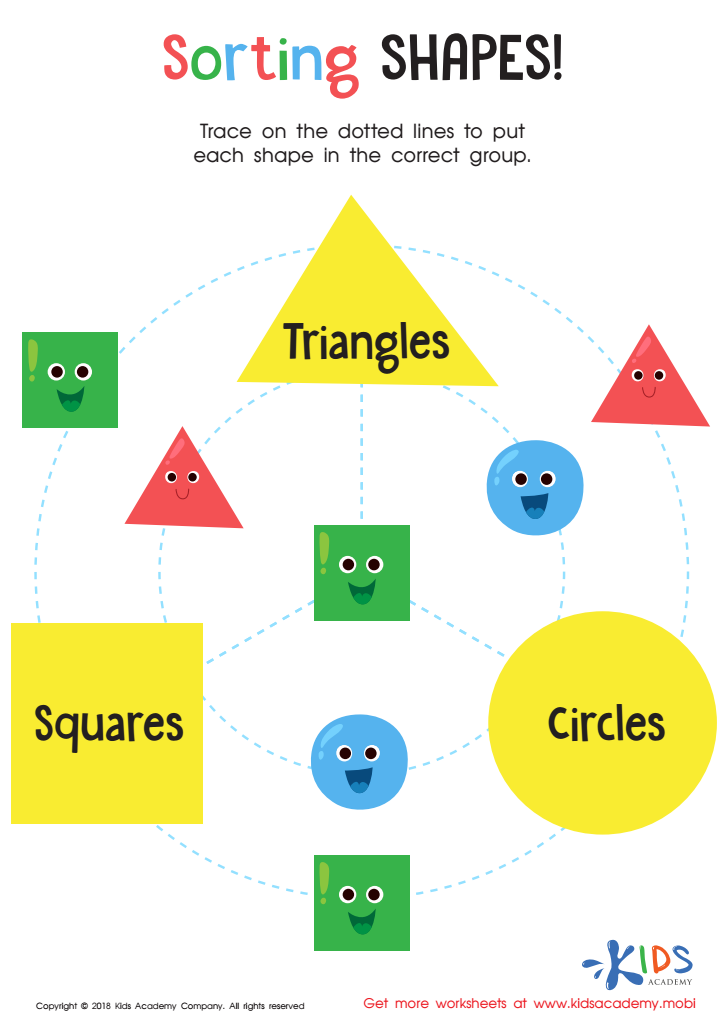
Sorting Shapes - Part 3 Worksheet
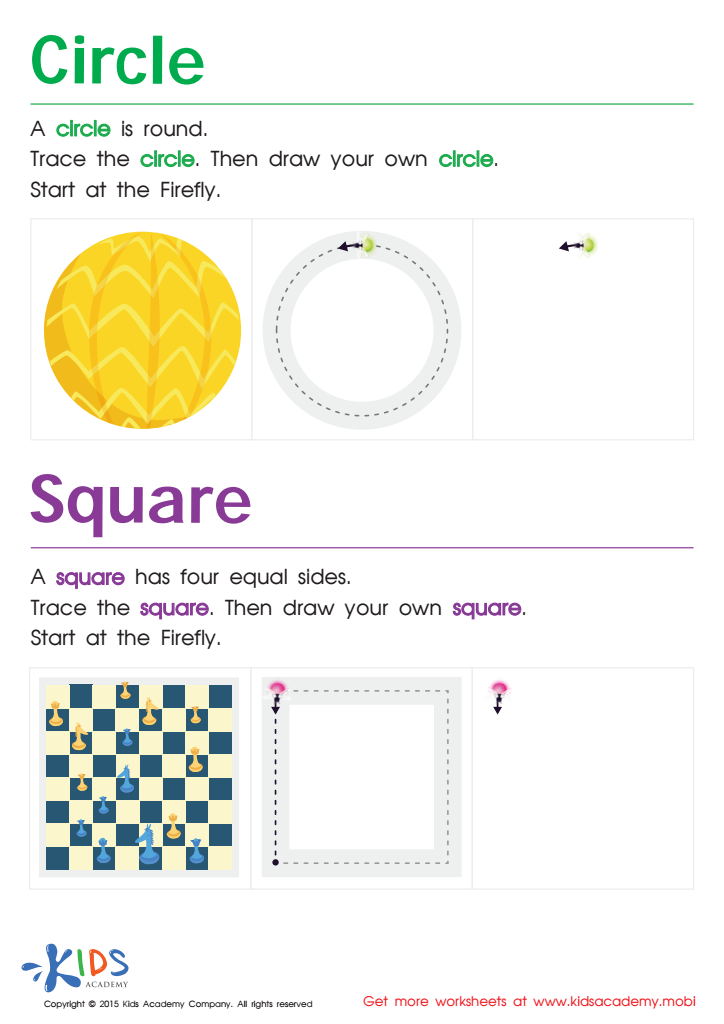
Trace And Draw a Circle And a Square Worksheet
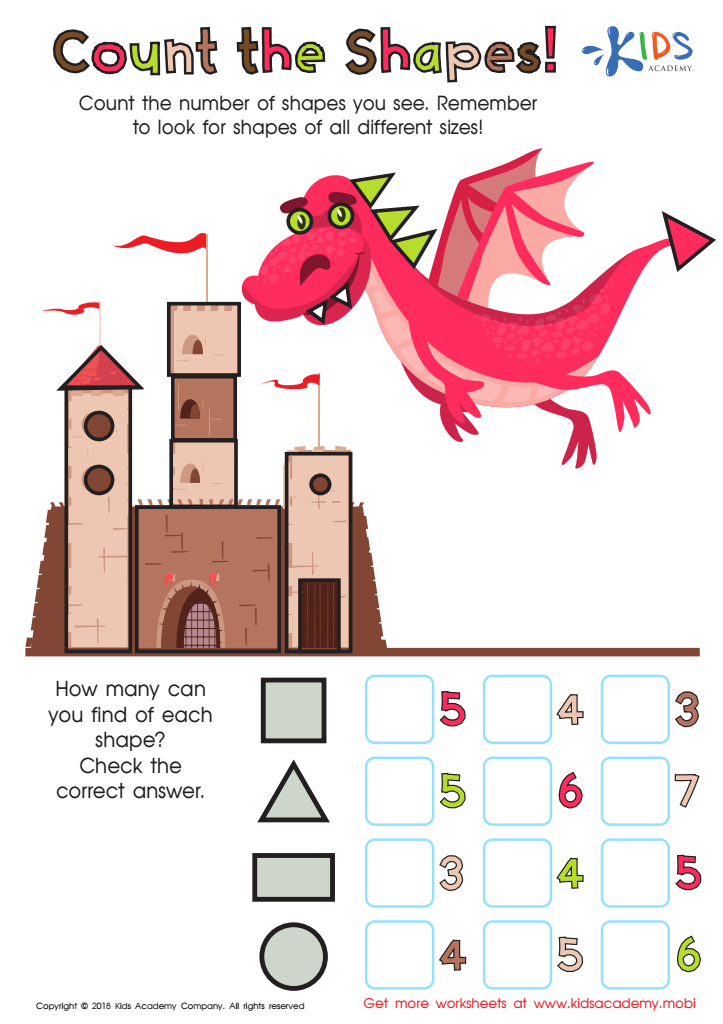
Count the Shapes Worksheet
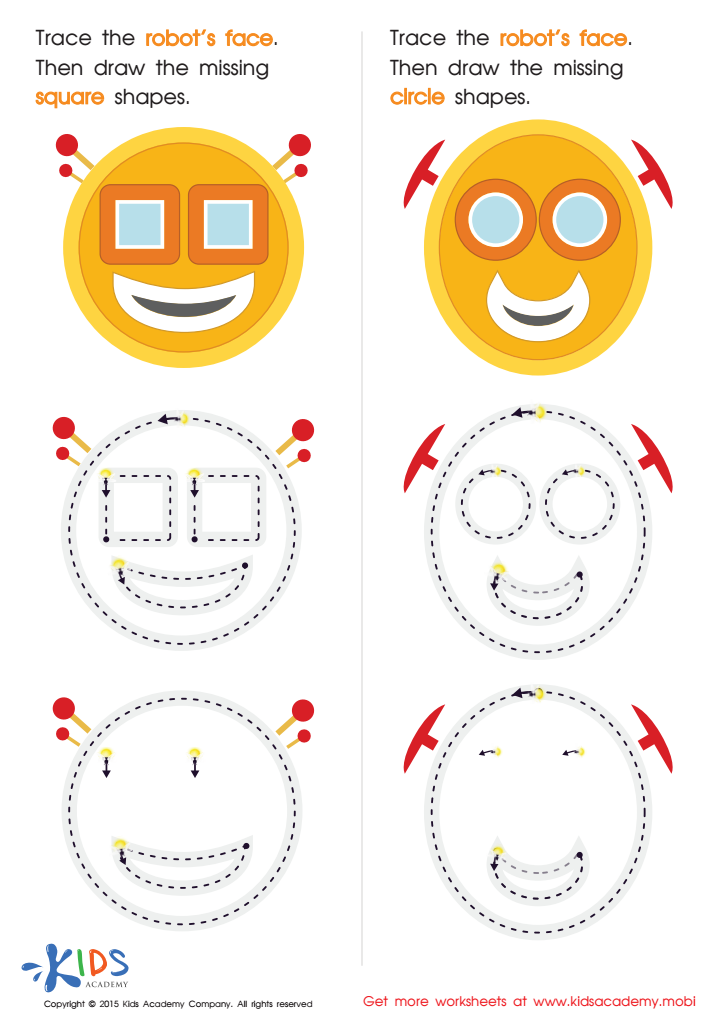
Practicing to Draw Circles And Squares Printable
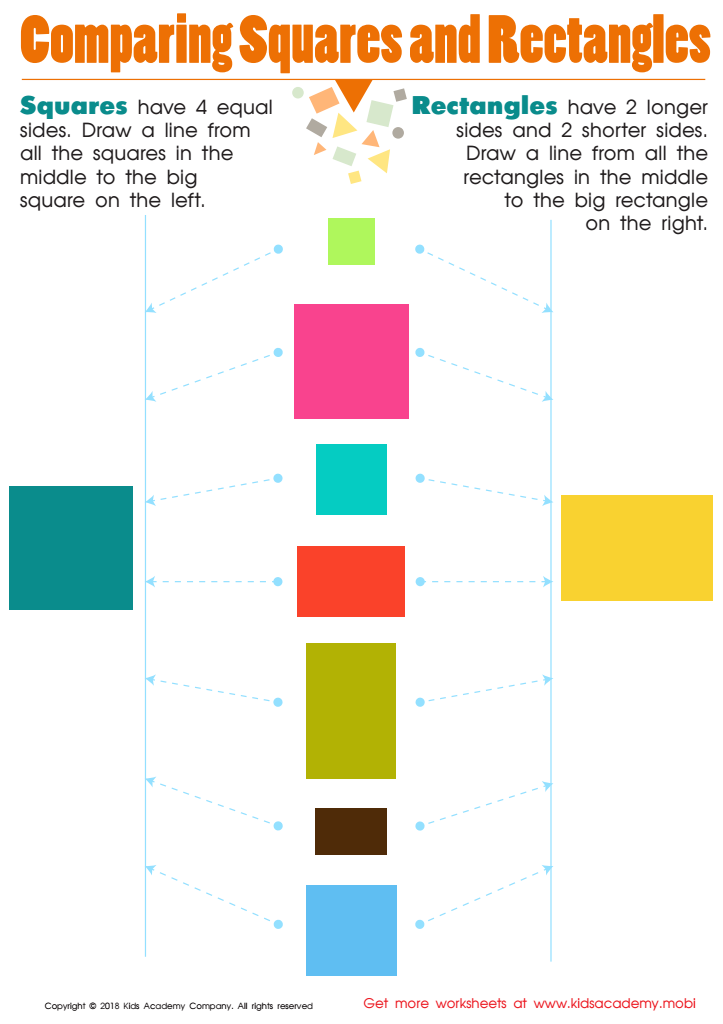
Comparing Squares Rectangles Worksheet
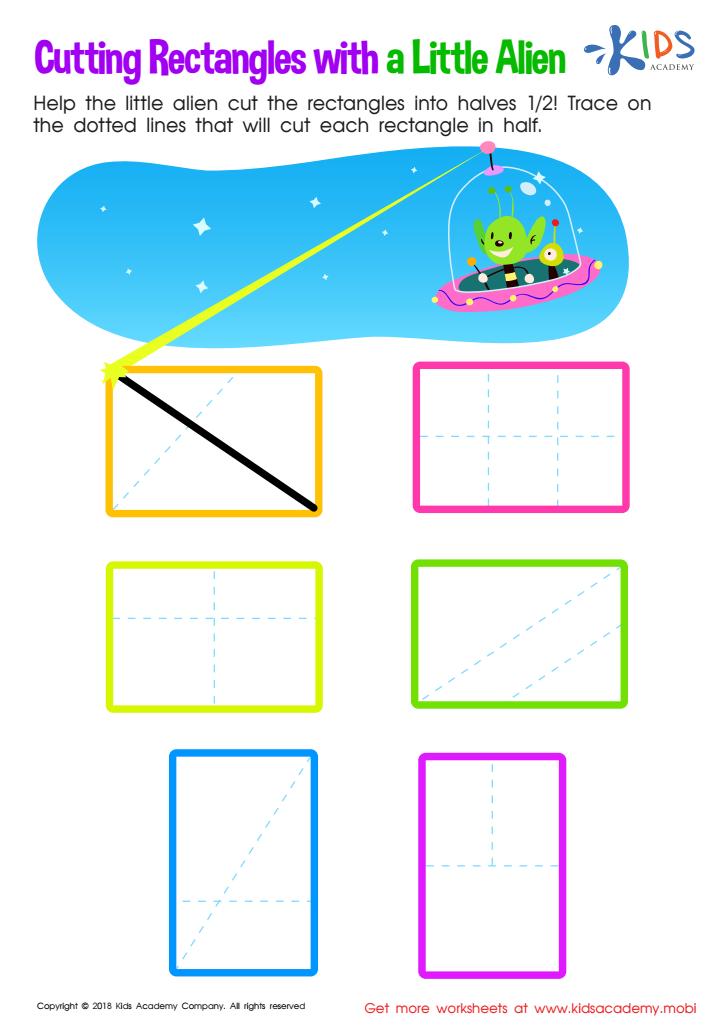
Cutting Rectangles with Alien Worksheet
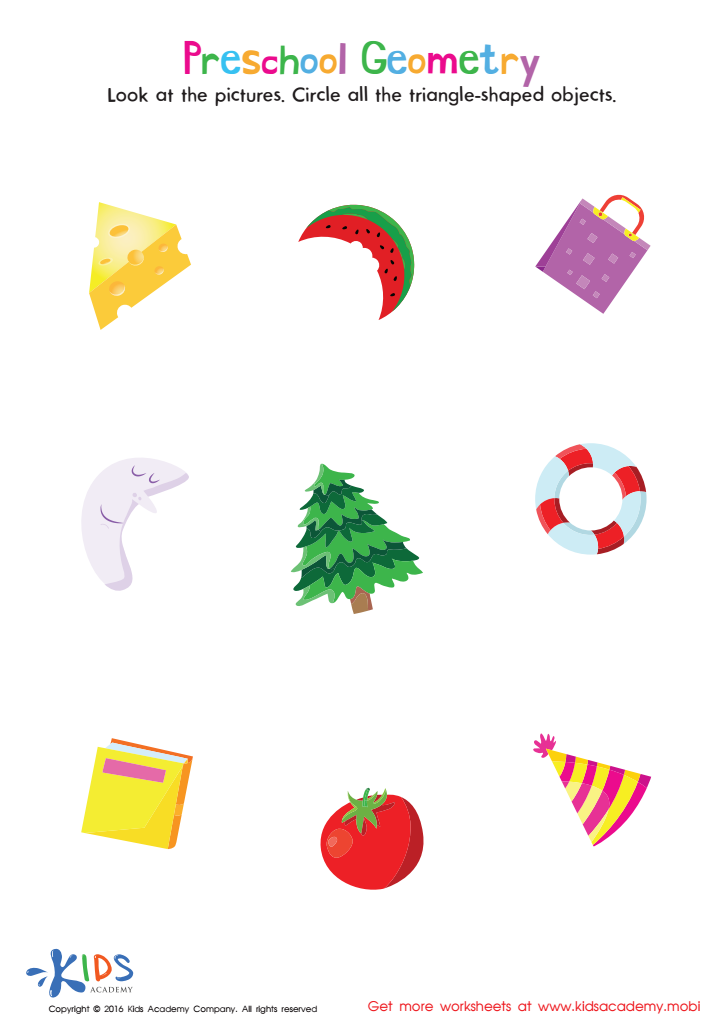
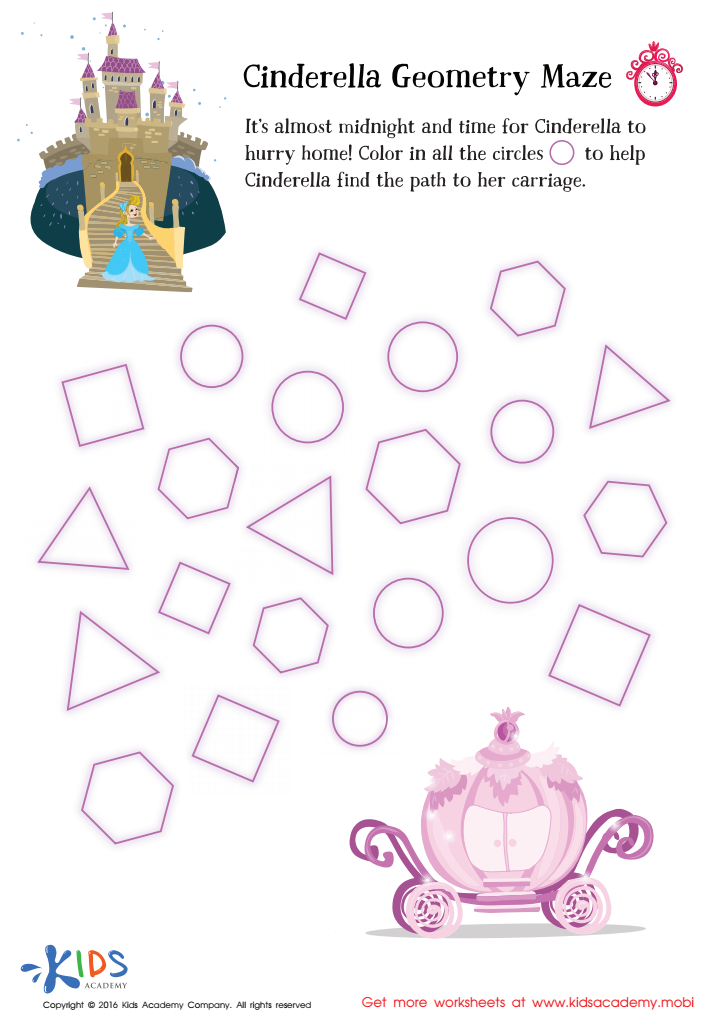
Cinderella Geometry Maze Worksheet
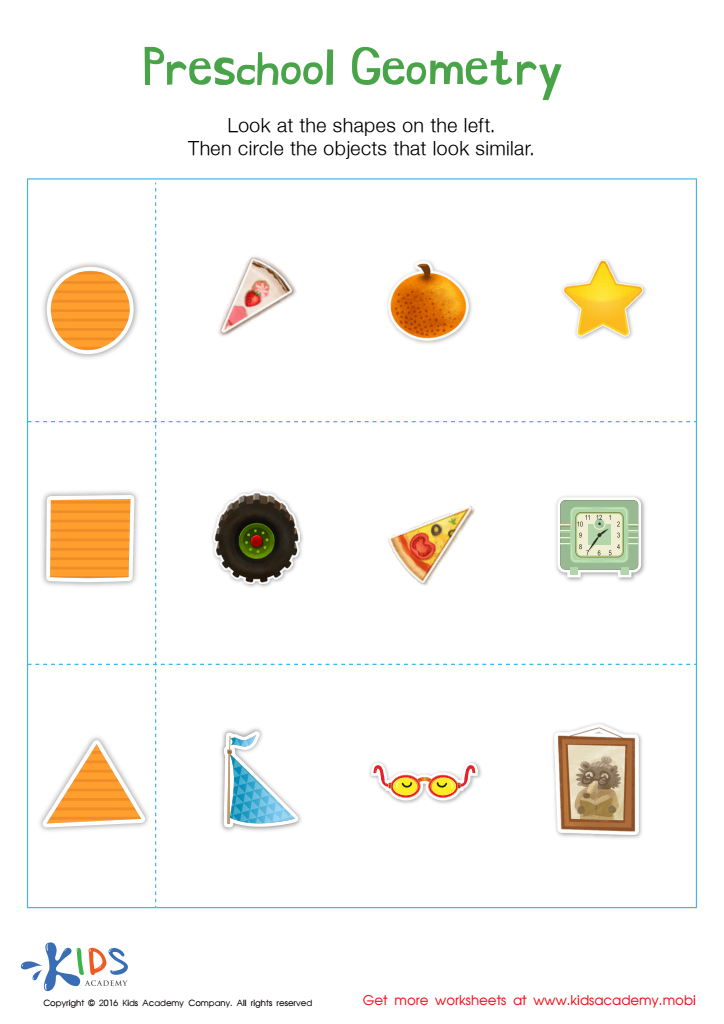
Preschool Geometry Match Up Worksheet
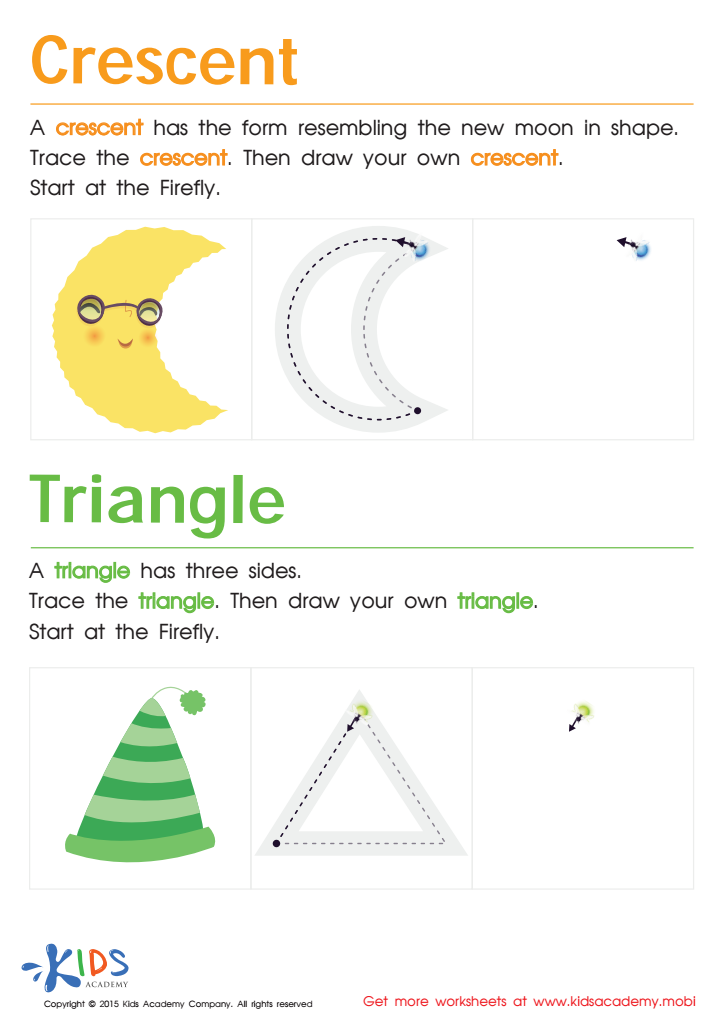
Learning to Draw Crescents And Triangles Worksheet
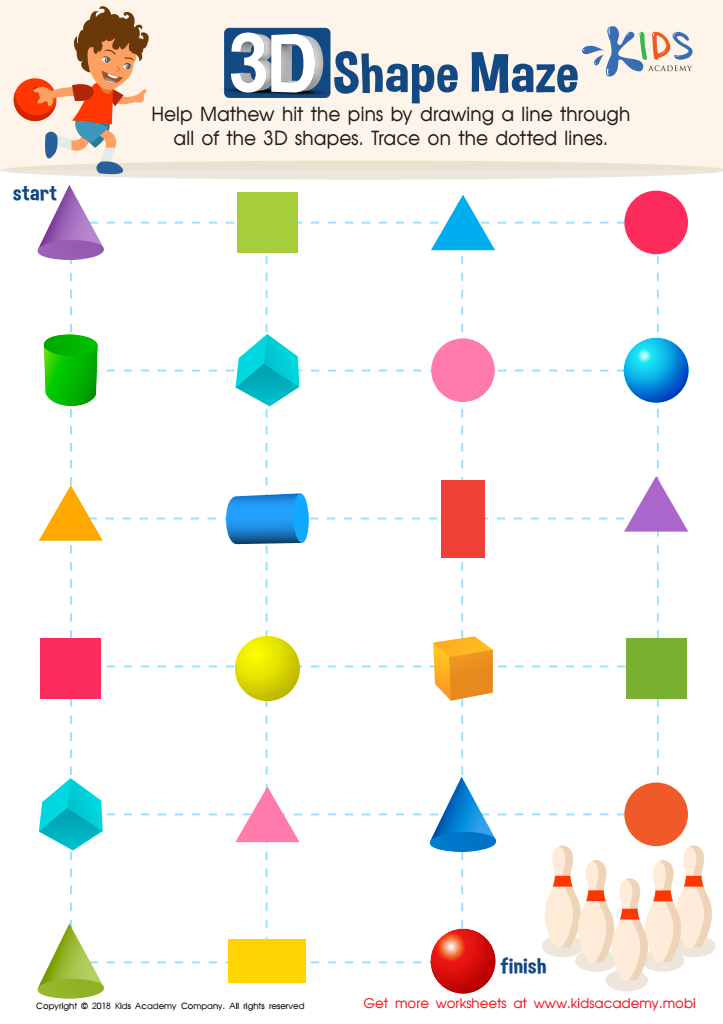
Shapes Maze Geometry Worksheet
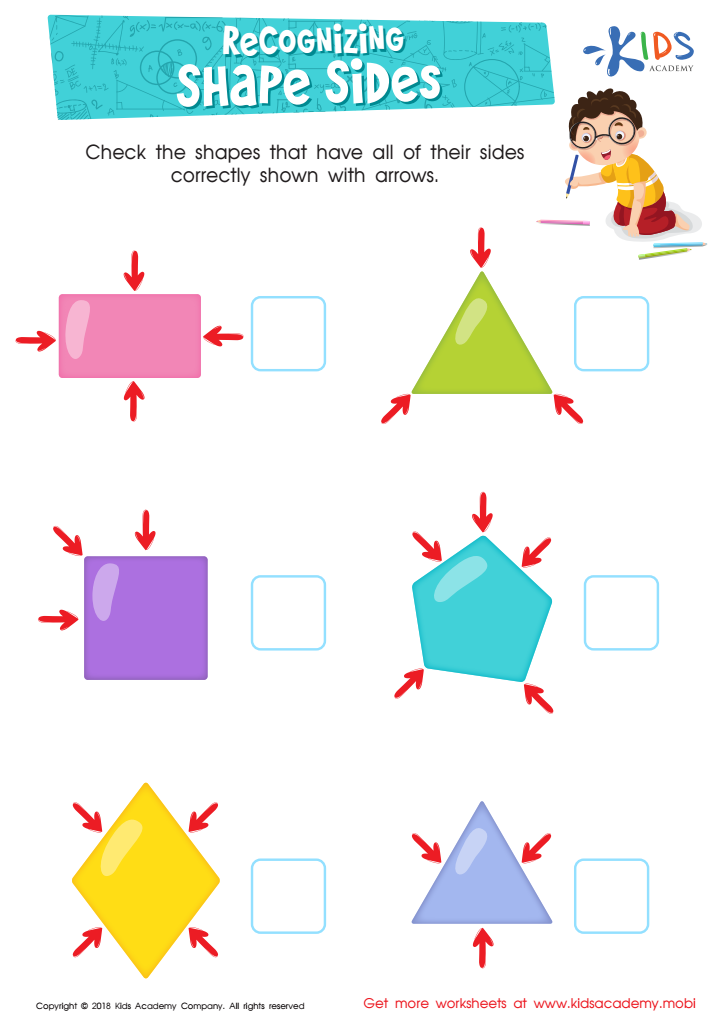
Recognizing Shape Sides Worksheet
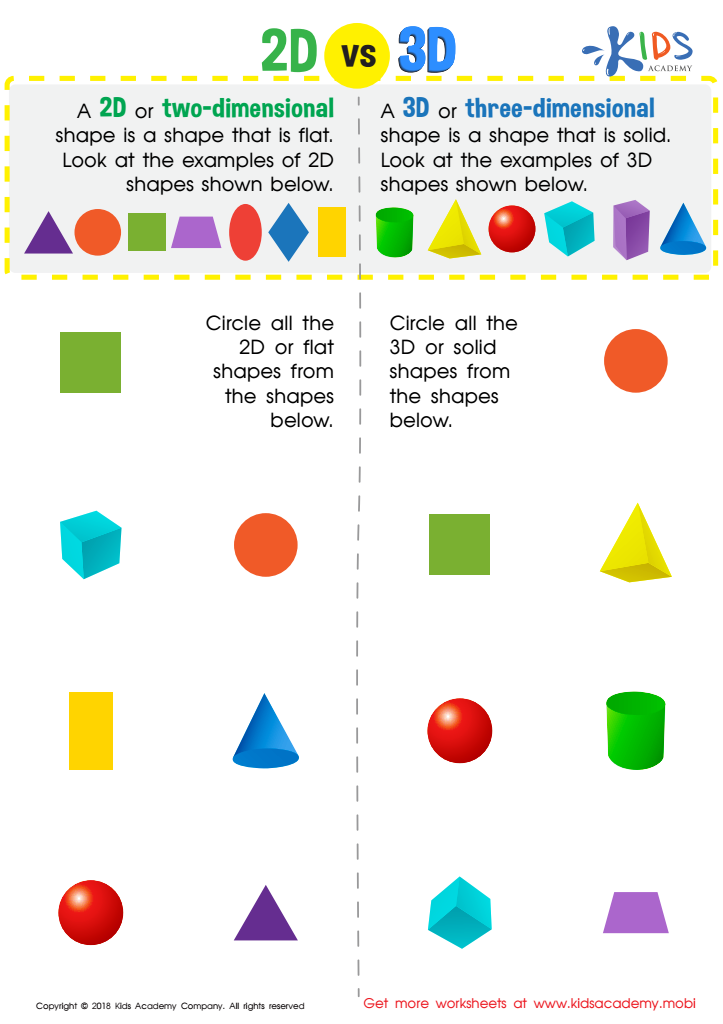
2D vs 3D Shapes Worksheet
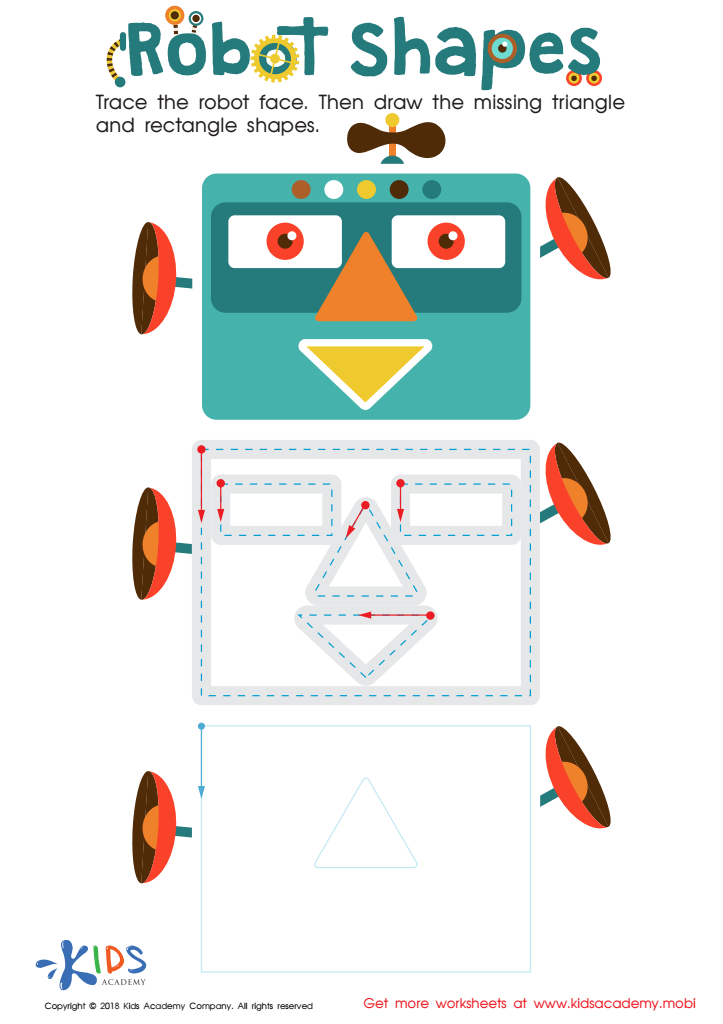
Robot Shapes Worksheet
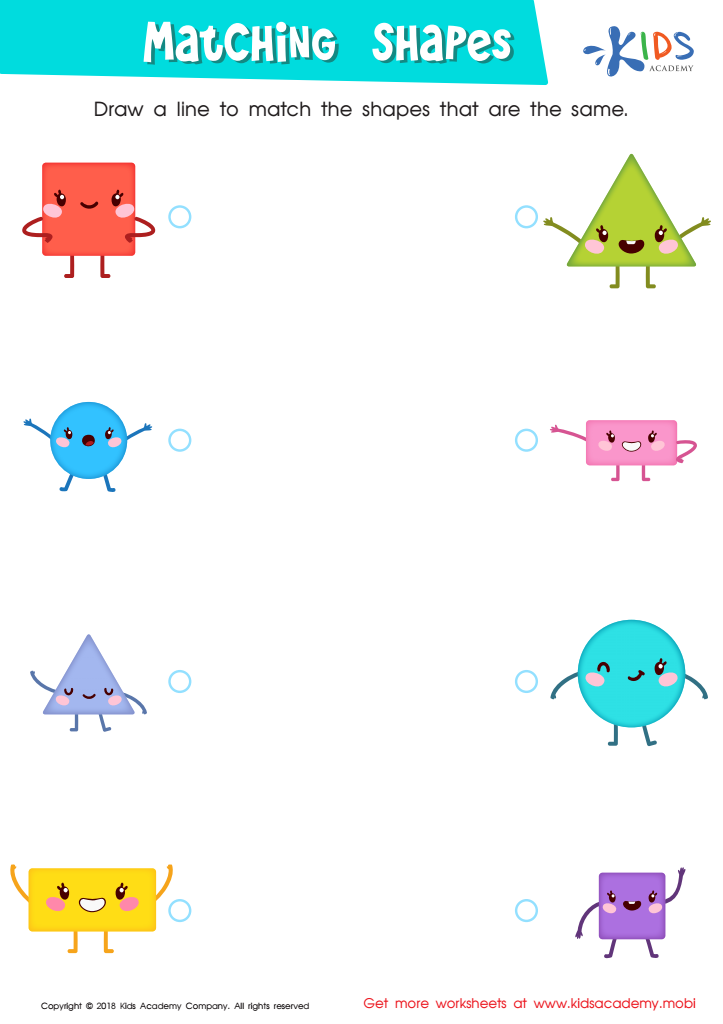
Matching Shapes Worksheet
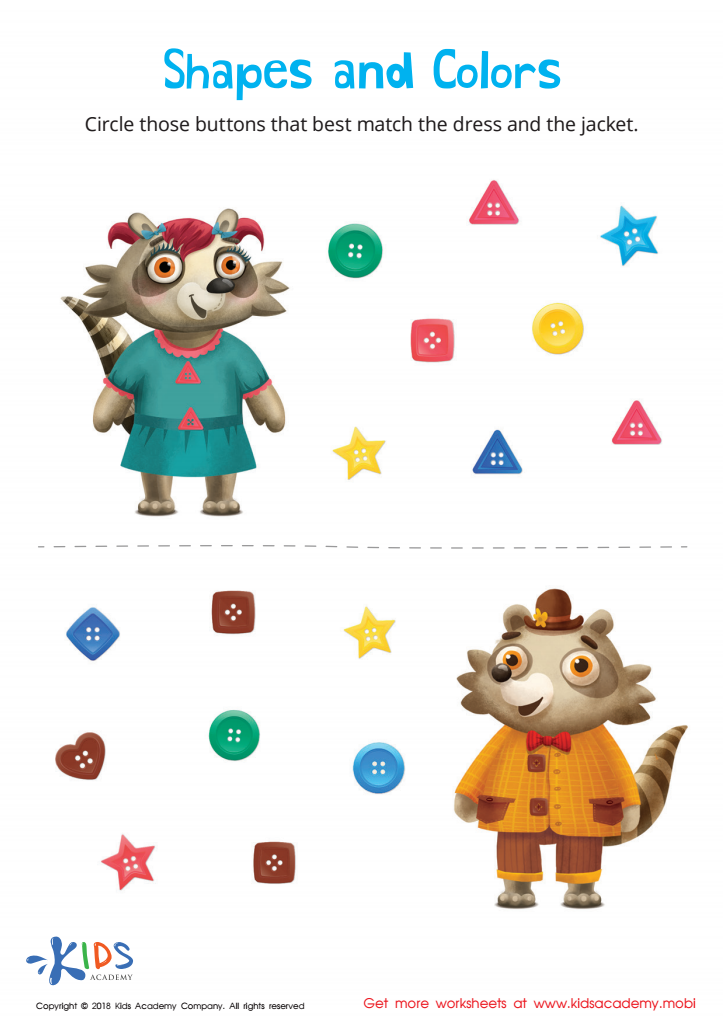
Shapes and Colors Worksheet
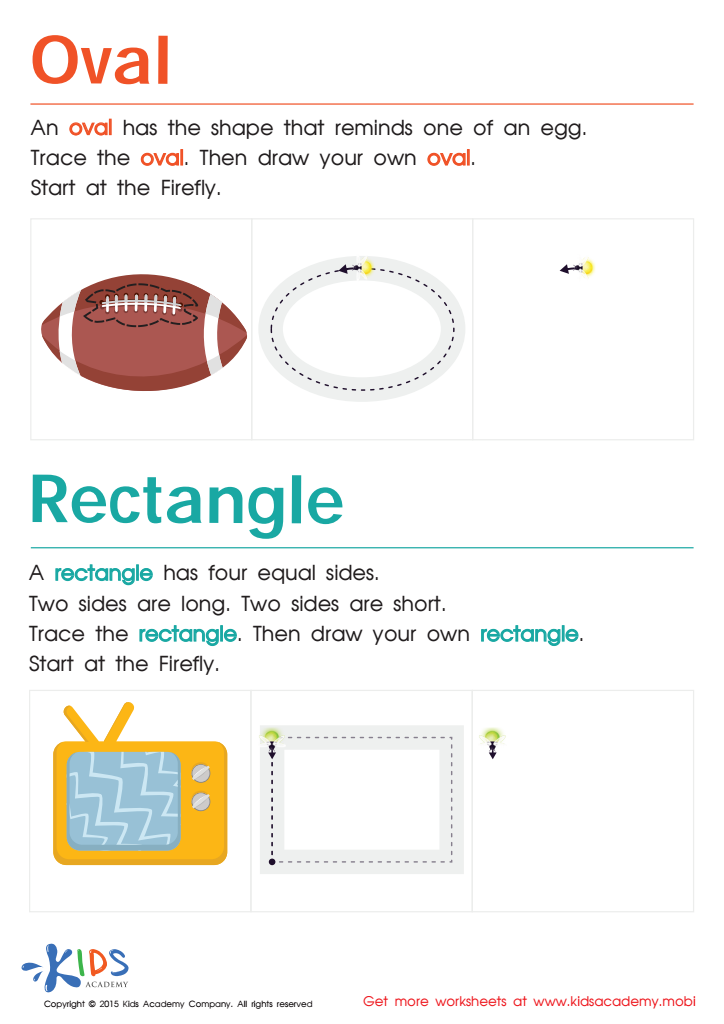
Easy Drawing of Ovals And Rectangles Worksheet
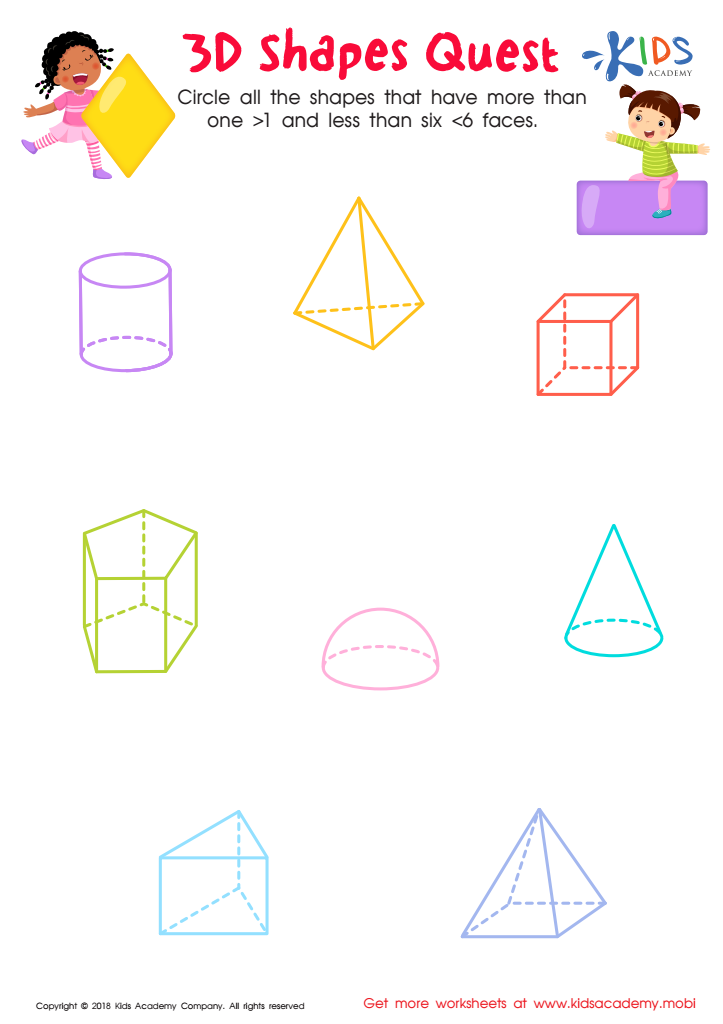
3D Shapes Quest Worksheet
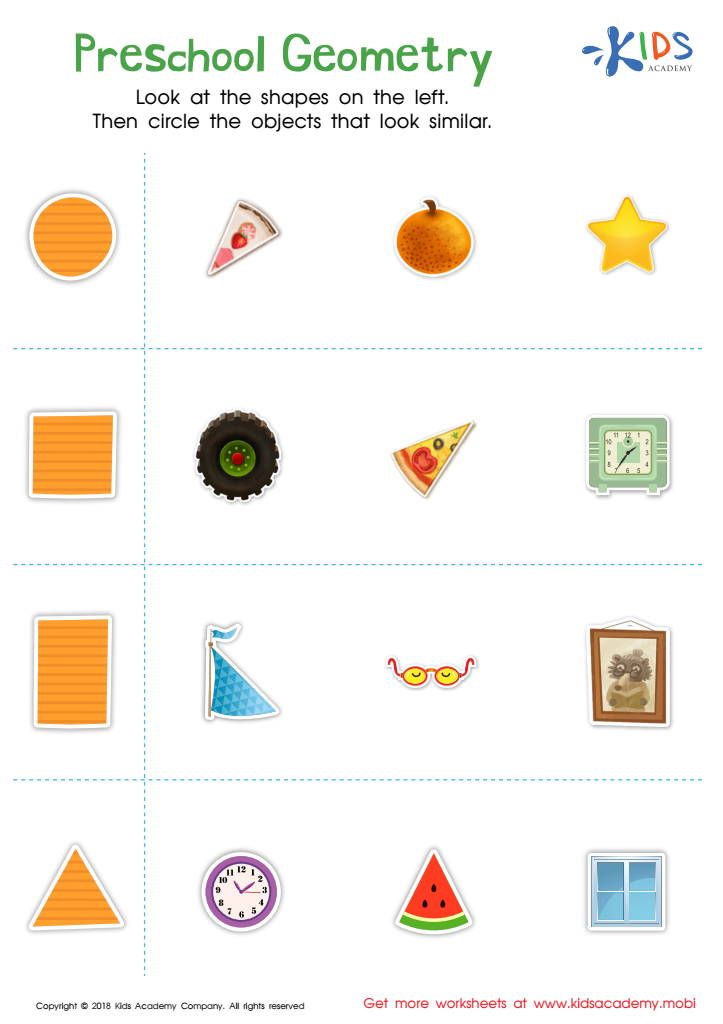
Preschool Geometry Worksheet
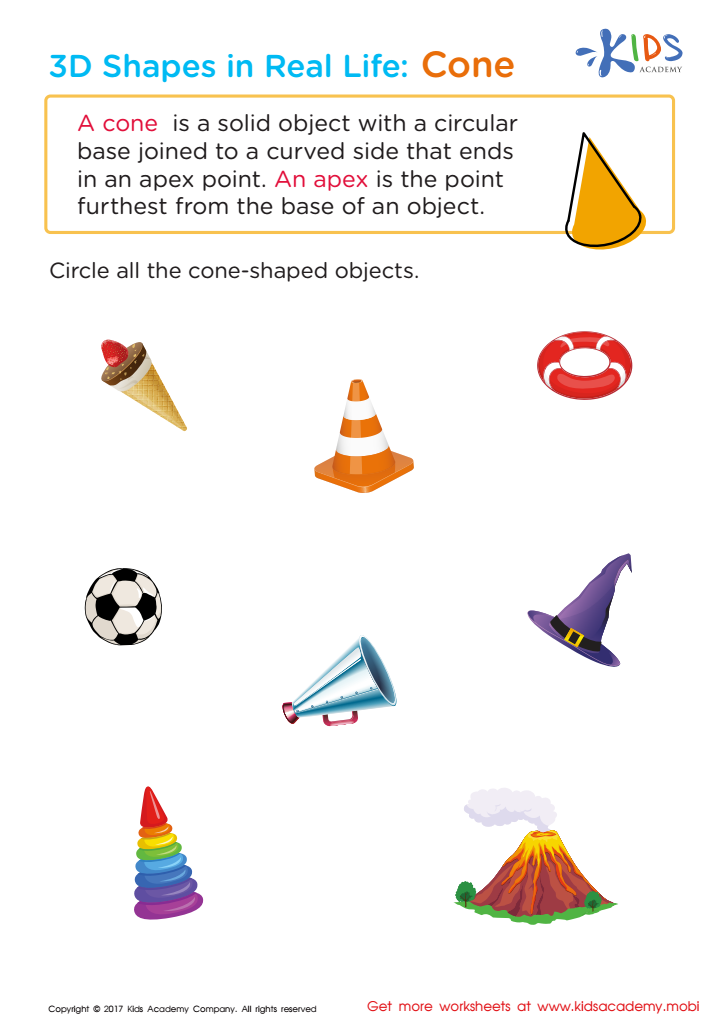
Shapes in Real Life: Cone Worksheet
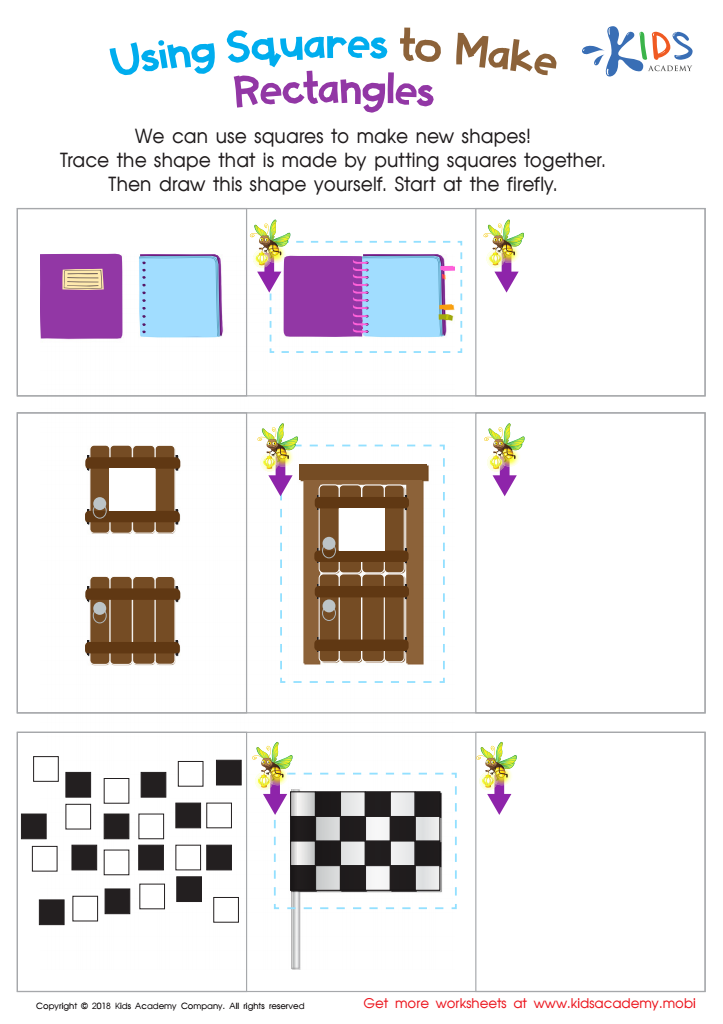
Using Squares to Make Rectangles Worksheet








Shape recognition in early childhood, particularly for children aged 4 to 7, is crucial as it lays the foundational skills for future mathematical understanding and cognitive development. Advocating for normal geometry concepts, such as recognizing and classifying shapes, from an early age equips children with vital skills that transcend mathematics.
First, shape recognition enhances visual-spatial skills, which are essential for navigating the physical world and for tasks beyond geometry, such as reading and writing. When children identify and manipulate shapes, they develop critical thinking and problem-solving abilities. Second, mastering geometric concepts lays groundwork for advanced topics like measurement and spatial reasoning in later schooling, fostering robust mathematical literacy.
Furthermore, understanding shapes contributes to language development. It promotes vocabulary growth as children learn to describe, compare, and categorize shapes using specific terminology. This cognitive linking of visual elements with words enhances comprehension and expression.
Lastly, engaging children in geometric play fosters cooperation and social skills. Working with peers on shape-related activities nurtures communication, teamwork, and creativity. For these reasons, parents and teachers should recognize the importance of shape recognition and normal geometry as foundational elements in a child's educational journey, shaping confident, inquisitive learners who are well-prepared for future challenges.








