Shape Recognition Normal Worksheets for Ages 4-8
50 filtered results
-
From - To
Shape Recognition Normal Worksheets for Ages 4-8 are expertly designed to enhance your child's geometric understanding and visual differentiation skills. These engaging worksheets from Kids Academy feature various exercises that focus on identifying, tracing, and matching fundamental shapes like circles, squares, triangles, and more. Perfect for preschool and early elementary children, these worksheets promote essential developmental milestones through fun, colorful, and interactive activities. As your child progresses, they'll build a strong foundation in shape recognition, spatial awareness, and fine motor skills, all while having a blast. Make learning shapes an enjoyable experience with our high-quality resources.
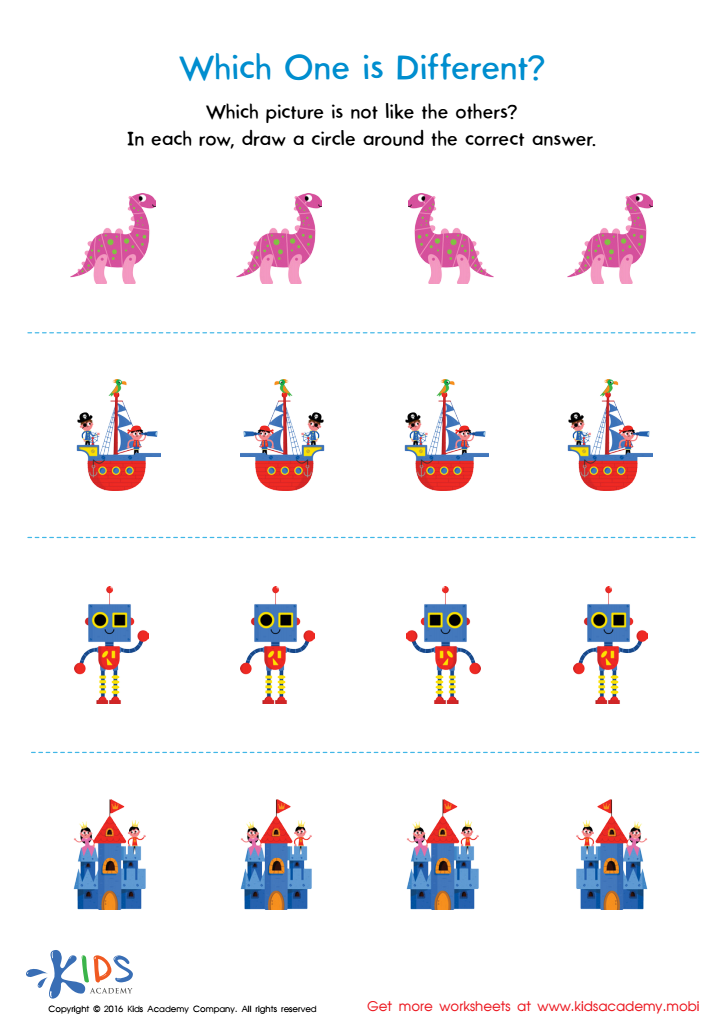
Which One Is Different Worksheet
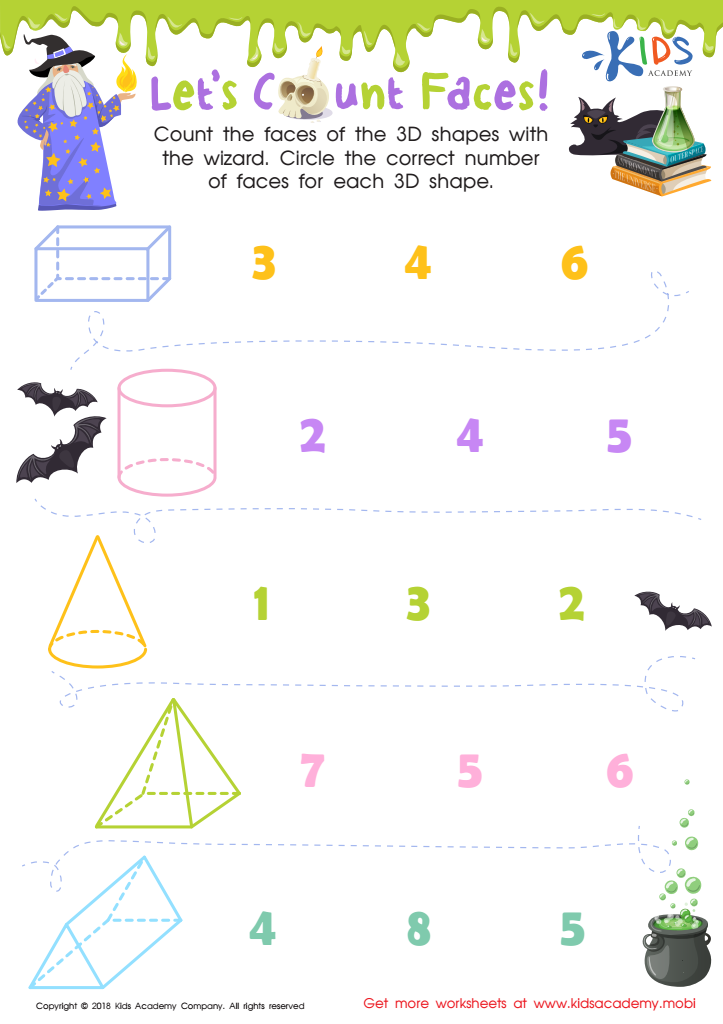
Let's Count Faces! Worksheet
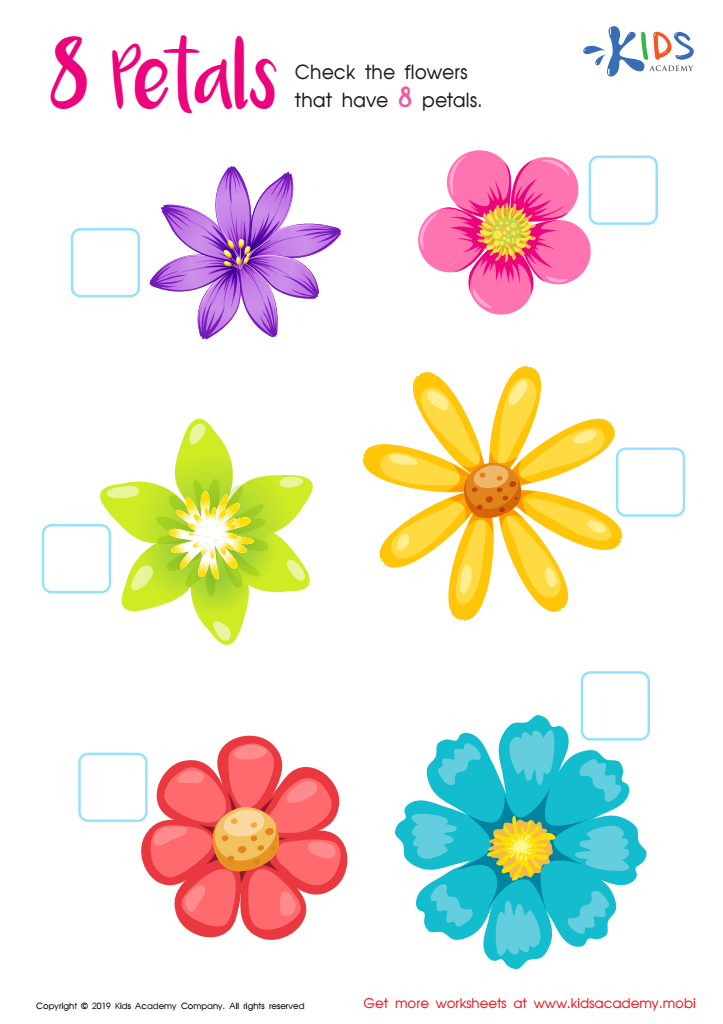
8 Petals Worksheet
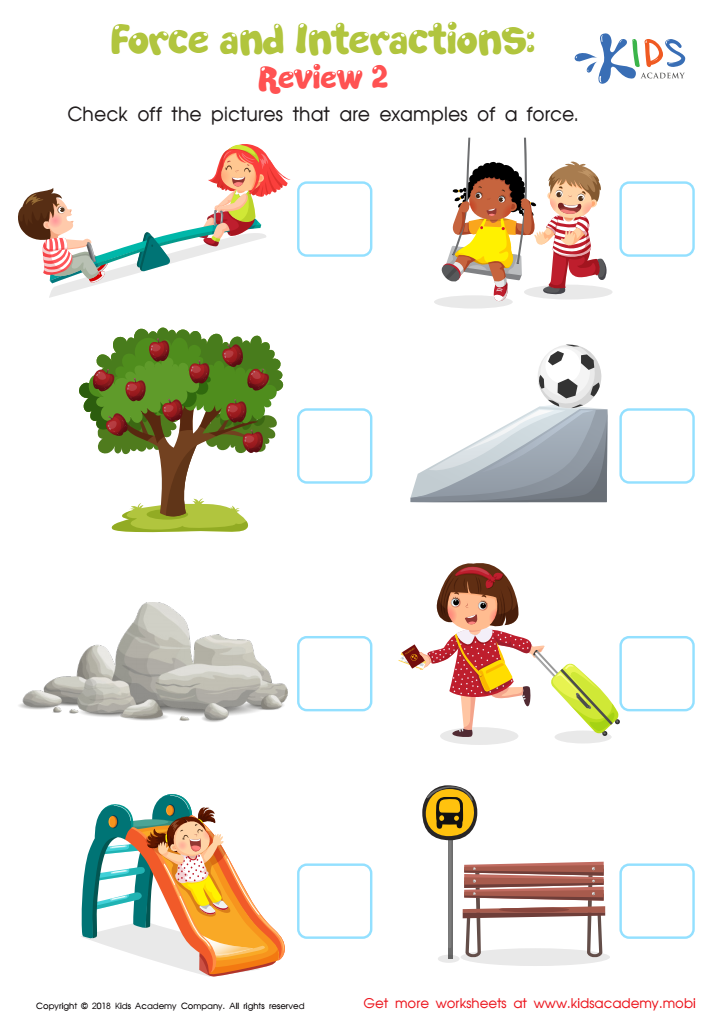
Force and Interactions: Review 2 Worksheet
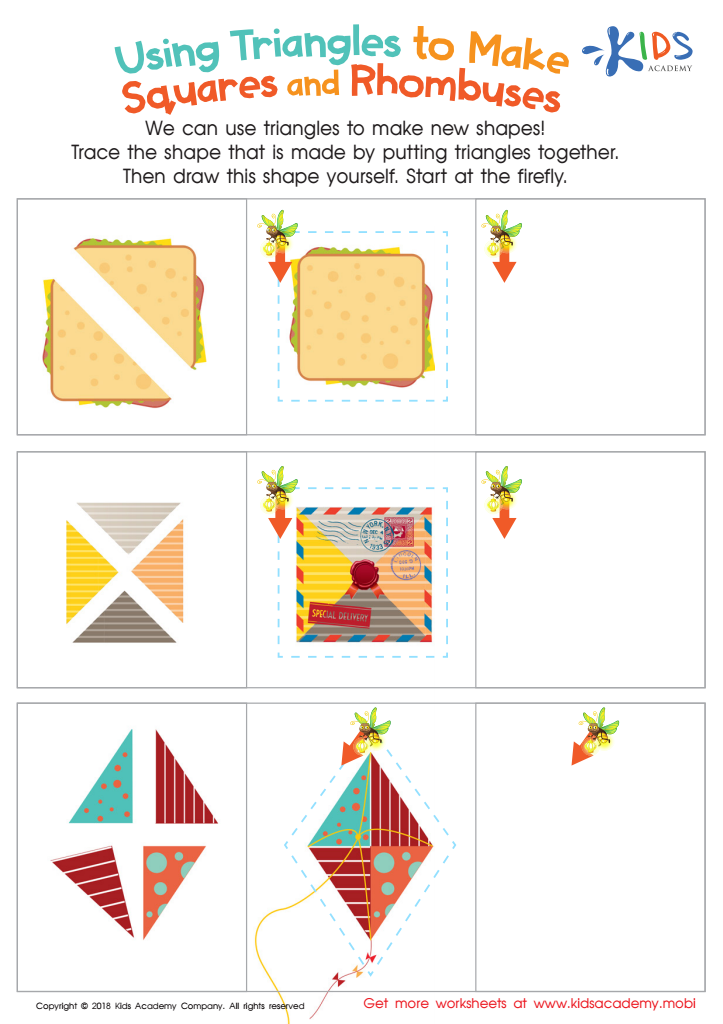
Using Triangles to Make Squares and Rhombuses Worksheet
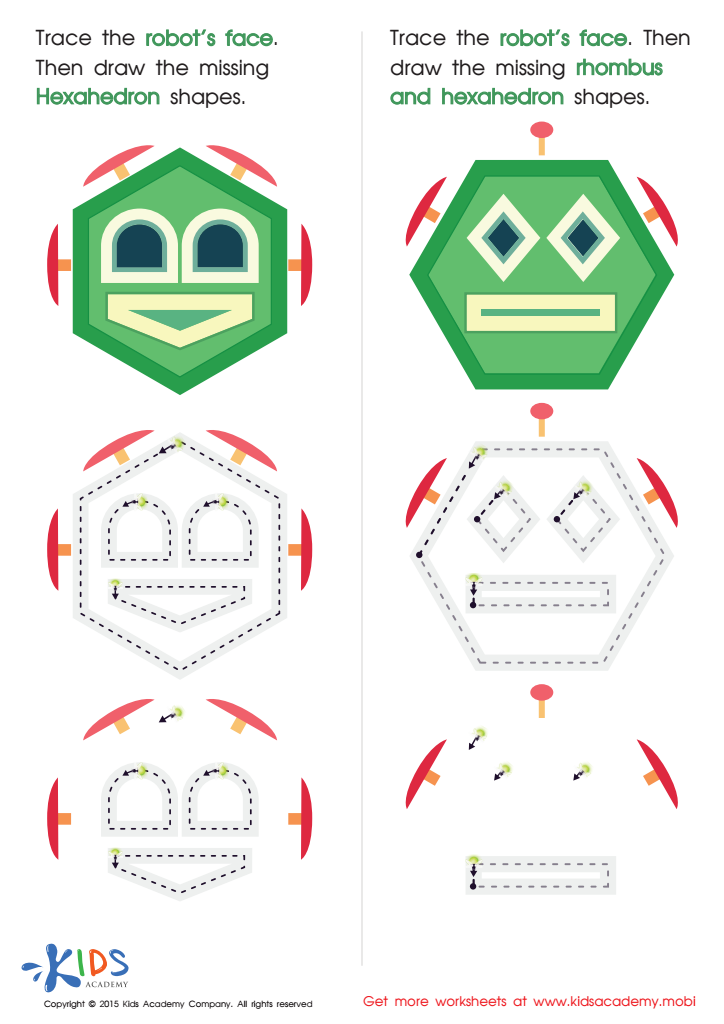
Practice Drawing Hexahedrons And a Rhombus Worksheet
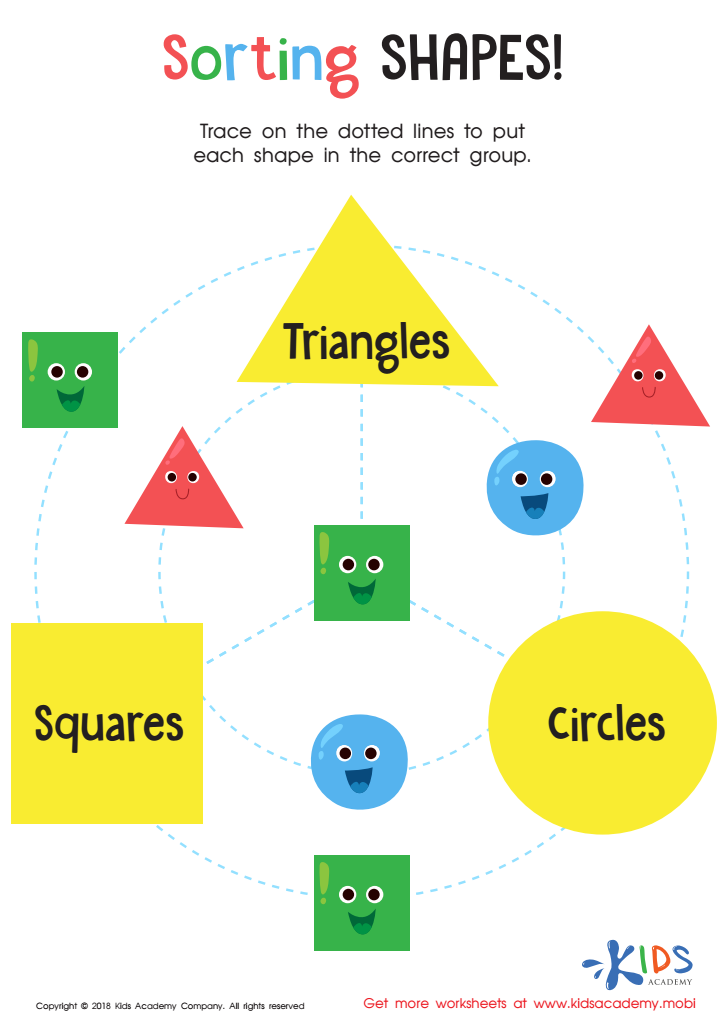
Sorting Shapes - Part 3 Worksheet
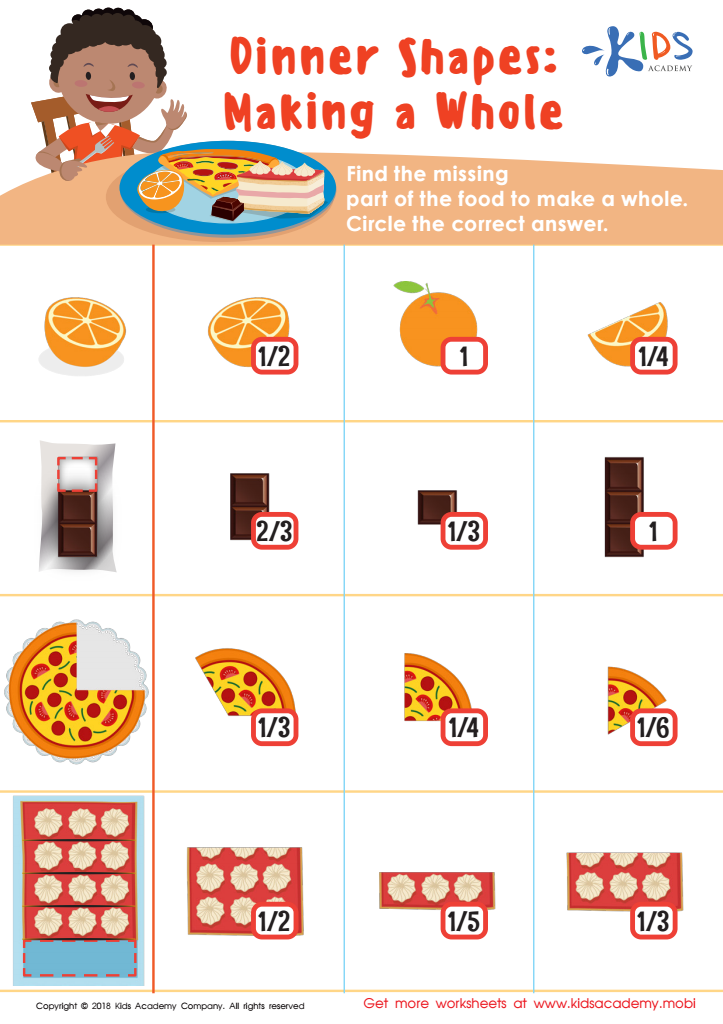
Dinner Shapes: Making a Whole Worksheet
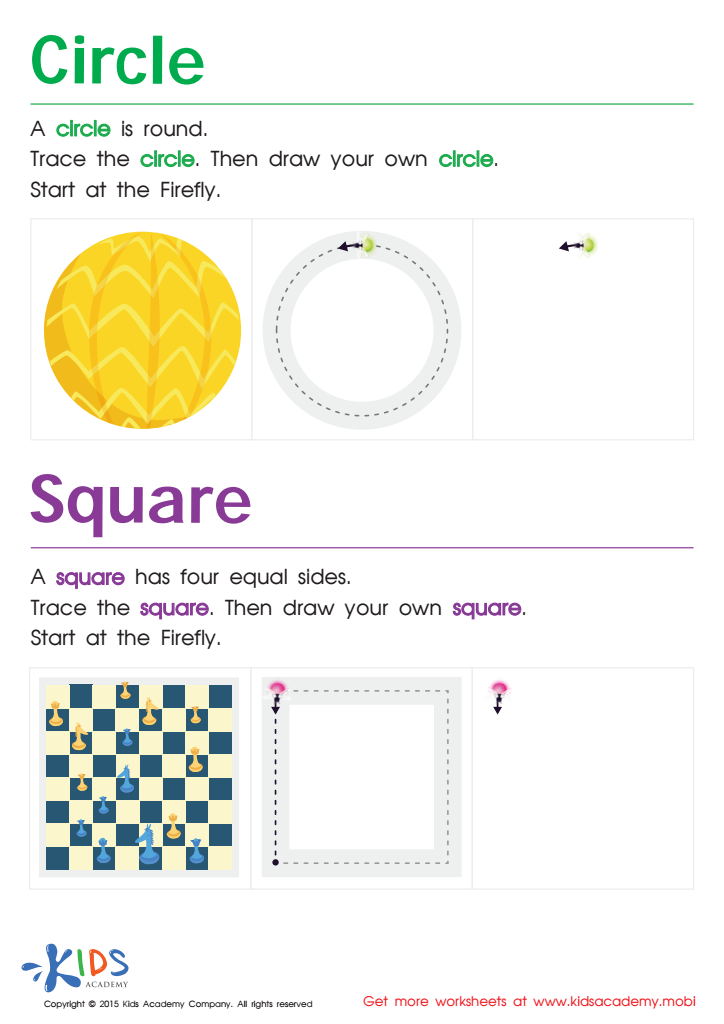
Trace And Draw a Circle And a Square Worksheet
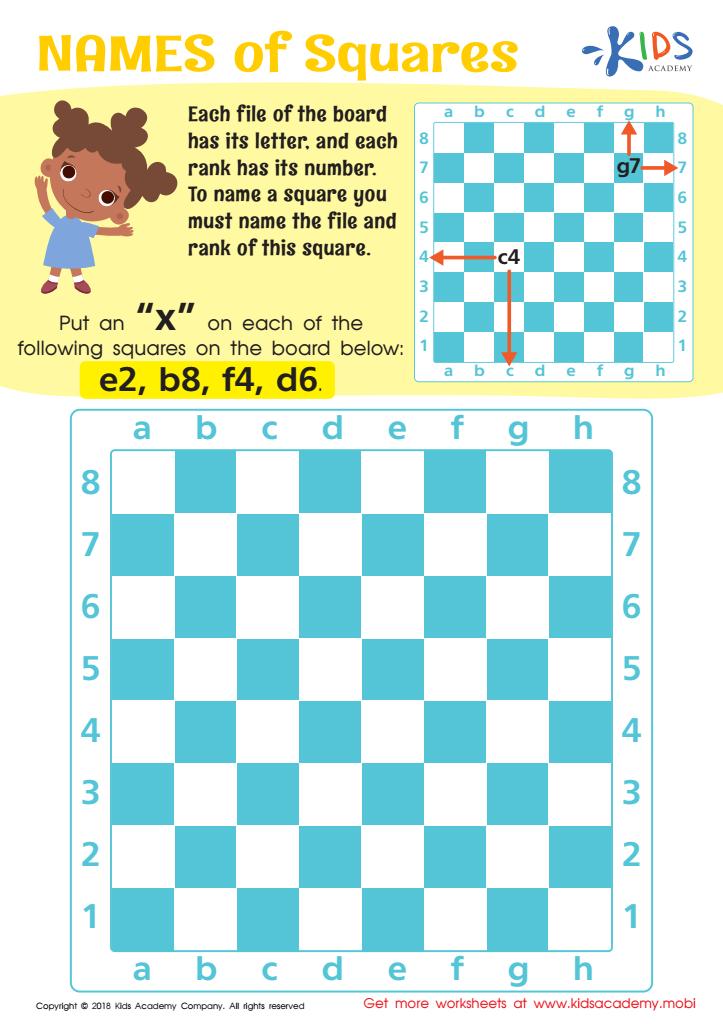
Names of Squares Worksheet
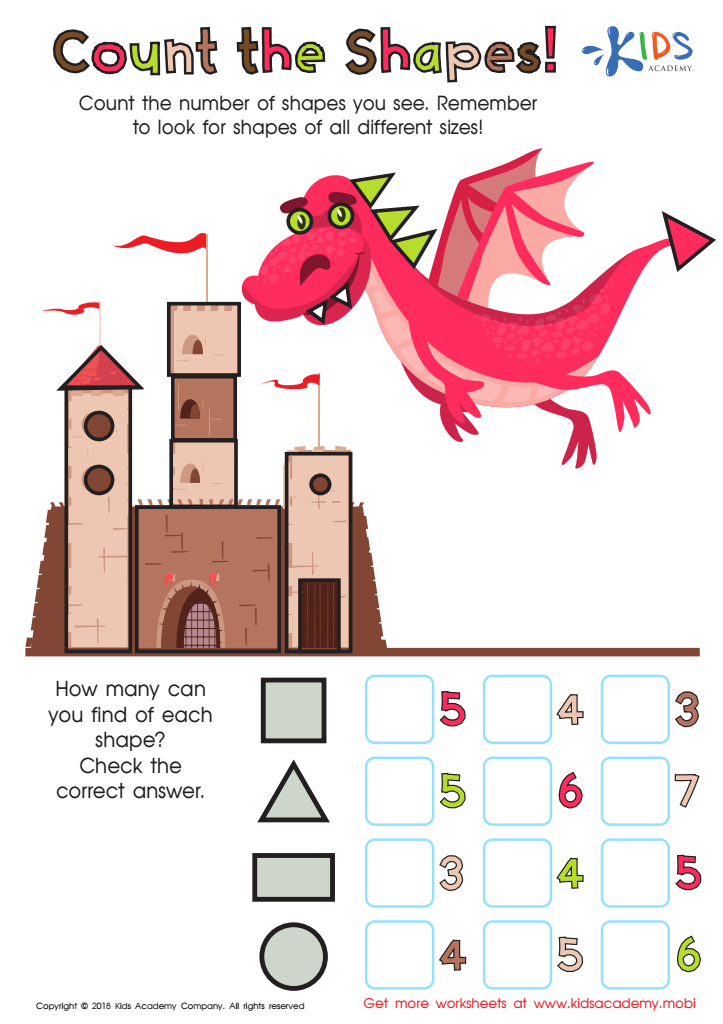
Count the Shapes Worksheet
Halloween: A Funny Monster Worksheet
 Assign to My Students
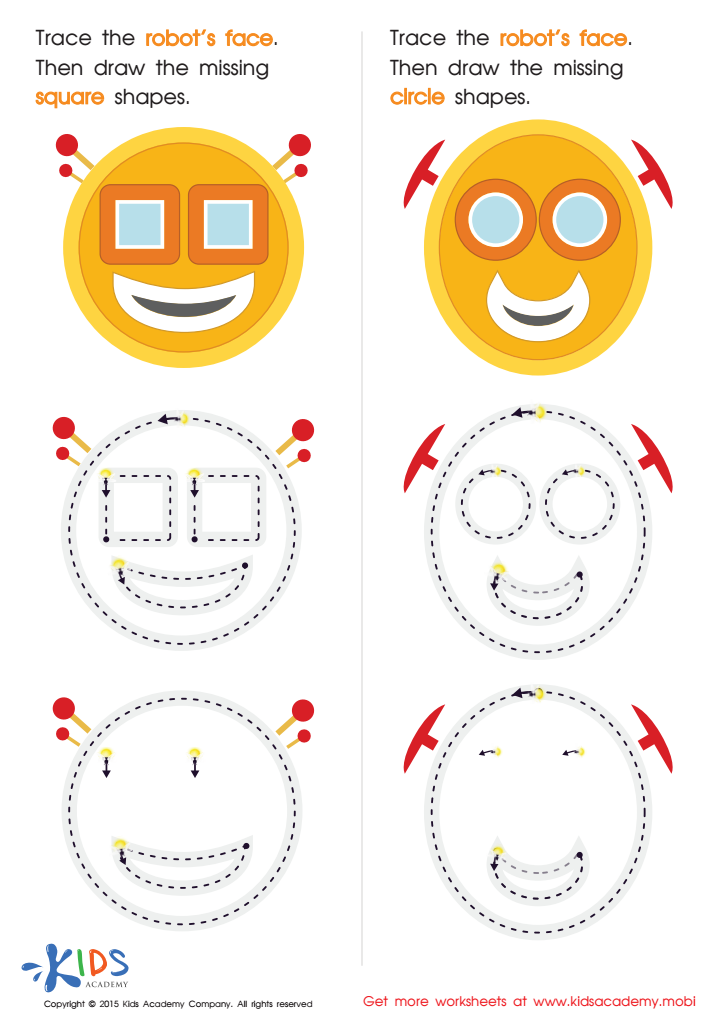
Practicing to Draw Circles And Squares Printable
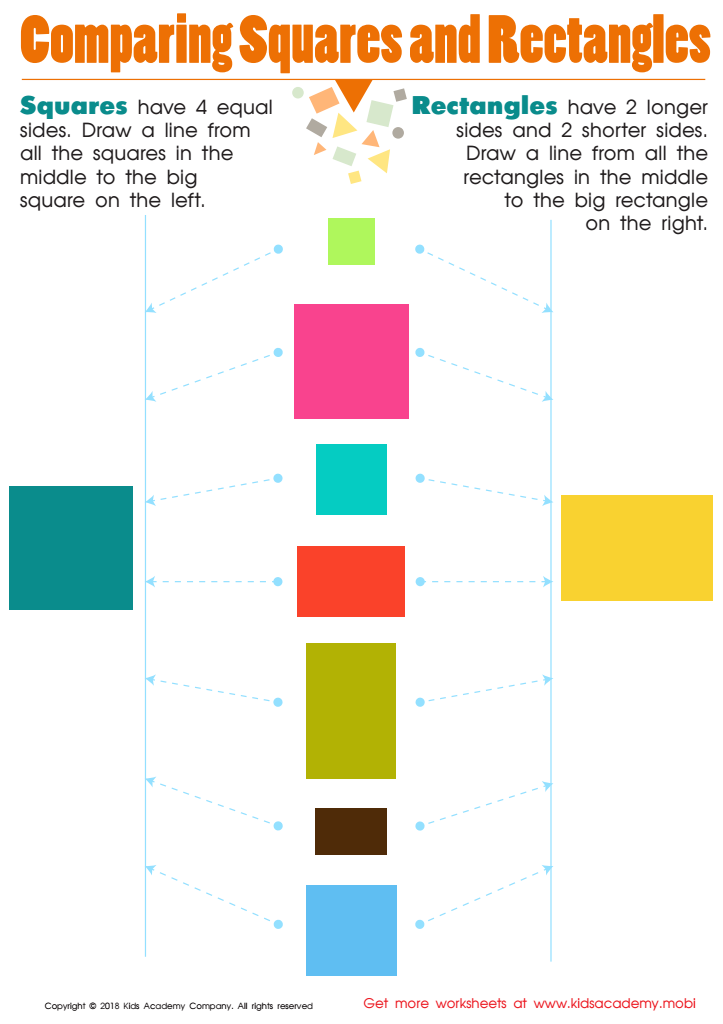
Comparing Squares Rectangles Worksheet
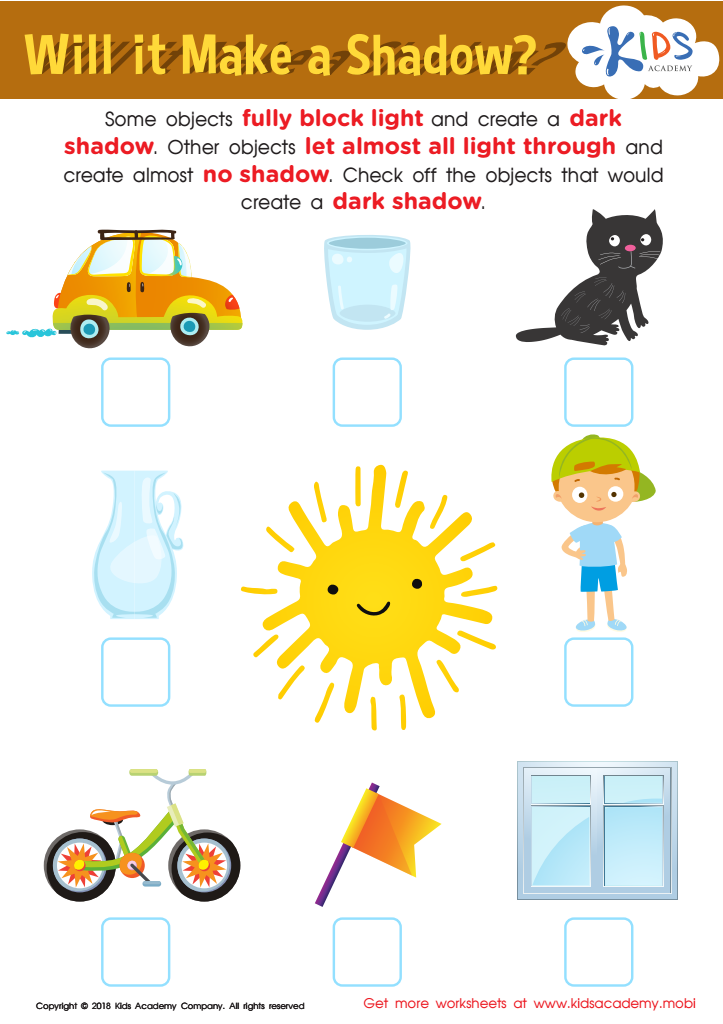
Will It Make a Shadow? Worksheet
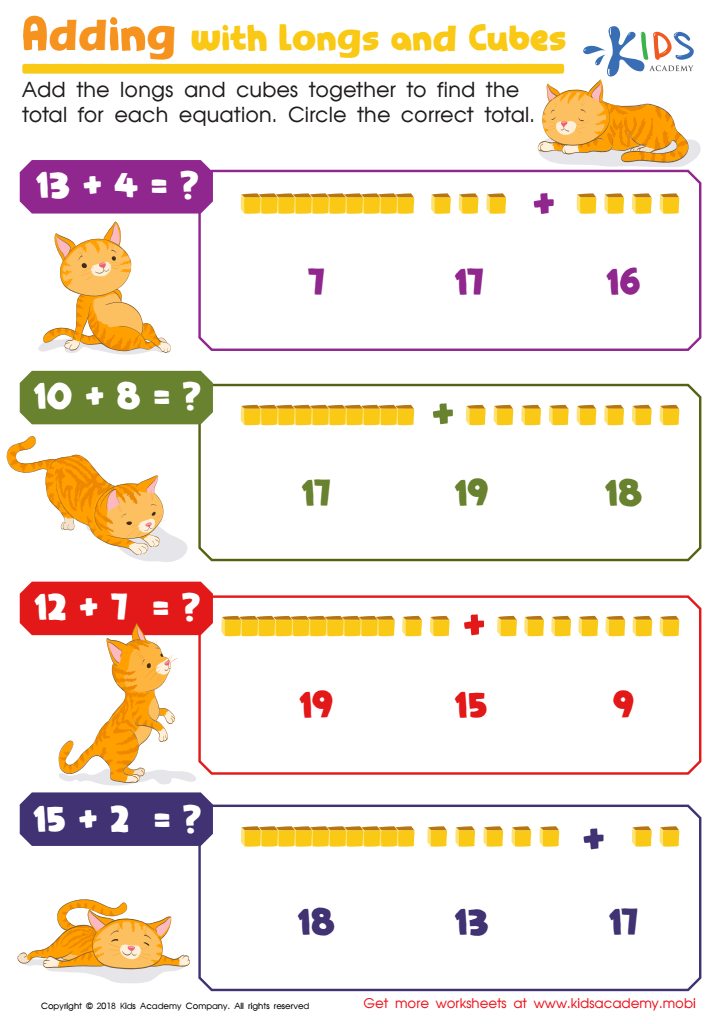
Adding With Longs and Cubes Worksheet
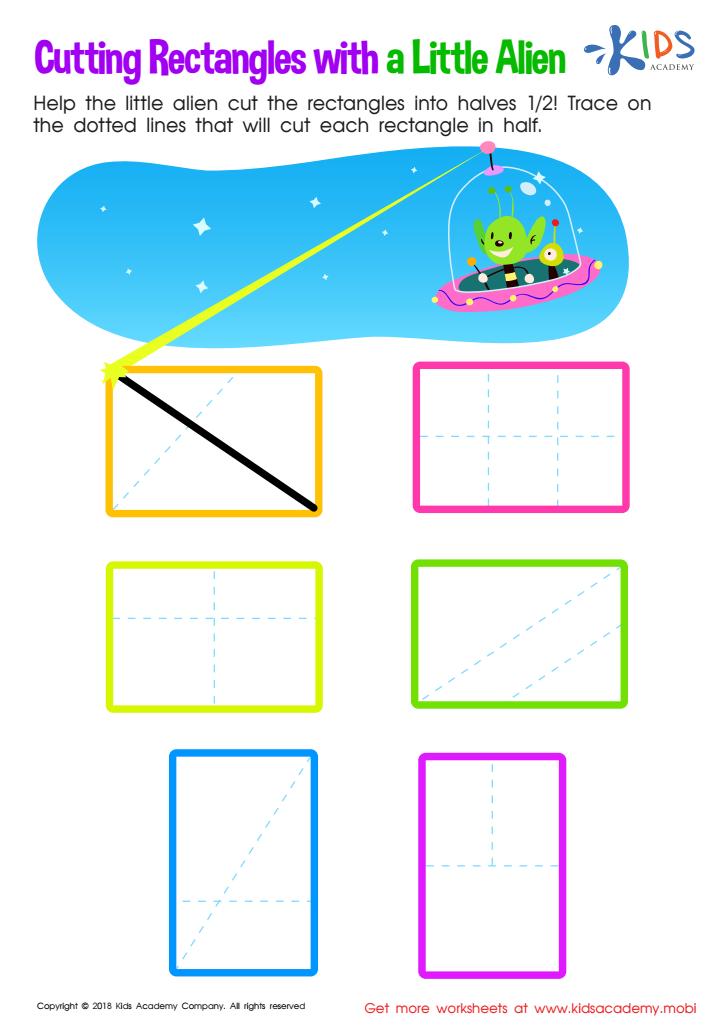
Cutting Rectangles with Alien Worksheet
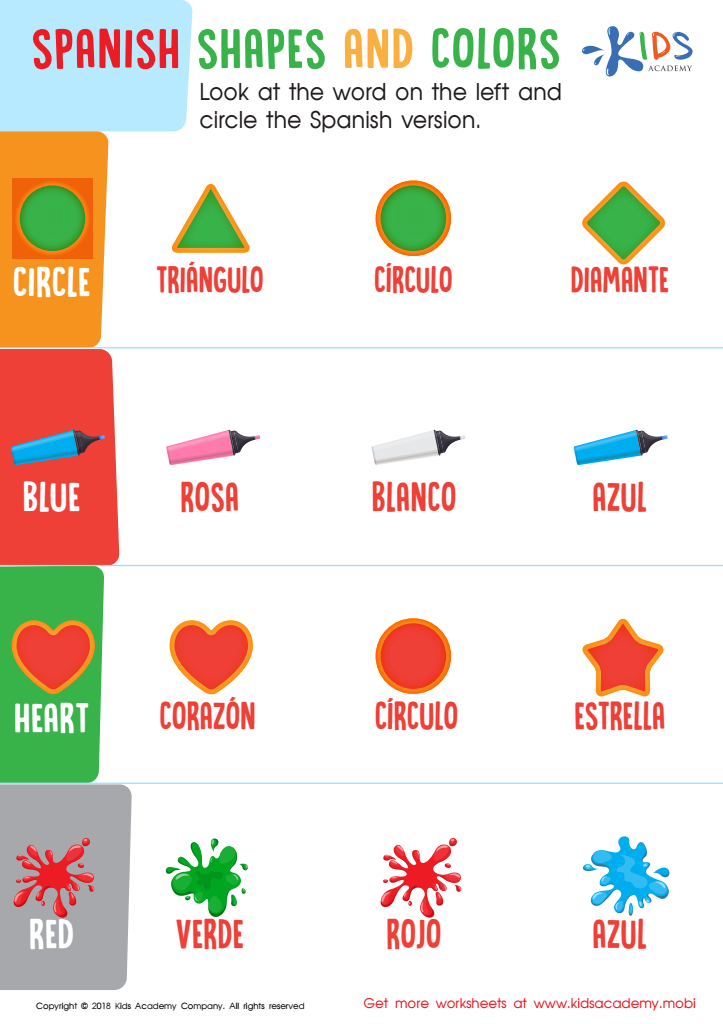
Spanish Shapes and Colors Worksheet
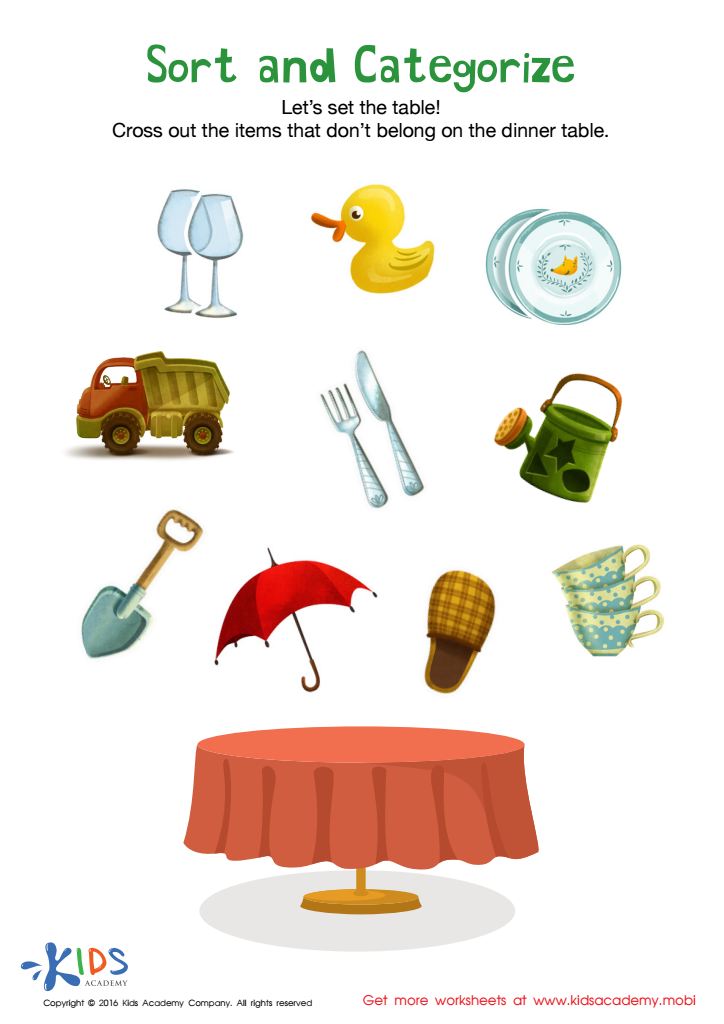
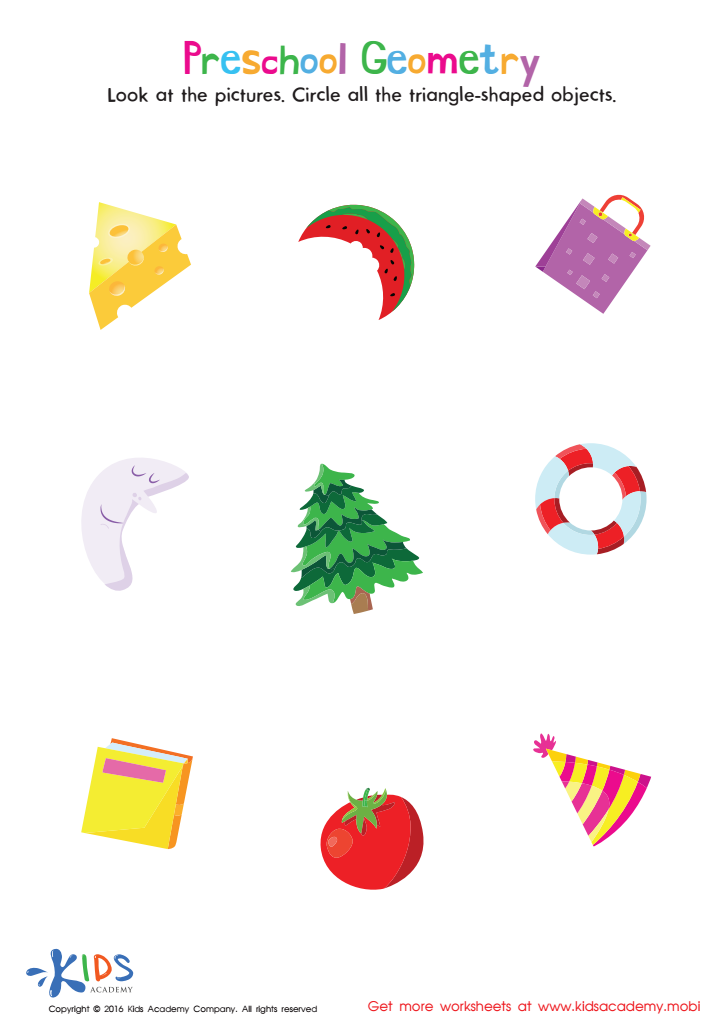
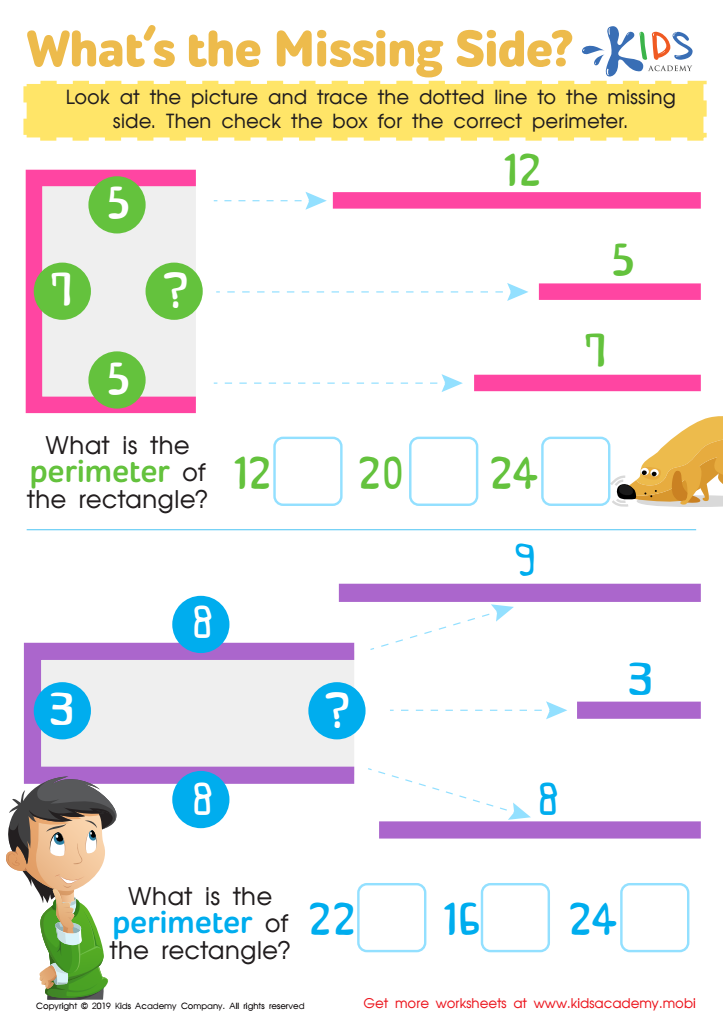
What's the Missing Side Worksheet
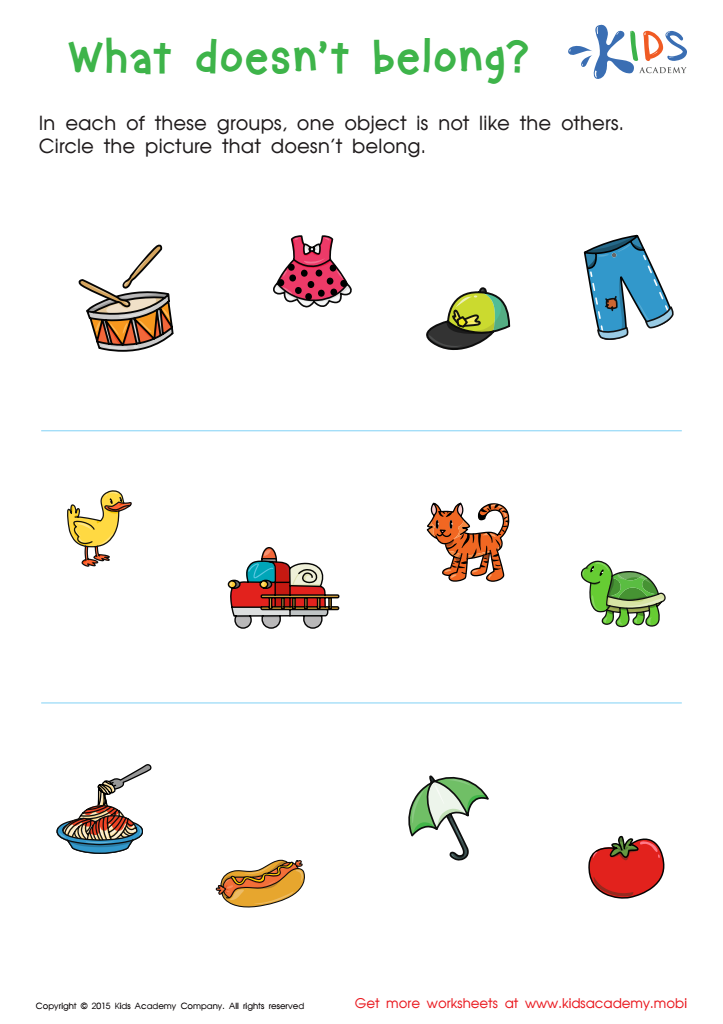
First Words: What Doesn't Belong Worksheet
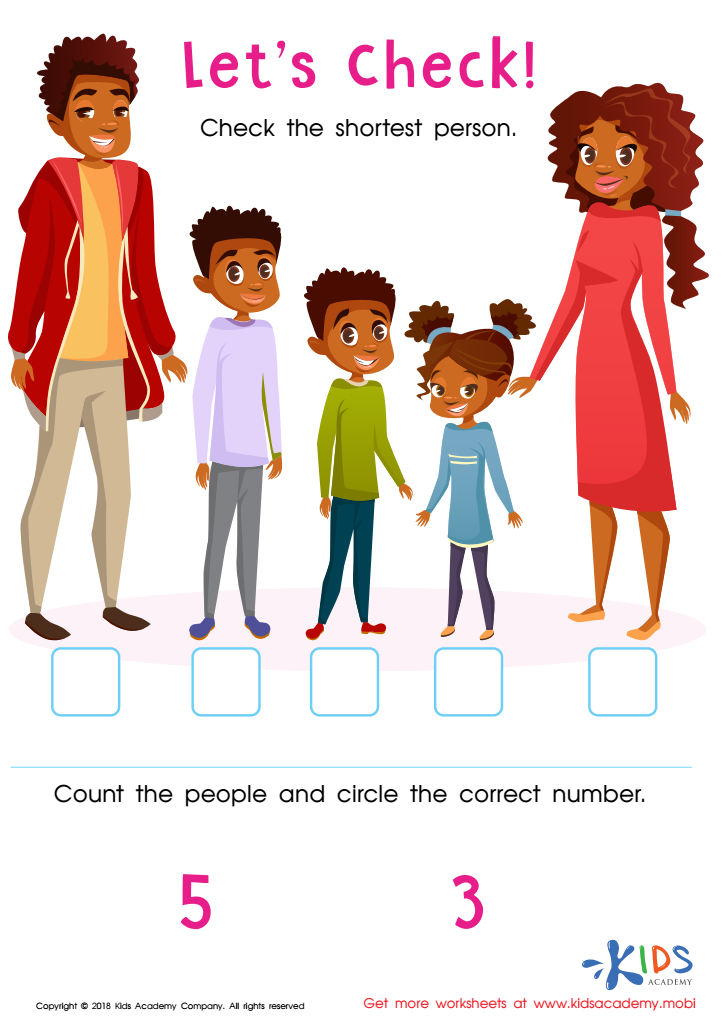
Let's Check! Assessment Worksheet
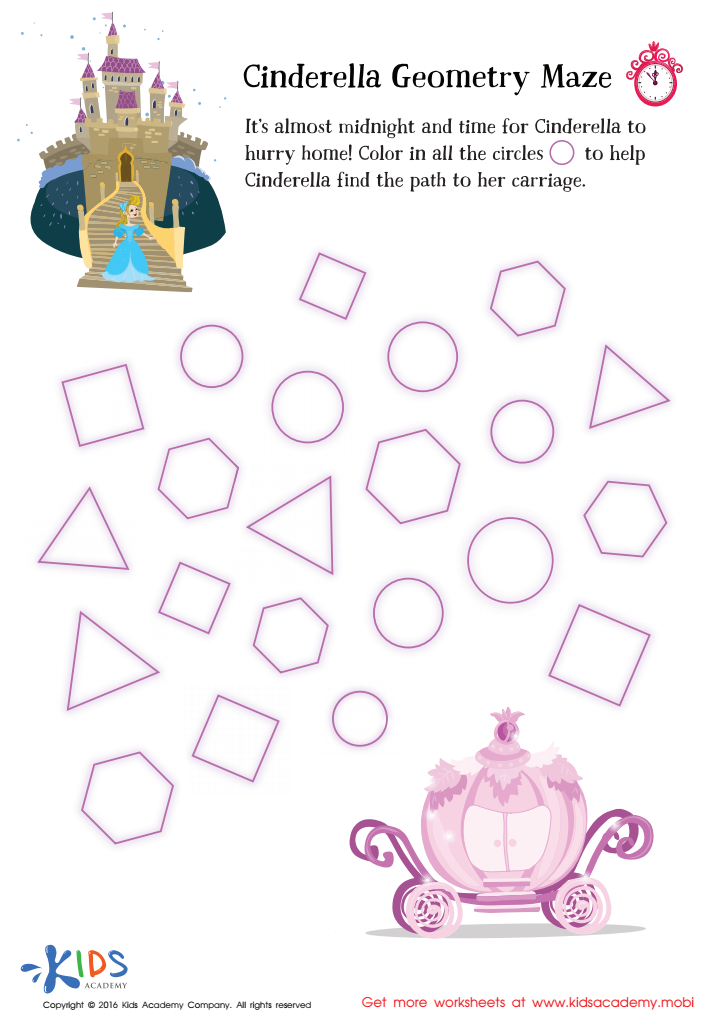
Cinderella Geometry Maze Worksheet






Understanding and recognizing shapes is a critical foundation for children aged 4-8. At this developmental stage, young minds are highly receptive and curious about their surroundings. Shape recognition nurtures cognitive growth, spatial awareness, and essential problem-solving skills.
Firstly, recognizing shapes aids in visual perception and reasoning, enabling children to better interpret and organize the vast array of visual information they encounter daily. This forms the bedrock for more complex learning, particularly in mathematics, where geometric understanding is paramount. Concepts like symmetry, spatial relationships, and the properties of 2D and 3D figures begin with simple shape recognition.
Moreover, shape recognition supports early literacy skills. Identifying and distinguishing different shapes helps children recognize letters and numbers, since these symbols are essentially combinations of various shapes. For instance, distinguishing a circle from an oval supports differentiating between an "o" and a "d."
Furthermore, engaging children through shape-related activities, like puzzles and drawing, promotes fine motor skills, critical for writing and other daily tasks. Emotionally, the sense of accomplishment gained from mastering shapes bolsters a child's confidence and love for learning.
In conclusion, parents and teachers should prioritize shape recognition as it cultivates a strong educational foundation, turns abstract concepts concrete, and fuels both cognitive and motor development essential for children's overall growth.








