Normal Measurement Worksheets for Ages 4-8 - Page 2
36 filtered results
-
From - To
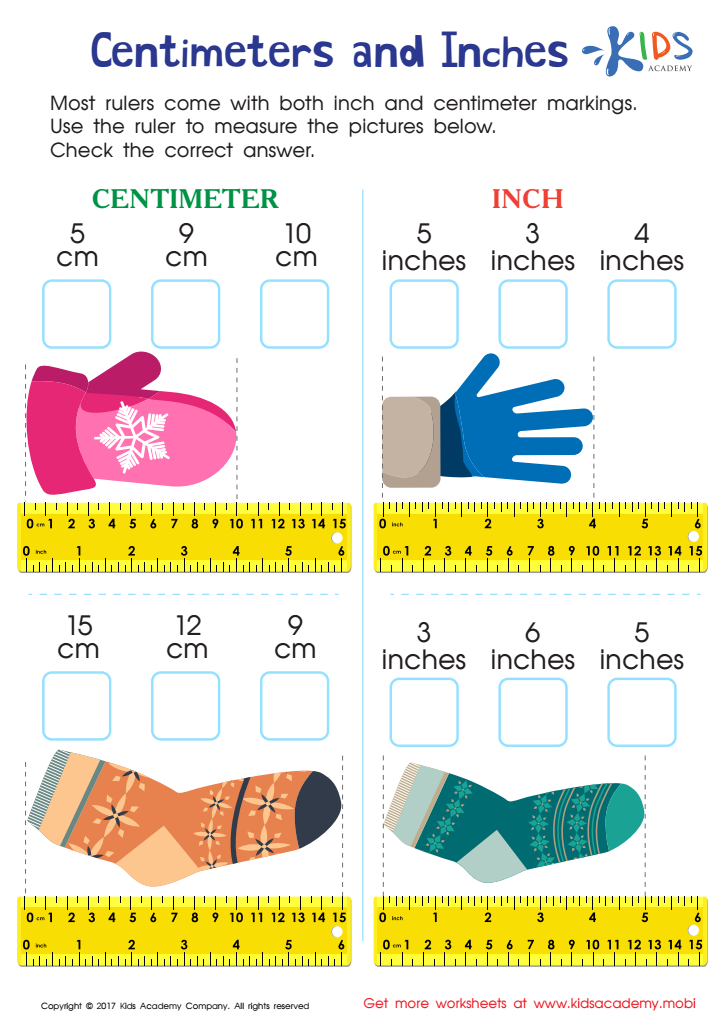
Centimeters and Inches Worksheet
 Assign to My Students
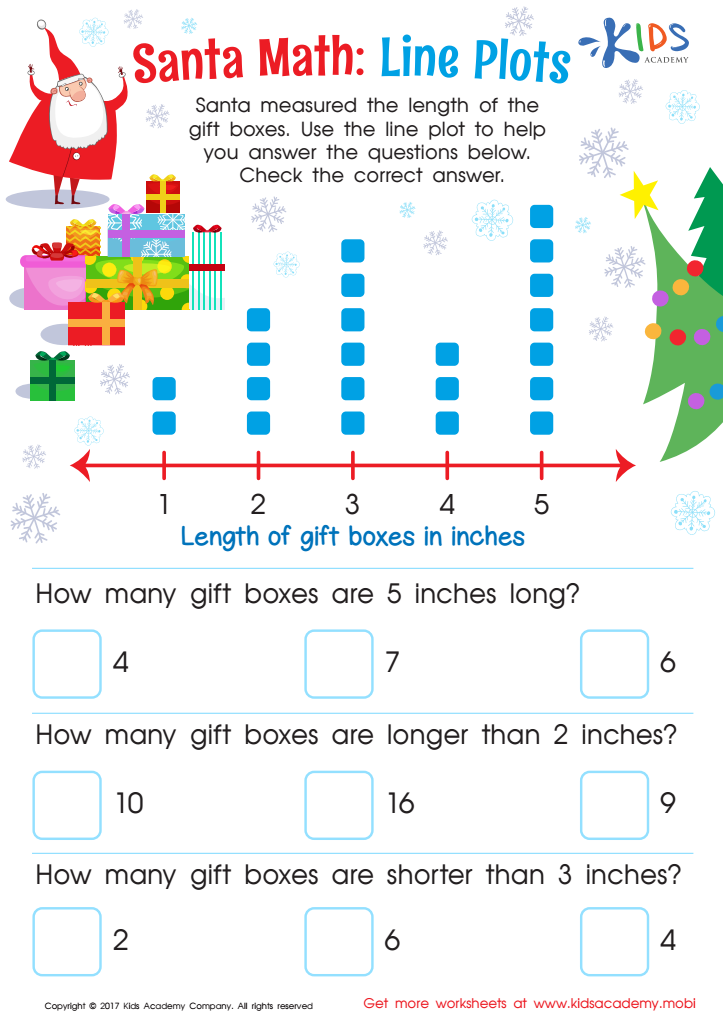
Line Plot Worksheet
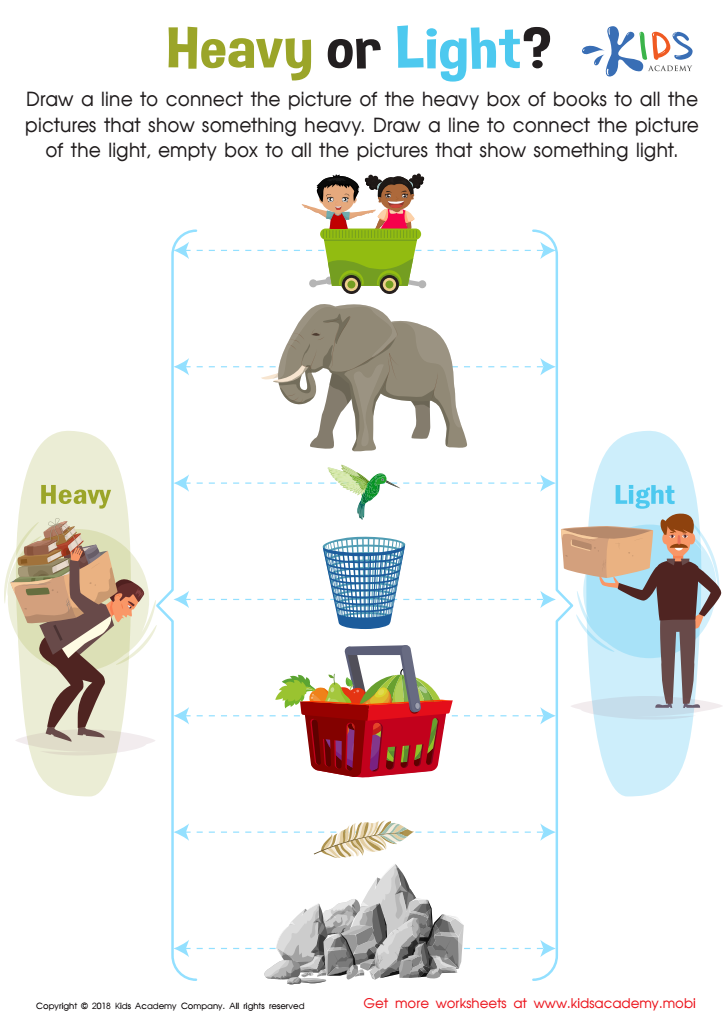
Heavy or Light? Worksheet
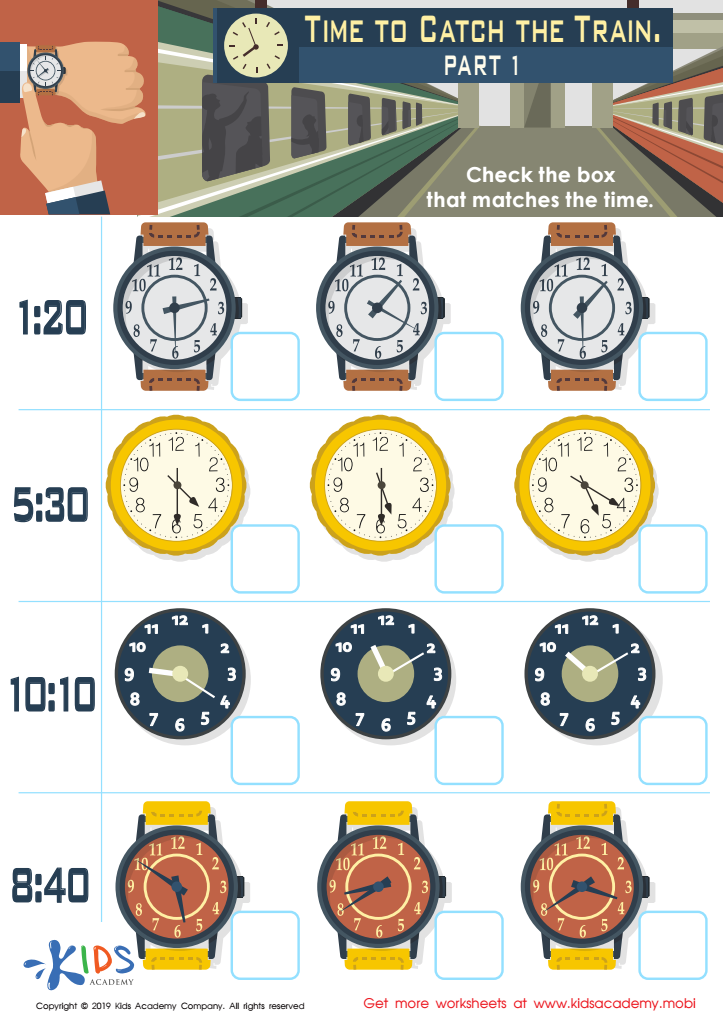
Time to Catch the Train Part 1 Worksheet
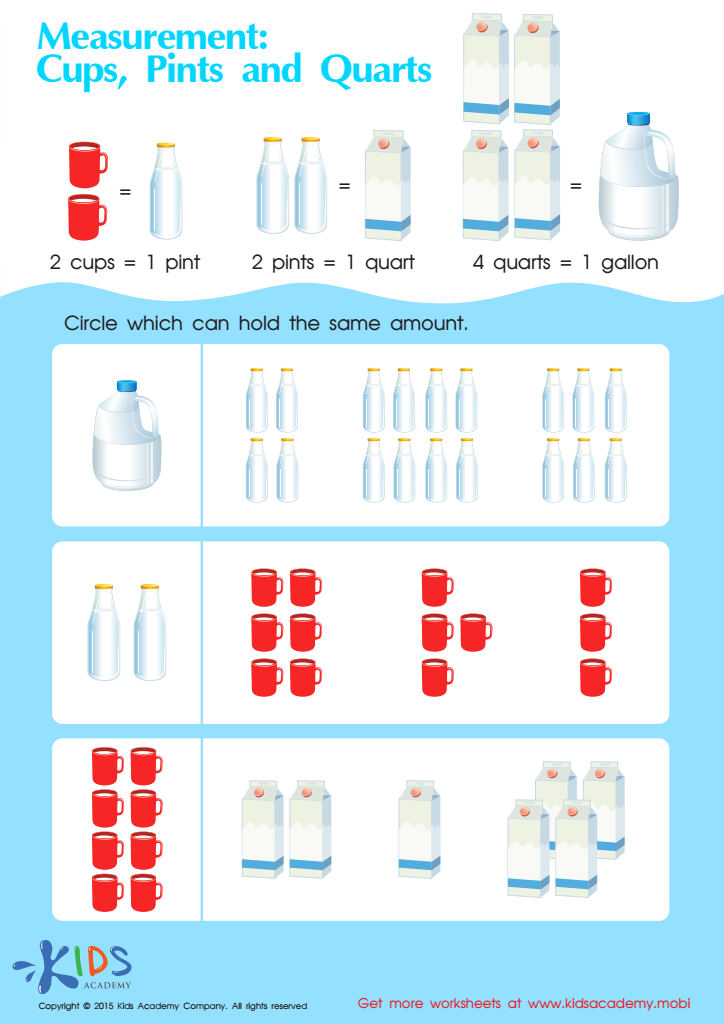
Cups, Pints and Quarts 2 Worksheet
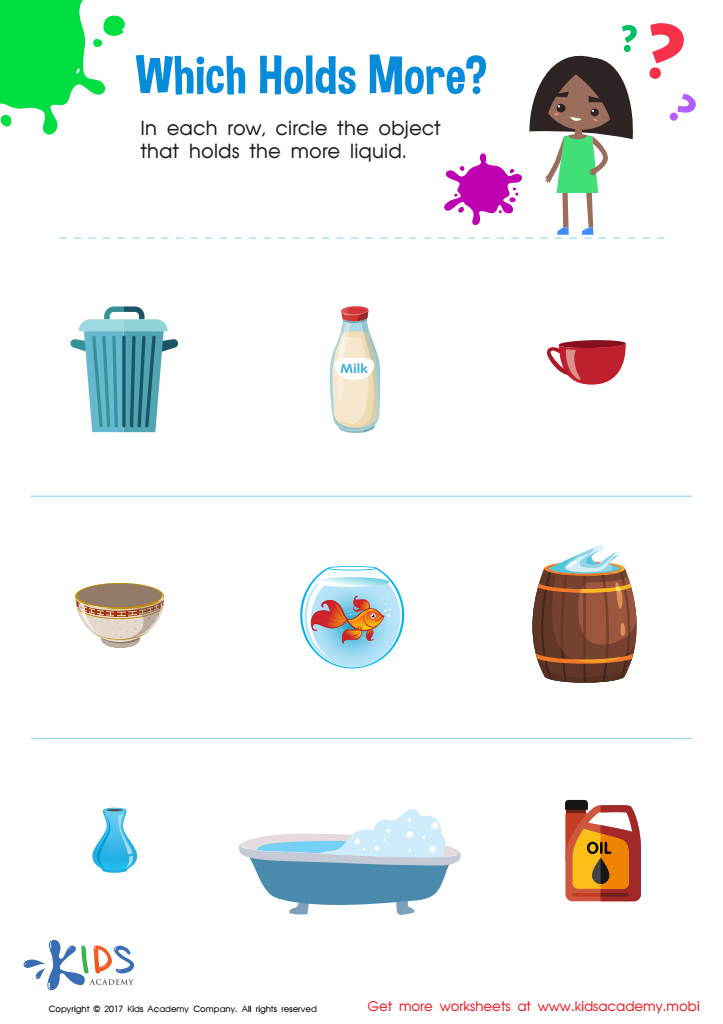
Which Holds More: Capacity Worksheet
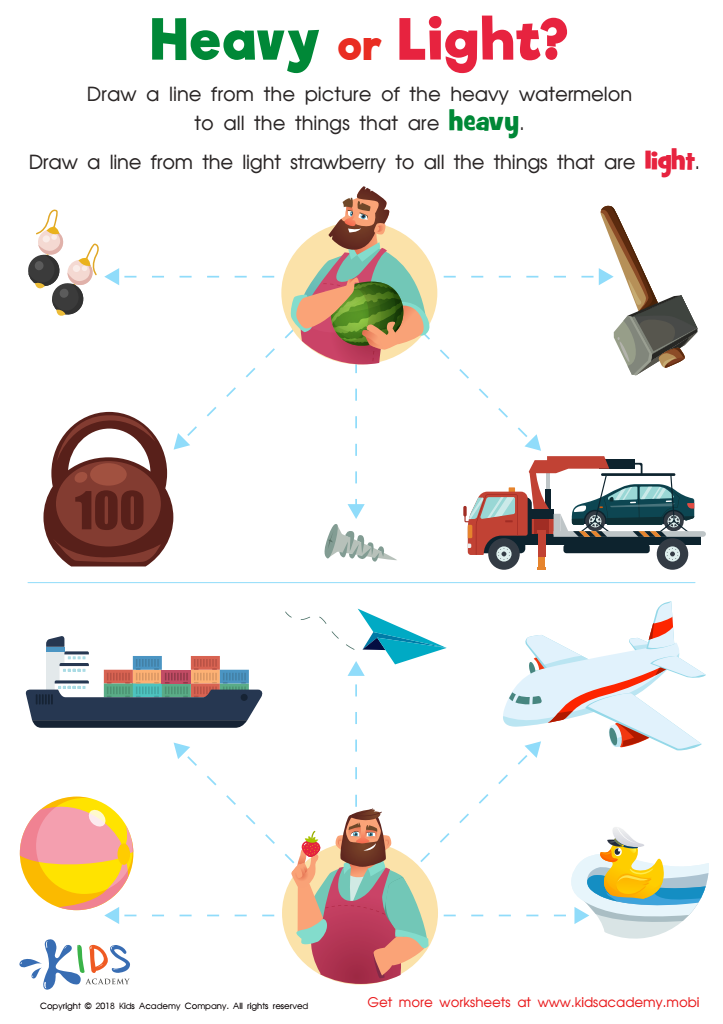
Heavy or Light? Worksheet
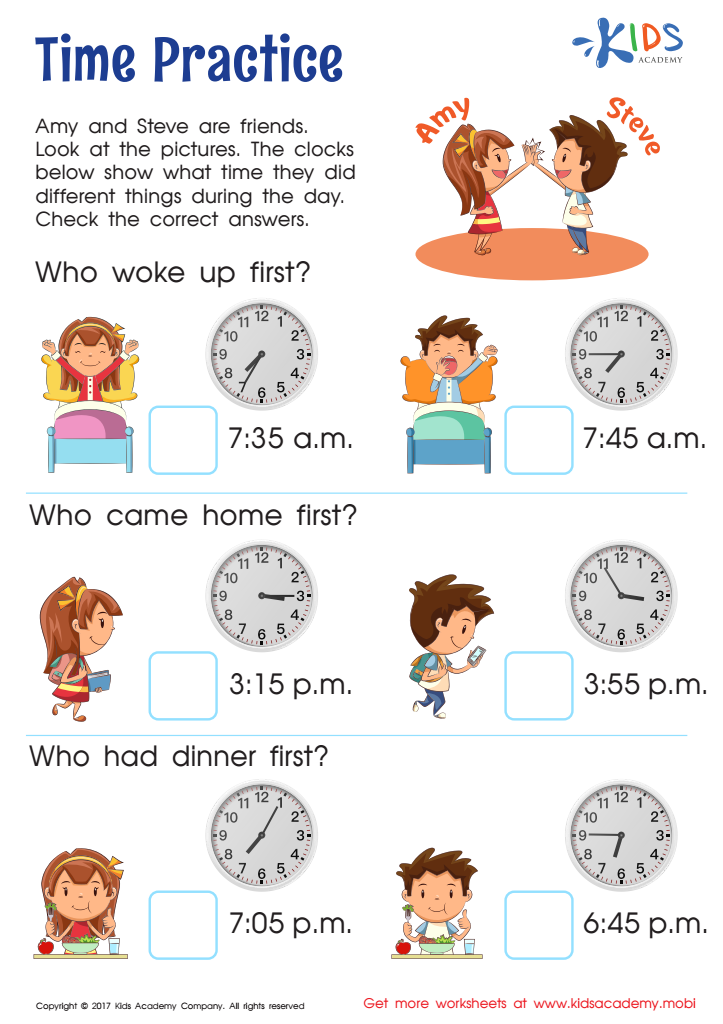
Time Practice Worksheet
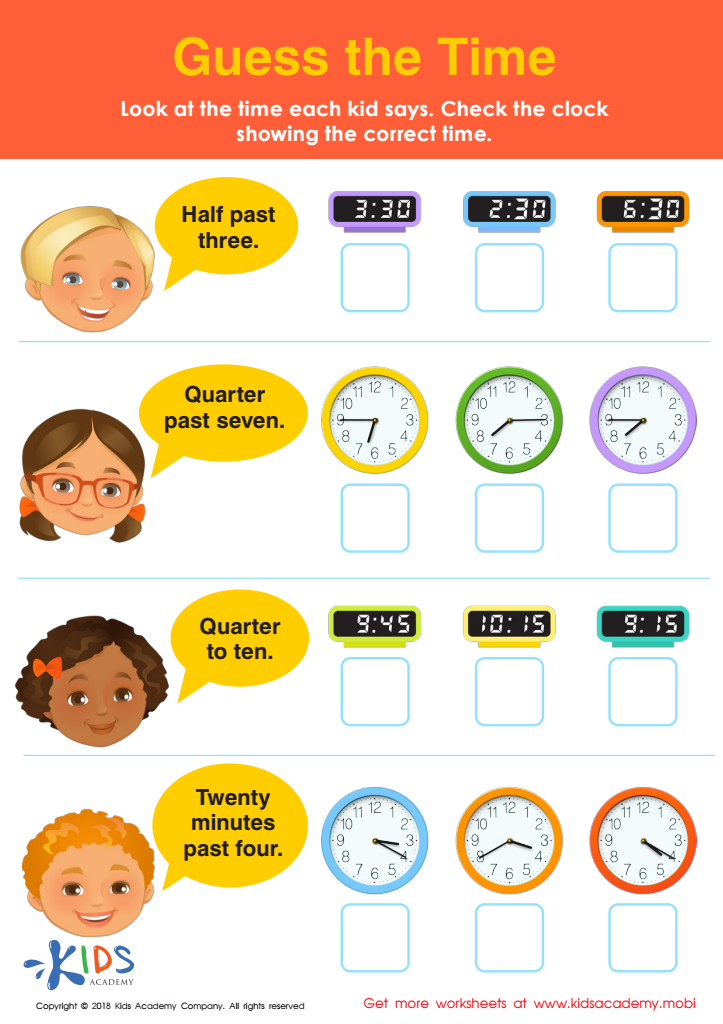
Guess the Time Worksheet
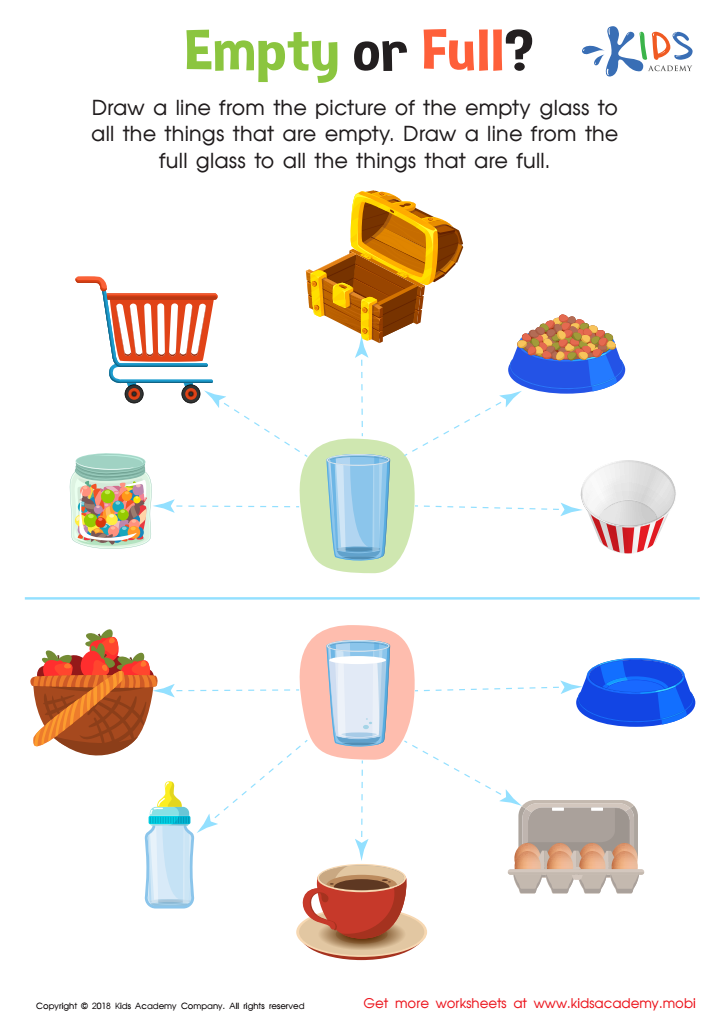
Empty or Full? Worksheet
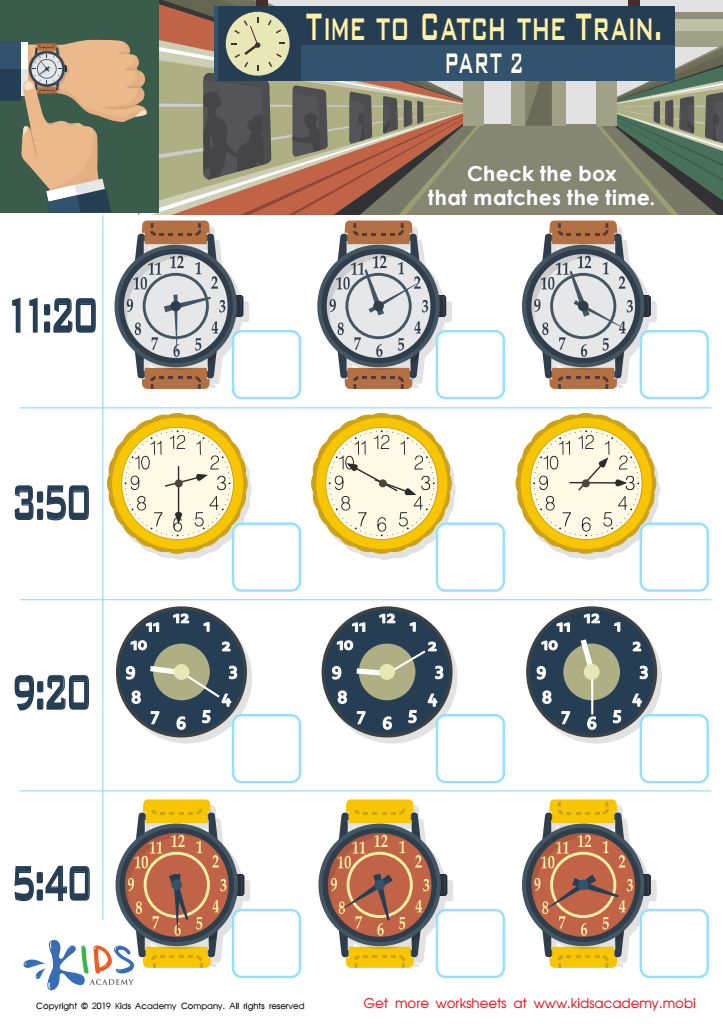
Time to Catch the Train Part 2 Worksheet
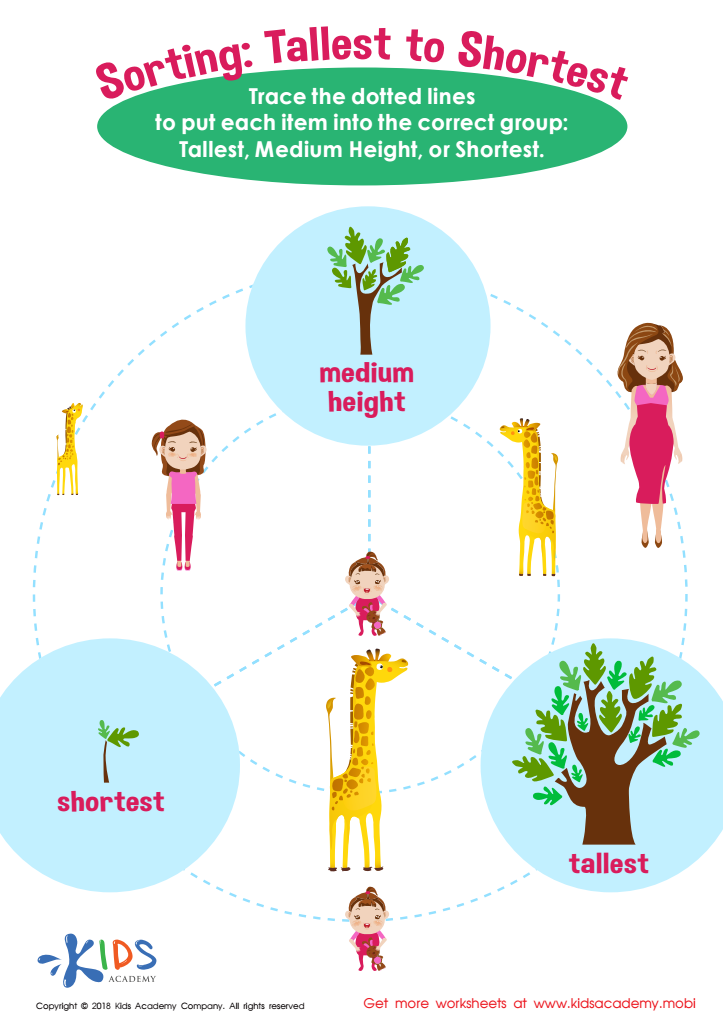
Sorting: Tallest to Shortest Worksheet








Understanding normal measurement for children aged 4-8 is crucial for both parents and teachers for several reasons. Firstly, this developmental stage is vital as children begin to grasp basic concepts of length, weight, and volume, forming the foundation for more complex mathematical skills later in life. Familiarity with normal measurement helps educators tailor their teaching methods, ensuring lessons align with children's cognitive and physical capabilities.
Furthermore, monitoring measurement milestones can indicate a child's overall development and capability in comparing and contrasting physical objects, enhancing their spatial awareness. Parents, on the other hand, play a key role at home by engaging their children in practical measurement activities, such as cooking, crafting, or gardening. These experiences foster a natural, hands-on understanding of measurement in everyday situations.
Additionally, recognizing normal measurement benchmarks helps identify any delays or difficulties early on, allowing for timely interventions. It promotes the celebration of progress, whether a child is measuring their height or comparing lengths. Ultimately, fostering an understanding of measurement not only enhances educational outcomes but also nurtures critical thinking and problem-solving skills, preparing children for future academic success.








