Shape Recognition Normal Worksheets for Ages 4-9
50 filtered results
-
From - To
Introducing our "Shape Recognition Worksheets for Ages 4-9," designed to foster essential early learning skills in a fun and engaging way! Perfect for young minds, these worksheets support children in identifying, tracing, and drawing various shapes. Tailored to fit different skill levels, each activity helps boost fine motor skills, spatial awareness, and cognitive development. Ideal for parents and educators, our worksheets provide an invaluable resource to reinforce classroom learning and improve shape recognition at home. Dive into a world of circles, squares, triangles, and more with our expertly crafted materials, ensuring an enjoyable and educational experience for every child!
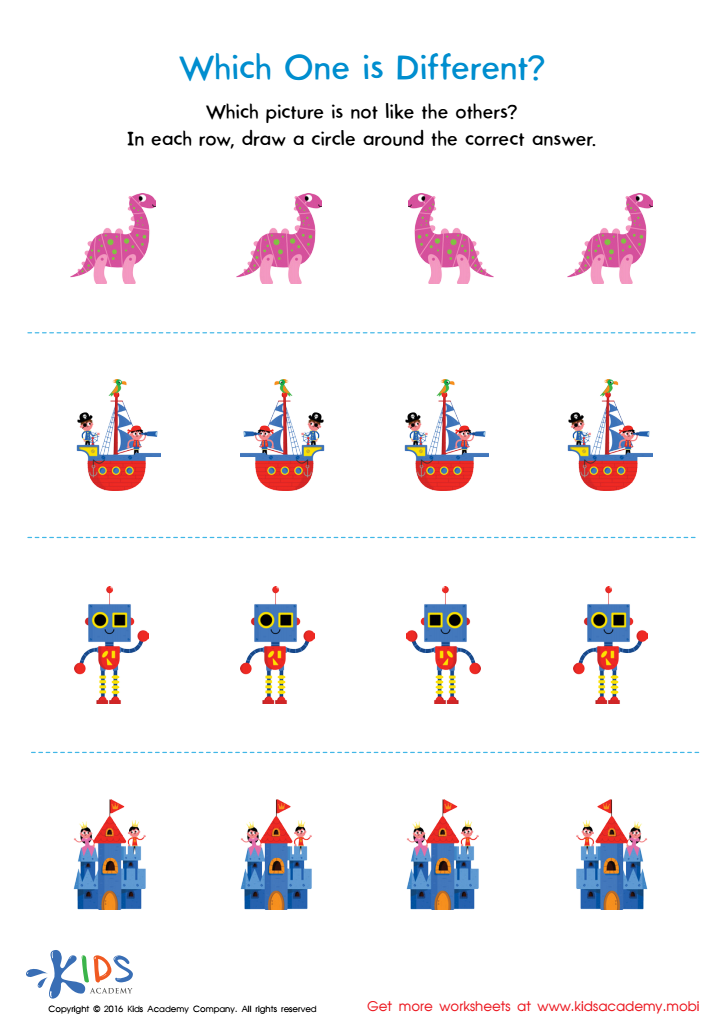
Which One Is Different Worksheet
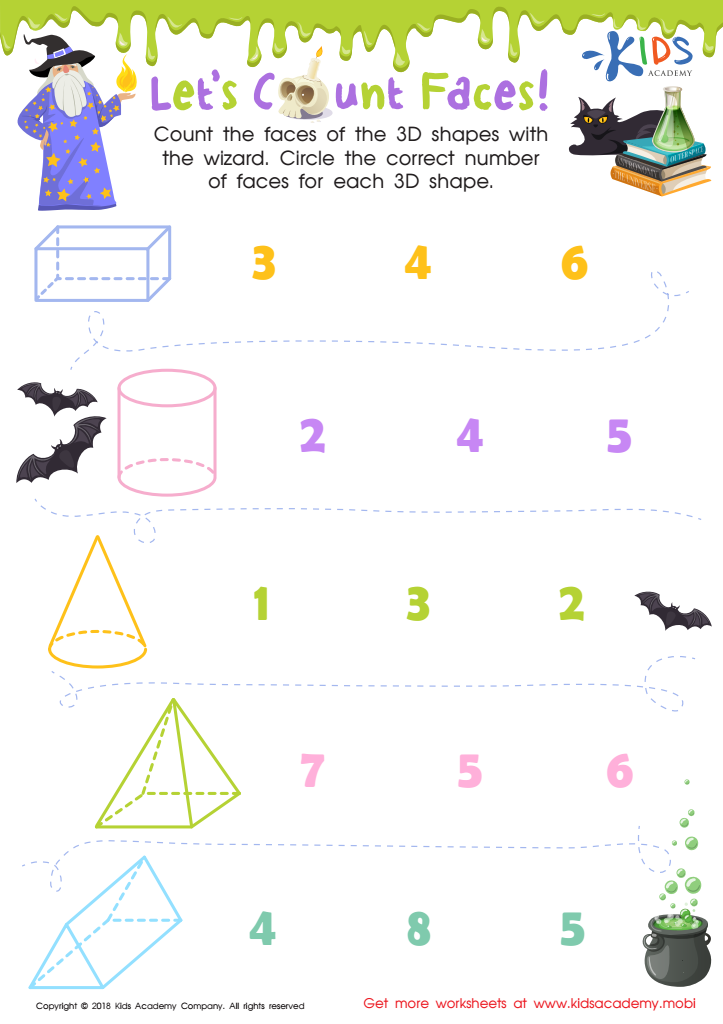
Let's Count Faces! Worksheet
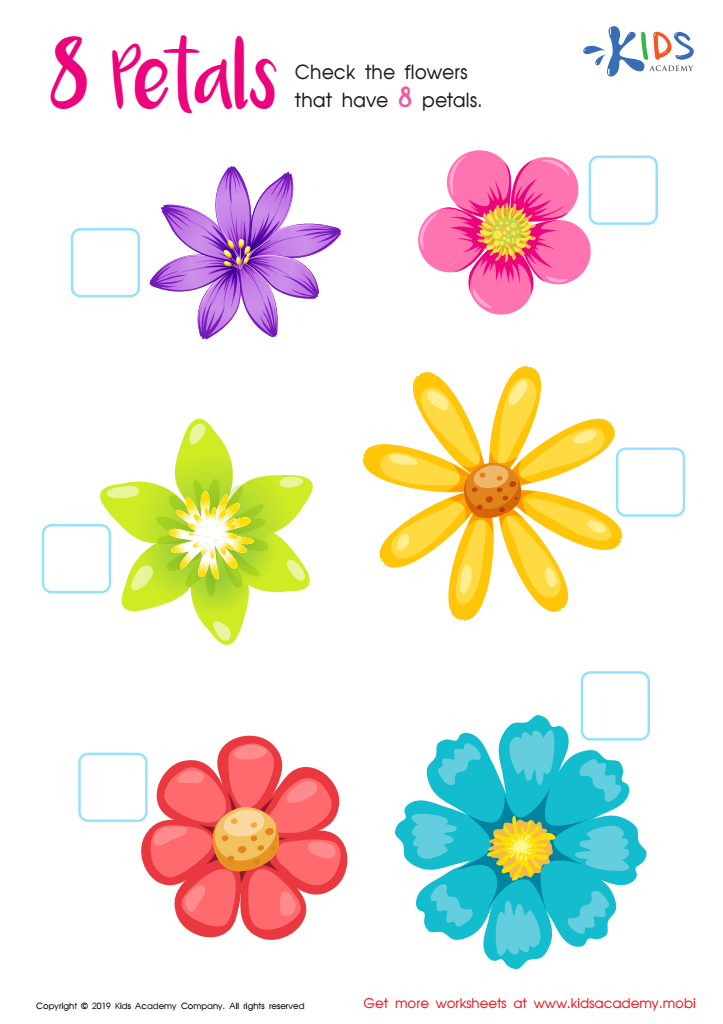
8 Petals Worksheet
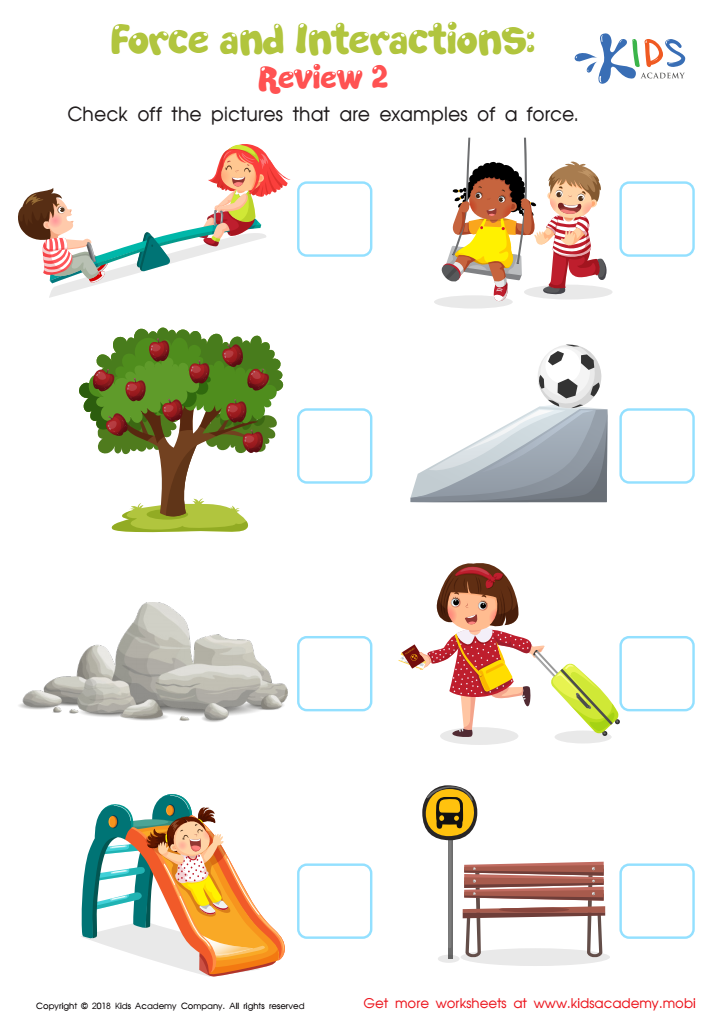
Force and Interactions: Review 2 Worksheet
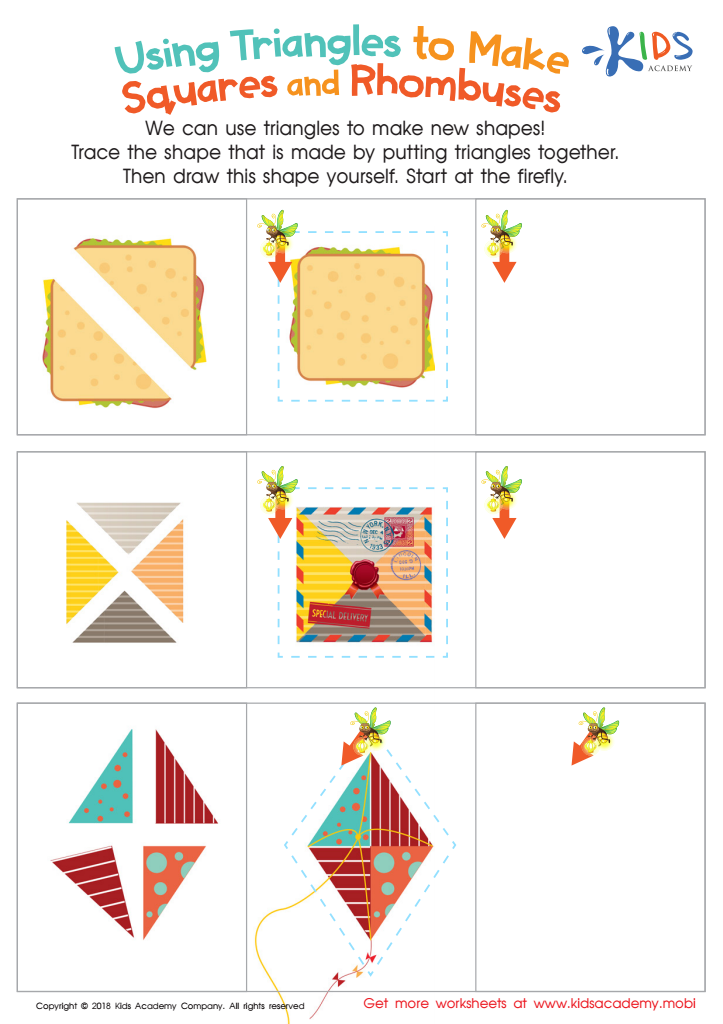
Using Triangles to Make Squares and Rhombuses Worksheet
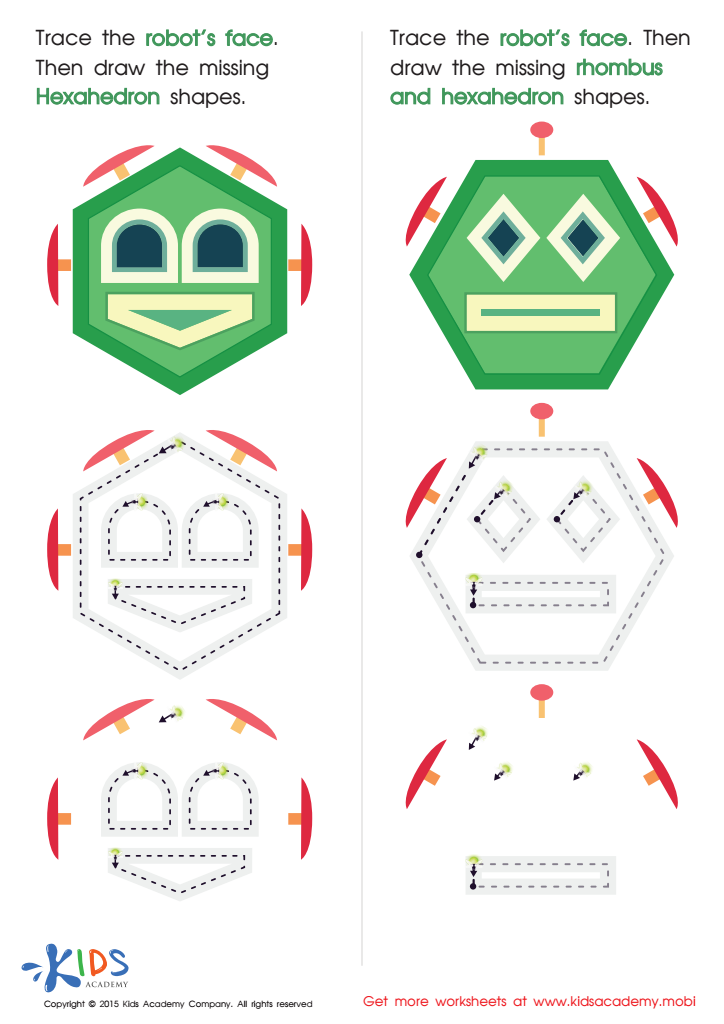
Practice Drawing Hexahedrons And a Rhombus Worksheet
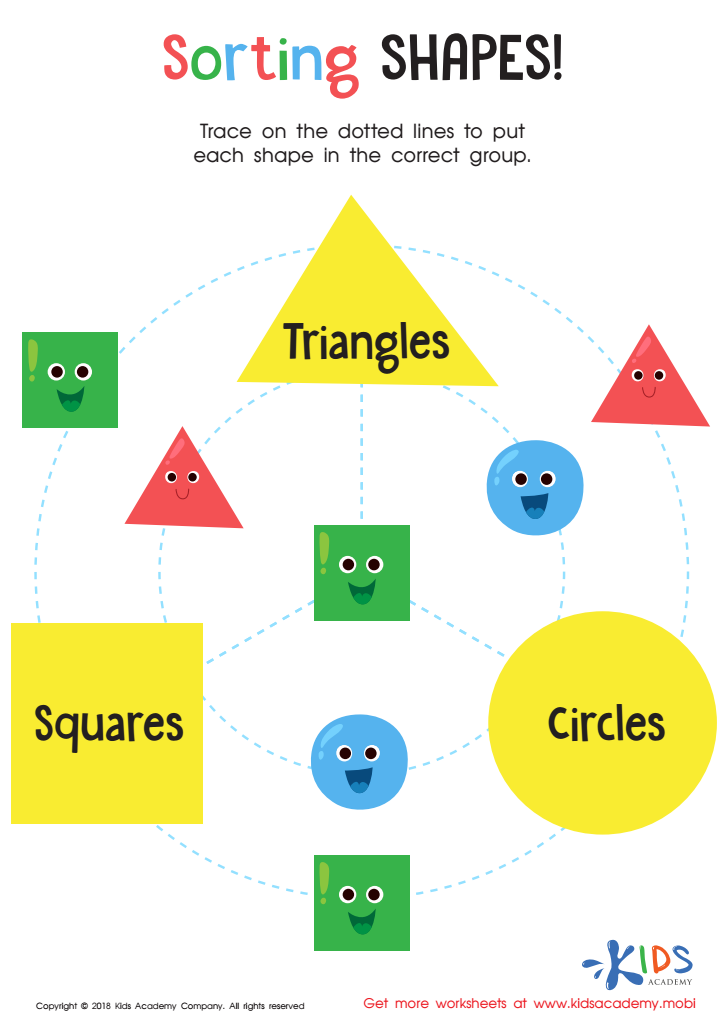
Sorting Shapes - Part 3 Worksheet
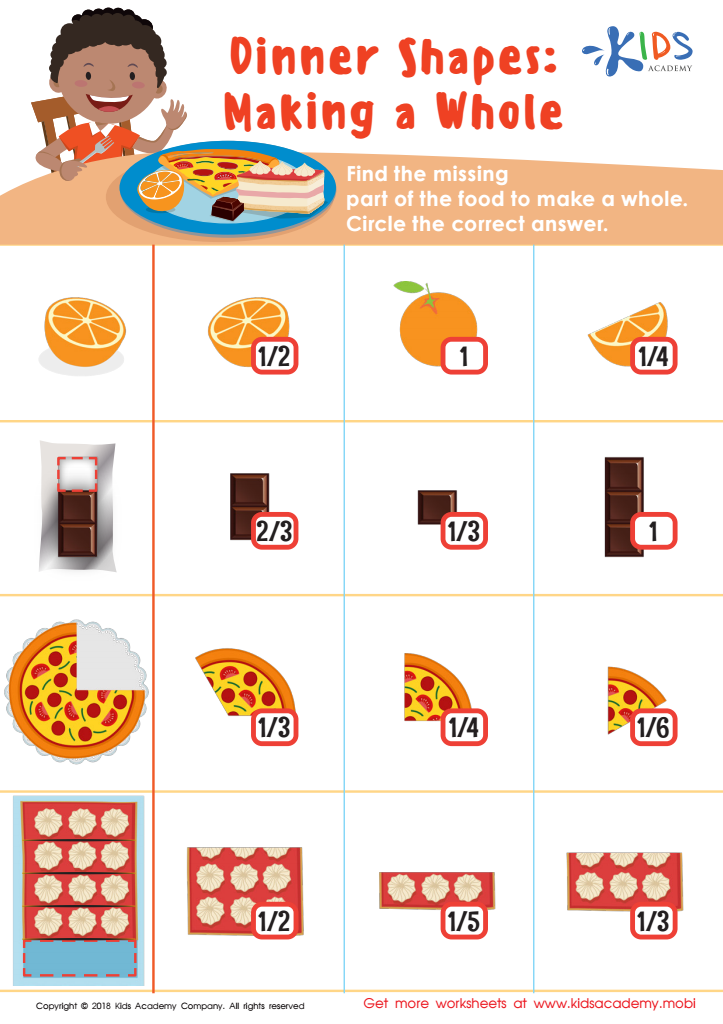
Dinner Shapes: Making a Whole Worksheet
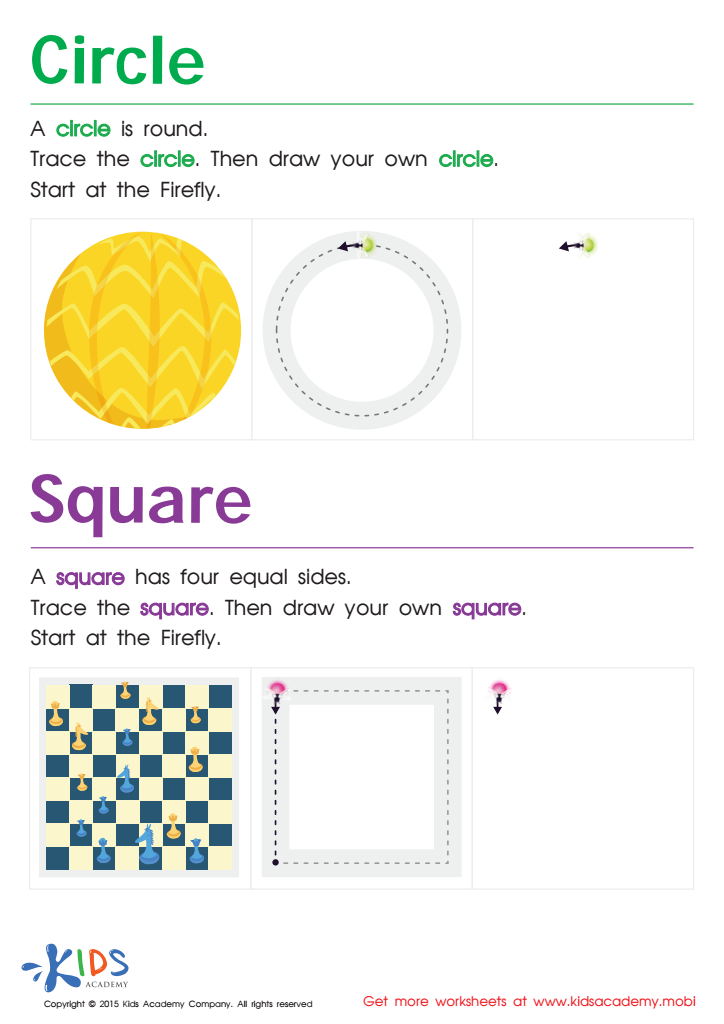
Trace And Draw a Circle And a Square Worksheet
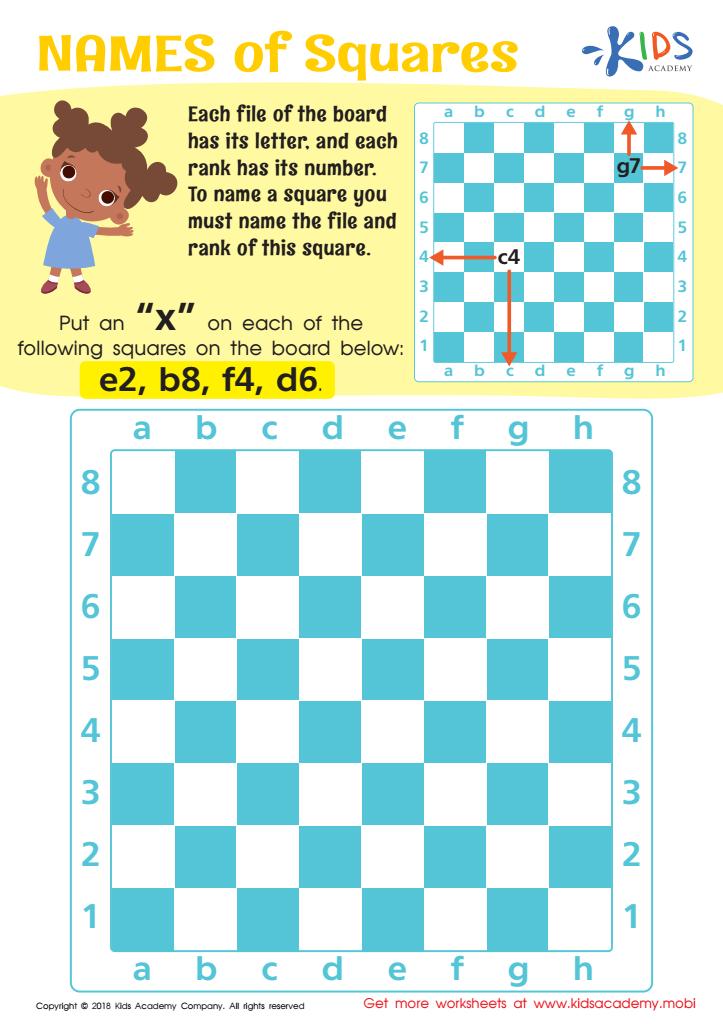
Names of Squares Worksheet
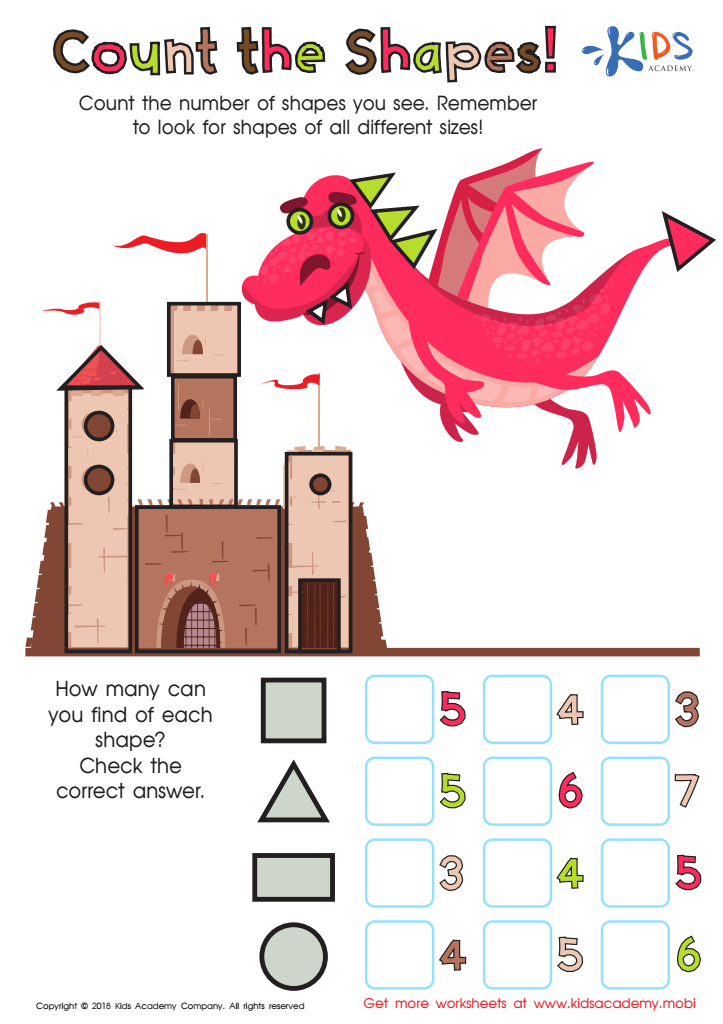
Count the Shapes Worksheet
Halloween: A Funny Monster Worksheet
 Assign to My Students
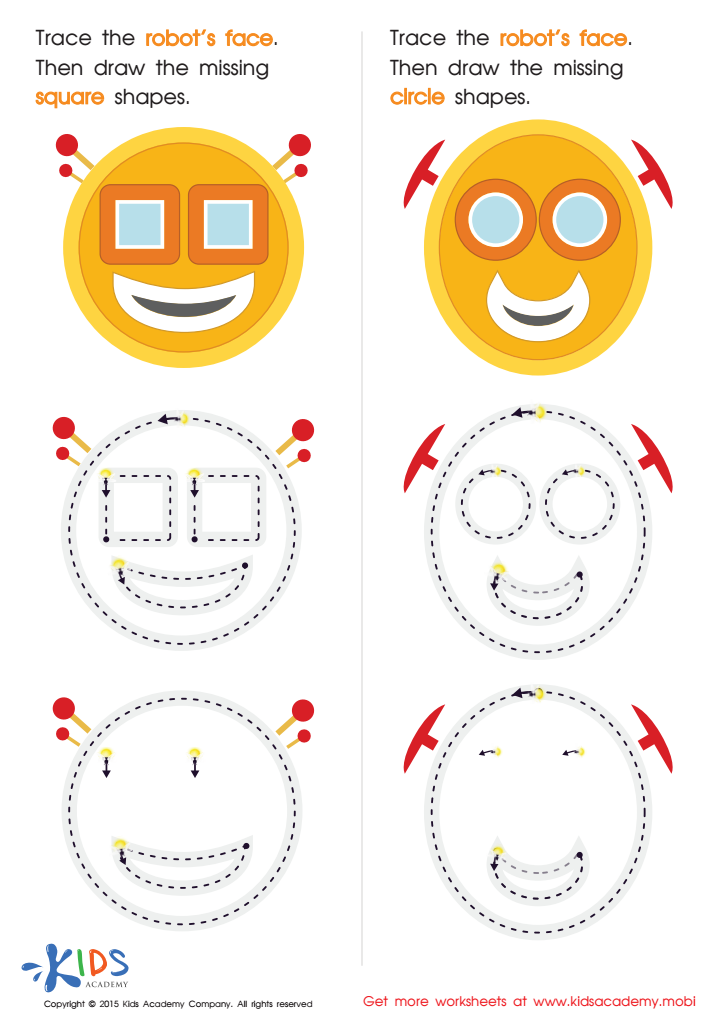
Practicing to Draw Circles And Squares Printable
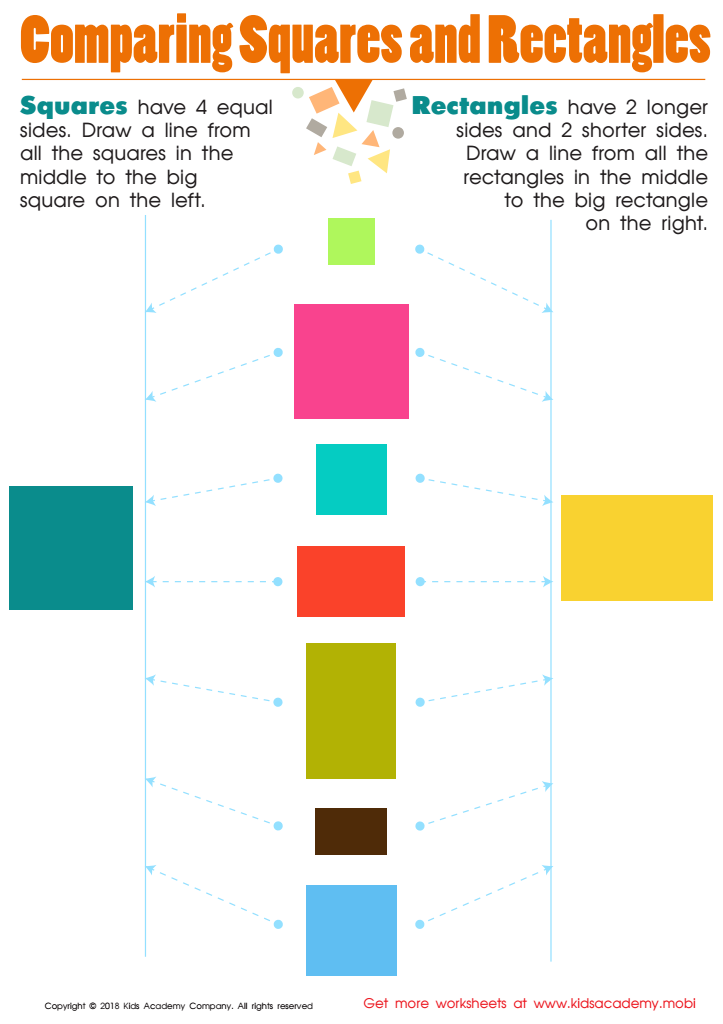
Comparing Squares Rectangles Worksheet
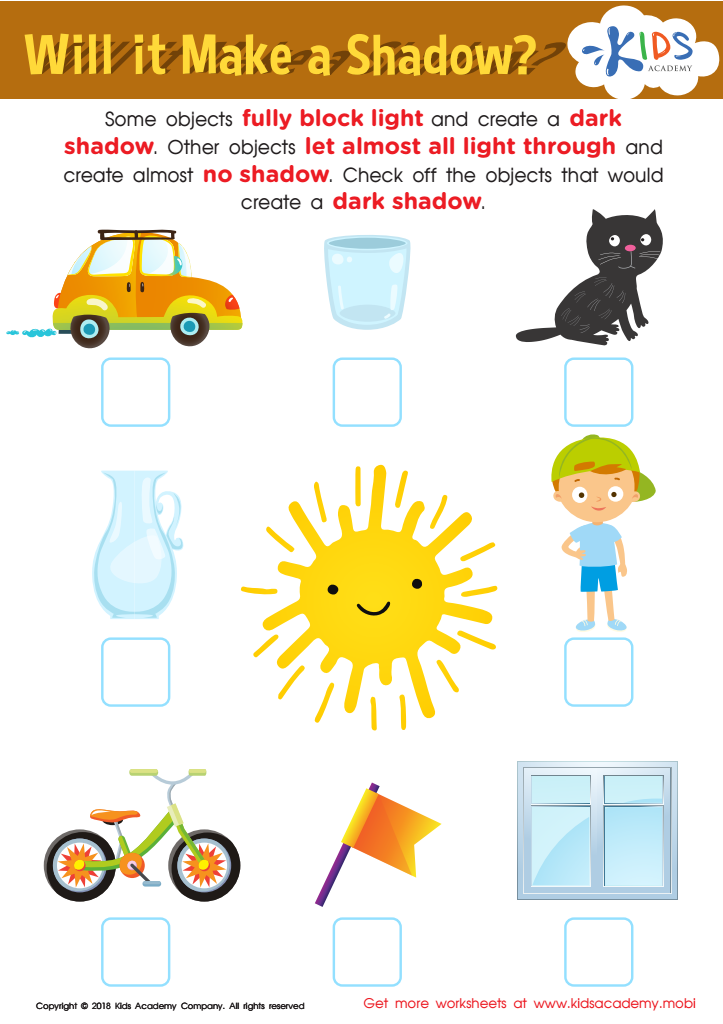
Will It Make a Shadow? Worksheet
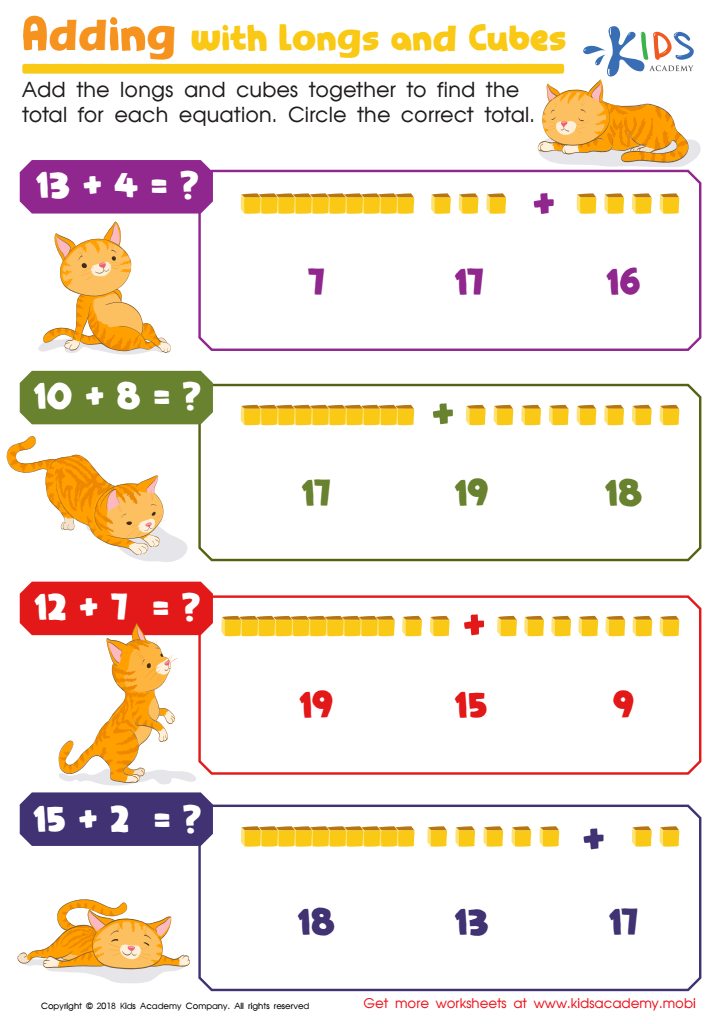
Adding With Longs and Cubes Worksheet
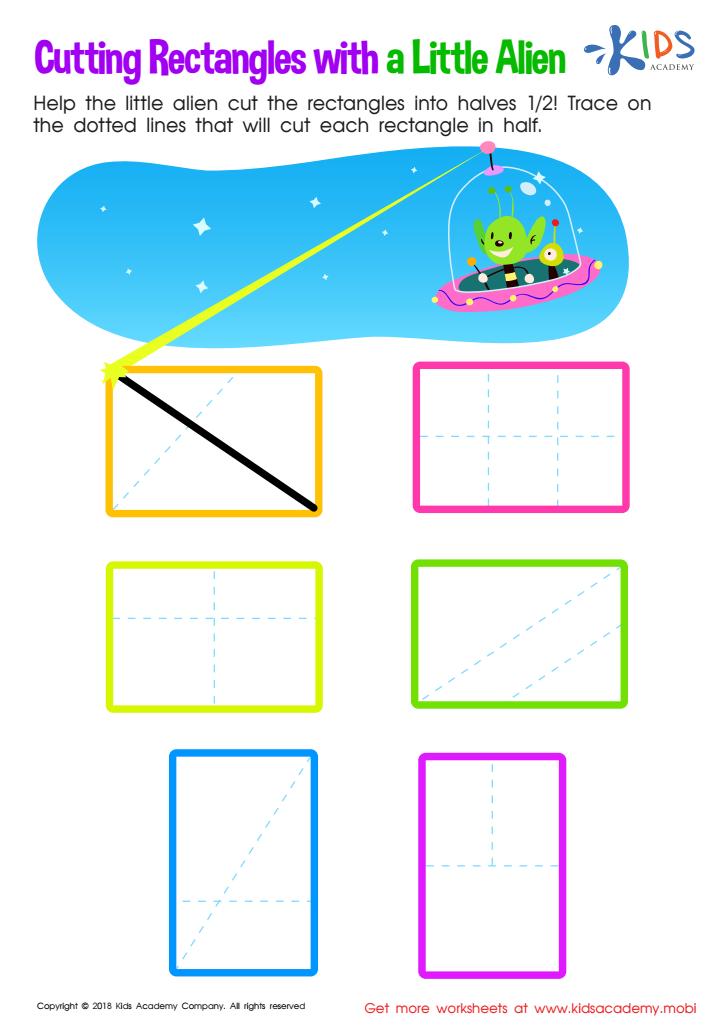
Cutting Rectangles with Alien Worksheet
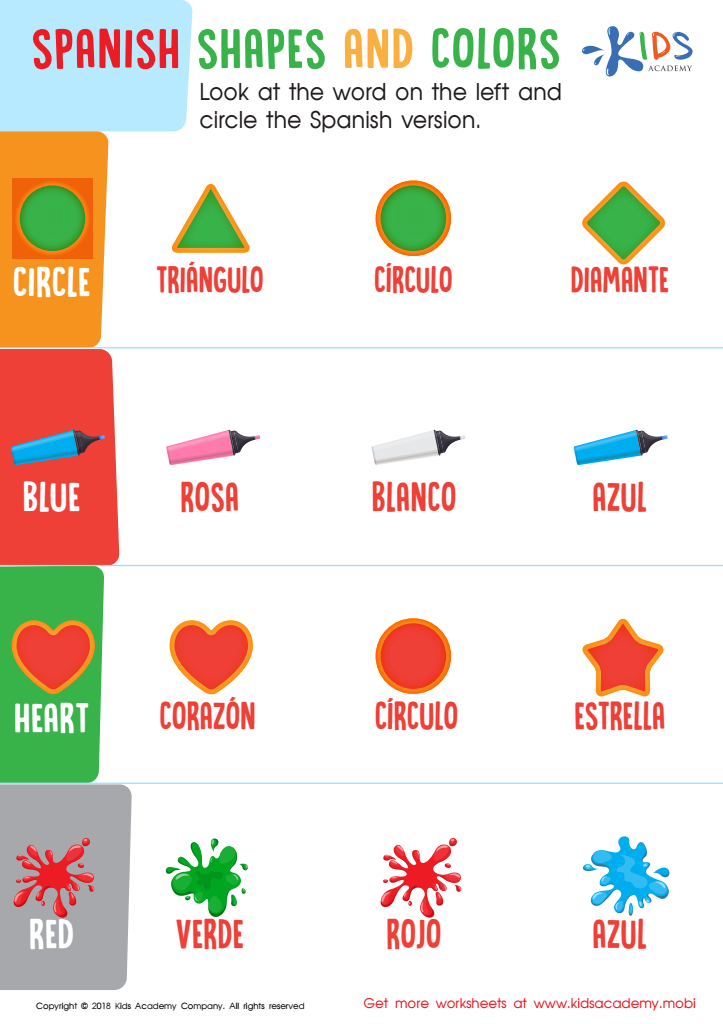
Spanish Shapes and Colors Worksheet
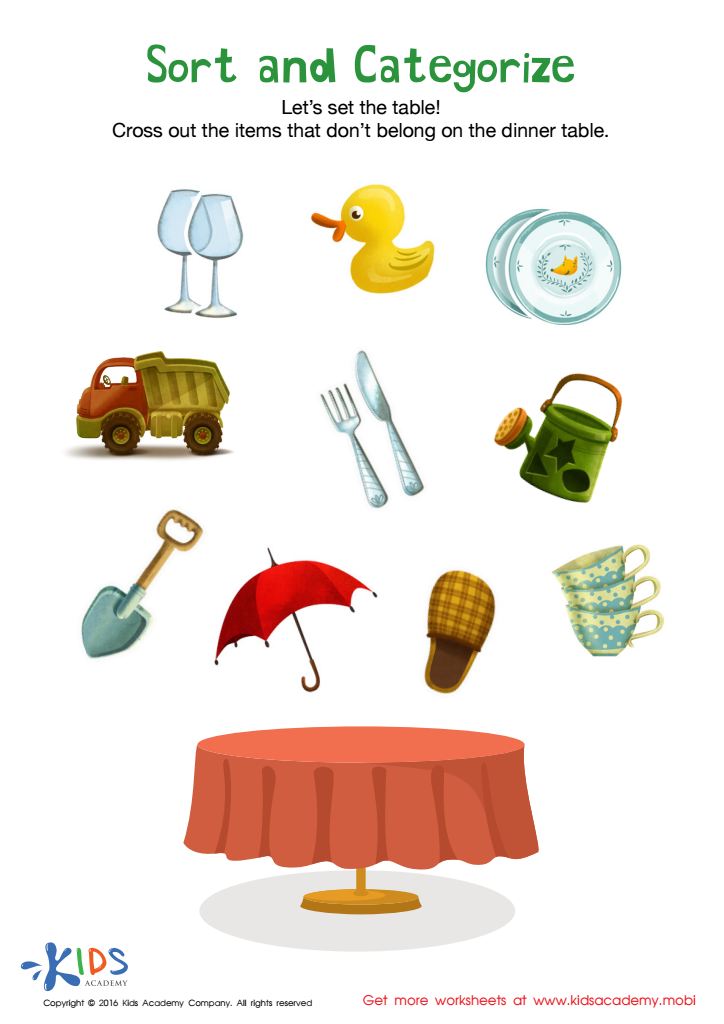
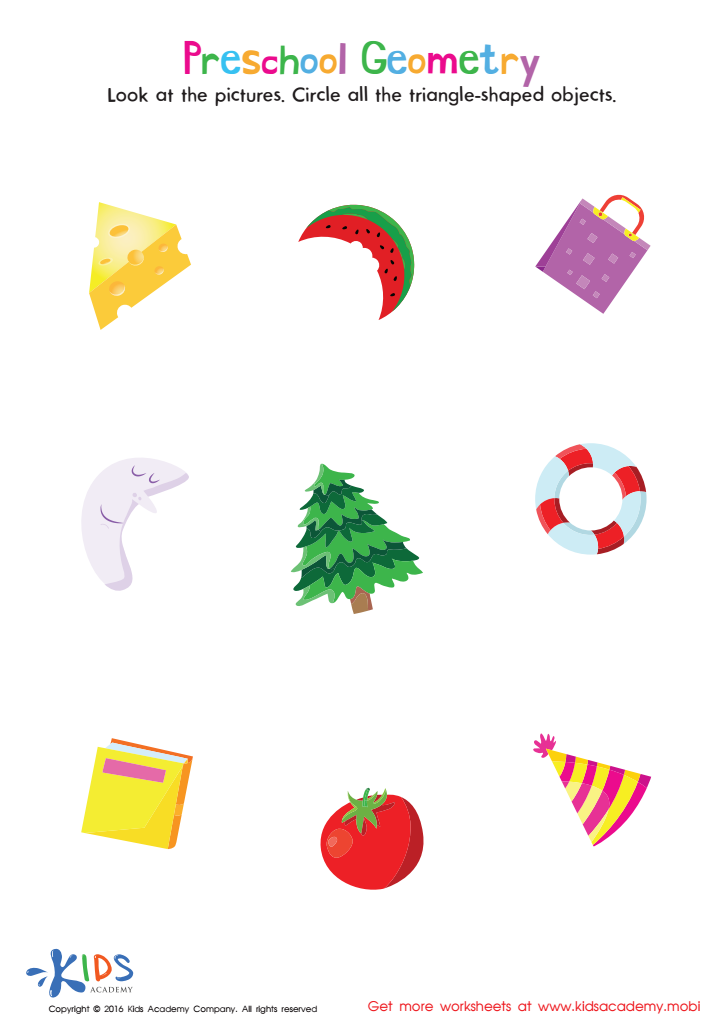
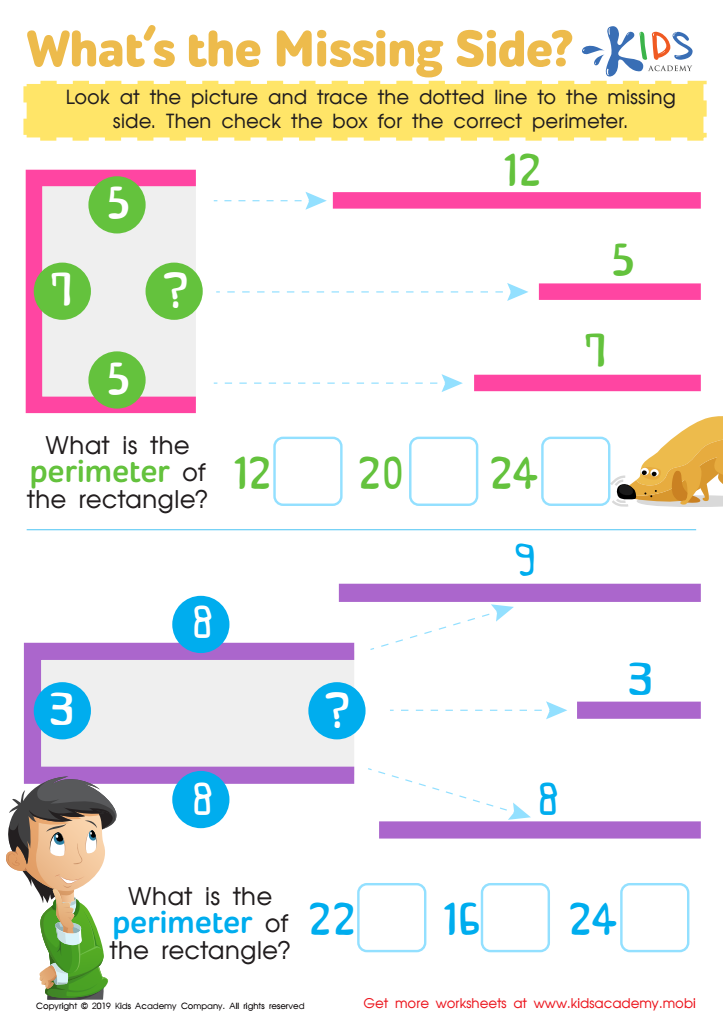
What's the Missing Side Worksheet
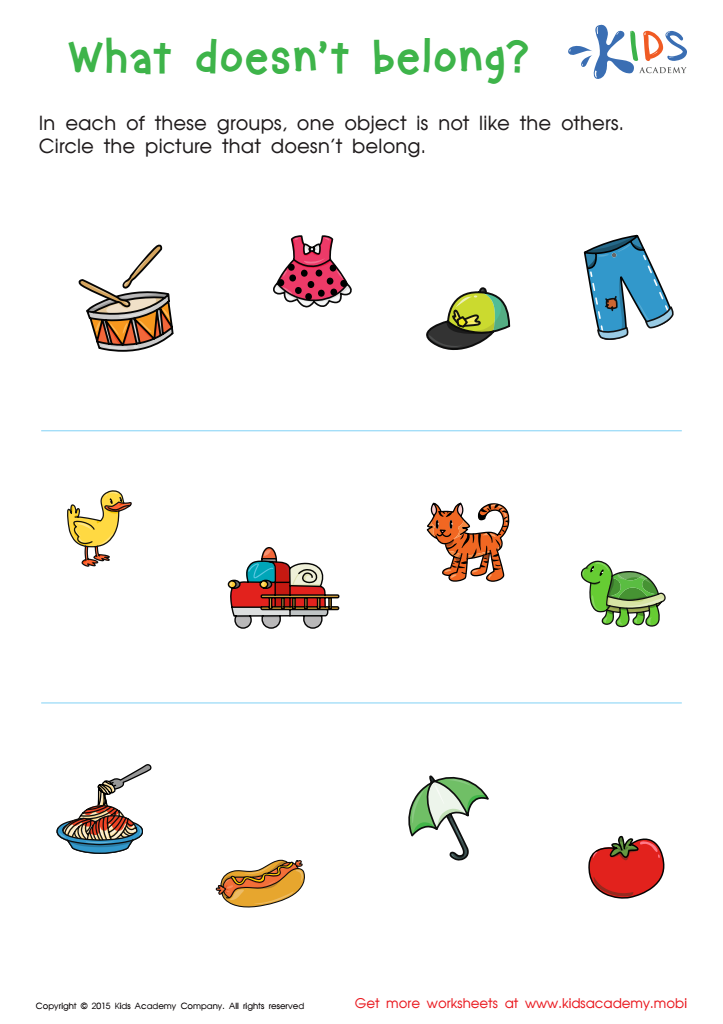
First Words: What Doesn't Belong Worksheet
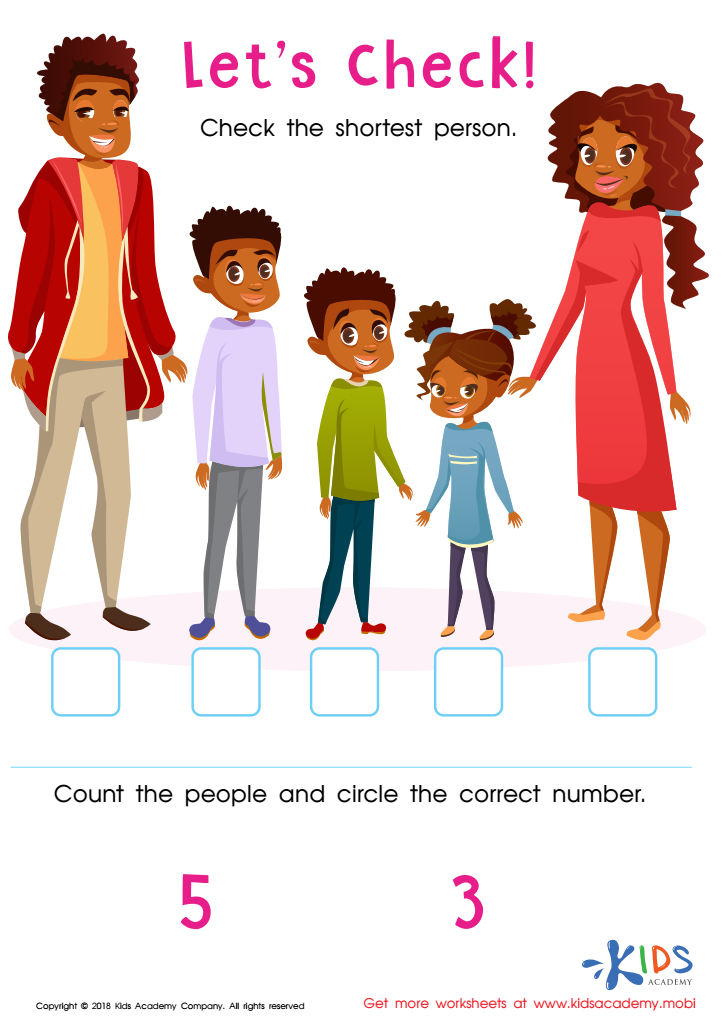
Let's Check! Assessment Worksheet
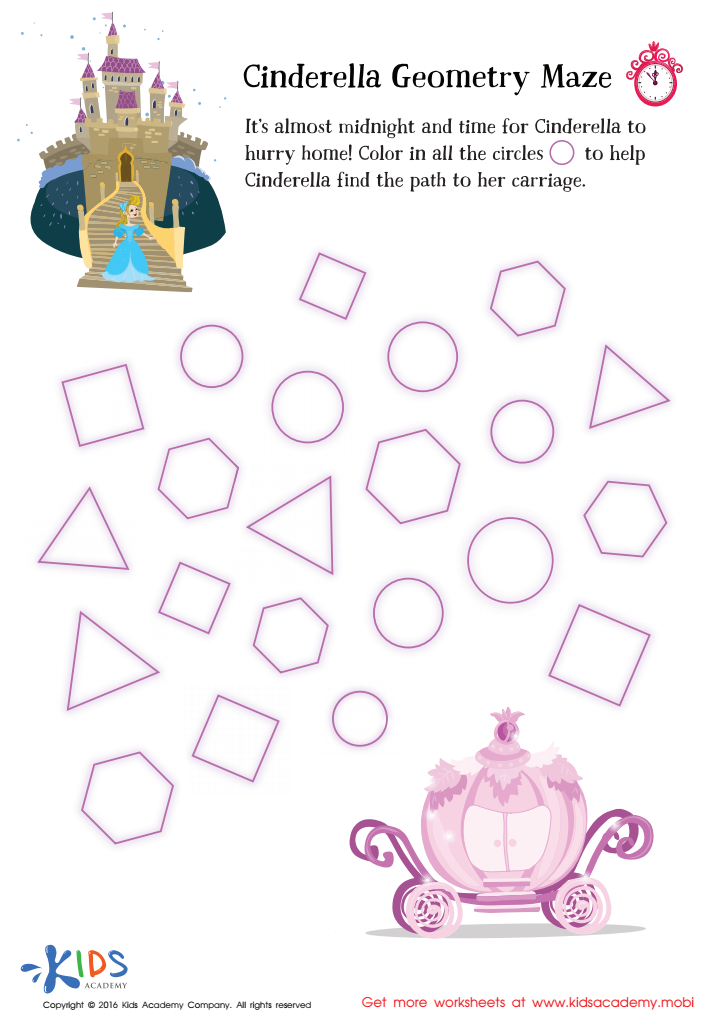
Cinderella Geometry Maze Worksheet








Shape recognition is a fundamental skill in early childhood development, critical for children aged 4-9. For parents and teachers, emphasizing shape recognition goes beyond merely teaching children to identify and name geometric figures. It enhances cognitive development, improves focus, and builds the foundation for more complex mathematical concepts.
Understanding shapes helps children solve puzzles and reason spatially, which are essential skills in everyday life and various academic subjects. Recognizing shapes improves visual perception and coordination necessary for activities such as reading, writing, and playing sports. When children's spatial awareness increases, so does their ability to navigate and interact with their environment effectively.
Shape recognition also ties in with the development of other important skills. For instance, identifying patterns strengthens problem-solving capabilities and analytical thinking, which are essential for subjects like science and engineering. Moreover, discussing and exploring different shapes encourages vocabulary growth, language skills, and expressive ability.
Teachers and parents who prioritize shape recognition provide their children with critical tools for academic success and lifelong learning. Making learning about shapes fun and engaging—through games, hands-on activities, and exploration—instills a love for learning and curiosity that extends well beyond the classroom. Therefore, investing effort in teaching shape recognition is an investment in a child's holistic development and future success.








