Shape Recognition Normal Worksheets for 4-Year-Olds
36 filtered results
-
From - To
Introduce your child to the fun world of shapes with our "Shape Recognition Normal Worksheets for 4-Year-Olds." Designed to enhance your child's early learning skills, these engaging worksheets feature various shapes such as circles, squares, triangles, and more. Each activity encourages hands-on practice to ensure vibrant and memorable learning experiences. Perfect for developing visual-spatial awareness, fine motor skills, and cognitive development, our worksheets make learning shapes a joyful journey. Download now and let your little one embark on an educational adventure, confidently recognizing and identifying shapes in their world!
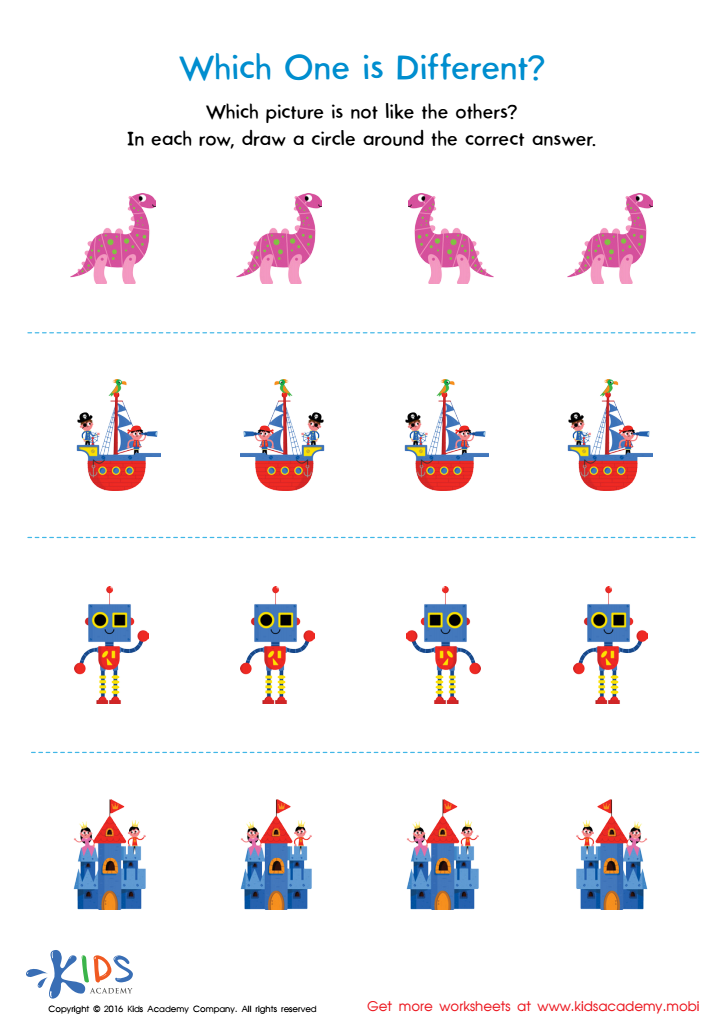
Which One Is Different Worksheet
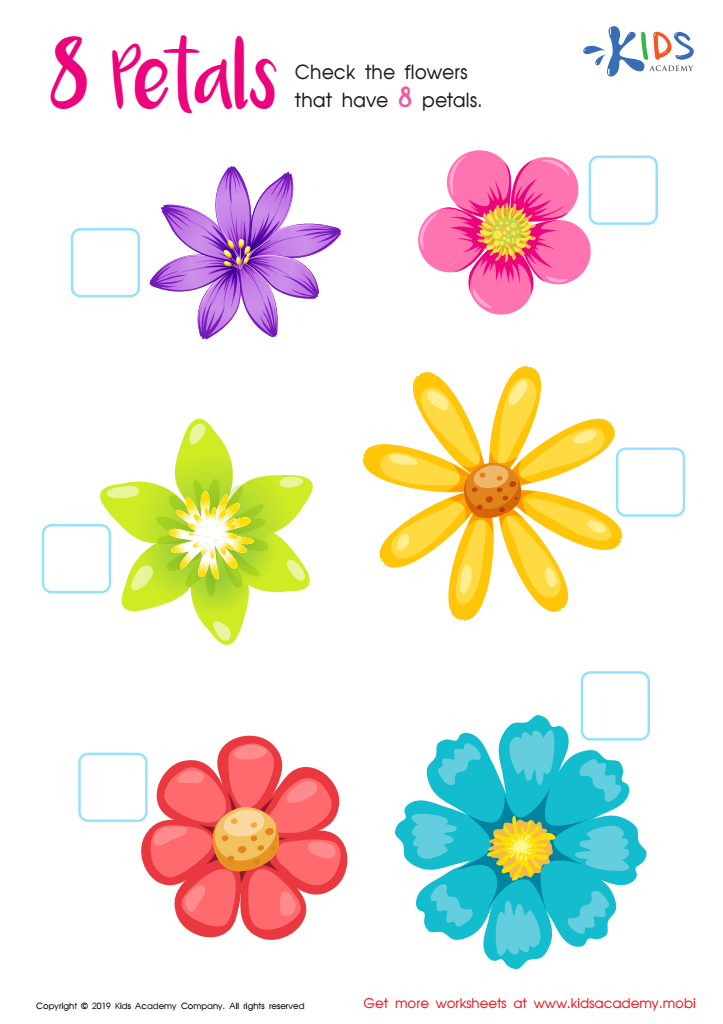
8 Petals Worksheet
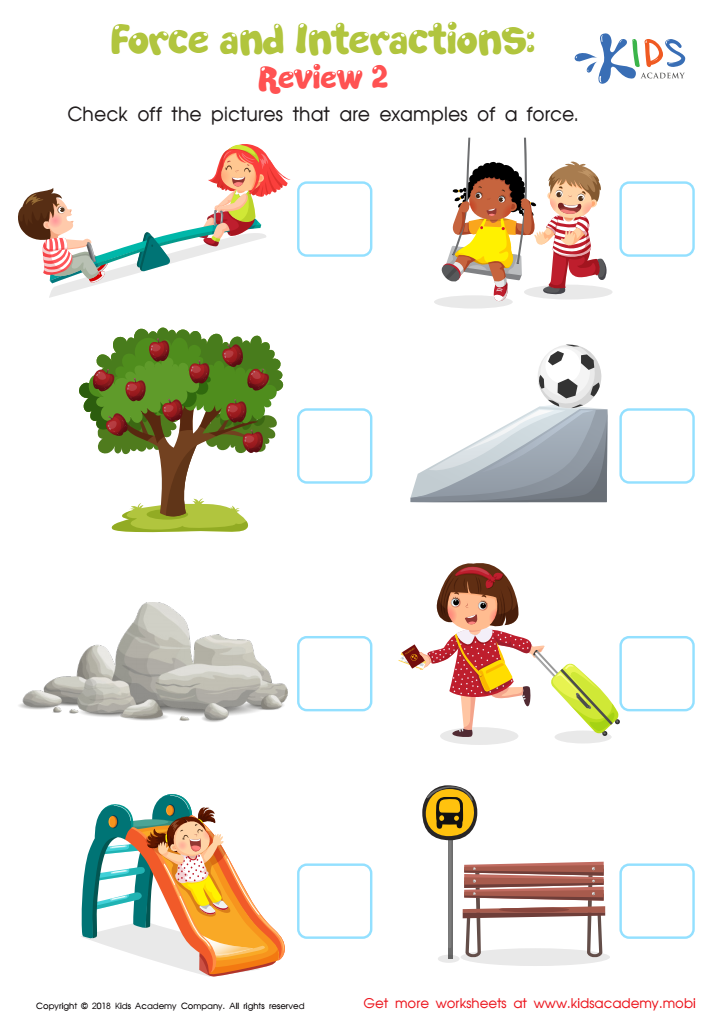
Force and Interactions: Review 2 Worksheet
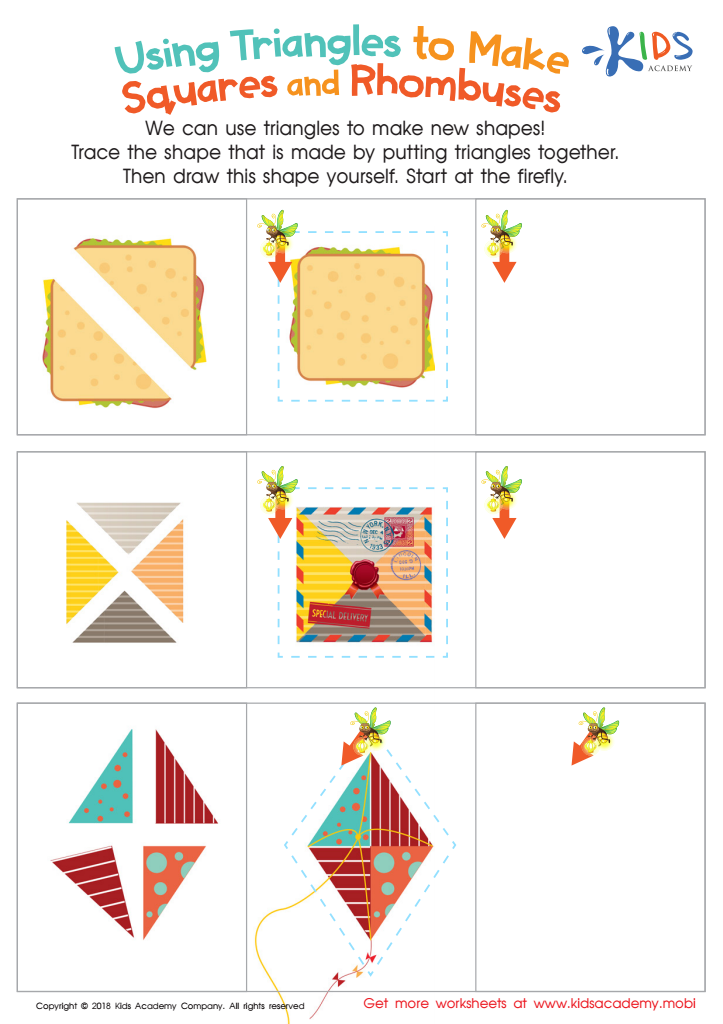
Using Triangles to Make Squares and Rhombuses Worksheet
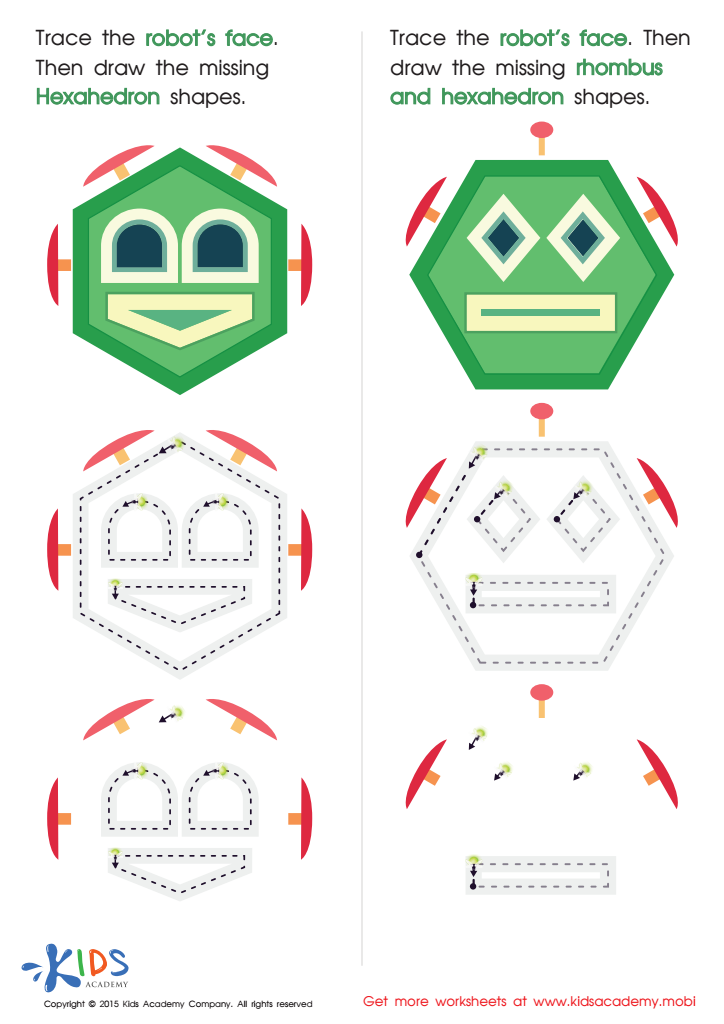
Practice Drawing Hexahedrons And a Rhombus Worksheet
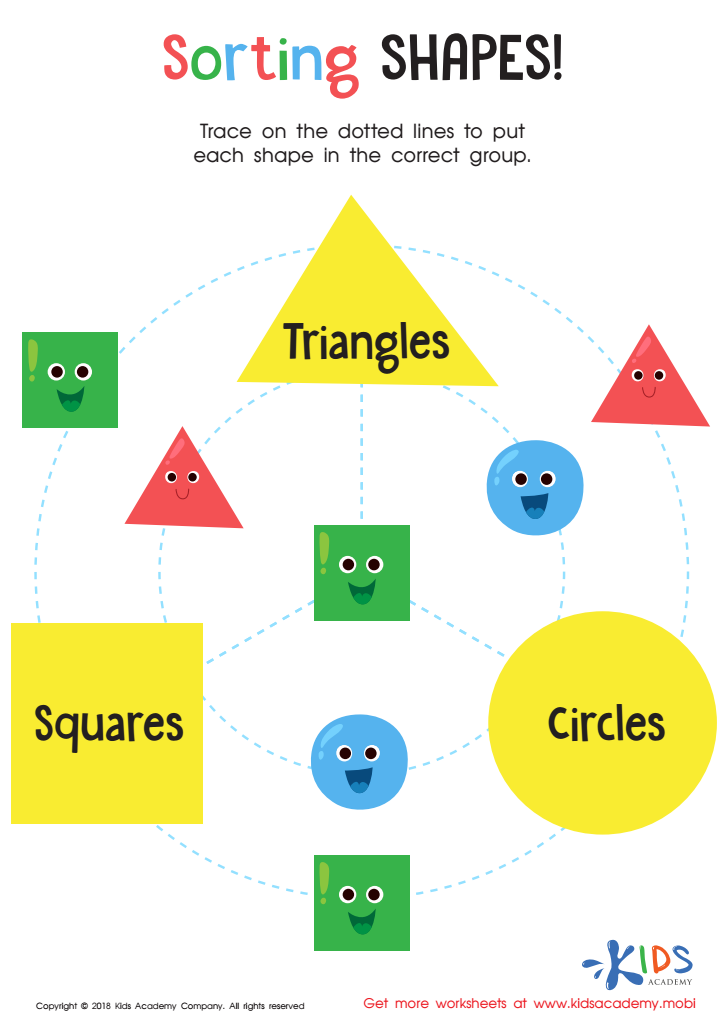
Sorting Shapes - Part 3 Worksheet
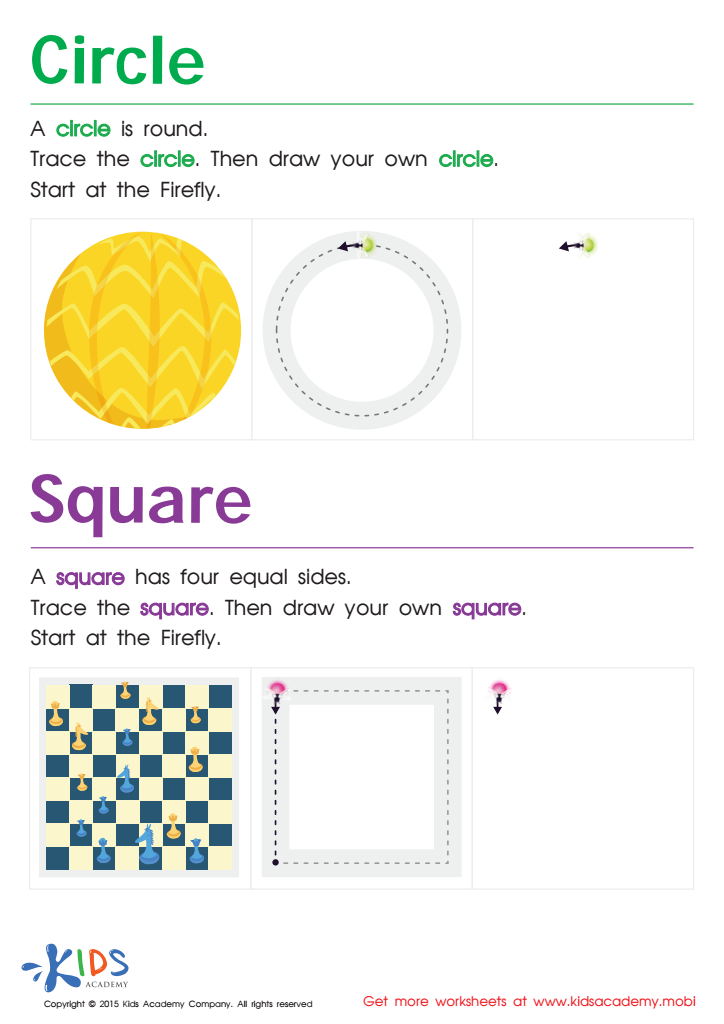
Trace And Draw a Circle And a Square Worksheet
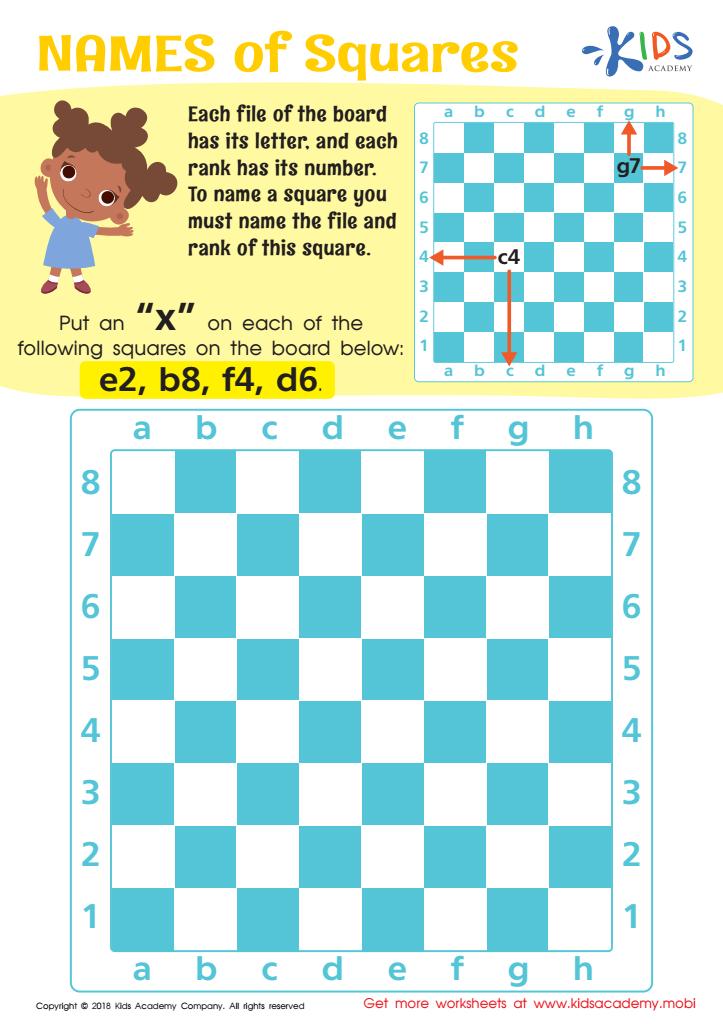
Names of Squares Worksheet
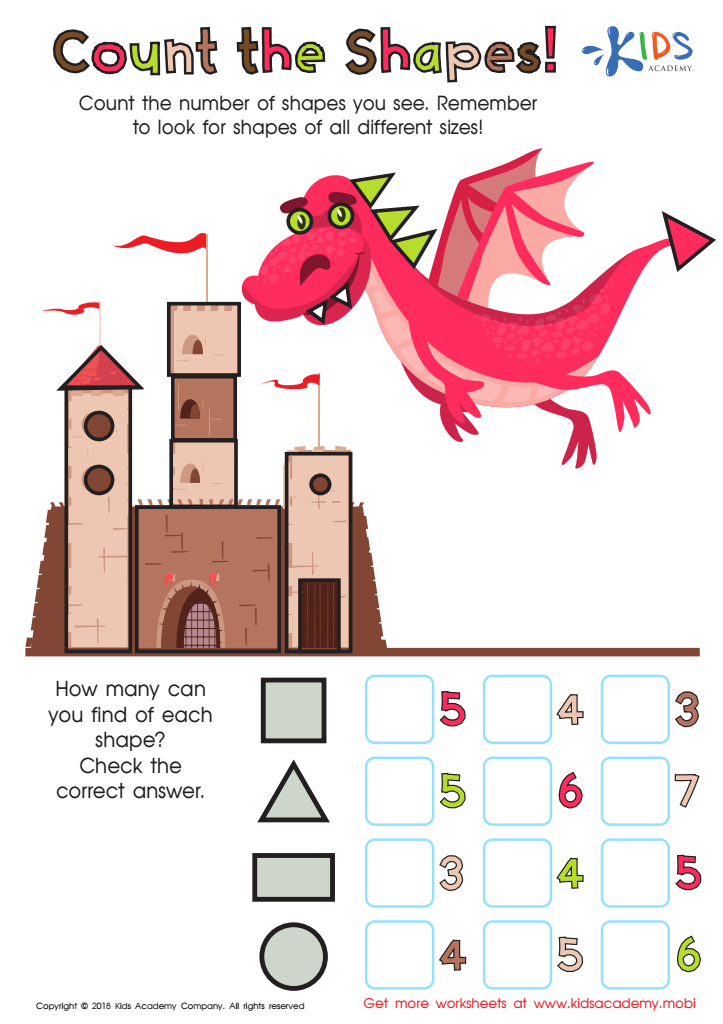
Count the Shapes Worksheet
Halloween: A Funny Monster Worksheet
 Assign to My Students
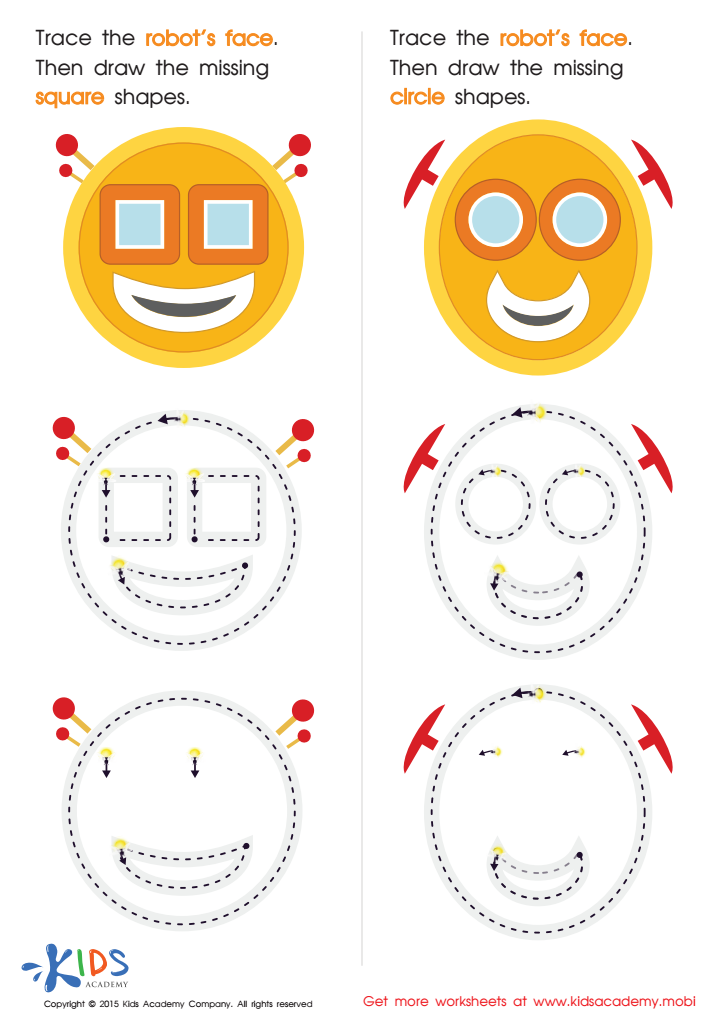
Practicing to Draw Circles And Squares Printable
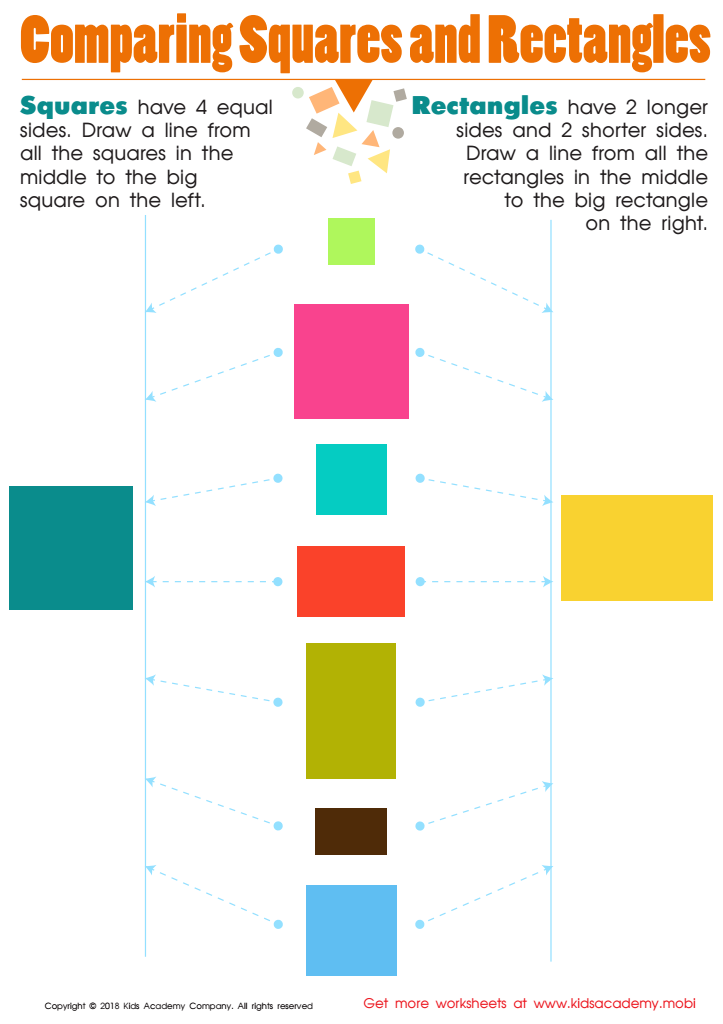
Comparing Squares Rectangles Worksheet
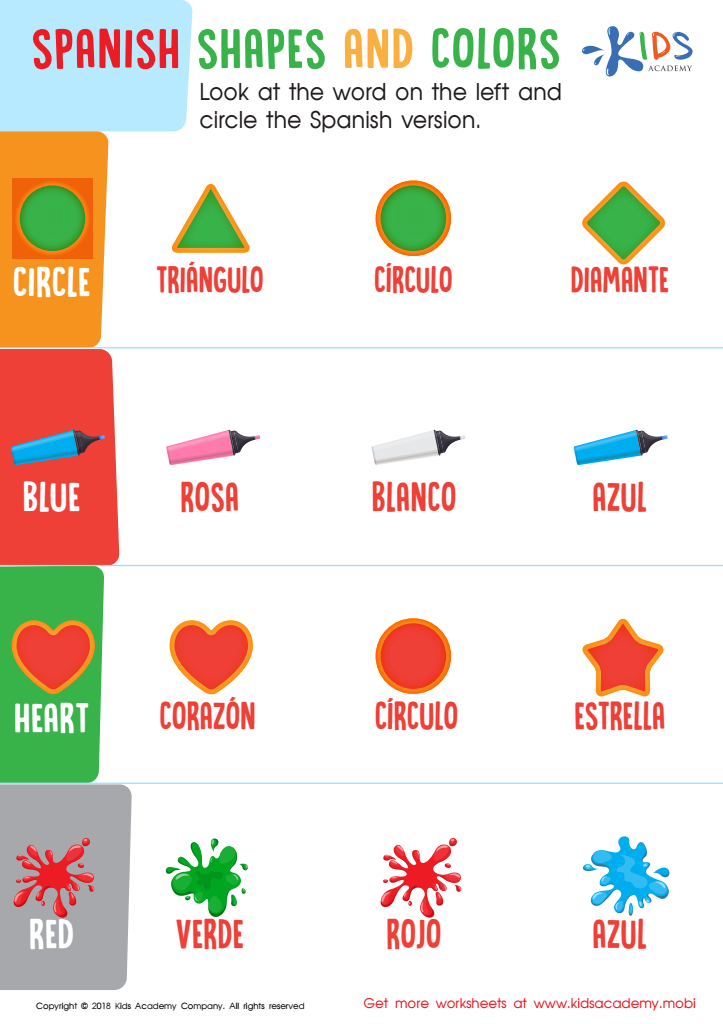
Spanish Shapes and Colors Worksheet
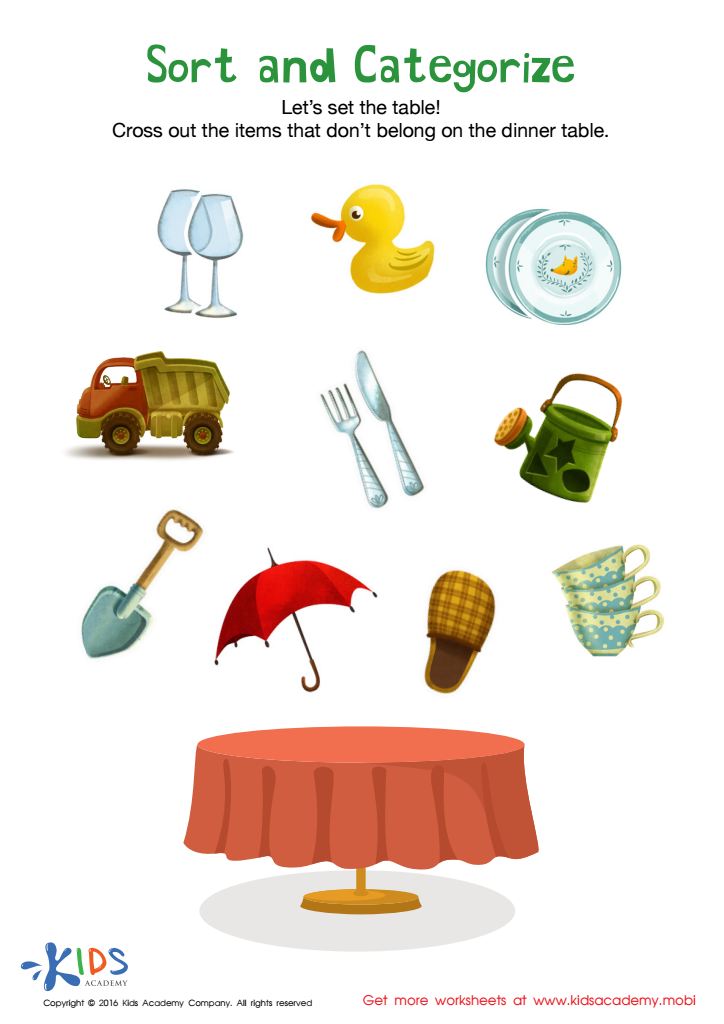
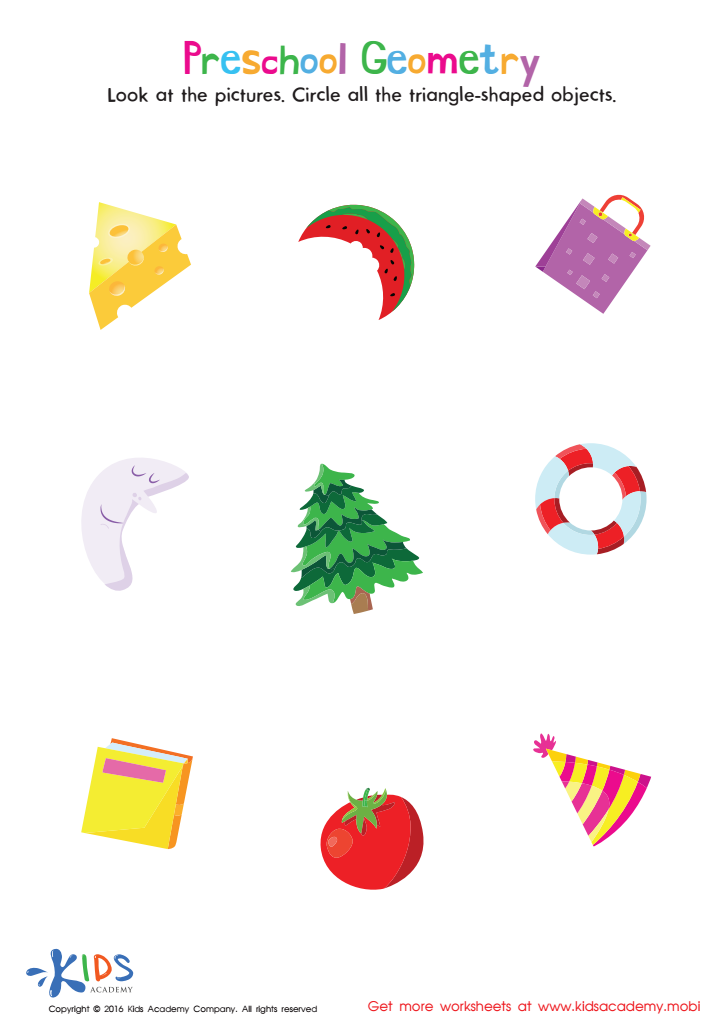
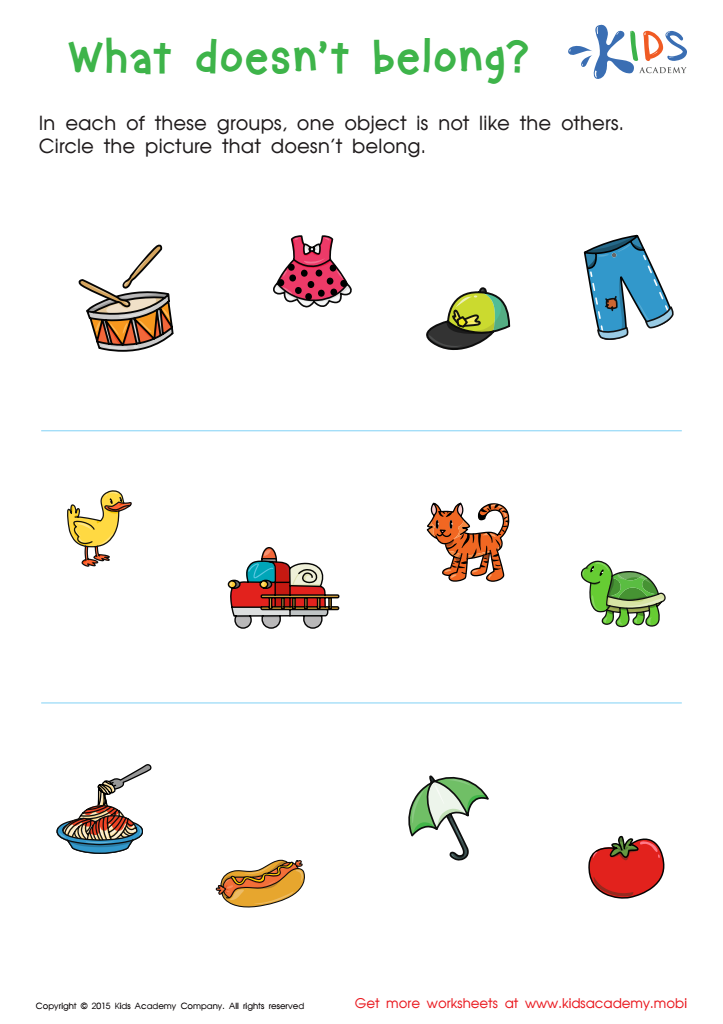
First Words: What Doesn't Belong Worksheet
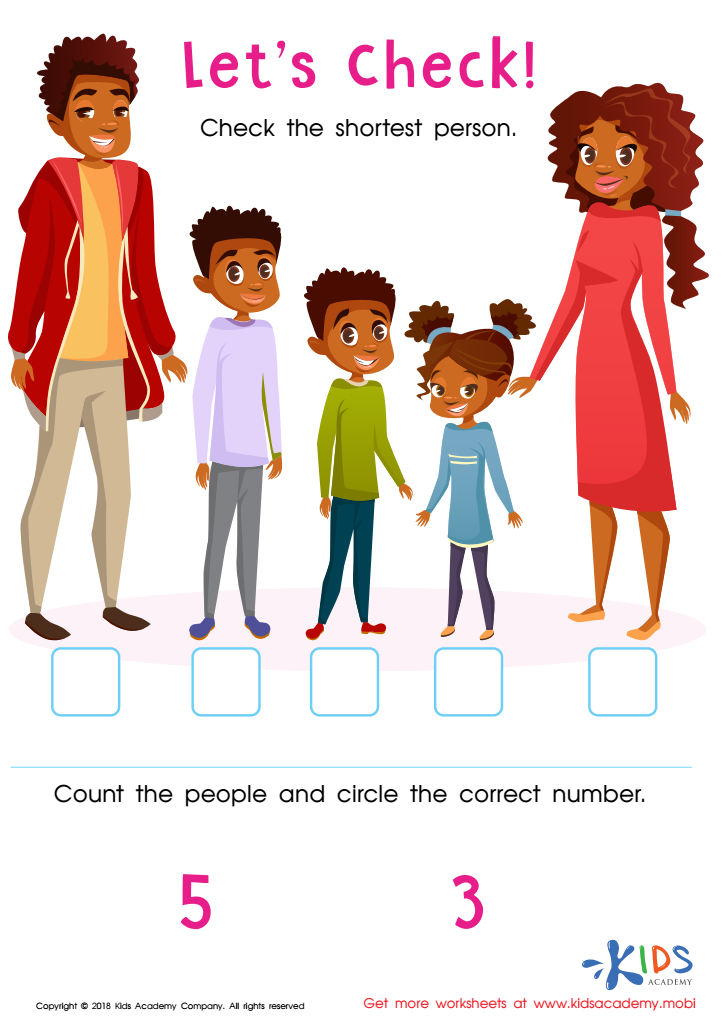
Let's Check! Assessment Worksheet
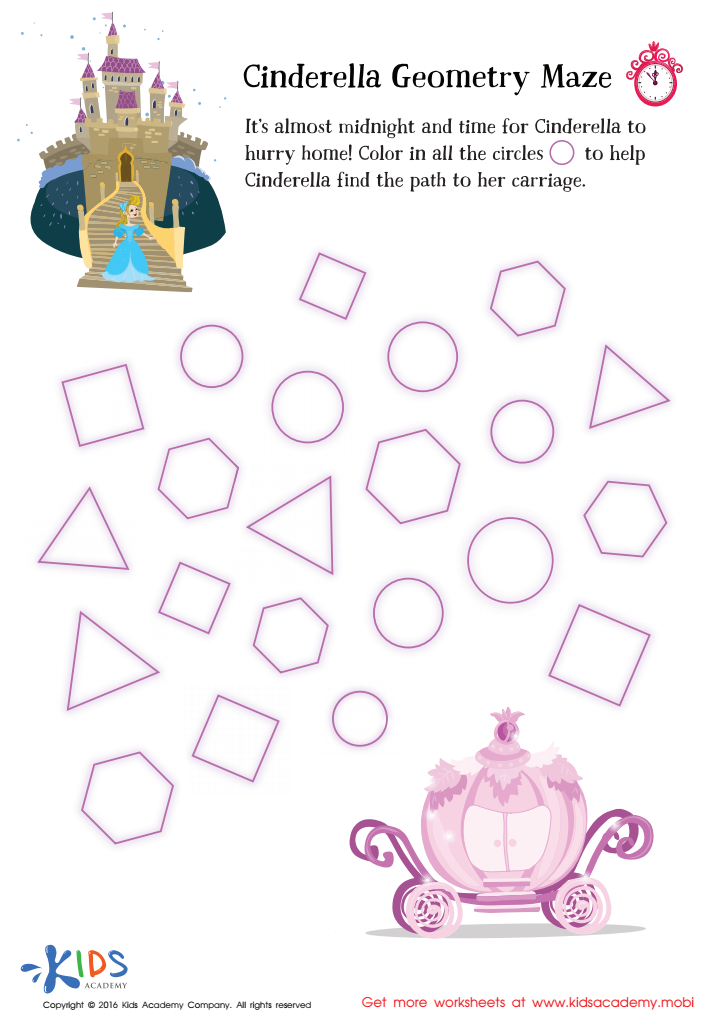
Cinderella Geometry Maze Worksheet
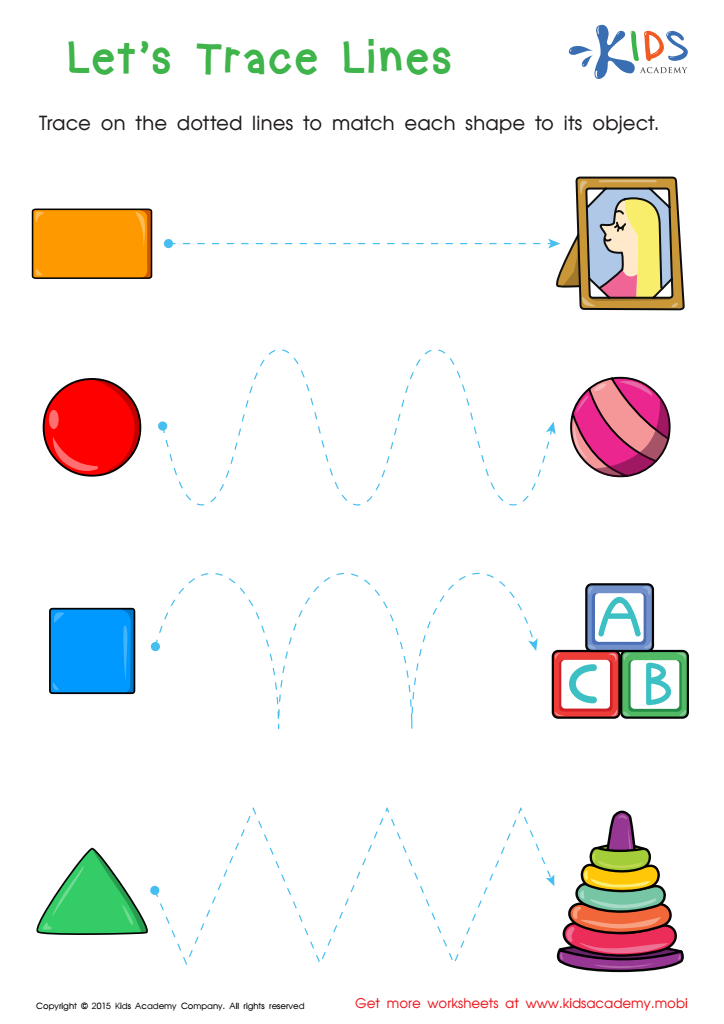
First Words: Let's Trace Lines Worksheet
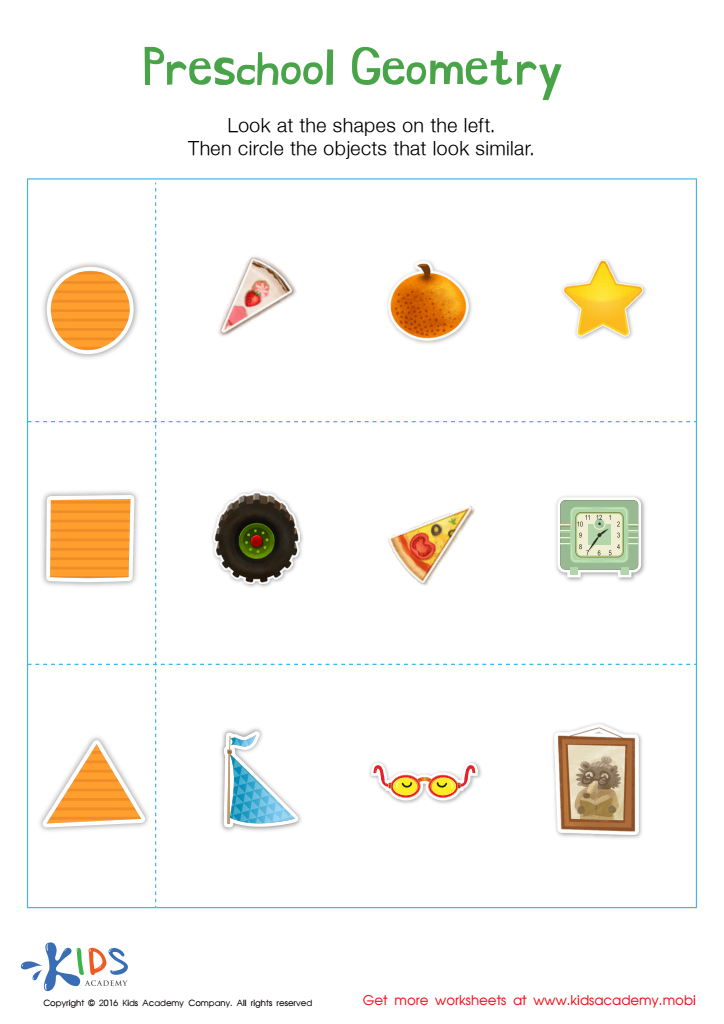
Preschool Geometry Match Up Worksheet
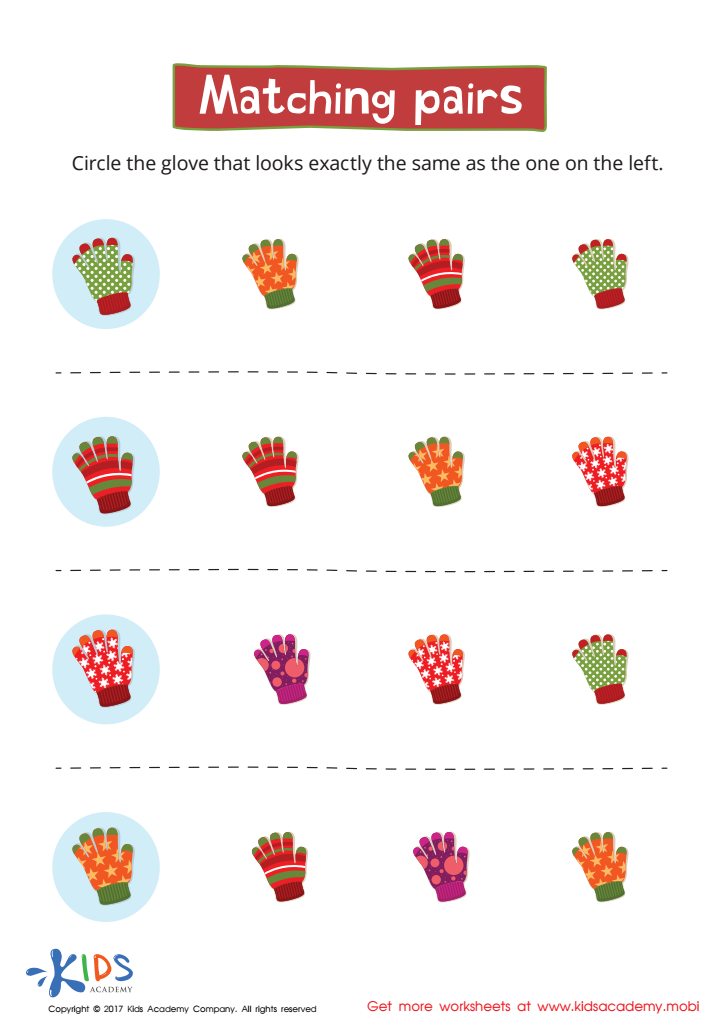
Matching: Matching Pairs Worksheet
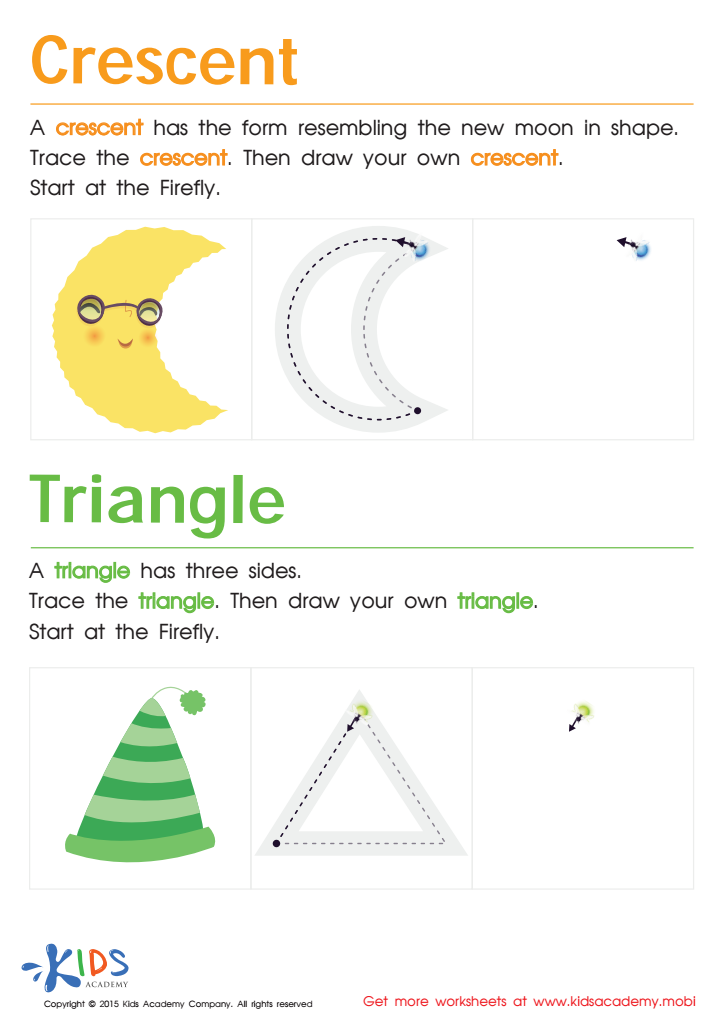
Learning to Draw Crescents And Triangles Worksheet
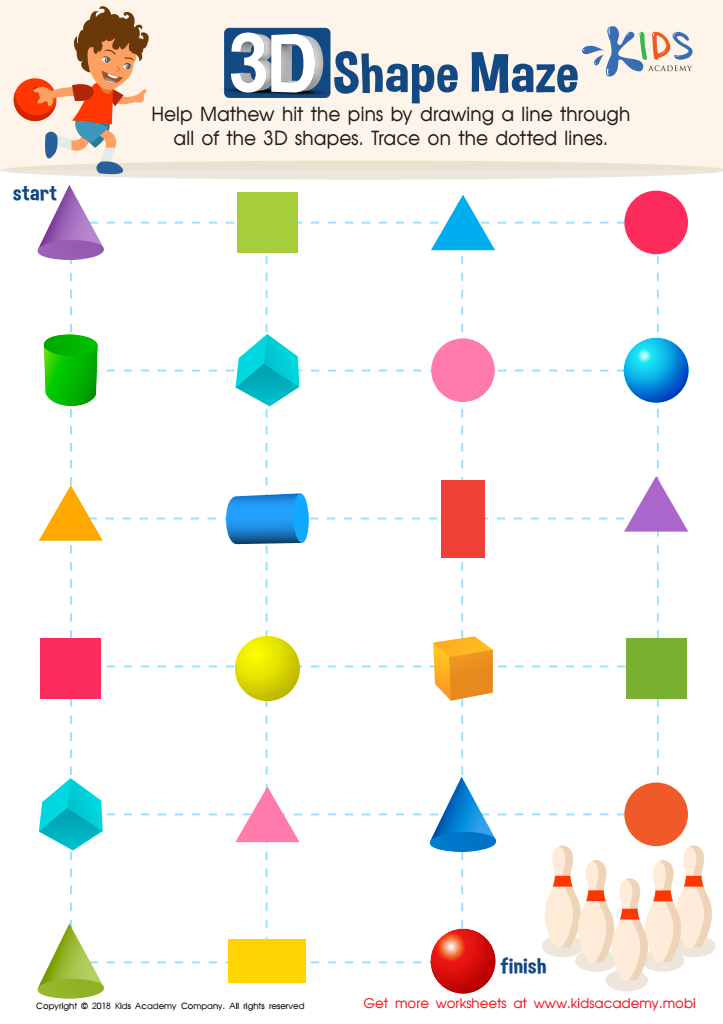
Shapes Maze Geometry Worksheet
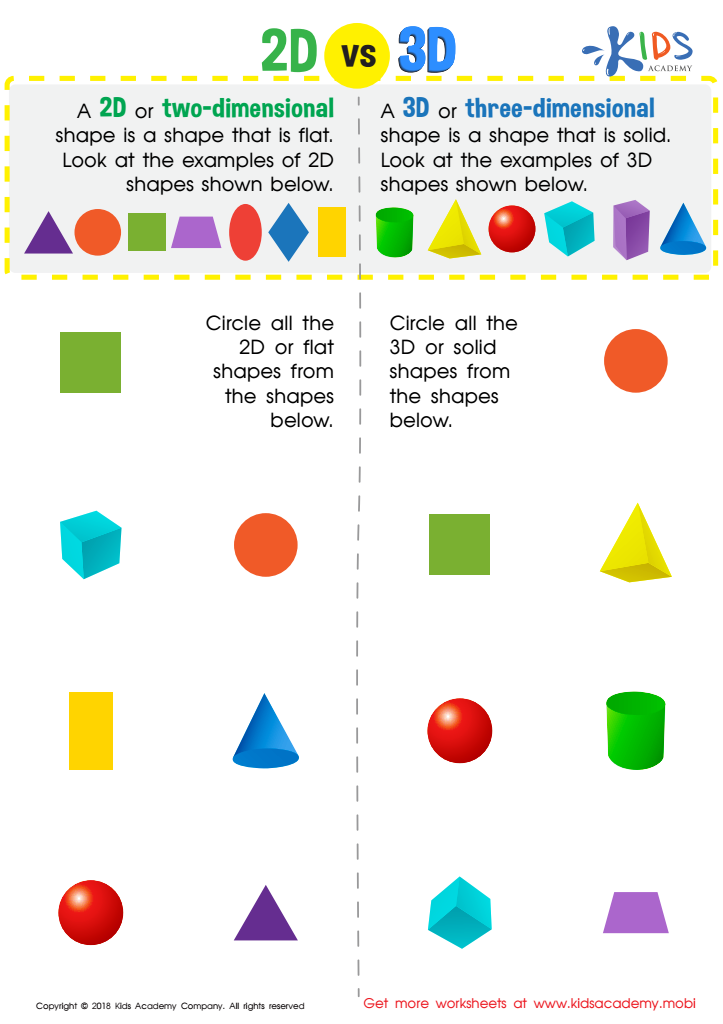
2D vs 3D Shapes Worksheet







Shape recognition is a critical developmental skill for 4-year-olds that serves as a foundational block for various aspects of learning and everyday functioning. Parents and teachers should prioritize shape recognition because it directly ties into several key developmental areas:
-
Pre-Math Skills: Recognizing shapes like circles, squares, and triangles paves the way for understanding geometric principles. This foundational knowledge helps children grasp more complex mathematical concepts later, such as area, perimeter, and volume.
-
Literacy Development: Shape recognition aids in differentiating between different letters and numbers. For instance, distinguishing between "b" and "d" or "6" and "9" involves recognizing their distinct shapes.
-
Fine Motor Skills: Activities that involve shape recognition often include drawing, tracing, or cutting shapes, which enhance fine motor skills critical for writing.
-
Cognitive Skills: Shape recognition exercises patterns and symmetry, fostering problem-solving skills and logical thinking, essential for cognitive development.
-
Everyday Functioning: Understanding shapes is practical in everyday life—for example, recognizing traffic signs, selecting the right shapes in puzzles, and more.
-
Art and Creativity: Shape recognition encourages creativity. Once children recognize shapes, they can build on this knowledge to create complex drawings and artworks, boosting their artistic expression.
In summary, focusing on shape recognition in early childhood sets the stage for success in academics and everyday activities, making it a job well worth the attention from both parents and teachers.








