Normal Matching Worksheets for Ages 5-7
42 filtered results
-
From - To
Discover our engaging Normal Matching Worksheets designed specifically for children ages 5-7! These fun and interactive activities help young learners develop essential cognitive skills and boost their understanding of various concepts through matching exercises. Ideal for at-home learning or classroom use, our worksheets cover a range of topics, including shapes, numbers, and simple words. Each worksheet encourages children to think critically while fostering their creativity and attention to detail. Perfect for early grades, our Normal Matching Worksheets promote hands-on practice and make learning enjoyable. Explore our collection today and help your child excel in their educational journey!
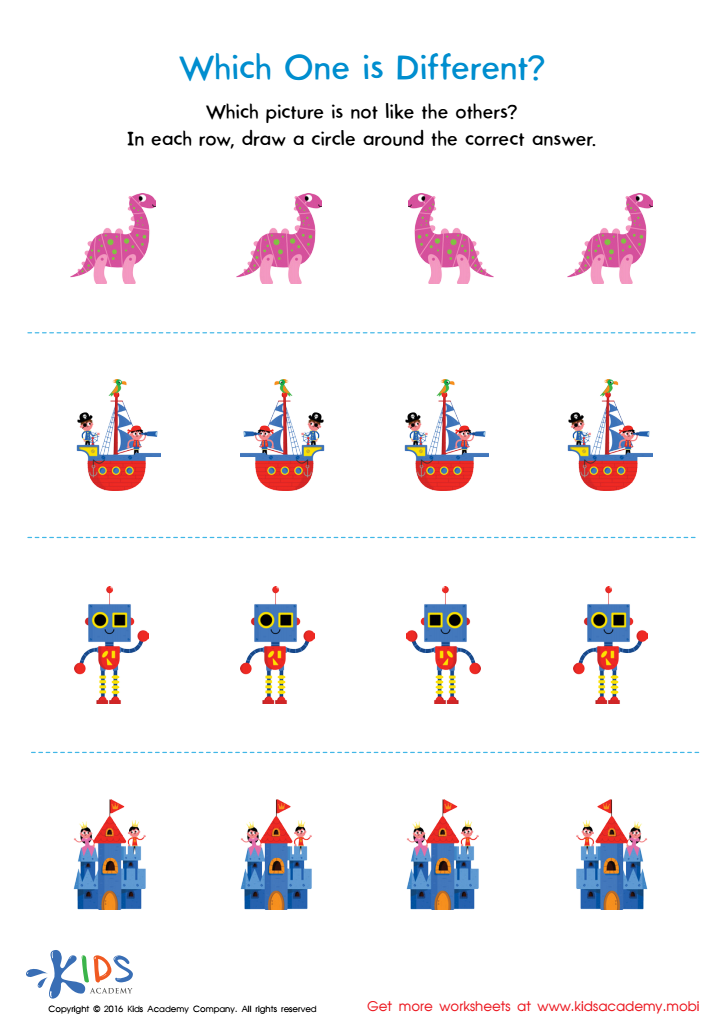
Which One Is Different Worksheet
 Assign to My Students
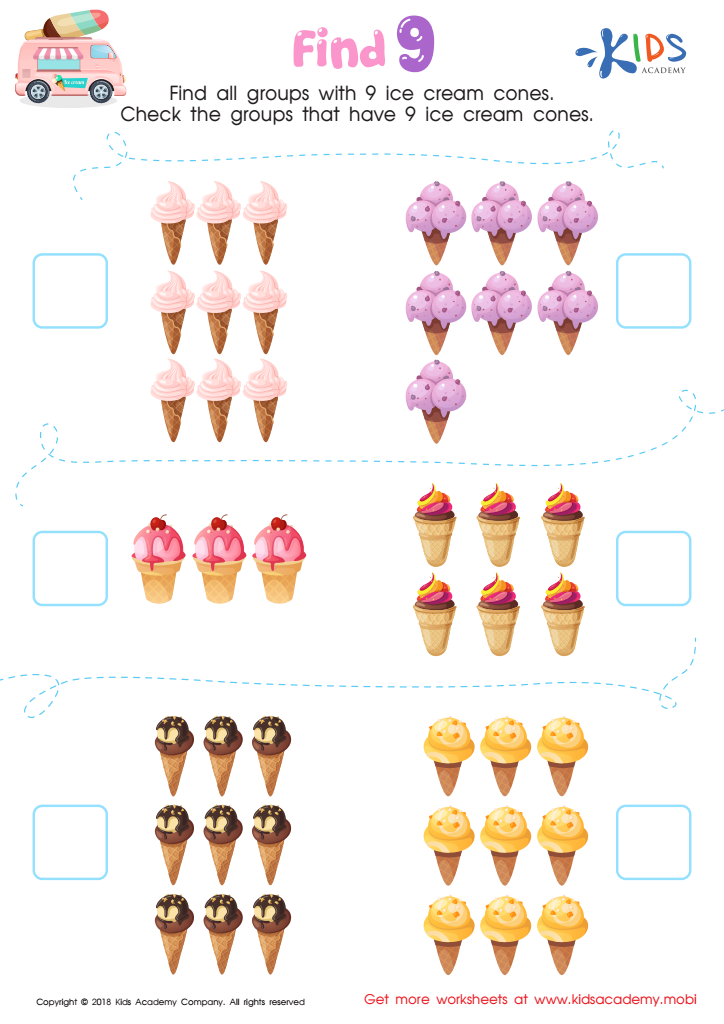
Find 9 Worksheet
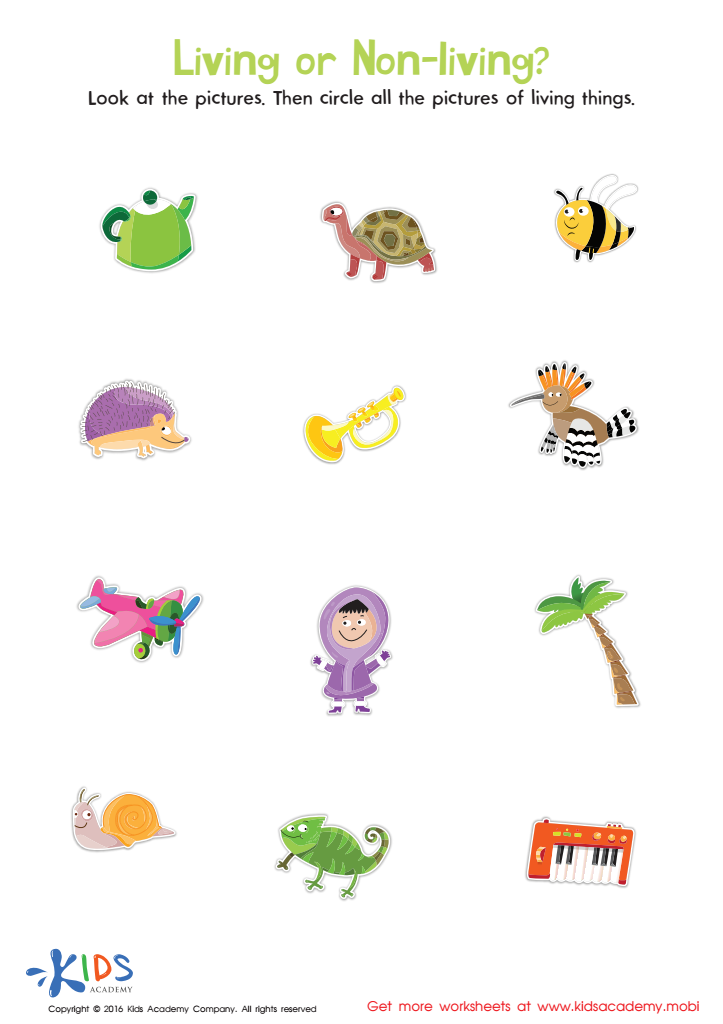
Identifying Living and Non–living Things Sorting Worksheet
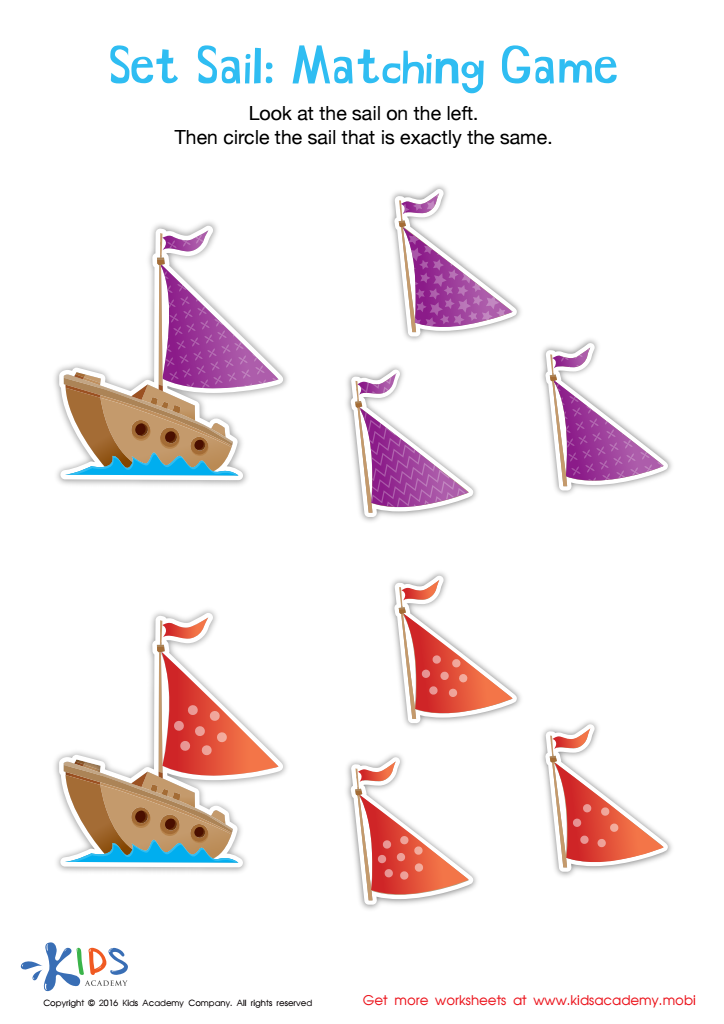
Set Sail Worksheet
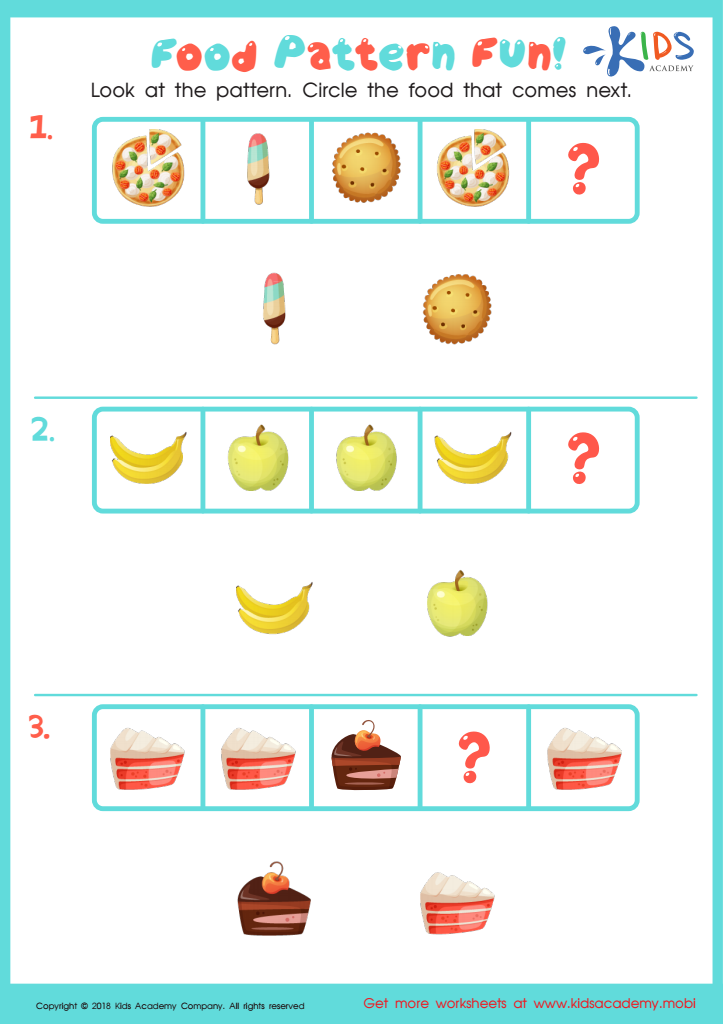
Food Pattern Fun Worksheet
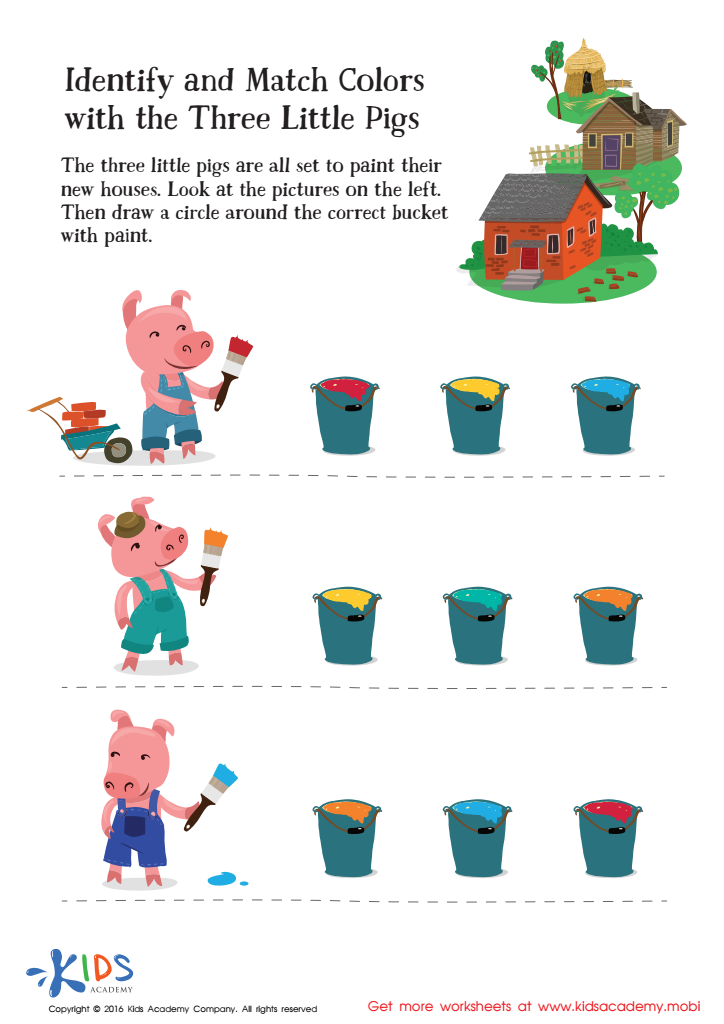
Fairy Tale Worksheet: Identify and Match Colors with Three Little Pigs
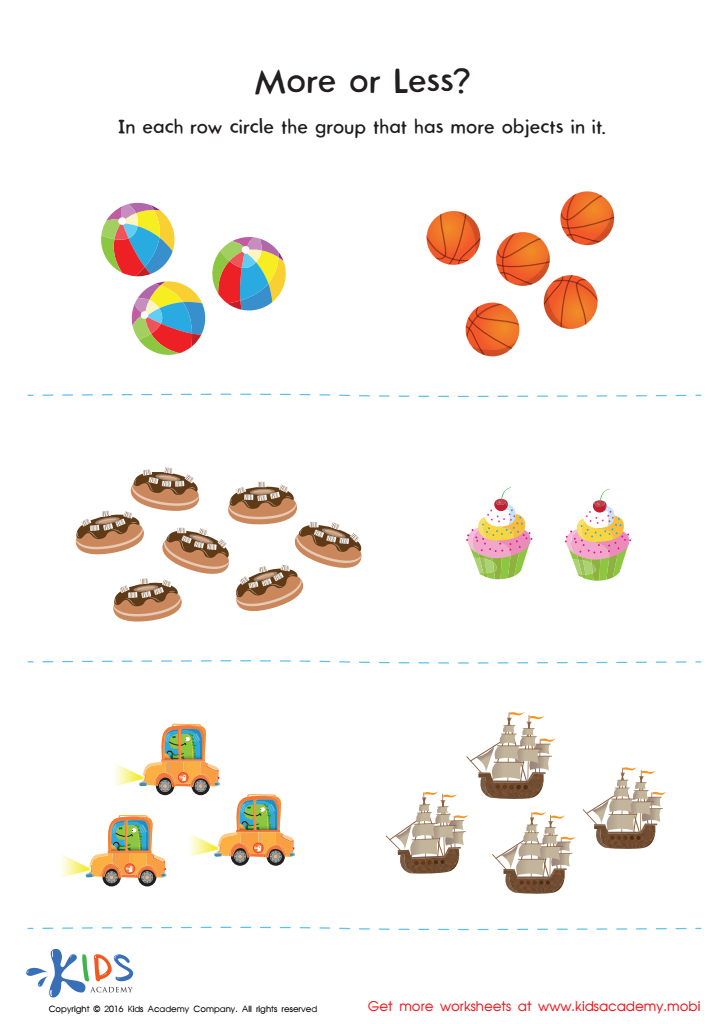
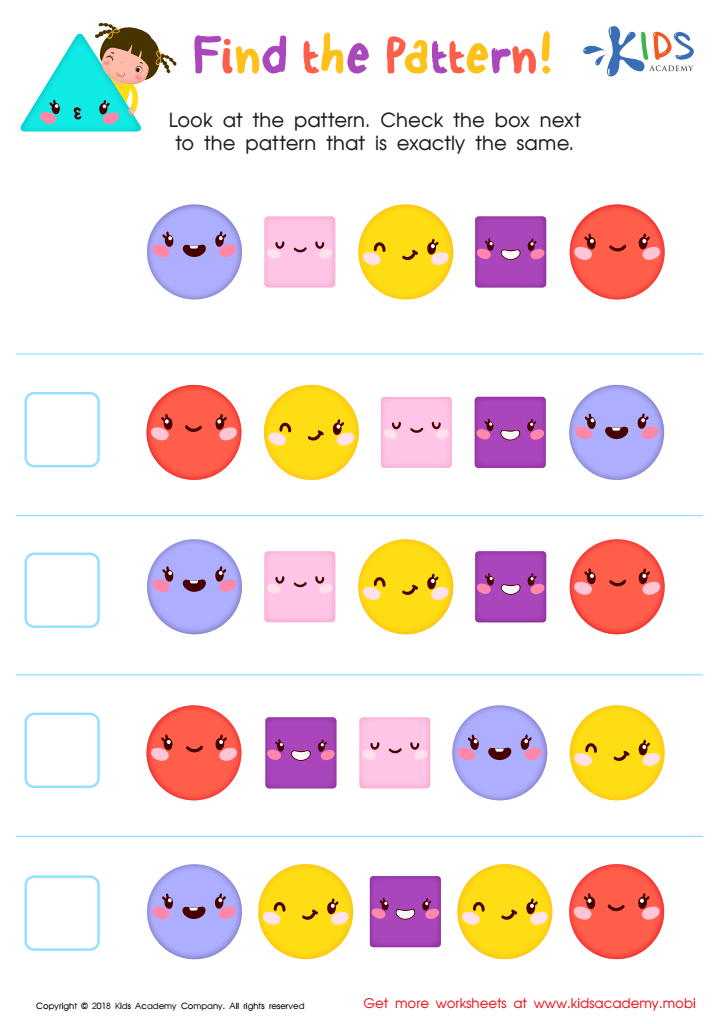
Find the Pattern Worksheet
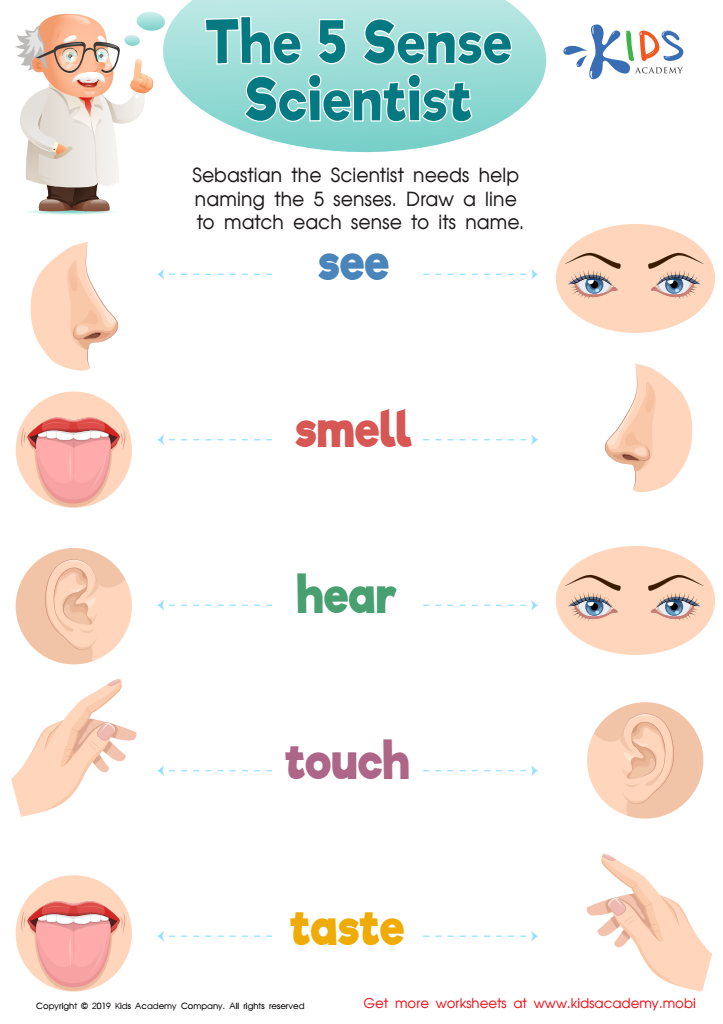
The 5 Sense Scientist Worksheet
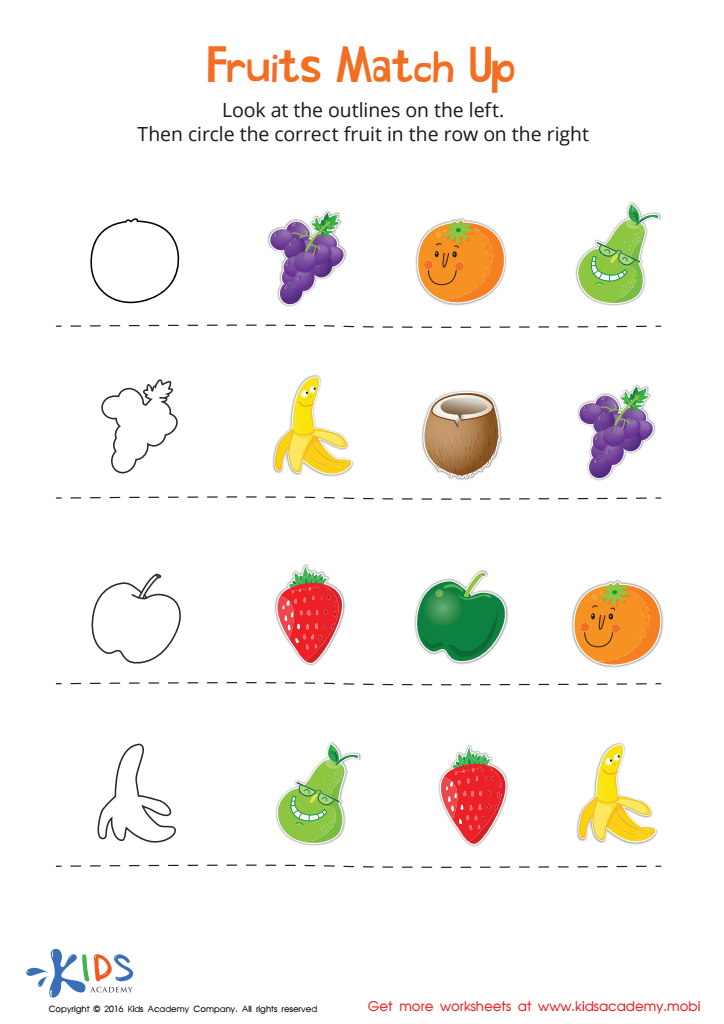
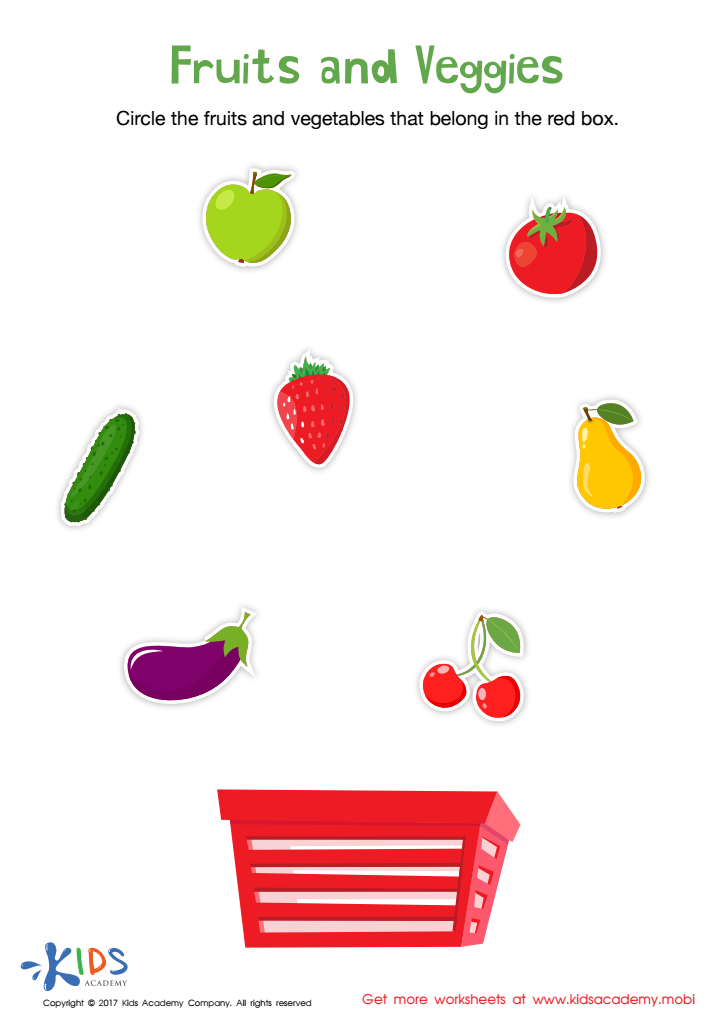
Fruits Match Up Worksheet
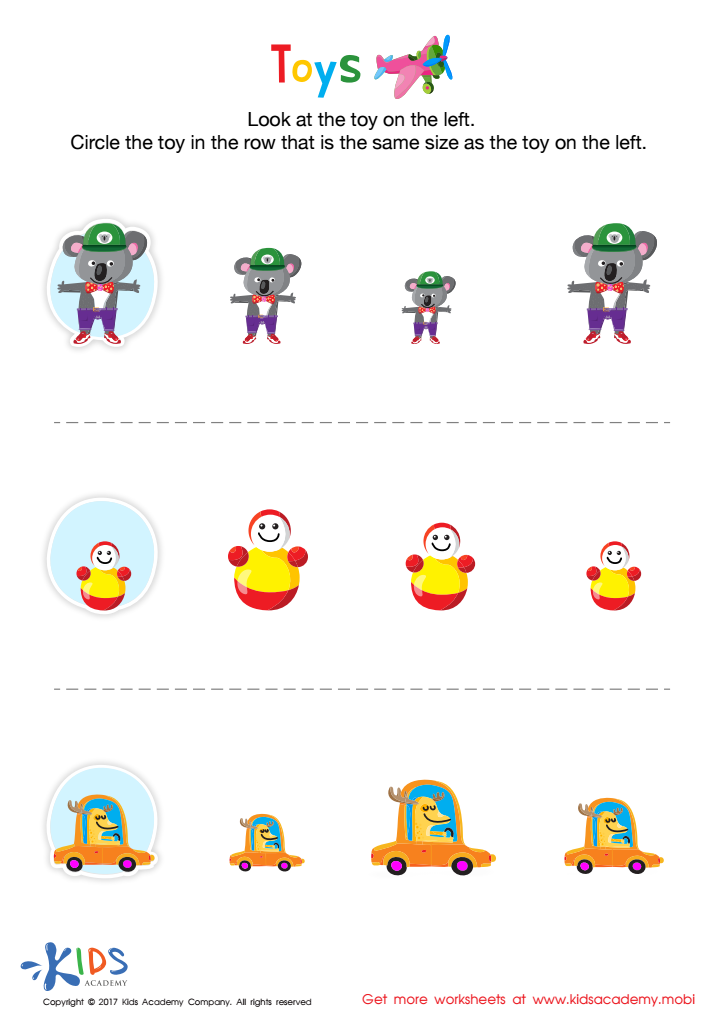
Matching: Classifying Toys by Size Worksheet
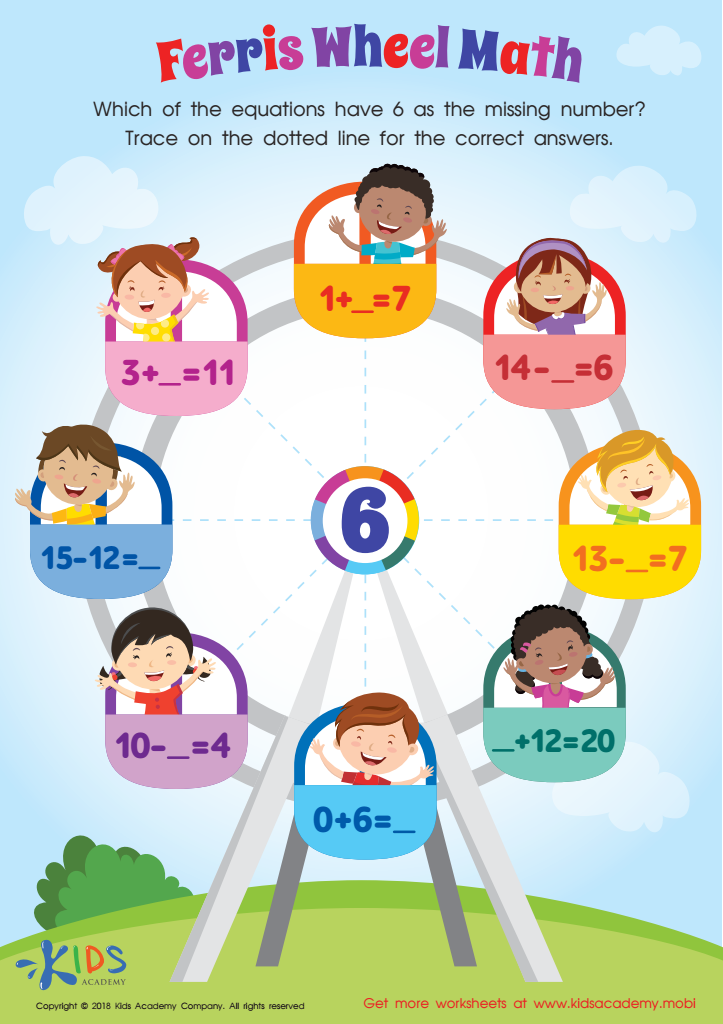
Missing Number: Ferris Wheel Math Worksheet
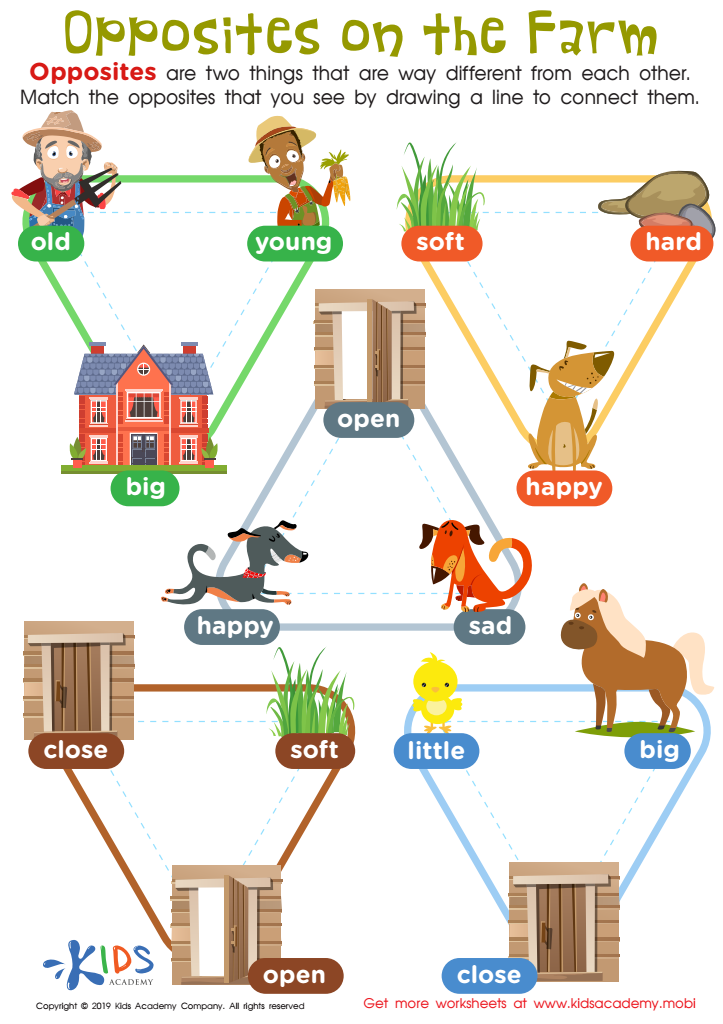
Opposites on the Farm Worksheet
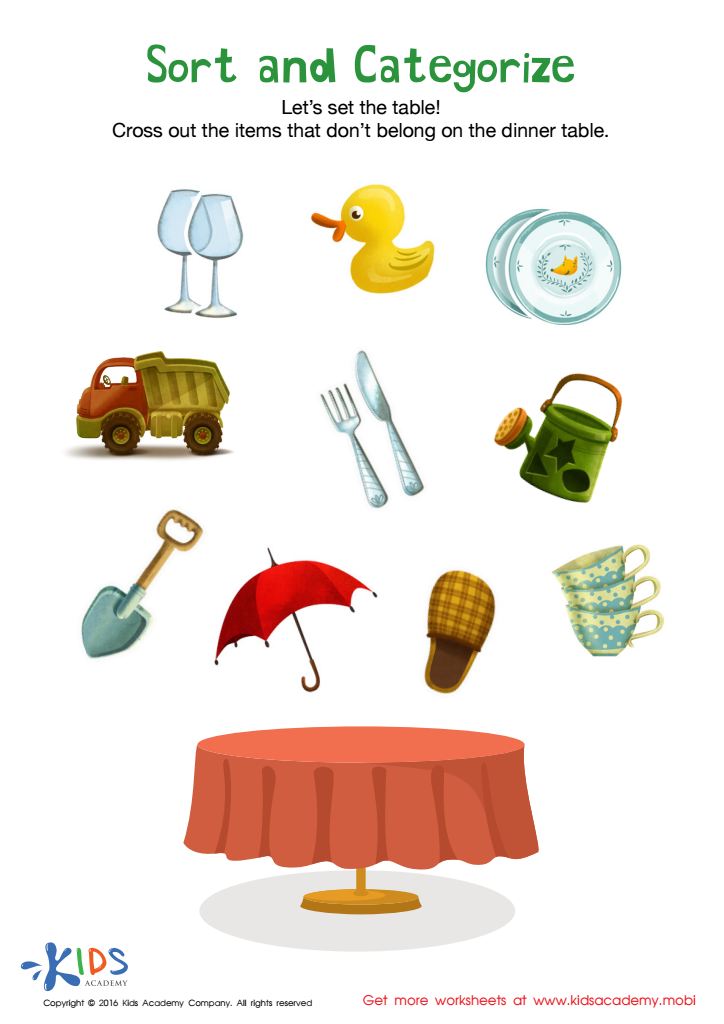
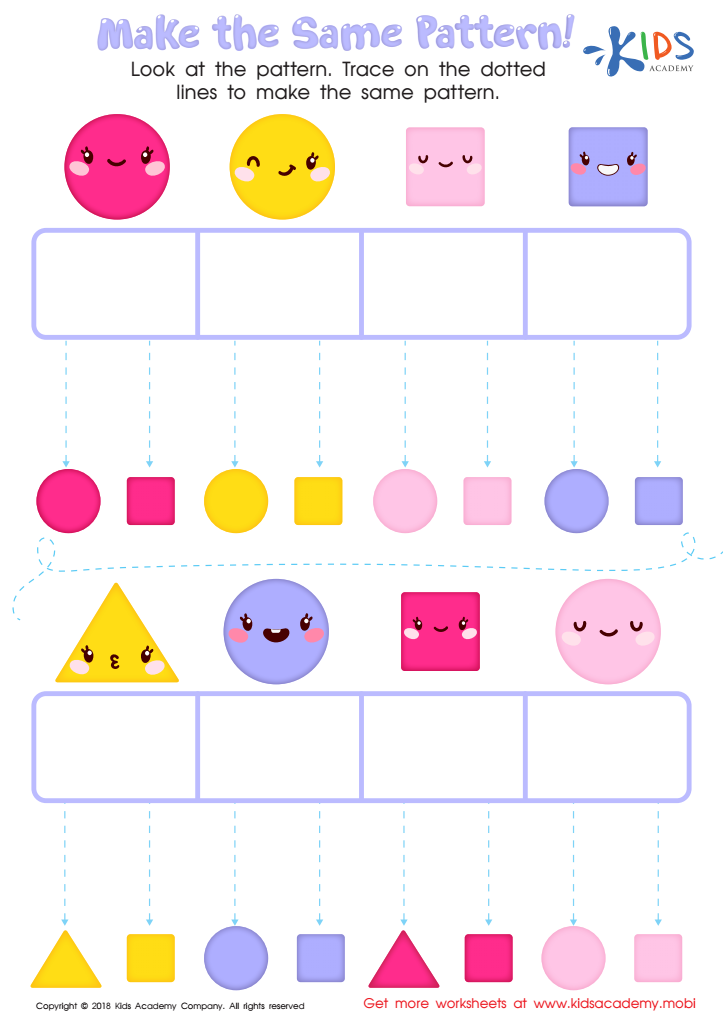
Make the Same Pattern Worksheet
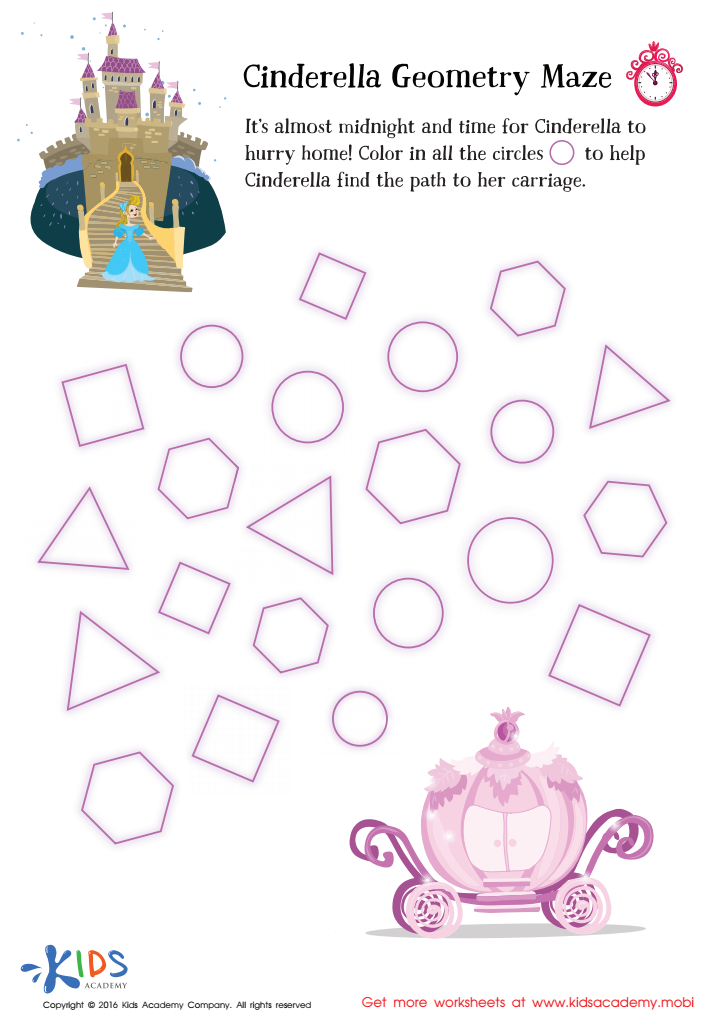
Cinderella Geometry Maze Worksheet
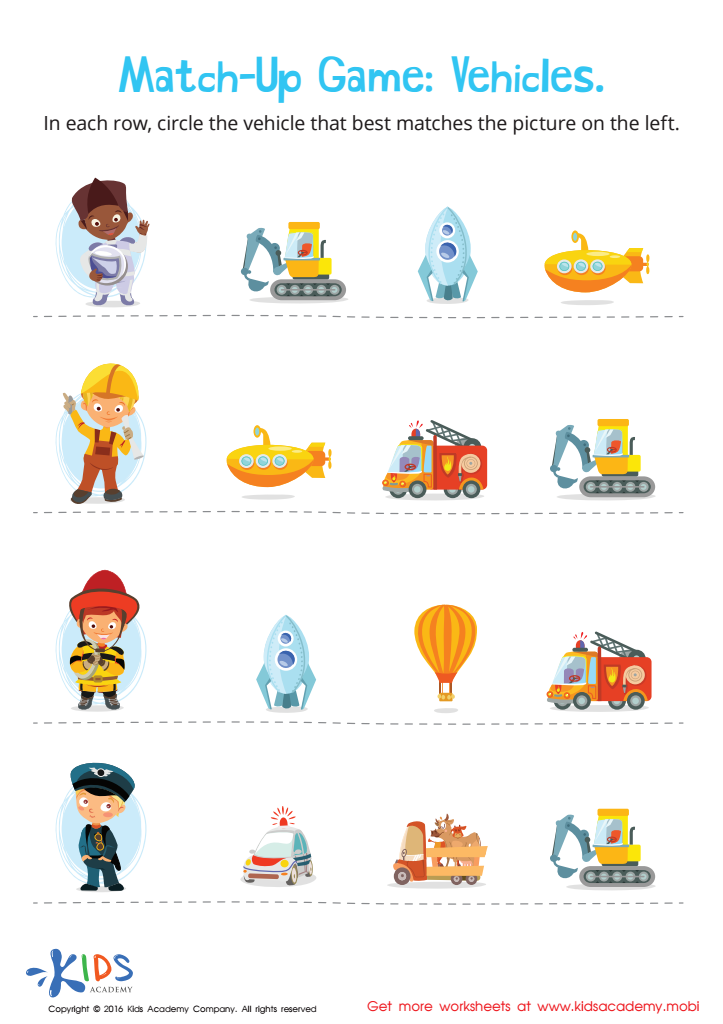
Vehicles Worksheet
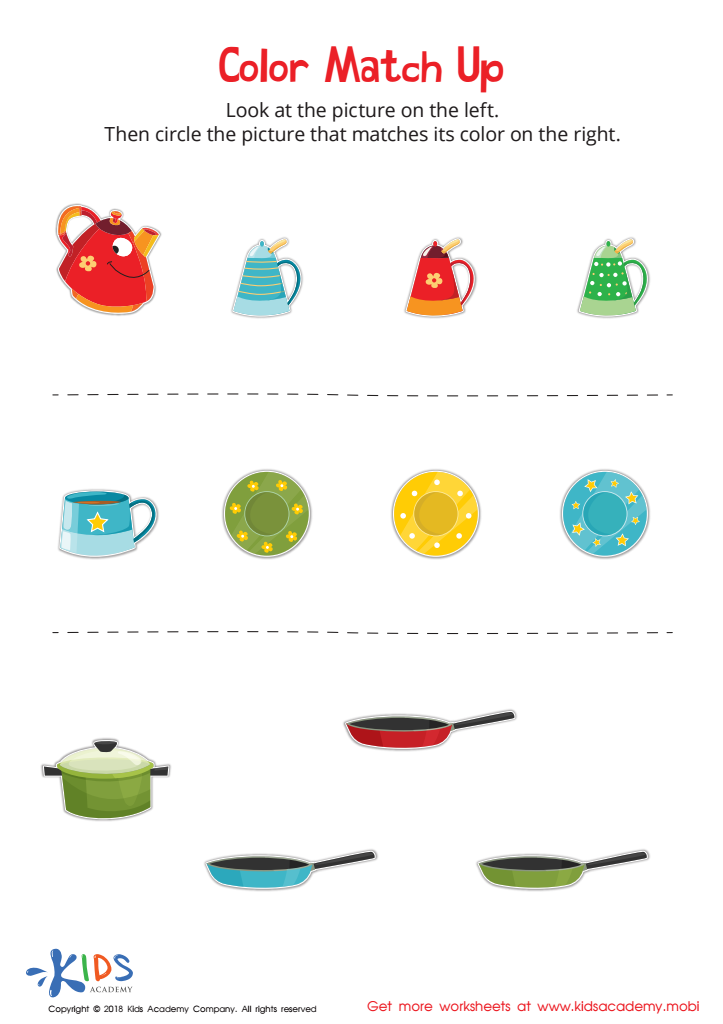
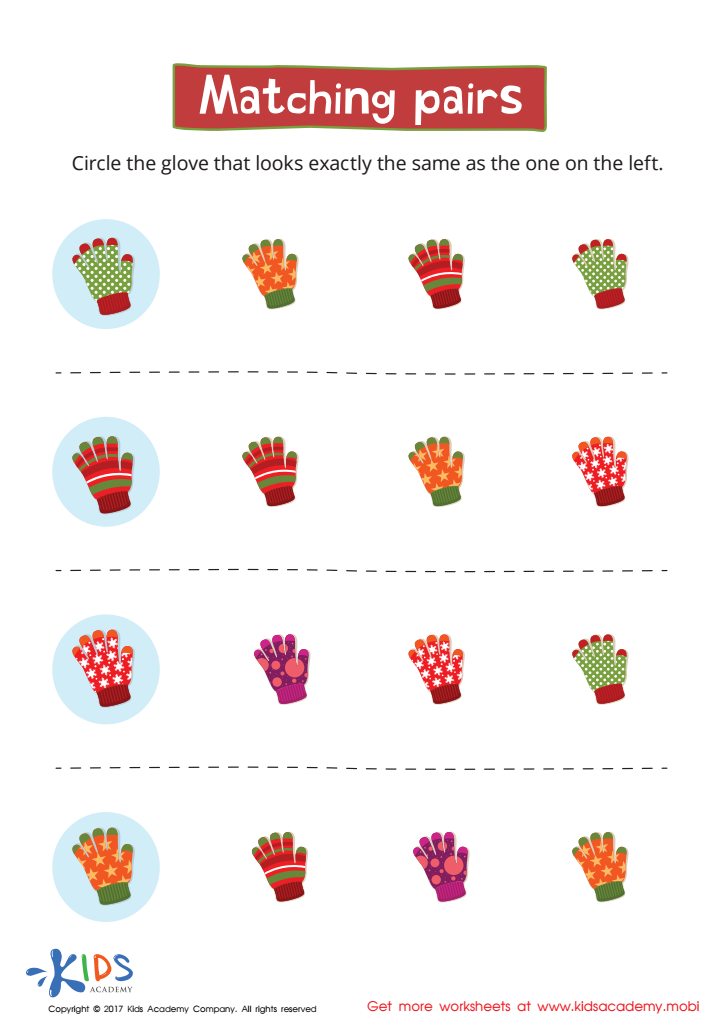
Matching: Matching Pairs Worksheet
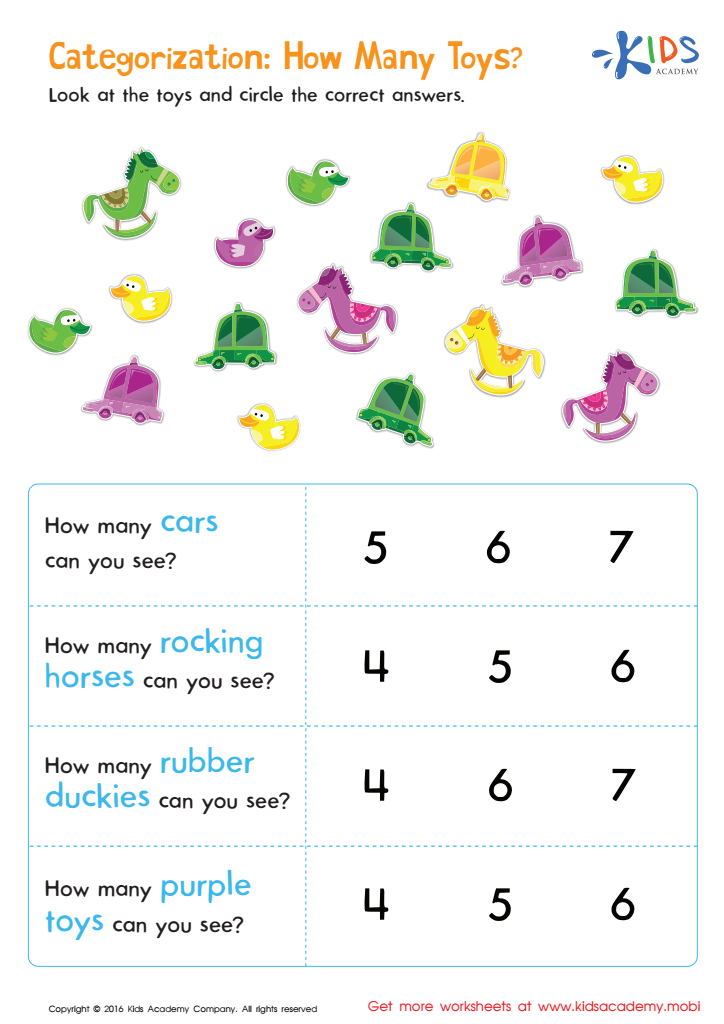
Classifying Toys by Type and Color Sorting Worksheet
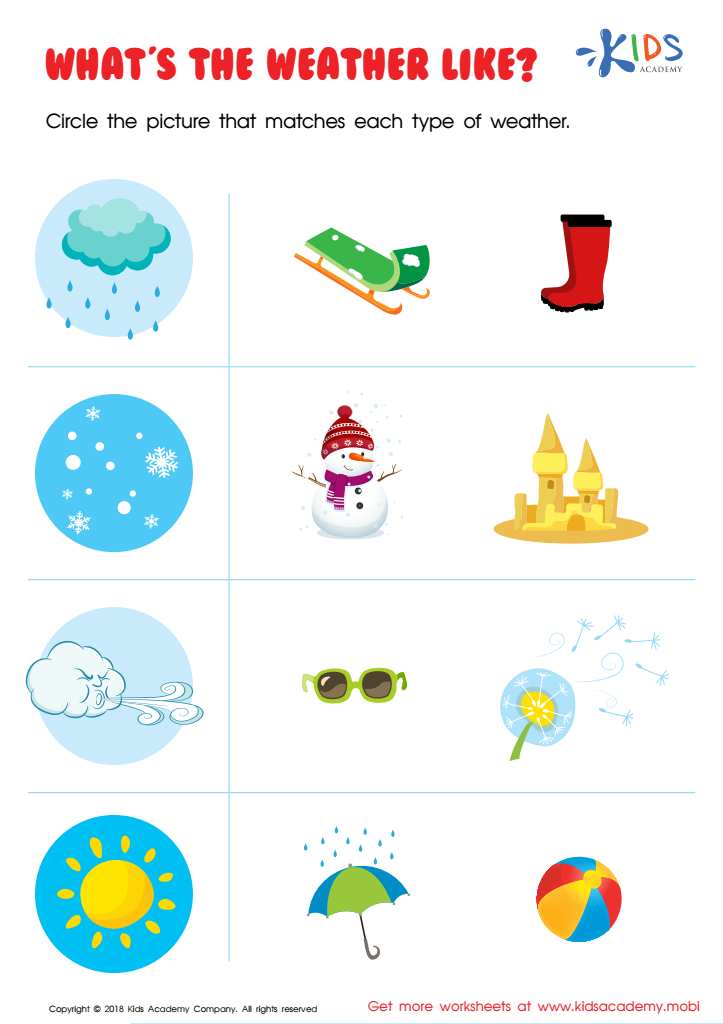
What's the Weather Like? Worksheet
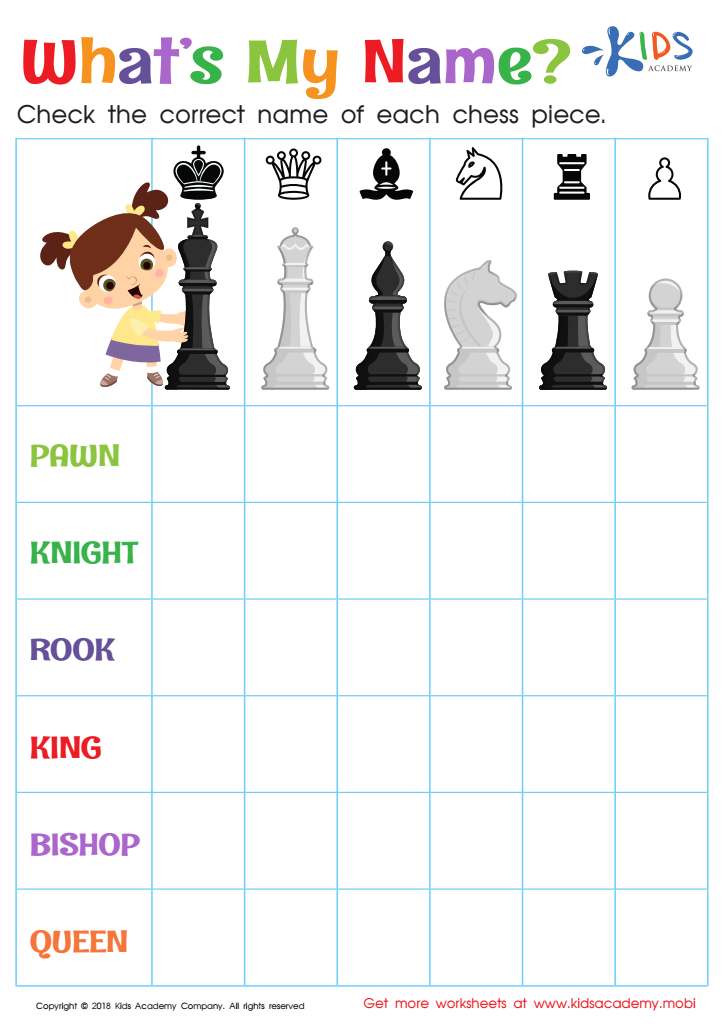
What's My Name? Worksheet
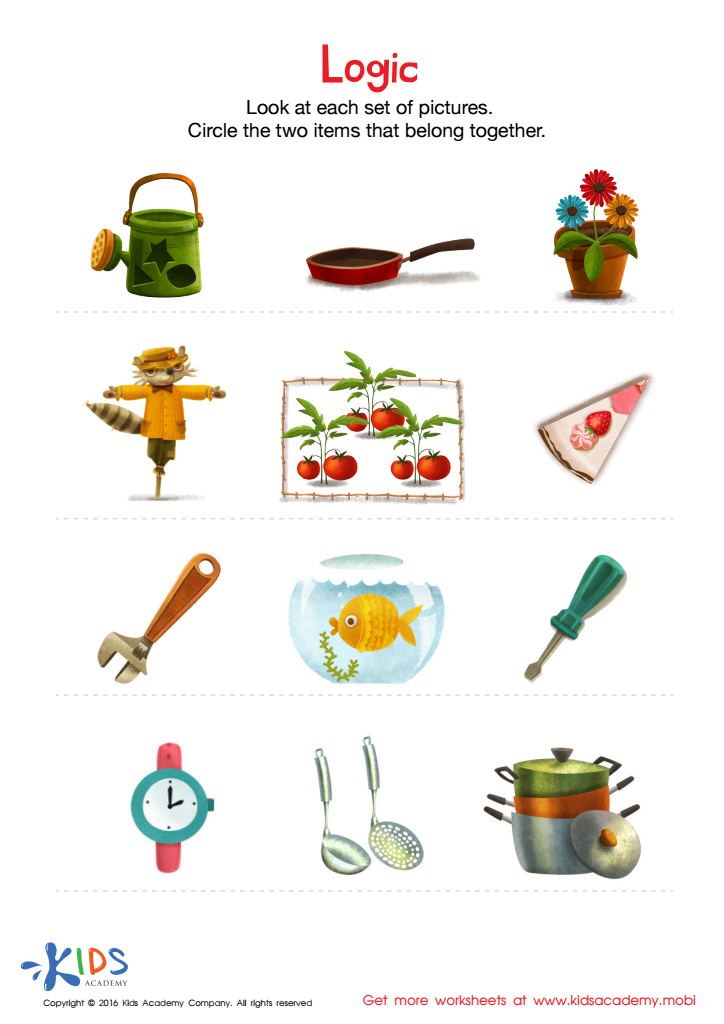
Logic Game Sorting Worksheet


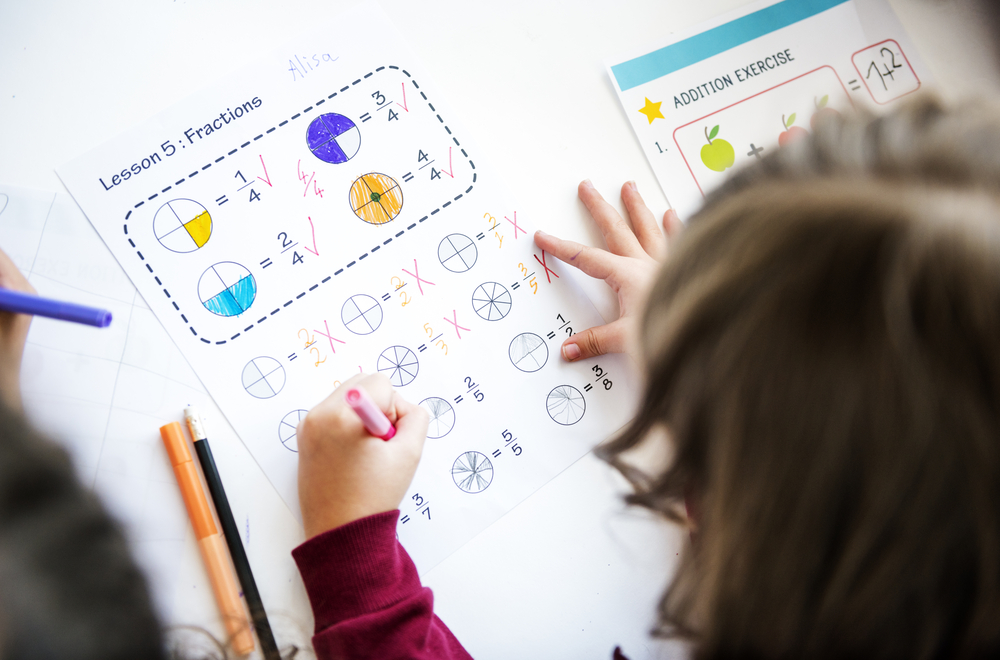





Normal Matching is an essential cognitive skill for children aged 5-7 that lays the groundwork for more complex learning later on. During this developmental phase, children are learning to categorize, sort, and make connections between similar objects or concepts. By engaging in Normal Matching activities, such as matching games, puzzles, or classifying objects, students enhance their observational skills and deepen their understanding of the world around them.
Parents and teachers should care about Normal Matching because it fosters critical thinking and problem-solving abilities. These skills promote independence in learning, encouraging children to explore and discover on their own. Additionally, Normal Matching activities support language development by promoting vocabulary expansion as children describe their matching criteria or the differences between objects.
Furthermore, engaging in Normal Matching helps boost a child's self-esteem. As they successfully complete matching tasks, they experience a sense of achievement, which motivates them to tackle more challenging tasks. The collaborative nature of these activities also enhances social skills, promoting teamwork and communication. In summary, Normal Matching offers a variety of cognitive, social, and emotional benefits, making it crucial for parents and teachers to prioritize in early education.








