
Fine Motor Skills Normal Math Worksheets for Ages 5-8
43 filtered results
Difficulty Level
Grade
Age
-
From - To
Subject
Activity
Standards
Enhance your child's mathematical learning and fine motor skills with our engaging worksheets designed specifically for ages 5-8. Our expertly crafted activities help kids develop precision and control while practicing math concepts such as addition, subtraction, and counting. Each worksheet offers hands-on tasks that keep young learners motivated and improve their hand-eye coordination. Perfect for reinforcing classroom lessons or extra practice at home, these worksheets make math fun and accessible. Introduce your little ones to a world of enjoyable learning experiences that nurture both their mathematical abilities and fine motor skills. Explore now and support their early academic journey!
Favorites
With answer key
Interactive
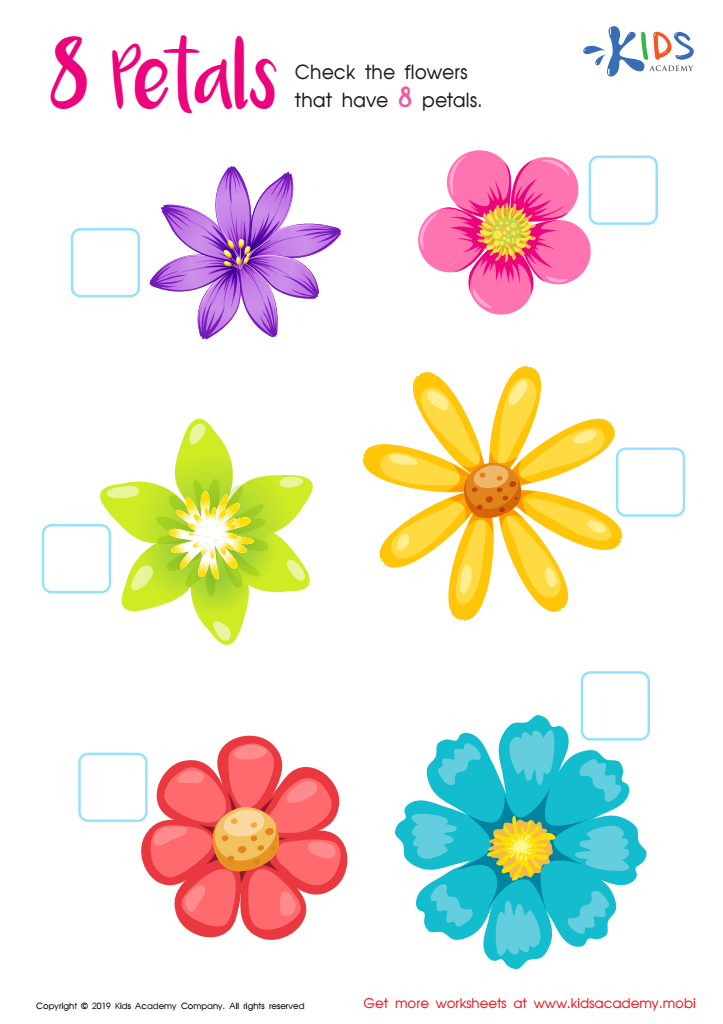
8 Petals Worksheet
Help your children master counting with this fun worksheet. It's filled with colorful flowers and they must count the petals and check the flowers with 8 petals. It's a great way to practice their counting skills and have some fun too!
 Assign to My Students
8 Petals Worksheet
Worksheet
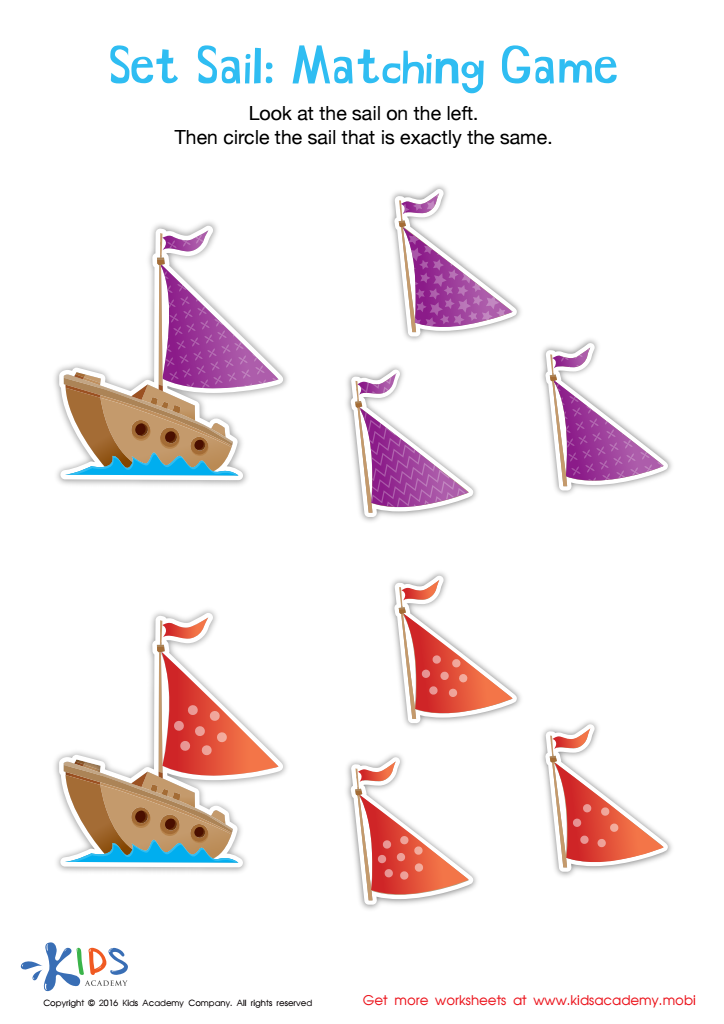
Set Sail Worksheet
Set sail with this fun matching game for toddlers! Kids will love finding the same pattern on the sails, improving their problem-solving and counting skills. Enjoy this bright and engaging worksheet!
Set Sail Worksheet
Worksheet
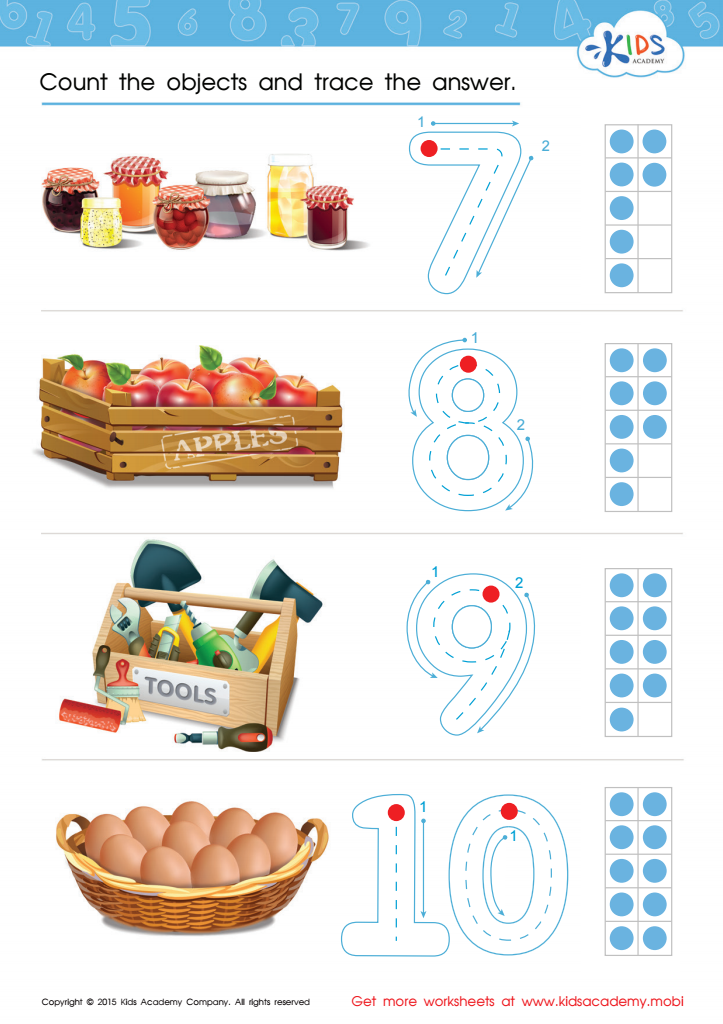
Count and Trace 7 – 10 Worksheet
Let your child develop a lifelong love of math with Kids Academy's printable math worksheet based on the innovative Singapore Math method. It uses funny pictures and graphs to help solve math problems. Check out our amazing collection of free printable math worksheets now!
Count and Trace 7 – 10 Worksheet
Worksheet
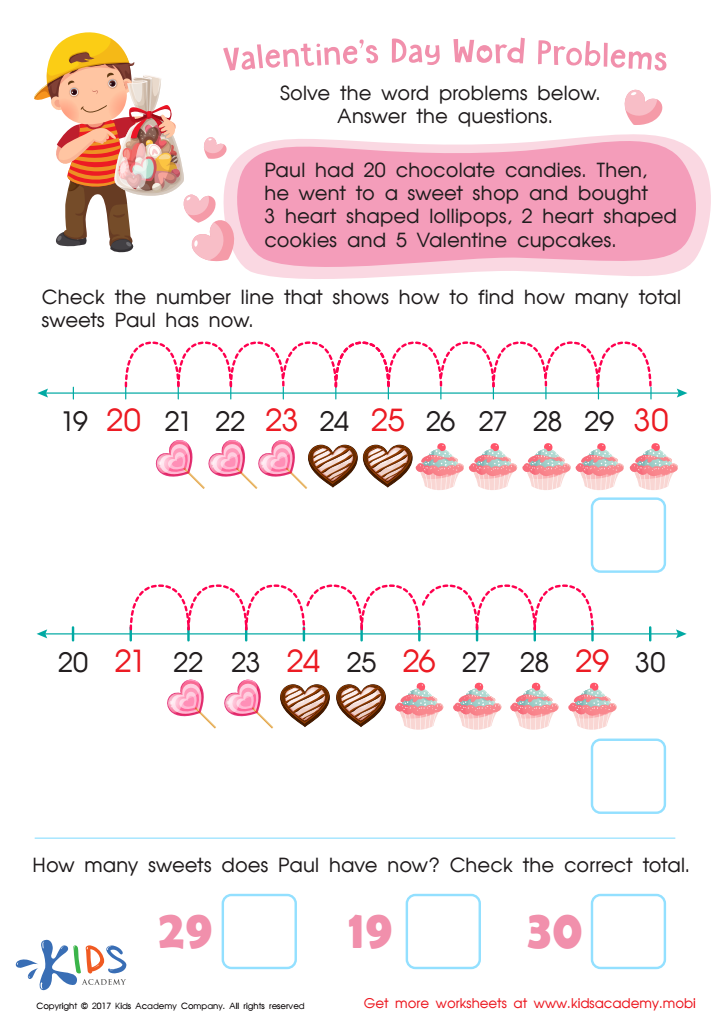
Valentines Day 2 Printable
This PDF worksheet uses a number line to help solve the problems. Your child will be ready for Valentine's Day after completing it. Counting and adding from 20 is also reinforced.
Valentines Day 2 Printable
Worksheet
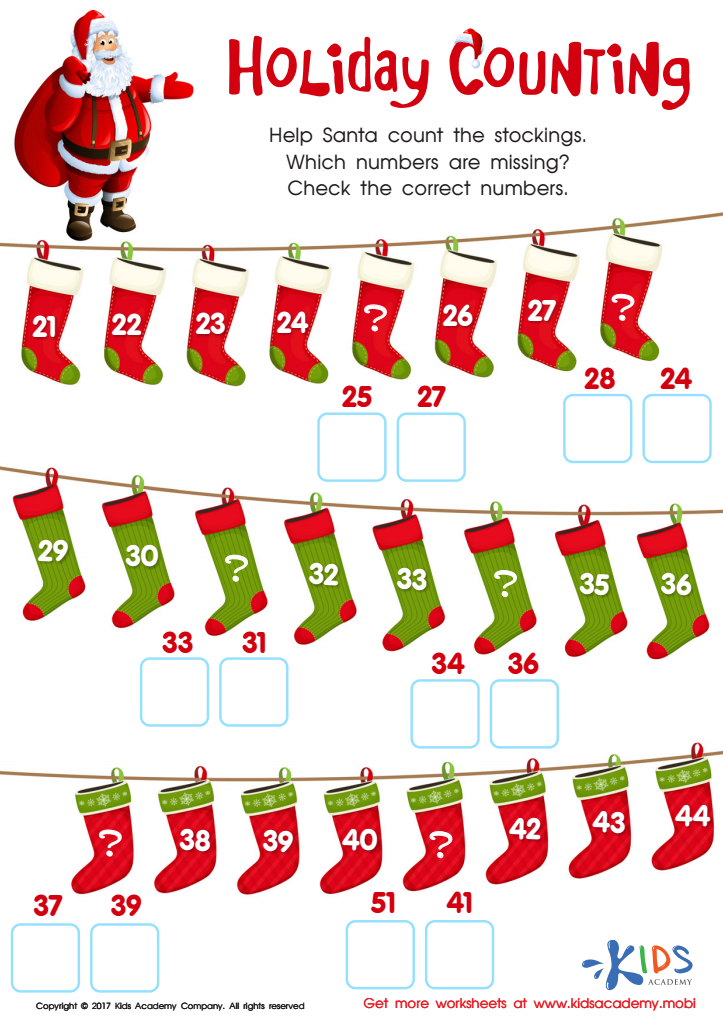
Holiday Counting Worksheet
Let's spread some holiday cheer! Santa needs help counting stockings hung up for gifts - can your little one lend a hand? Find the missing numbers on the worksheet and have them check the boxes for the correct answers. Time to get counting!
Holiday Counting Worksheet
Worksheet
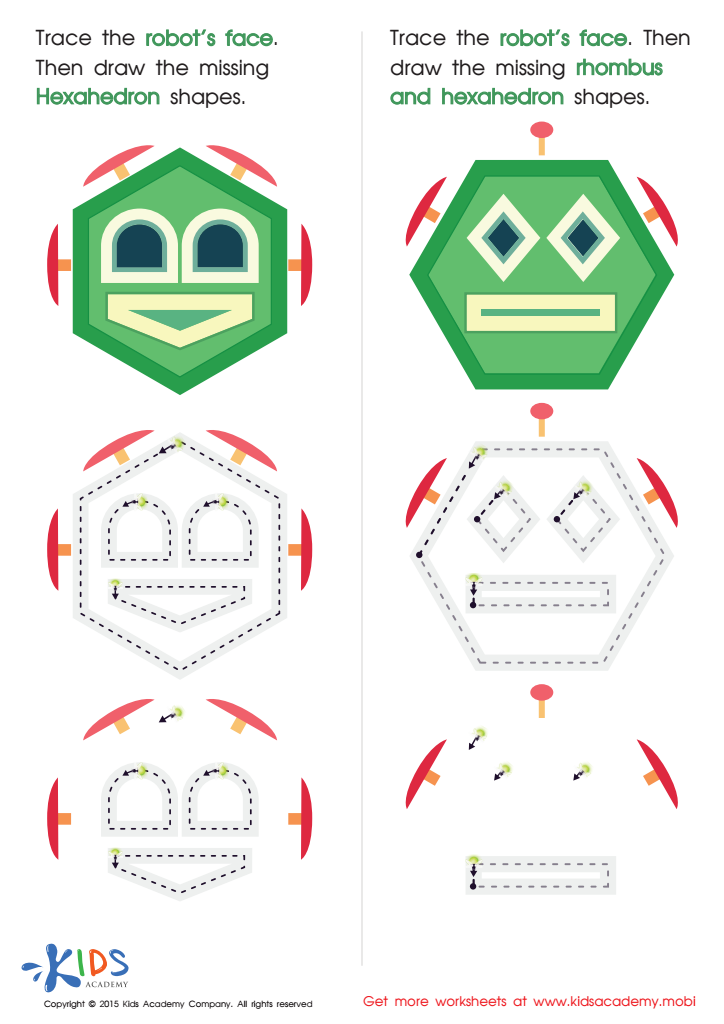
Practice Drawing Hexahedrons And a Rhombus Worksheet
Trace the Robot's face, draw hexahedron and rhombus shapes, then trace again. Our tracing shapes worksheets make it easy for kids to learn geometry. Get more materials from Kids Academy to practice all the shapes.
Practice Drawing Hexahedrons And a Rhombus Worksheet
Worksheet
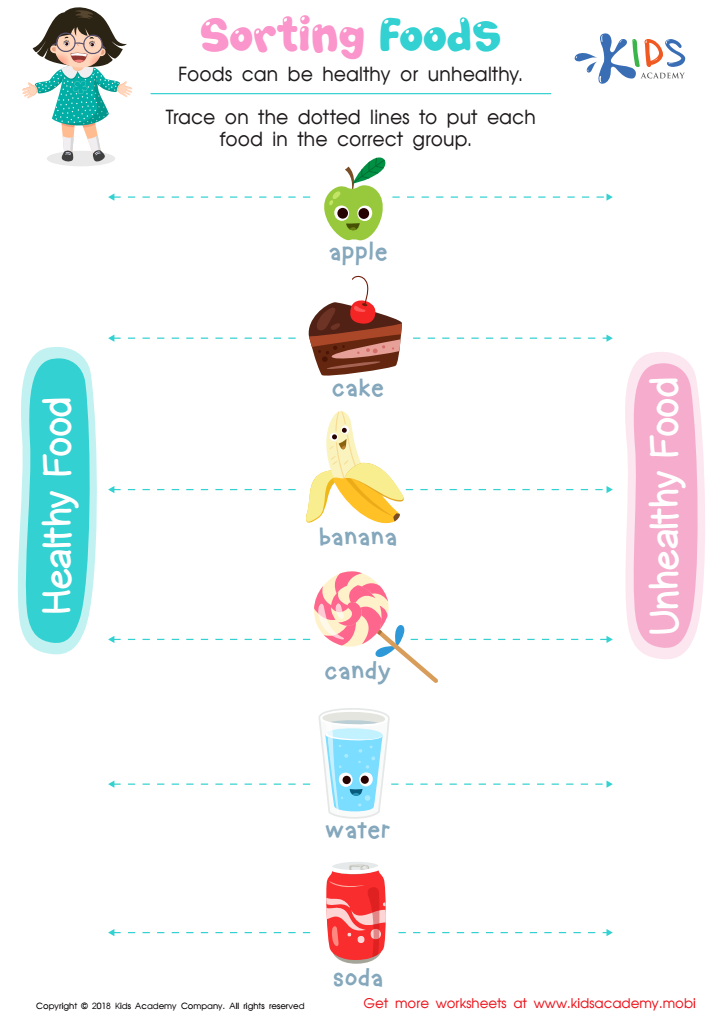
Sorting Food Worksheet
This delightful worksheet boosts critical thinking and fine motor skills. Kids use prior knowledge and pictures to sort foods into healthy and unhealthy groups. Tracing lines support accurate sorting and matching. Enjoy fun and free learning!
Sorting Food Worksheet
Worksheet
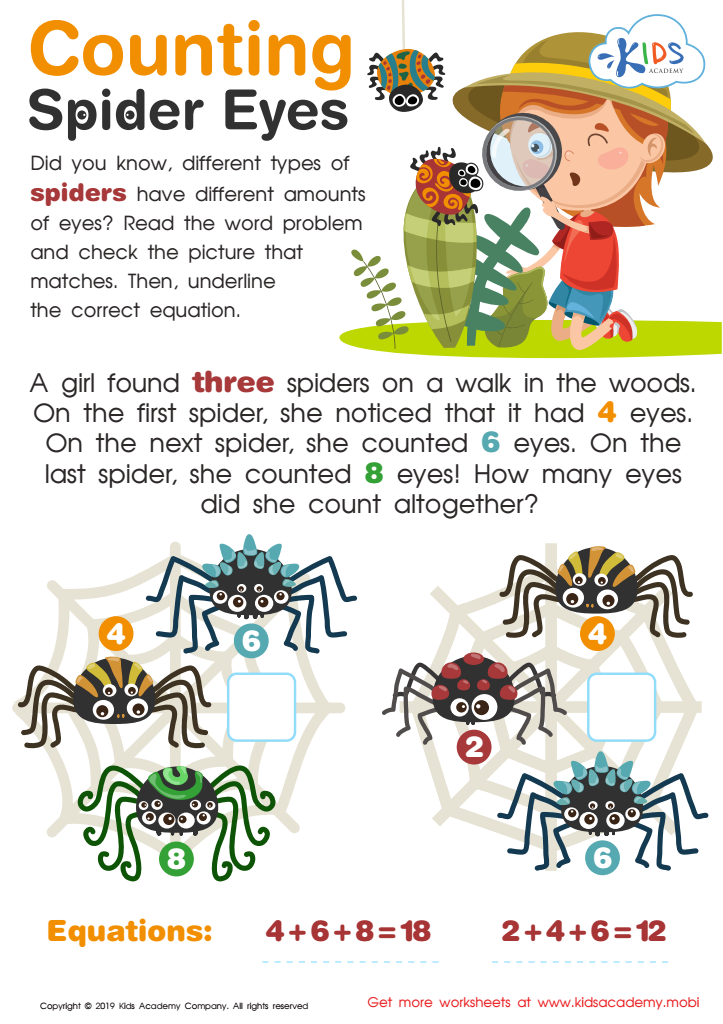
Counting Spider Eyes Worksheet
Did you know different spiders have different eye numbers? Kids will love learning this fact and solving the spider word problems on this free worksheet! Word problems promote a deeper understanding of the concept, plus they get to add up the spiders’ eyes while solving addition problems with more than one addend. Fun and math all in one!
Counting Spider Eyes Worksheet
Worksheet
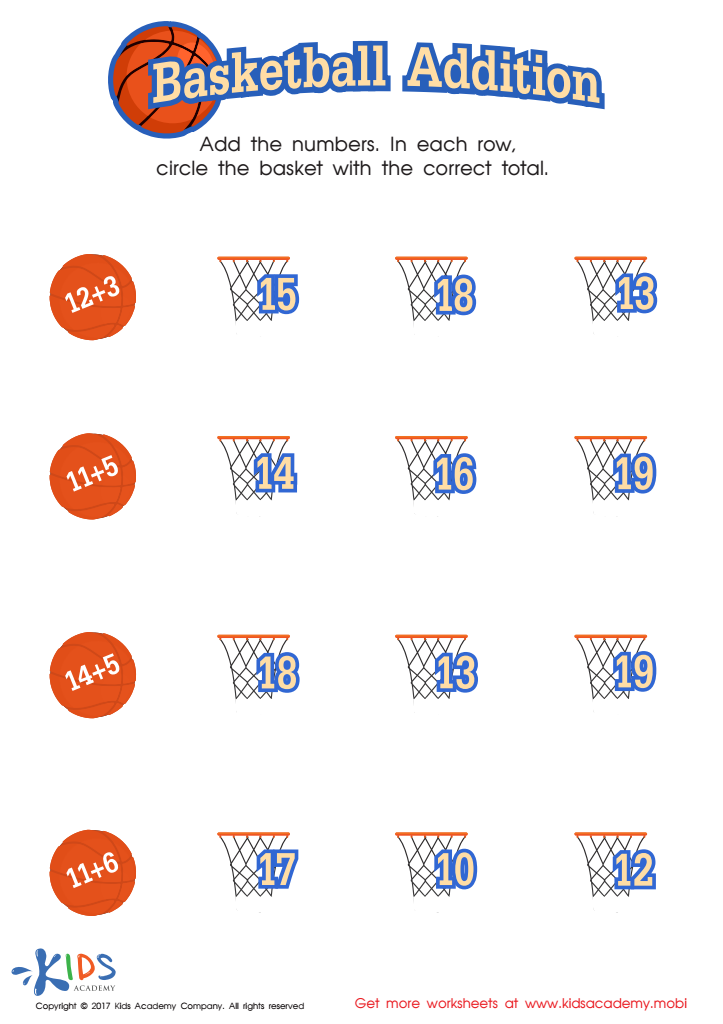
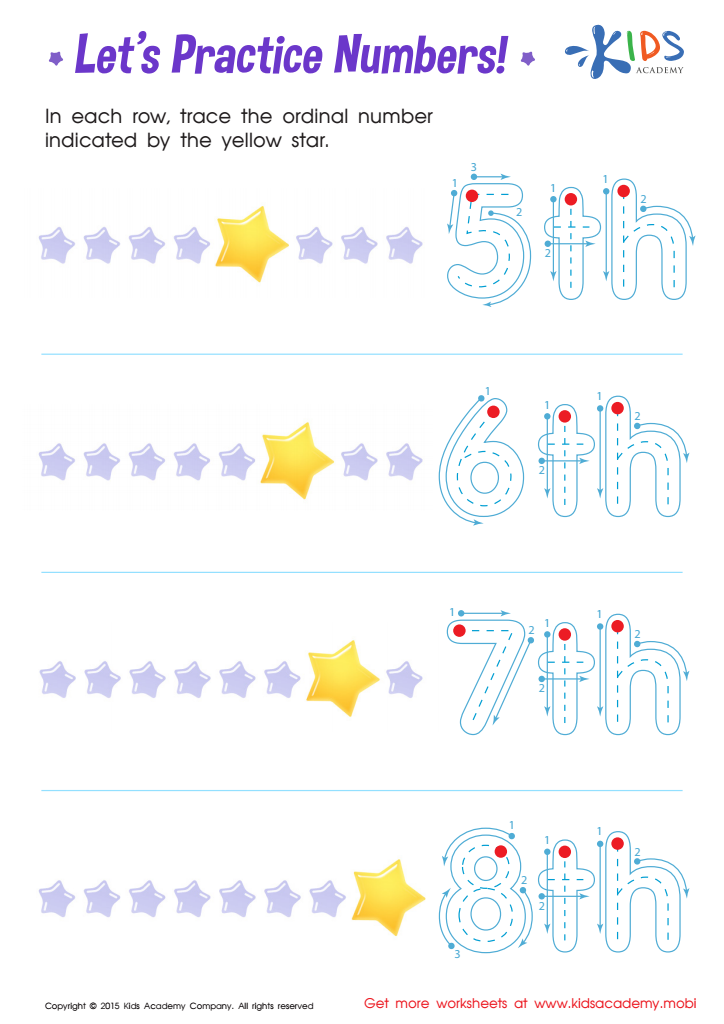
Ordinal Numbers: Let's Practice Numbers Printable
Worksheet
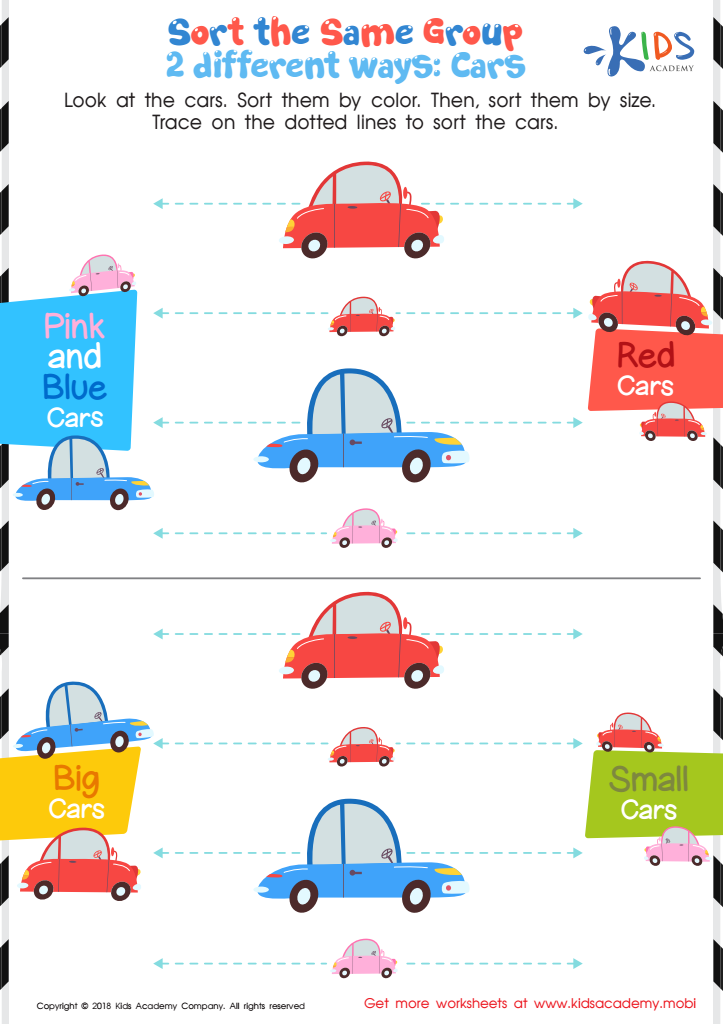
Sort the Same Group 2 Different Ways: Cars Worksheet
Look at the pictures with your child. Can they identify the objects? Ask them to sort the cars first by color and then size. Assist them to trace the dotted lines to sort the cars by color and size. This worksheet lets you easily assess your child's color and size organization skills.
Sort the Same Group 2 Different Ways: Cars Worksheet
Worksheet
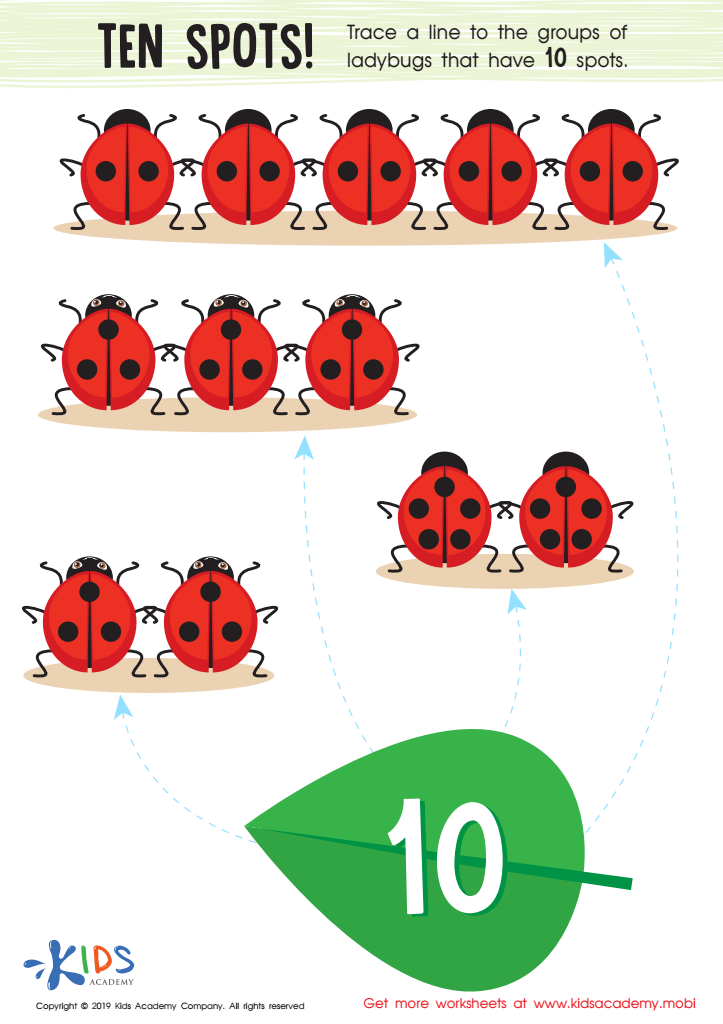
Ten Spots Worksheet
Kids love ladybugs! Ask them to tell you what stands out most--the spots. Show them a picture and help them count the spots. Trace a line to the group with 10 spots for a fun counting lesson.
Ten Spots Worksheet
Worksheet
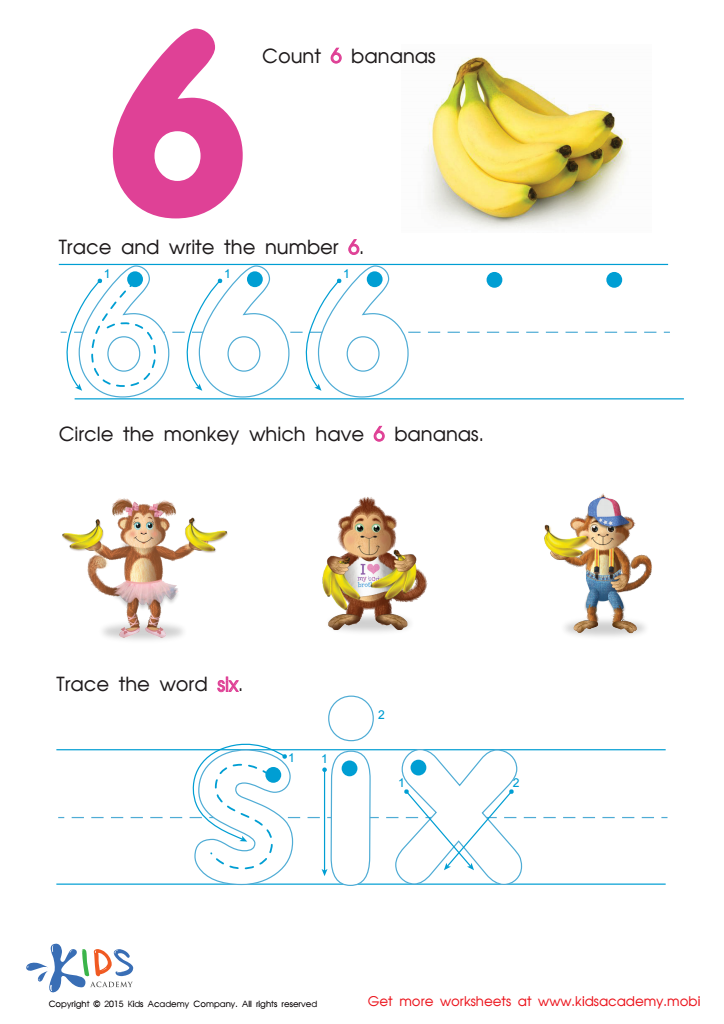
Tracing And Writing Number 6 Worksheet
Learn numbers in a fun way with our preschool number worksheets. Count six bananas, trace and write the number, find the monkey with six bananas, and trace the word "six." Explore more activities at Kids Academy.
Tracing And Writing Number 6 Worksheet
Worksheet
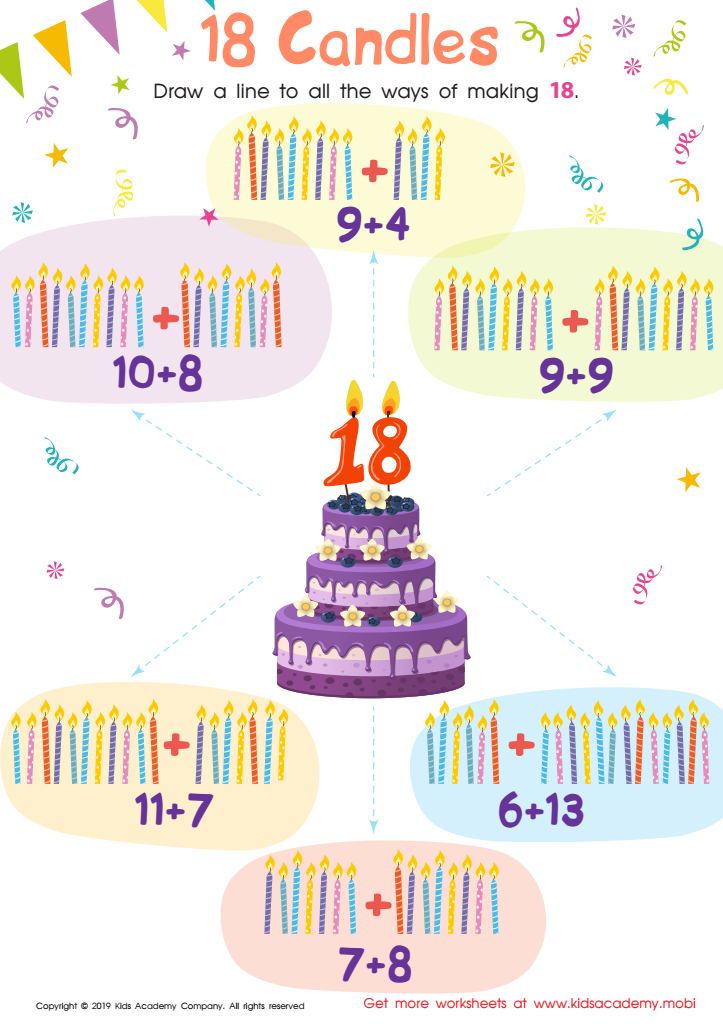
18 Candles Worksheet
This worksheet is great for introducing your students to addition and subtraction. Help your kids solve the simple equations on it and draw a line from the birthday cake with 18 on it to all the solutions. Practice like this will prepare them to tackle more complex math problems.
18 Candles Worksheet
Worksheet
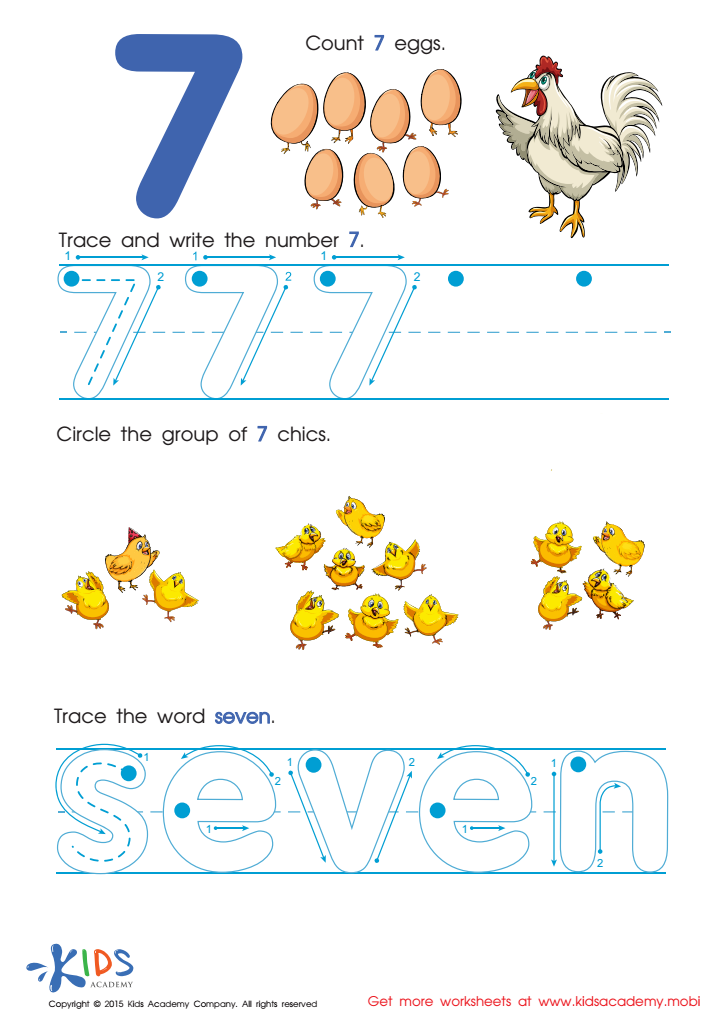
Trace And Write Number 7 with Fun Worksheet
Try one with a cute hen and its seven eggs! Trace and write the number 7, circle the group of seven chicks, and trace the word "seven". Fun and educational!
Trace And Write Number 7 with Fun Worksheet
Worksheet
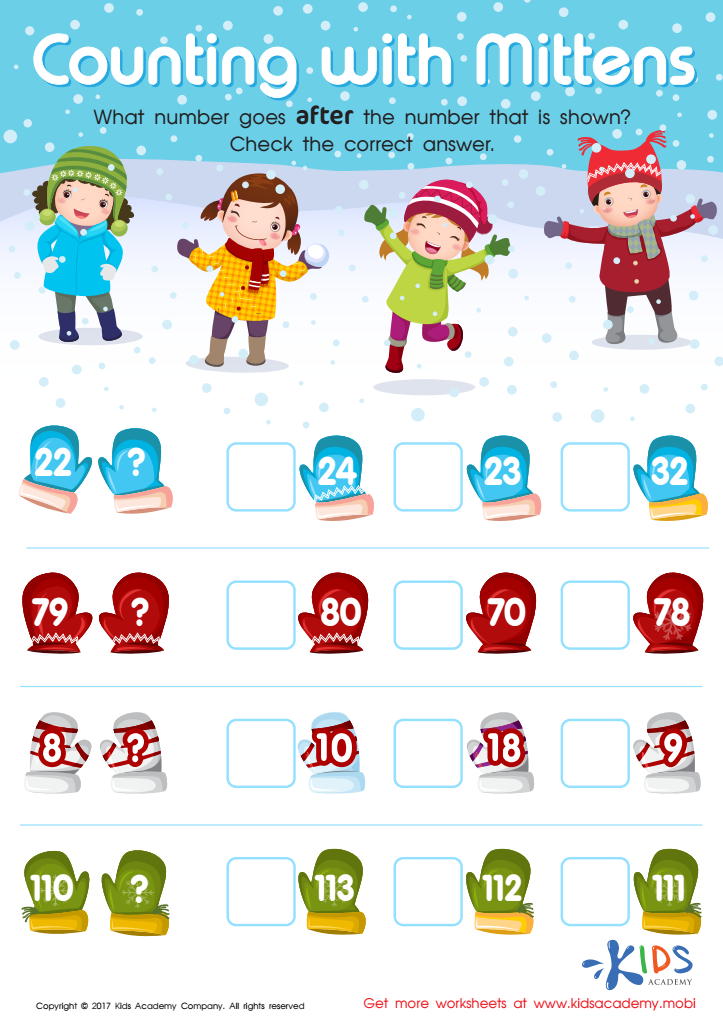
Counting with Mittens Worksheet
Let your kid have fun with this counting worksheet! It encourages them to count numbers and figure out which come next in the picture. Check the box with the correct answer - it's already provided. No more groaning and tears - this is a great way to learn!
Counting with Mittens Worksheet
Worksheet
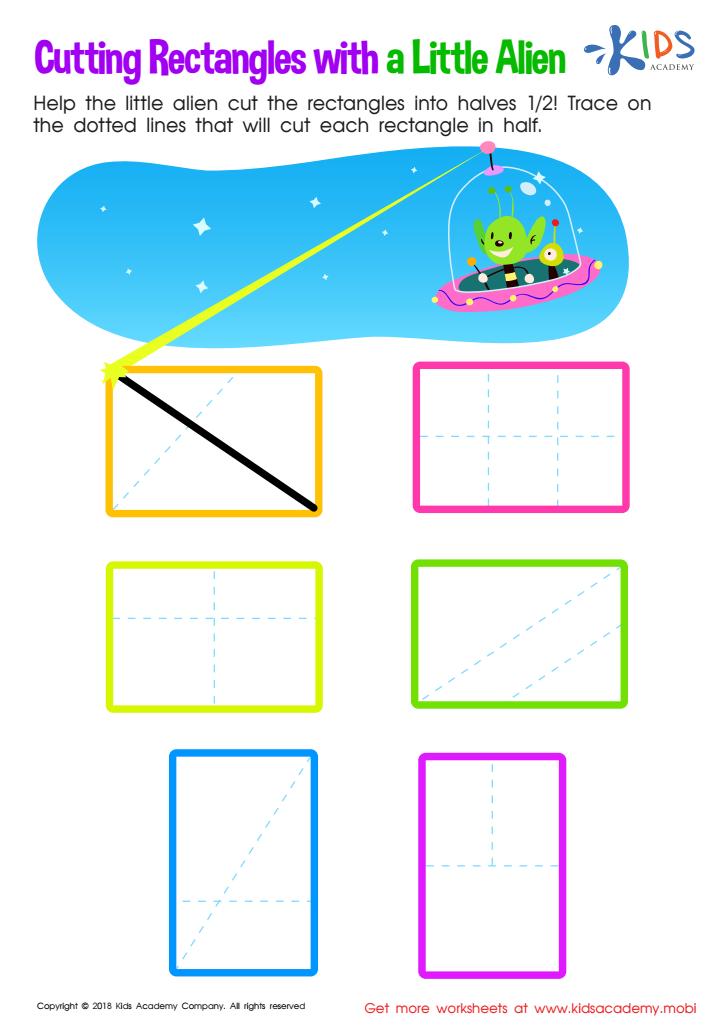
Cutting Rectangles with Alien Worksheet
If your students are interested in aliens and otherworldly events, they'll love this exercise! It requires them to help a small alien cut rectangles into halves (½). They must trace the dotted lines to accurately cut each rectangle.
Cutting Rectangles with Alien Worksheet
Worksheet
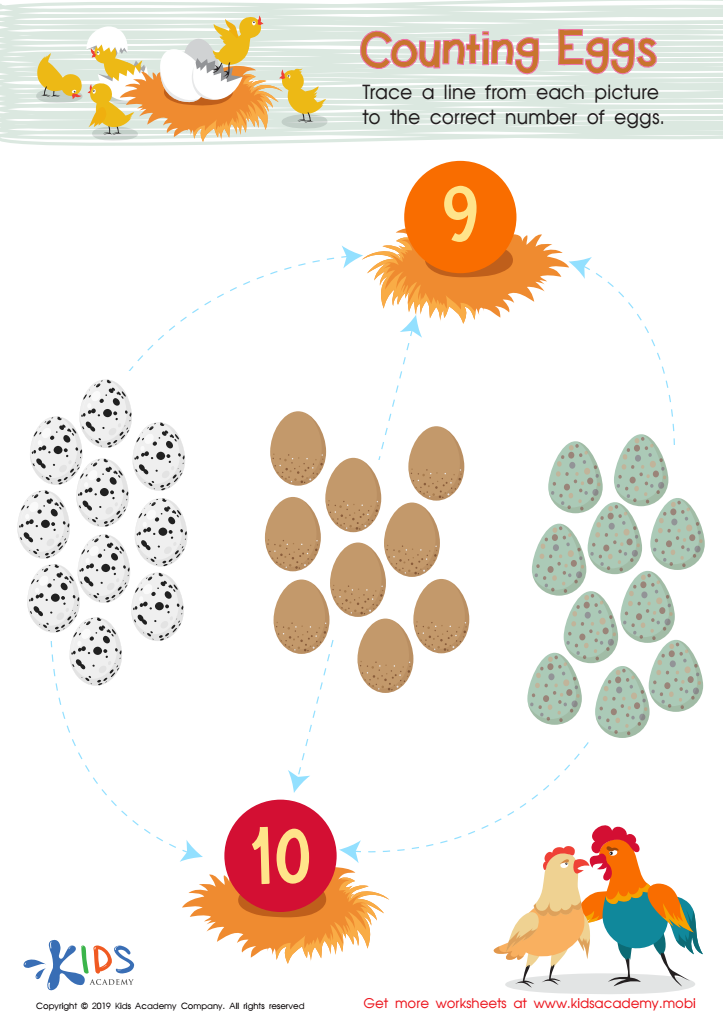
Counting Eggs Worksheet
This worksheet is great for teaching kindergarteners to count and add numbers. It includes colorful pictures of eggs with numbers to trace. Help students count the eggs and draw a line to the right number. This will make learning fun and easy!
Counting Eggs Worksheet
Worksheet
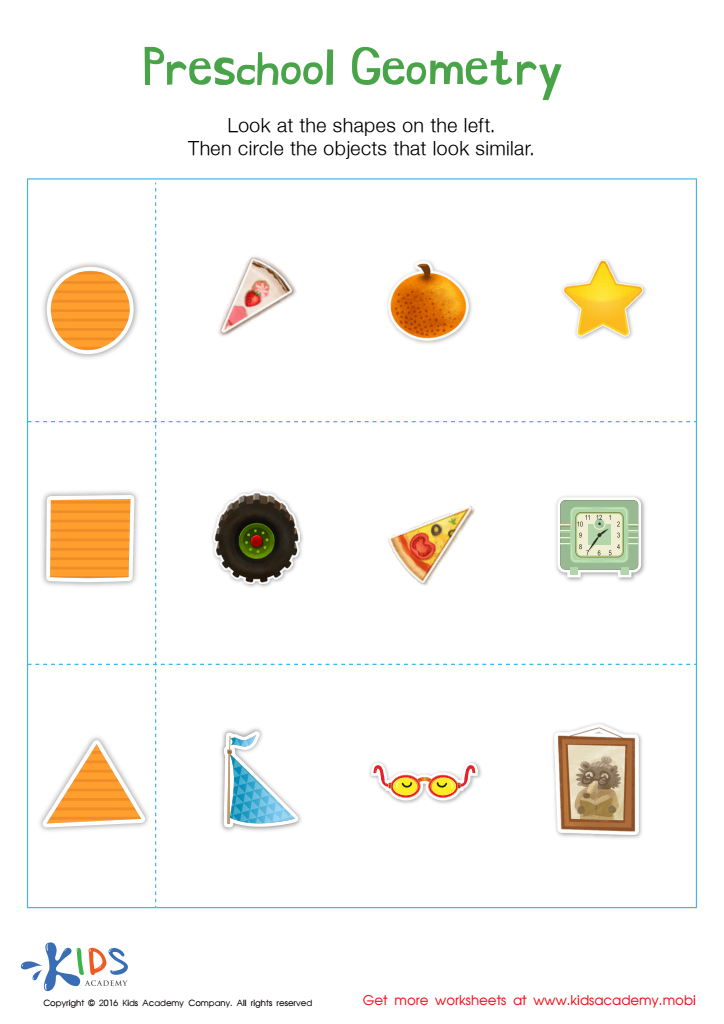
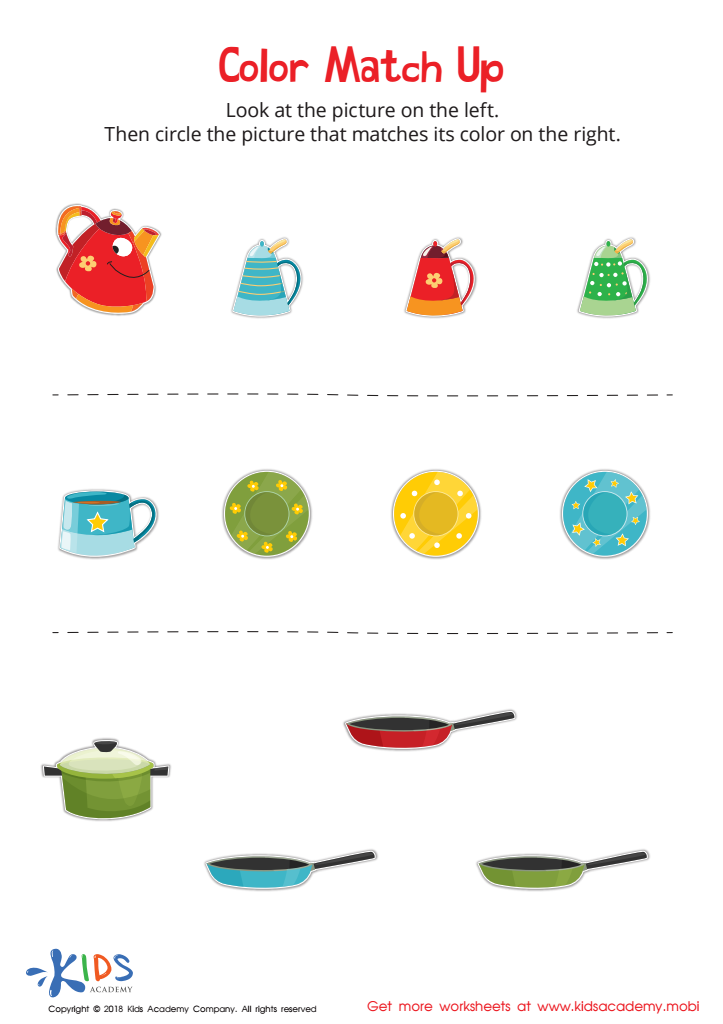
Preschool Geometry Match Up Worksheet
Teach your preschooler geometry using everyday objects. This printable worksheet helps them recognize, match, and follow directions like left and right. Start a conversation to extend their learning and they'll see how shapes appear in the world around them.
Preschool Geometry Match Up Worksheet
Worksheet
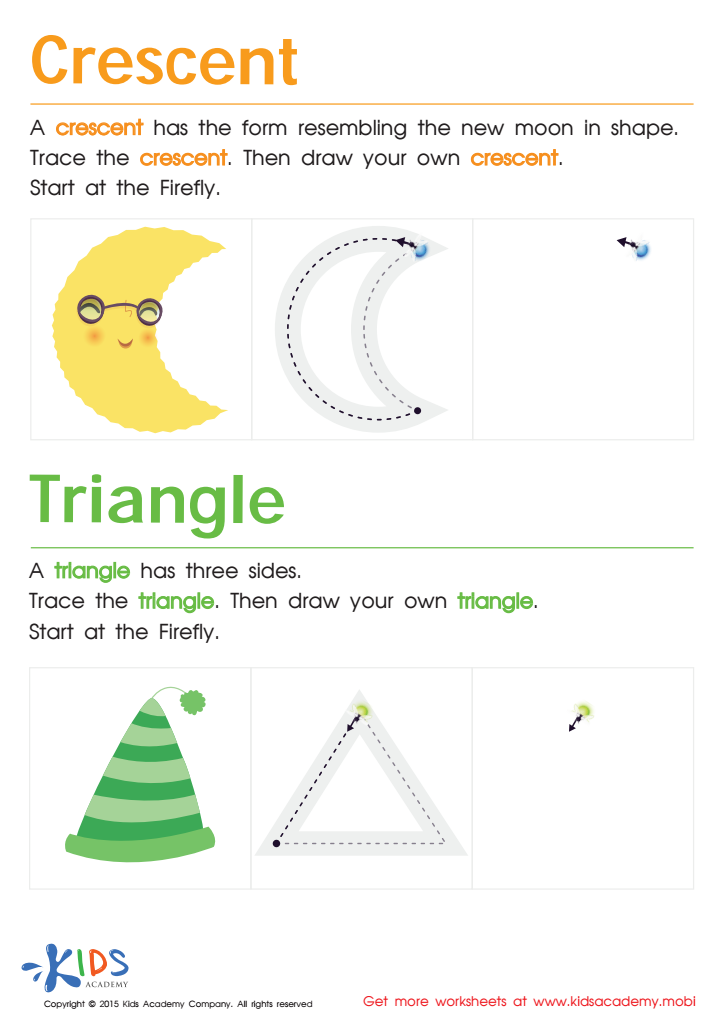
Learning to Draw Crescents And Triangles Worksheet
Help your kids draw a crescent and triangle with this free printable worksheet! Start by tracing a crescent in the form of the new moon, and then teach them that a triangle has three sides and looks like a hat. Find more geometry practice worksheets at Kids Academy!
Learning to Draw Crescents And Triangles Worksheet
Worksheet
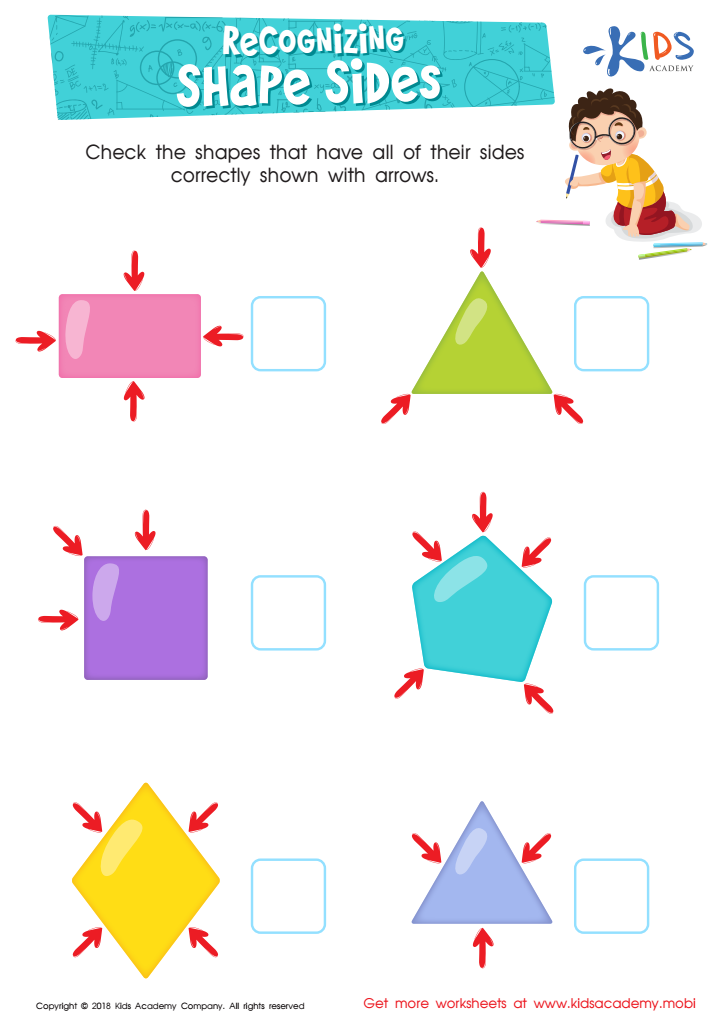
Recognizing Shape Sides Worksheet
This exercise will help your child recognize shape sides. Go over the difference between sides and angles first, then have them check the shapes with arrows to show the sides. They'll quickly get the hang of it and find it much easier after completing the colorful worksheet.
Recognizing Shape Sides Worksheet
Worksheet
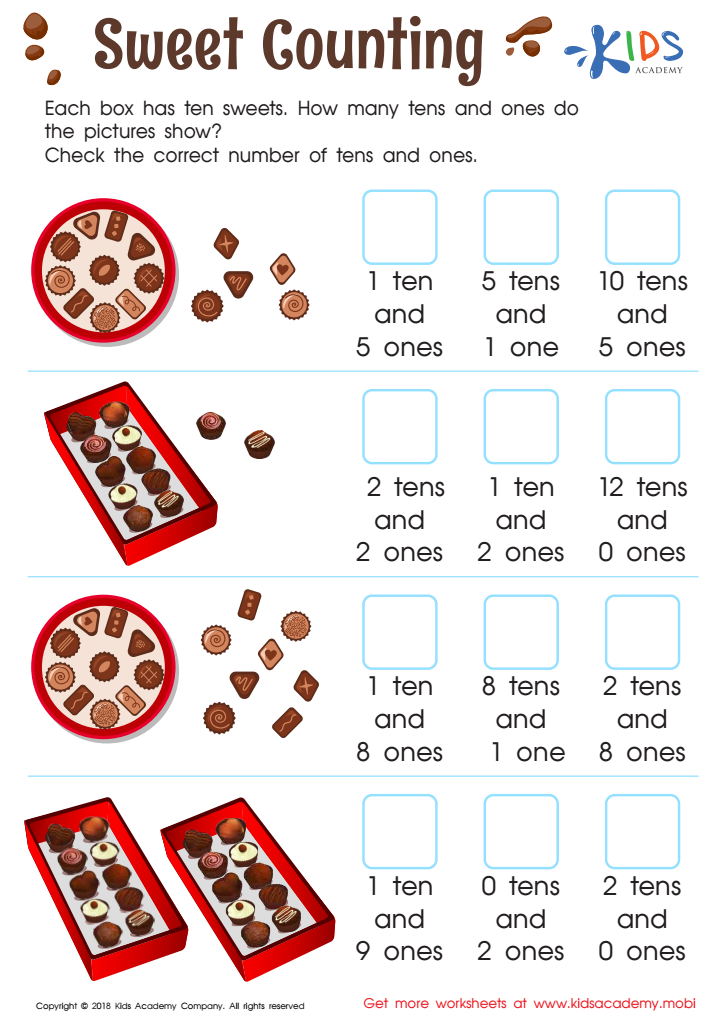
Sweet Counting - Part 2 Worksheet
Kids adore sweets! Make counting fun with this sweet-themed worksheet. Guide your child to count chocolates in boxes of 10, plus individual candies. Group them into tens and ones. Ask: "How many ones and tens are in each row?" Check the answer and complete the practice sheet.
Sweet Counting - Part 2 Worksheet
Worksheet
Join Kids Academy for Free
Who is primarily going to use this learning content?




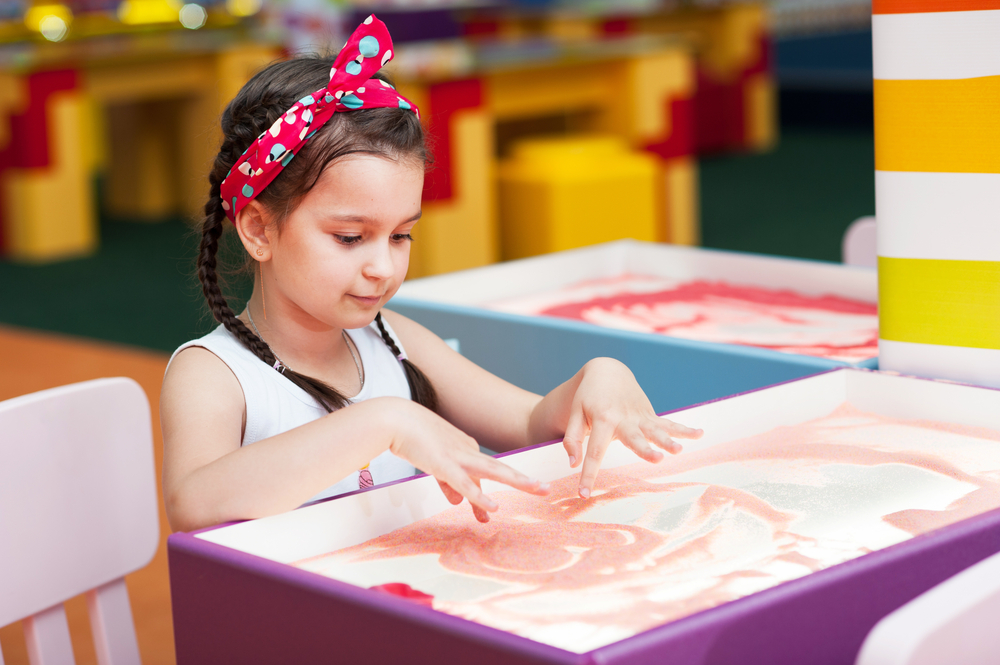



Fine motor skills are crucial for children aged 5-8 because they form the foundation for more advanced tasks and overall development. These skills involve the coordination of small muscles, particularly in the hands and fingers, vital for performing daily activities such as writing, buttoning clothes, and tying shoelaces. When children develop fine motor skills, they gain greater independence and self-confidence.
In an academic setting, fine motor skills are essential for good handwriting, drawing, cutting with scissors, and manipulating small objects. These abilities facilitate a smoother transition into tasks that become more complex as they grow older. For example, children who struggle with fine motor skills may find it difficult to keep up with classroom activities that involve writing, leading to frustration and potentially decreased academic performance.
Furthermore, the development of fine motor skills is intertwined with cognitive development, including problem-solving and spatial awareness, which are foundational for subjects like math. Engaging in activities that enhance fine motor skills, such as playing with building blocks, crafting, or practicing letter formation, not only supports academic readiness but also opens pathways to creativity and critical thinking.
In sum, parents and teachers should prioritize fine motor skill development because it profoundly affects a child's independence, academic competence, and overall confidence, setting the stage for future success.








