Shape Recognition Normal Worksheets for Ages 5-9
50 filtered results
-
From - To
Unlock your child's potential with our Shape Recognition Worksheets, tailored specifically for ages 5-9. These engaging and printable resources provide a fun and effective way for young learners to identify and understand various shapes. Our normal worksheets feature vibrant illustrations and straightforward activities that encourage children to recognize, match, and differentiate between different geometric forms. The hands-on exercises not only enhance shape recognition skills but also promote fine motor development and critical thinking. Perfect for home or classroom use, these worksheets make learning about shapes an enjoyable experience, laying the foundation for essential math skills. Download now and inspire creativity in your child!
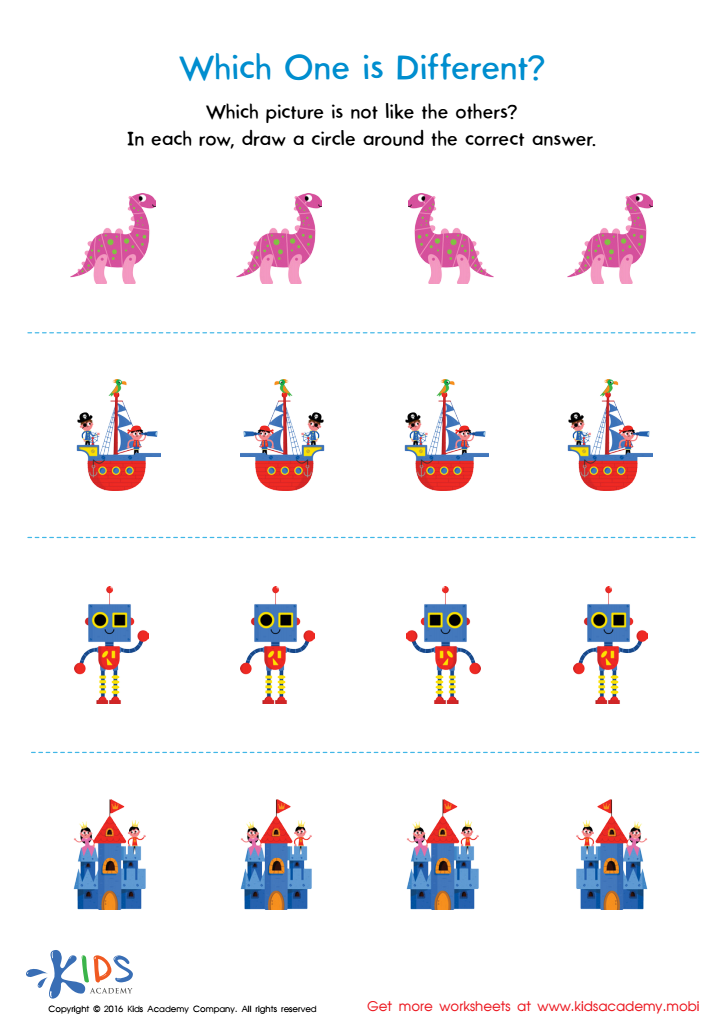
Which One Is Different Worksheet
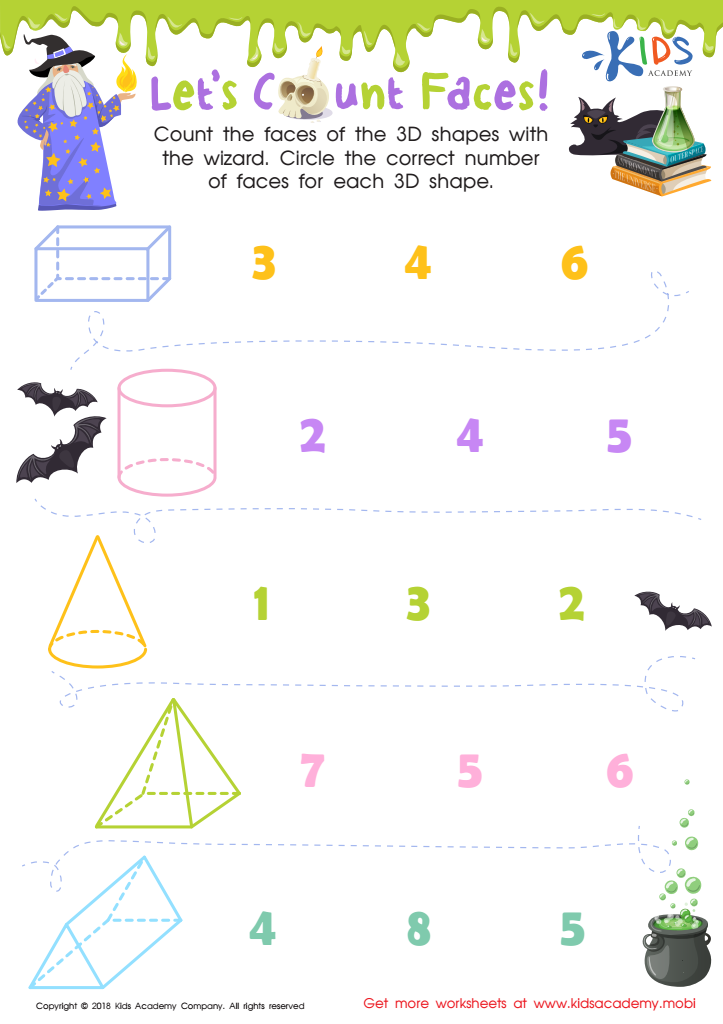
Let's Count Faces! Worksheet
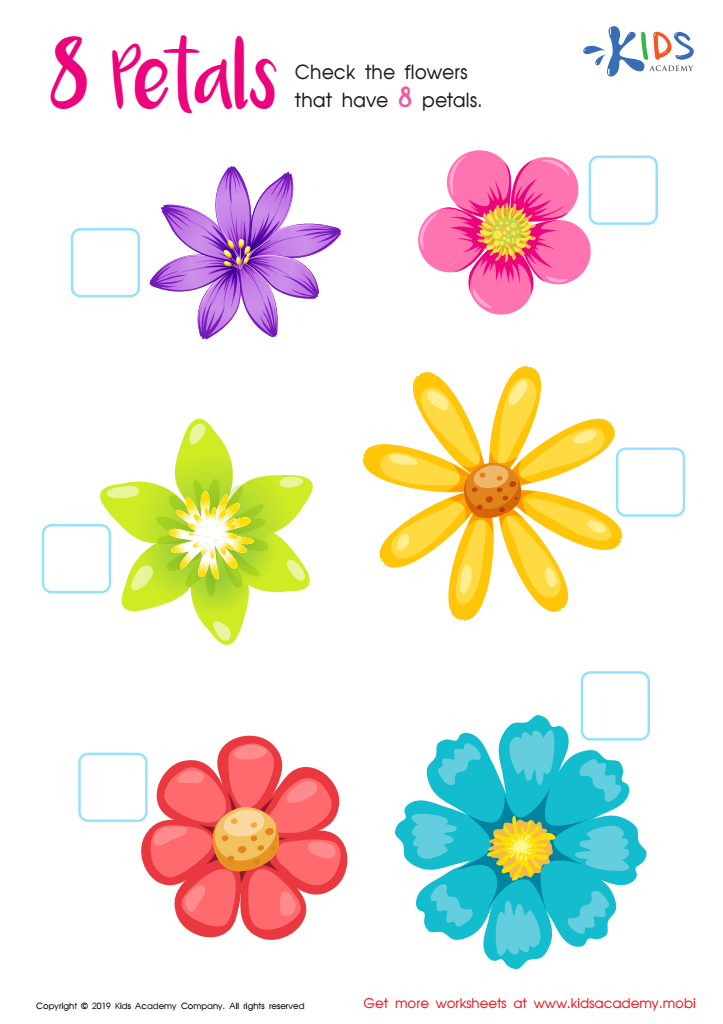
8 Petals Worksheet
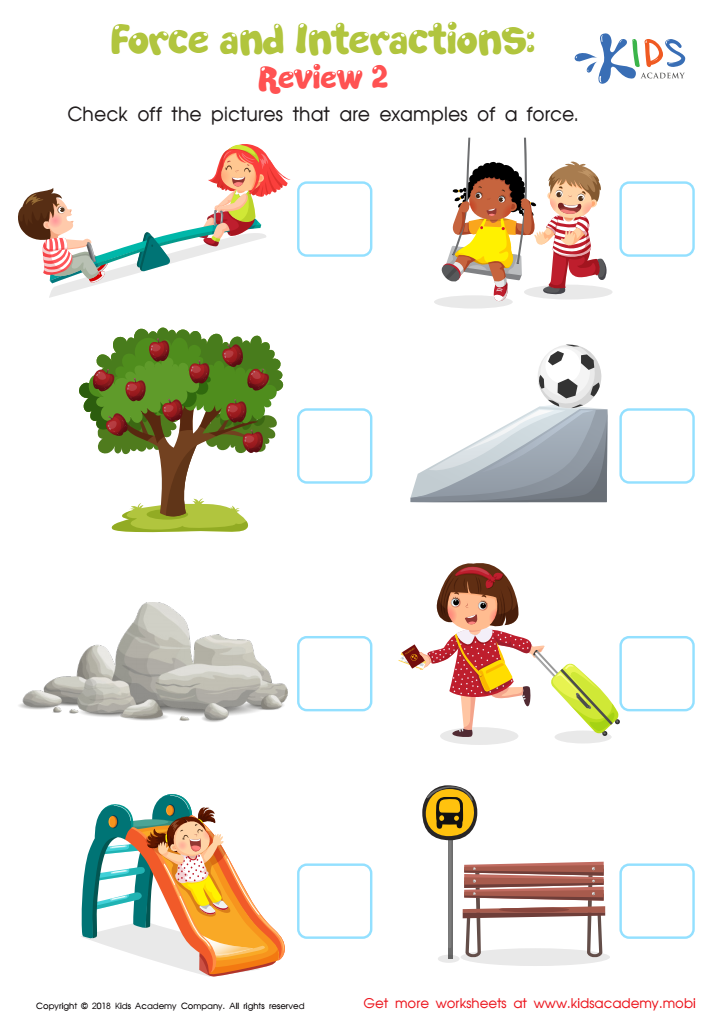
Force and Interactions: Review 2 Worksheet
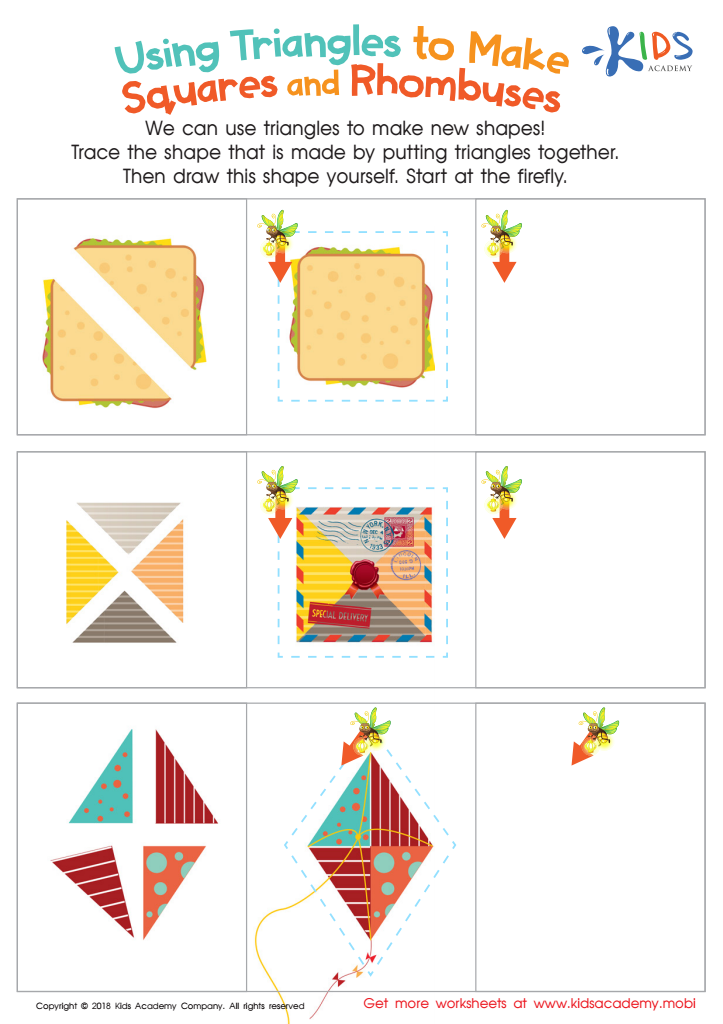
Using Triangles to Make Squares and Rhombuses Worksheet
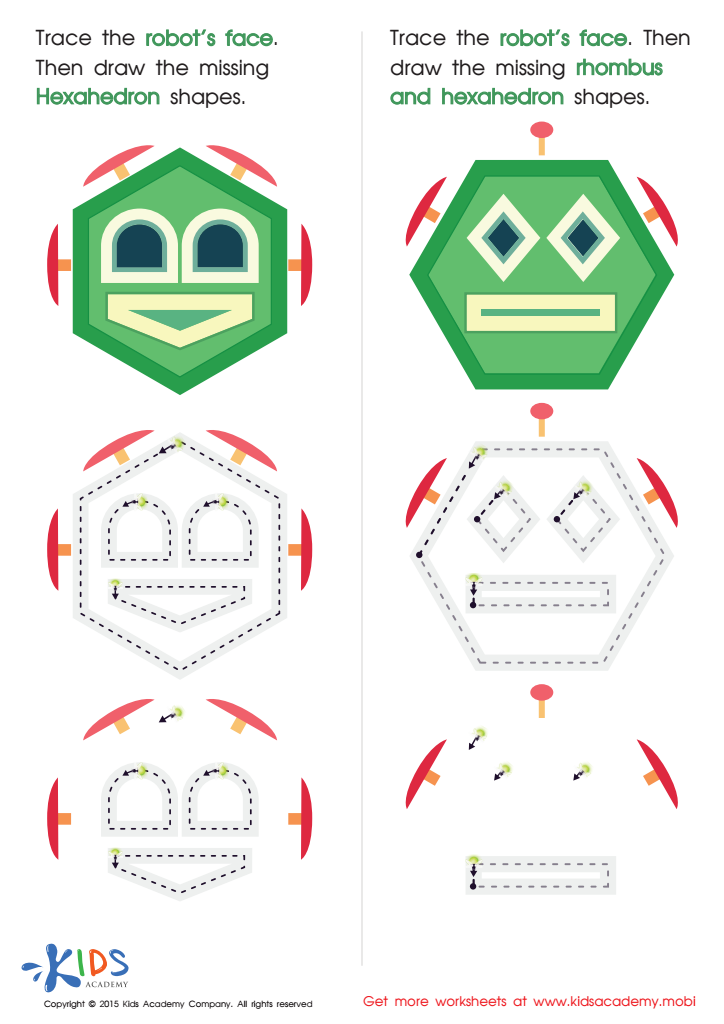
Practice Drawing Hexahedrons And a Rhombus Worksheet
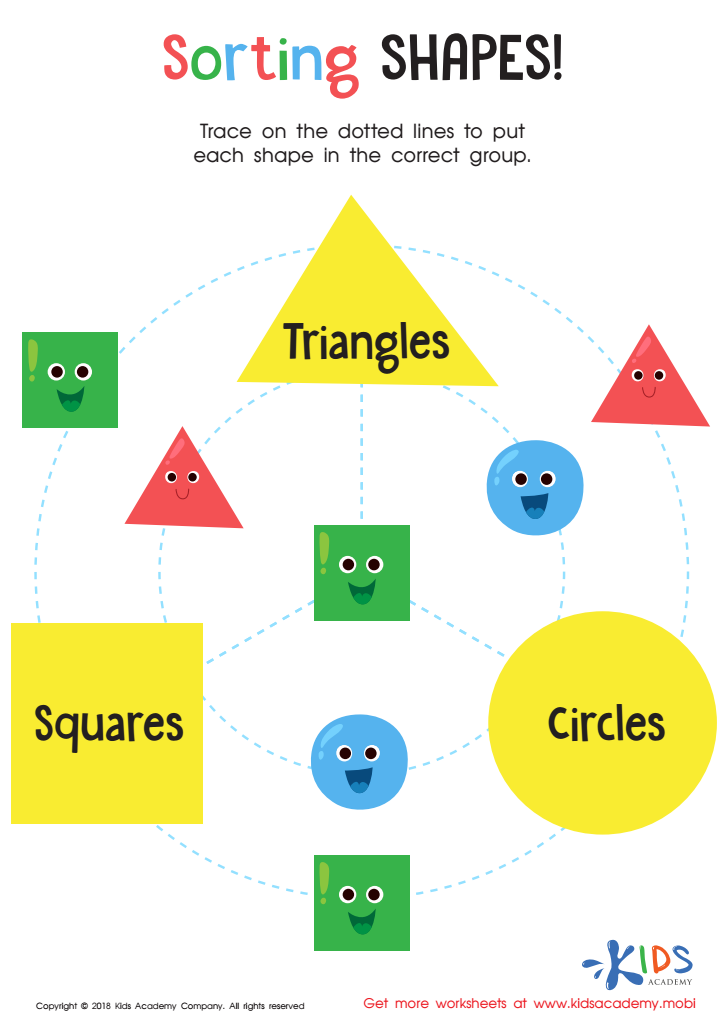
Sorting Shapes - Part 3 Worksheet
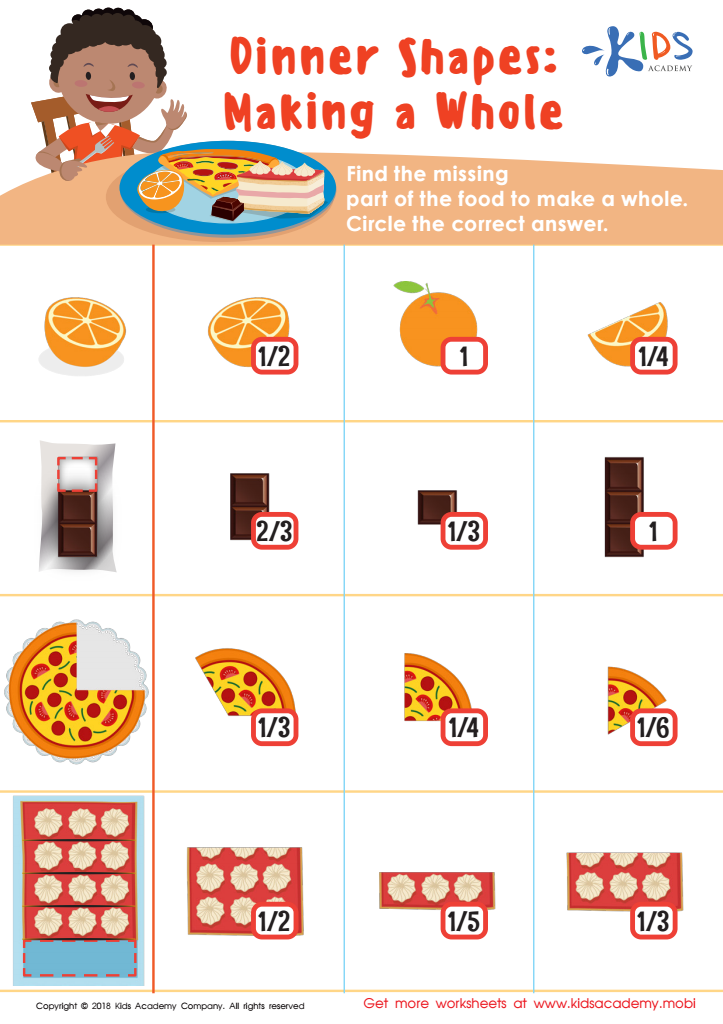
Dinner Shapes: Making a Whole Worksheet
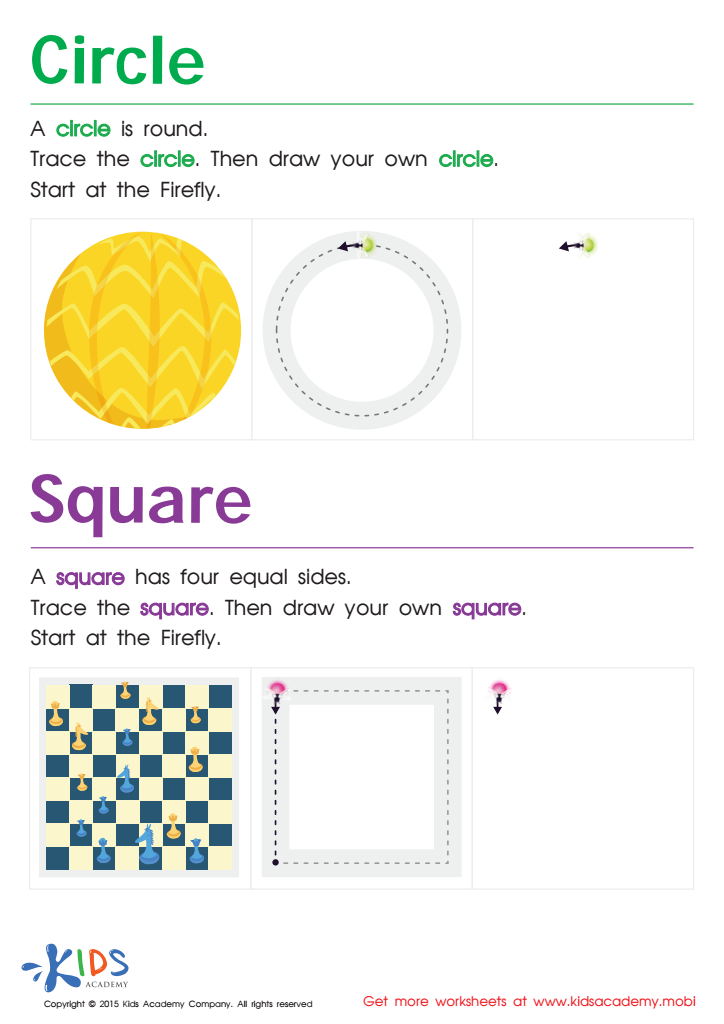
Trace And Draw a Circle And a Square Worksheet
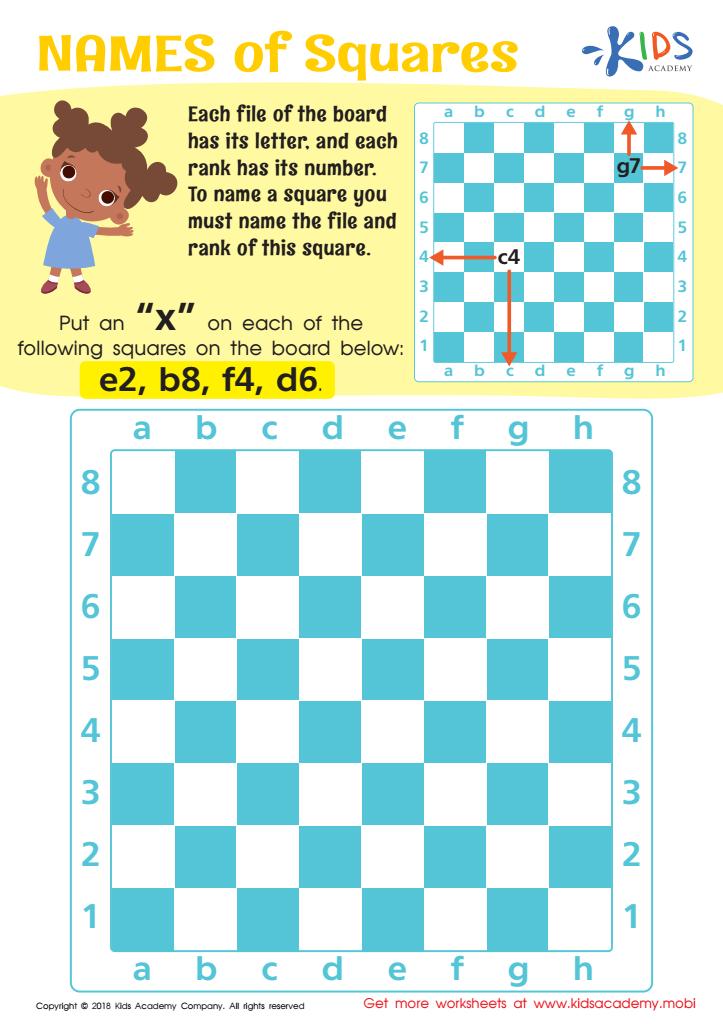
Names of Squares Worksheet
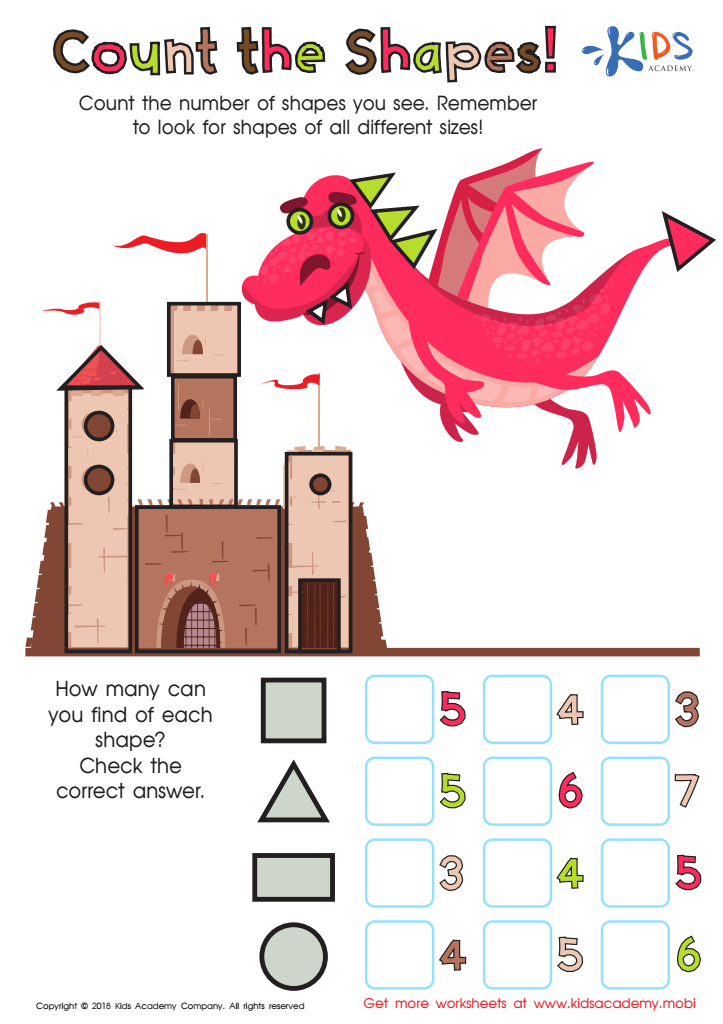
Count the Shapes Worksheet
Halloween: A Funny Monster Worksheet
 Assign to My Students
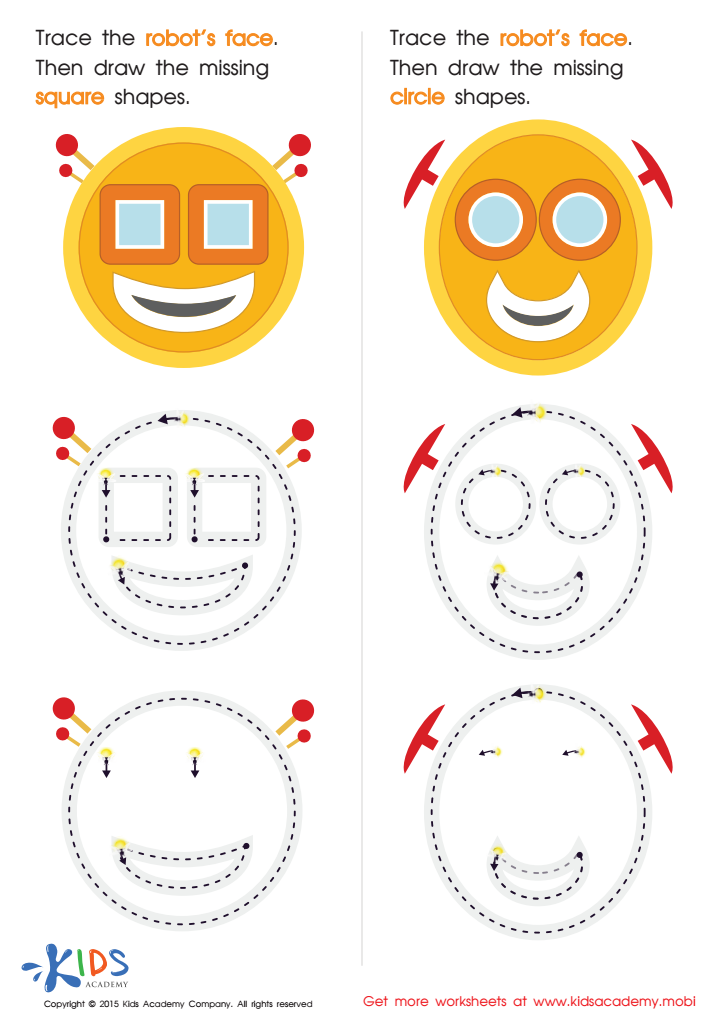
Practicing to Draw Circles And Squares Printable
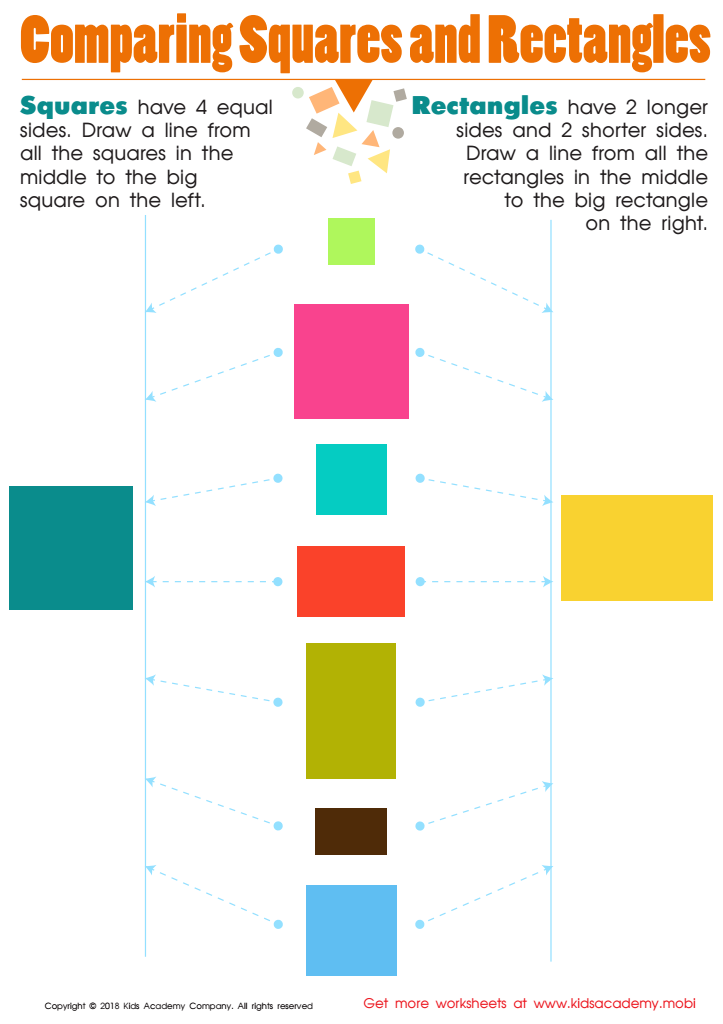
Comparing Squares Rectangles Worksheet
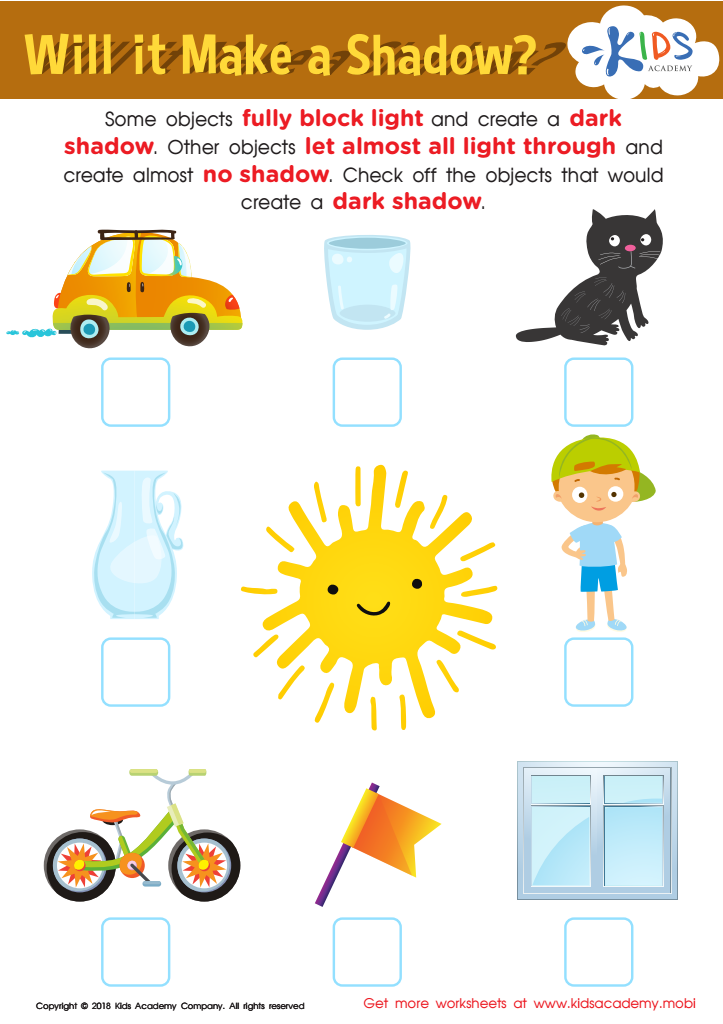
Will It Make a Shadow? Worksheet
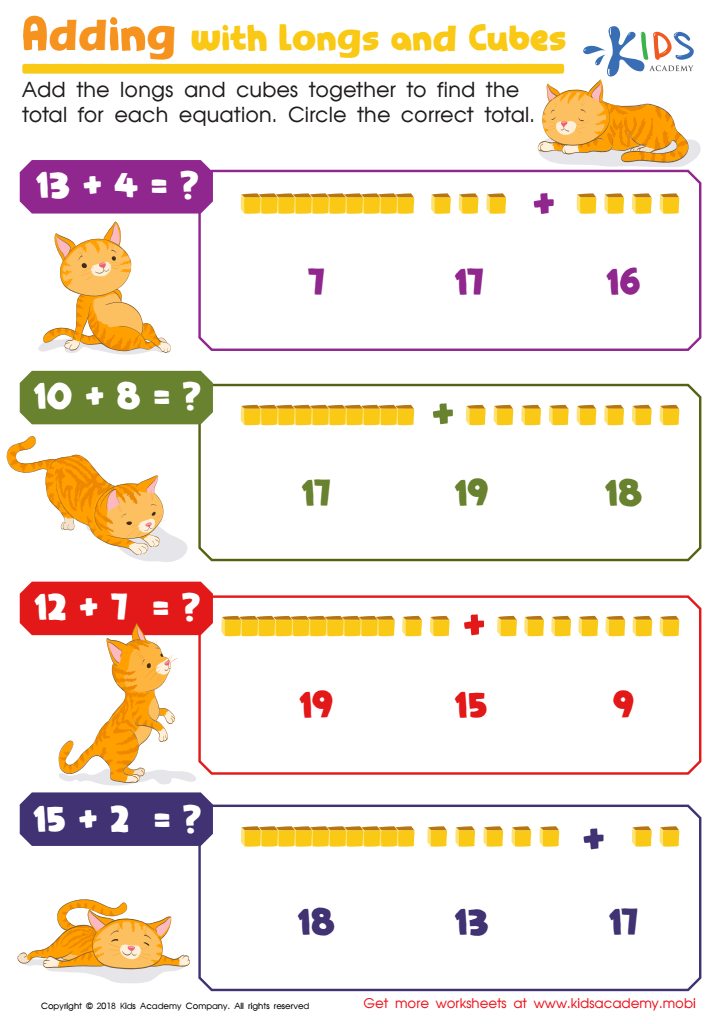
Adding With Longs and Cubes Worksheet
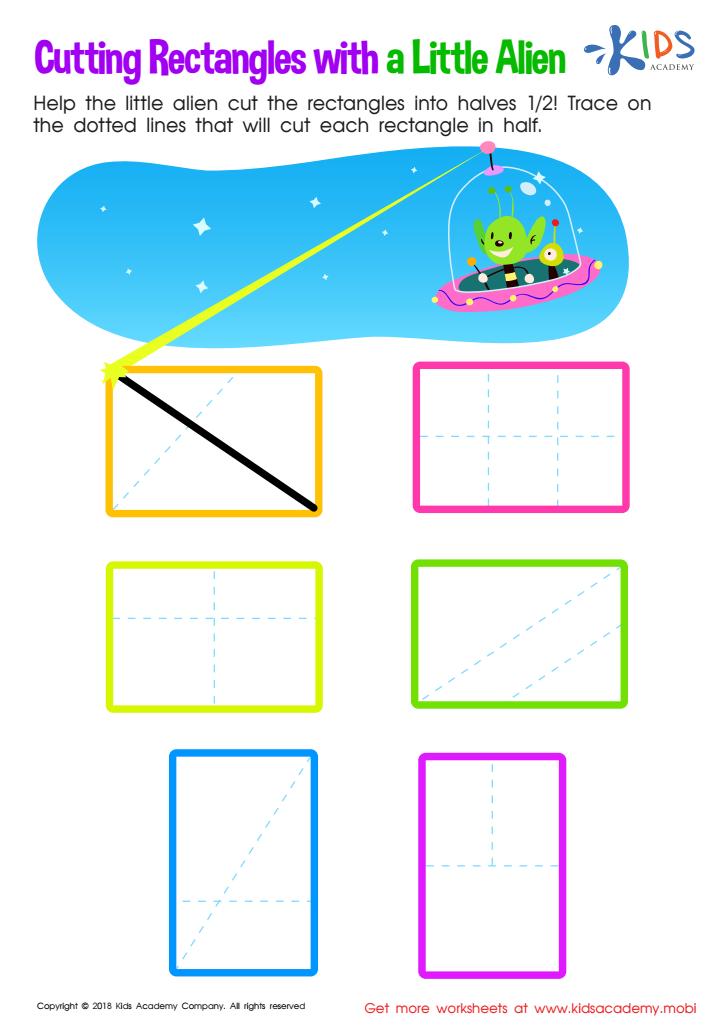
Cutting Rectangles with Alien Worksheet
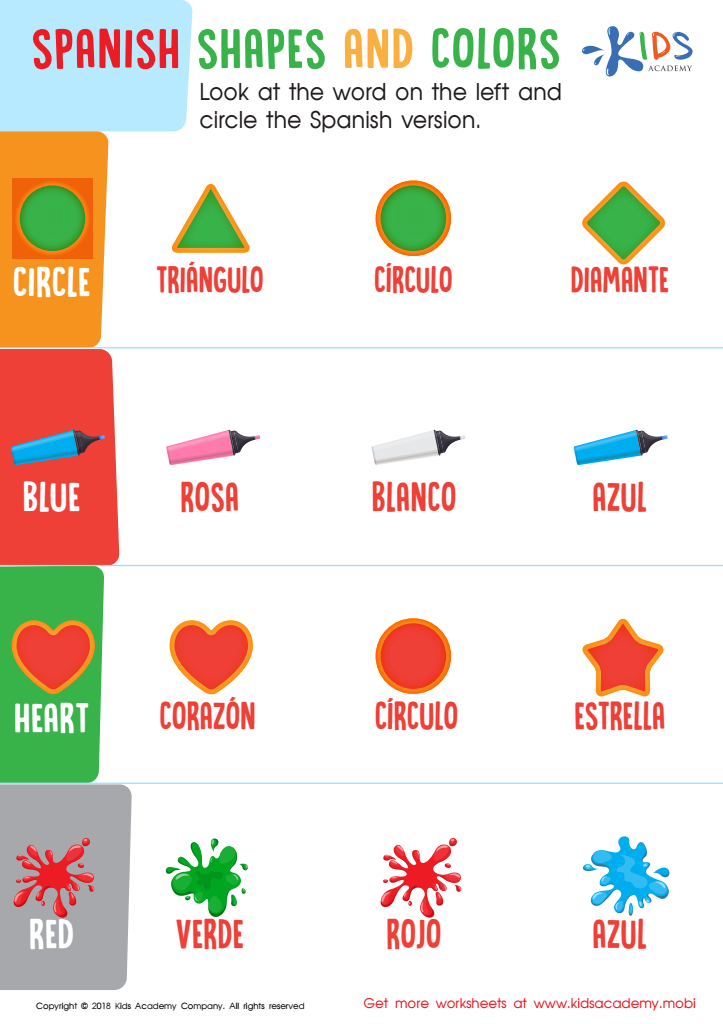
Spanish Shapes and Colors Worksheet
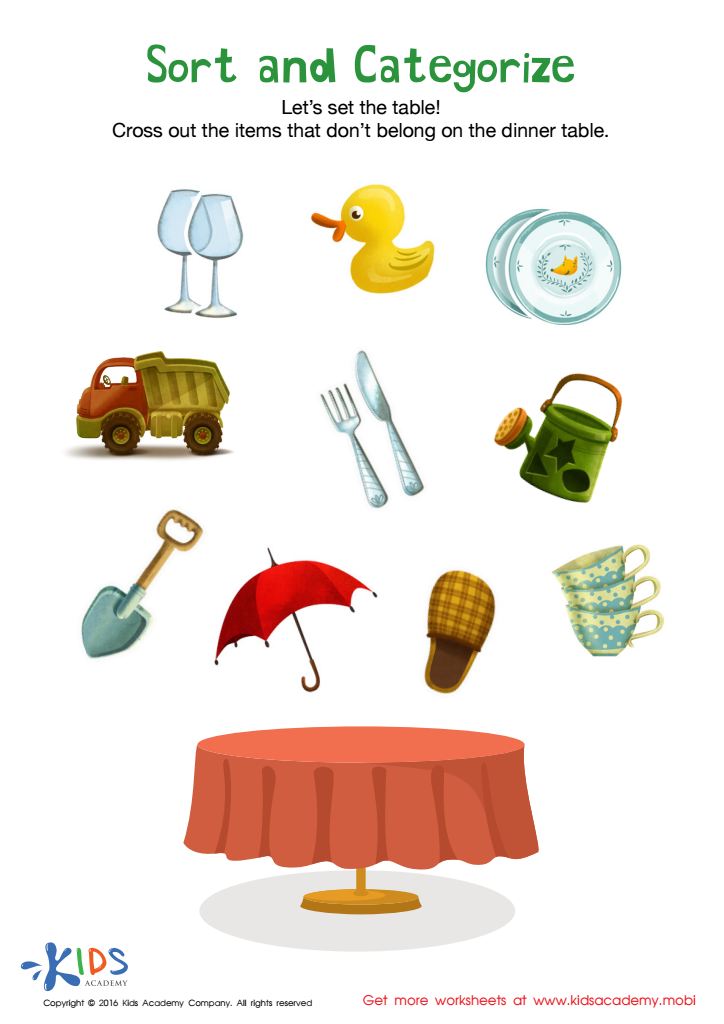
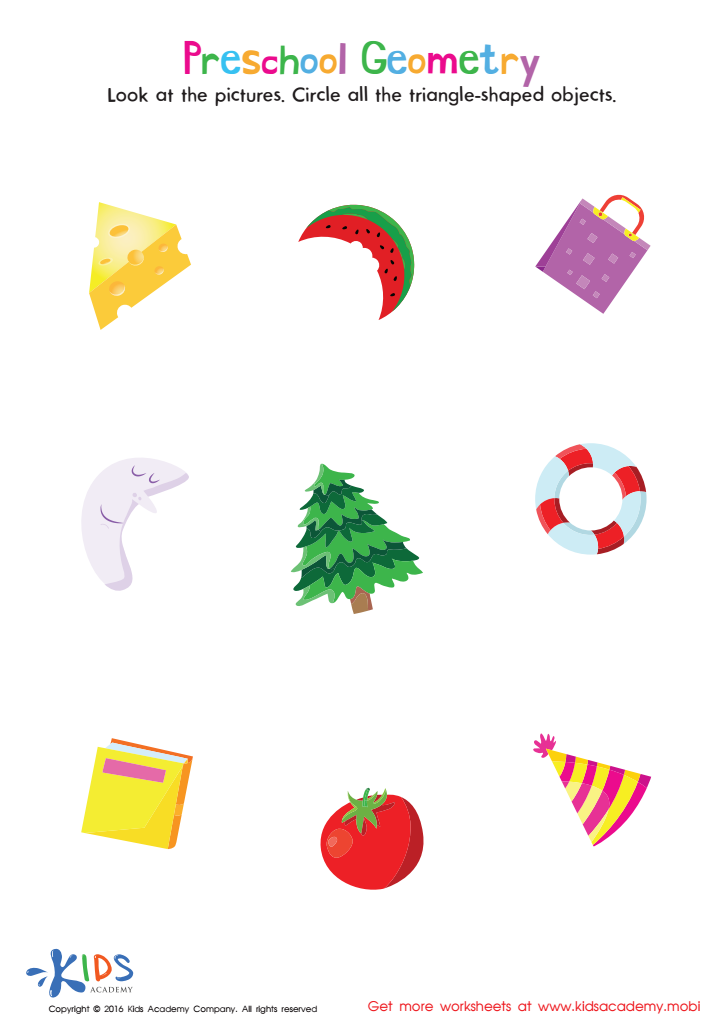
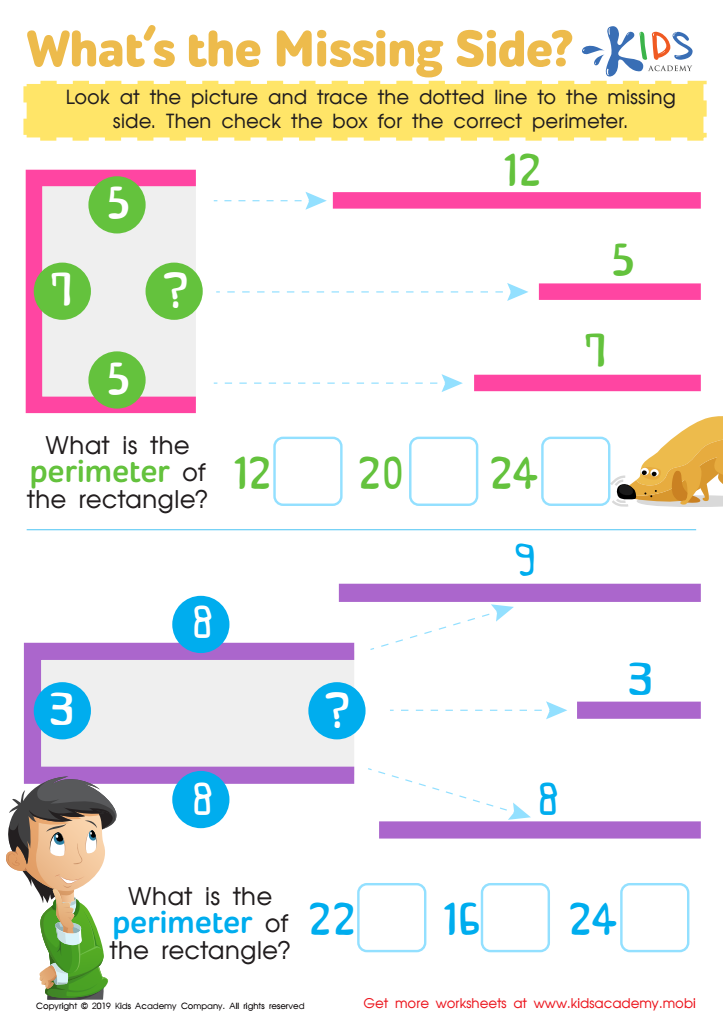
What's the Missing Side Worksheet
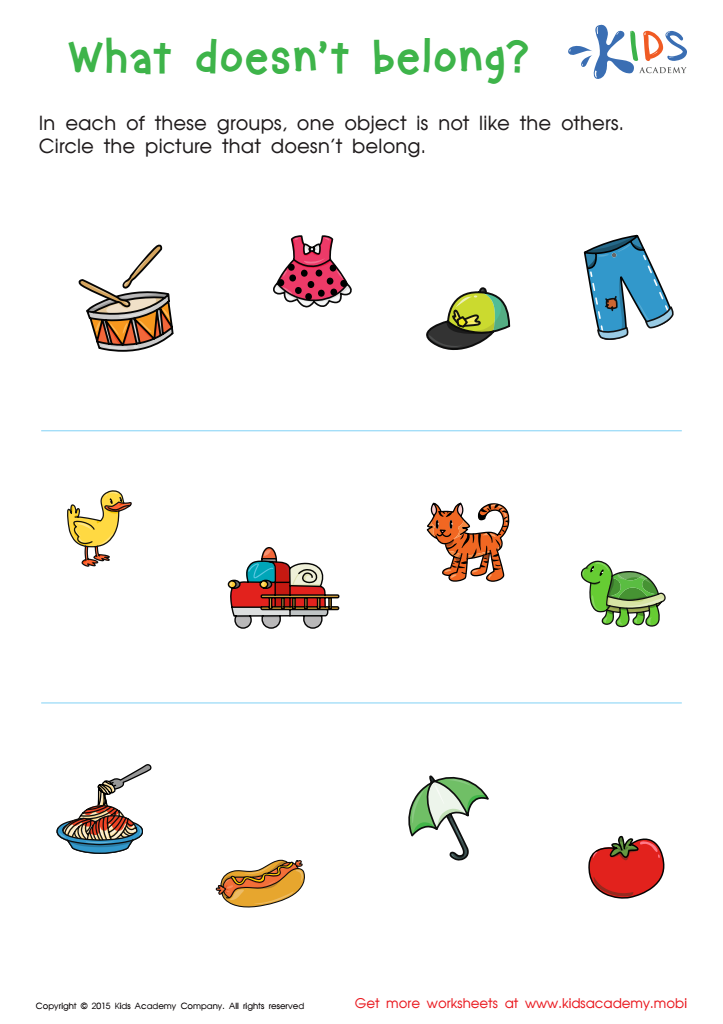
First Words: What Doesn't Belong Worksheet
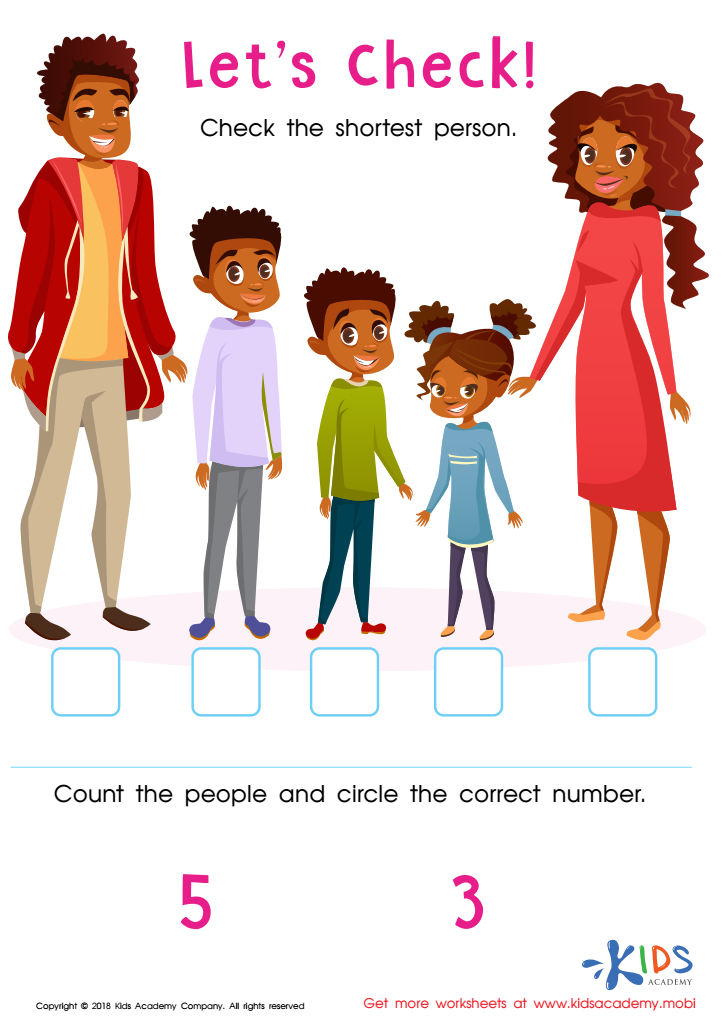
Let's Check! Assessment Worksheet
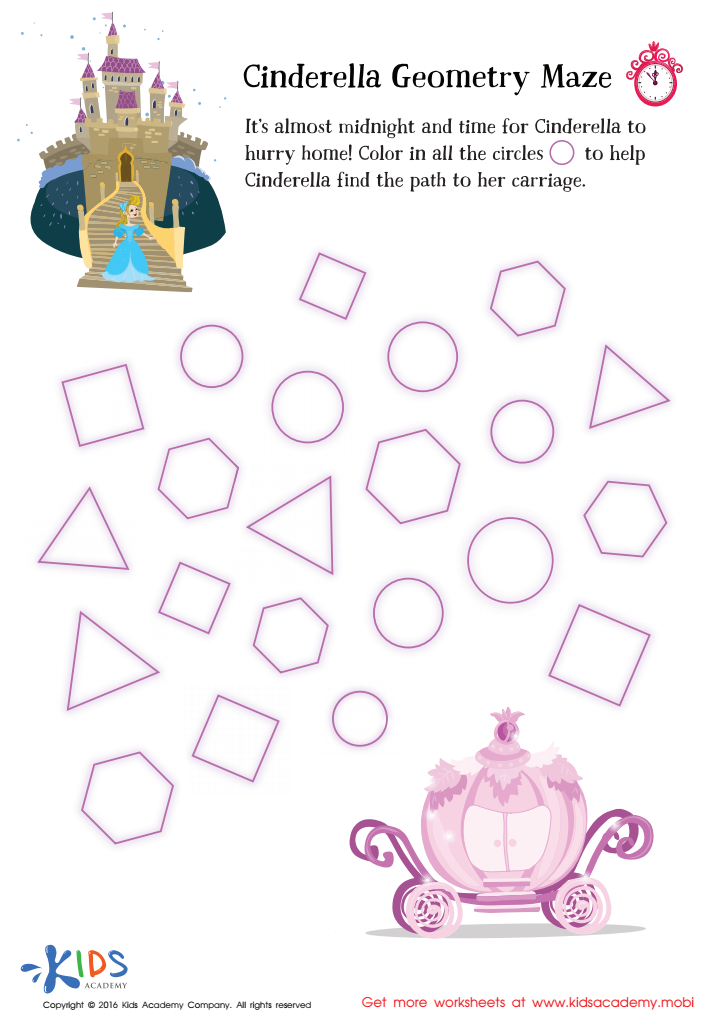
Cinderella Geometry Maze Worksheet








Shape recognition is a fundamental skill for children ages 5-9, playing a pivotal role in their cognitive, social, and emotional development. For parents and teachers, nurturing this skill is essential as it lays the foundation for more complex mathematical concepts, such as geometry and spatial awareness. Recognizing shapes enhances critical thinking, problem-solving, and logical reasoning abilities, fostering a child's ability to make connections between various learning experiences.
Additionally, engagement in shape recognition activities promotes fine motor skills, as children often manipulate objects and draw shapes. This hands-on interaction also bolsters creativity and imagination, encouraging children to explore beyond rigid boundaries.
Furthermore, shape recognition can significantly enhance language skills. As children learn to identify and describe the properties of shapes, they expand their vocabulary and communication abilities. Socially, group activities around shape games foster teamwork, collaboration, and peer interaction.
For overall emotional growth, mastering shape recognition boosts a child's self-confidence and sense of achievement, integral for positive self-esteem. In summary, fostering shape recognition is vital for holistic development, equipping children with essential skills for academic success and everyday life. Parents and teachers play a crucial role in providing a supportive environment for this learning journey.








