Shape Recognition Normal Geometry Worksheets for Ages 5-9
30 filtered results
-
From - To
Our Shape Recognition Normal Geometry Worksheets for ages 5-9 are specially designed to make learning fun and effective. These colorful and engaging worksheets help young learners easily identify, compare, and classify various shapes. Perfect for Kindergarten through 4th grade, each worksheet is crafted to build foundational skills in geometry, boosting spatial awareness and problem-solving abilities. Through hands-on exercises and interactive activities, children not only recognize shapes but also comprehend their properties and relationships. Equip your child with the essential tools to excel in math and foster a love for learning with our expertly curated resources.
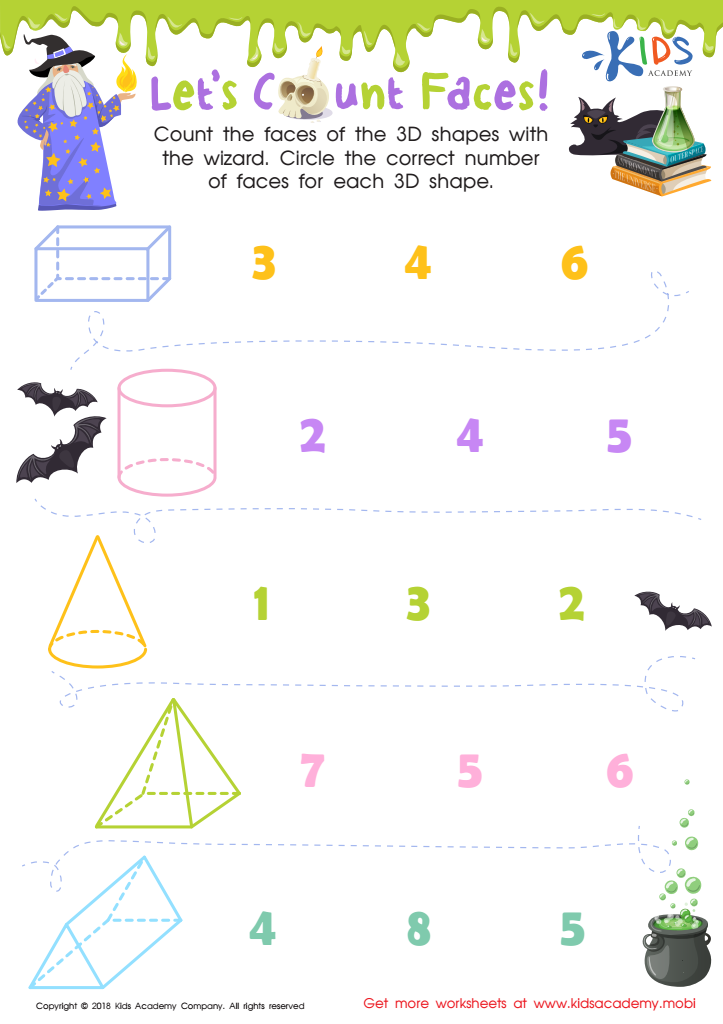
Let's Count Faces! Worksheet
 Assign to My Students











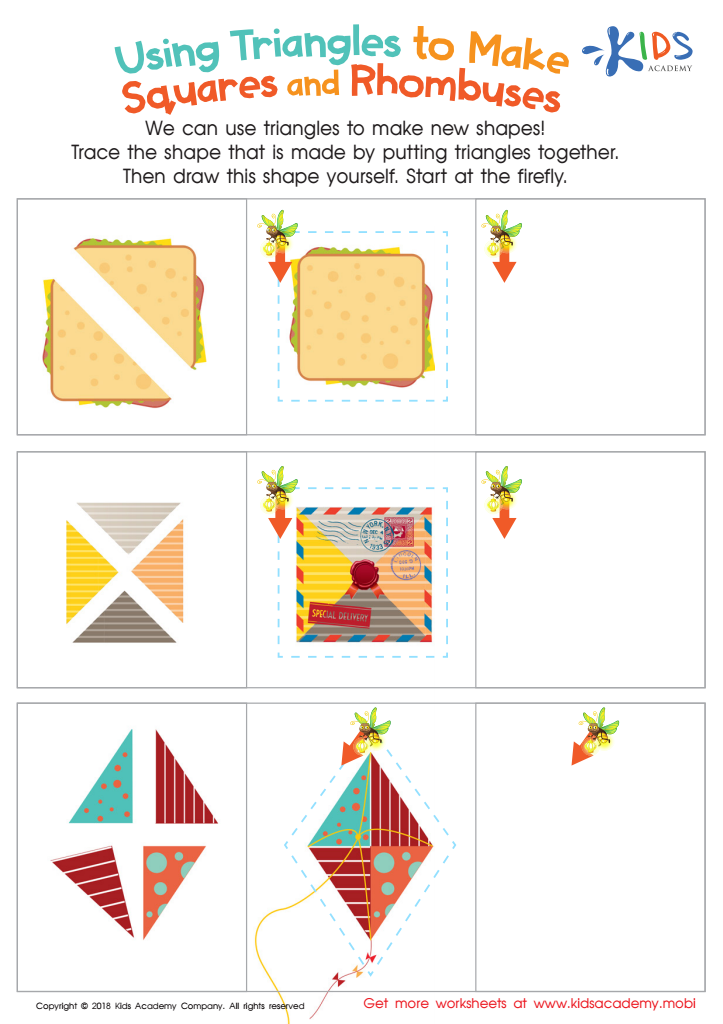
Using Triangles to Make Squares and Rhombuses Worksheet
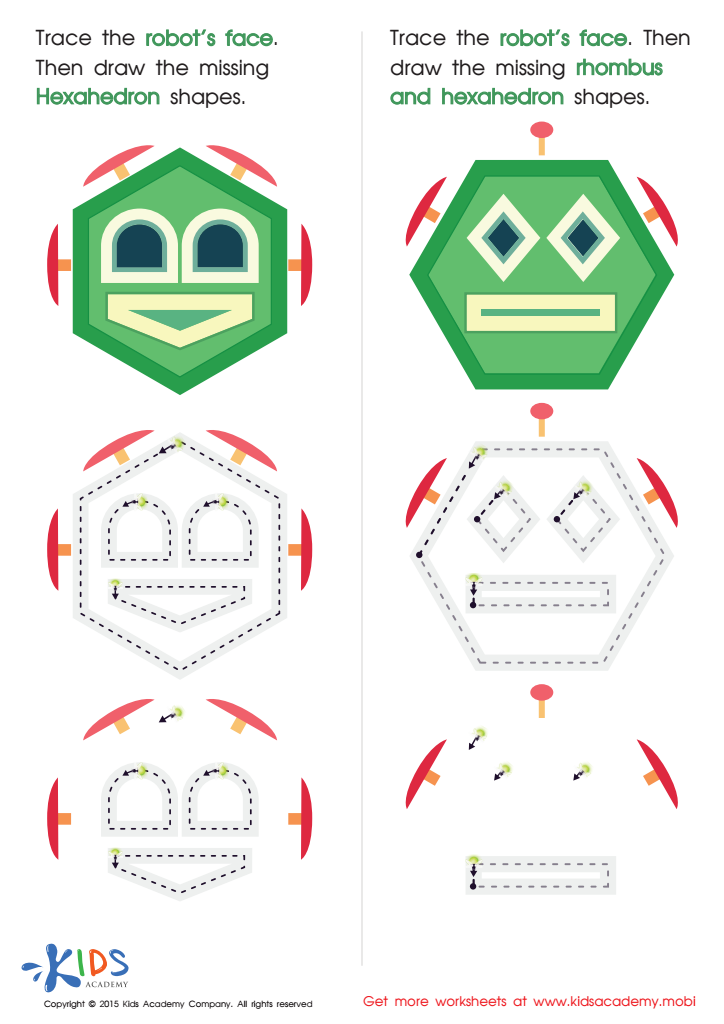
Practice Drawing Hexahedrons And a Rhombus Worksheet
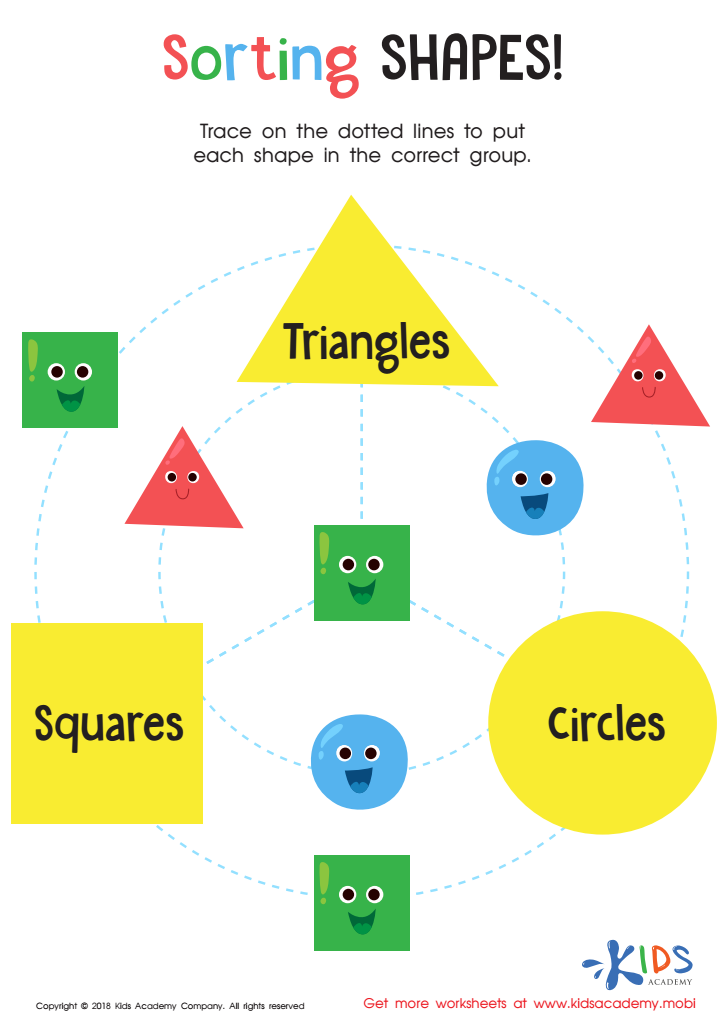
Sorting Shapes - Part 3 Worksheet
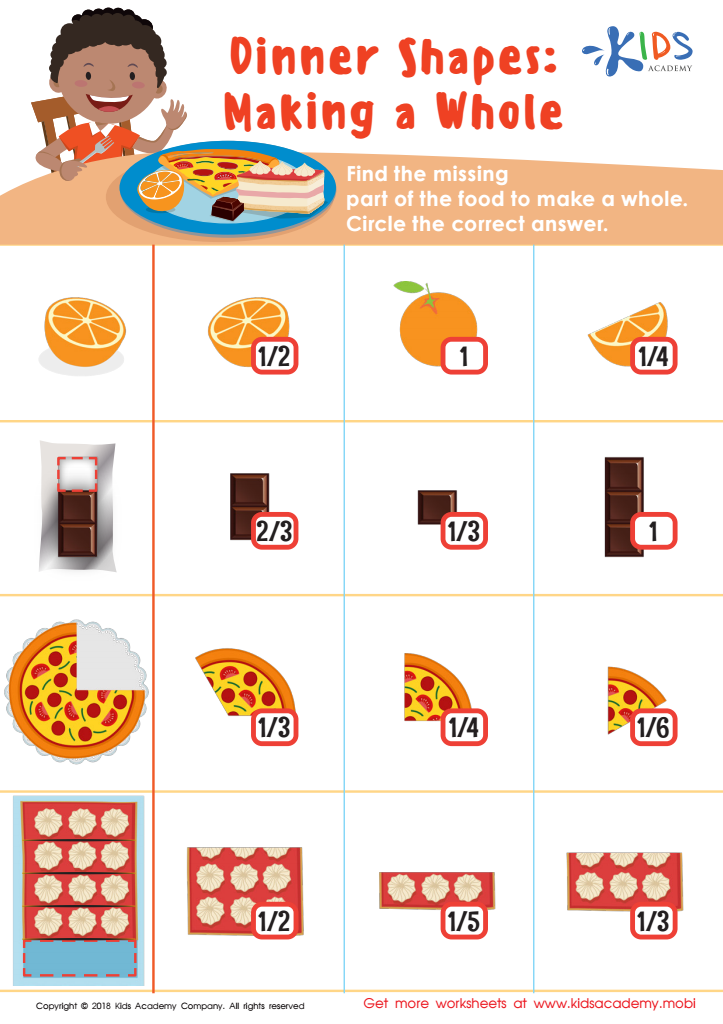
Dinner Shapes: Making a Whole Worksheet
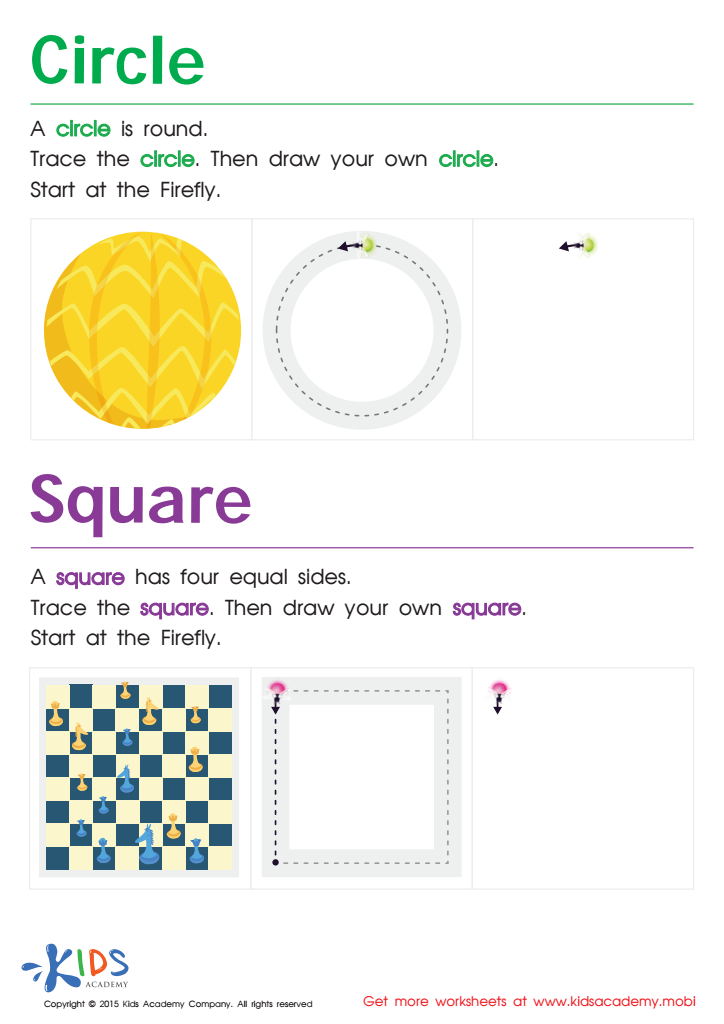
Trace And Draw a Circle And a Square Worksheet
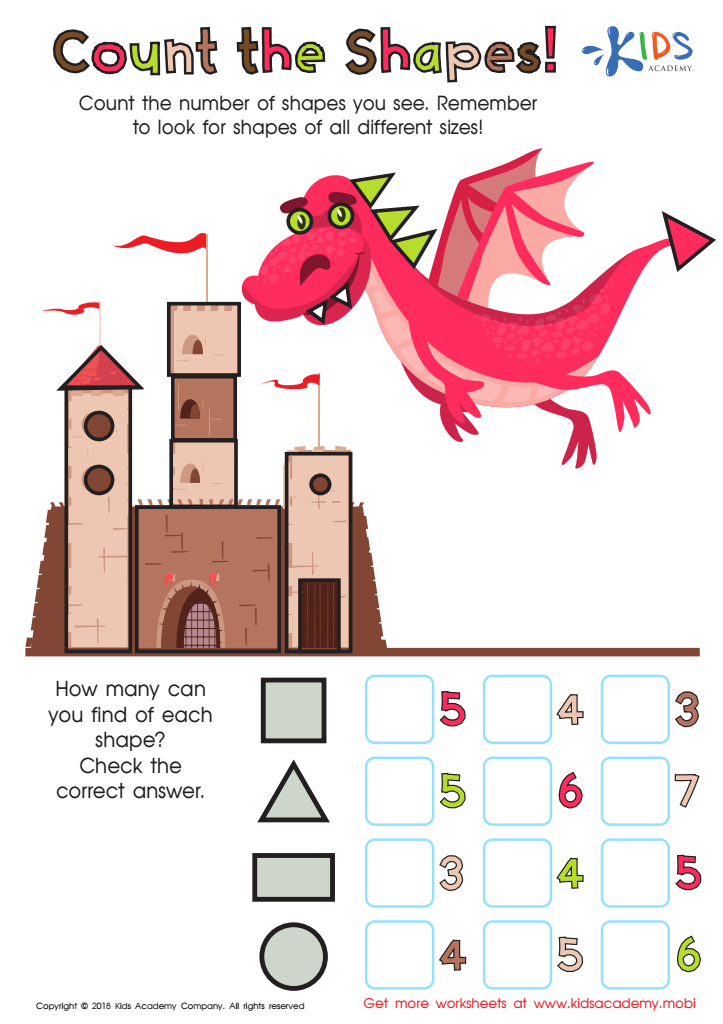
Count the Shapes Worksheet
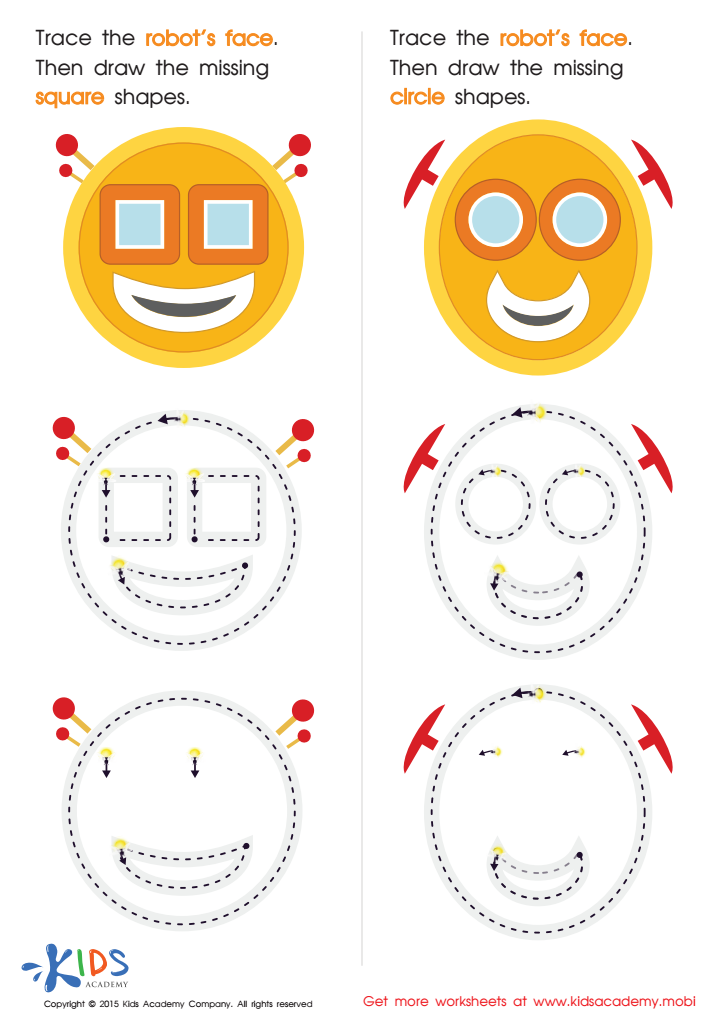
Practicing to Draw Circles And Squares Printable
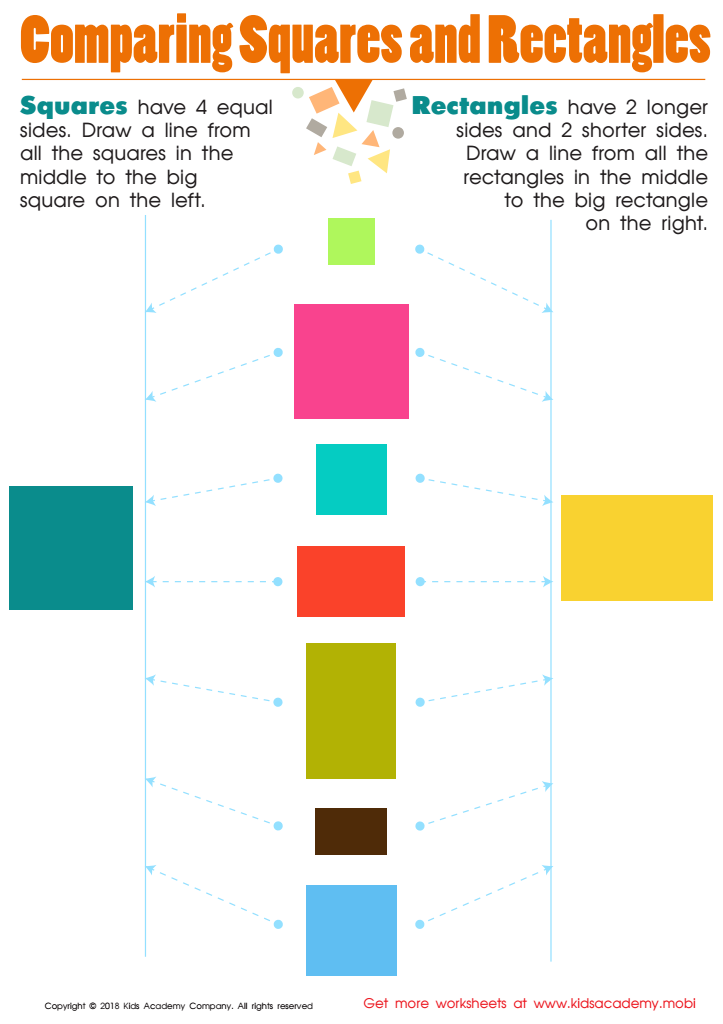
Comparing Squares Rectangles Worksheet
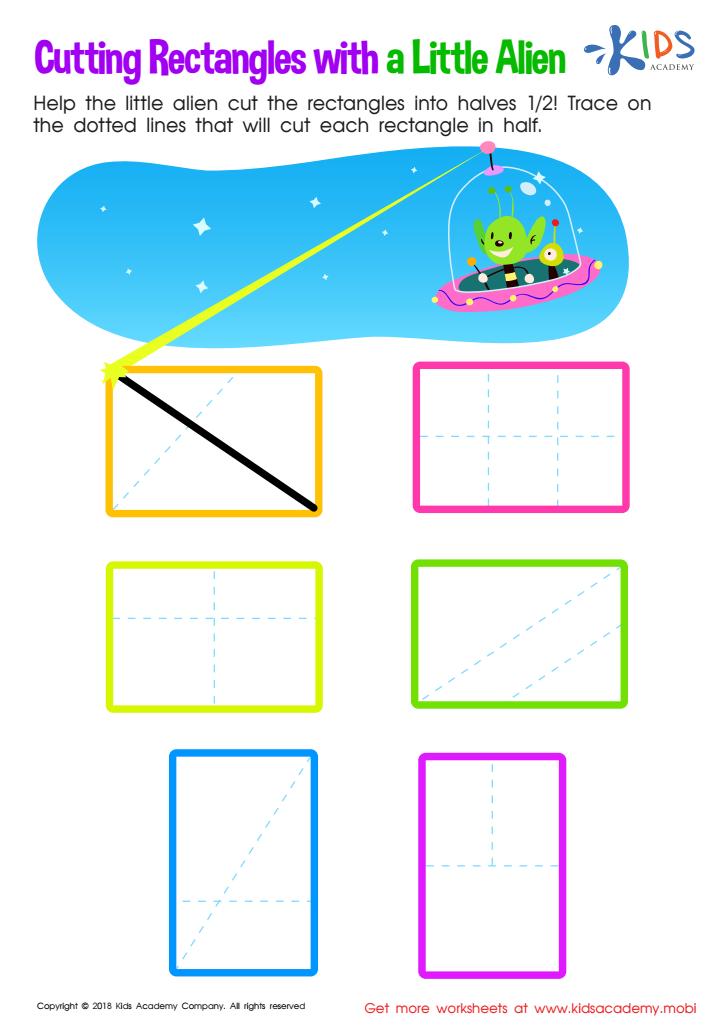
Cutting Rectangles with Alien Worksheet
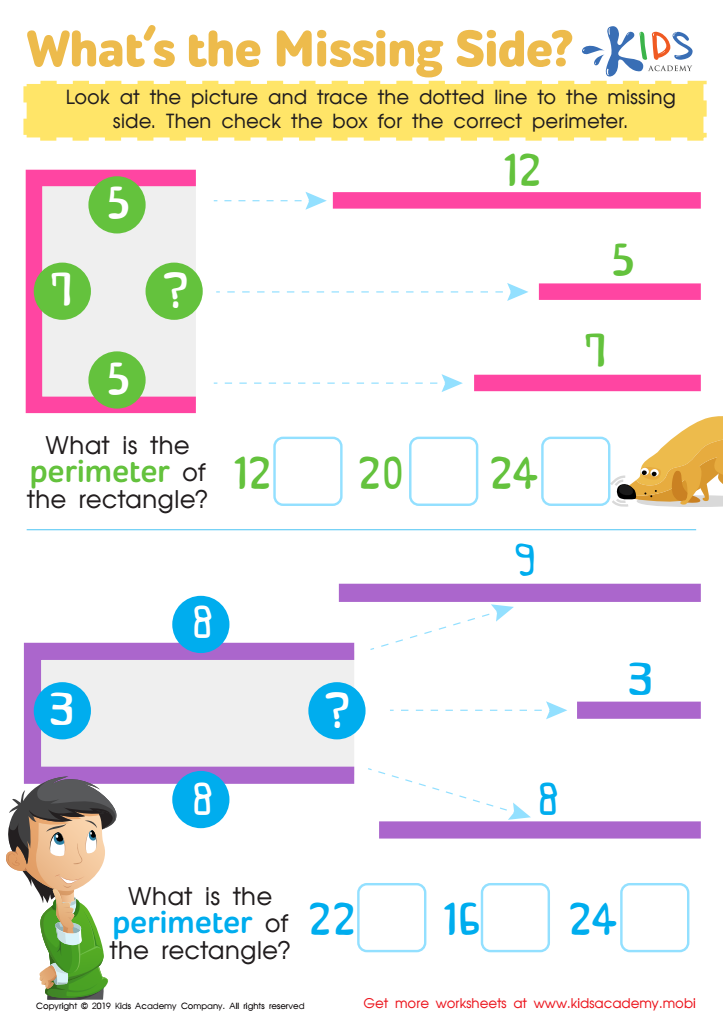
What's the Missing Side Worksheet
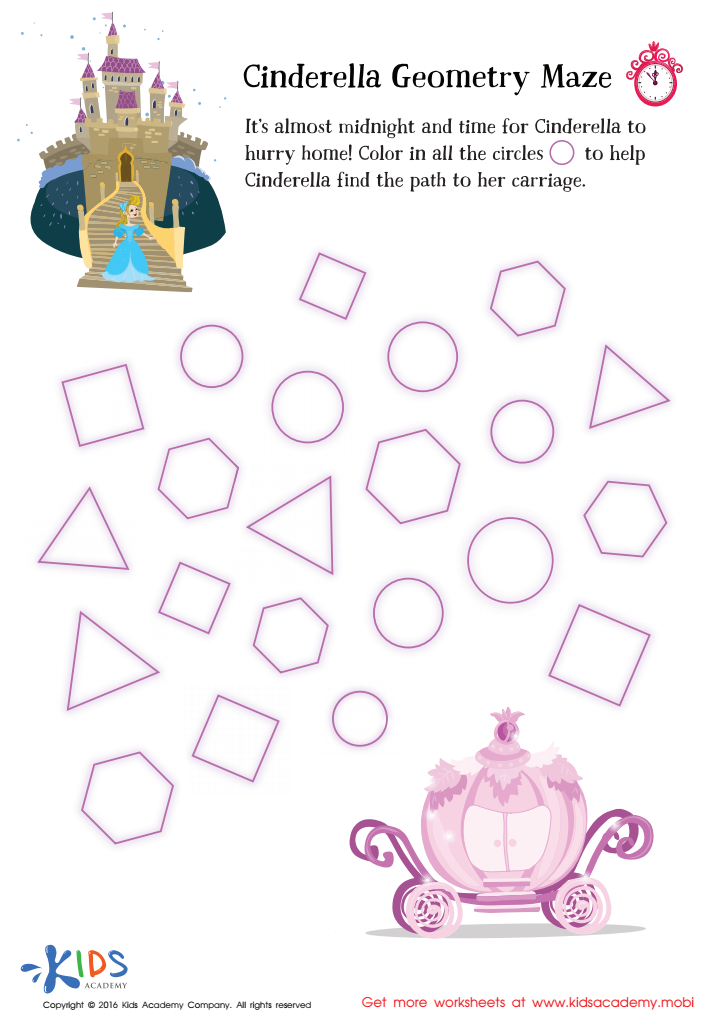
Cinderella Geometry Maze Worksheet
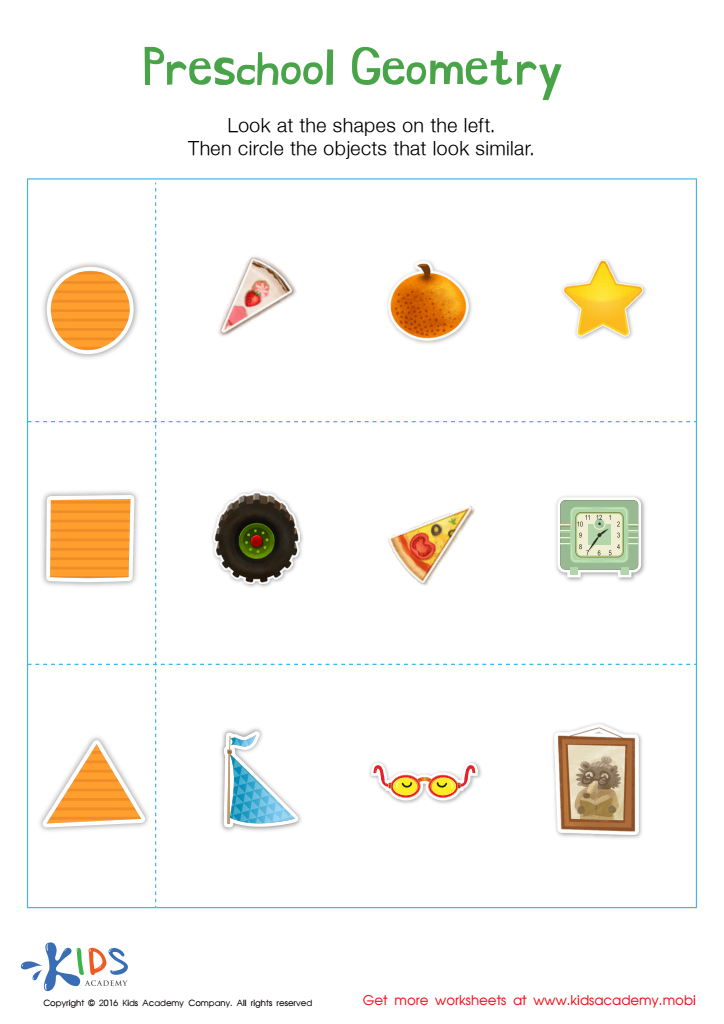
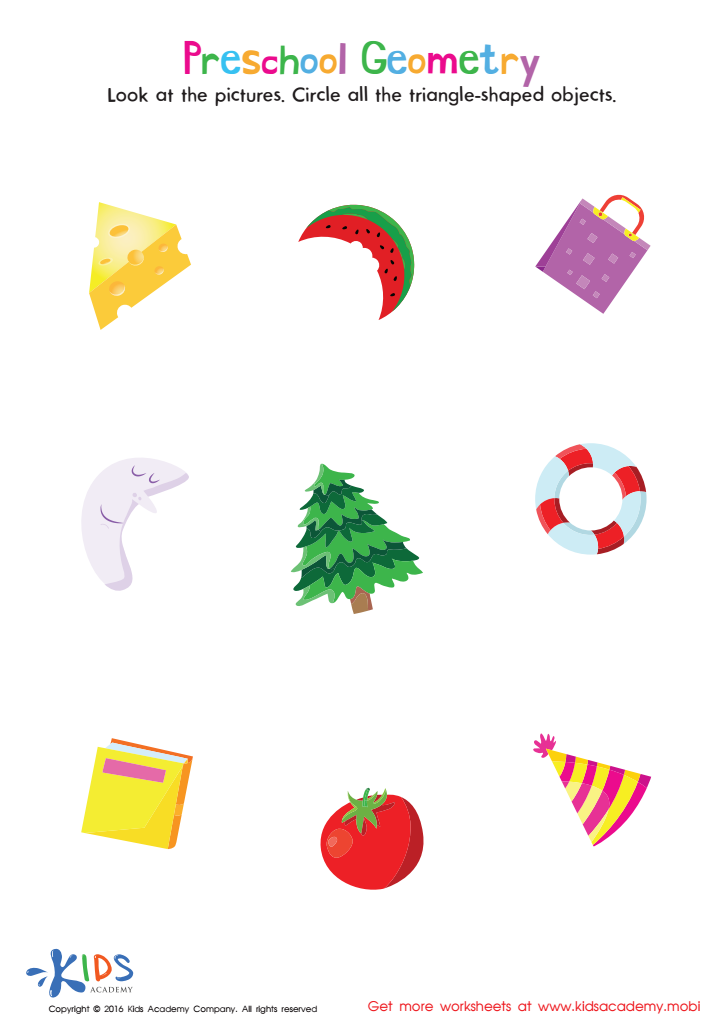
Preschool Geometry Match Up Worksheet
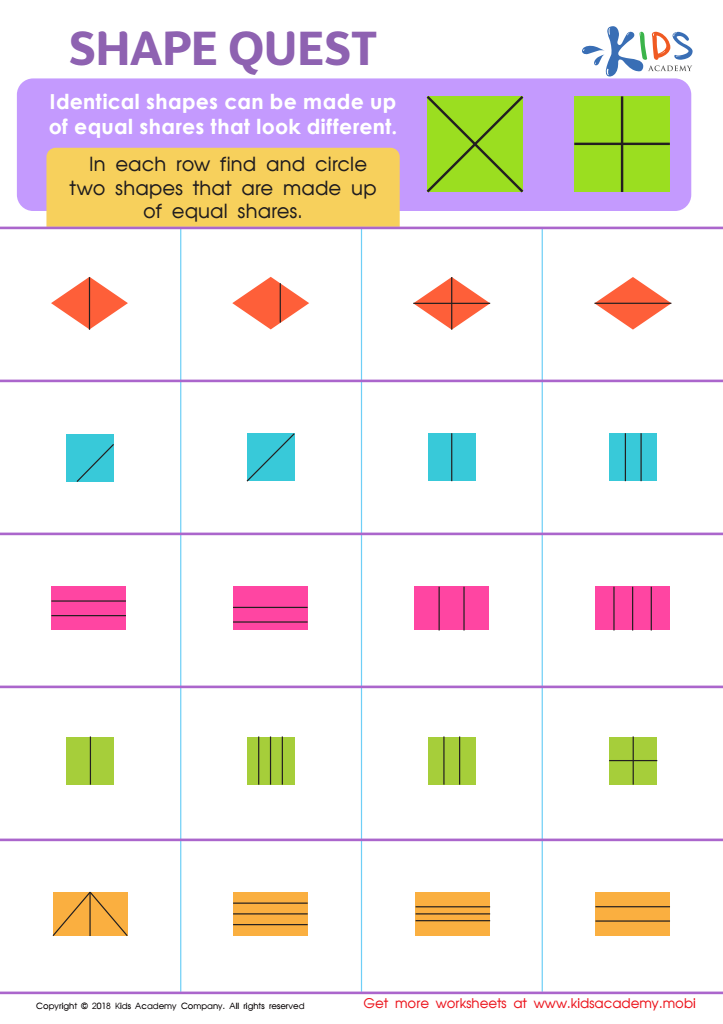
Shape Quest Worksheet
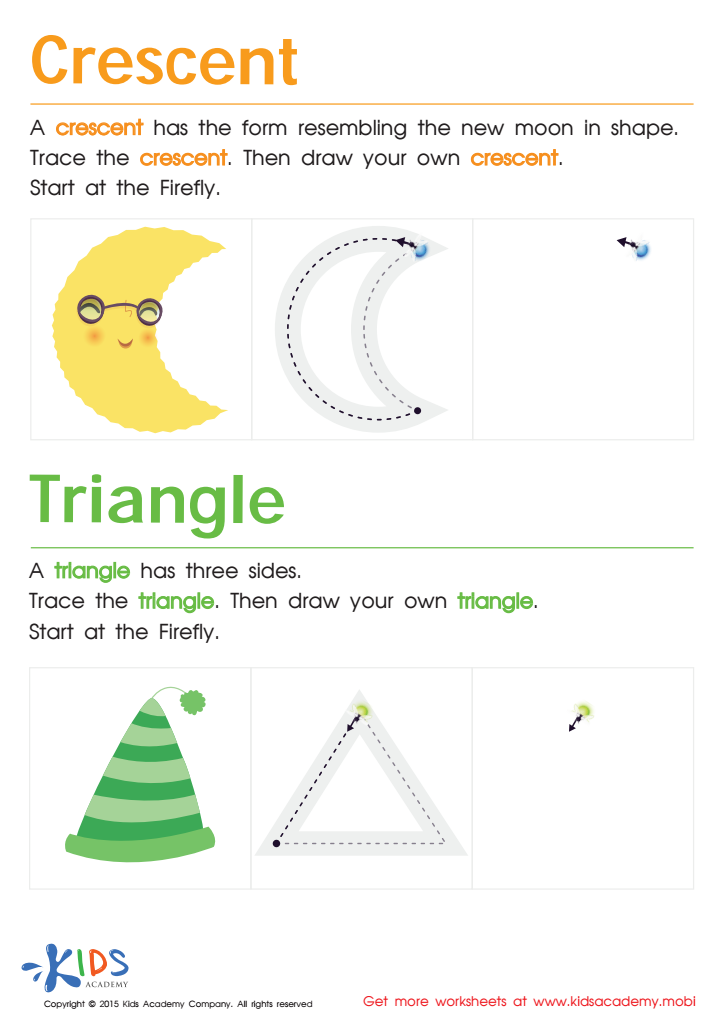
Learning to Draw Crescents And Triangles Worksheet
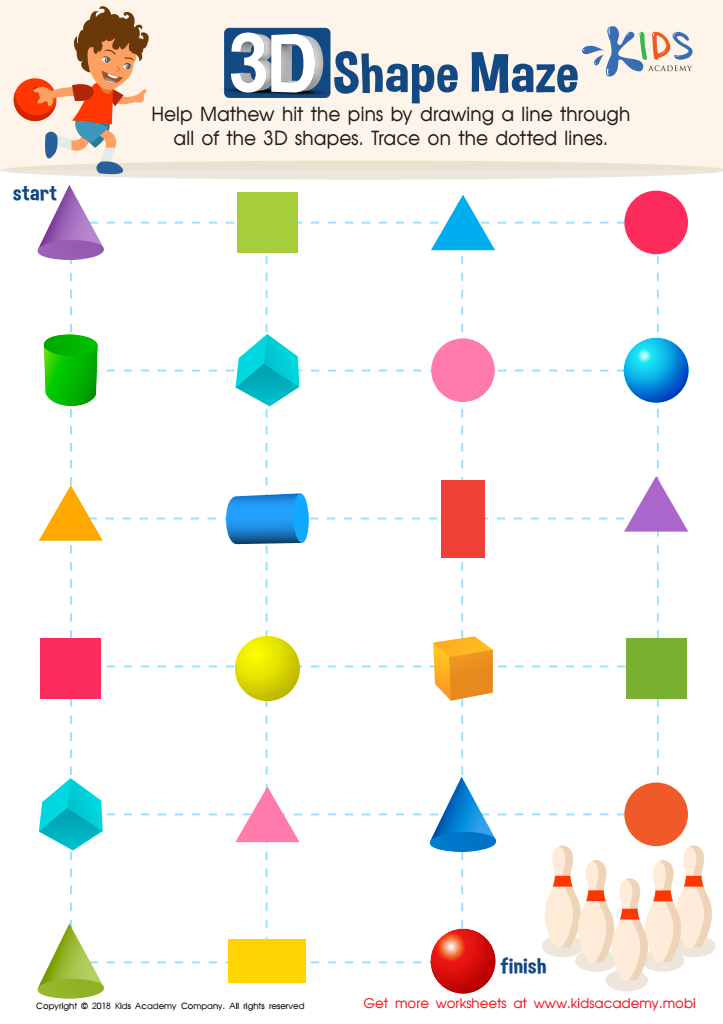
Shapes Maze Geometry Worksheet
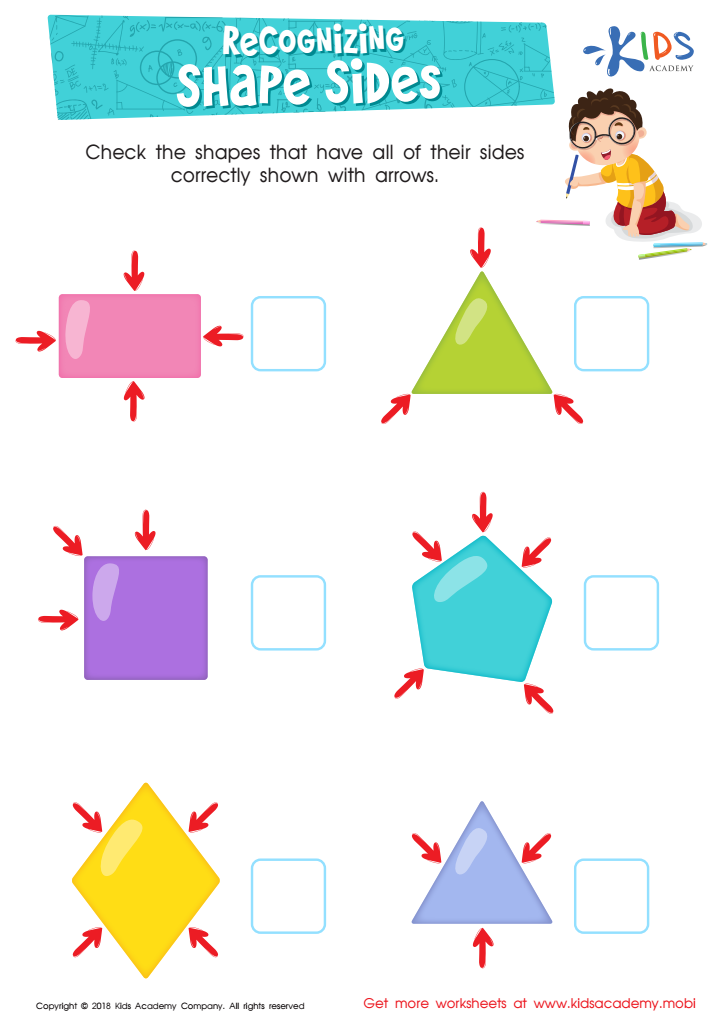
Recognizing Shape Sides Worksheet
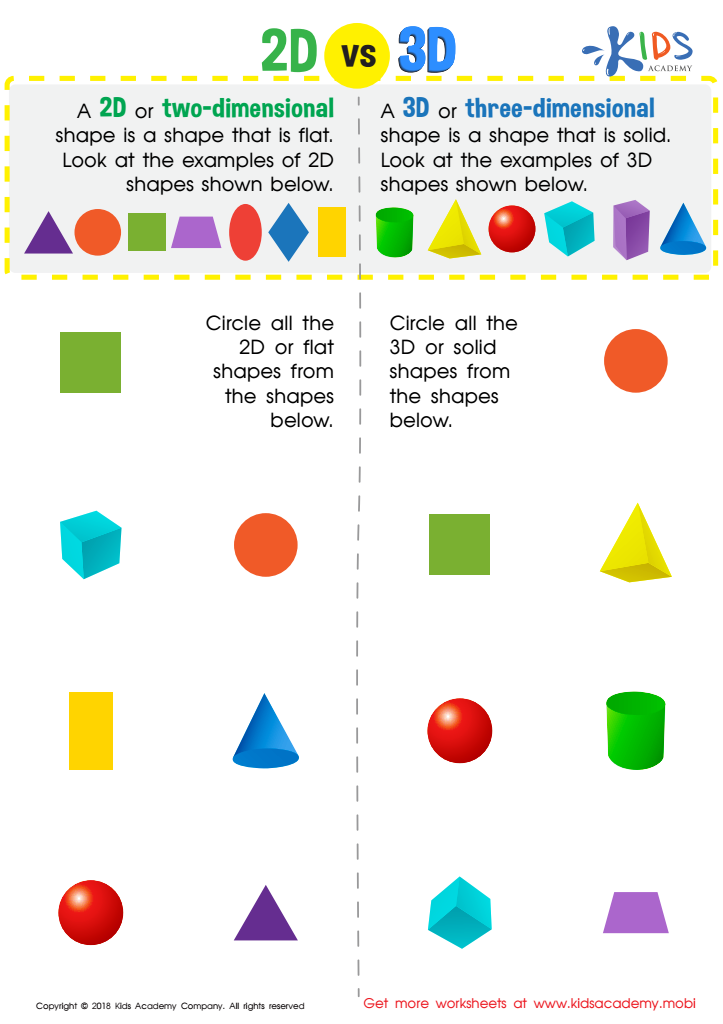
2D vs 3D Shapes Worksheet
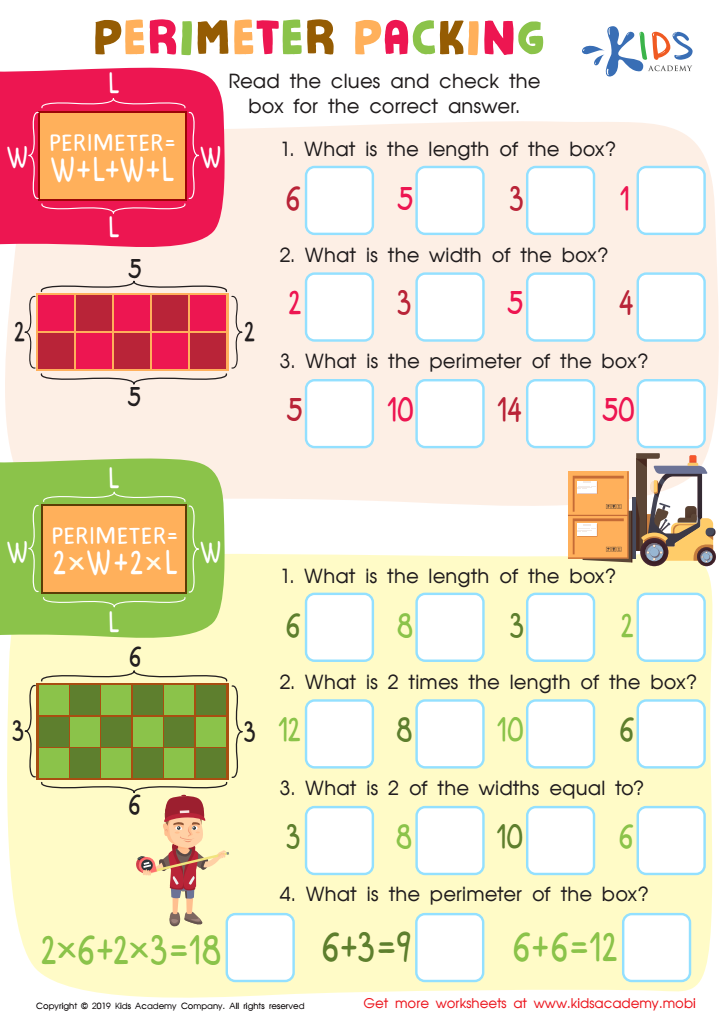
Perimeter Parking Worksheet
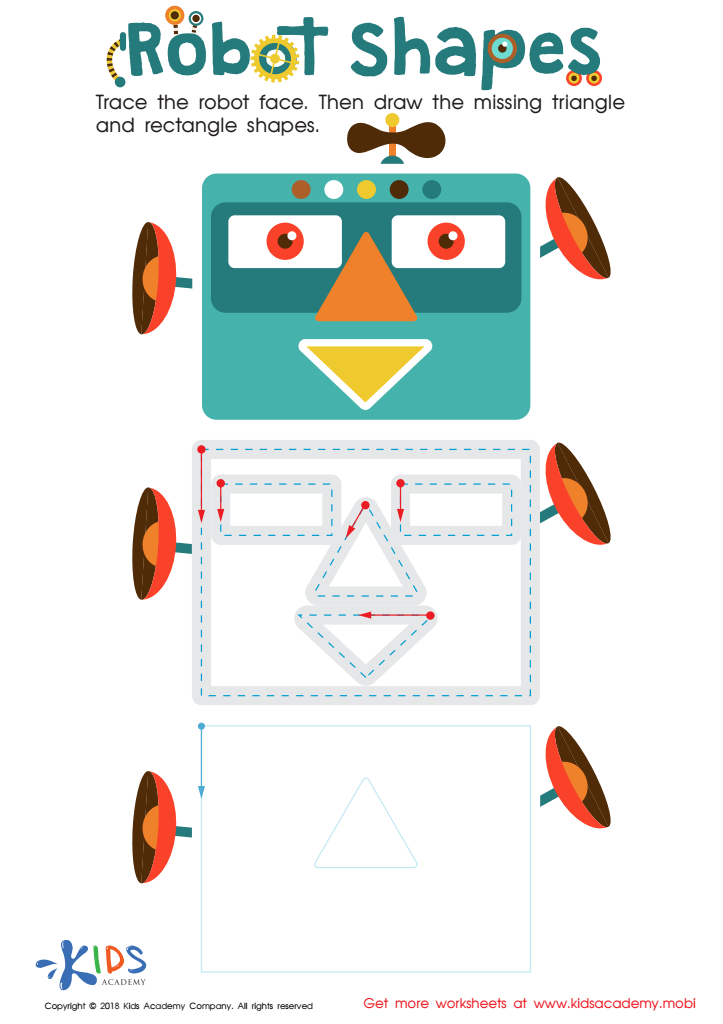
Robot Shapes Worksheet
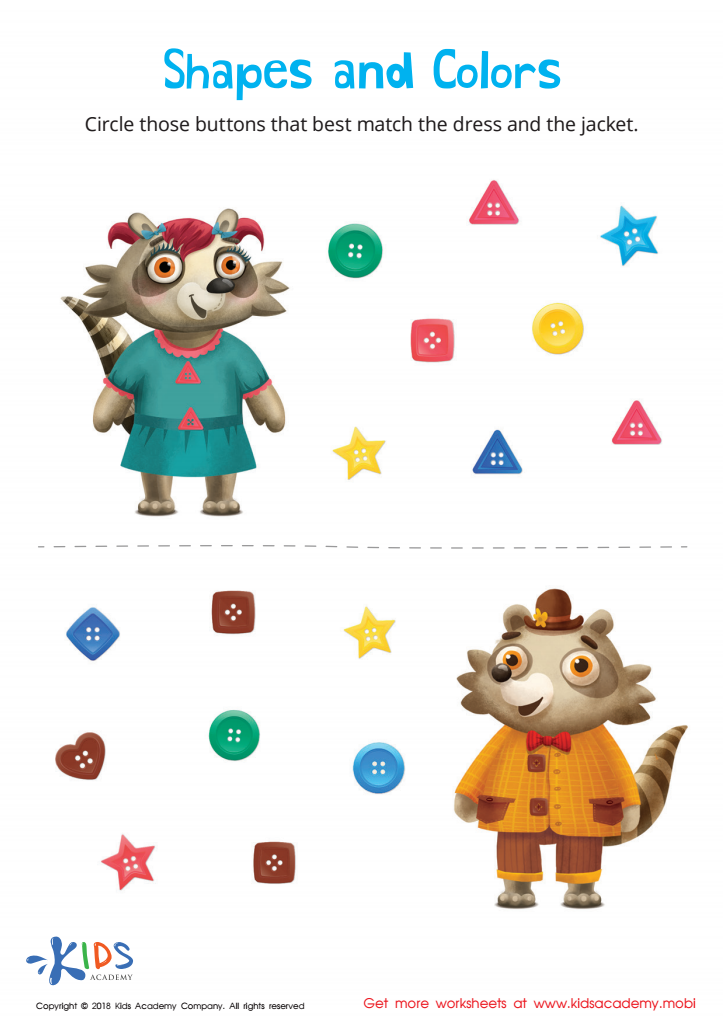
Shapes and Colors Worksheet
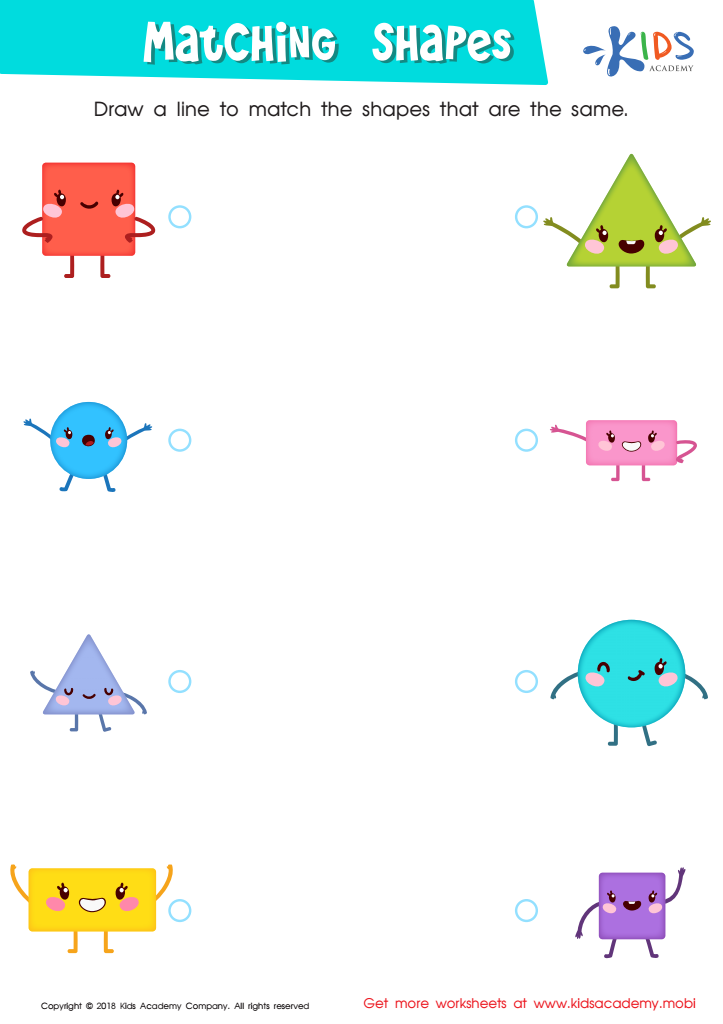
Matching Shapes Worksheet
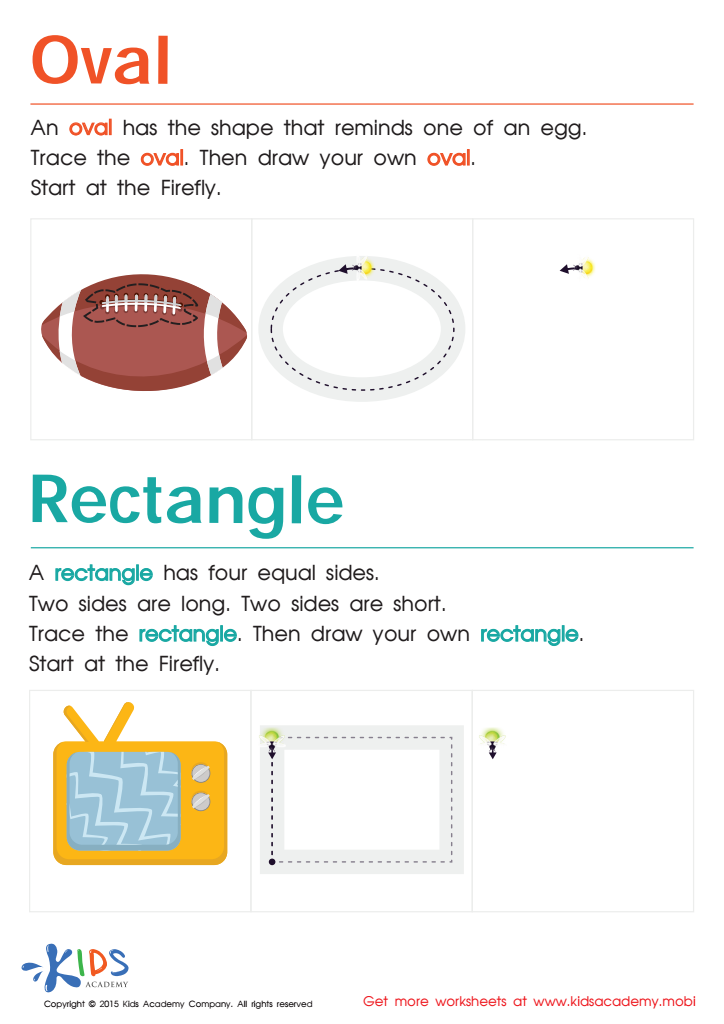
Easy Drawing of Ovals And Rectangles Worksheet








Shape recognition within normal geometry is a foundational skill in early childhood education, crucial for children aged 5-9. Parents and teachers should prioritize this aspect of learning because it lays the groundwork for advanced mathematical concepts. Recognizing shapes such as circles, squares, triangles, and rectangles helps children understand classifying and comparing objects, fostering critical thinking and problem-solving skills.
Additionally, shape recognition is not limited to math—it infiltrates other subjects and real-world experiences. For example, understanding shapes enhances a child's ability to read with visual skills, aiding in distinguishing one letter from another, which is pivotal in literacy. Similarly, arts and crafts and the physical act of drawing shapes develop fine motor skills and hand-eye coordination.
Moreover, a strong grasp of geometric shapes helps children interpret the environment around them, boosting spatial awareness. This cognitive ability is essential for daily tasks that require navigation and arrangement in both 2D and 3D spaces, such as puzzles and block building.
When parents and teachers foster an environment rich in shape recognition activities, they are supporting a child’s holistic educational development. Engaging activities using games, hands-on manipulatives, and digital tools can make learning about shapes both fun and effective, ensuring children build a vital supportive skill set for future academic endeavors and everyday life.








