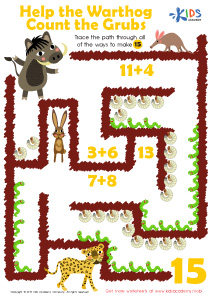
Normal Subtraction Worksheets for Ages 5-9
29 filtered results
-
From - To
Our "Normal Subtraction Worksheets for Ages 5-9" are designed to make learning subtraction enjoyable and engaging for young minds. Suitable for kids in early elementary grades, these worksheets provide diverse subtraction exercises that cater to various skill levels. With colorful illustrations and fun themes, children can practice subtracting single or multiple-digit numbers, and gradually improve their arithmetic skills. Our worksheets help build a strong foundation by offering different difficulty levels, ensuring a smooth progression in learning. Download our subtraction worksheets today, and watch your child's confidence soar as they master essential math skills through engaging activities!
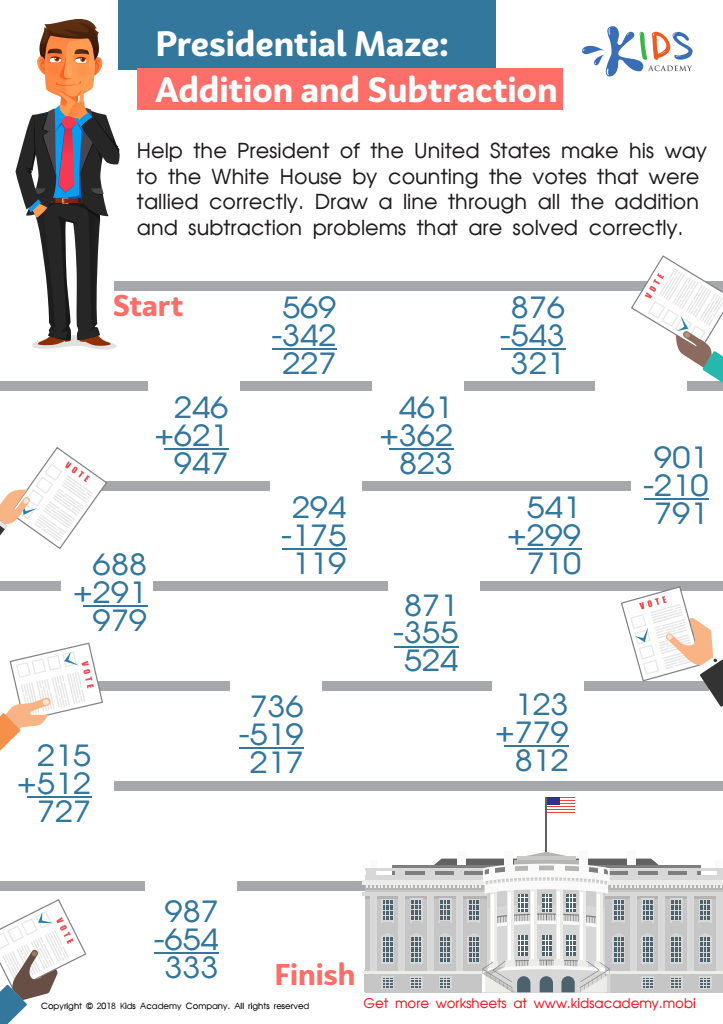
Presidential Maze: Addition and Subtraction Worksheet
 Assign to My Students
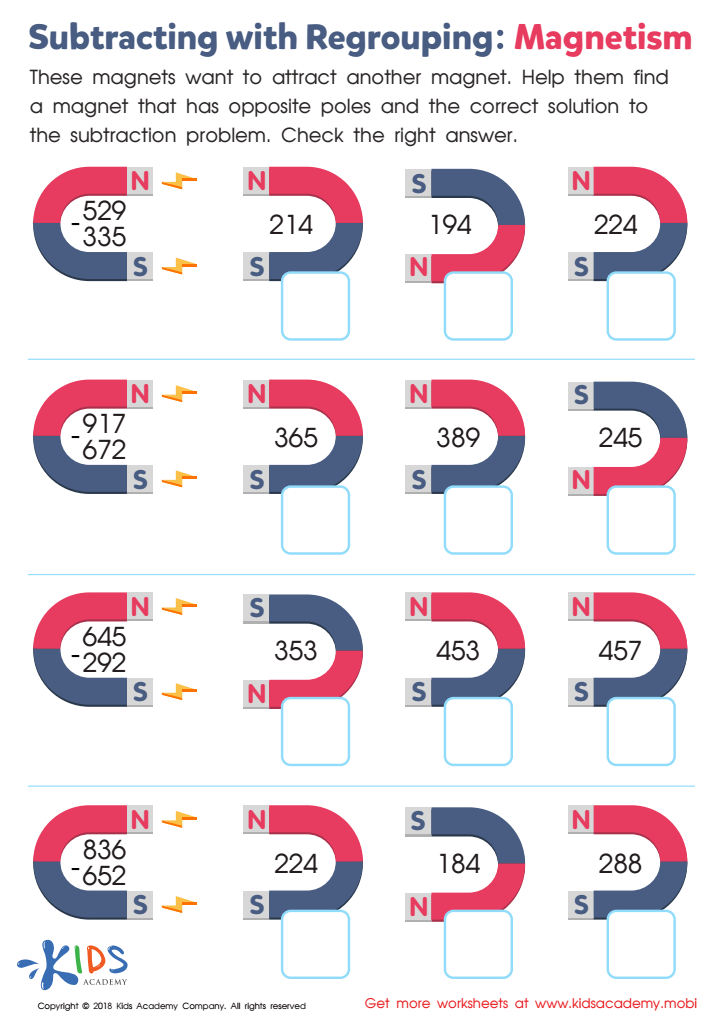
Subtracting with Regrouping: Magnetism Worksheet
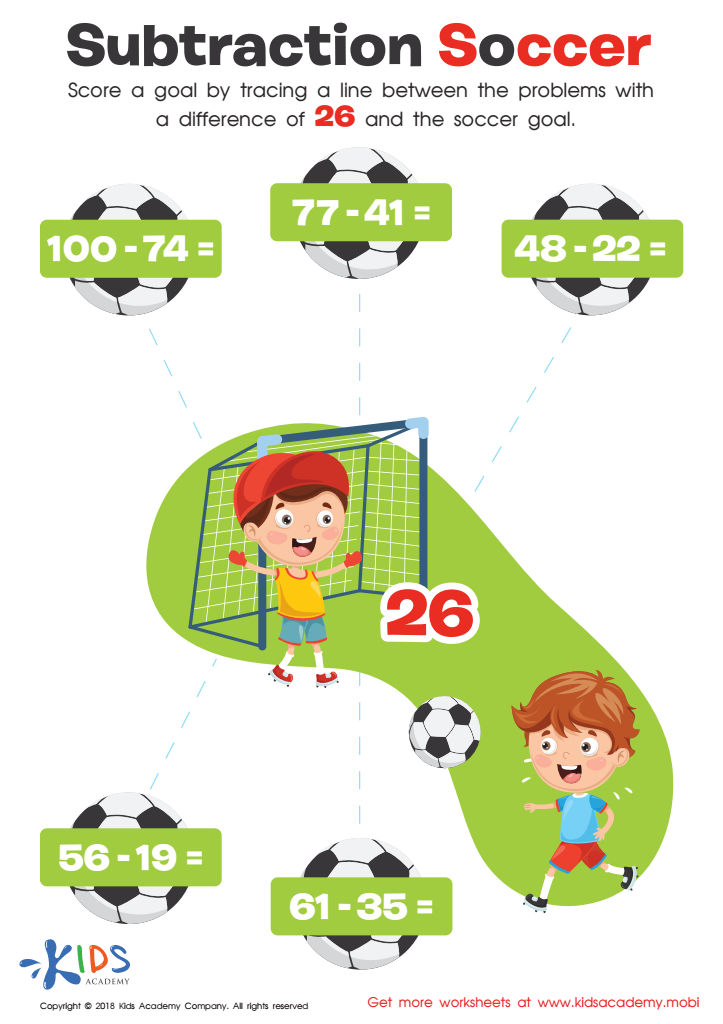
Subtraction Soccer Worksheet
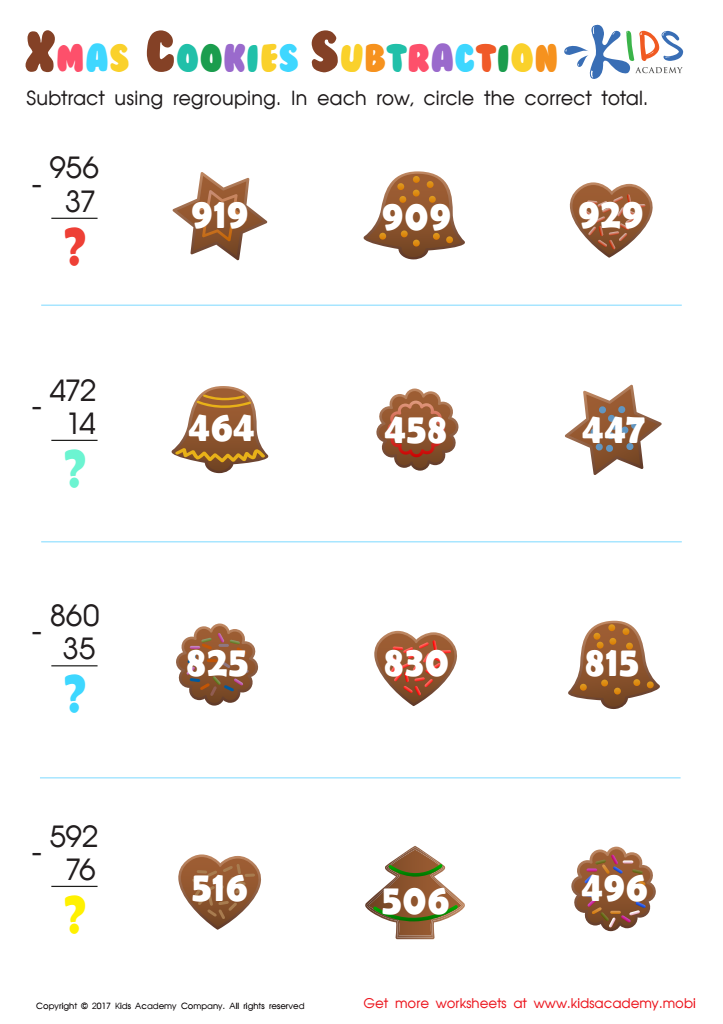
Three Digits Addition with Regrouping Worksheet
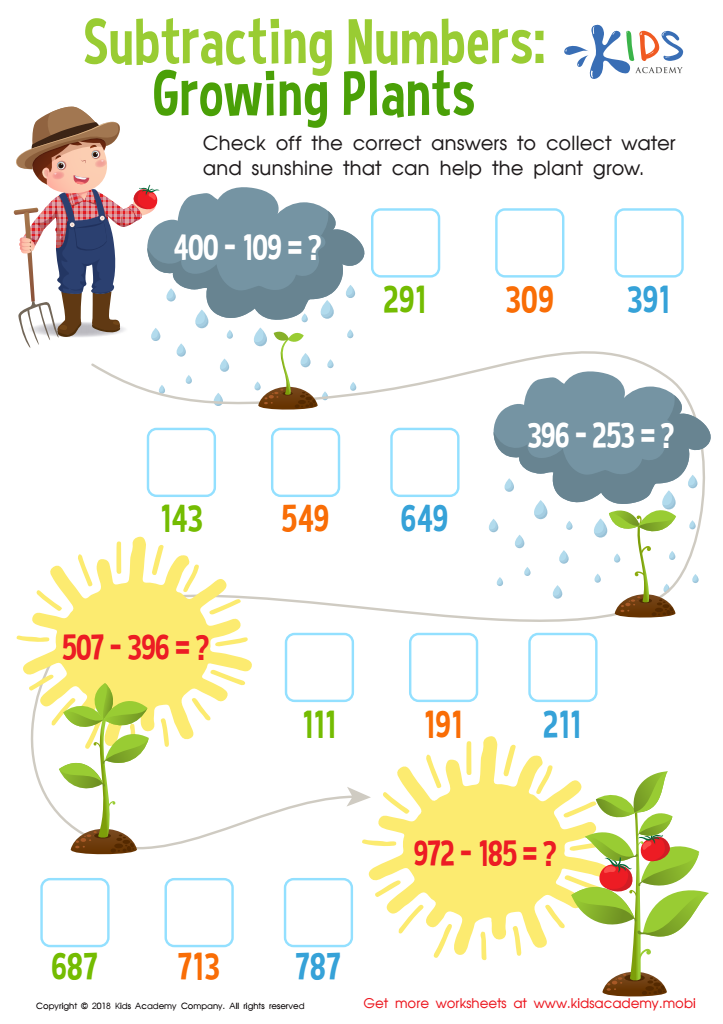
Subtracting Numbers: Growing Plants Worksheet
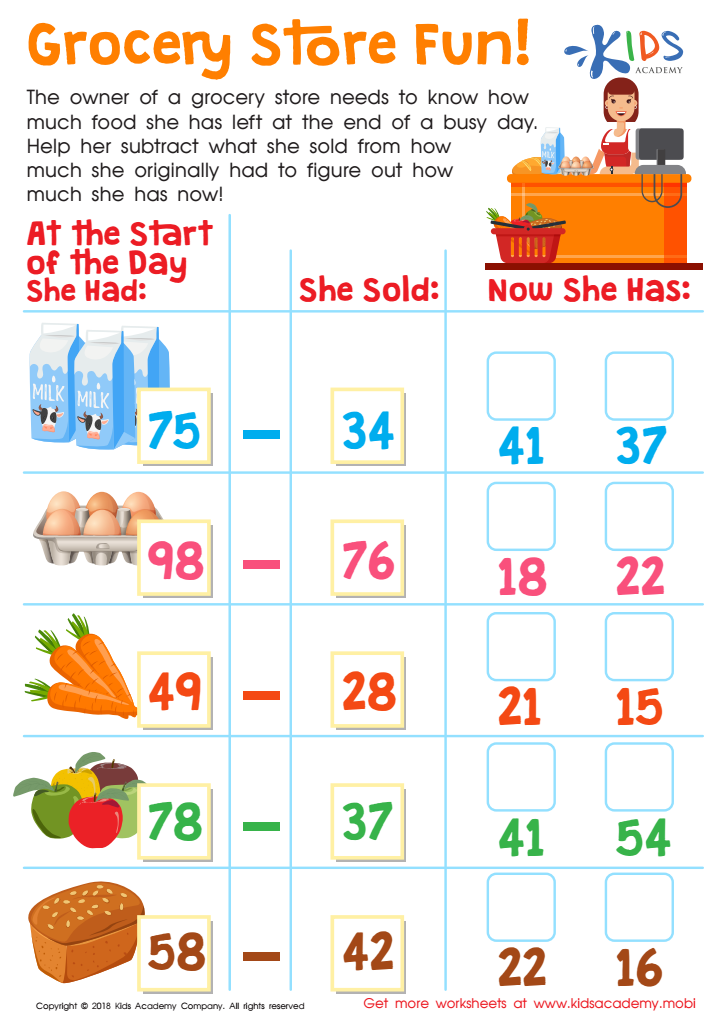
Grocery Store Fun! Worksheet
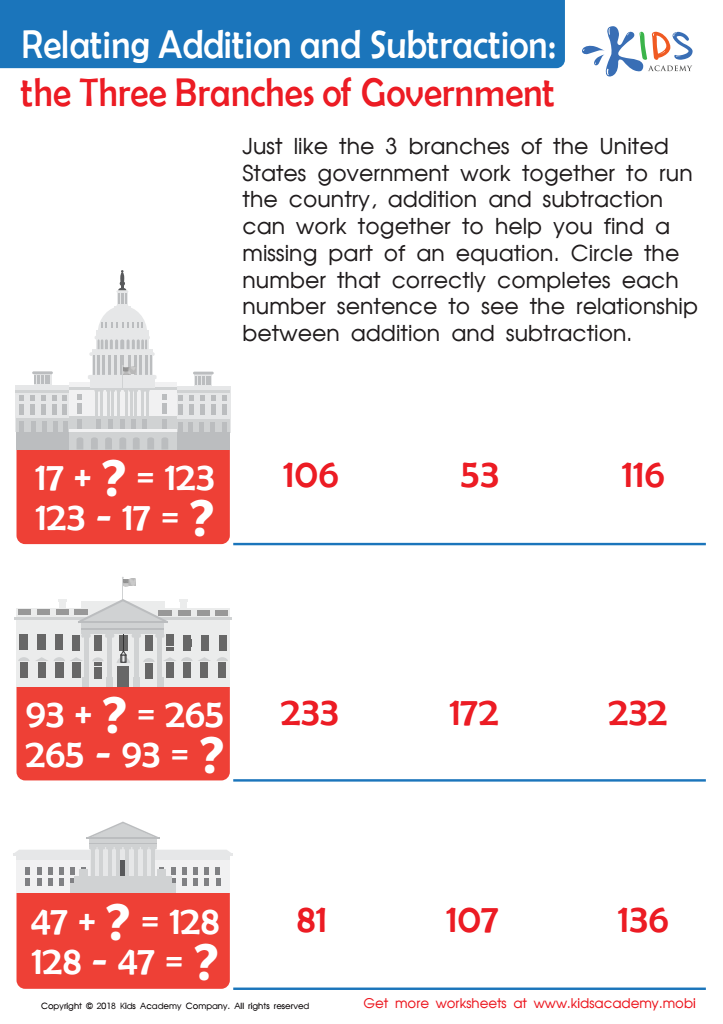
The Three Branches of Government Worksheet
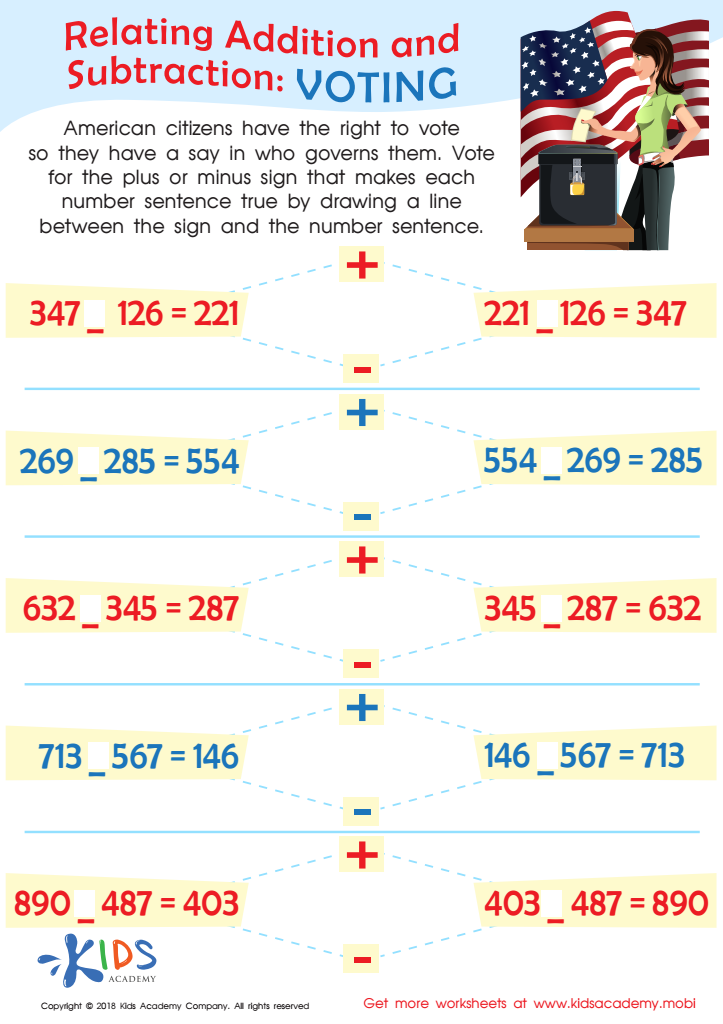
Voting Worksheet
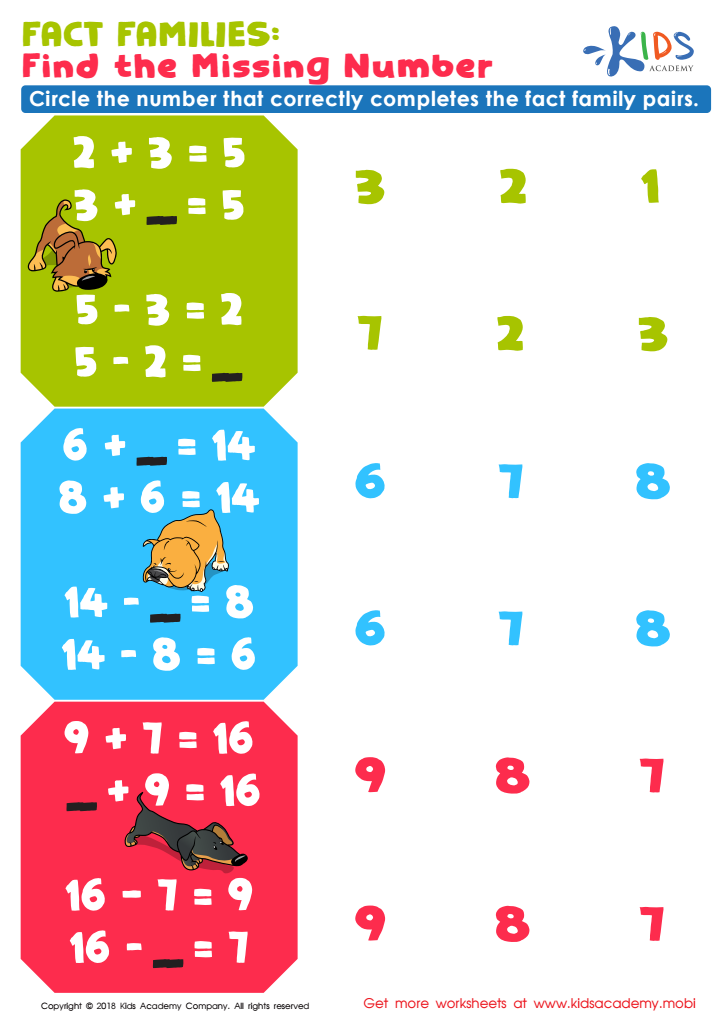
Fact Families: Find Missing Number Worksheet
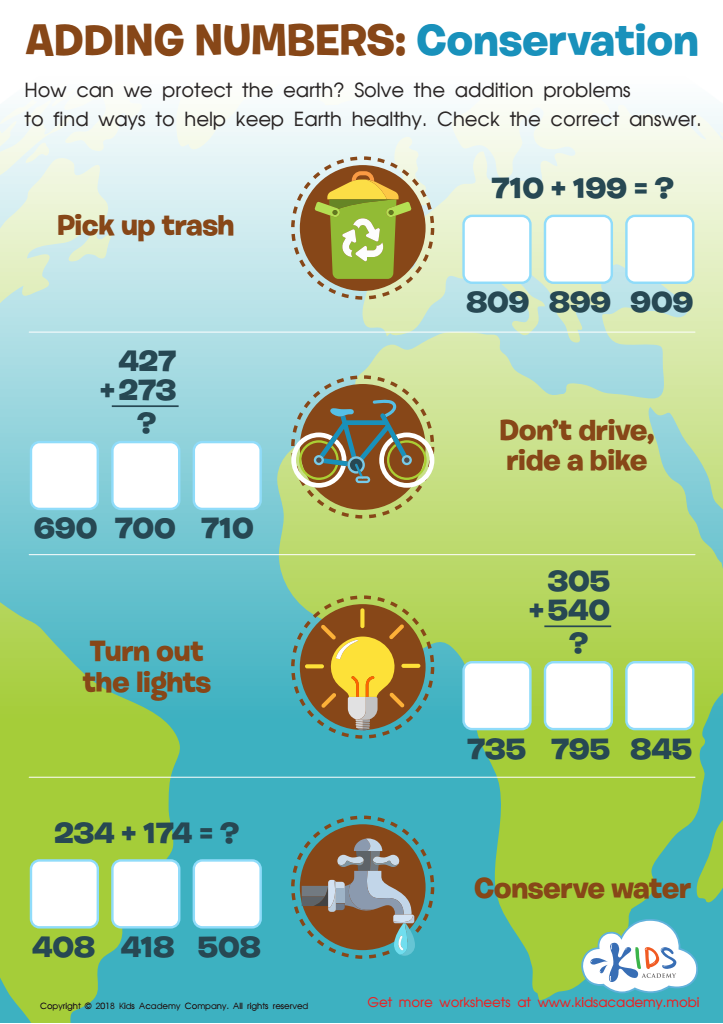
Adding Numbers: Conservation Worksheet
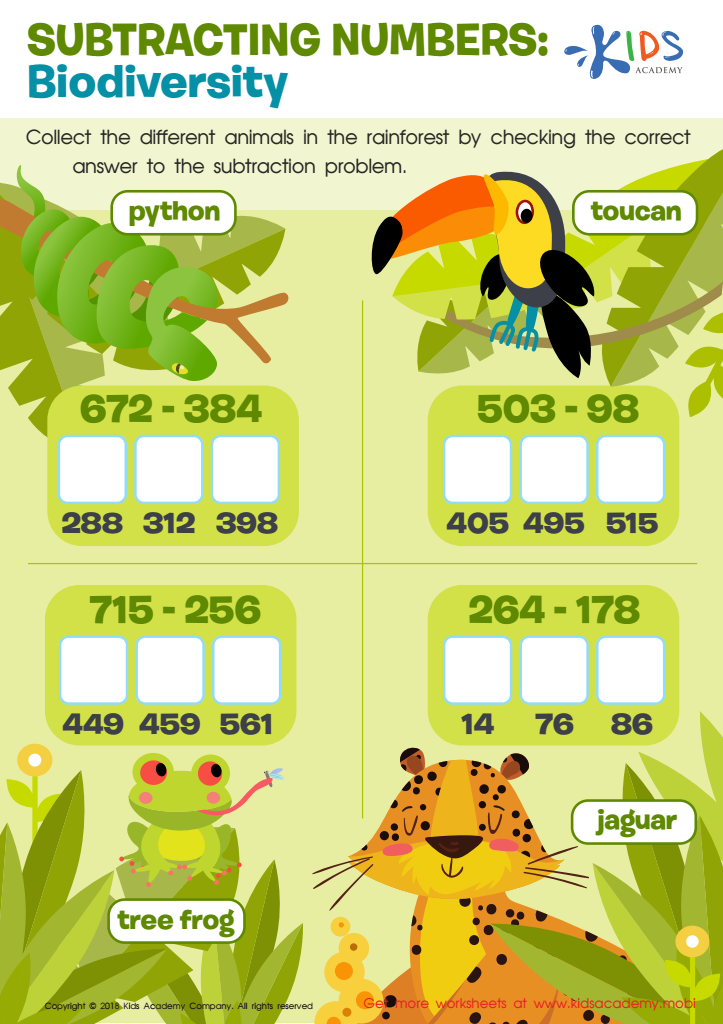
Subtracting Numbers: Biodiversity Worksheet
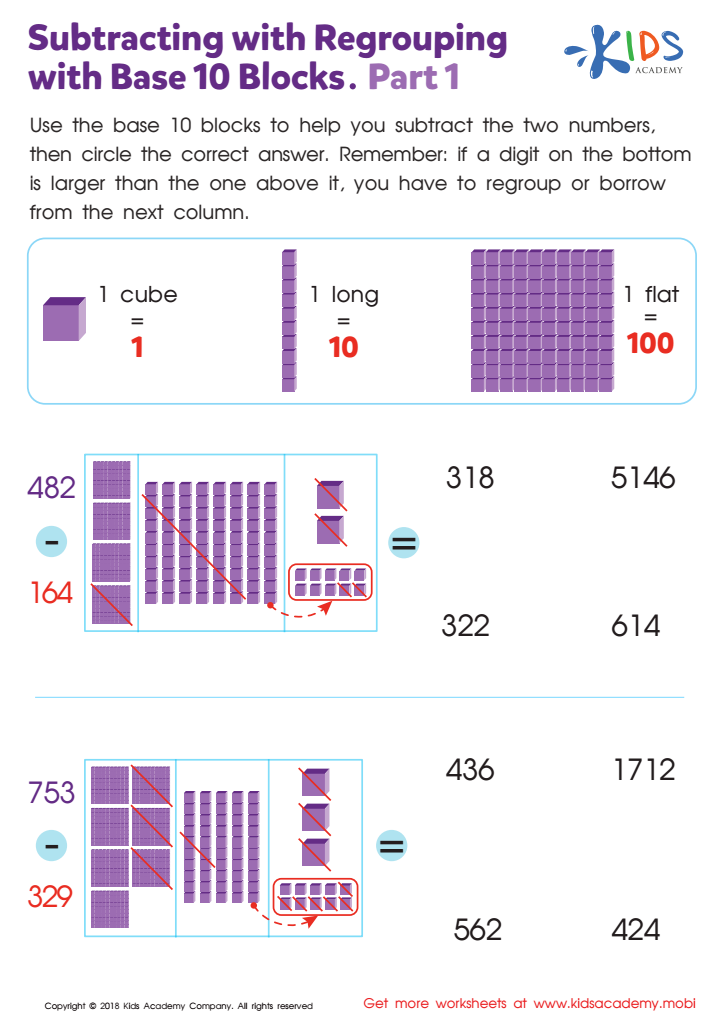
Subtracting with Regrouping with Base 10 Blocks. Part1 Worksheet
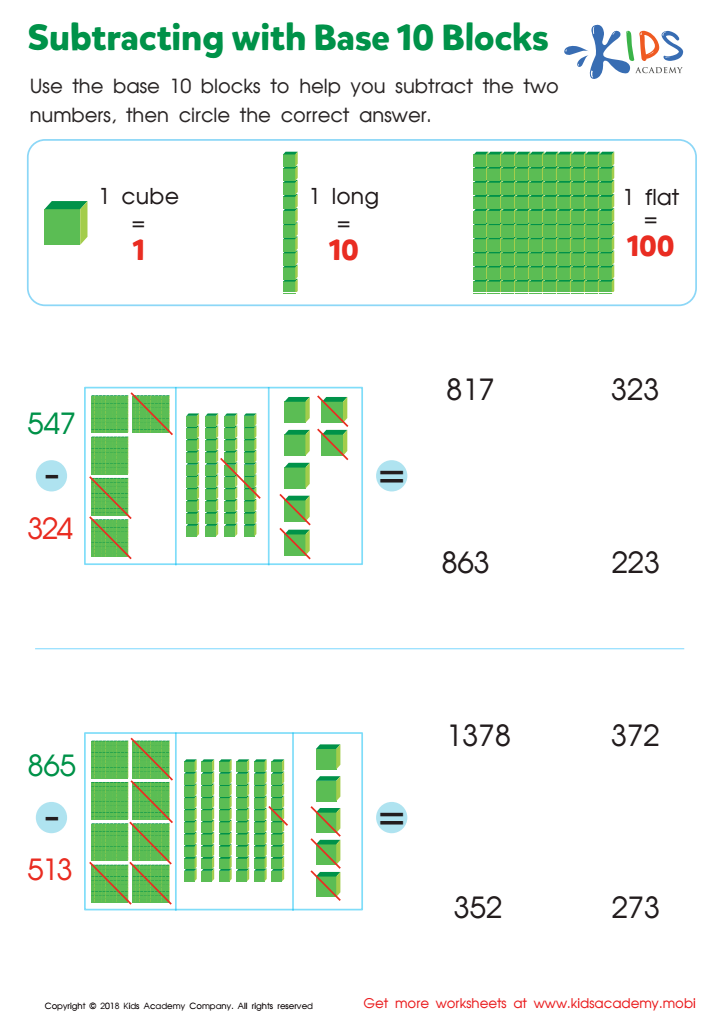
Subtracting with Base 10 Blocks Worksheet
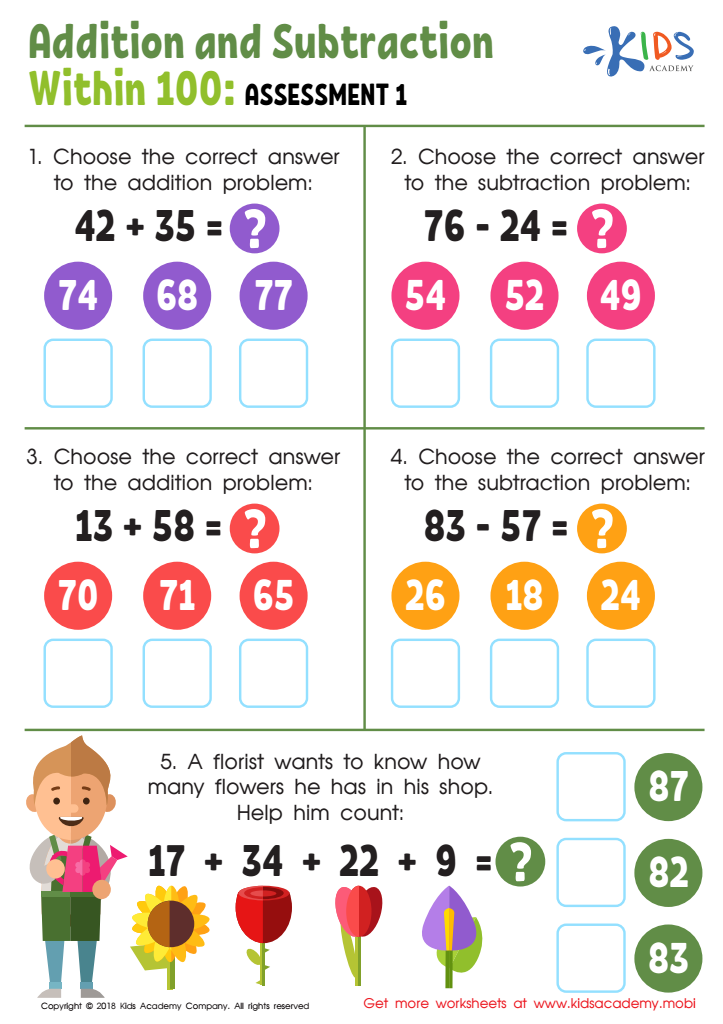
Addition and Subtraction Within 100 Worksheet
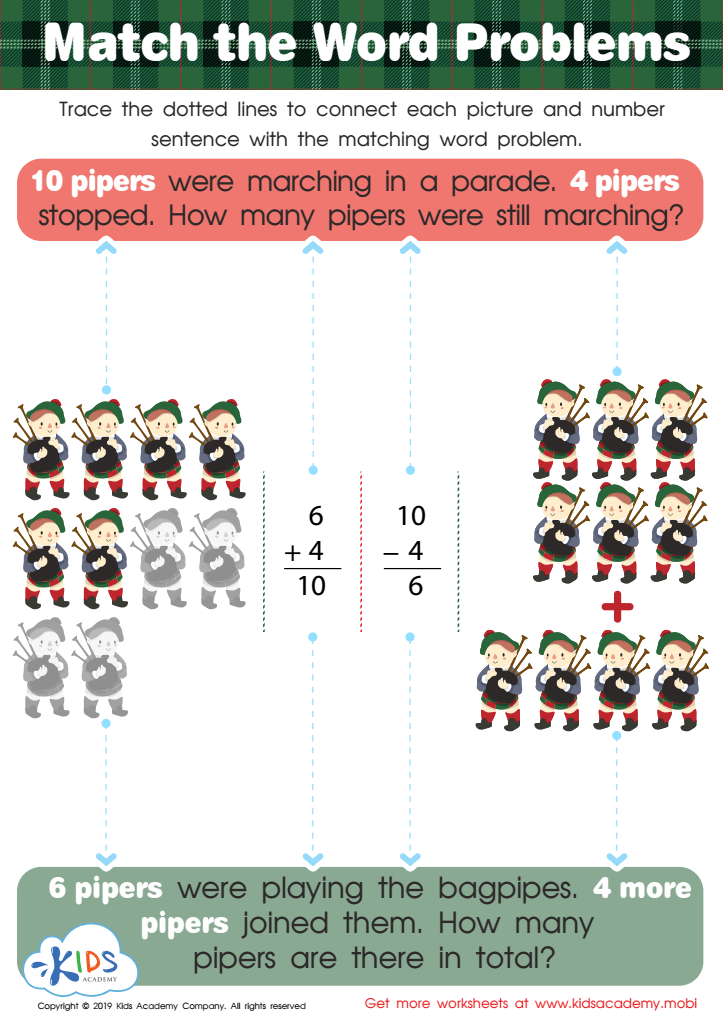
Match the Word Problems Worksheet
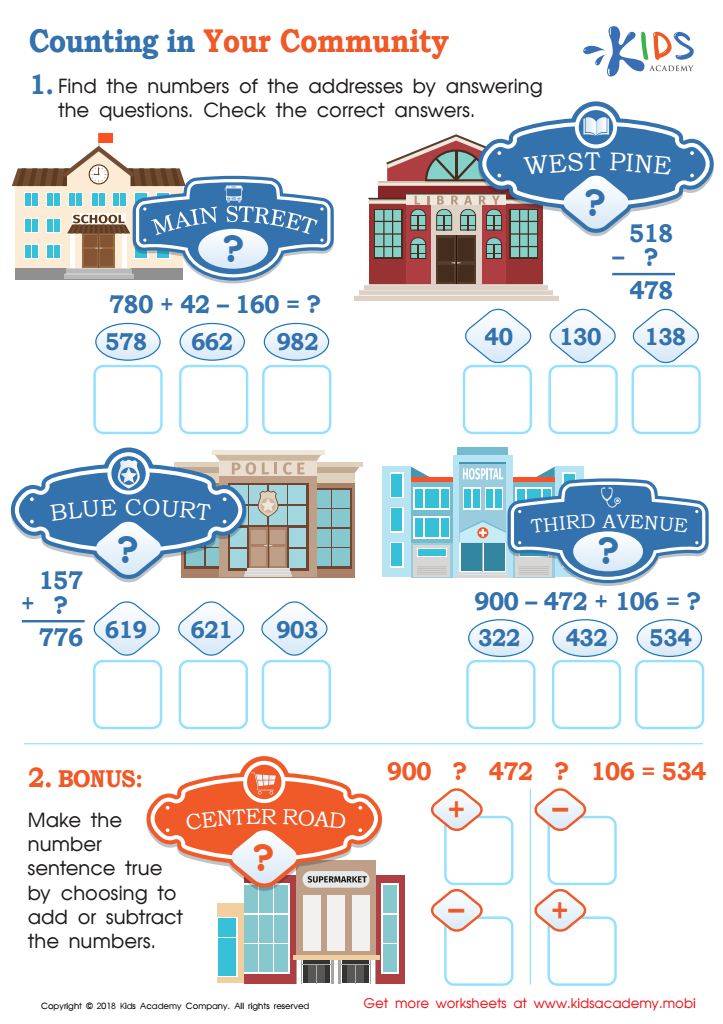
Counting in Your Community Worksheet
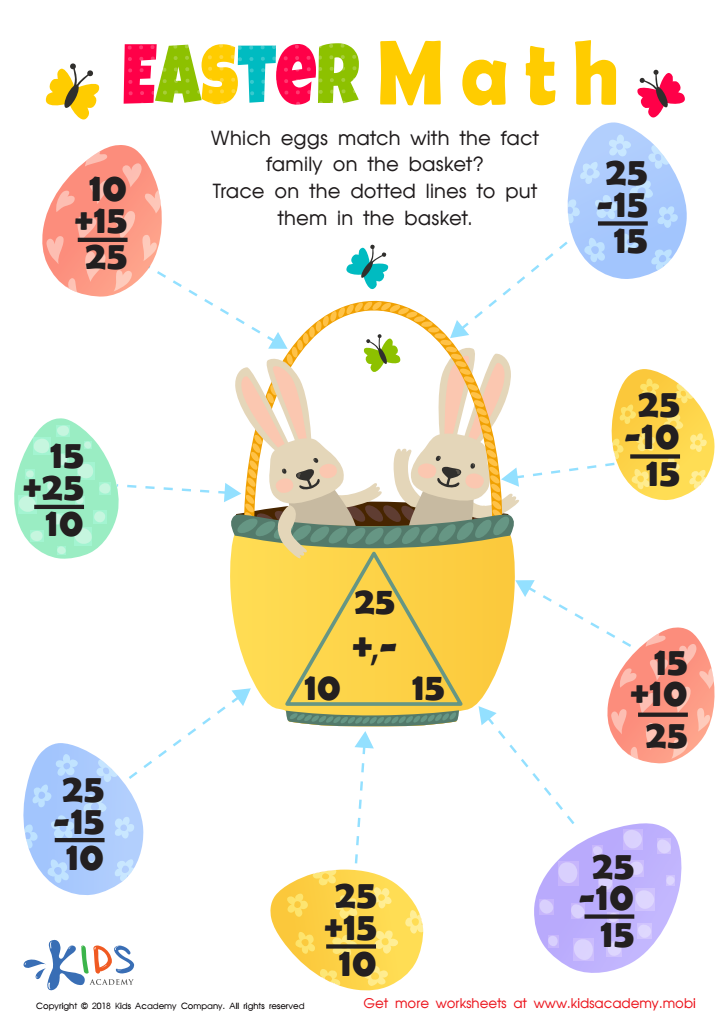
Fact Families: Easter Math Worksheet
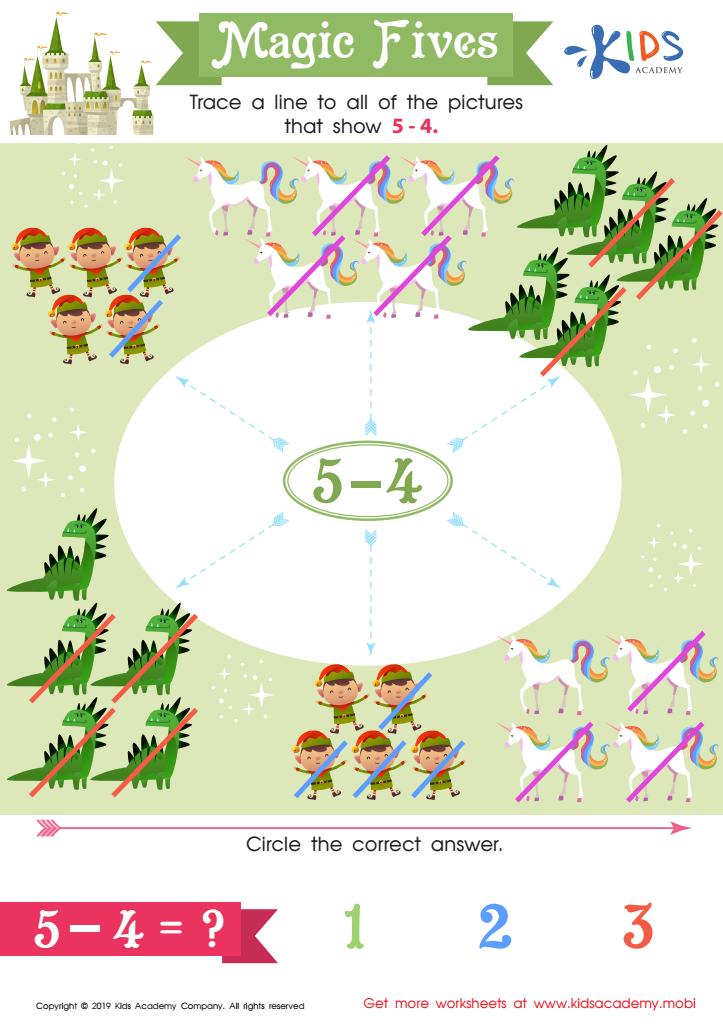
Magic Fives Worksheet
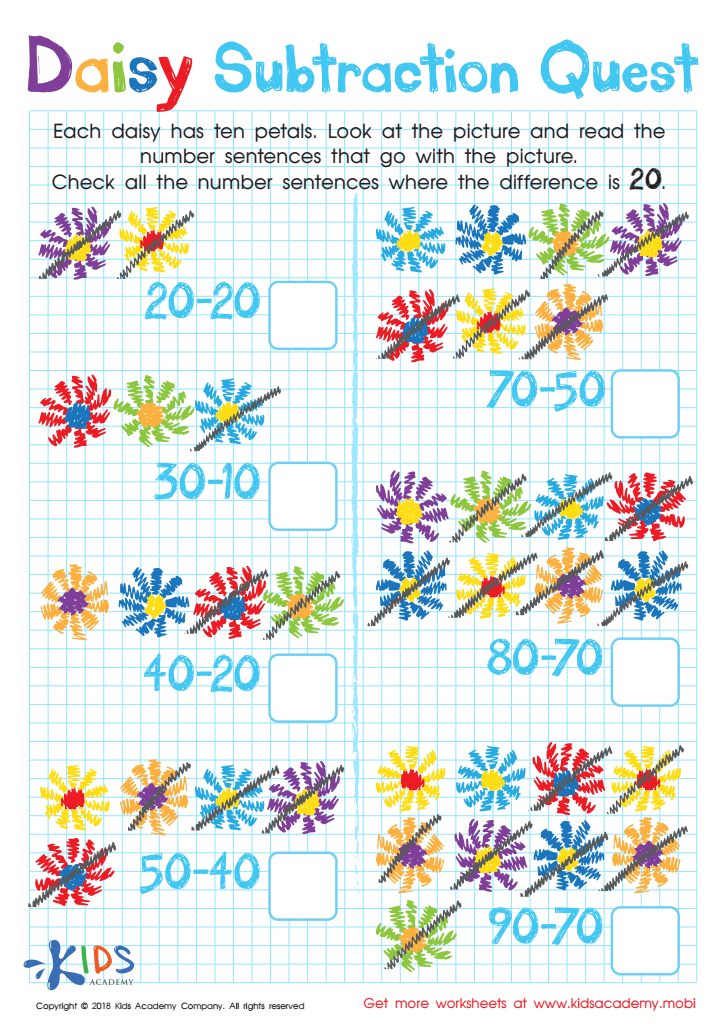
Daisy Subtraction Quest Worksheet
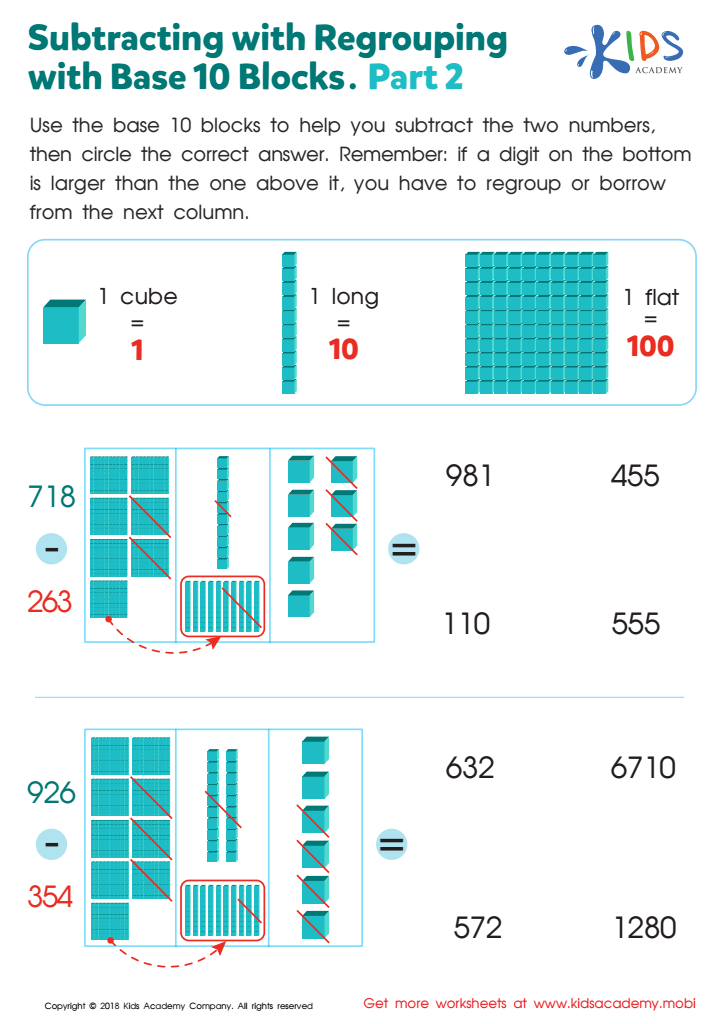
Subtracting with Regrouping with Base 10 Blocks. Part 2 Worksheet
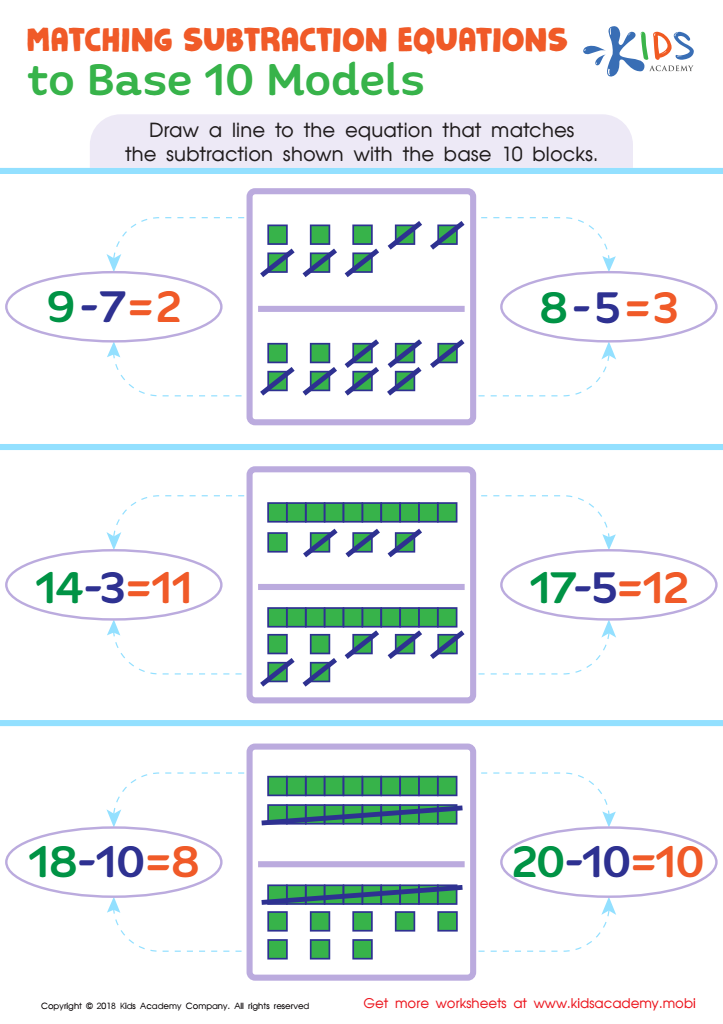
Matching Subtraction Equations To Base 10 Models Worksheet
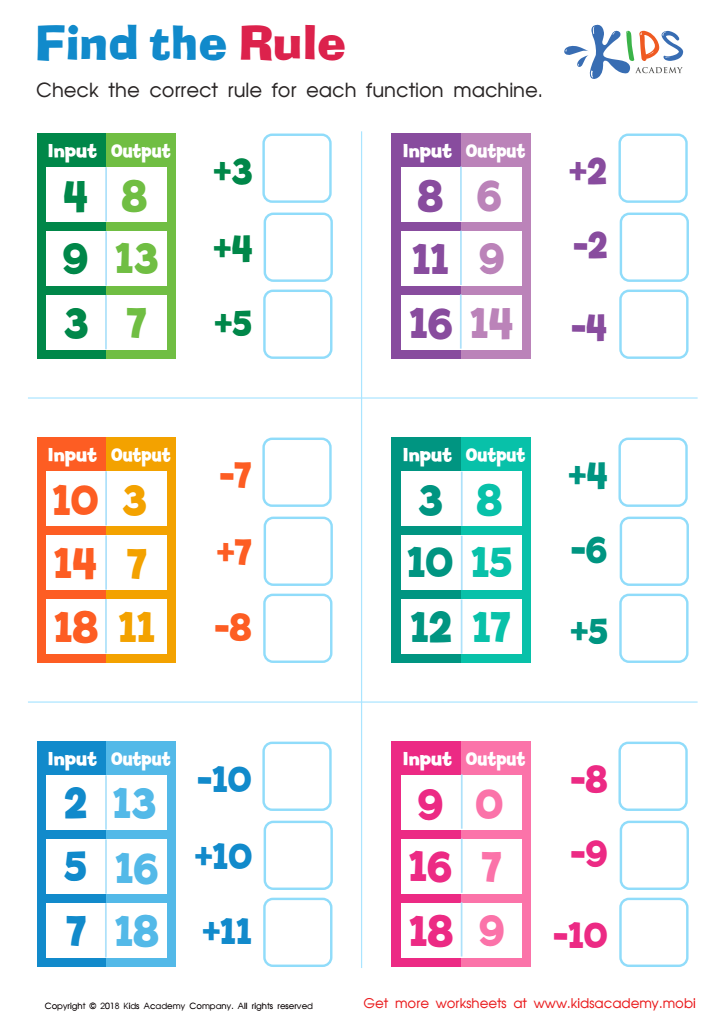
Find the Rule Worksheet
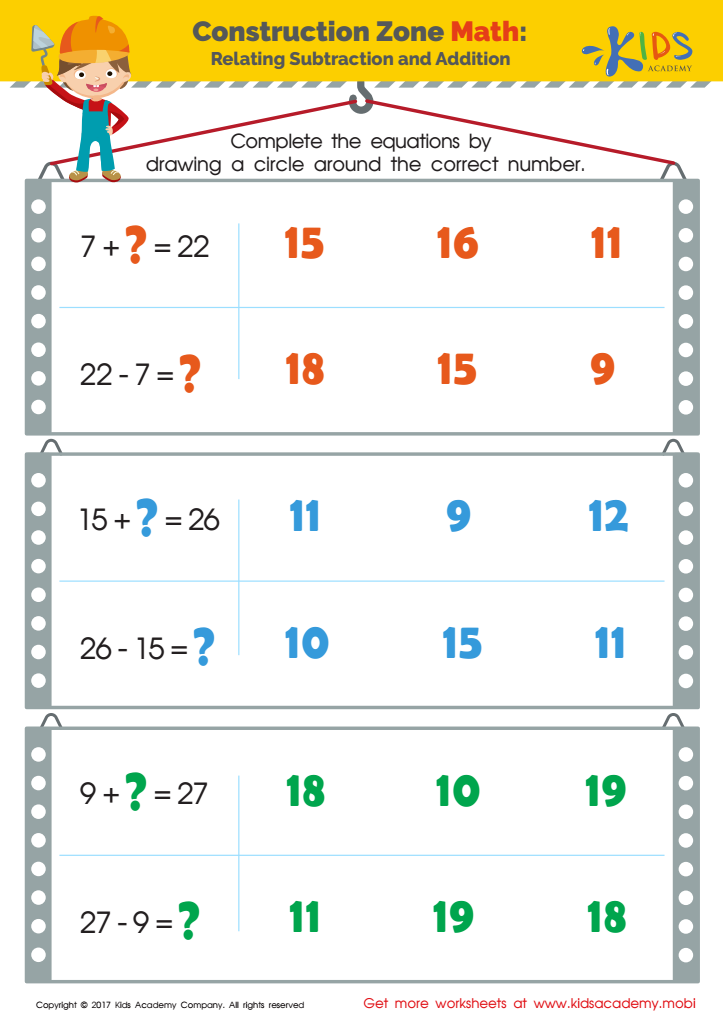
Related Addition and Subtraction Facts Worksheet
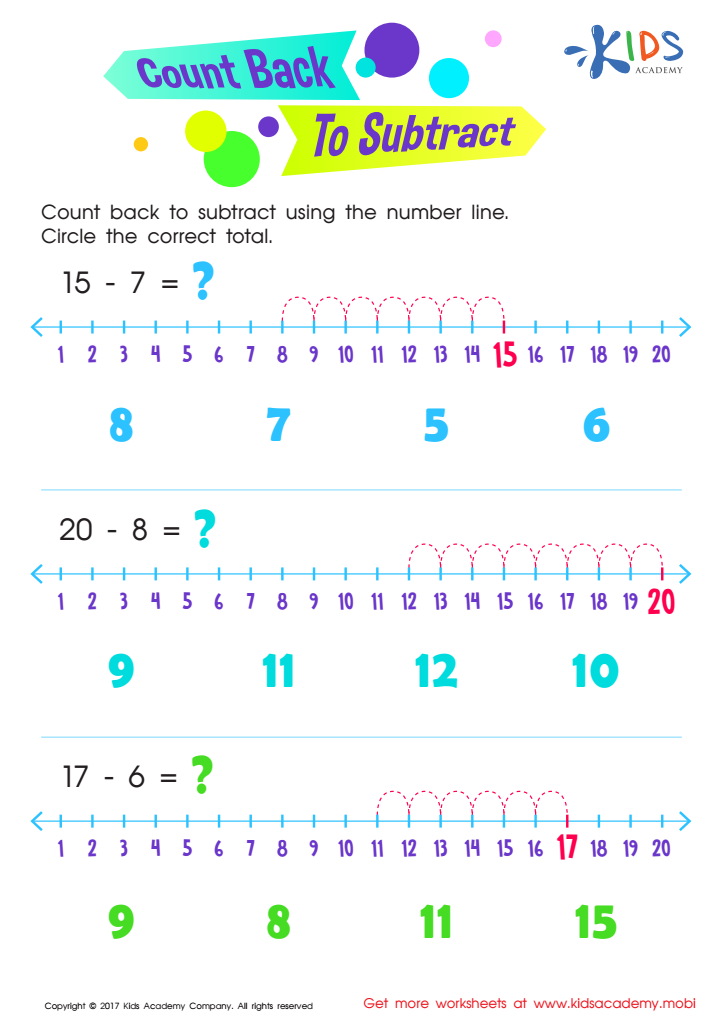
Count Back to Subtract Substraction Worksheet








Normal subtraction, the process of taking one number away from another, is foundational for children aged 5-9 as it forms the basis for future mathematical learning and everyday life skills.
Firstly, mastering subtraction at an early age is crucial for cognitive development. It encourages logical thinking and problem-solving. Children learn to approach problems step-by-step, enhancing their ability to think critically and efficiently.
Secondly, subtraction is a fundamental arithmetic operation used in daily tasks. Understanding this concept allows children to manage practical situations such as figuring out how much money they have left after spending or determining the remaining time before an event. These everyday applications make learning more relevant and engaging for children.
Furthermore, proficiency in subtraction is essential for progressing to more advanced mathematical concepts, such as multiplication, division, and algebra. Early struggles with basic subtraction can lead to difficulties in these more complex areas, potentially hindering a child's overall math proficiency and confidence.
Parents and teachers should support children in learning subtraction through interactive methods such as games, manipulatives, and real-life examples. Such engagement not only strengthens their numerical skills but also fosters a positive attitude towards math, opening doors to academic success and enhanced life skills.