Shape Recognition Normal Worksheets for Ages 6-8
40 filtered results
-
From - To
Explore our Shape Recognition Normal Worksheets designed specifically for children ages 6-8! These engaging activities foster early math skills by helping young learners identify and differentiate various shapes. Filled with colorful illustrations and age-appropriate exercises, our worksheets make learning fun and interactive. From basic shapes like circles and squares to more complex forms, students will enhance their cognitive and visual skills while building a solid foundation for future mathematics. Ideal for classroom use or at-home practice, these resources support educators and parents in nurturing children's understanding of geometry. Download and inspire young minds to recognize and appreciate shapes today!
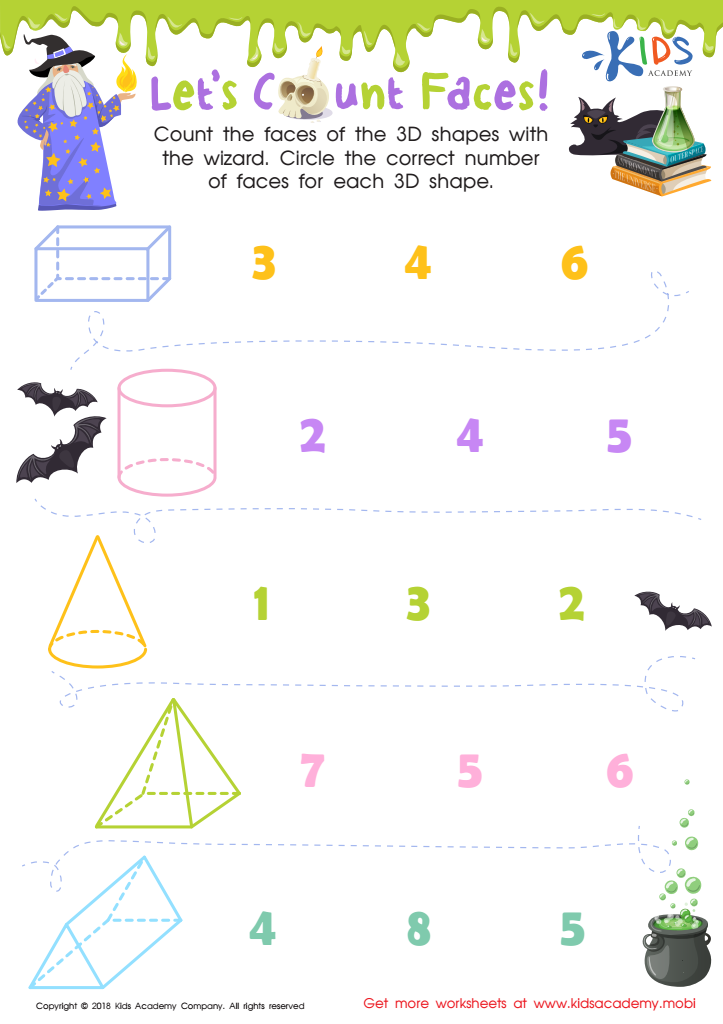
Let's Count Faces! Worksheet
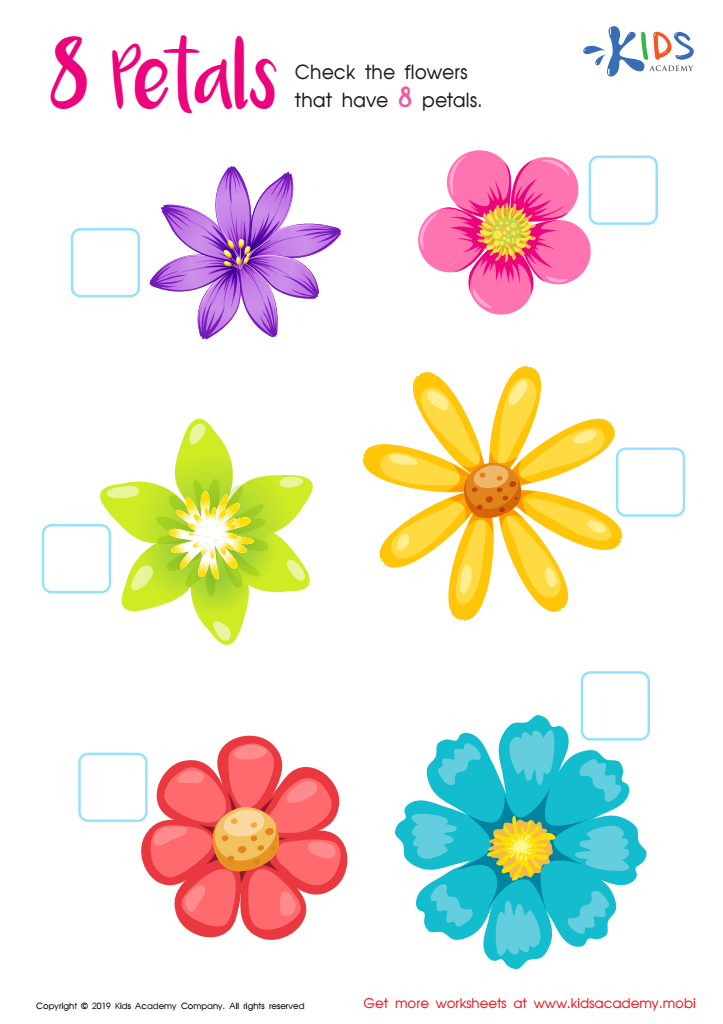
8 Petals Worksheet
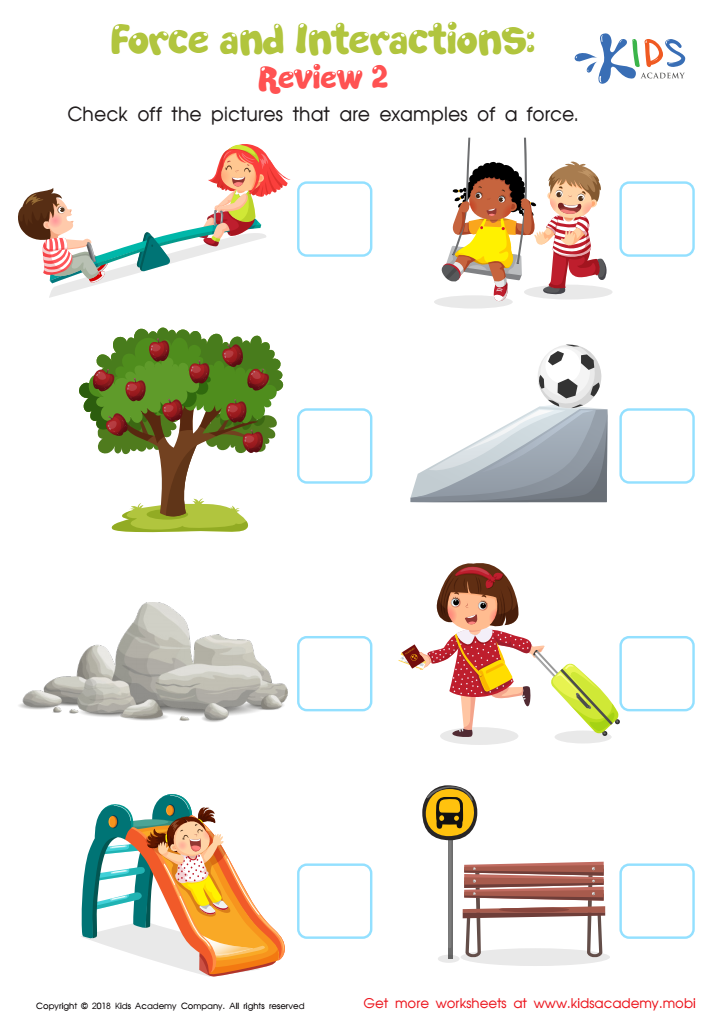
Force and Interactions: Review 2 Worksheet
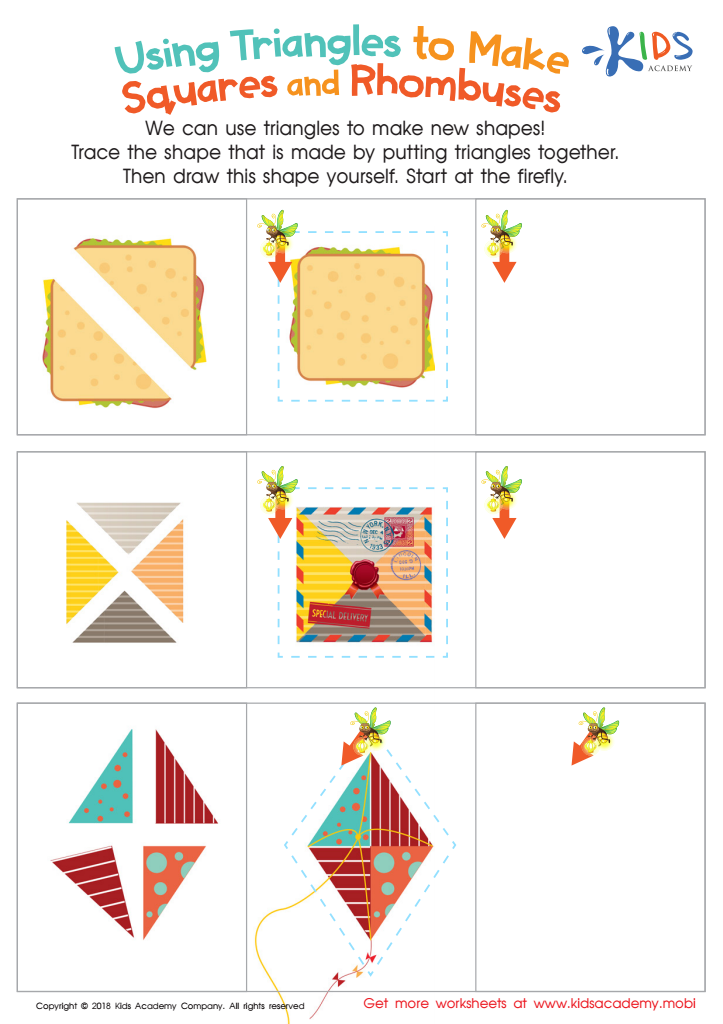
Using Triangles to Make Squares and Rhombuses Worksheet
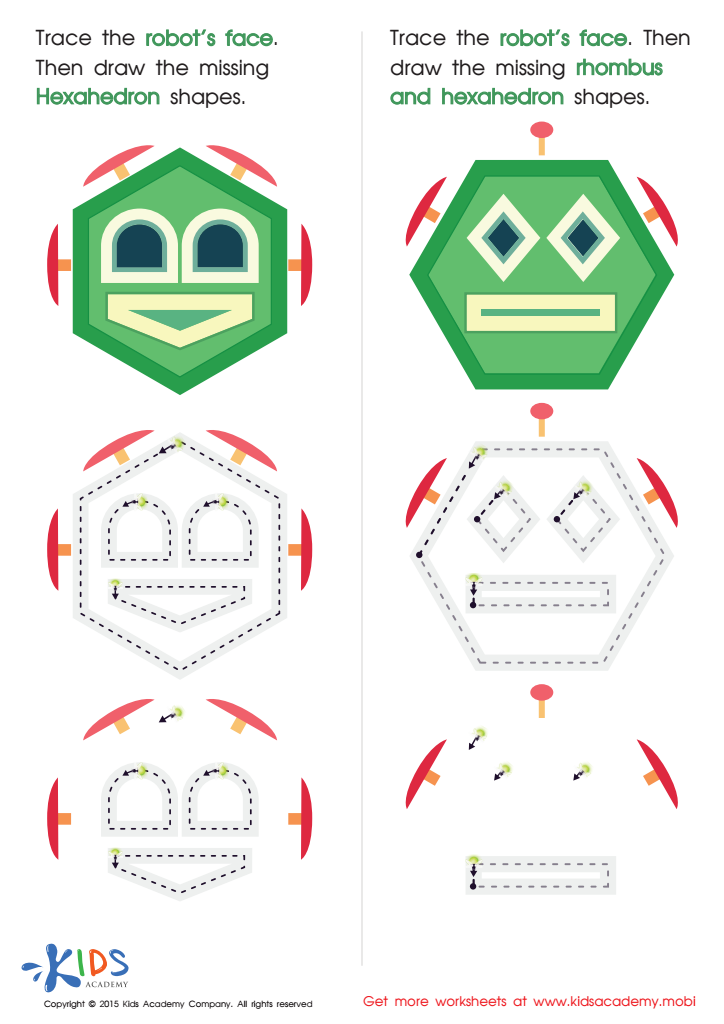
Practice Drawing Hexahedrons And a Rhombus Worksheet
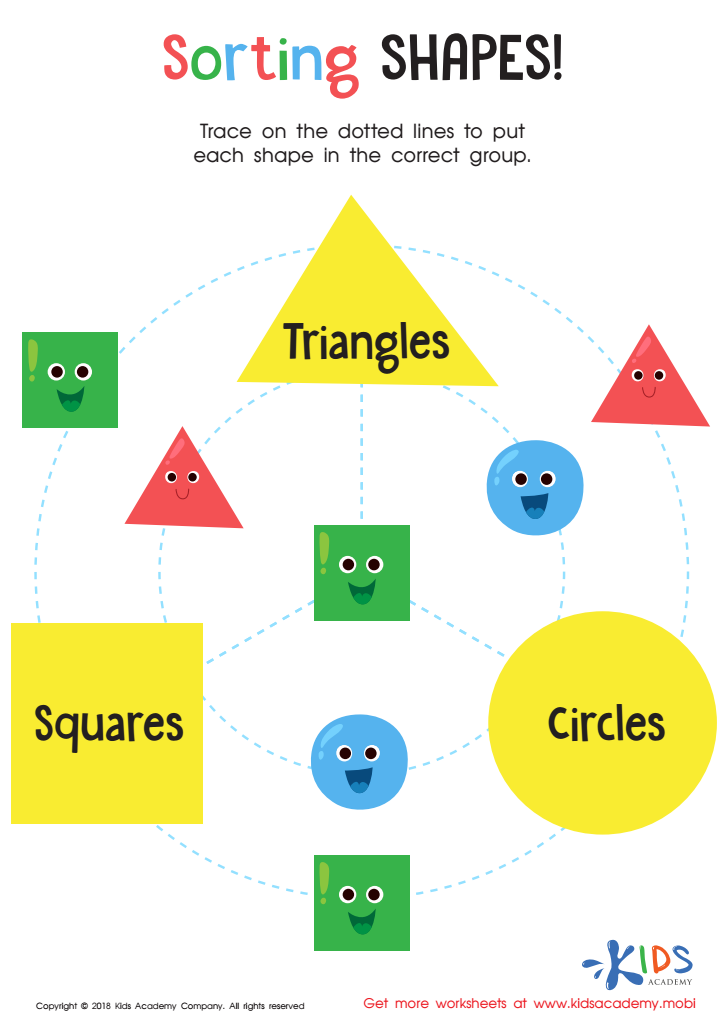
Sorting Shapes - Part 3 Worksheet
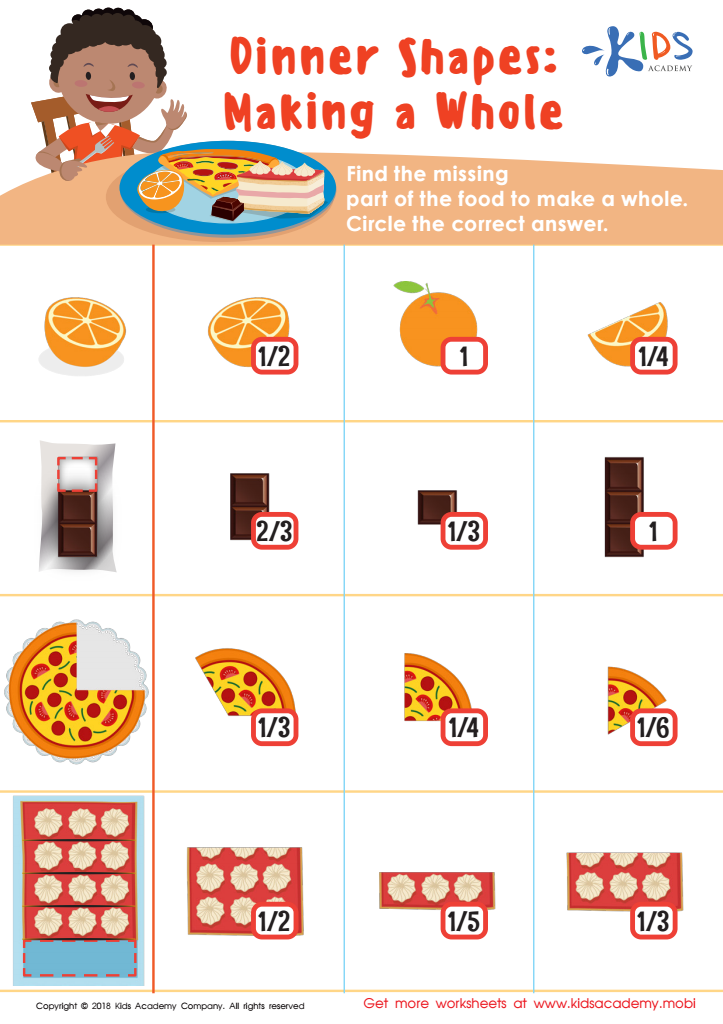
Dinner Shapes: Making a Whole Worksheet
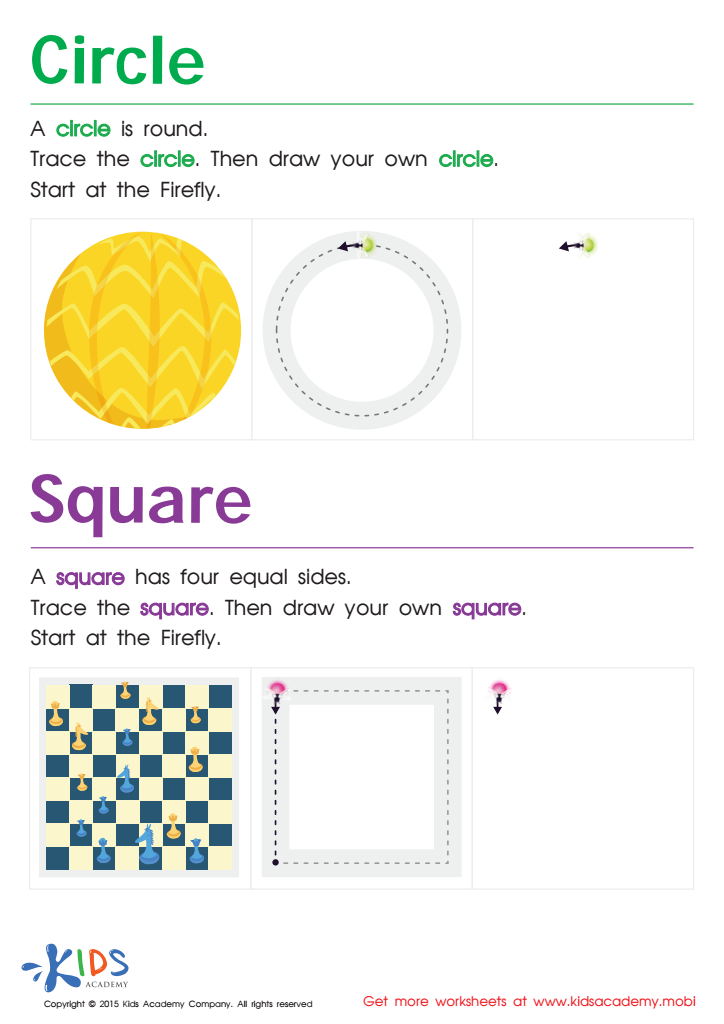
Trace And Draw a Circle And a Square Worksheet
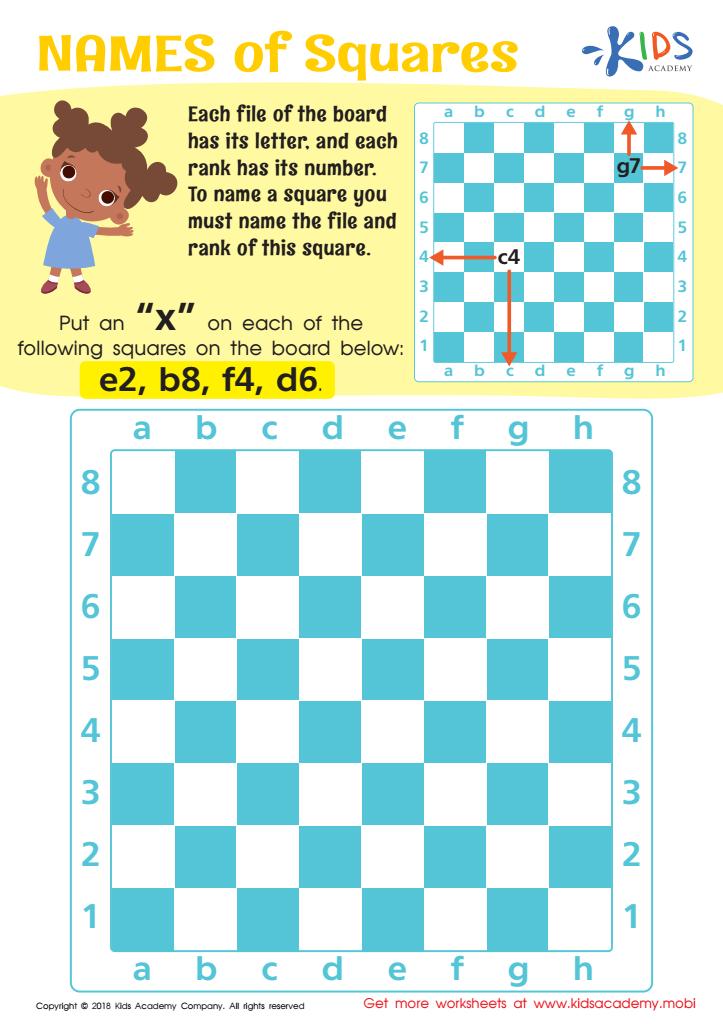
Names of Squares Worksheet
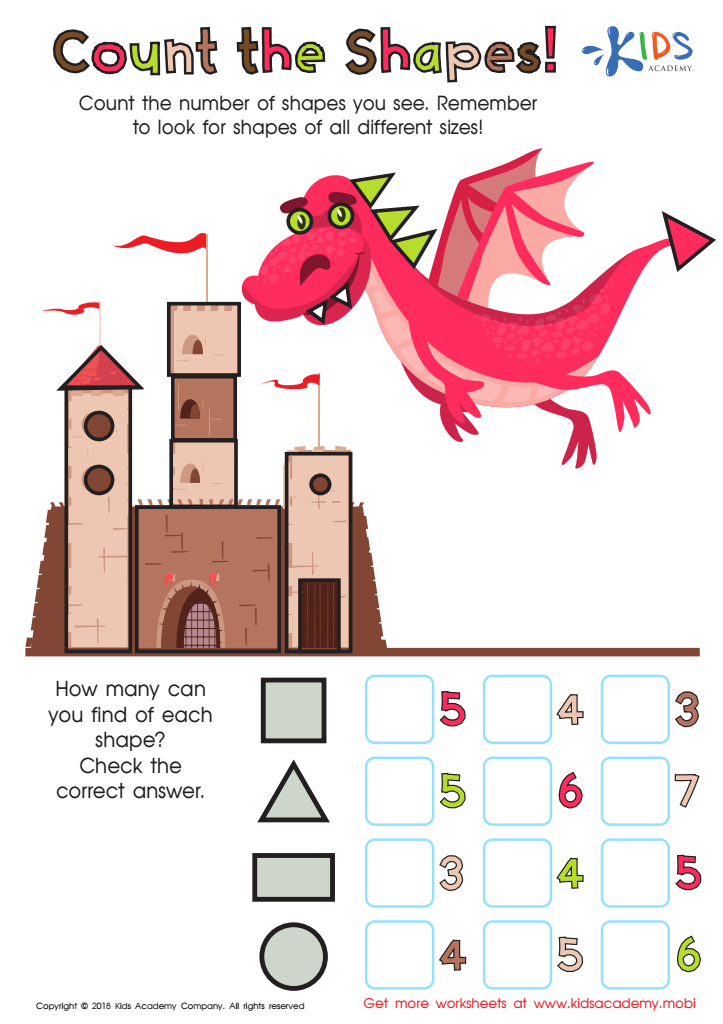
Count the Shapes Worksheet
Halloween: A Funny Monster Worksheet
 Assign to My Students
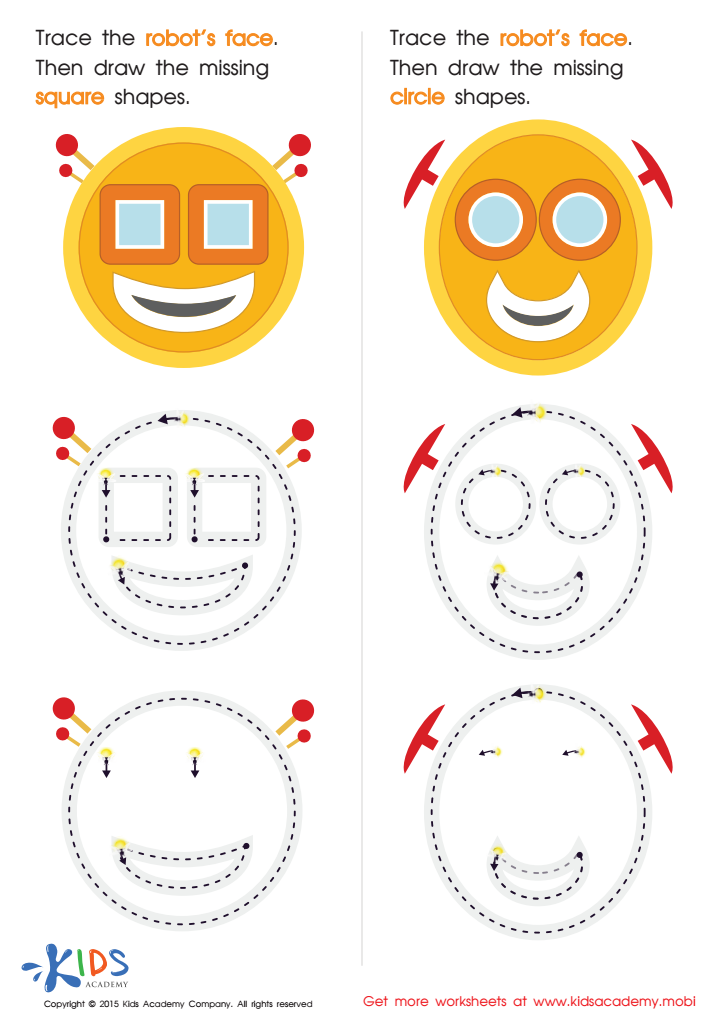
Practicing to Draw Circles And Squares Printable
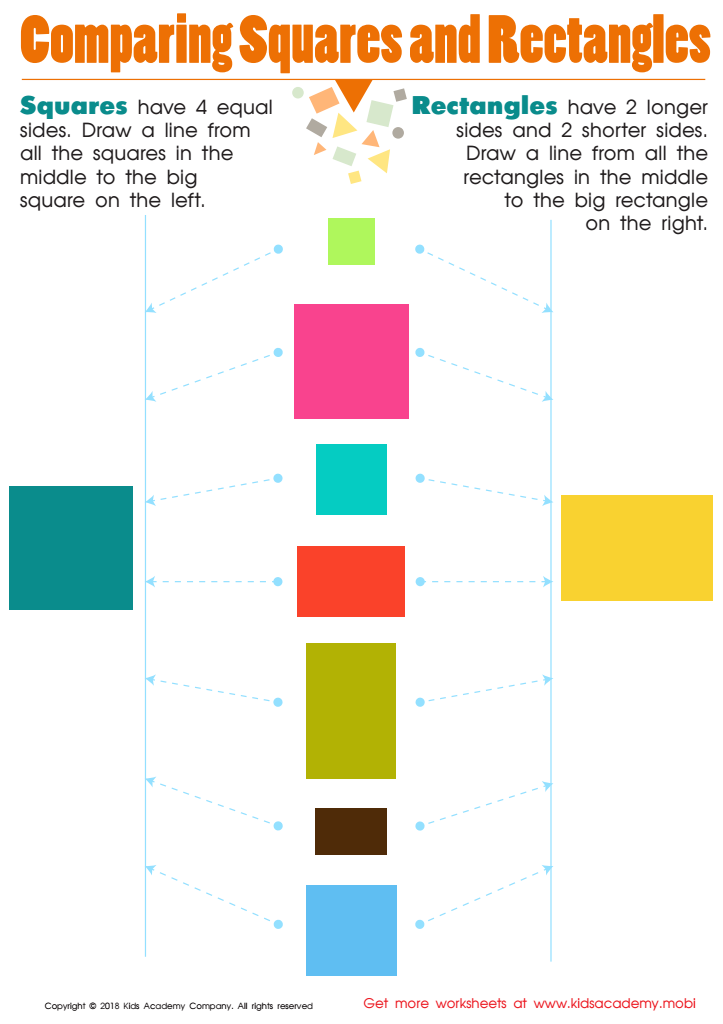
Comparing Squares Rectangles Worksheet
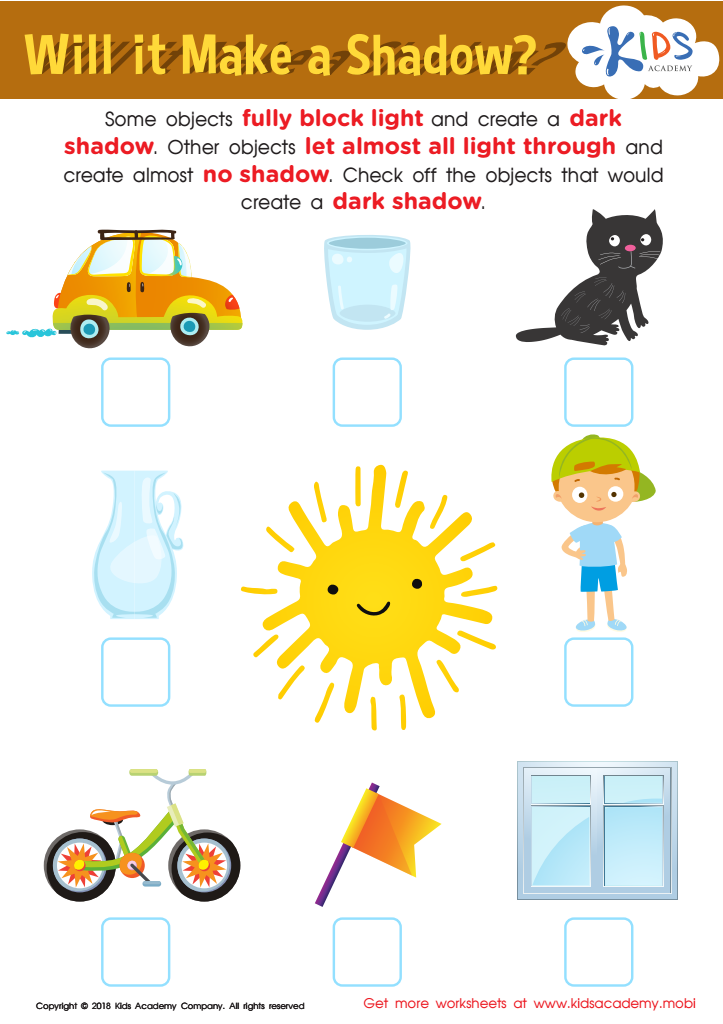
Will It Make a Shadow? Worksheet
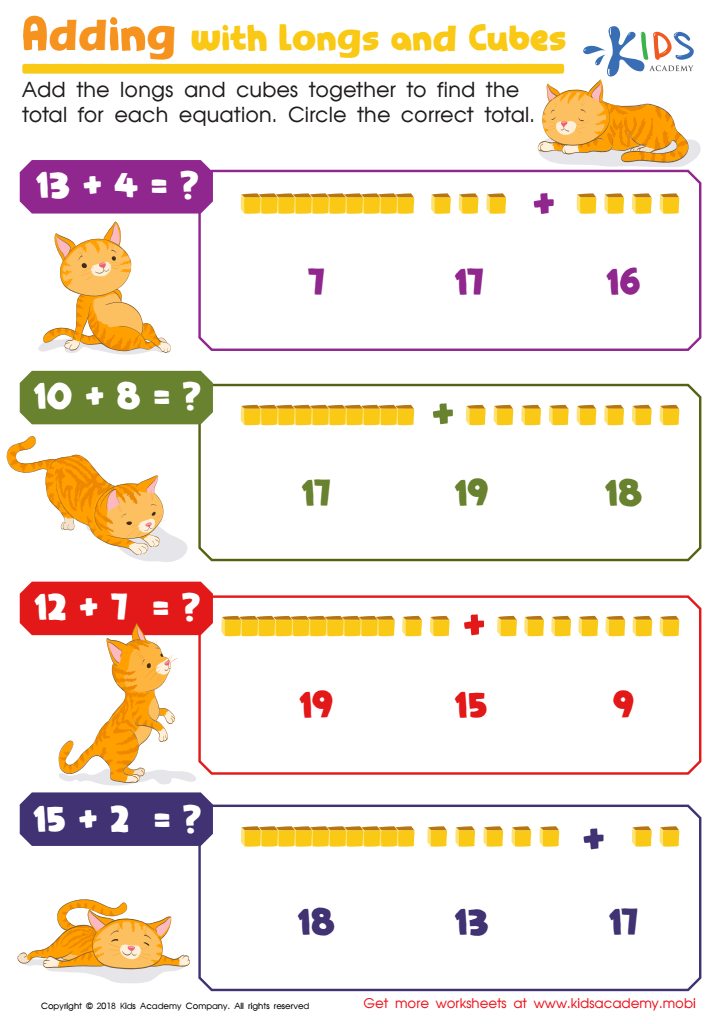
Adding With Longs and Cubes Worksheet
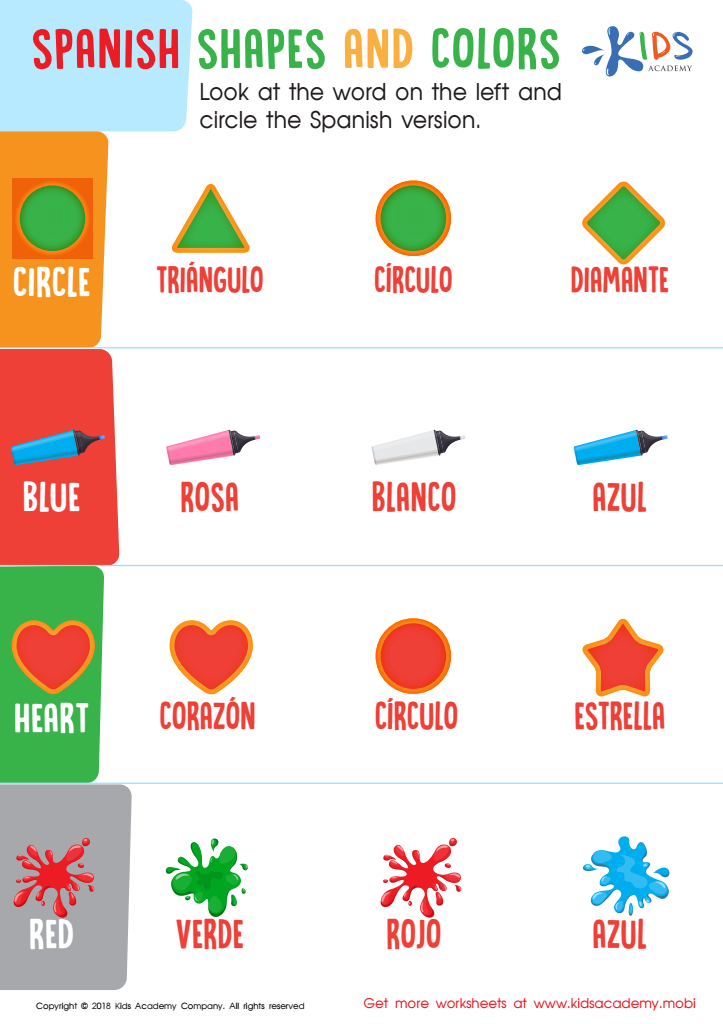
Spanish Shapes and Colors Worksheet
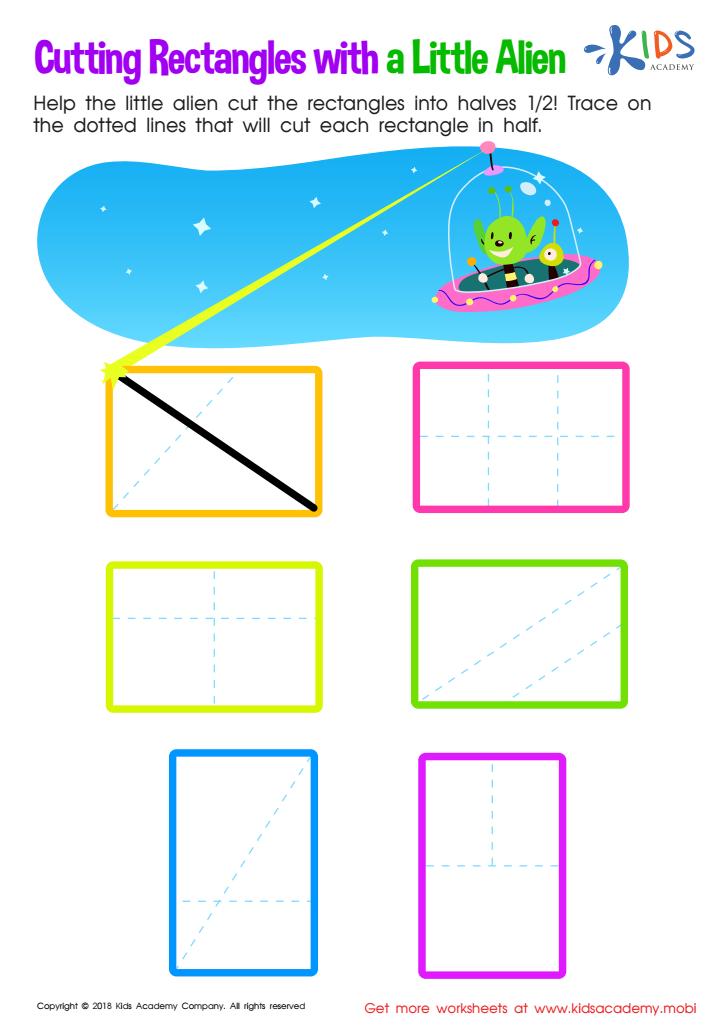
Cutting Rectangles with Alien Worksheet
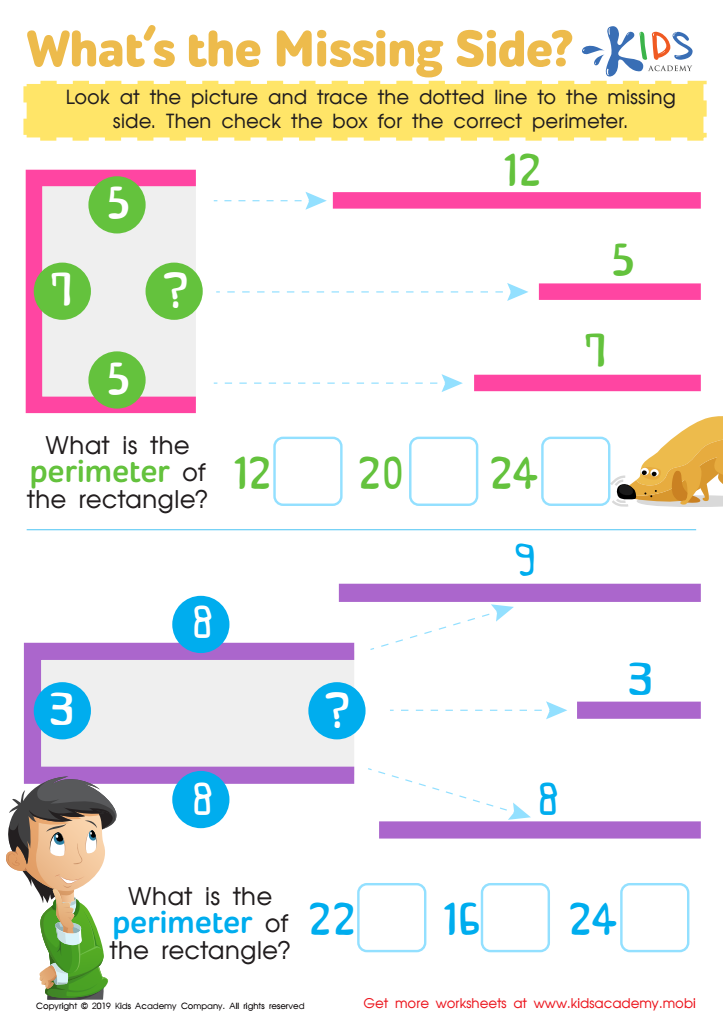
What's the Missing Side Worksheet
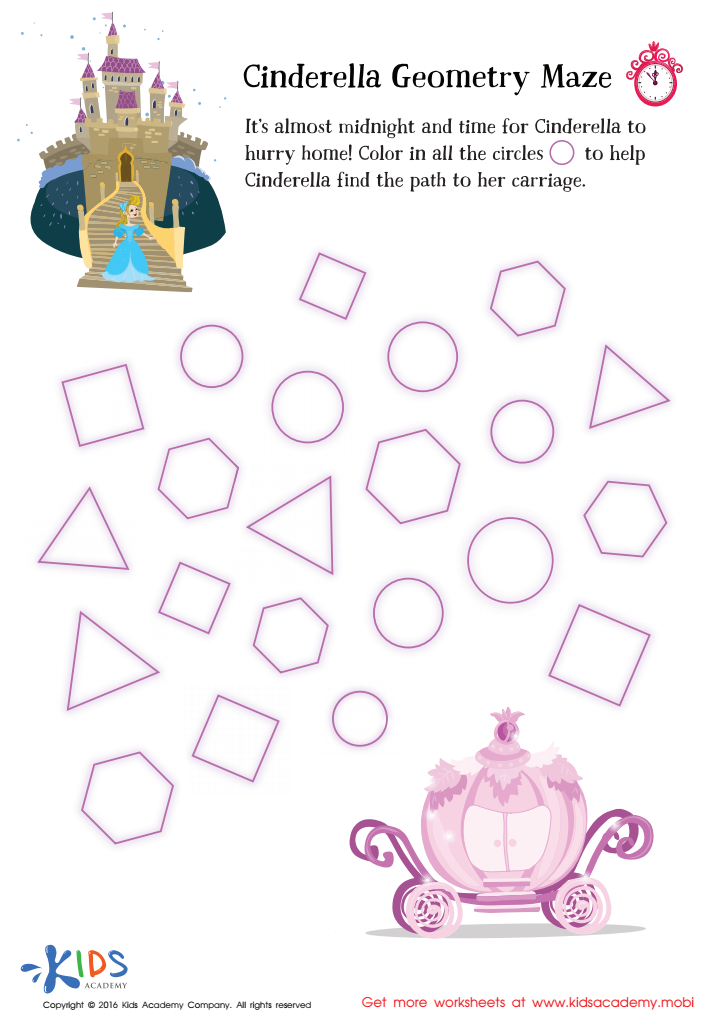
Cinderella Geometry Maze Worksheet
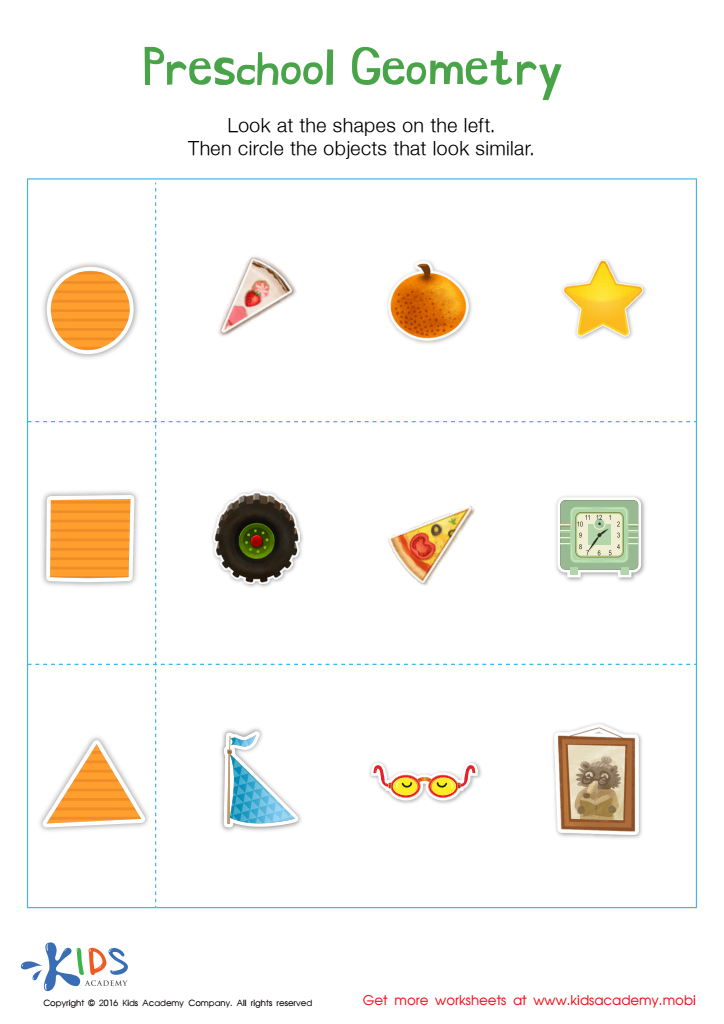
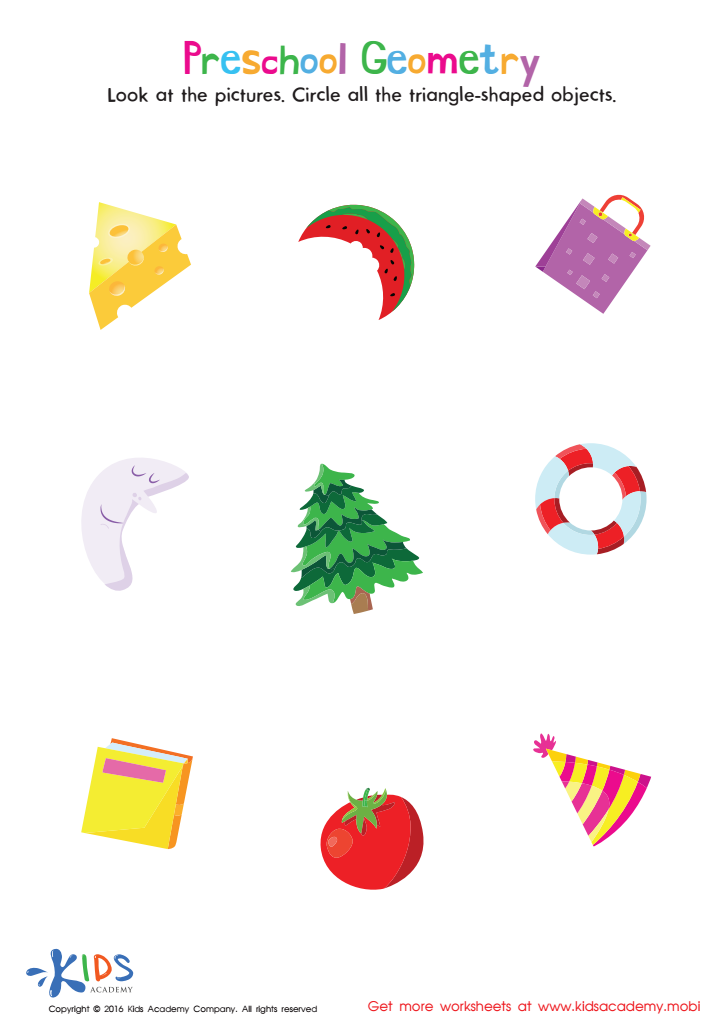
Preschool Geometry Match Up Worksheet
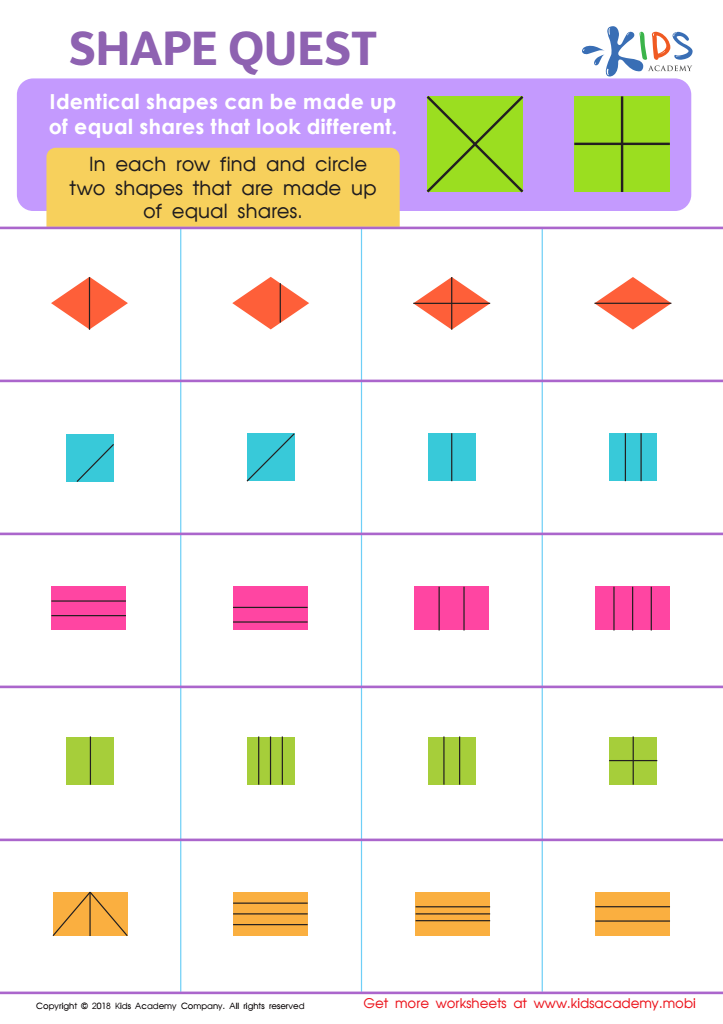
Shape Quest Worksheet
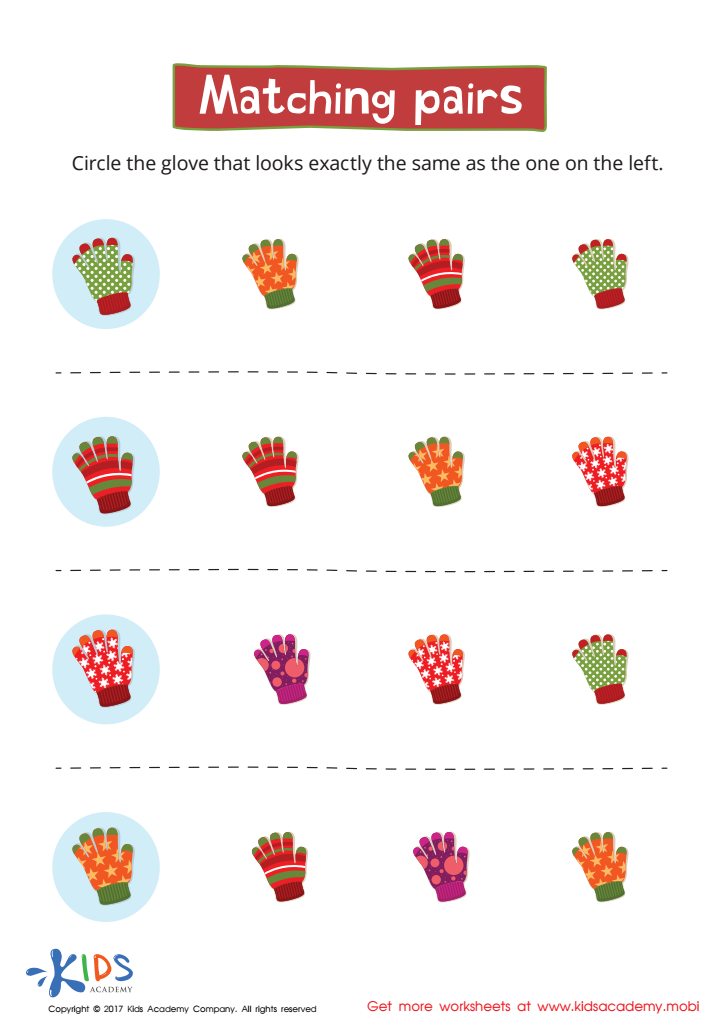
Matching: Matching Pairs Worksheet
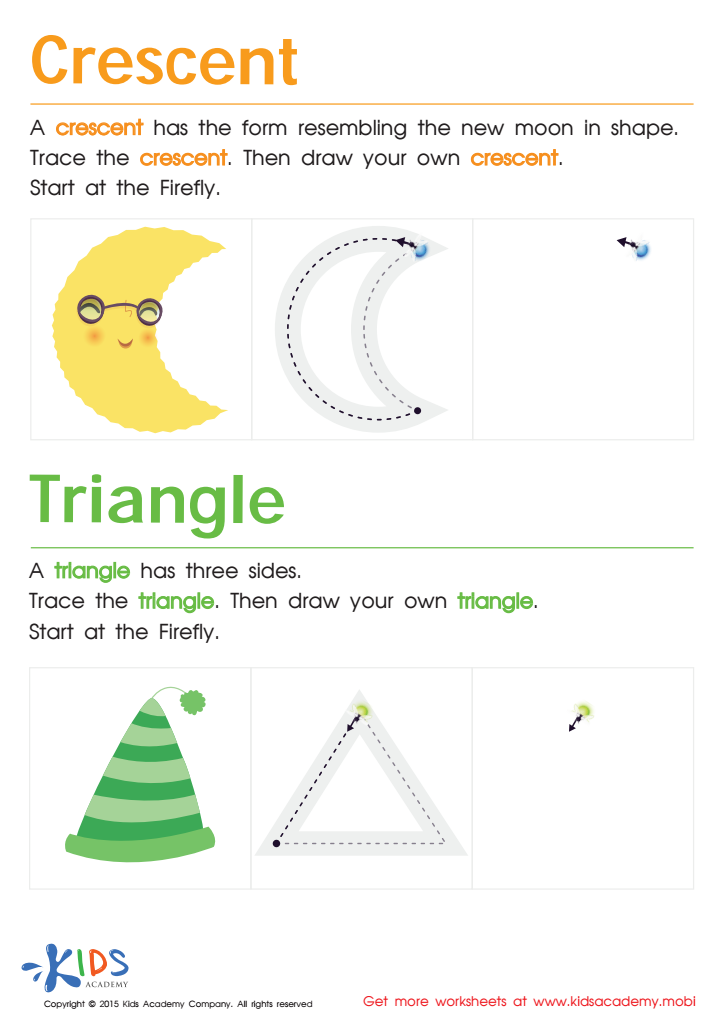
Learning to Draw Crescents And Triangles Worksheet








Shape recognition is a fundamental skill for children aged 6-8 that significantly impacts their cognitive development and daily life. First, understanding shapes helps enhance spatial awareness, which is essential for tasks like navigation, art, and science. By identifying shapes, children strengthen their ability to visualize and manipulate objects, laying the groundwork for future skills in geometry and measurement.
Additionally, shape recognition is closely tied to critical thinking and problem-solving abilities. When children categorize and compare shapes, they develop analytical skills that are transferable to various subjects, such as math and science. Furthermore, recognizing shapes helps improve fine motor skills through activities like drawing and building, fostering creativity and coordination.
For parents and teachers, supporting shape recognition not only enriches children’s learning experiences but also promotes a love for learning. Engaging with shapes in interactive and playful contexts helps reinforce these concepts, ensuring they remain accessible and enjoyable. By prioritizing shape recognition, we equip children with essential skills that are foundational for their academic journey and everyday life, ensuring they thrive in an increasingly complex world. Ultimately, these early experiences shape their confidence and ability to tackle new challenges.








