Normal Measurement Worksheets for Ages 6-8 - Page 2
34 filtered results
-
From - To
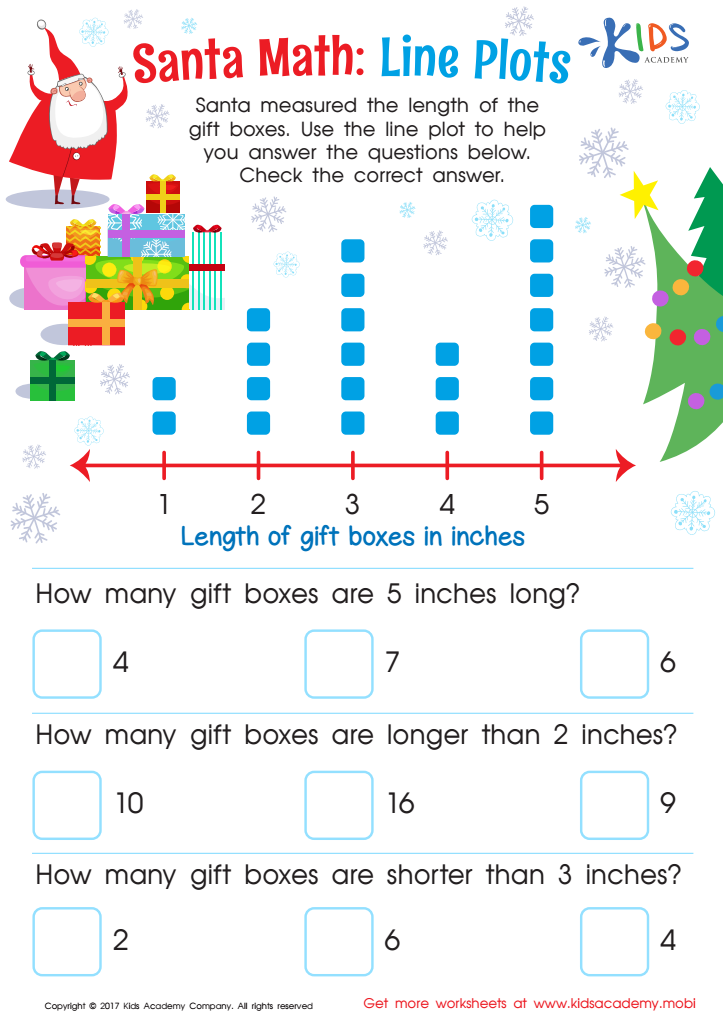
Line Plot Worksheet
 Assign to My Students
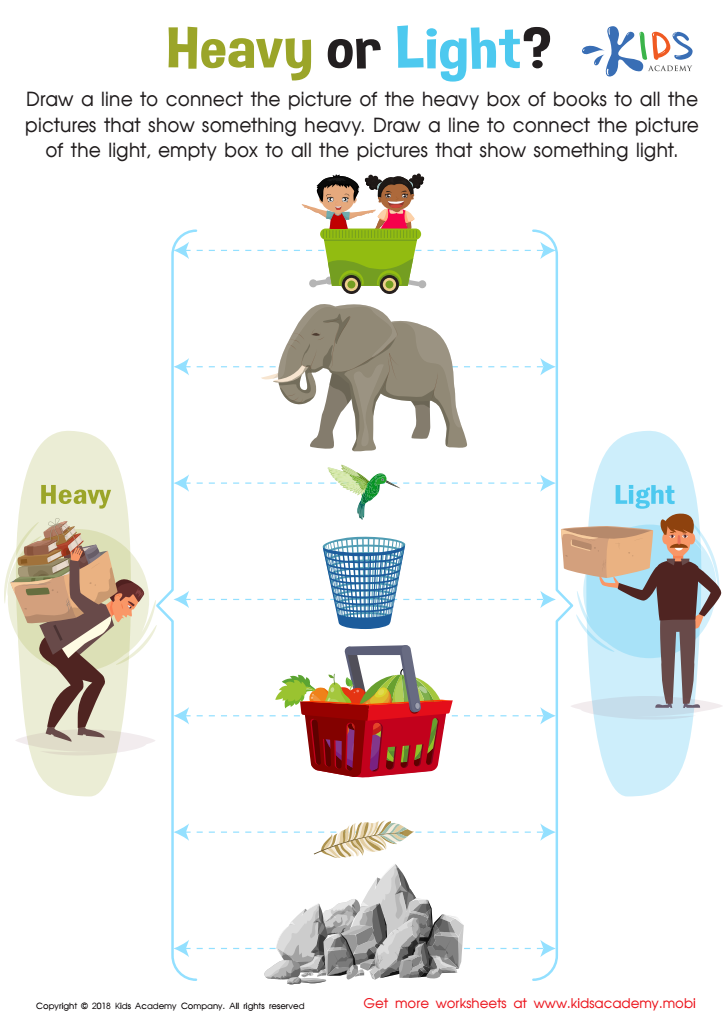
Heavy or Light? Worksheet
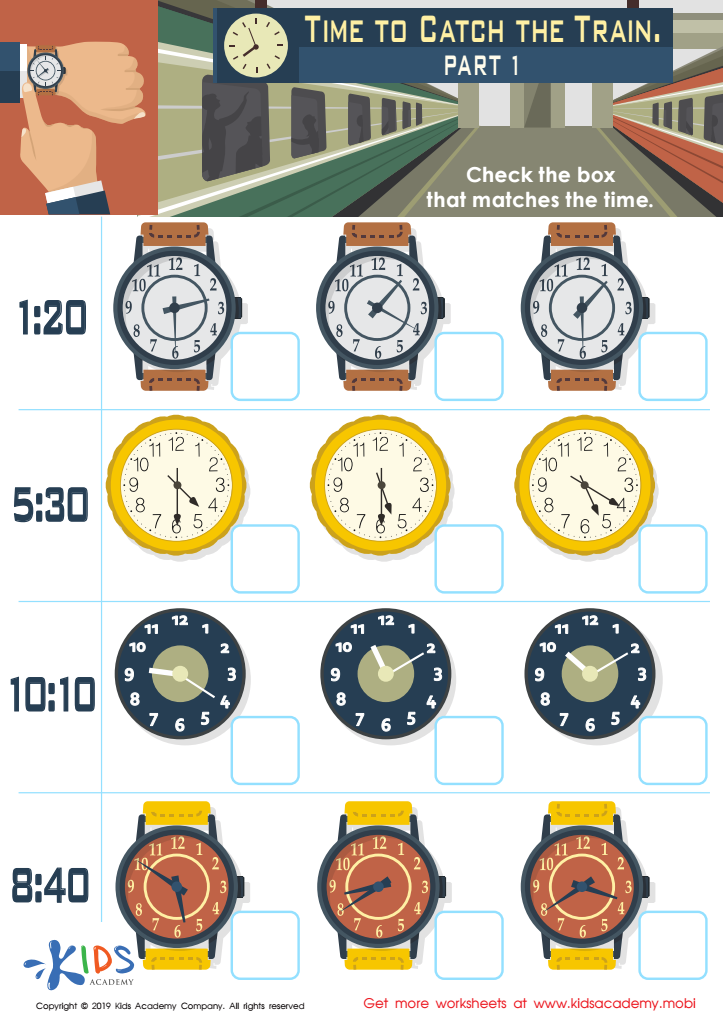
Time to Catch the Train Part 1 Worksheet
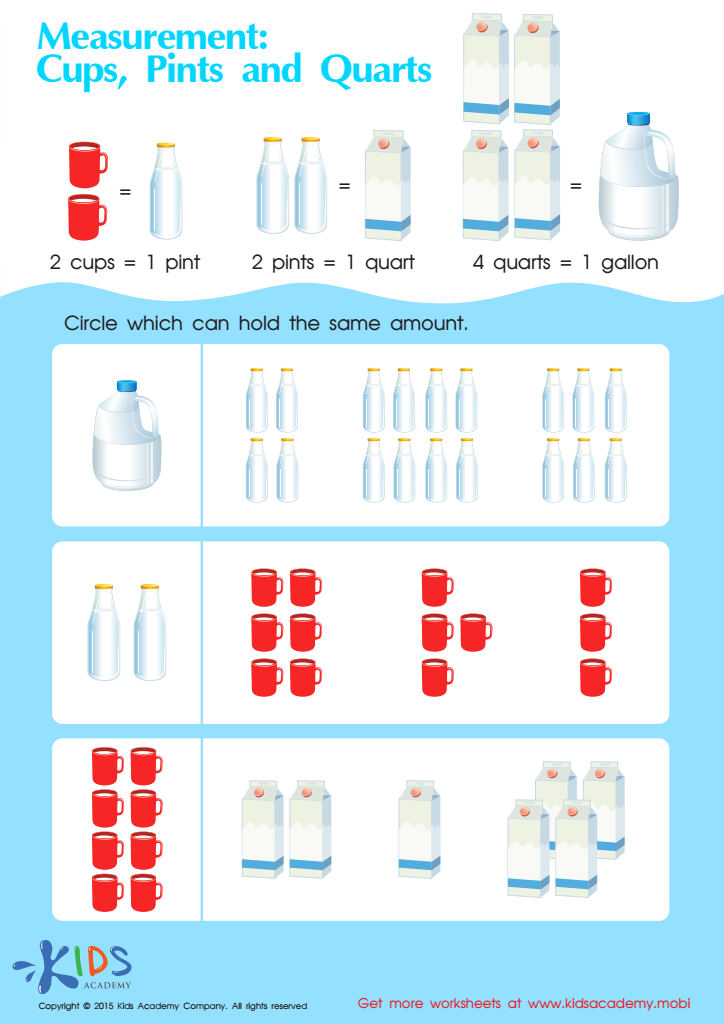
Cups, Pints and Quarts 2 Worksheet
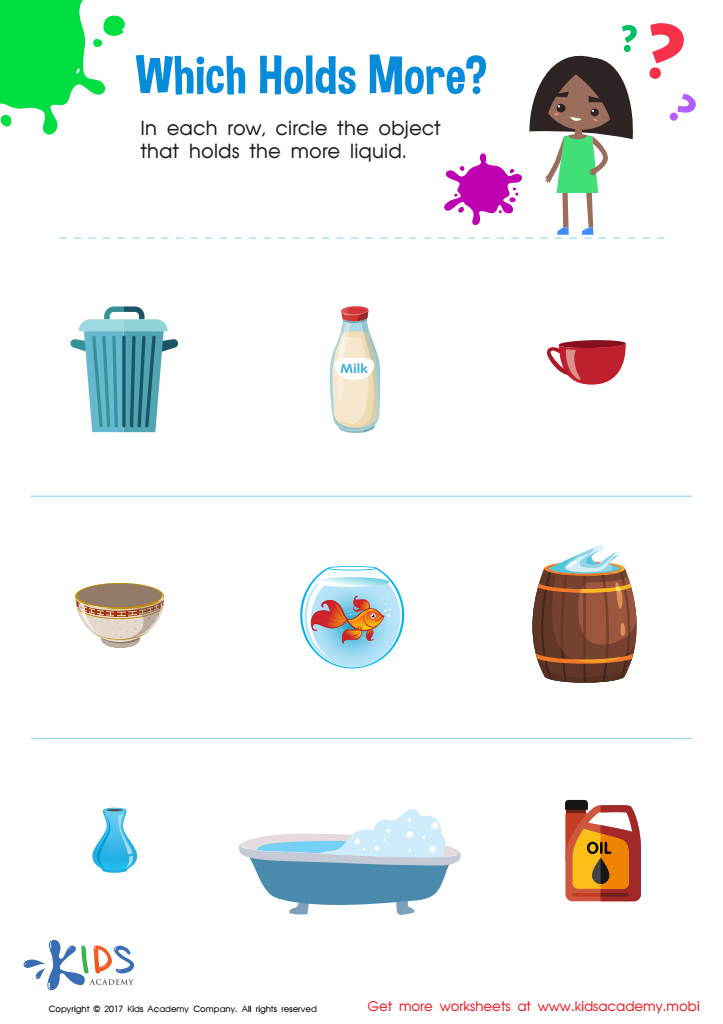
Which Holds More: Capacity Worksheet
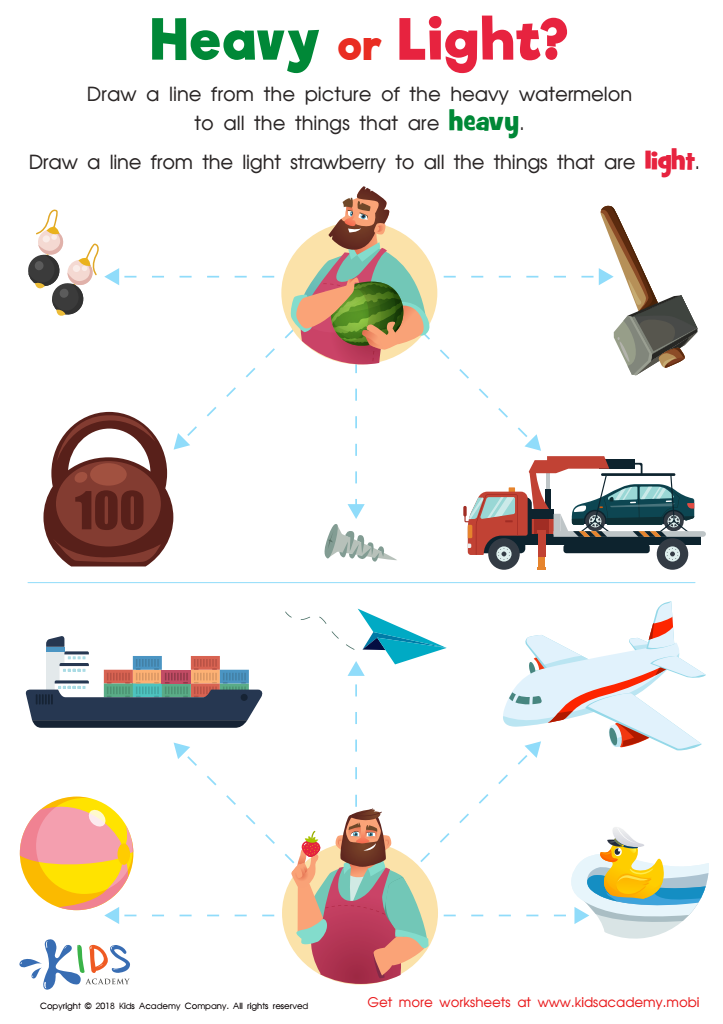
Heavy or Light? Worksheet
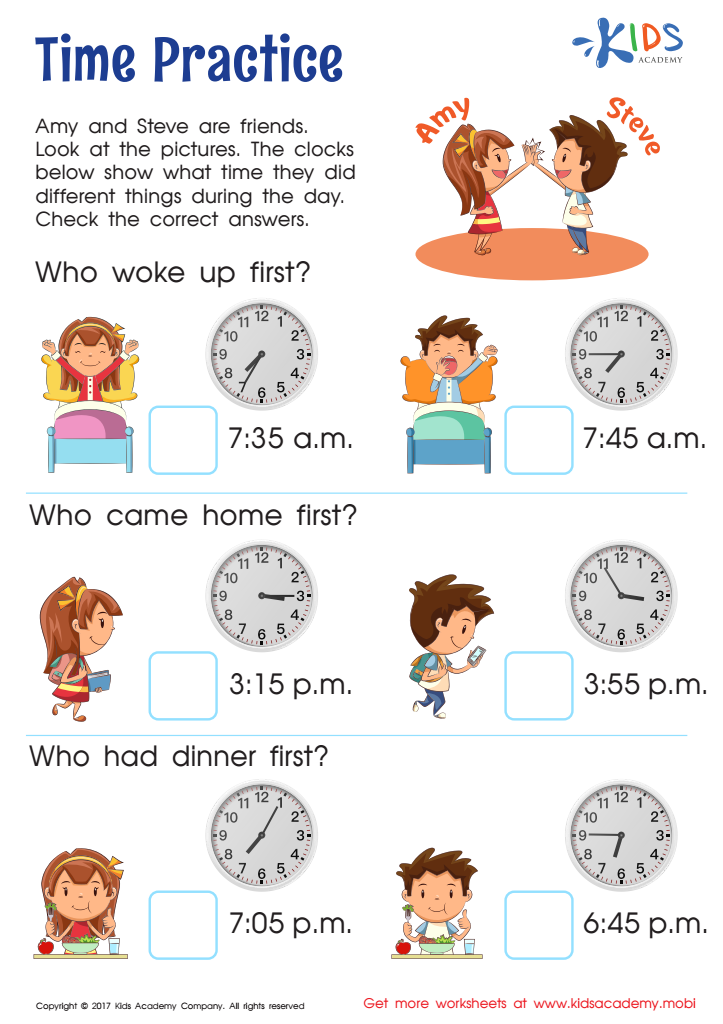
Time Practice Worksheet
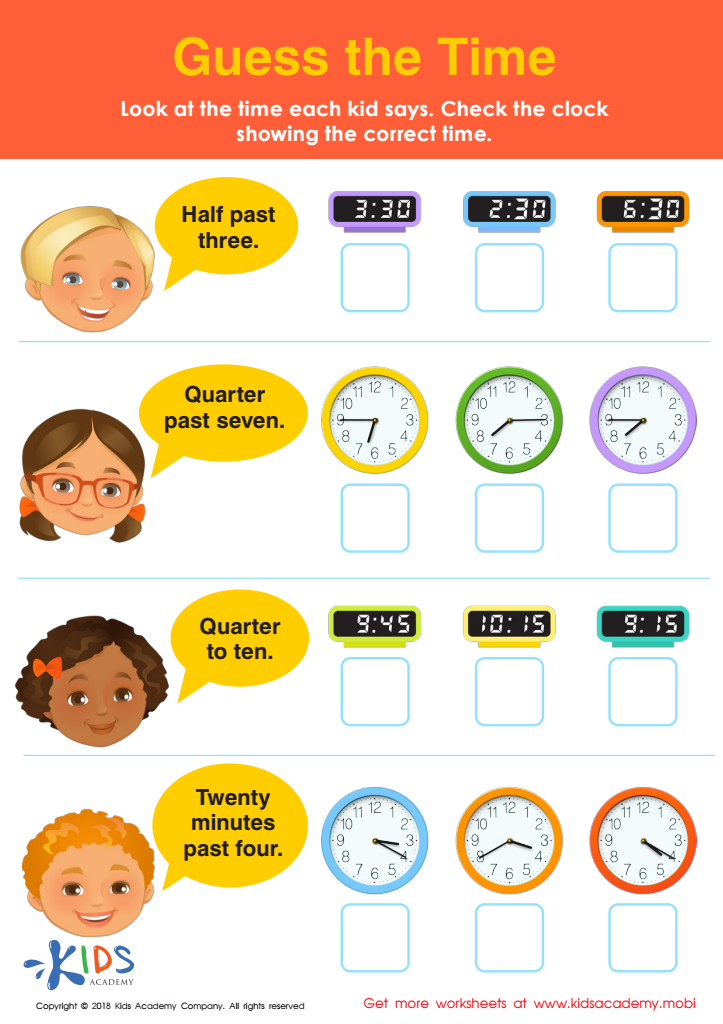
Guess the Time Worksheet
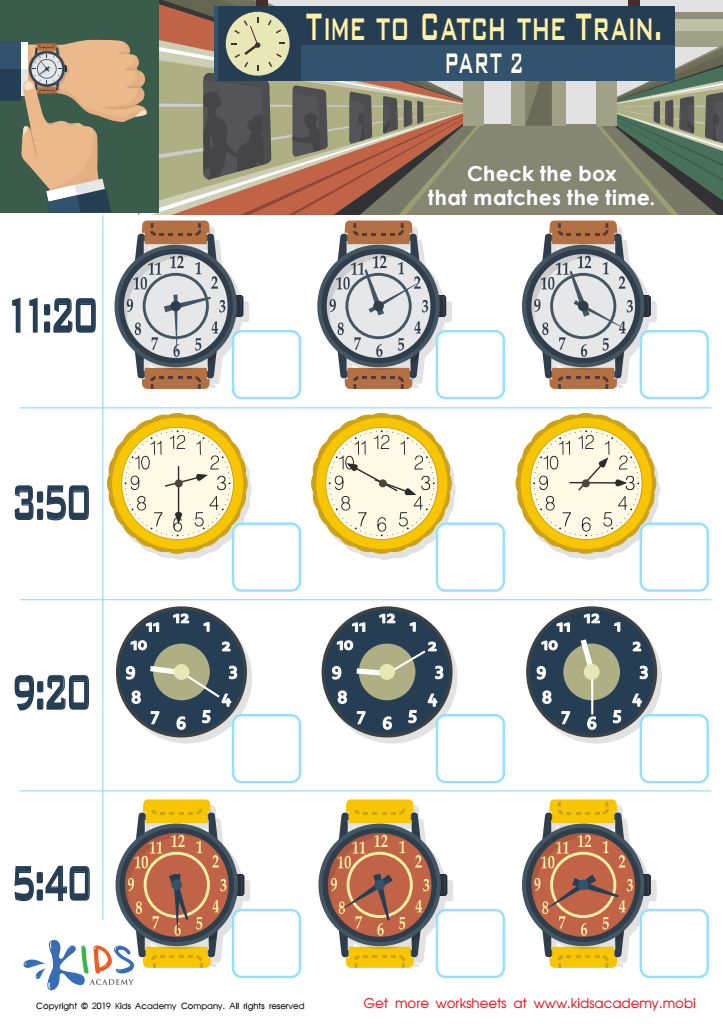
Time to Catch the Train Part 2 Worksheet
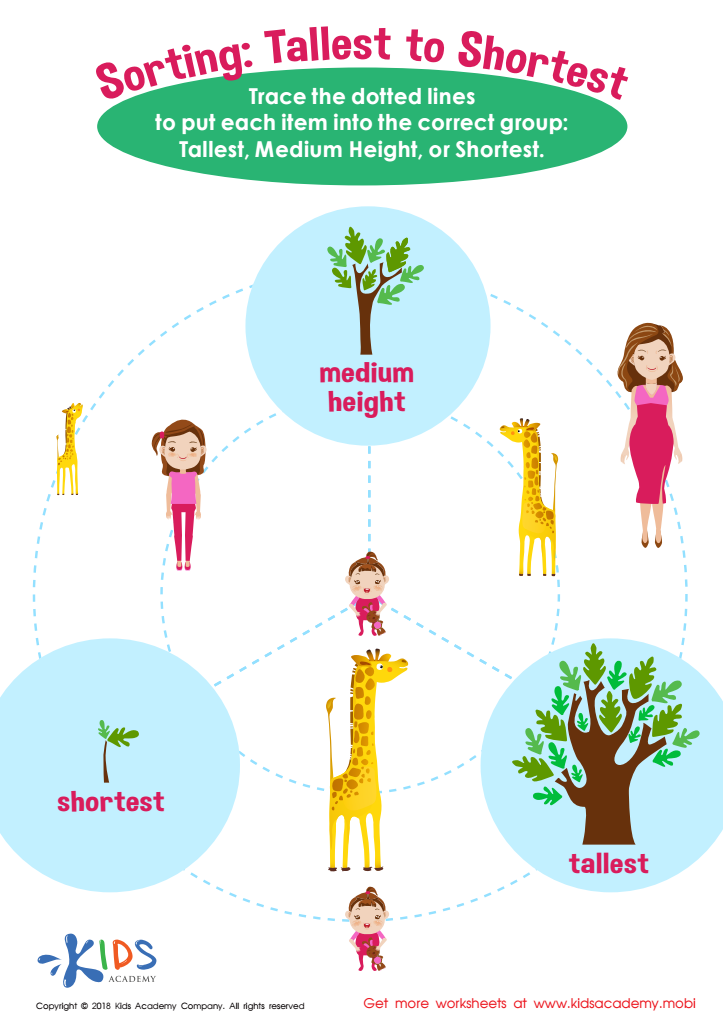
Sorting: Tallest to Shortest Worksheet








Normal measurement, or developmental assessment, is crucial for children aged 6-8 because it offers insight into their growth patterns in various domains such as cognitive, physical, emotional, and social development. Understanding these measurements helps parents and teachers ensure that children are progressing appropriately according to age-specific milestones. Achieving these benchmarks is critical because they lay the foundation for future learning and development.
For parents, normal measurement can highlight strengths and identify potential areas where their child might need additional support. This can help in creating a nurturing home environment tailored to their child’s unique needs, fostering better emotional and intellectual growth.
For teachers, knowing the normal range of development allows for more effective educational planning. It aids in designing lessons and activities that are developmentally appropriate, ensuring that children are neither bored due to lack of challenge nor frustrated by tasks that are too advanced. Early identification of any developmental lags through these assessments can allow for timely intervention, enabling better long-term educational outcomes.
In summary, understanding and monitoring normal measurements for ages 6-8 enables parents and teachers to create supportive and enriching environments, personalized to the child’s developmental stage, ultimately promoting well-rounded growth and preventing potential issues as they progress in their educational journey.








