Shape Recognition Normal Geometry Worksheets for Ages 6-9
26 filtered results
-
From - To
Unlock your child’s potential with our Shape Recognition Normal Geometry Worksheets, designed specifically for ages 6-9. These interactive worksheets provide engaging activities that help young learners identify and categorize various shapes, building their spatial awareness and foundational geometry skills. With colorful illustrations and age-appropriate exercises, kids will enjoy hands-on practice in distinguishing between shapes like circles, triangles, squares, and more. Perfect for classroom use or at-home learning, our worksheets aim to foster a love for mathematics and promote critical thinking. Equip your child with essential tools for success in geometry through these fun, educational resources tailored for young minds!
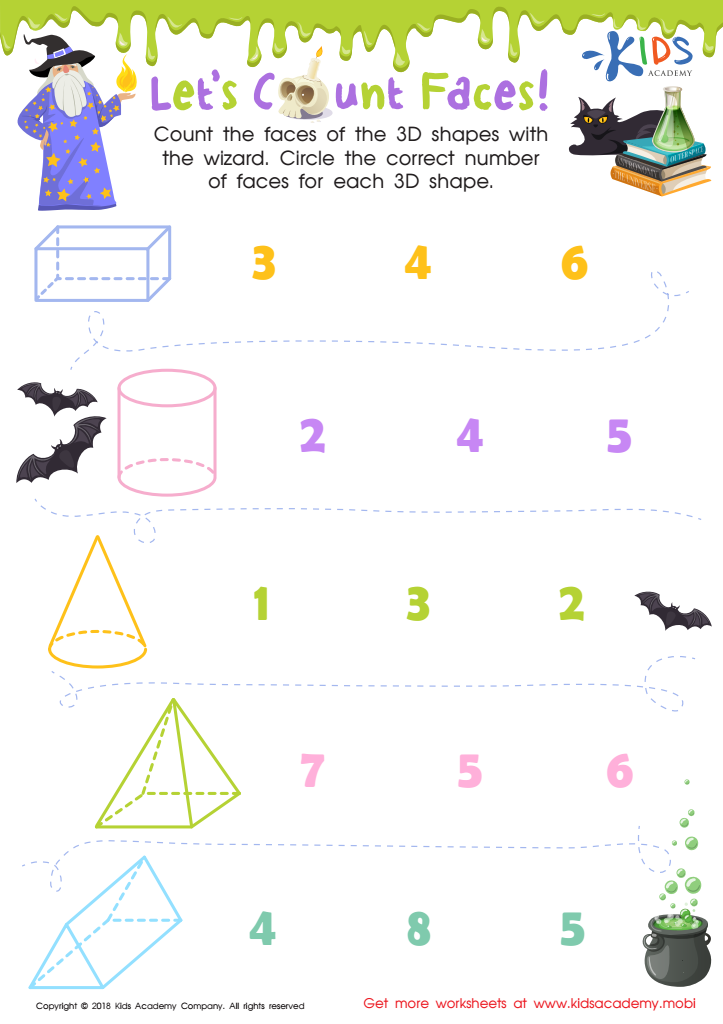
Let's Count Faces! Worksheet
 Assign to My Students











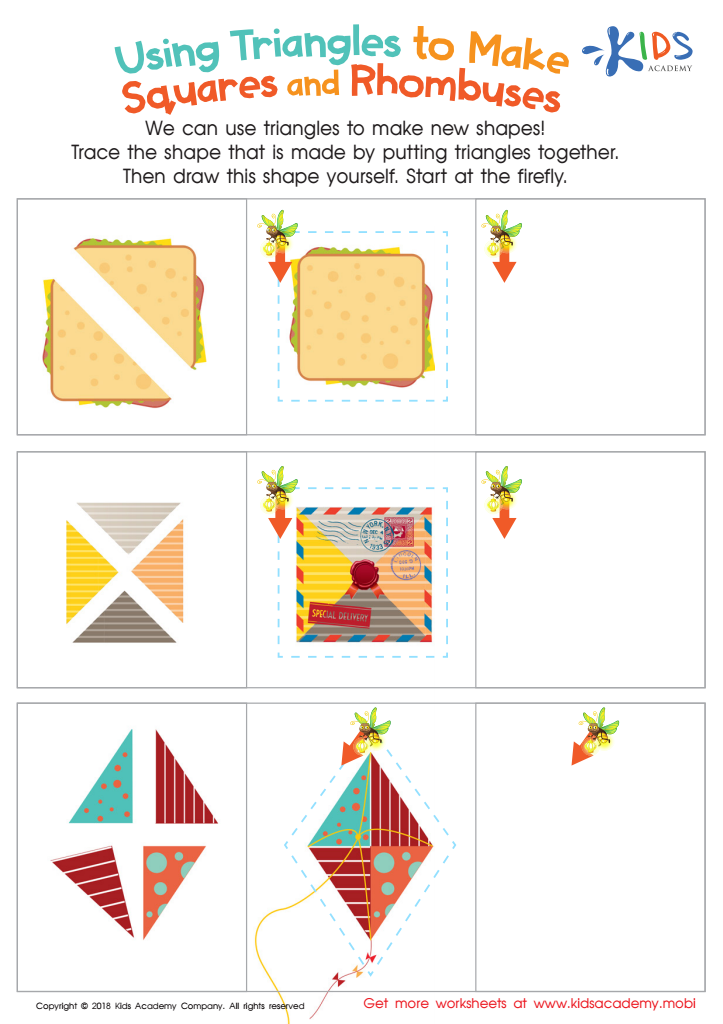
Using Triangles to Make Squares and Rhombuses Worksheet
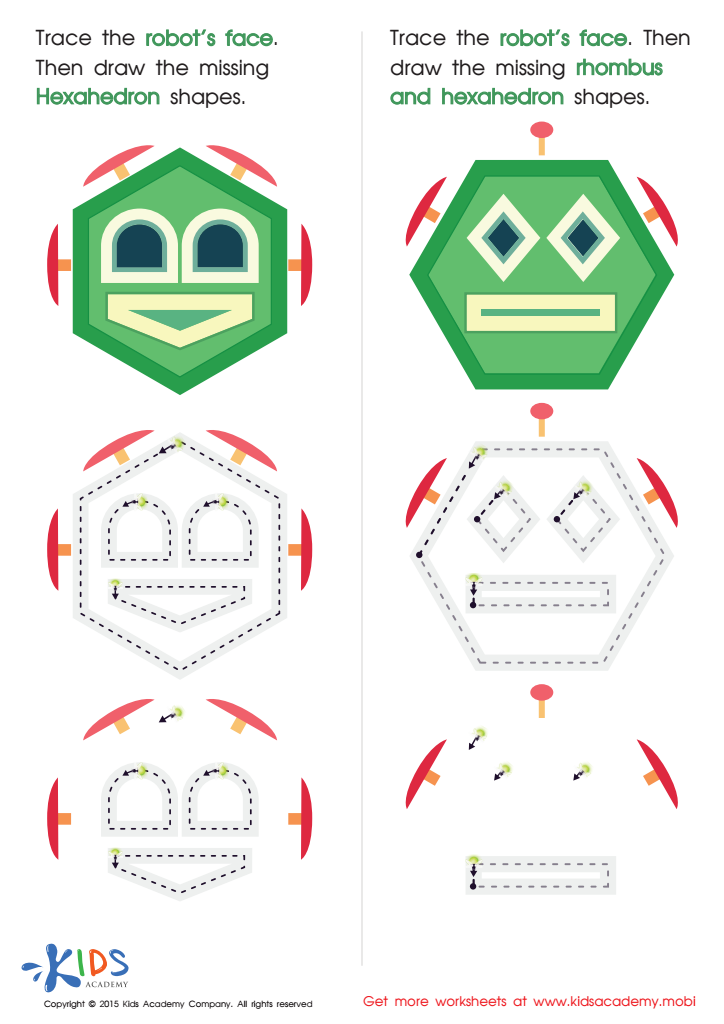
Practice Drawing Hexahedrons And a Rhombus Worksheet
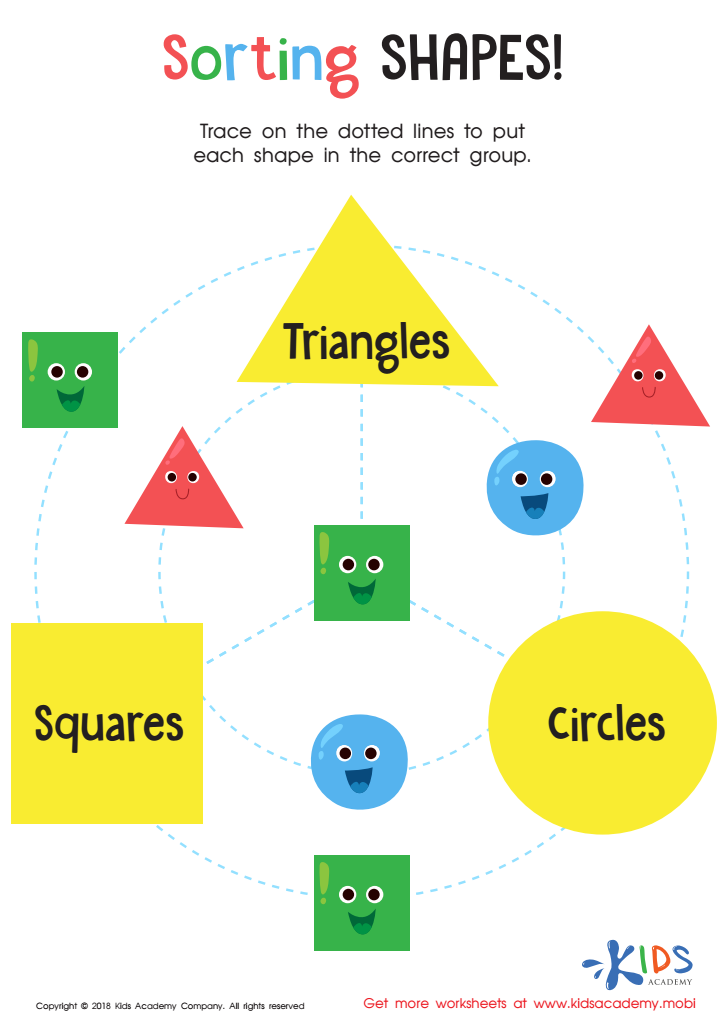
Sorting Shapes - Part 3 Worksheet
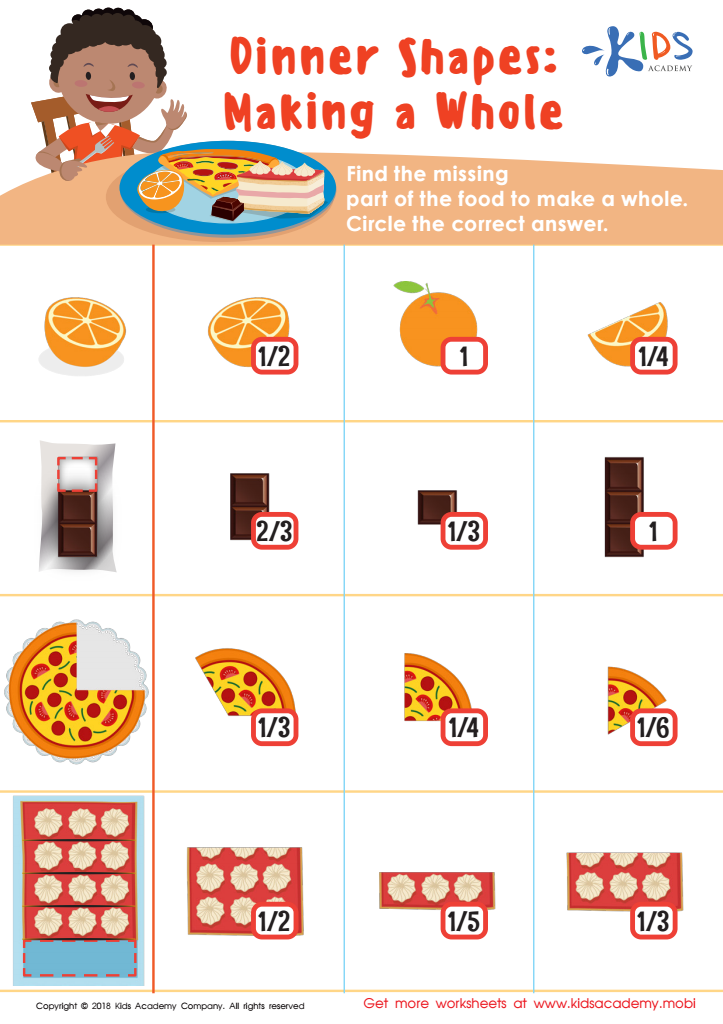
Dinner Shapes: Making a Whole Worksheet
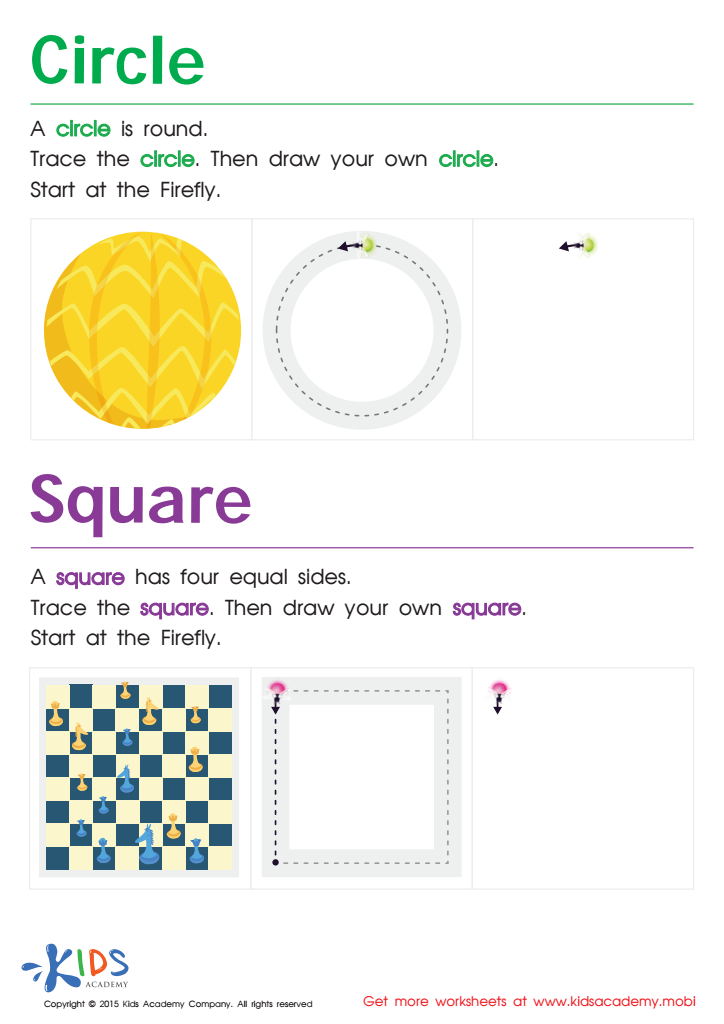
Trace And Draw a Circle And a Square Worksheet
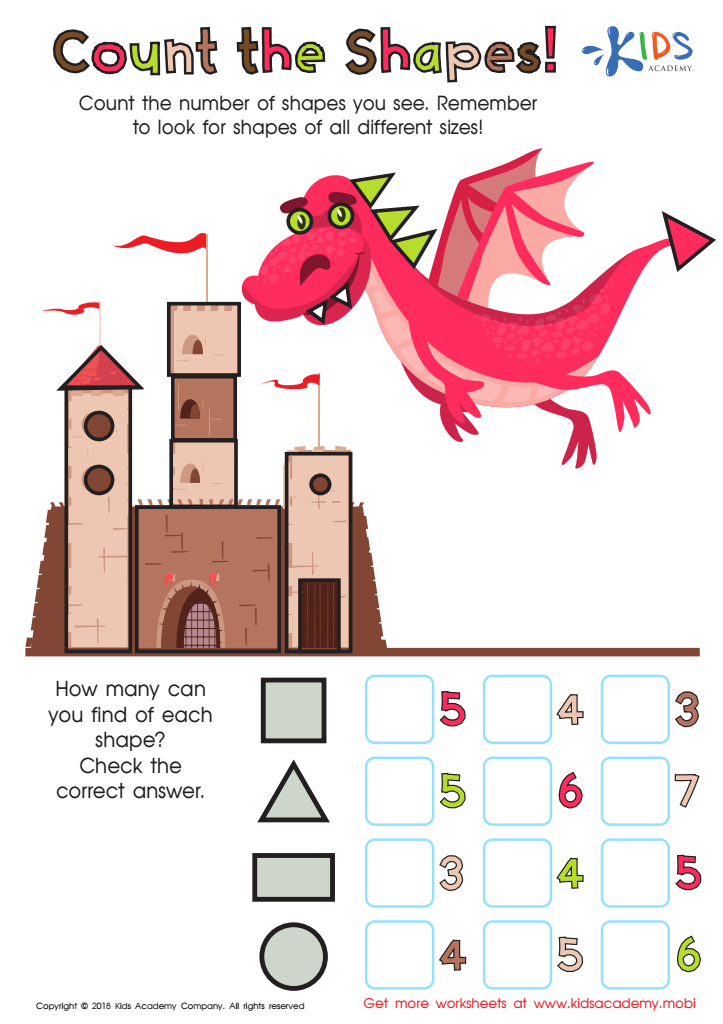
Count the Shapes Worksheet
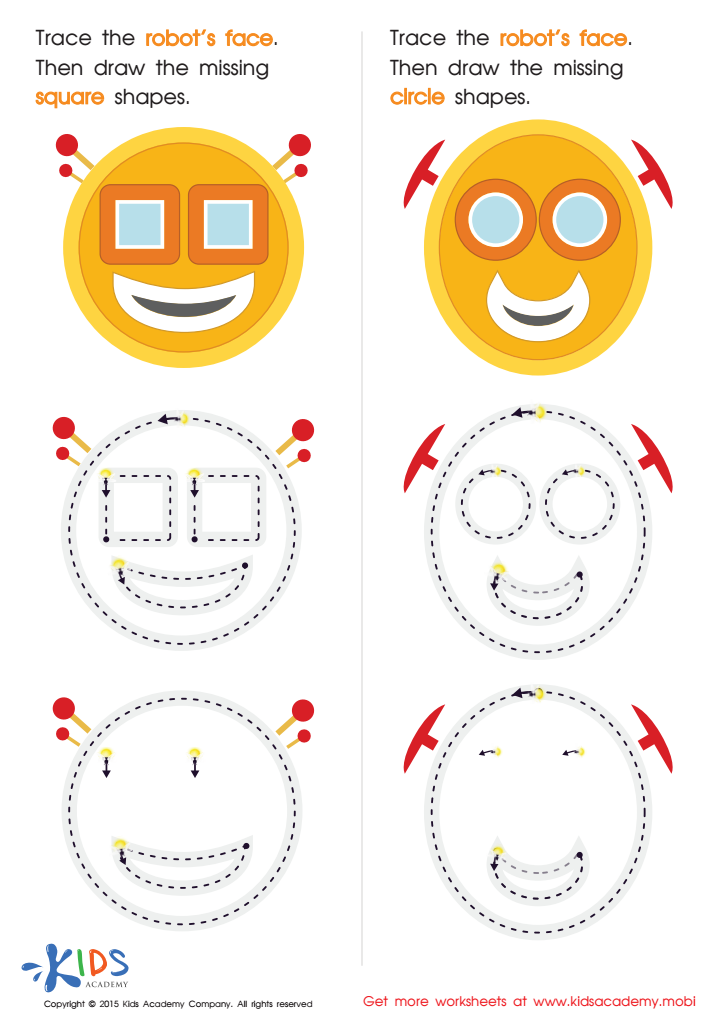
Practicing to Draw Circles And Squares Printable
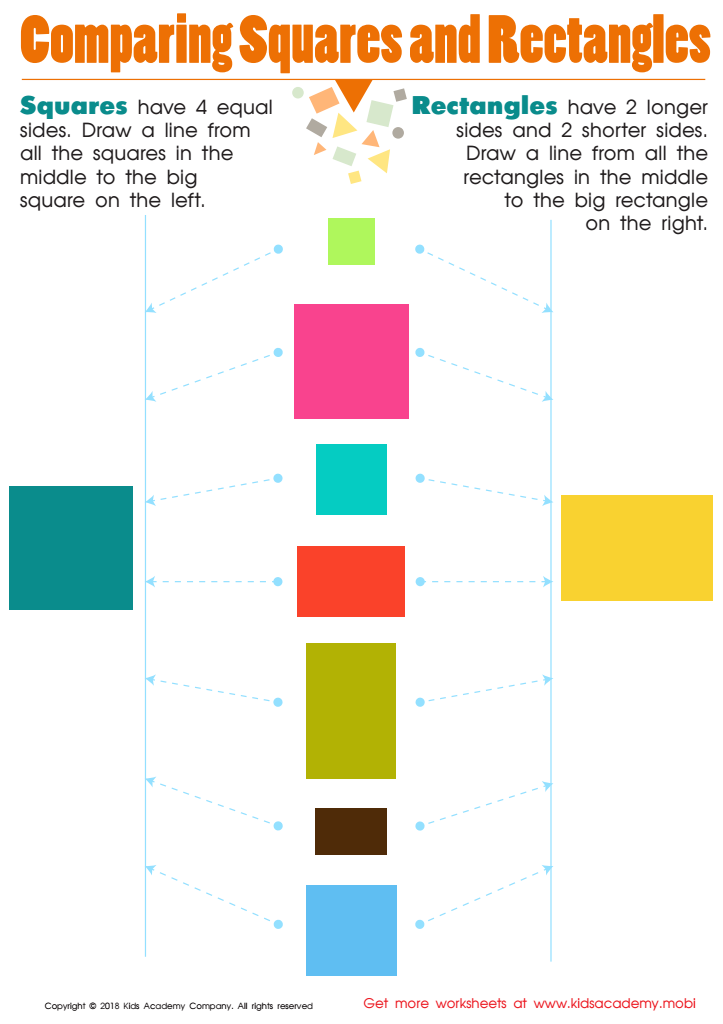
Comparing Squares Rectangles Worksheet
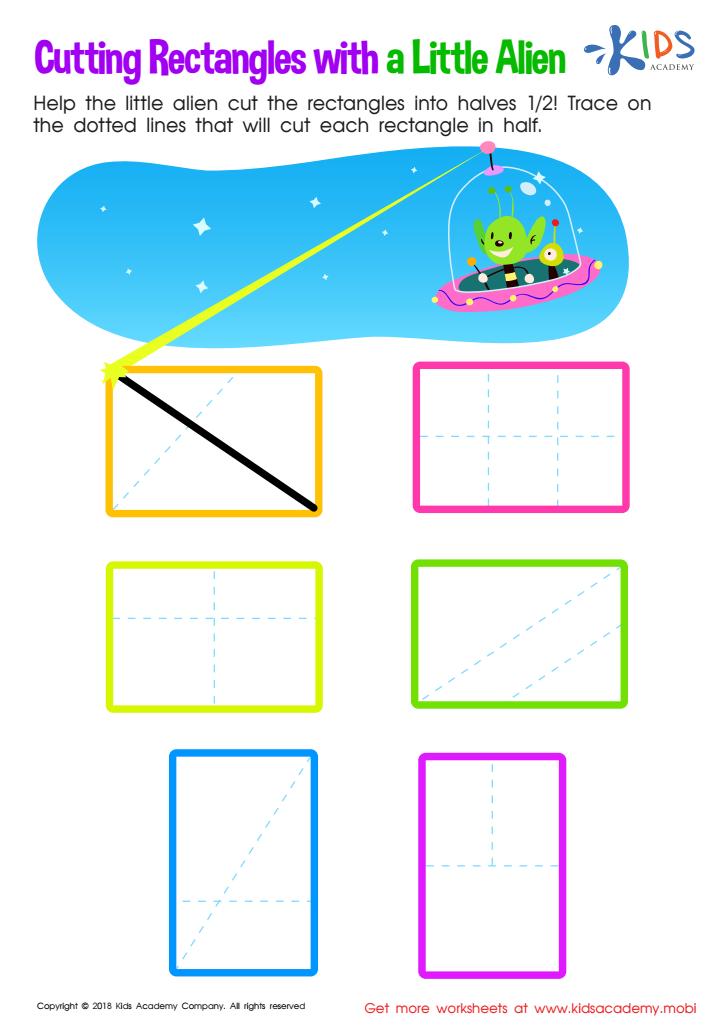
Cutting Rectangles with Alien Worksheet
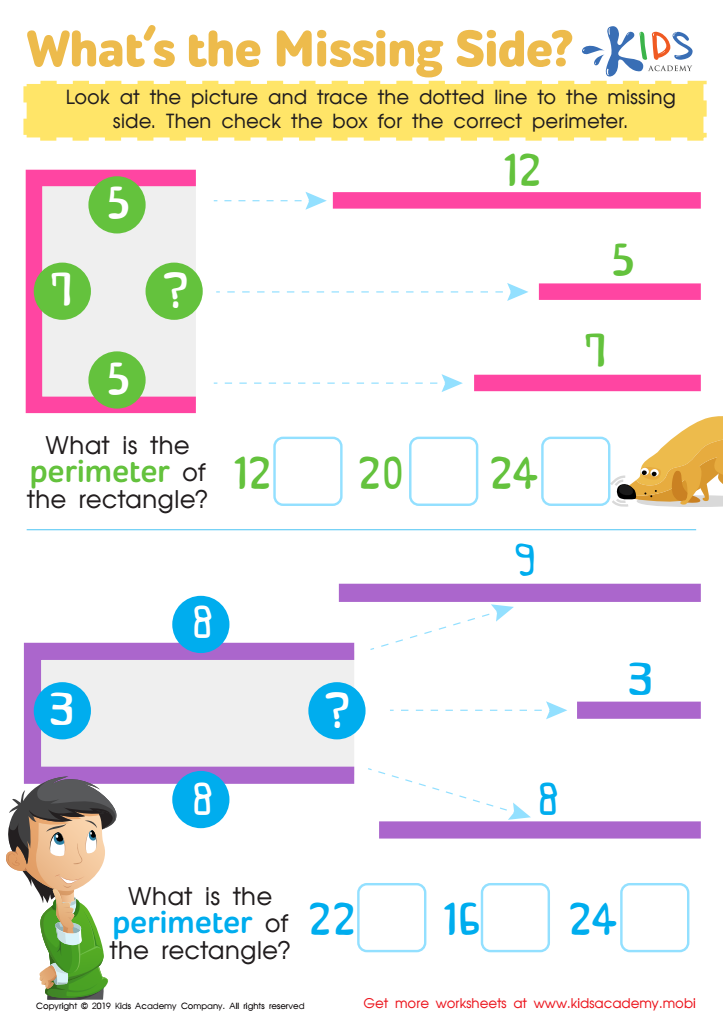
What's the Missing Side Worksheet
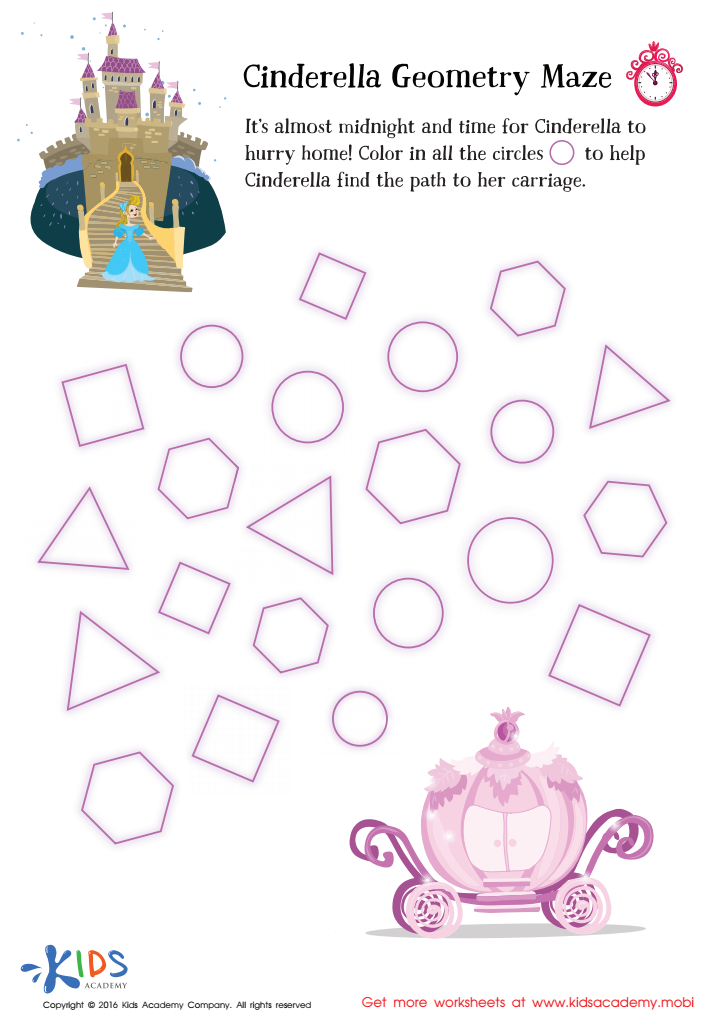
Cinderella Geometry Maze Worksheet
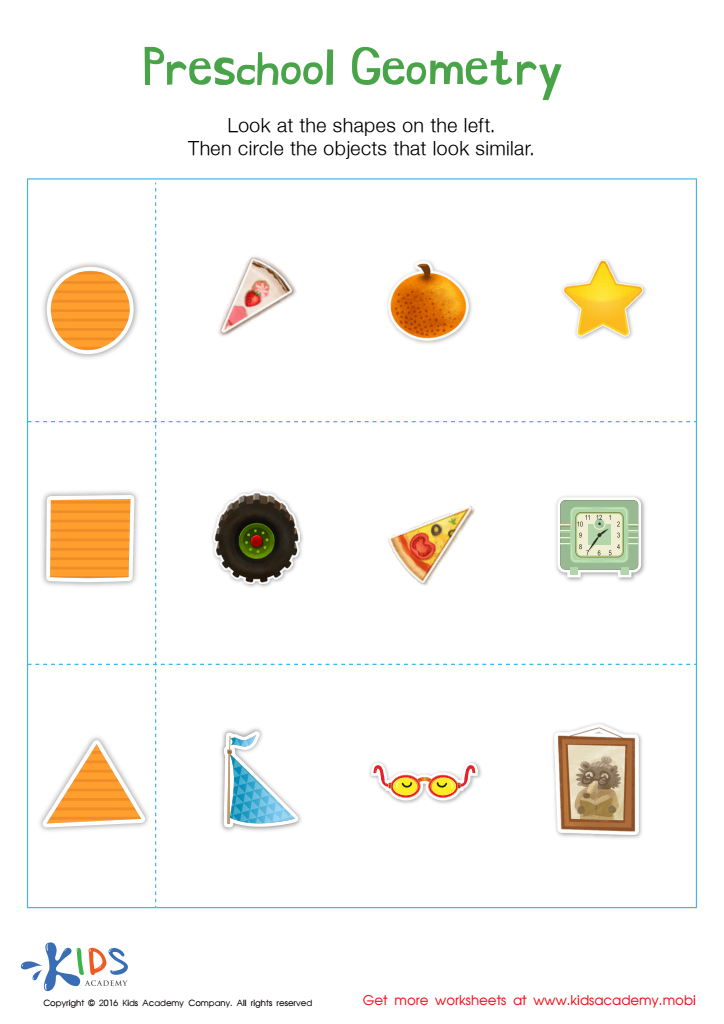
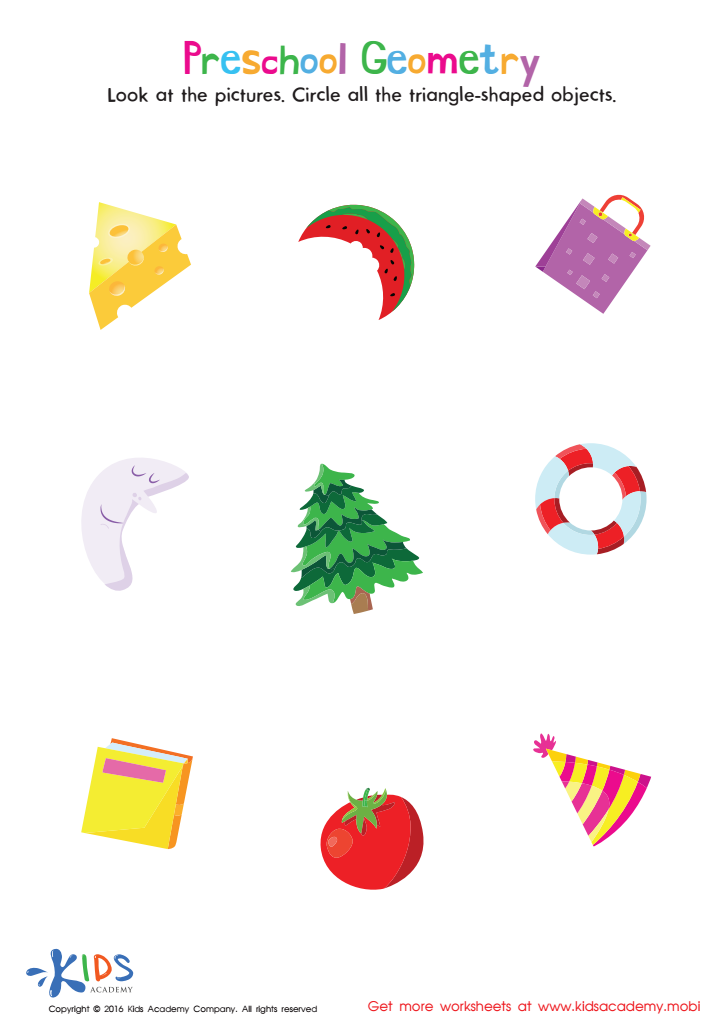
Preschool Geometry Match Up Worksheet
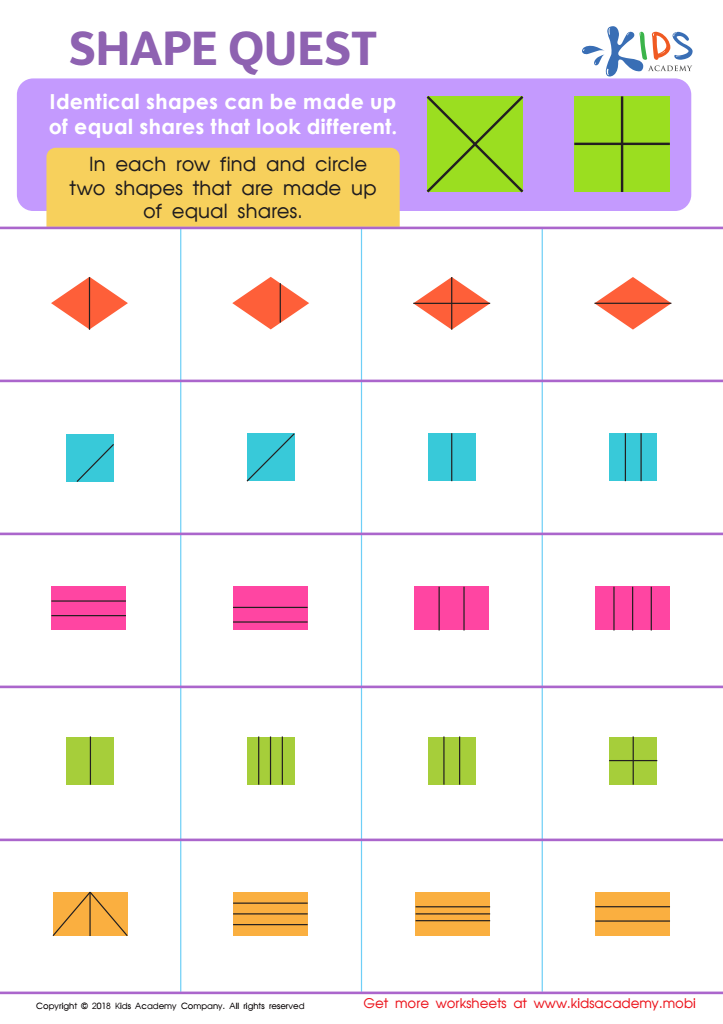
Shape Quest Worksheet
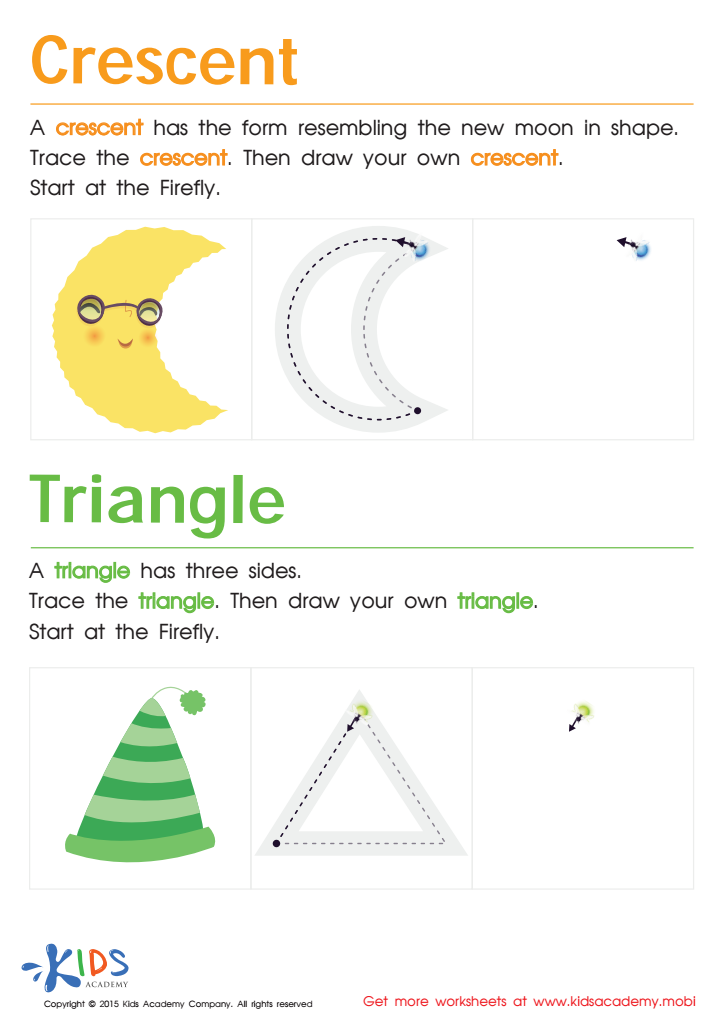
Learning to Draw Crescents And Triangles Worksheet
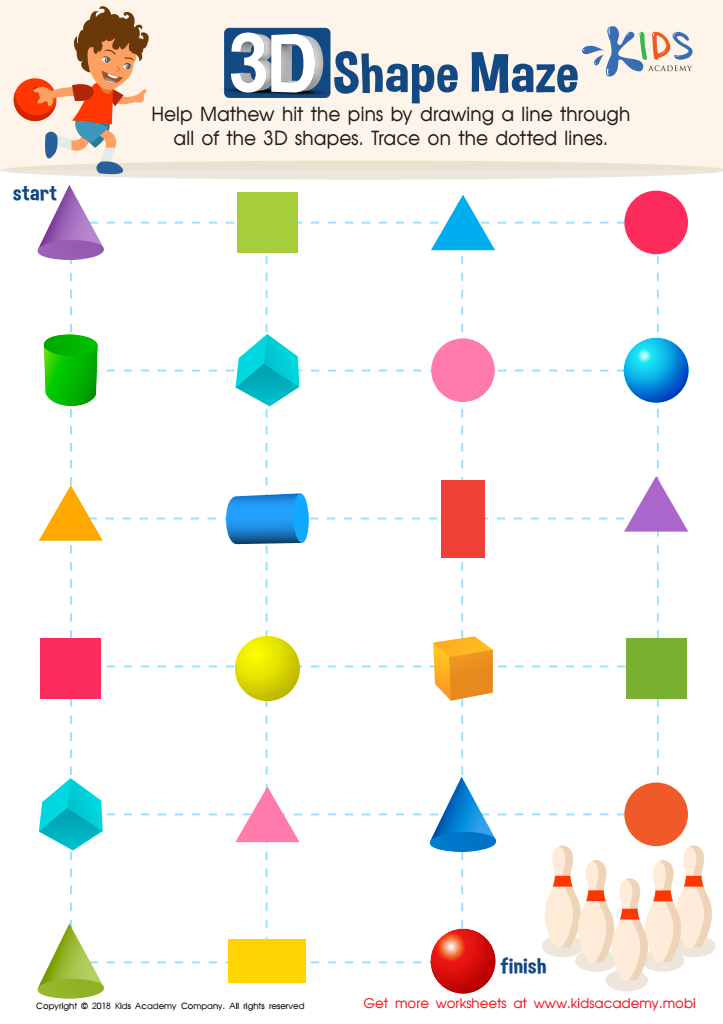
Shapes Maze Geometry Worksheet
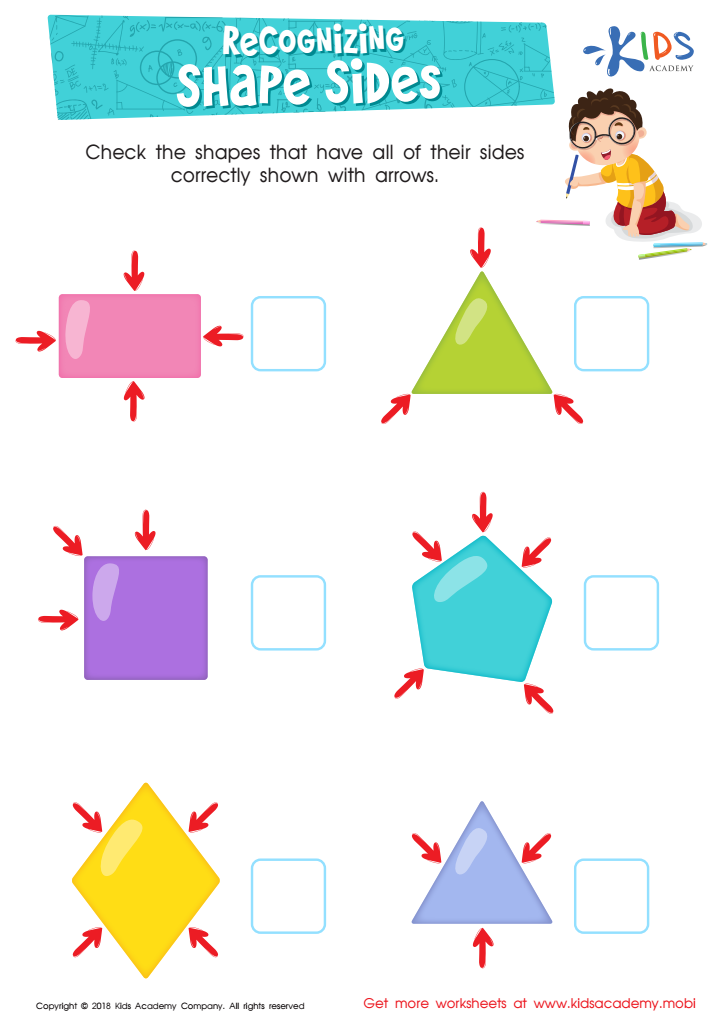
Recognizing Shape Sides Worksheet
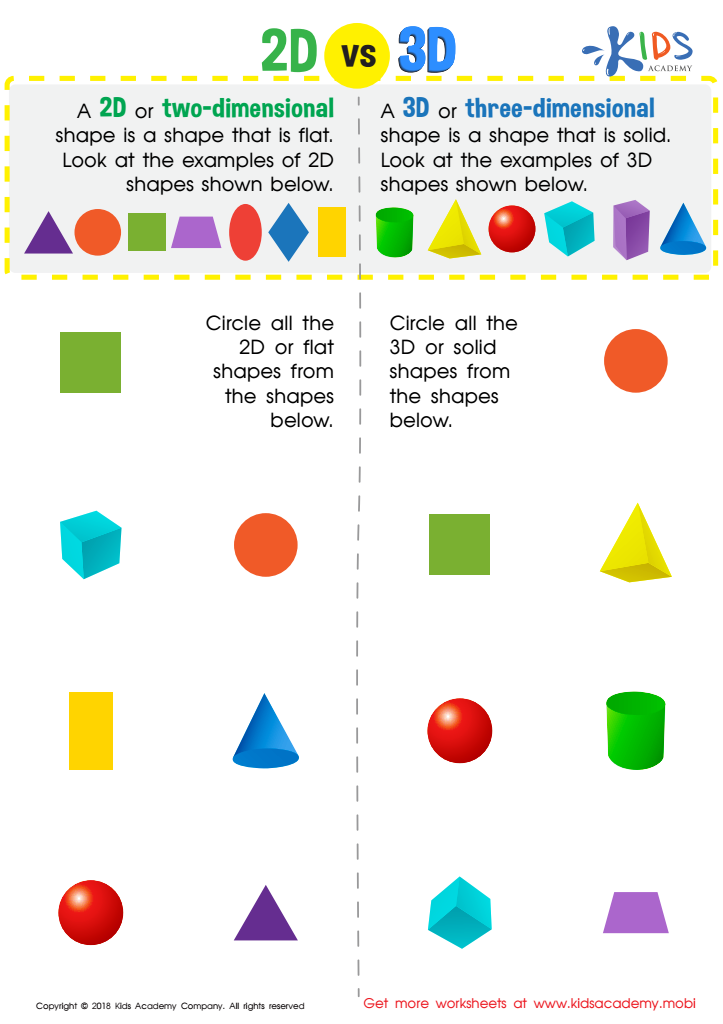
2D vs 3D Shapes Worksheet
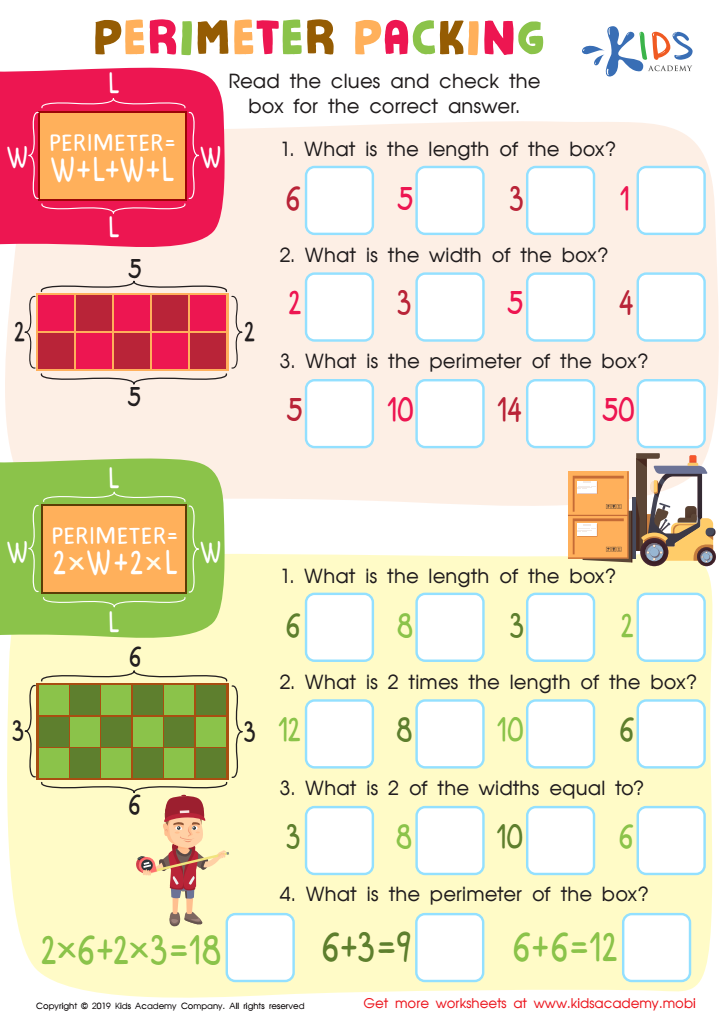
Perimeter Parking Worksheet
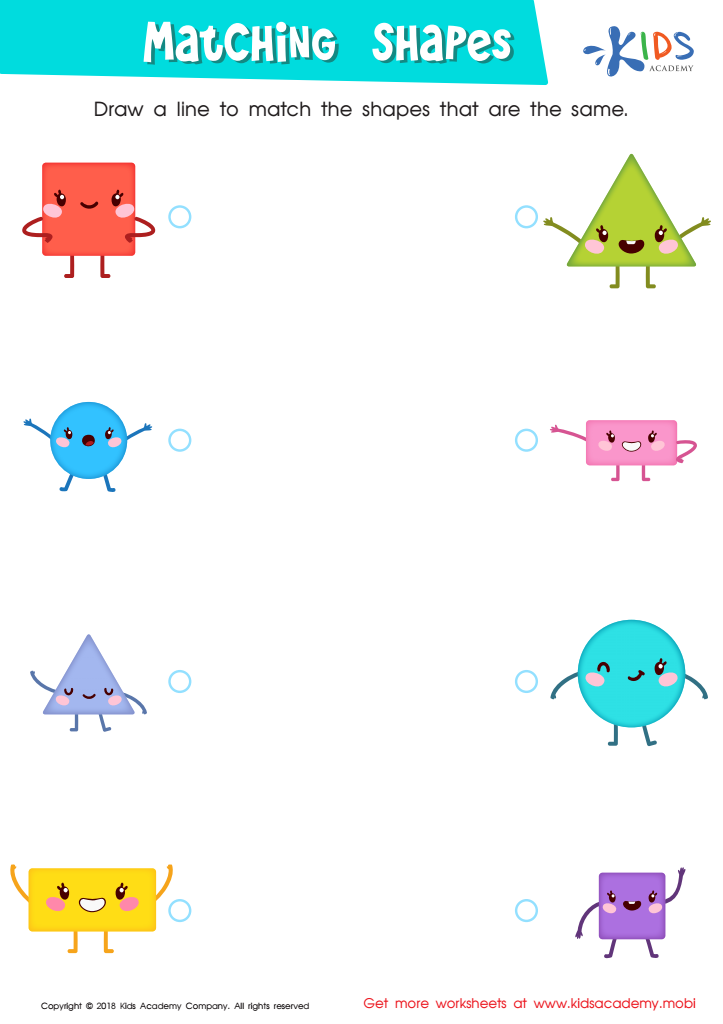
Matching Shapes Worksheet
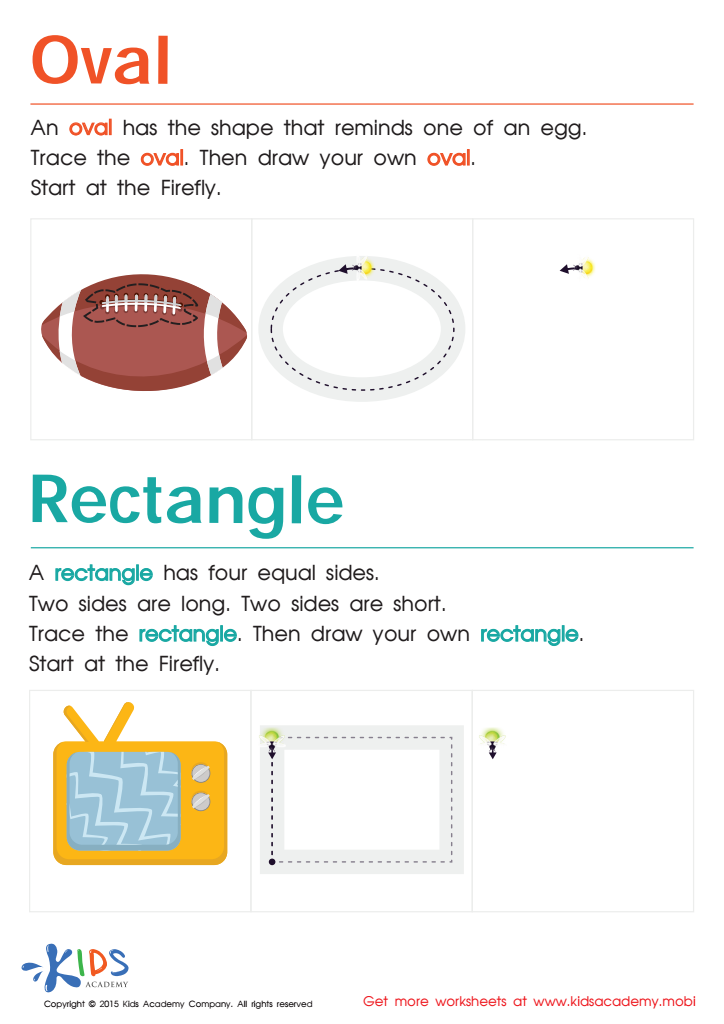
Easy Drawing of Ovals And Rectangles Worksheet
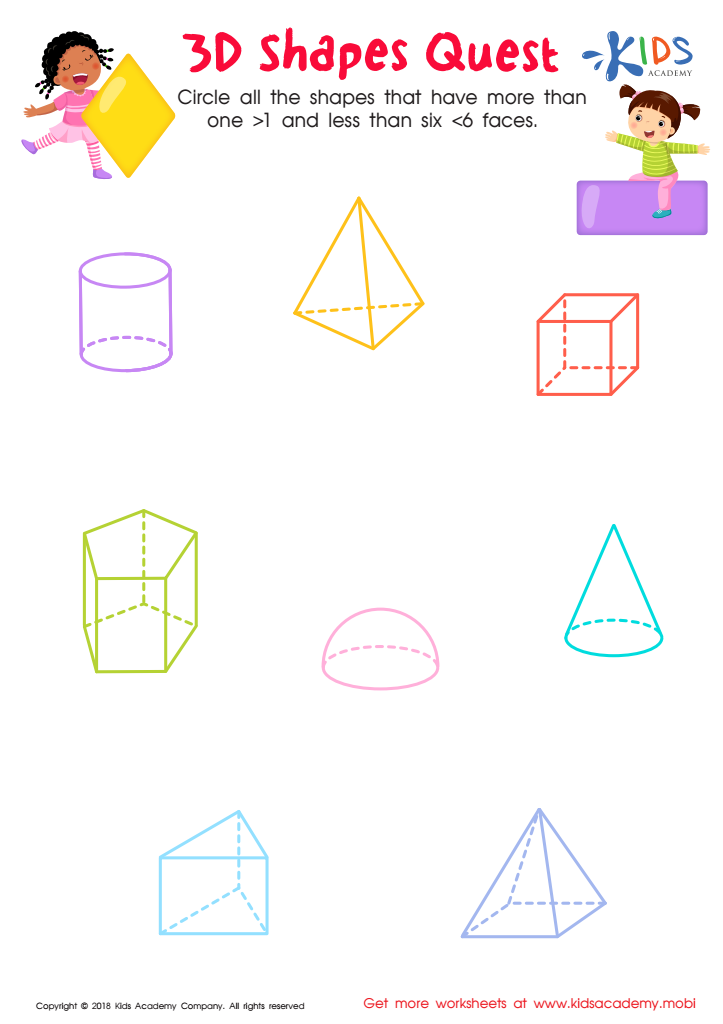
3D Shapes Quest Worksheet
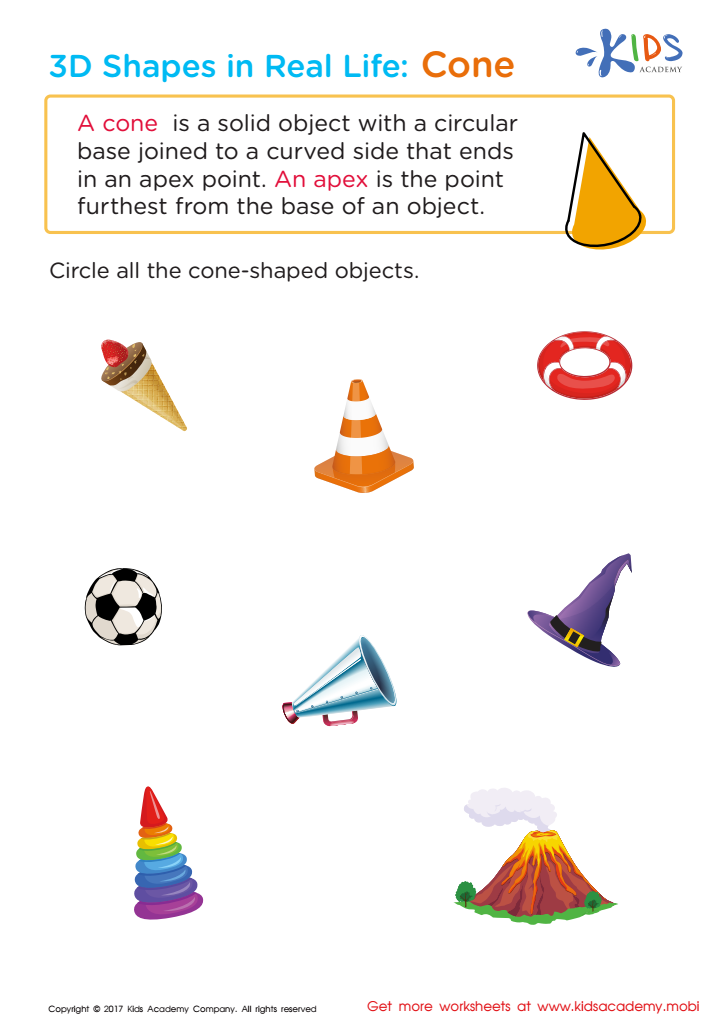
Shapes in Real Life: Cone Worksheet








Shape recognition and understanding basic geometry are essential skills for children aged 6 to 9, laying the groundwork for their future academic success. At this developmental stage, children are naturally curious, and engaging them in geometry helps build critical thinking and spatial awareness, which are fundamental for problem-solving and logical reasoning.
Recognizing shapes and their properties enhances a child's observational skills and helps in visual learning. These skills translate into better performance in subjects like mathematics and art; for example, understanding shapes facilitates more advanced concepts like fractions and symmetry later on. Furthermore, shape recognition can foster creativity, as children learn to identify and manipulate geometric shapes in their environment, paving the way for exploration in design and engineering.
For teachers and parents, promoting shape recognition contributes to a well-rounded education. It nurtures cognitive and language skills as children begin to describe their observations, thus enhancing communication abilities. Incorporating playful activities like shape sorting games and interactive geometric puzzles makes learning enjoyable, keeping students engaged and motivated.
Overall, caring about shape recognition in young learners is an investment in their cognitive development, early literacy, and academic foundation, setting them on a path toward lifelong learning.








