Normal Animals Worksheets for Ages 6-9 - Page 2
48 filtered results
-
From - To
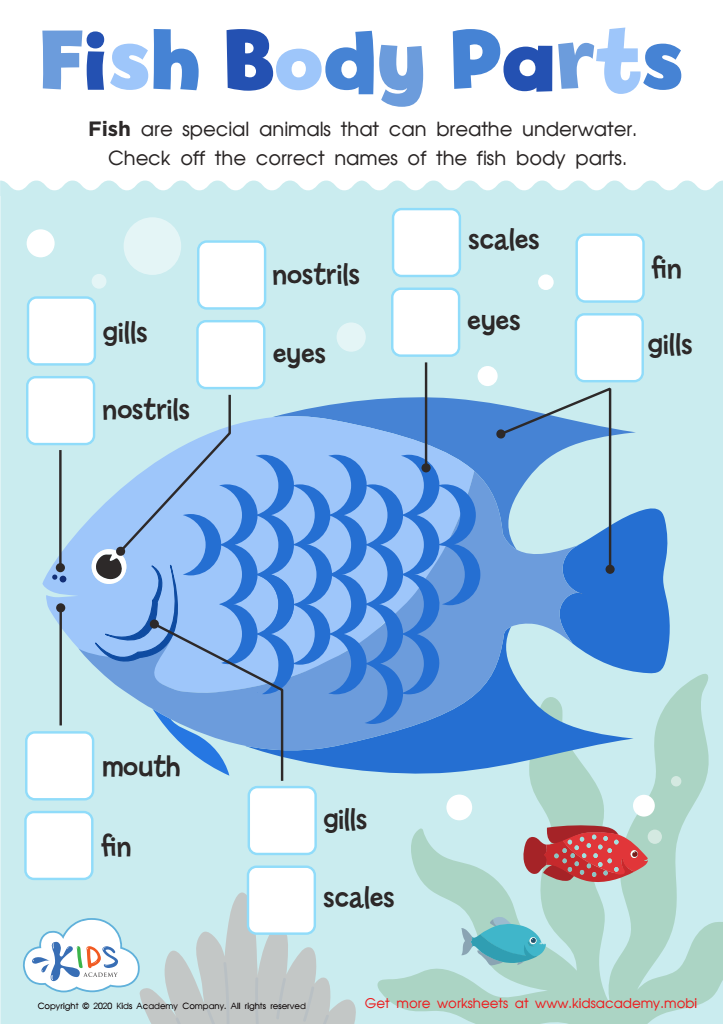
Fish Body Parts Worksheet
 Assign to My Students
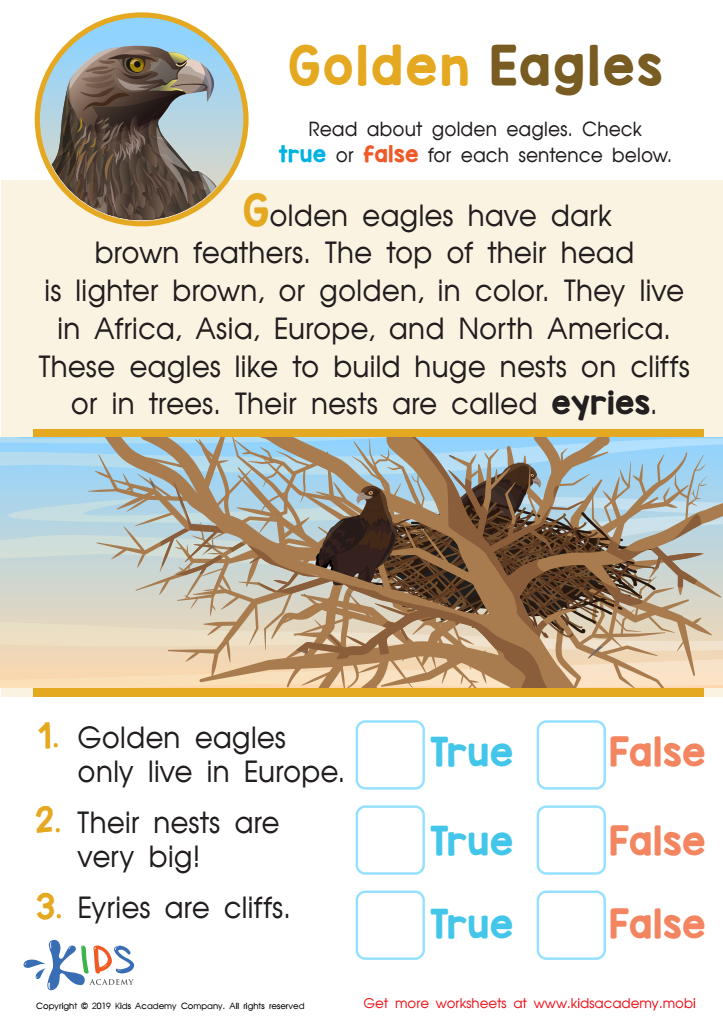
Golden Eagles Worksheet
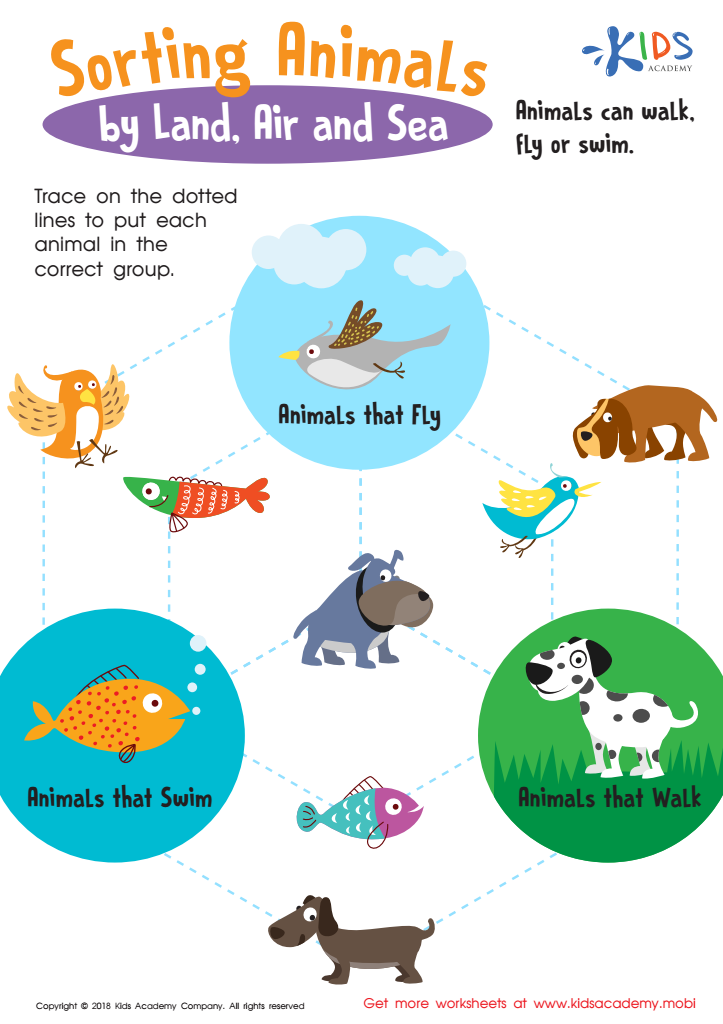
Sorting Animals by Land, Air and Sea Worksheet
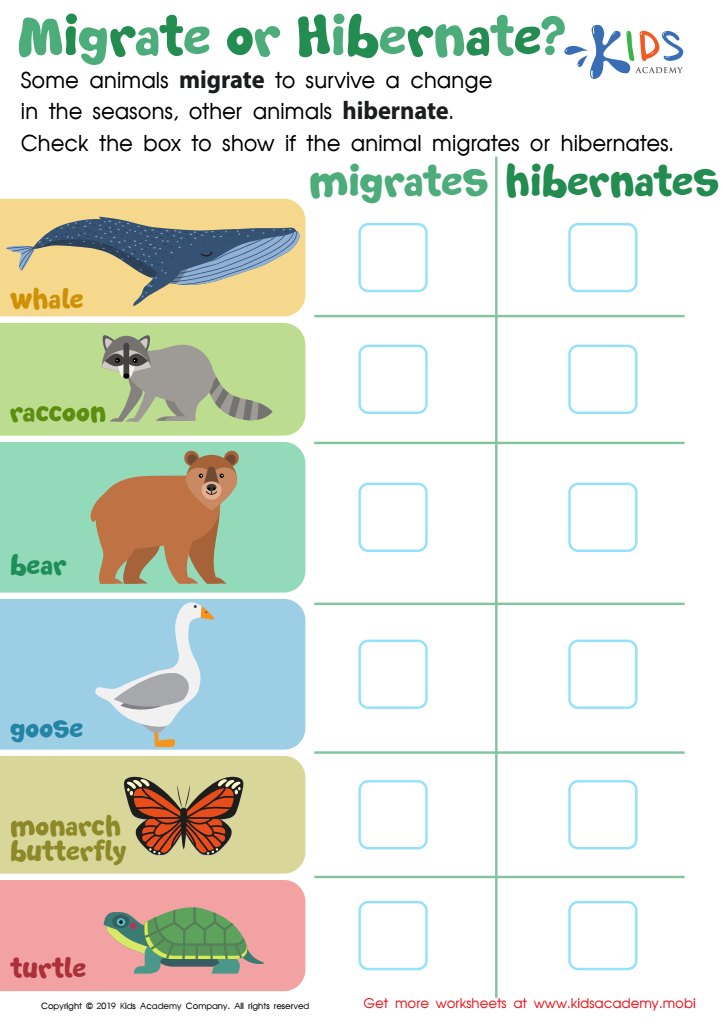
Migrate or Hibernate? Worksheet
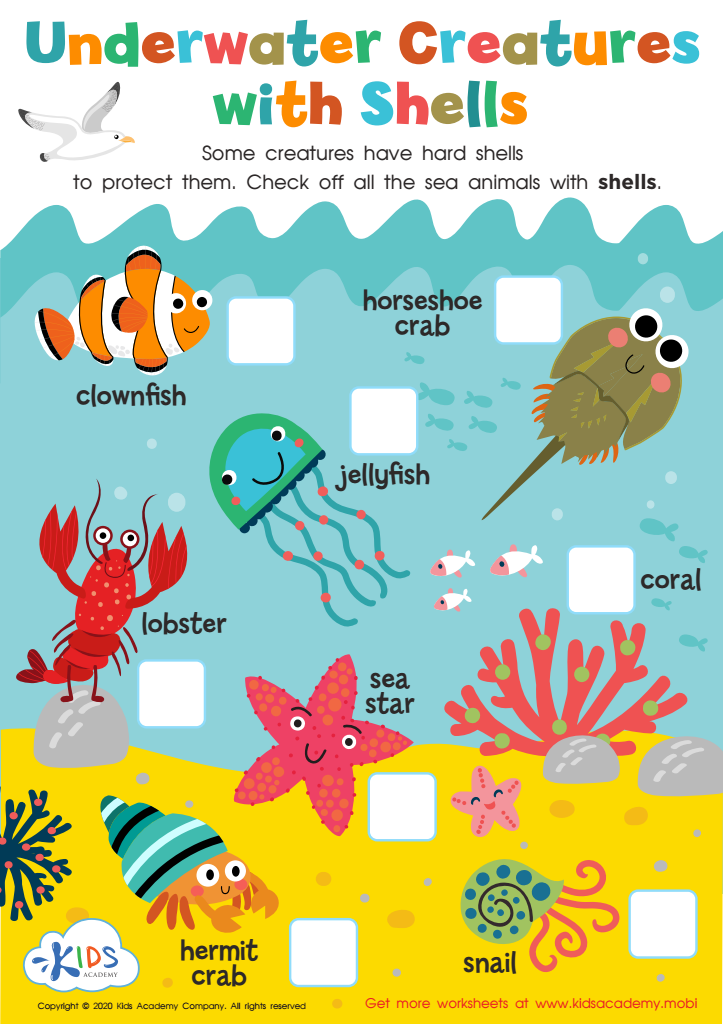
Underwater Creatures with Shells Worksheet
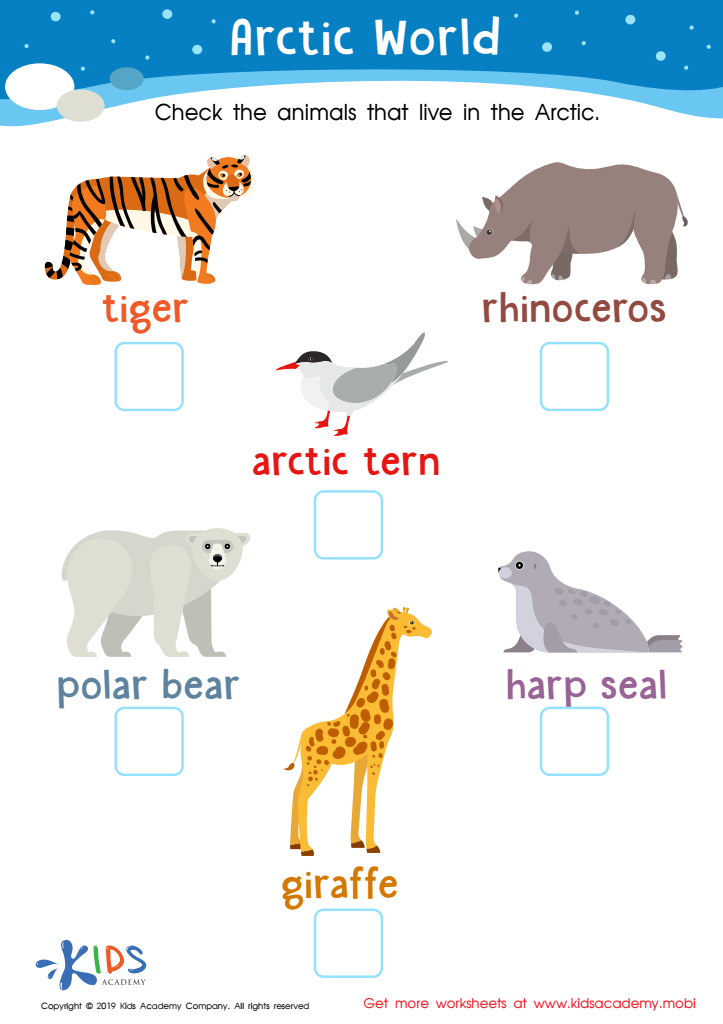
Arctic World Worksheet
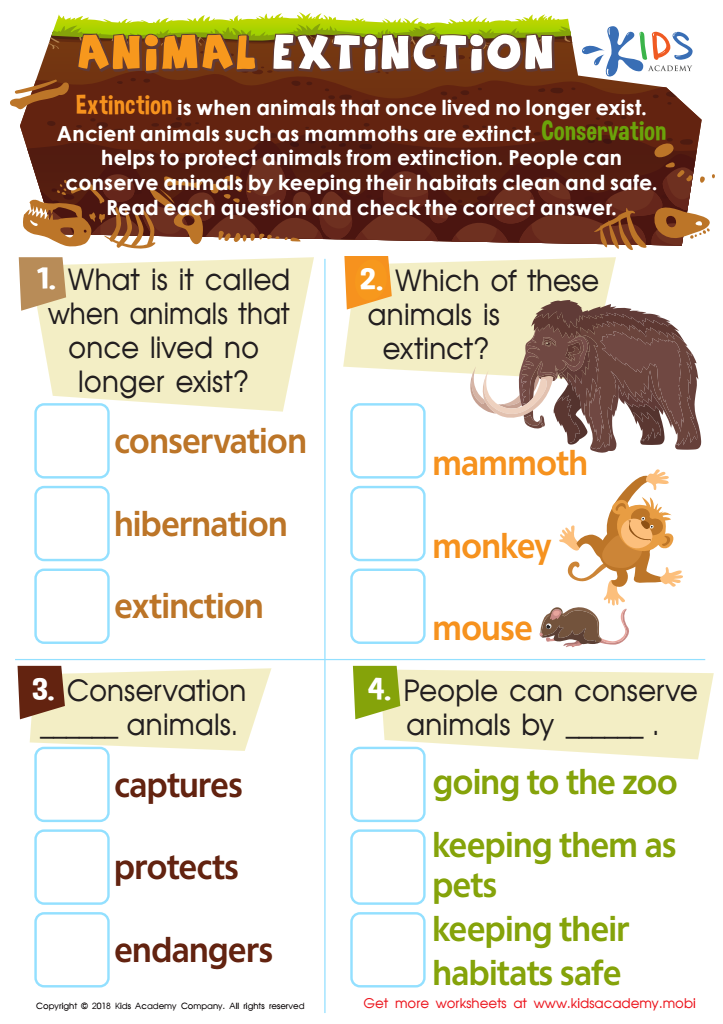
Animal Extinction Worksheet
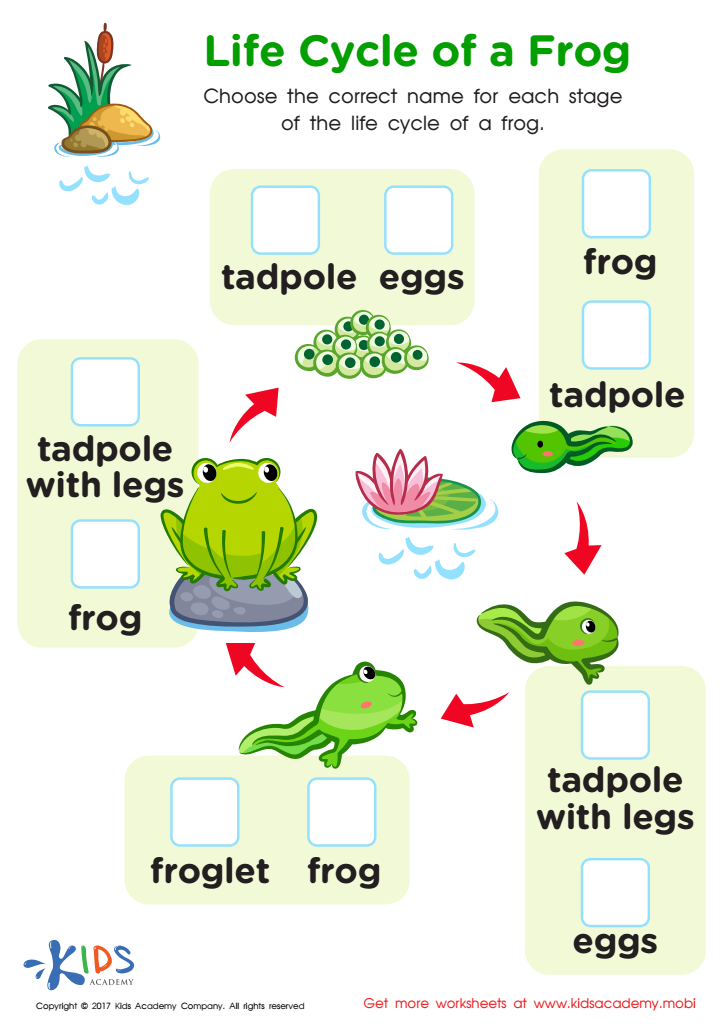
Life Cycle Frog Printable
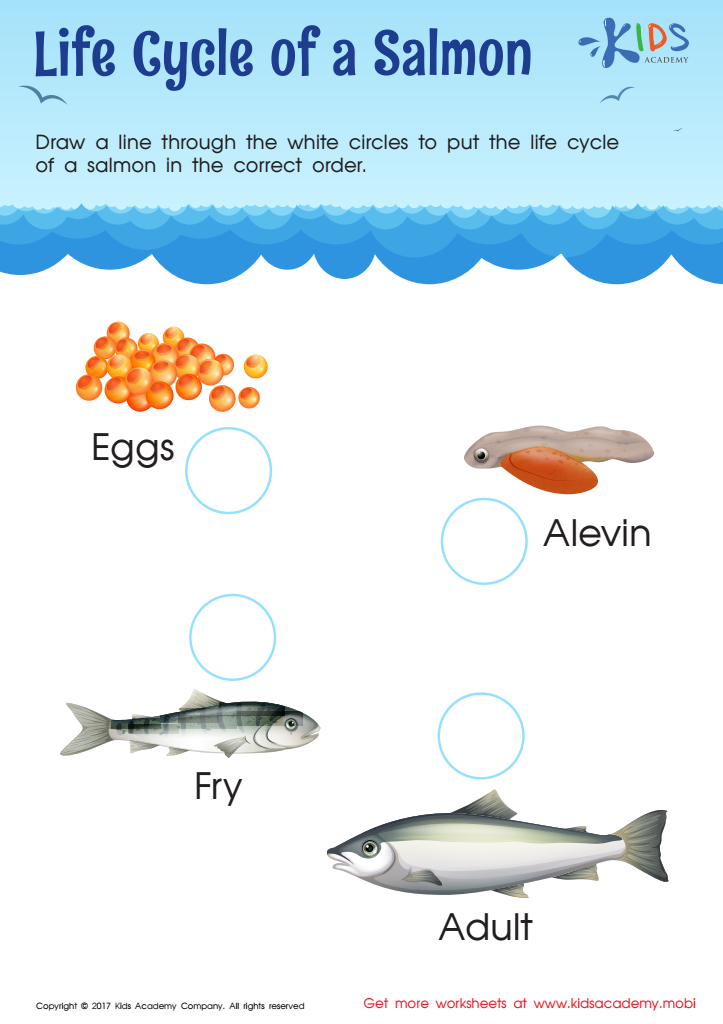
Cycle Of Salmon Worksheet
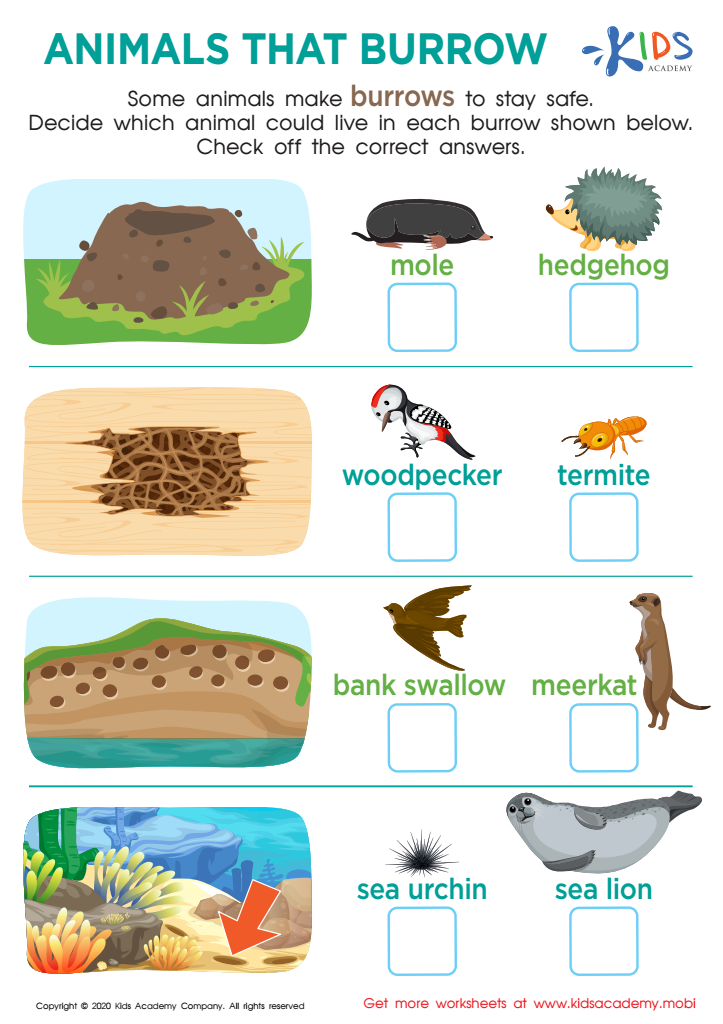
Animals That Burrow Worksheet
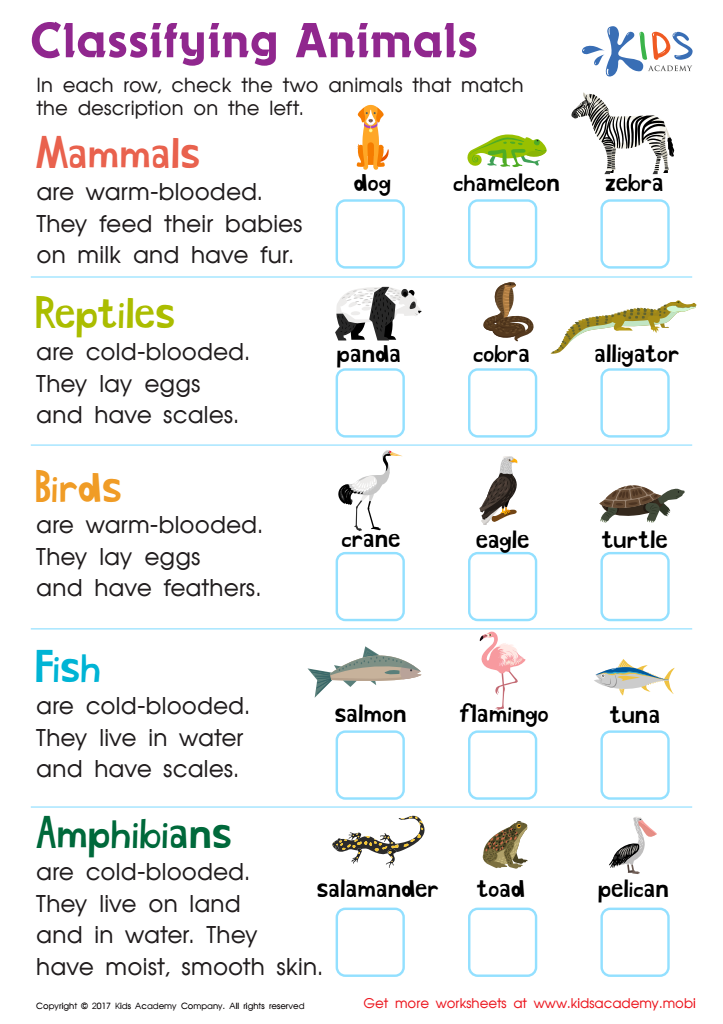
Classifying Animals Worksheet
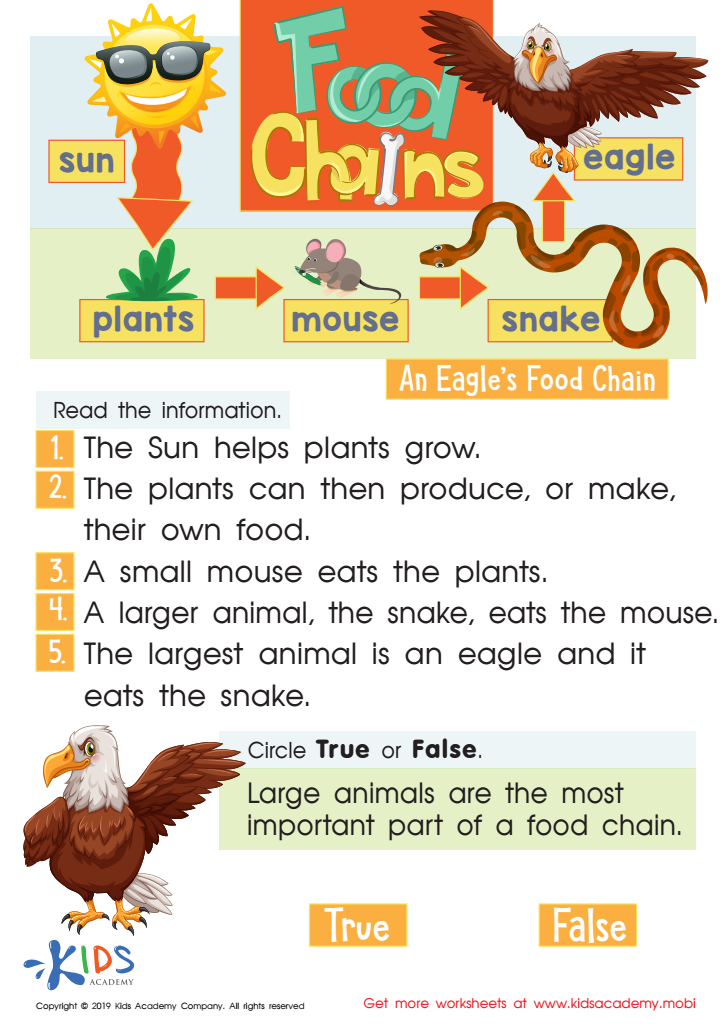
Food Chains Worksheet
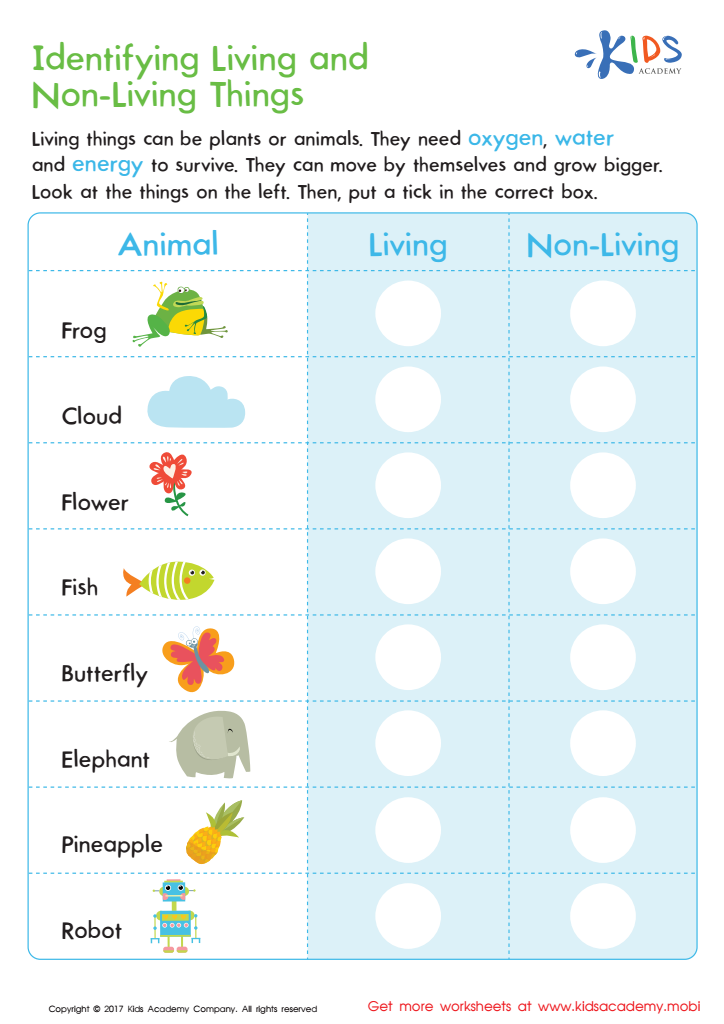
Identifying Living or Non–living Worksheet
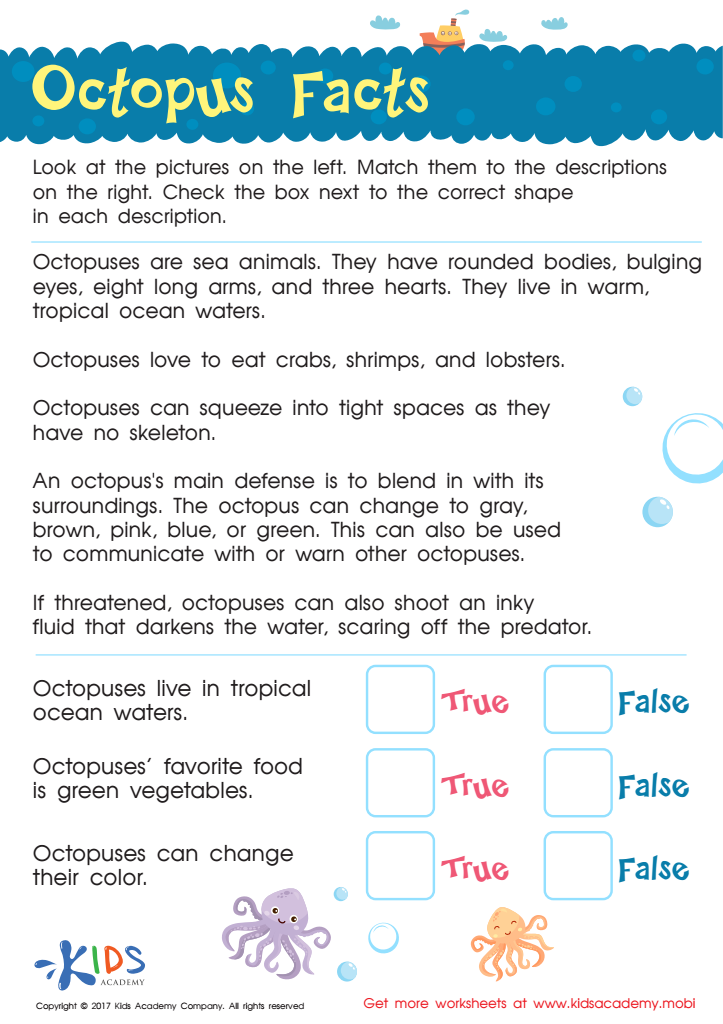
Octopus Facts Worksheet For Kids
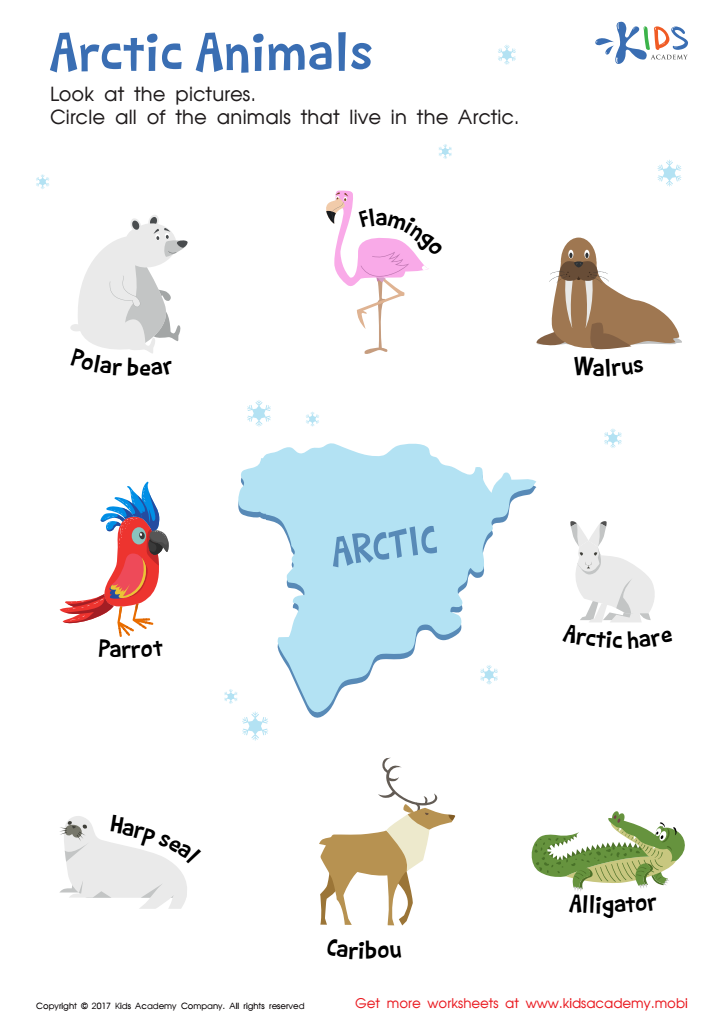
Arctic Animals Worksheet
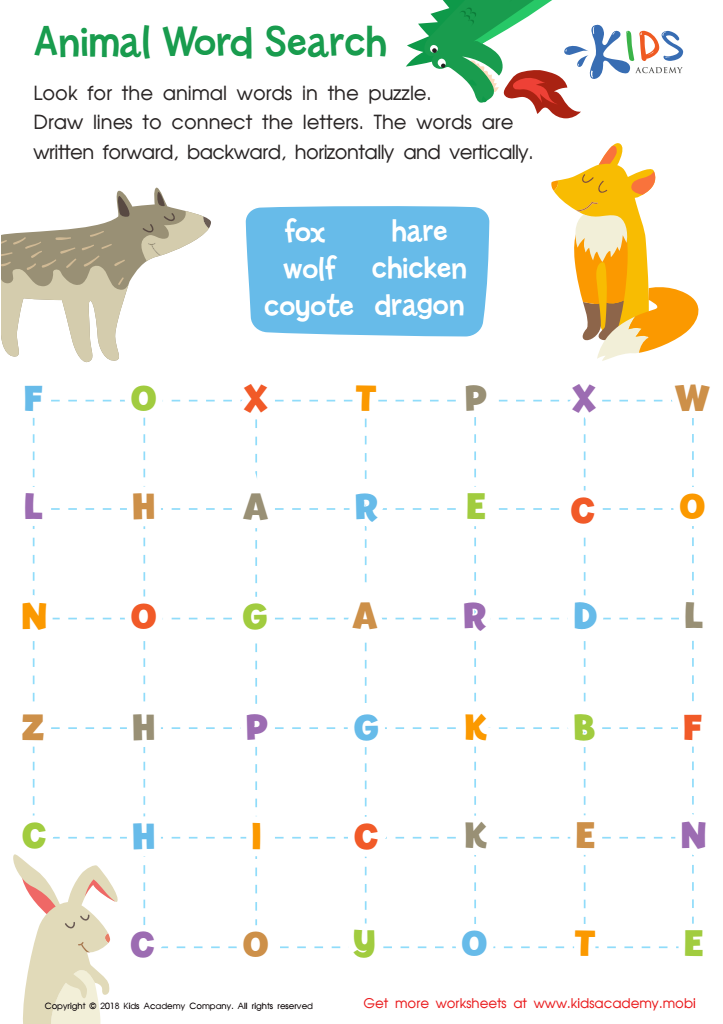
Animal Word Search Worksheet
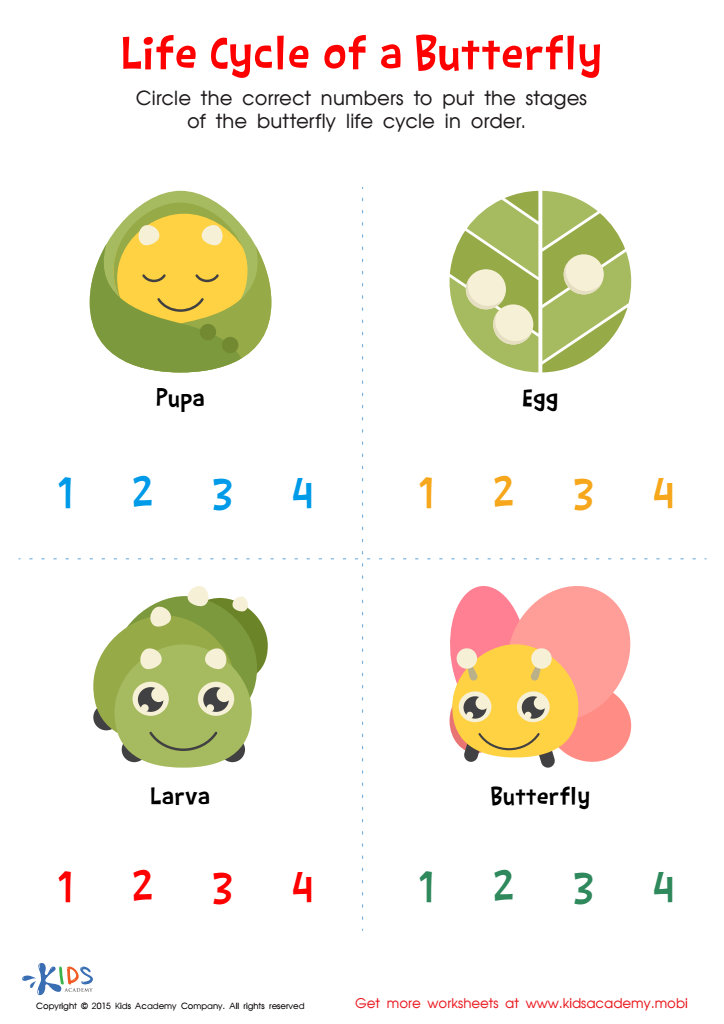
Life Cycle of Butterfly Printable
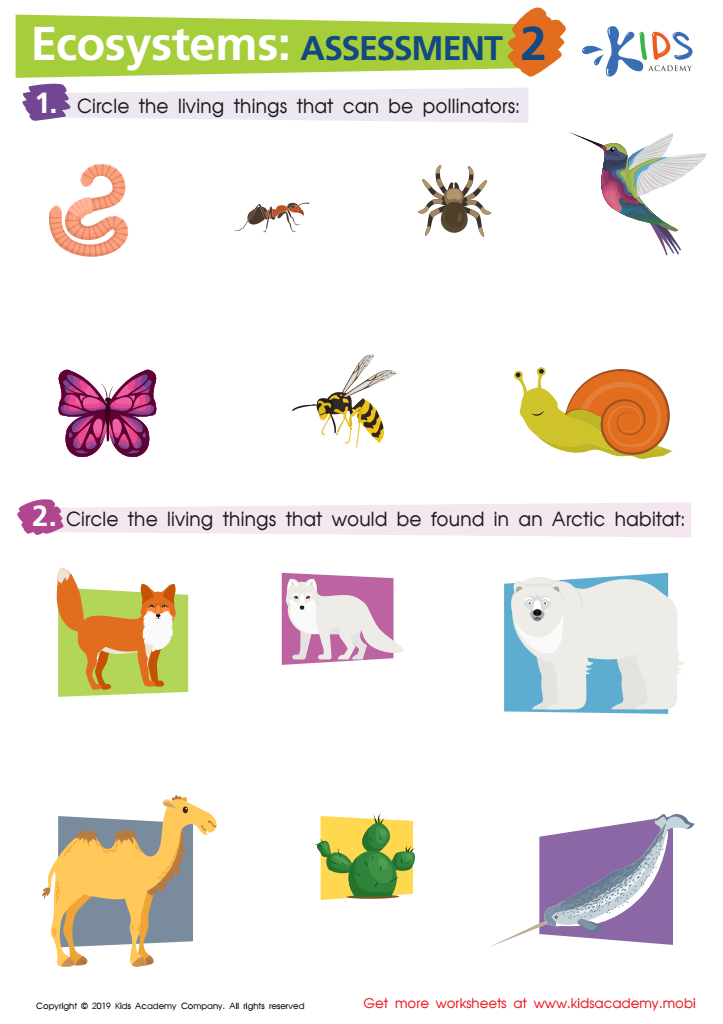
Ecosystems: Assessment 2 Worksheet
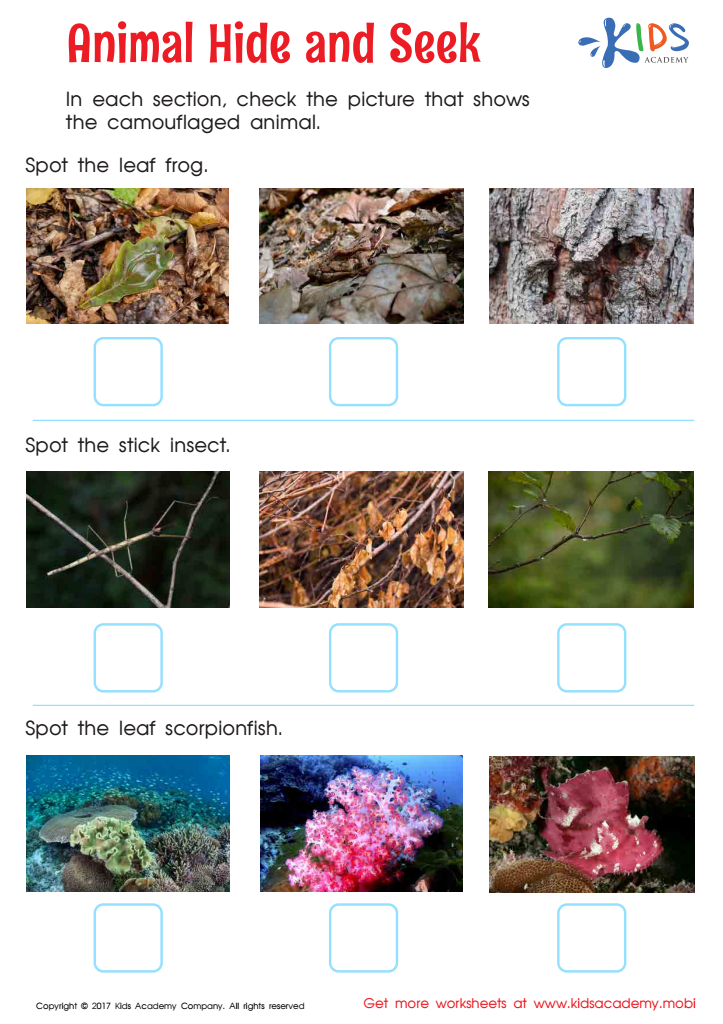
Animal Hide and Seek Worksheet
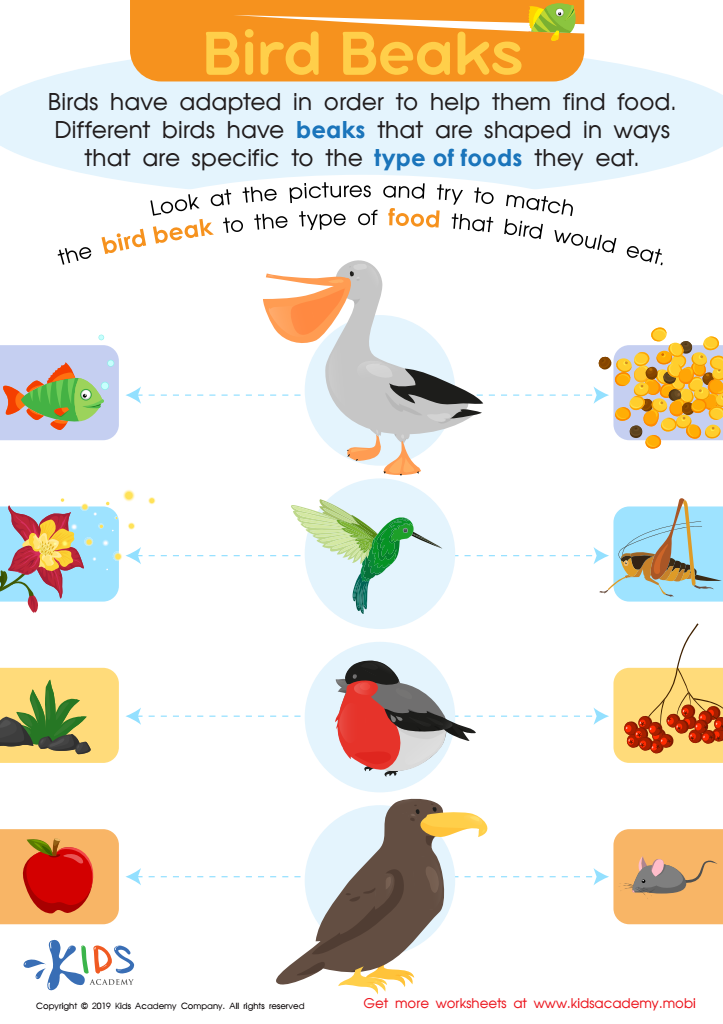
Bird Beaks Worksheet
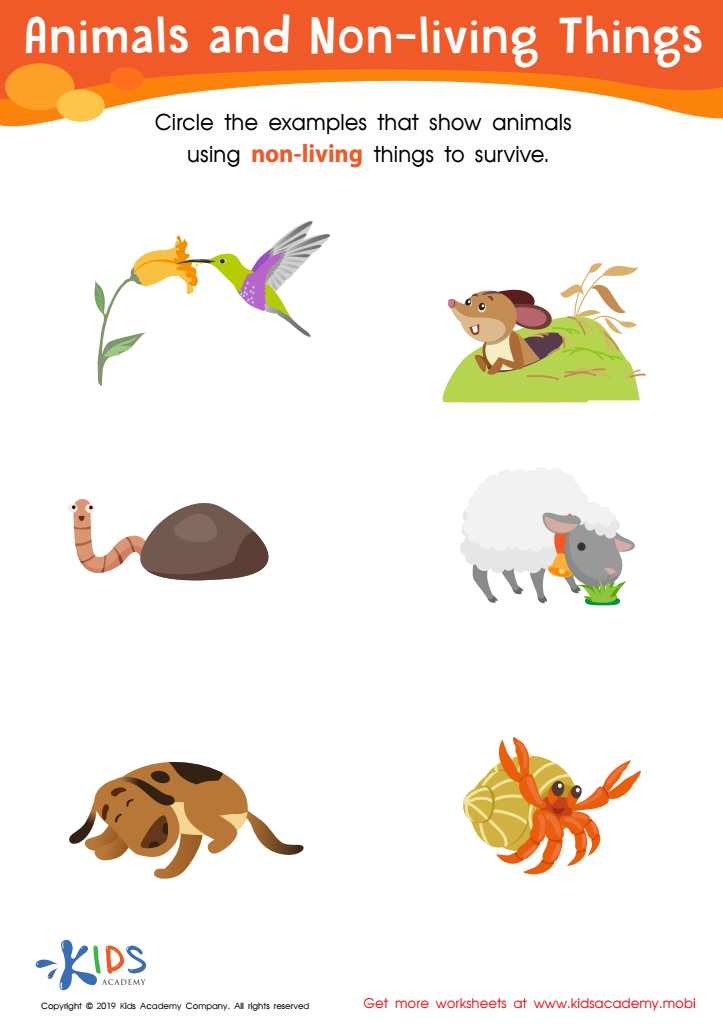
Animals and Non-Living Things Worksheet
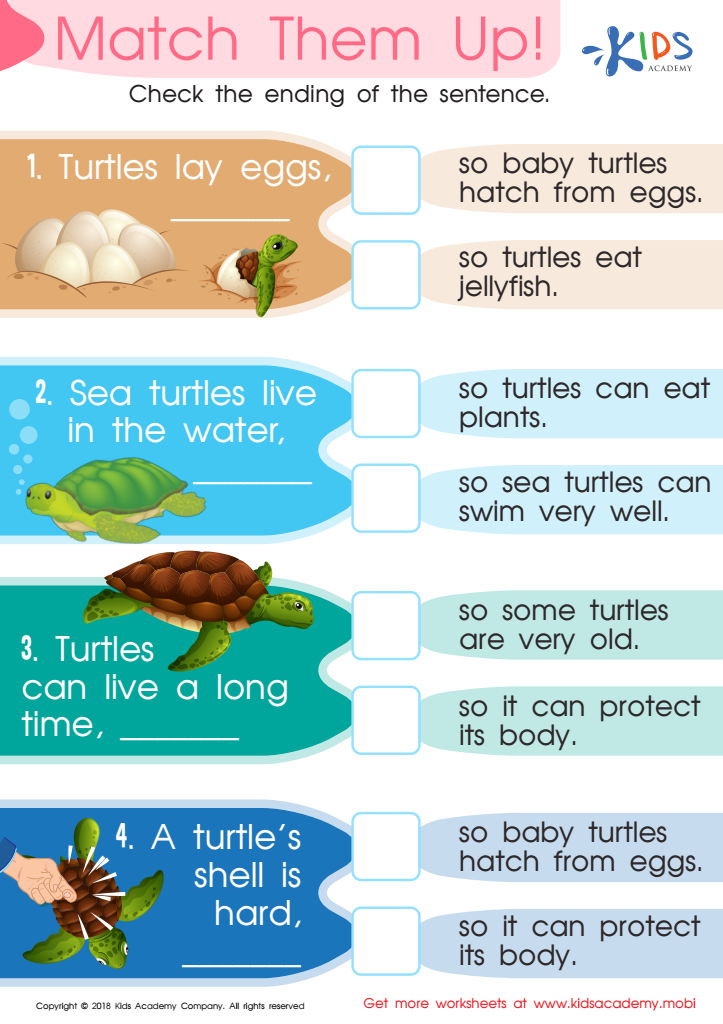
Match Them Up Worksheet
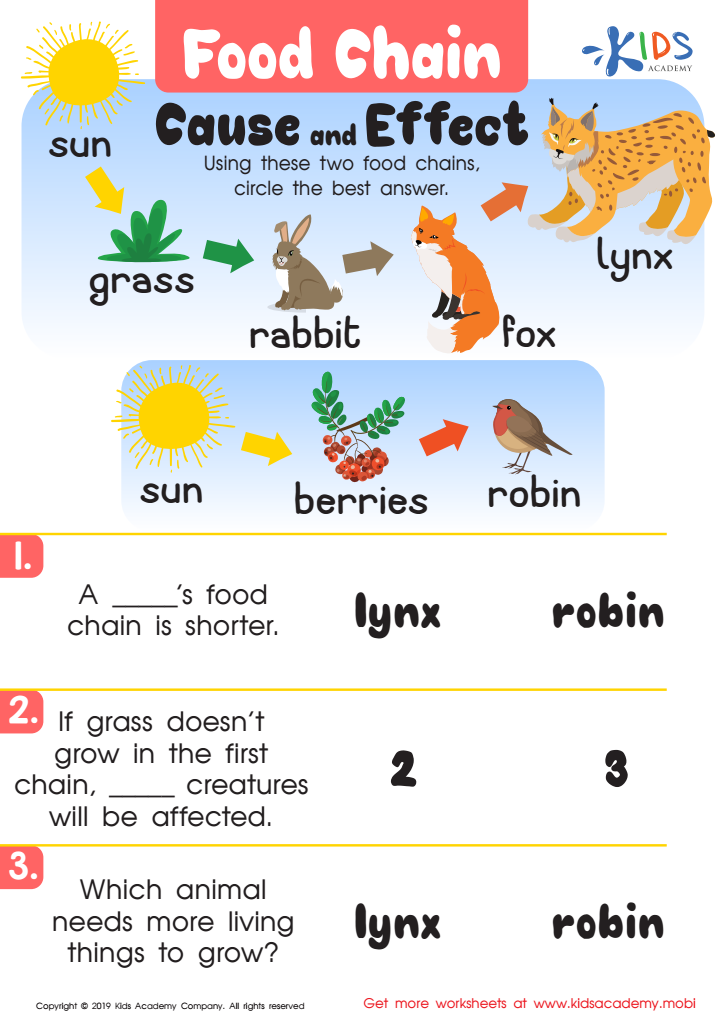
Food Chain Cause Worksheet
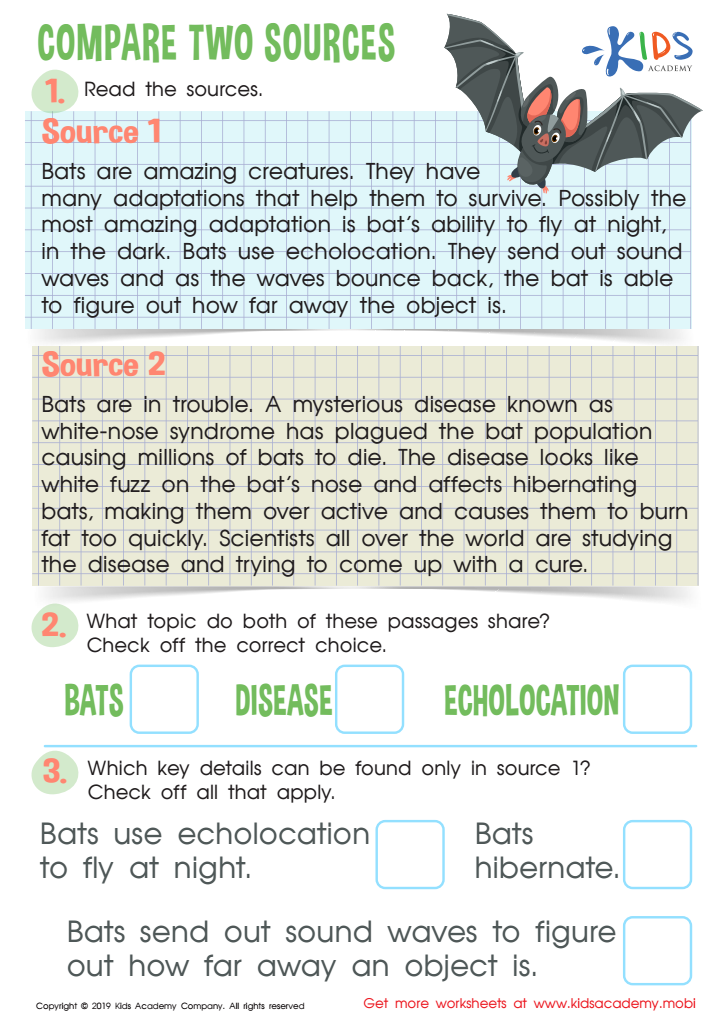
Compare Two Sources Worksheet




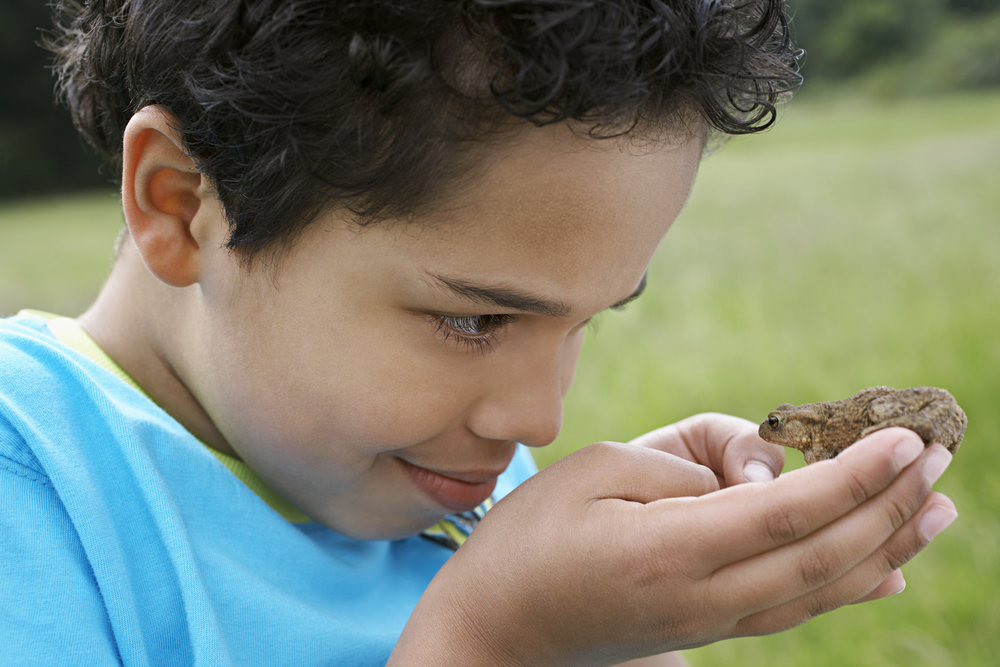
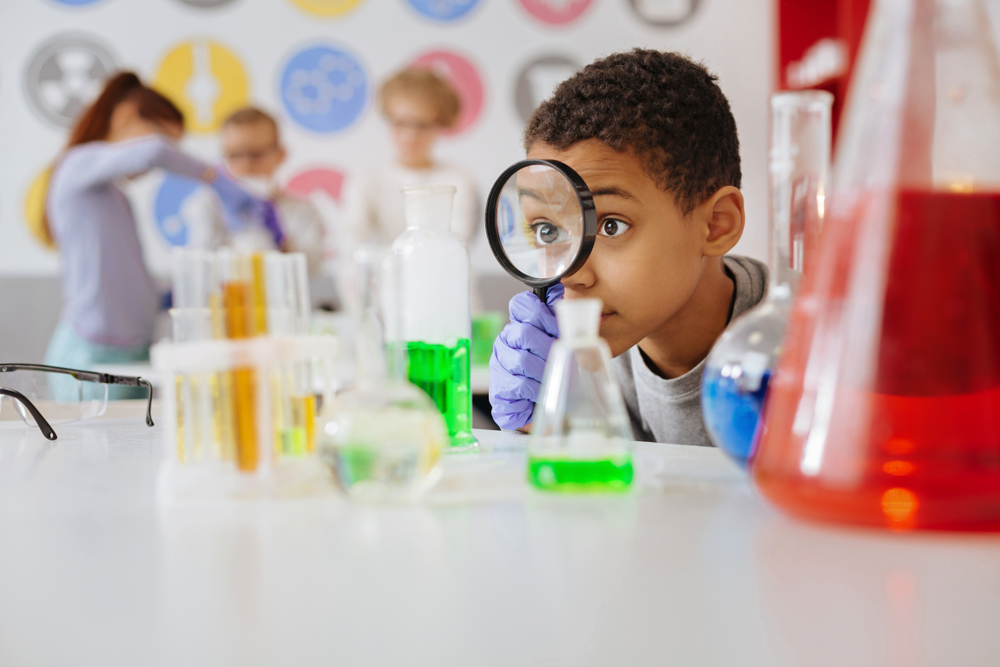


Parents and teachers caring for children aged 6-9 should emphasize the study of normal animals because it greatly contributes to their cognitive and emotional development. At this critical stage, children exhibit a natural curiosity about the world around them. Learning about animals nurtures their sense of wonder, encouraging observational skills, critical thinking, and a deeper understanding of nature and biology.
Moreover, studying animals helps bridge academic subjects such as science, reading, and art. It can make abstract concepts tangible—like understanding habitats, life cycles, and ecosystems. Interactive activities such as observing local wildlife, keeping a pet, or visiting zoos can make learning multisensory and memorable.
On a social-emotional level, learning about animals instills empathy and compassion. Caring for animals as pets teaches responsibility and nurtures a sense of stewardship for living things, fostering environmental consciousness that can last a lifetime. Storybooks and imaginative play featuring animals can additionally support emotional development and literacy skills.
Supportive and engaging adults can inspire and deepen this interest, making learning engaging and fostering a lifelong love for wildlife and the environment. By prioritizing normal animal study, we leverage a natural interest to enrich a child’s education and character development profoundly.








