Fun Zone worksheets activities for Ages 3-9
43 filtered results
-
From - To
Welcome to the Fun Zone worksheets page, where learning meets excitement for children aged 3-9! Our collection features a variety of engaging activities designed to spark creativity and enhance essential skills in a playful way. From colorful puzzles and interactive games to imaginative coloring sheets and educational challenges, every worksheet aims to make learning fun and effective. These resources not only aid in the development of literacy and numeracy but also encourage critical thinking and problem-solving. Perfect for parents and educators alike, our Fun Zone worksheets are an enjoyable way to keep kids motivated and inspired. Explore and let the fun begin!
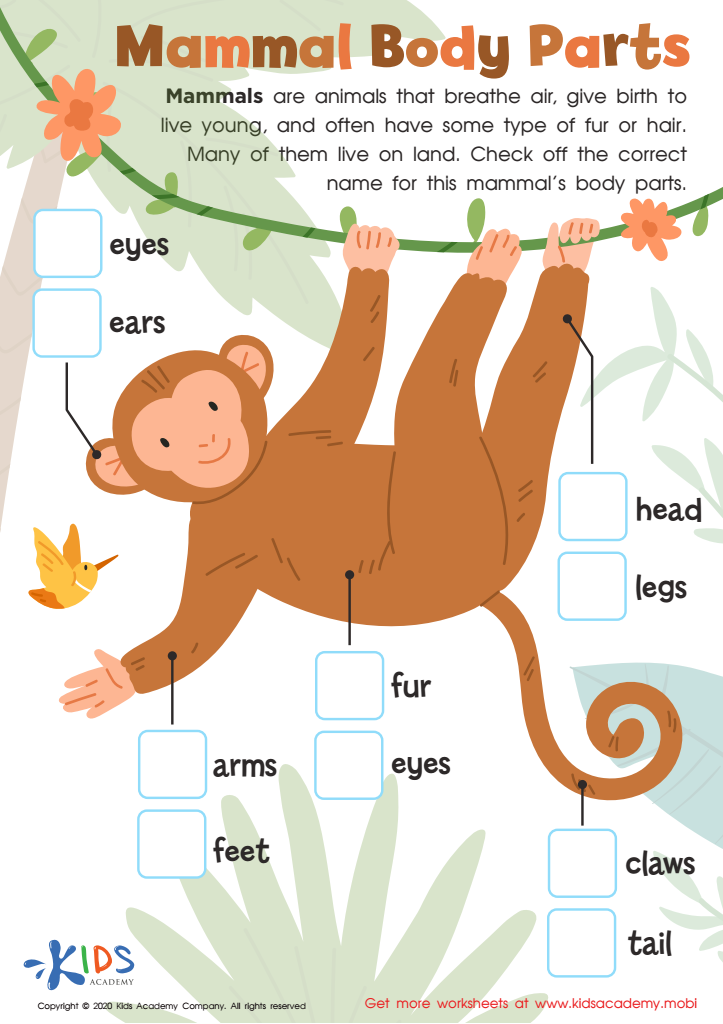
Mammal Body Parts Worksheet
 Assign to My Students
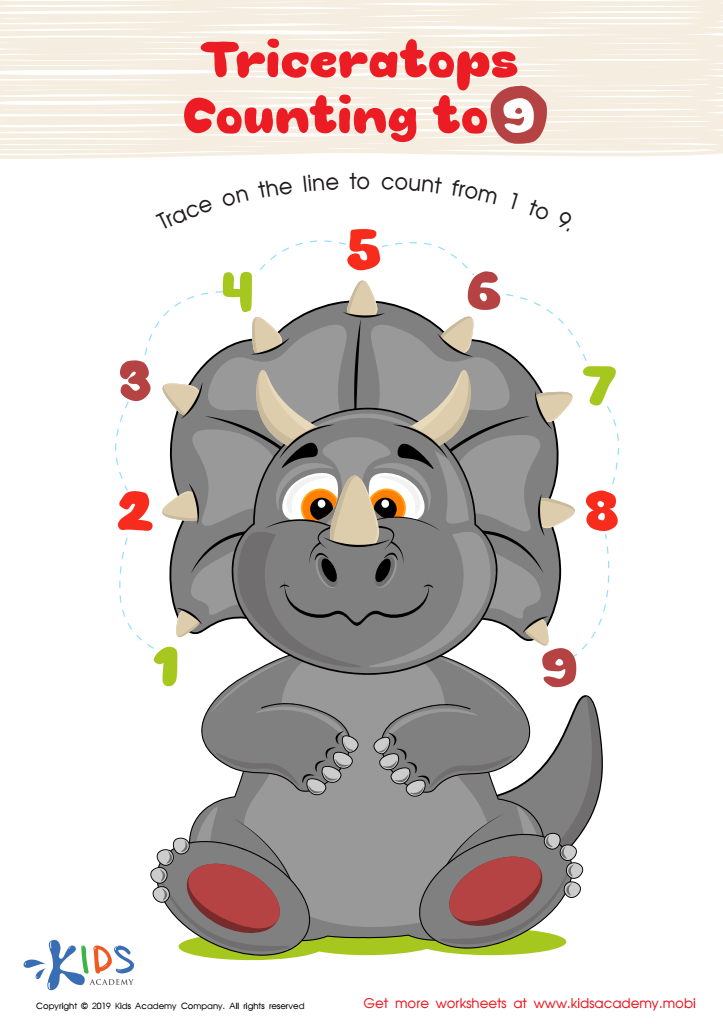
Triceratops Counting to 9 Worksheet
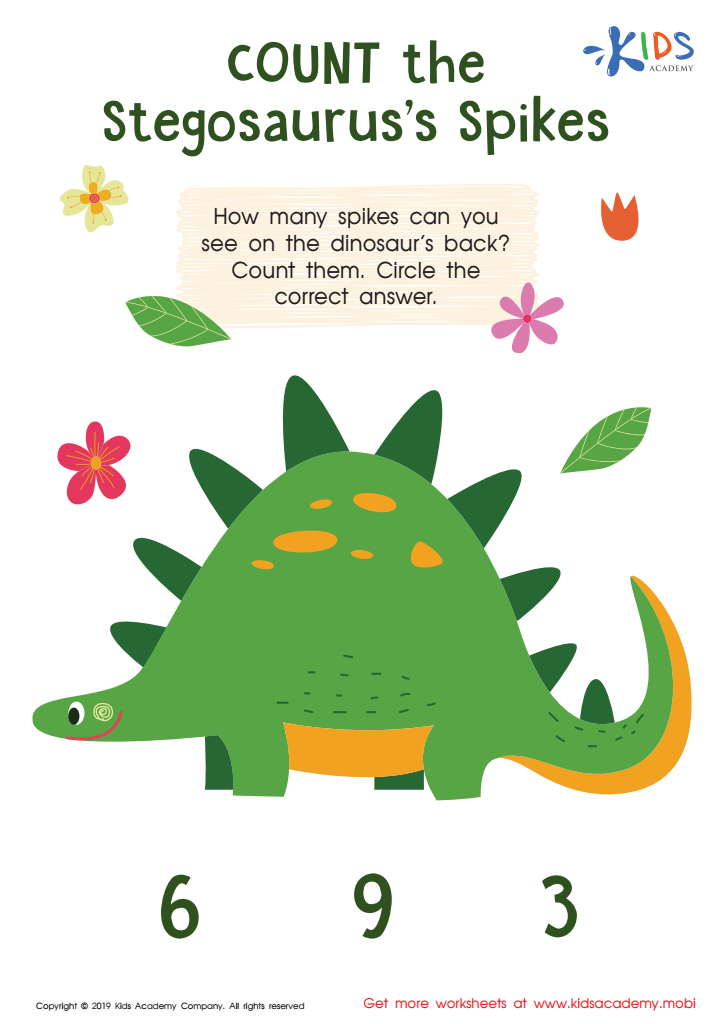
Count the Stegosaurus's Spikes Worksheet
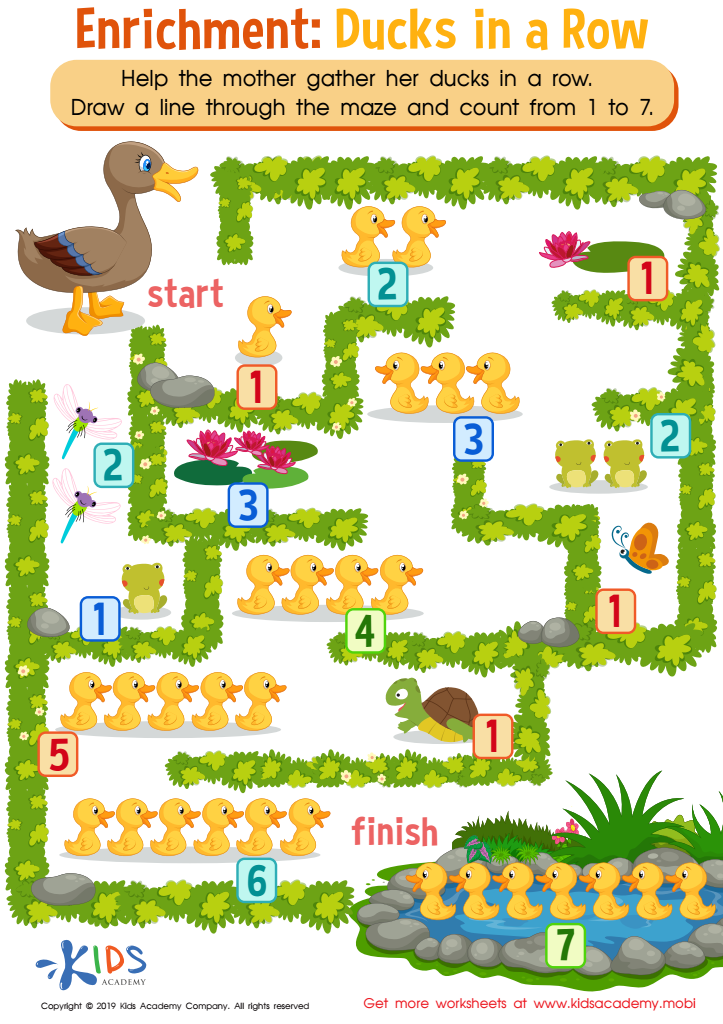
Ducks in a Row Worksheet
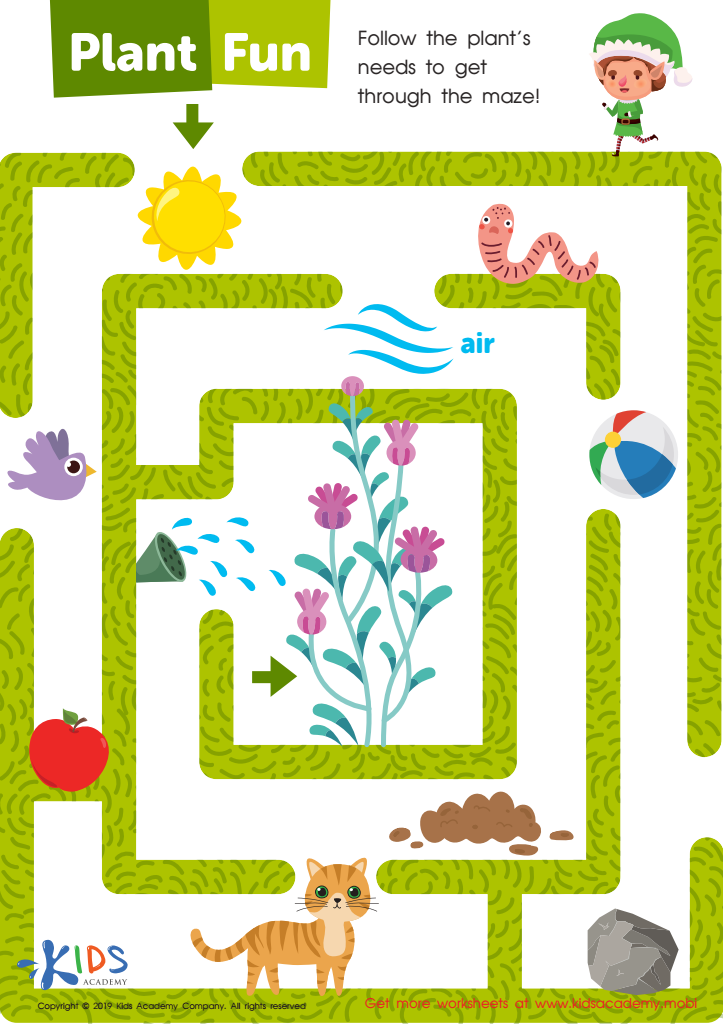
Plant Fun Worksheet
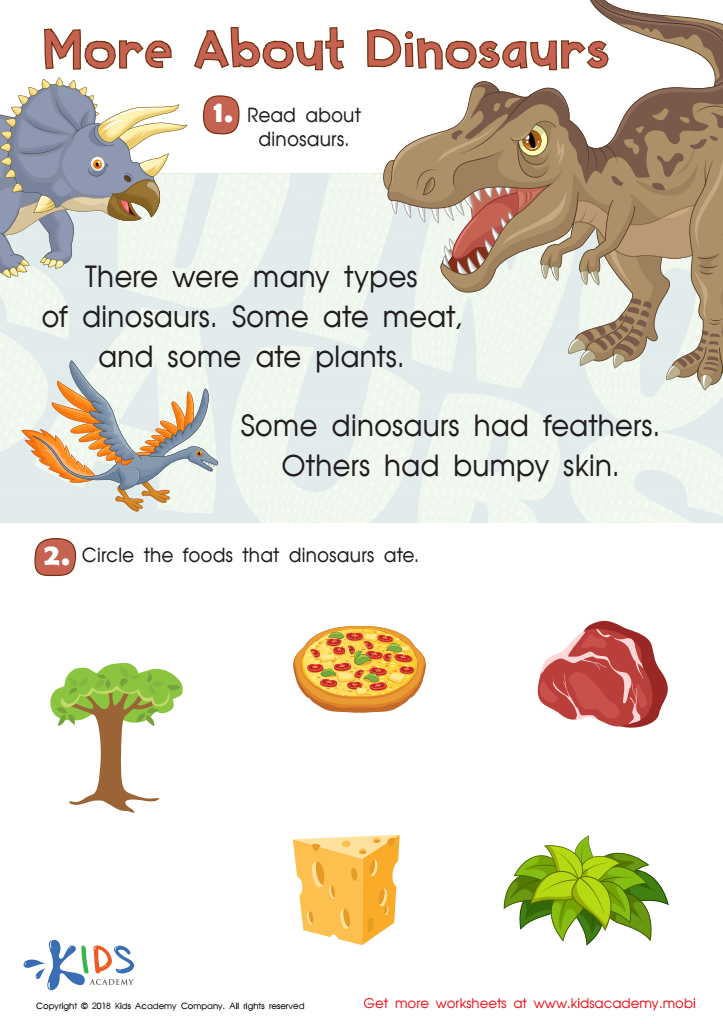
More About Dinosaurs Worksheet
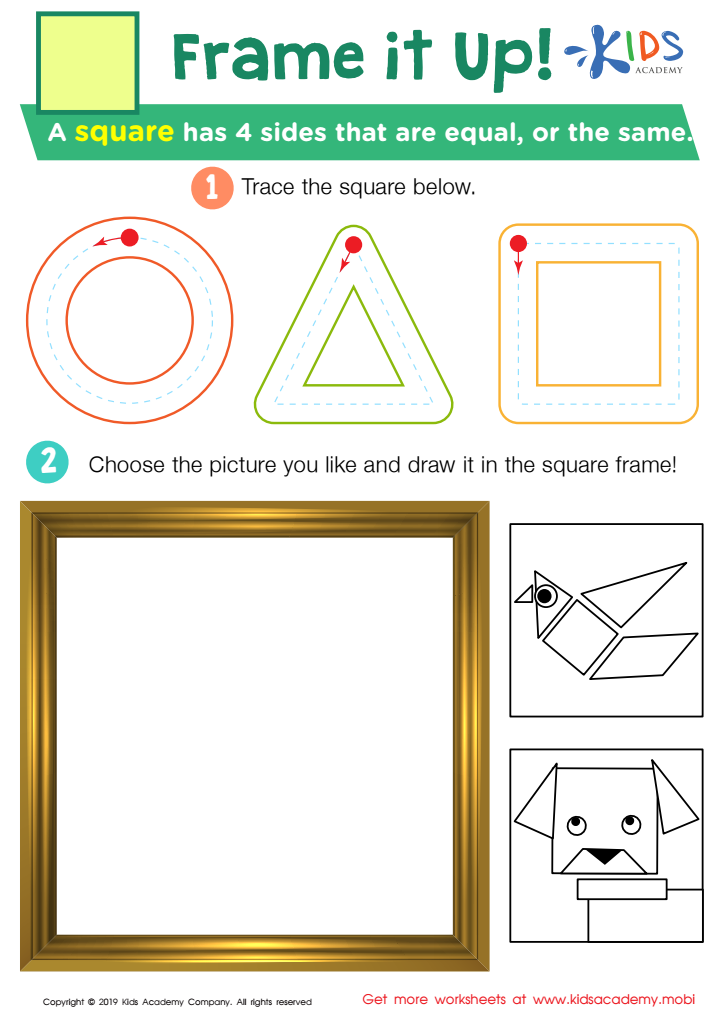
Frame it Up Worksheet
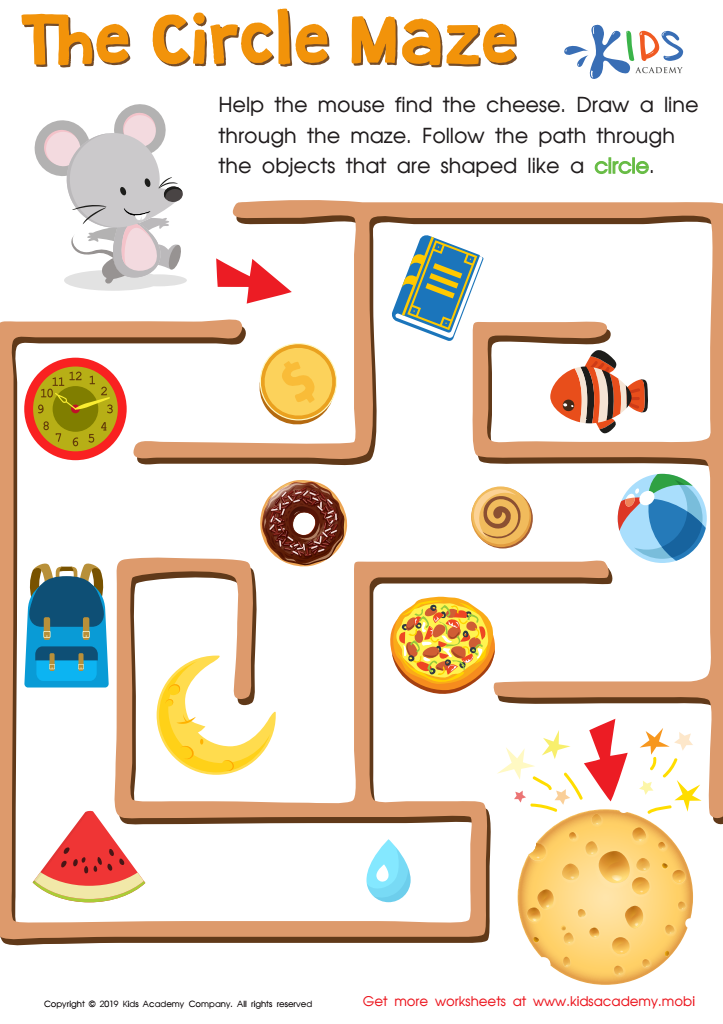
The Circle Maze Worksheet
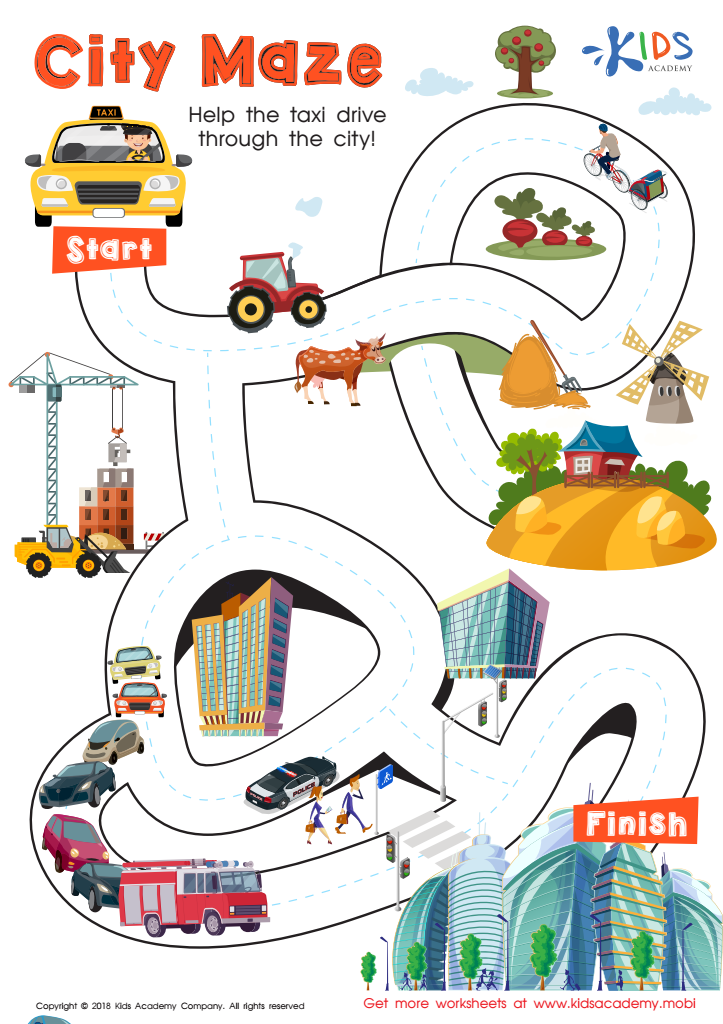
City Maze Worksheet
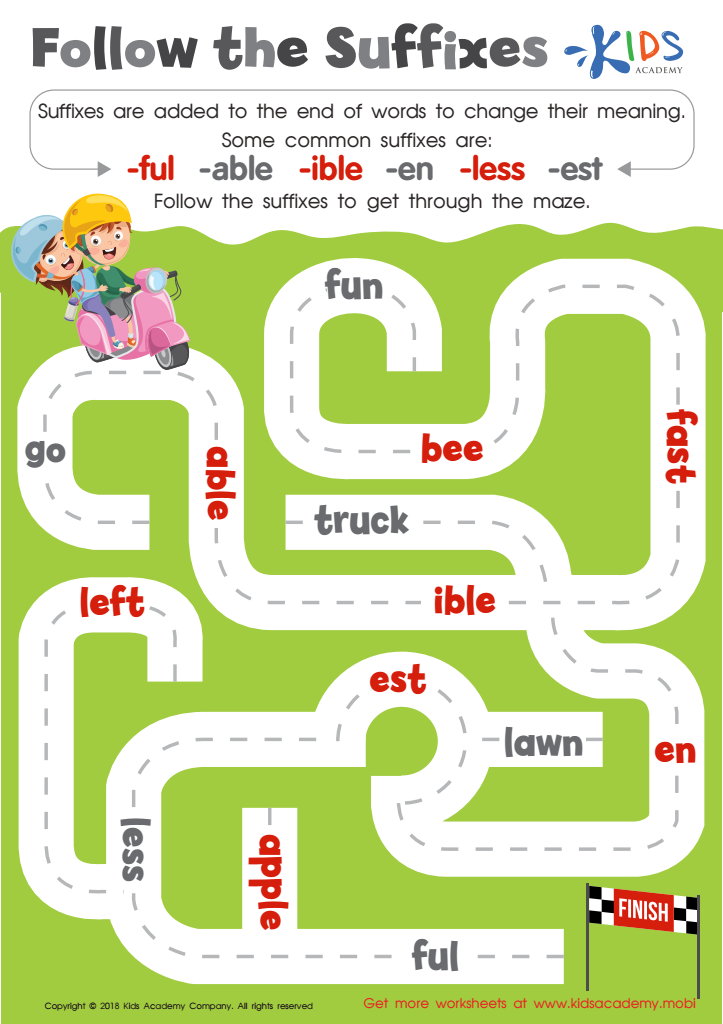
Reading: Follow the Suffixes Worksheet
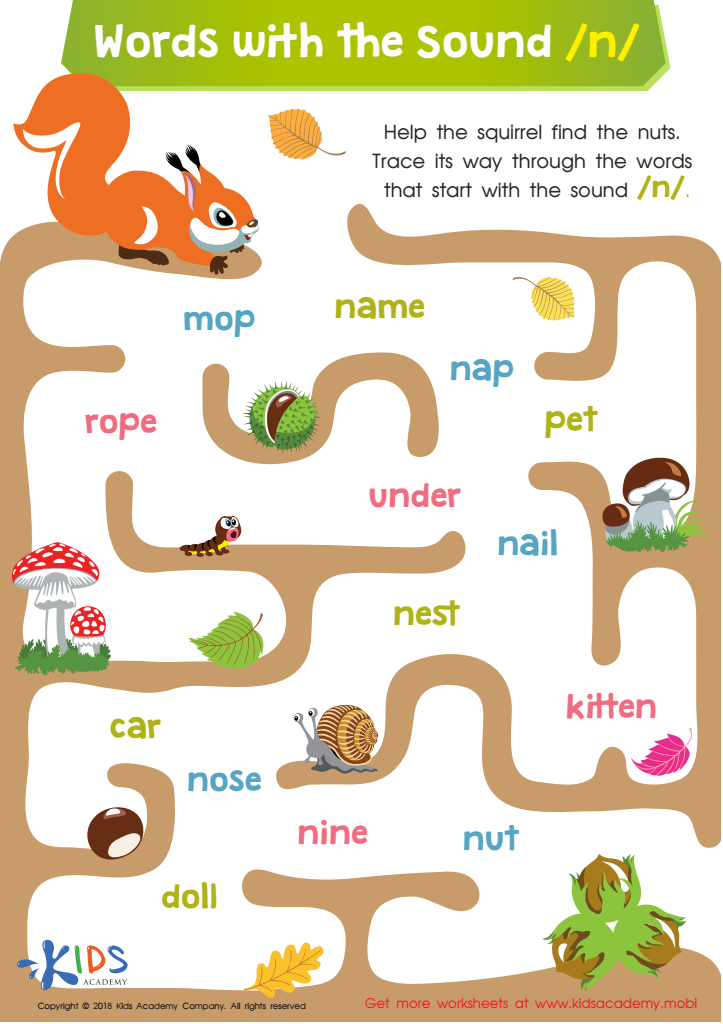
Words with Sound N Reading Worksheet
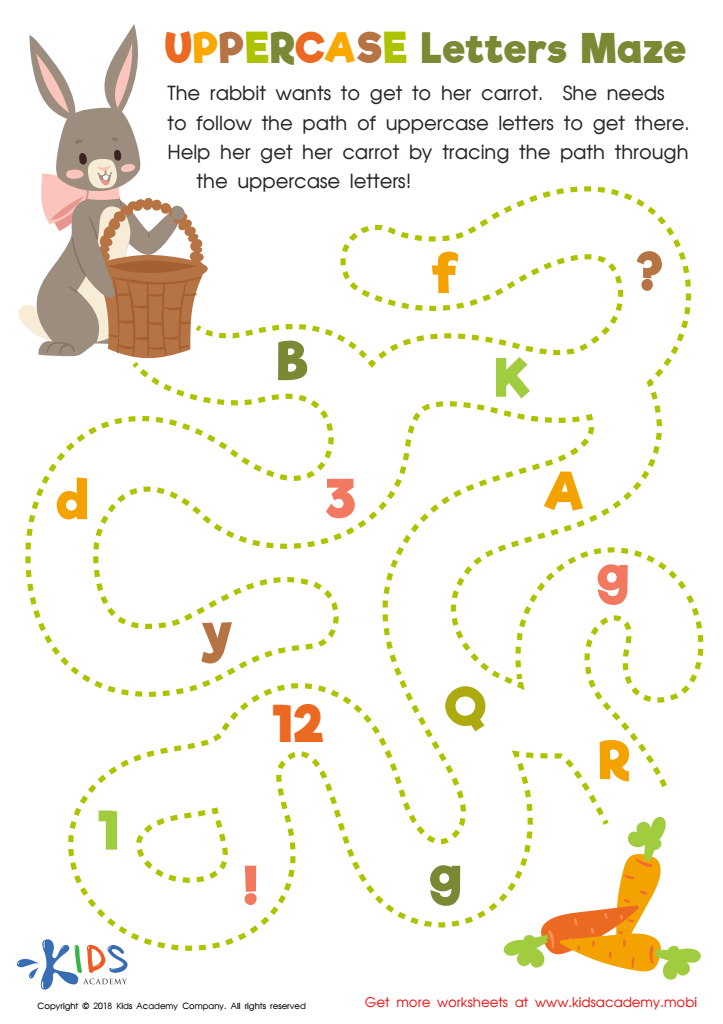
Uppercase Letters Maze Worksheet
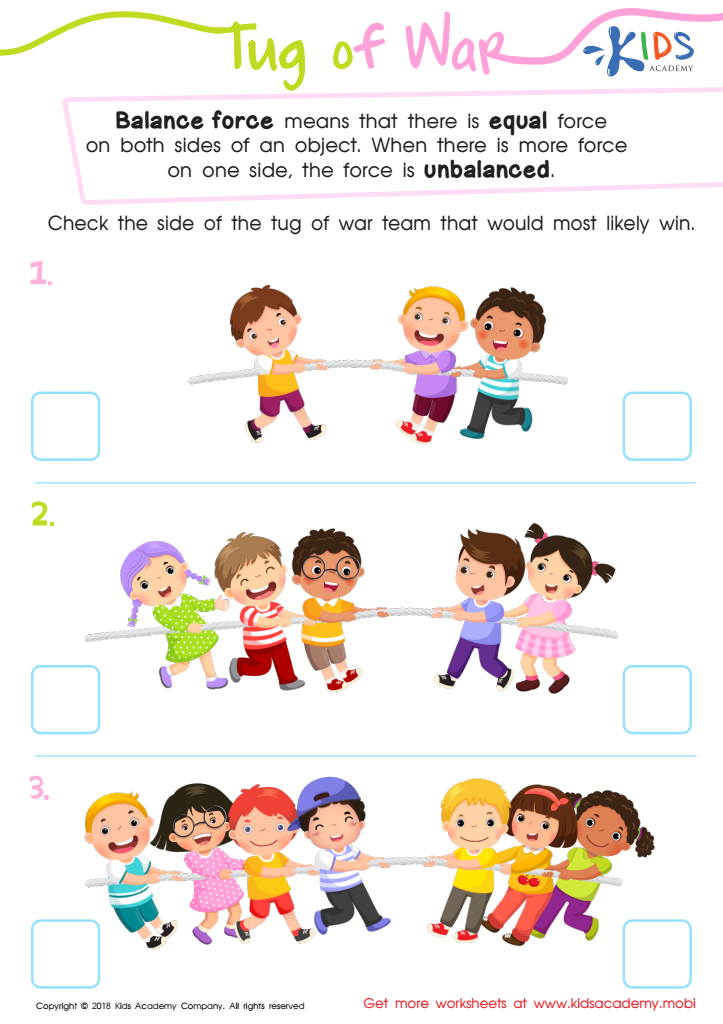
Balanced Forces Worksheet
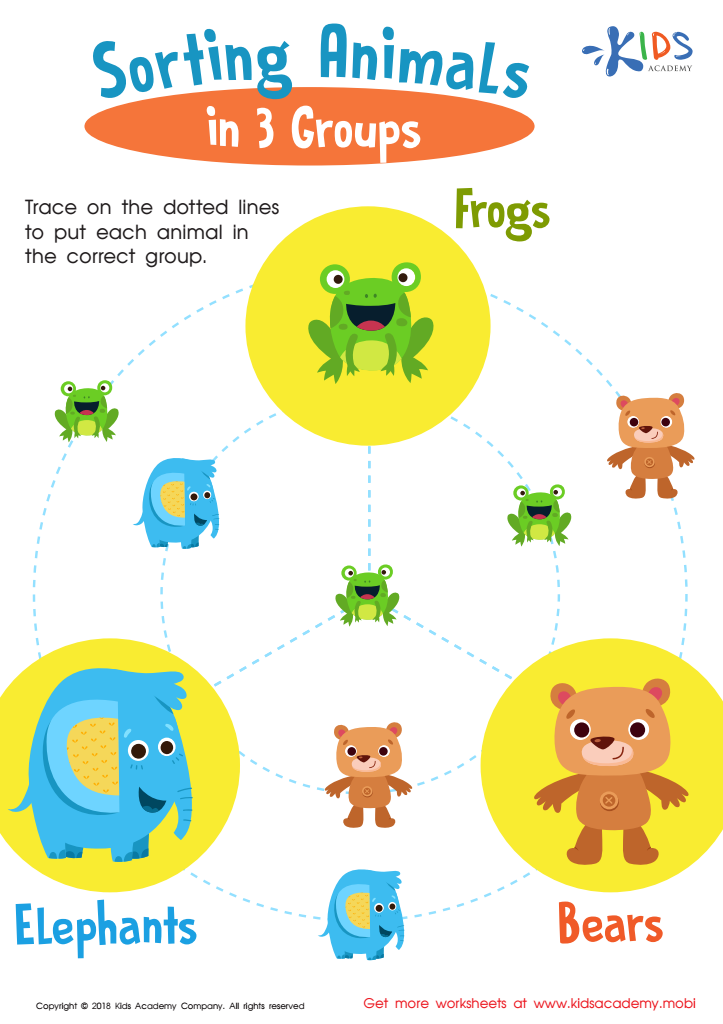
Sorting Animals in 3 Groups Worksheet
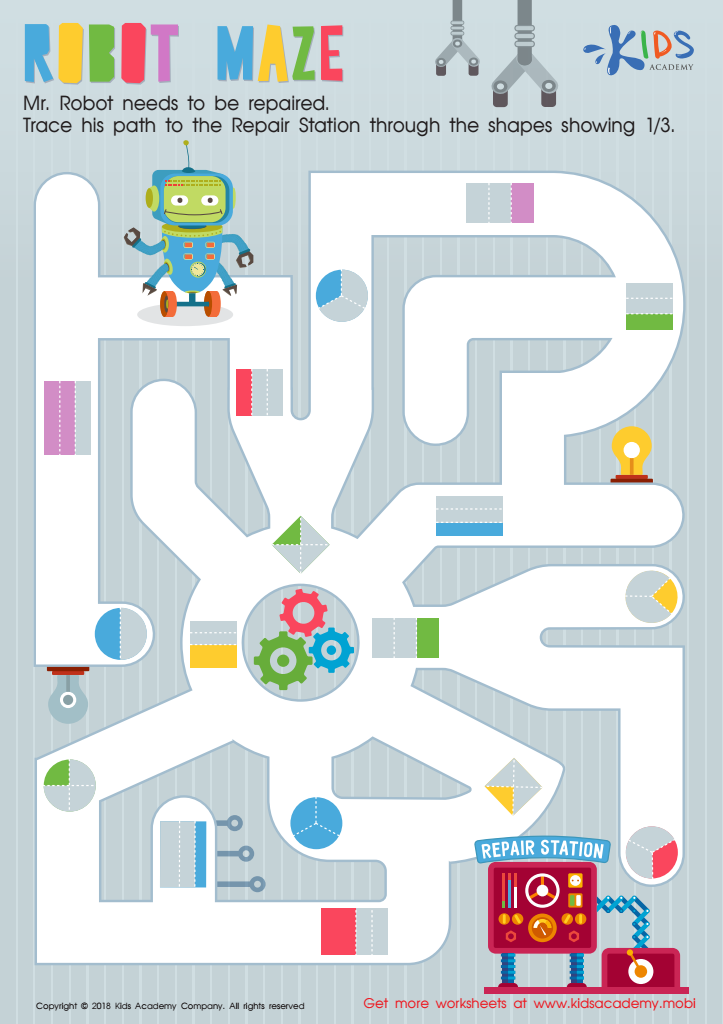
Robot Maze Worksheet
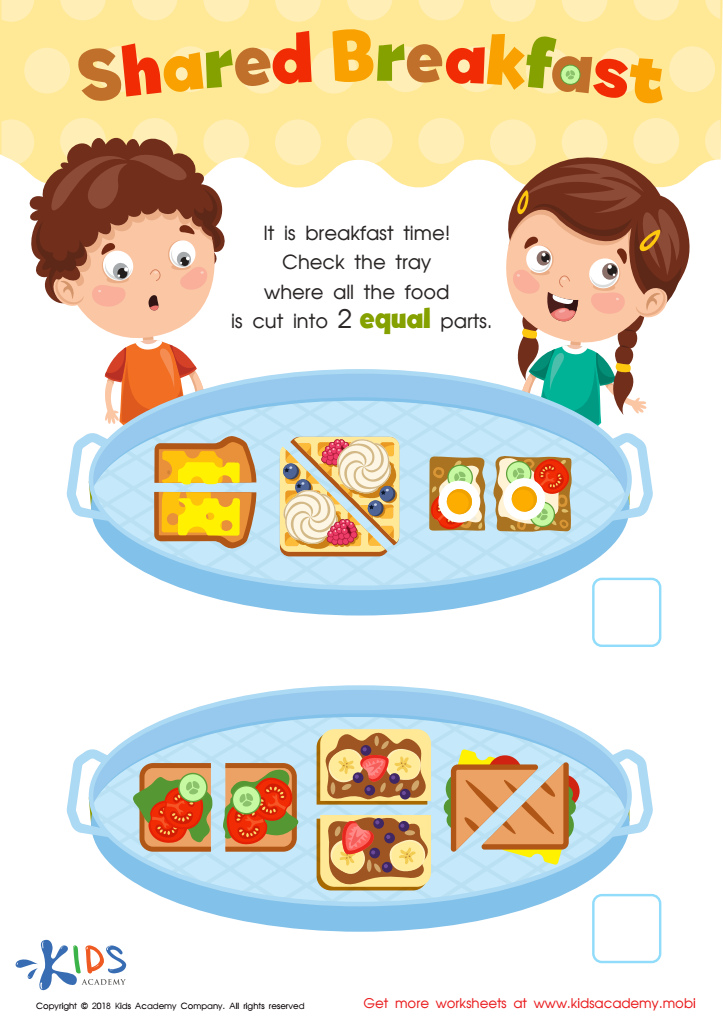
Shared Breakfast Worksheet
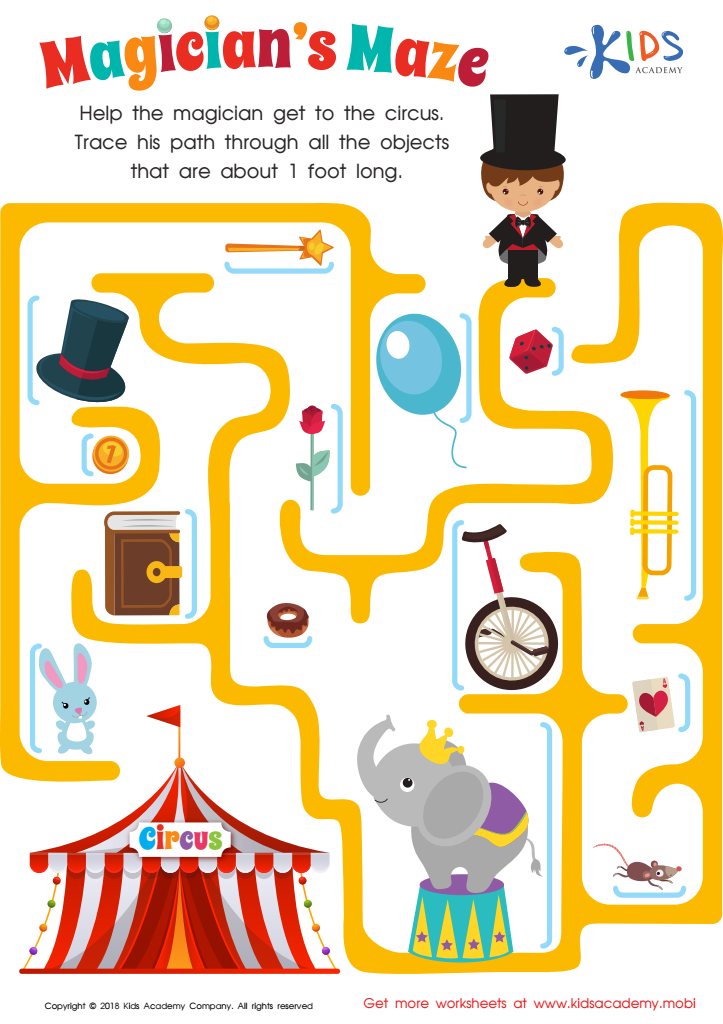
Estimating Length: Magician's Maze Worksheet
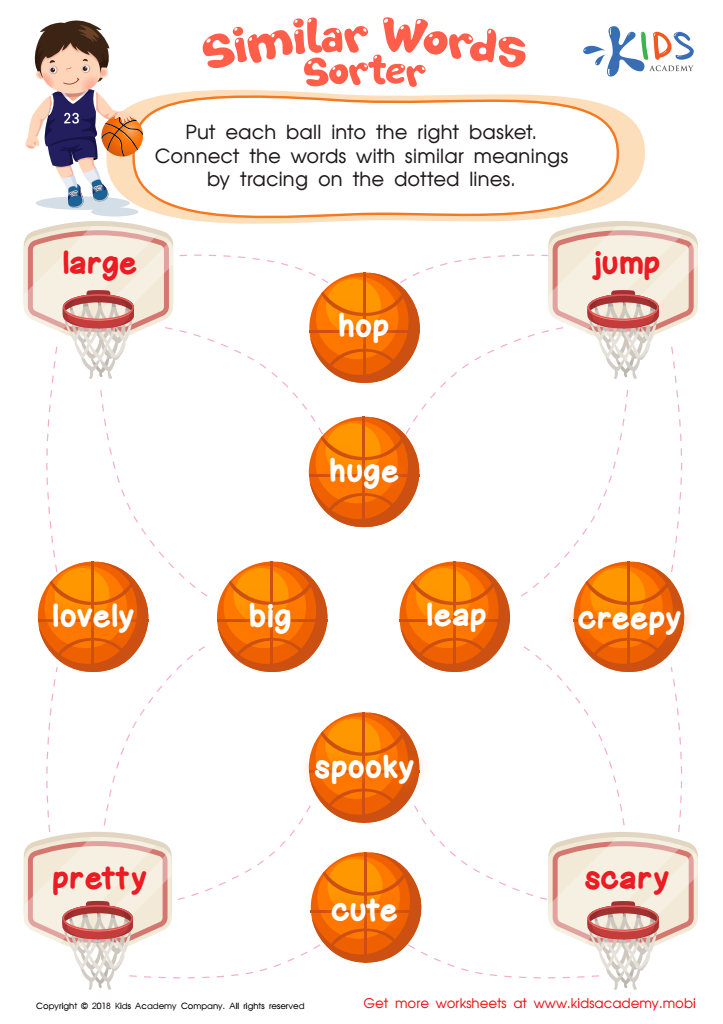
Similar Words Worksheet
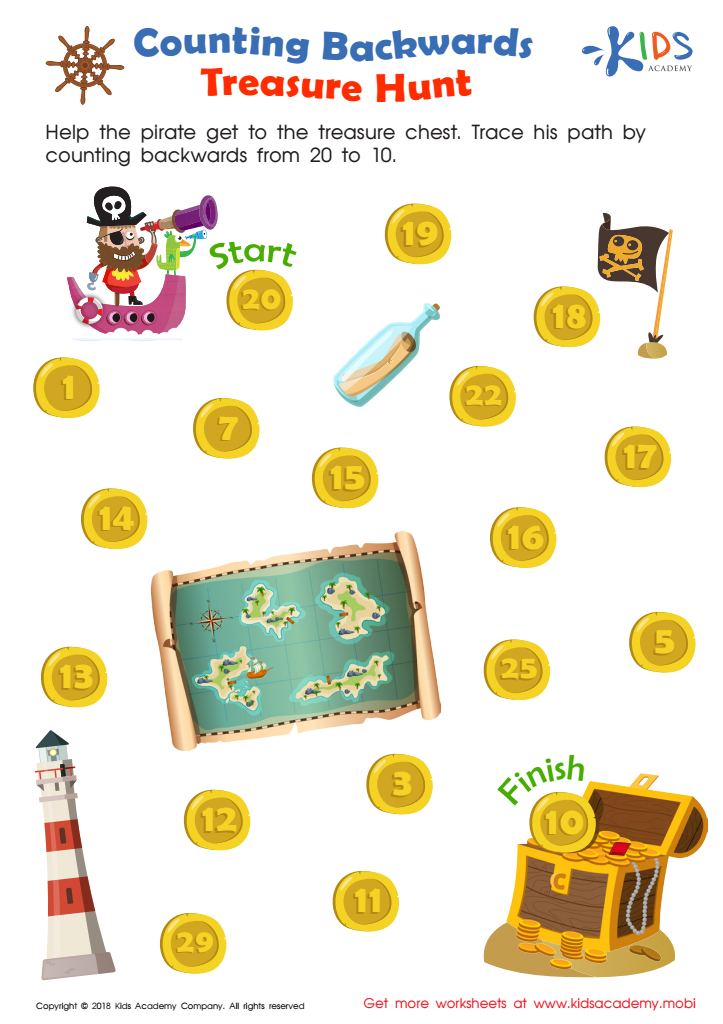
Counting Backwards: Treasure Hunt Worksheet
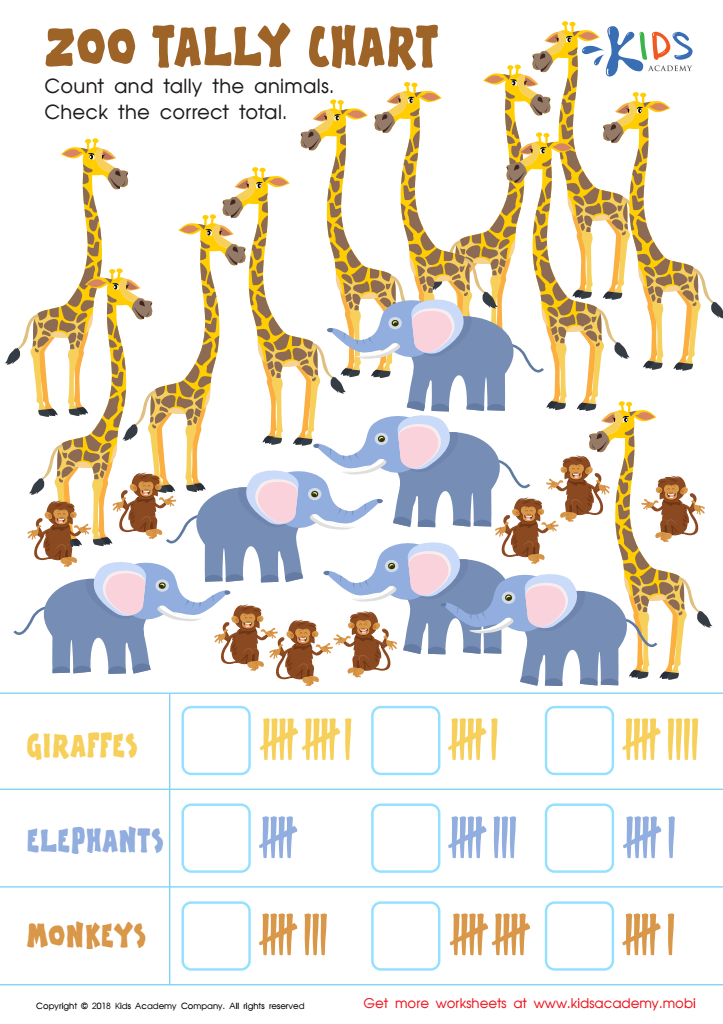
Zoo Tally Chart Worksheet
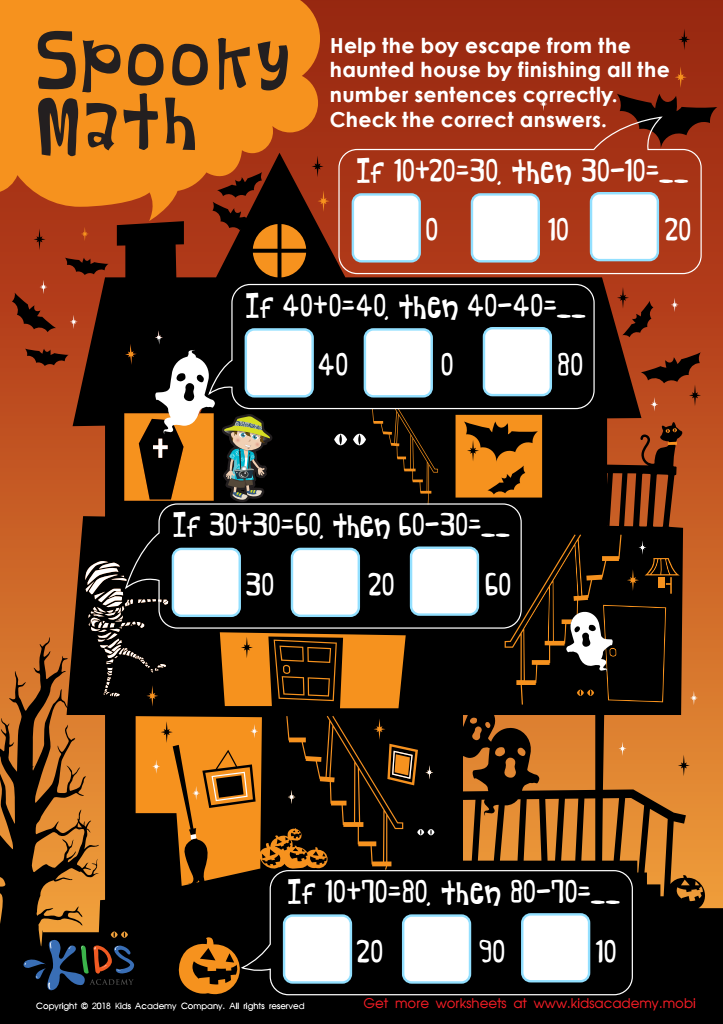
Subtract Tens: Spooky Math Worksheet
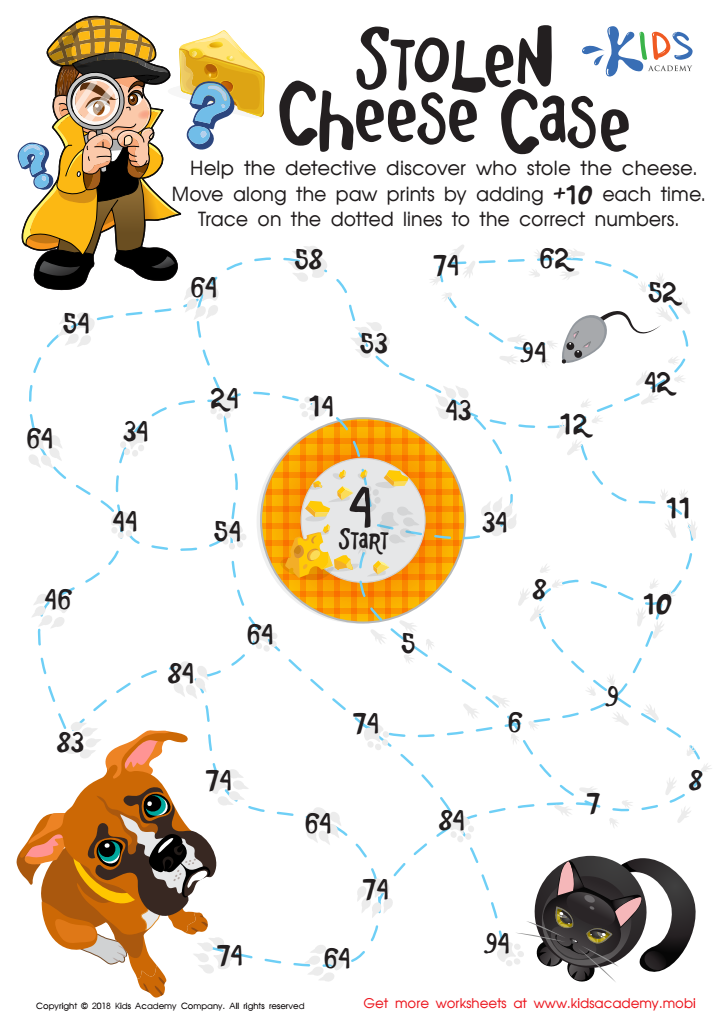
Stolen Cheese Case Maze Worksheet
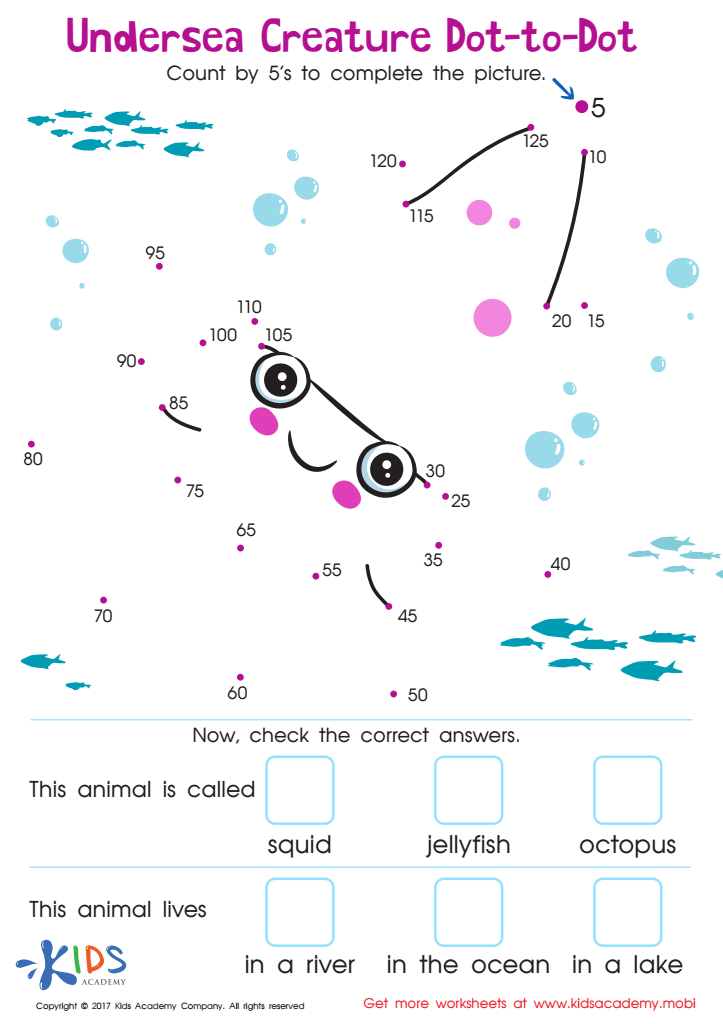
Undersea: Dot To Dot Worksheet
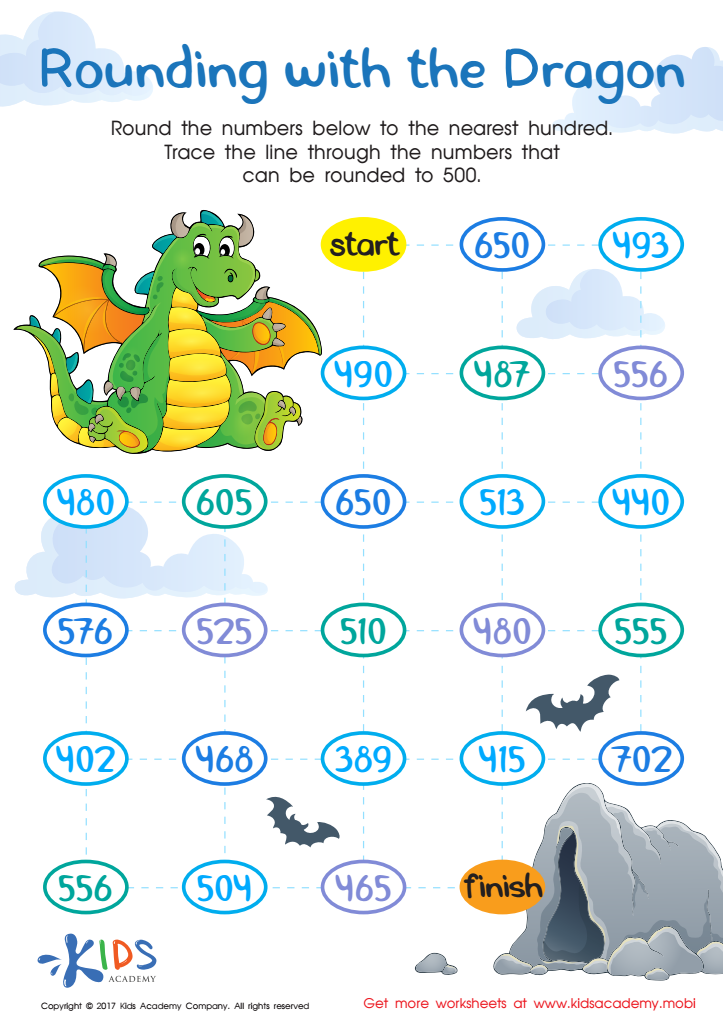
Rounding to the Nearest Hundred Worksheet







Fun Zone activities designed for ages 3-9 are crucial for early childhood development and learning. Parents and teachers should prioritize these activities because they promote essential skills in a playful and engaging manner. During these formative years, children develop foundational cognitive, social, emotional, and physical skills. Fun Zone activities, which often involve games, creative play, and hands-on learning, create a dynamic environment that captivates young minds and makes learning enjoyable.
These activities encourage critical thinking, problem-solving, and teamwork as children engage with peers in collaborative tasks. Equally important, they help nurture self-regulation and emotional intelligence, as children learn to share, take turns, and communicate effectively. Physical activities enhance motor skills and promote healthy habits.
Additionally, an emphasis on play-based learning aligns with early childhood education principles, recognizing that children learn best through exploration and experience. This approach fosters a love for learning, which is vital for long-term educational success.
Incorporating Fun Zone activities into daily routines not only supports academic growth but also strengthens the parent-child and teacher-student bond, creating a positive learning atmosphere that encourages curiosity and resilience in young learners. Overall, these activities are an investment in a child's holistic development and future academic success.








