Math worksheets activities for Ages 4-9 - Page 2
66 filtered results
-
From - To
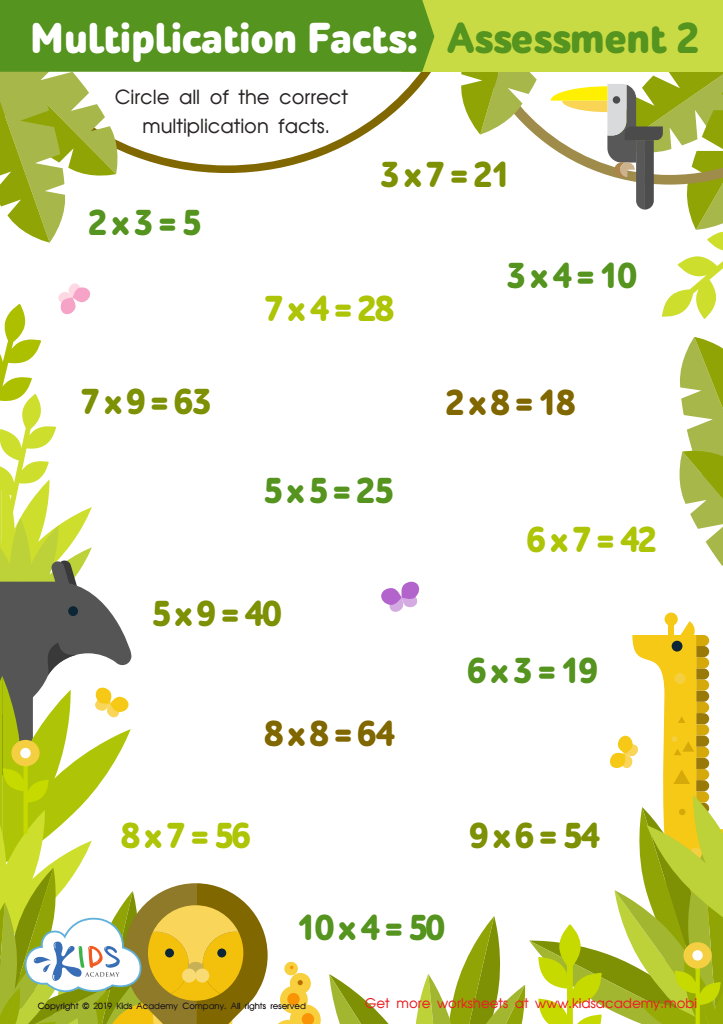
Multiplication Facts: Assessment 2 Worksheet
 Assign to My Students
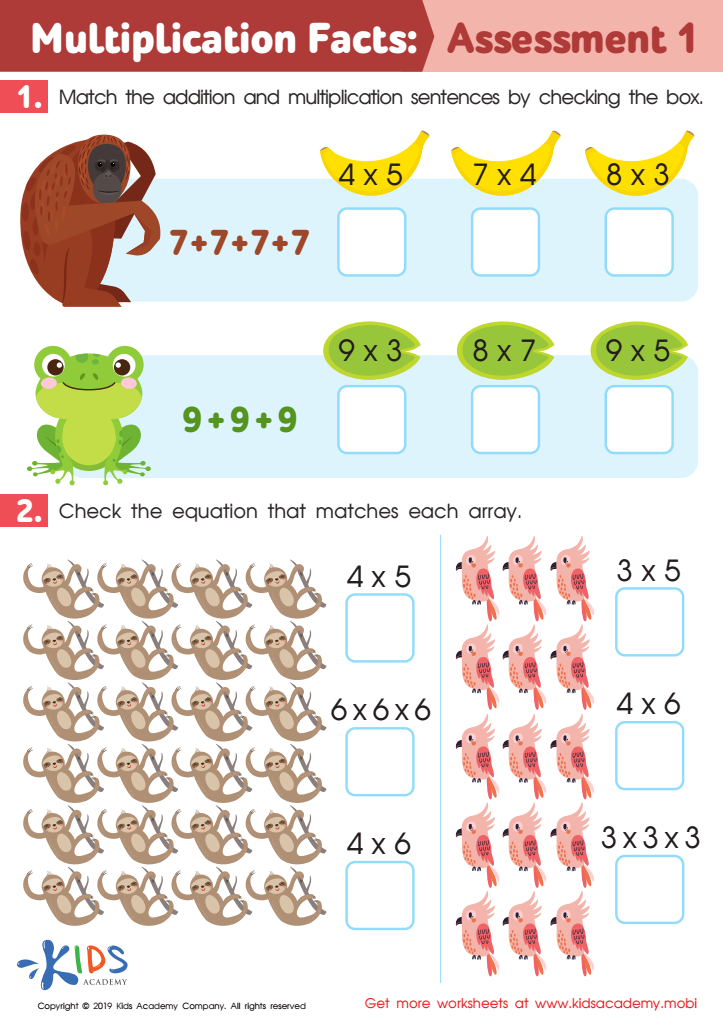
Multiplication Facts: Assessment 1 Worksheet
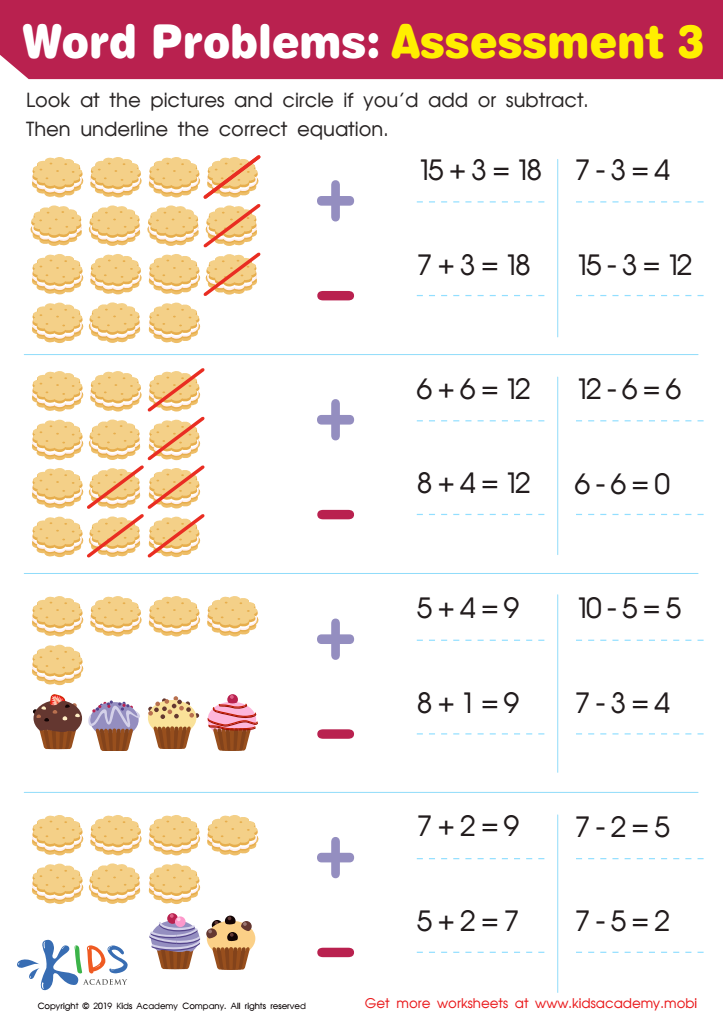
Word Problems: Assessment 3 Worksheet
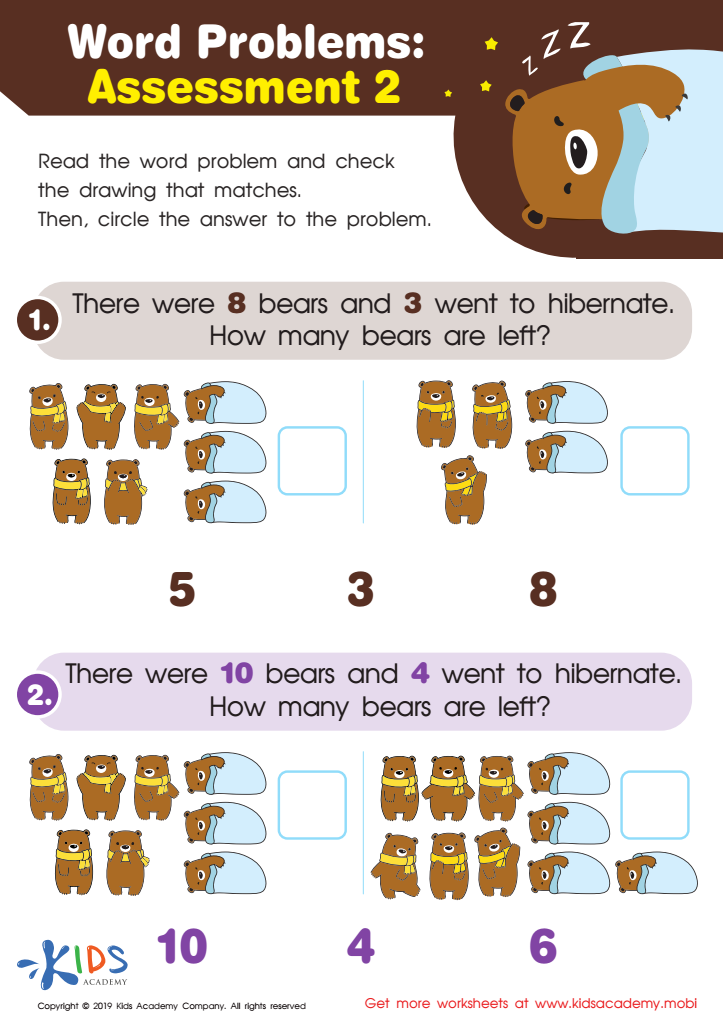
Word Problems: Assessment 2 Worksheet
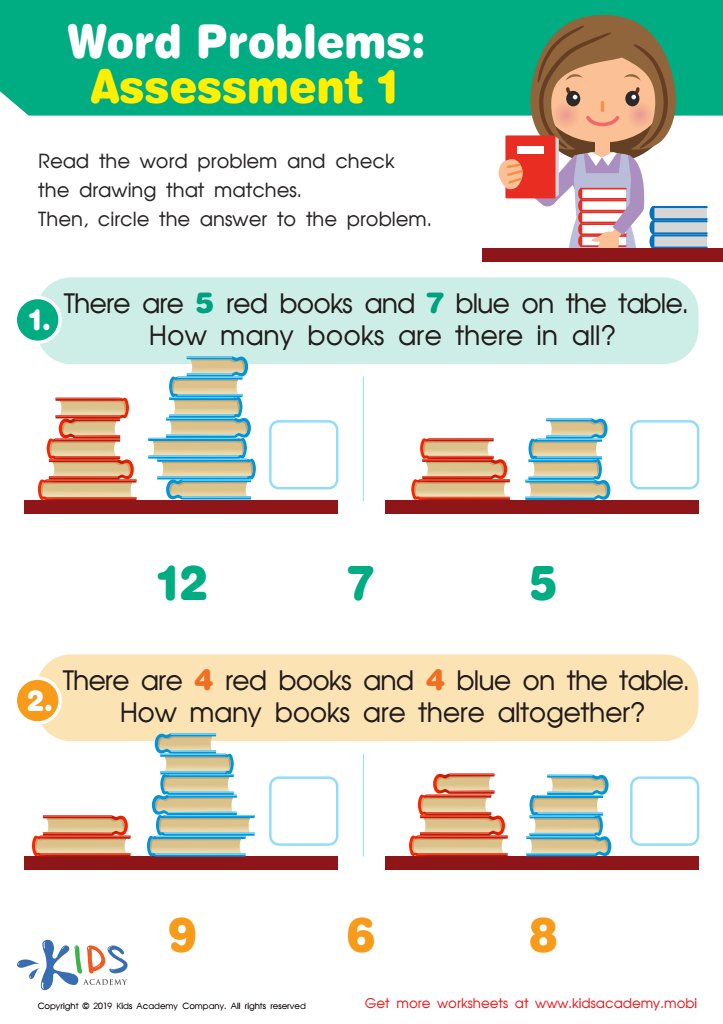
Word Problems: Assessment 1 Worksheet
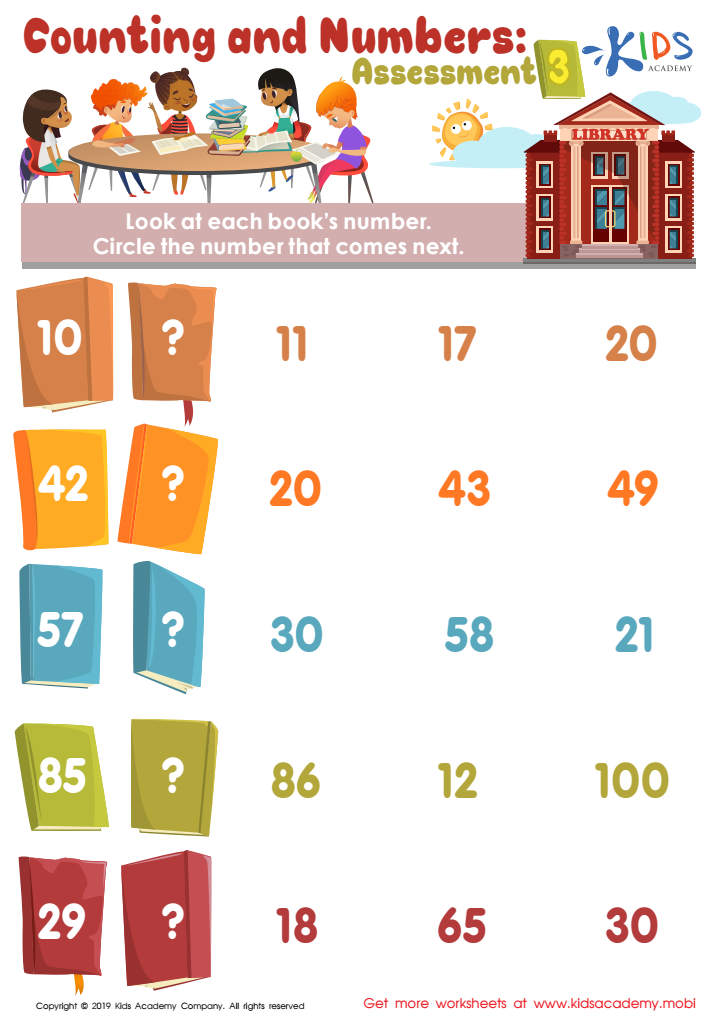
Counting and Numbers: Assessment Worksheet
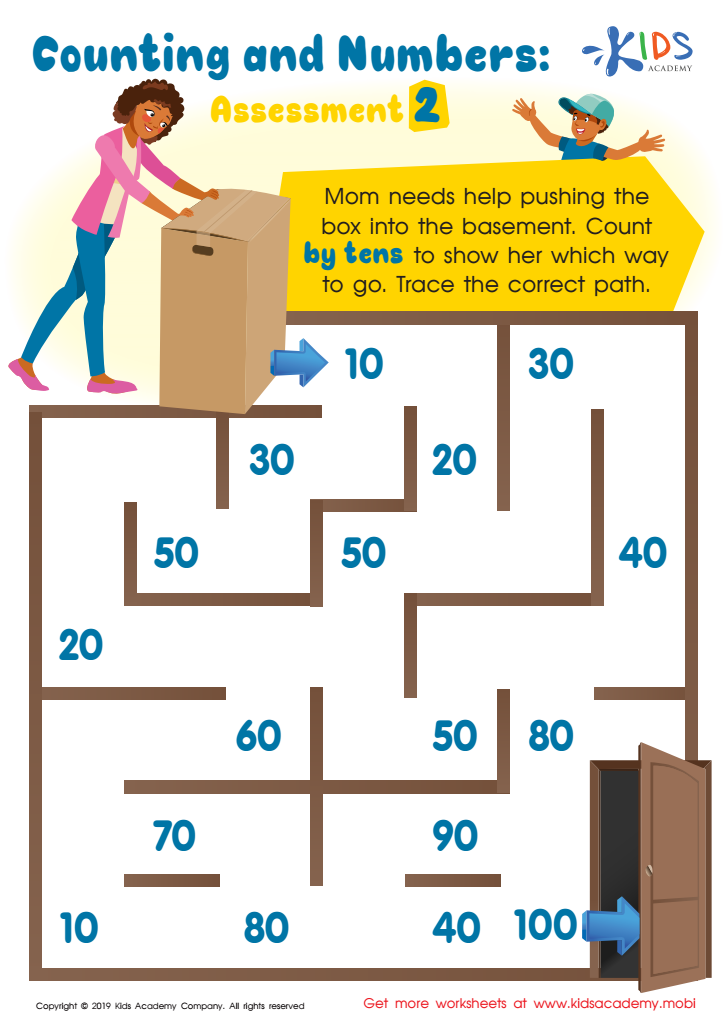
Counting and Numbers: Assessment 2 Worksheet
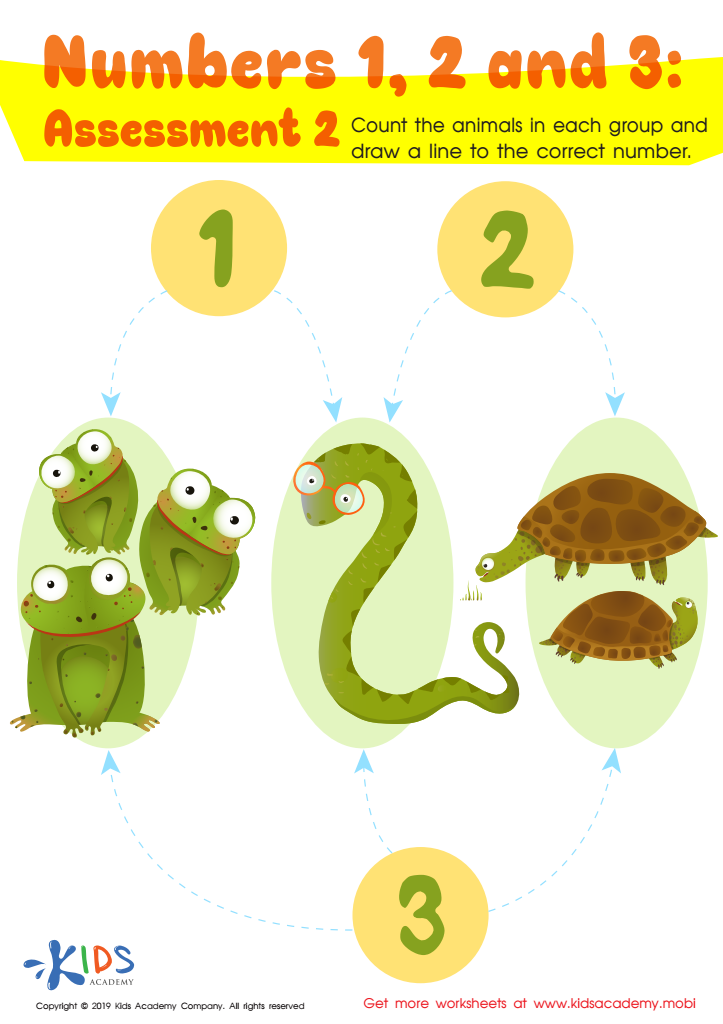
Numbers 1, 2 and 3: Assessment 2 Worksheet
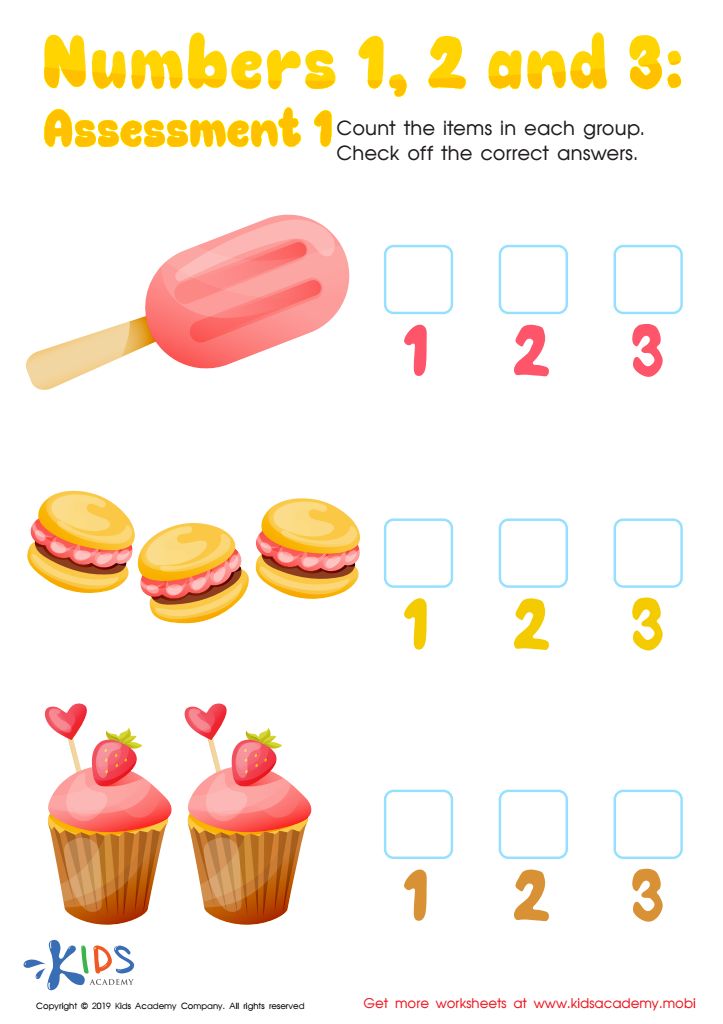
Numbers 1, 2 and 3: Assessment 1 Worksheet
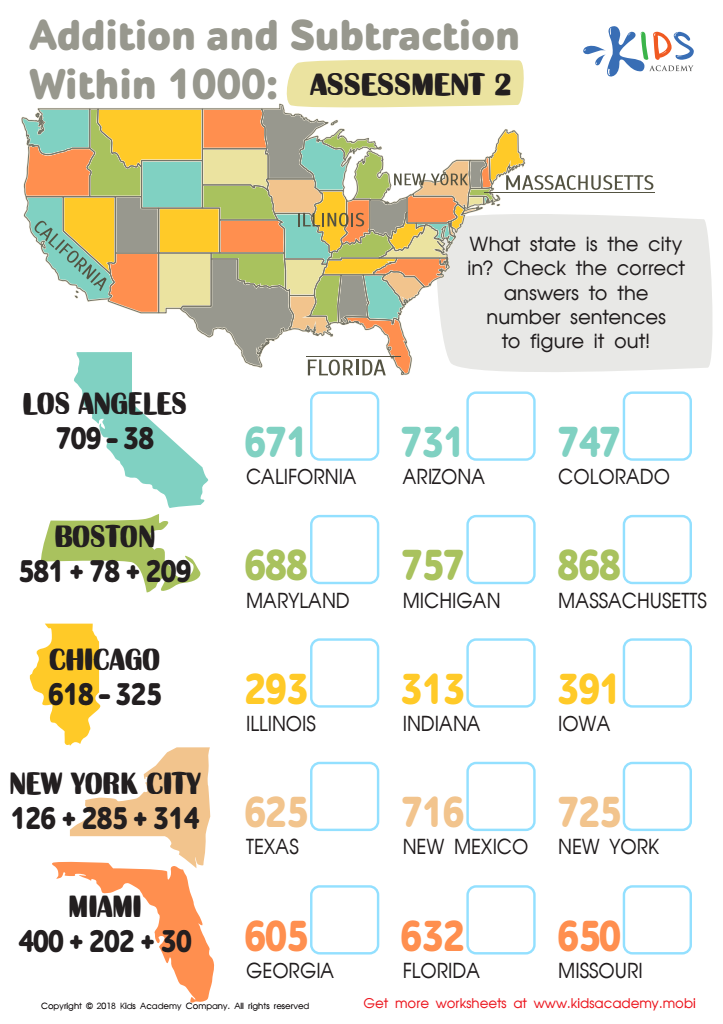
Addition and Subtraction Within 1000: Assessment 2 Worksheet
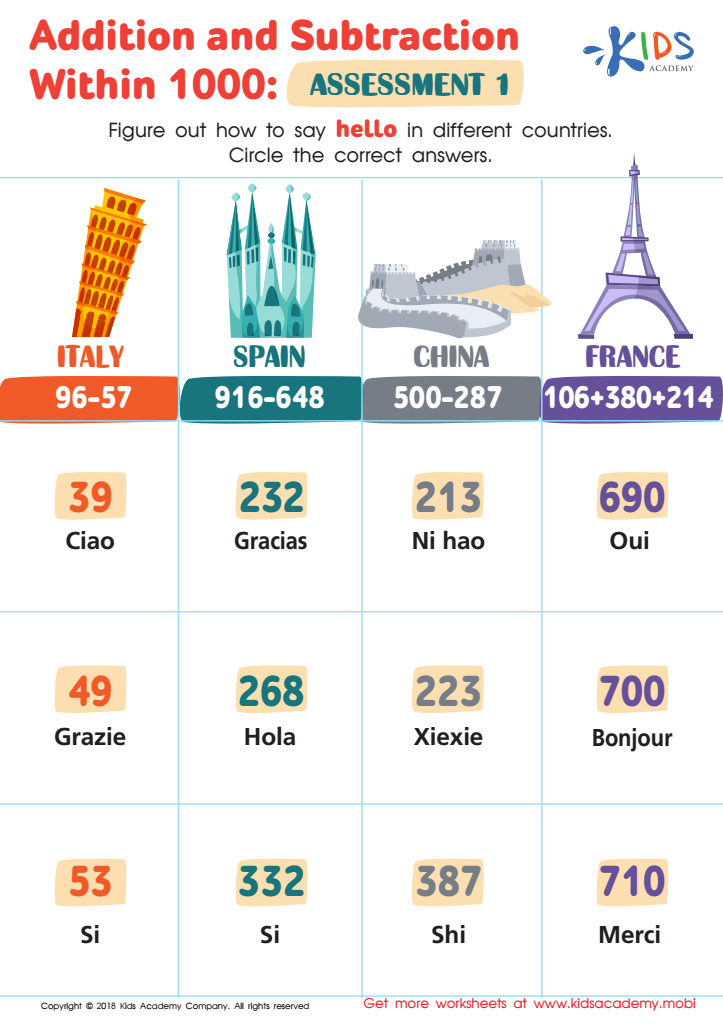
Addition and Subtraction Within 1000: Assessment 1 Worksheet
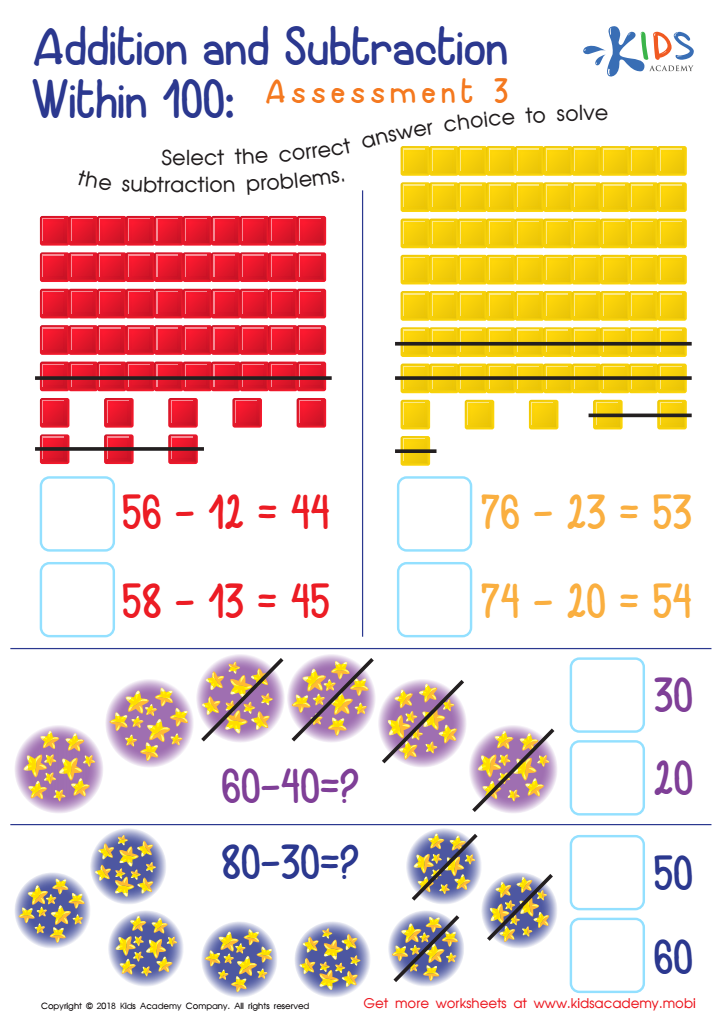
Addition and Subtraction Within 1: Assessment 3 Worksheet
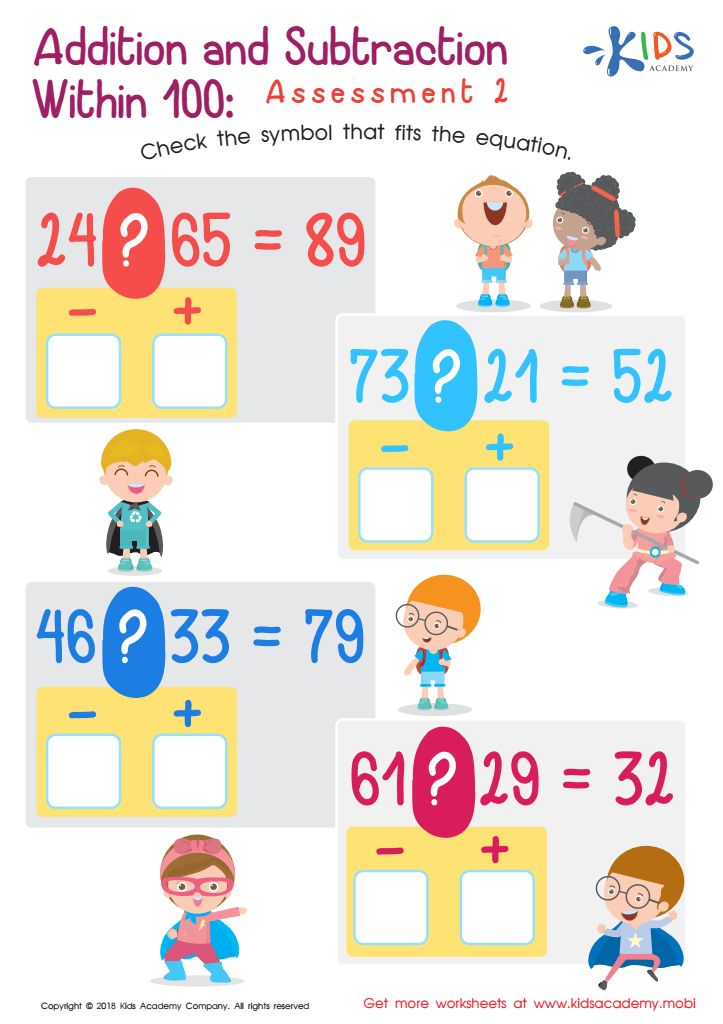
Addition and Subtraction Within 1: Assessment 2 Worksheet
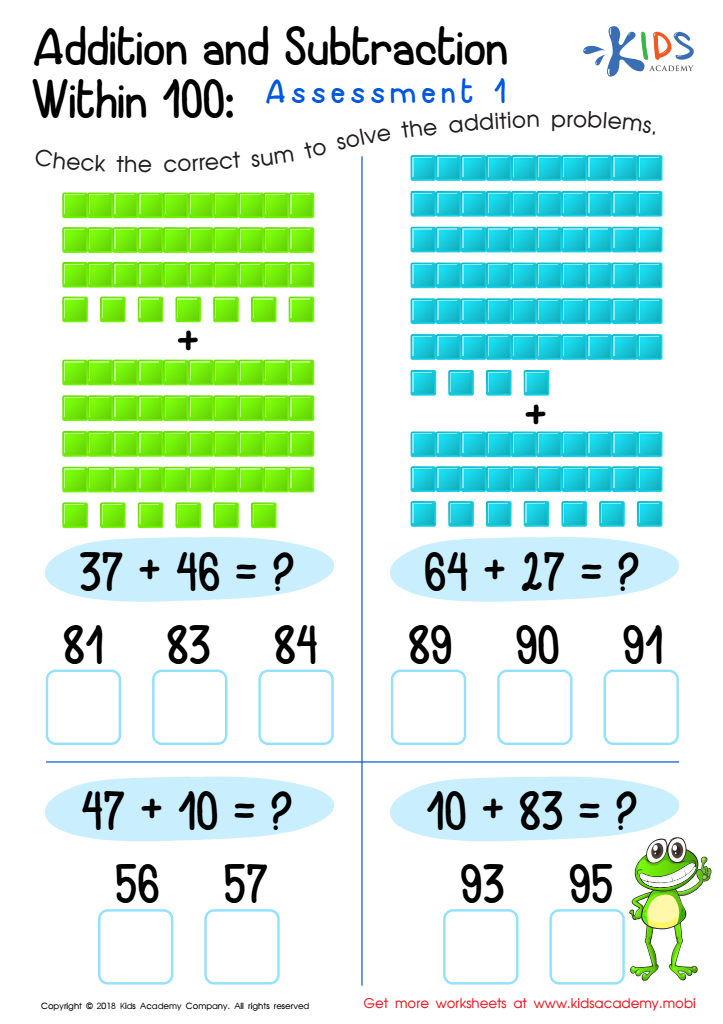
Addition and Subtraction Within 1: Assessment 1 Worksheet
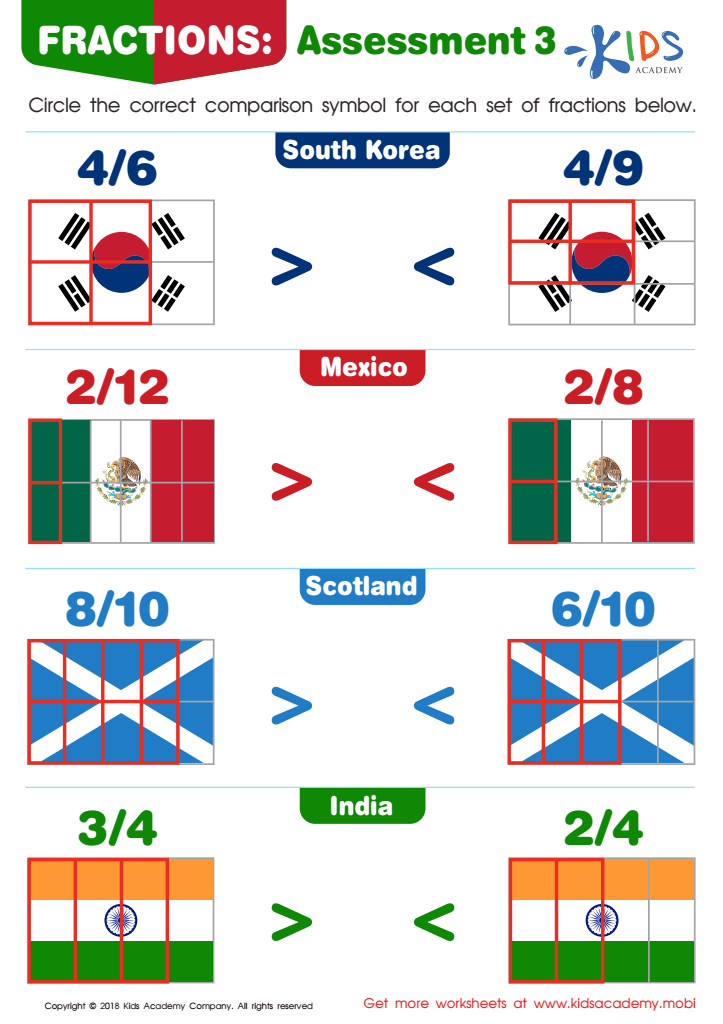
Fractions: Assessment 3 Worksheet
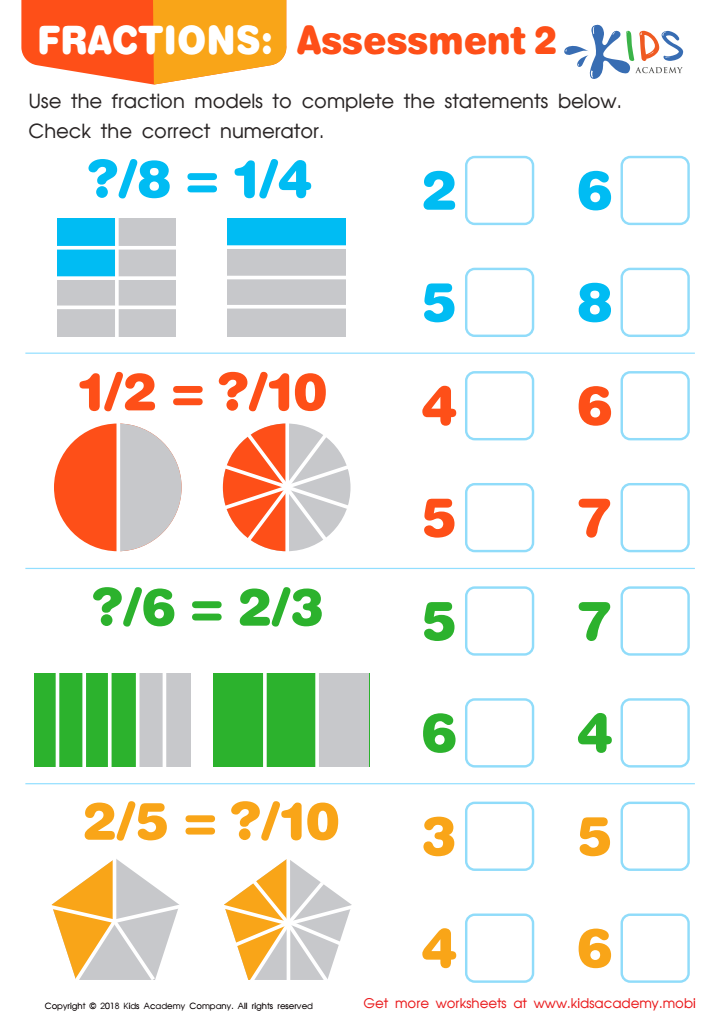
Fractions: Assessment 2 Worksheet
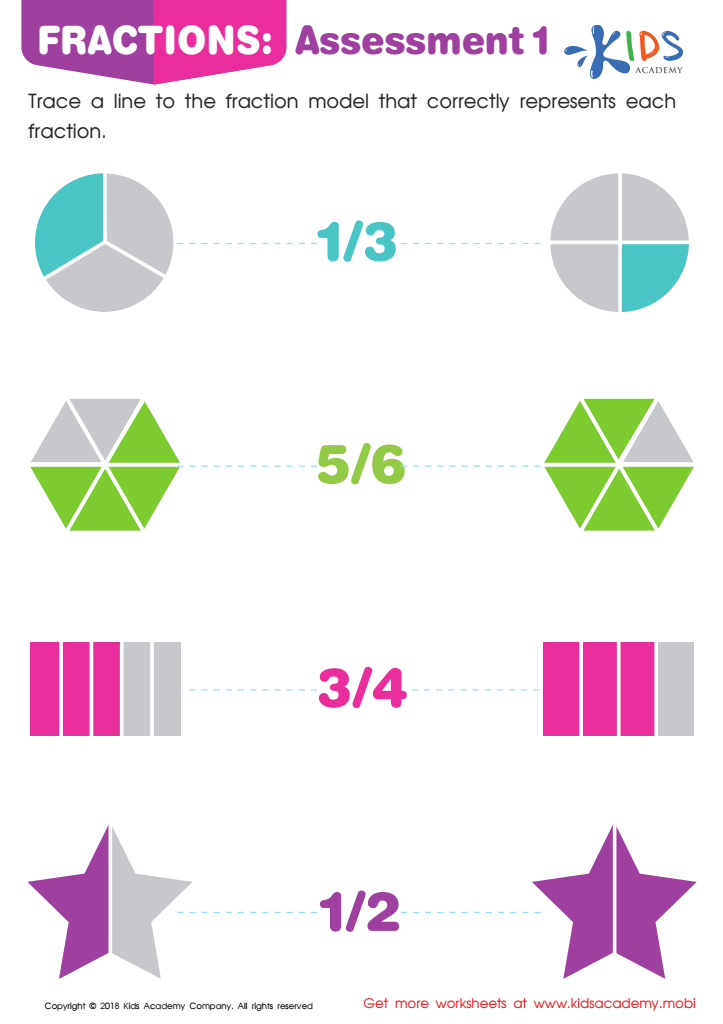
Fractions: Assessment 1 Worksheet
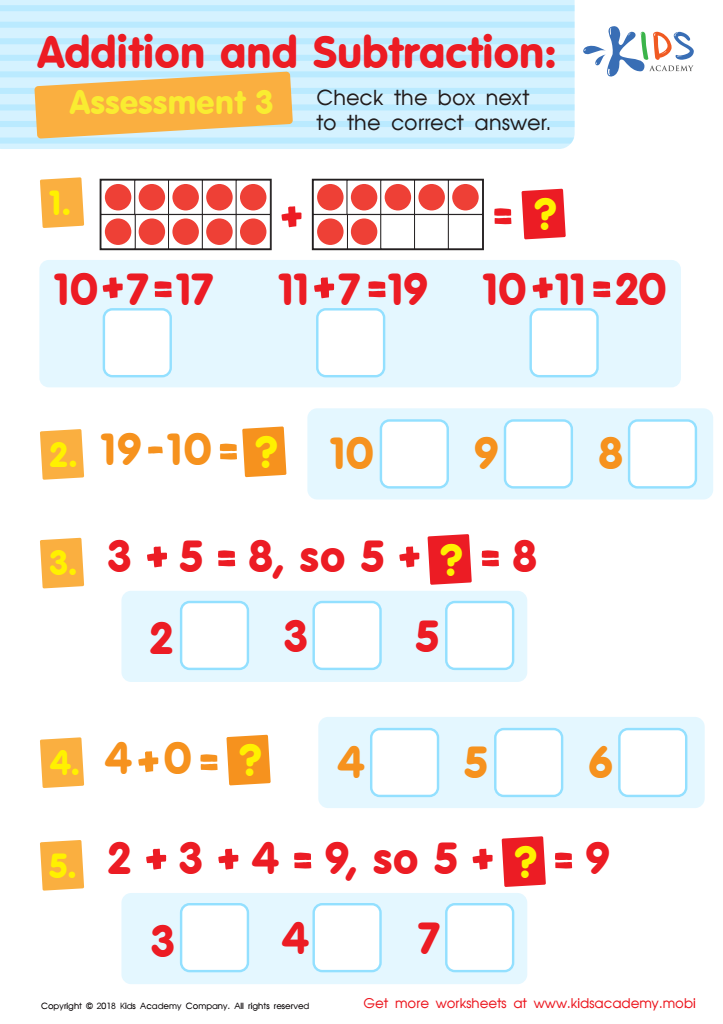
Addition and Subtraction Assessment 3 Worksheet
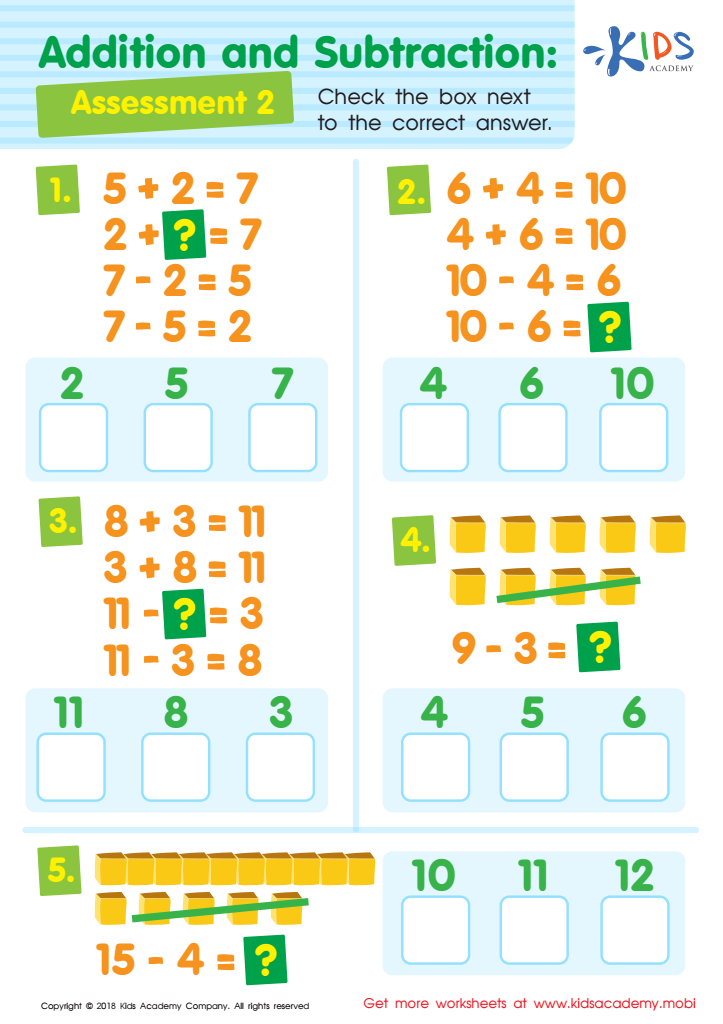
Addition and Subtraction Assessment 2 Worksheet
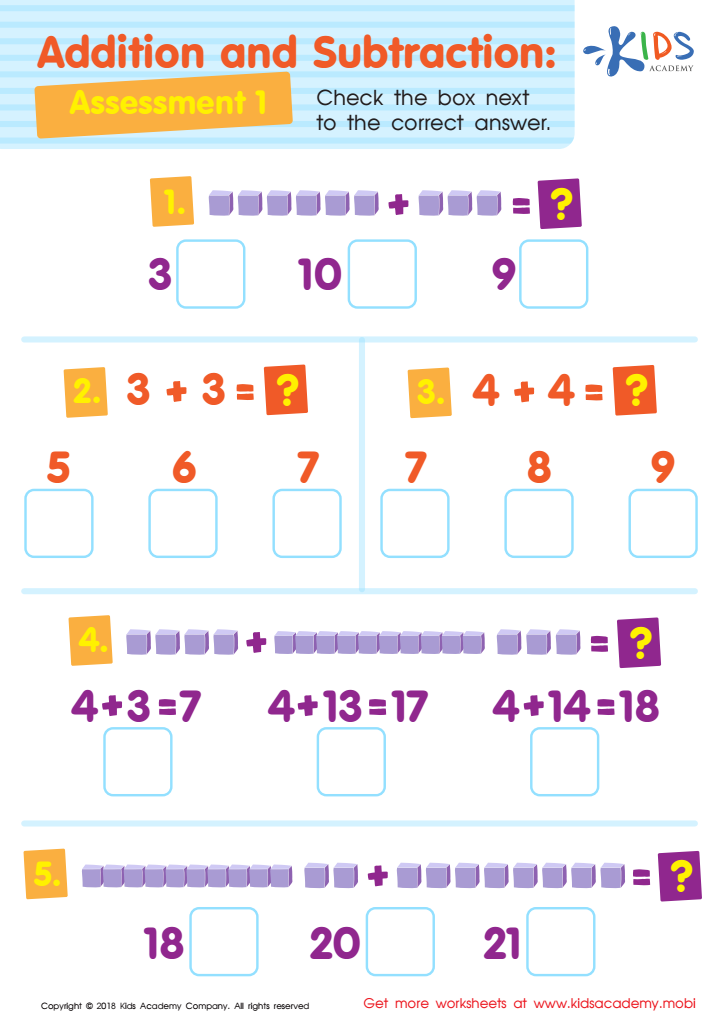
Addition and Subtraction Assessment 1 Worksheet
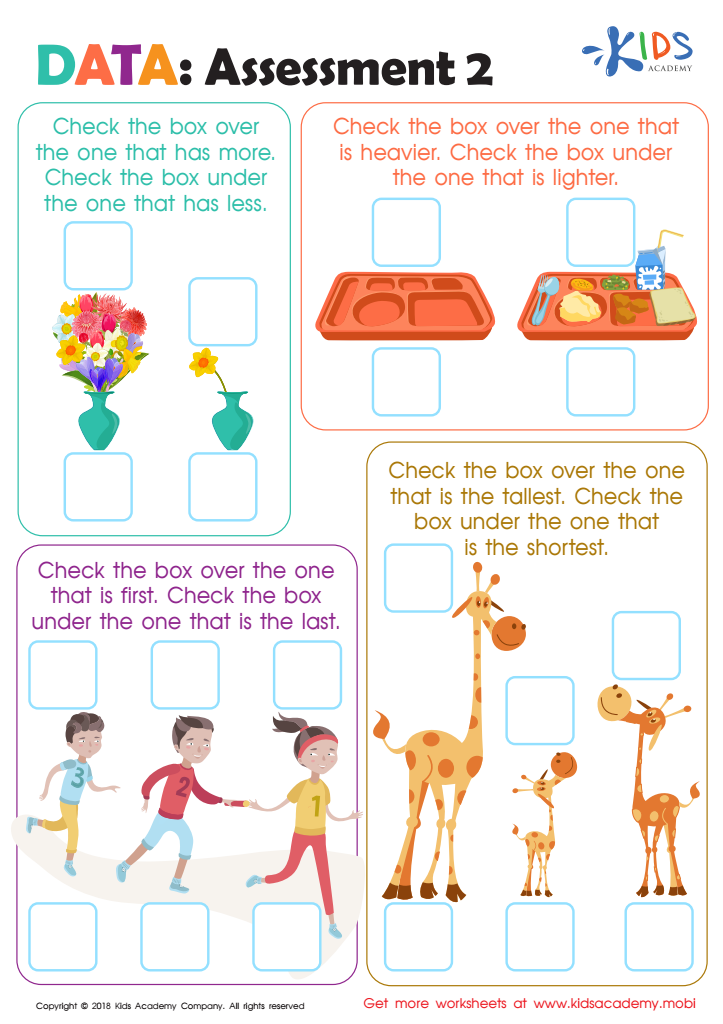
Data: Assessment 2 Worksheet
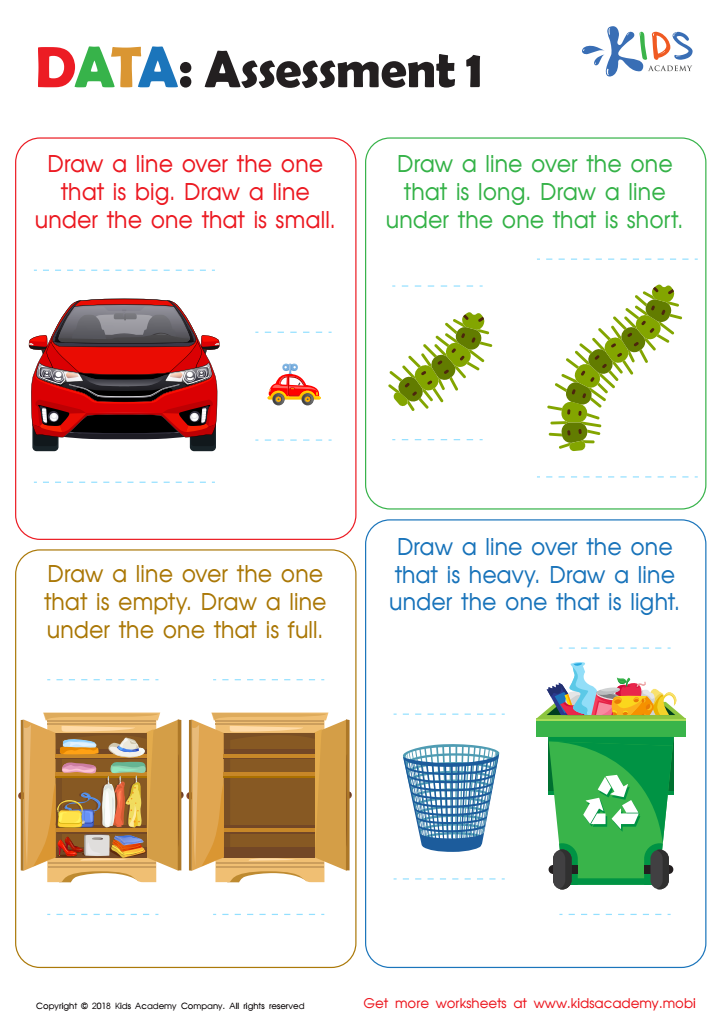
Data: Assessment 1 Worksheet
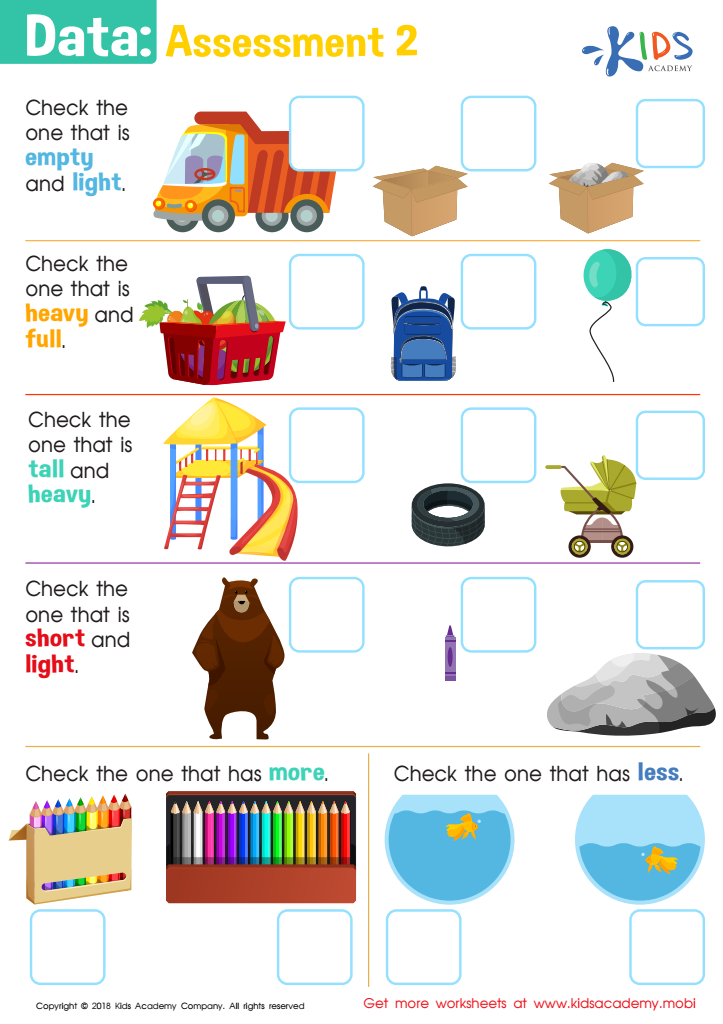
Data: Assessment 2 Worksheet
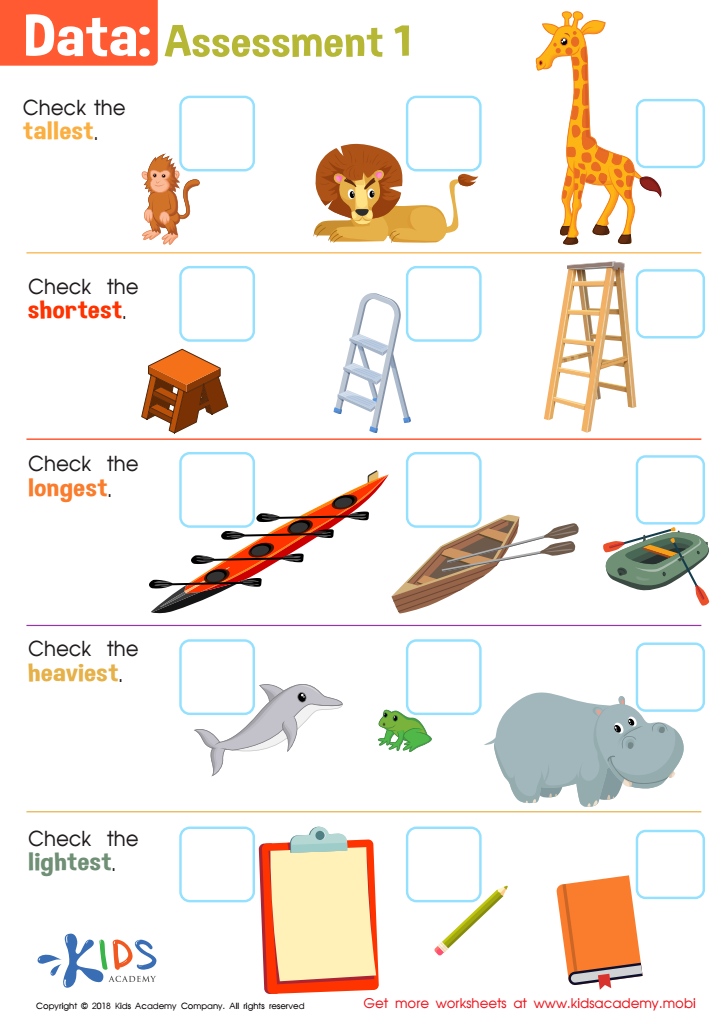
Data: Assessment 1 Worksheet







Parents and teachers should prioritize math activities for children aged 4-9 because these formative years are critical for cognitive development. Engaging in math-related tasks at this age nurtures essential skills such as problem-solving, logical reasoning, and critical thinking, laying a strong foundation for future academic success. Early exposure to math concepts not only enhances numerical fluency but also fosters a love for learning, which can positively affect a child’s attitude towards education as they progress through school.
Moreover, math activities can enhance fine motor skills through hands-on experiences like counting objects, sorting shapes, or using math games. These activities often encourage collaboration and social interaction, fostering communication and teamwork among peers. Integrating math into daily routines helps children understand its relevance in real life, illustrating concepts like measurement and patterns through cooking, shopping, or playing.
Additionally, engaging children in math activities promotes a growth mindset, helping them develop resilience and cope with challenges. Overall, these activities play a vital role in a child's holistic development, and reinforcing these skills at an early age can promote long-term benefits in their academic journey and beyond. Parents and teachers serve as crucial facilitators in making math enjoyable and meaningful for young learners.








