Math worksheets activities for Ages 5-9 - Page 2
66 filtered results
-
From - To
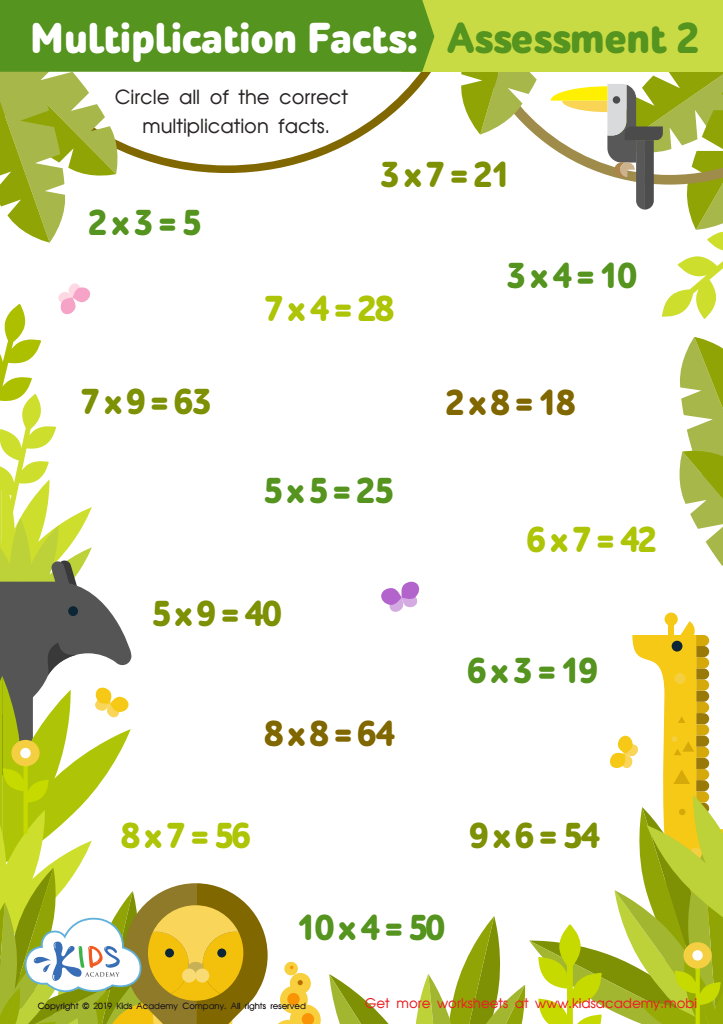
Multiplication Facts: Assessment 2 Worksheet
 Assign to My Students
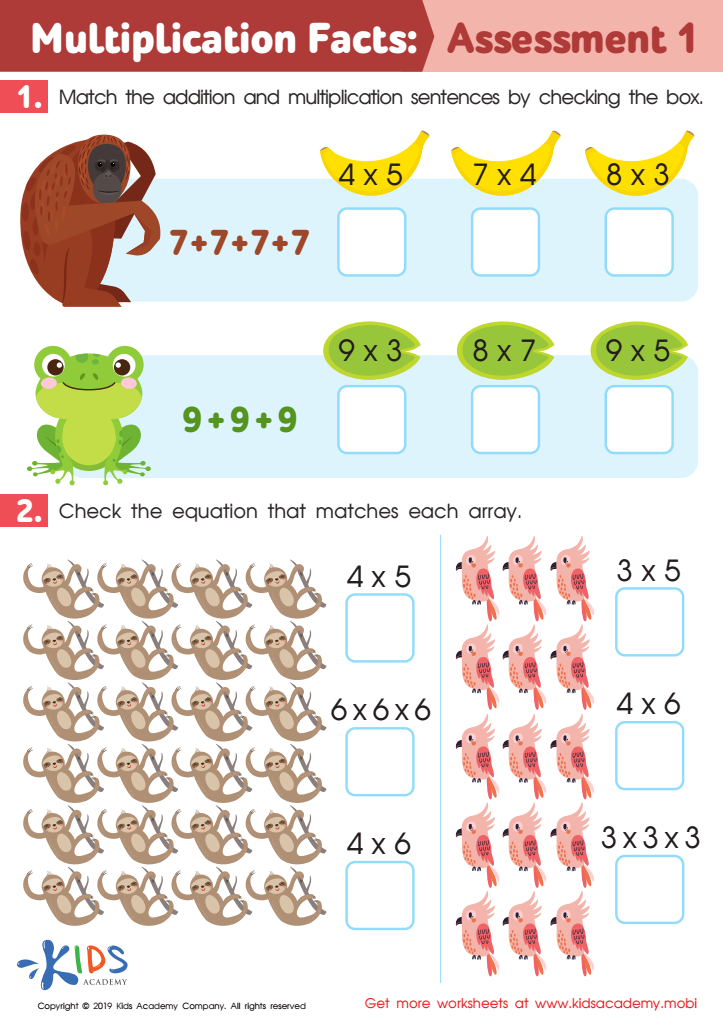
Multiplication Facts: Assessment 1 Worksheet
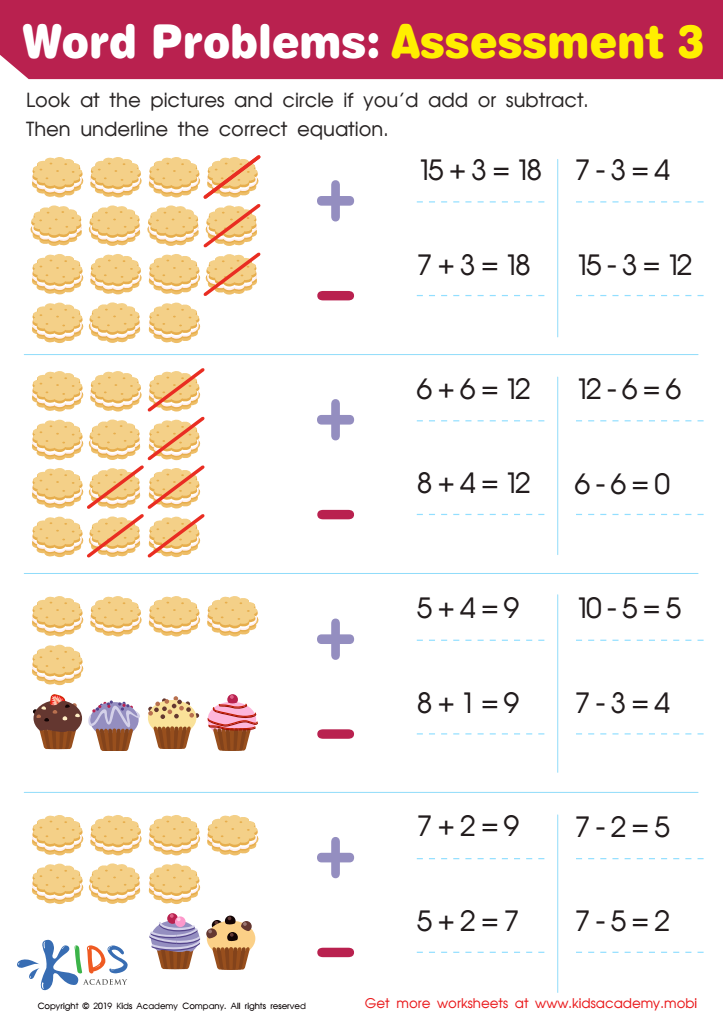
Word Problems: Assessment 3 Worksheet
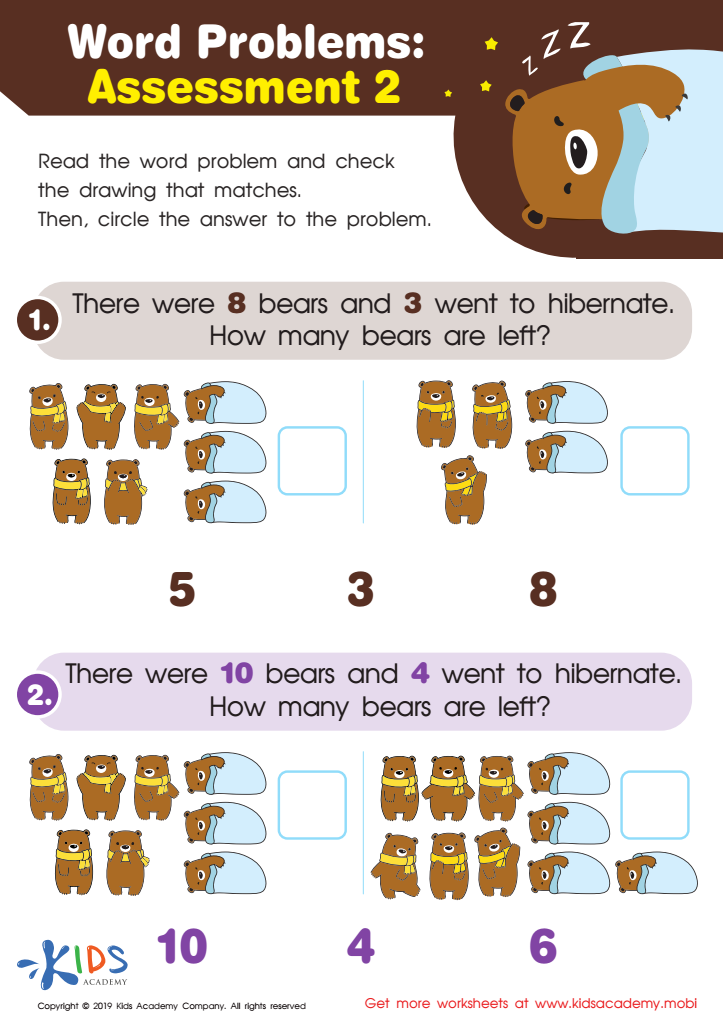
Word Problems: Assessment 2 Worksheet
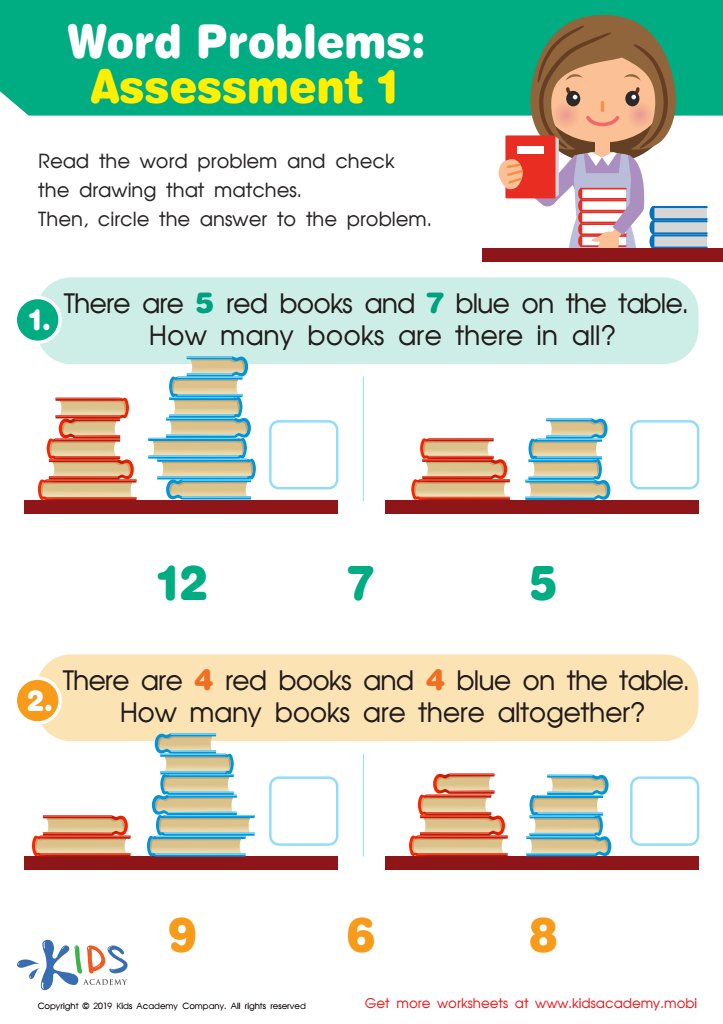
Word Problems: Assessment 1 Worksheet
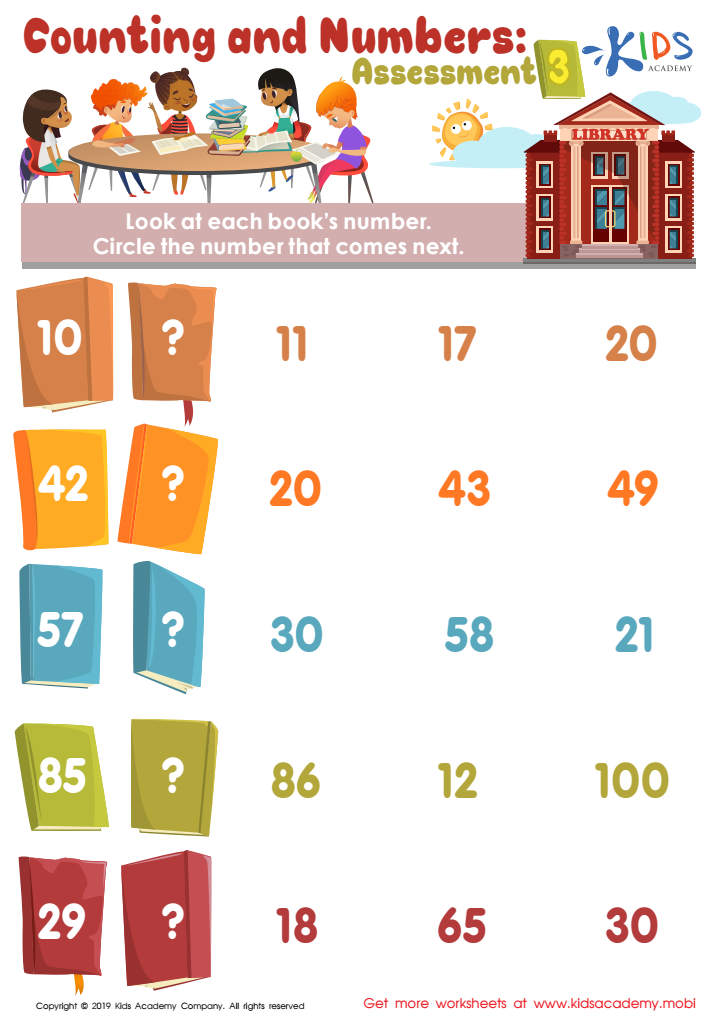
Counting and Numbers: Assessment Worksheet
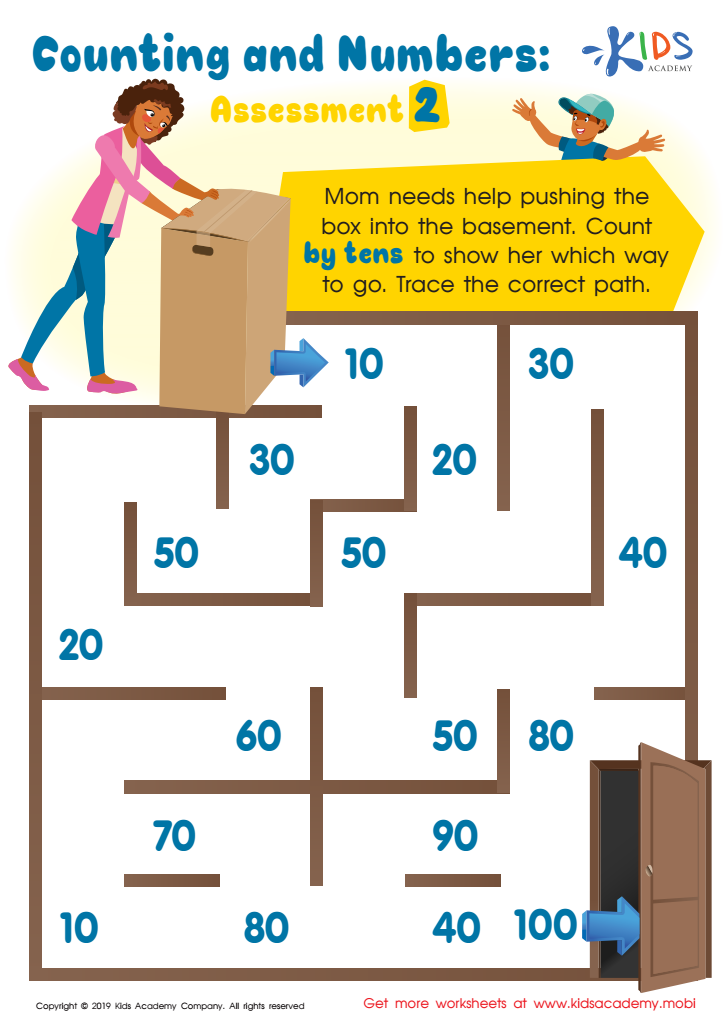
Counting and Numbers: Assessment 2 Worksheet
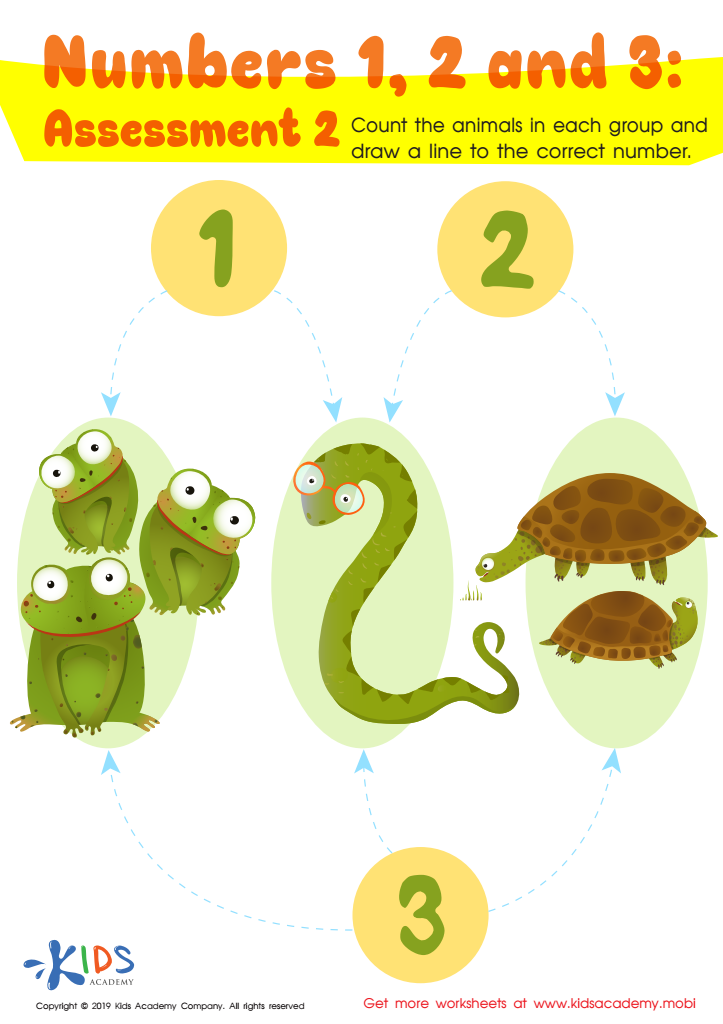
Numbers 1, 2 and 3: Assessment 2 Worksheet
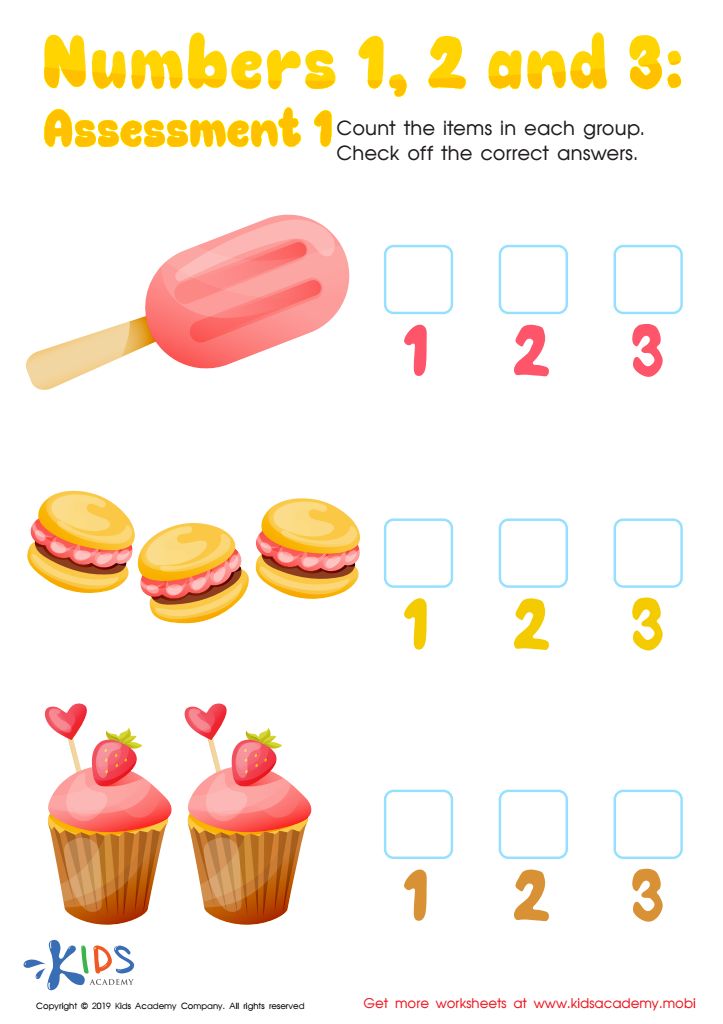
Numbers 1, 2 and 3: Assessment 1 Worksheet
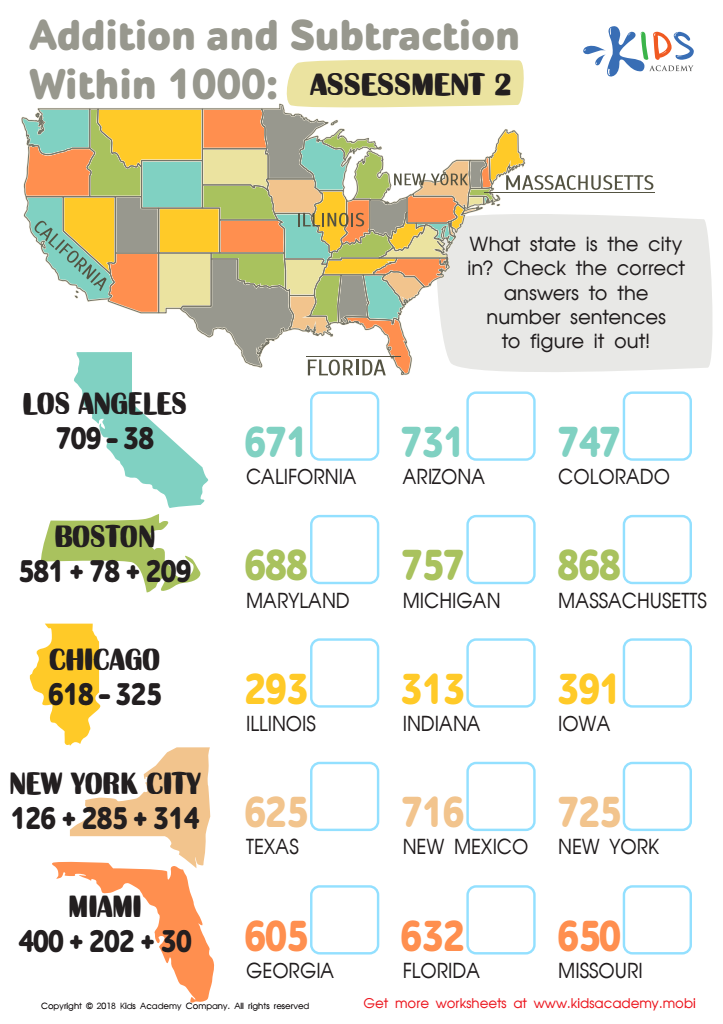
Addition and Subtraction Within 1000: Assessment 2 Worksheet
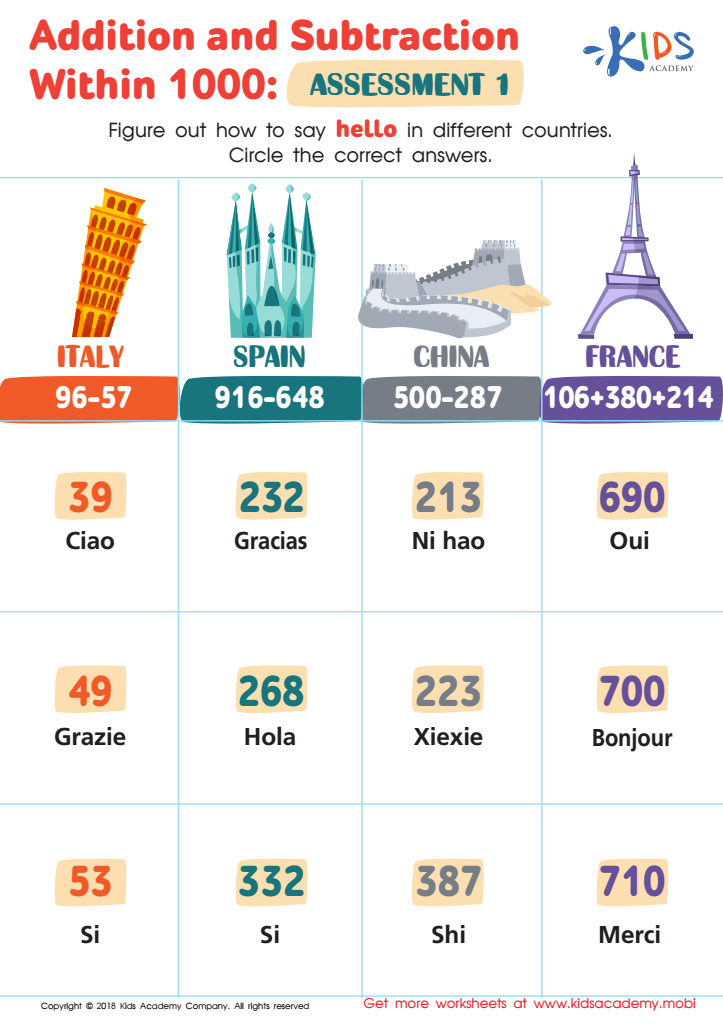
Addition and Subtraction Within 1000: Assessment 1 Worksheet
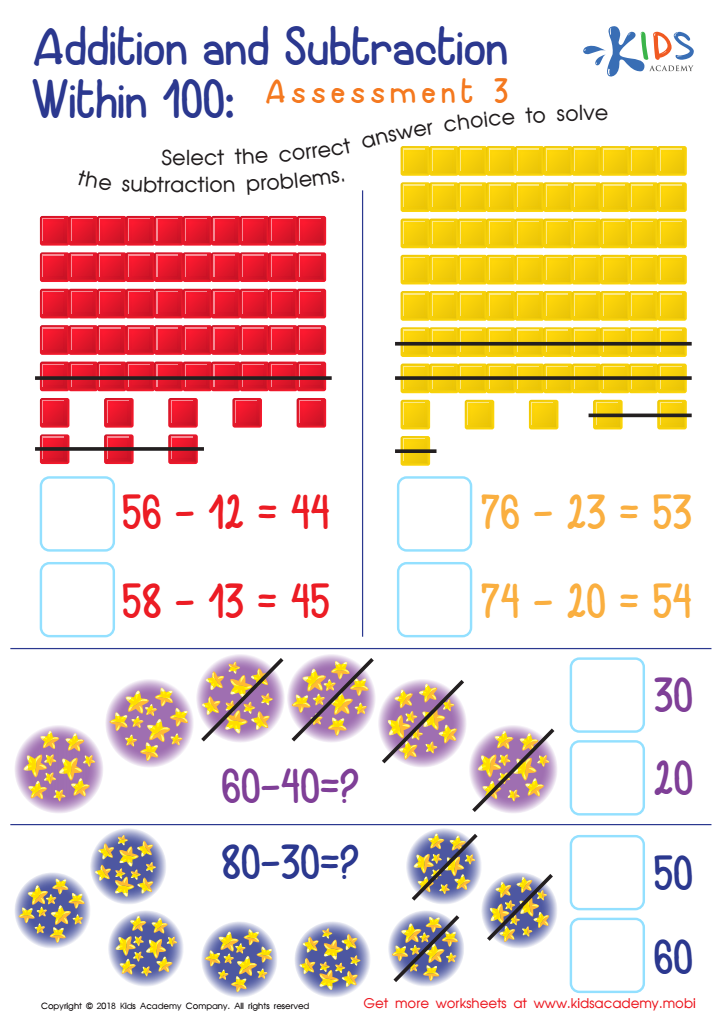
Addition and Subtraction Within 1: Assessment 3 Worksheet
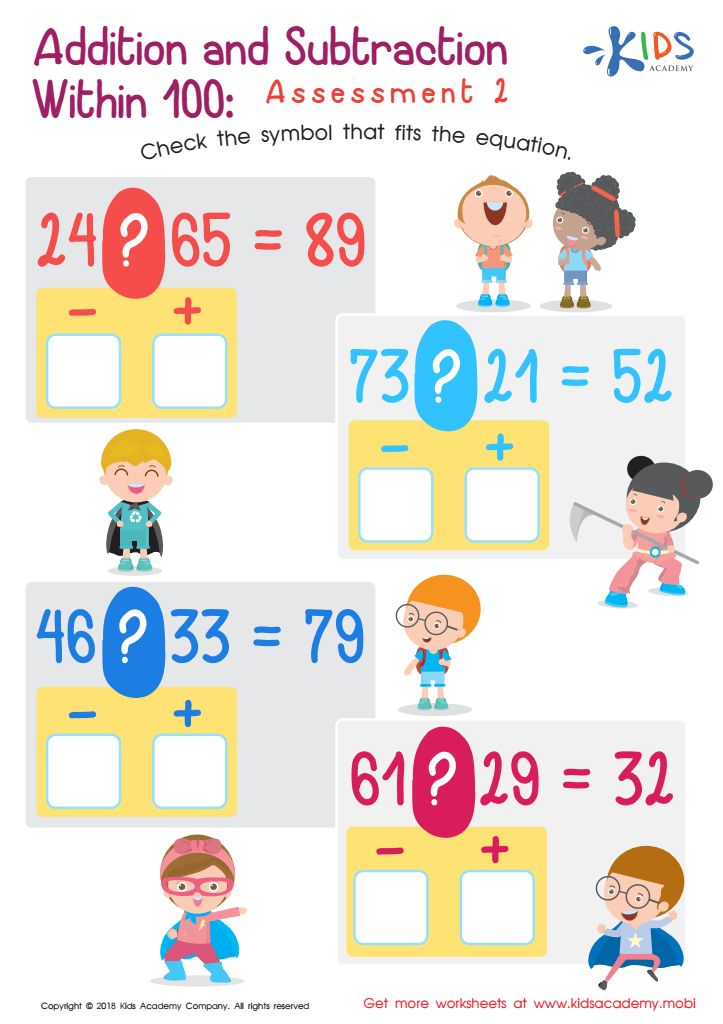
Addition and Subtraction Within 1: Assessment 2 Worksheet
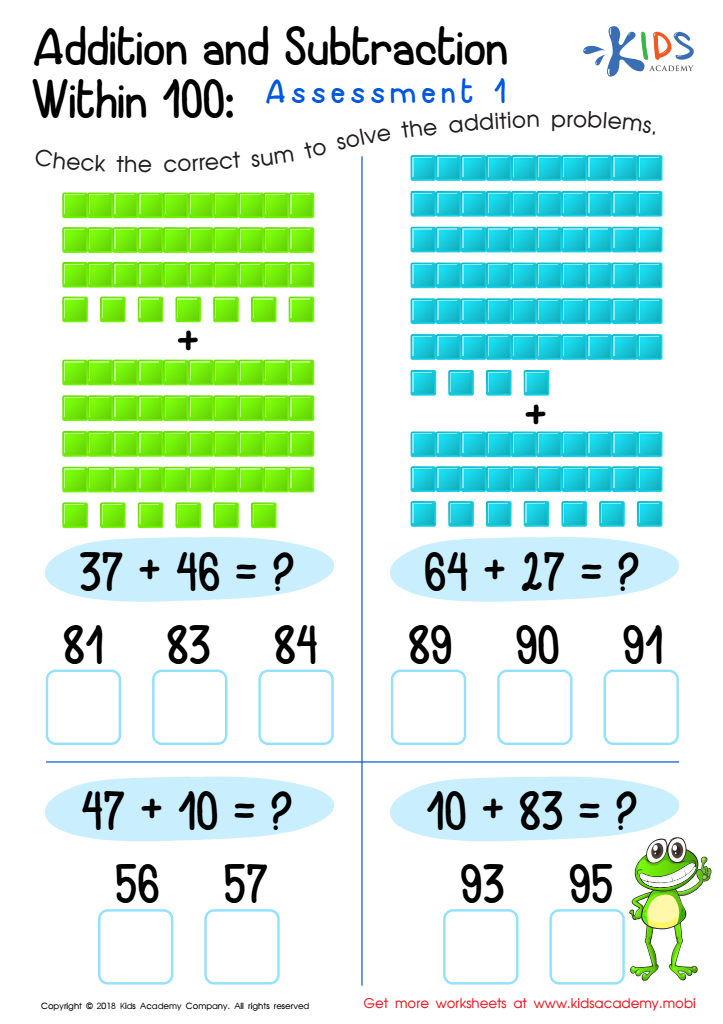
Addition and Subtraction Within 1: Assessment 1 Worksheet
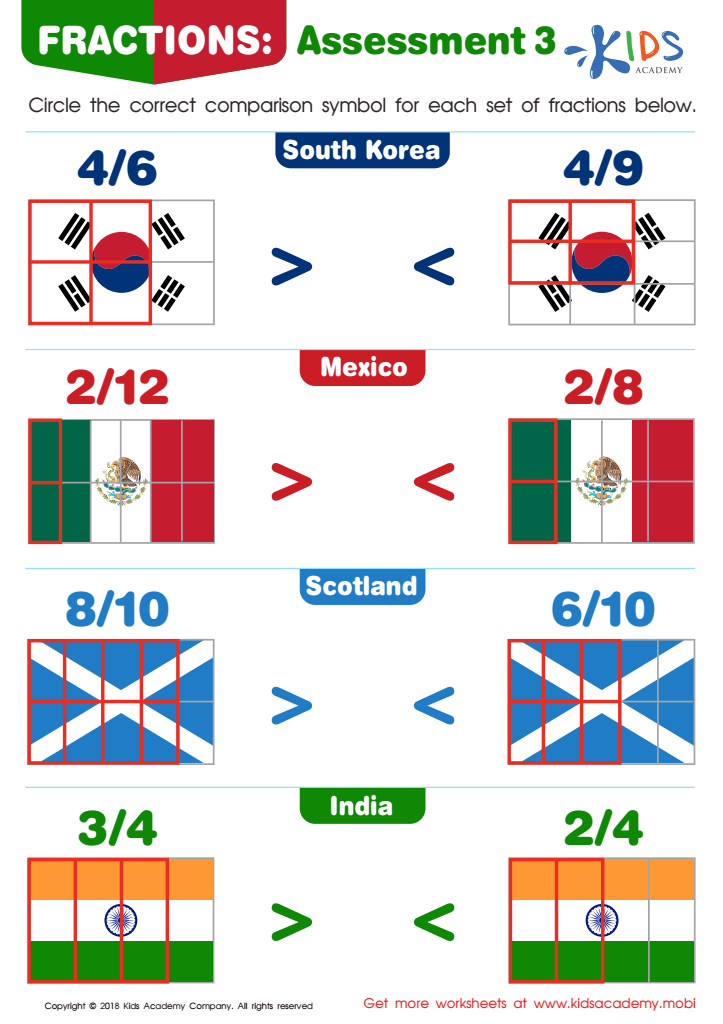
Fractions: Assessment 3 Worksheet
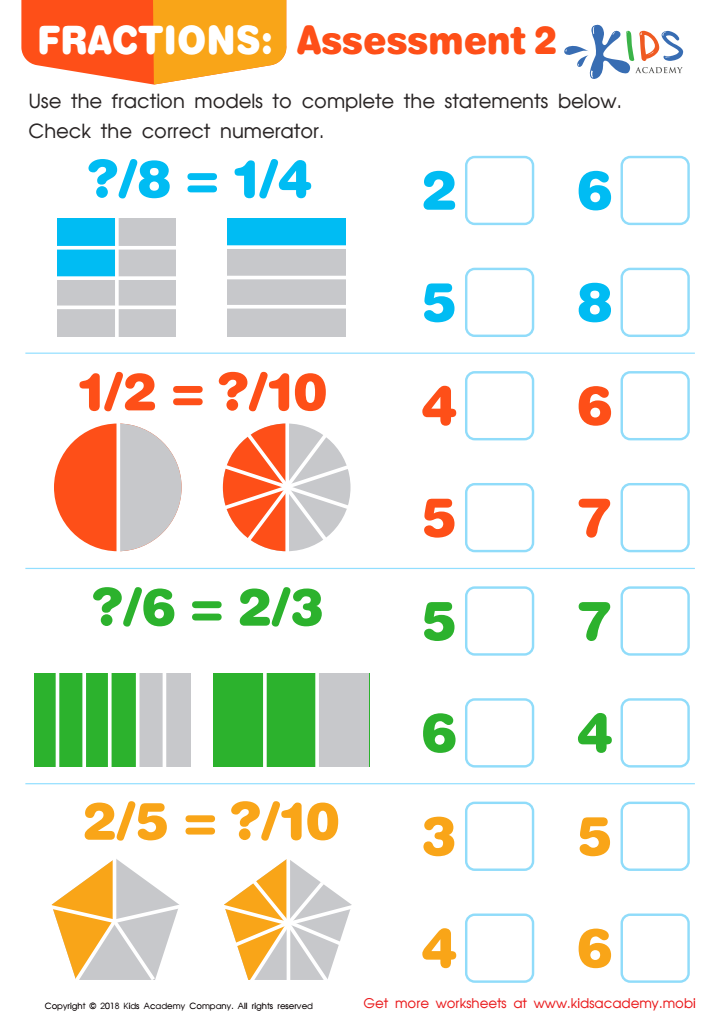
Fractions: Assessment 2 Worksheet
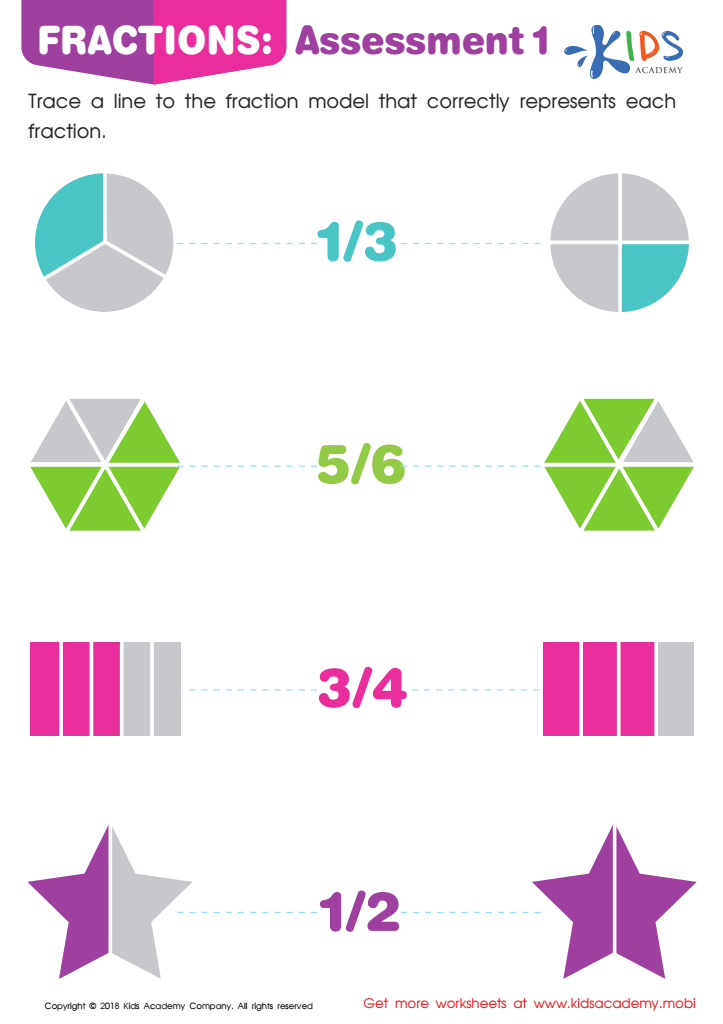
Fractions: Assessment 1 Worksheet
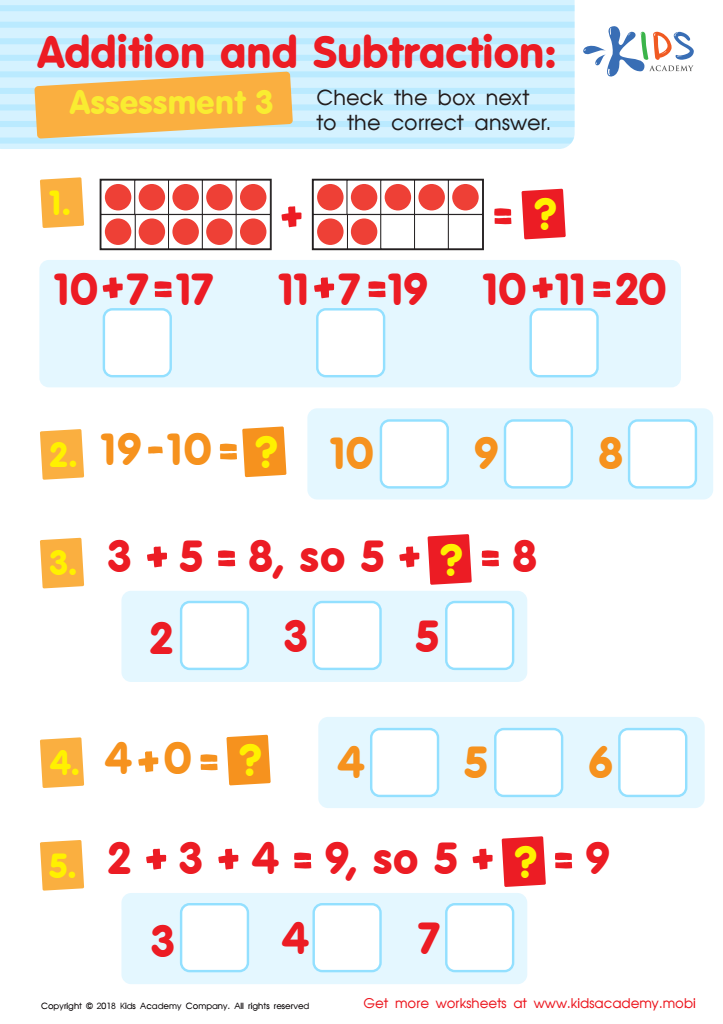
Addition and Subtraction Assessment 3 Worksheet
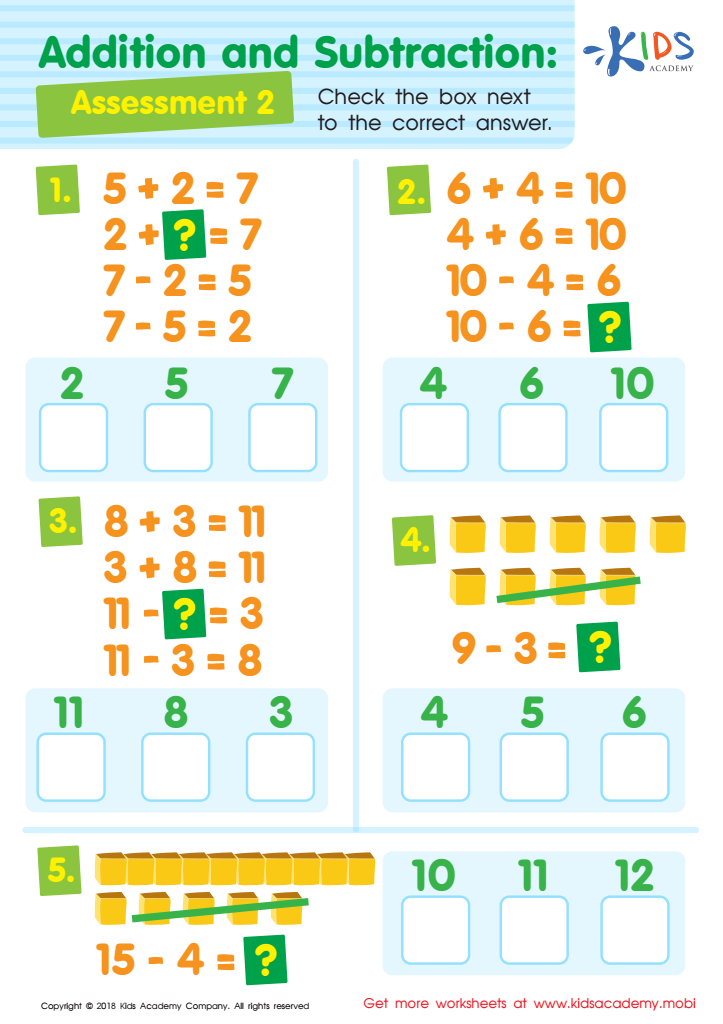
Addition and Subtraction Assessment 2 Worksheet
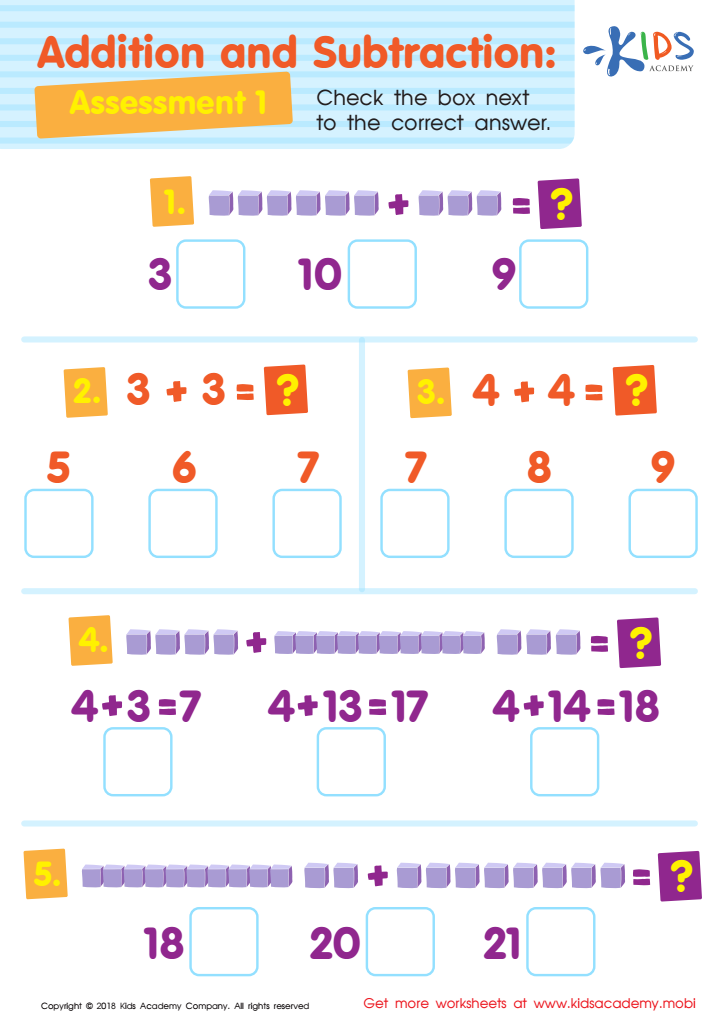
Addition and Subtraction Assessment 1 Worksheet
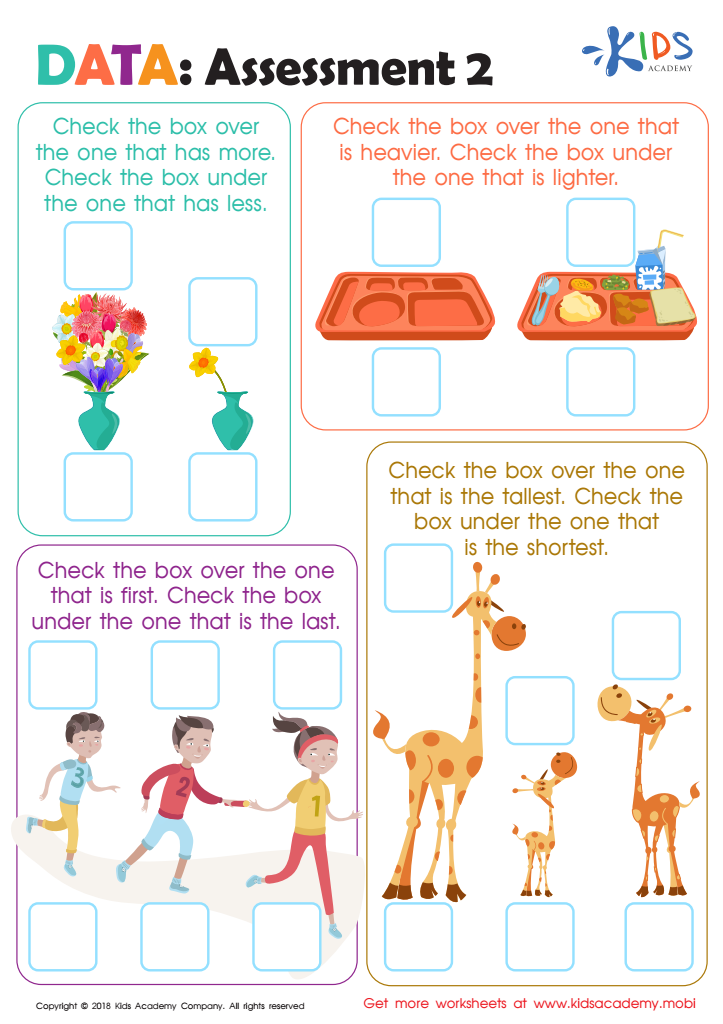
Data: Assessment 2 Worksheet
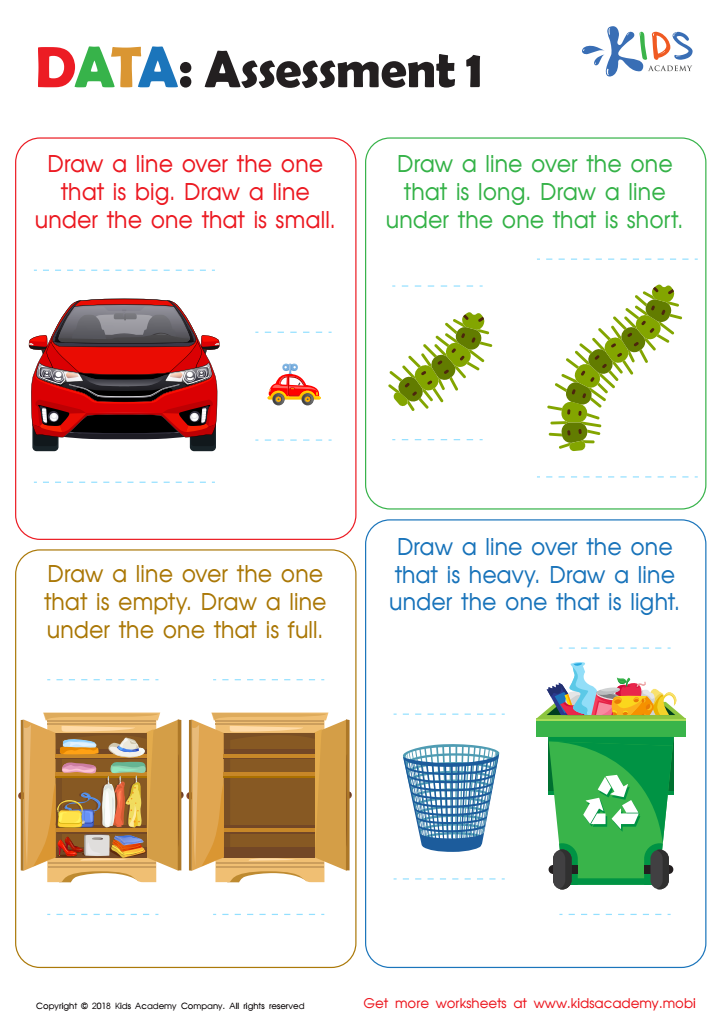
Data: Assessment 1 Worksheet
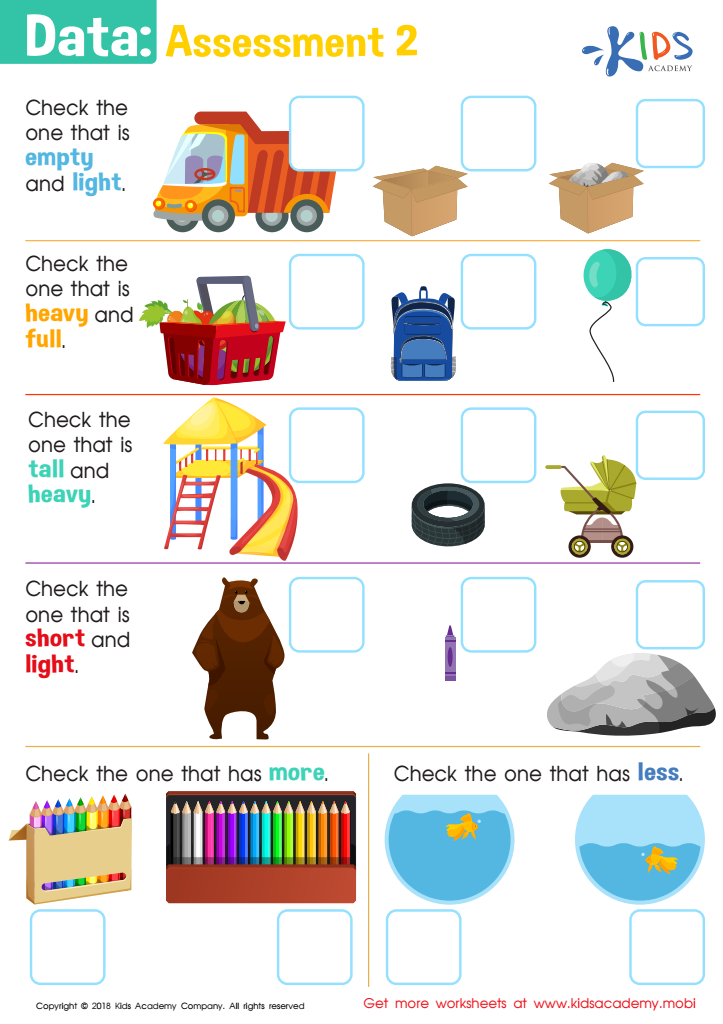
Data: Assessment 2 Worksheet
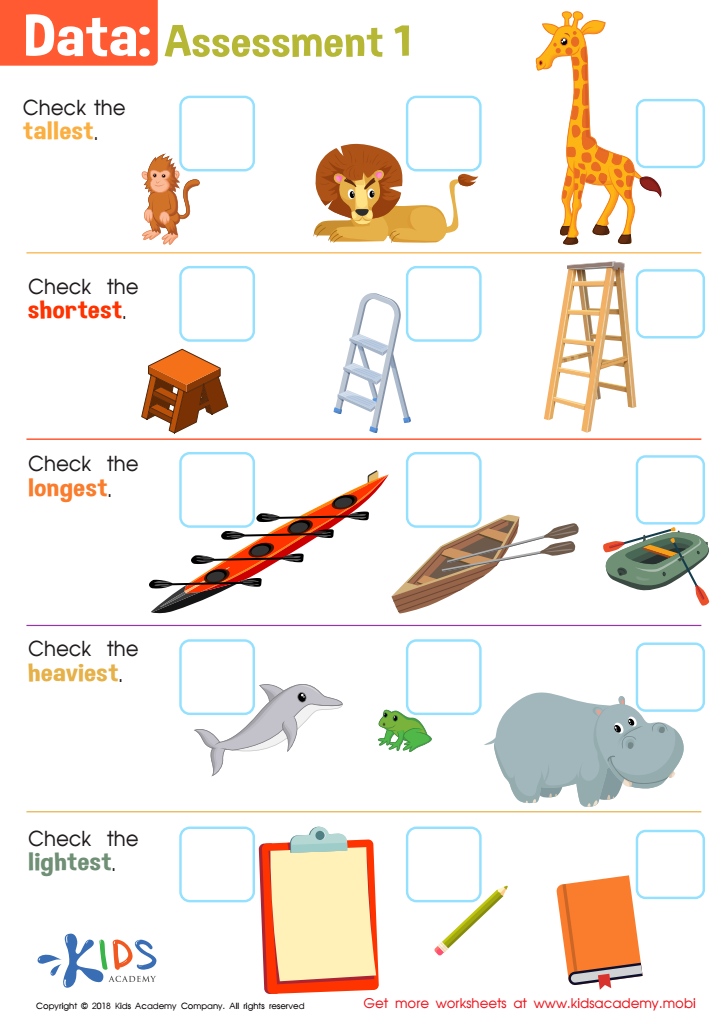
Data: Assessment 1 Worksheet


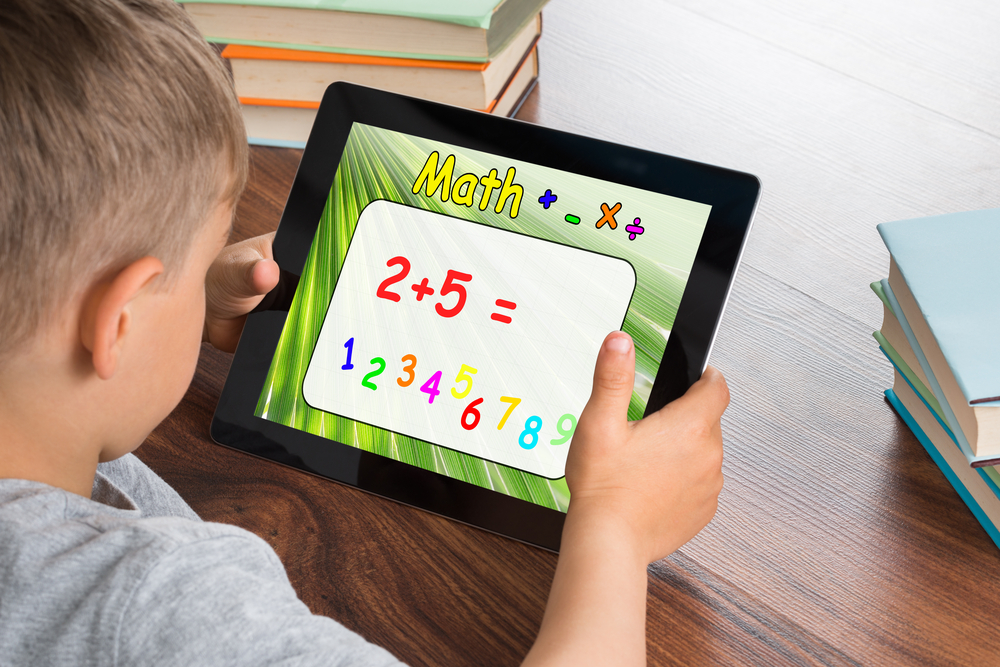




Parents and teachers should prioritize math activities for children ages 5-9 because early mathematical skills are foundational for future academic success. At this age, children are naturally curious and eager to learn, making it an ideal time to introduce essential concepts such as counting, addition, subtraction, and understanding shapes. Engaging them in enjoyable math activities fosters a positive attitude towards the subject, helping to combat the common belief that math is inherently difficult.
Moreover, math activities enhance critical thinking and problem-solving skills. By involving children in playful learning through games, manipulative objects, and everyday tasks, they can better grasp abstract concepts. This hands-on approach not only builds computational skills but also promotes logical reasoning and analytical thinking.
Additionally, learning math in early years has significant long-term implications. Children who develop a strong math foundation are more likely to pursue advanced math courses later on, influencing college and career choices positively. Ultimately, nurturing a child’s experience with math encourages persistence, resilience, and a growth mindset, empowering them to tackle challenges throughout their educational journey and beyond. By investing time in math activities early on, parents and teachers can play a crucial role in shaping a brighter, more proficient future for their children.








