Mazes worksheets activities for Ages 7-9 - Page 2
53 filtered results
-
From - To
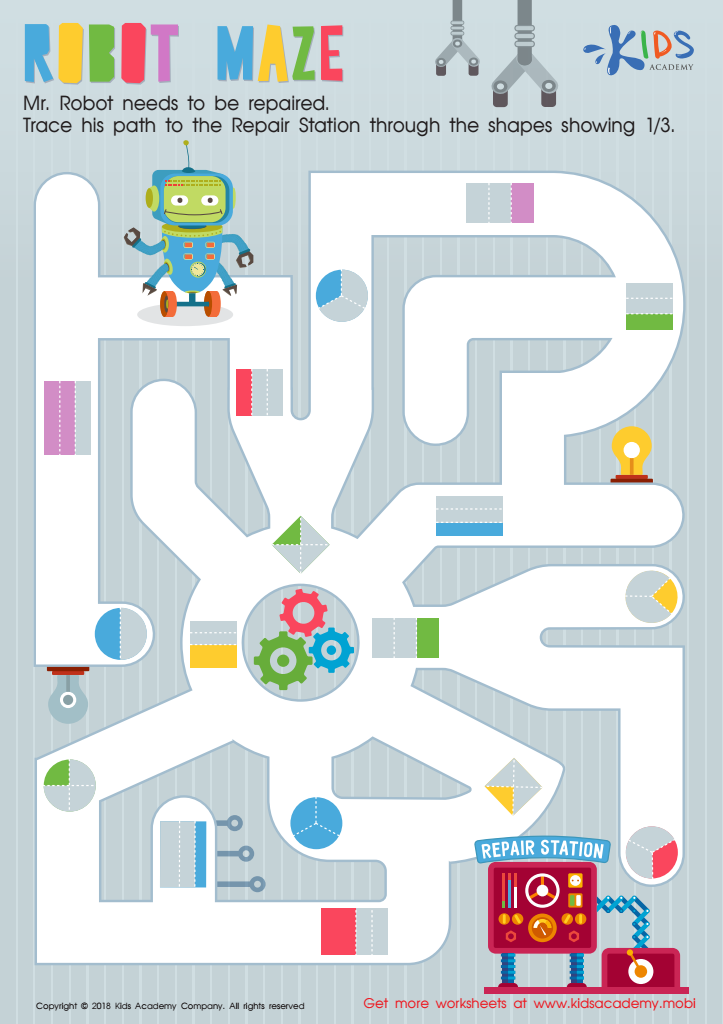
Robot Maze Worksheet
 Assign to My Students
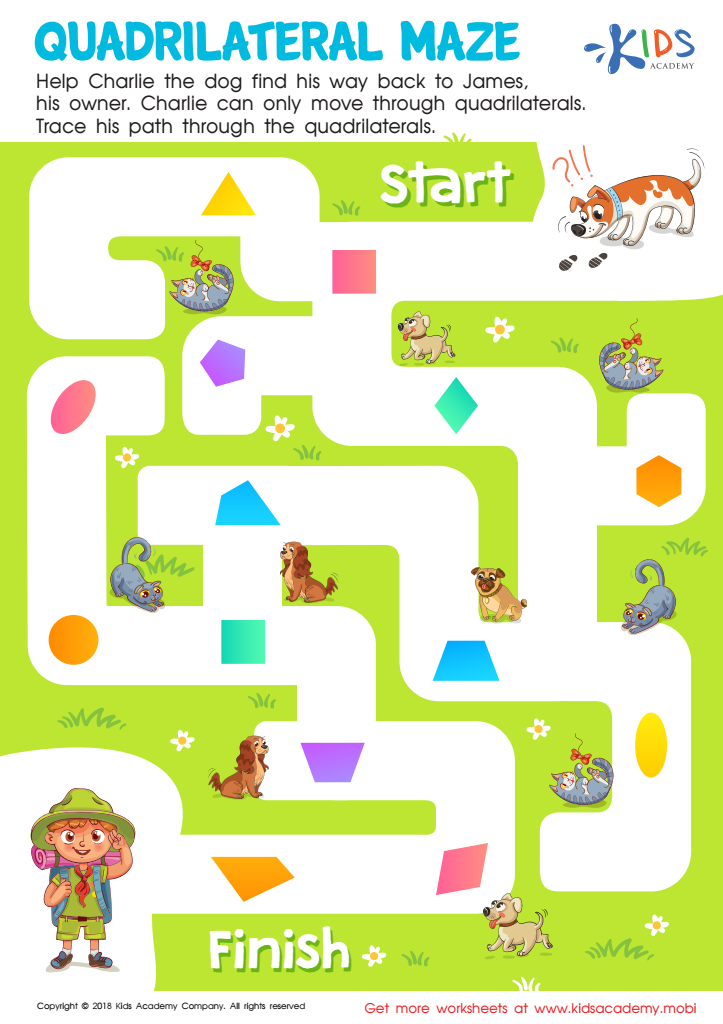
Quadrilateral Maze Worksheet
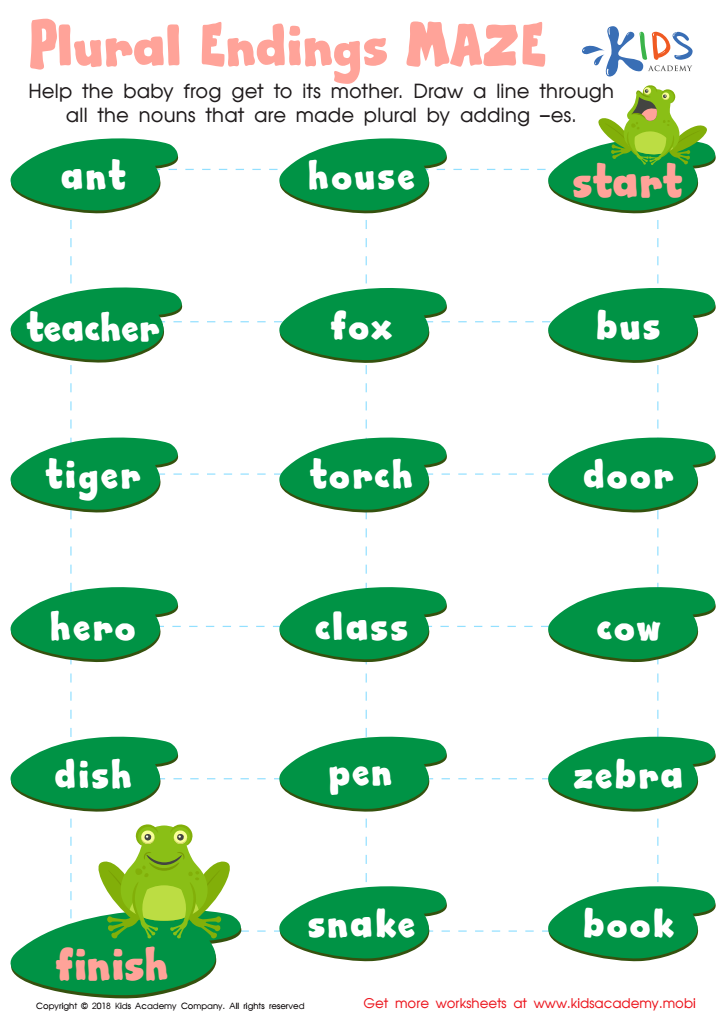
Plural Endings Maze Worksheet
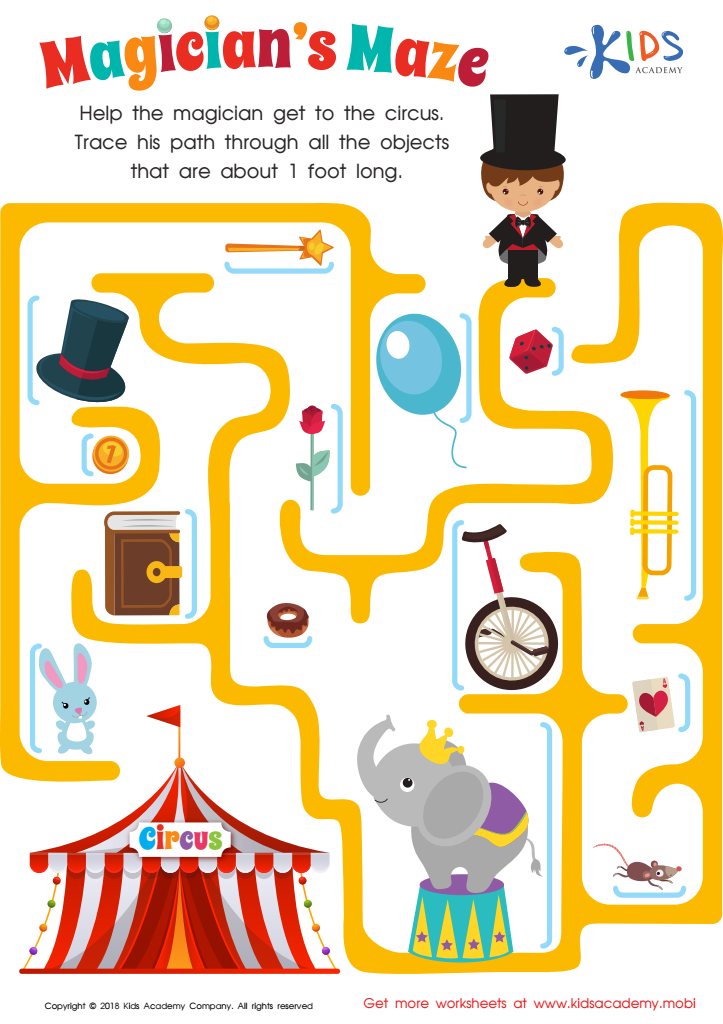
Estimating Length: Magician's Maze Worksheet
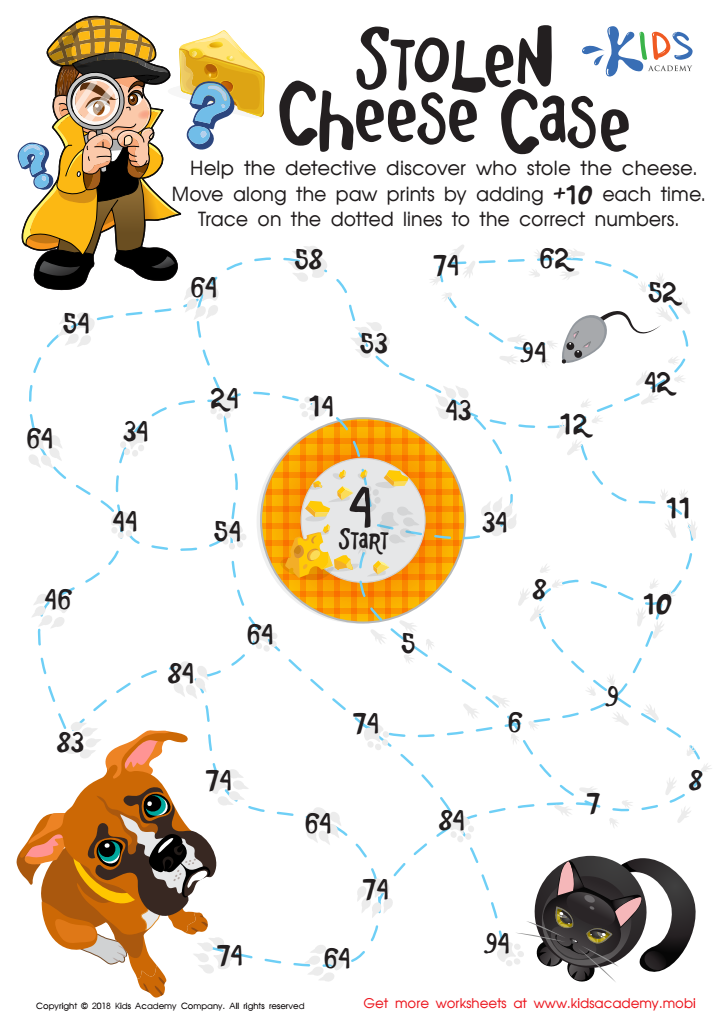
Stolen Cheese Case Maze Worksheet
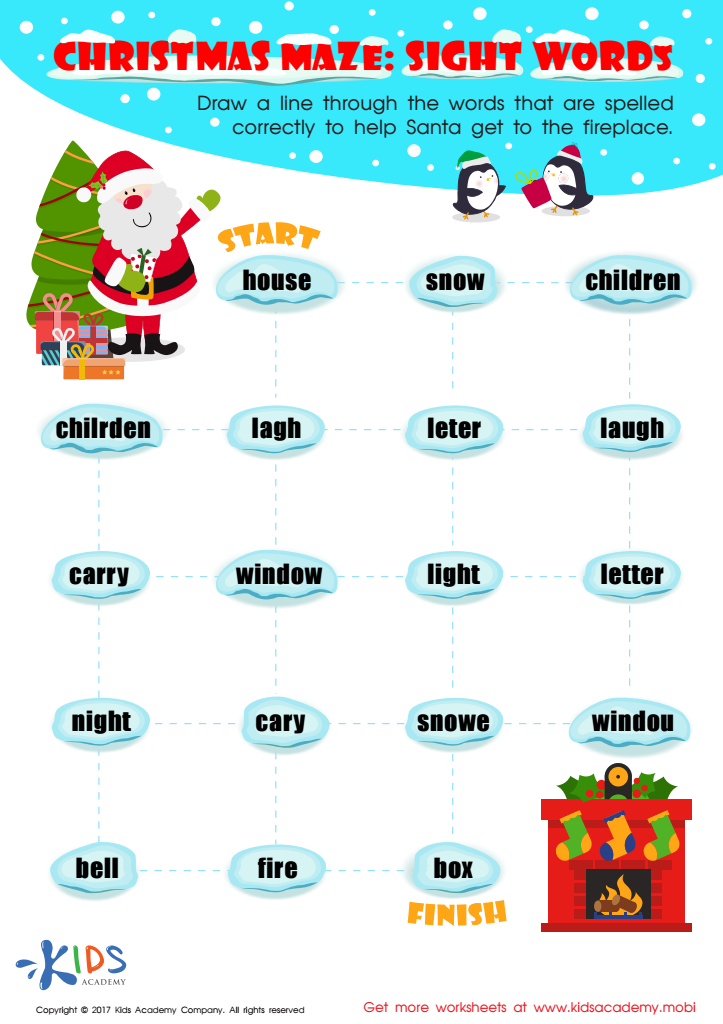
Sight Words Christmas Maze Printable
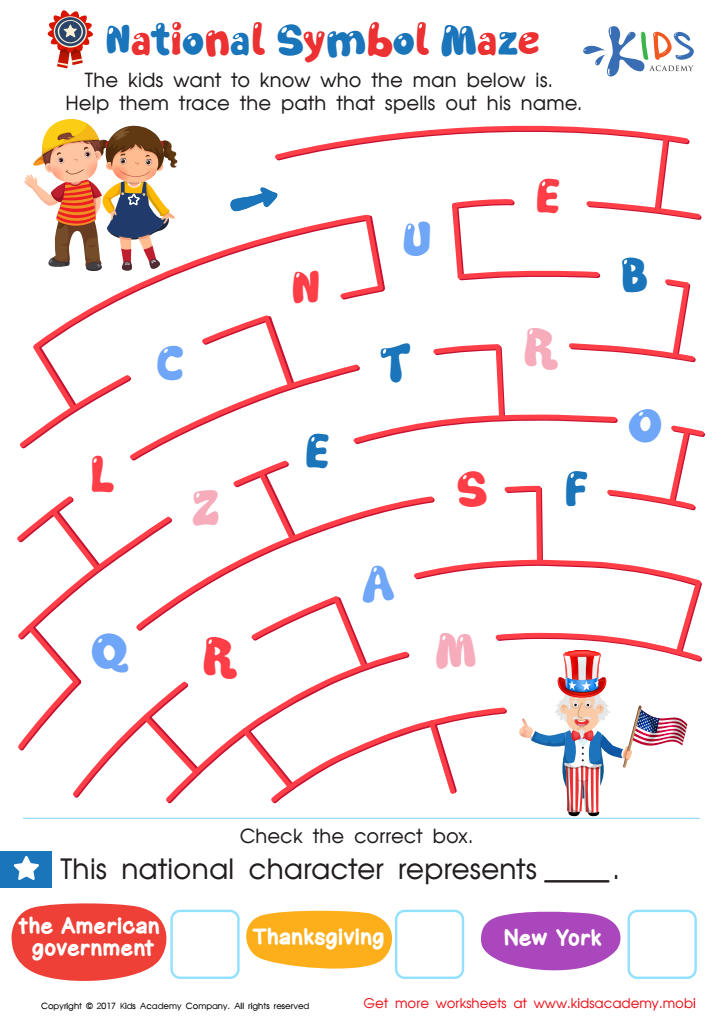
National Symbol Maze Worksheet
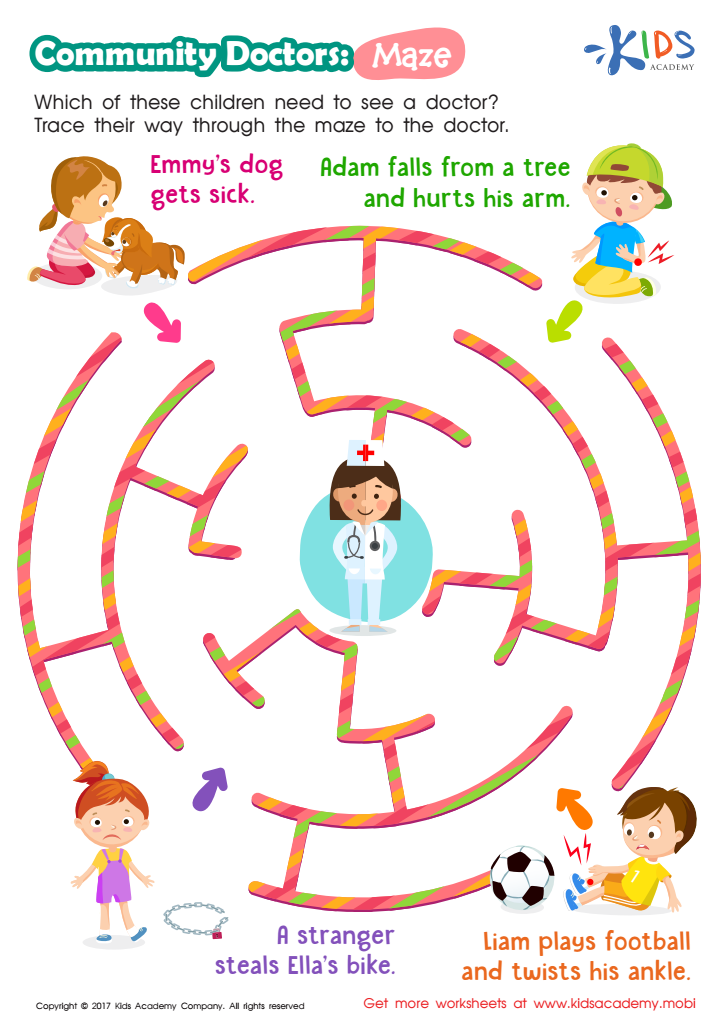
Community Doctors: Maze Printable
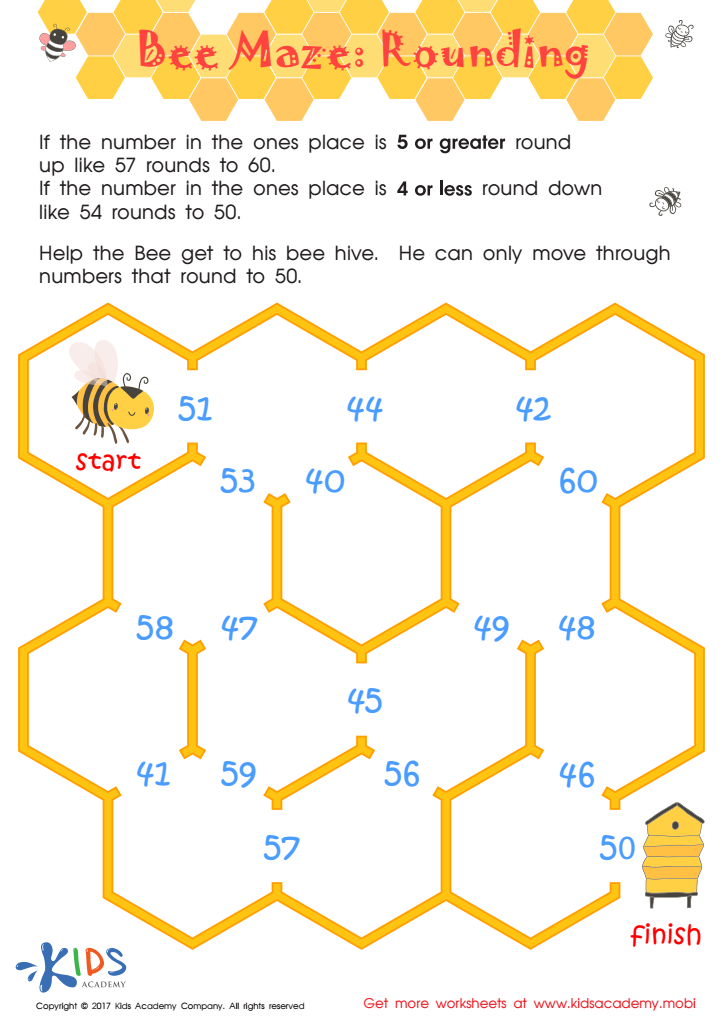
Bee Maze Worksheet
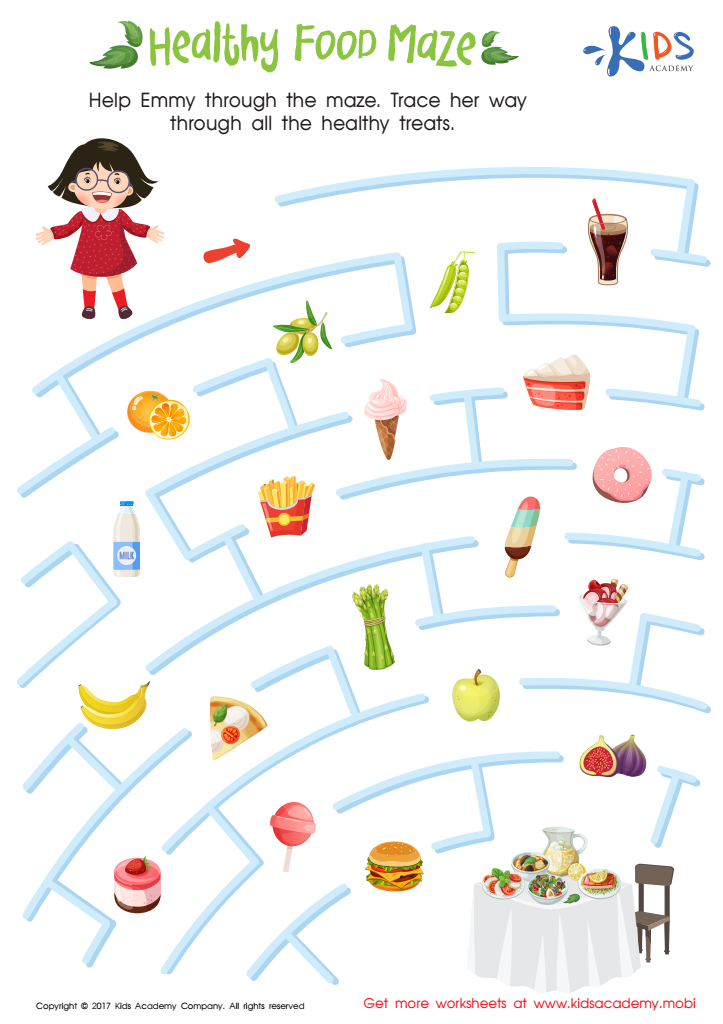
Healthy Food Maze Printable
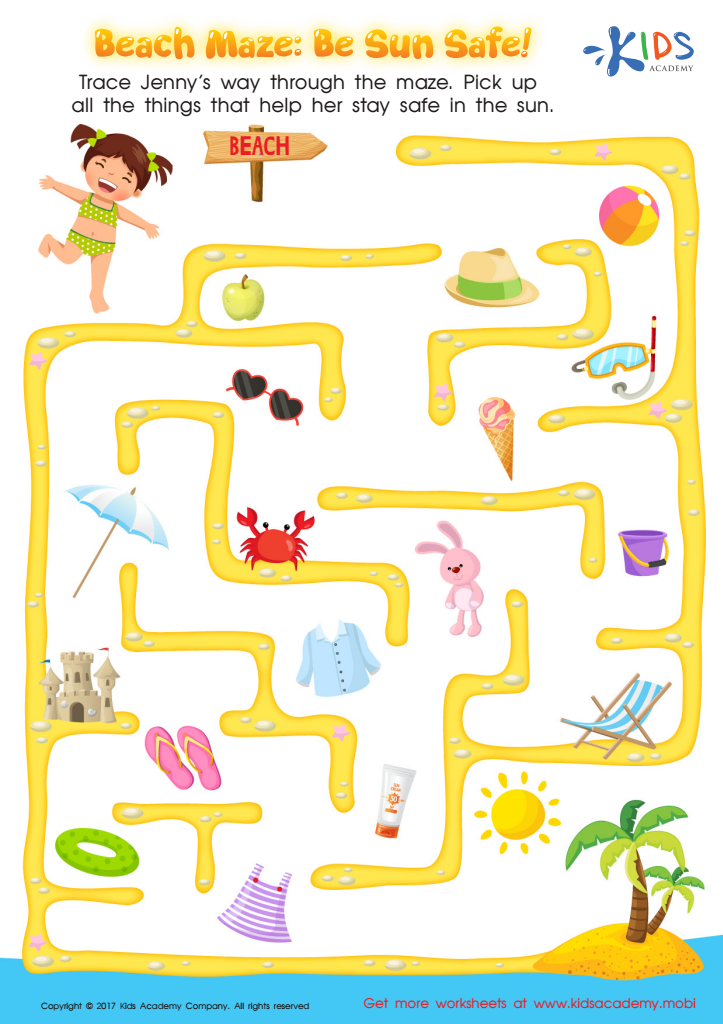
Beach Maze: Sun Safe Worksheet
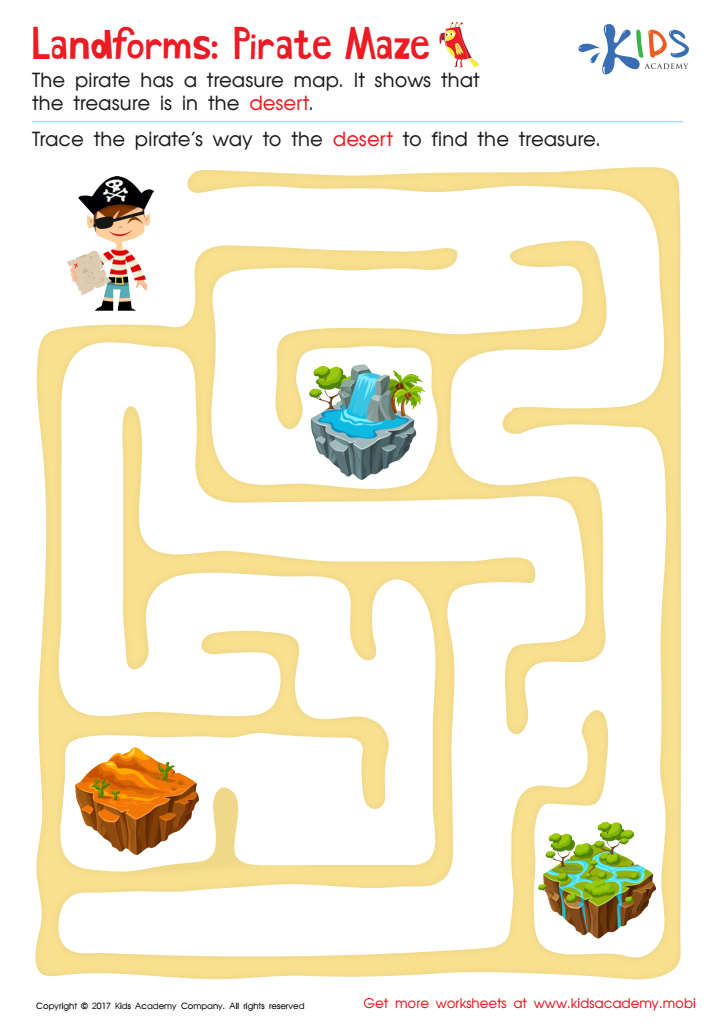
Landforms: Pirate Maze Printable
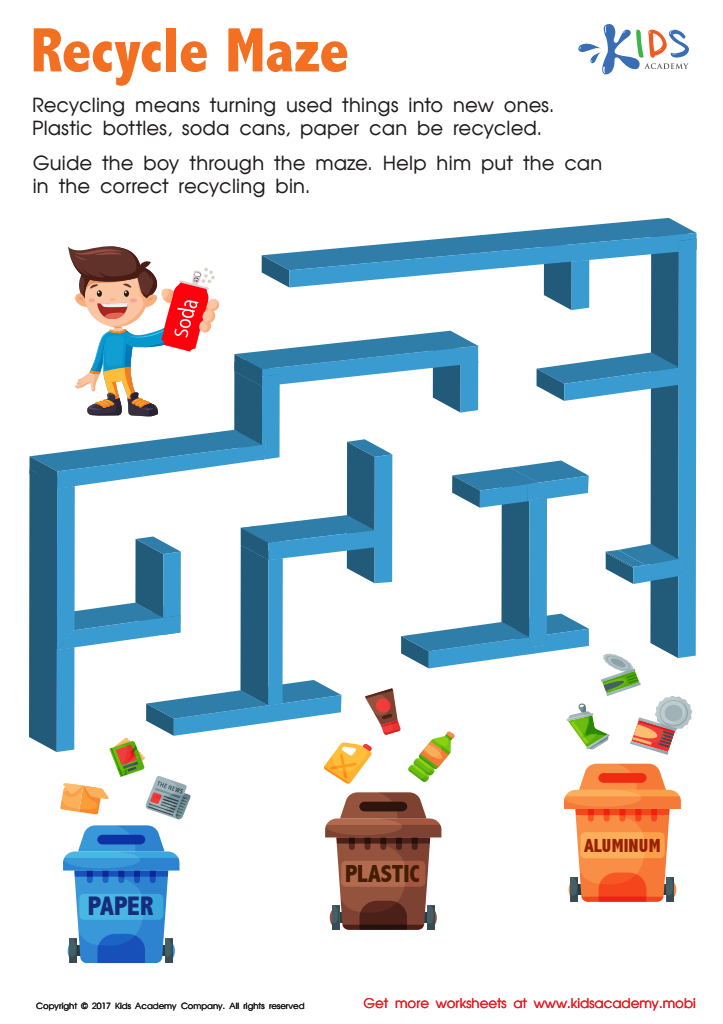
Recycle Maze Worksheet
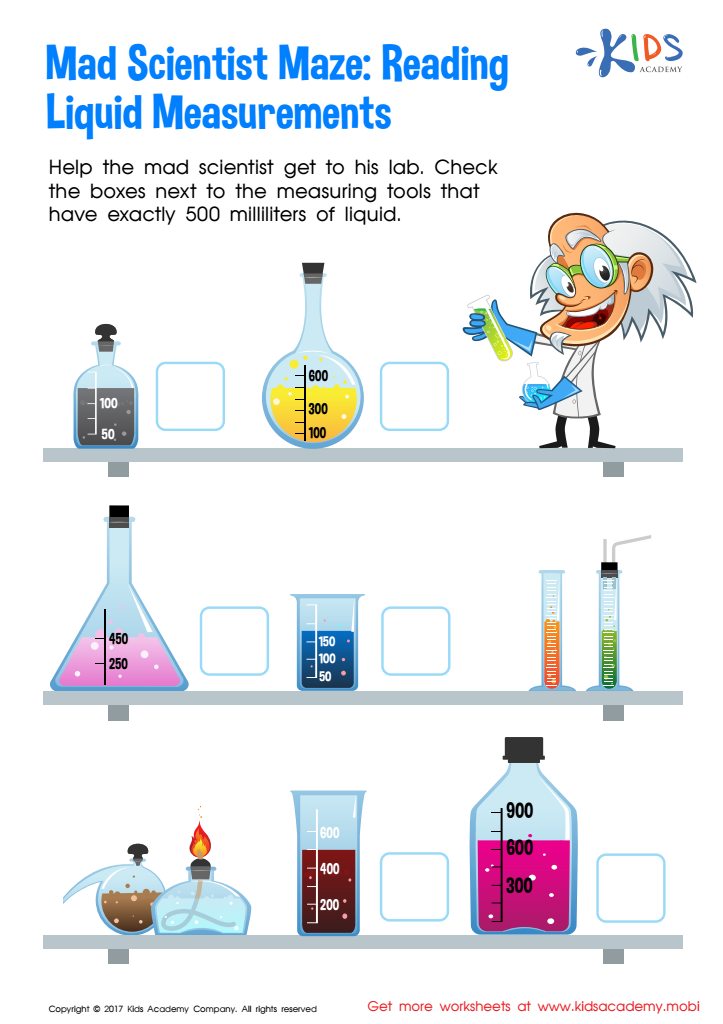
Reading Liquid Measurement Worksheet
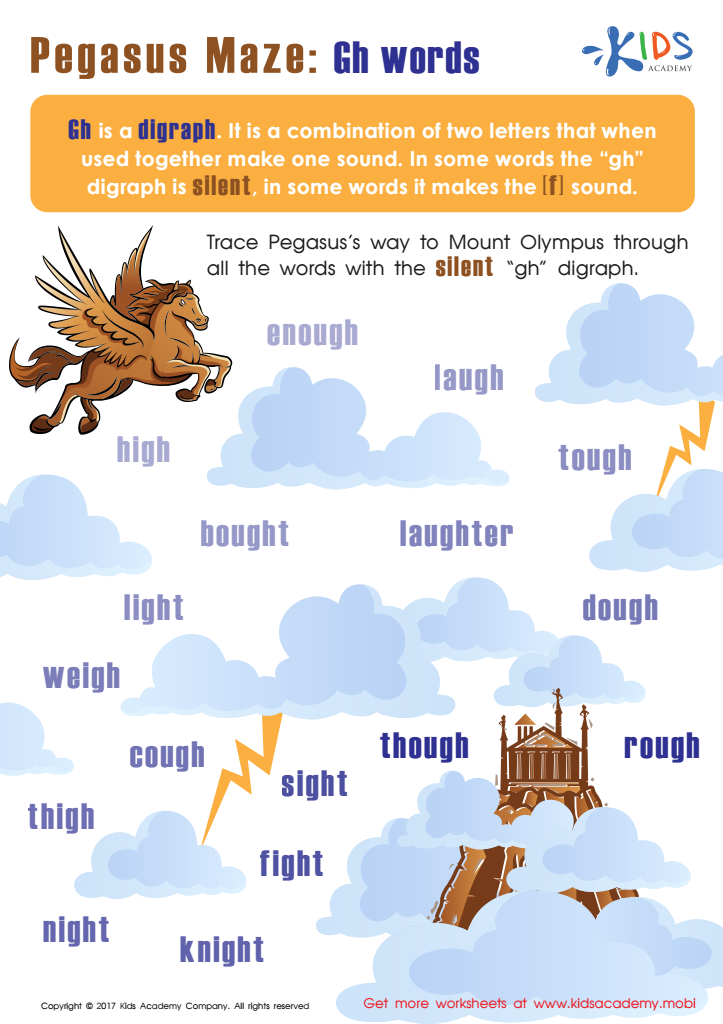
Pegasus Maze: GH Words Worksheet
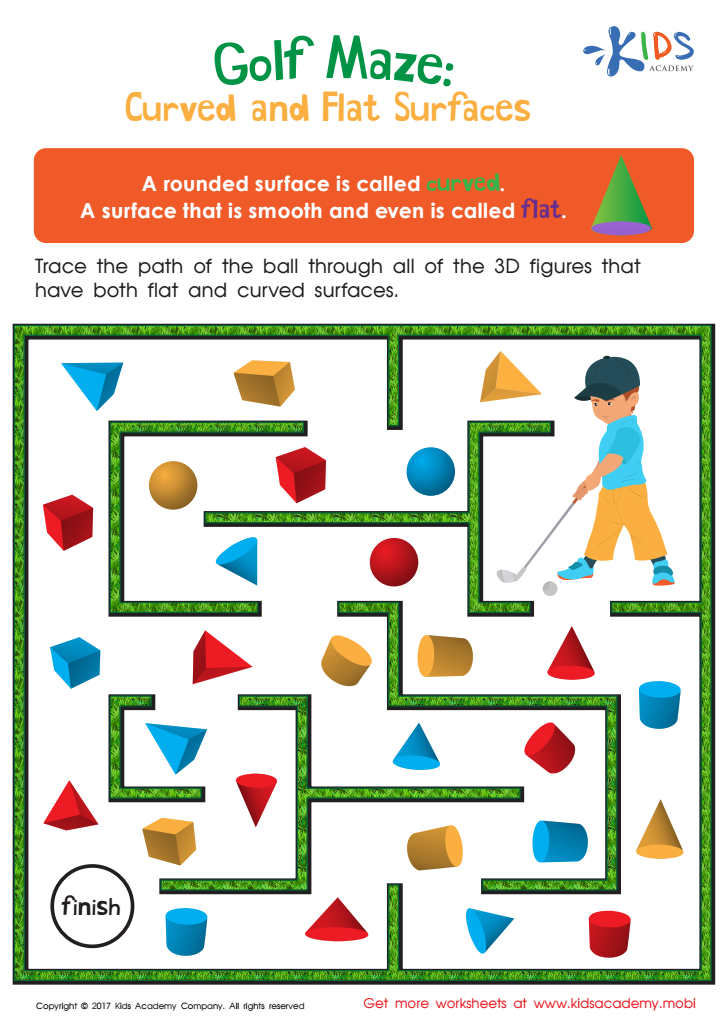
Golf Maze: Curved and Flat Surfaces Worksheet
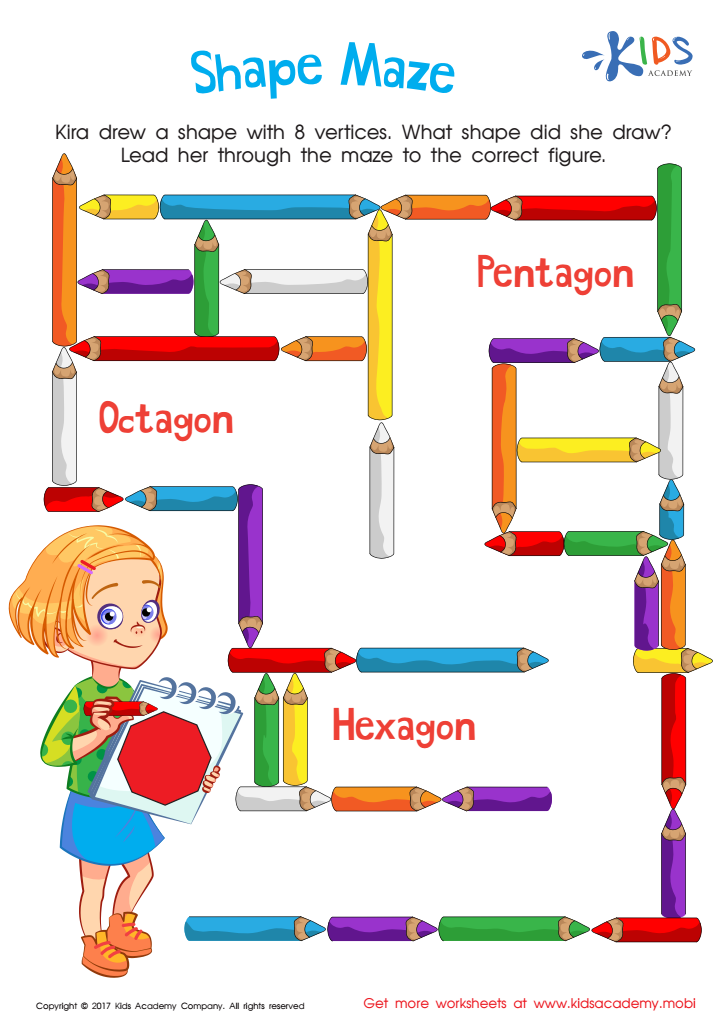
Shape Maze Worksheet
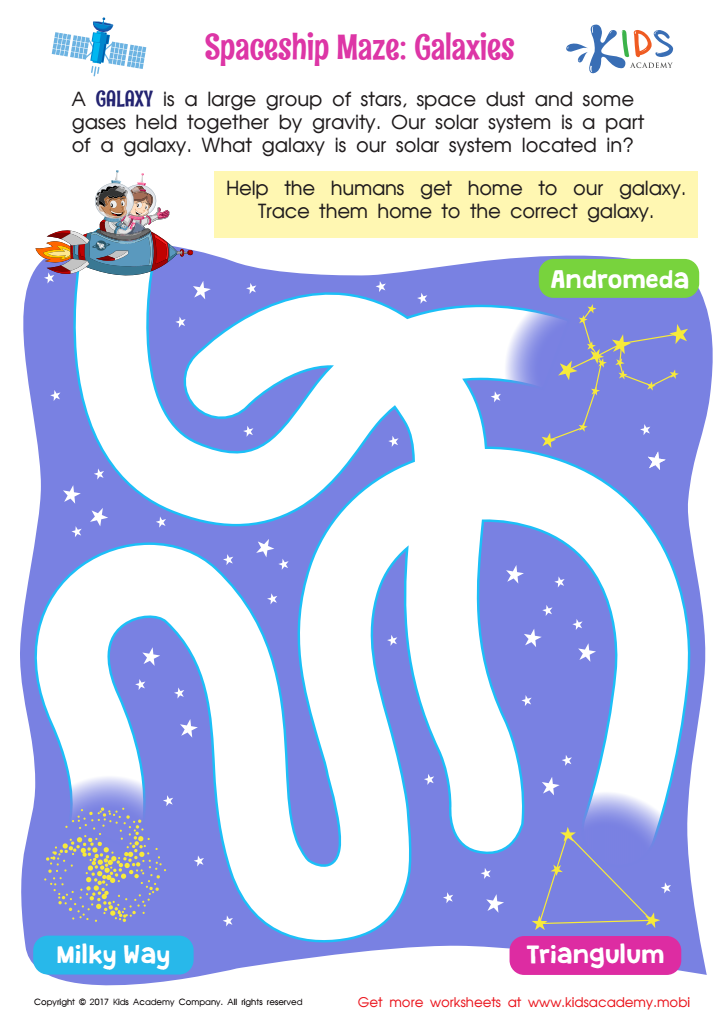
Spaceship Maze: Galaxies Worksheet
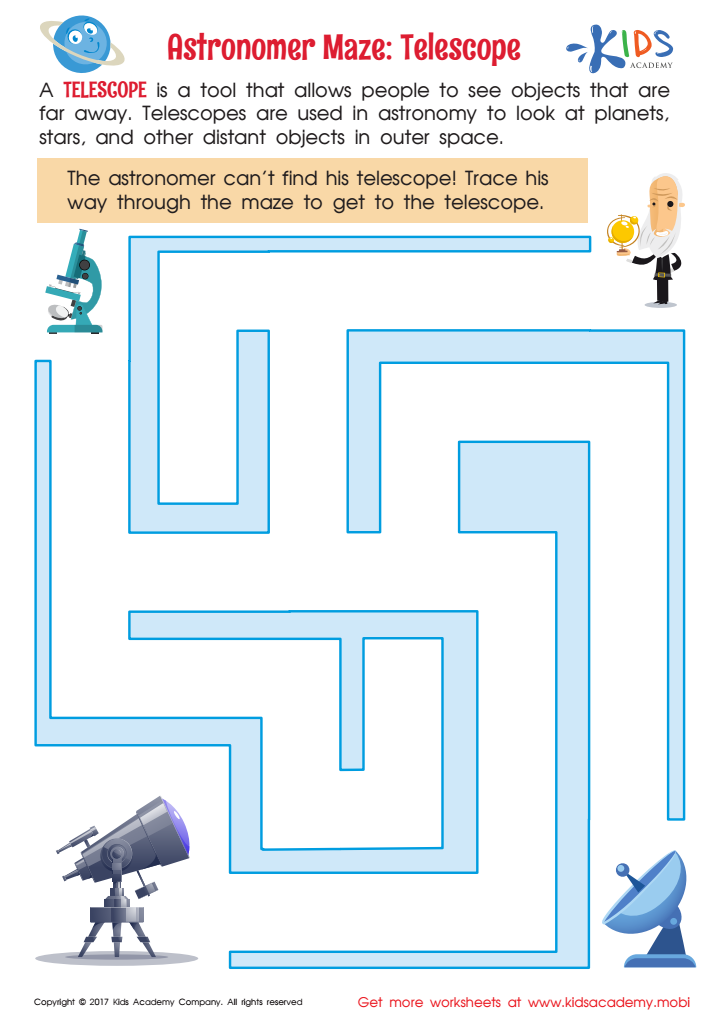
Astronomer Maze: Telescope Worksheet
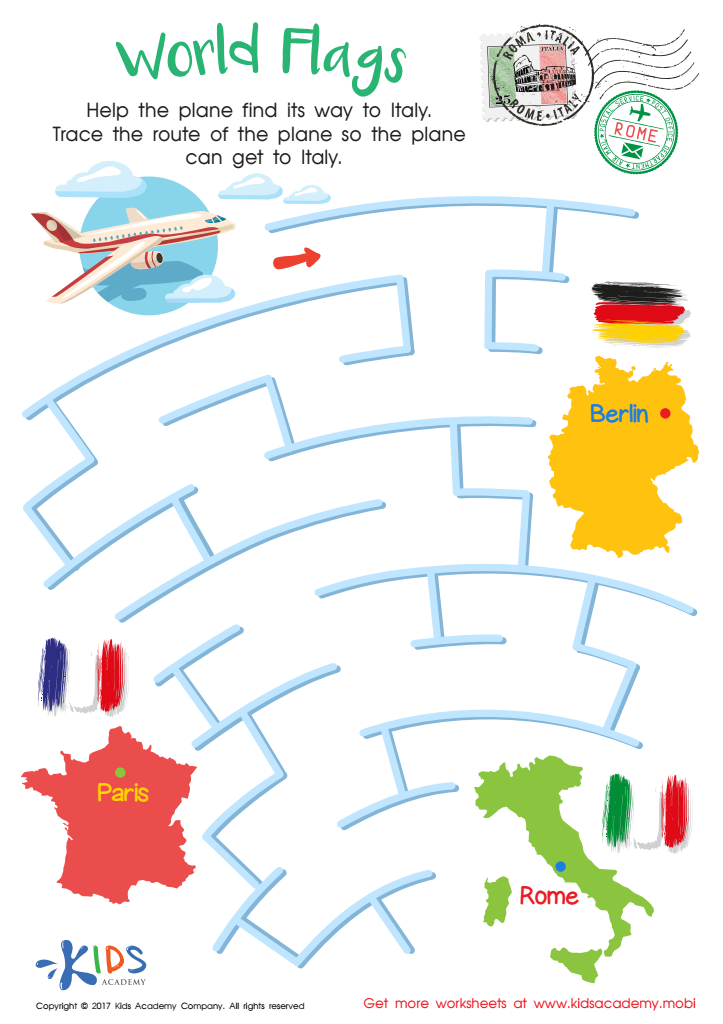
World Flags Maze Worksheet
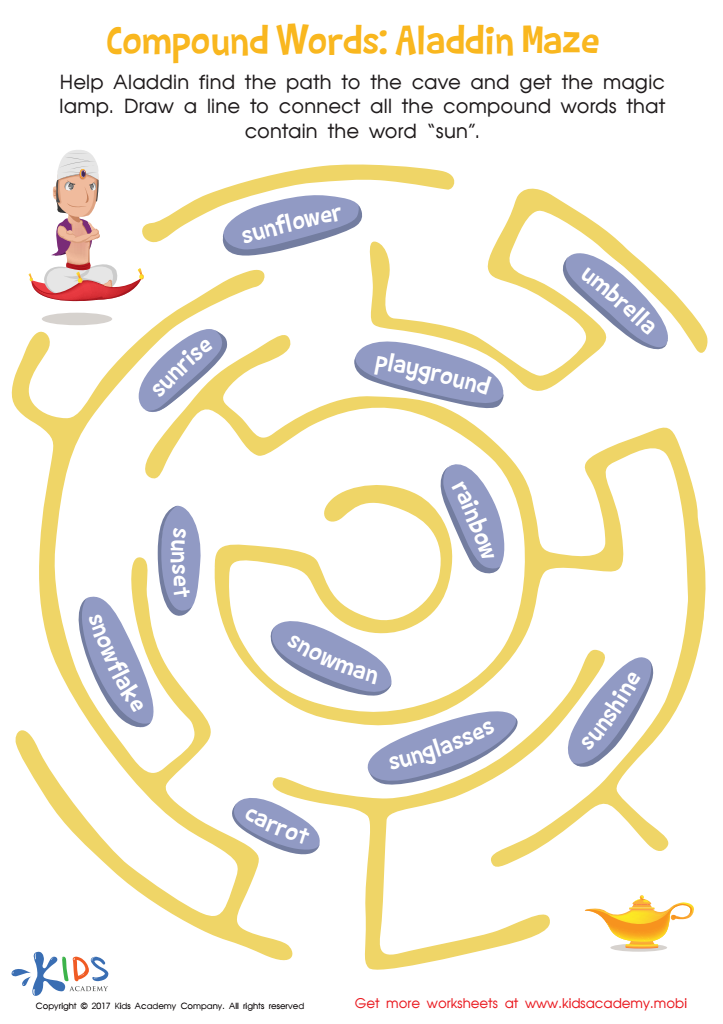
Compound Aladdin Maze Word Structure Worksheet
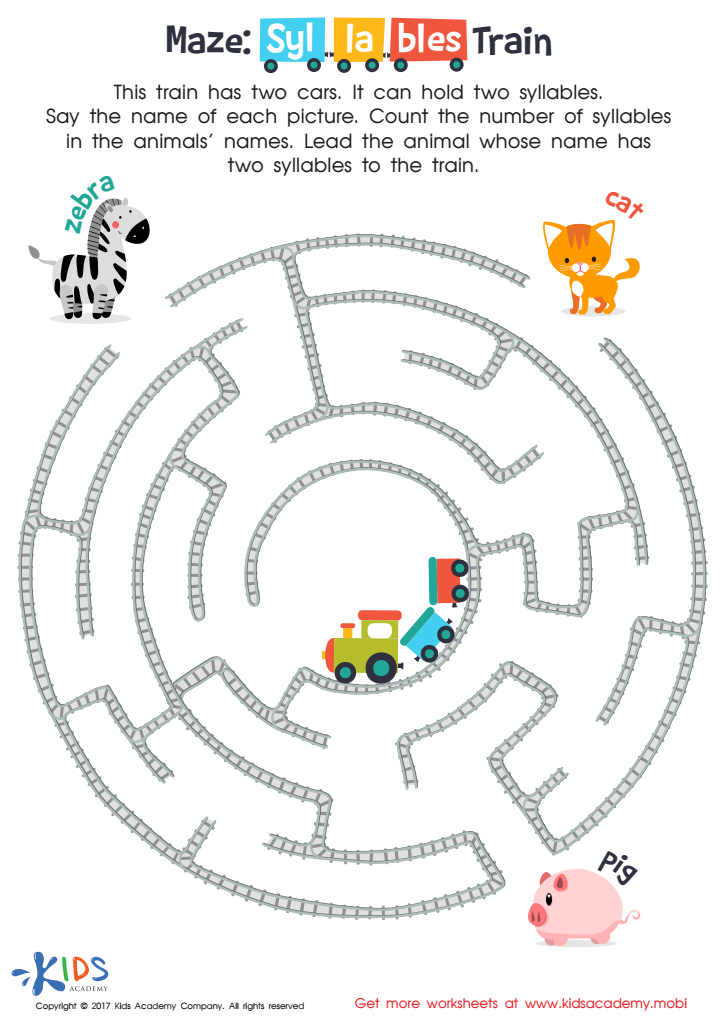
Maze Syllables Word Structure Worksheet
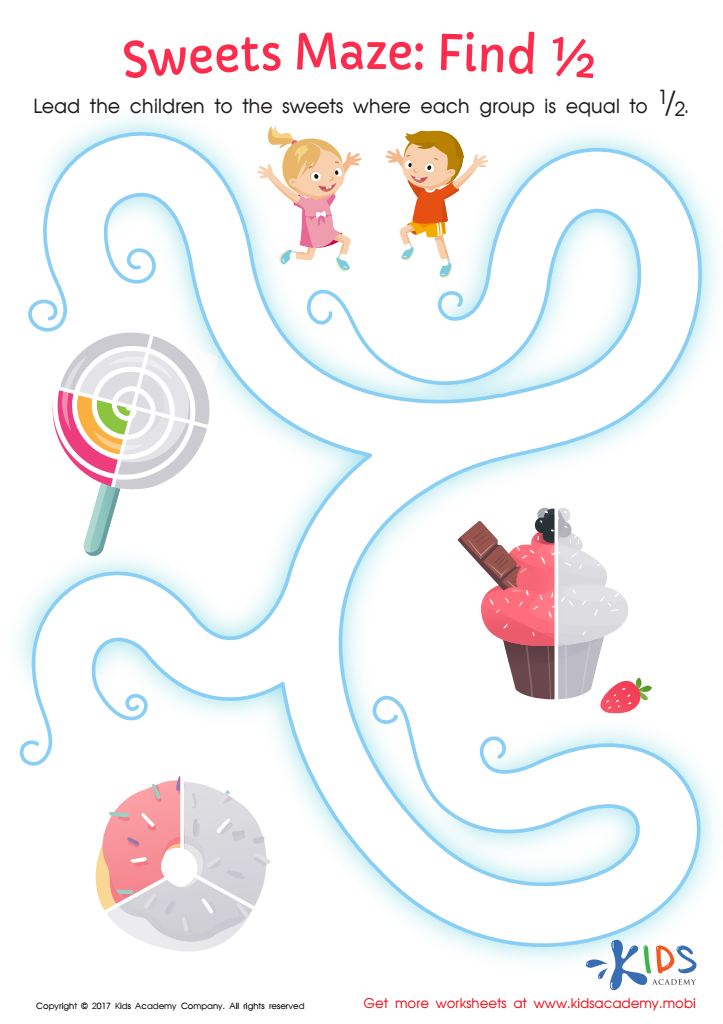
Fractions: Sweets Maze Worksheet
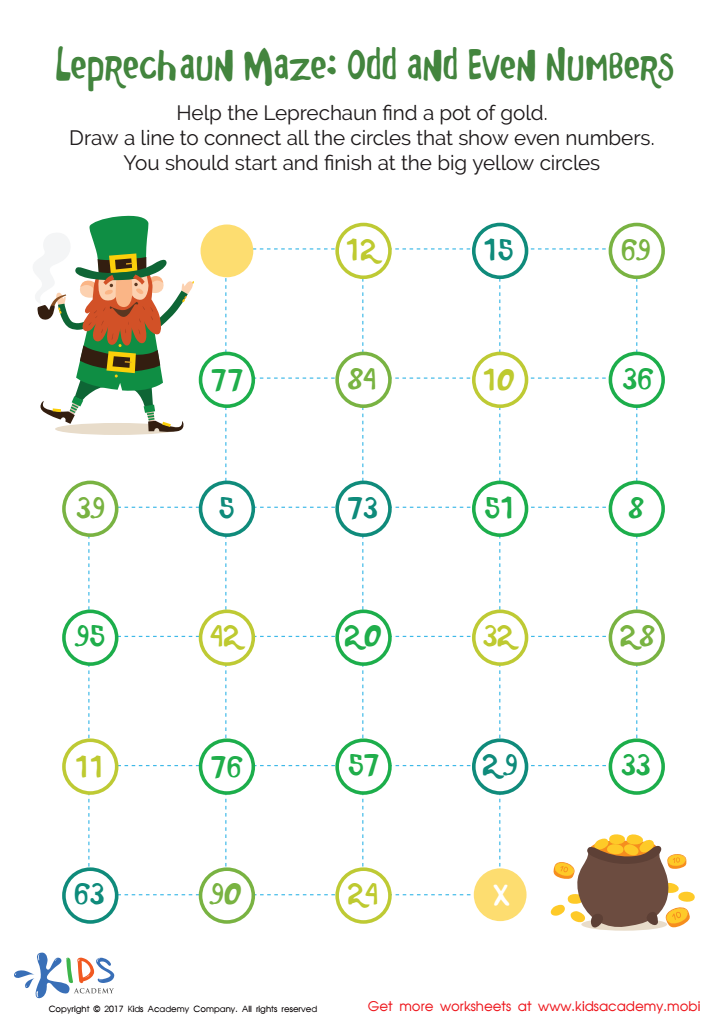
Leprechaun Maze Printable






Mazes are not just engaging activities for children ages 7-9; they serve as valuable tools for cognitive development and learning. First and foremost, solving mazes enhances critical thinking and problem-solving skills. As children navigate through the twists and turns, they are required to assess different paths and make decisions based on their observations. This fosters analytical thinking, an essential skill as they progress in school and life.
Moreover, maze activities promote fine motor skills and hand-eye coordination. As children manipulate pencils or markers to trace routes, they develop the muscular control necessary for writing and other tasks.
Completing mazes can also contribute positively to a child’s self-esteem. When they successfully navigate a maze, they experience a sense of accomplishment, encouraging persistence and resilience as they confront challenges.
Additionally, maze activities can be a fun way to integrate learning with play. They offer opportunities to reinforce subjects, such as math or literacy, by incorporating numbers, letters, or themes into the mazes.
Overall, teachers and parents should embrace maze activities as multifaceted educational tools that support cognitive, physical, and emotional growth while making learning enjoyable. They cultivate essential life skills that extend well beyond the classroom.








