Normal Tracing worksheets activities for Ages 6-8 - Page 2
91 filtered results
-
From - To
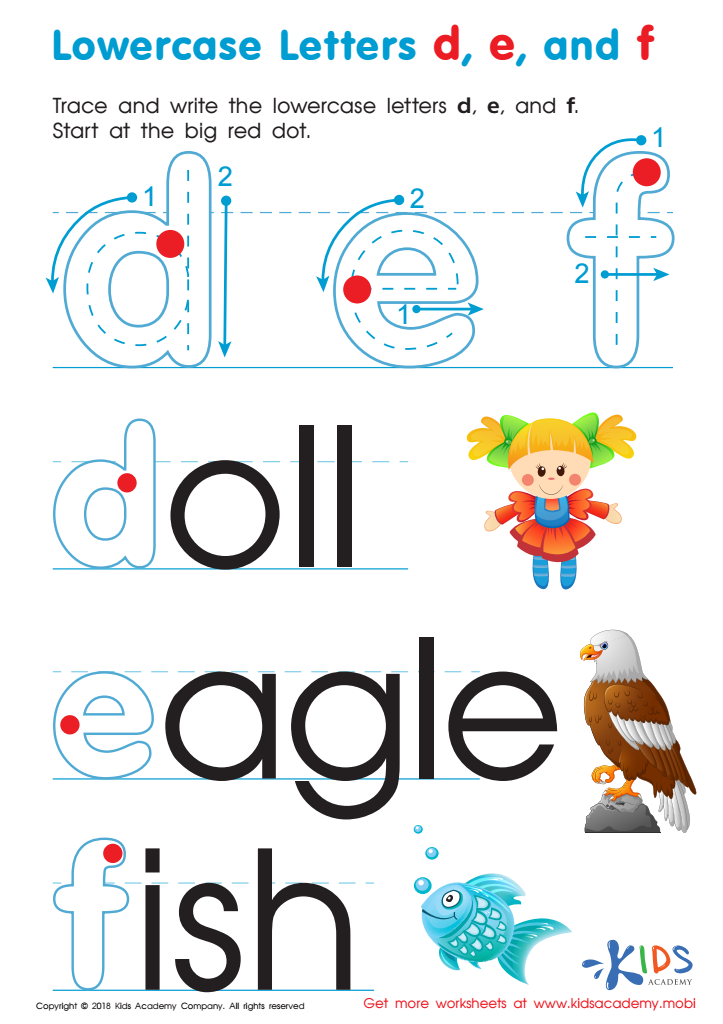
Lowercase Letters d e f Worksheet
 Assign to My Students
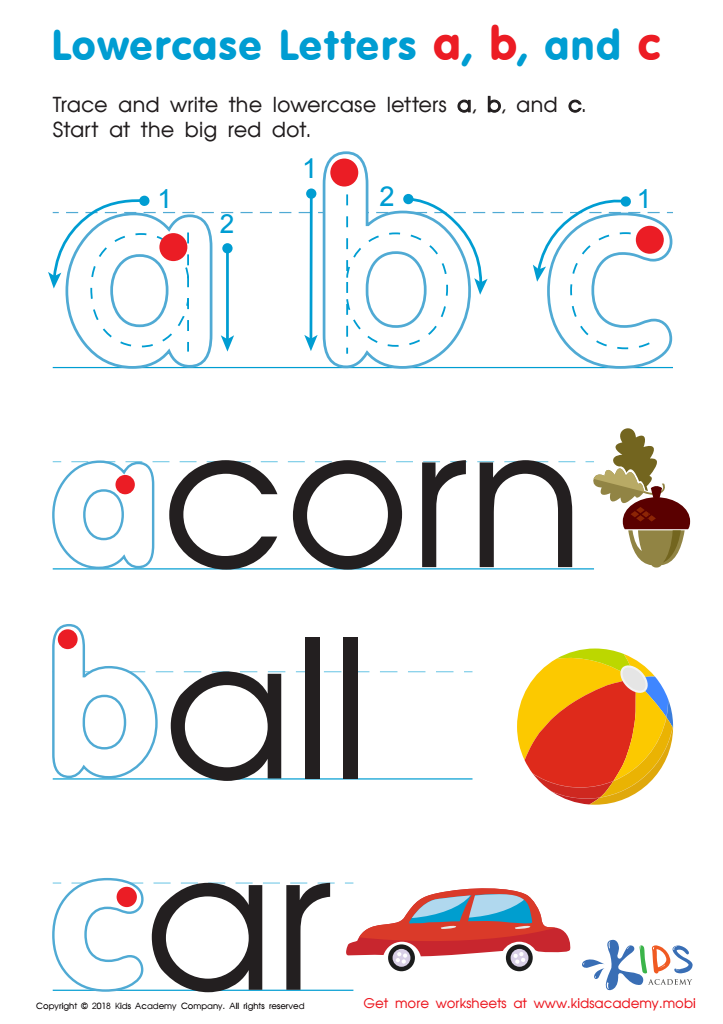
Lowercase Letters a b c Worksheet
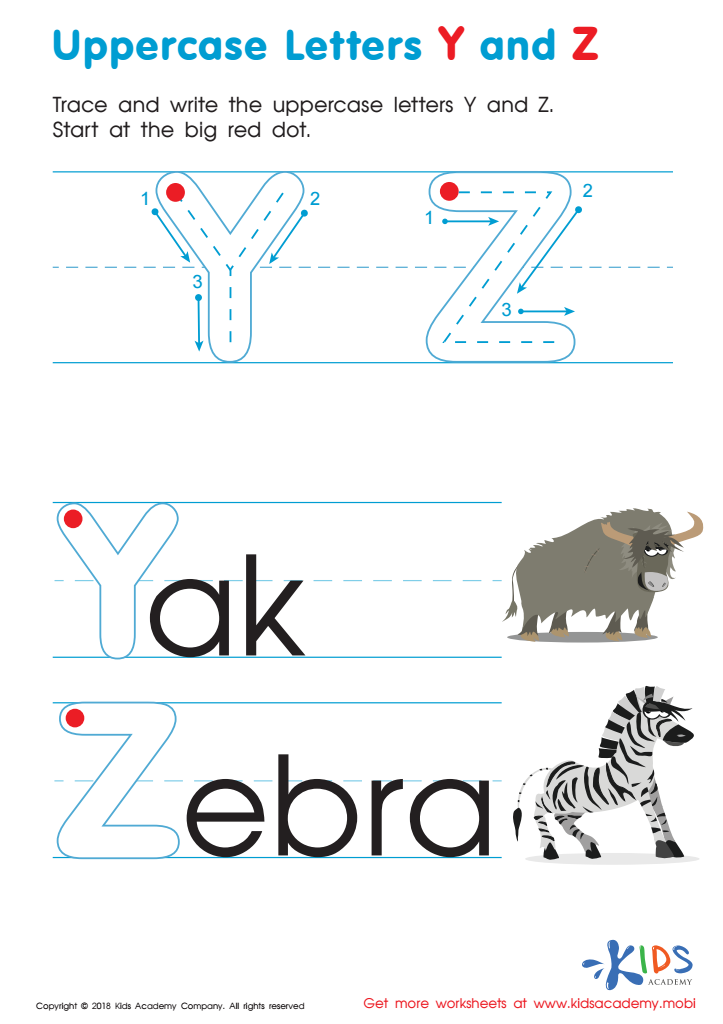
Uppercase Letters Y Z Worksheet
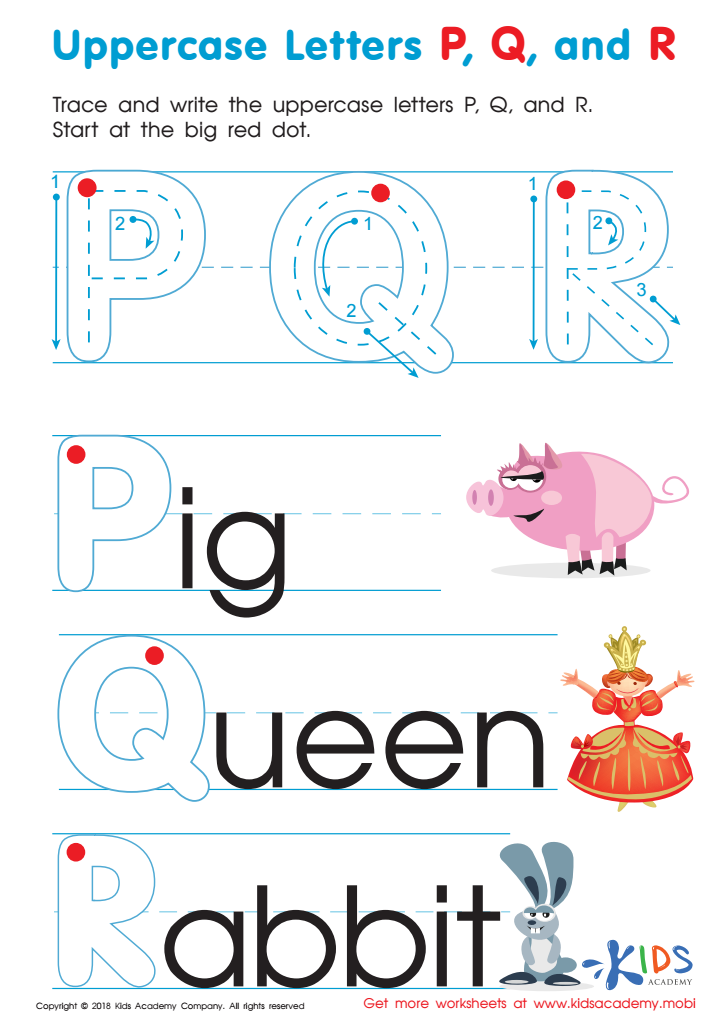
Uppercase Letters P, Q, and R Worksheet
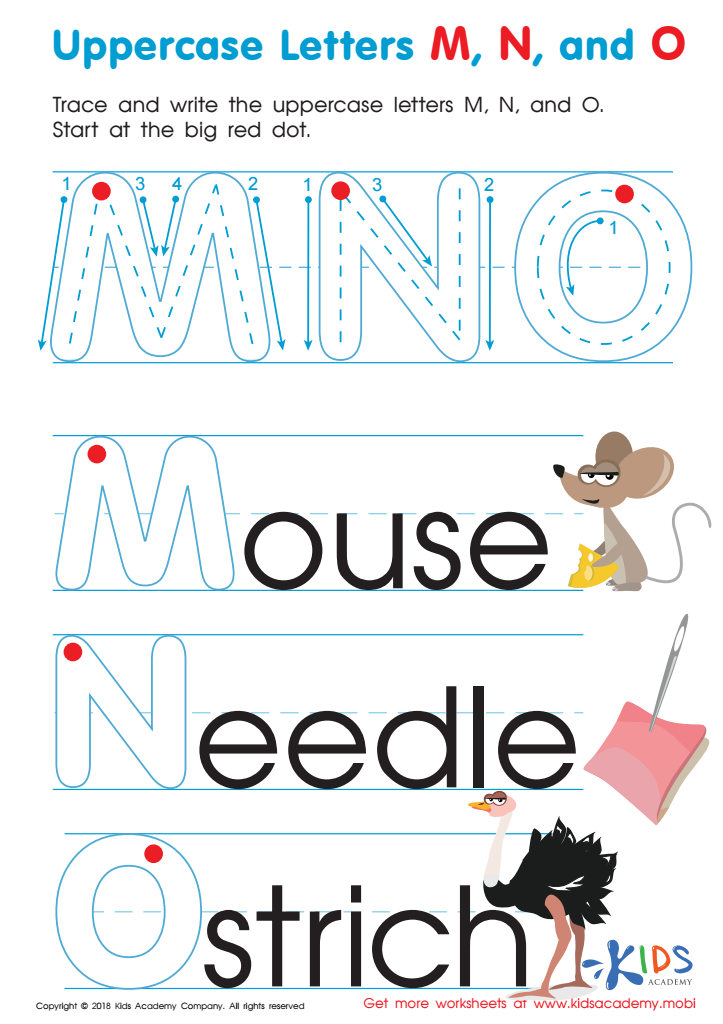
Uppercase Letters M, N, and O Worksheet
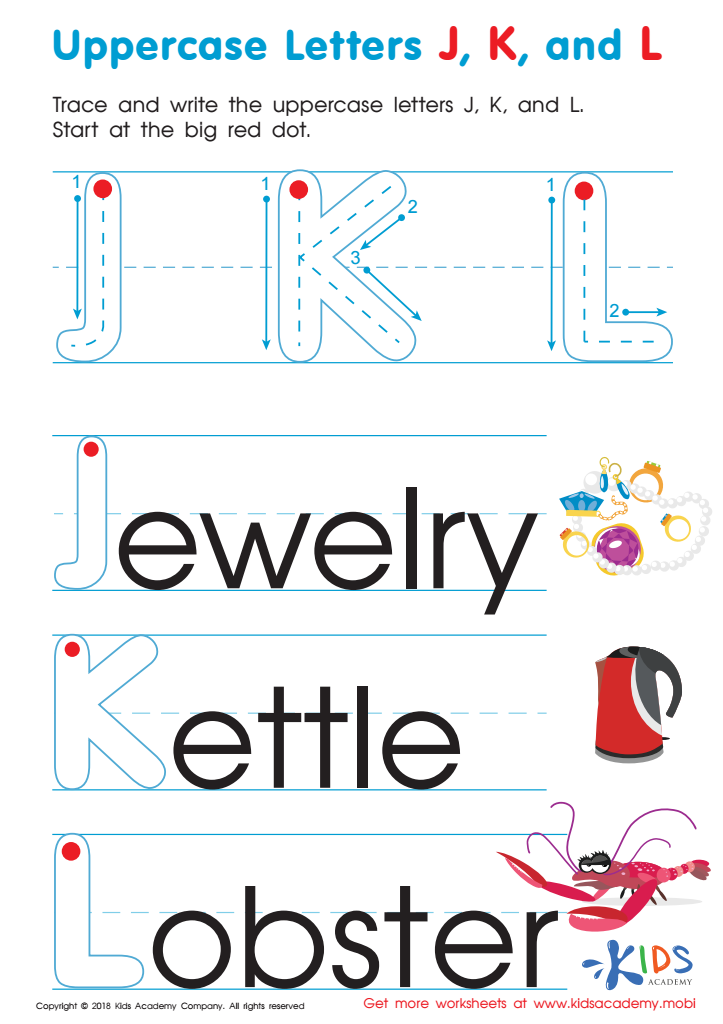
Uppercase Letters J, K, and L Worksheet
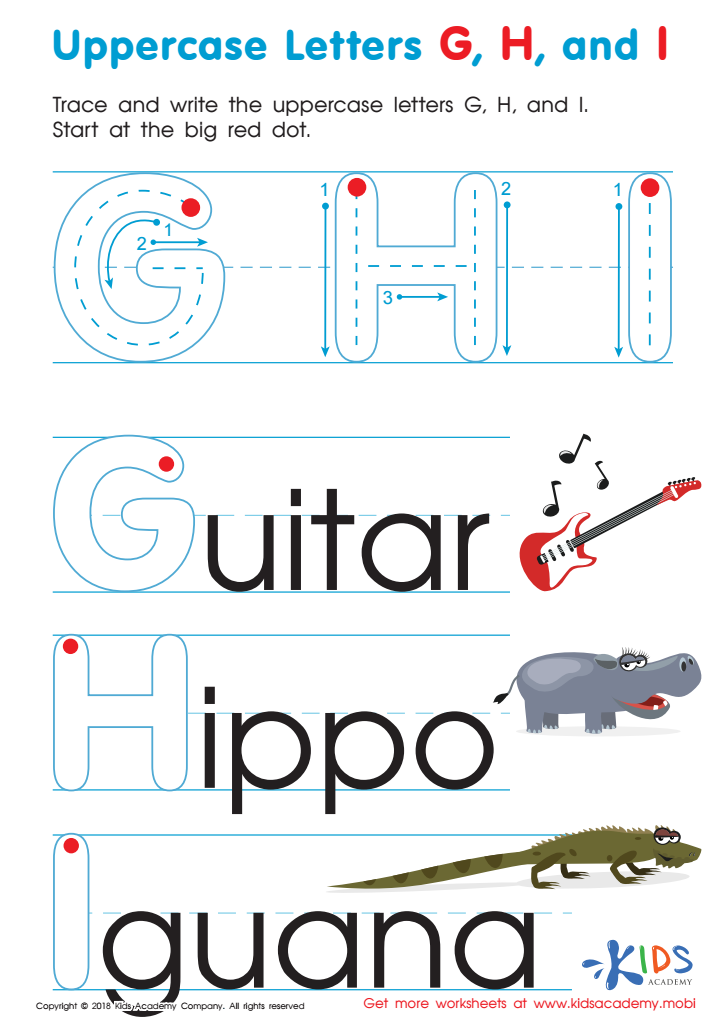
Uppercase Letters G, H, and I Worksheet
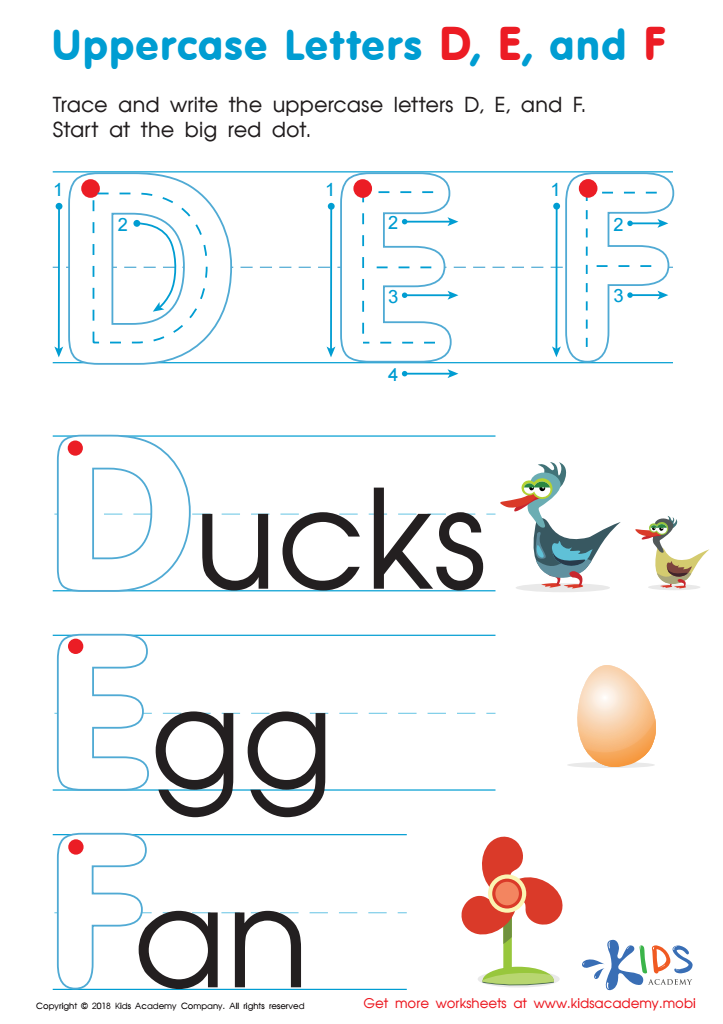
Uppercase Letters D, E, and F Worksheet
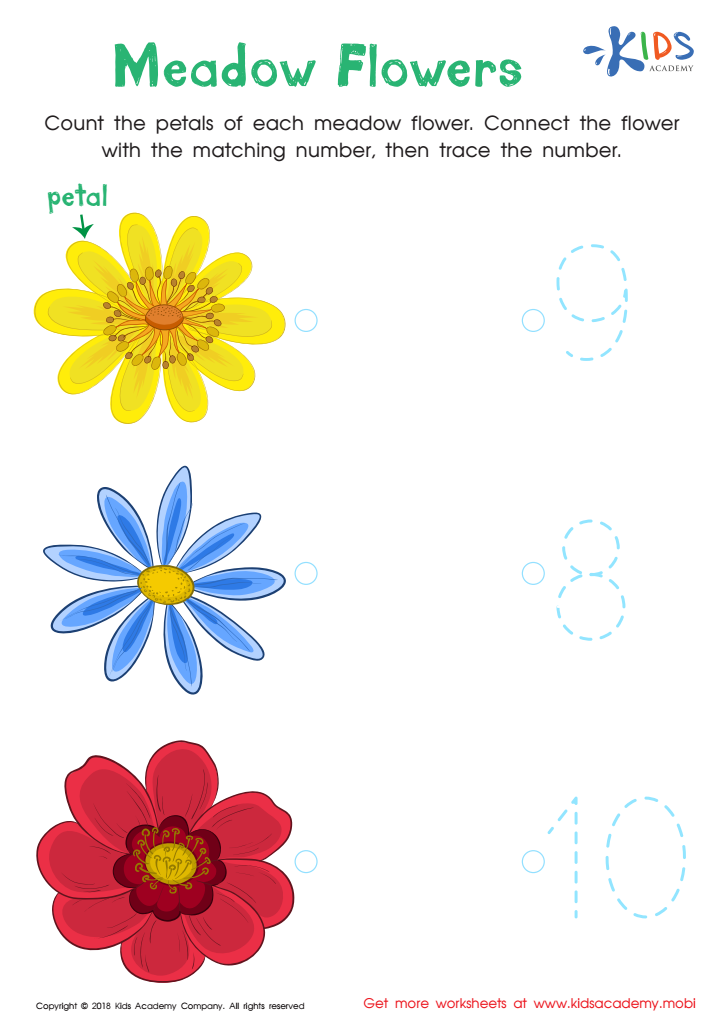
Kindergarten Number Tracing: Medow Flowers Worksheet
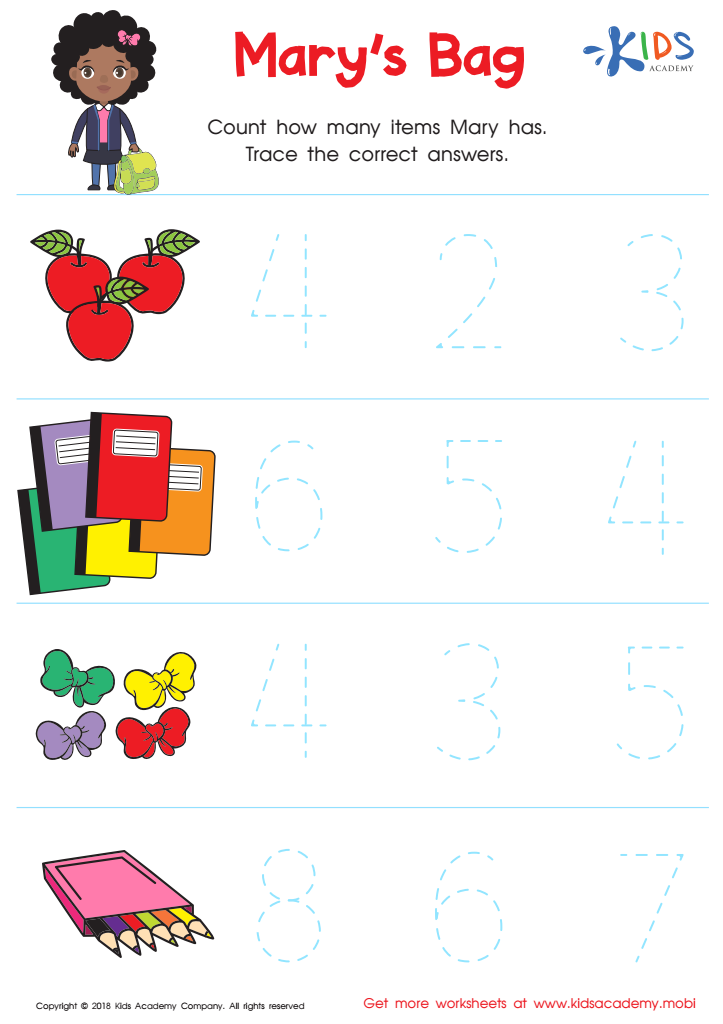
Kindergarten Number Tracing: Mary's Bag Worksheet
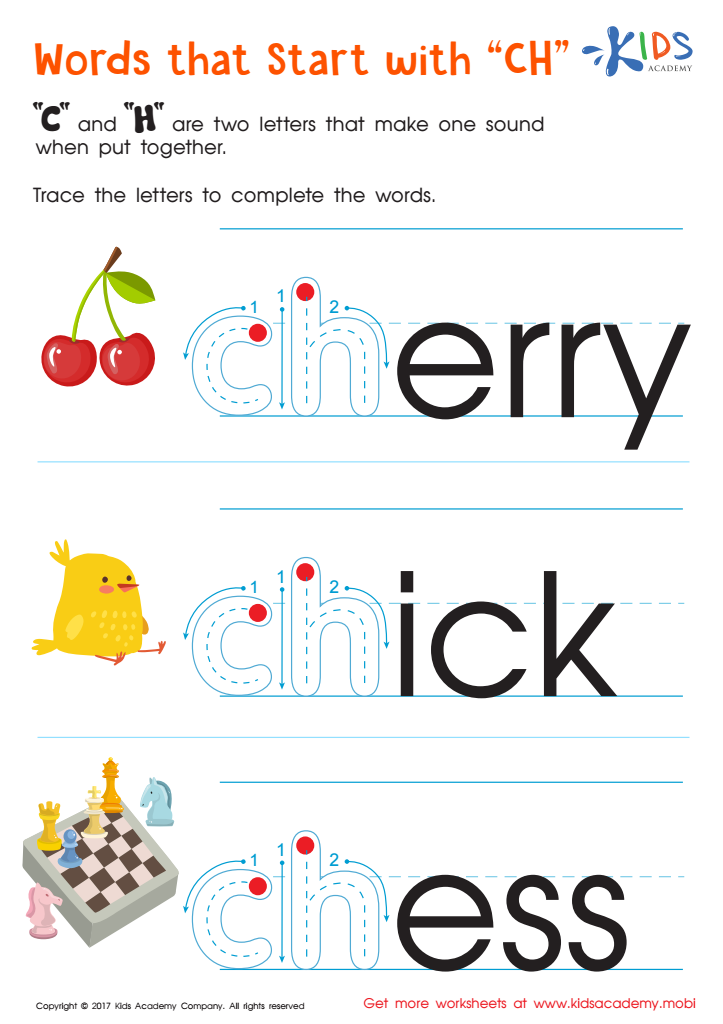
Words That Start with "ch" Spelling Worksheet
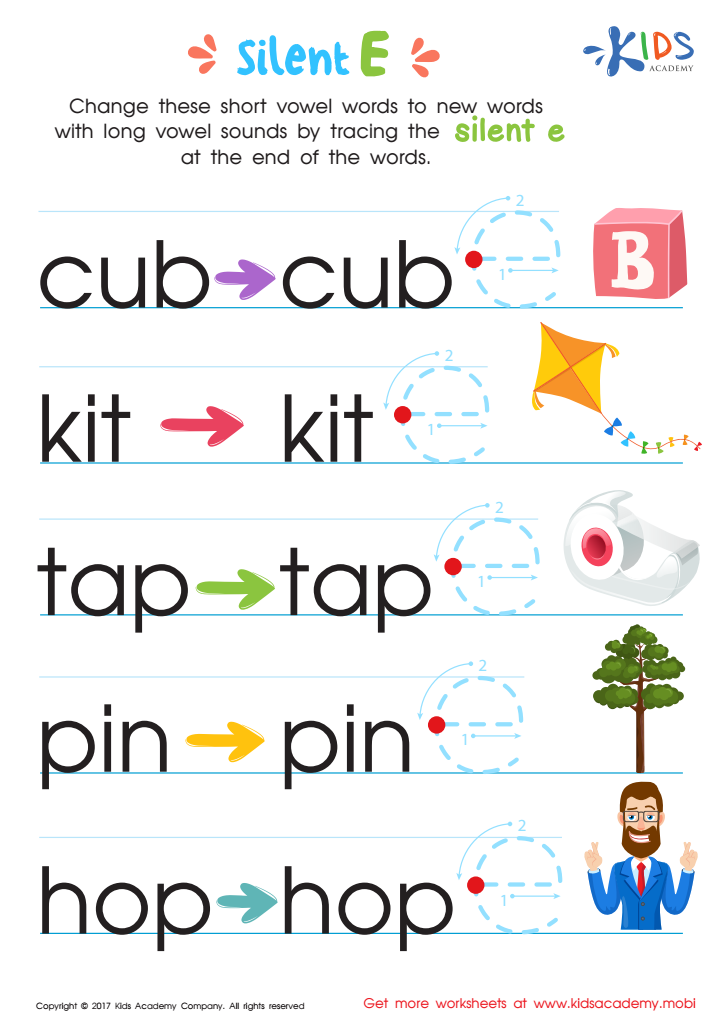
Silent E Words Worksheet
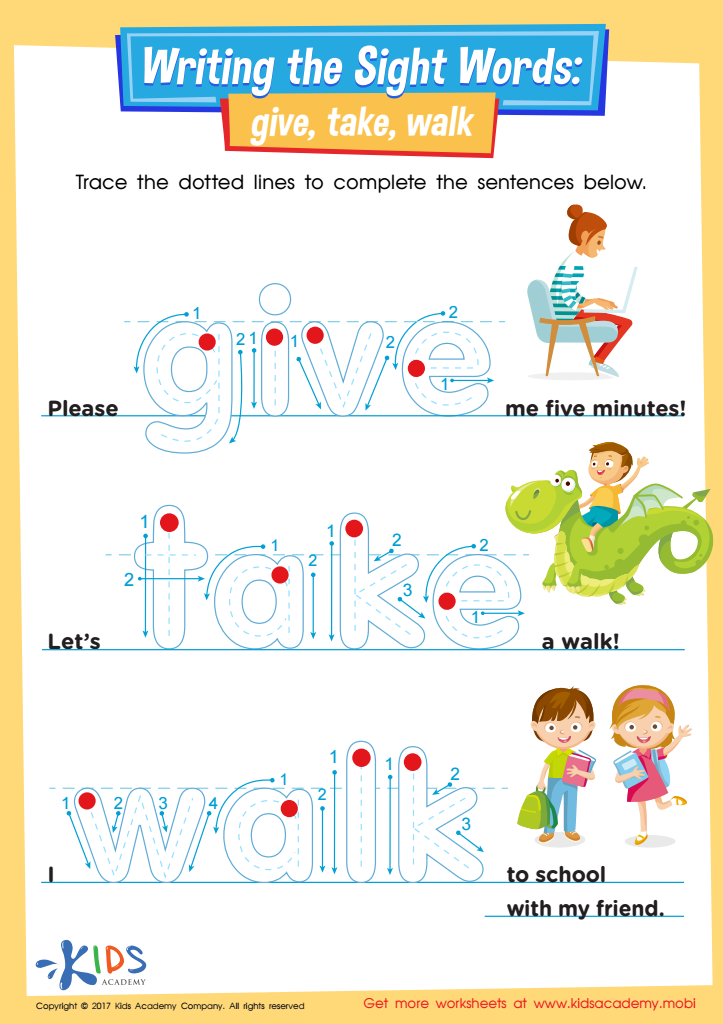
Give, Take, Walk Printable Sight Words Worksheet
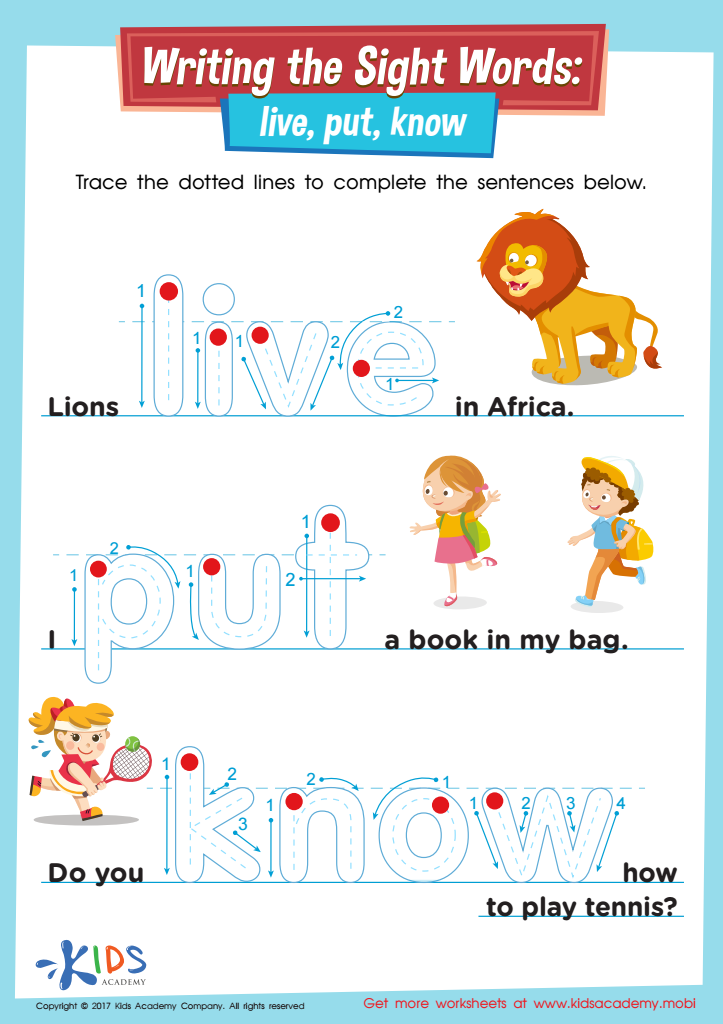
Live, Put, Know Printable Sight Words Worksheet
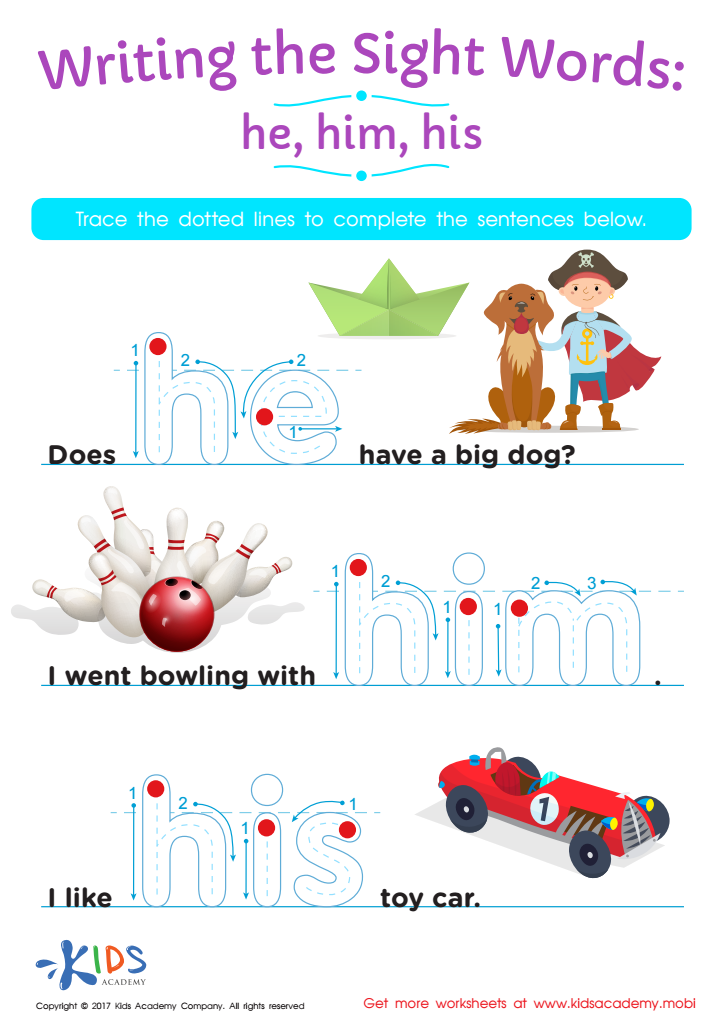
He, Him, His Printable Sight Words Worksheet
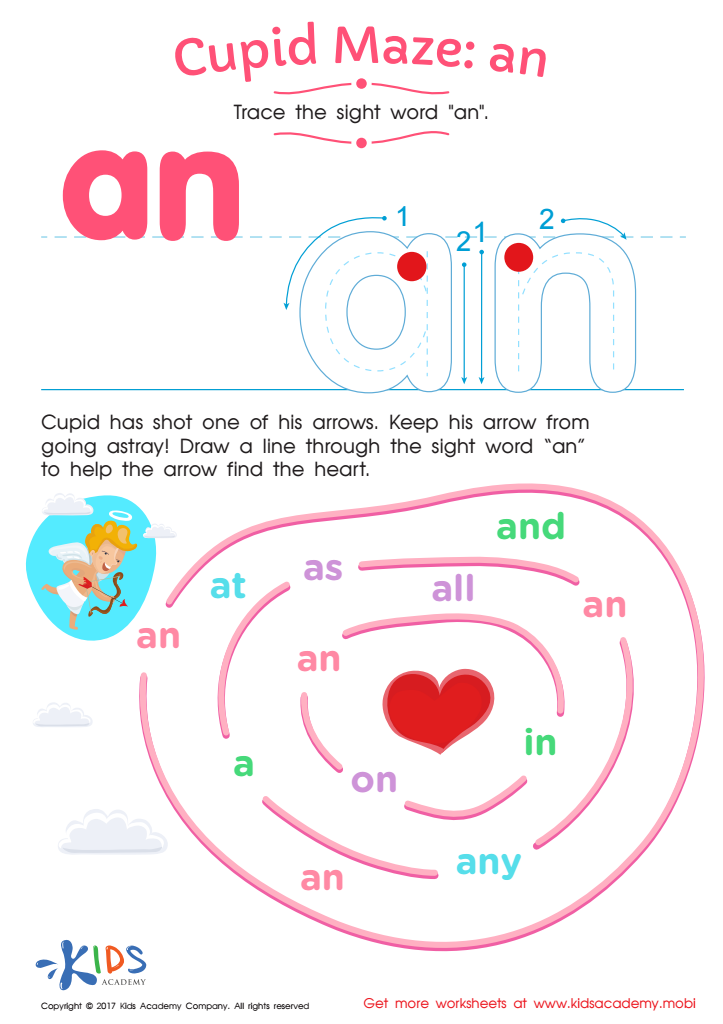
Cupid Maze: An Printable
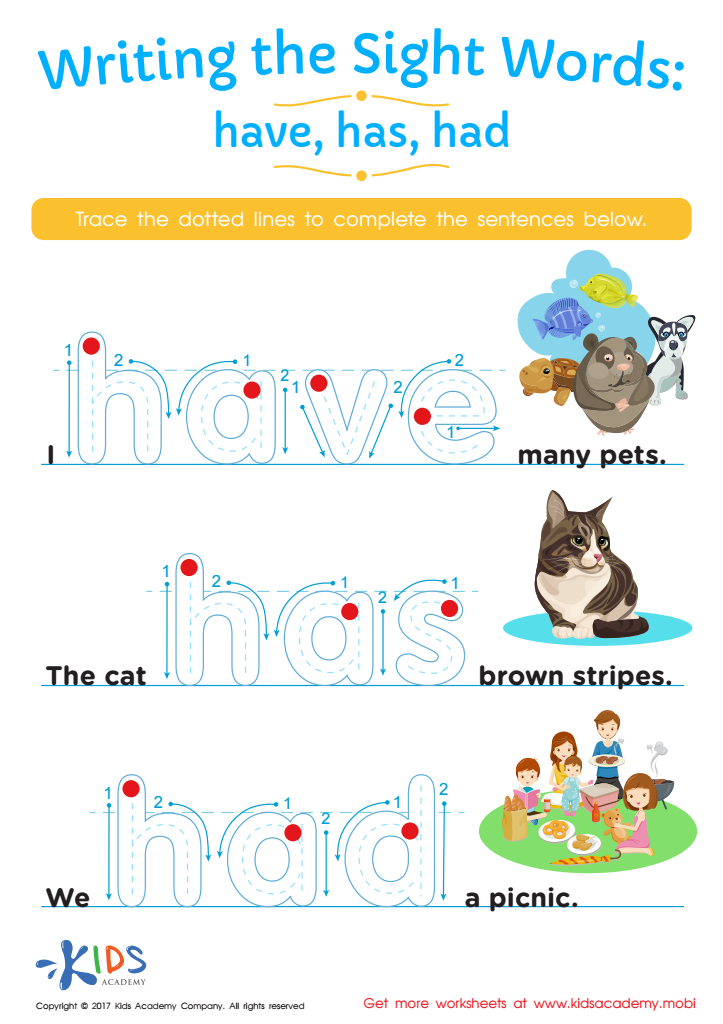
Have, Has, Had Worksheet Sight Words Worksheet
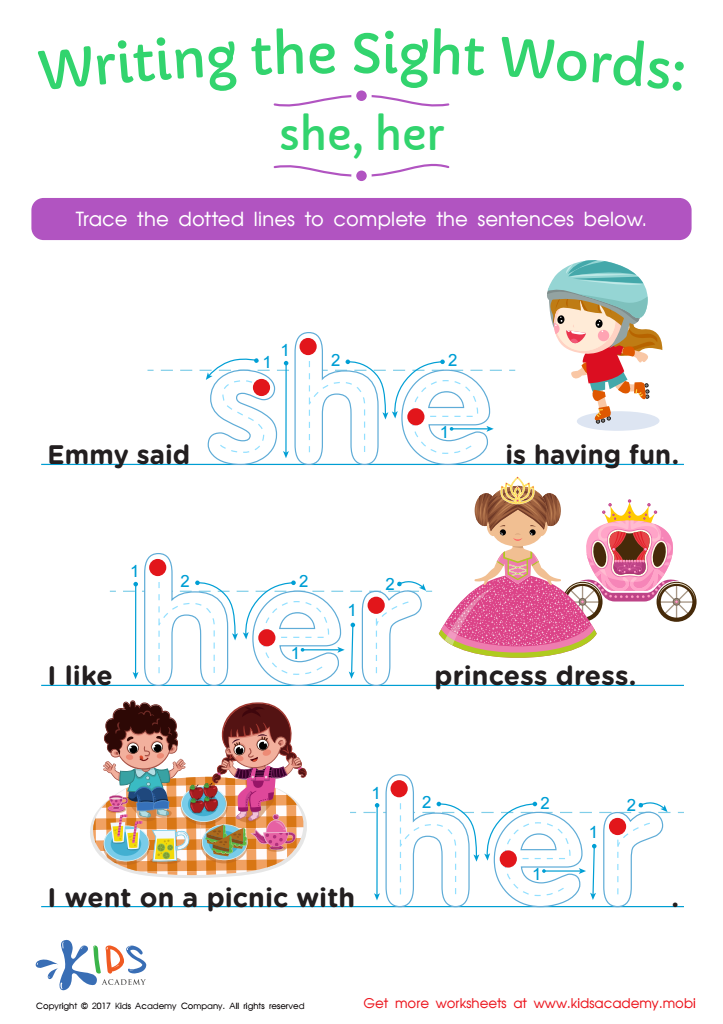
She, Her Printable Sight Words Worksheet
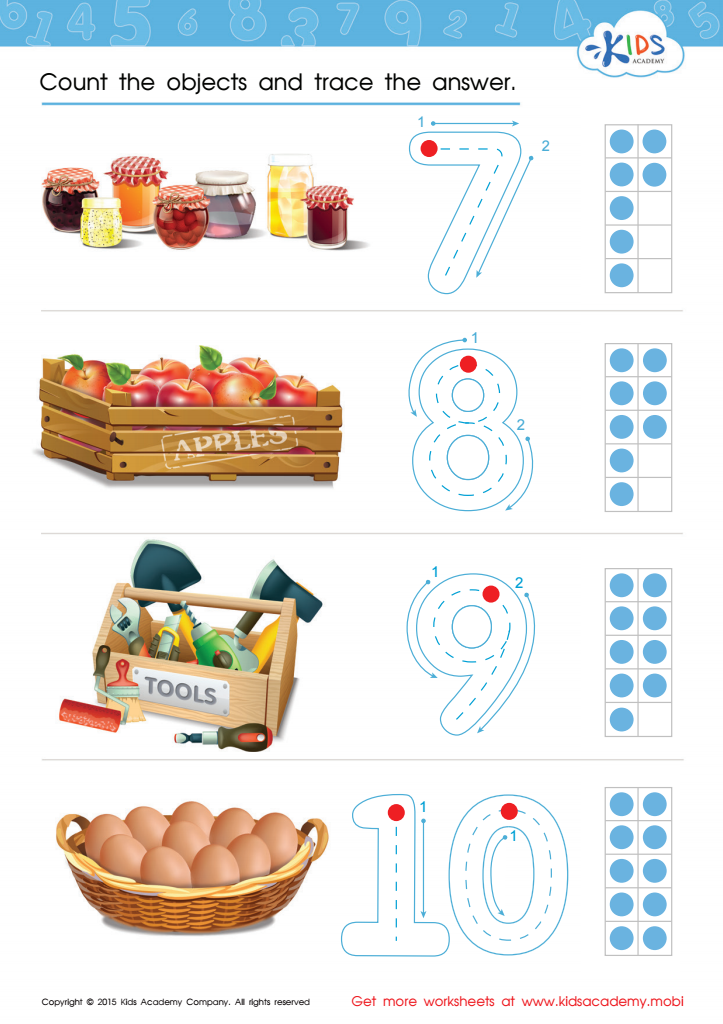
Count and Trace 7 – 10 Worksheet

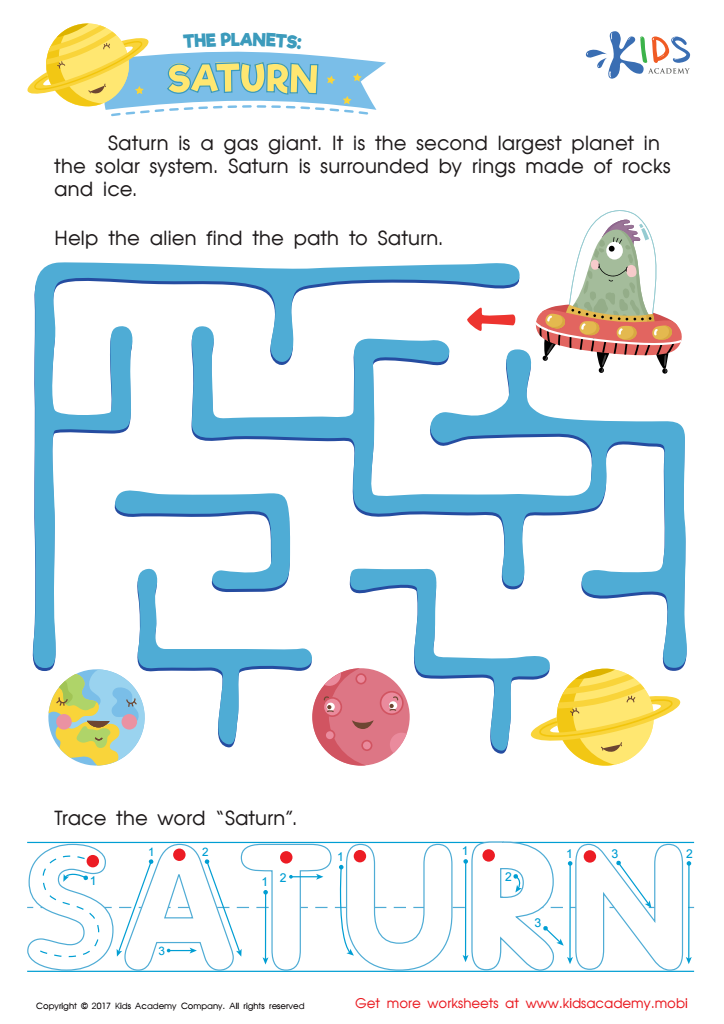
The Planets: Saturn Printable
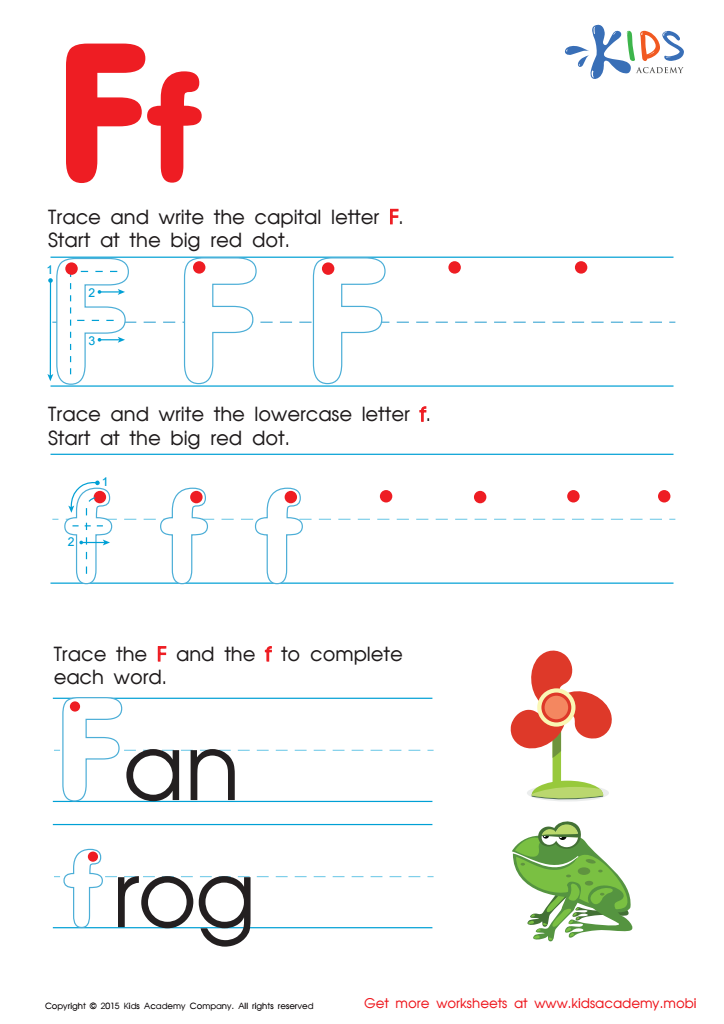
Letter F Tracing Page
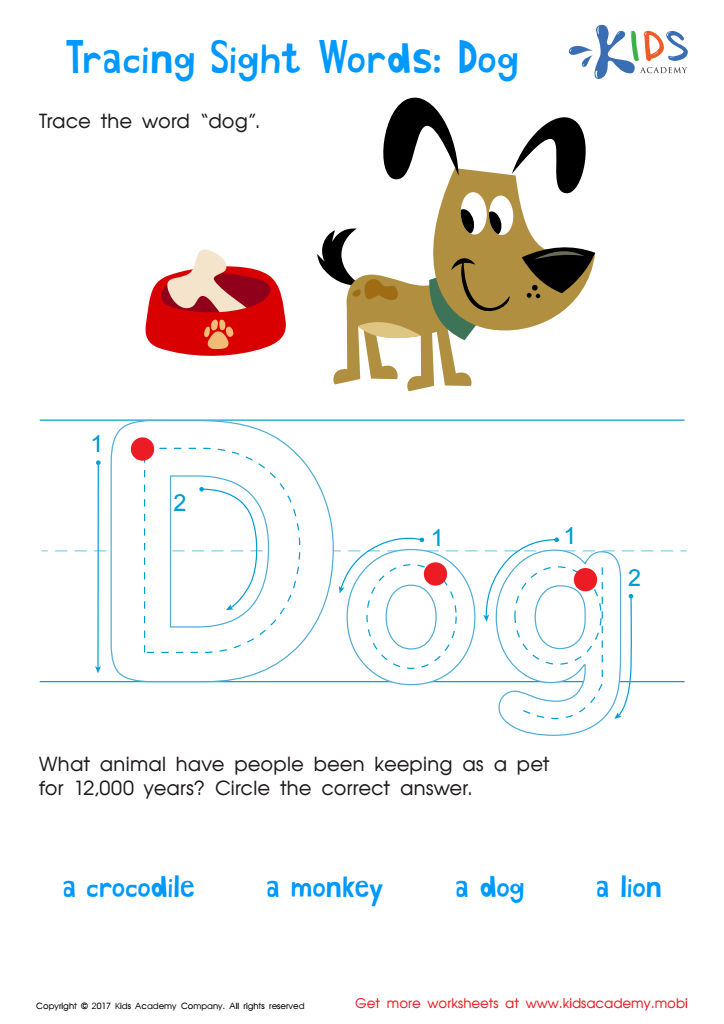
Dog Worksheet Sight Words Worksheet
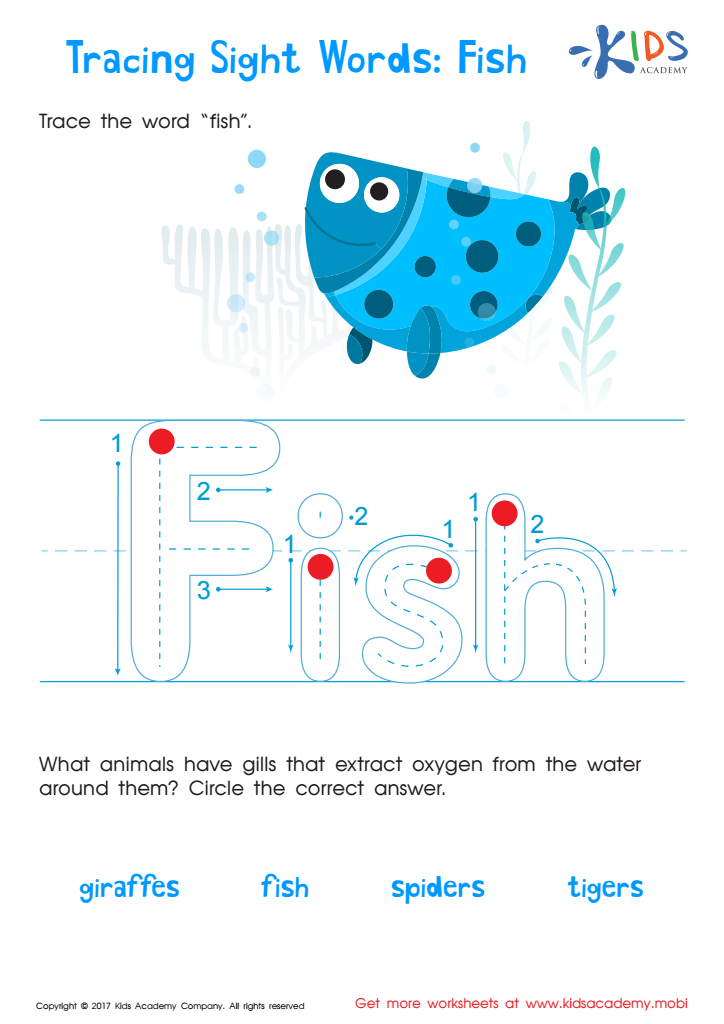







Normal tracing activities are essential for children aged 6-8, as they significantly contribute to their developmental skills. At this age, children are honing their fine motor skills, which are crucial for writing, drawing, and performing everyday tasks. Tracing helps improve hand-eye coordination, which lays the foundation for better control over writing instruments. This activity also reinforces letter and number formation, making it easier for children to transition from tracing to independent writing.
Additionally, tracing can help enhance cognitive development. When children trace shapes or letters, they engage in visual-motor integration, which strengthens their ability to process information. This engagement can also lead to improved memory retention as they learn letters, numbers, and shapes while actively participating in the activity.
Furthermore, tracing promotes a sense of accomplishment and confidence in children. Completing tracing activities gives kids a tangible product of their effort, encouraging them to take on more challenging tasks. For parents and teachers, incorporating normal tracing activities into learning routines supports essential skill development while making learning enjoyable and interactive, laying a strong foundation for future academic success. Overall, tracing is a vital tool in fostering holistic child development.








