Numbers Worksheets for Ages 3-6 - Page 16
381 filtered results
-
From - To
 Assign to My Students
Count with the Captain Connect Dots Worksheet
Birthday Counting Connect Dots Worksheet
Ordering 11–20: Halloween Counting Worksheet
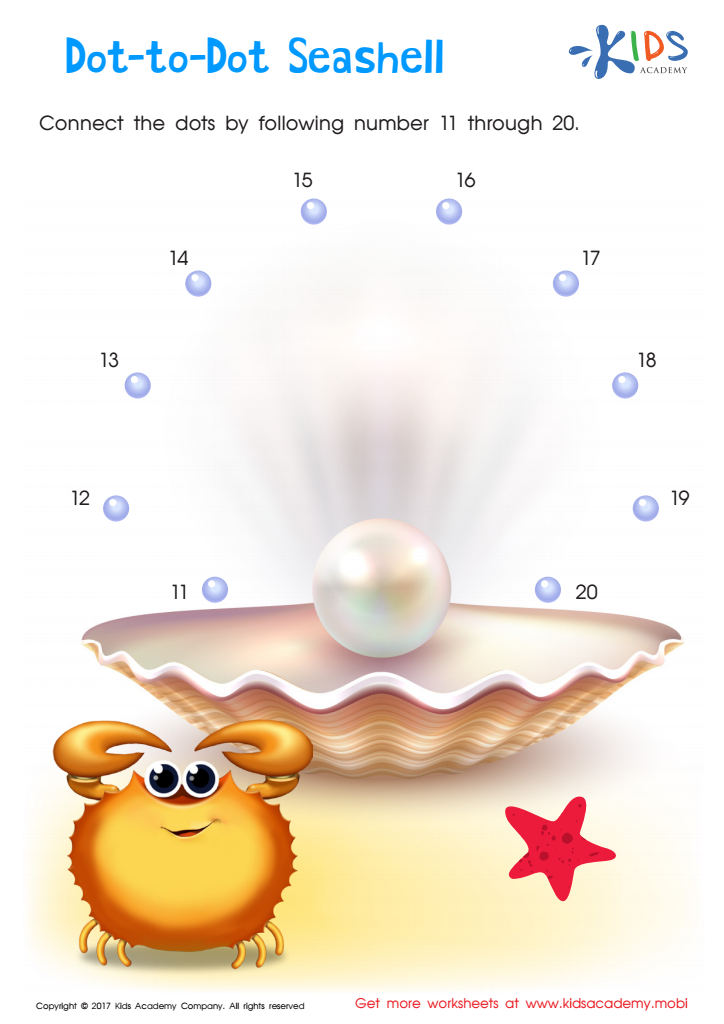
Ordering 11–20: Dot–to–dot Seashell Printable
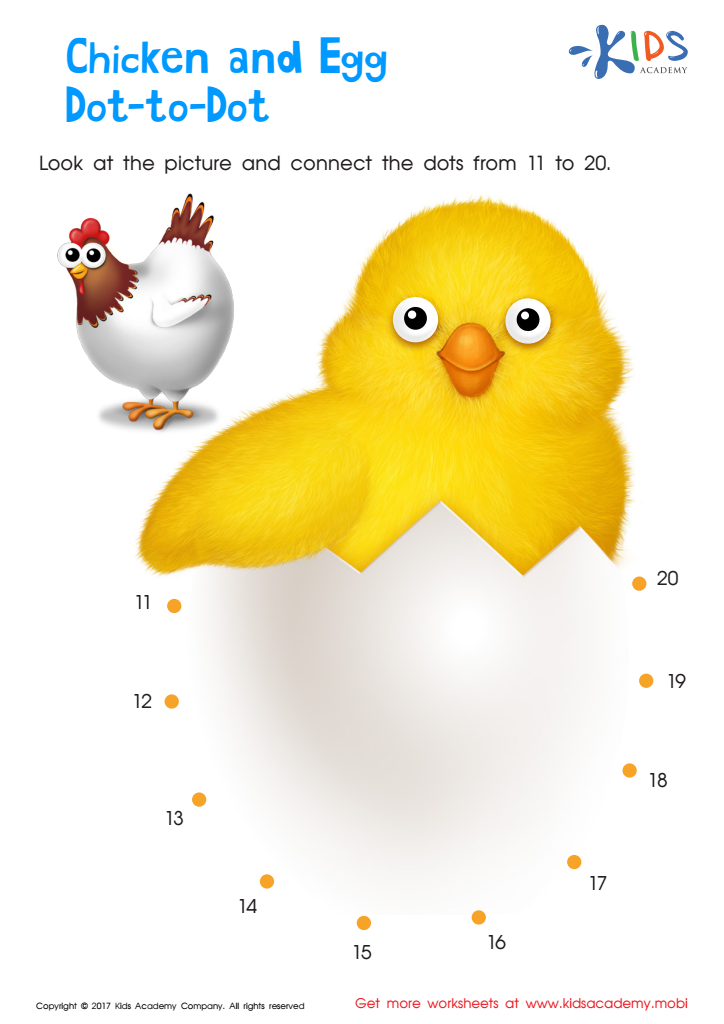
Ordering 11–20: Chicken & Egg Dot–to–dot Worksheet
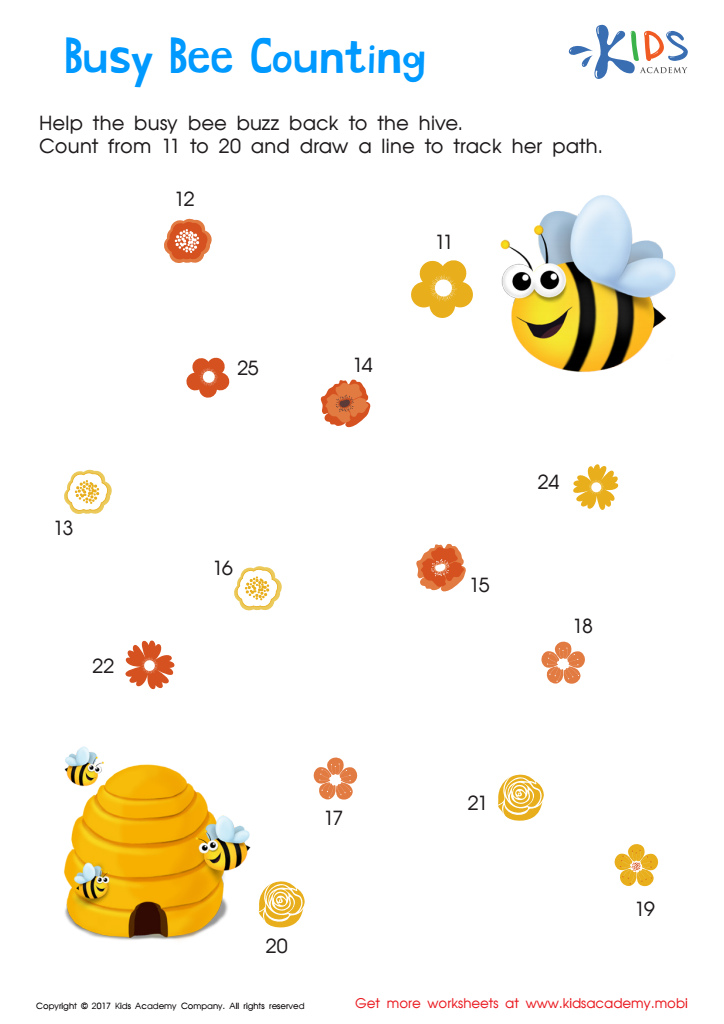
Ordering 11–20: Busy Bee Counting Worksheet
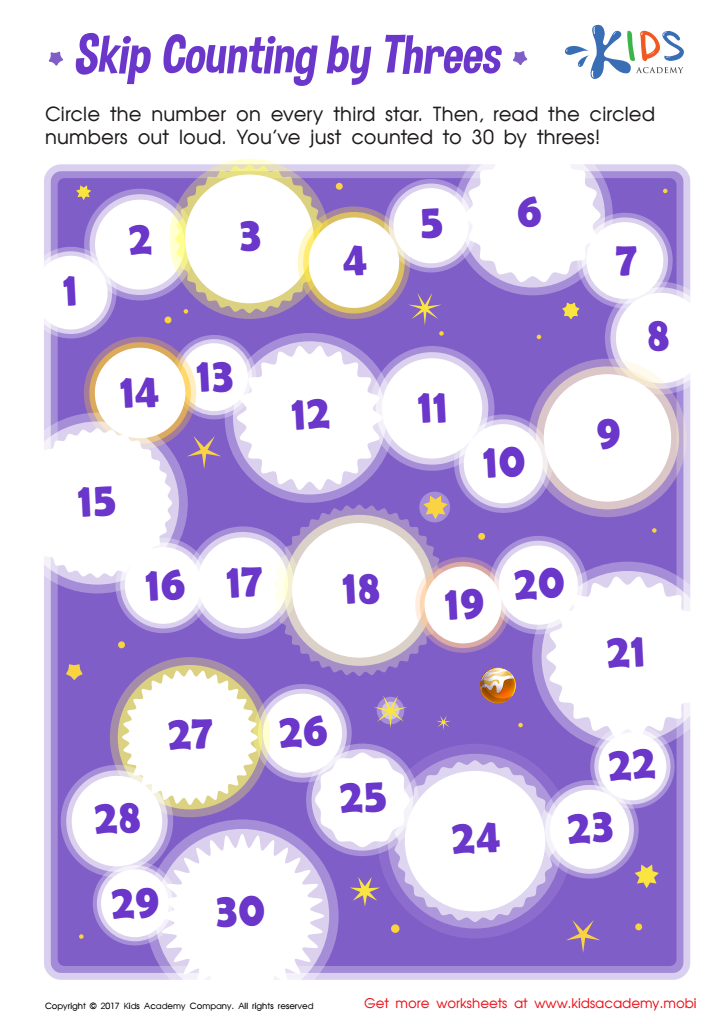
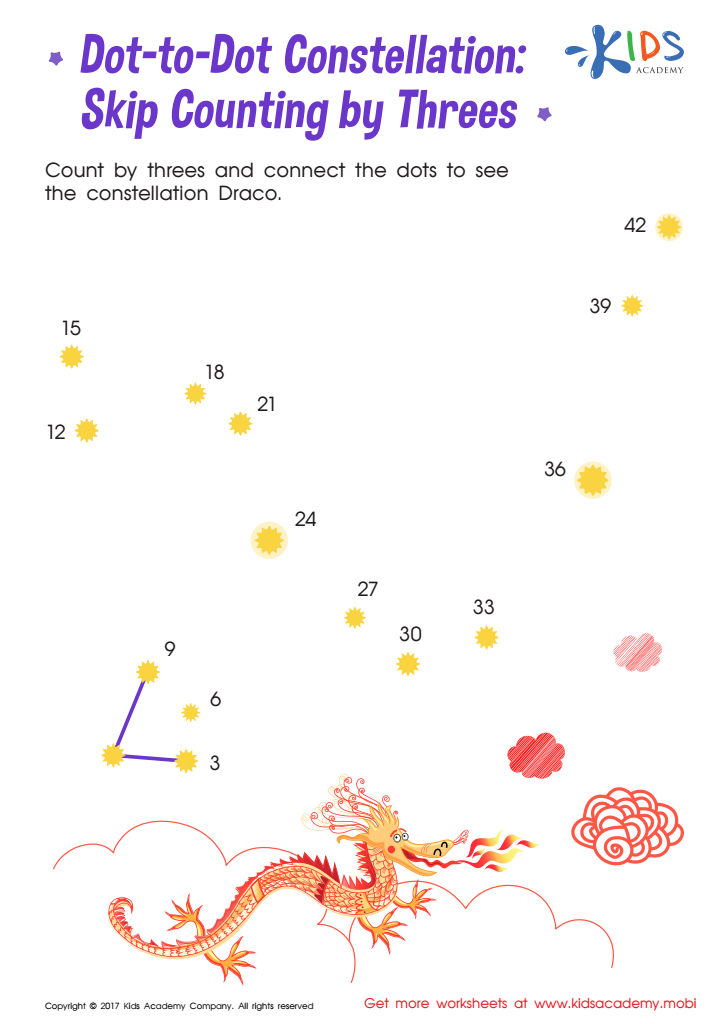
Skip Counting By Three Printable
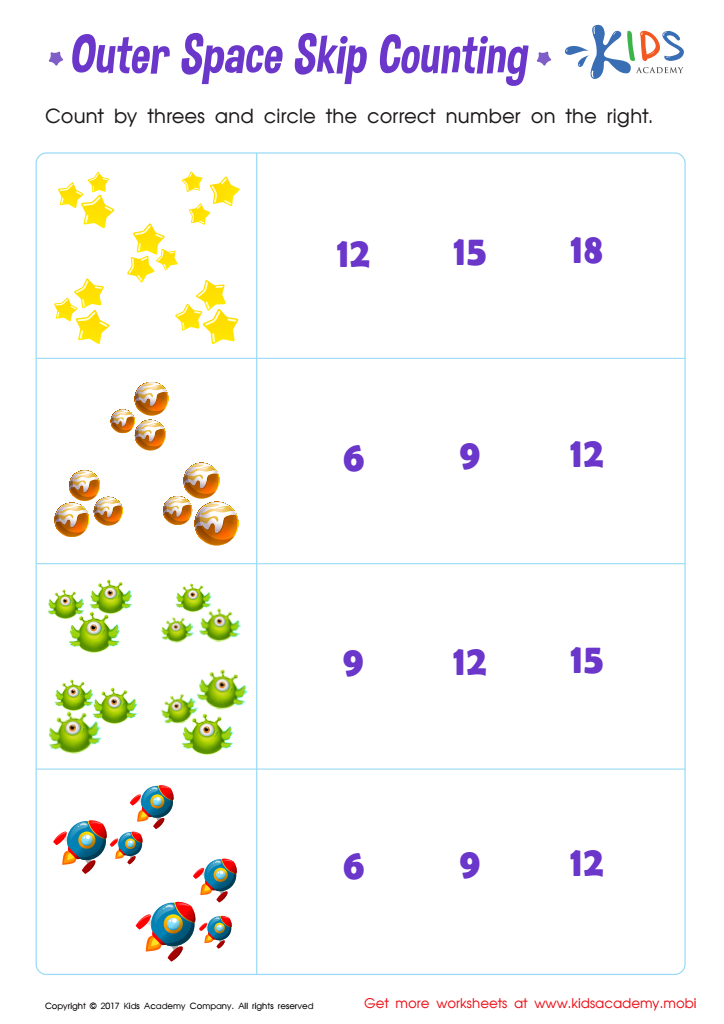
Skip Counting by 3s: Outer Space Skip Counting Printable
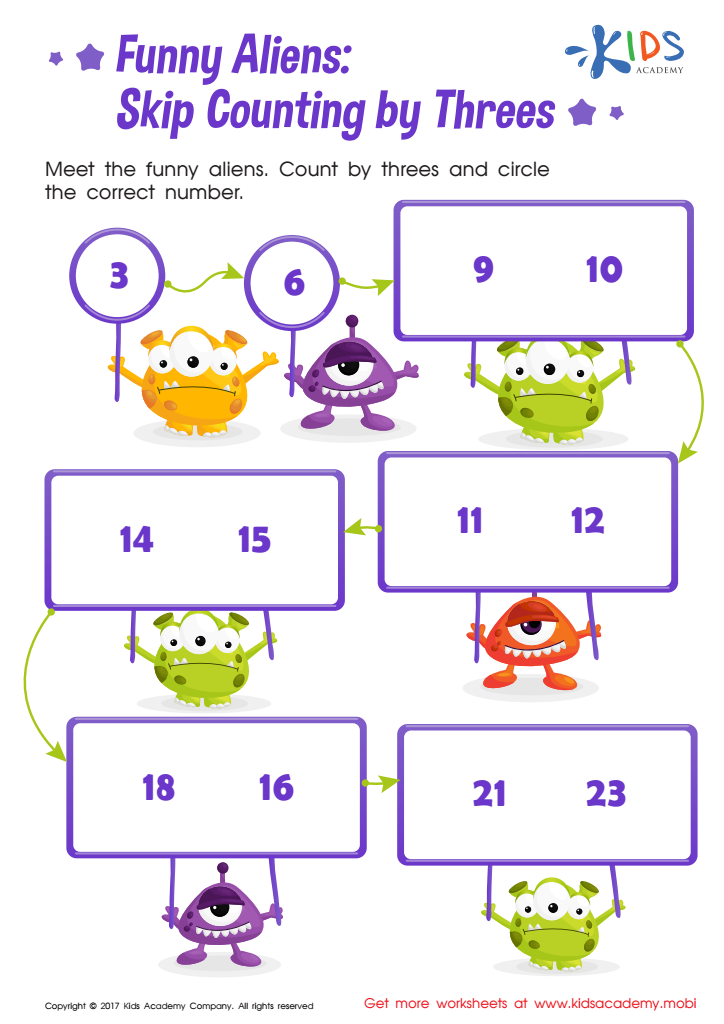
Skip Counting by 3s: Funny Aliens Printable
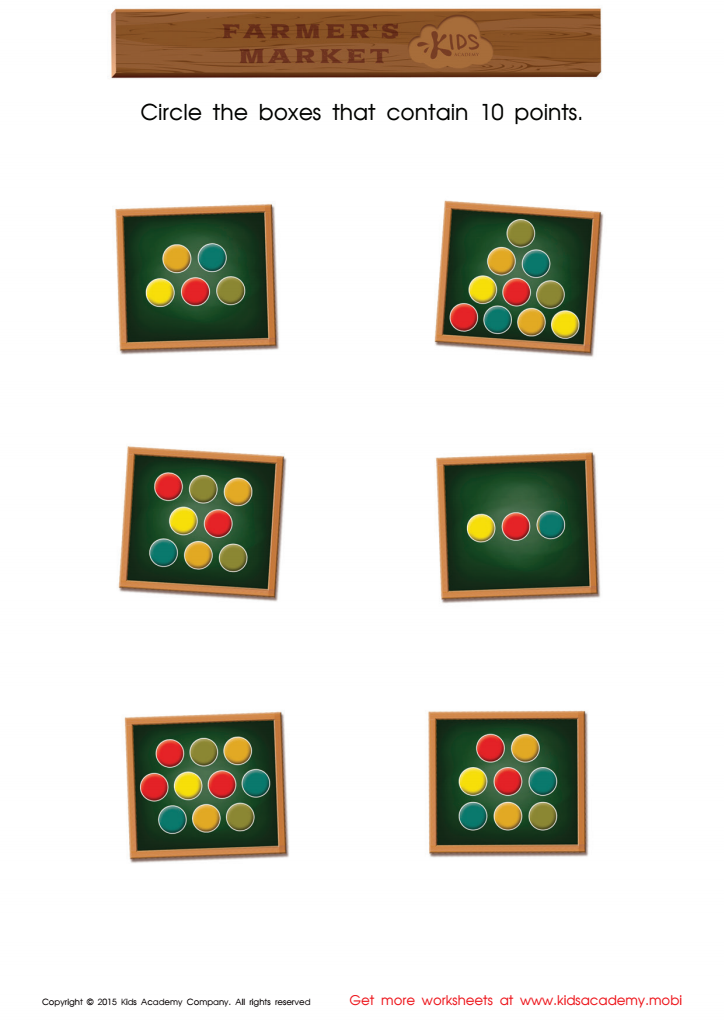
Count and Match Points 10 Math Worksheet
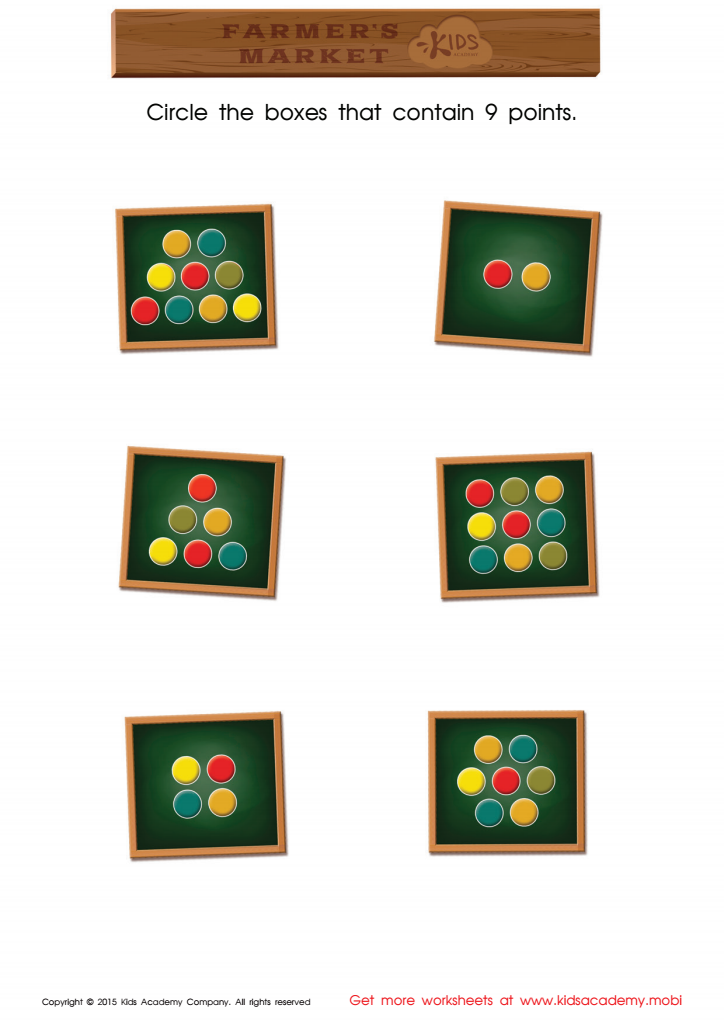
Count and Match Points 9 Math Worksheet
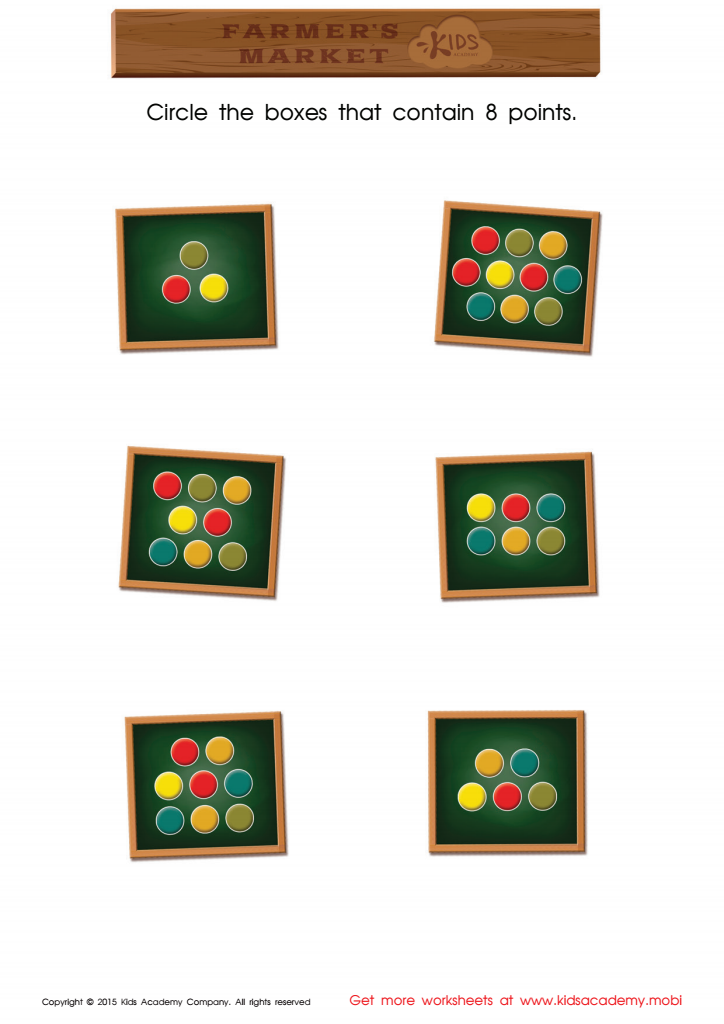
Count and Match Points 8 Math Worksheet
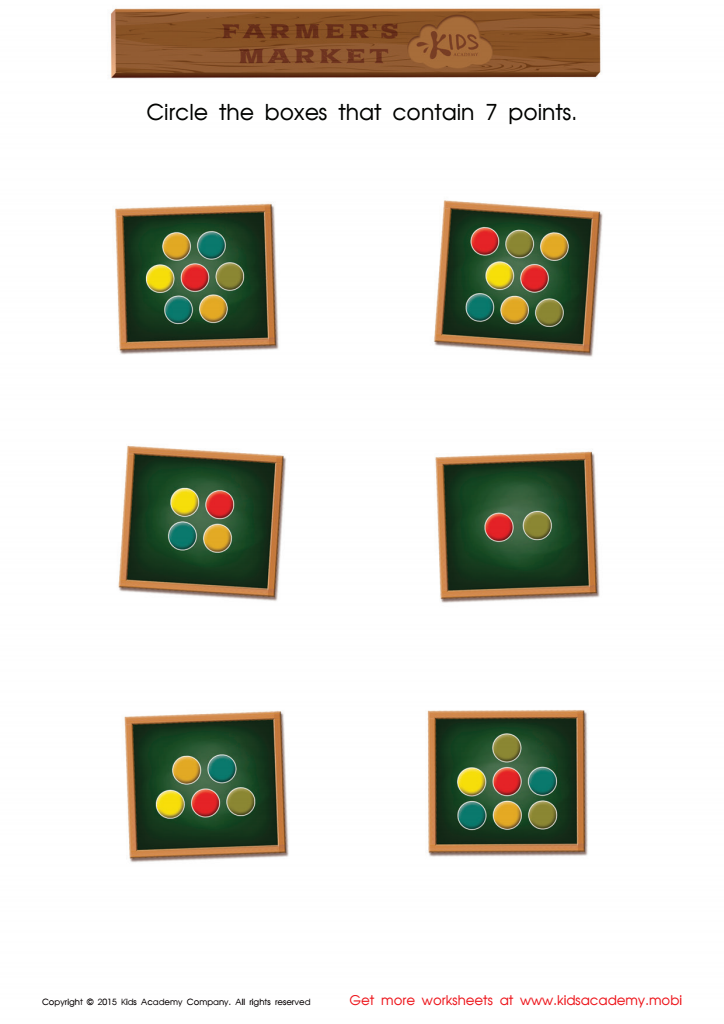
Count and Match Points 7 Math Worksheet
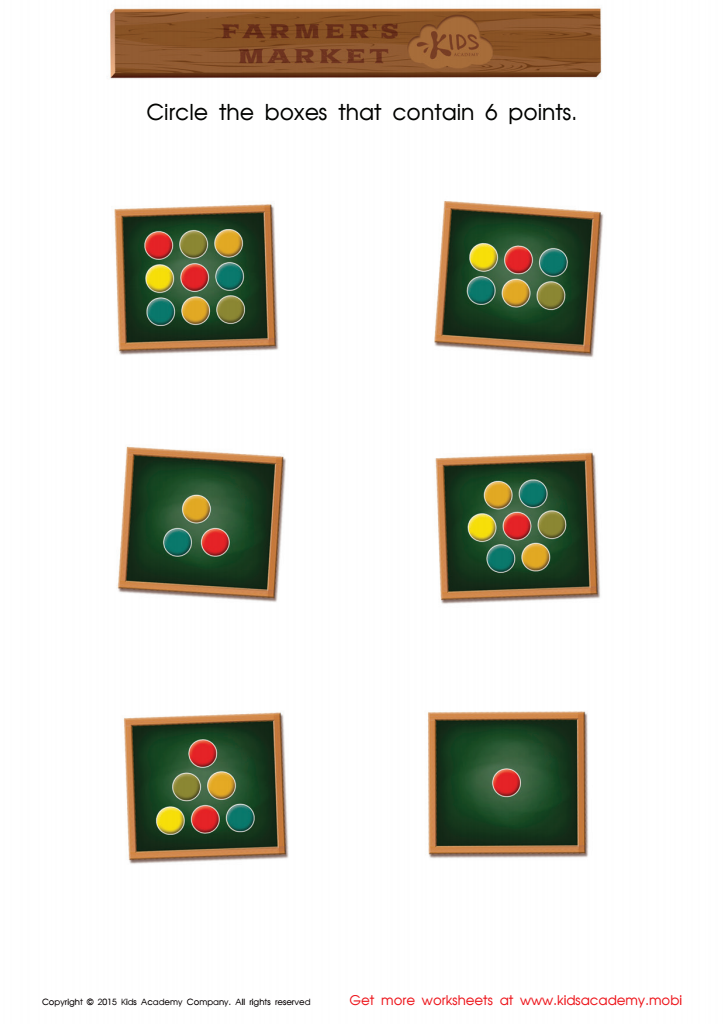
Count and Match Points 6 Math Worksheet
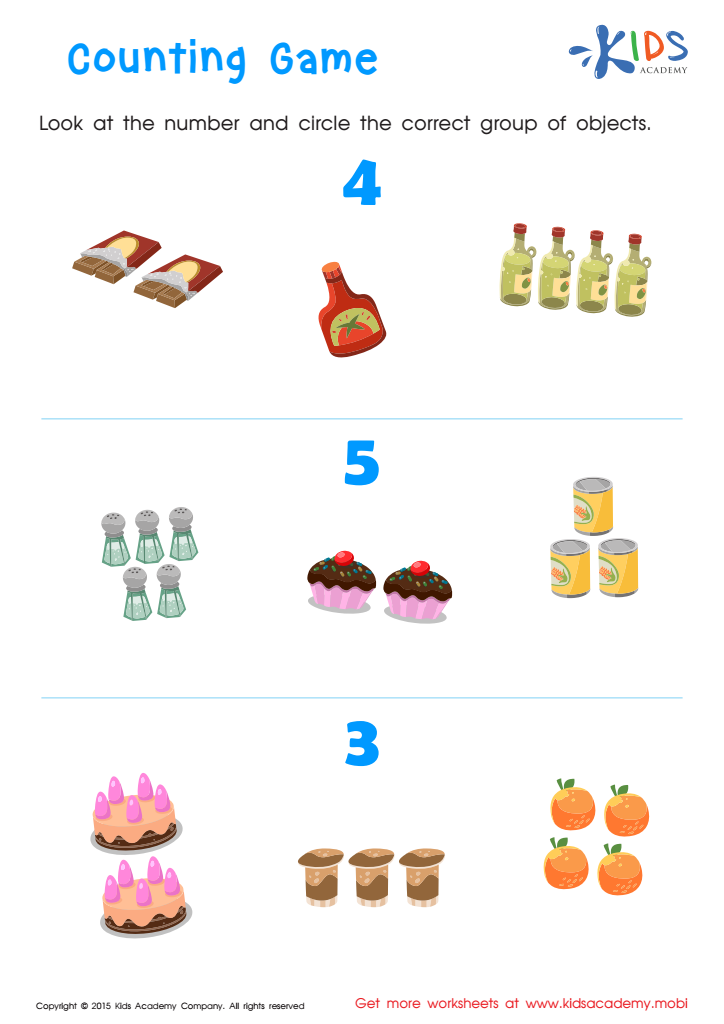
Counting Worksheet
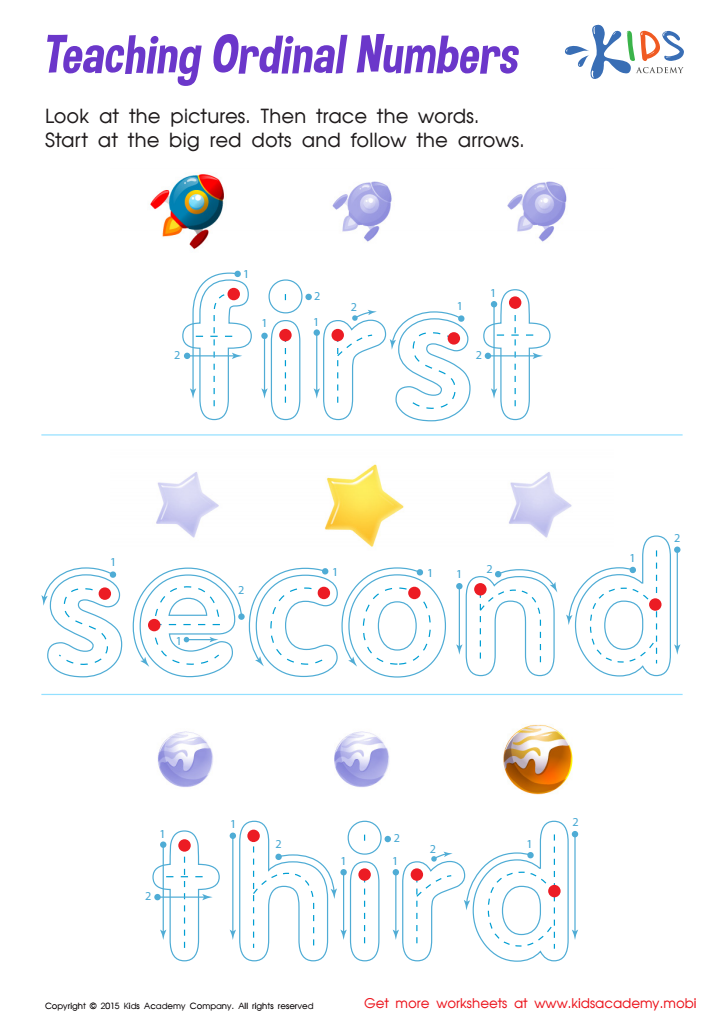
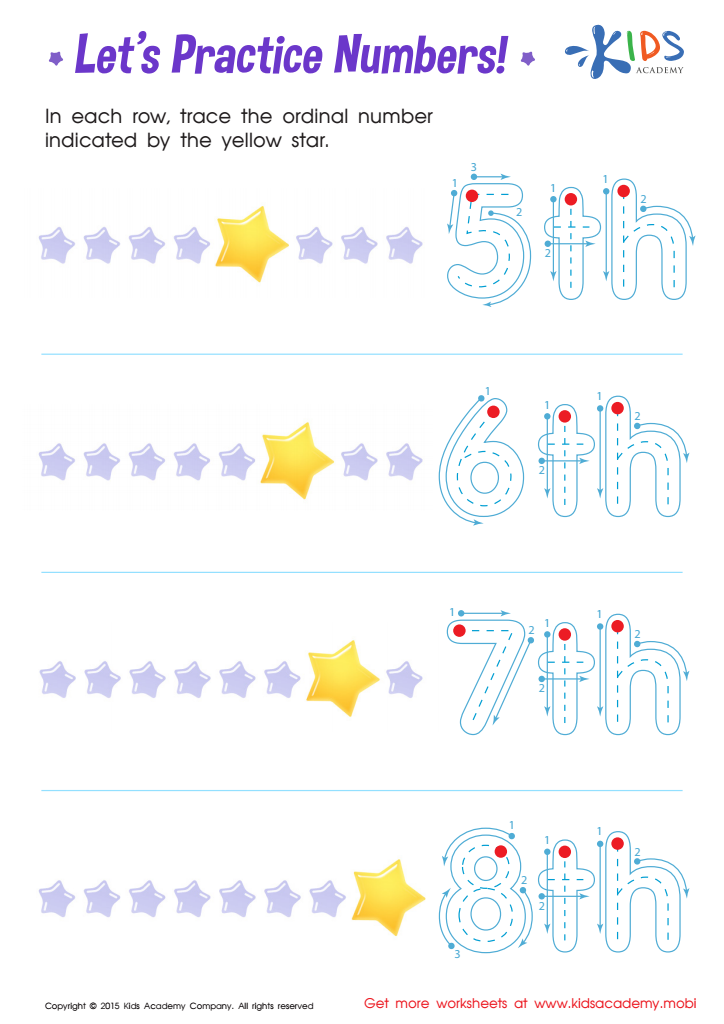
Ordinal Numbers: Teaching Ordinal Numbers Printable
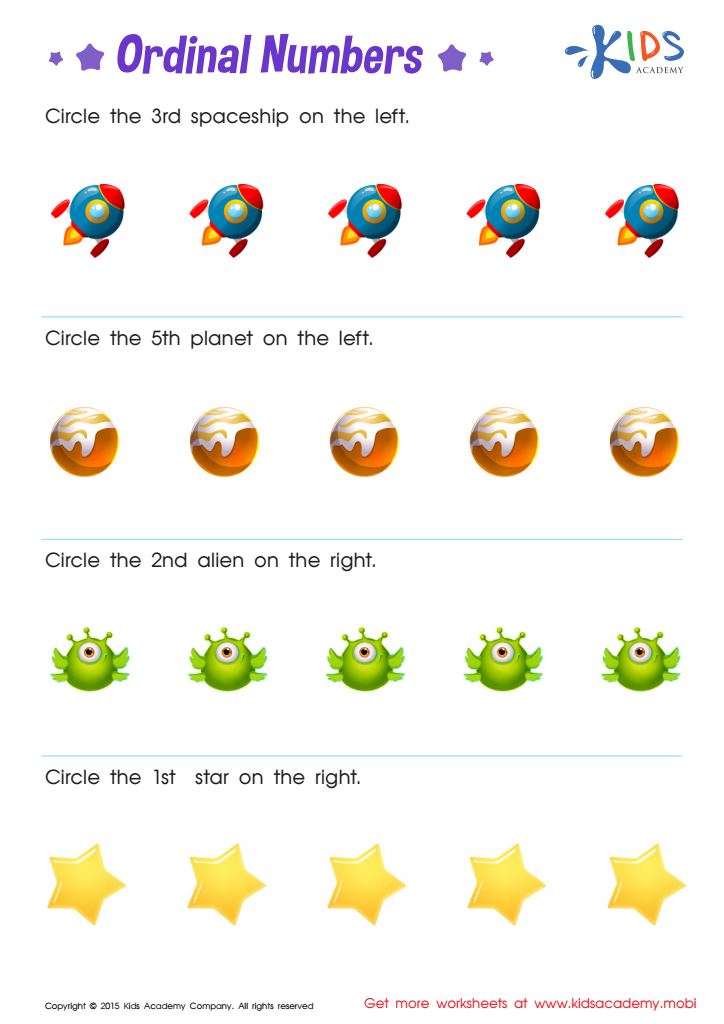
Ordinal Numbers: Space Ordinals Worksheet
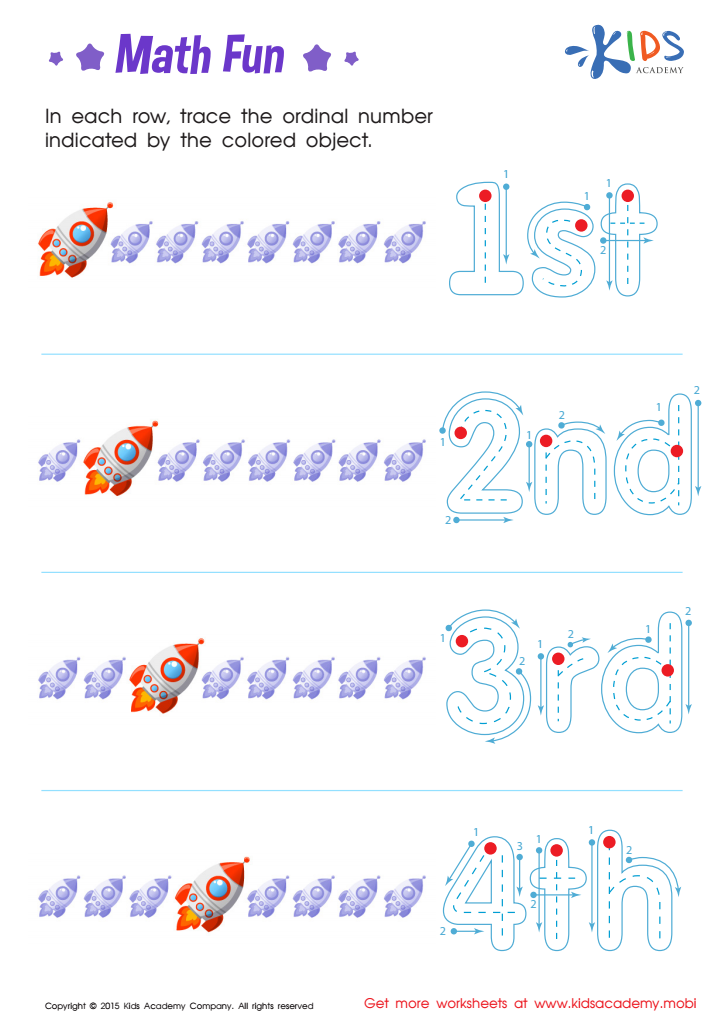
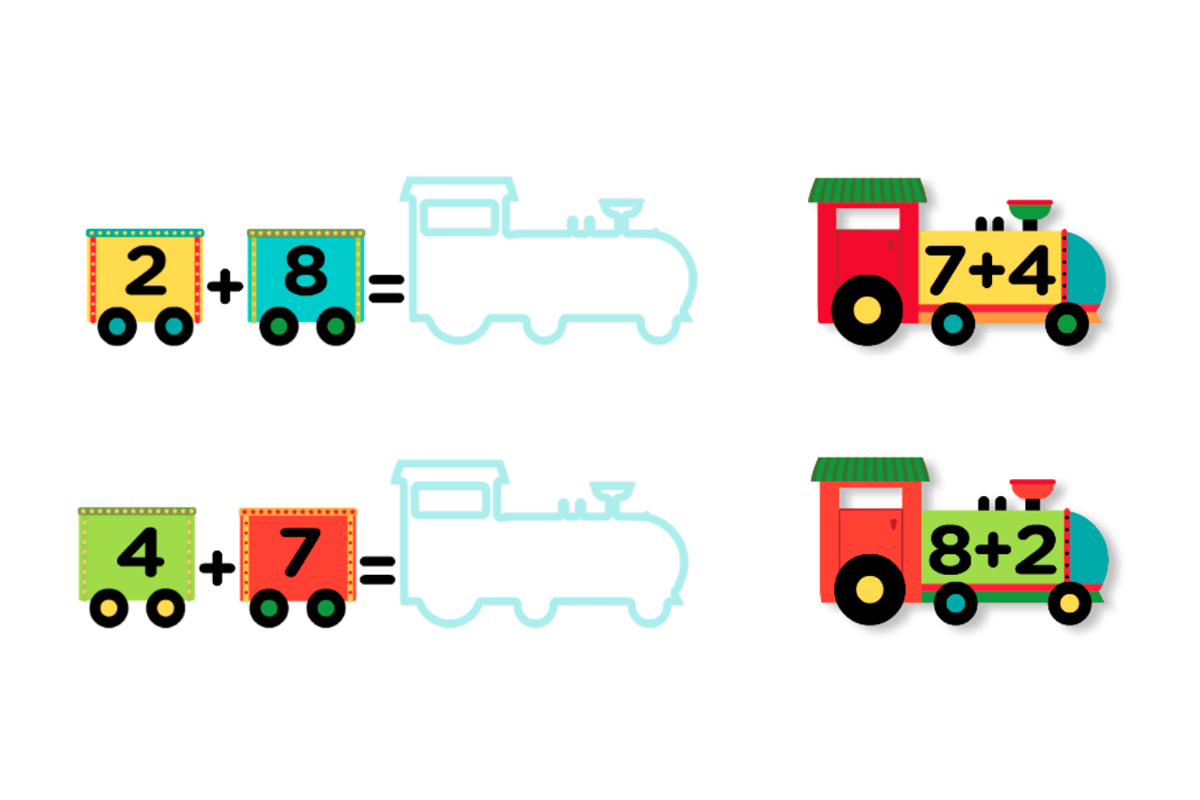
Ordinal Numbers: Math Fun Worksheet







Teaching numbers to children aged 3-6 is critical for their cognitive development and future learning. At this developmental stage, children are like sponges, absorbing information quickly. Understanding numbers lays the foundational skills for more complex mathematical concepts they will encounter later in school. By introducing numbers through playful activities and everyday experiences, parents and teachers can enhance a child's mathematical reasoning and problem-solving skills early on.
Moreover, number recognition fosters important critical thinking abilities. Through counting games, board games, and interactive stories, children develop a sense of quantity, learn sequencing, and start to grasp the relational aspect of numbers. These foundational skills are essential not just for math, but for logical reasoning in subjects across the curriculum.
Early number exposure also encourages confidence in mathematical abilities, reducing anxiety about math as they grow older. Parents and teachers can help create a positive environment around numerical learning, making it fun and engaging, thus motivating children to explore and learn.
Ultimately, caregivers play a crucial role in shaping a child's mathematical understanding, equipping them with skills that are essential for academic success and daily life. Emphasizing numbers during these formative years sets the stage for lifelong learning and achievement.








