Geometry Worksheets for Ages 3-7 - Page 7
163 filtered results
-
From - To
 Assign to My Students











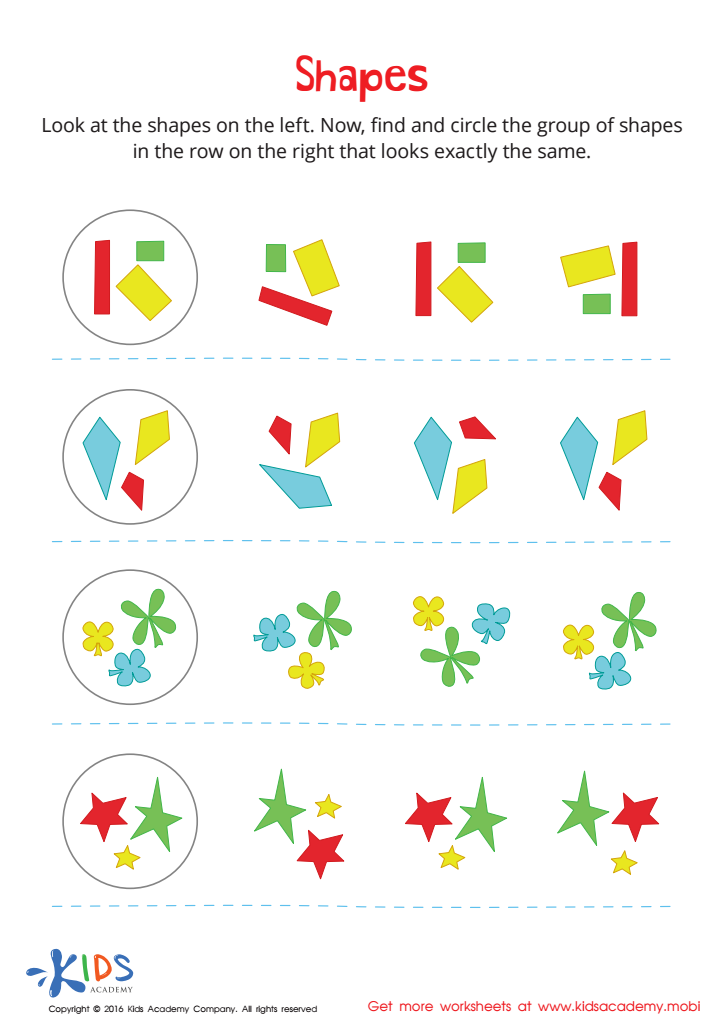
Shapes Worksheet
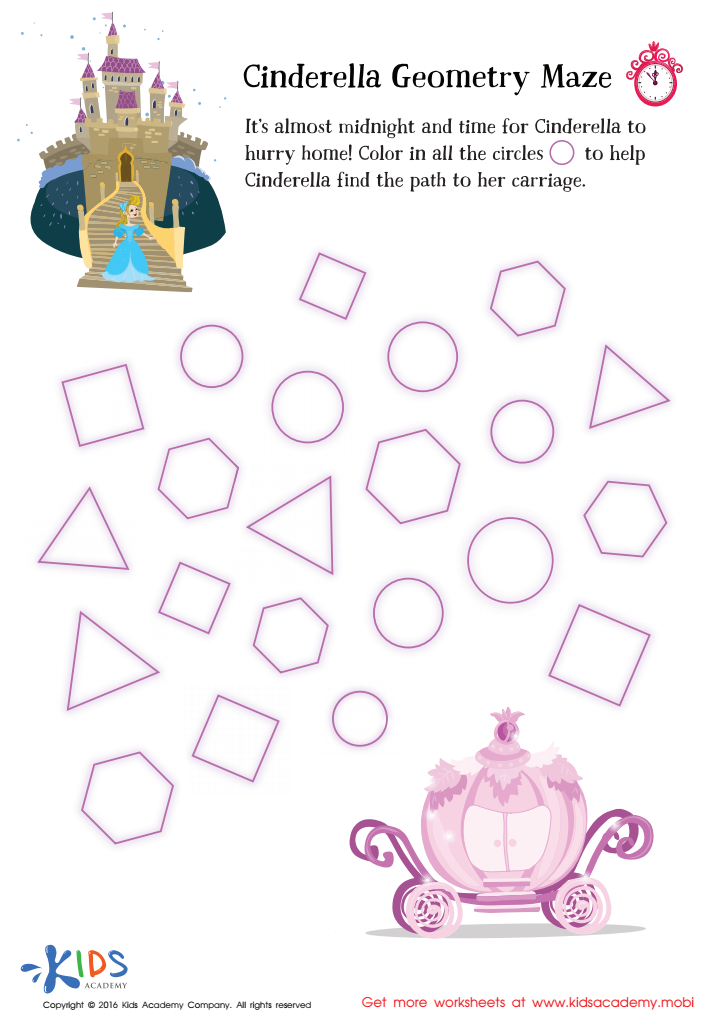
Cinderella Geometry Maze Worksheet
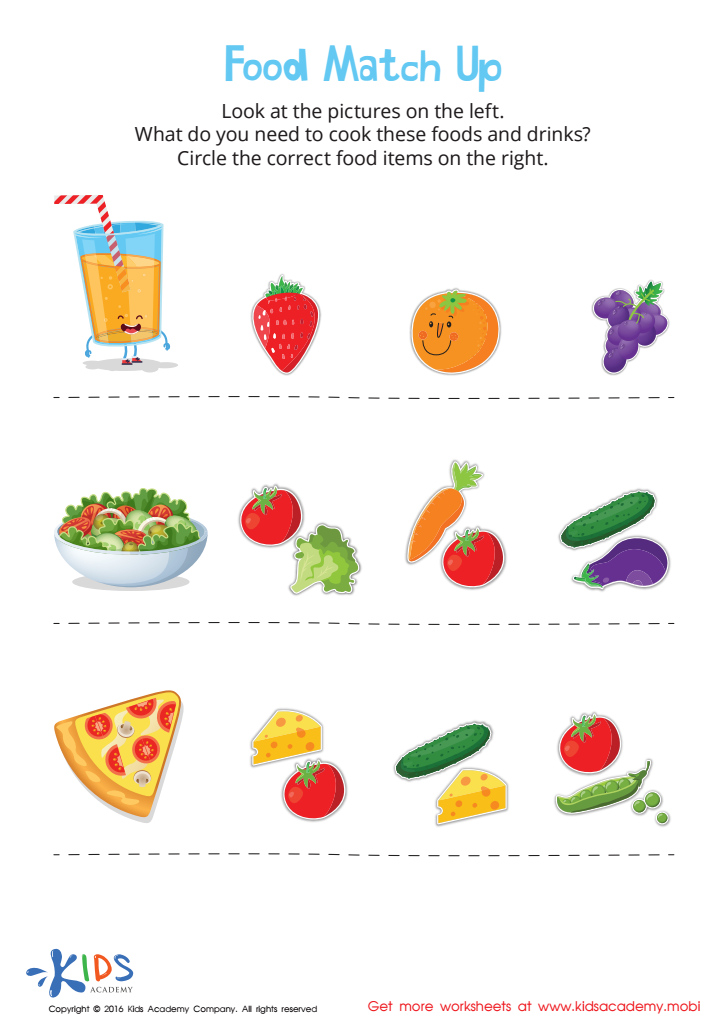
Food Match Up Worksheet
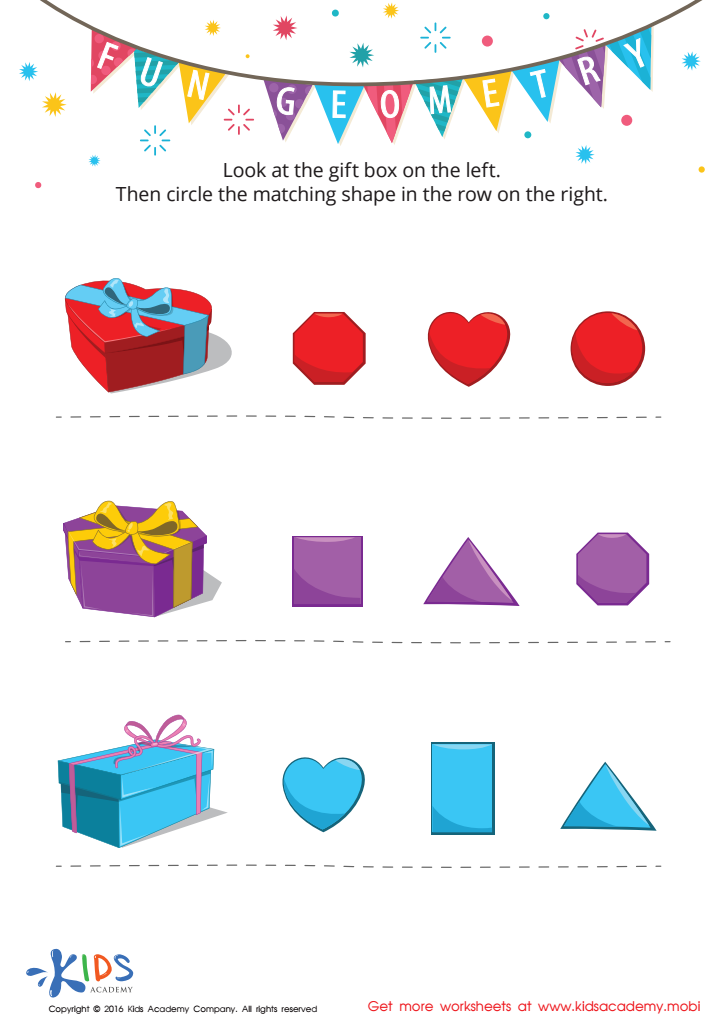
Fun Geometry Worksheet
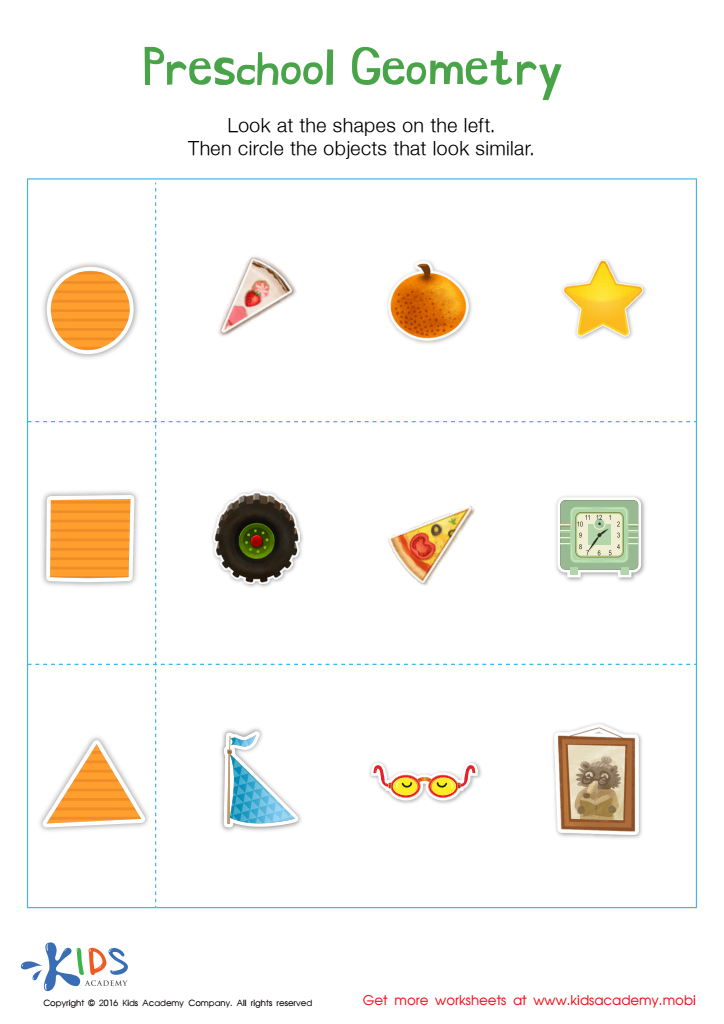
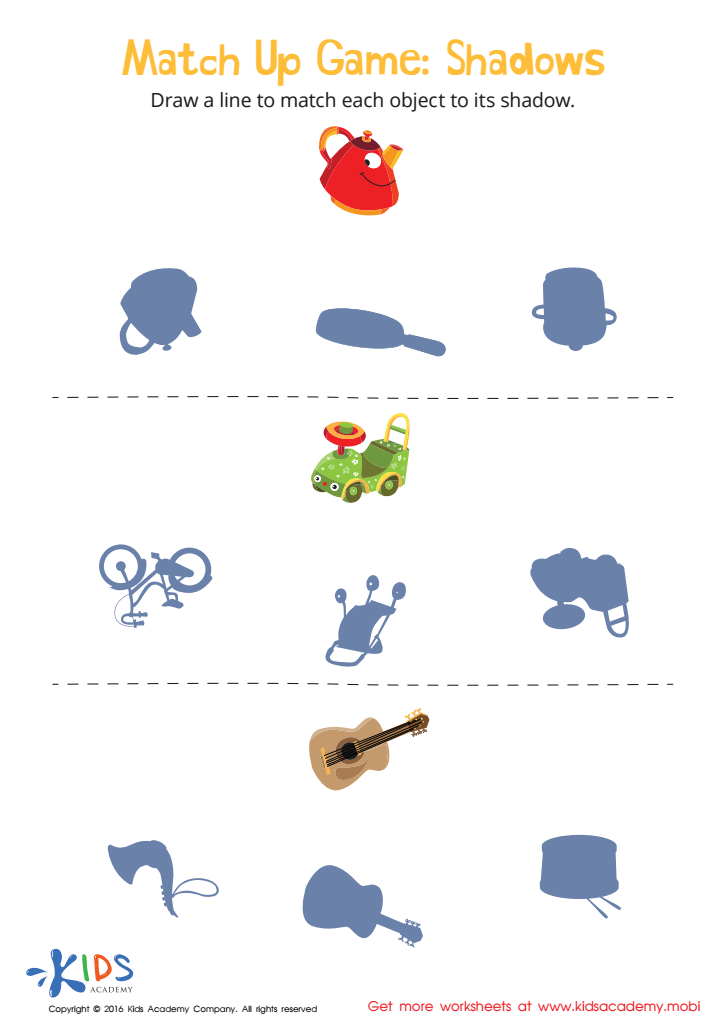
Preschool Geometry Match Up Worksheet
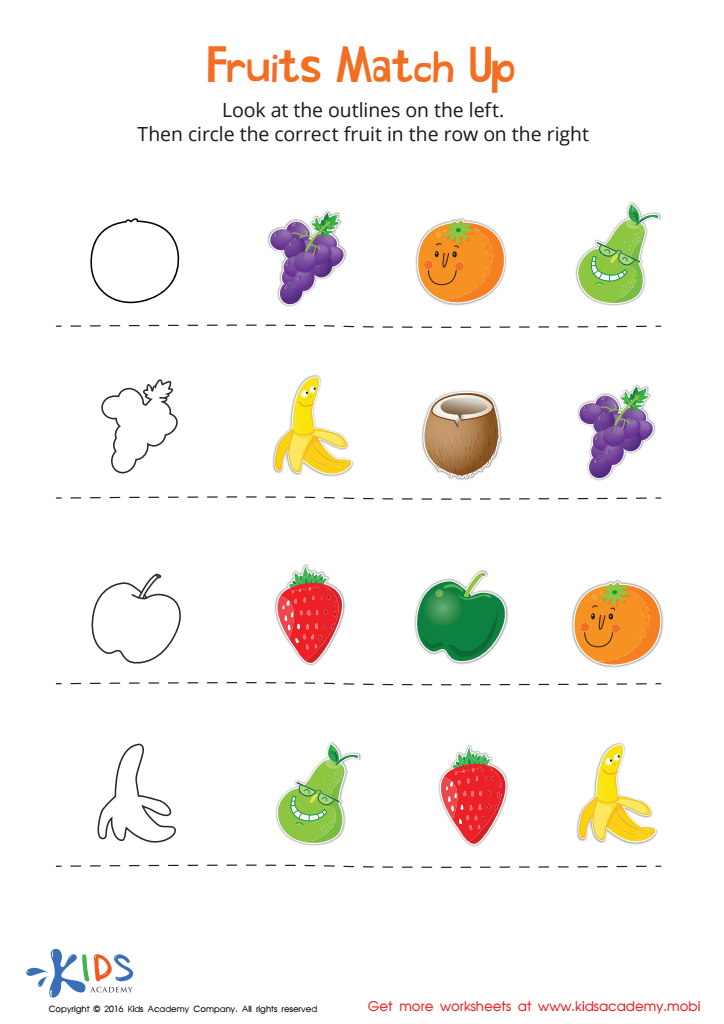
Fruits Match Up Worksheet
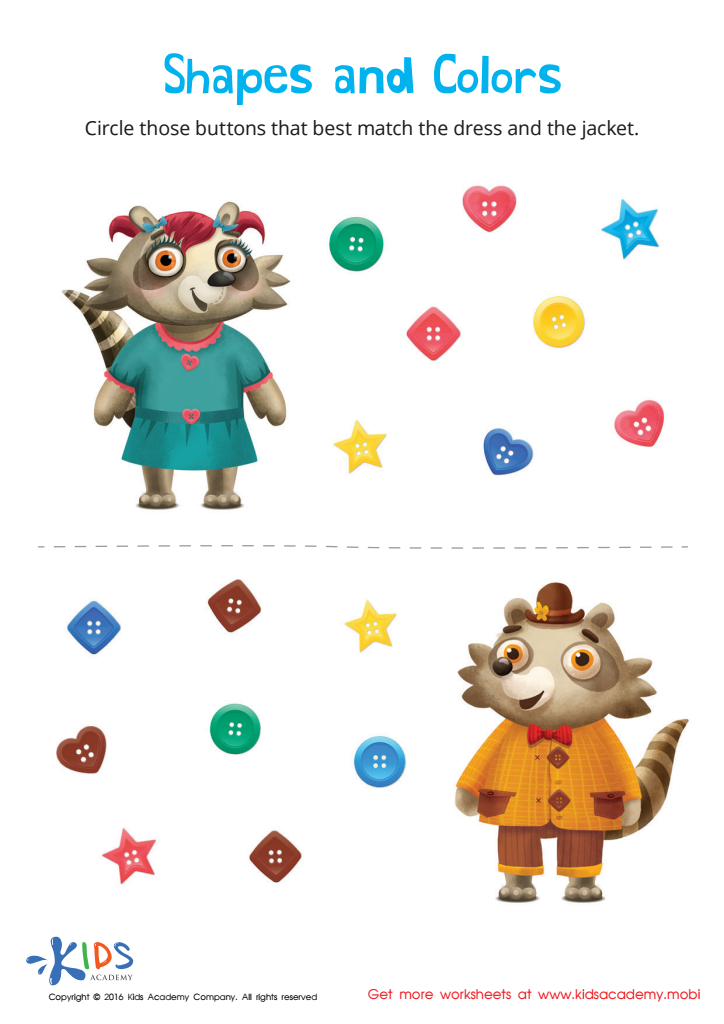
Matching: Shapes and Colors Worksheet
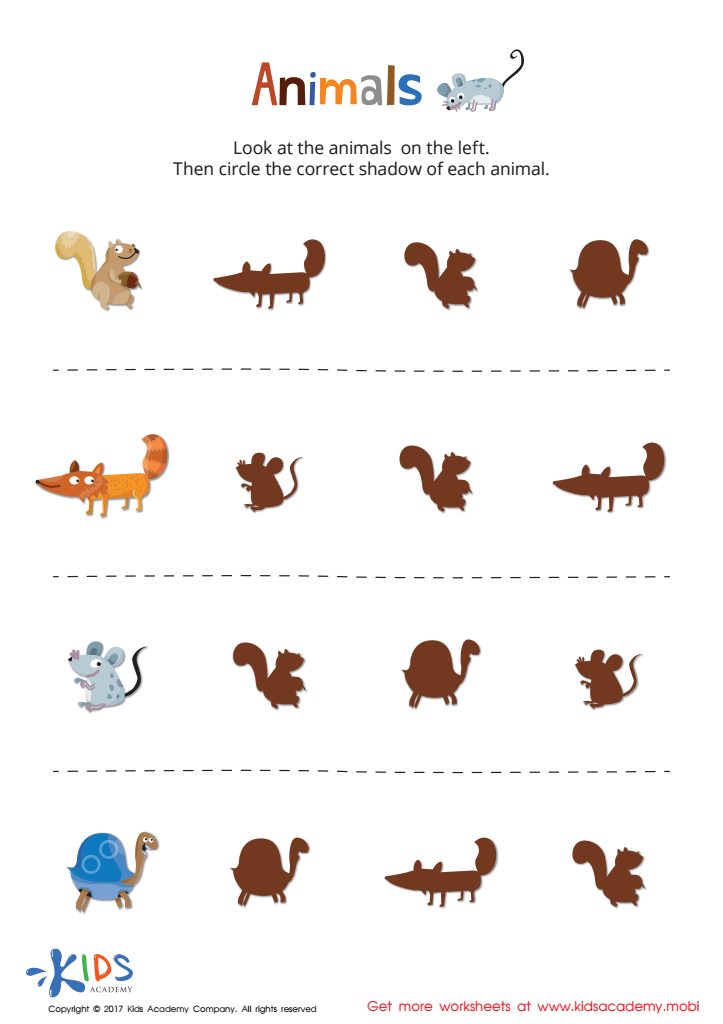
Animal Shadows Sorting Worksheet
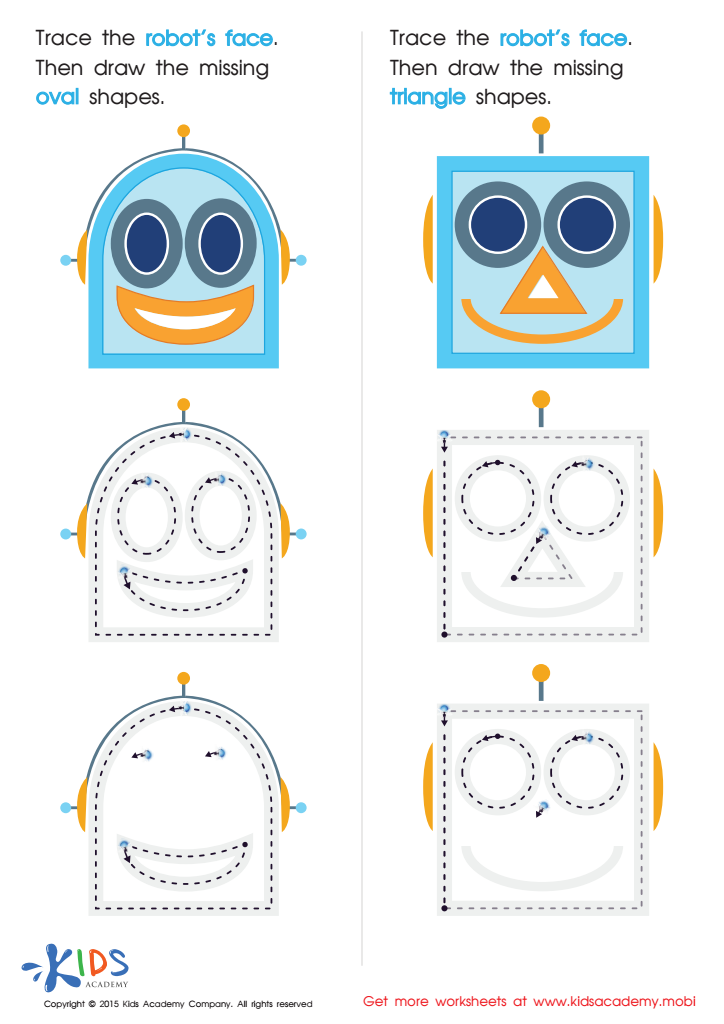
Drawing Ovals And Triangles with Fun Printable
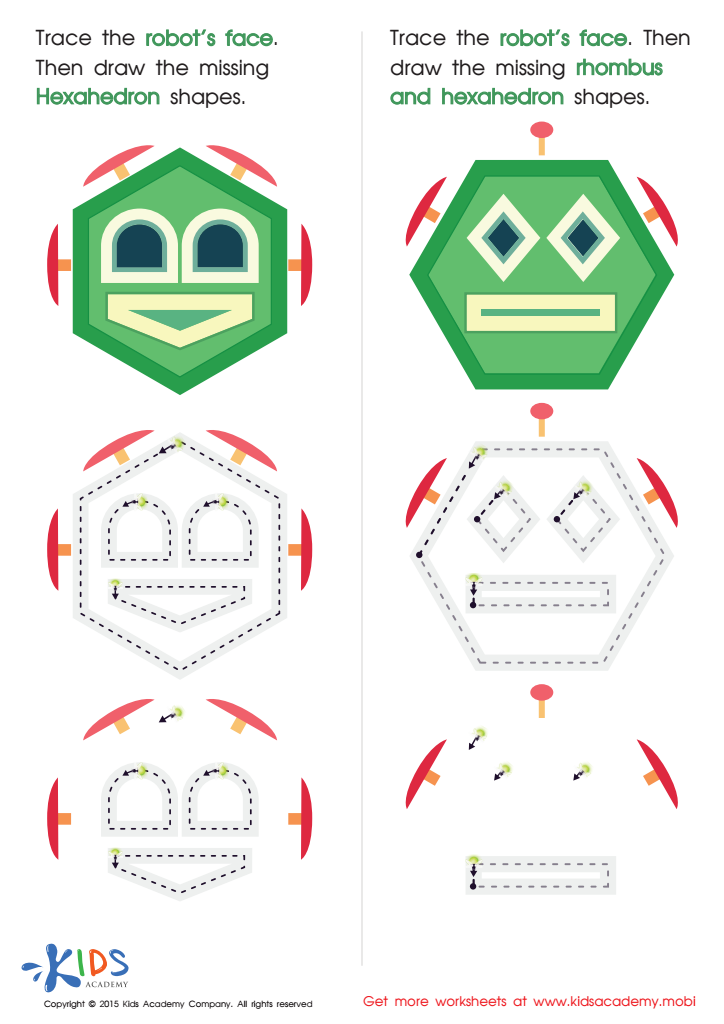
Practice Drawing Hexahedrons And a Rhombus Worksheet
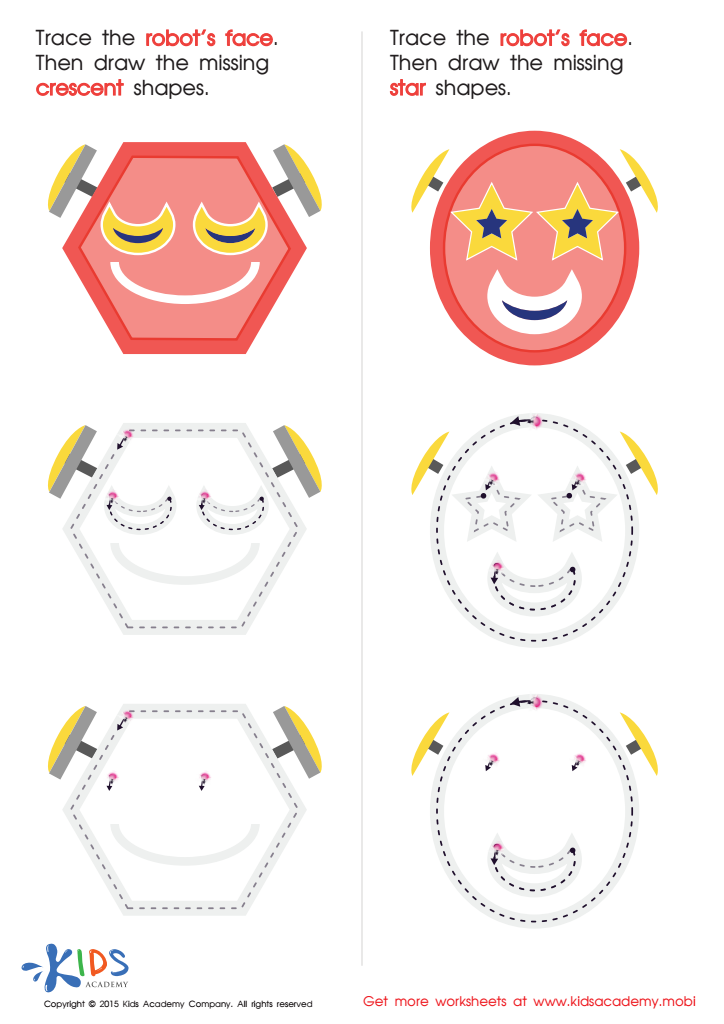
Composing a Robot's Face of Crescents And Stars Worksheet
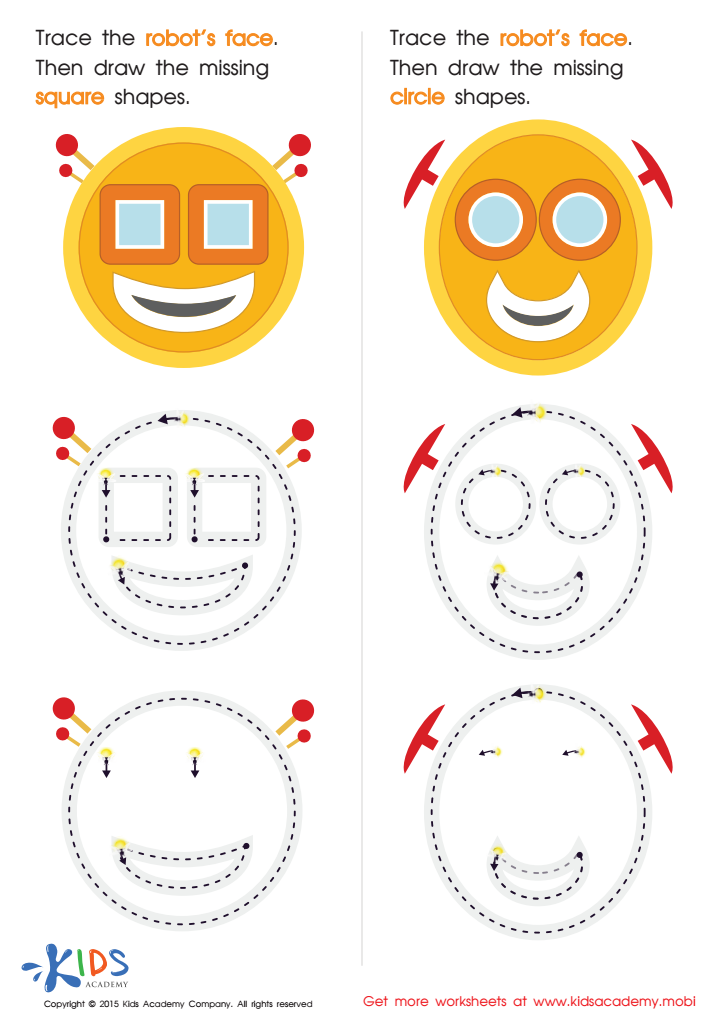
Practicing to Draw Circles And Squares Printable
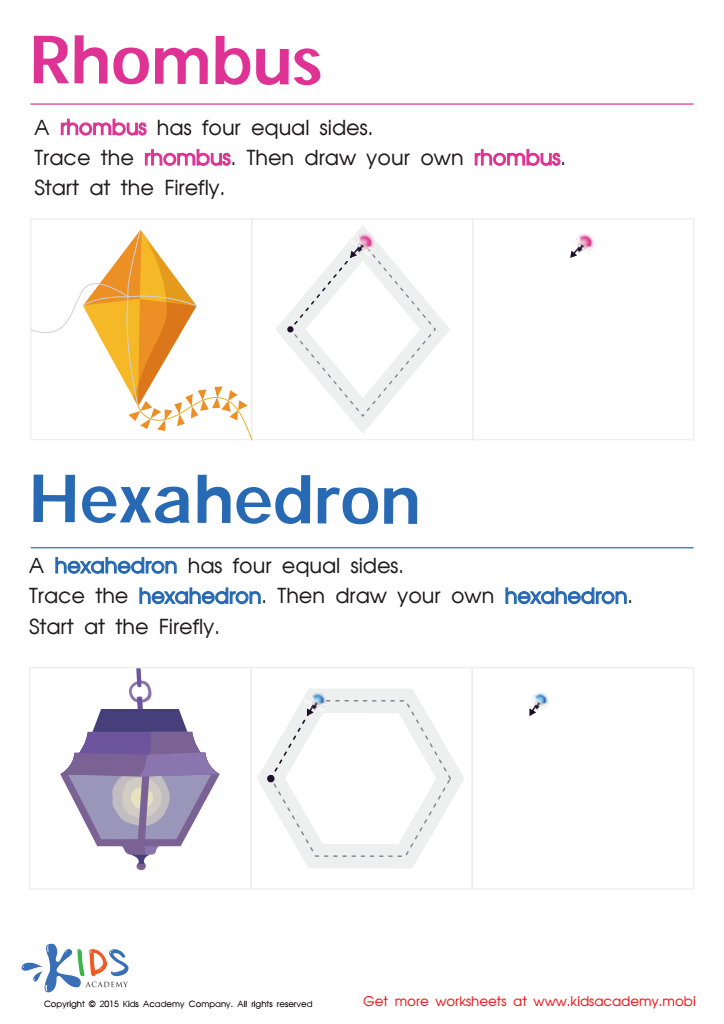
Draw a Rhombus And a Hexahedron Printable
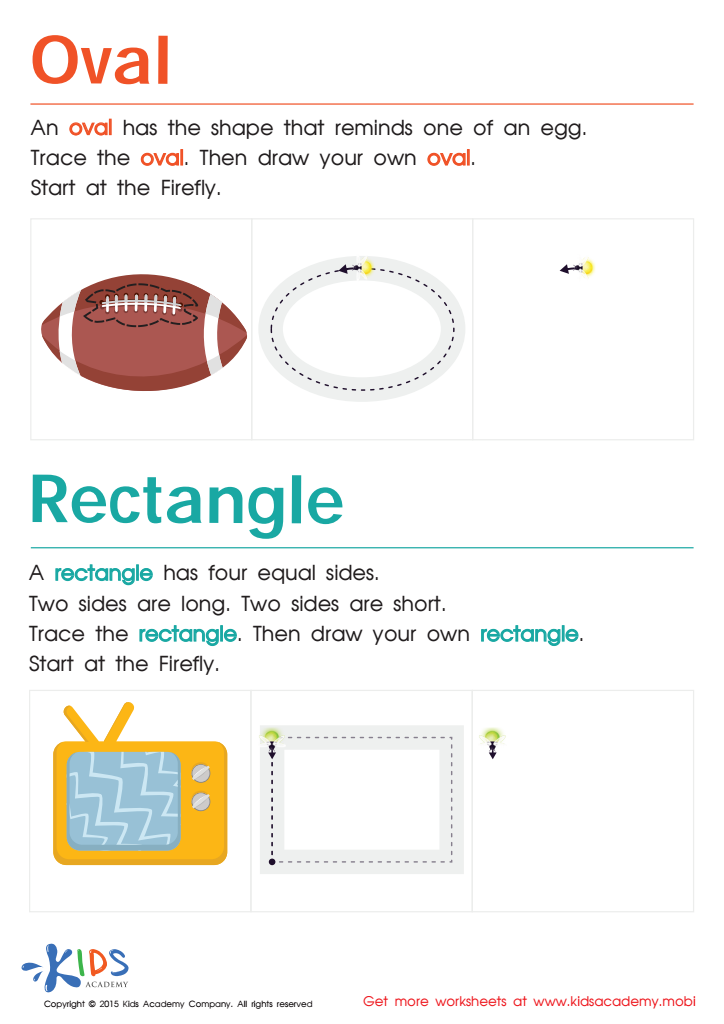
Easy Drawing of Ovals And Rectangles Worksheet
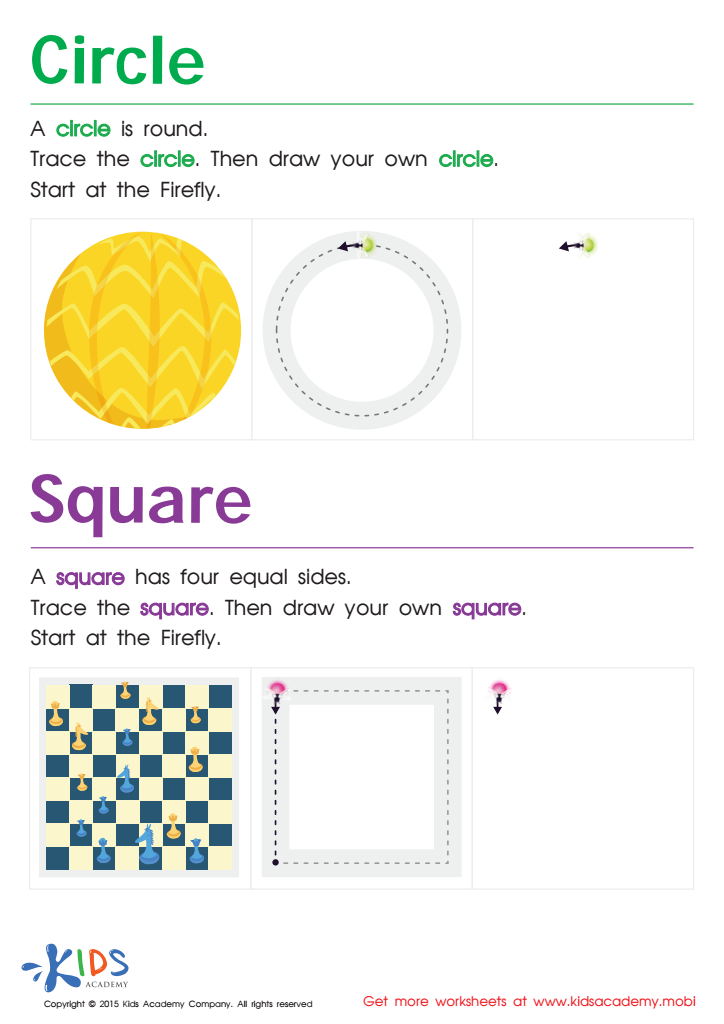
Trace And Draw a Circle And a Square Worksheet
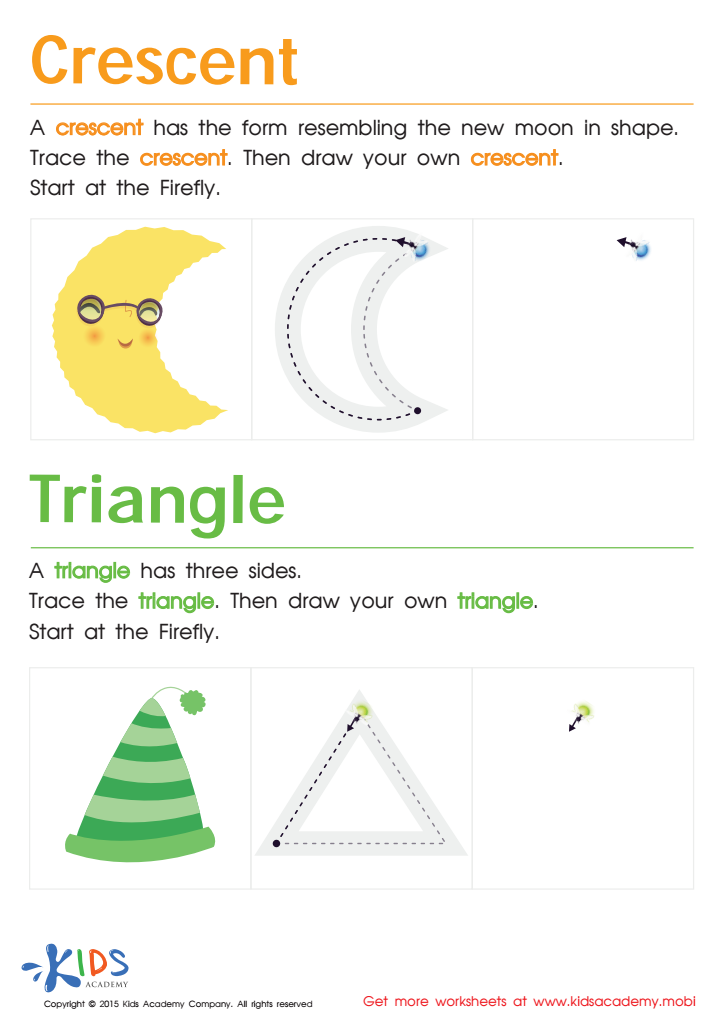
Learning to Draw Crescents And Triangles Worksheet








Geometry is a fundamental building block of early childhood education, crucial for the cognitive and spatial development of children aged 3-7. At this stage, children begin to understand shapes, sizes, patterns, and spatial relationships, which are essential skills they will use throughout their lives. Engaging with geometry fosters problem-solving and critical thinking skills as they learn to classify and compare various geometric shapes.
Furthermore, introducing geometric concepts can enhance children's creativity. Activities like building with blocks, drawing, and puzzles not only support mathematical understanding but also motivate artistic expression. Geometry also enriches children’s vocabulary, introducing terms such as "triangle," "rectangle," and "angles," which helps strengthen their communication skills.
Parents and teachers should care about geometry because it lays the groundwork for more complex mathematical concepts later in school. Establishing a solid understanding of geometry boosts self-confidence and enthusiasm for learning, encouraging children to view mathematics as a fun and engaging subject. Ultimately, a strong foundation in geometry not only enhances academic performance but also prepares children for everyday decision-making, spatial reasoning, and skills needed in various professions. Investing time and resources in early geometric learning will benefit children's overall educational journeys.








