Math Worksheets for Ages 3-8 - Page 54
1302 filtered results
-
From - To
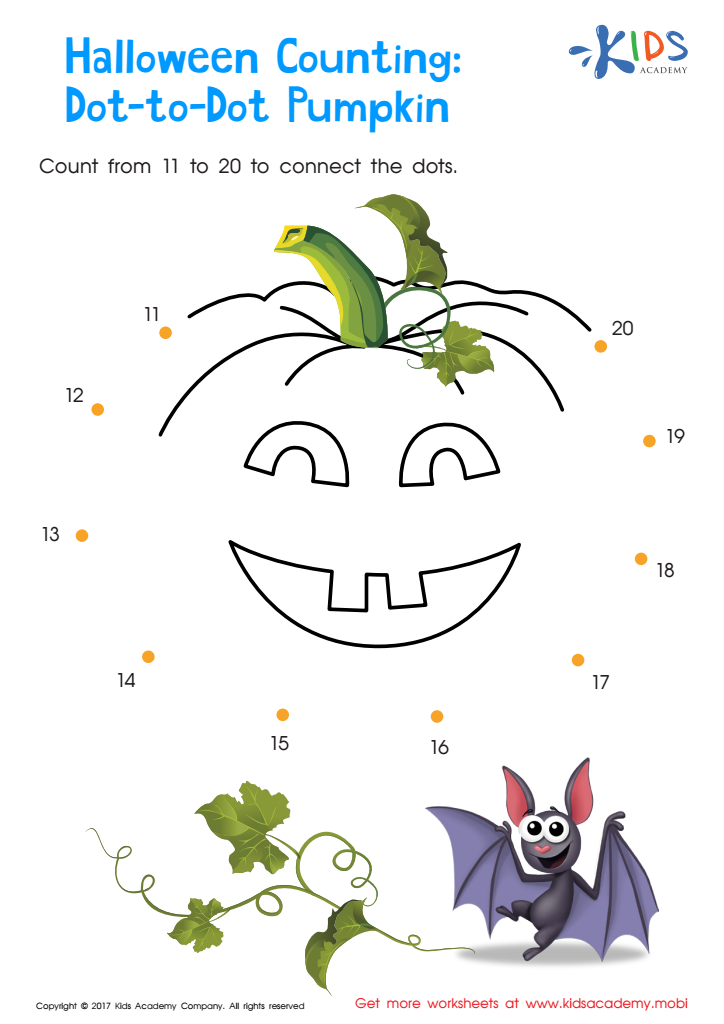
Ordering 11–20: Halloween Counting Worksheet
 Assign to My Students
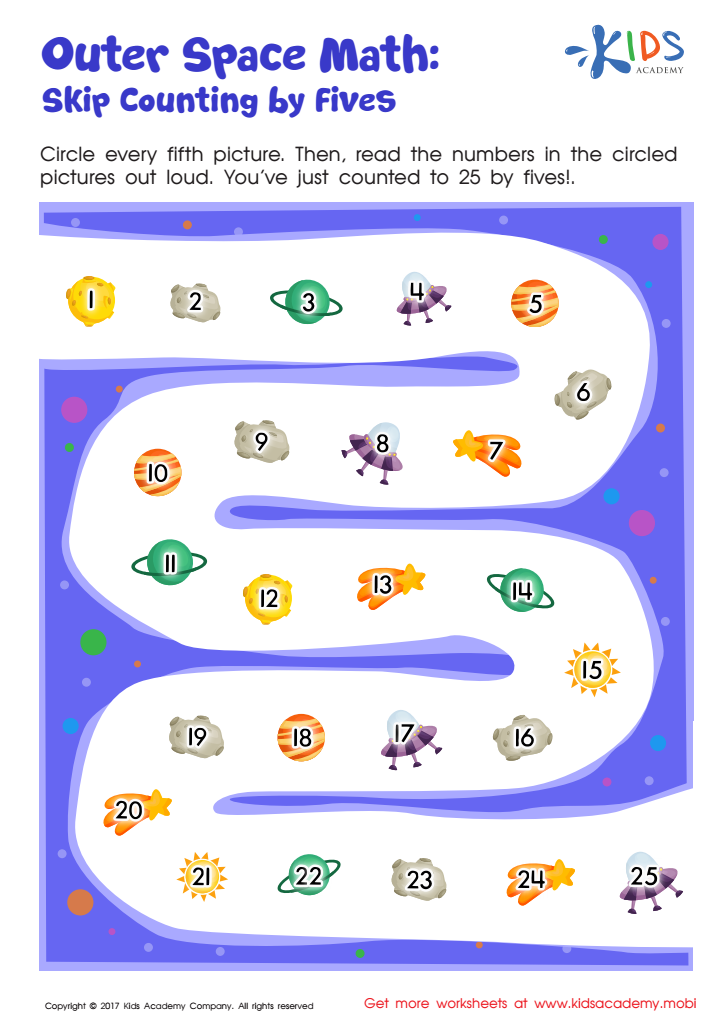
Skip Counting by 5s: Outer Space Math Printable
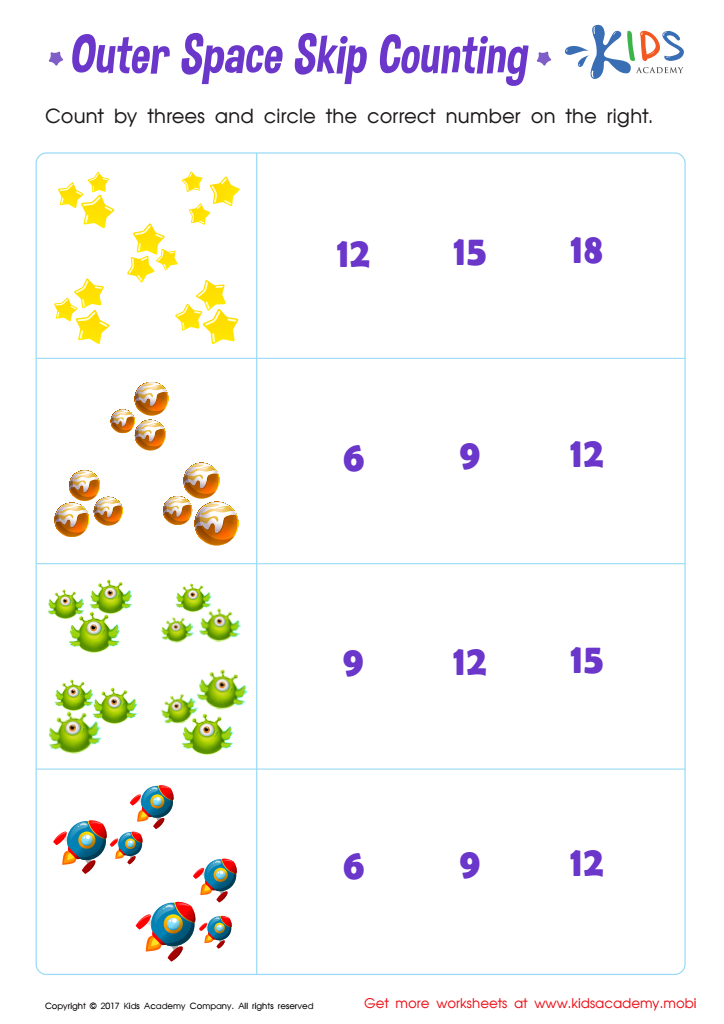
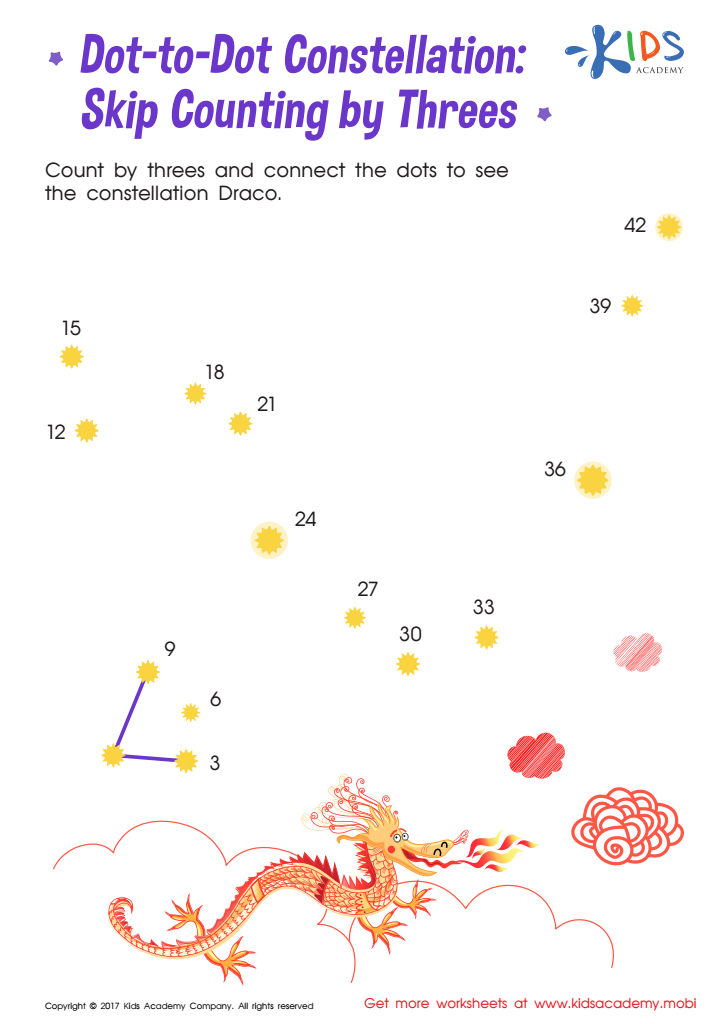
Skip Counting by 3s: Outer Space Skip Counting Printable
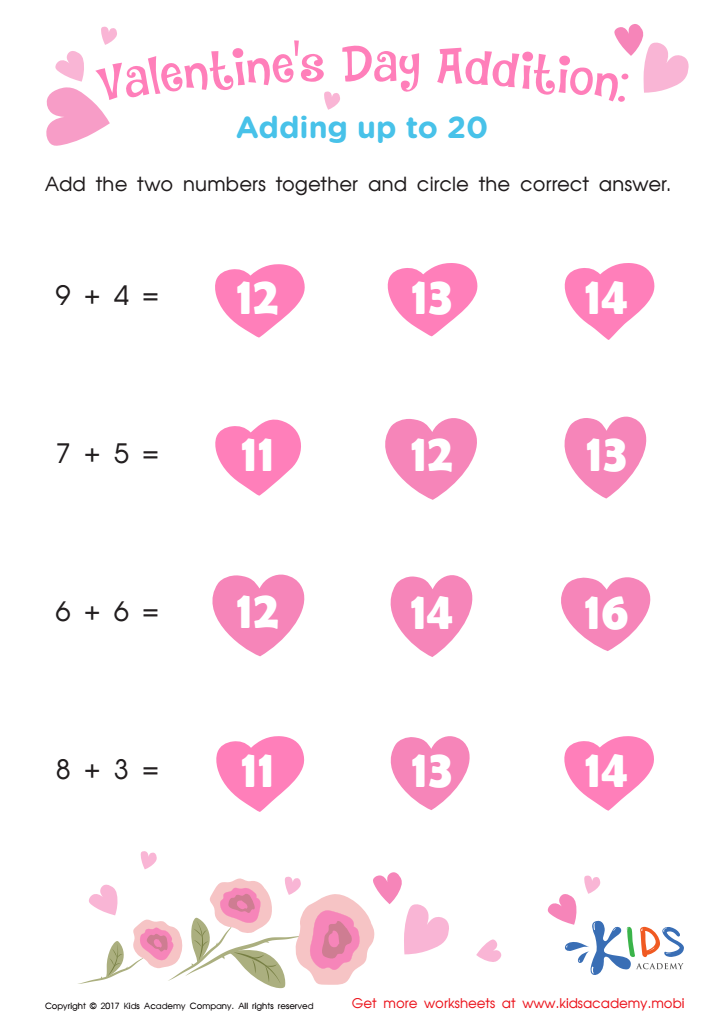
Valentine's Day Addition Worksheet
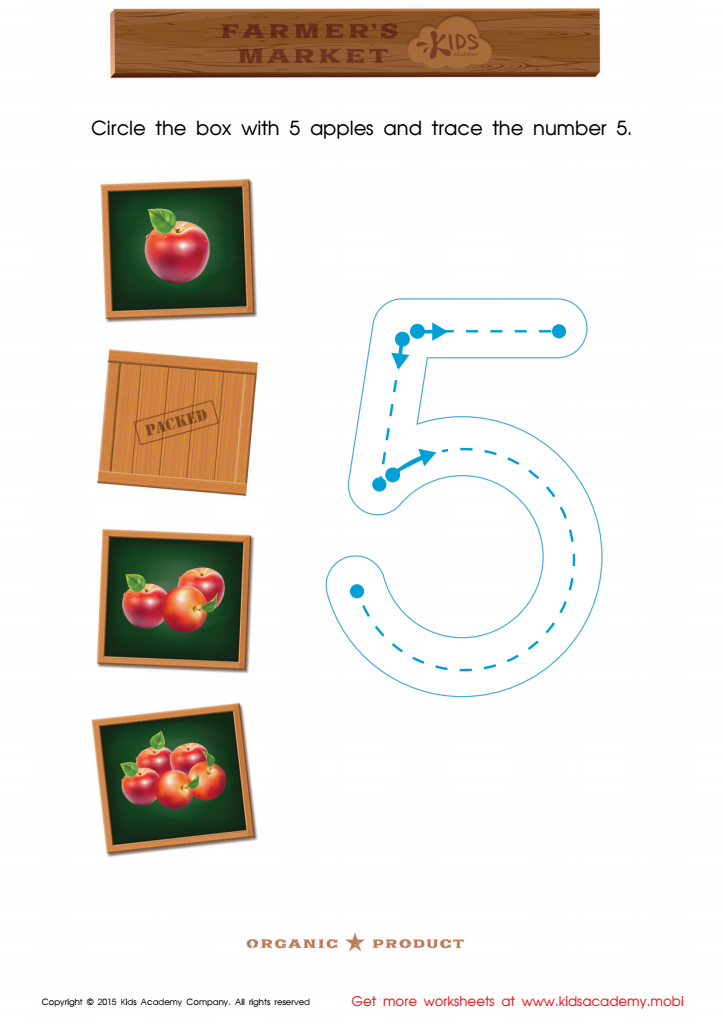
Count the Apples and Trace the Number 5 Printable
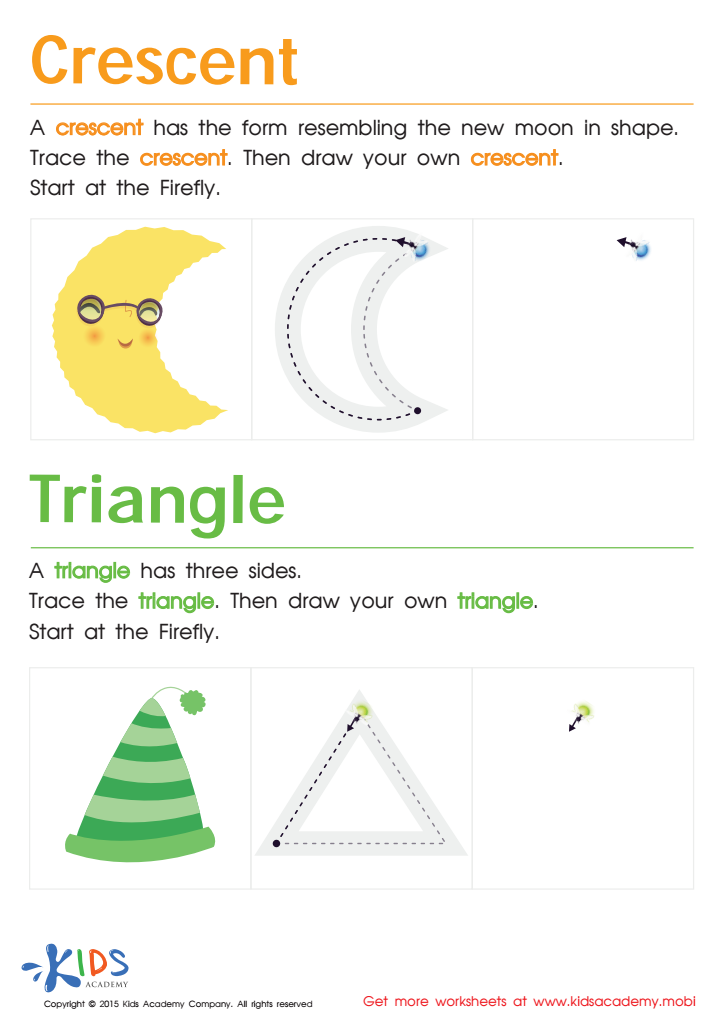
Learning to Draw Crescents And Triangles Worksheet
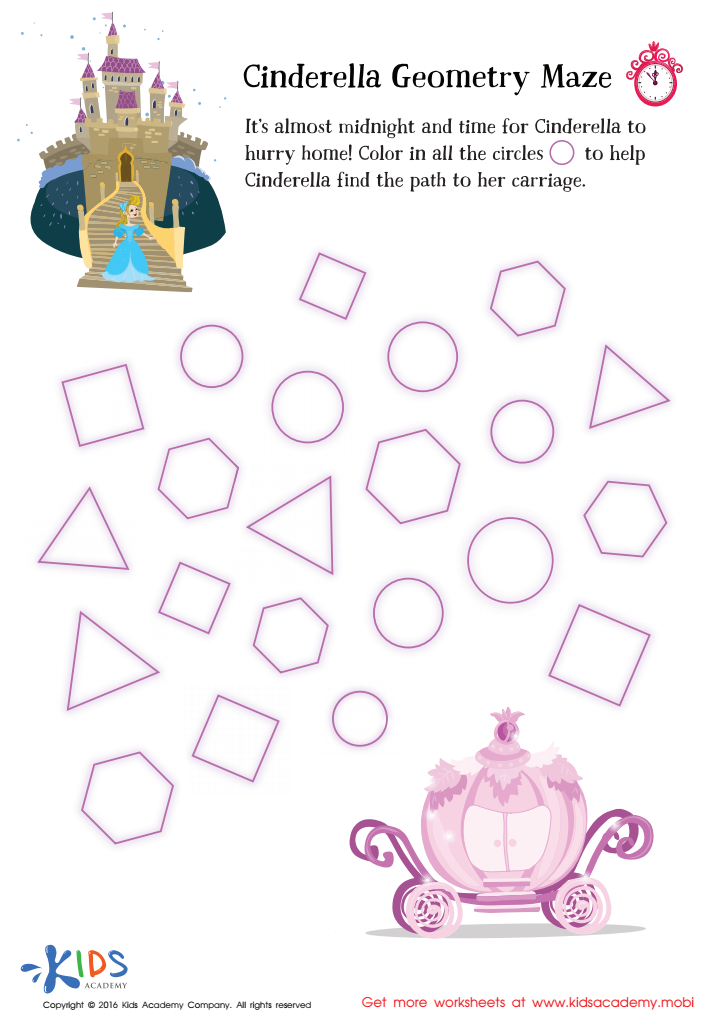
Cinderella Geometry Maze Worksheet
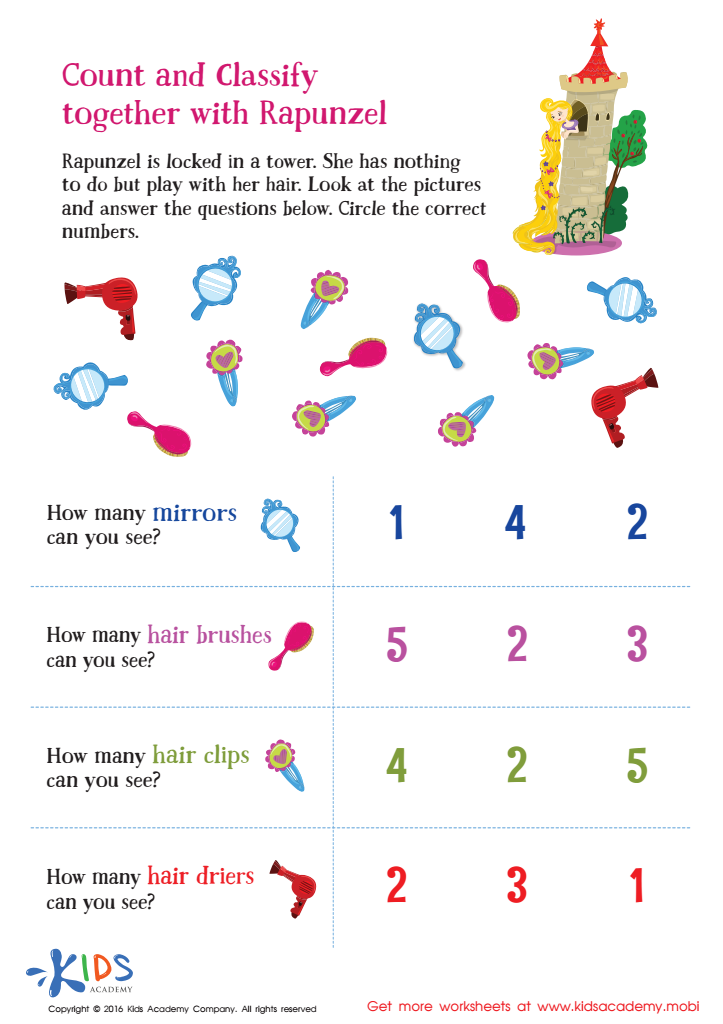
Fairy Tale Worksheet: Count and Classify with Rapunzel
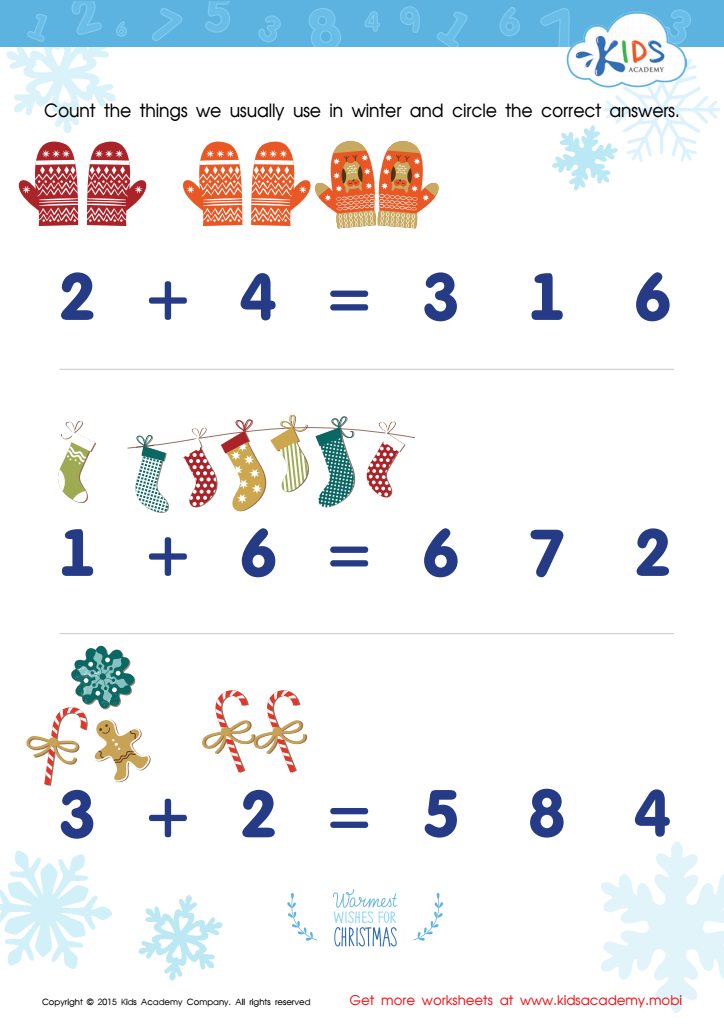
Count Winter Things Worksheet
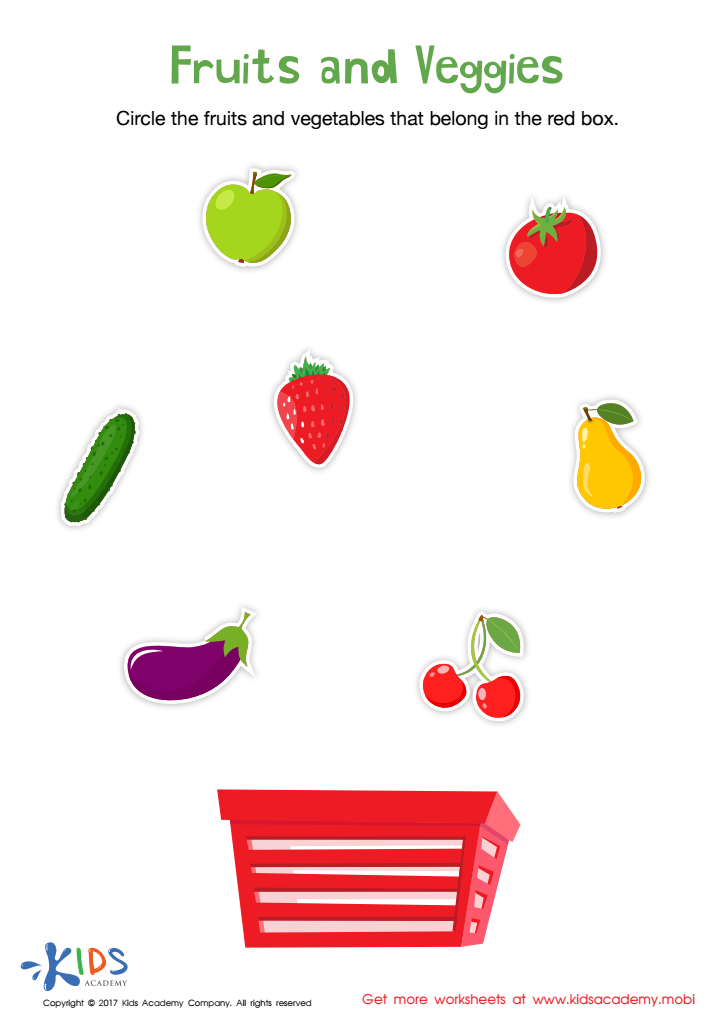
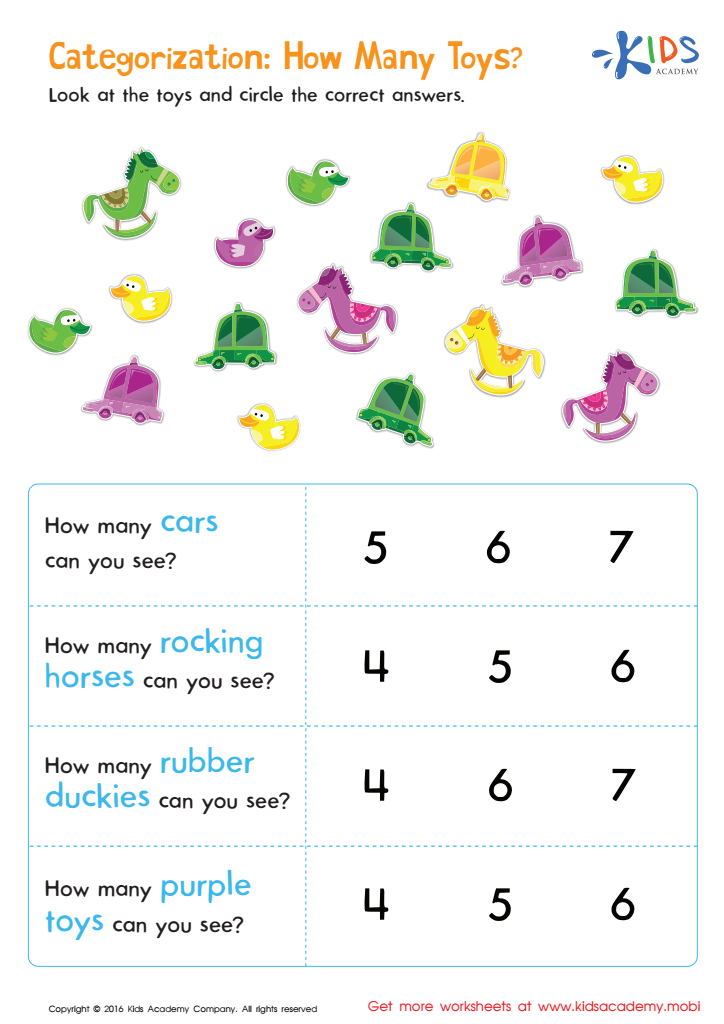
Classifying Toys by Type and Color Sorting Worksheet
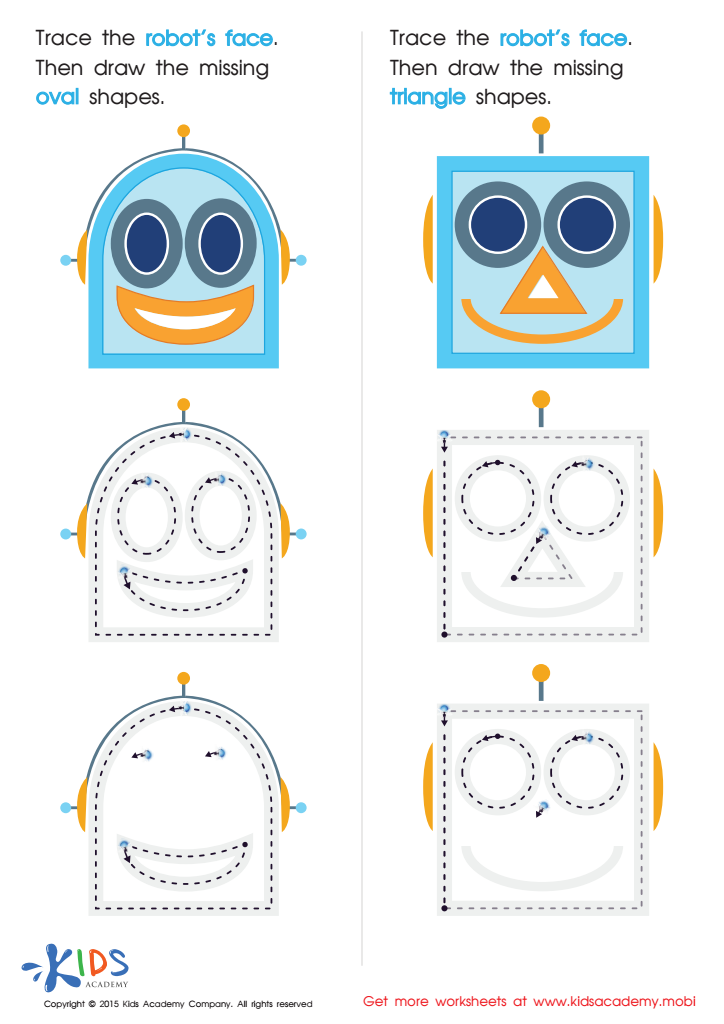
Drawing Ovals And Triangles with Fun Printable
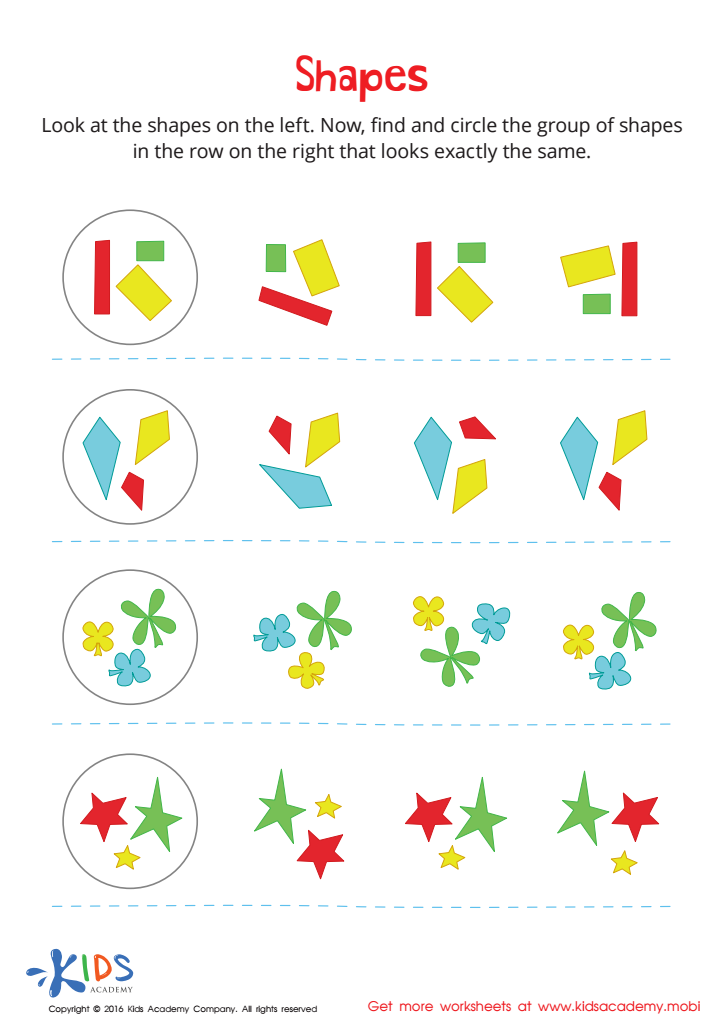
Shapes Worksheet
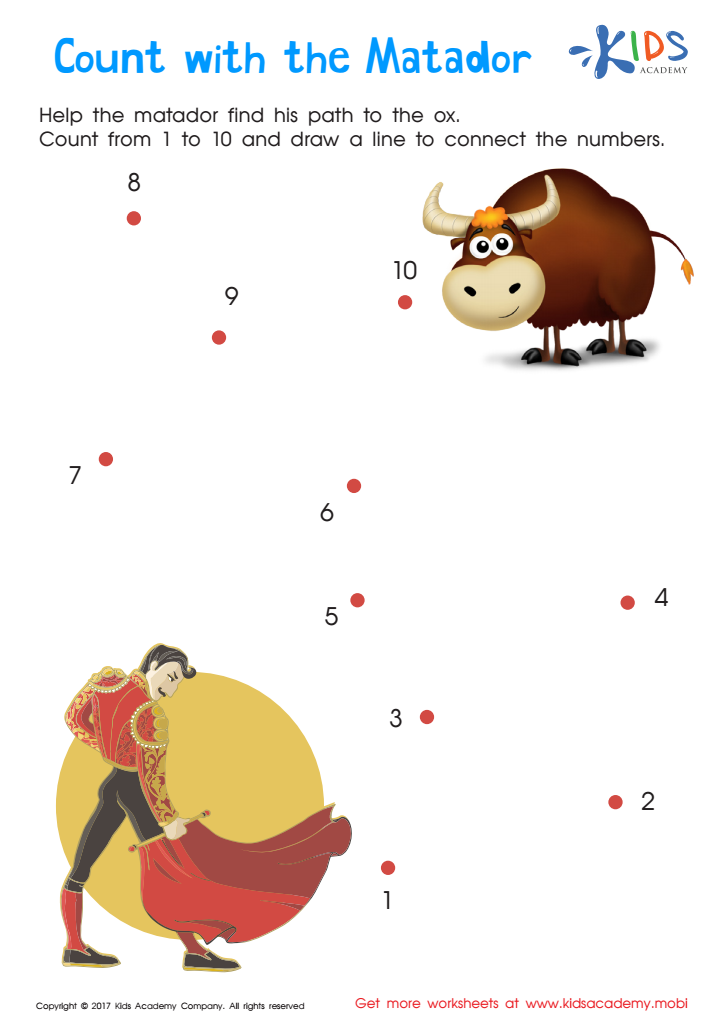
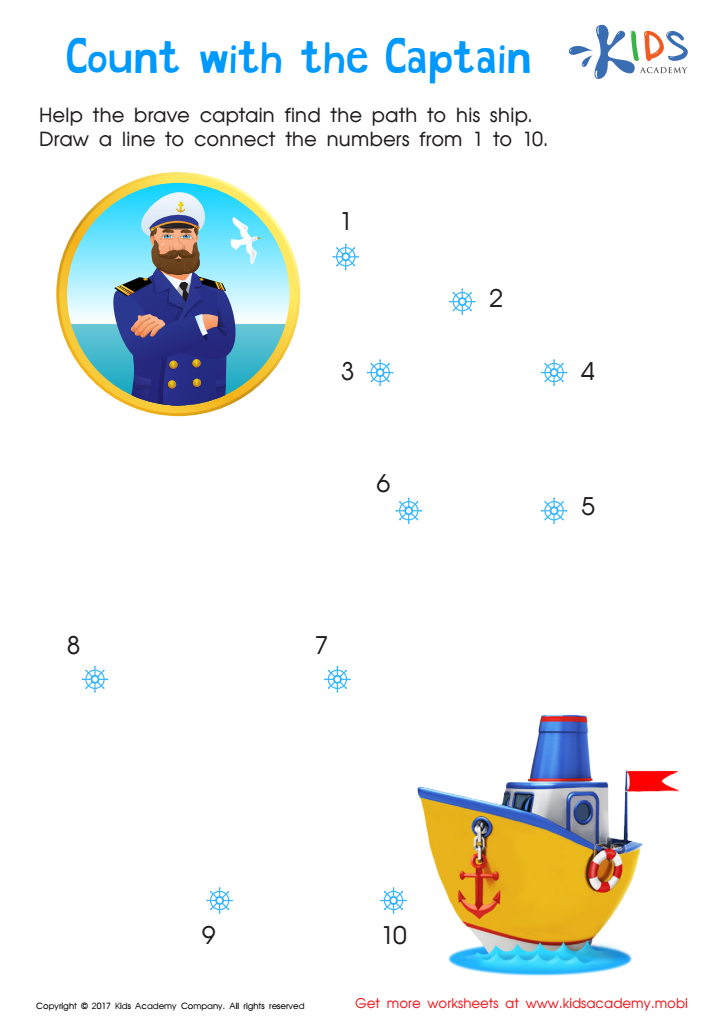
Count with the Captain Connect Dots Worksheet
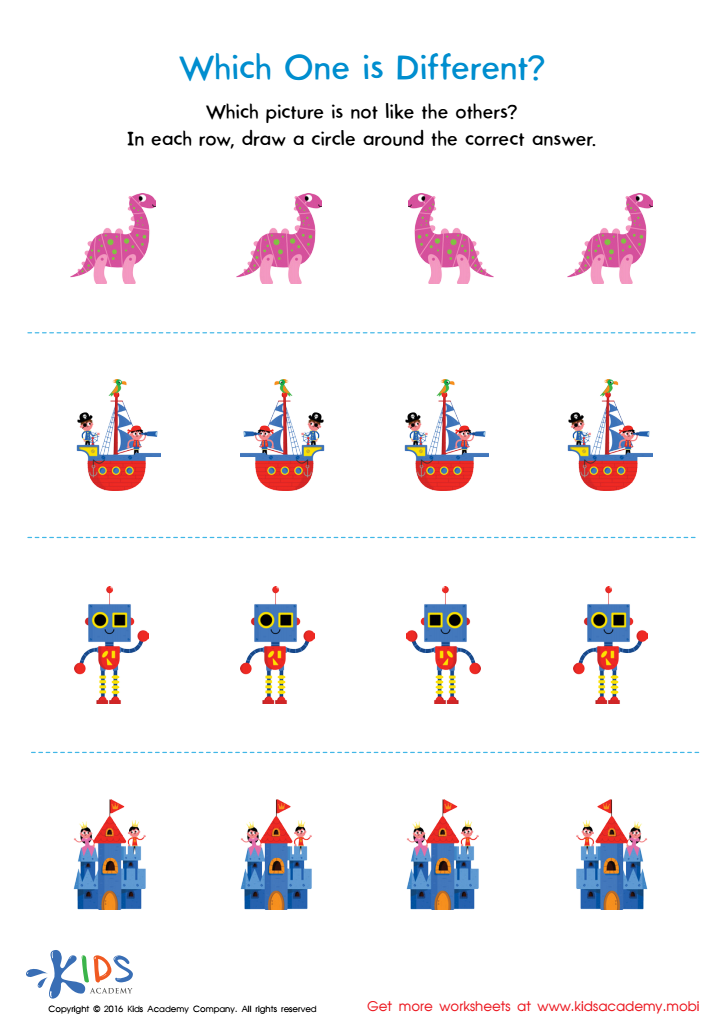
Which One Is Different Worksheet
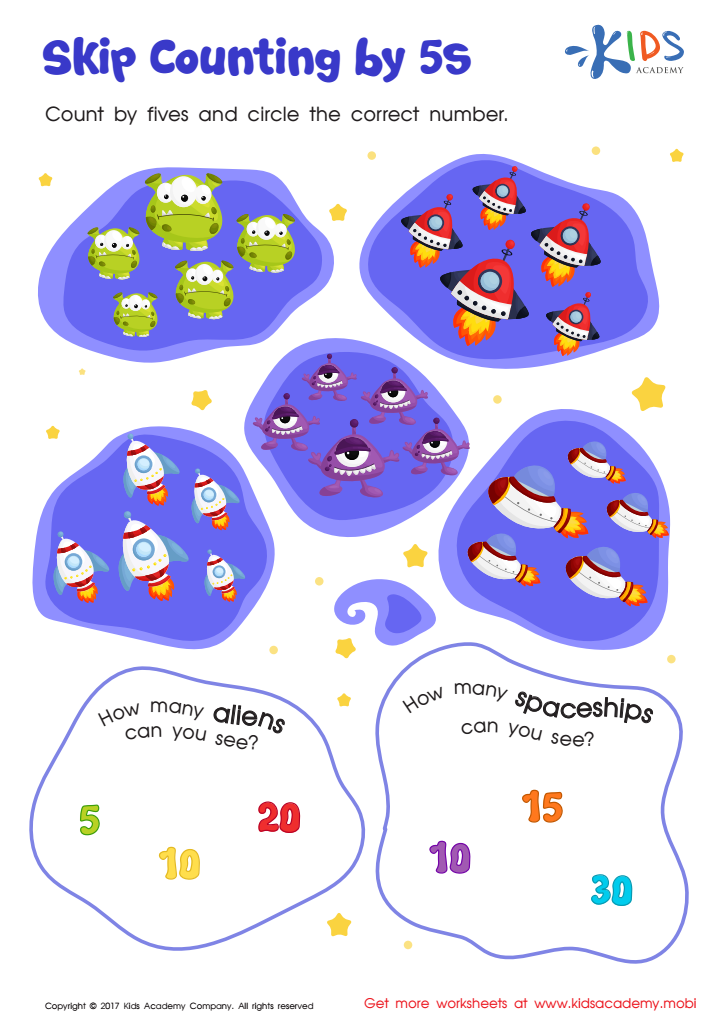
Skip Counting by 5s: Aliens and Spaceships Printable
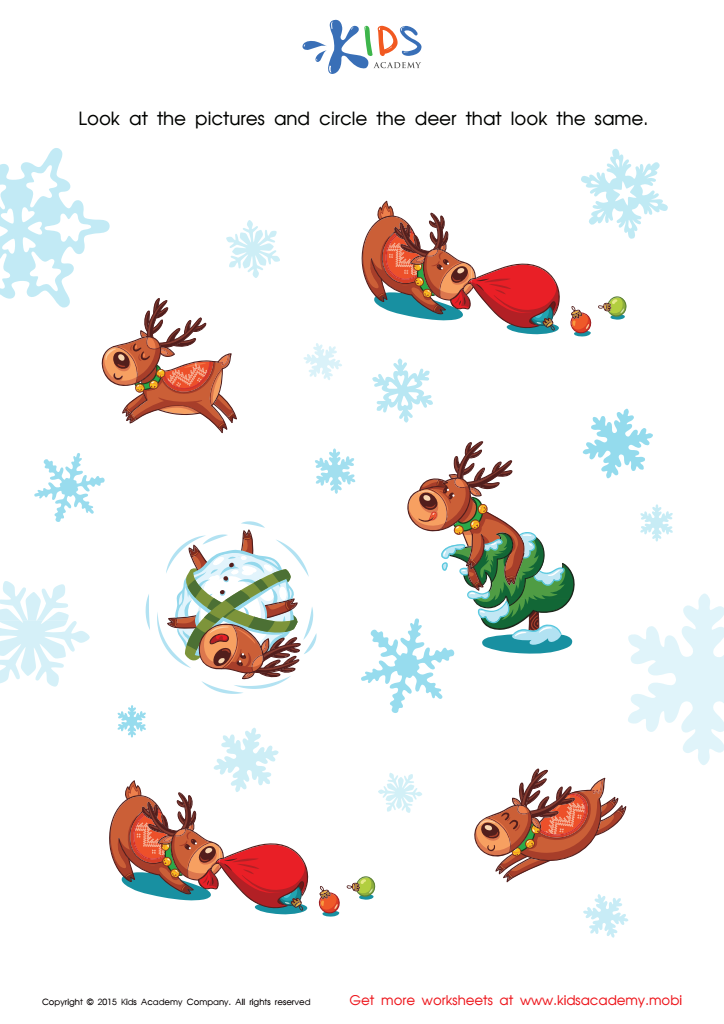
Count the Deer Worksheet
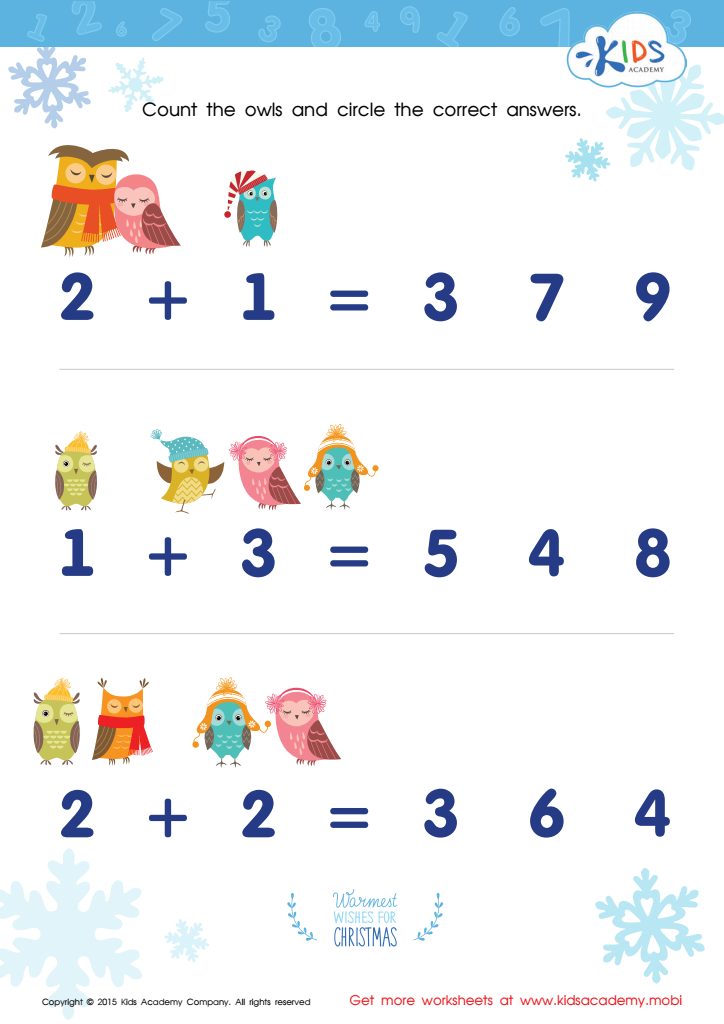
Count Little Owls Worksheet
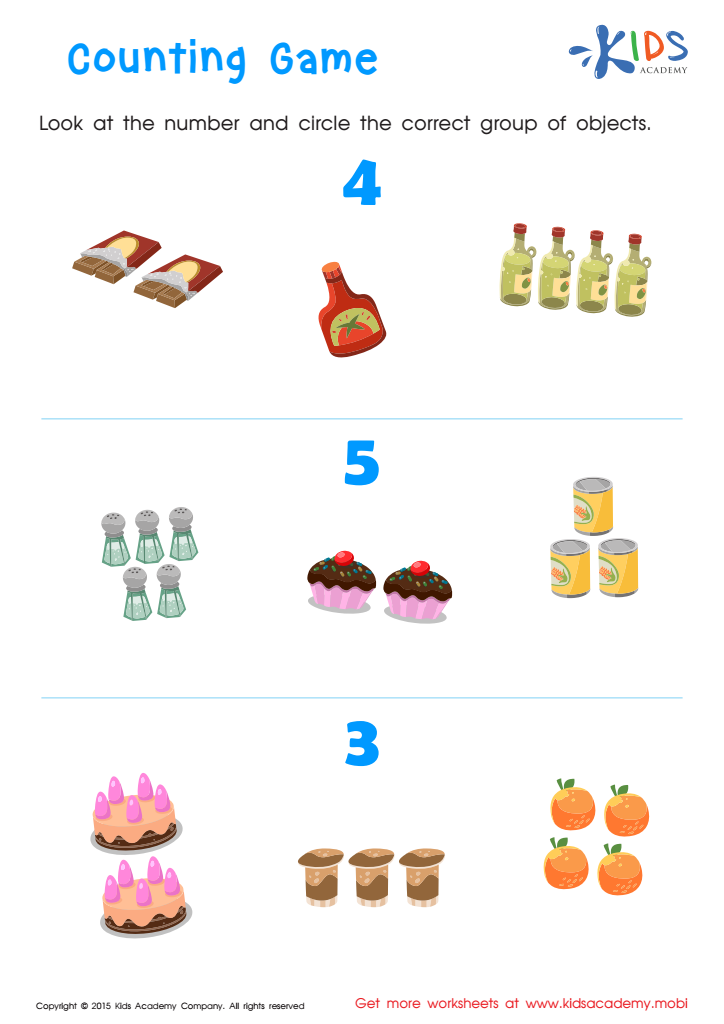
Counting Worksheet
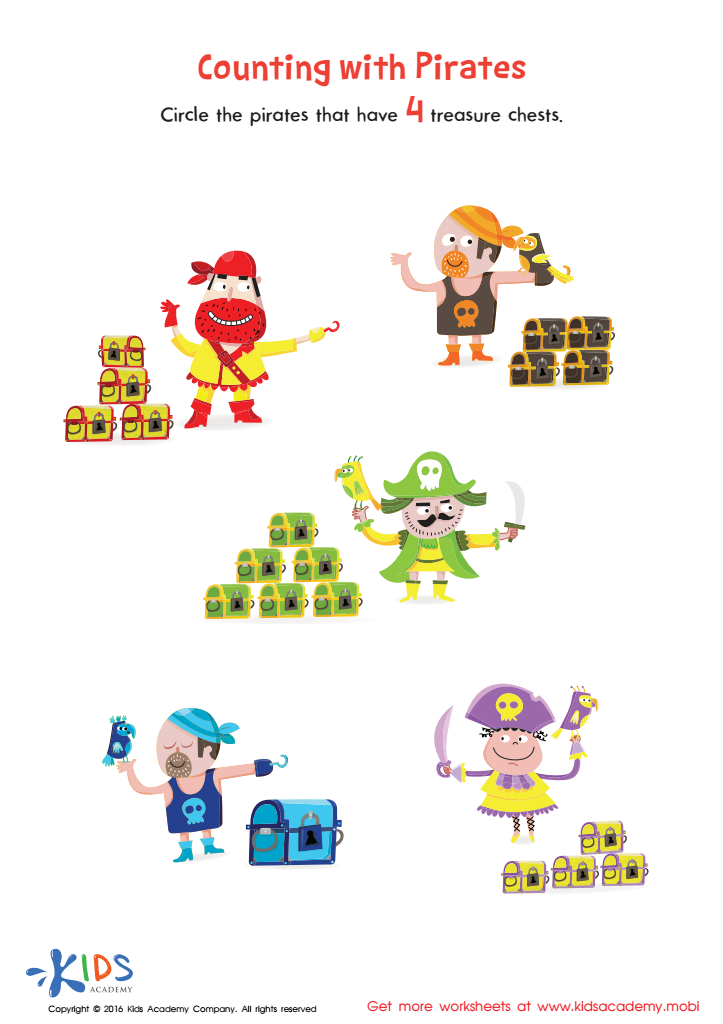
Counting With Pirates Worksheet
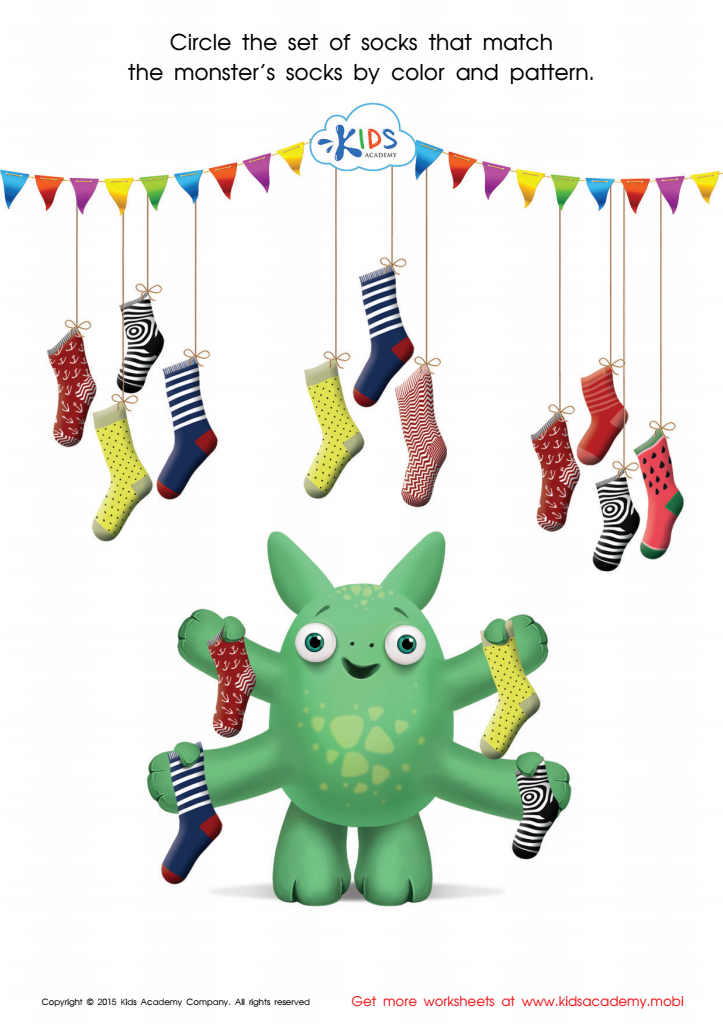
Connecting the Monster's Socks Printable
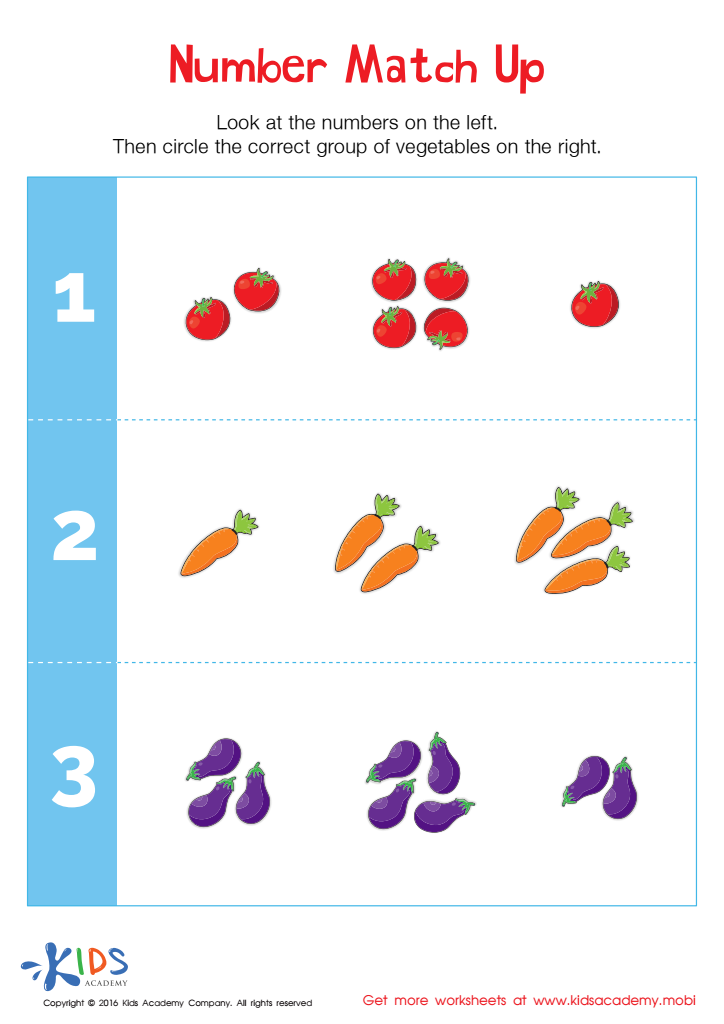
Number Match Up Worksheet








Parents and teachers play a crucial role in fostering early mathematical skills in children aged 3 to 8. At this stage, children are naturally curious and eager to explore their environment, making it an ideal time to introduce foundational math concepts. Early math experiences not only enhance cognitive development but also lay the groundwork for logical reasoning, problem-solving, and critical thinking—skills vital for lifelong learning.
Math for younger children extends beyond numbers; it involves recognizing patterns, understanding relationships, and measuring quantities. Engaging children in fun, hands-on activities, such as counting objects, sorting by size or shape, and playing simple math games, can significantly boost their confidence and interest in the subject. These activities promote social skills and language development as children communicate their thoughts and ideas.
Moreover, instilling a positive attitude toward math at a young age can counteract anxiety related to math later in life. By caring about math education from the outset, parents and teachers help ensure that children develop a strong academic foundation, leading to better performance as they progress through school and beyond. In essence, fostering early math skills is an investment in a child's future success and well-being.








