Life Science Worksheets for Ages 3-8 - Page 2
36 filtered results
-
From - To
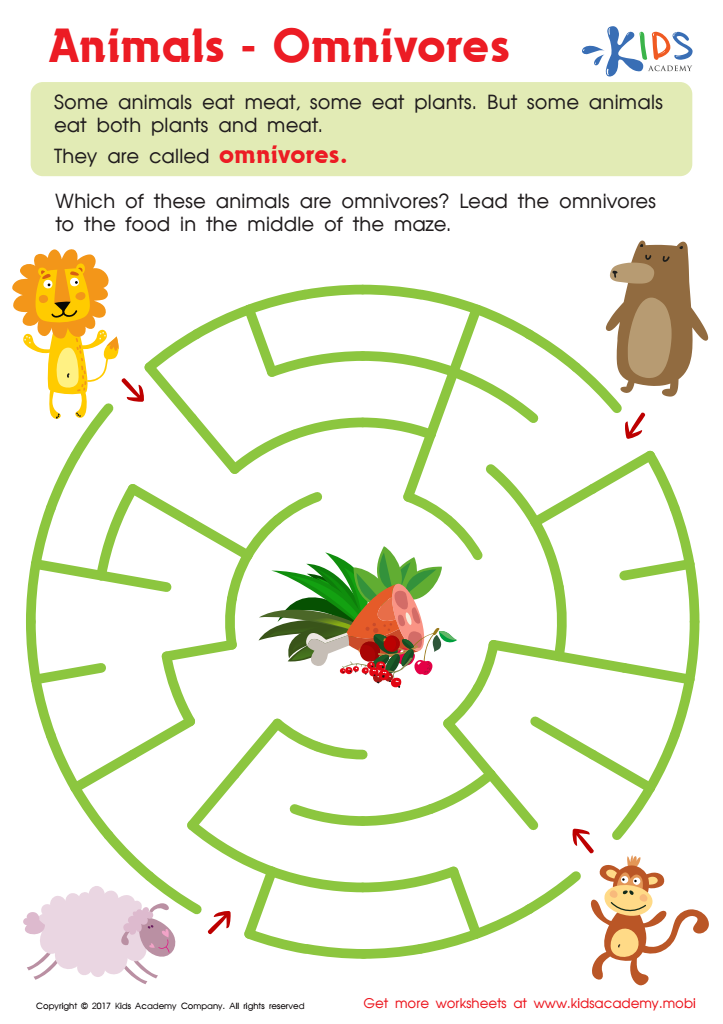
Omnivores Animals Worksheet
 Assign to My Students
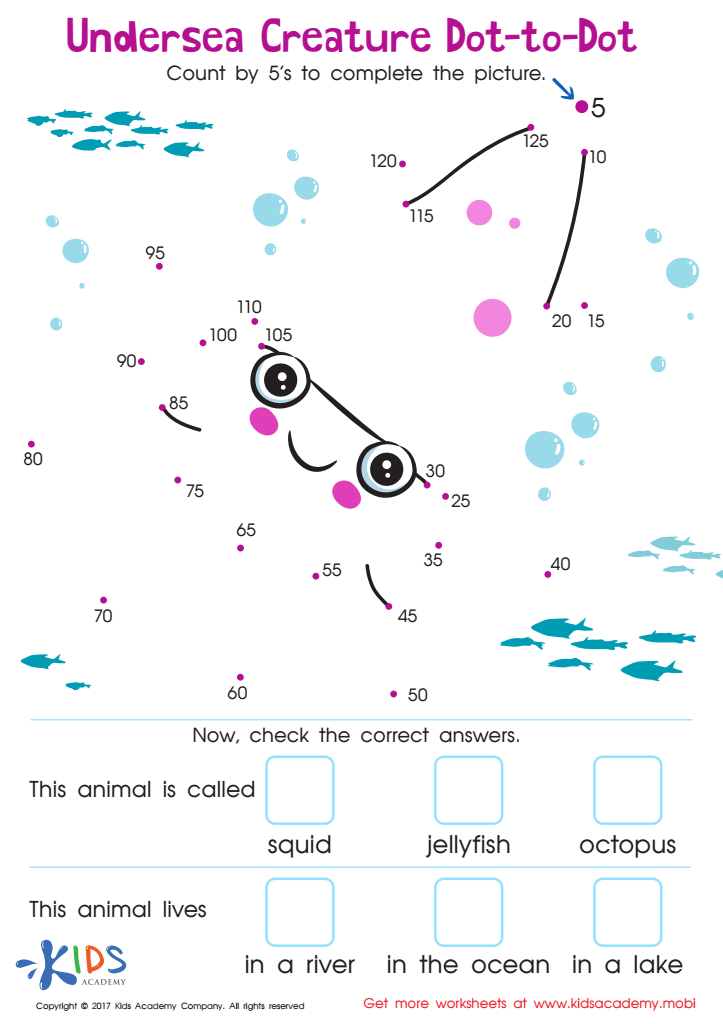
Undersea: Dot To Dot Worksheet
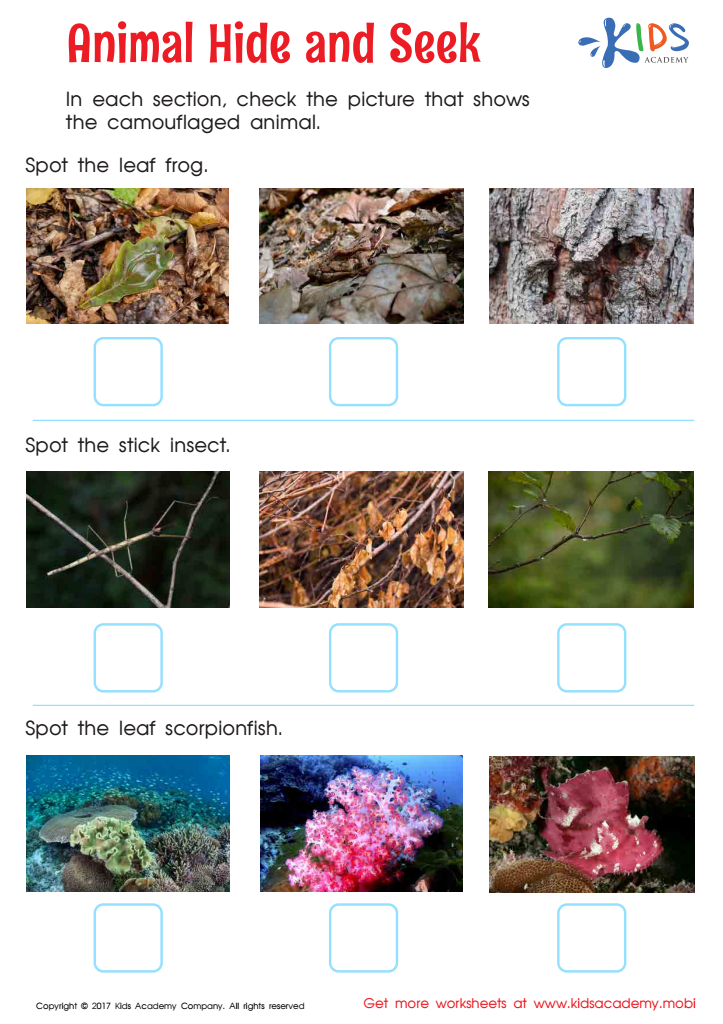
Animal Hide and Seek Worksheet
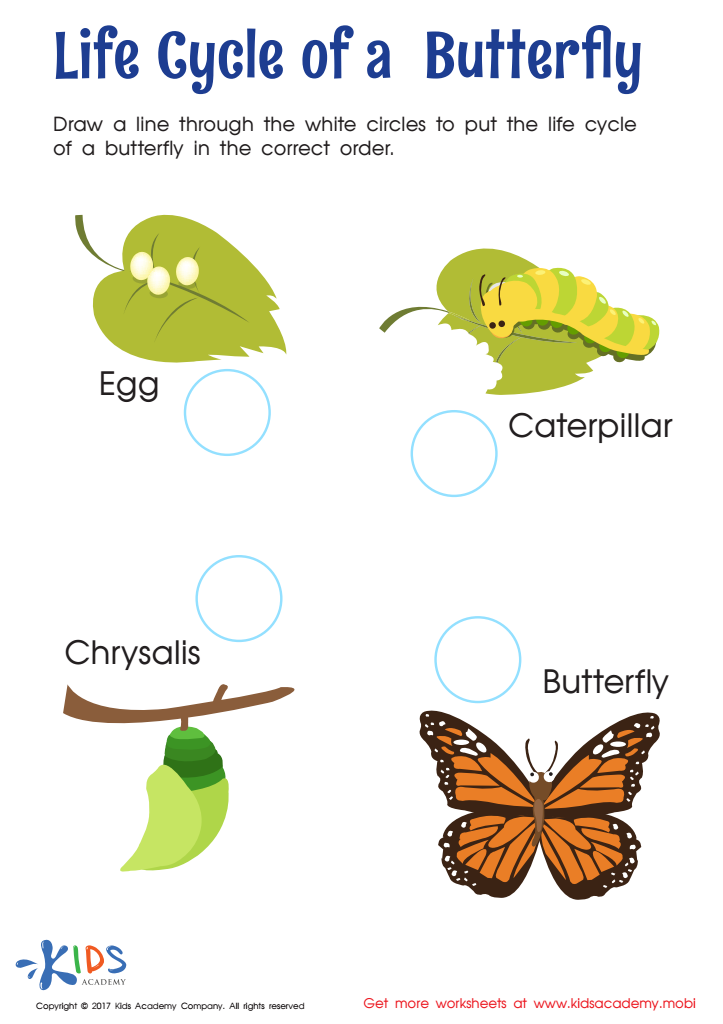
Life Cycle of Butterfly Worksheet
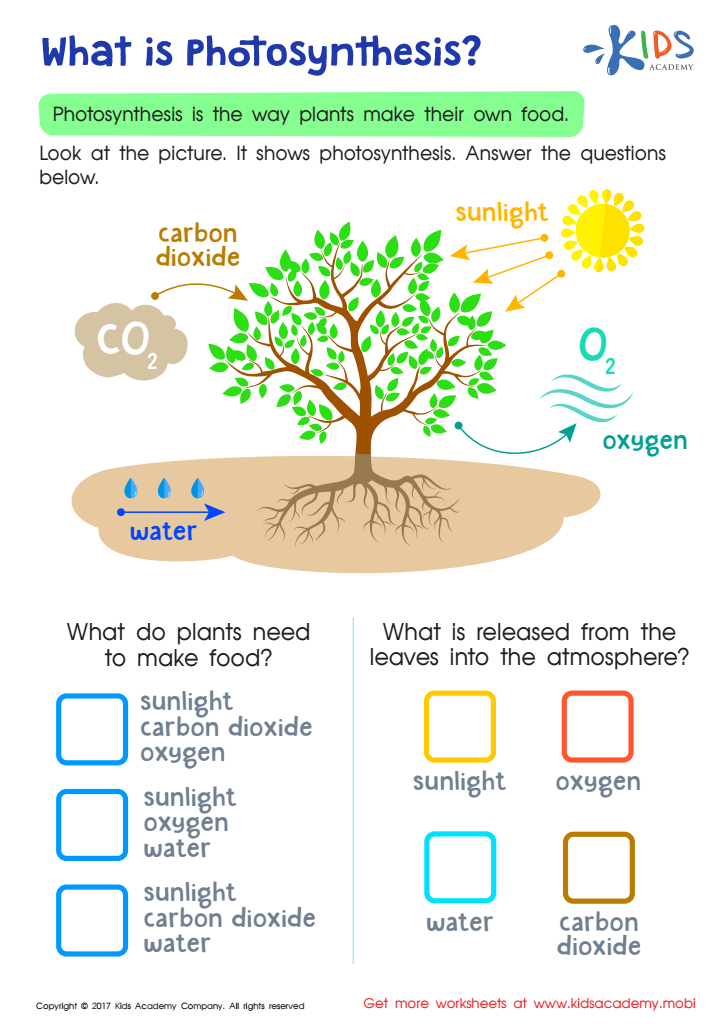
What is Photosynthesis Printable
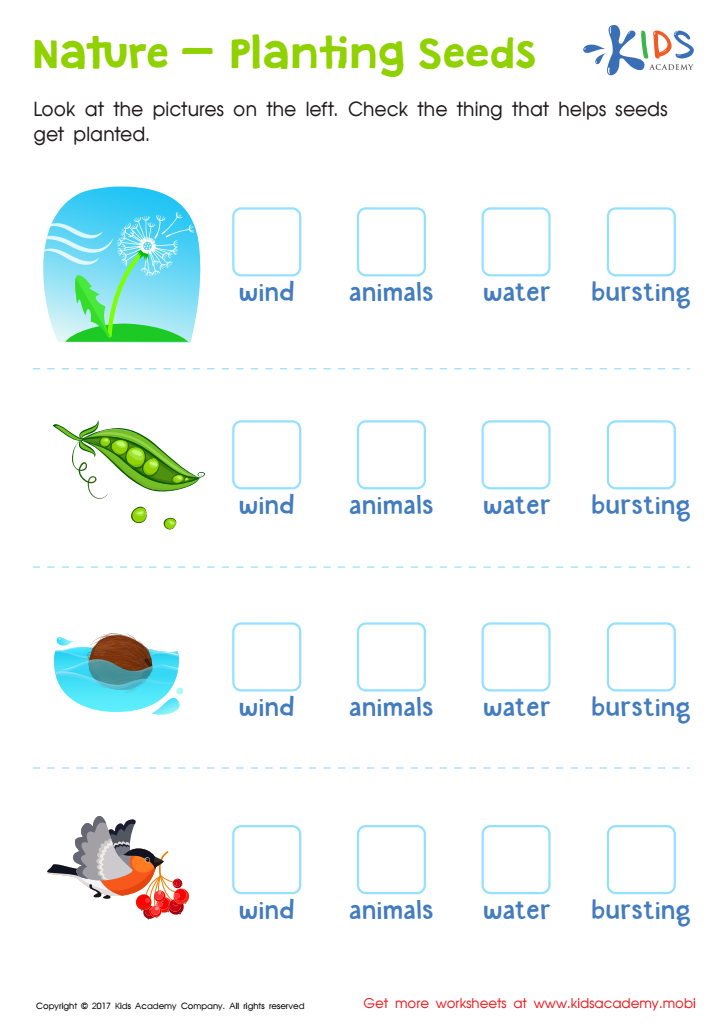
Nature Planting Seeds Worksheet
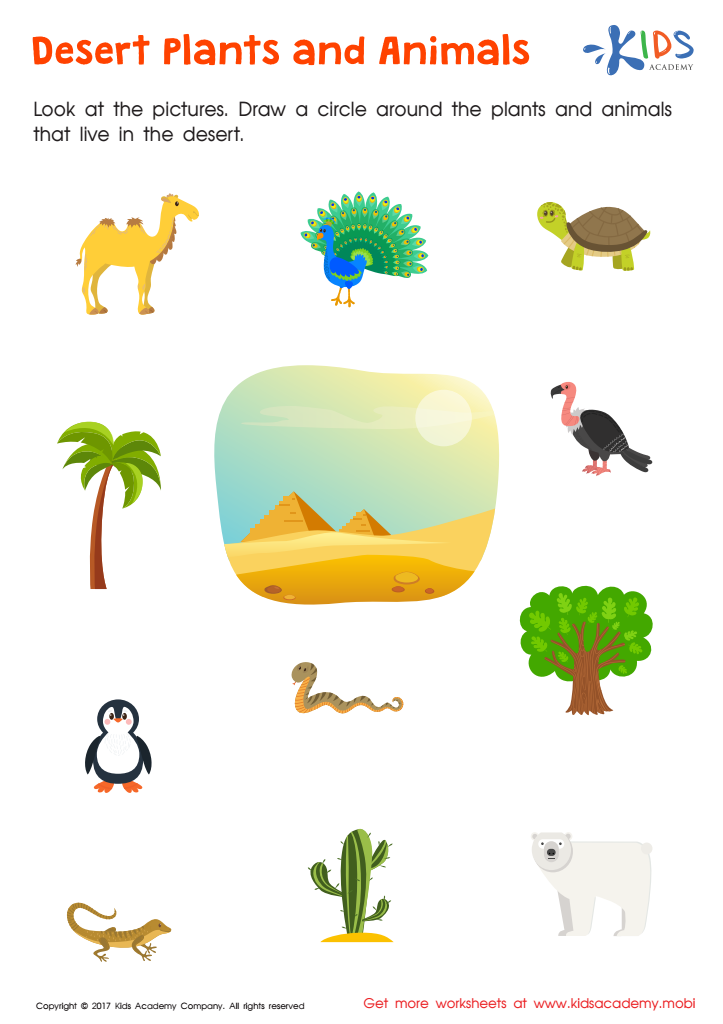
Desert Plants Animals Printable
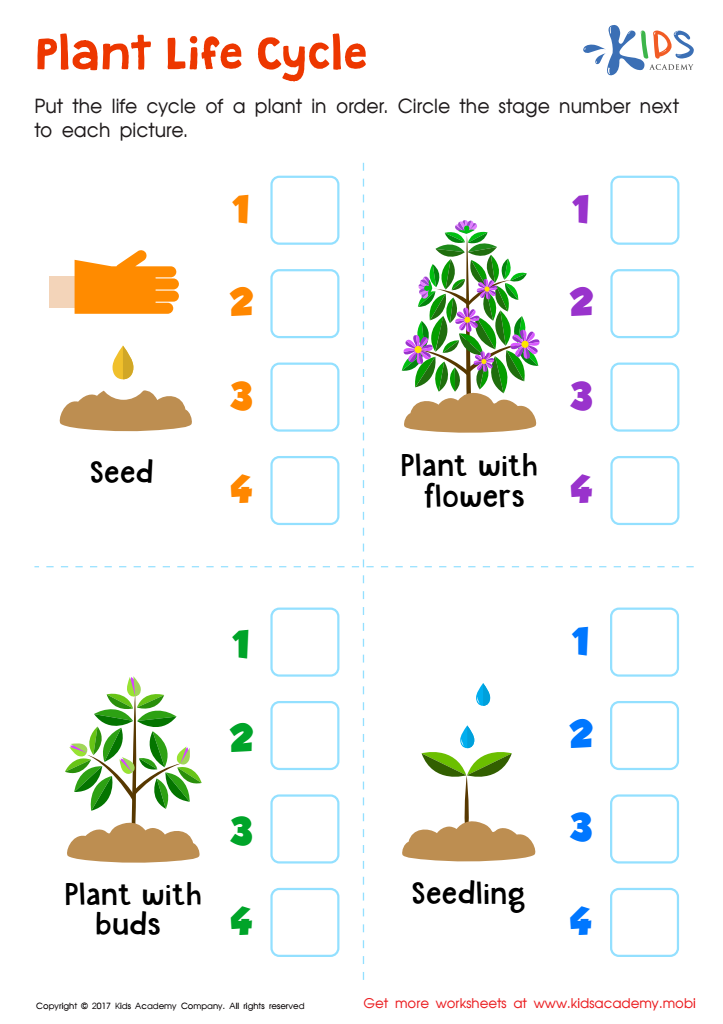
Plant Life Cycle Printable
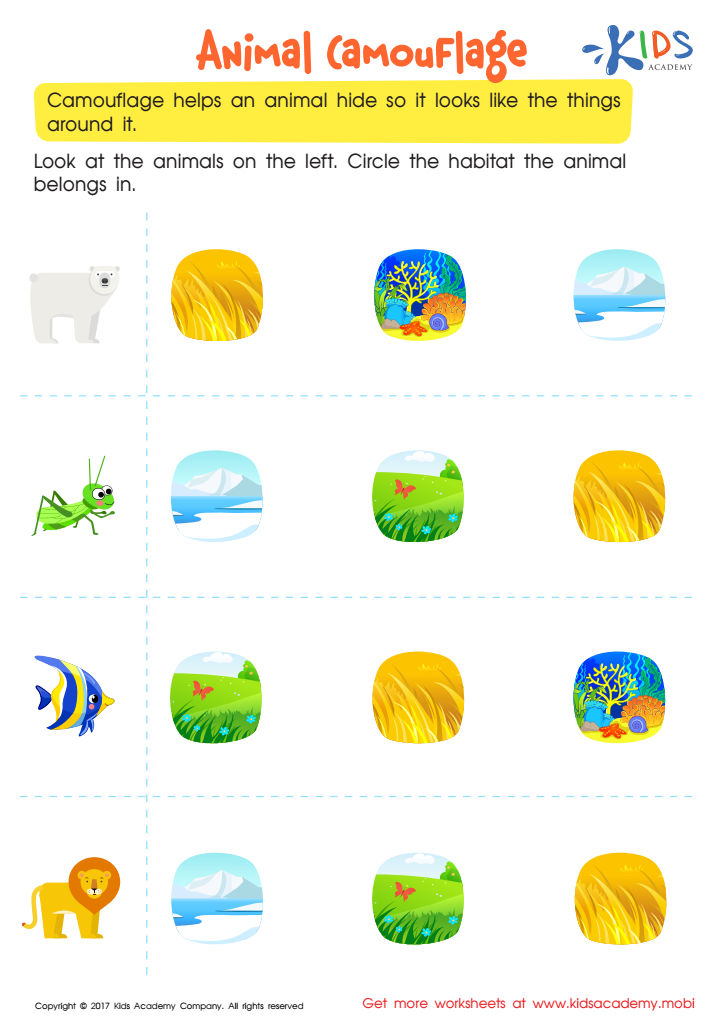
Animal Camouflage Worksheet
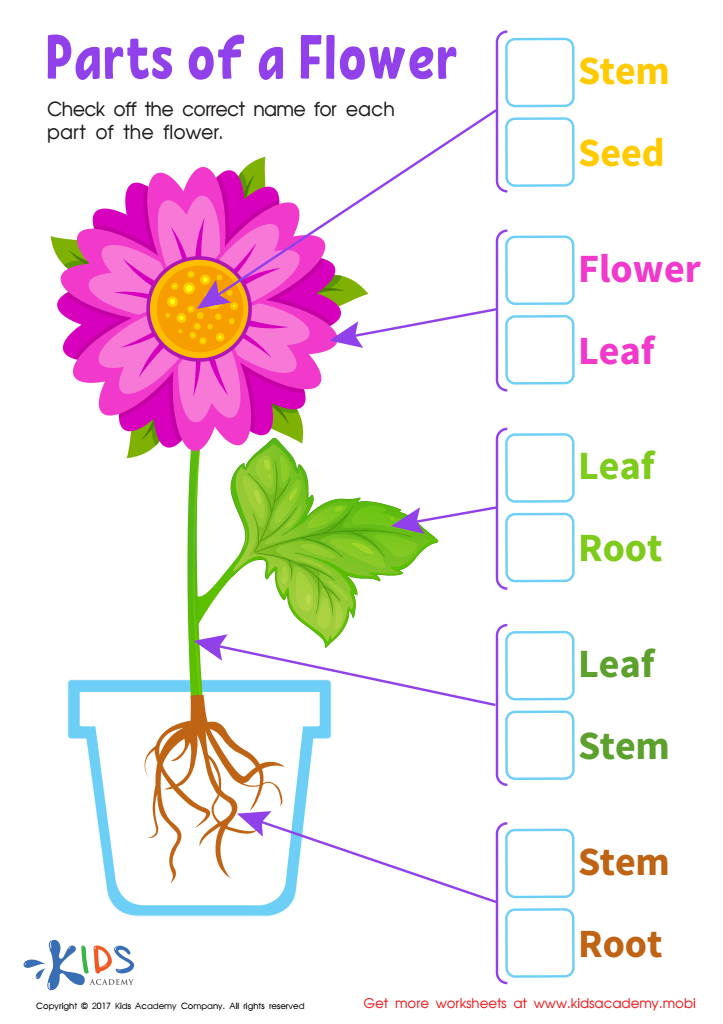
Parts Flower Printable
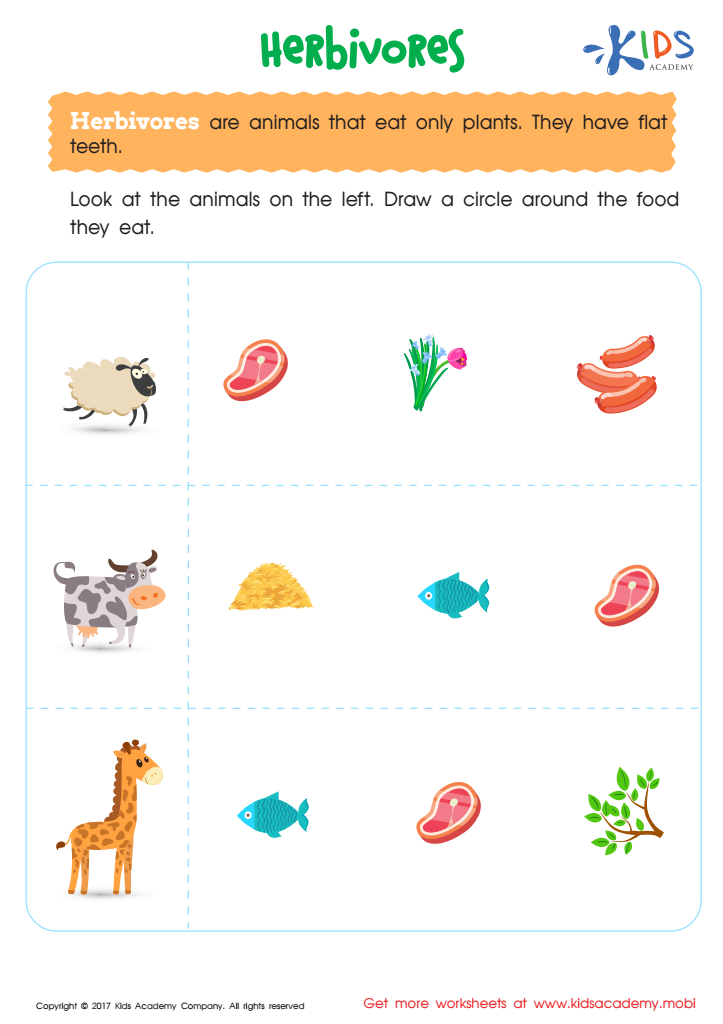
Herbivores Printable
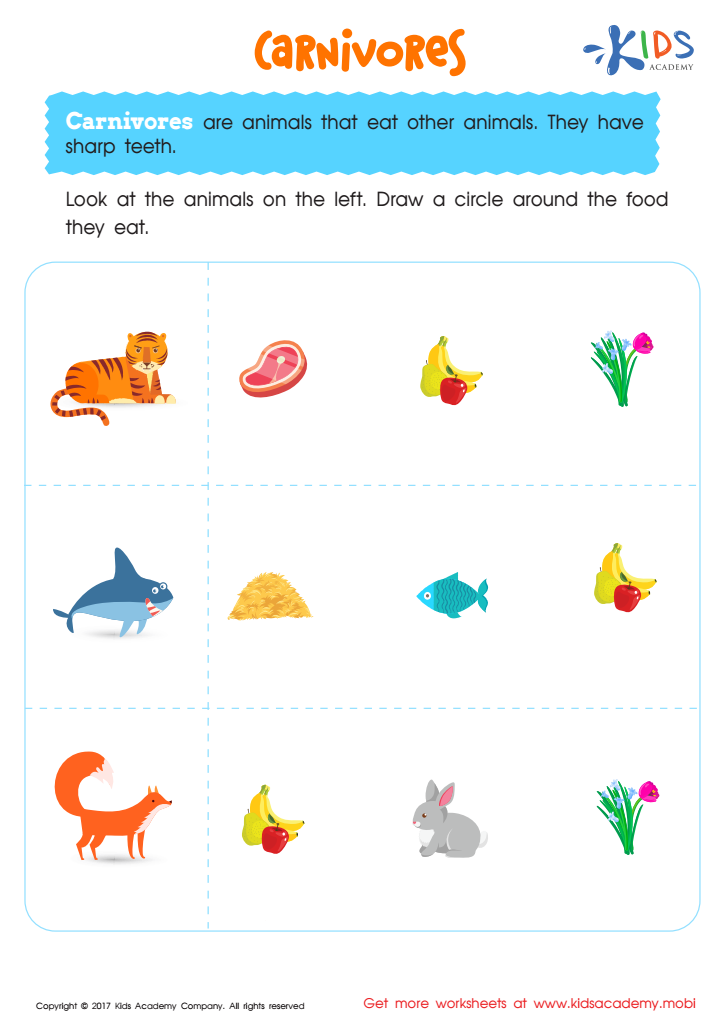
Carnivores Worksheet







Life science is crucial in the early development of children aged 3-8 as it harnesses their natural curiosity and sets a strong foundation for lifelong learning. By engaging in life science activities, young children develop critical thinking and observational skills that are essential across all areas of learning. Discovering concepts like growth, habitats, and ecosystems fosters an appreciation for the environment and promotes a sense of responsibility towards nature.
Additionally, learning about living things sparks children’s imaginations and keeps them engaged. This engagement fuels their intrinsic motivation to explore and understand the world around them. For instance, observing insects, planting seeds, or understanding the weather nurtures their interest in science and boosts cognitive abilities such as problem-solving, logical reasoning, and curiosity-led inquiry.
At this formative stage, children also begin to grasp important biological basics and the interconnectivity of life forms, human health, and the environment. These lessons in empathy and stewardship can translate into better social and emotional development as they learn the significance of caring for all living things.
Furthermore, early exposure to life science supports literacy and numeracy skills by incorporating reading, writing, counting, and measuring within compelling, real-world contexts. Thus, investing in life science education for young children helps holistically shape knowledgeable, ethical, and well-rounded individuals.








