Our Planet and Environment Worksheets for Ages 3-8 - Page 4
82 filtered results
-
From - To
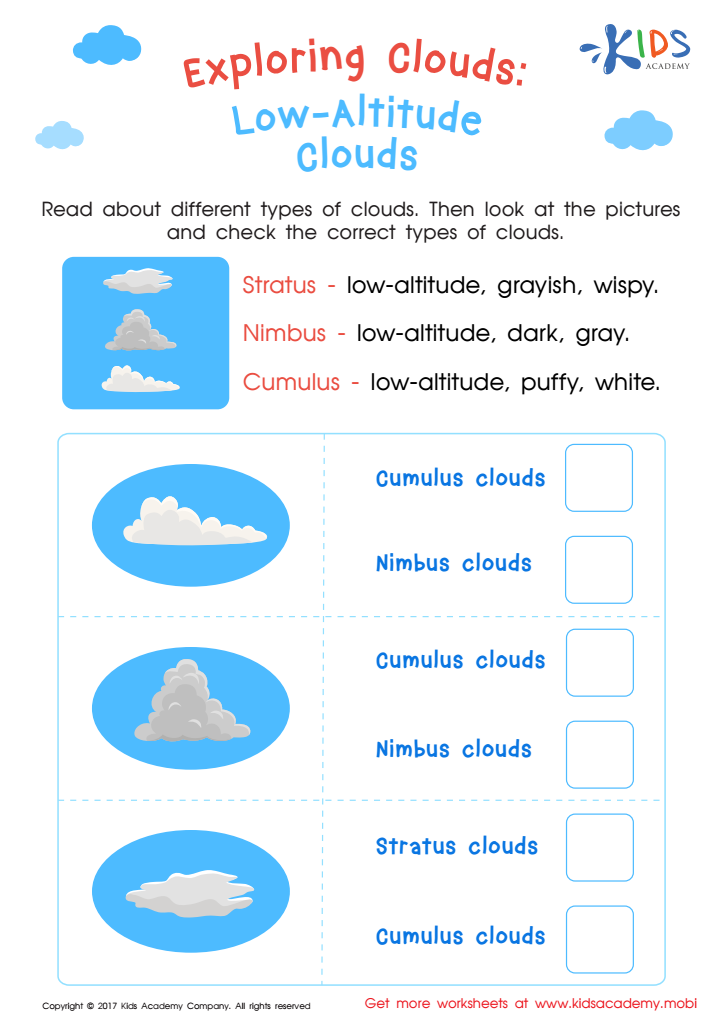
Exploring Clouds: Low Altitude Clouds Printable
 Assign to My Students
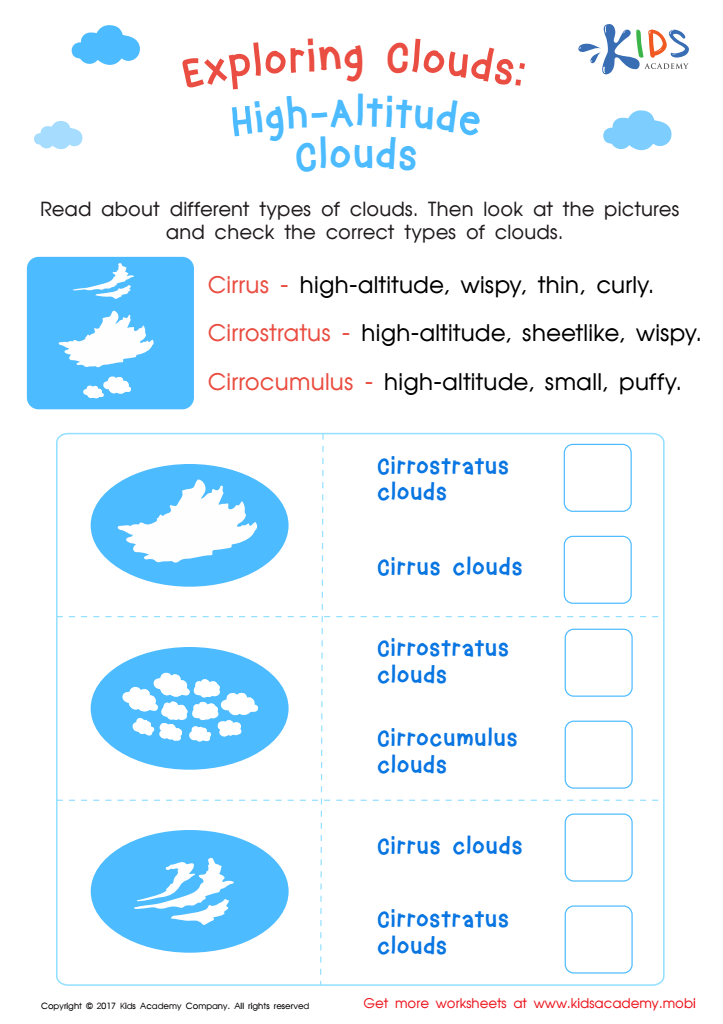
Exploring Clouds: High Altitude Clouds Worksheet
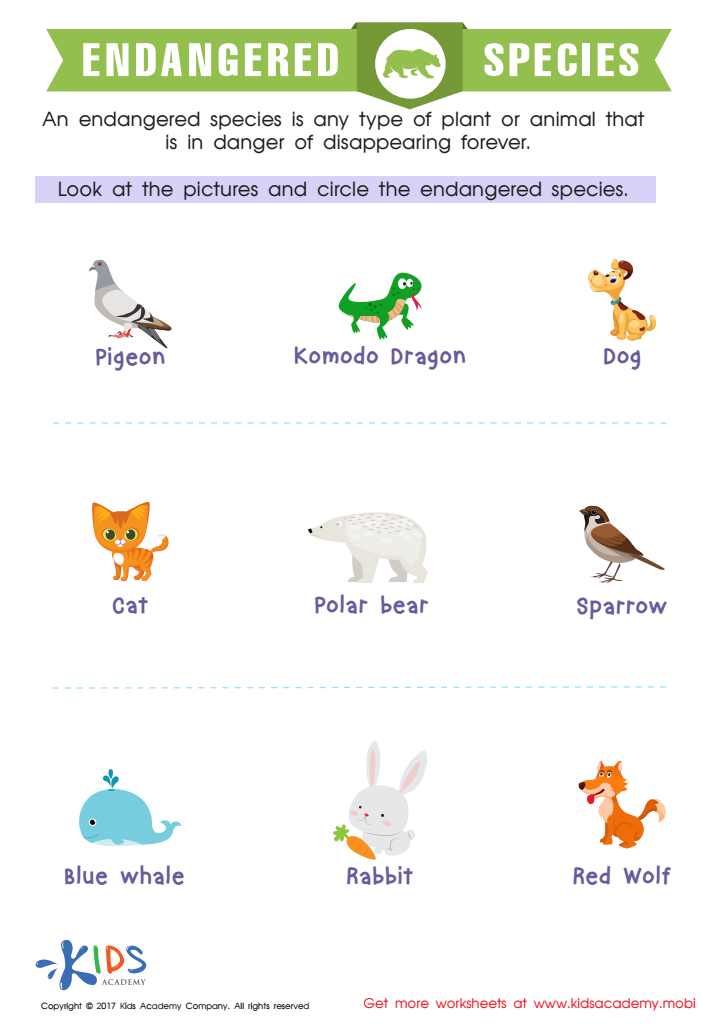
Endangerd Species Printable
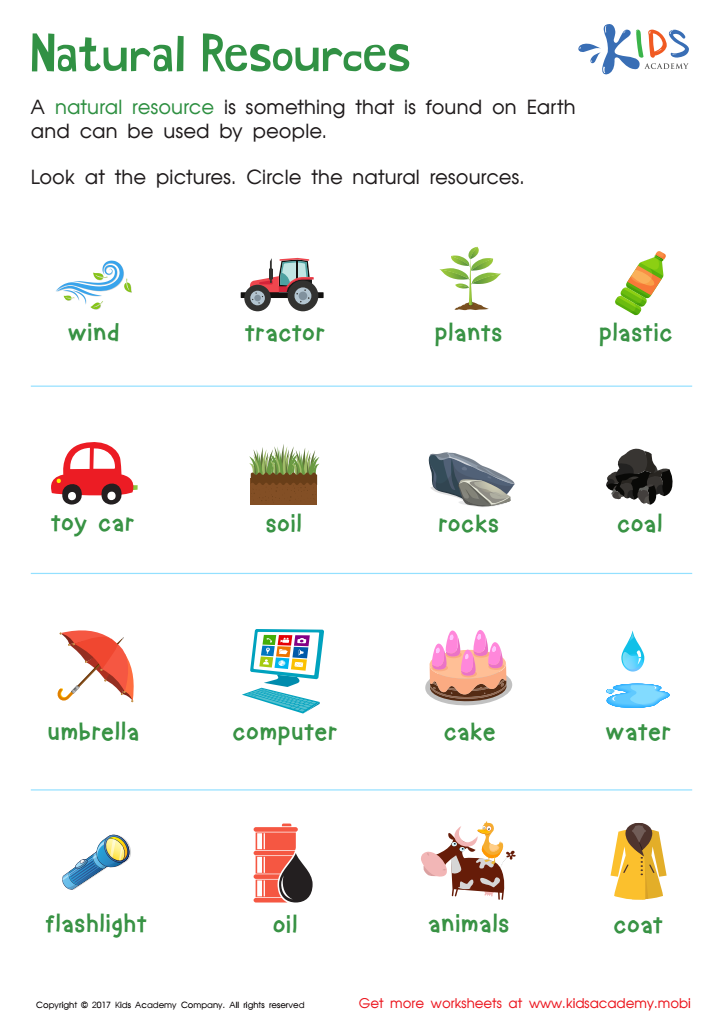
Natural Resources Worksheet
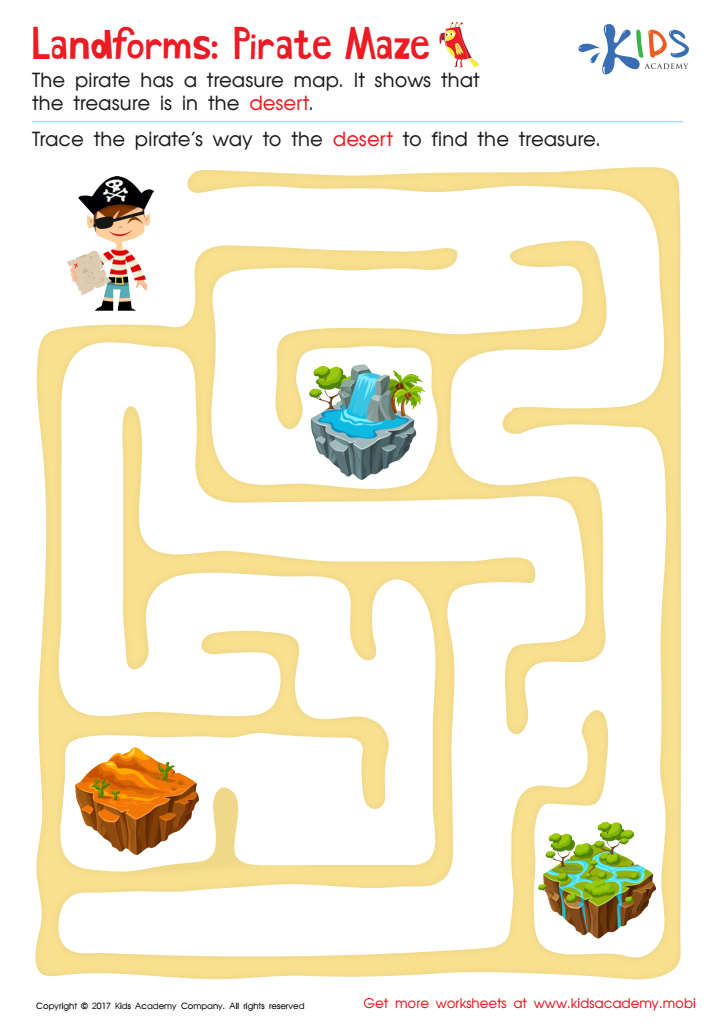
Landforms: Pirate Maze Printable
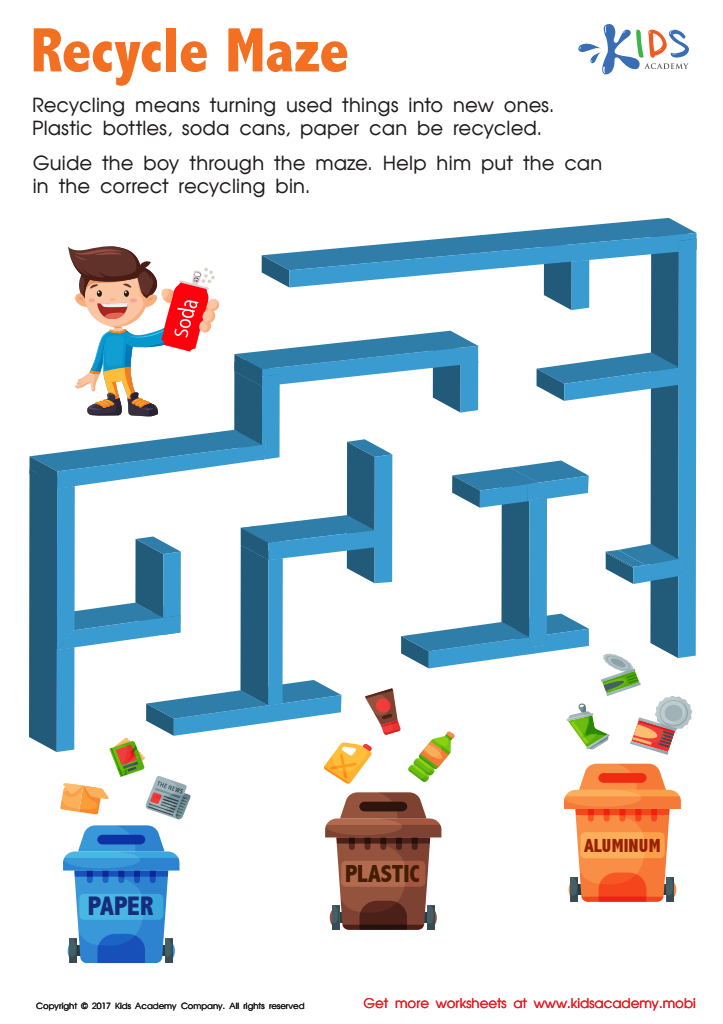
Recycle Maze Worksheet
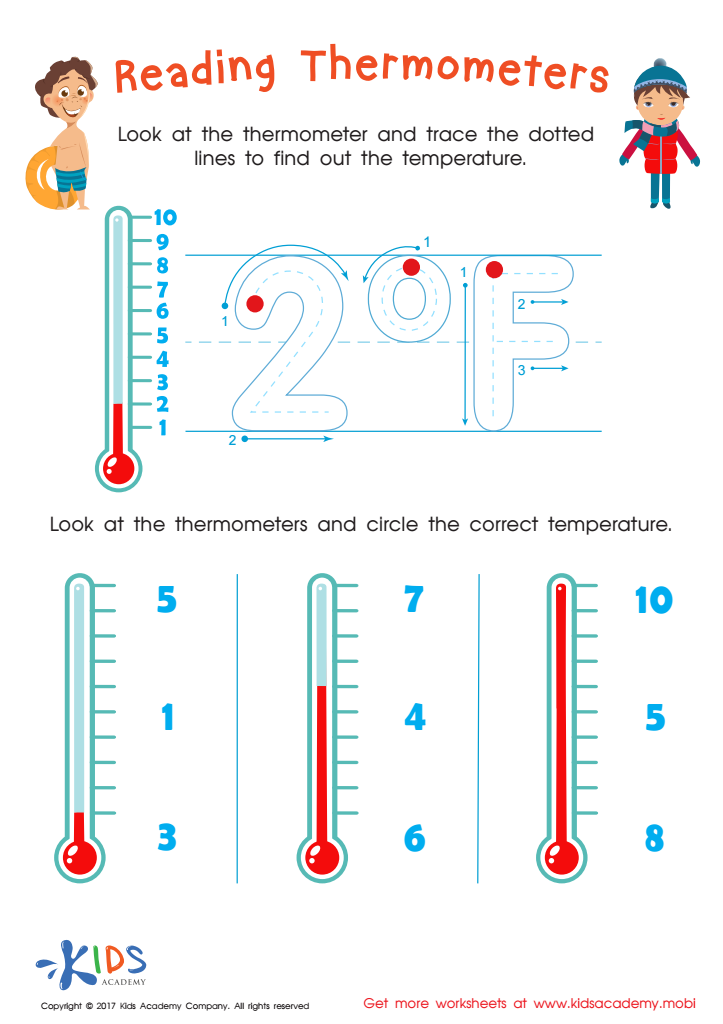
Reading Thermometers Printable
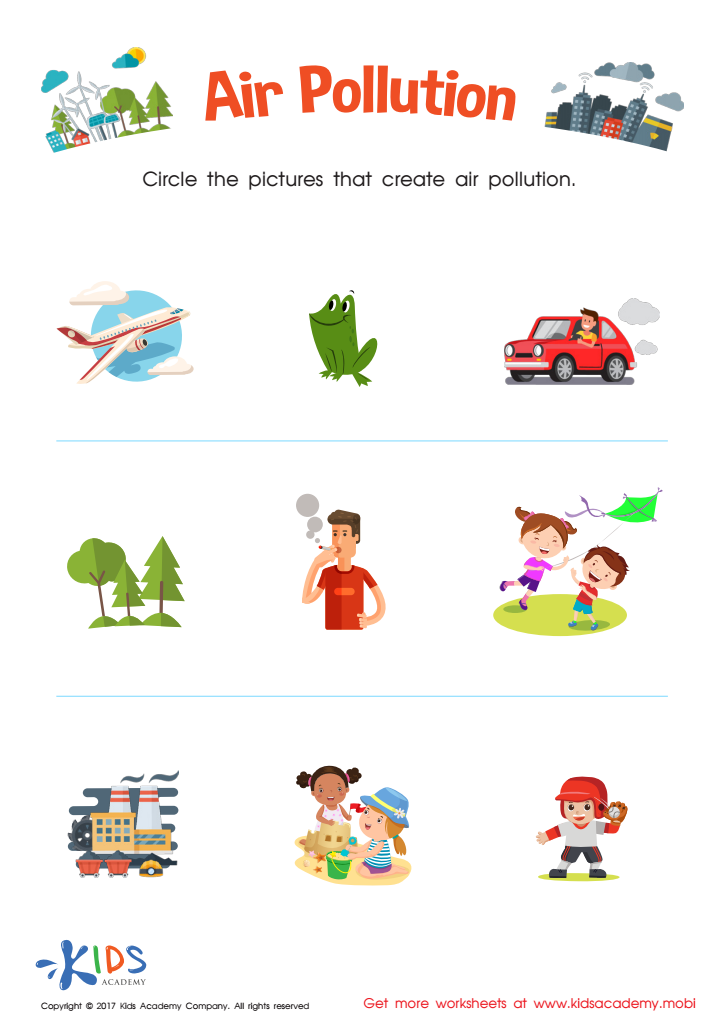
Air Pollution Worksheet
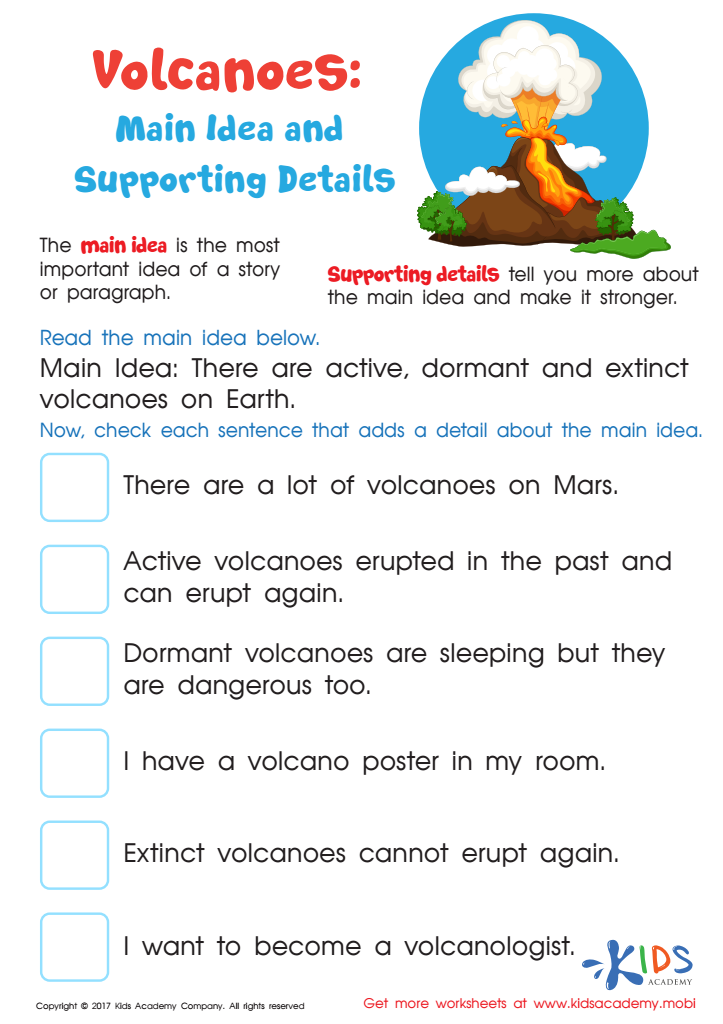
Volcano Facts Worksheet
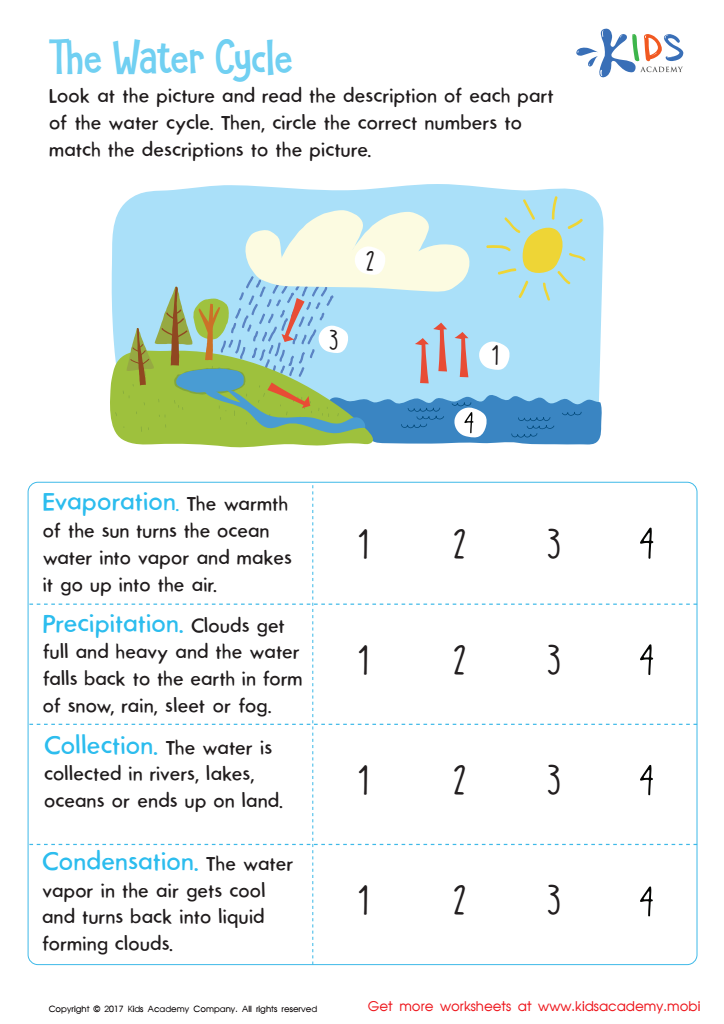
The Water Cycle Worksheet


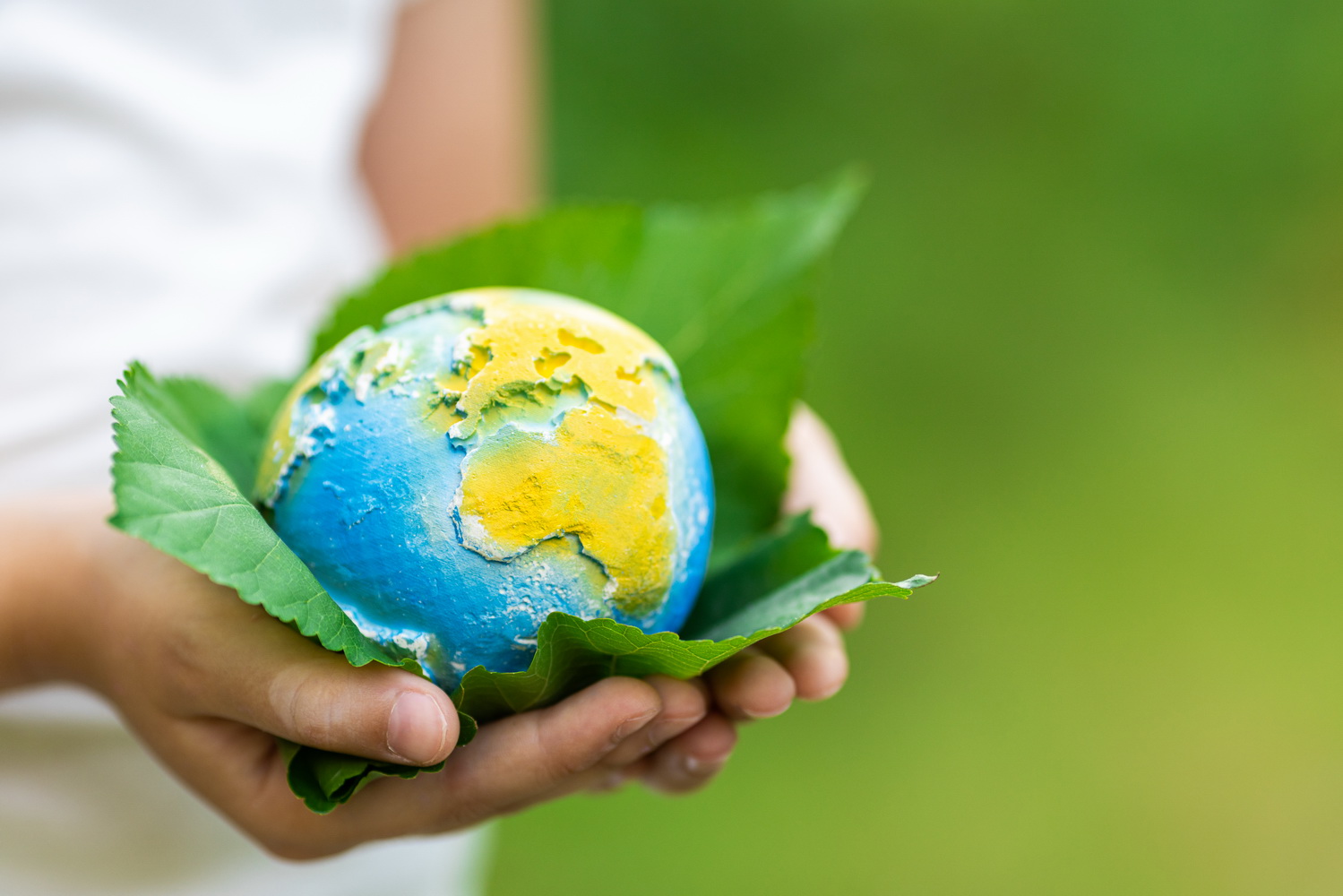



Parents and teachers play a crucial role in shaping children’s understanding of the planet and environment, particularly for young learners aged 3-8. This formative stage is when children develop their perceptions of the world around them. By fostering an awareness of the environment, adults can help inculcate a sense of responsibility and connection to nature.
Caring for our planet teaches children compassion, highlighting the importance of living creatures and ecosystems. Understanding environmental issues, like pollution and conservation, empowers kids to make informed choices, fostering critical thinking and problem-solving skills. Activities such as planting seeds, recycling, or nature walks instill a love for the outdoors and encourage curiosity.
Moreover, instilling environmental values early nurtures lifelong habits that promote sustainability. Children are motivated by action, and when teachers and parents model eco-friendly practices, they are likely to imitate them. Teaching about biodiversity and the environment also supports essential academic skills, blending science with social studies and personal growth.
Ultimately, caring for our planet helps children build a vision of a sustainable future, creating conscientious citizens who appreciate and protect the natural world. This guidance can lead them to be advocates for change, significantly impacting our environment as they grow.







