Tracing Numbers Worksheets for Ages 3-9 - Page 2
32 filtered results
-
From - To
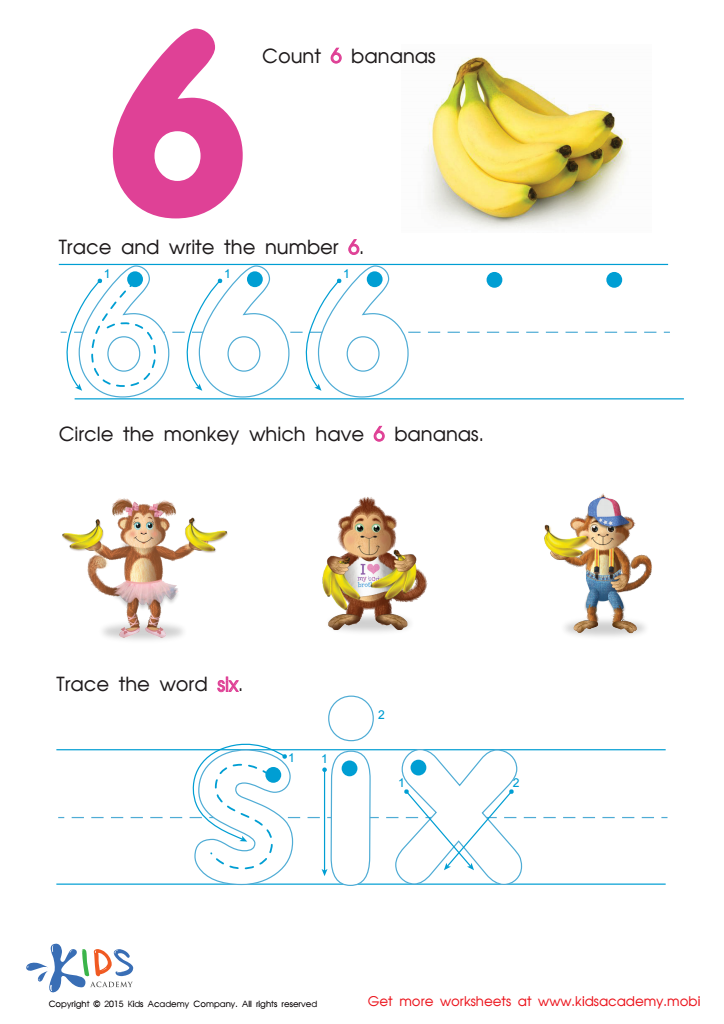
Tracing And Writing Number 6 Worksheet
 Assign to My Students
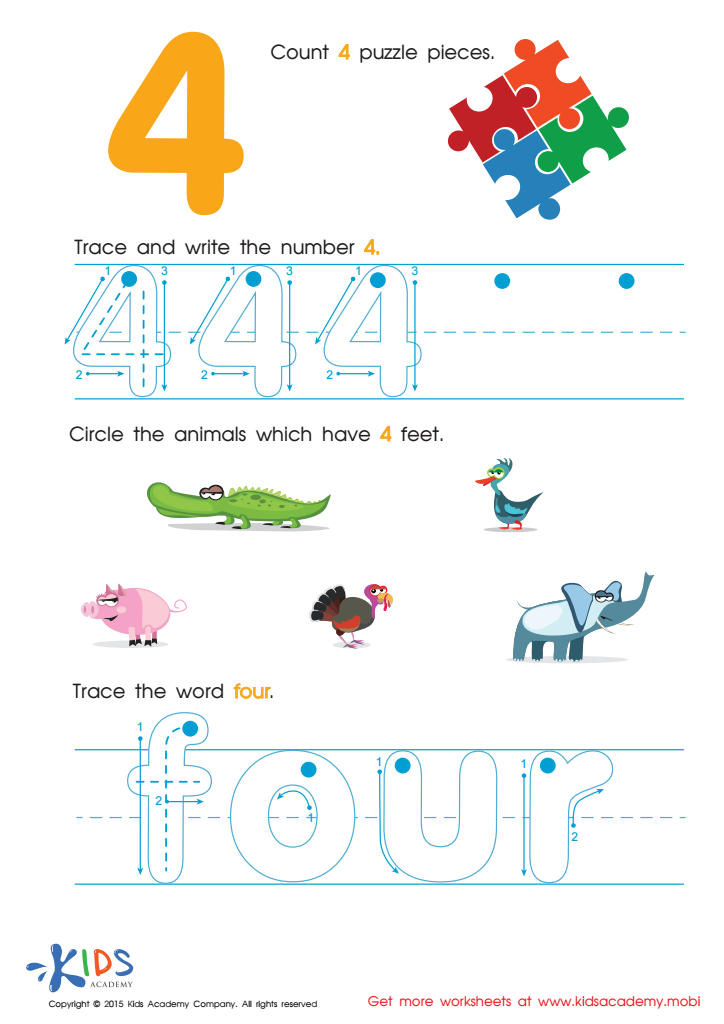
Teaching Children to Write Number 4 Worksheet
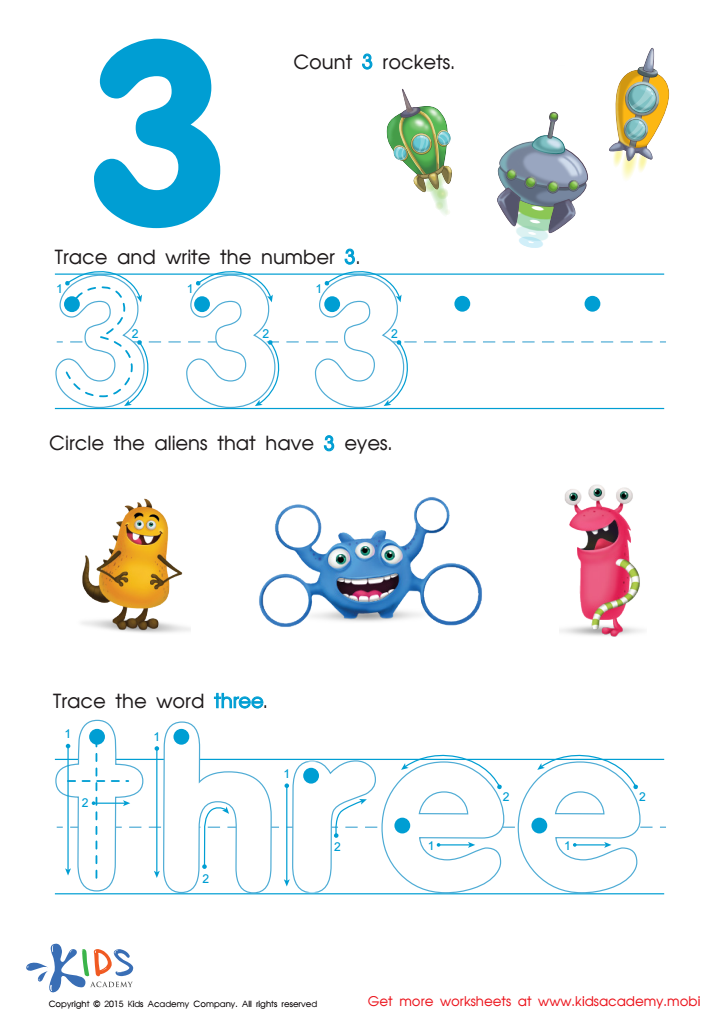
Learning Number Three Worksheet
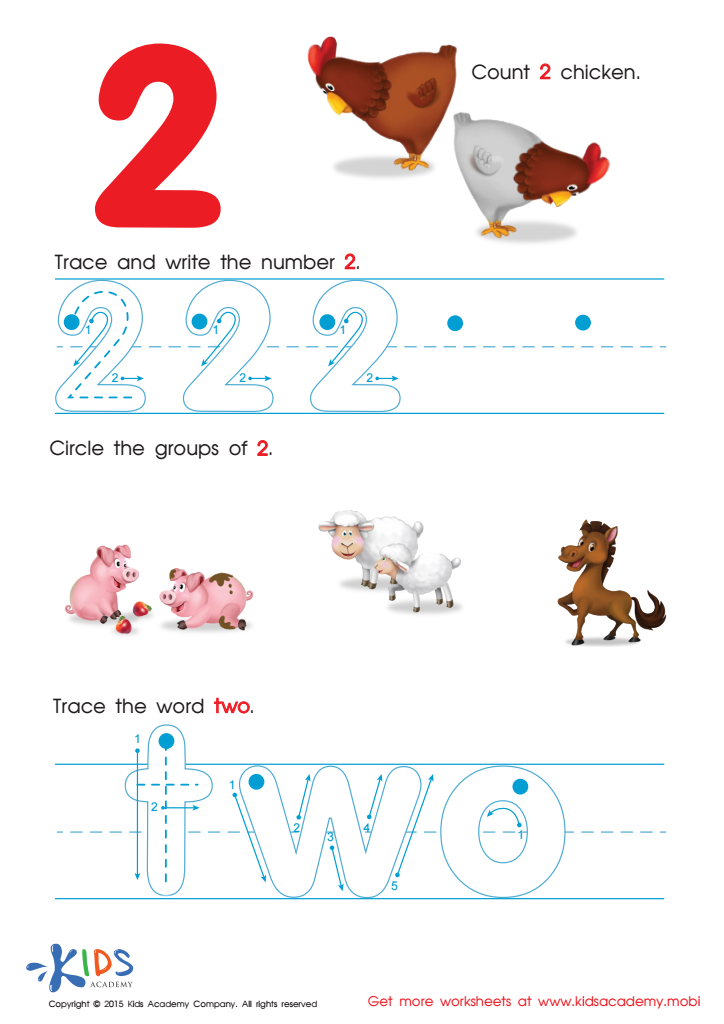
Learn to Write the Number 2 Worksheet
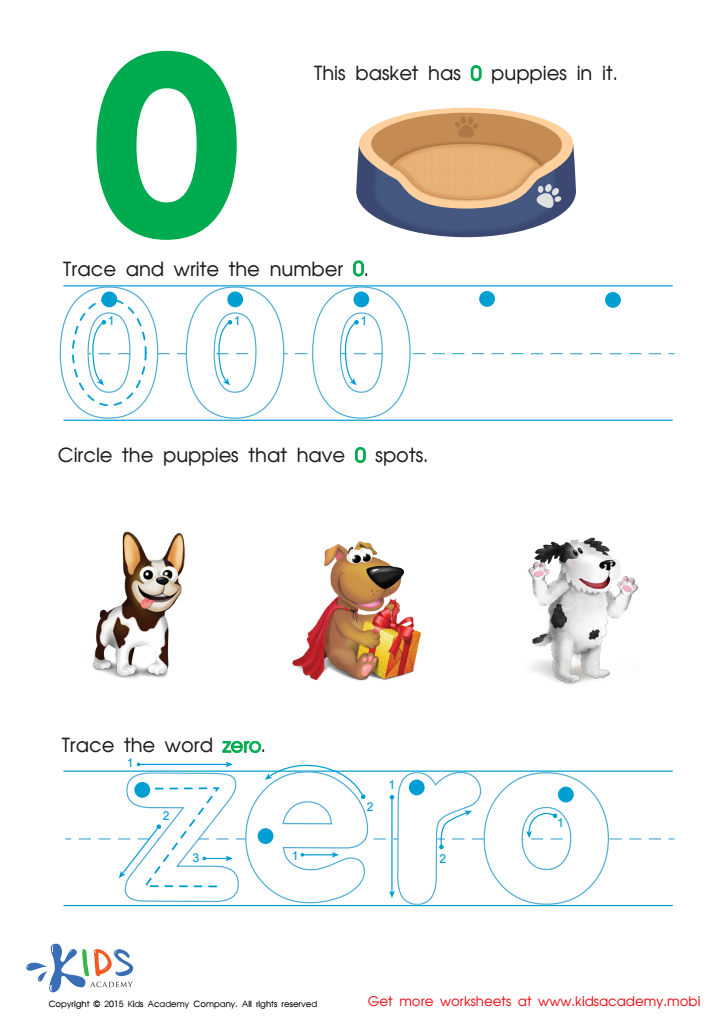
Trace And Write Number 0 Worksheet
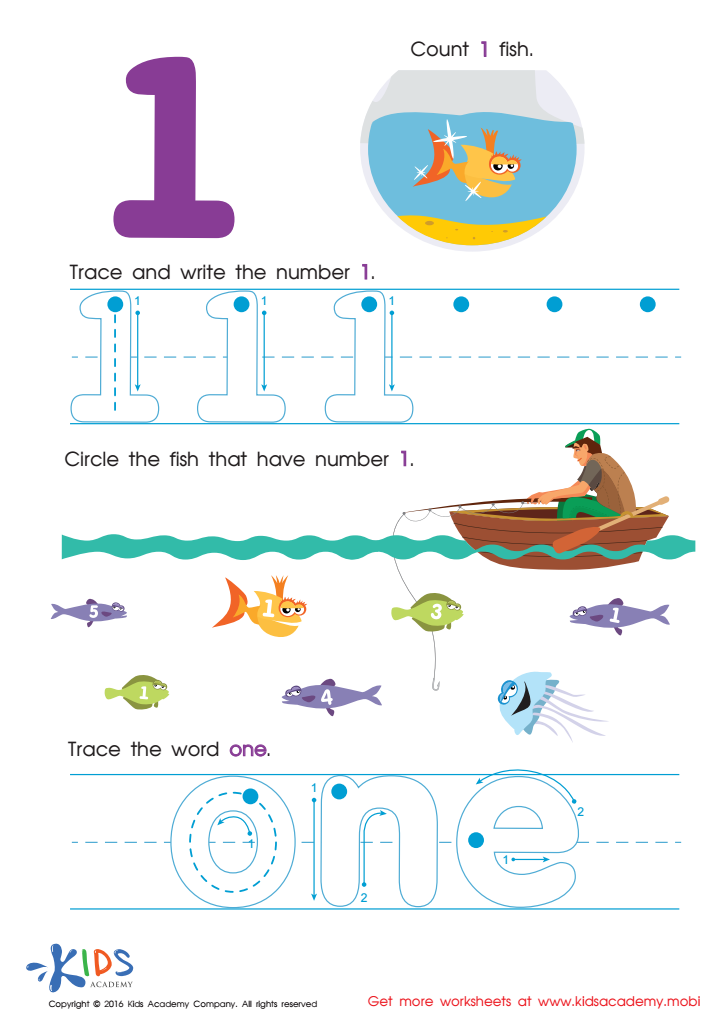
Learning to Write 1 Worksheet

Count the Cherries and Trace the Number 10 Printable








Tracing numbers is a crucial developmental activity for children aged 3-9, as it lays the foundation for essential mathematical skills and fine motor development. For young learners, tracing helps to enhance hand-eye coordination and finger dexterity, which are vital for writing and other classroom tasks. As children trace numbers, they develop an understanding of number formation, improving their ability to recognize and replicate these symbols in their own writing.
Moreover, tracing numbers introduces children to the concepts of quantity and counting. As they practice, they begin to associate the written numeral with its respective value, fostering foundational math skills that will be critical as they progress in their education. This early practice can also boost confidence, making math less intimidating and encouraging a positive attitude towards the subject.
Additionally, tracing can be a fun and engaging experience that supports cognitive development. It often involves multisensory activities, integrating visual, auditory, and tactile learning styles, which cater to diverse learning preferences. Therefore, parents and teachers should prioritize tracing numbers as a staple in early childhood education, ensuring that children develop both the physical dexterity and numerical understanding necessary for their academic success.








