Science Worksheets for Ages 3-9 - Page 6
393 filtered results
-
From - To
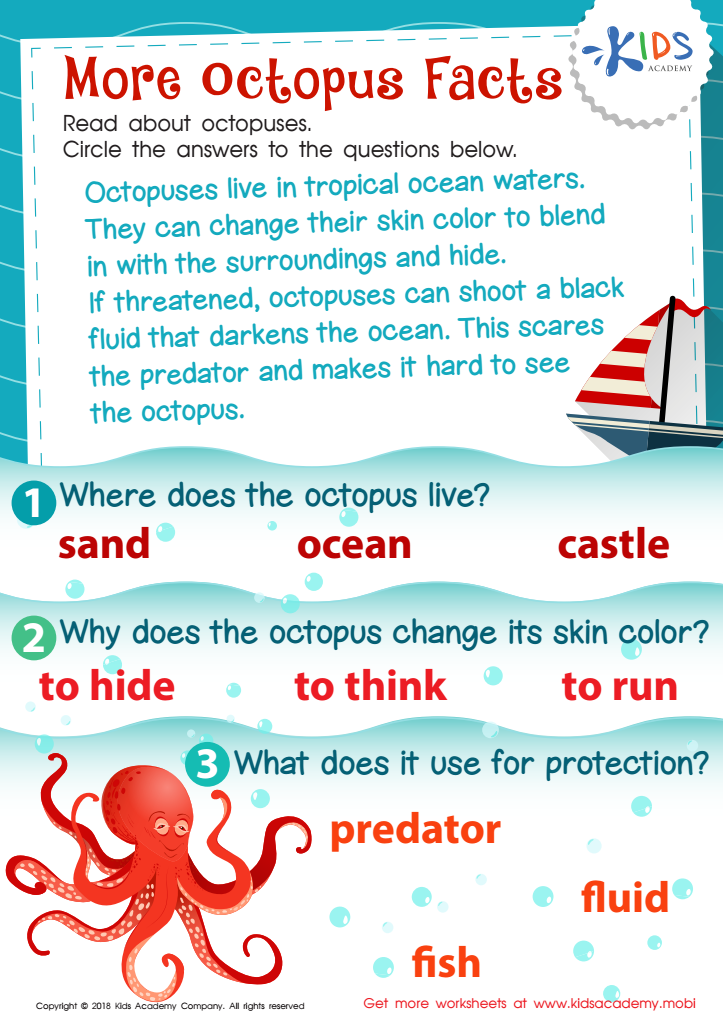
More Octopus Facts Worksheet
 Assign to My Students
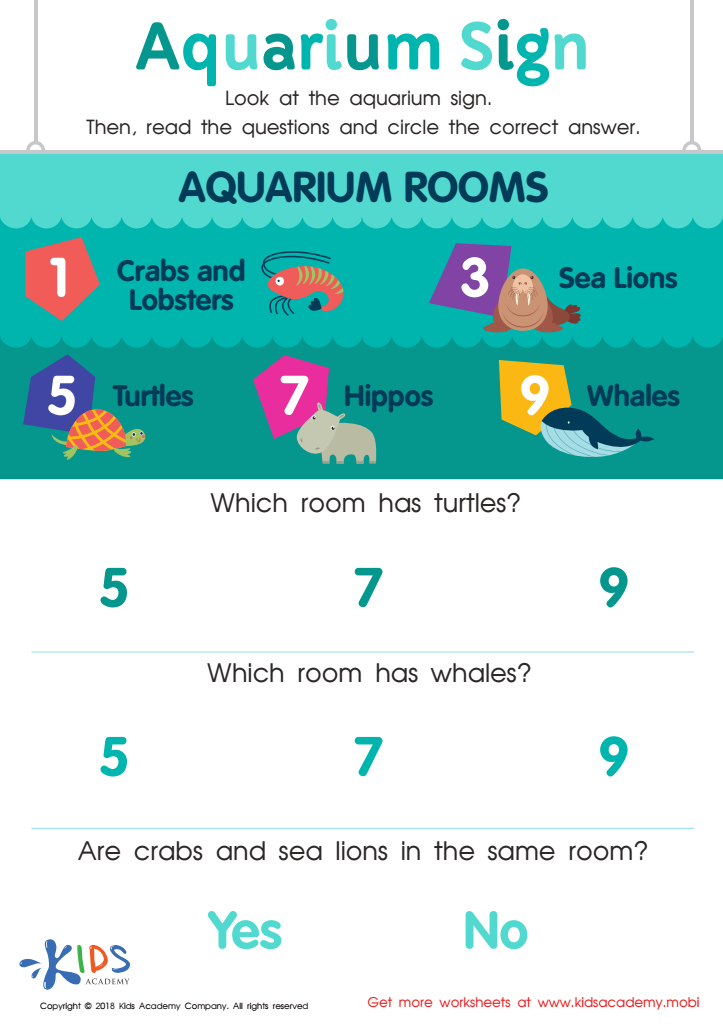
Assessment: Aquarium Sign Worksheet
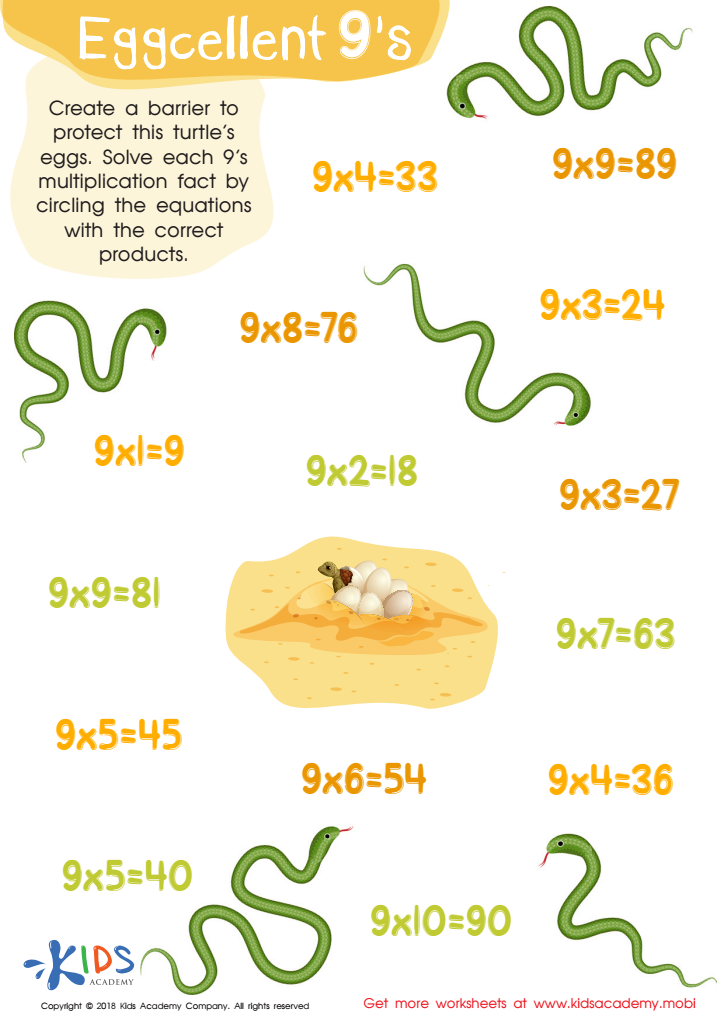
Eggcellent 9’s Worksheet
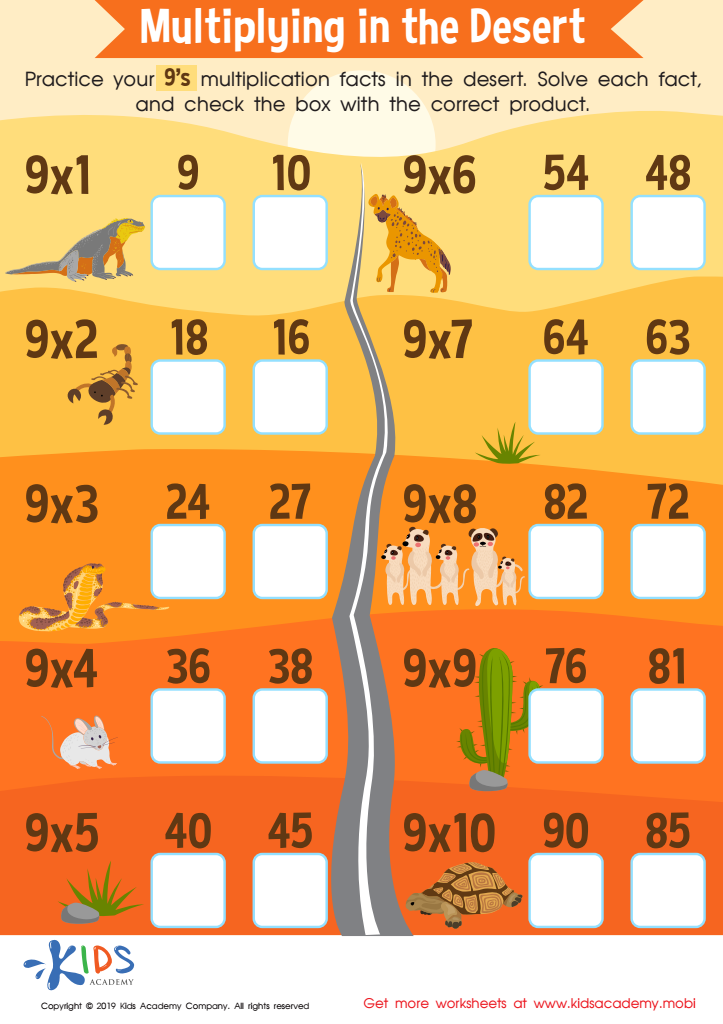
Multiplying in the Desert Worksheet
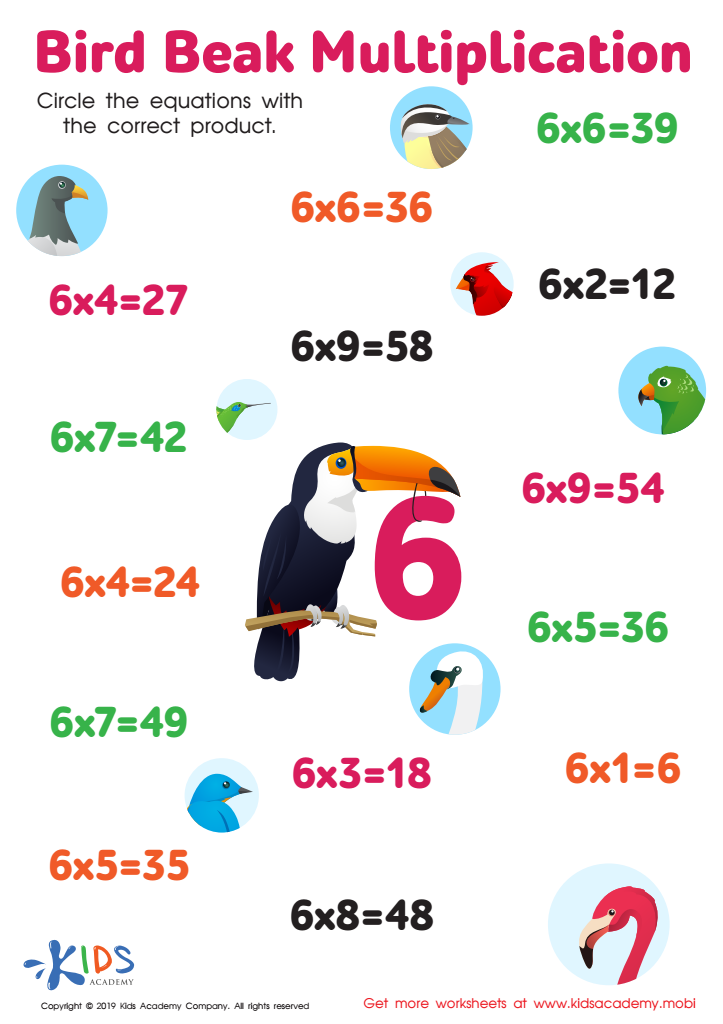
Bird Beak Multiplication Worksheet
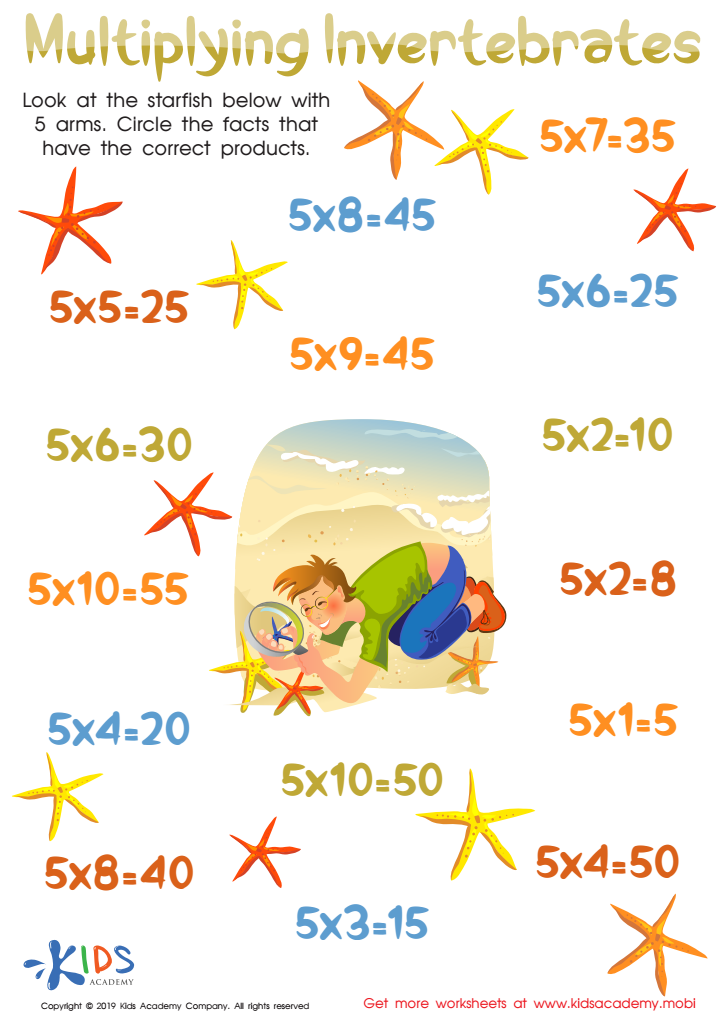
Multiplying Invertebrates Worksheet
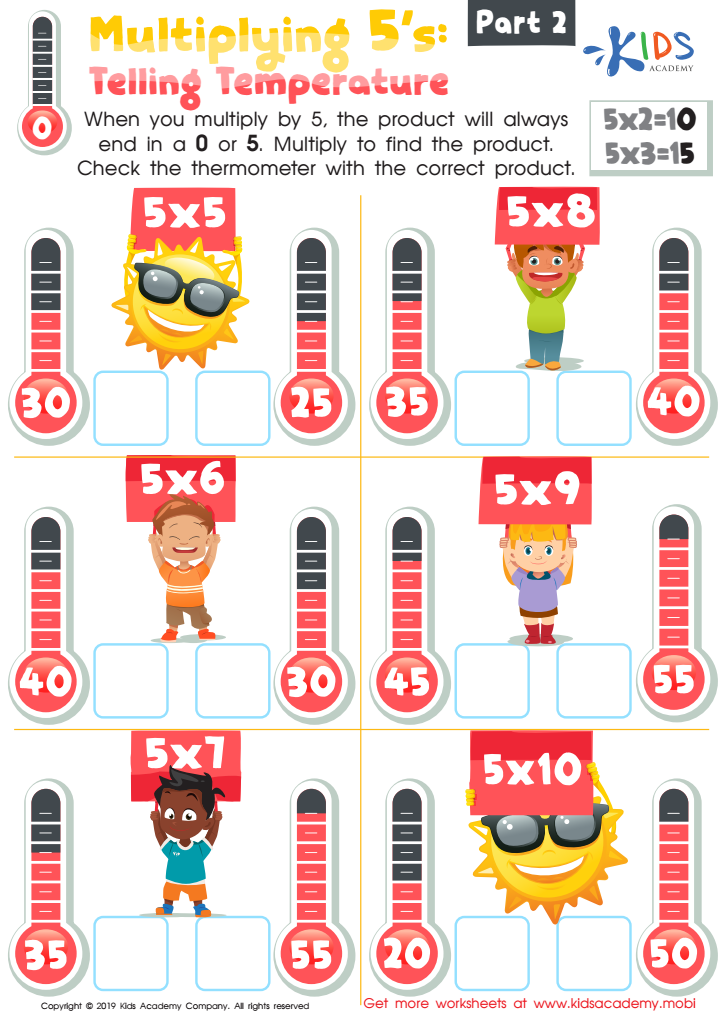
Multiplying 5’s: Telling Temperature Part 2 Worksheet
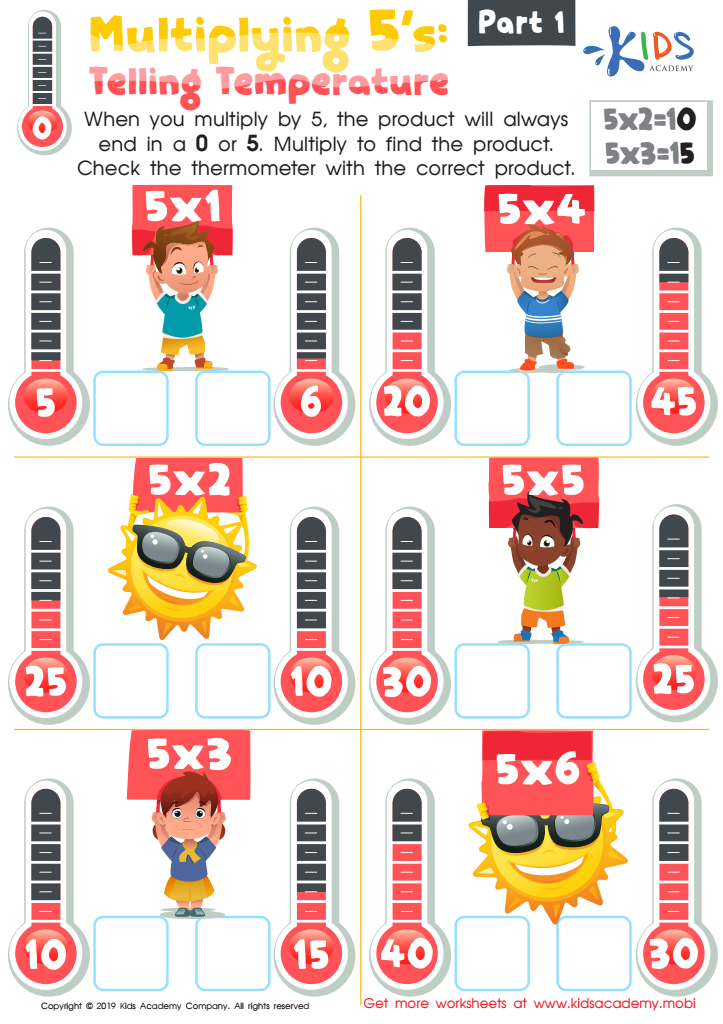
Multiplying 5’s: Telling Temperature Worksheet
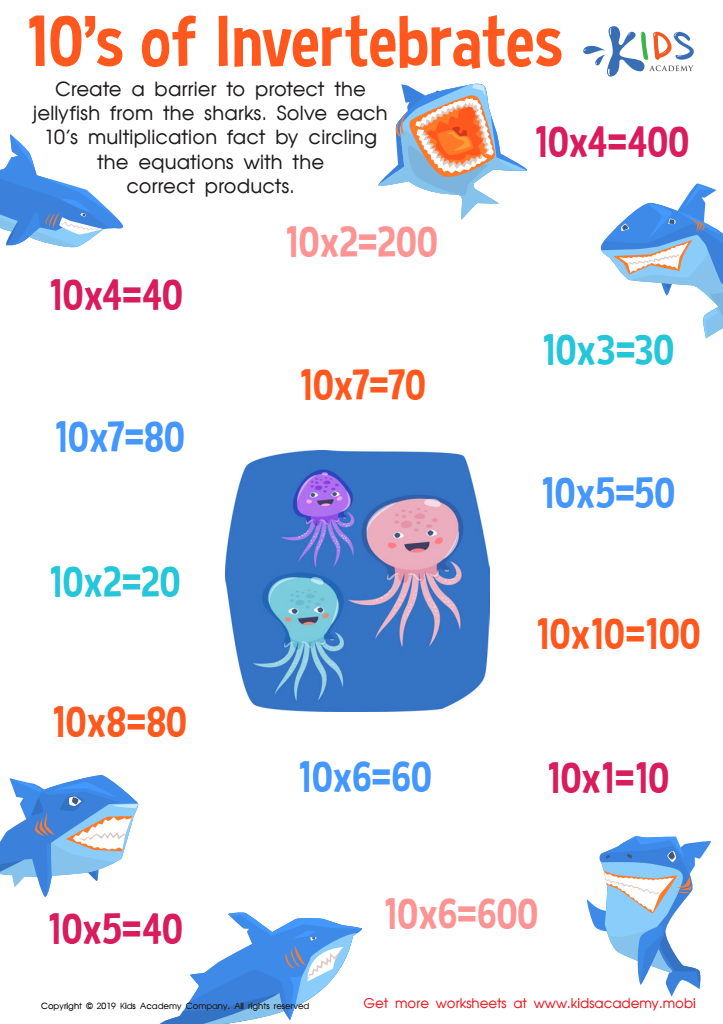
1s Invertebrates Worksheet
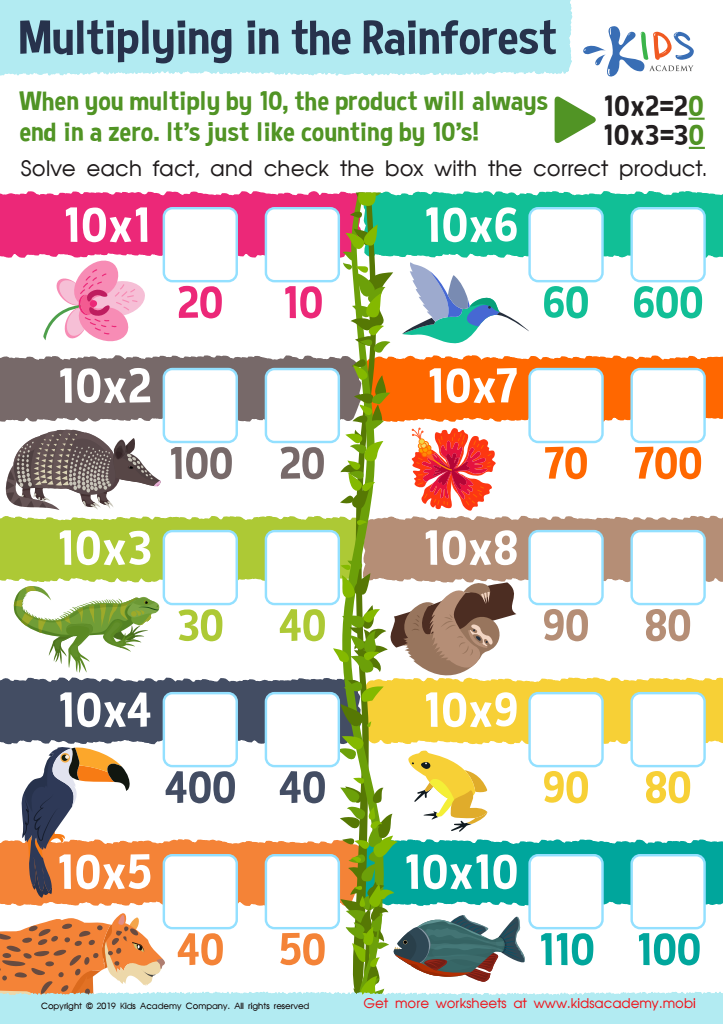
Multiplying in the Rainforest Worksheet
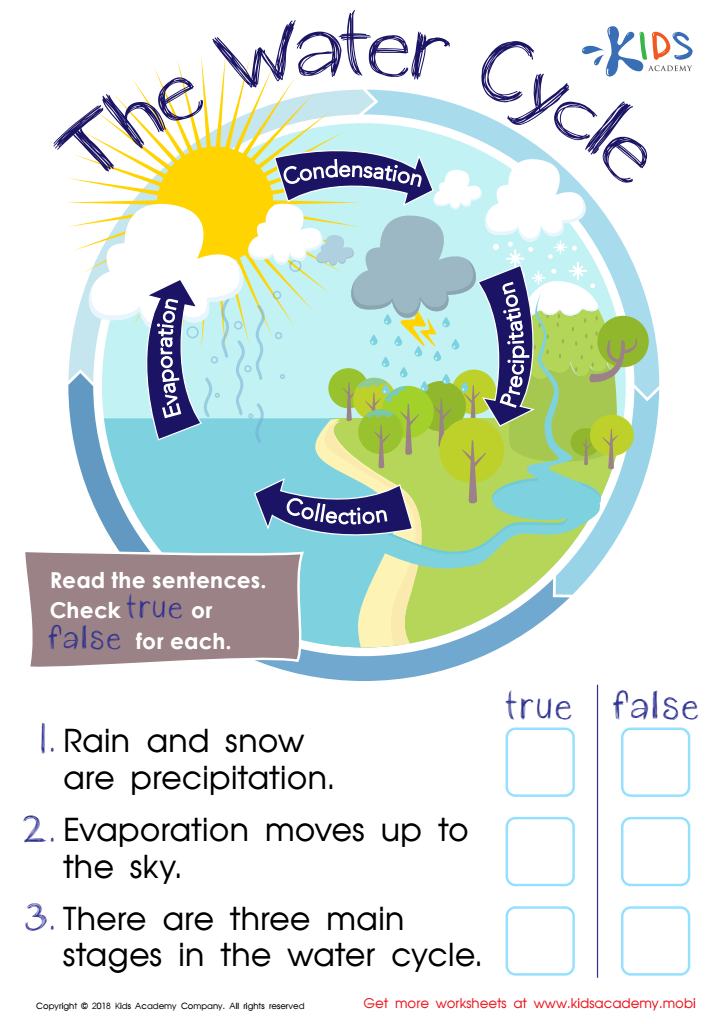
The Water Cycle Worksheet
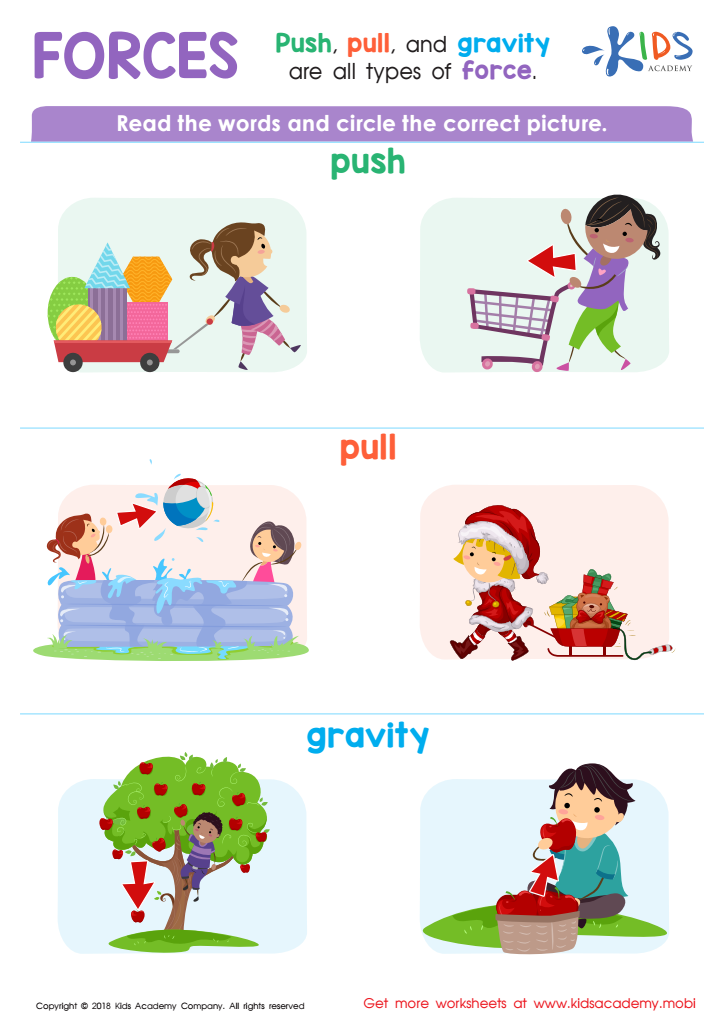
Forces Worksheet
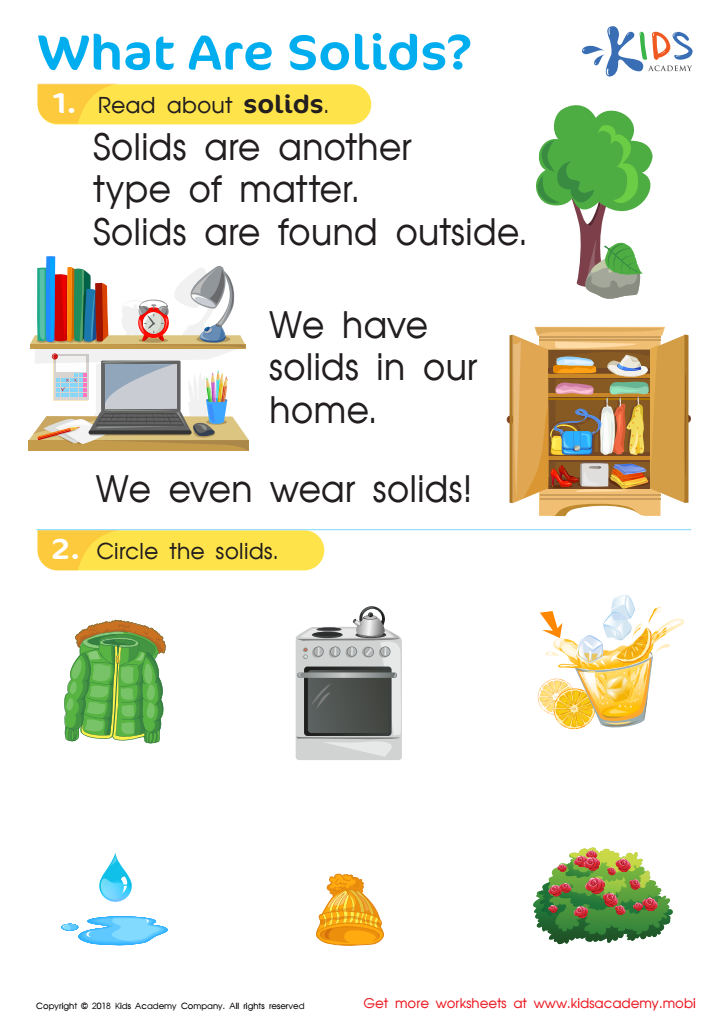
What Are Solids? Worksheet
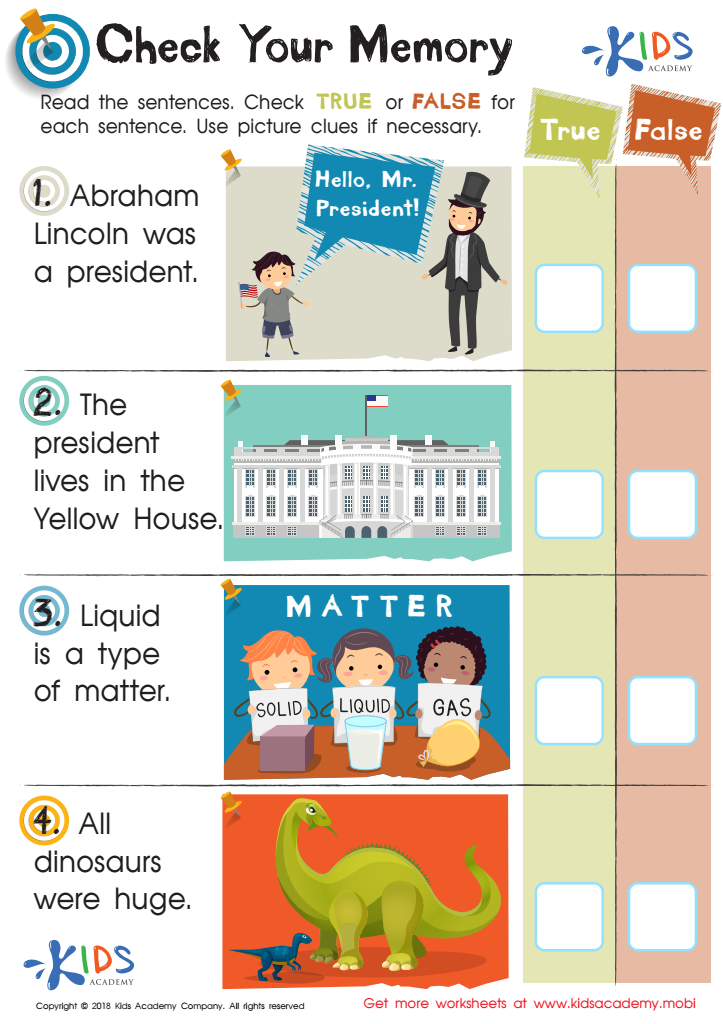
Check Memory Worksheet
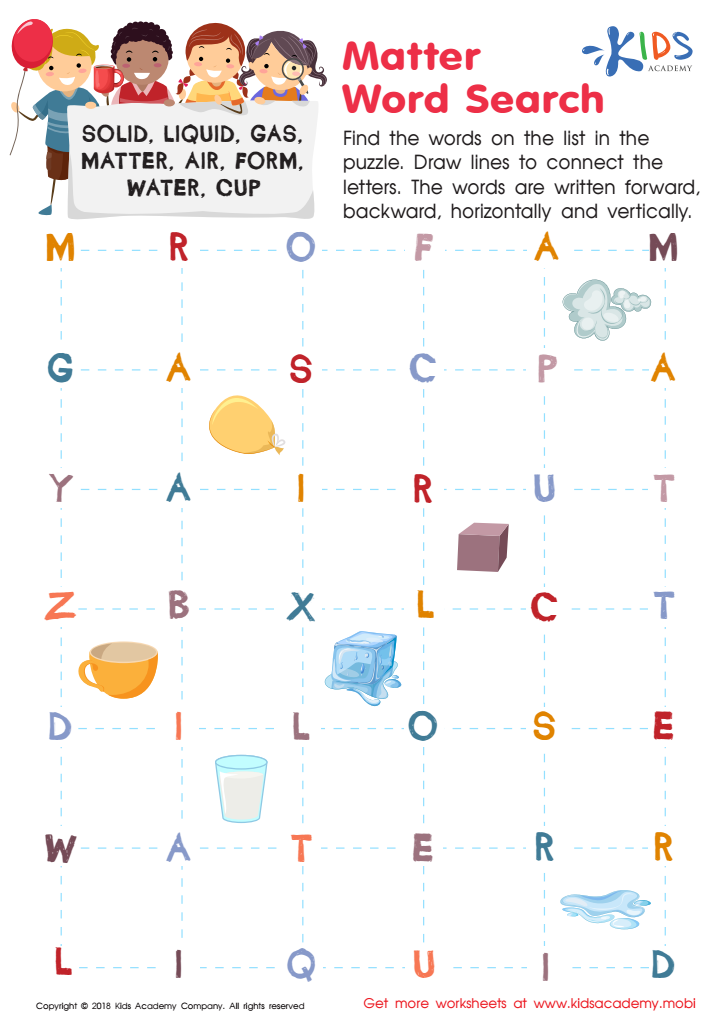
Matter Word Search Worksheet
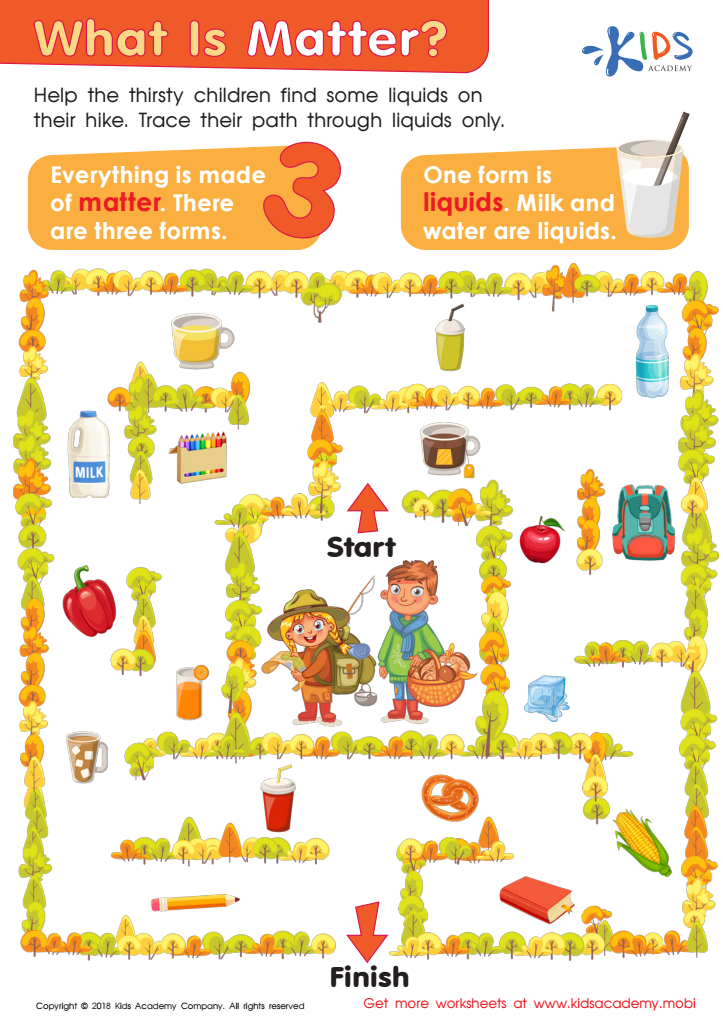
What Is Matter? Worksheet
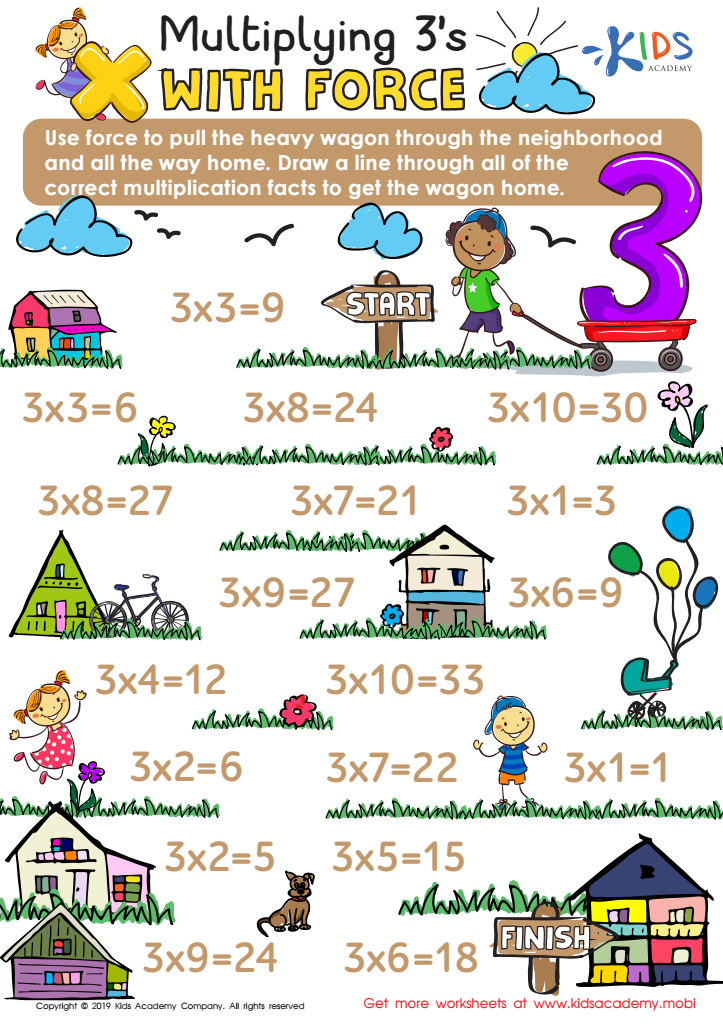
Multiplying 3s with Force Worksheet
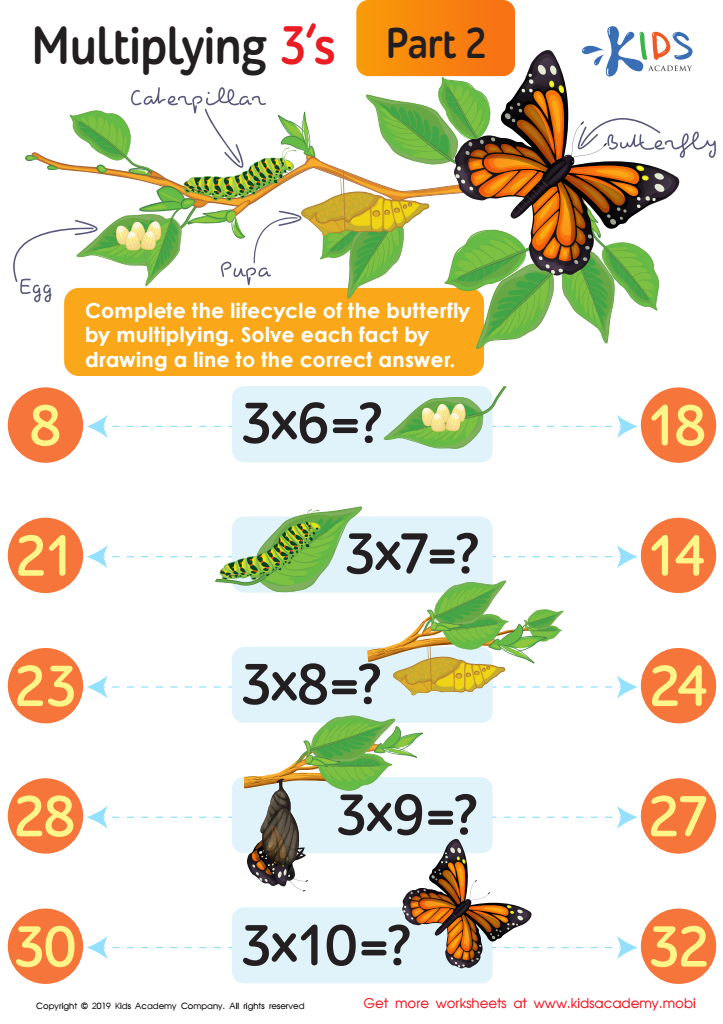
Multiplying 3s Part 2 Worksheet
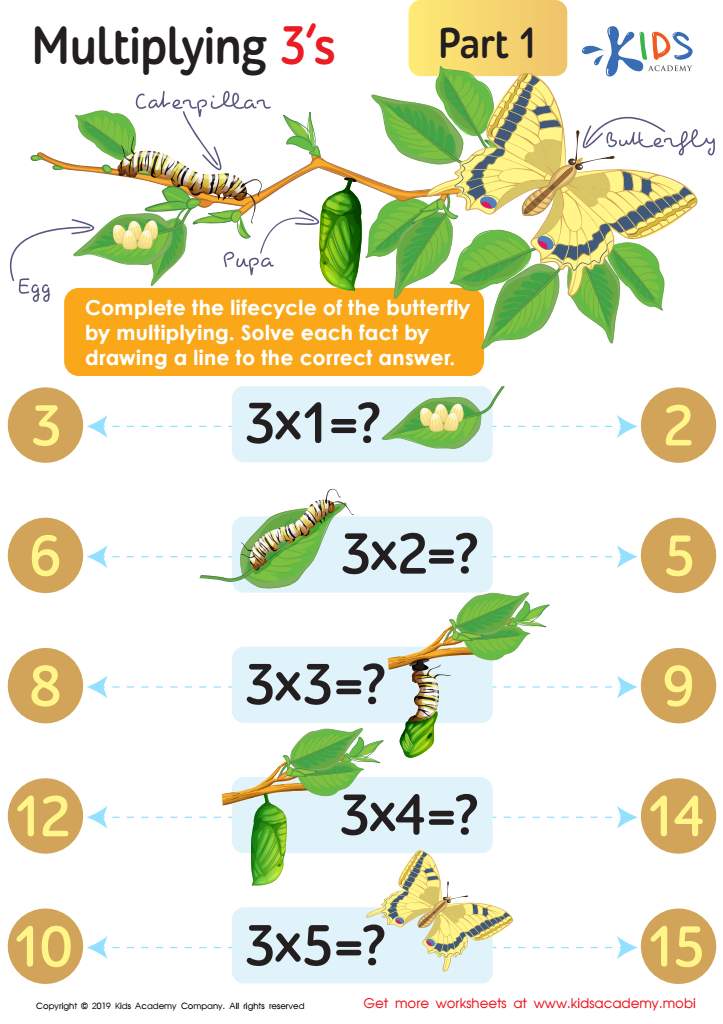
Multiplying 3’s Part 1 Worksheet
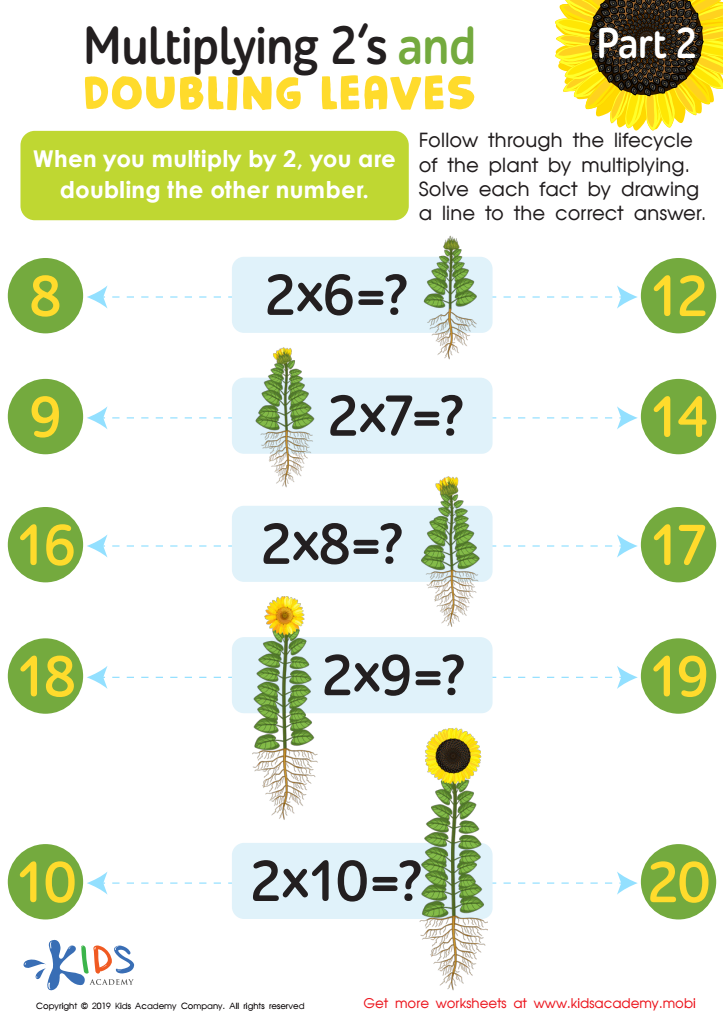
Multiplying 2’s and Doubling Leaves Part 2 Worksheet
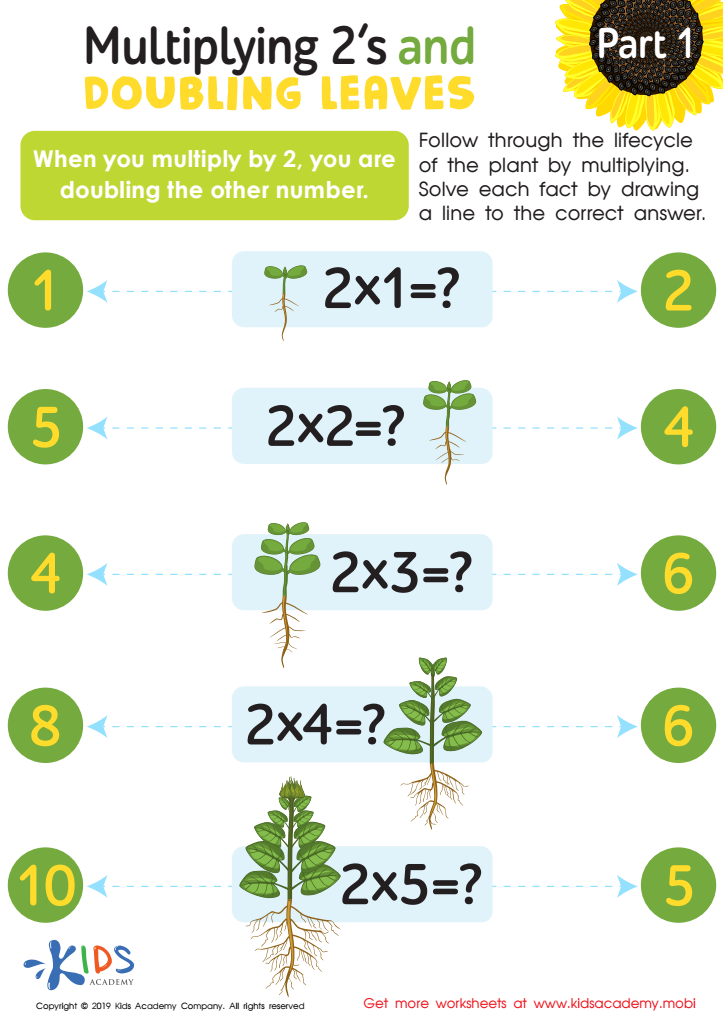
Multiplying 2’s and Doubling Leaves Part 1 Worksheet
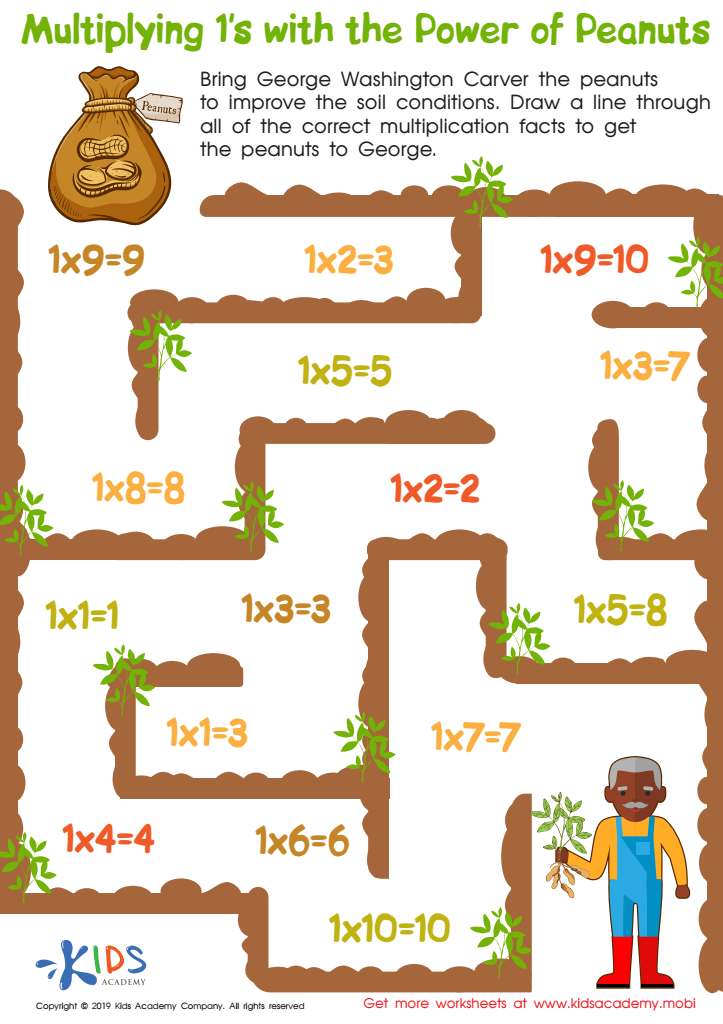
Multiplying 1’s With the Power of Peanuts Worksheet
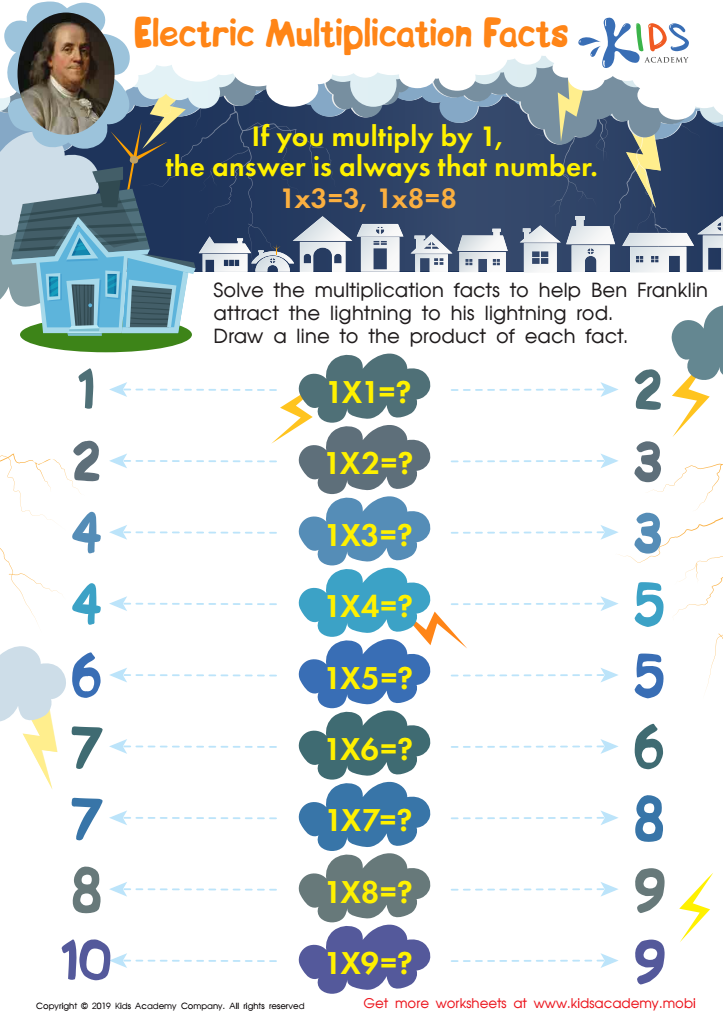
Electric Multiplication Facts Worksheet
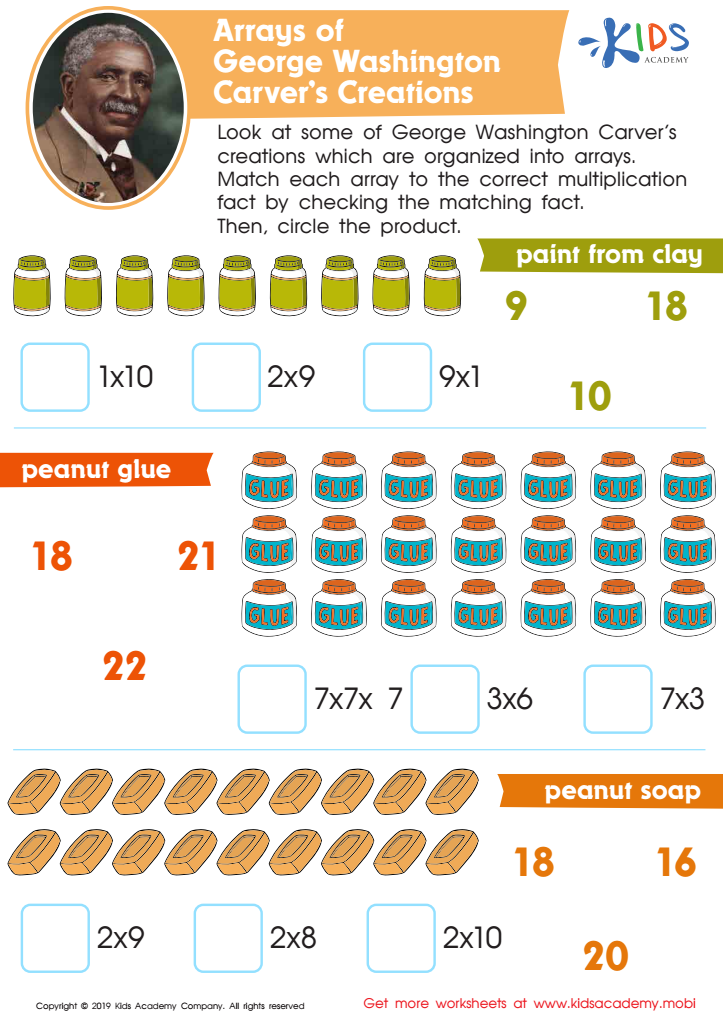
Arrays of George Washington Carver’s Creations Worksheet







Science education for children aged 3-9 is vital for several reasons that parents and teachers should prioritize. First, early exposure to science fosters curiosity and creativity. Young children are naturally inquisitive, and by providing them with hands-on scientific experiences, we can nurture their innate desire to explore and ask questions. This lays a solid foundation for lifelong learning.
Second, science education promotes critical thinking and problem-solving skills. Engaging in scientific inquiry at a young age encourages children to observe, hypothesize, experiment, and analyze results. These skills are transferable across all subjects and essential for navigating the complexities of the modern world.
Additionally, science awareness helps children understand their environment and the world around them. Learning about ecosystems, weather, and basic physics opens pathways for children's understanding of sustainability and responsible citizenship.
Finally, science can be integrated with other subjects, enhancing literacy and numeracy skills through practical applications. By caring about science education, parents and teachers empower children to become informed, inquisitive, and innovative thinkers. Ultimately, fostering a solid science foundation equips young learners with the tools needed for academic success and informed decision-making as they grow.







