Space Worksheets for Ages 3-9 - Page 2
42 filtered results
-
From - To
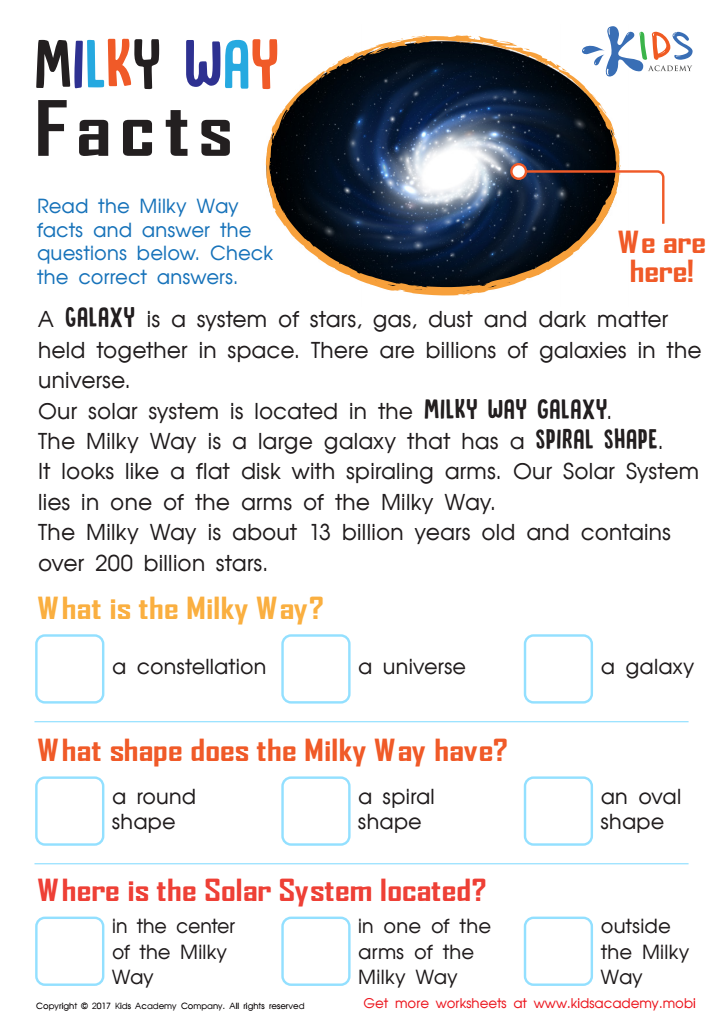
Milky Way Facts Worksheet
 Assign to My Students
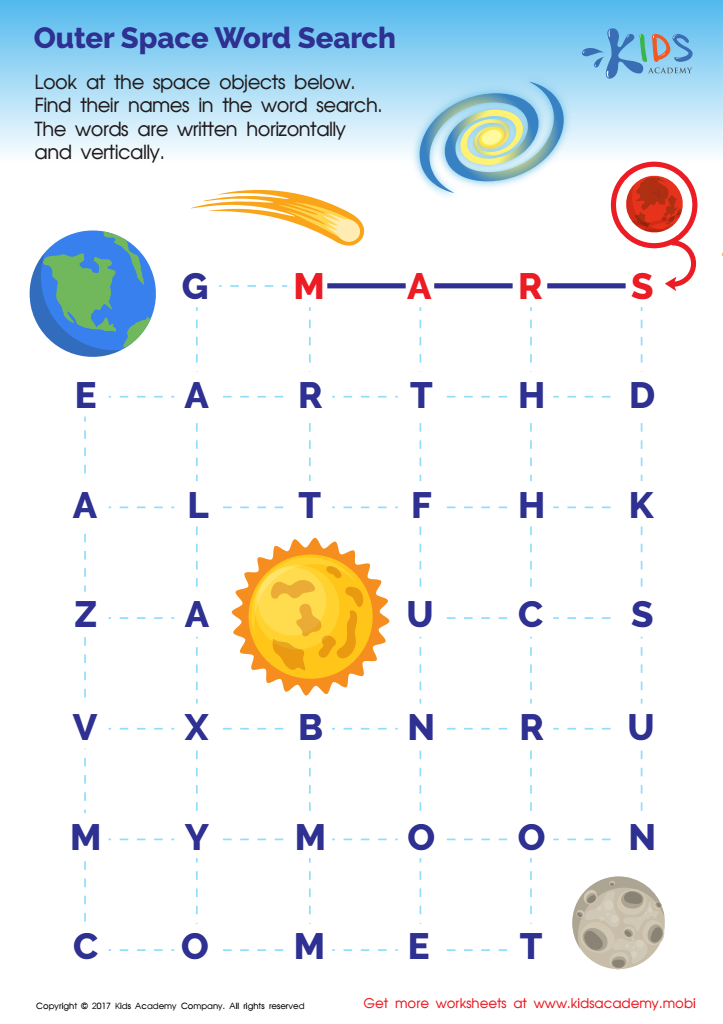
Outer Space Word Search Printable
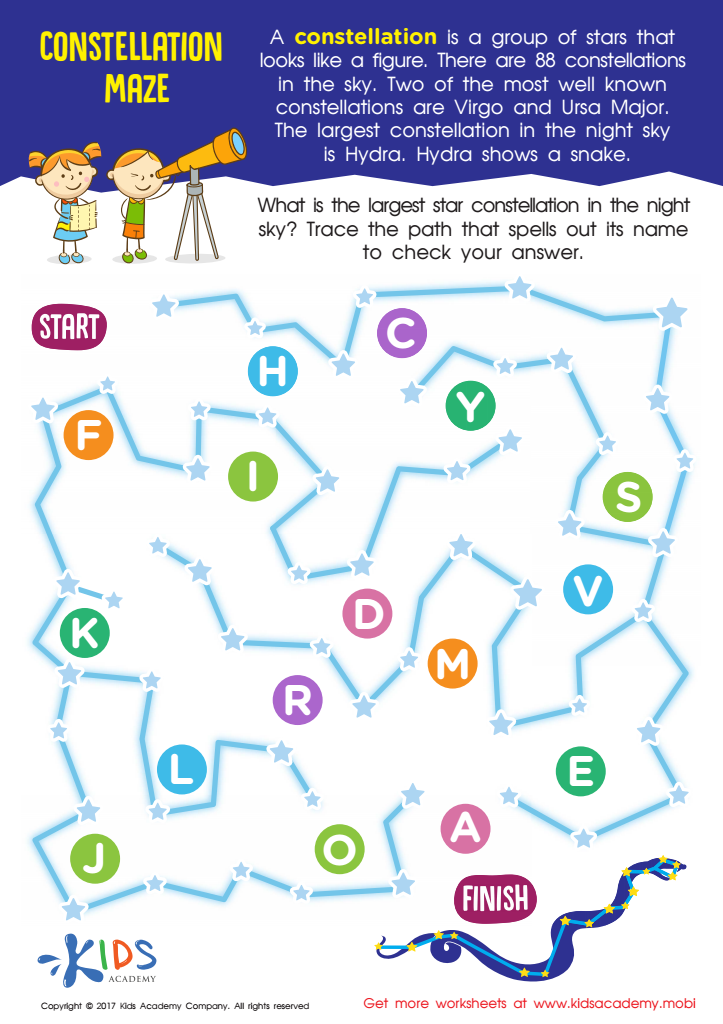
Constellations Worksheet
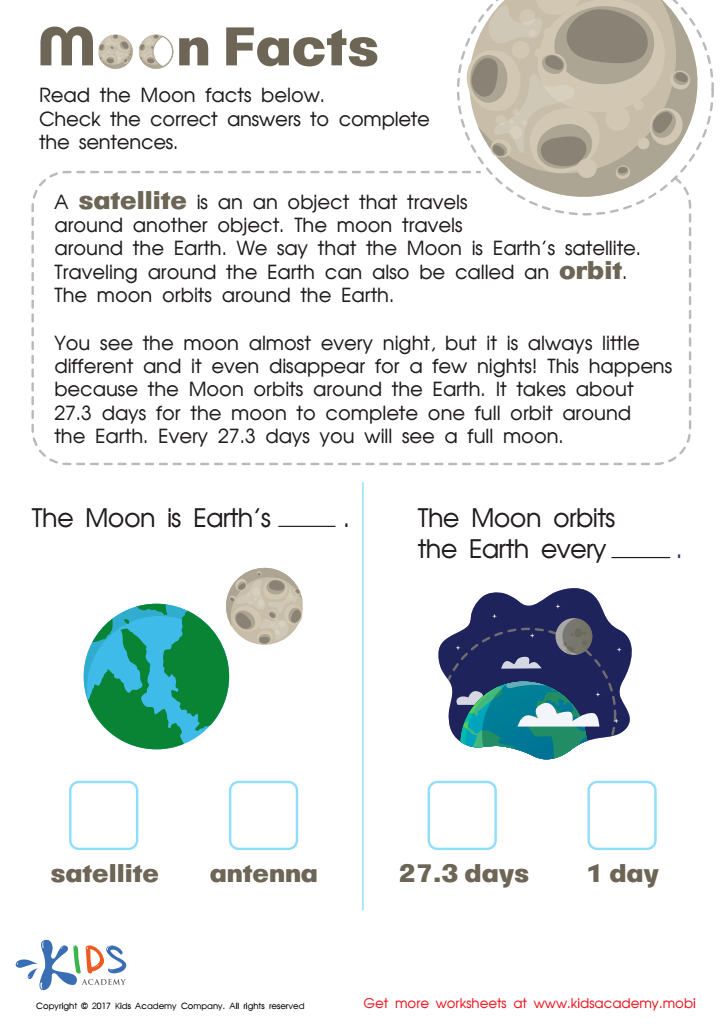
Moon Facts Worksheet
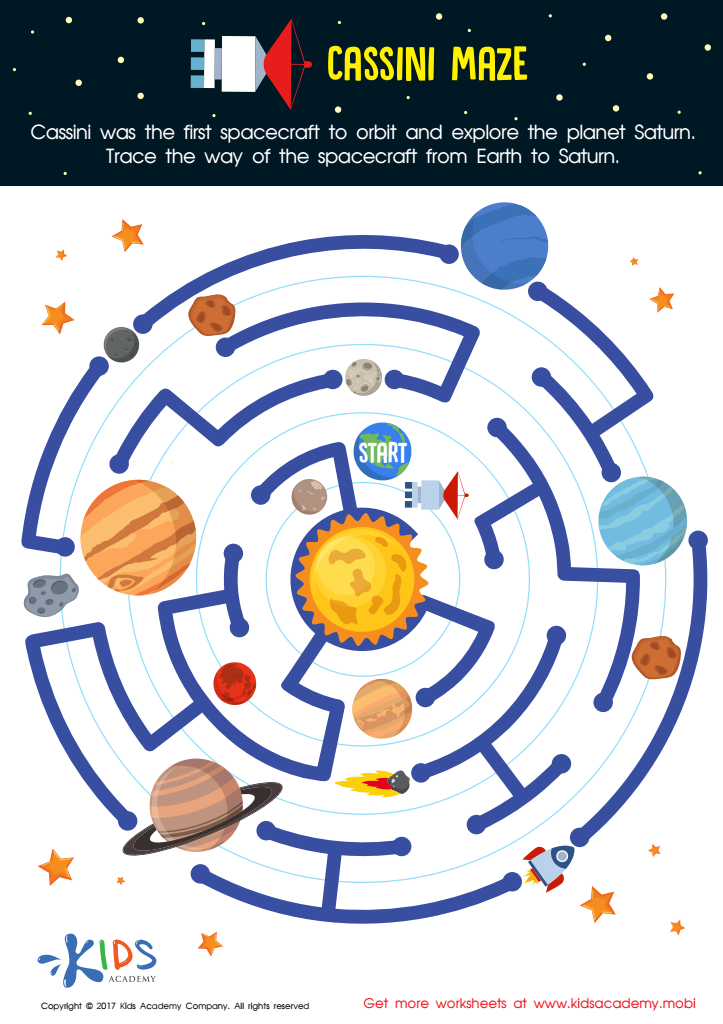
Cassini Printable Worksheet
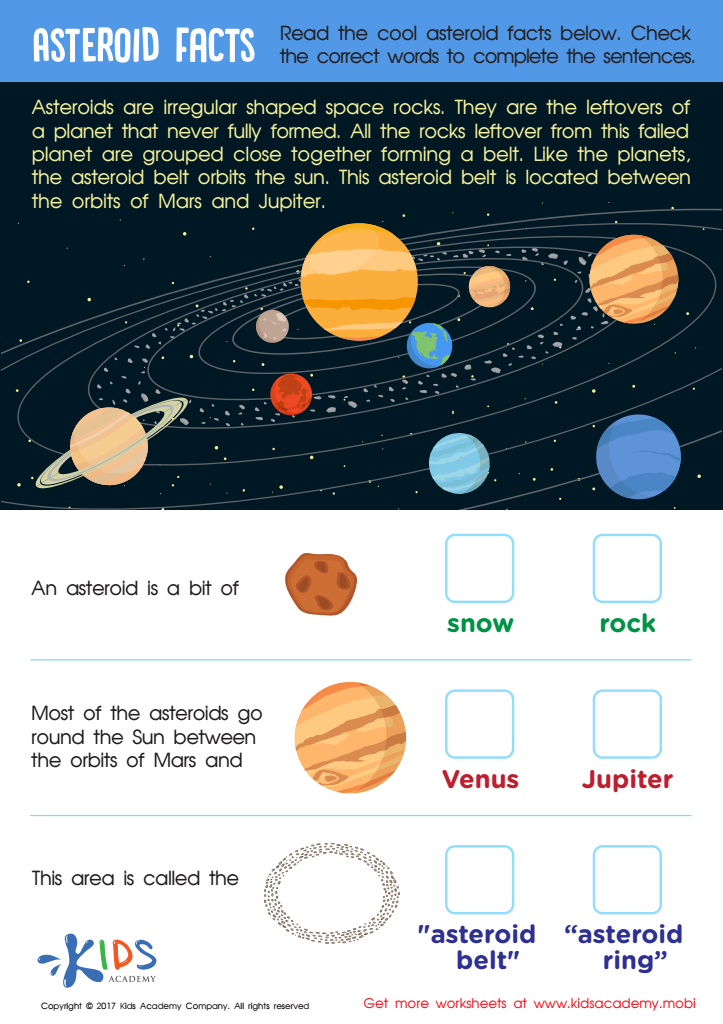
Asteroid Facts Worksheet
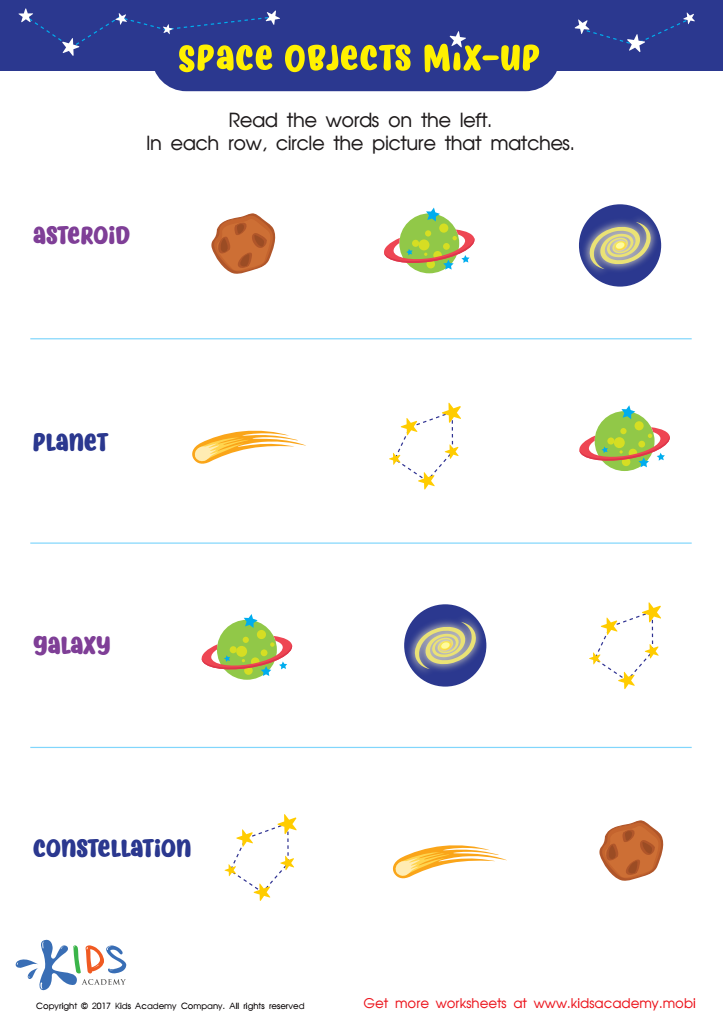
Science: Space Objects Worksheet
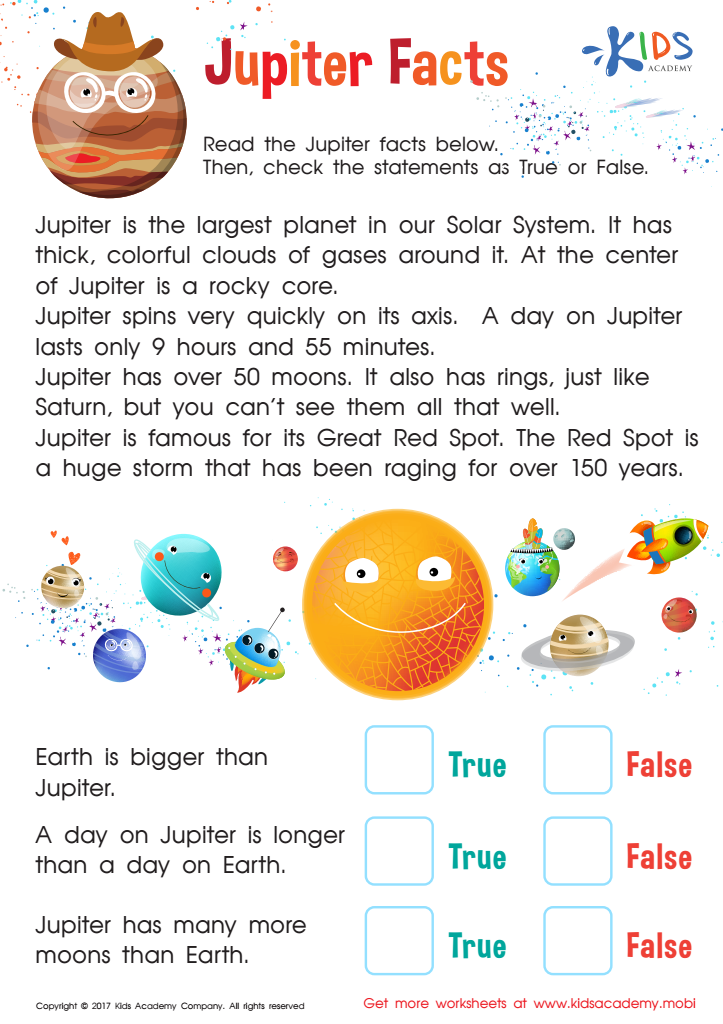
Jupiter Facts Worksheet
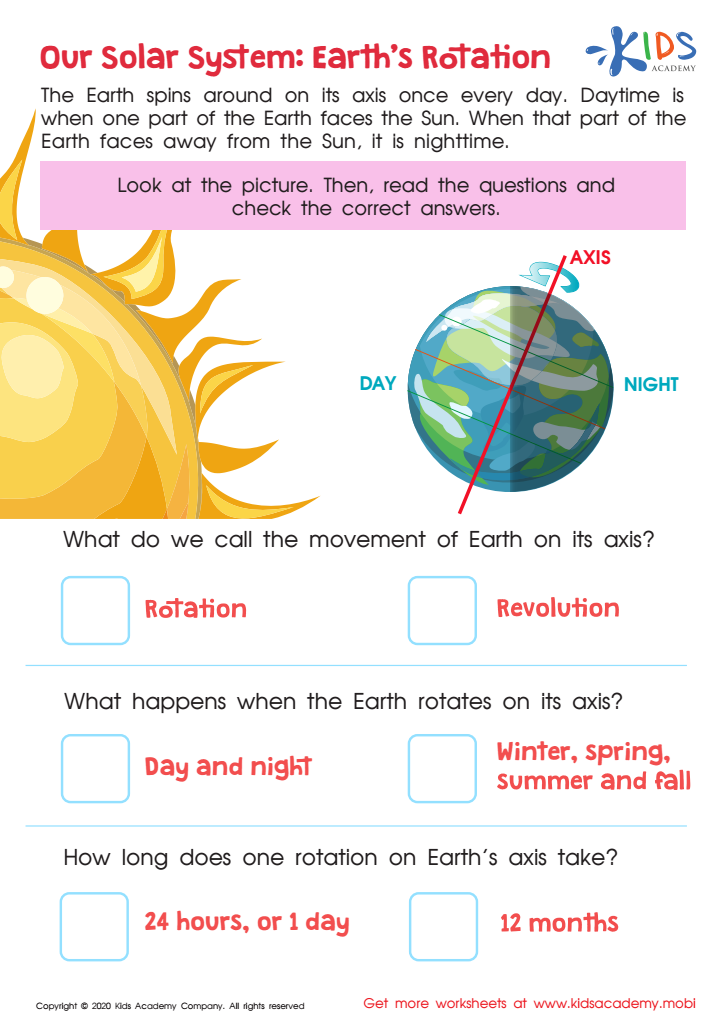
Our Solar System: Earth's Rotation Printable
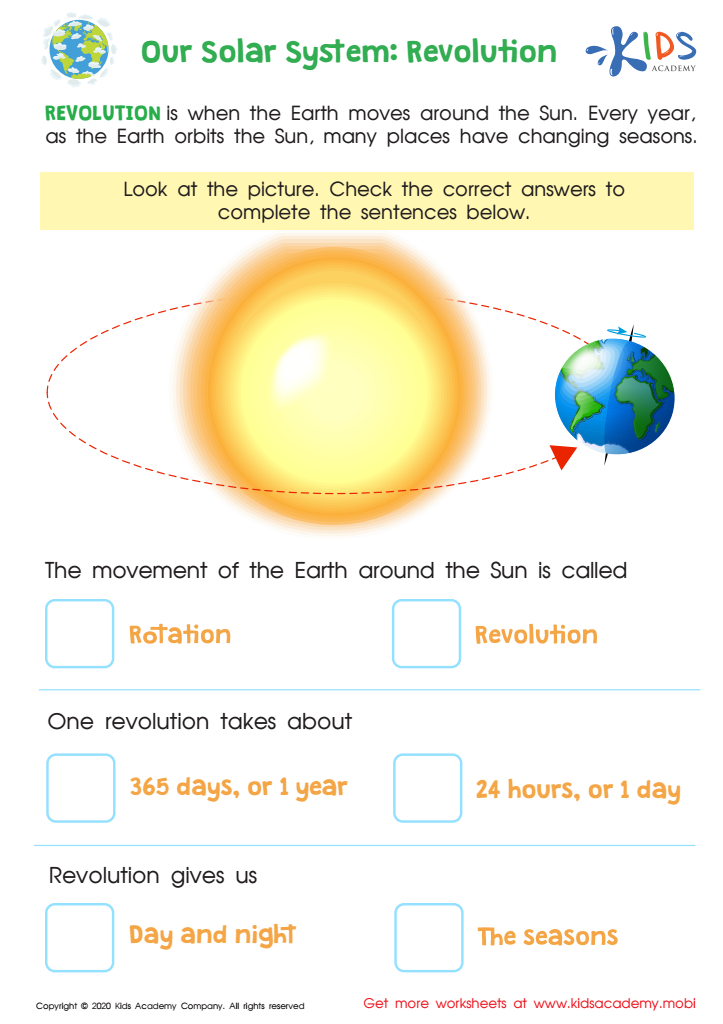
Our Solar System: Revolution Printable
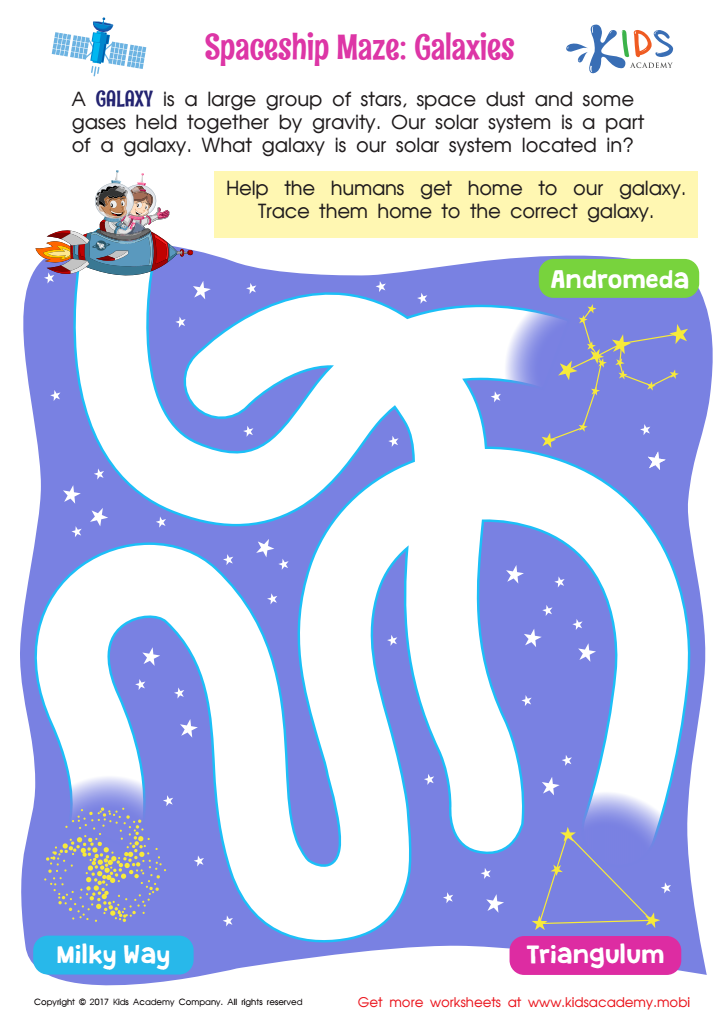
Spaceship Maze: Galaxies Worksheet
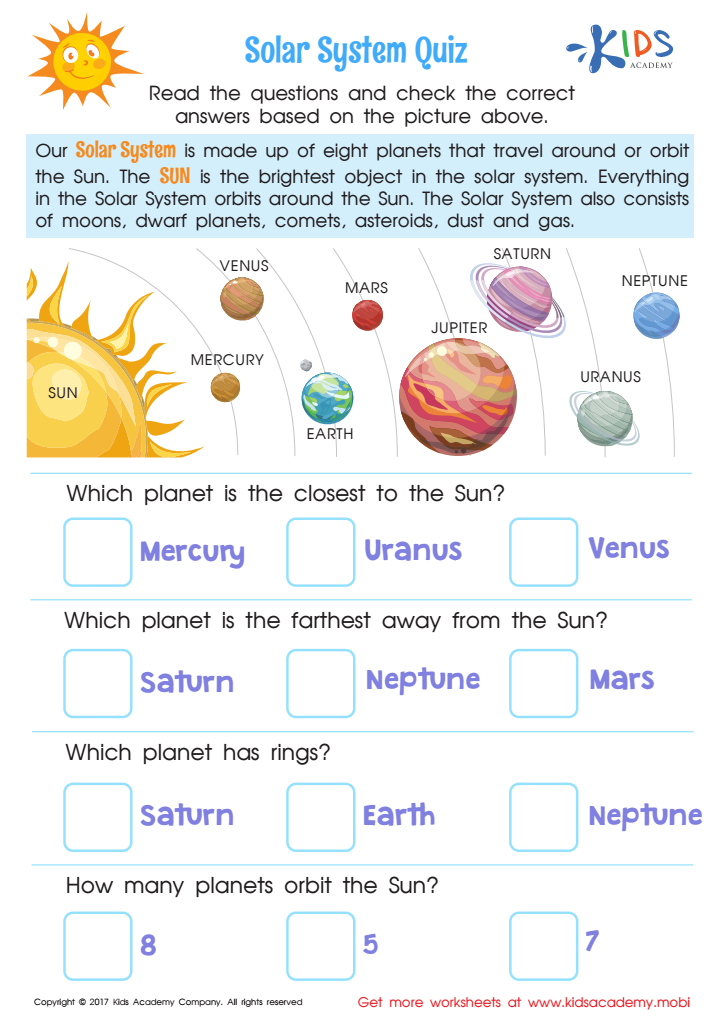
Solar System Quiz Printable
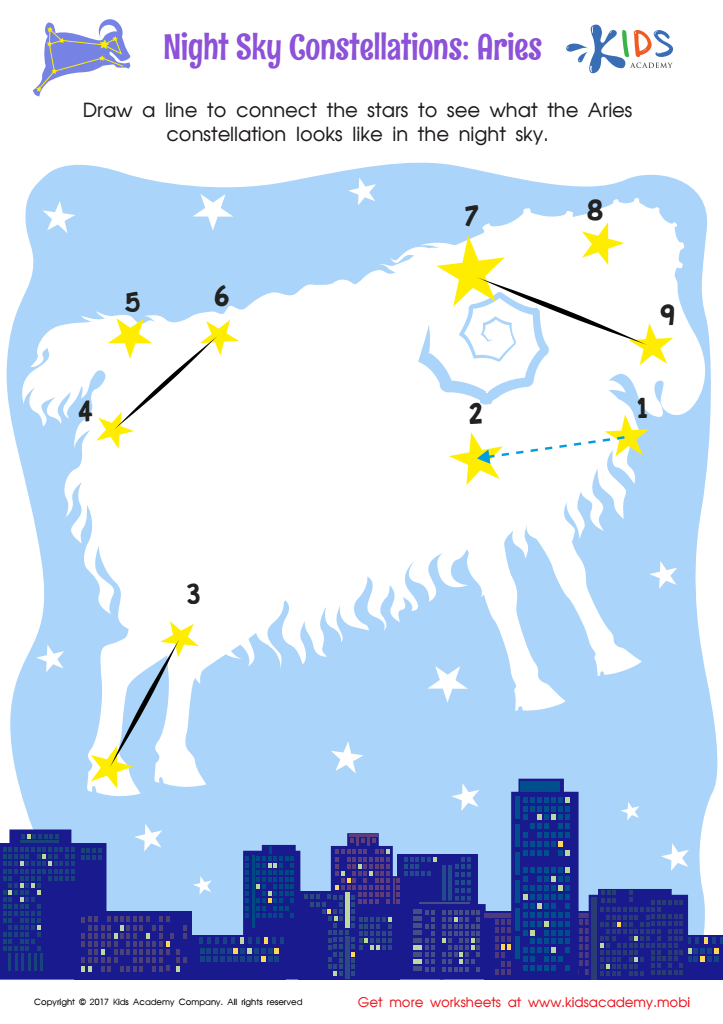
Night Sky Constellations: Aries Worksheet
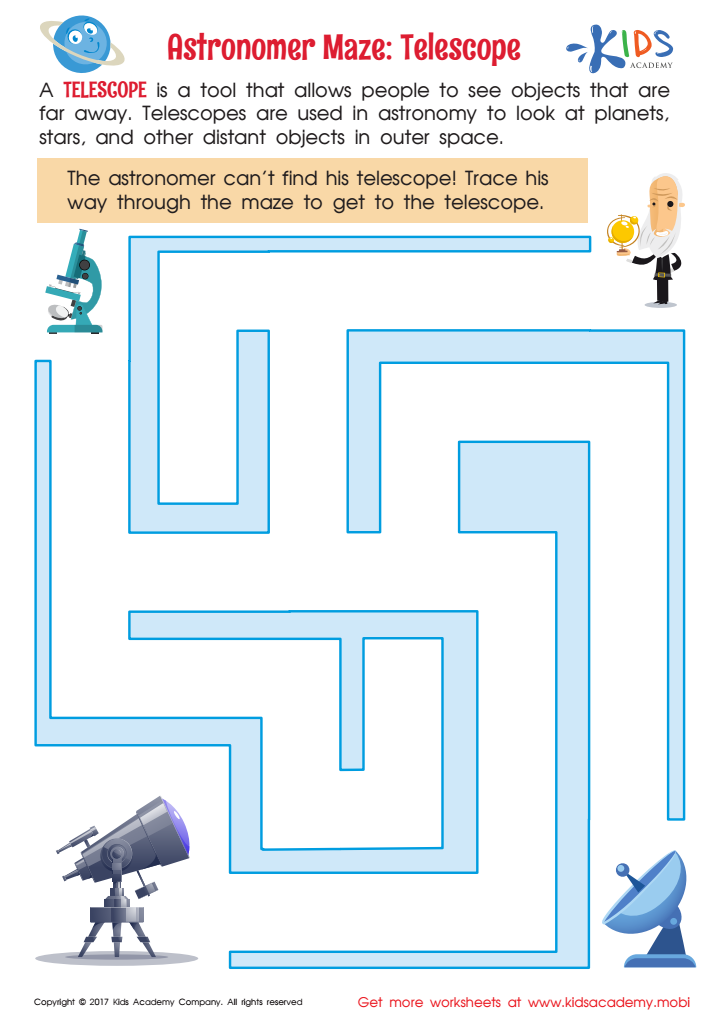
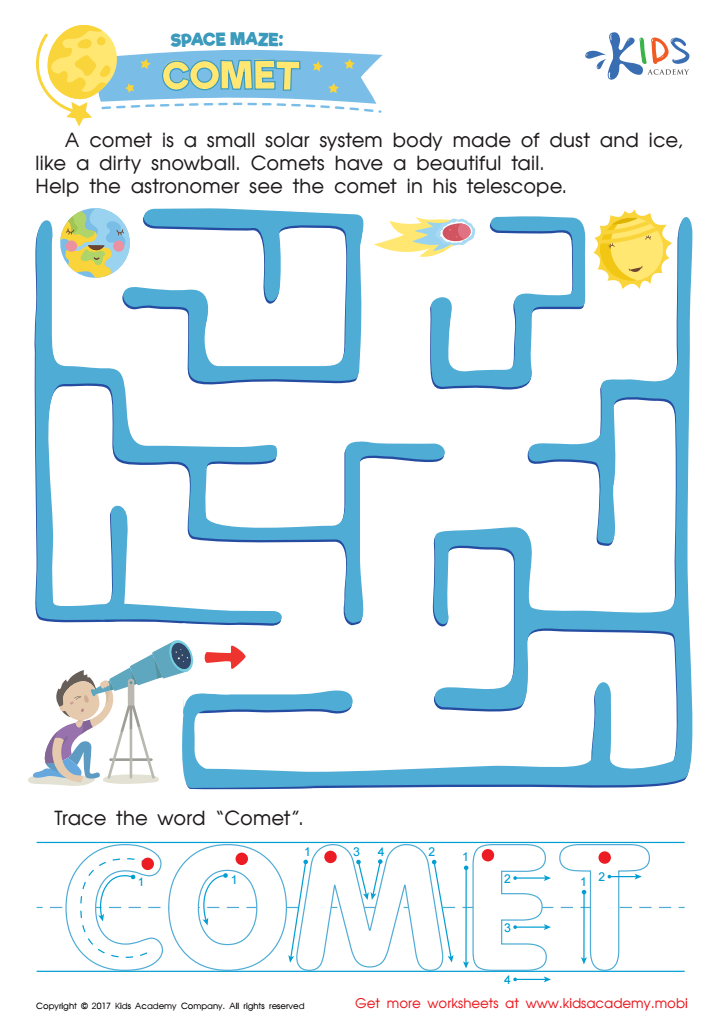
Astronomer Maze: Telescope Worksheet
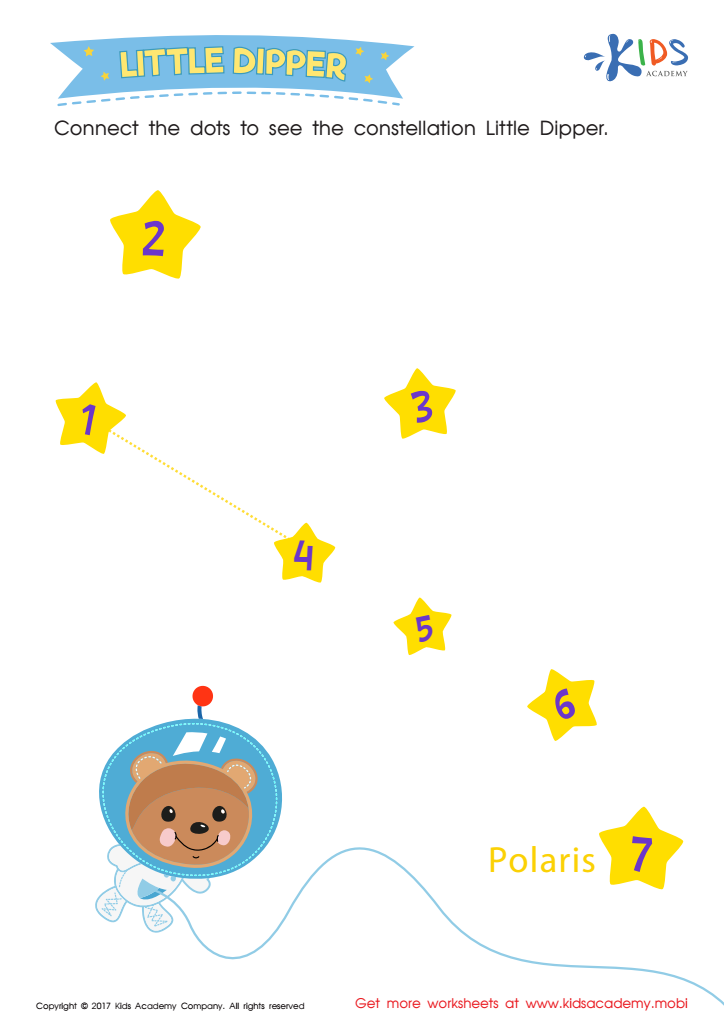
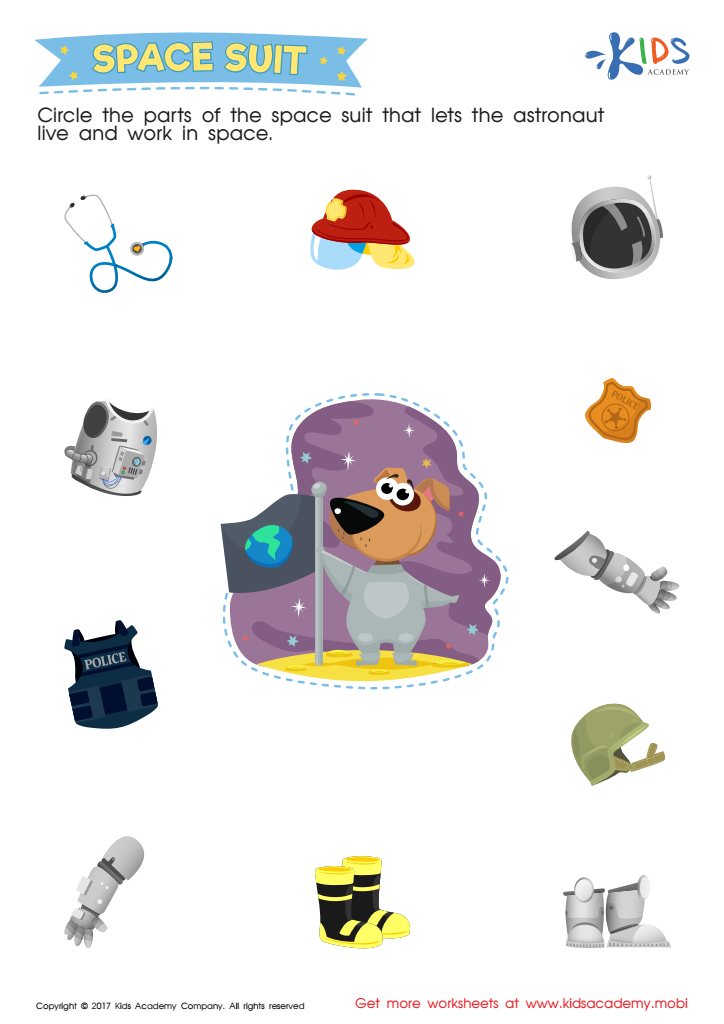
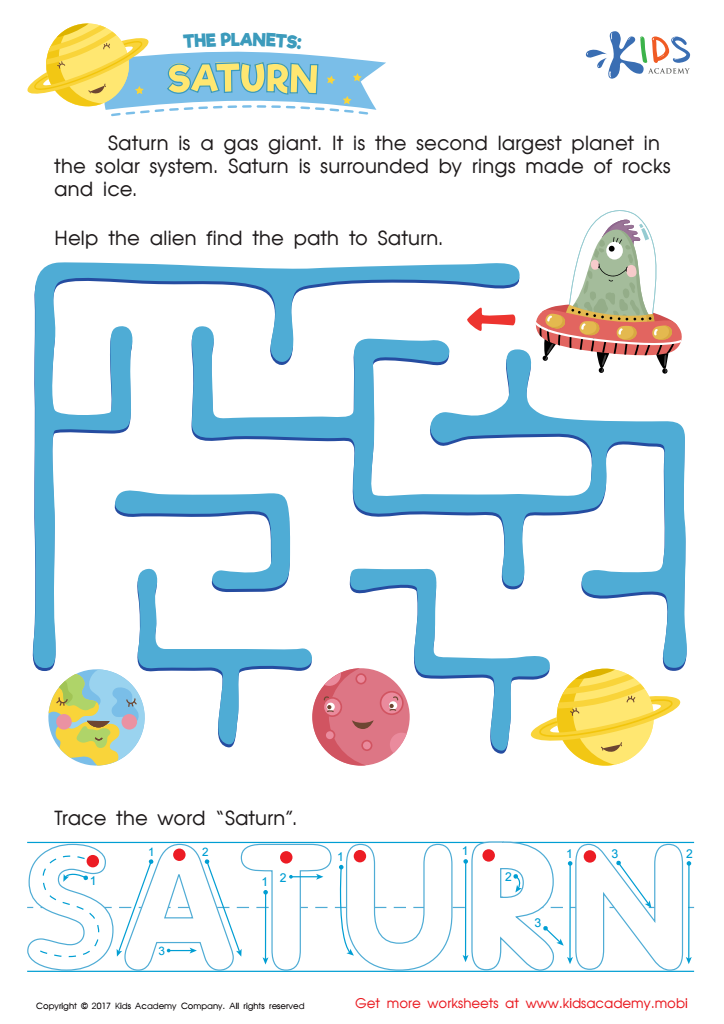
The Planets: Saturn Printable




%20(1).jpg)

Introducing children aged 3-9 to the concept of space can have numerous lasting benefits. At this young age, children are naturally curious and absorb information rapidly; making space a topic of exploration can ignite an early interest in science, technology, engineering, and mathematics (STEM). Understanding space helps develop their cognitive skills as it introduces them to abstract thinking, problem-solving, and conceptual understanding.
In addition to building academic skills, space education can also foster imagination and creativity. When children learn about galaxies, planets, and stars, they embark on a journey of wonder and discovery that encourages them to dream big. Such imaginative play and thinking can nurture problem-solving abilities and inventive thinking, critical competencies in our increasingly complex world.
Furthermore, teaching young children about space broadens their worldviews. It helps them understand their place in the universe, emphasizing concepts like environmental stewardship and global cooperation, as they learn about the Earth's uniqueness and the importance of working together to solve global issues.
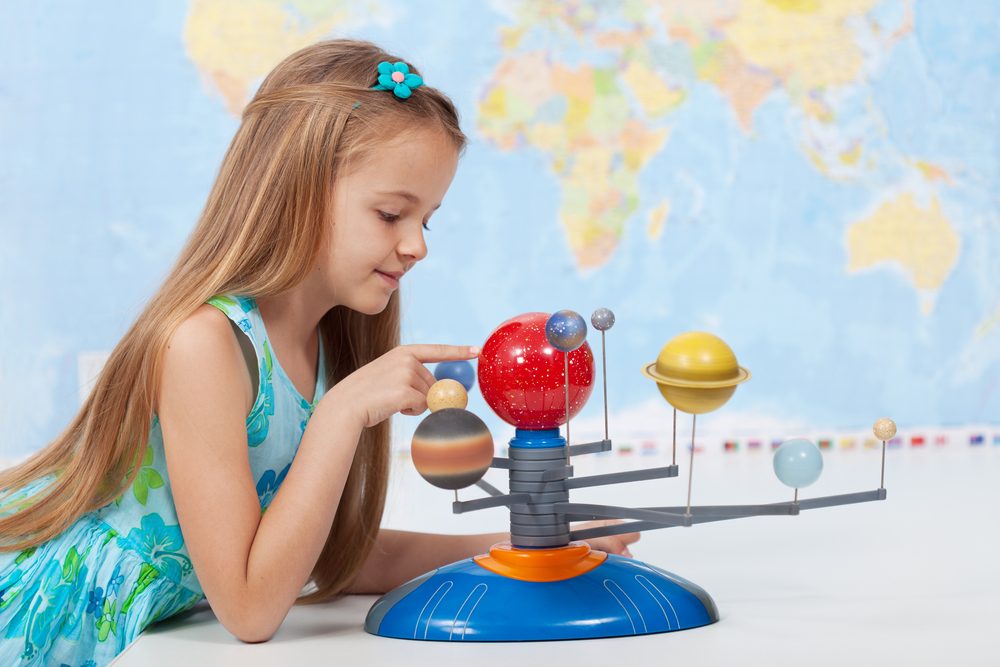
Engaging with space also facilitates valuable bonding time between parents, teachers, and children through shared activities like stargazing, model building, or watching educational programs. Overall, instilling a fascination with space at an early age can lay the foundation for lifelong learning and curiosity.







