Grammar Worksheets for Ages 3-9 - Page 2
209 filtered results
-
From - To
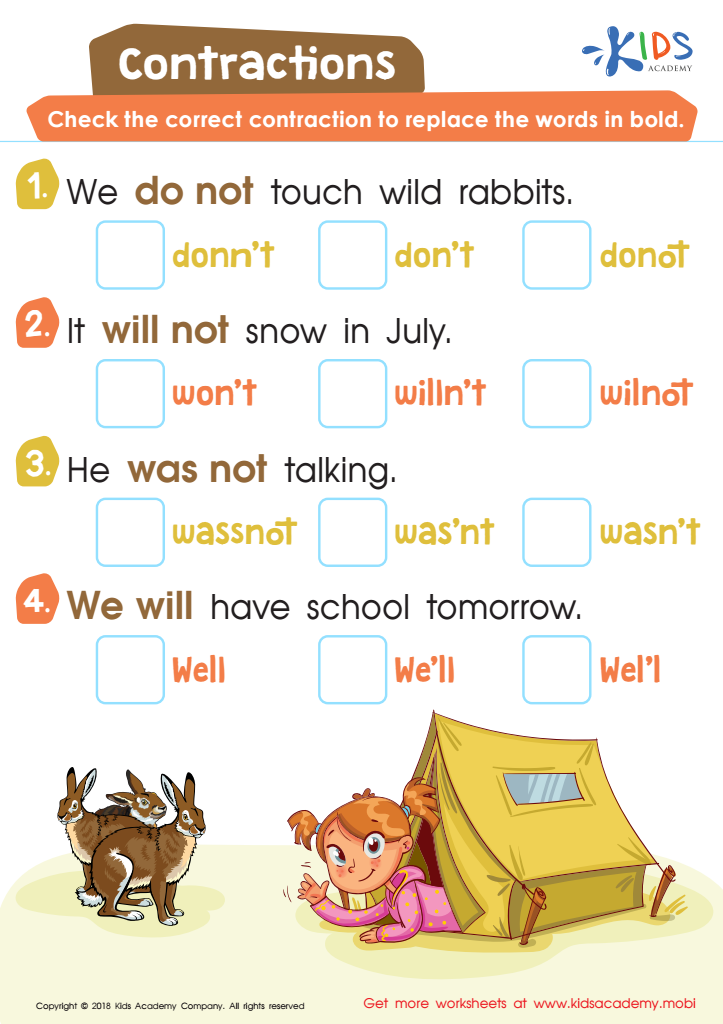
Contractions Worksheet
 Assign to My Students
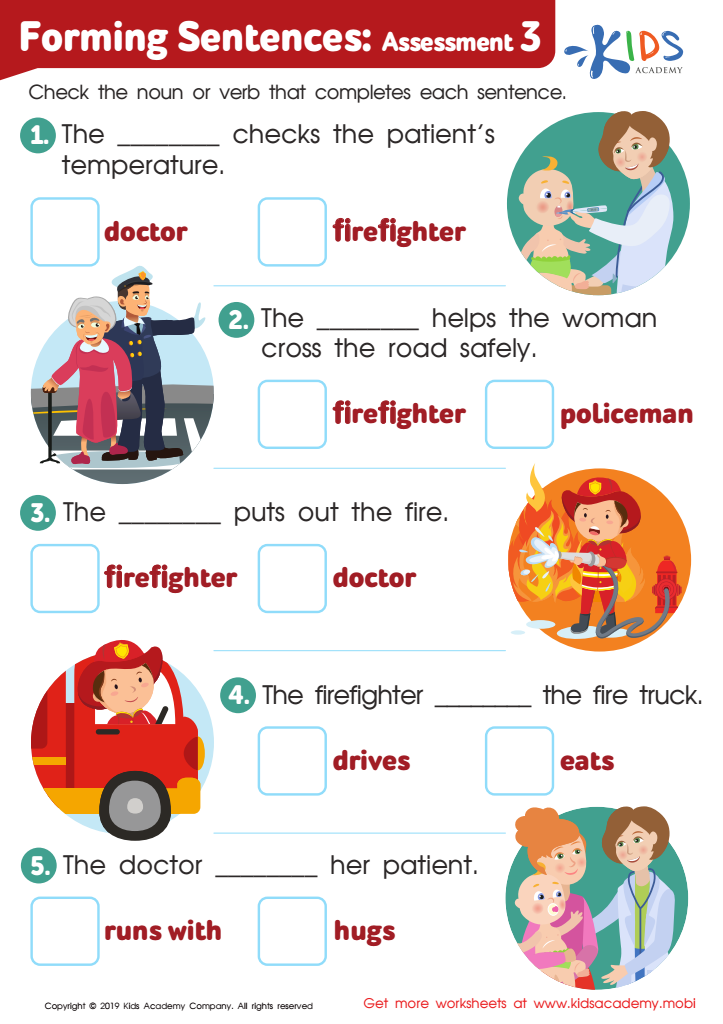
Forming Sentences: Assessment 3 Worksheet
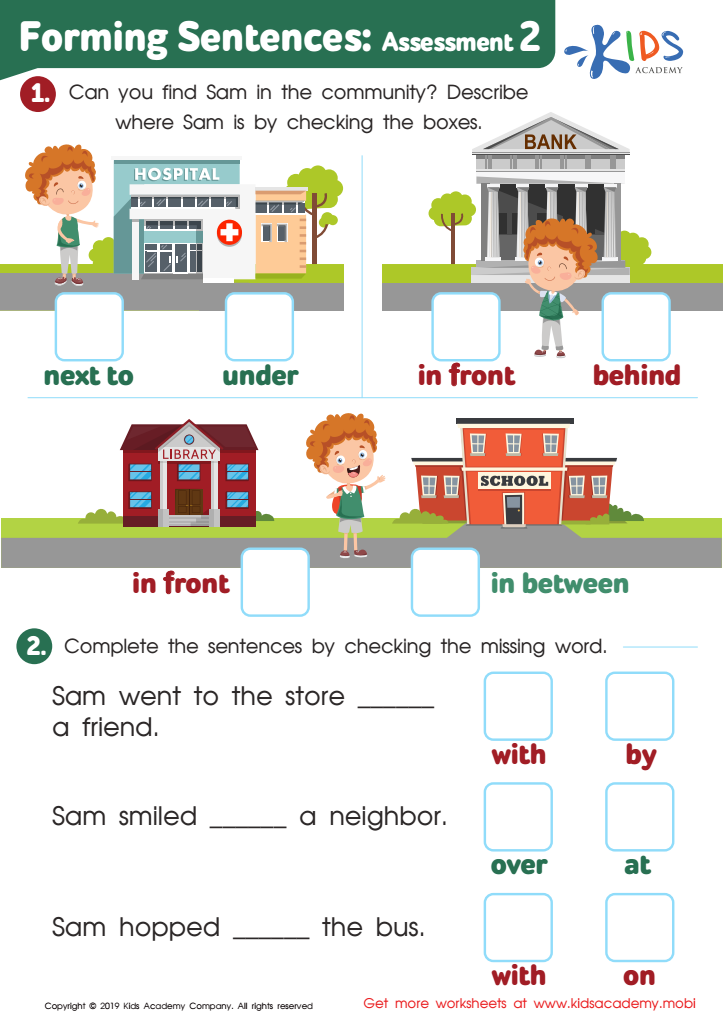
Forming Sentences: Assessment 2 Worksheet
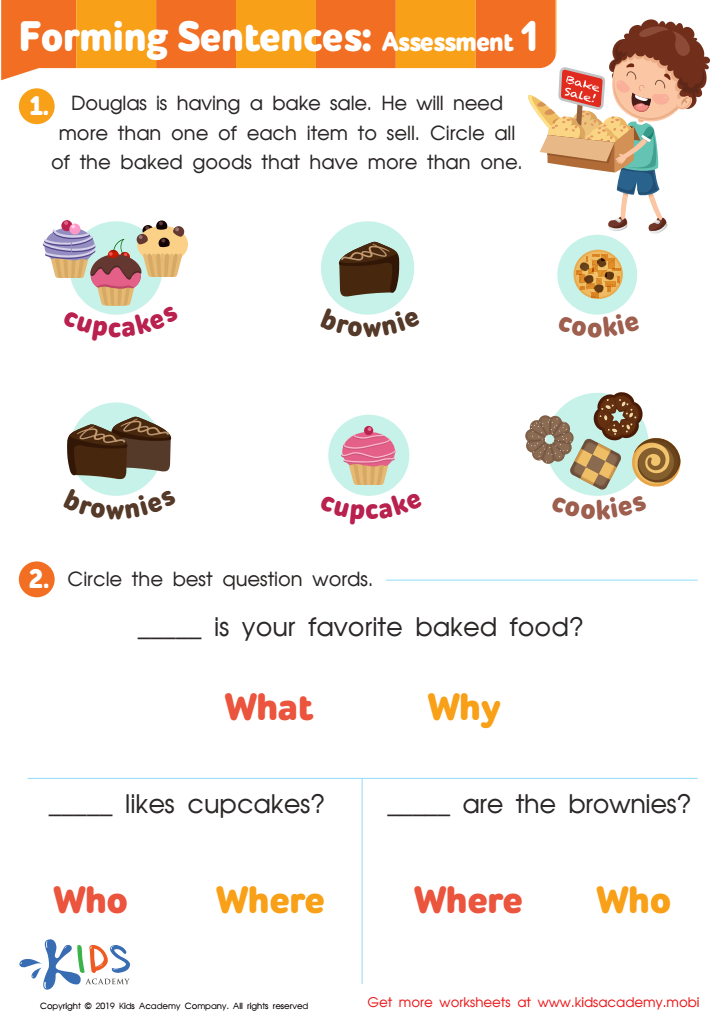
Forming Sentences: Assessment 1 Worksheet
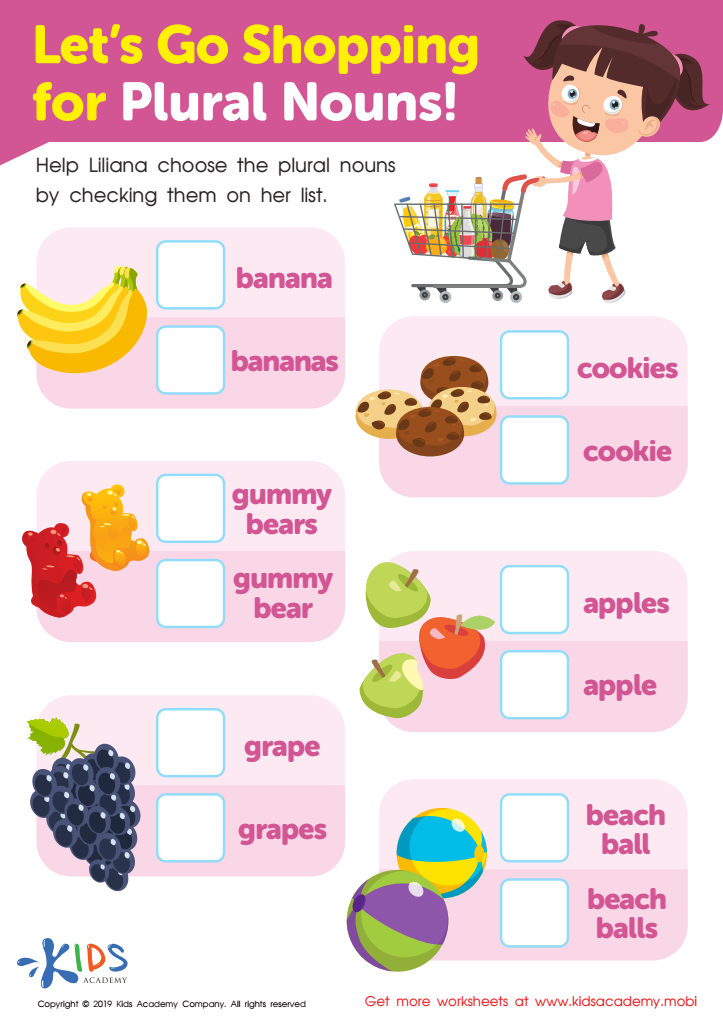
Let's Go Shopping for Plural Nouns! Worksheet
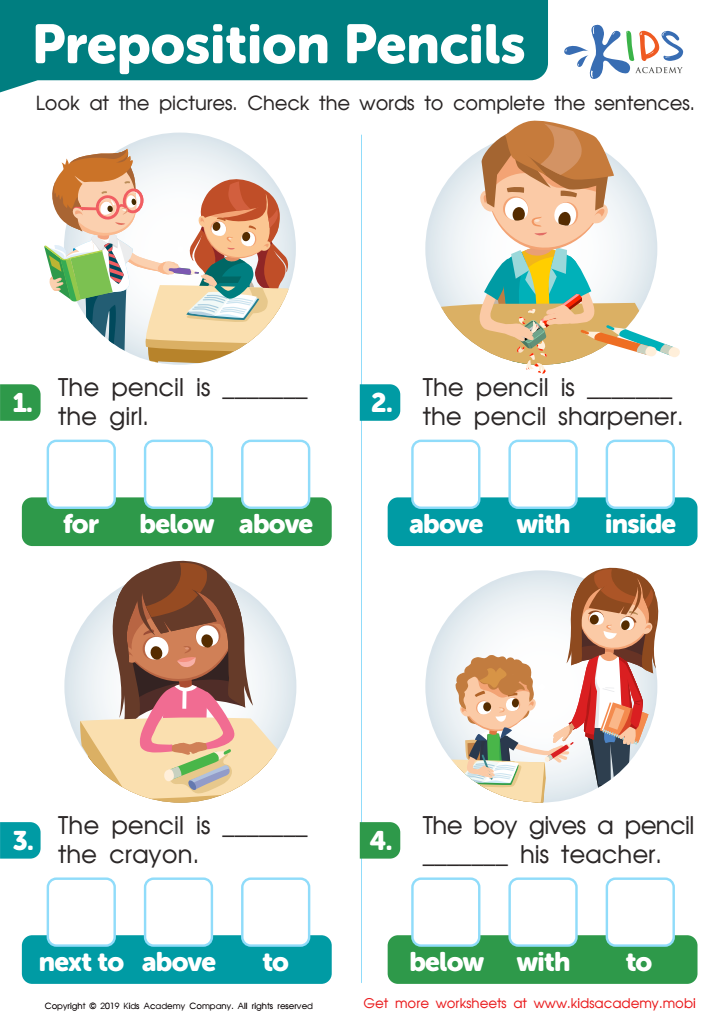
Preposition Pencils Worksheet
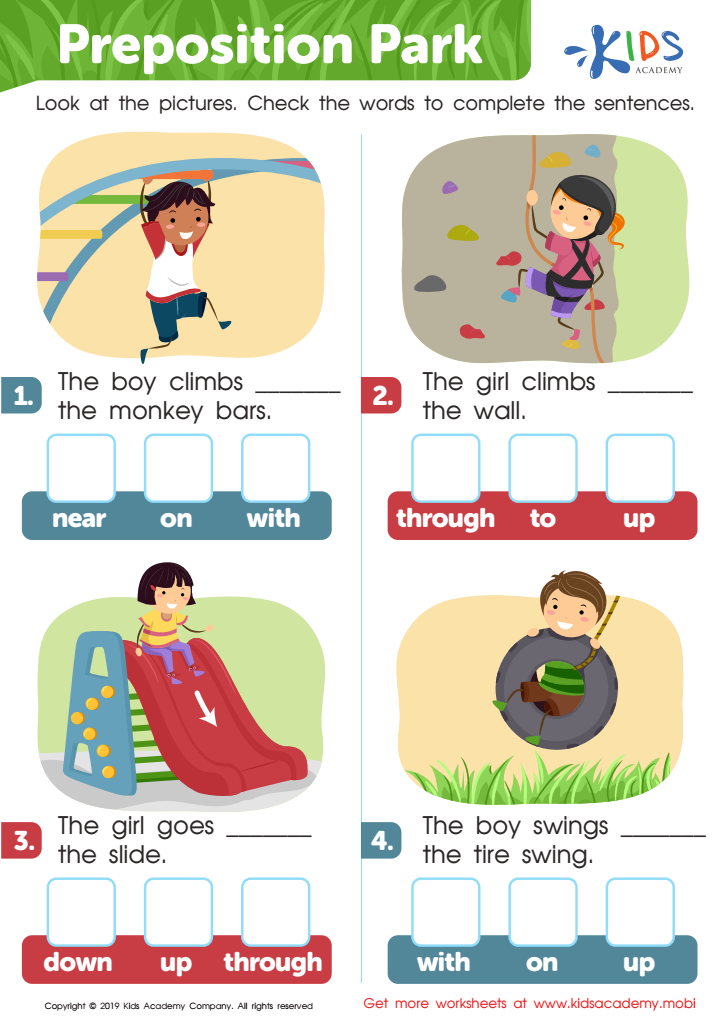
Preposition Park Worksheet
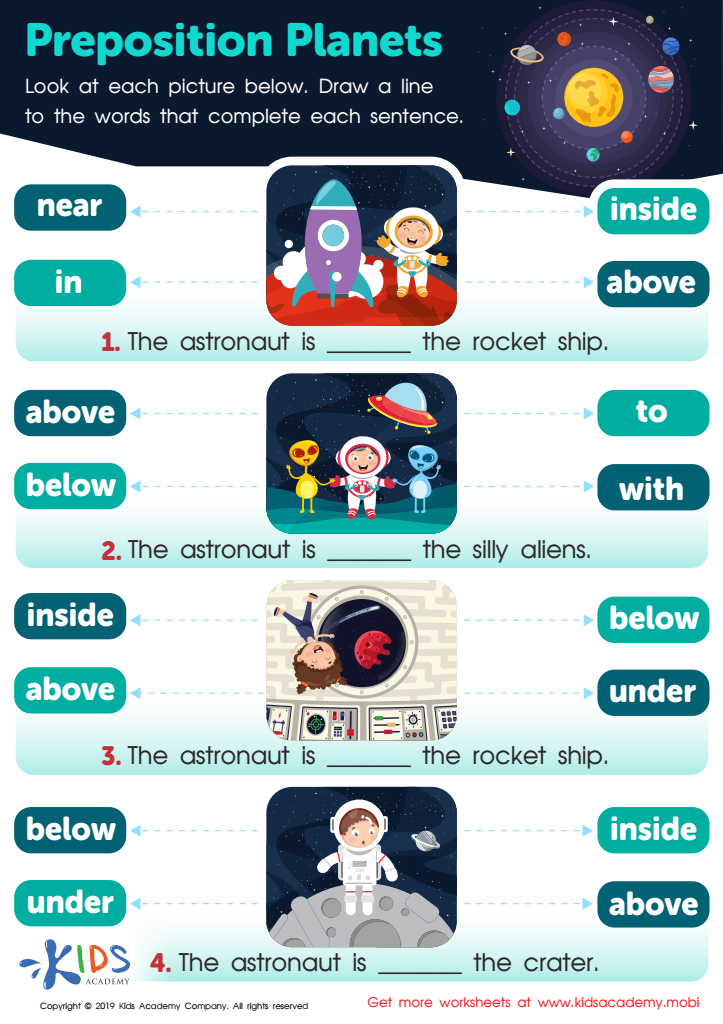
Preposition Planets Worksheet
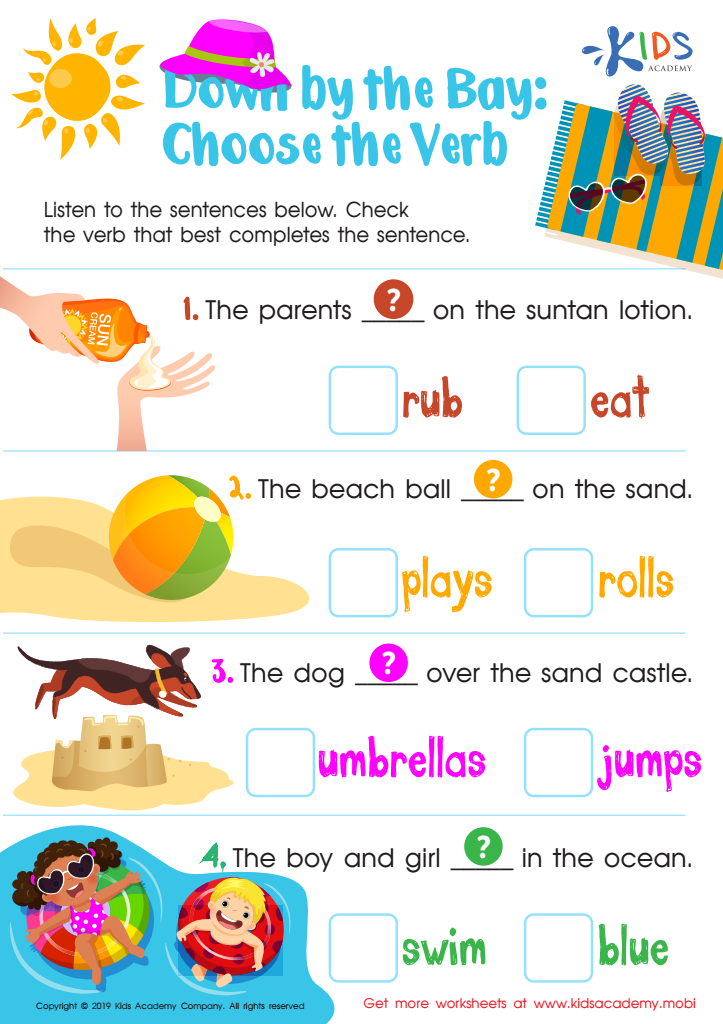
Down by the Bay: Choose the Verb Worksheet
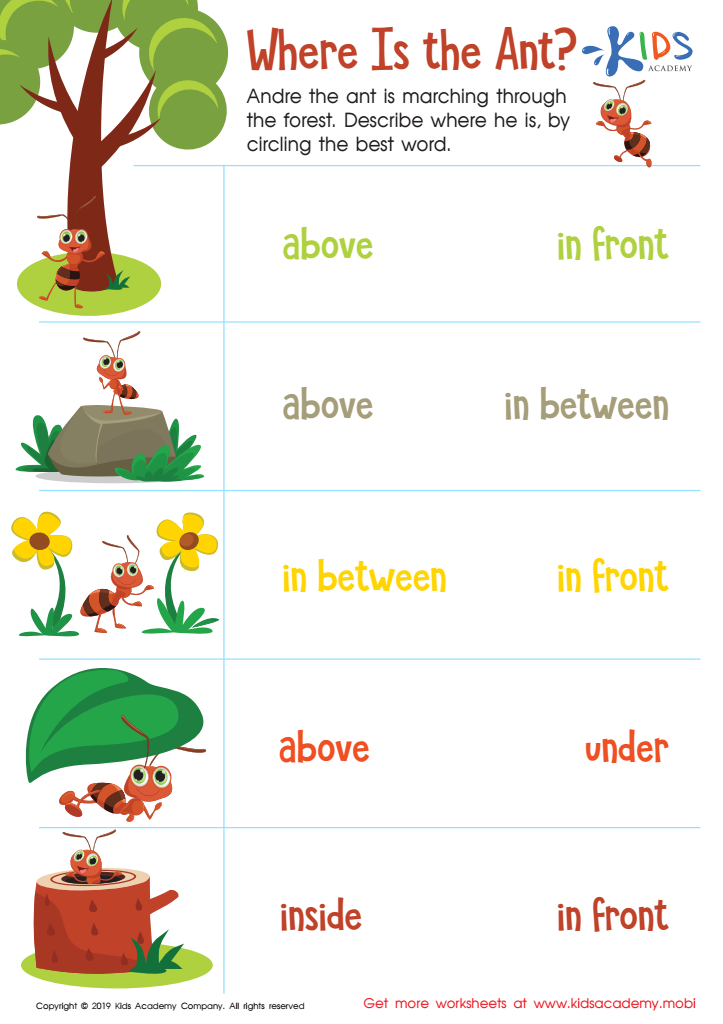
Where Is the Ant? Worksheet
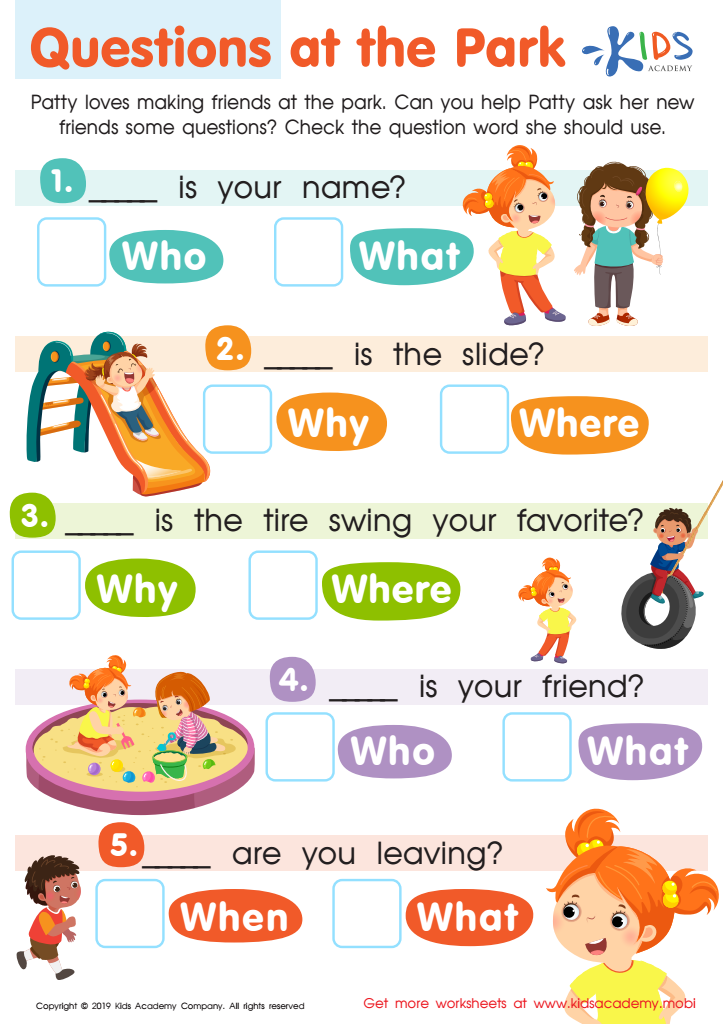
Questions at the Park Worksheet
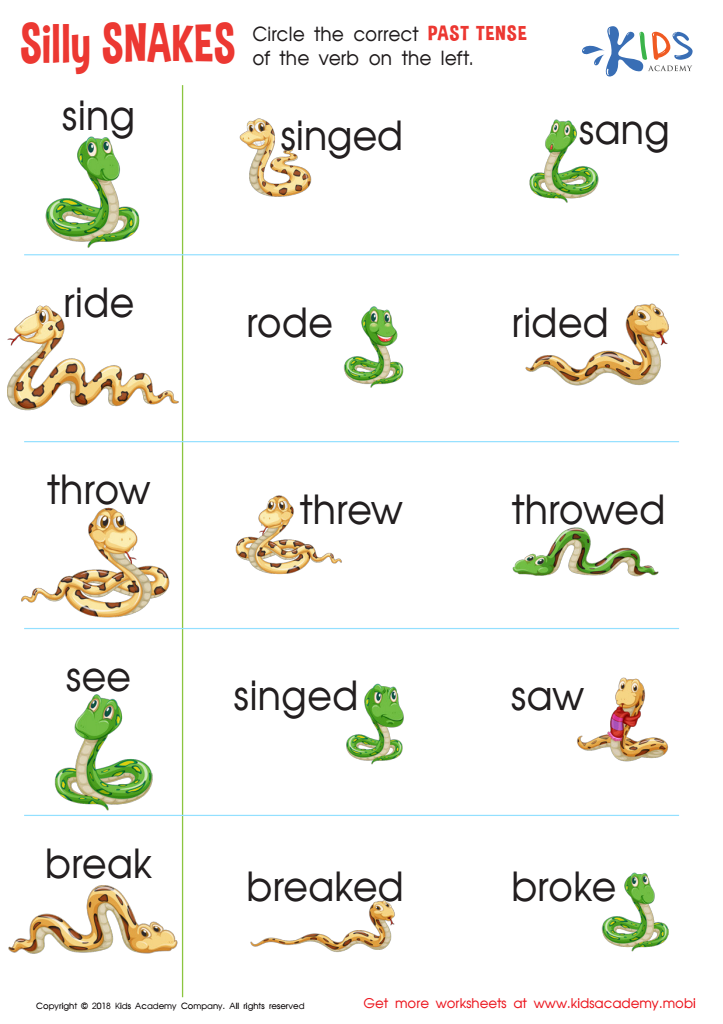
Silly Snakes Worksheet

Find The Verbs: -ed Ending Worksheet
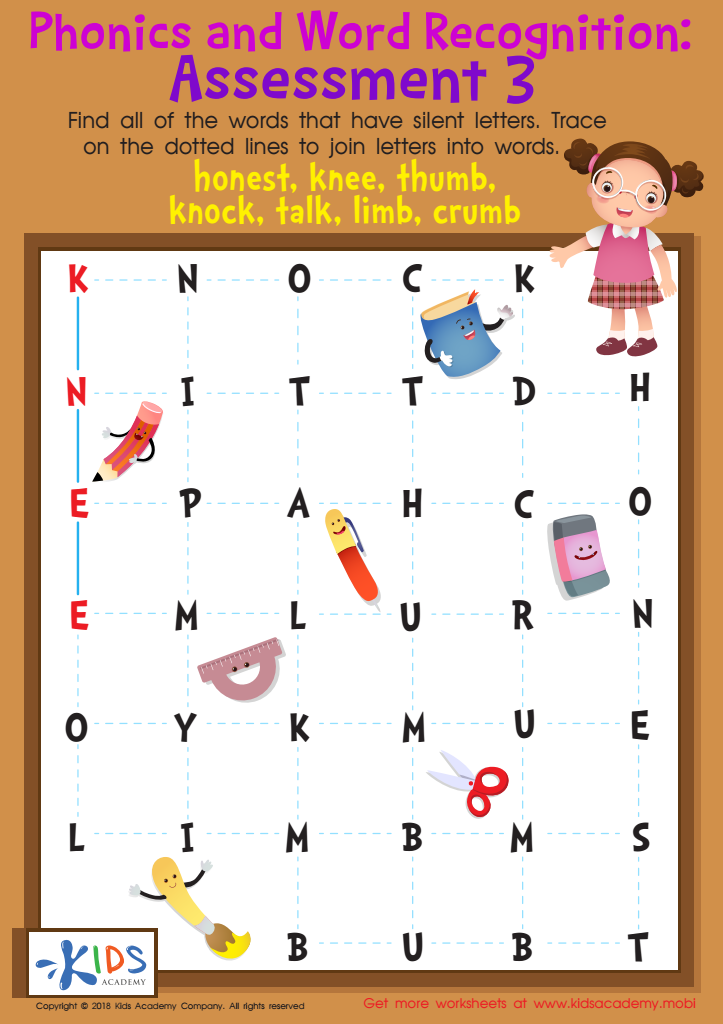
Phonics and Word Recognition: Assessment 3 Worksheet
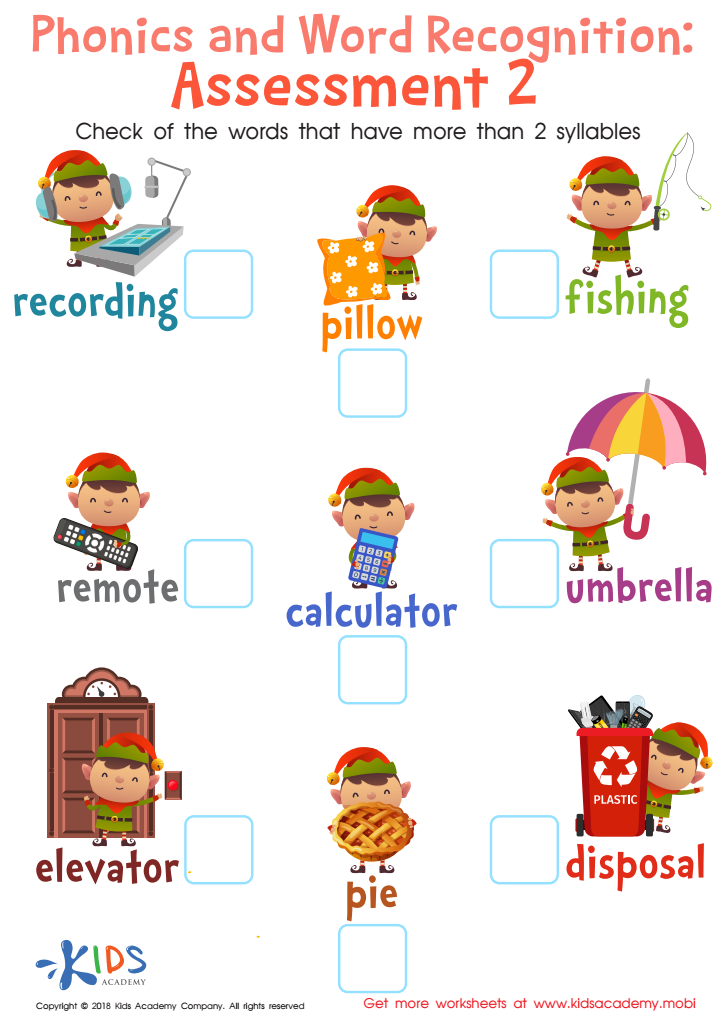
Phonics and Word Recognition: Assessment 2 Worksheet
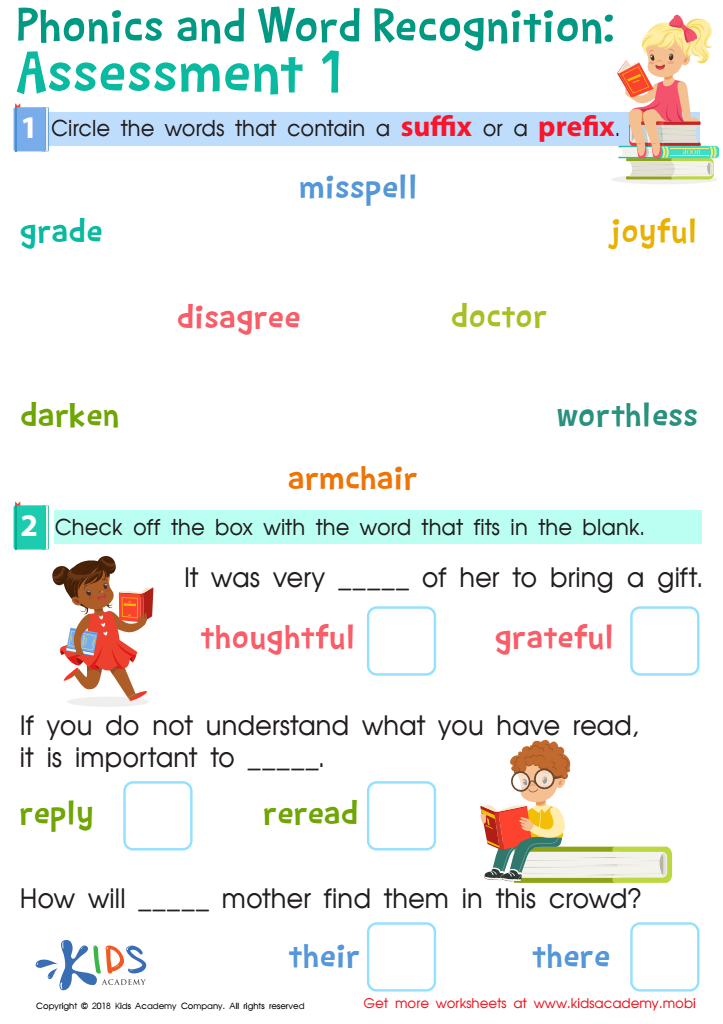
Phonics and Word Recognition: Assessment 1 Worksheet
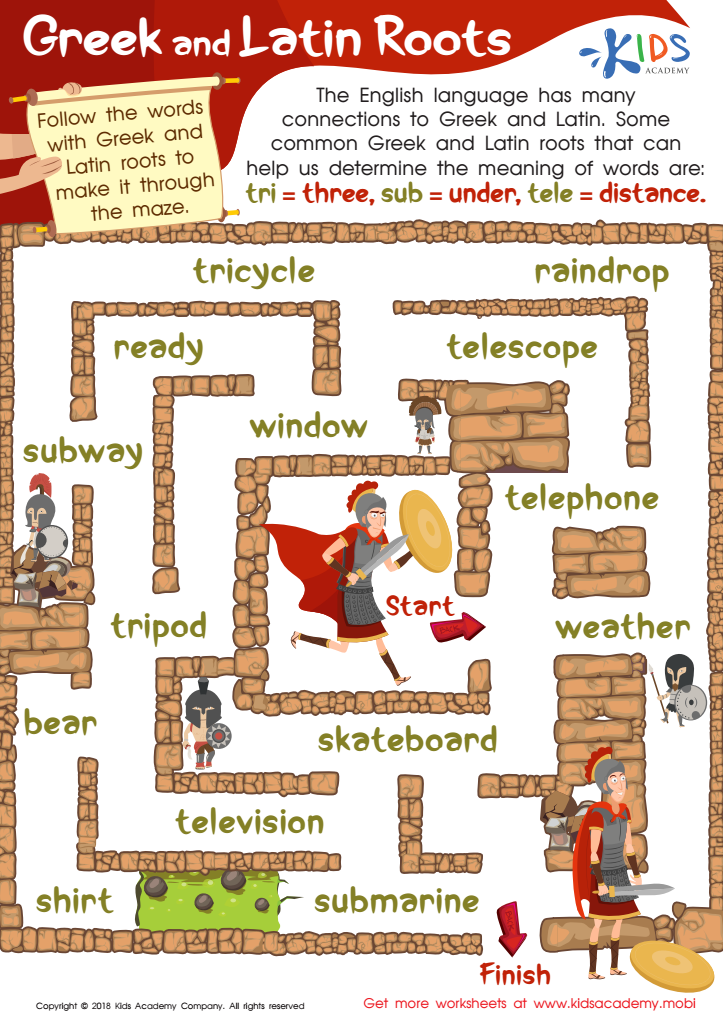
Greek and Latin Roots Worksheet

Action! Worksheet
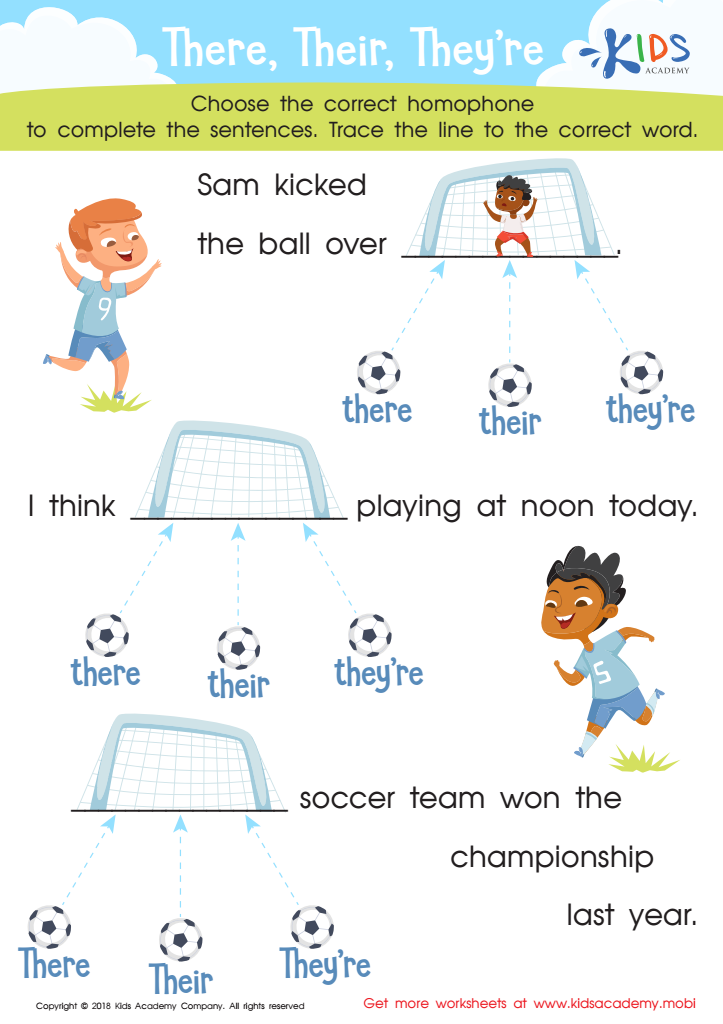
There, Their, They're Worksheet
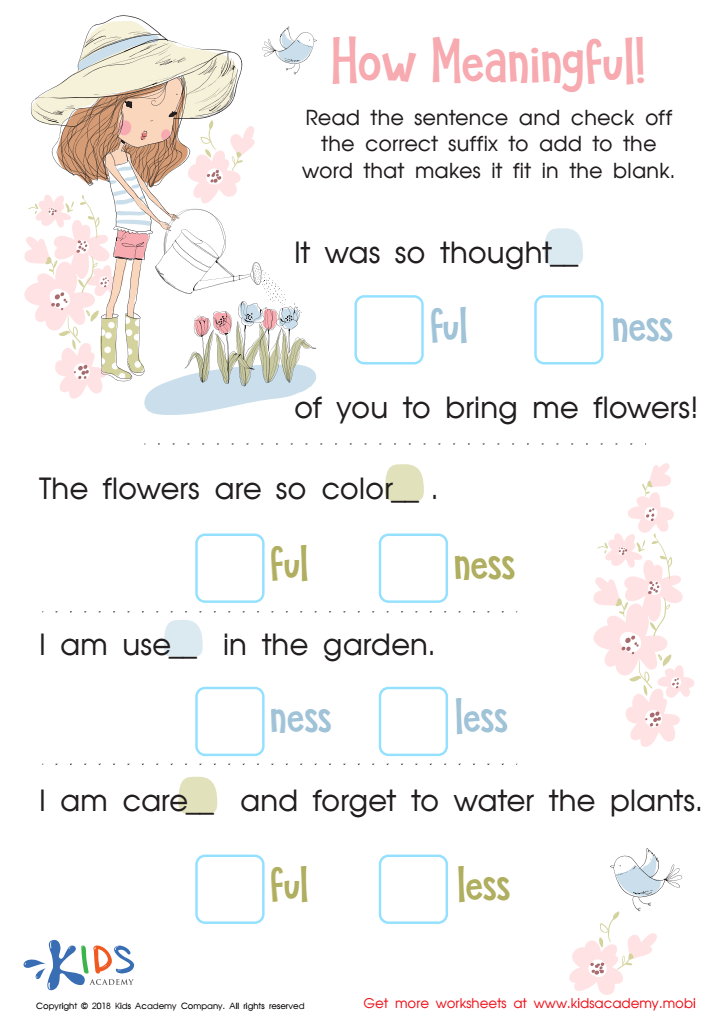
How Meaningful! Worksheet
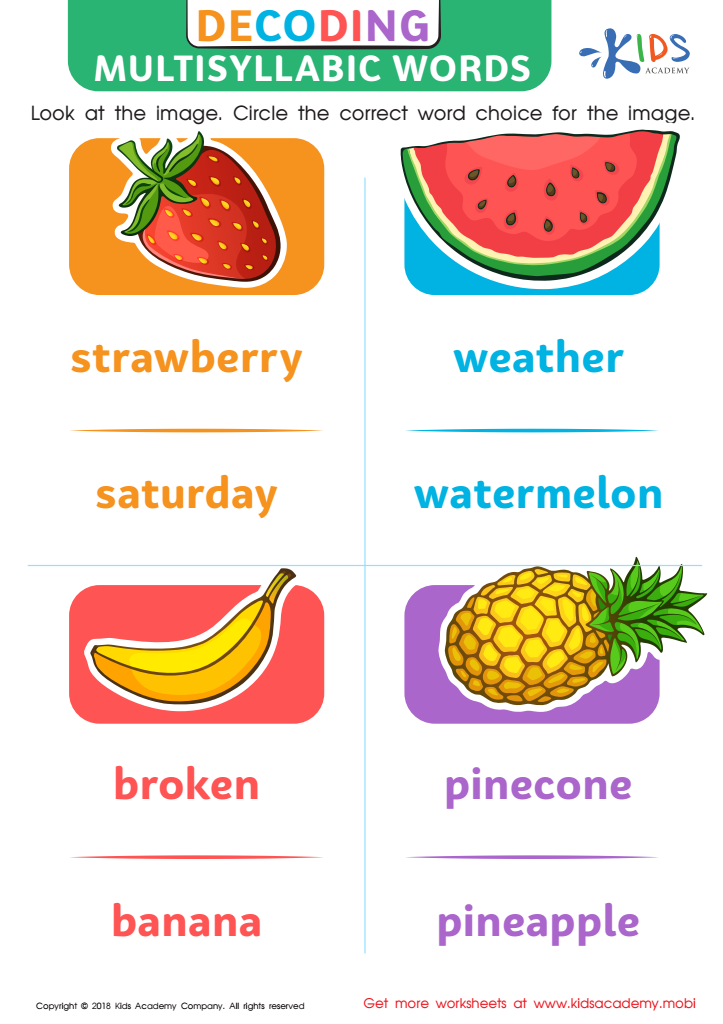
Decoding Multisyllabic Words Worksheet
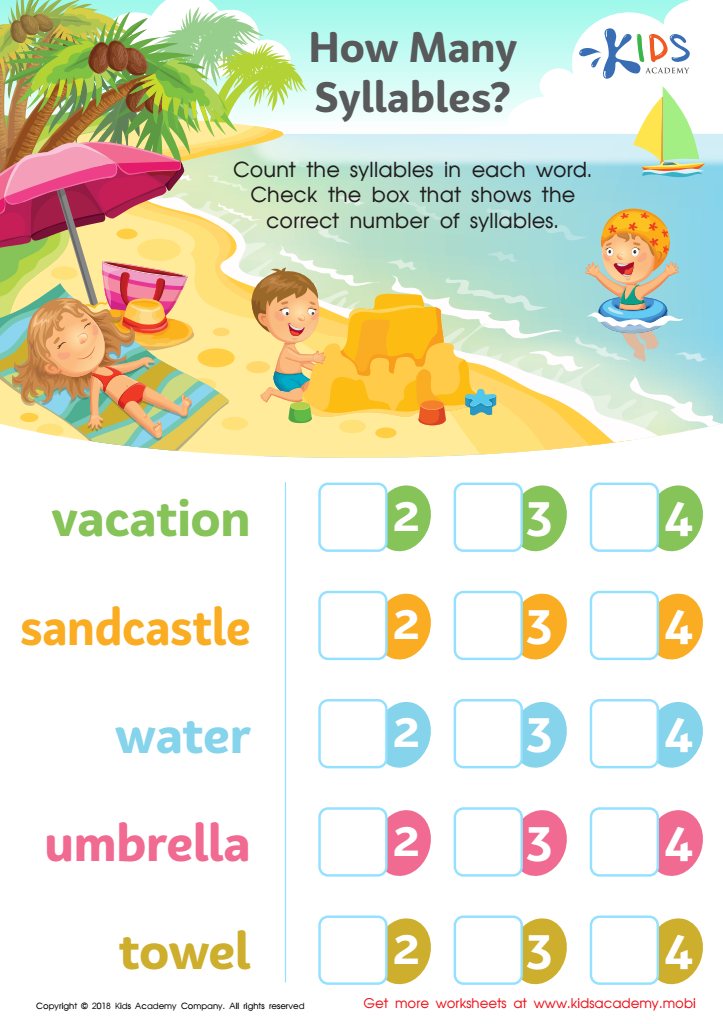
How Many Syllables Worksheet
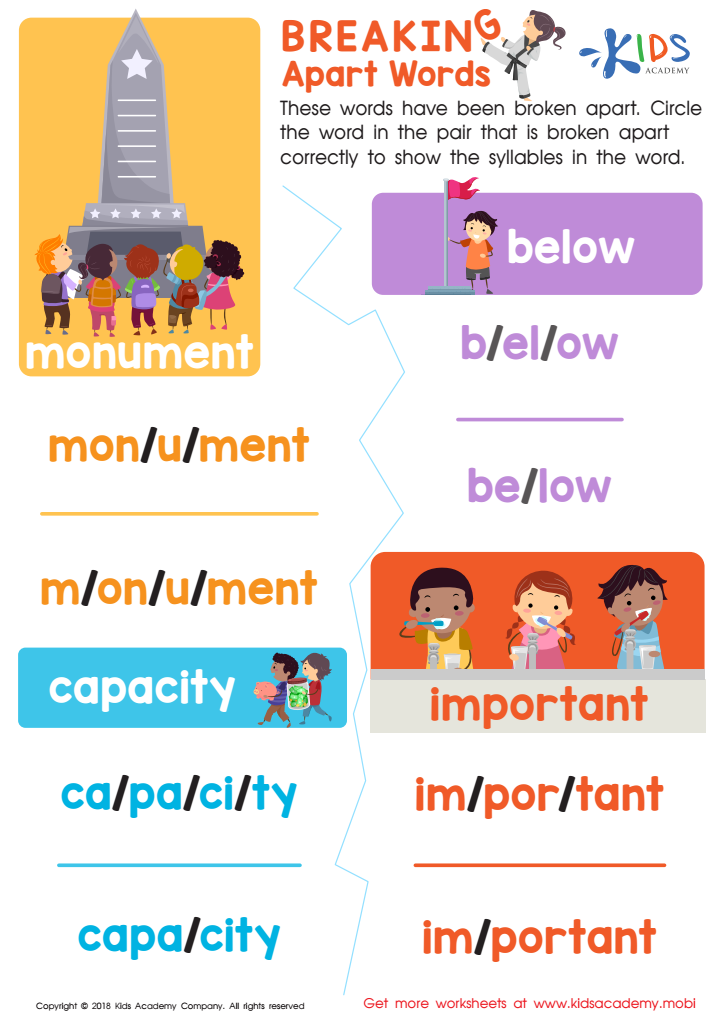
Breaking Apart Words Worksheet
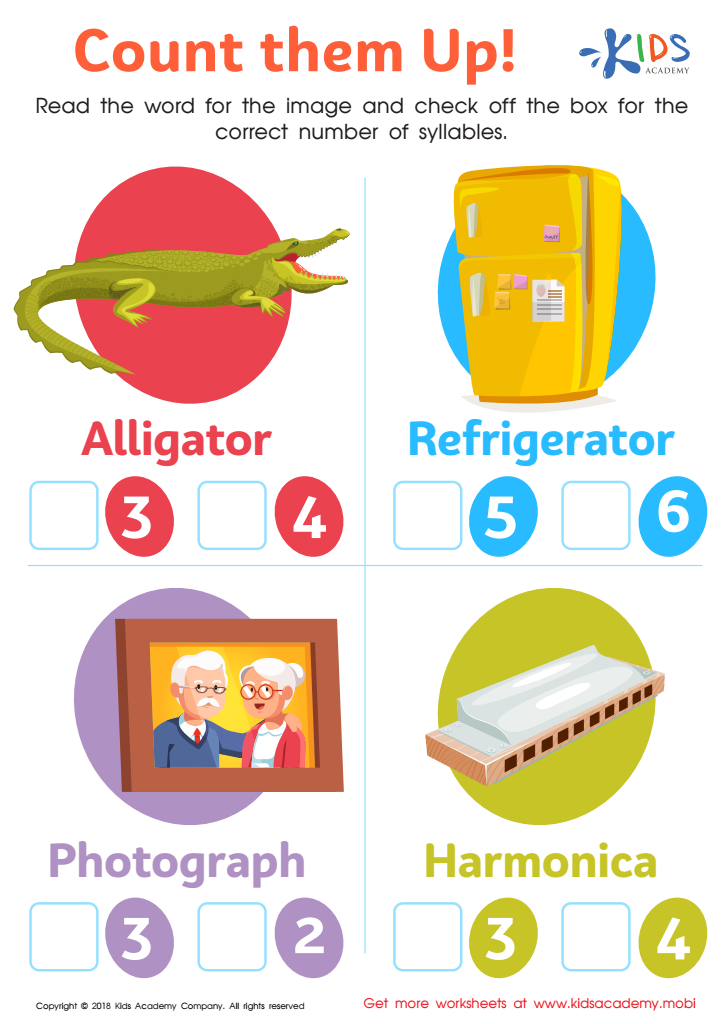
Count Them Up Worksheet








Parents and teachers should prioritize grammar for ages 3-9 because early childhood is a critical period for language acquisition and cognitive development. During these formative years, children’s brains are highly receptive to learning the rules and structures of language. Mastery of grammar acts as the foundation upon which effective communication skills are built, enabling children to express their thoughts clearly, understand others, and engage successfully in both academic and social environments.
Good grammar enhances reading comprehension and writing abilities. Children who understand grammar can better decode texts, grasp meaning, and compose coherent sentences. This fluency promotes confidence and a love for learning, which are crucial for long-term academic success. In contrast, a lack of grammatical knowledge can hinder academic progress, causing frustration and disengagement.
Moreover, proficiency in grammar fosters critical thinking and problem-solving skills. By learning sentence structure, punctuation, and proper syntax, children develop an ability to organize their thoughts logically and critically analyze information.
Lastly, grammar lays the groundwork for effective communication, essential for forming relationships and succeeding in life. Early exposure to good grammar practices ensures children develop polished speaking and writing skills, preparing them for a world where clear communication is key. Parents and teachers play an integral role in shaping these skills, making early attention to grammar indispensable.








