2D Shapes Worksheets for Ages 7-9 - Page 2
35 filtered results
-
From - To
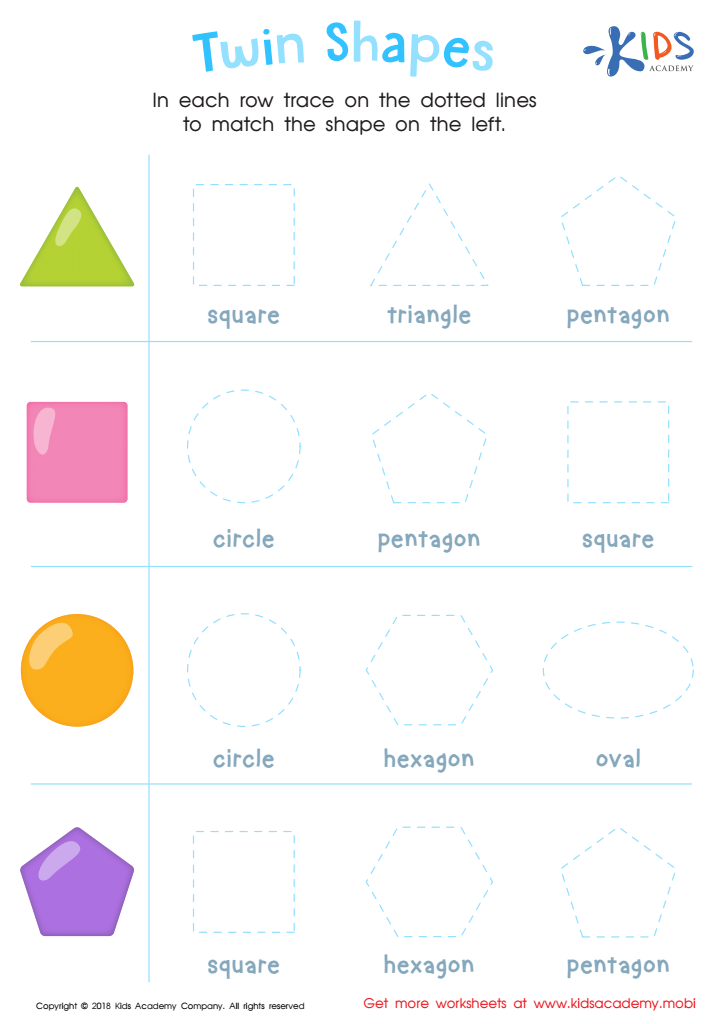
Twin Shapes Dot-to-Dot Worksheet
 Assign to My Students


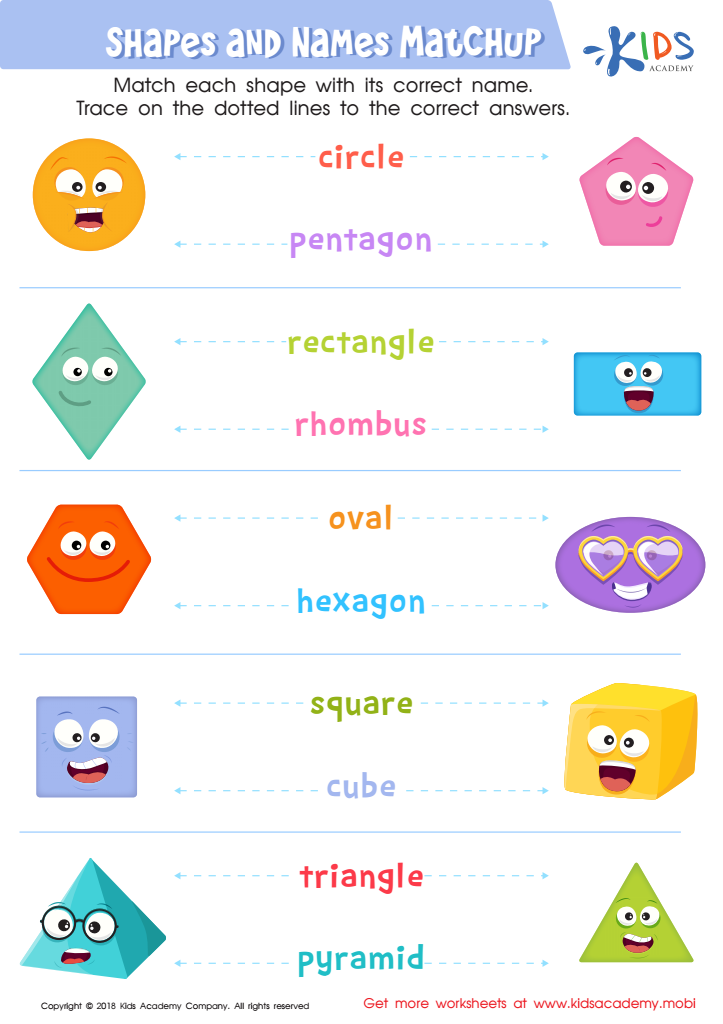
Shapes and Names Matchup Worksheet
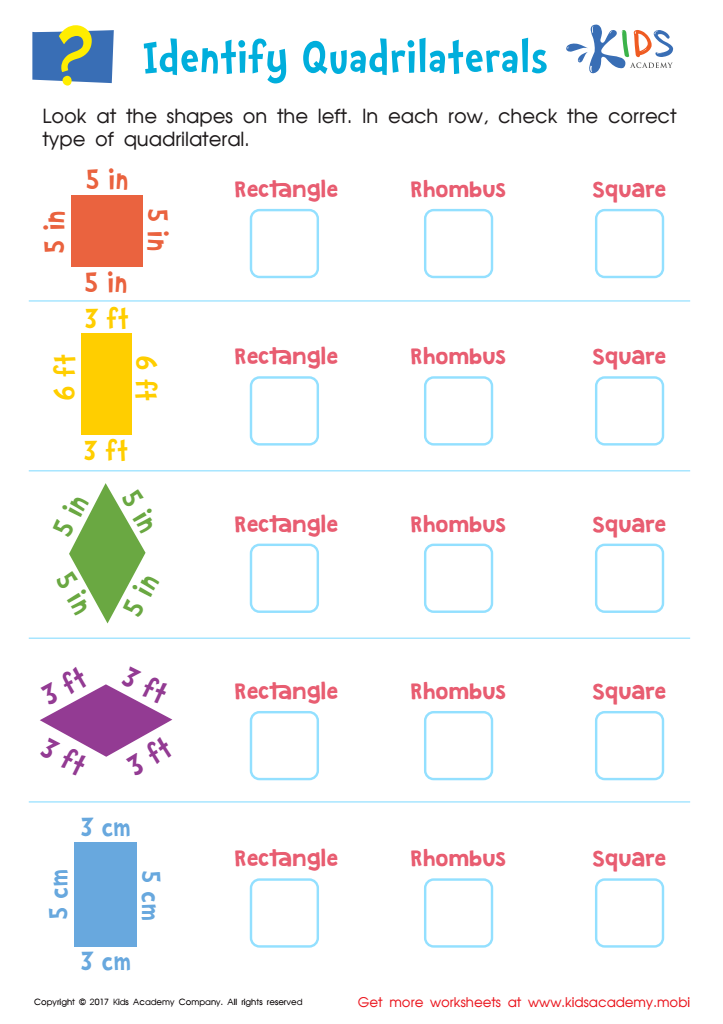
Identify Quadrilaterals Worksheet
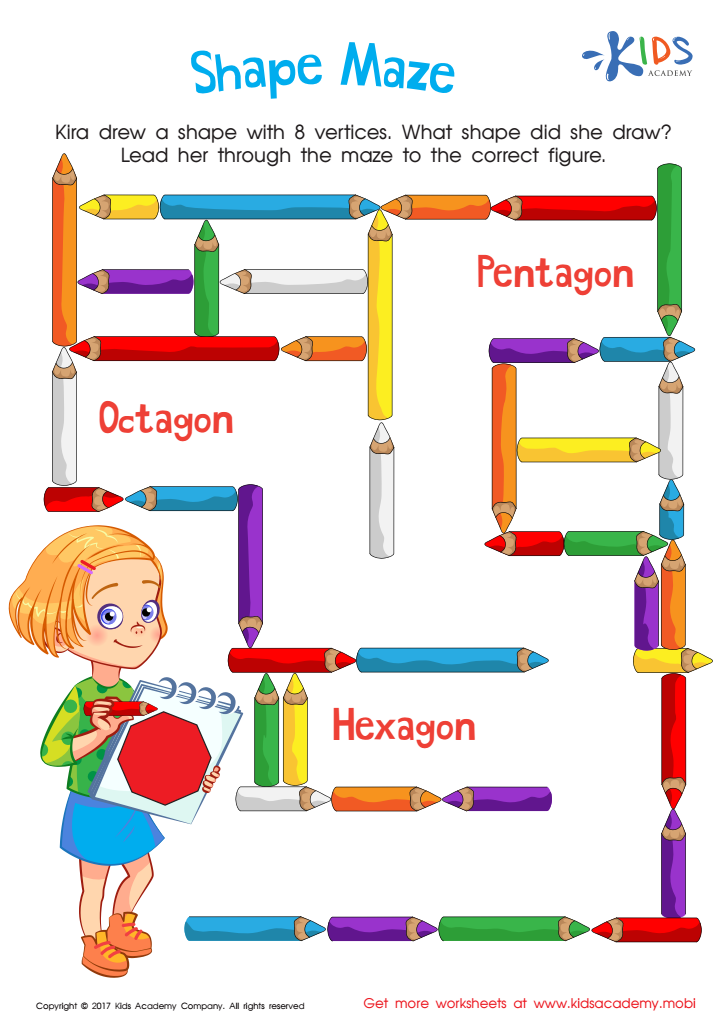
Shape Maze Worksheet
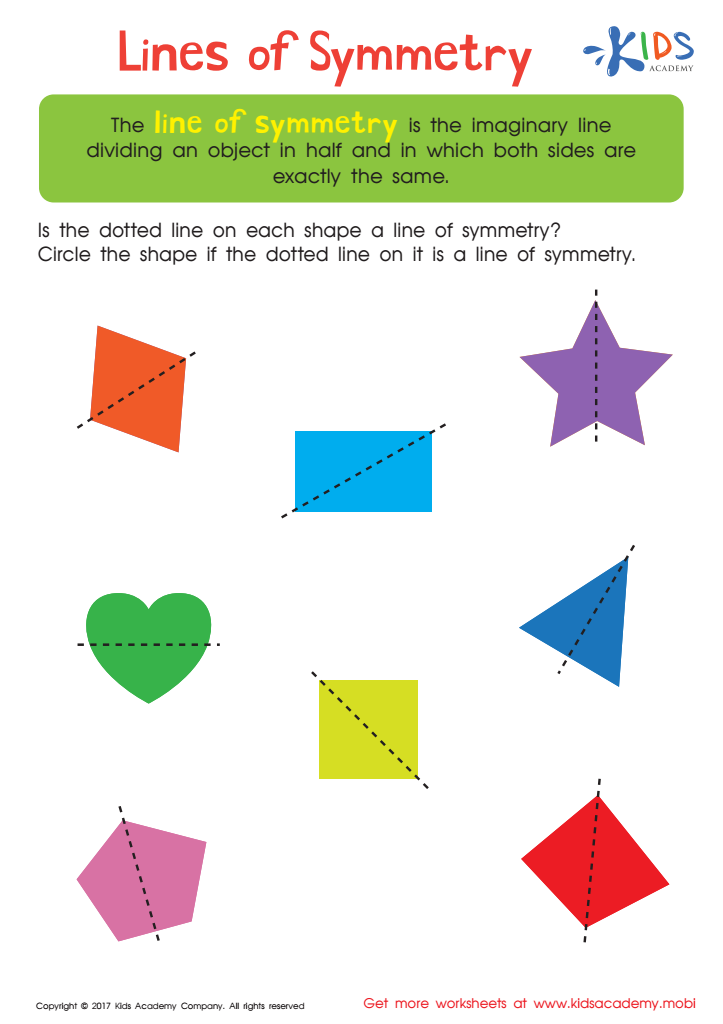
Lines of Symmetry Printable
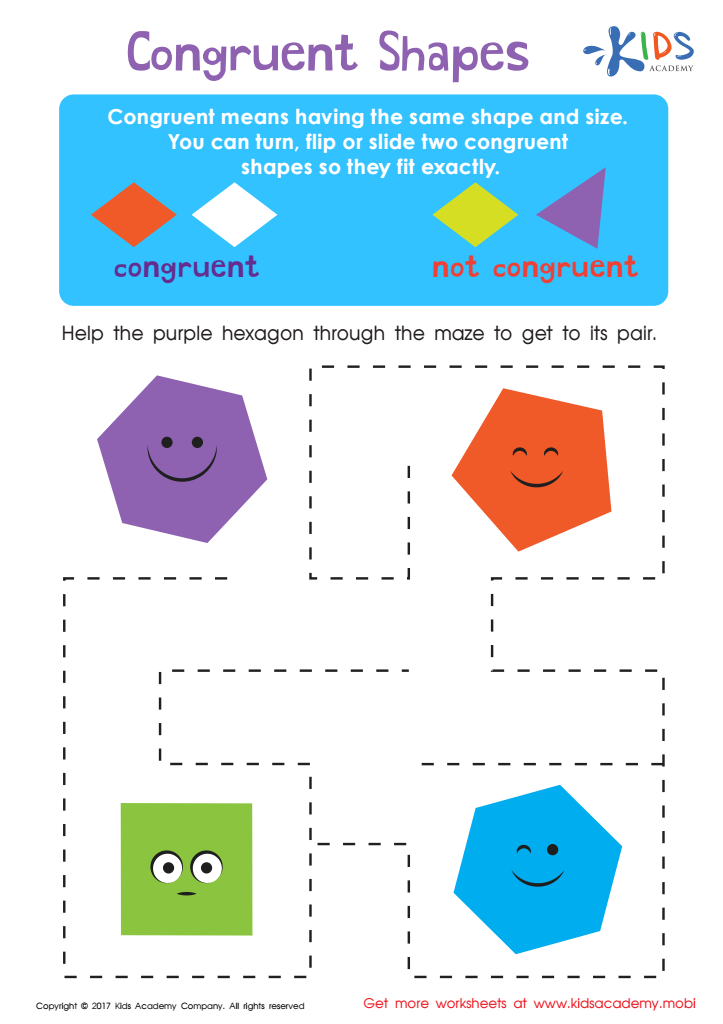
Congruent Shapes Worksheet
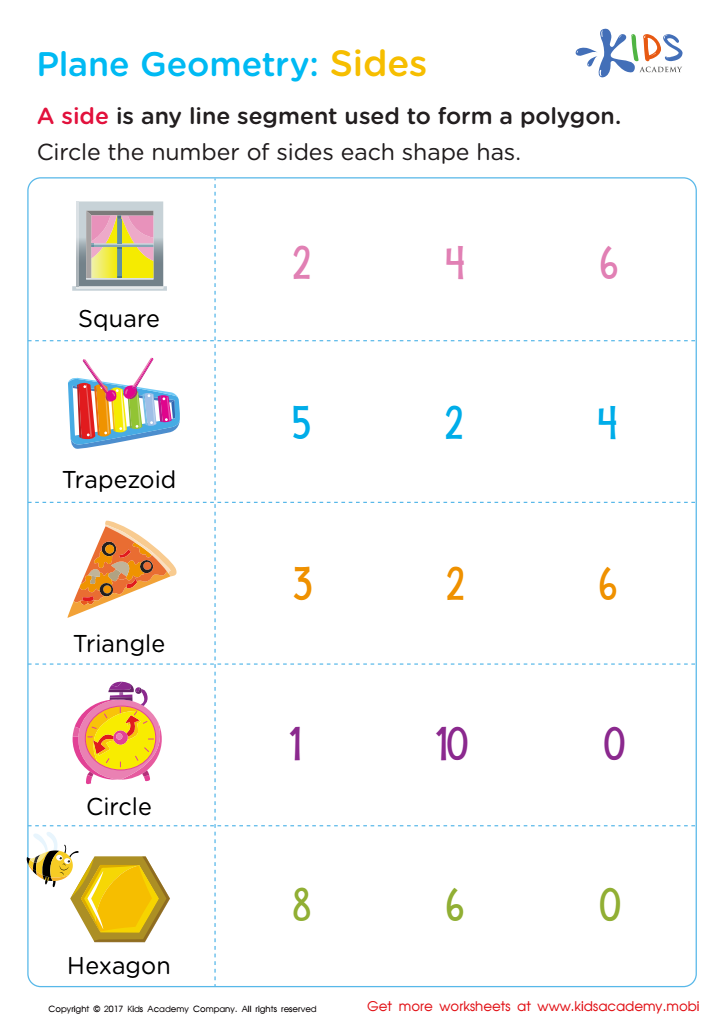
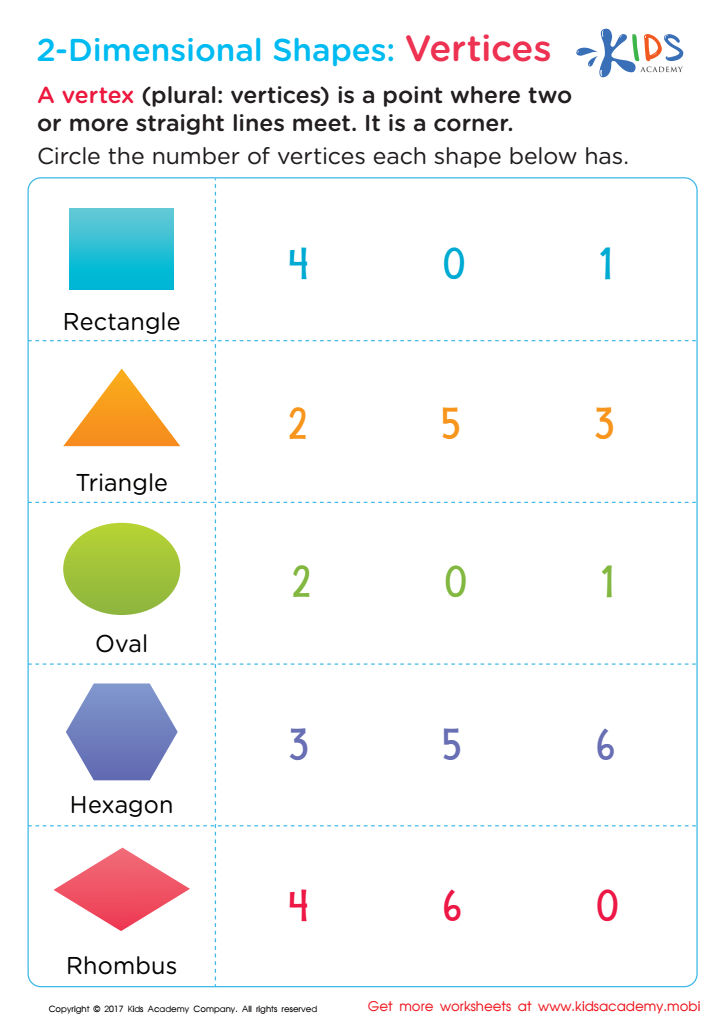
Two–Dimensional Shapes: Vertices Printable
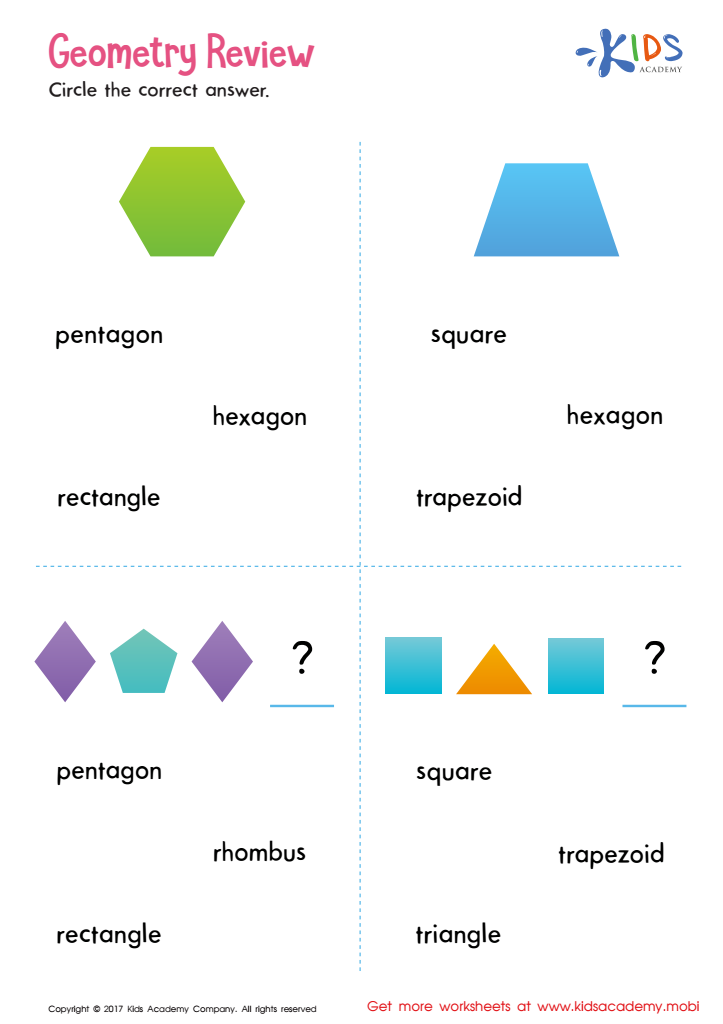
Geometry Review Printable
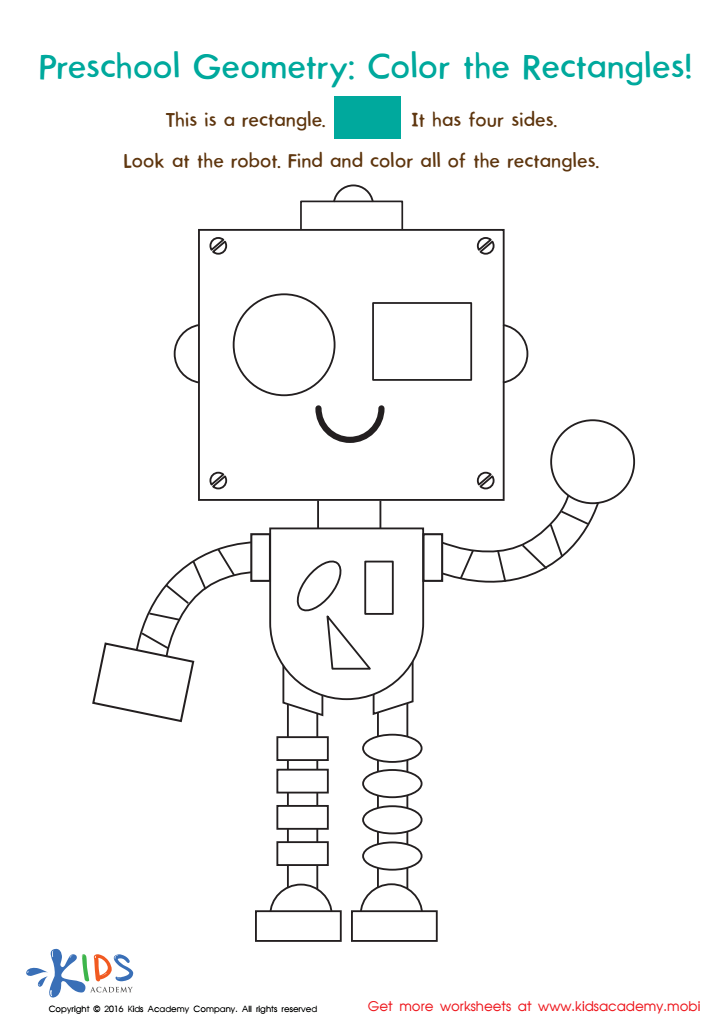
Geometry Worksheet
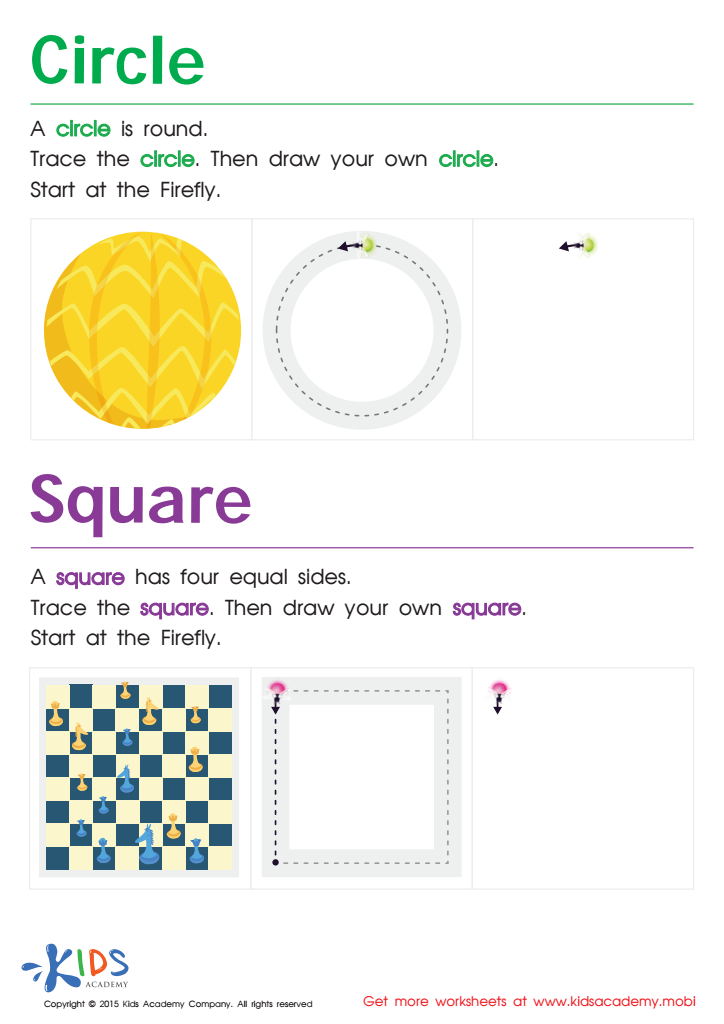
Trace And Draw a Circle And a Square Worksheet








Understanding 2D shapes is fundamental to a child's overall cognitive development, particularly for ages 7-9, a critical period for building mathematical foundations. Recognizing and categorizing shapes helps children develop spatial awareness, which is essential for problem-solving and creative thinking. When children can identify 2D shapes like circles, squares, triangles, and rectangles, it sets the groundwork for grasping more complex geometric concepts later on.
Moreover, engaging with 2D shapes enhances fine motor skills, especially when children draw, craft, or manipulate shapes, fostering their creativity and artistic expression. Mathematics is not just about numbers; it encompasses patterns and relationships, which are introduced through shapes. Parents and teachers play a vital role by integrating shape-related activities into daily learning, such as games, puzzles, and practical applications like measuring and building.
Beyond academics, understanding shapes contributes to everyday life skills, such as navigation and organization, influencing how children perceive and interact with their surroundings. By emphasizing the importance of 2D shapes, parents and teachers are equipping children with essential skills they will use throughout their education and daily lives, making shape education not just important but crucial for holistic development.