Addition & Subtraction Worksheets for Ages 7-9 - Page 2
299 filtered results
-
From - To
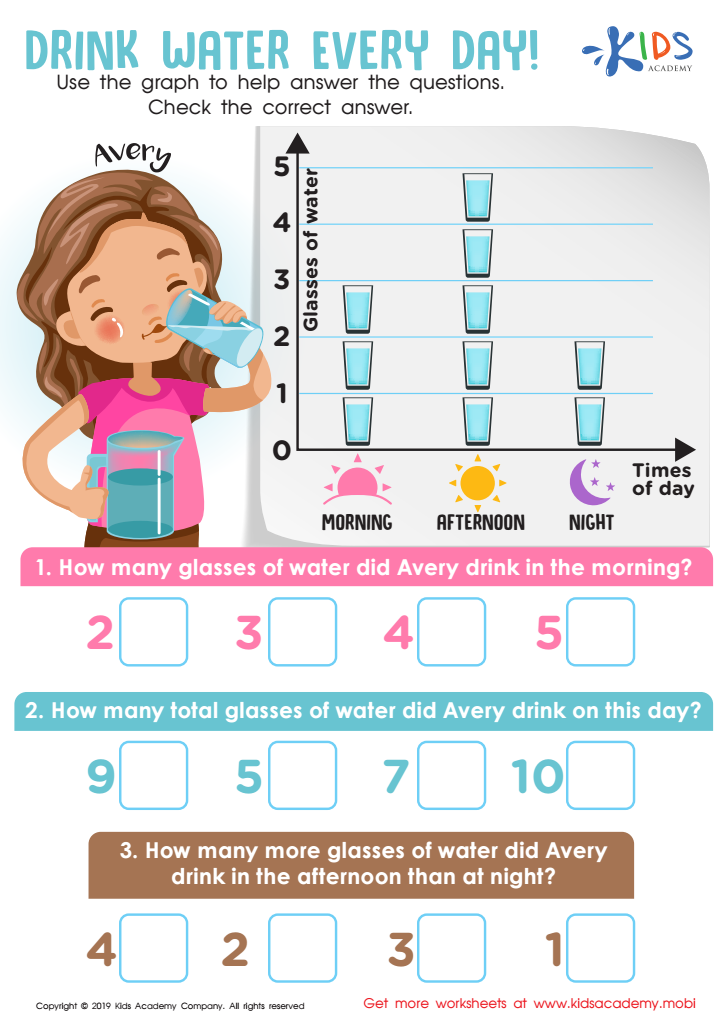
Drink Water Every Day! Worksheet
 Assign to My Students
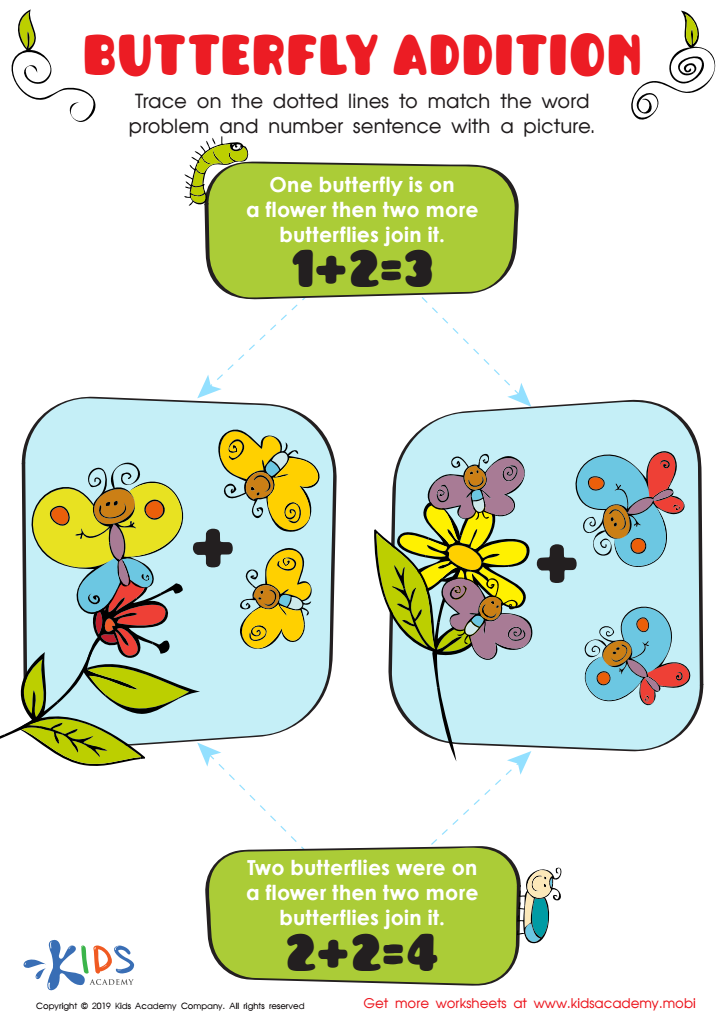
Butterfly Addition Worksheet
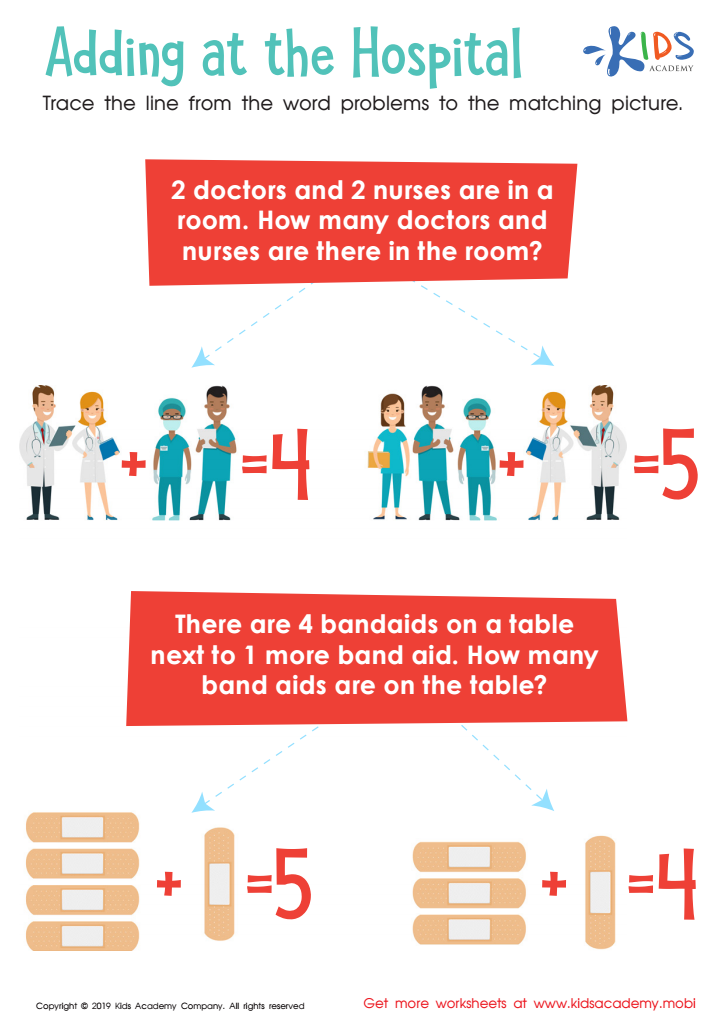
Adding at the Hospital Worksheet
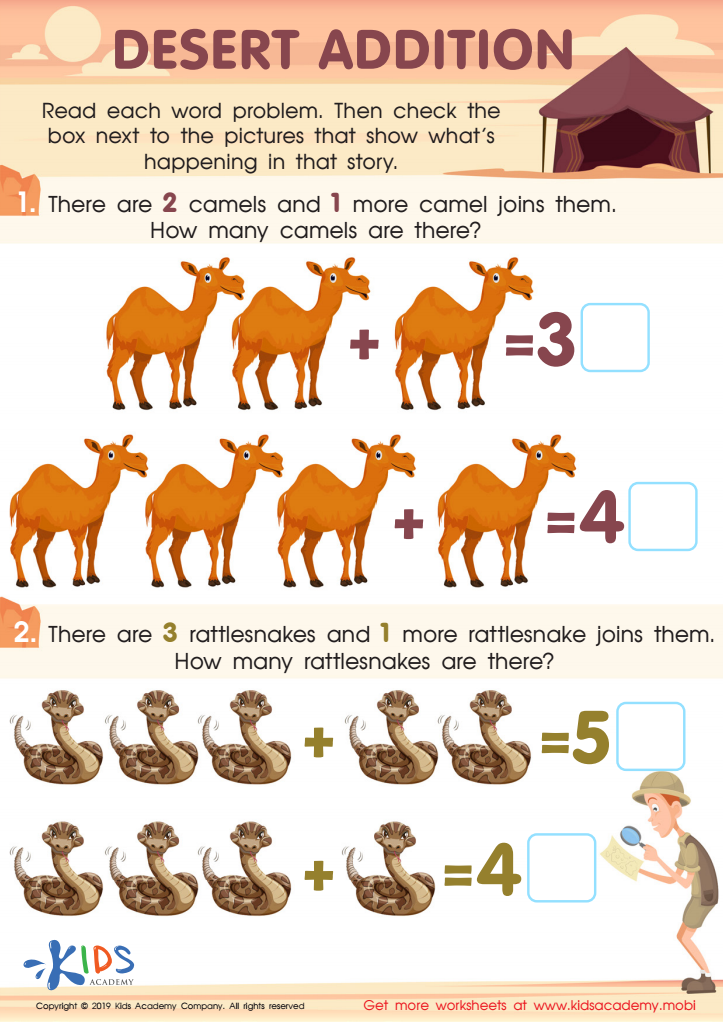
Desert Addition Worksheet
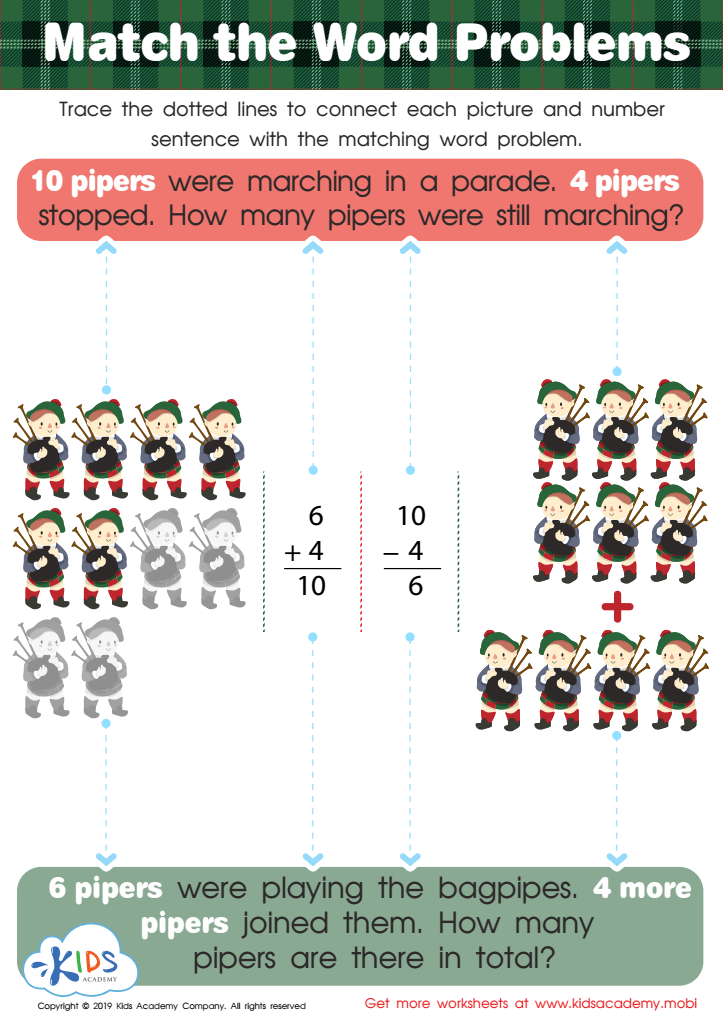
Match the Word Problems Worksheet
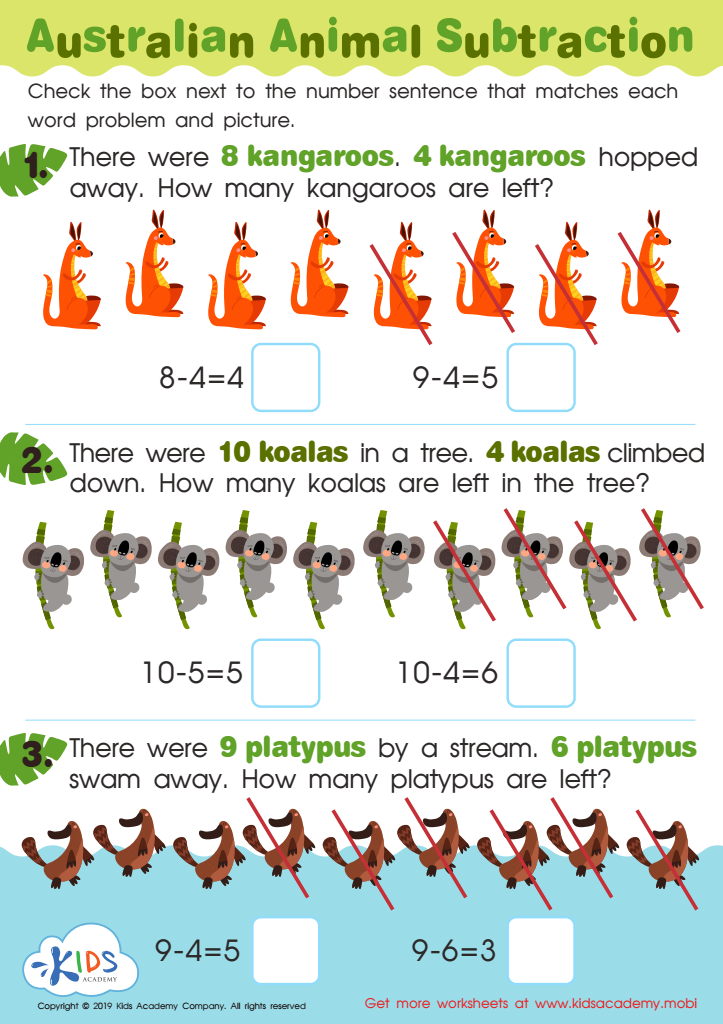
Australian Animal Subtraction Worksheet
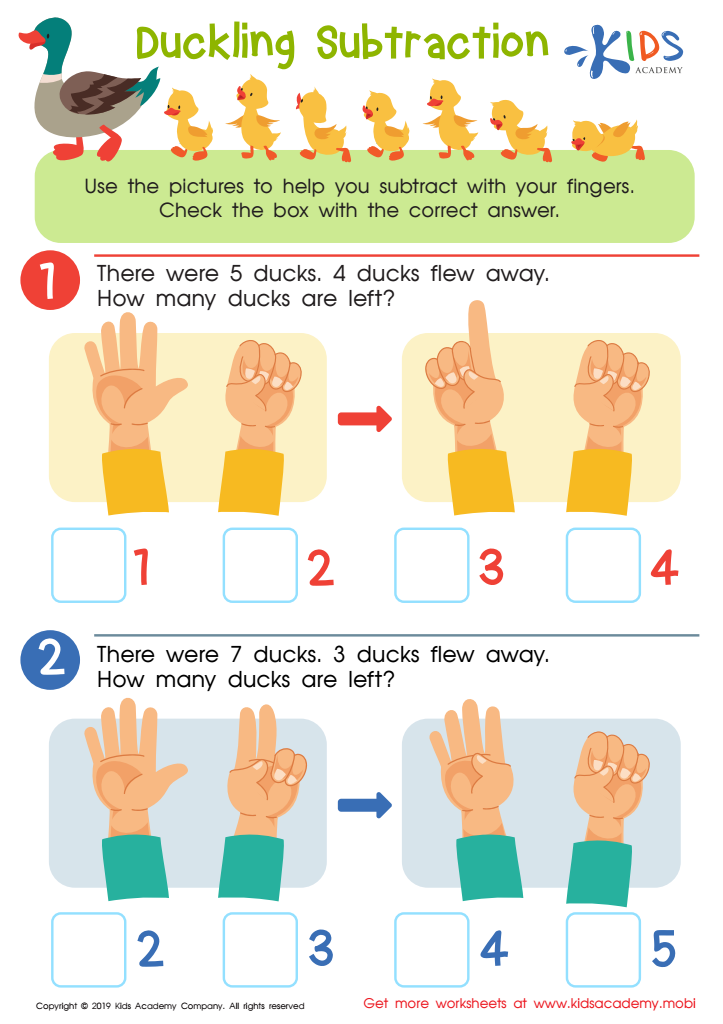
Duckling Subtraction Worksheet
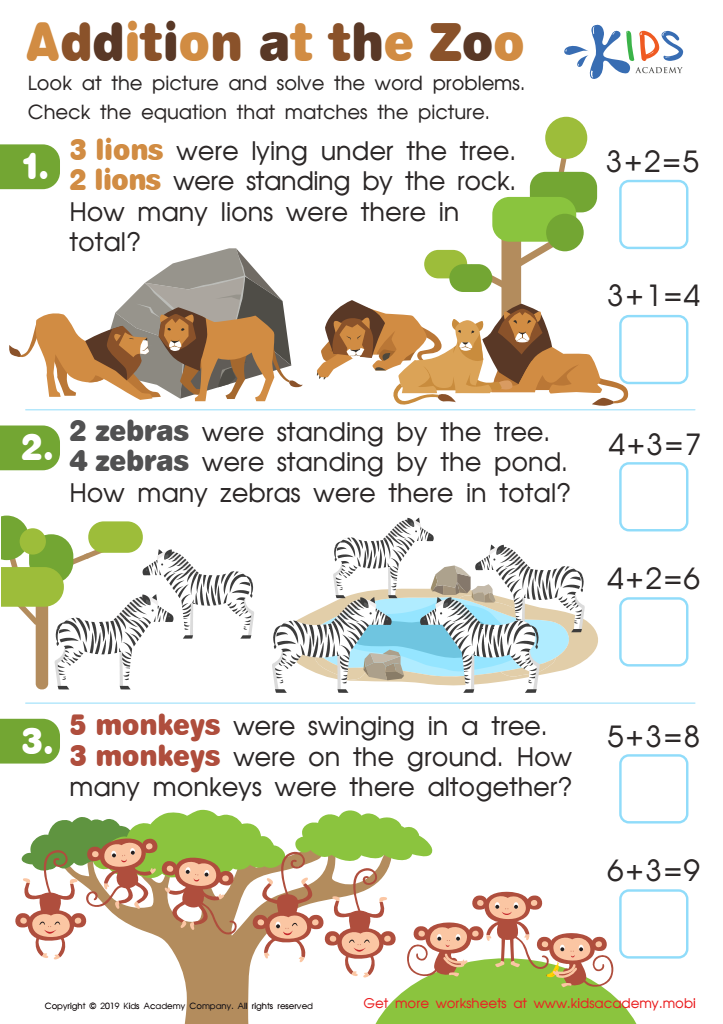
Addition at the Zoo Worksheet
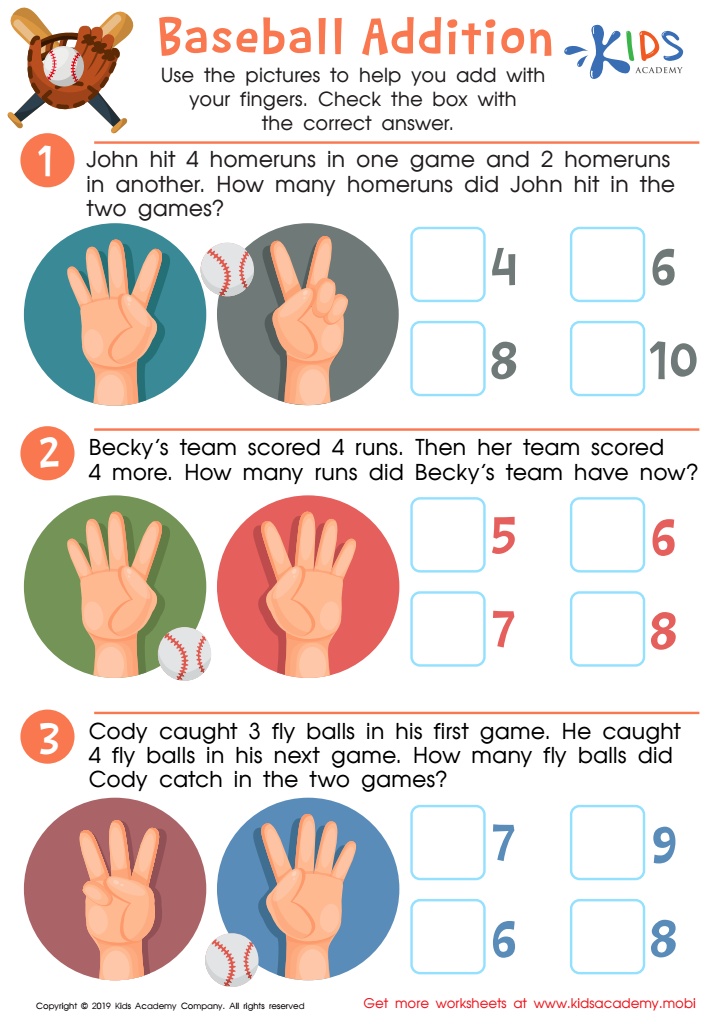
Baseball Addition Worksheet
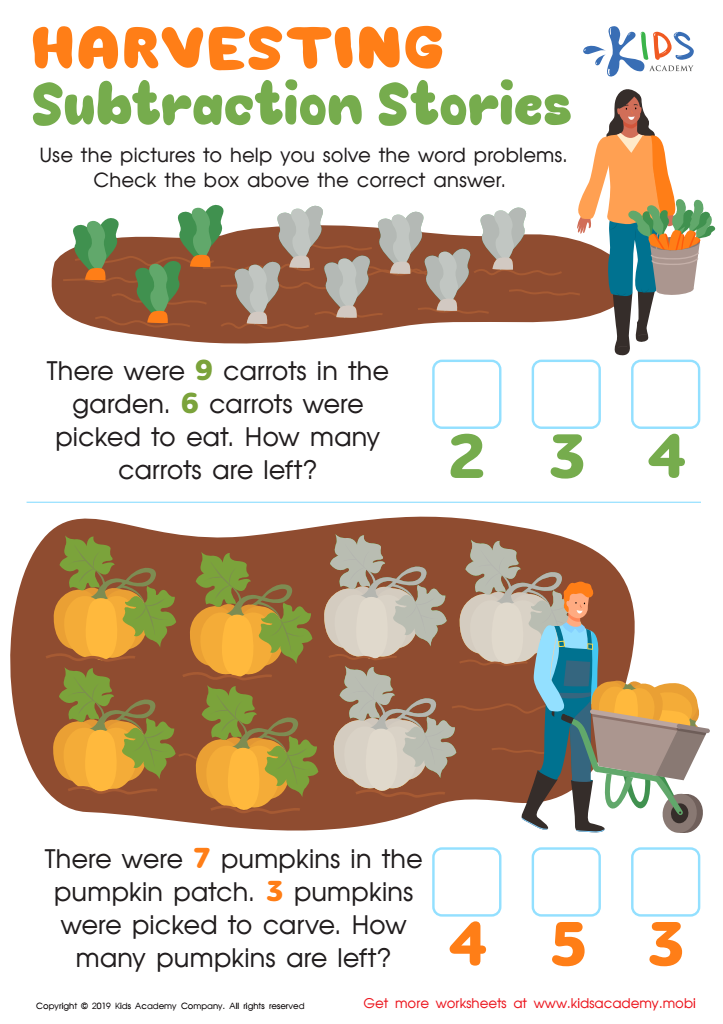
Harvesting Subtraction Stories Worksheet
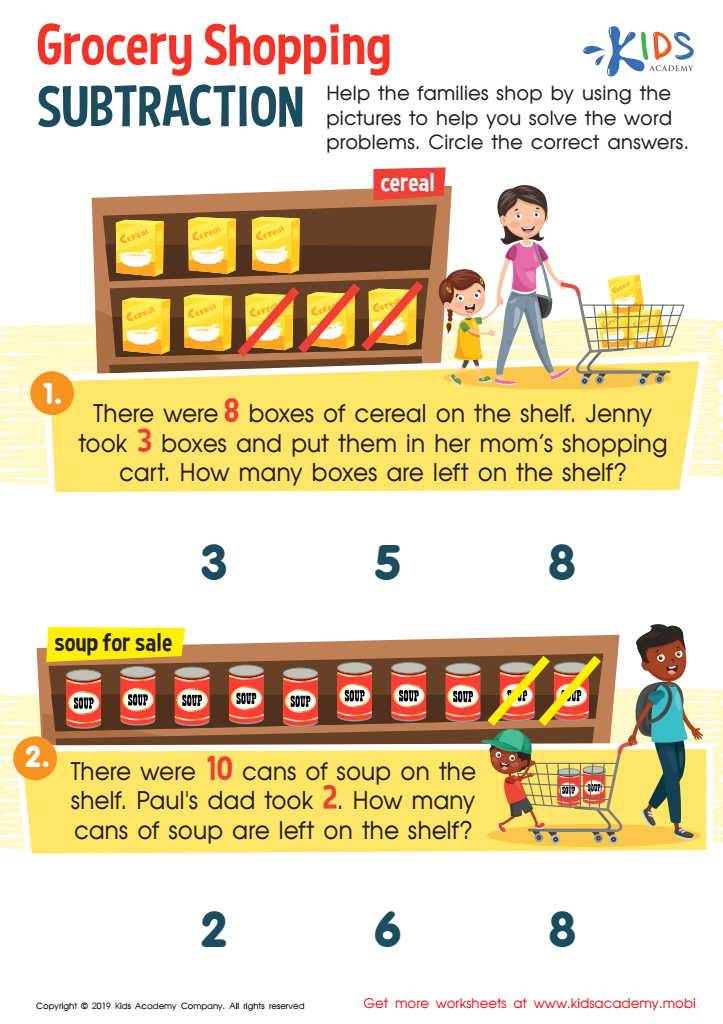
Grocery Shopping Subtraction Worksheet
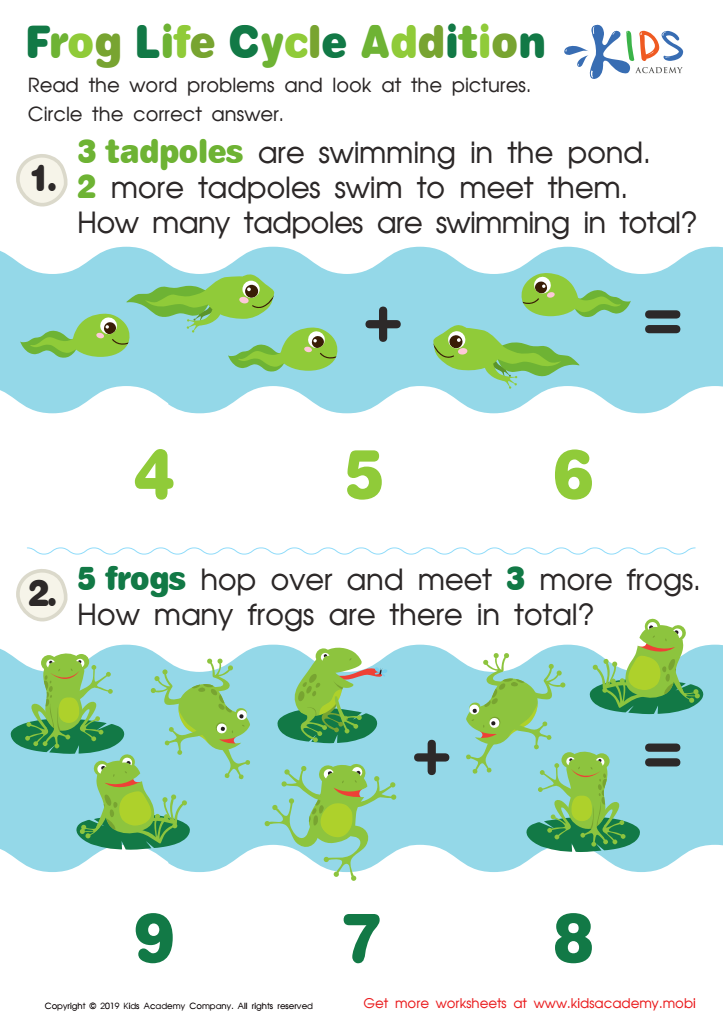
Frog Life Cycle Addition Worksheet
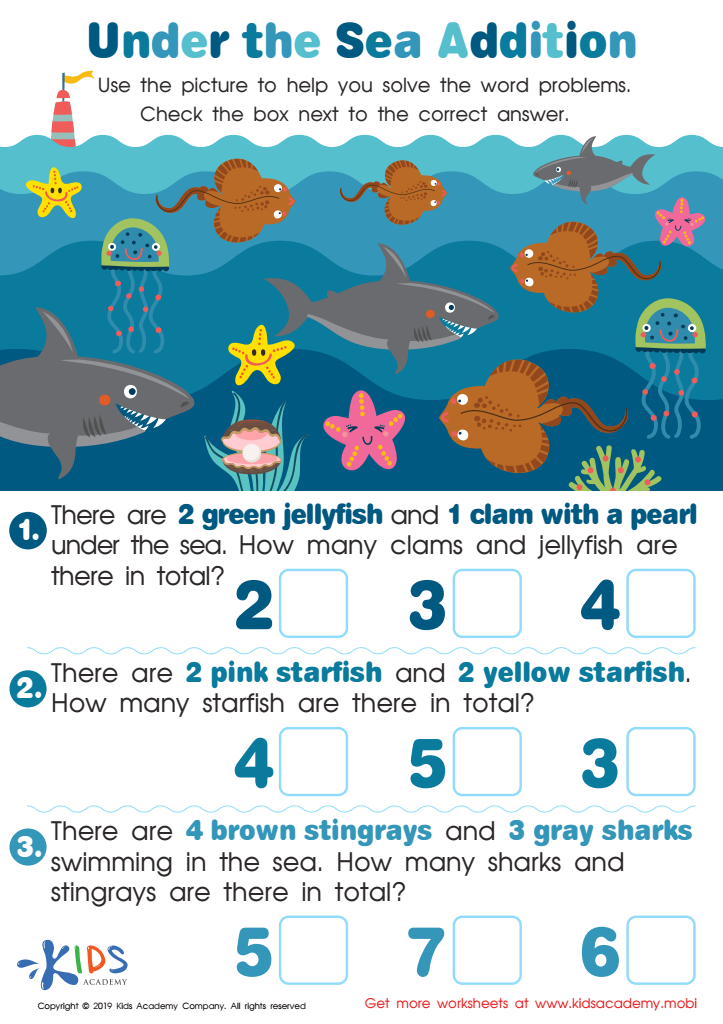
Under the Sea Addition Worksheet
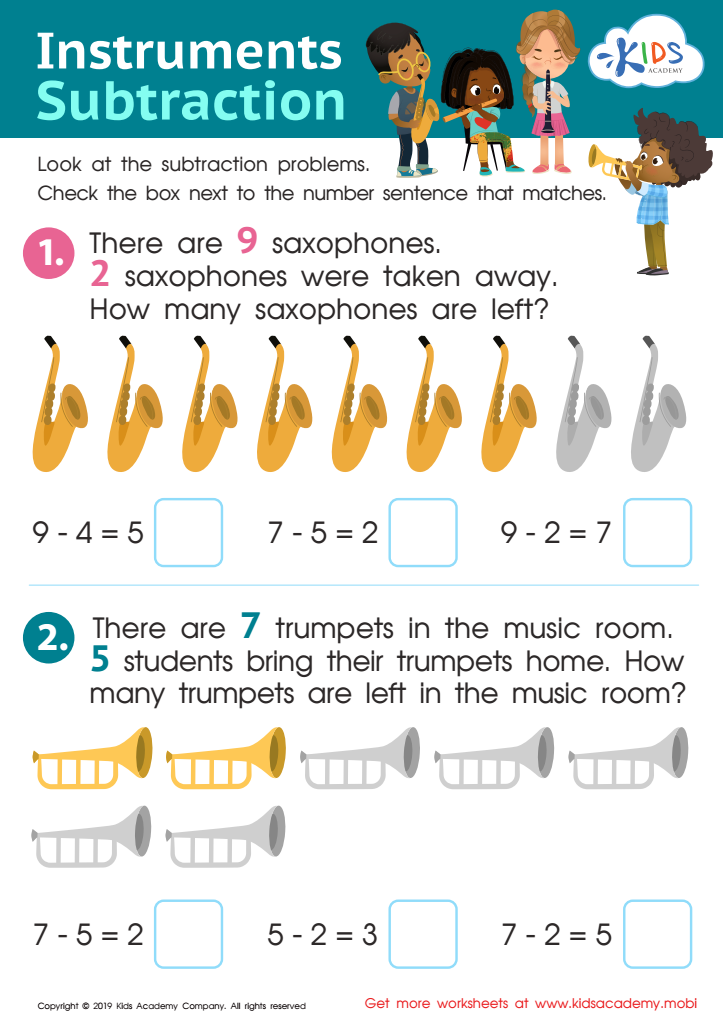
Instrument Subtraction Worksheet
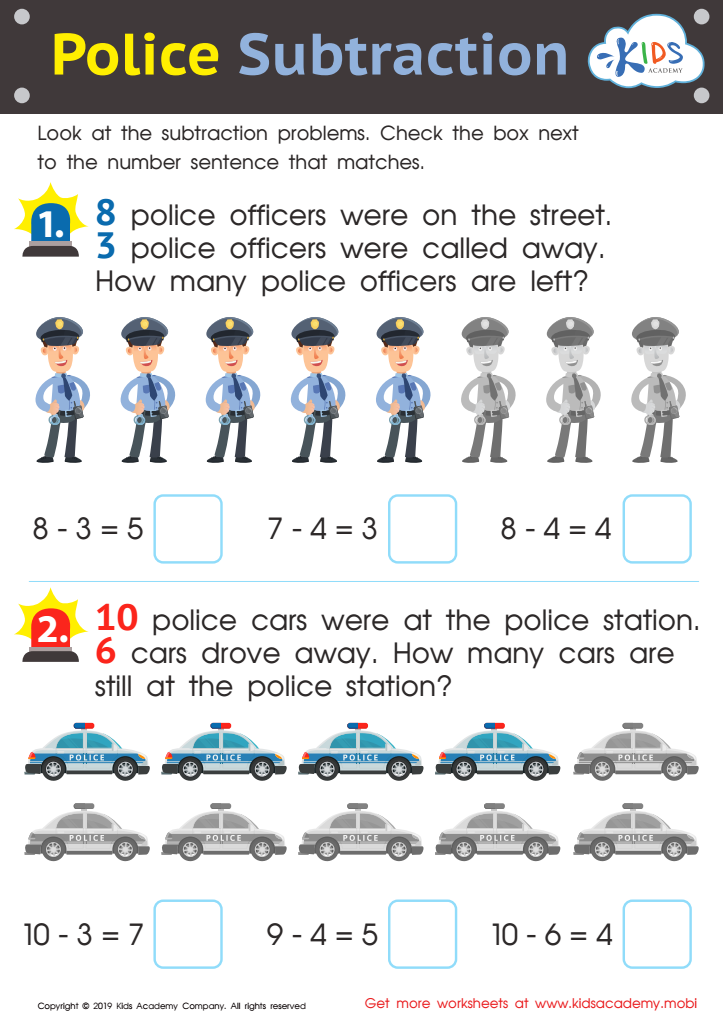
Police Subtraction Worksheet
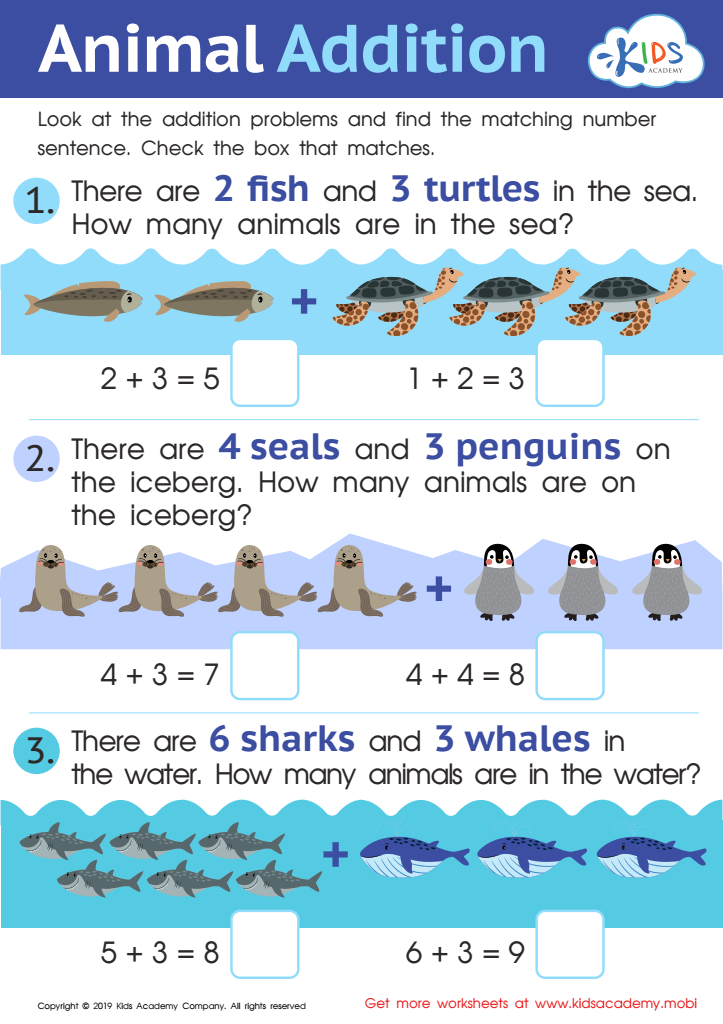
Animal Addition Worksheet
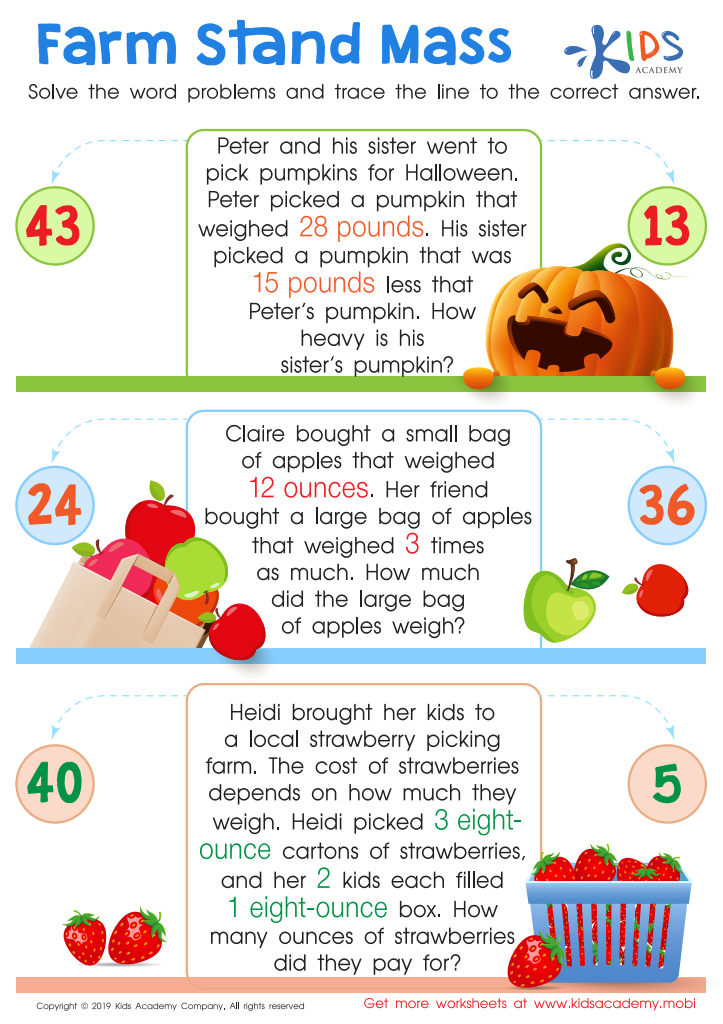
Farm Stand Mass Worksheet
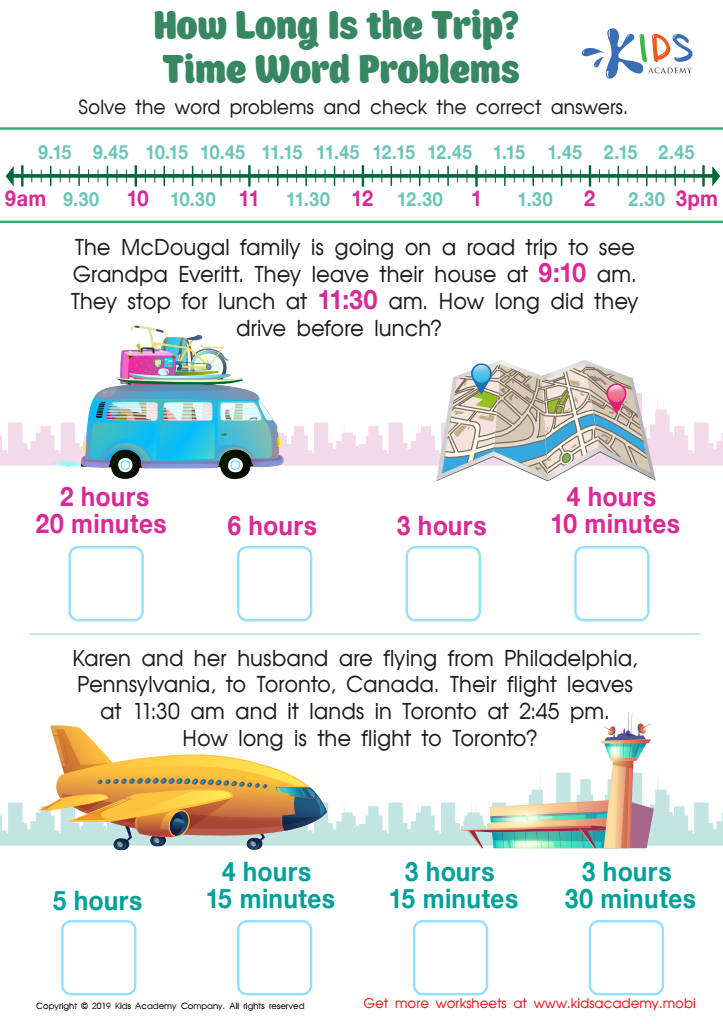
How long is the Trip? Time Word Problems Worksheet
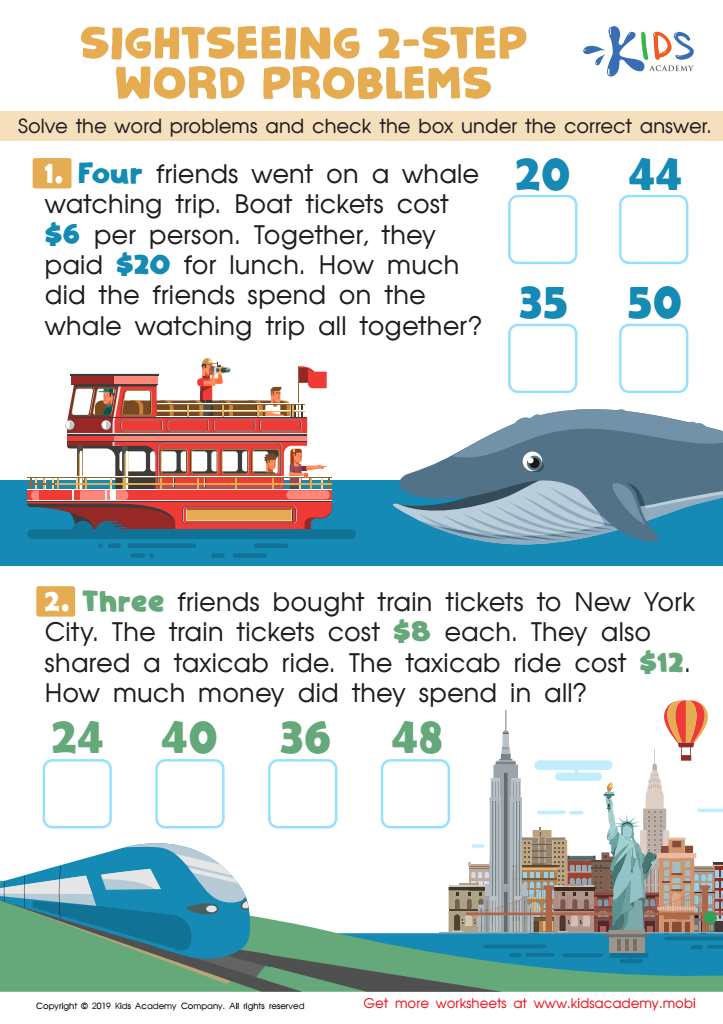
Sightseeing 2-Step Word Problems Worksheet
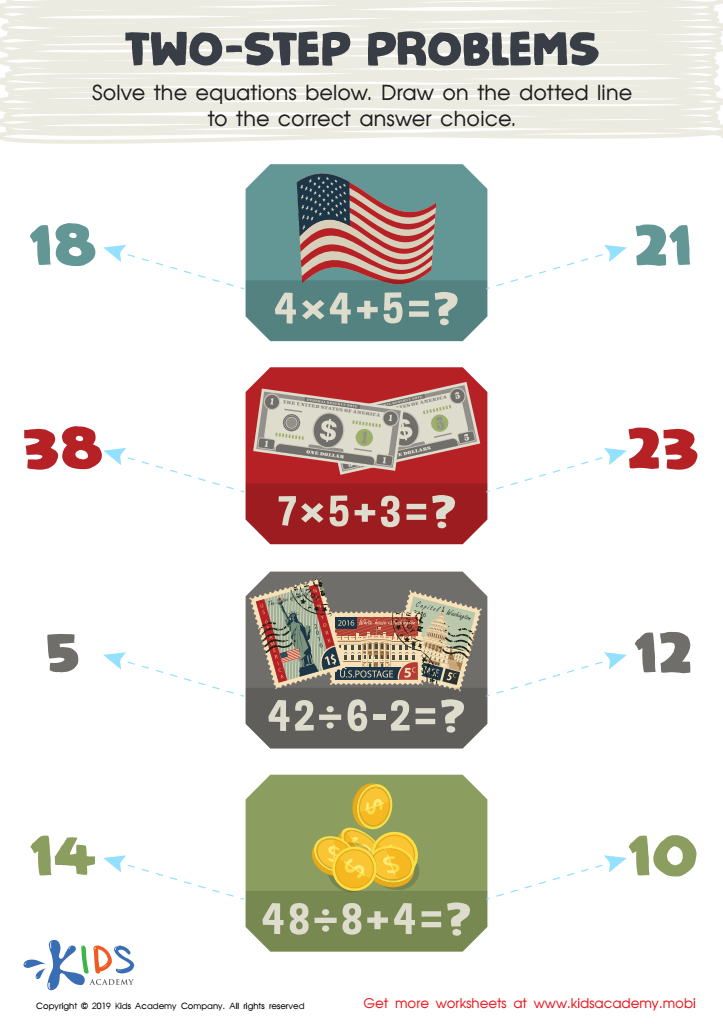
Two-Step Problems Worksheet

Visiting a Volcano Word Problems Worksheet
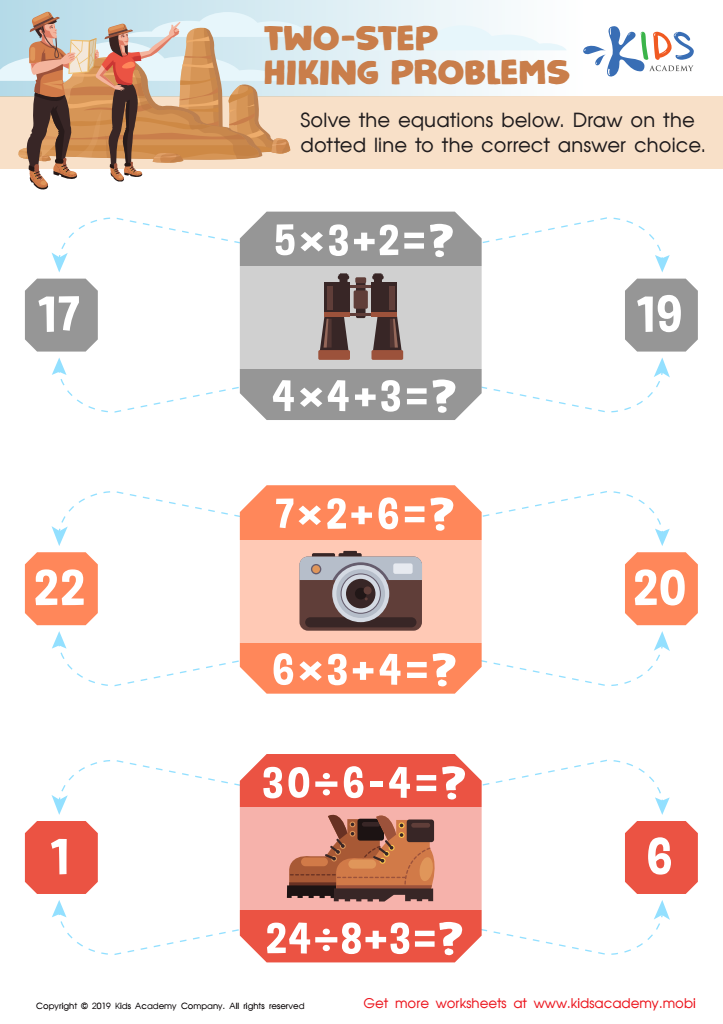
Two-Step Hiking Problems Worksheet
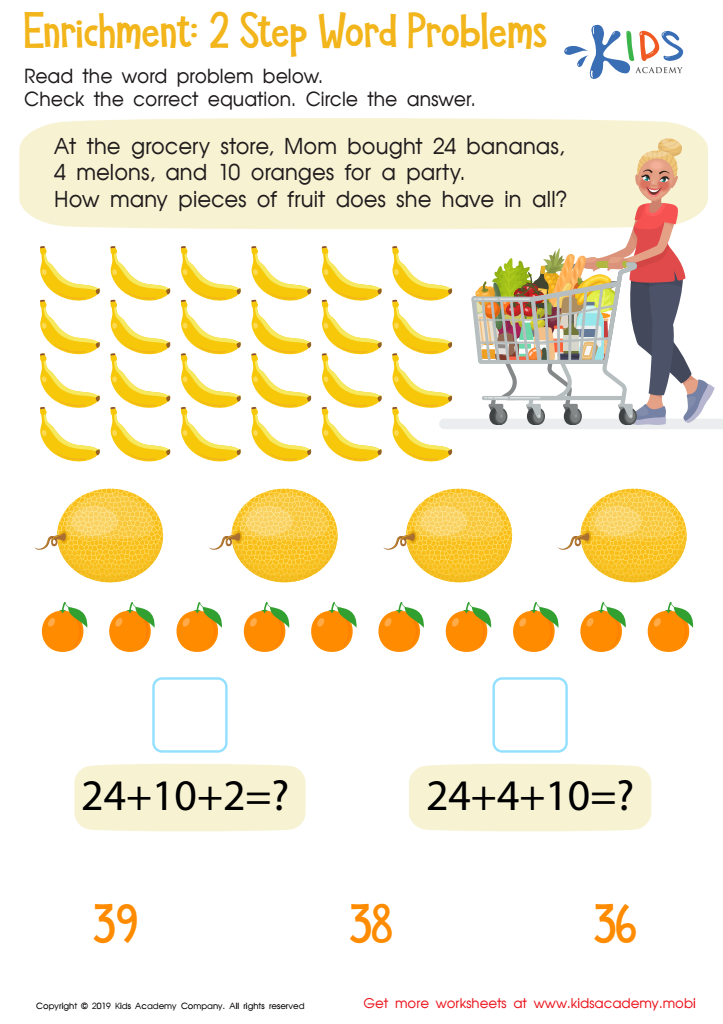
Enrichment -2 Step Word Problems Worksheet
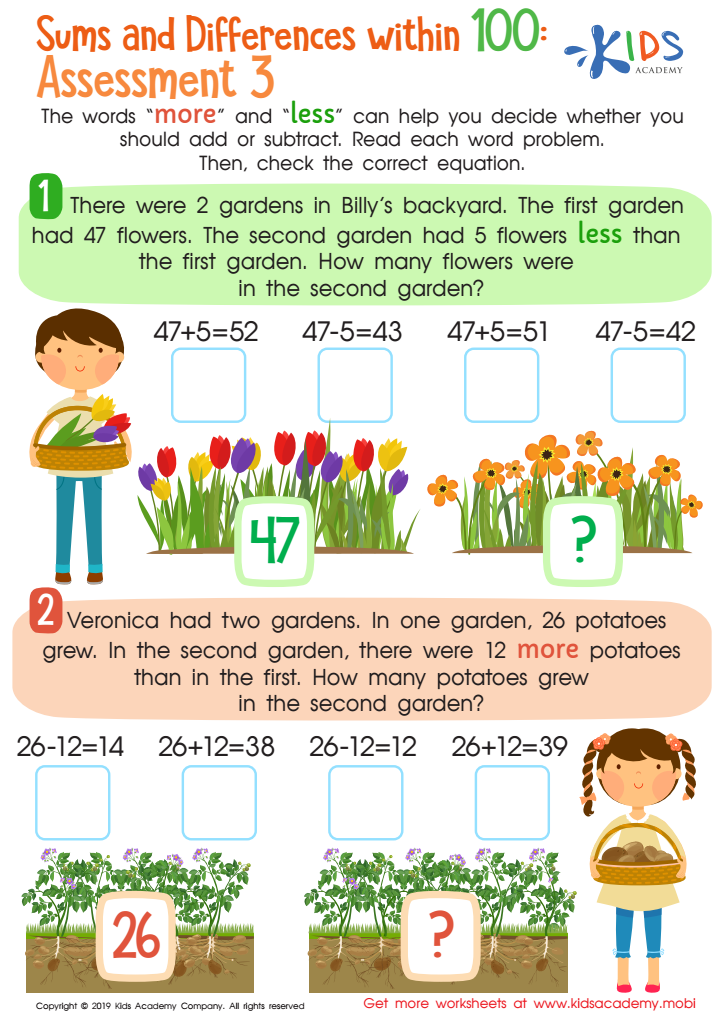
Sums and Differences Within 1 - Assessment 3 Worksheet








Parents and teachers should care deeply about teaching addition and subtraction to children aged 7-9 for several vital reasons. At this age, children are in a crucial developmental stage where they form the foundational math concepts that will be critical for their future learning and daily life. Mastery of basic arithmetic lays the groundwork for more complex mathematical operations, such as multiplication, division, and problem-solving skills, that they will encounter in later grades.
Moreover, addition and subtraction help improve a child's cognitive abilities including memory, analytical thinking, and logical reasoning. These skills are not only essential in academic settings but also in making informed decisions in everyday life. For example, calculating the total cost of items or figuring out change requires a solid understanding of these basic operations.
Engagement with early math fosters a positive attitude, equipping children with confidence in their abilities. This prevents math anxiety, helps them approach new challenges with enthusiasm, and encourages persistence. Exposure to arithmetic at this stage also allows children to relate math to real-world scenarios, thus understanding its practical application.
Hence, prioritizing the teaching of addition and subtraction around ages 7-9 builds a sturdy bridge to lifelong numeracy and academic success, underscoring its importance in early childhood education.








