Life Science Worksheets for Ages 7-9 - Page 2
35 filtered results
-
From - To
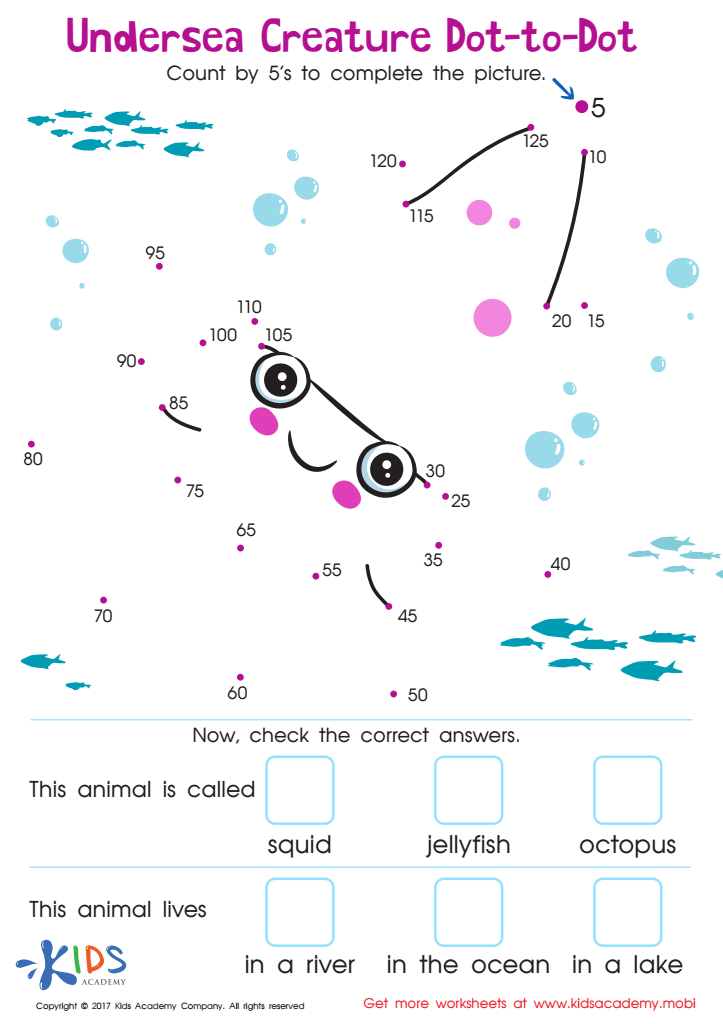
Undersea: Dot To Dot Worksheet
 Assign to My Students
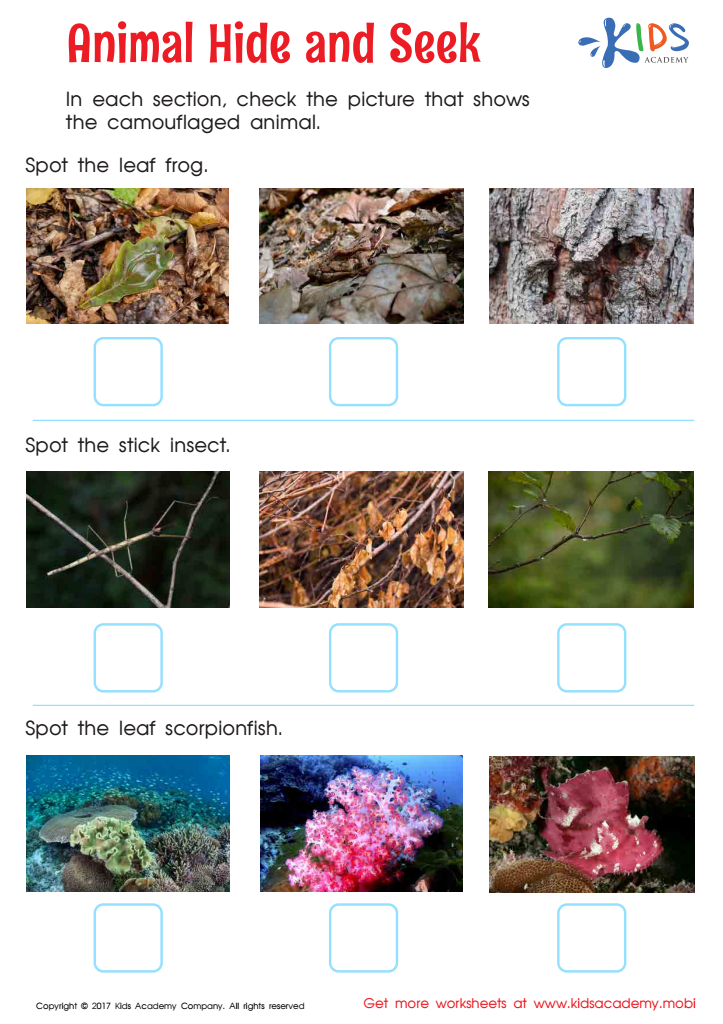
Animal Hide and Seek Worksheet
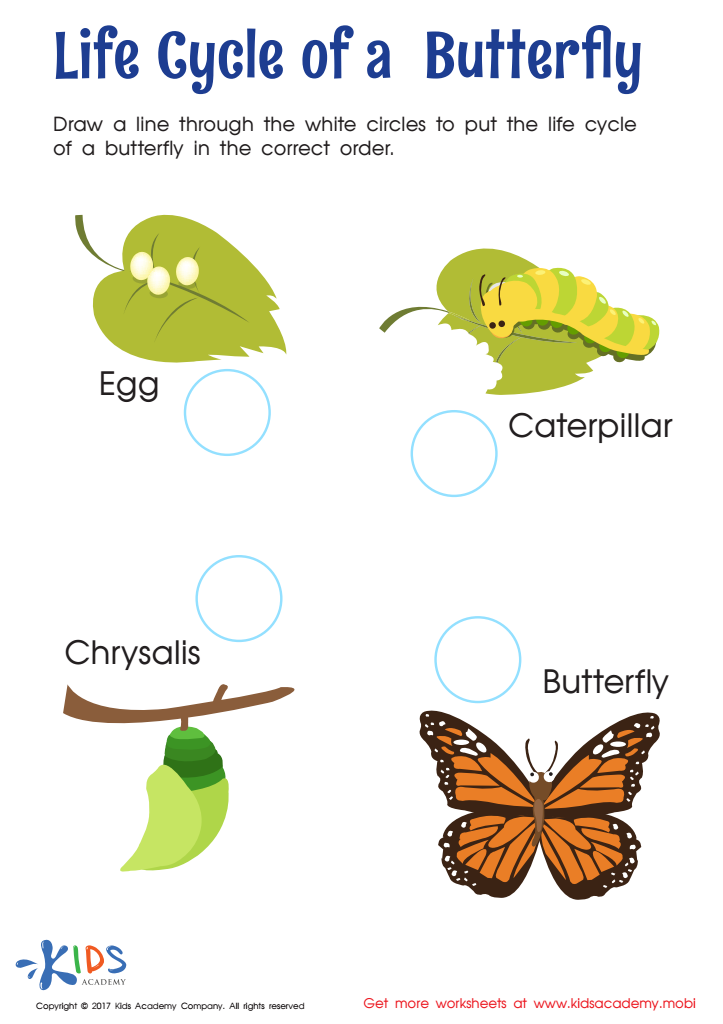
Life Cycle of Butterfly Worksheet
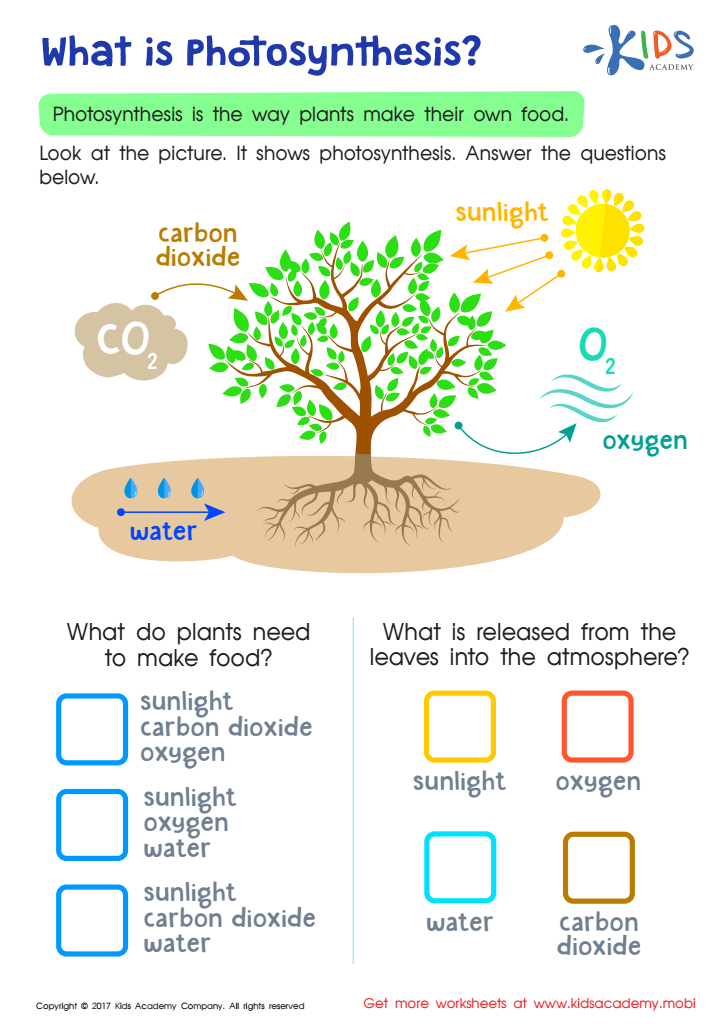
What is Photosynthesis Printable
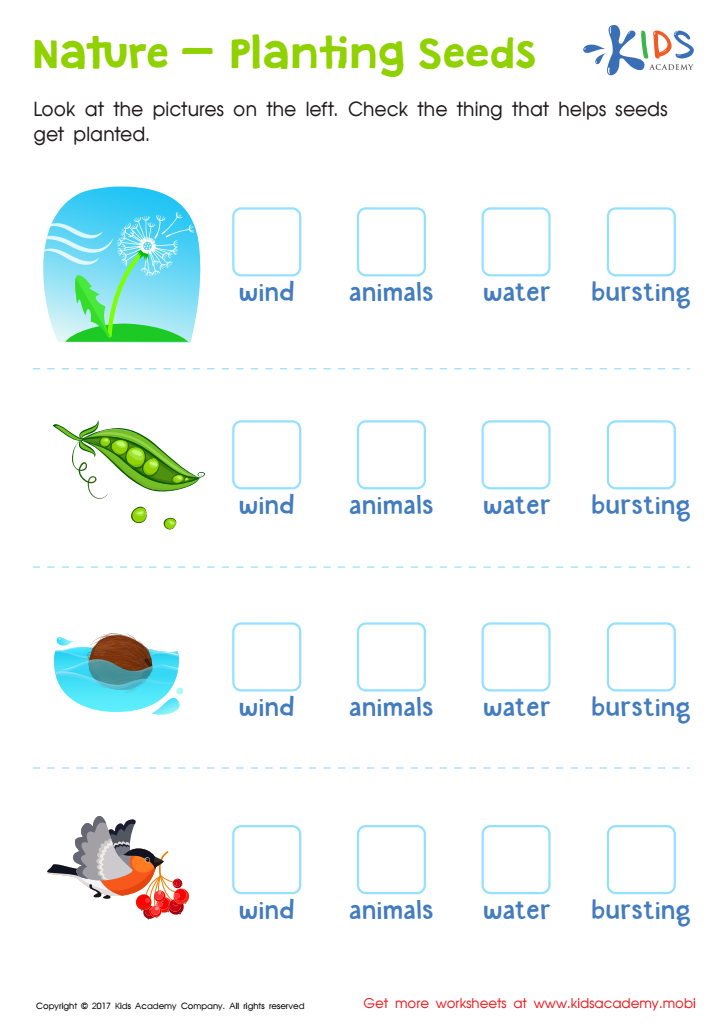
Nature Planting Seeds Worksheet
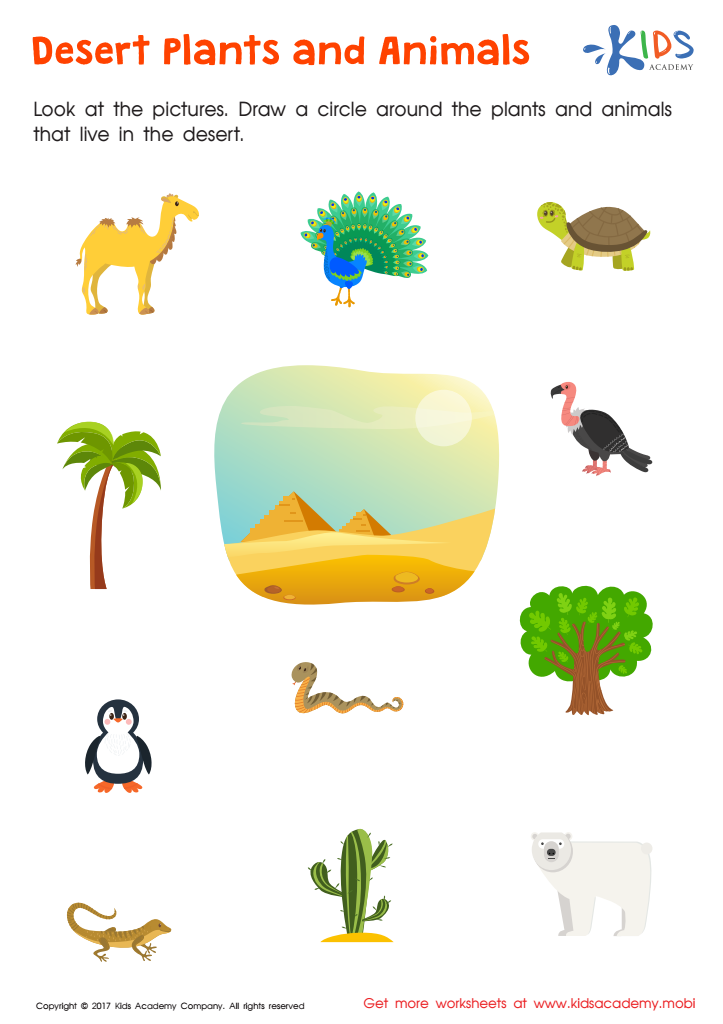
Desert Plants Animals Printable
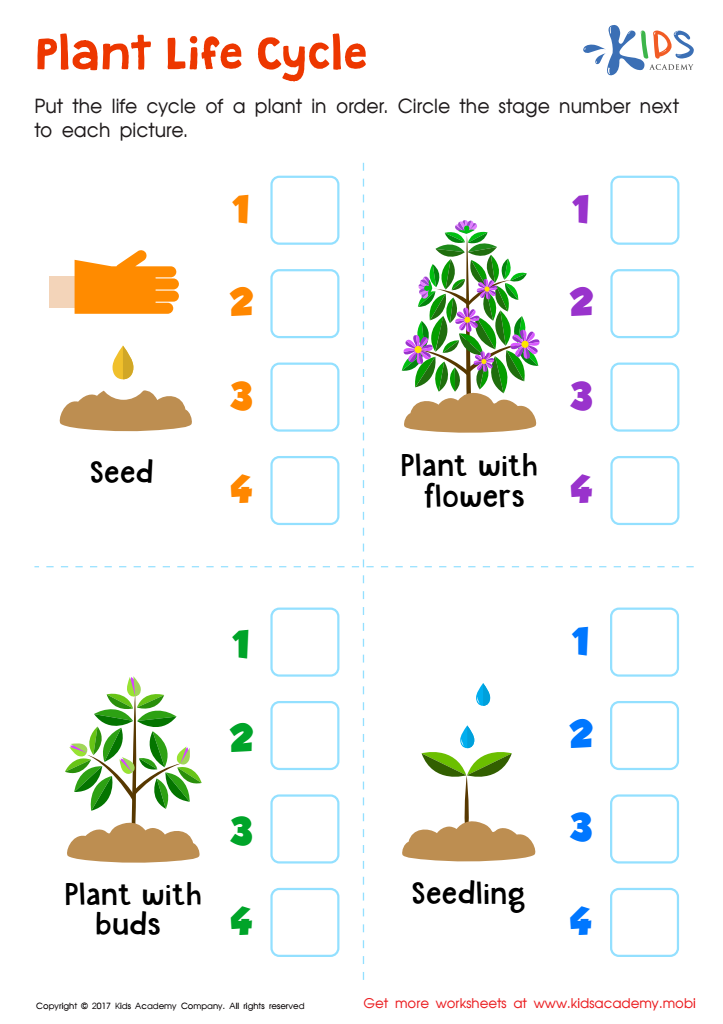
Plant Life Cycle Printable
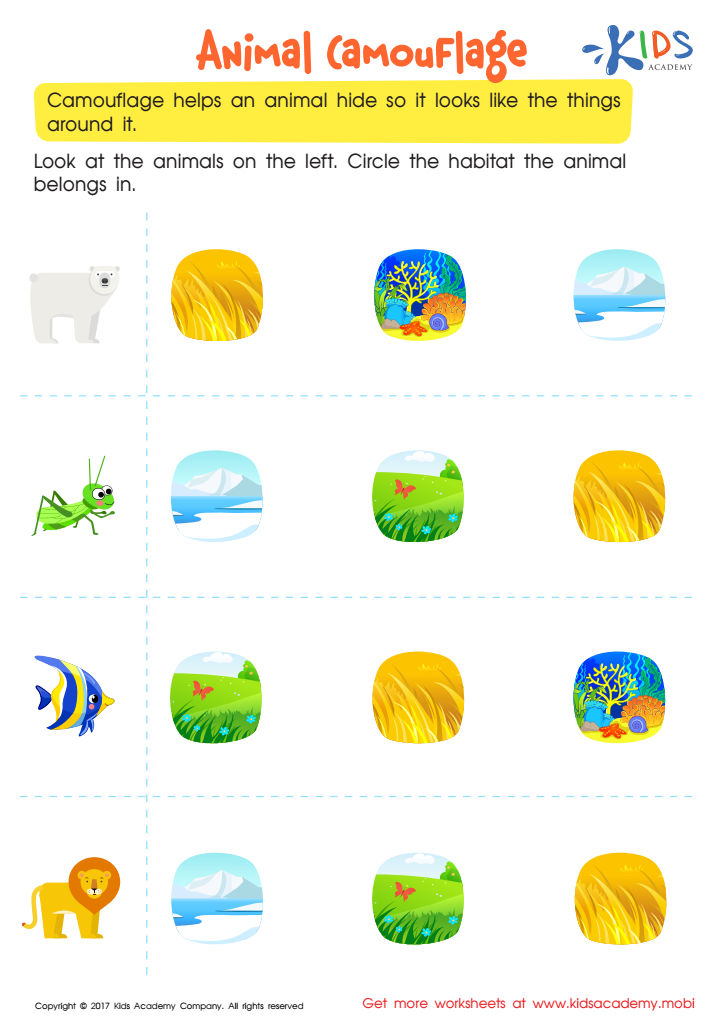
Animal Camouflage Worksheet
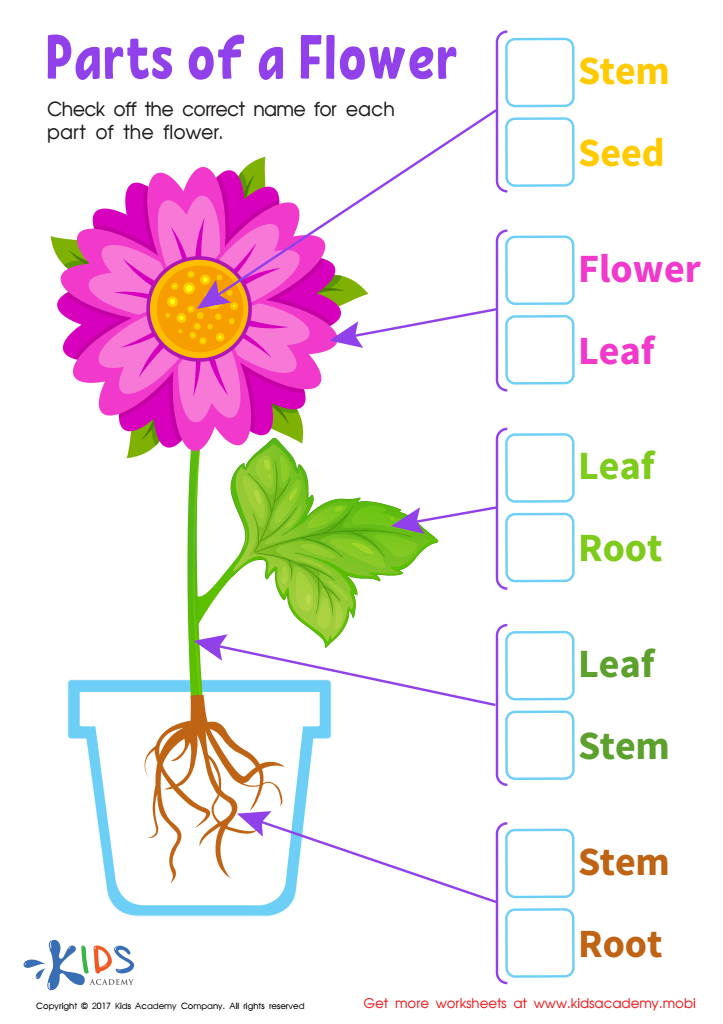
Parts Flower Printable
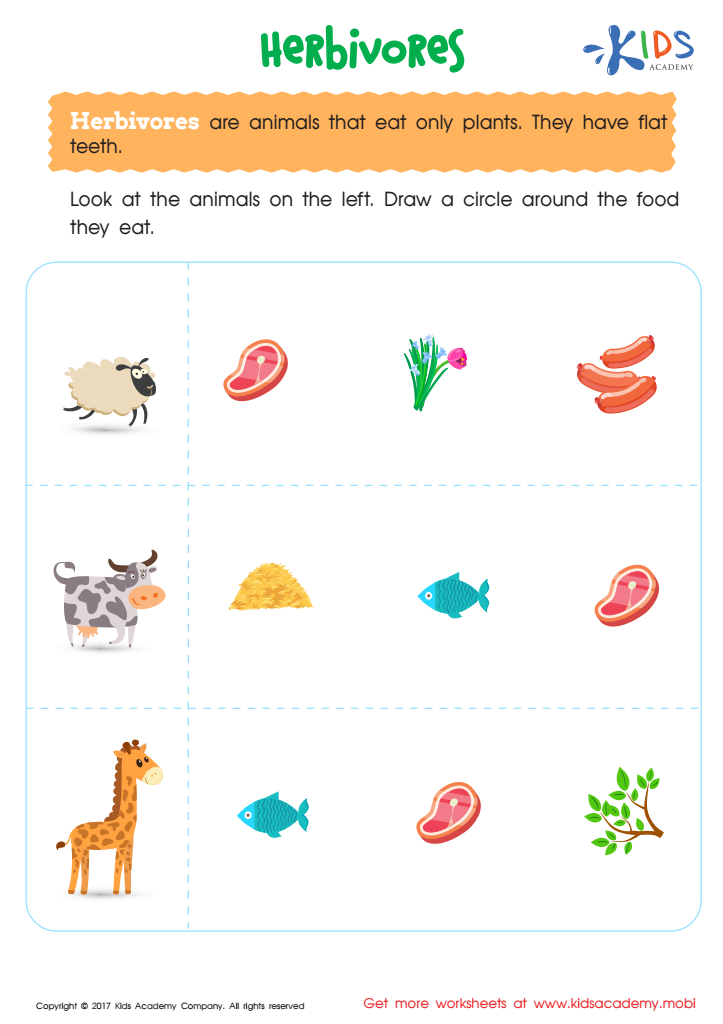
Herbivores Printable
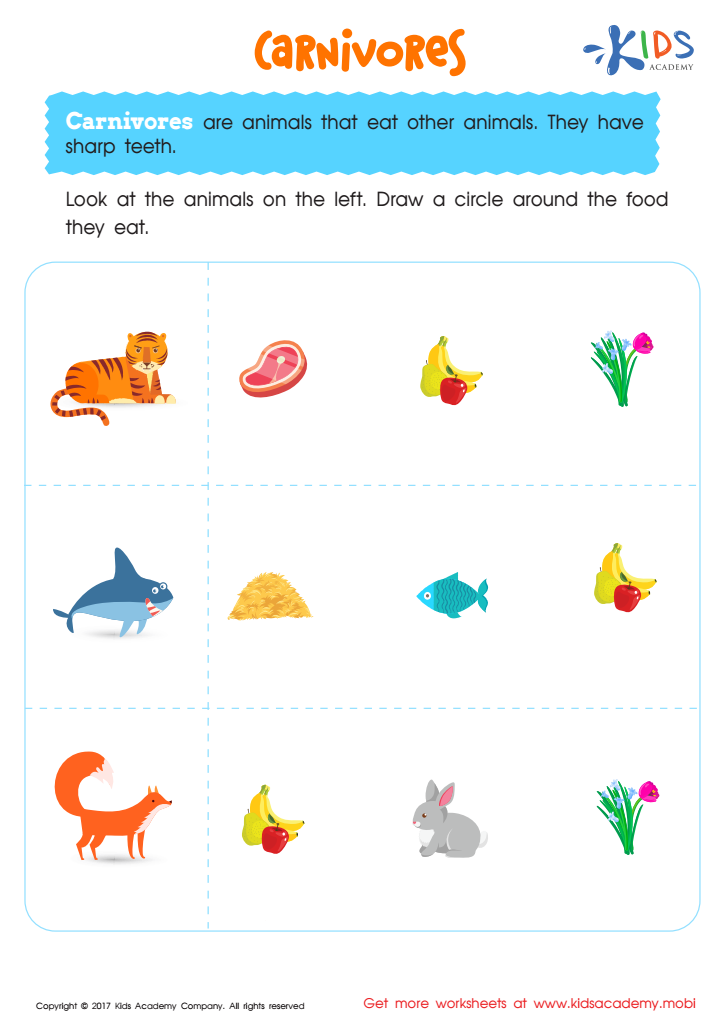
Carnivores Worksheet



%20(1).jpg)




Life Science is crucial for children aged 7-9 as it lays the foundation for their understanding of the natural world, fostering curiosity and a sense of wonder. At this age, children are naturally inquisitive and eager to explore their environment. Life Science helps them make sense of complex concepts such as ecosystems, organisms, and the interdependence of life forms.
Understanding life science encourages critical thinking and observation skills. Through hands-on experiments and outdoor explorations, children learn to ask questions, hypothesize, and draw conclusions, essential skills for lifelong learning. Additionally, knowledge of life sciences is vital for developing responsible citizens who appreciate biodiversity and understand the impact of human activities on the planet.
Furthermore, given the global challenges such as climate change and health crises, instilling early awareness of life sciences can inspire future generations to engage in science-related fields. It also equips children with the tools to make informed decisions about their health, nutrition, and the environment. By engaging with Life Science, parents and teachers play an integral role in nurturing the next generation of curious, informed, and environmentally-conscious individuals. Ultimately, such foundational knowledge prepares children for more advanced sciences in later years, envisioning a brighter future.








