Social Studies Worksheets for Ages 7-9 - Page 8
228 filtered results
-
From - To
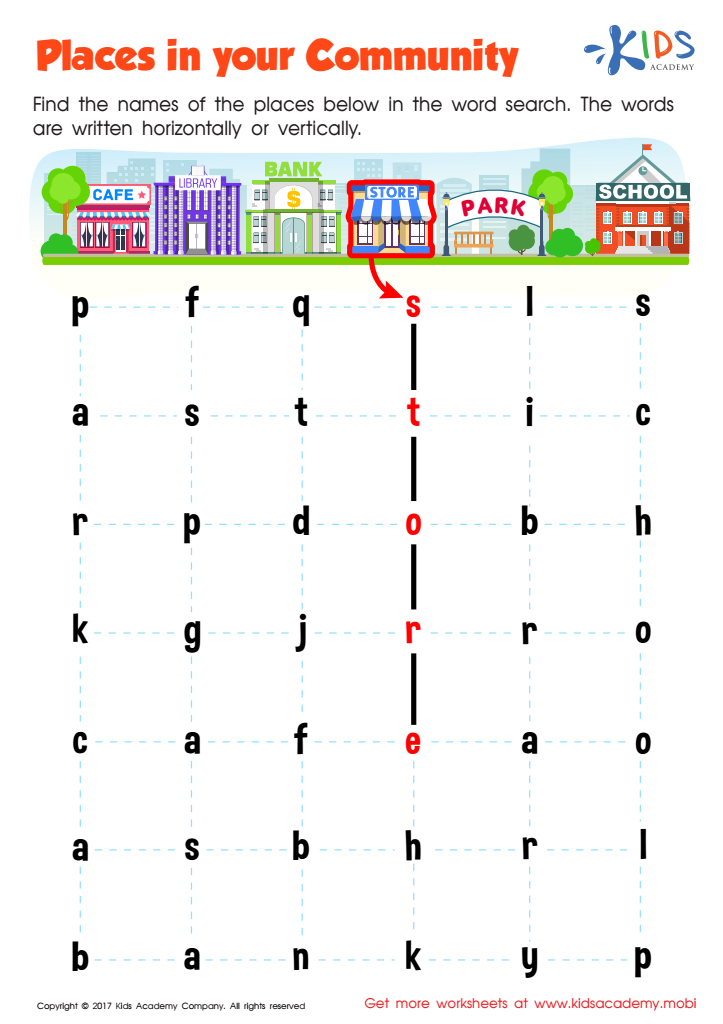
Places in Your Community Worksheet
 Assign to My Students
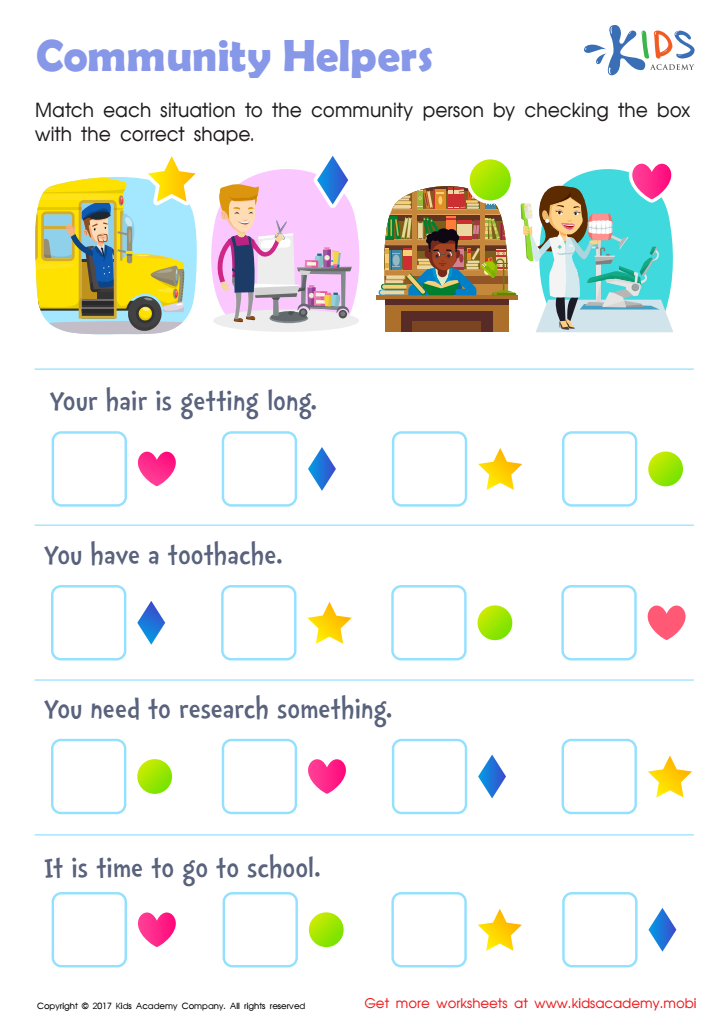
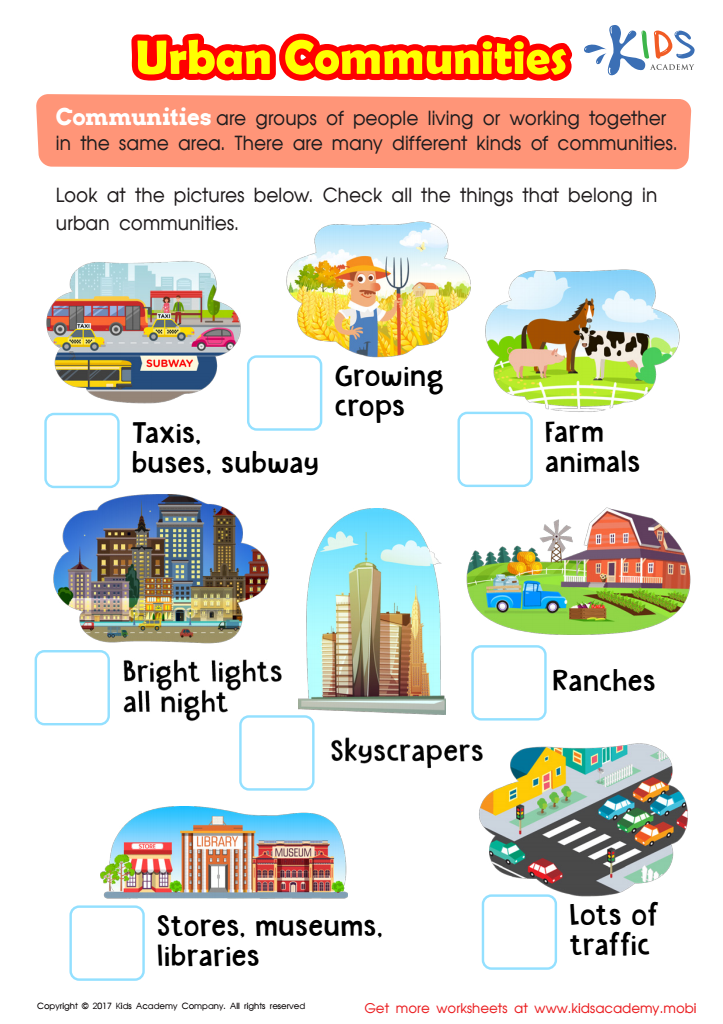
Urban Communities Printable
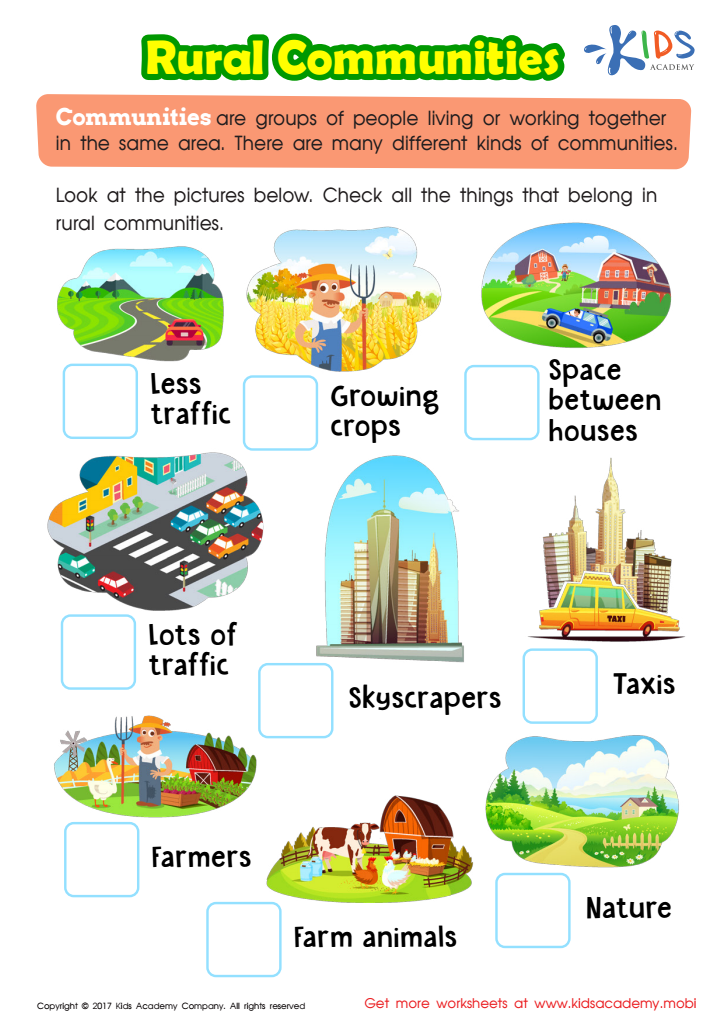
Rural Communities Printable
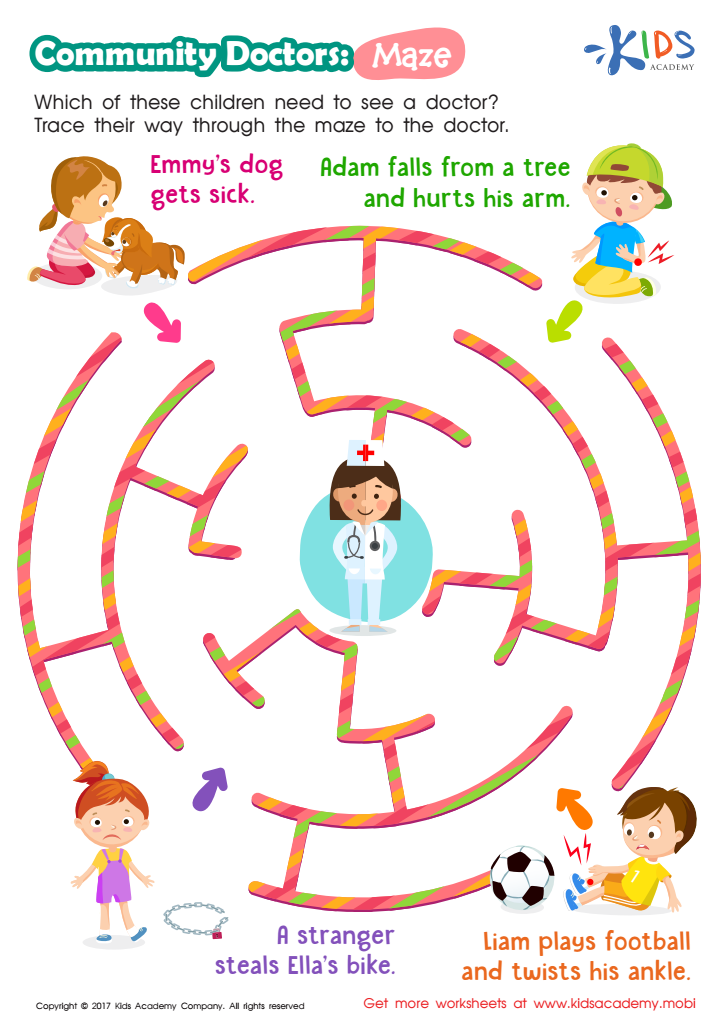
Community Doctors: Maze Printable
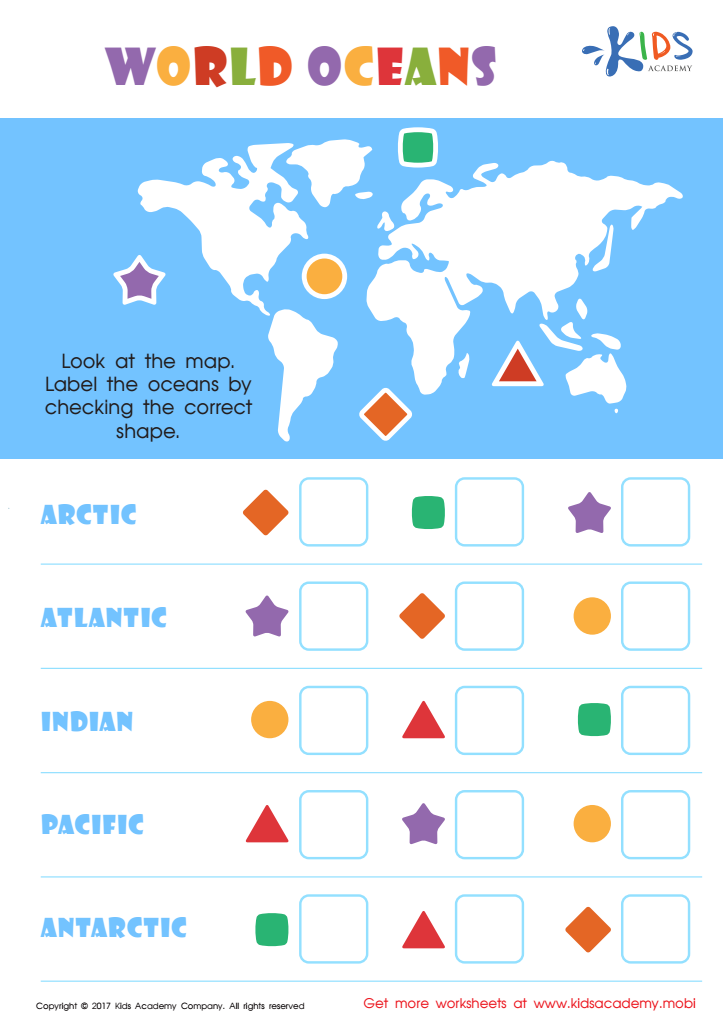
World Oceans Printable
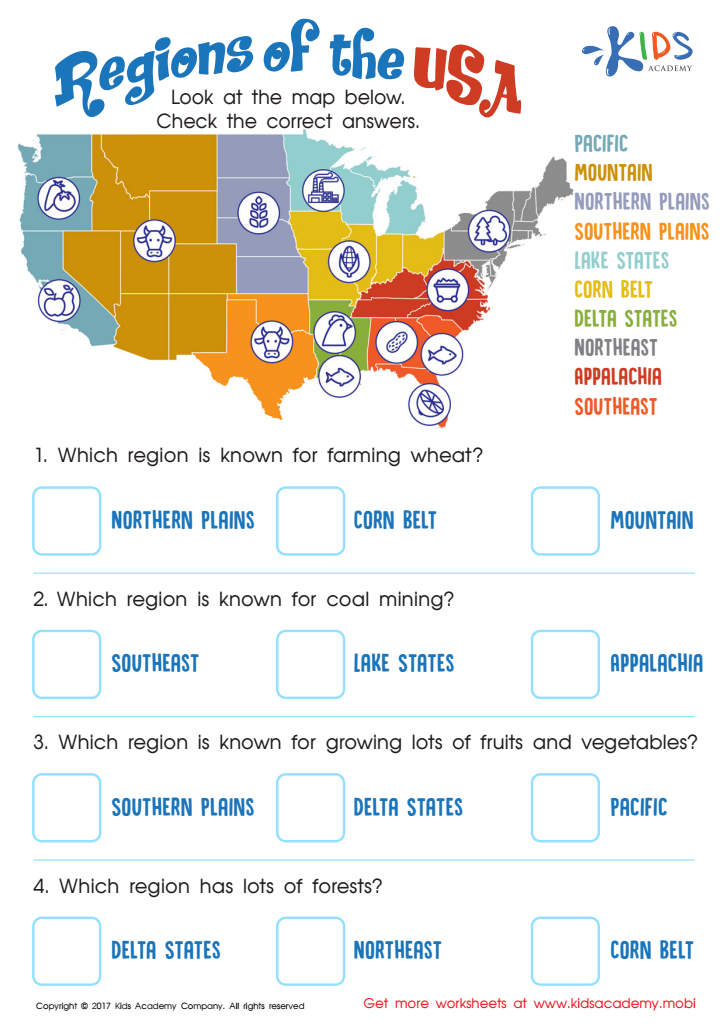
Regions of the USA Worksheet
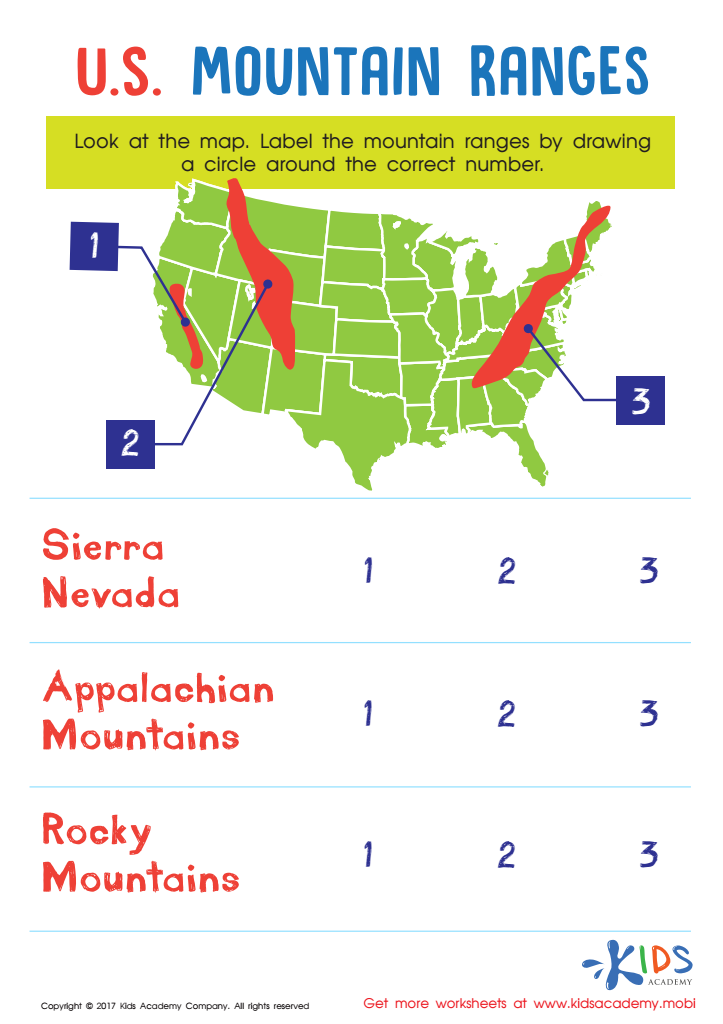
US Mountain Ranges Worksheet
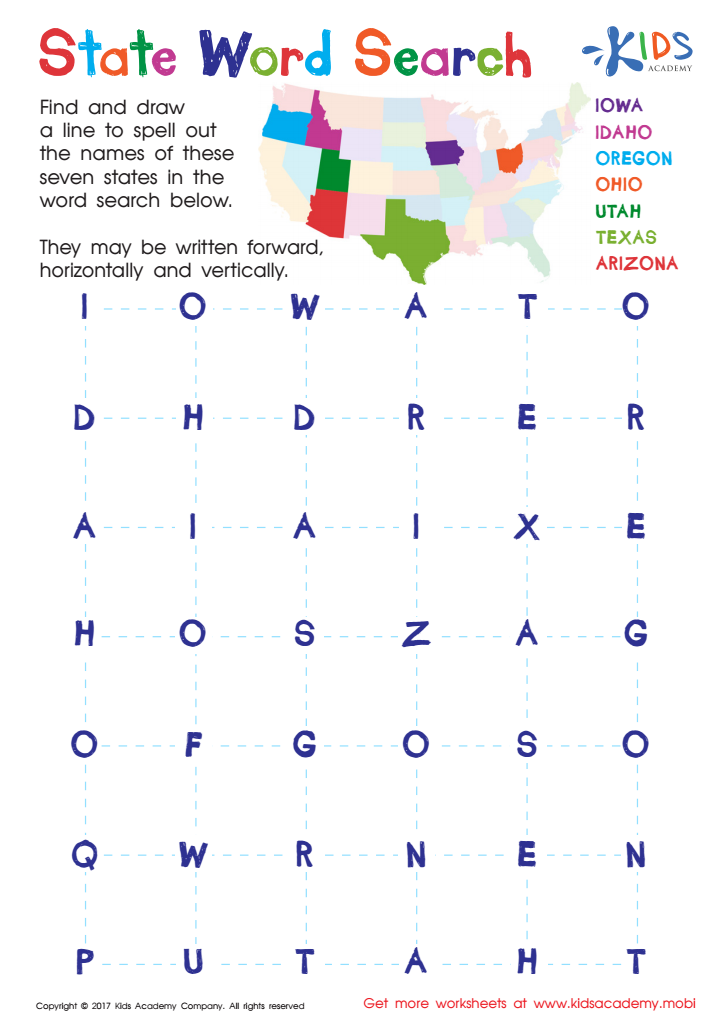
State Word Search Worksheet
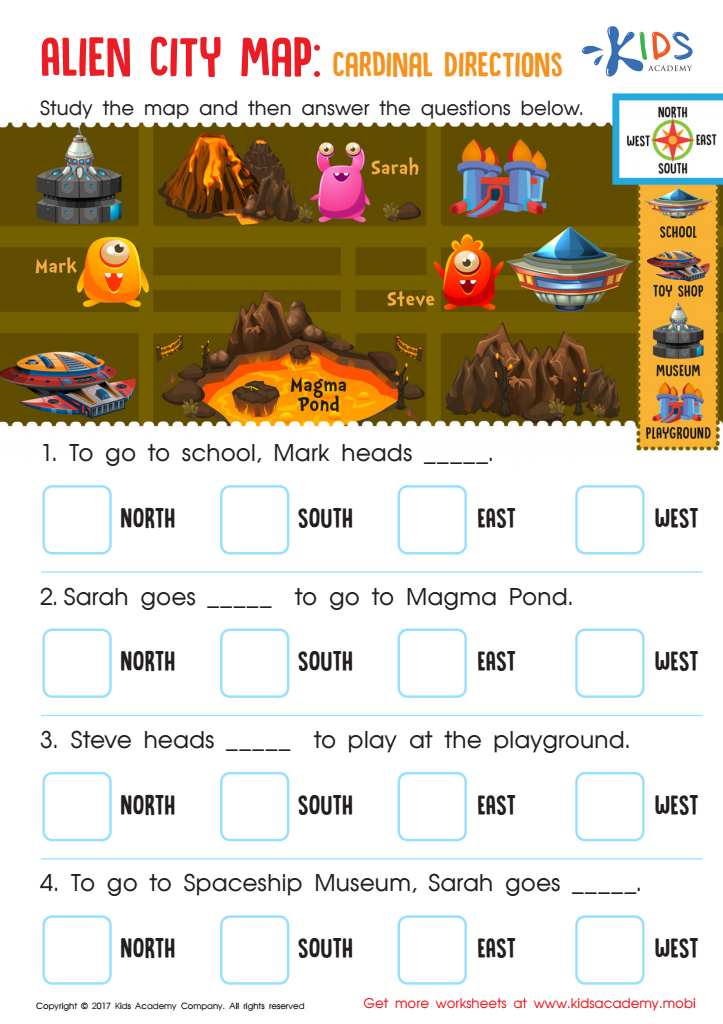
Alien City Map: Cardinal Directions Worksheet
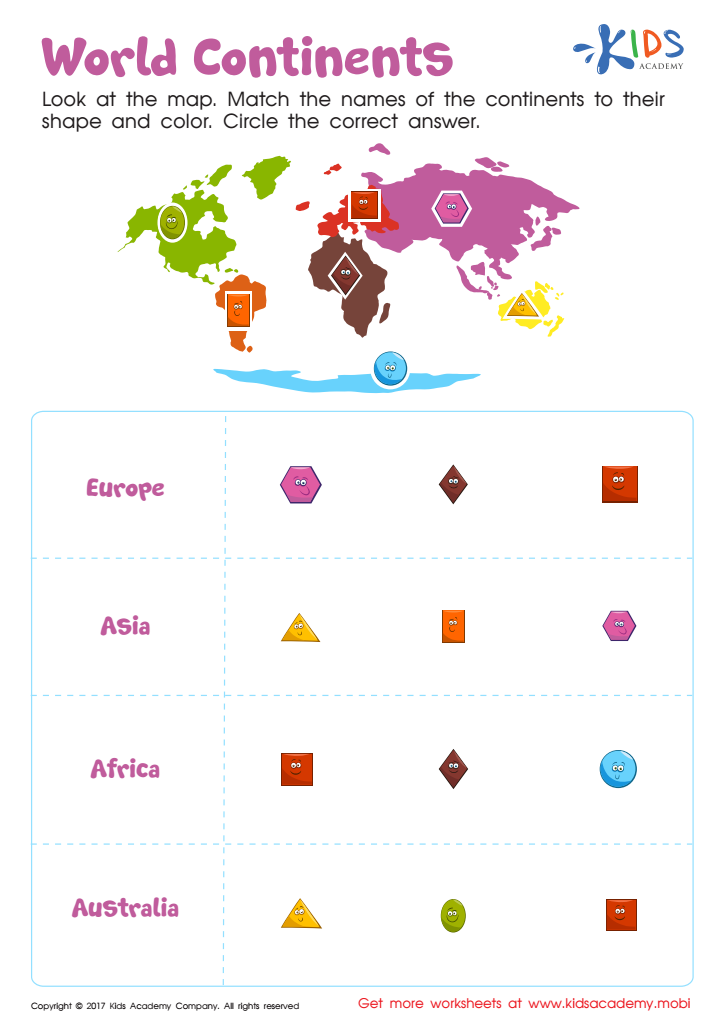
World Continents Worksheet
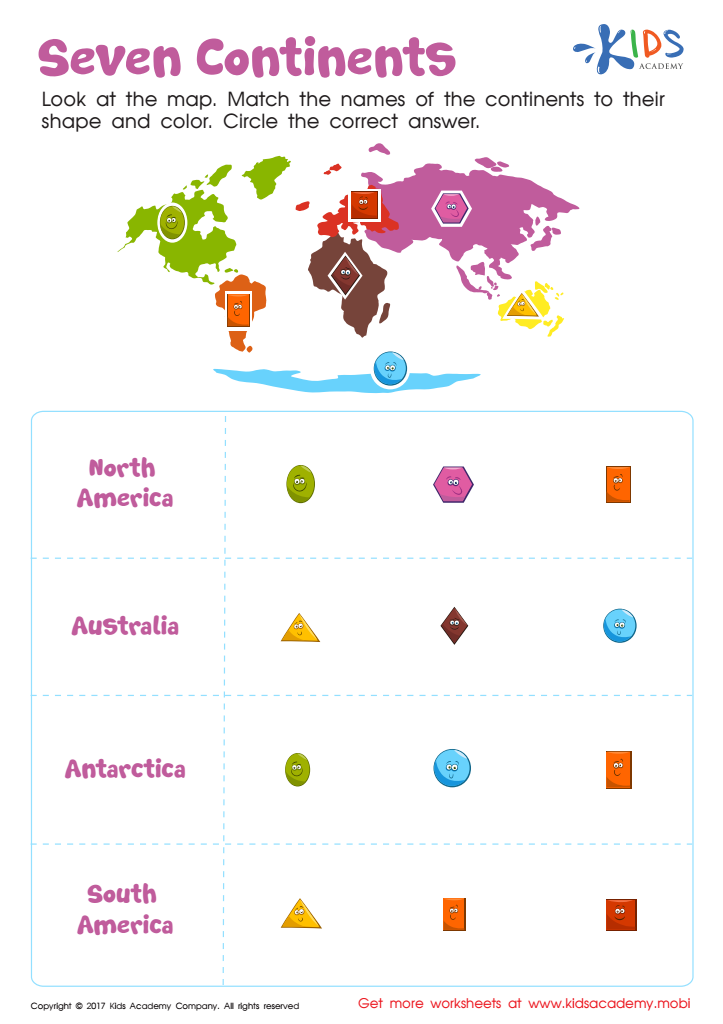
Seven Continents Worksheet

Landforms: Pirate Maze Printable

The Eiffel Tower Printable
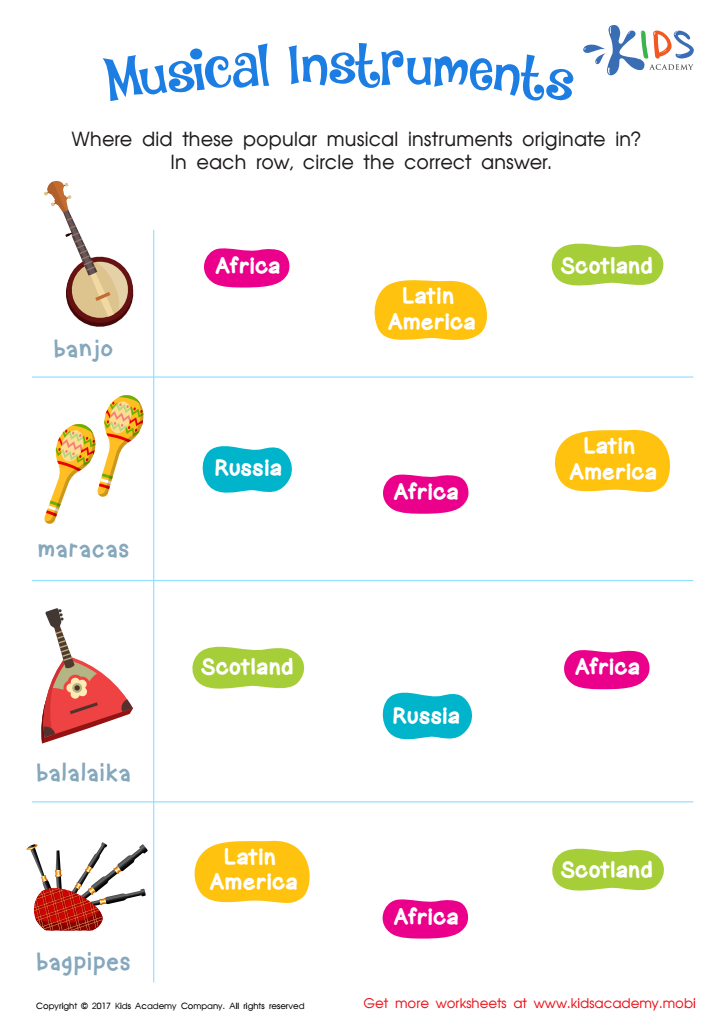
Musical Instruments Printable
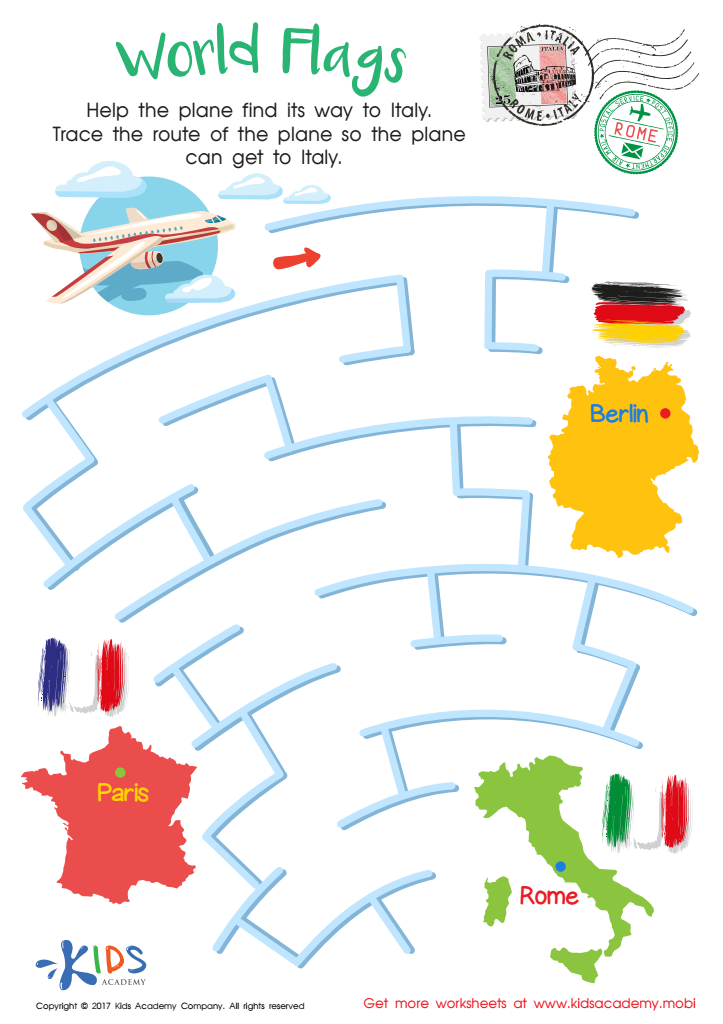
World Flags Maze Worksheet

Greek Mythology Worksheet
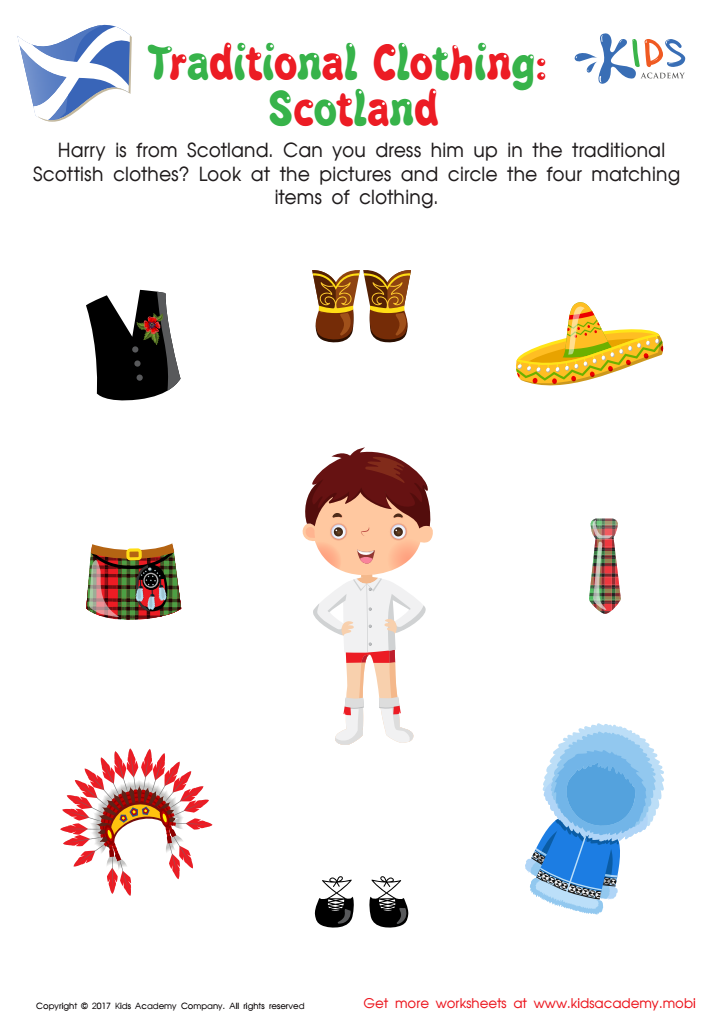
Traditional Clothing in Scotland Worksheet

Happy Diwali Printable

Chinese Zodiac Printable
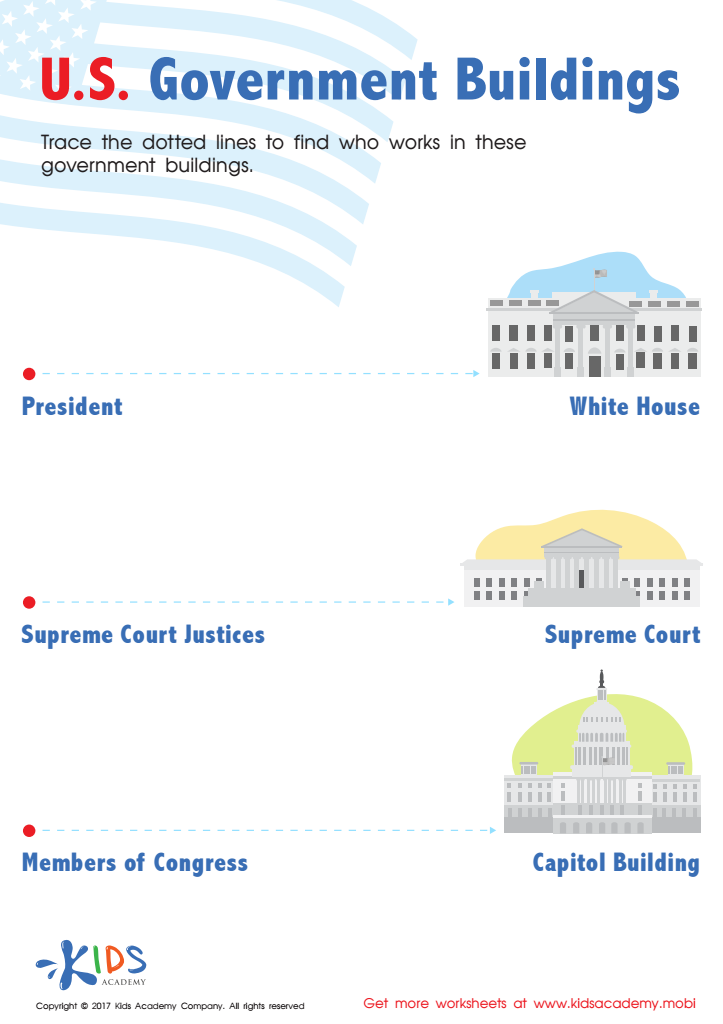
US Government Buildings Printable
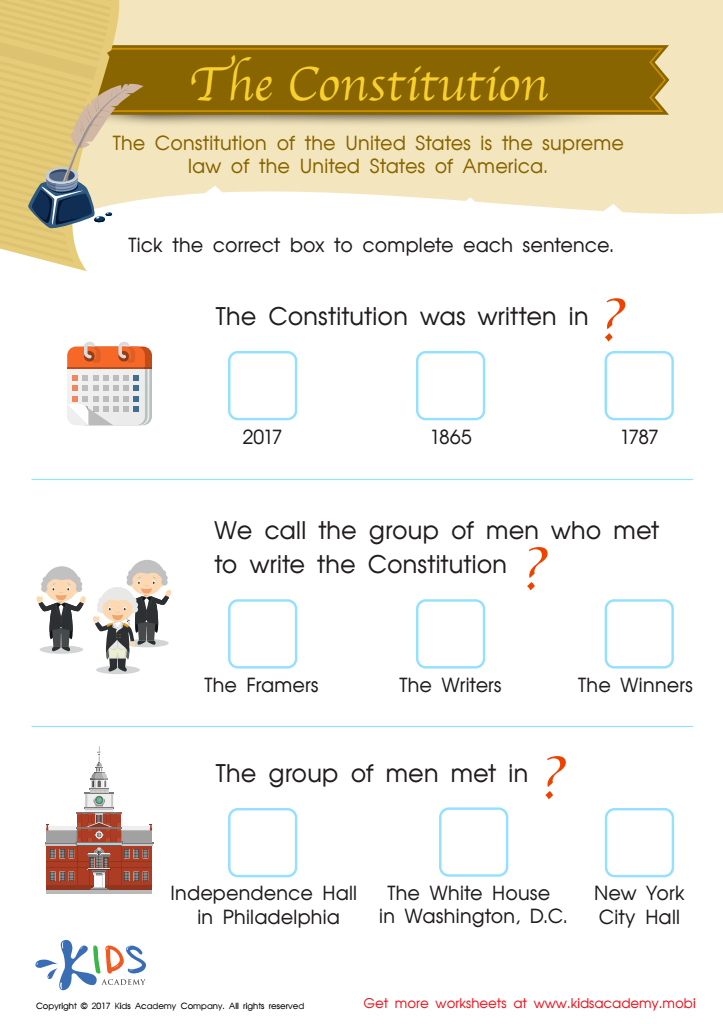
The Constitution Worksheet
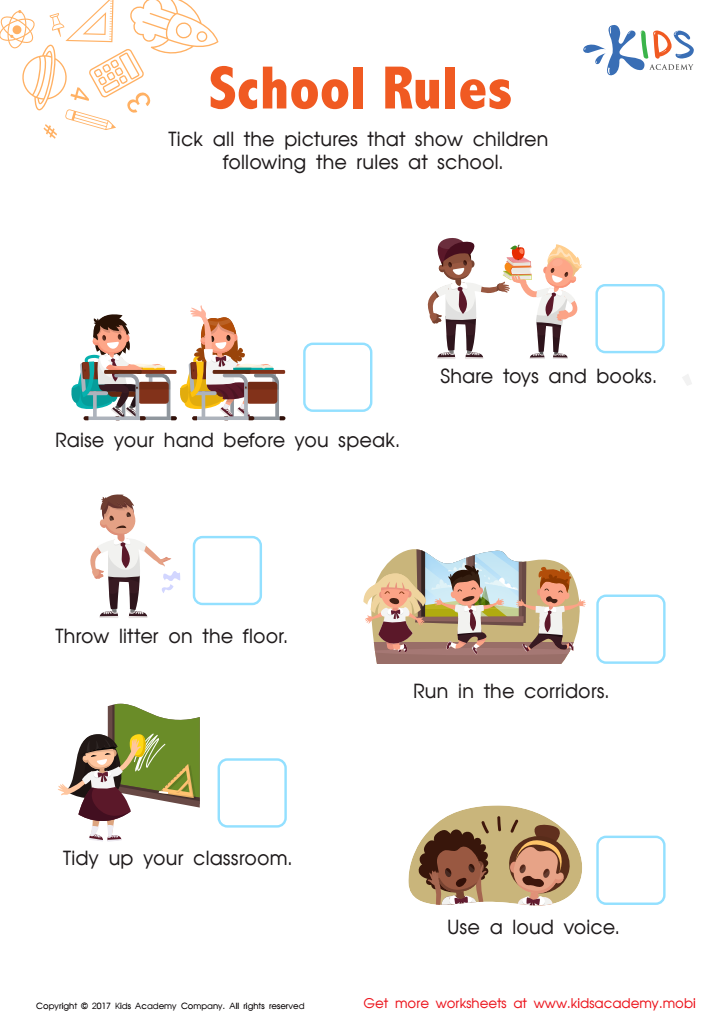
School Rules Worksheet

Election Day Worksheet


.jpg)




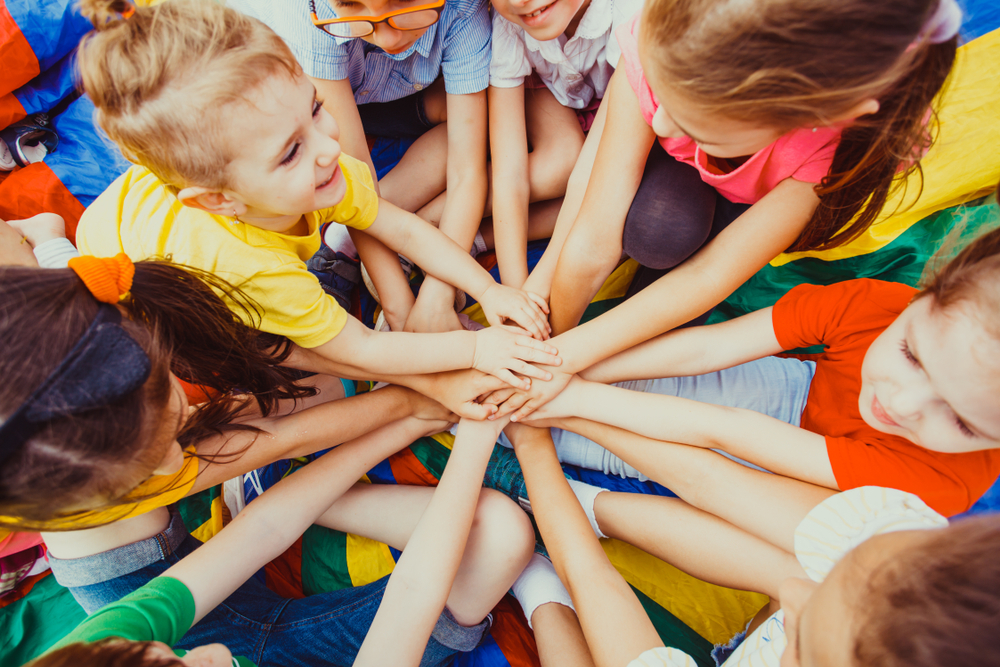
Social Studies plays a crucial role in the development of children aged 7-9. At this formative stage, children begin to form their identities and understand the world around them. Engaging with Social Studies helps them grasp essential concepts of community, culture, history, and geography. It fosters critical thinking skills, as students learn to examine different perspectives and understand various societal structures.
Studying Social Studies can ignite curiosity and encourage active citizenship. Children develop an appreciation for diversity, learning about different cultures and traditions, which promotes empathy and respect for others. Additionally, these early lessons about values, responsibilities, and rights help nurture informed future citizens.
Moreover, incorporating Social Studies into early education supports interdisciplinary learning. It strengthens literacy and numeracy skills through the analysis of maps, graphs, and texts. As students discuss historical events or national symbols, they improve their communication and collaboration abilities while honing their research skills.
For teachers and parents, emphasizing Social Studies equips children with the knowledge and skills necessary to navigate an increasingly complex world. By prioritizing this subject, they pave the way for active participation and engagement among young learners, shaping them into conscious and responsible members of society.