Normal Matching Worksheets for Ages 3-7 - Page 2
42 filtered results
-
From - To
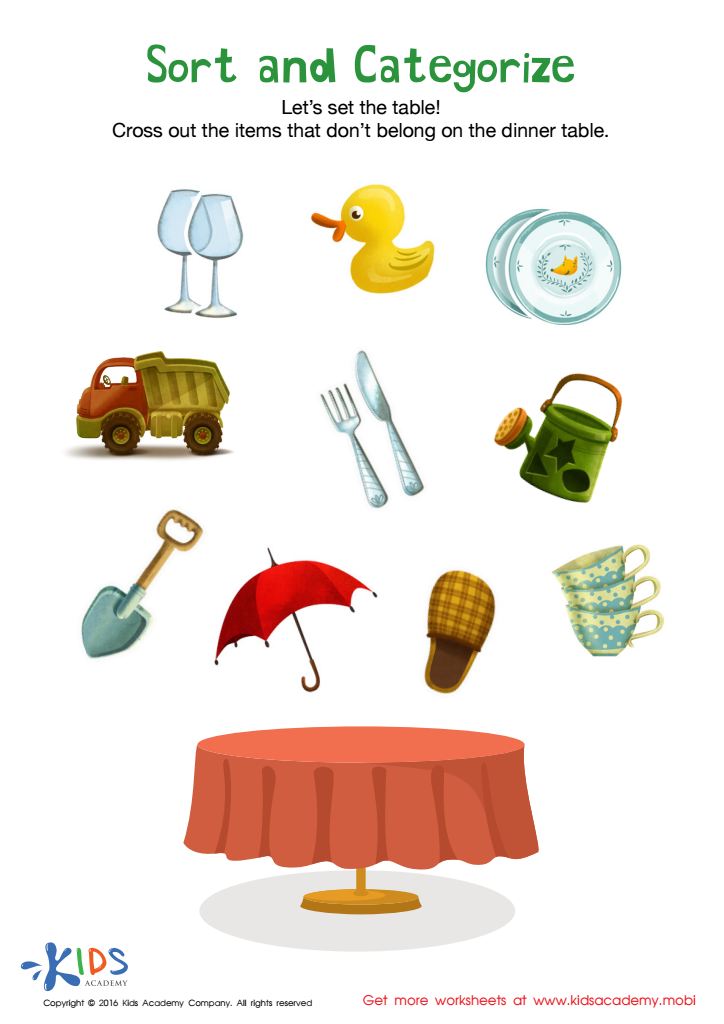
 Assign to My Students
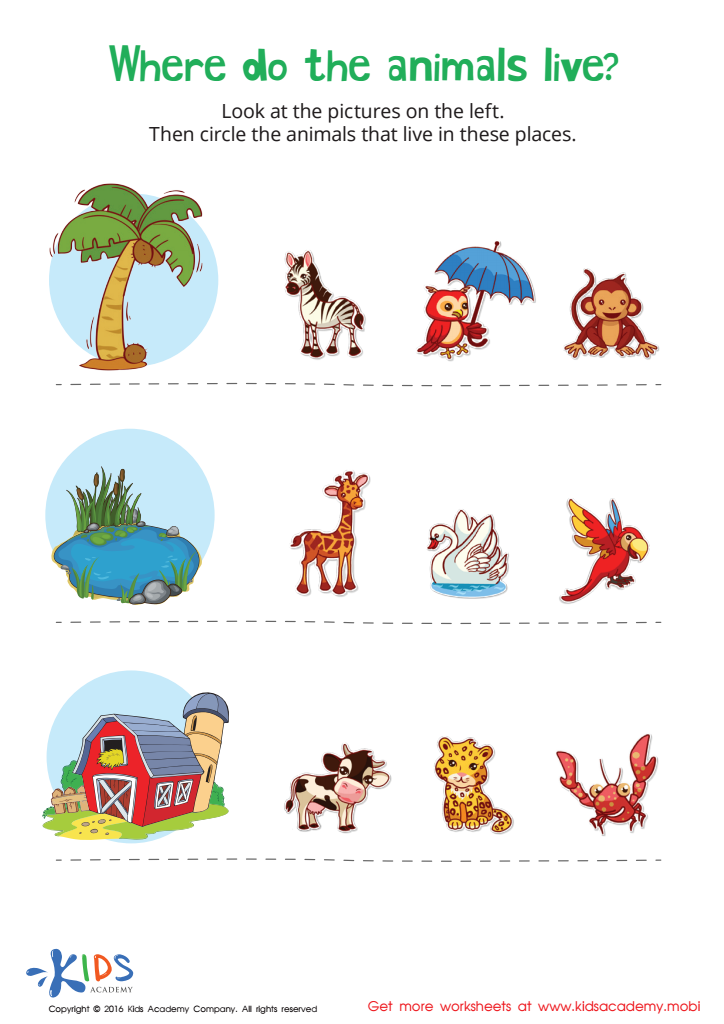
Where Animals Live Worksheet
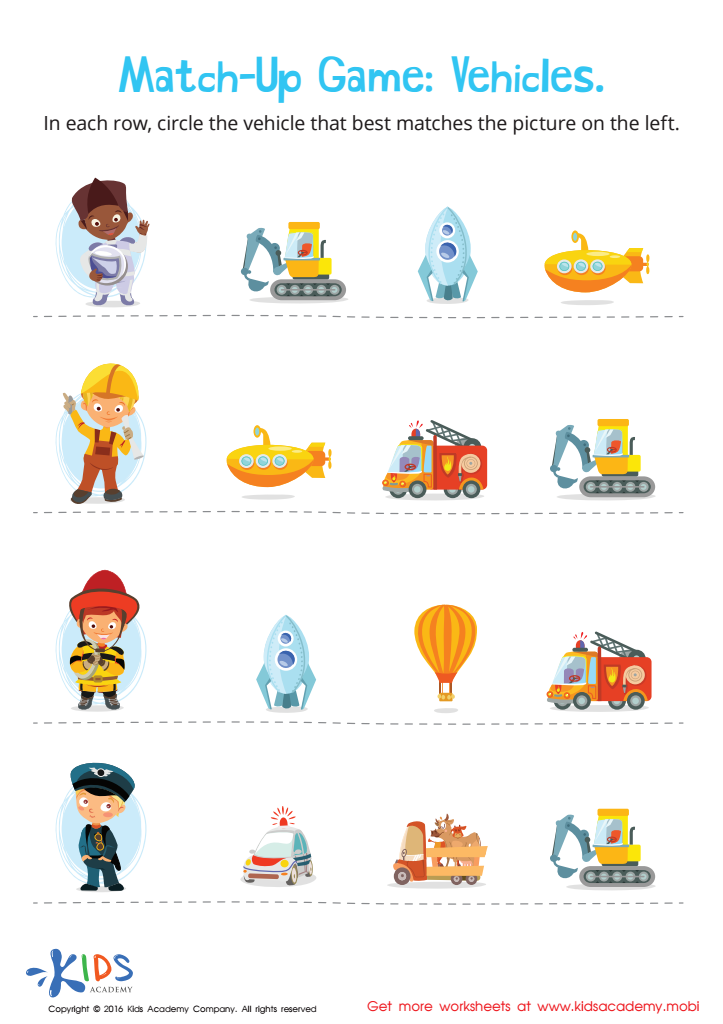
Vehicles Worksheet
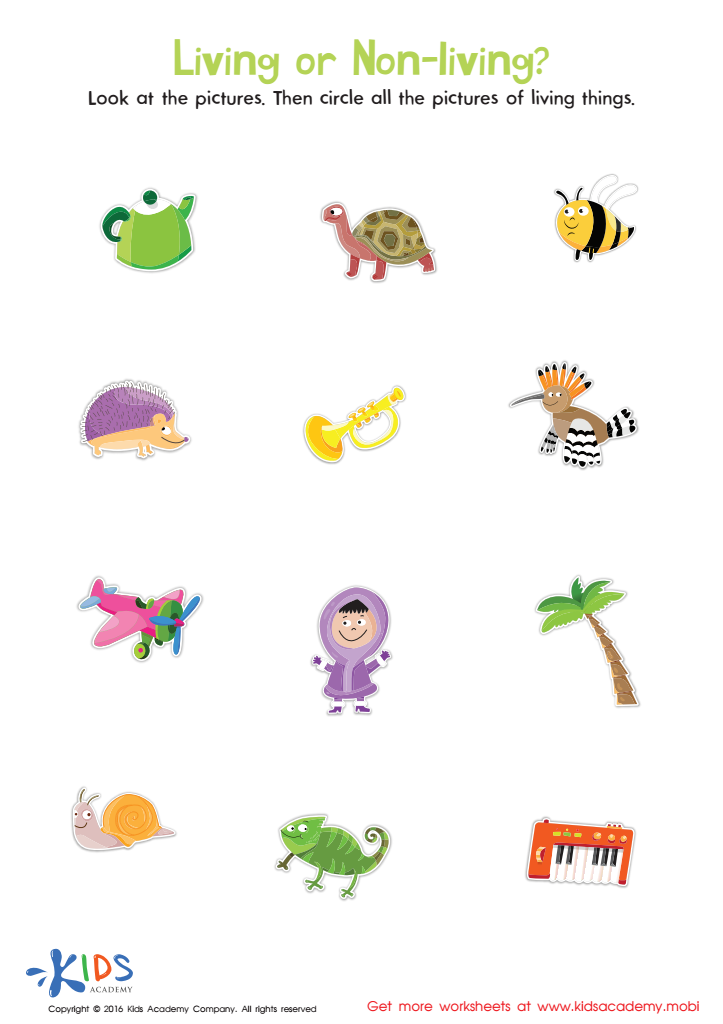
Identifying Living and Non–living Things Sorting Worksheet
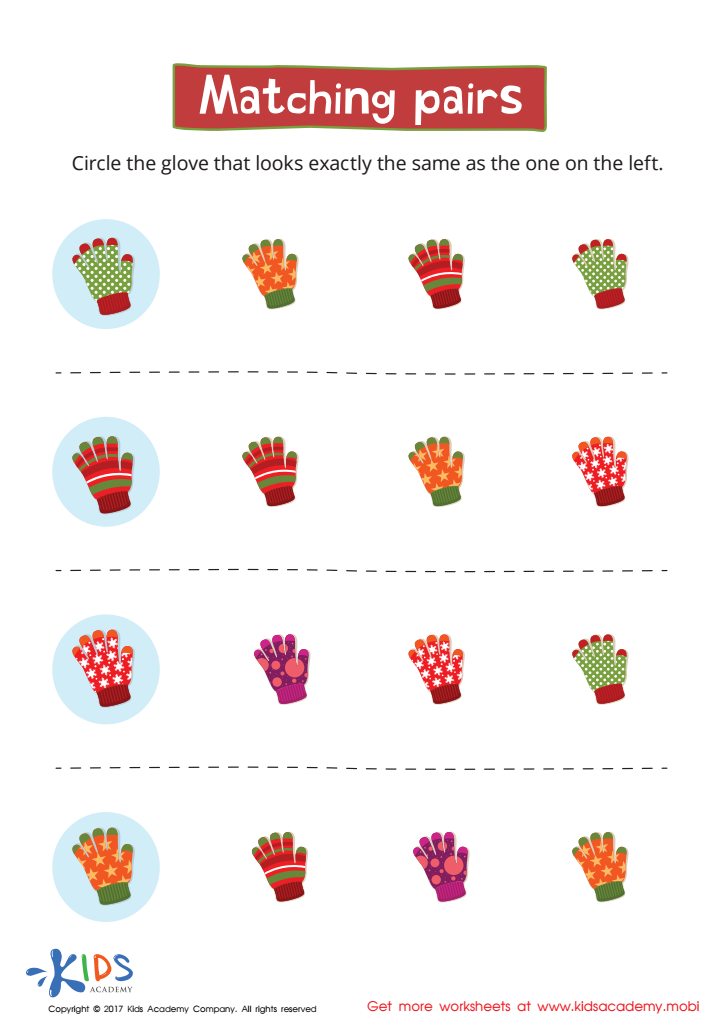
Matching: Matching Pairs Worksheet
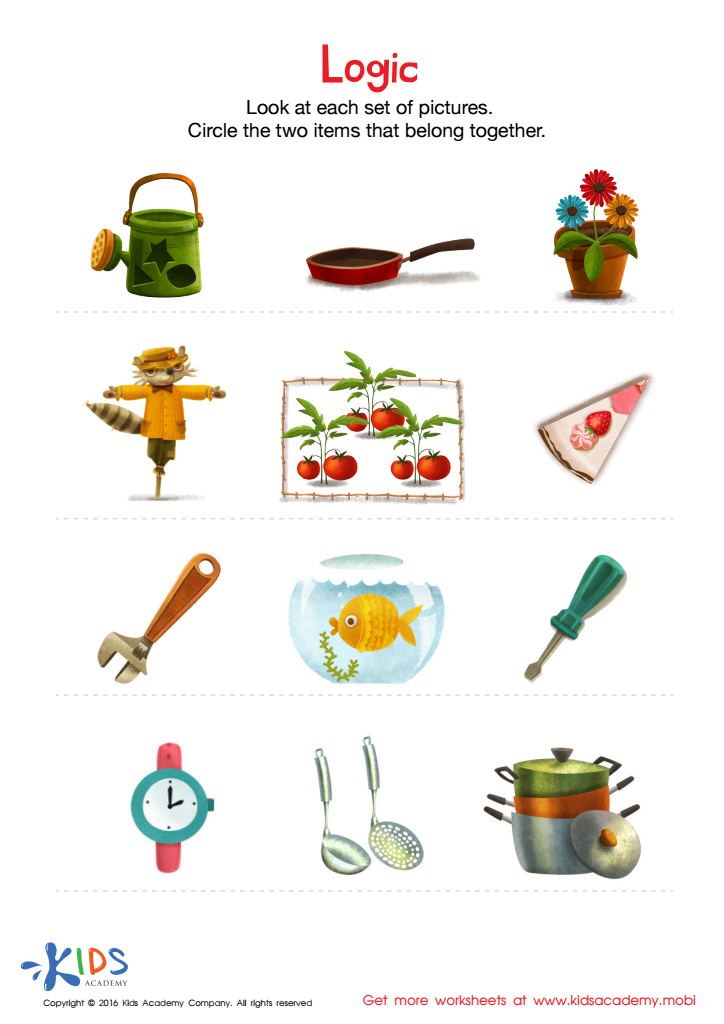
Logic Game Sorting Worksheet
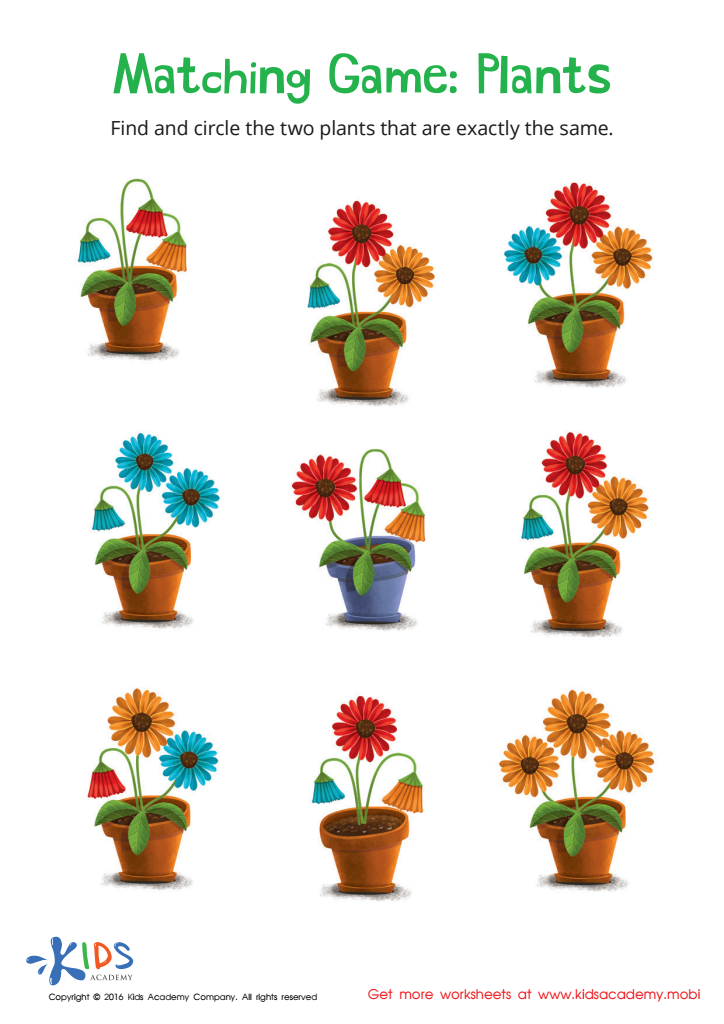
Matching: Plants Worksheet
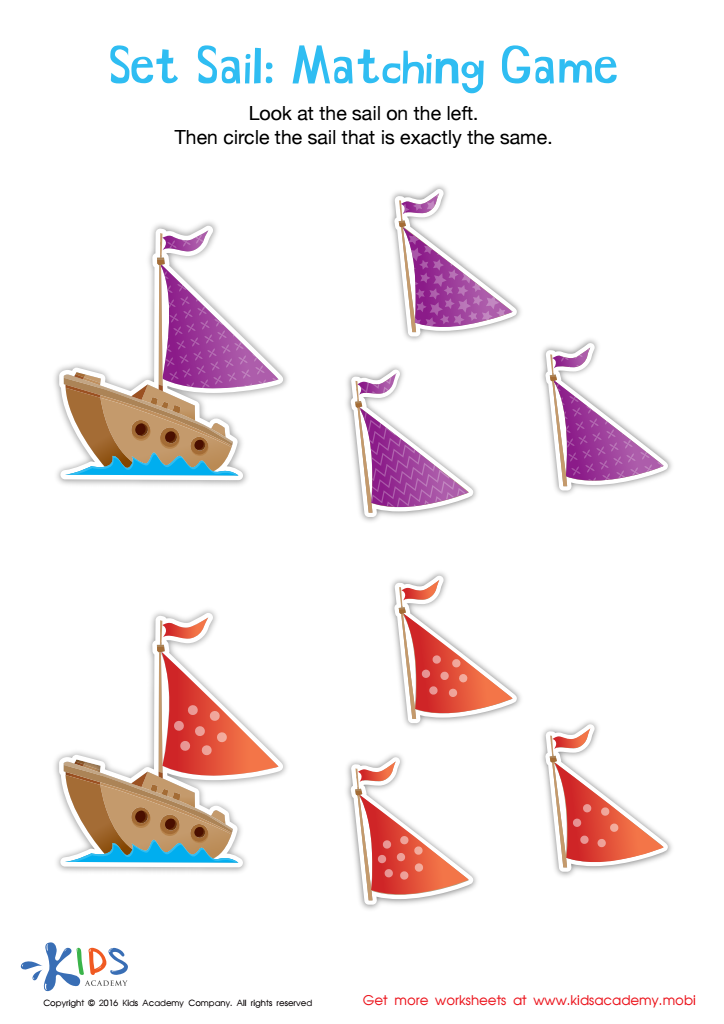
Set Sail Worksheet
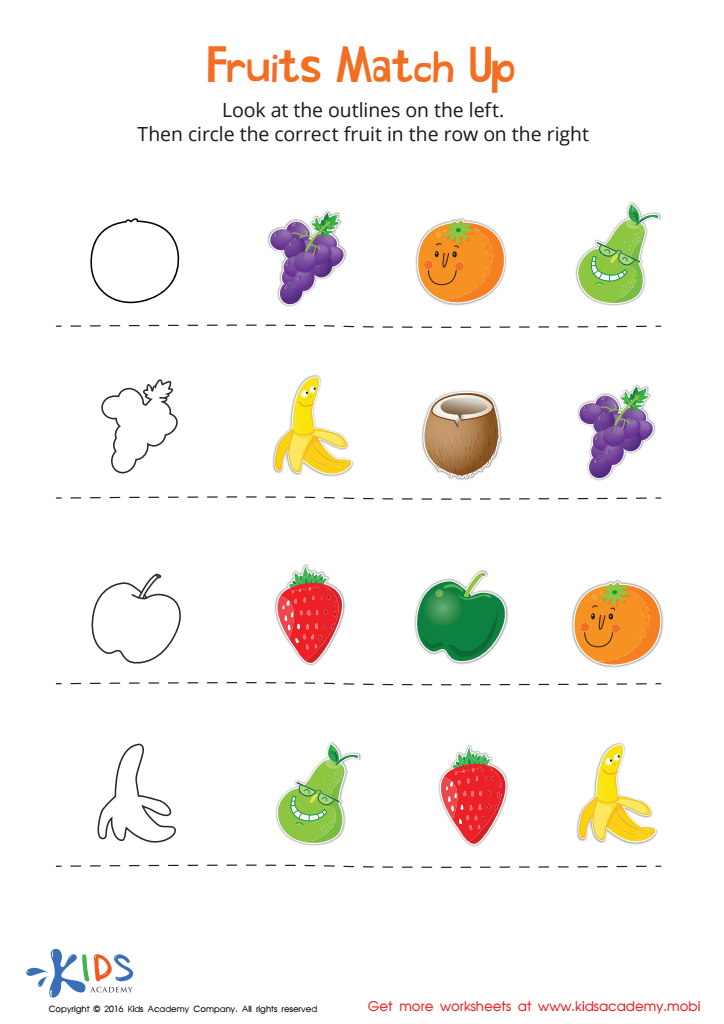
Fruits Match Up Worksheet
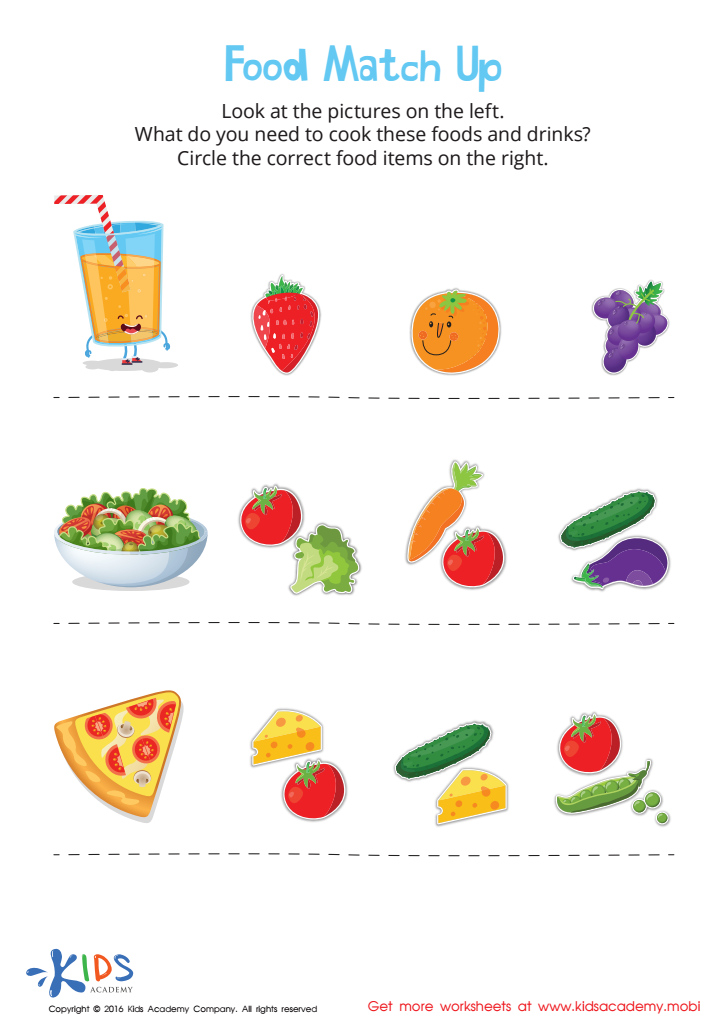
Food Match Up Worksheet
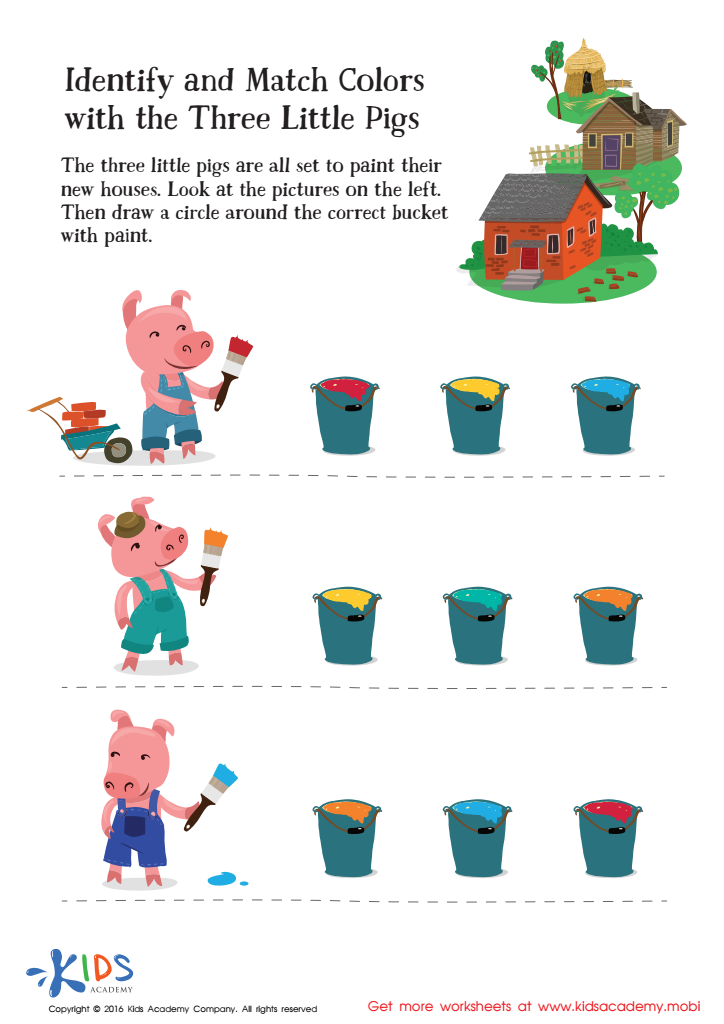
Fairy Tale Worksheet: Identify and Match Colors with Three Little Pigs
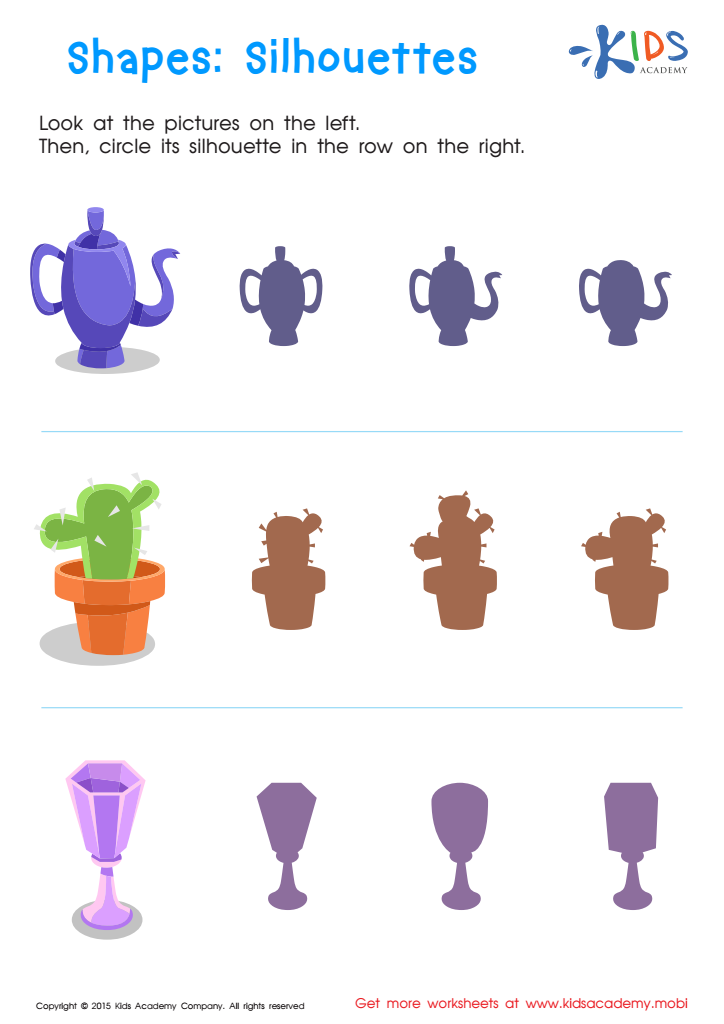
Silhouettes – Shapes Worksheet
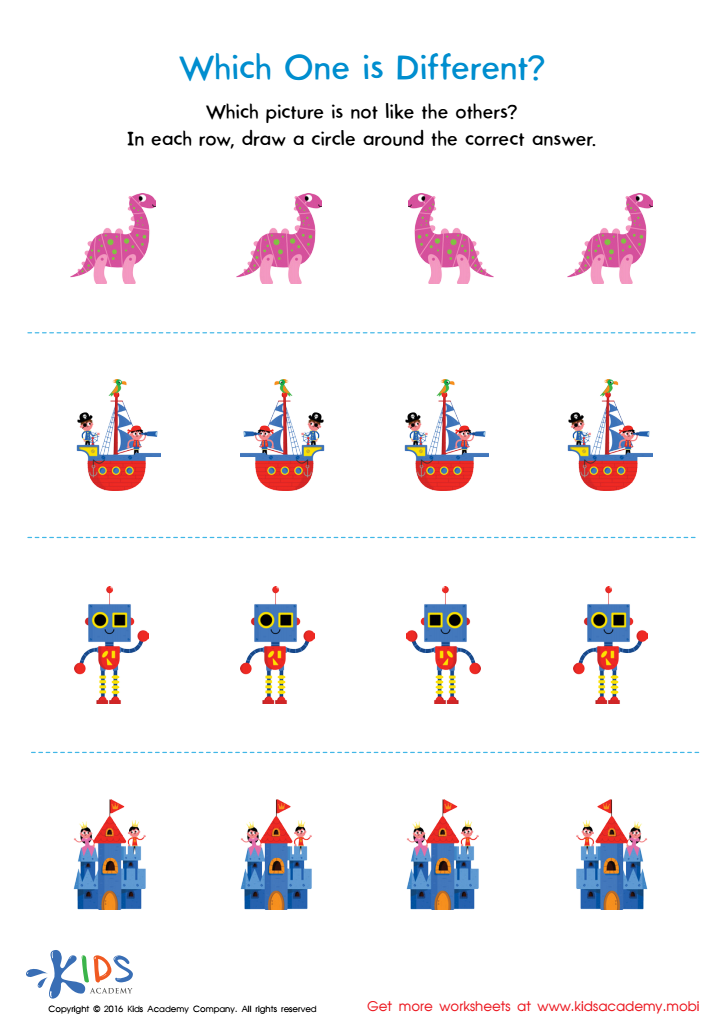
Which One Is Different Worksheet
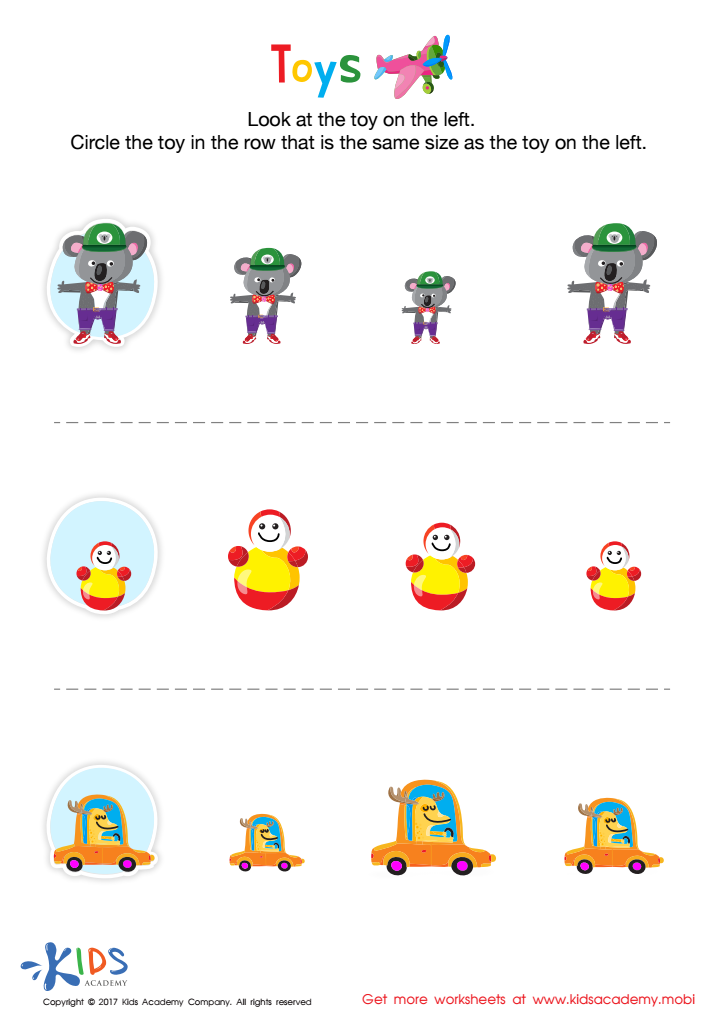
Matching: Classifying Toys by Size Worksheet
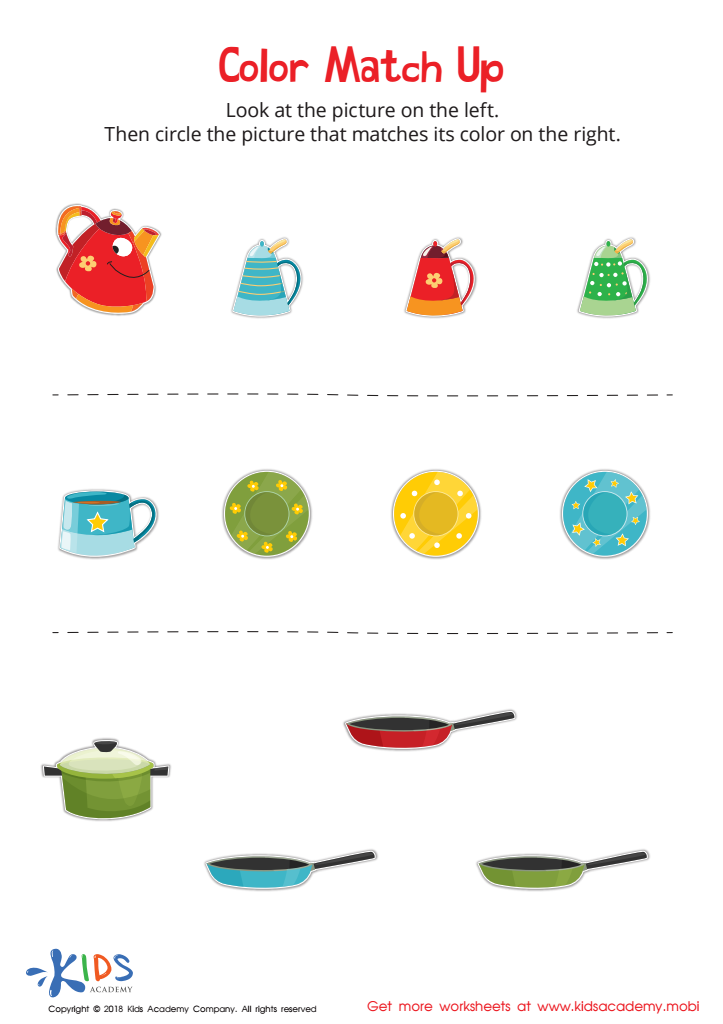
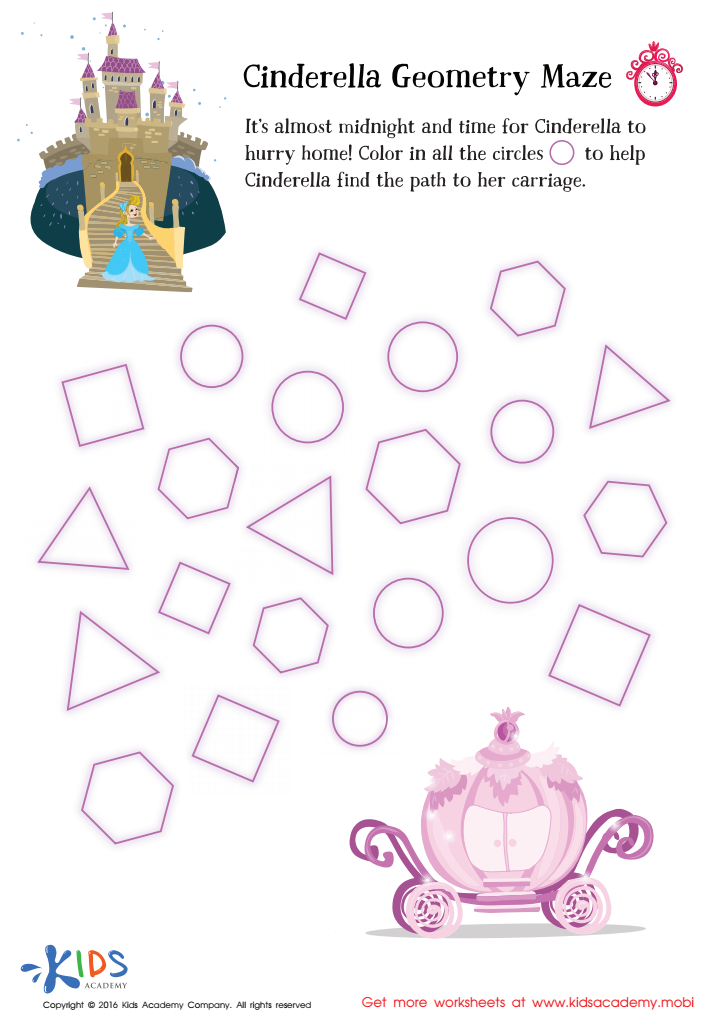
Cinderella Geometry Maze Worksheet
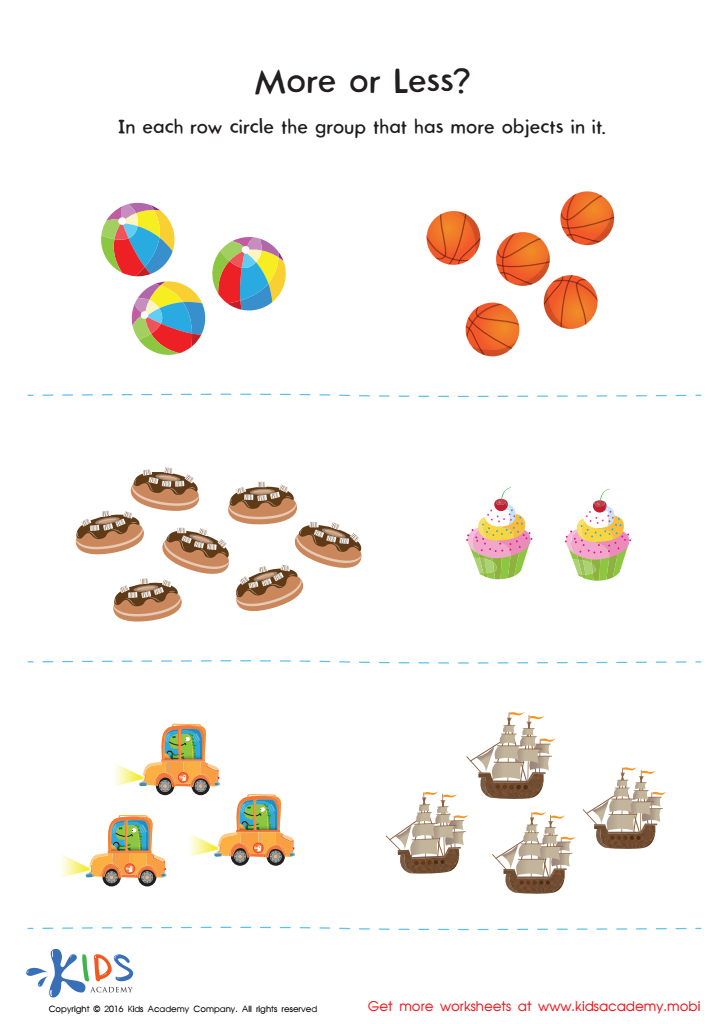






Normal Matching, a foundational skill involving the ability to identify and group similar objects based on specific characteristics, is crucial for children aged 3-7. This skill not only lays the groundwork for later academic success in subjects like math and science but also enhances cognitive development. By learning to recognize patterns and categorize items, children improve their critical thinking and problem-solving abilities, essential components of early learning.
Parents and teachers should prioritize Normal Matching because it encourages curiosity and exploration, allowing children to engage meaningfully with their environment. Engaging in matching activities can also promote social skills as children collaborate, communicate, and negotiate with peers during these exercises. Additionally, this skill supports language development, as naming and describing items enrich vocabulary and sentence structure.
Normal Matching activities can be easily integrated into daily routines, making learning both fun and accessible. Parents and teachers can use everyday objects or play-based resources to create matching games that stimulate engagement. Ultimately, fostering Normal Matching in early childhood not only enhances academic readiness but also contributes to a well-rounded, confident learner equipped with essential skills for future success. Thus, investing time in this skill nurtures lifelong learning and curiosity in children.








