Normal 2D Shapes Worksheets for Ages 3-9 - Page 2
33 filtered results
-
From - To
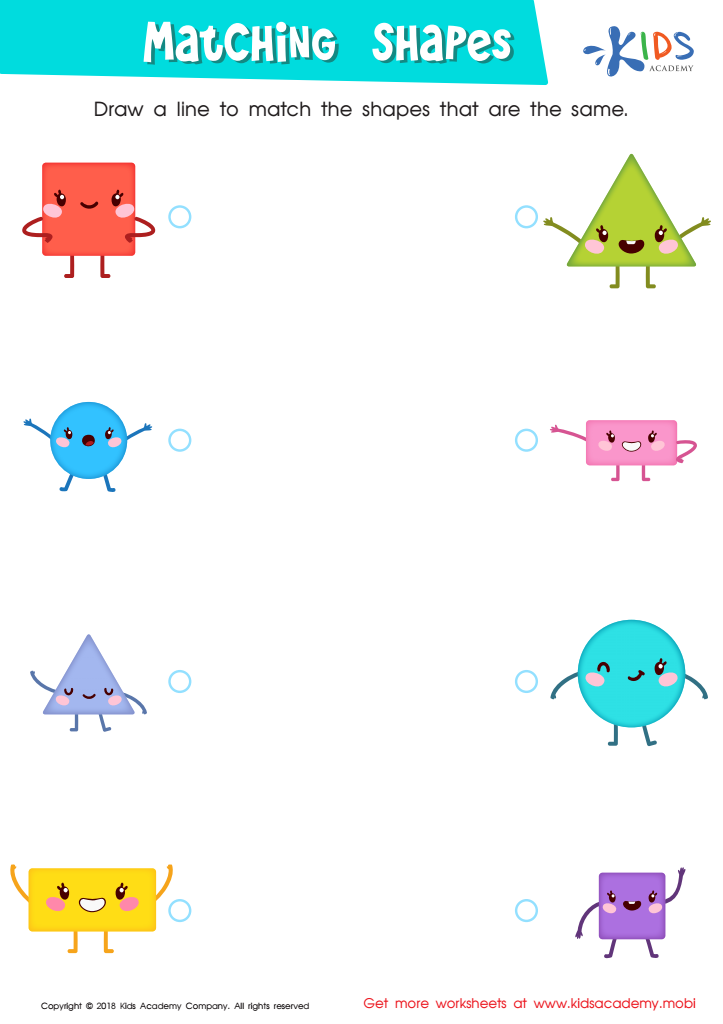
Matching Shapes Worksheet
 Assign to My Students











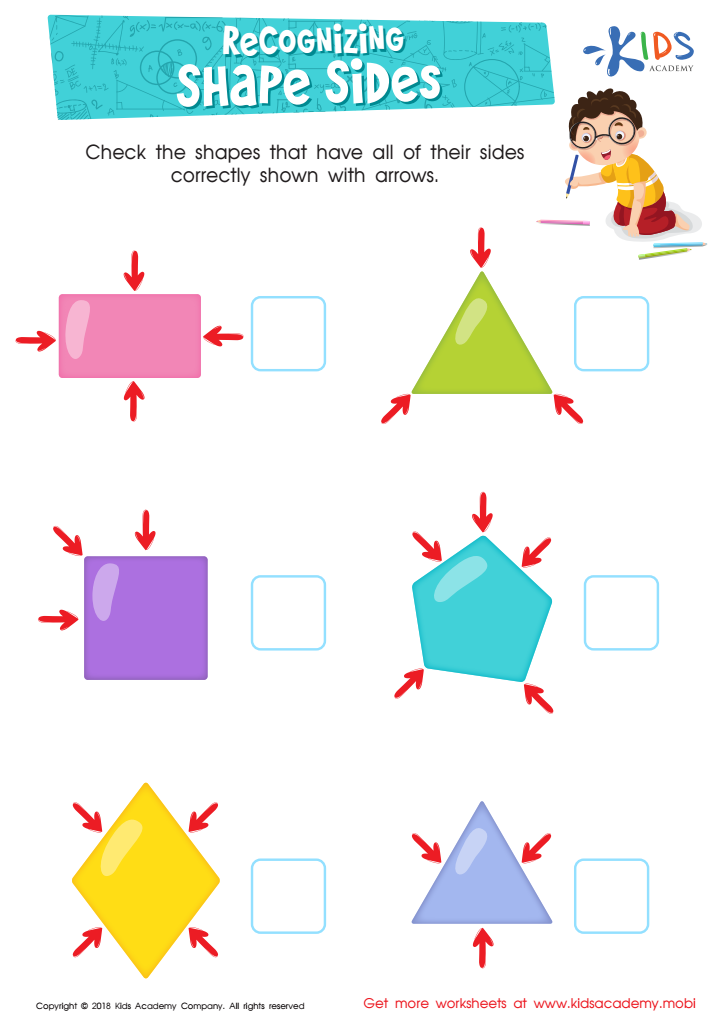
Recognizing Shape Sides Worksheet
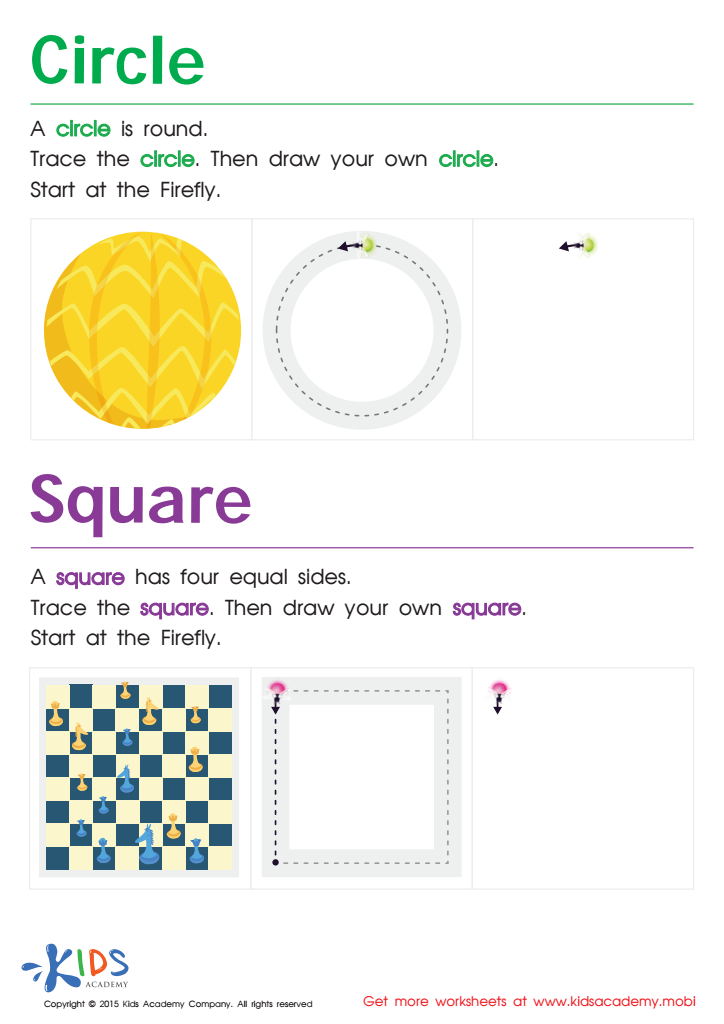
Trace And Draw a Circle And a Square Worksheet
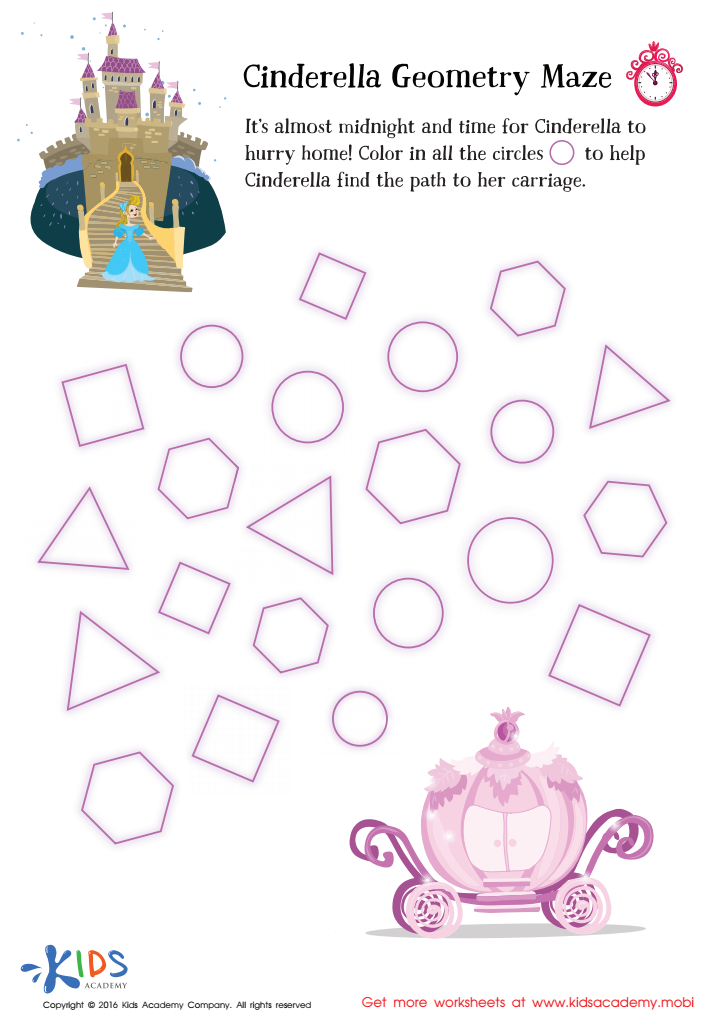
Cinderella Geometry Maze Worksheet
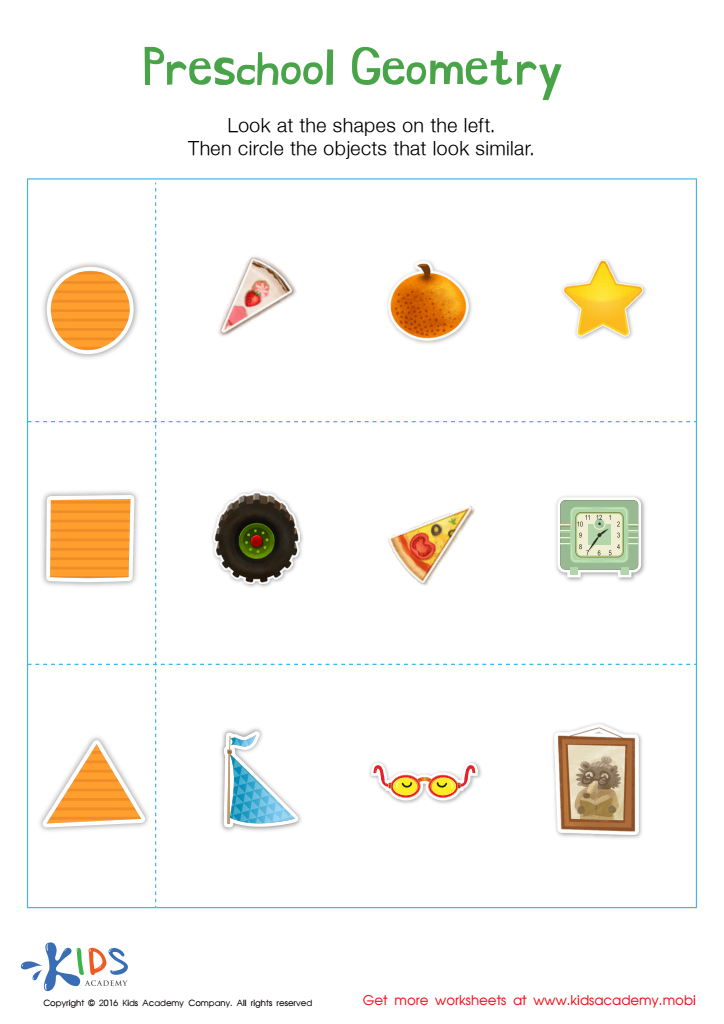
Preschool Geometry Match Up Worksheet
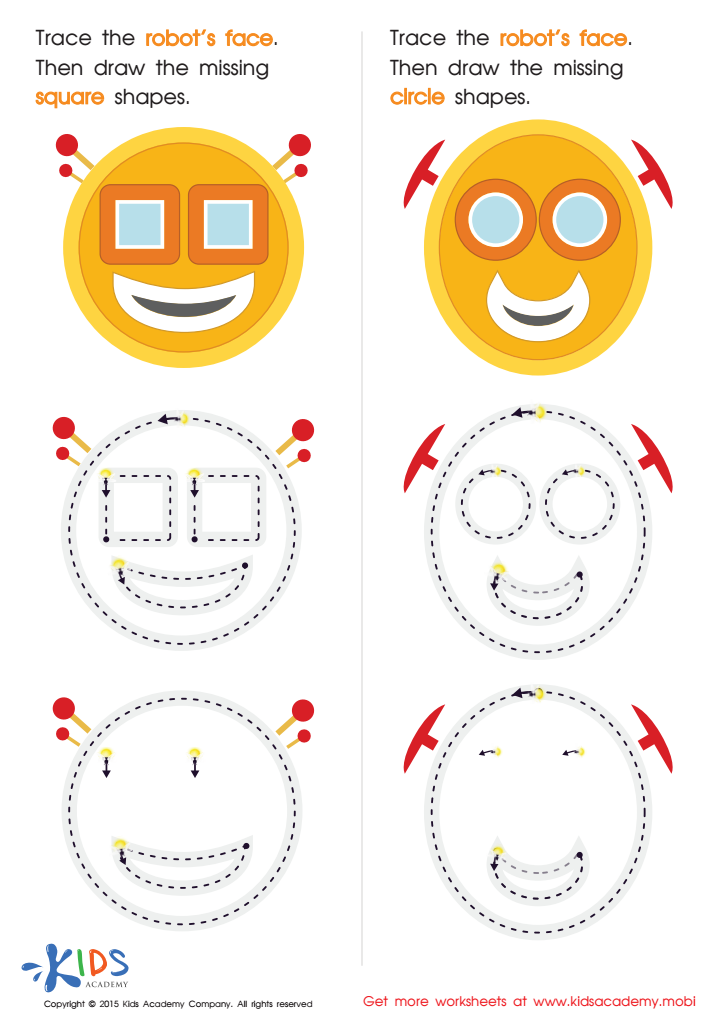
Practicing to Draw Circles And Squares Printable
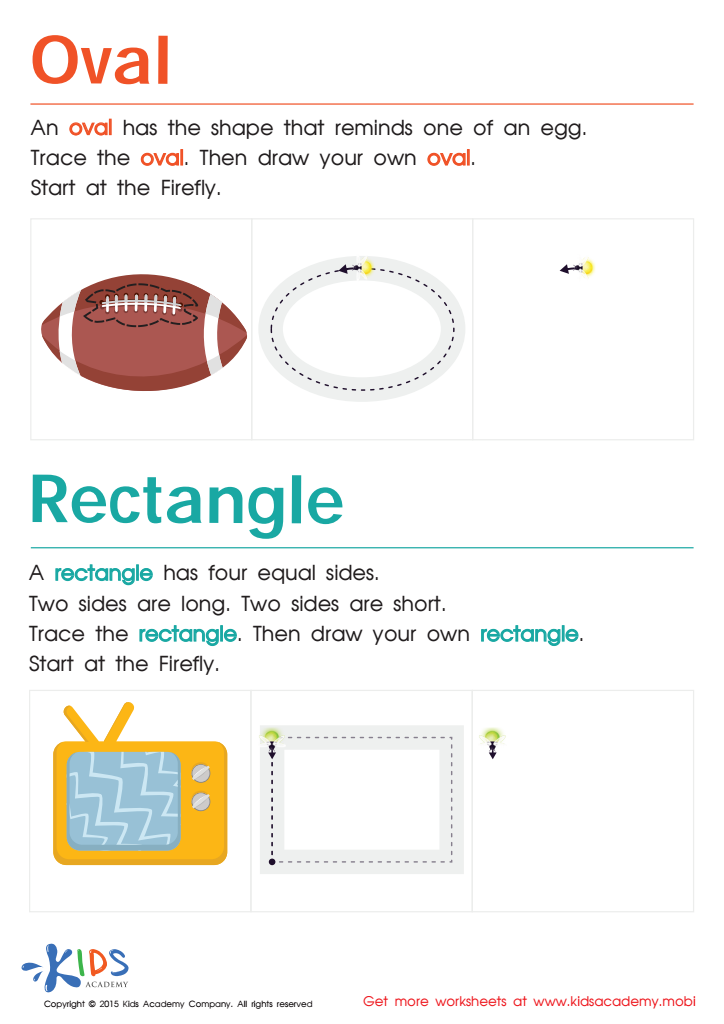
Easy Drawing of Ovals And Rectangles Worksheet
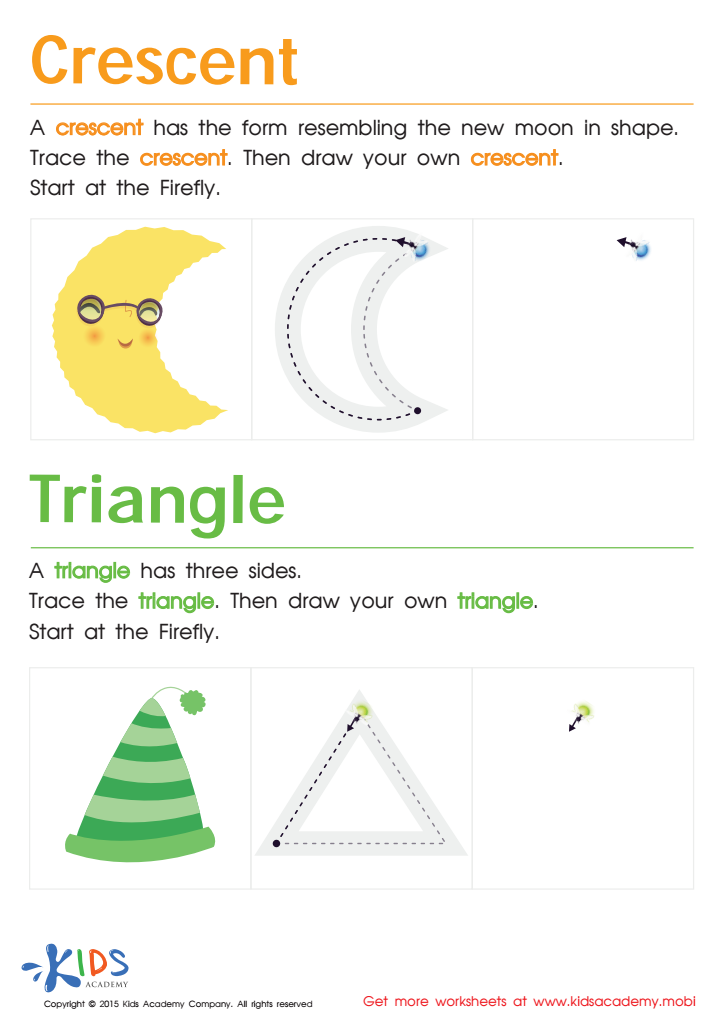
Learning to Draw Crescents And Triangles Worksheet
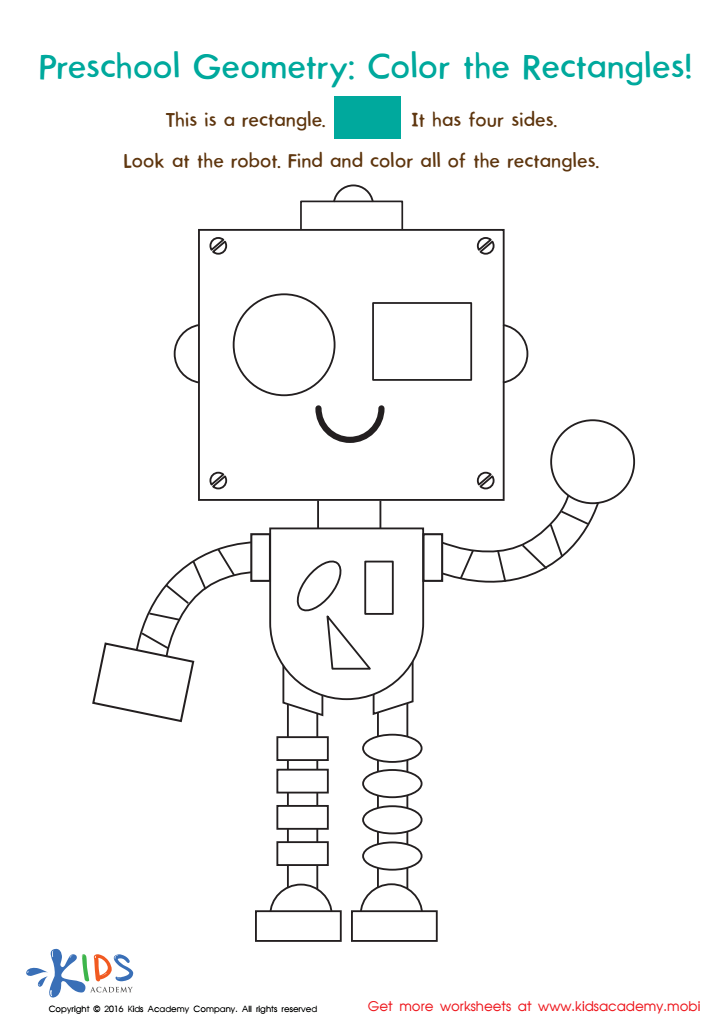
Geometry Worksheet








Introducing normal 2D shapes to children ages 3-9 is crucial for their cognitive and academic development. Shapes like circles, squares, triangles, and rectangles serve as fundamental building blocks for understanding more complex concepts in math and daily life. Recognizing and differentiating shapes helps young learners develop their spatial awareness and visual perception, which are essential for tasks such as reading, writing, and navigating their environments.
Learning about 2D shapes also builds a strong foundation for mathematical reasoning and problem-solving skills. By identifying and categorizing shapes, children engage in early geometry that will support future learning in subjects like algebra and calculus. Moreover, these activities stimulate critical thinking and the ability to make comparisons and connections.
Beyond academics, knowledge of shapes assists kids in everyday function and creativity. They can better understand and follow instructions, use tools, and organize objects neatly. Shapes are also integral to art and design, enabling children to express their creativity and enhance their fine motor skills through drawing and constructing projects.
Overall, mastering 2D shapes not only equips children with vital educational skills but also fosters their overall intellectual growth and practical abilities needed for a well-rounded life. Therefore, it is essential for parents and teachers to focus on teaching these fundamental concepts early on.