Normal Addition & Subtraction Worksheets for Ages 4-8 - Page 3
171 filtered results
-
From - To
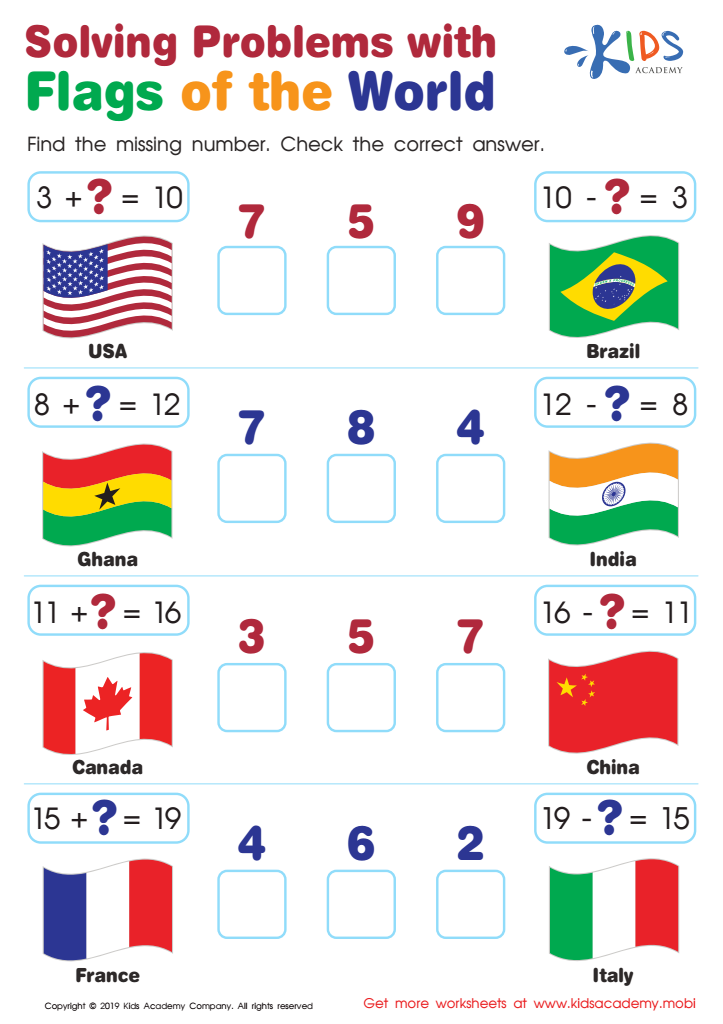
Solving Problems with Flags of the World Worksheet
 Assign to My Students
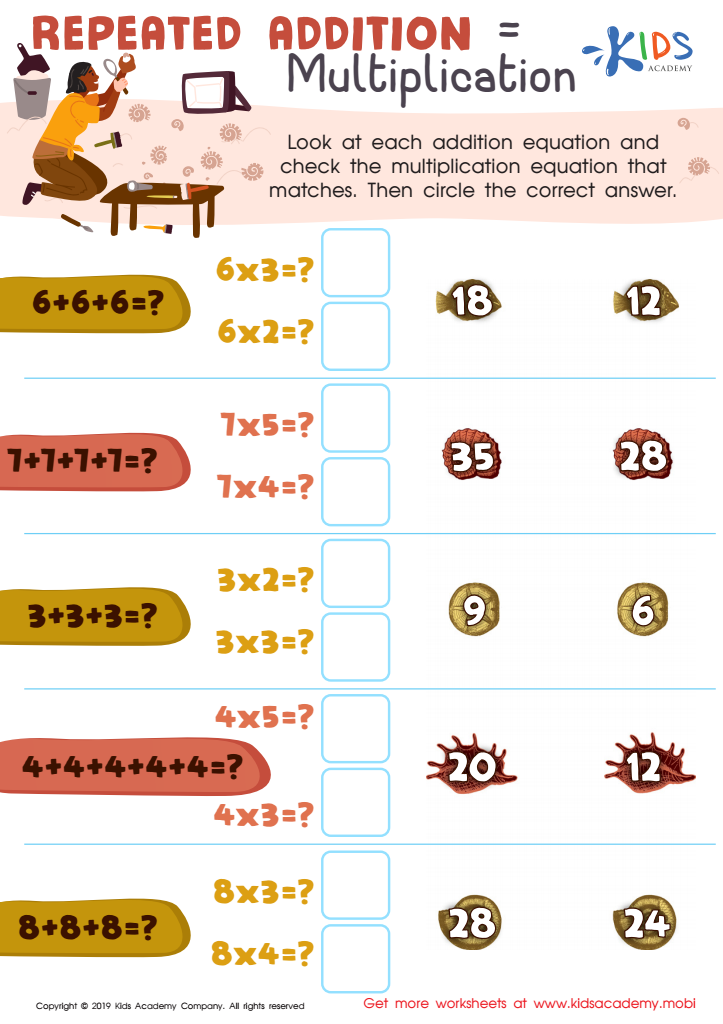
Repeated Addition = Multiplication Worksheet
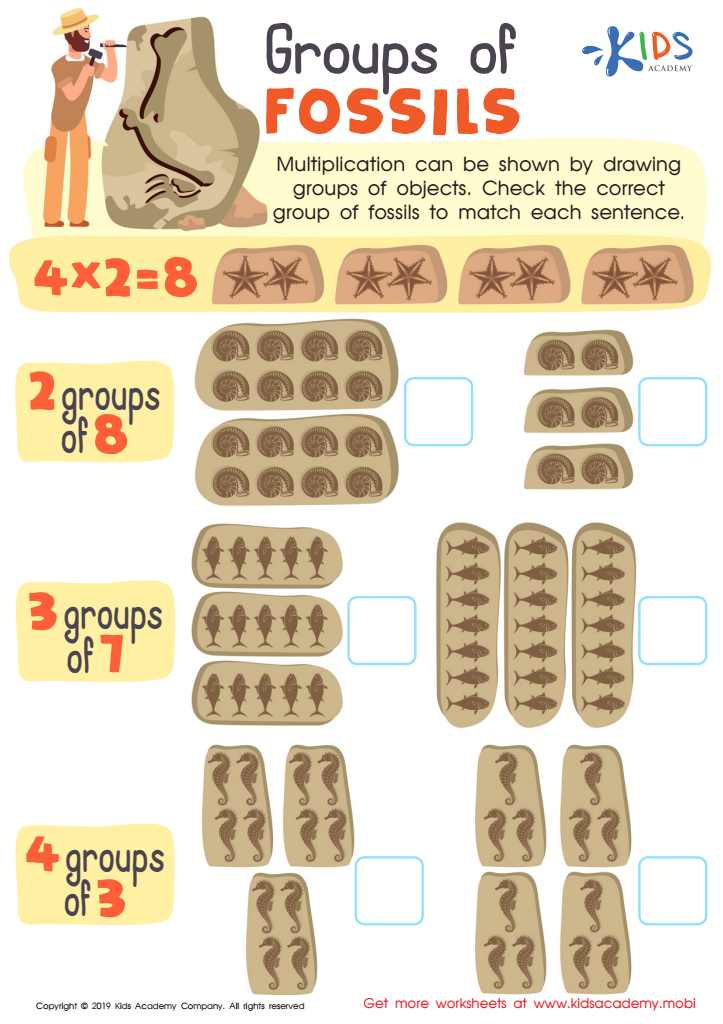
Groups of Fossils Worksheet
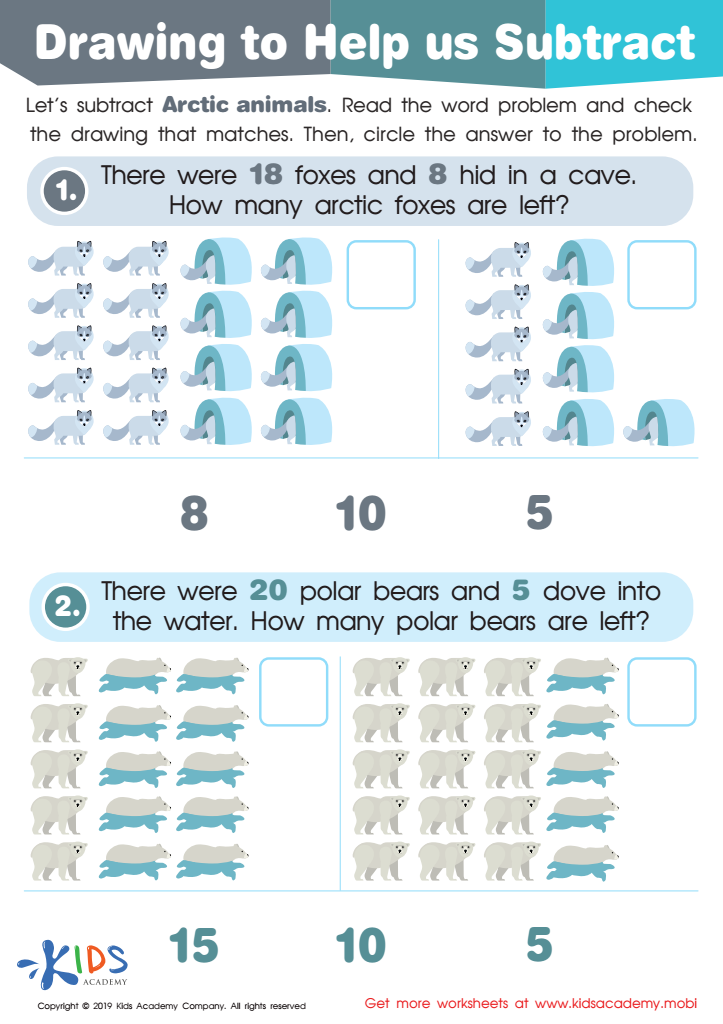
Drawing to Help Us Subtract Worksheet
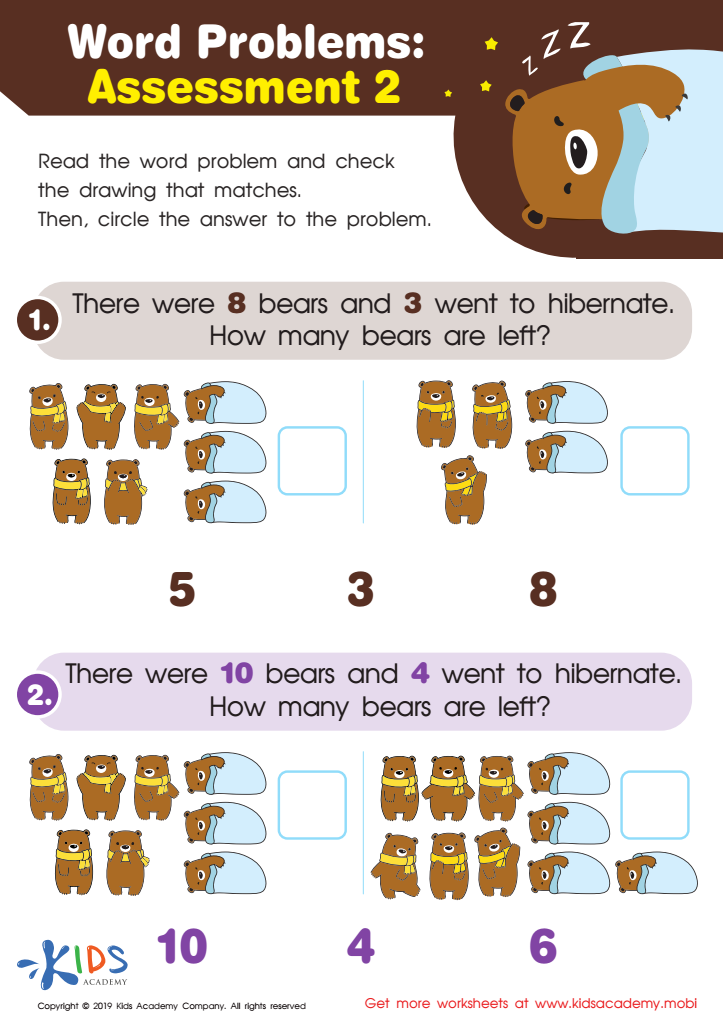
Word Problems: Assessment 2 Worksheet
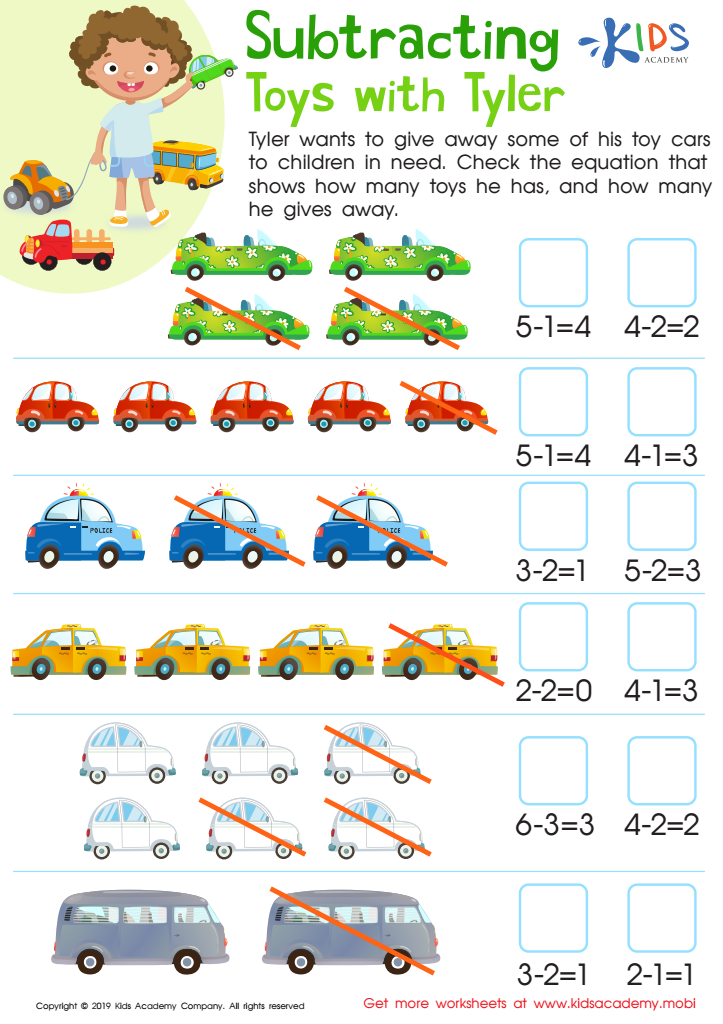
Subtracting Toys with Tyler Worksheet
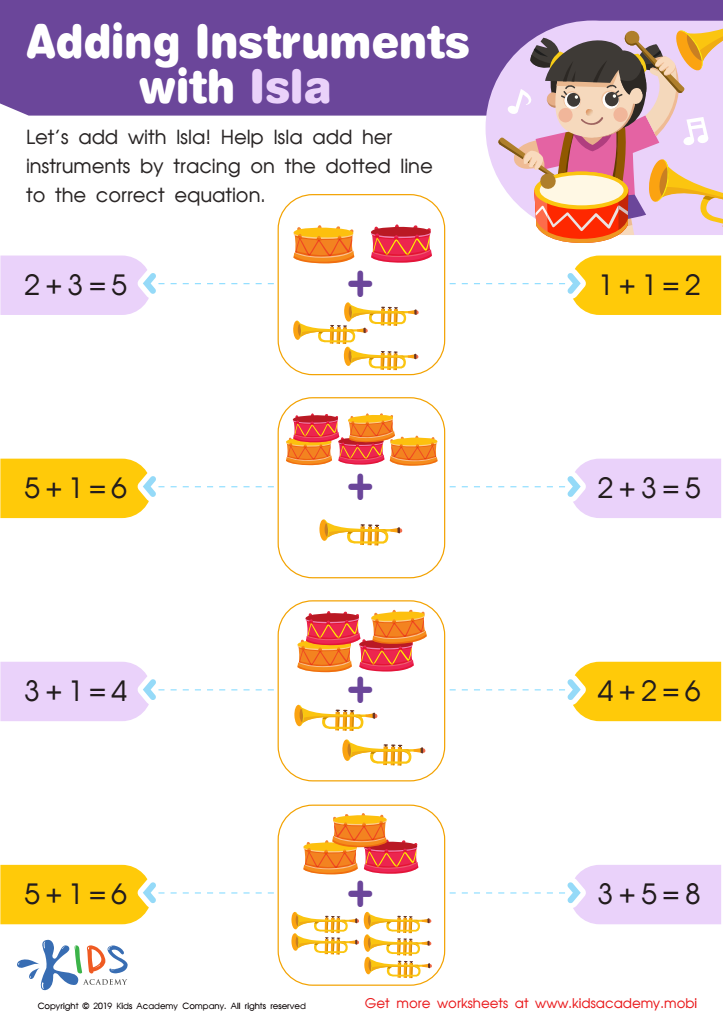
Adding Instruments with Isla Worksheet
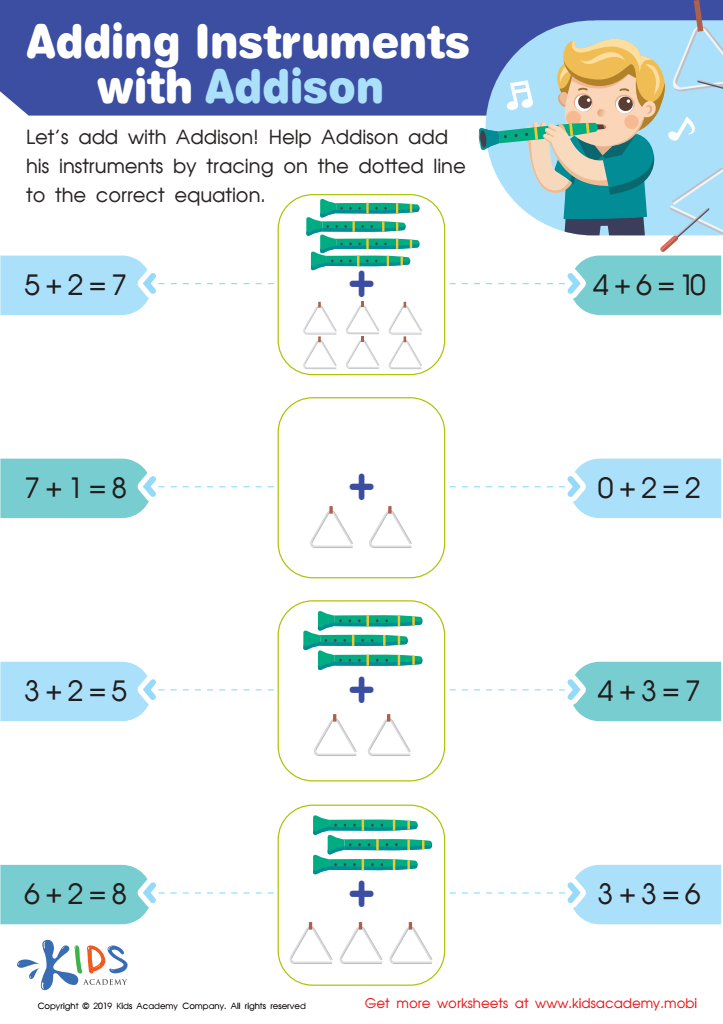
Adding Instruments with Addison Worksheet
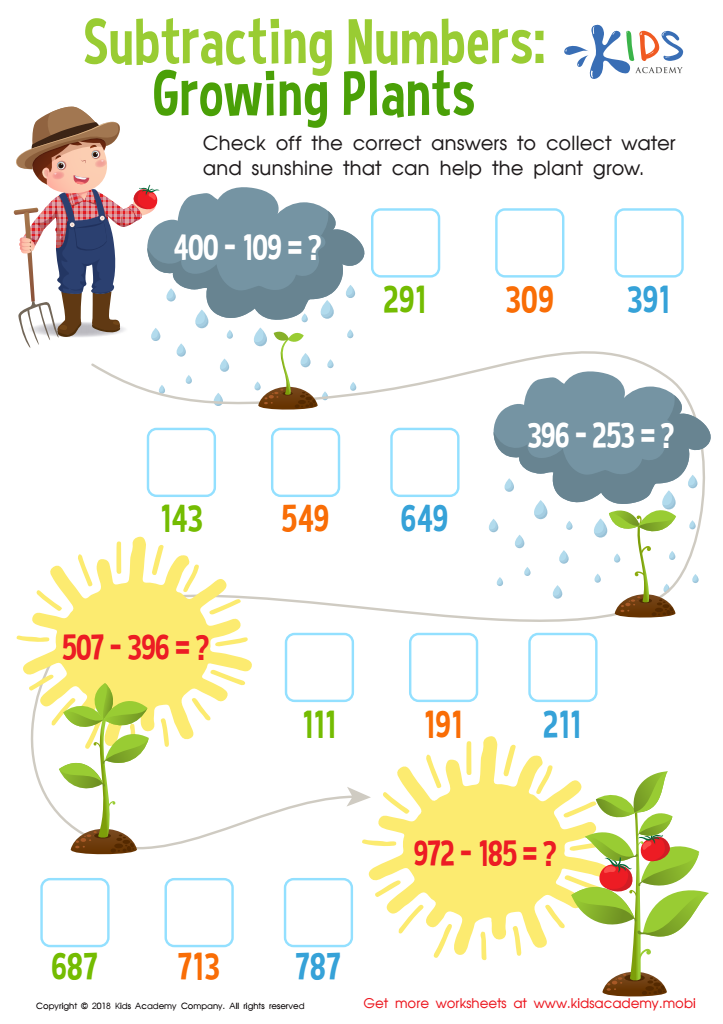
Subtracting Numbers: Growing Plants Worksheet
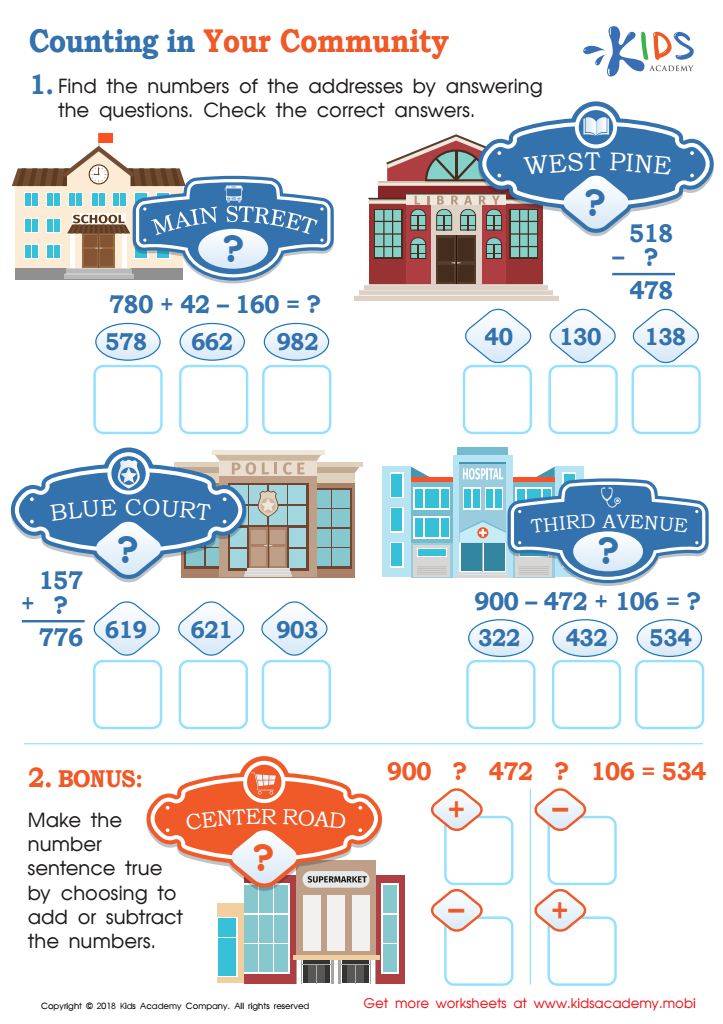
Counting in Your Community Worksheet
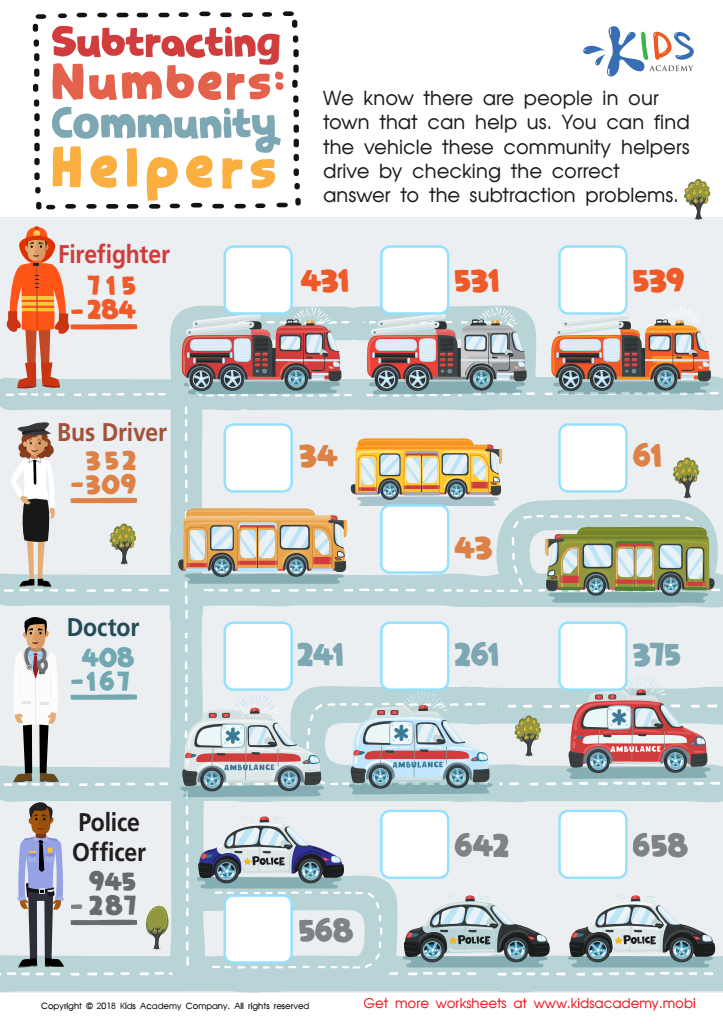
Subtracting Numbers: Community Helpers Worksheet
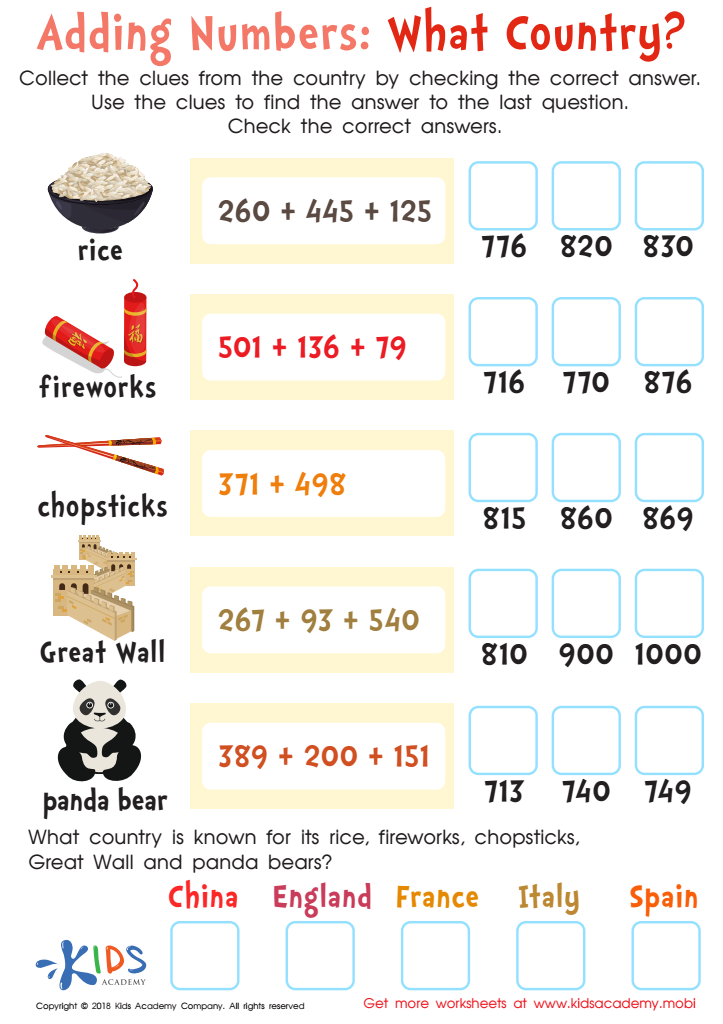
Adding Numbers: What Country Worksheet
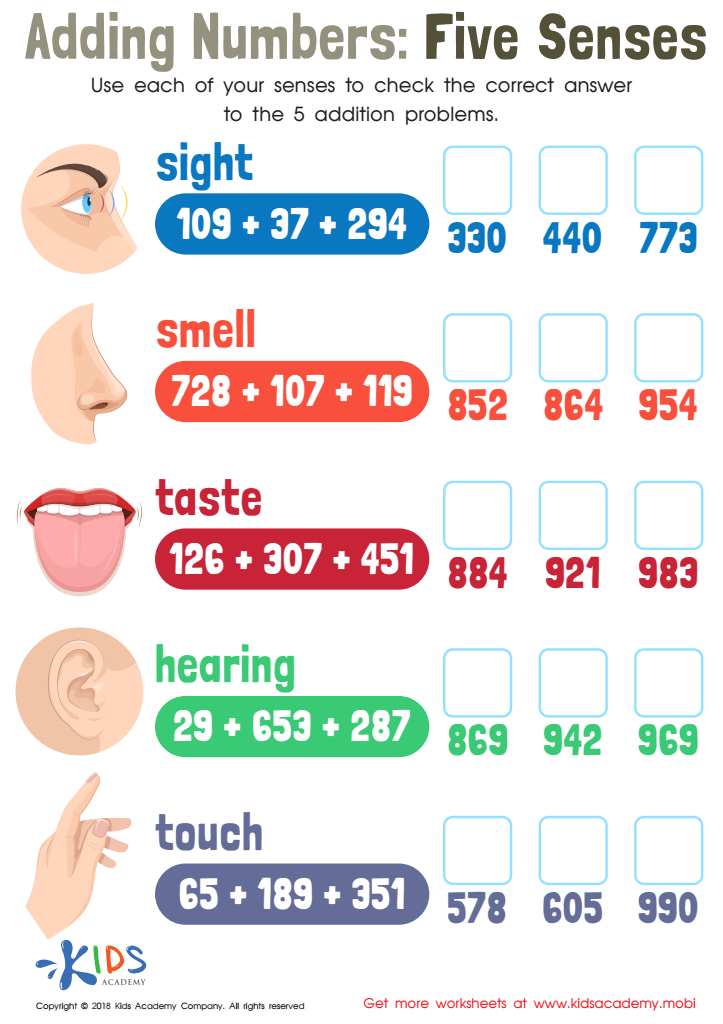
Adding Numbers: Five Senses Worksheet

Adding Numbers: Cardinal Directions Worksheet
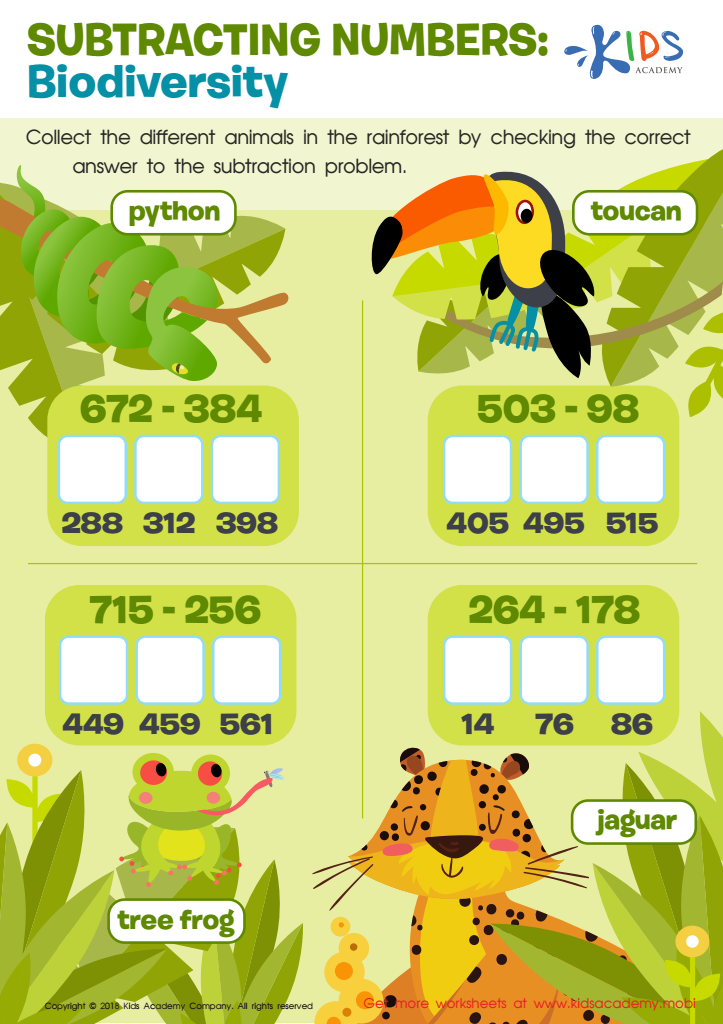
Subtracting Numbers: Biodiversity Worksheet
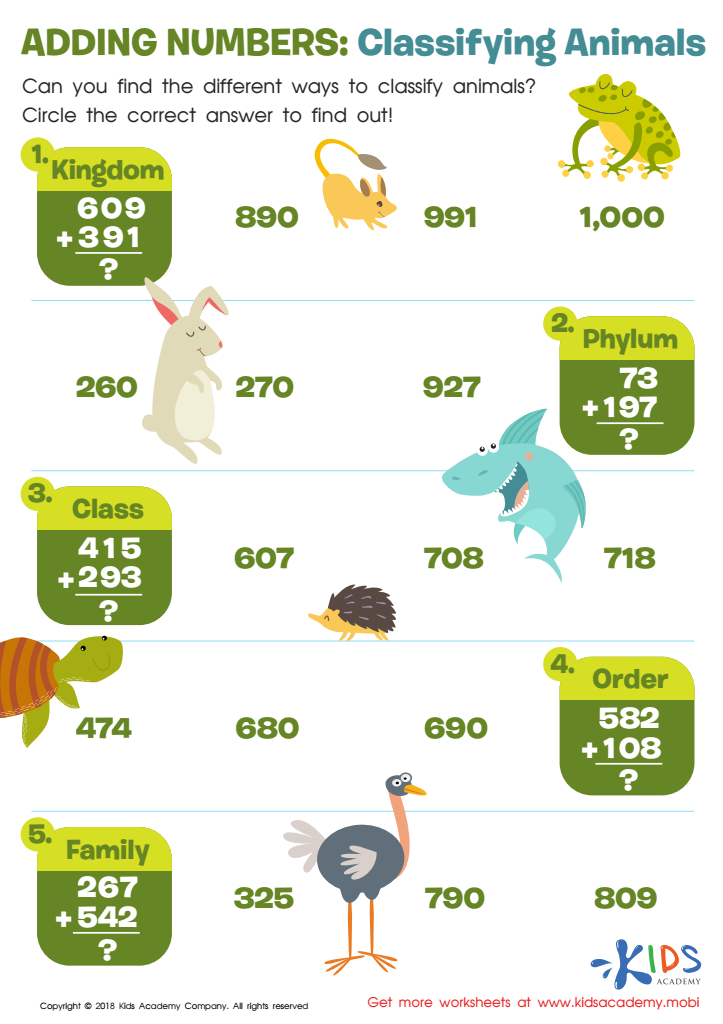
Adding Numbers: Classifying Animals Worksheet
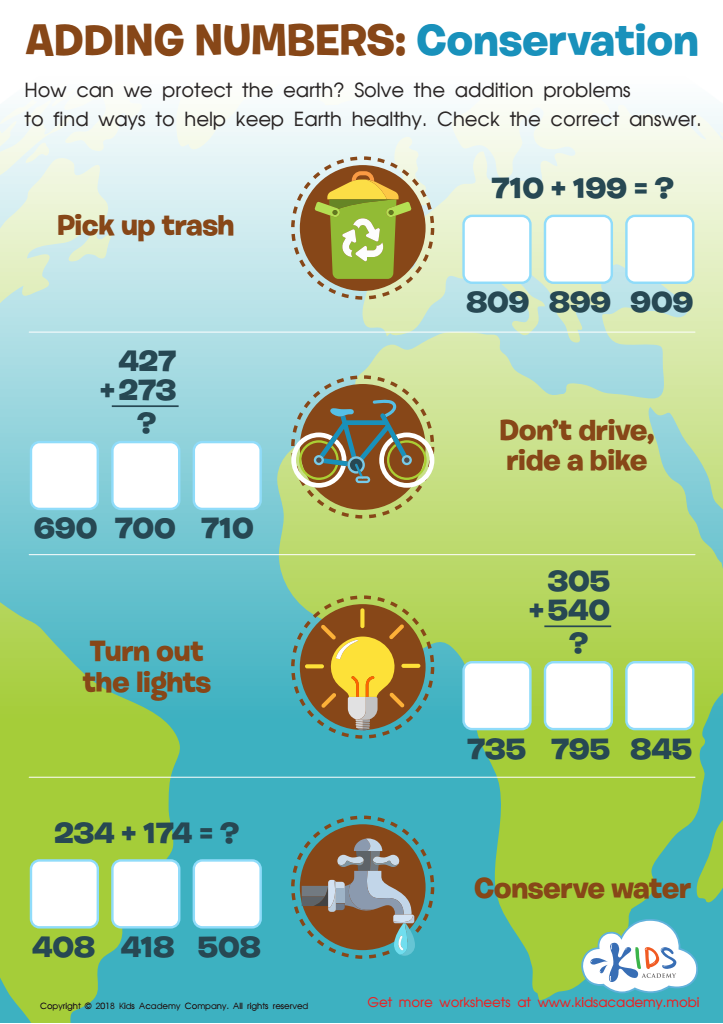
Adding Numbers: Conservation Worksheet
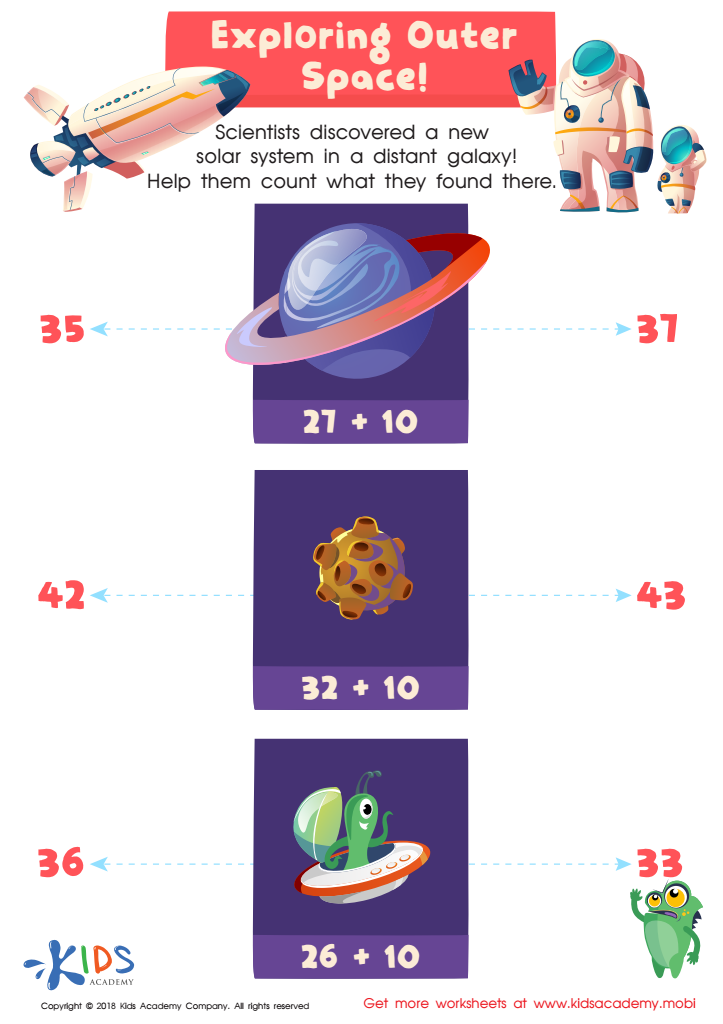
Exploring Outer Space Worksheet
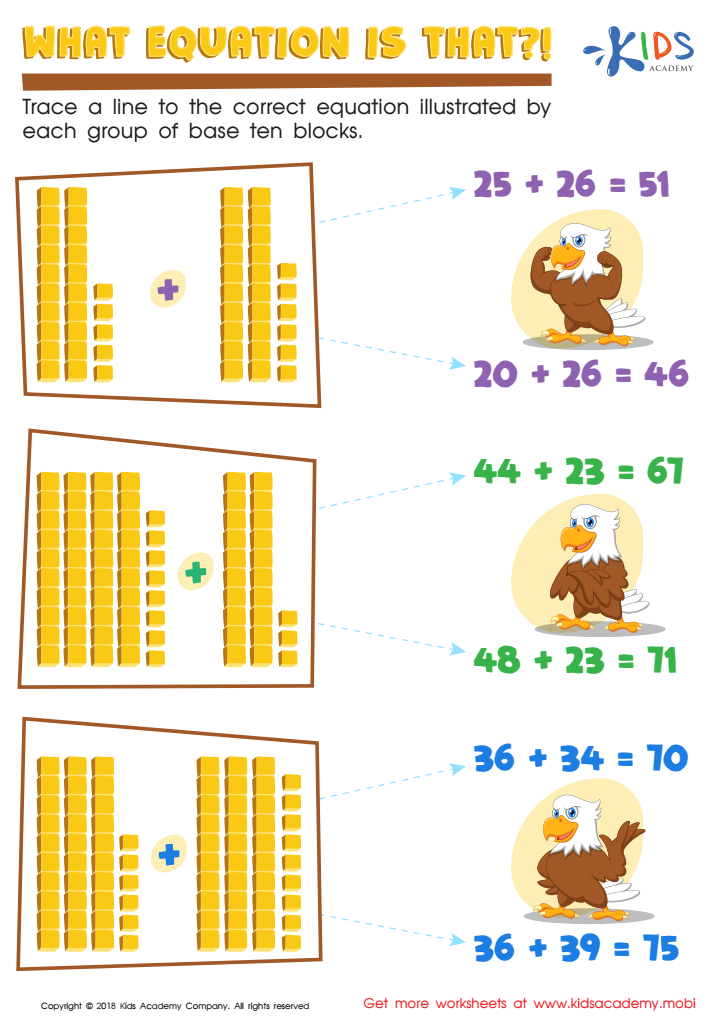
What Equation Is That? Worksheet
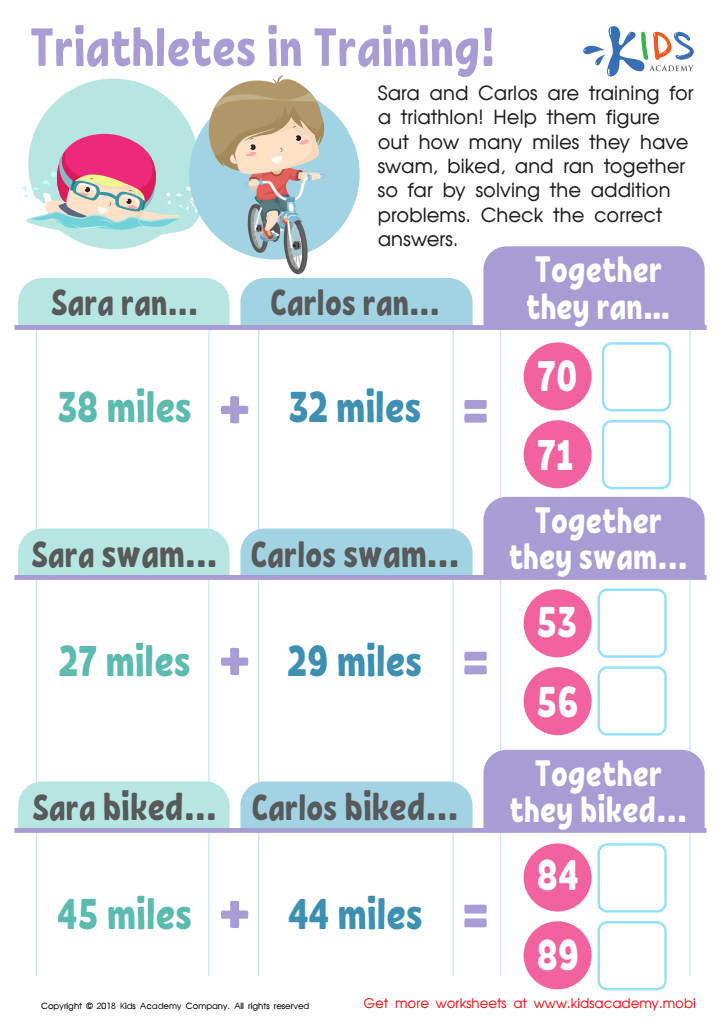
Triathletes in Training Worksheet
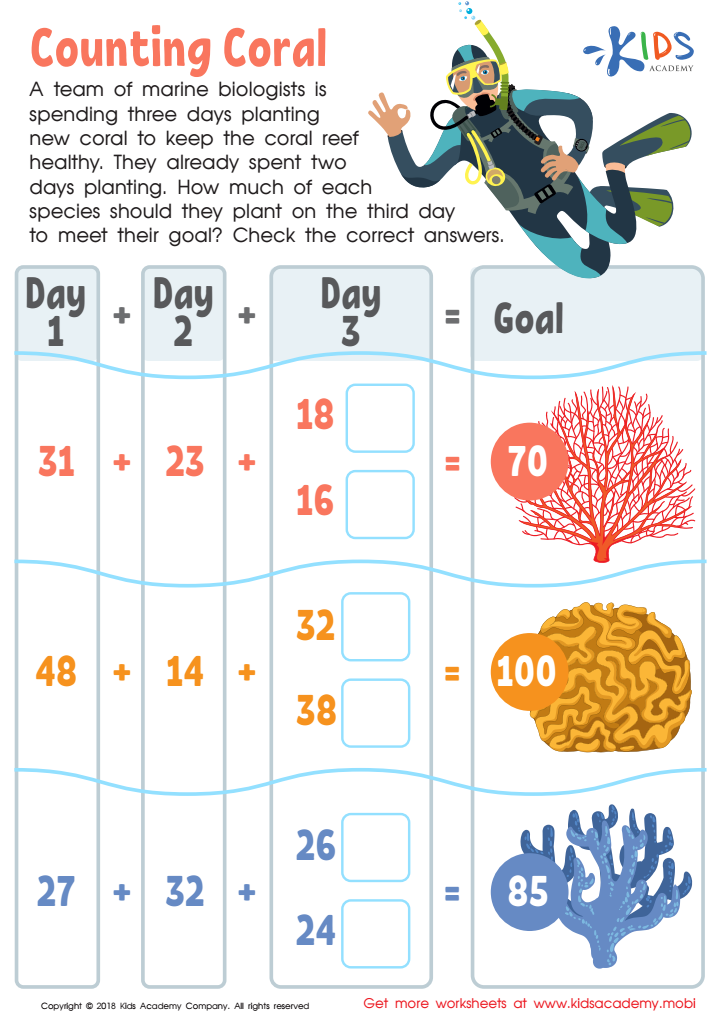
Counting Coral Worksheet
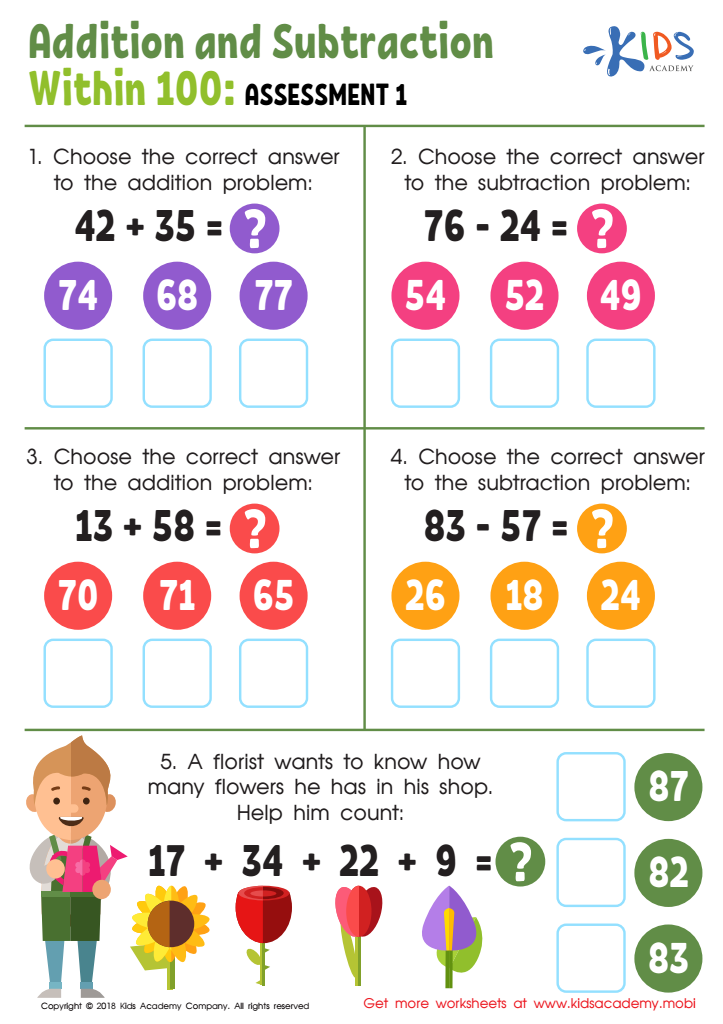
Addition and Subtraction Within 100 Worksheet
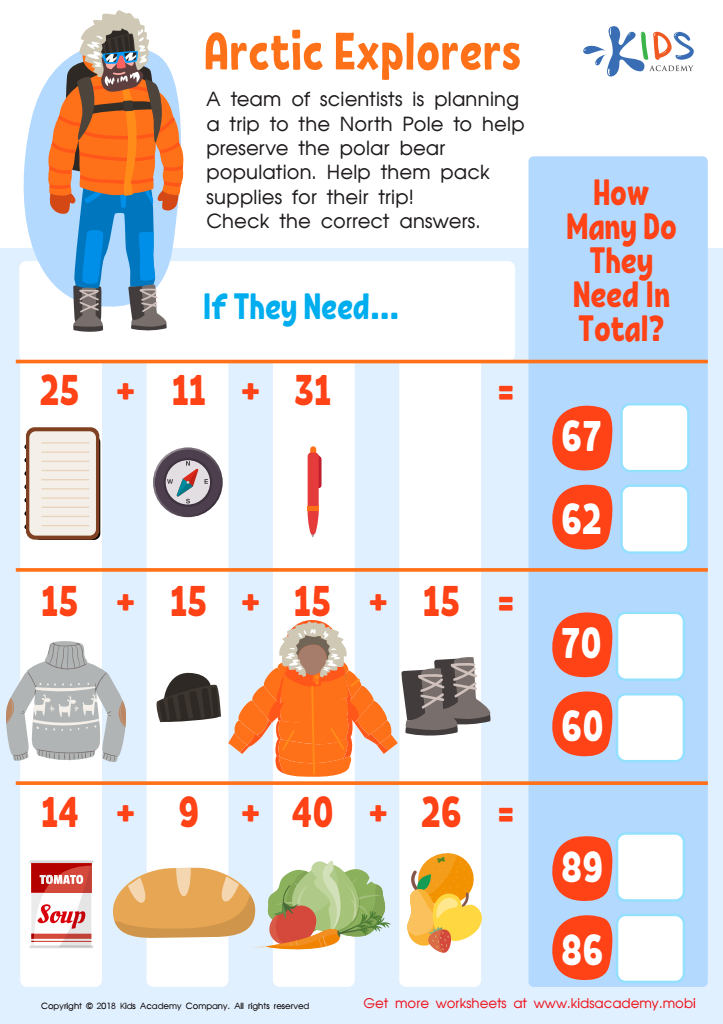
Arctic Explorers Worksheet
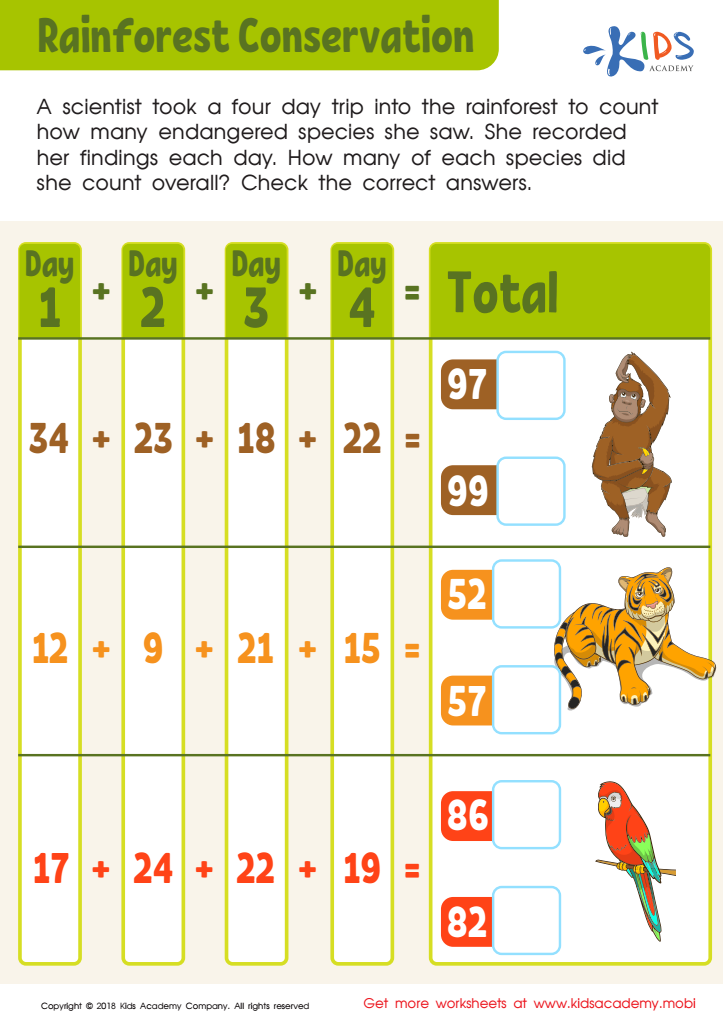
Rainforest Conservation Worksheet








Parents and teachers should prioritize normal addition and subtraction for children aged 4-8, as these foundational skills are critical for their early cognitive and academic development. At this formative stage, children are developing their understanding of numbers, patterns, and basic mathematical concepts. Mastering addition and subtraction helps them build essential problem-solving skills, logical thinking, and mental arithmetic abilities.
Developing these skills at an early age also paves the way for more advanced mathematical concepts they will encounter later. Strong number sense and arithmetical abilities not only boost their confidence in math but also enable children to handle everyday tasks, such as counting objects, understanding time, and managing money. Additionally, consistent practice with addition and subtraction nurtures a sense of perseverance and attention to detail.
For teachers, leveraging games, visual aids, and interactive activities to teach these concepts can make learning fun and engaging, catering to young children’s short attention spans and making the learning process enjoyable. Parents’ involvement, through activities such as counting items during grocery shopping or playing board games that require simple calculations, reinforces these concepts at home.
Overall, solidifying addition and subtraction skills during these early years forms a critical part of a child's educational journey, setting the stage for future success in mathematics and beyond.








